Efficient Integrated Sewage Treatment Equipment - COD & BOD Removal
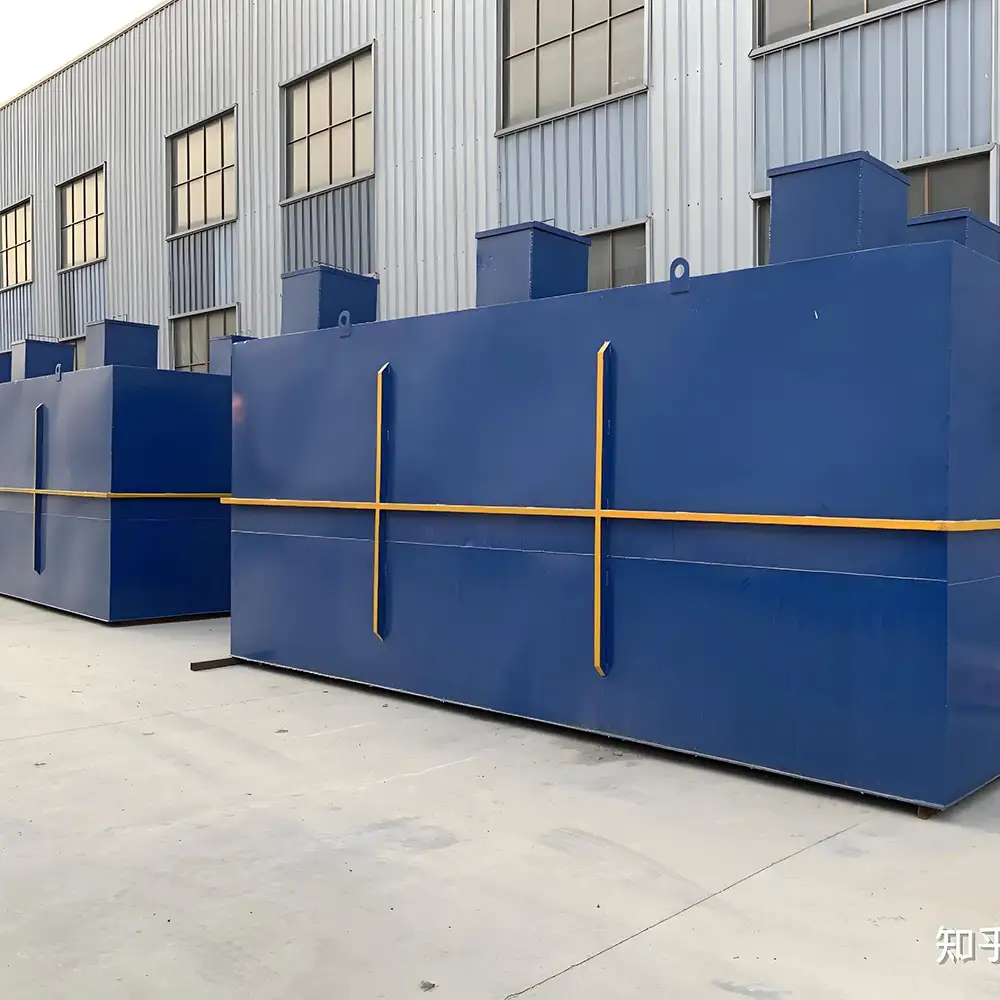
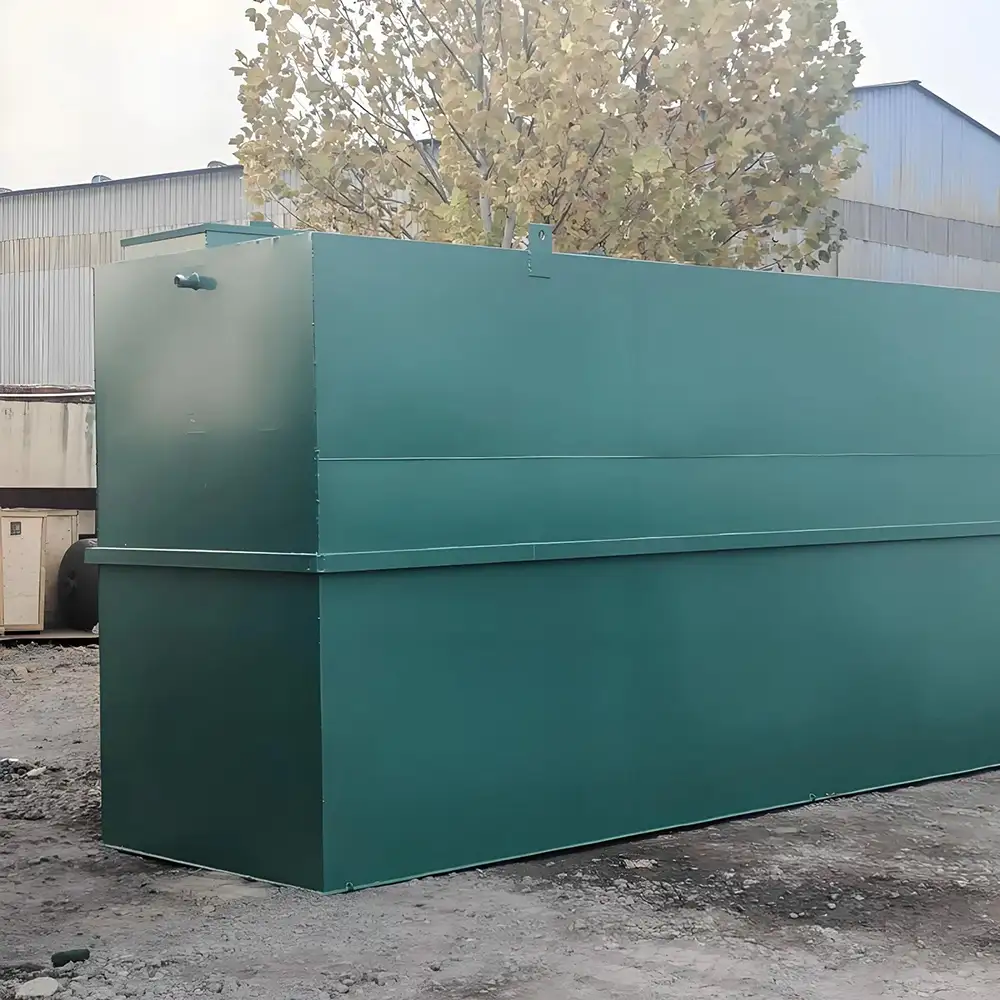
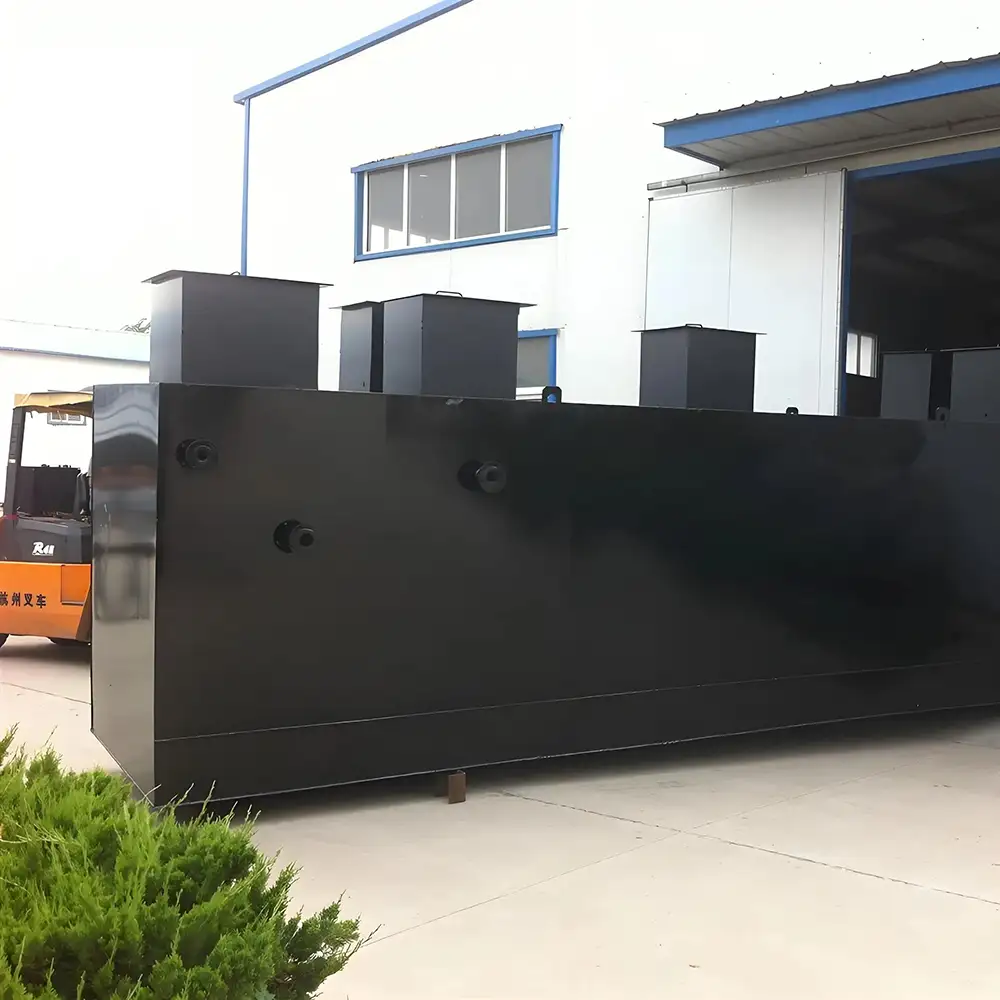
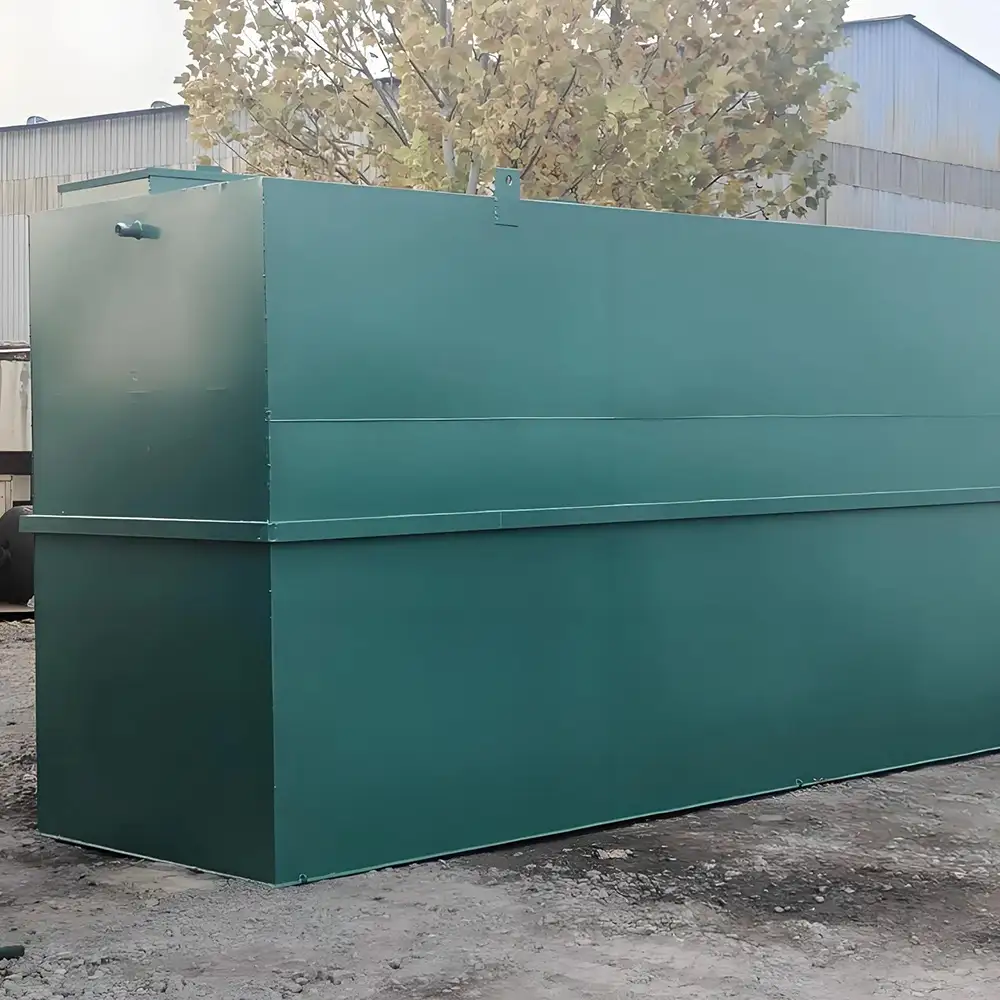
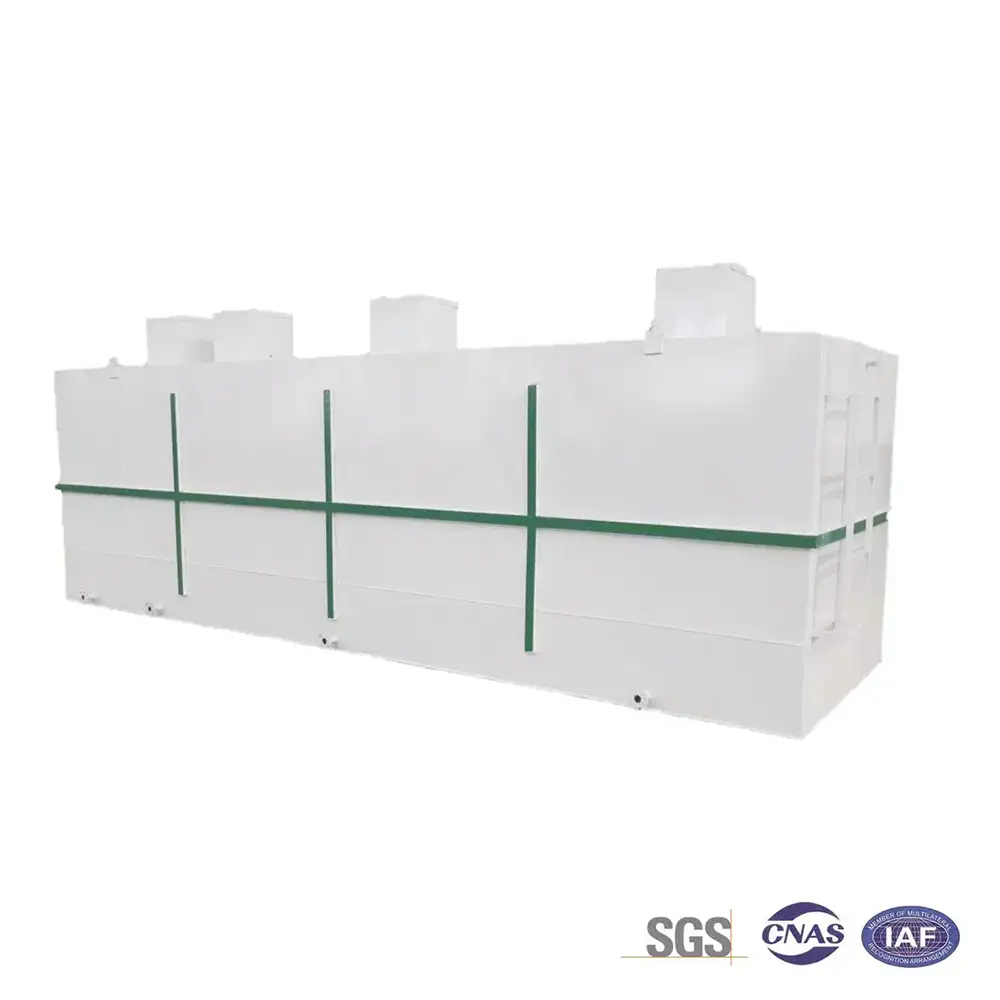
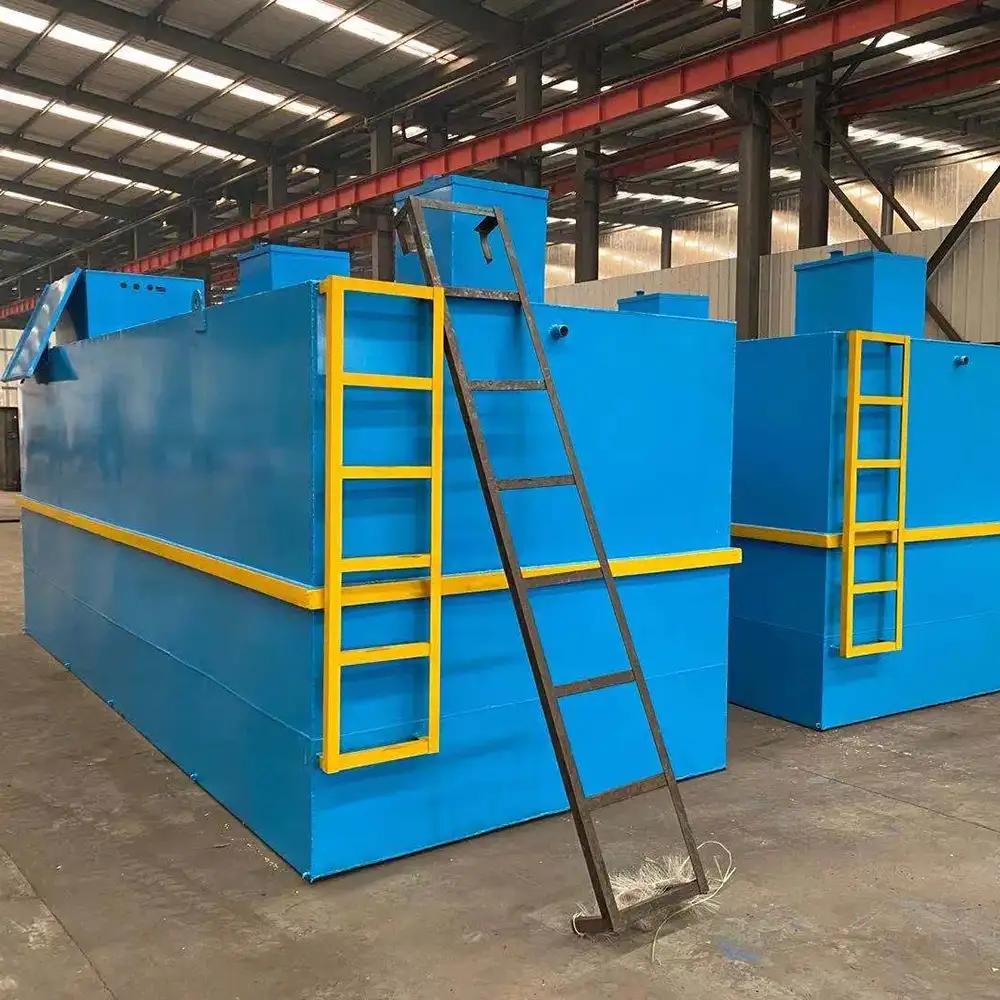
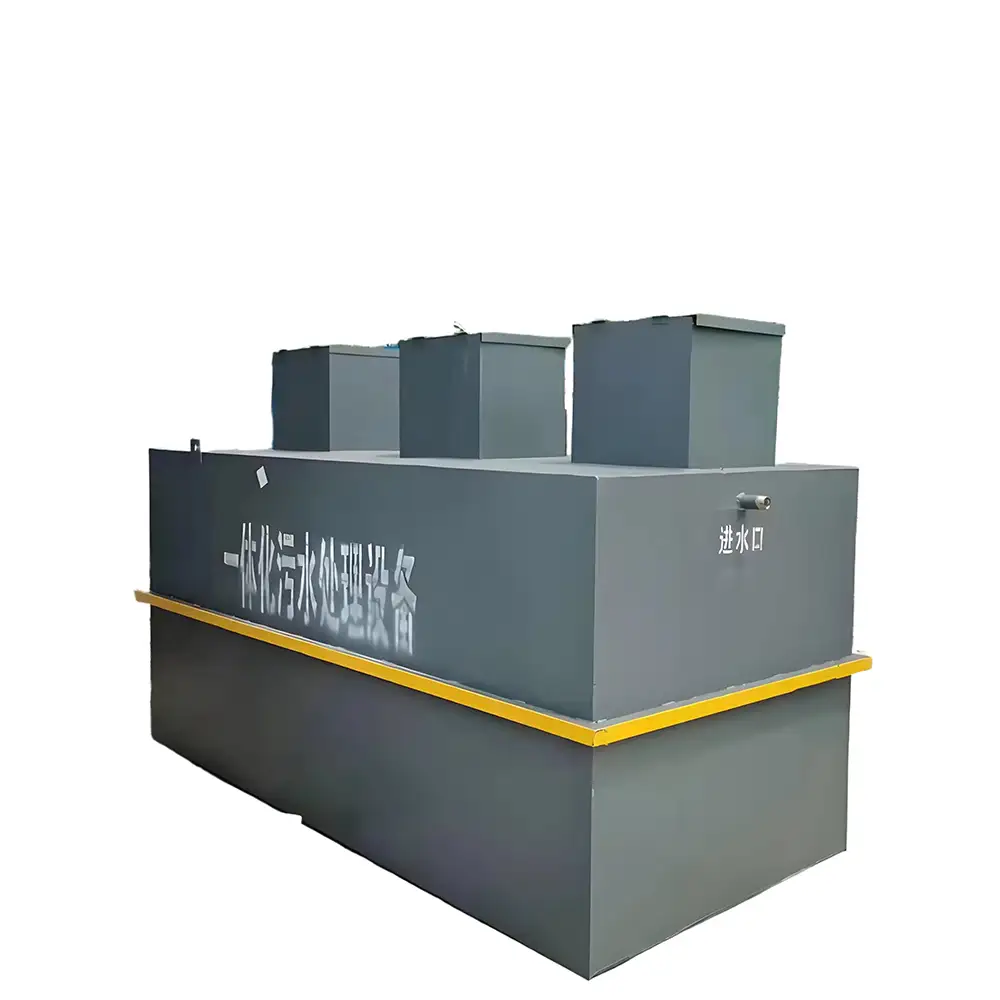
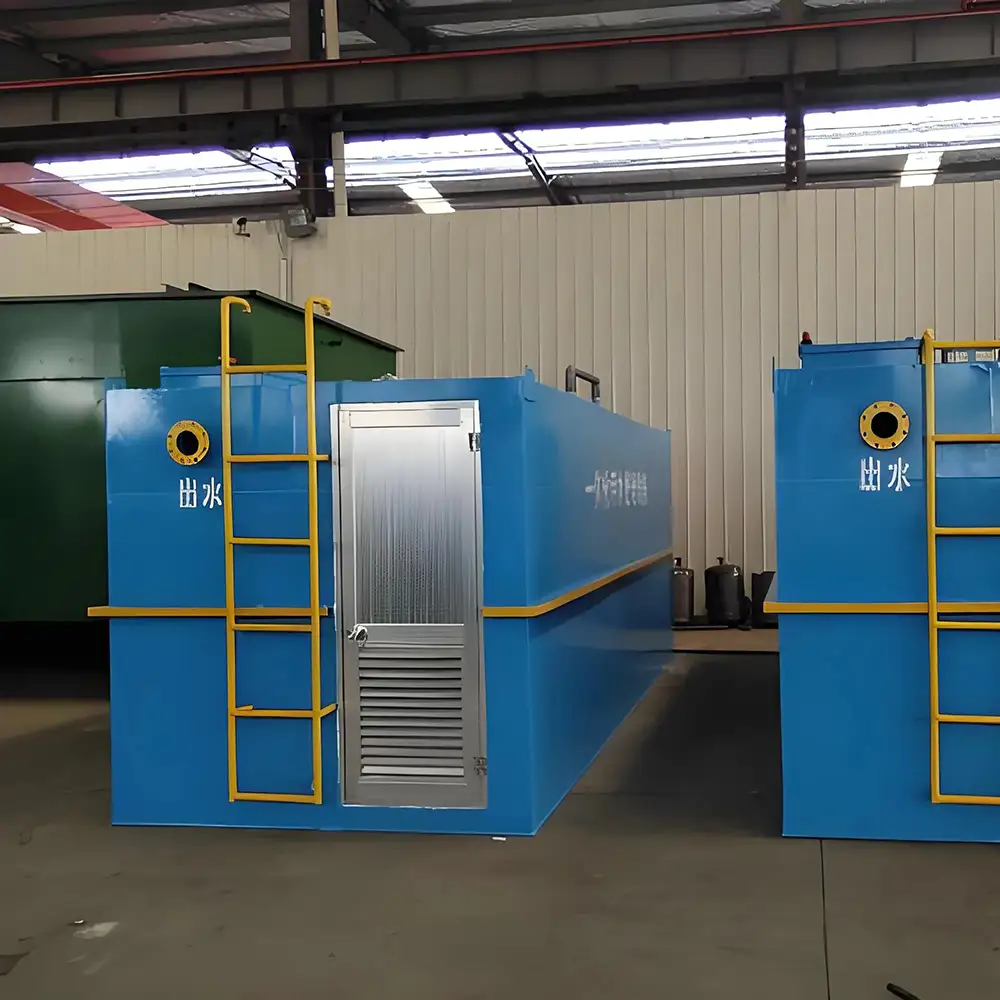
Efficient integrated sewage treatment equipment provides a compact and practical solution for reducing COD, BOD, suspended solids, and biodegradable organic pollutants in sewage and wastewater. By combining several treatment stages into an integrated system, this type of wastewater treatment equipment can simplify installation, reduce the required footprint, and provide stable treatment performance for a wide range of applications.
Biological treatment plays an important role in wastewater treatment because microorganisms can break down biodegradable organic matter. EPA technical guidance identifies activated sludge, aerated lagoons, trickling filters, and other biological processes as established methods for treating biodegradable organic constituents.
The system can be configured for domestic sewage, municipal wastewater, commercial wastewater, industrial wastewater, and other applications where organic pollutant reduction is required.
the integrated sewage treatment equipment adopts internationally advanced biological treatment processes, summarizes the operating experience of domestic and foreign sewage treatment equipment, and designs an integrated organic wastewater treatment device that integrates the removal of BOD5, COD, and NH3-N. It has stable and reliable technical performance, good treatment effect, low investment, automated operation, convenient maintenance and operation, does not occupy surface area, and does not require building a house, Advantages such as no need for heating and insulation. This device can be set up as a buried type, and flowers and grass can be planted above the ground without affecting the surrounding environment. This equipment is suitable for the treatment and reuse of domestic sewage in residential communities, villages, towns, office buildings, shopping malls, hotels, restaurants, sanatoriums, government agencies, schools, troops, hospitals, highways, railways, factories, mines, tourist attractions, and similar small and medium-sized industrial organic wastewater such as slaughtering, aquatic product processing, and food. 1. Its treatment effect is better than that of a fully mixed or two-stage series fully mixed biological contact oxidation tank. Compared to activated sludge tanks, it has a smaller volume, strong adaptability to water quality, good impact load resistance, stable effluent quality, and no sludge bulking. A new type of elastic three-dimensional filler is used in the pool, with a large specific surface area and easy biofilm formation and detachment by microorganisms. Under the same organic load conditions, the removal rate of organic matter is high, which can improve the solubility of oxygen in the air in water.
2. The biochemical tank adopts the biological contact oxidation method, which has a relatively low volumetric load of fillers, microorganisms in their own oxidation stage, and low sludge production. It only takes more than three months (90 days) to discharge sludge (pumped or dehydrated into sludge cakes and transported out).
3. The entire equipment processing system is equipped with a fully automatic electrical control system and equipment fault alarm system, which operates safely and reliably. Usually, there is no need for dedicated personnel to manage, and only timely maintenance and upkeep of the equipment is required.
What Are COD and BOD?
BOD, or Biochemical Oxygen Demand, represents the amount of oxygen consumed by microorganisms when decomposing biodegradable organic matter in wastewater. COD, or Chemical Oxygen Demand, is a broader measure of the oxygen demand associated with oxidizable substances.
BOD and COD are important parameters for evaluating wastewater strength and treatment performance. COD testing is generally faster than BOD testing and can therefore be useful for process monitoring and control.
Efficient sewage treatment normally requires selecting biological, physical, and chemical processes according to the actual wastewater characteristics rather than relying on one treatment technology for every pollutant.
Working Principle
The integrated sewage treatment system typically begins with pretreatment. Incoming wastewater passes through screens to remove large debris, plastics, fibers, and other materials that could interfere with pumps or downstream treatment equipment.
After screening, wastewater can enter an equalization section. The equalization tank helps balance variations in wastewater flow and pollutant concentration, providing more stable conditions for the biological treatment stage.
The wastewater then enters the biological reactor. Aeration supplies oxygen and maintains suitable mixing conditions for microorganisms. These microorganisms consume biodegradable organic compounds and convert them into biomass and simpler end products.
The biological treatment stage is particularly important for BOD reduction and can also contribute significantly to COD reduction when a substantial portion of the COD is biodegradable.
After biological treatment, suspended biological solids are separated from the treated water through sedimentation, membrane filtration, or another suitable solid-liquid separation process depending on the equipment configuration.
Additional treatment such as filtration or disinfection can be added when required by the final discharge or reuse objective.
Main Treatment Stages
A complete integrated sewage treatment plant may include:
Coarse Screening
Fine Screening
Grit Removal
Equalization Tank
Anoxic Treatment Zone
Aerobic Biological Reactor
Aeration System
Secondary Sedimentation
MBBR Biological Media
MBR Membrane Filtration
Sludge Return System
Sludge Discharge System
Disinfection System
Treated Water Tank
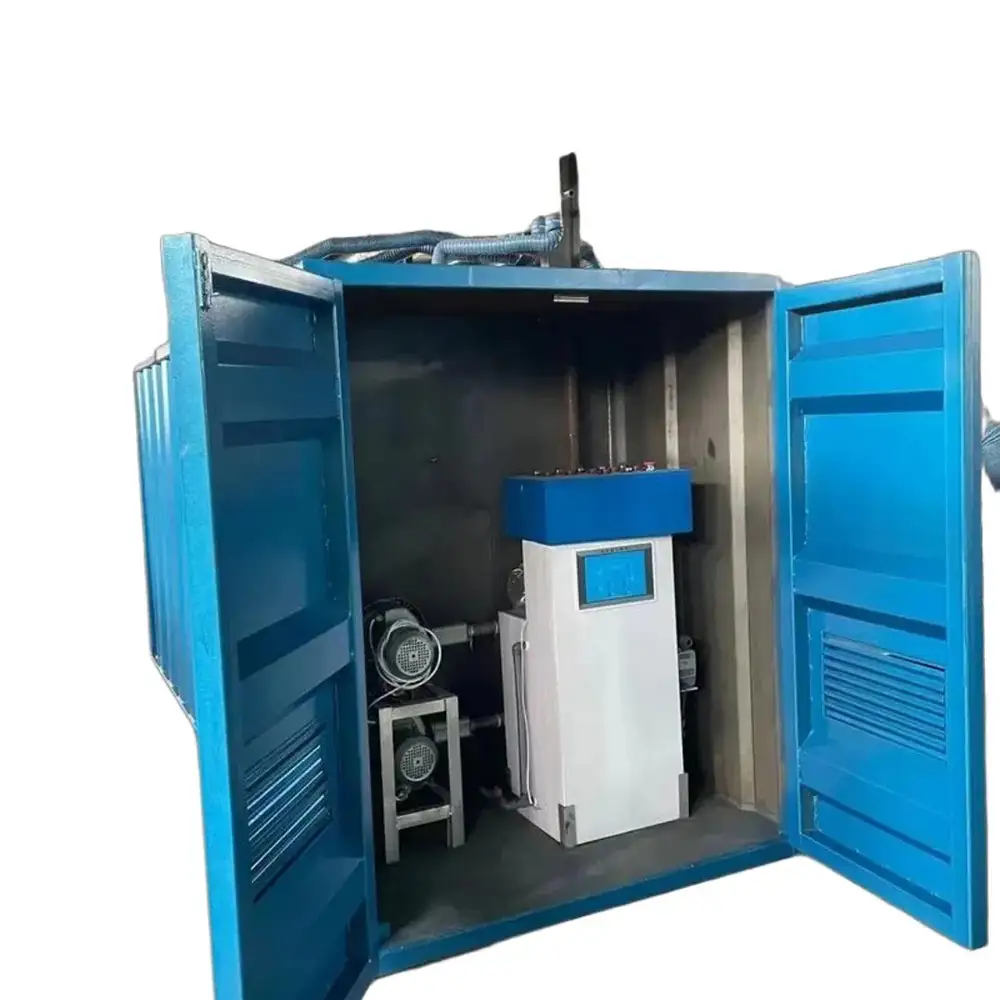
PLC Automatic Control Cabinet
Not every project requires every component. The final configuration should be selected according to wastewater composition, flow rate, COD and BOD concentration, discharge standards, available space, and reuse requirements.
Efficient COD and BOD Removal
The key advantage of an integrated biological wastewater treatment system is its ability to provide multiple treatment functions within a coordinated process.
Aerobic microorganisms use dissolved and suspended biodegradable organic matter as a food source. With adequate oxygen, mixing, nutrient balance, retention time, and biomass concentration, the biological process can substantially reduce organic loading.
EPA materials identify biological processes as established technologies for BOD removal, while different biological systems can also contribute to COD reduction.
However, COD is not identical to biodegradable organic matter. Some COD fractions may be slowly biodegradable or non-biodegradable. Therefore, wastewater containing high concentrations of refractory organic compounds may require additional processes such as coagulation, activated carbon, oxidation, or other advanced treatment.
Compact Integrated Design
Integrated sewage treatment equipment combines multiple treatment units into a coordinated system. This can be particularly useful where installation space is limited.
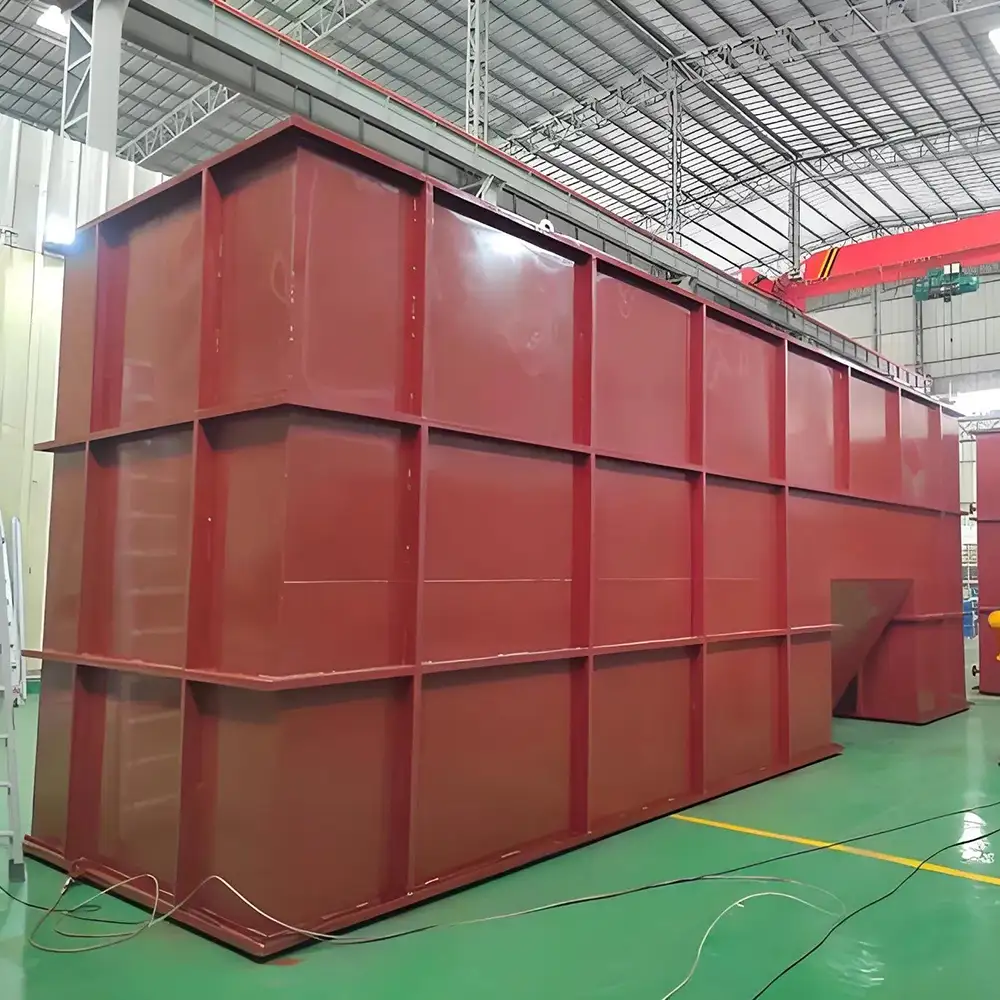
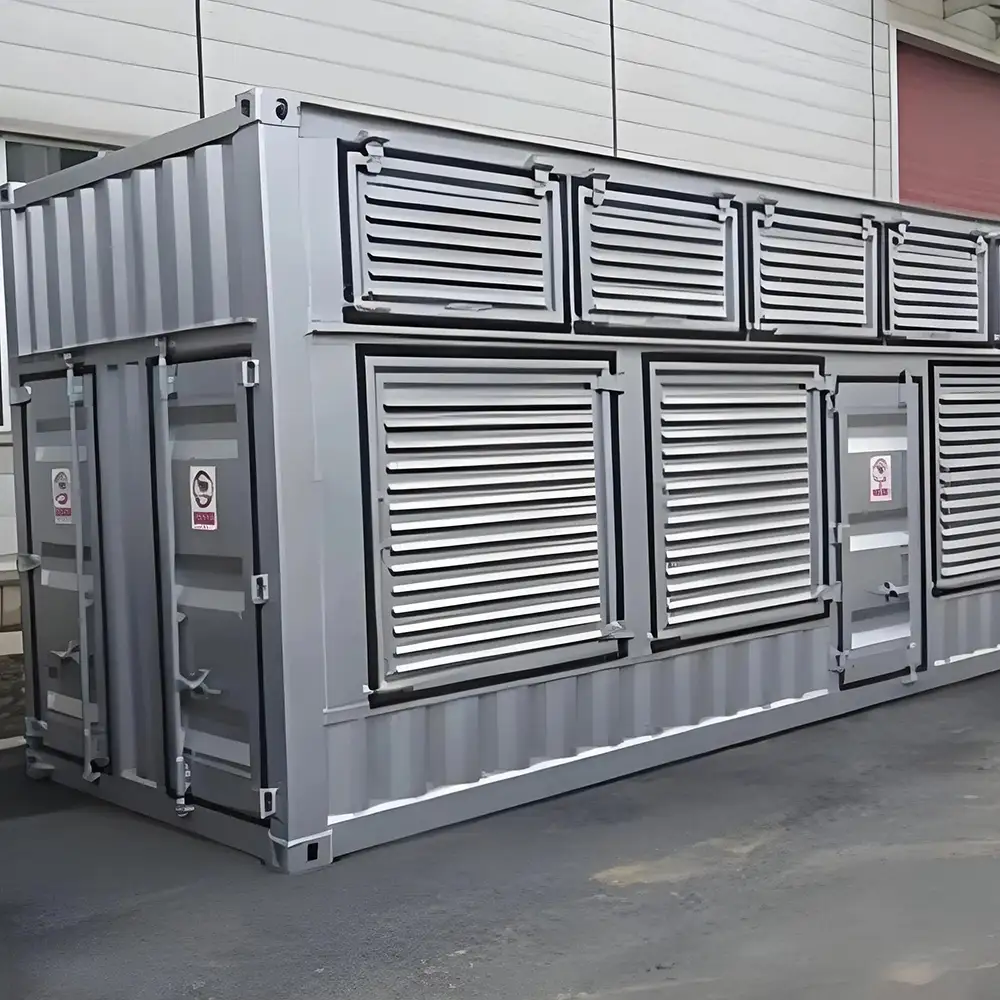
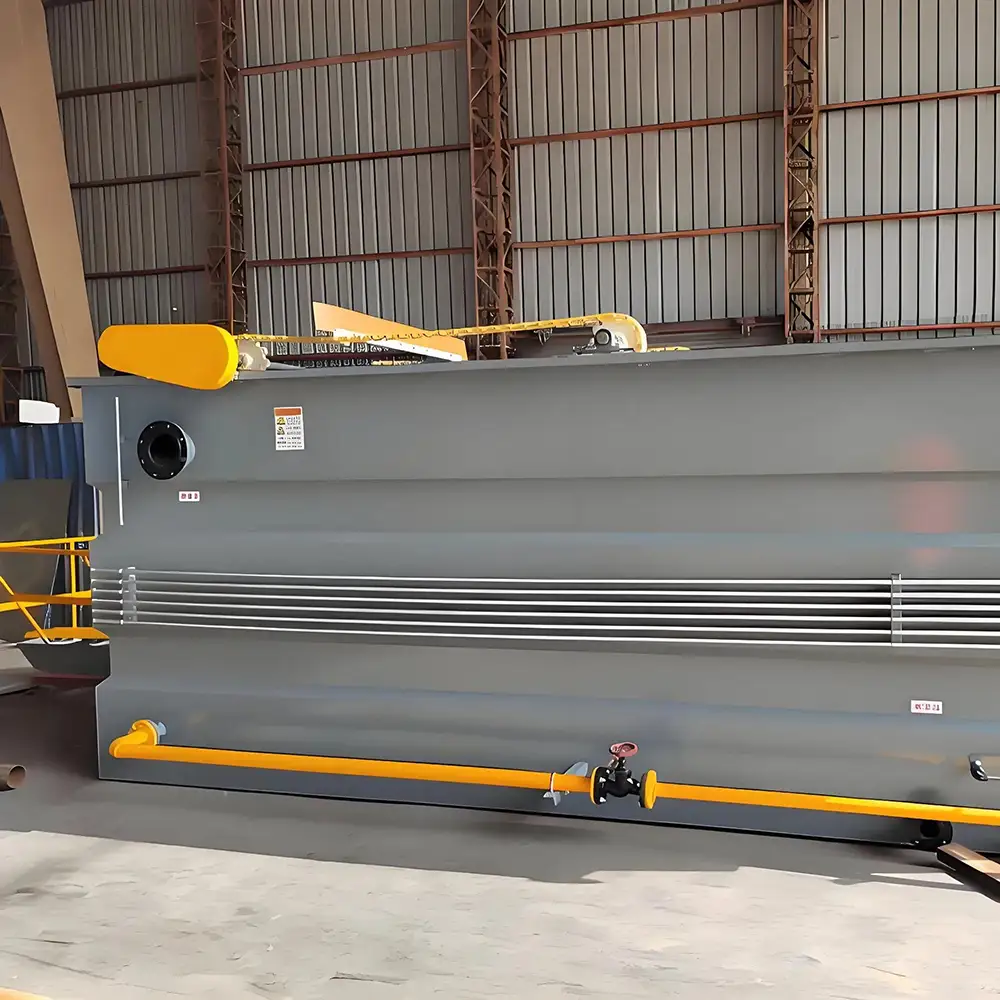
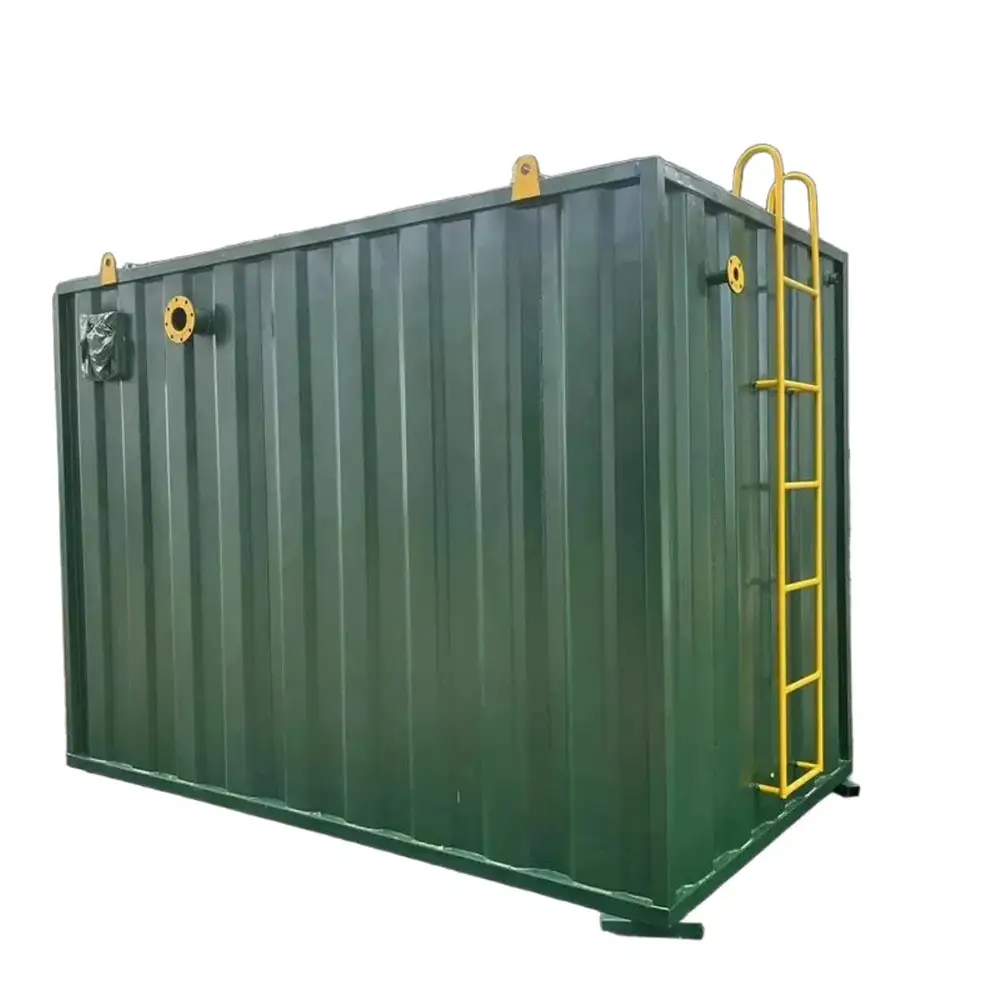
Depending on the design, tanks and process equipment can be arranged in a compact skid-mounted, containerized, or packaged configuration. This can simplify transportation, installation, piping, and commissioning.
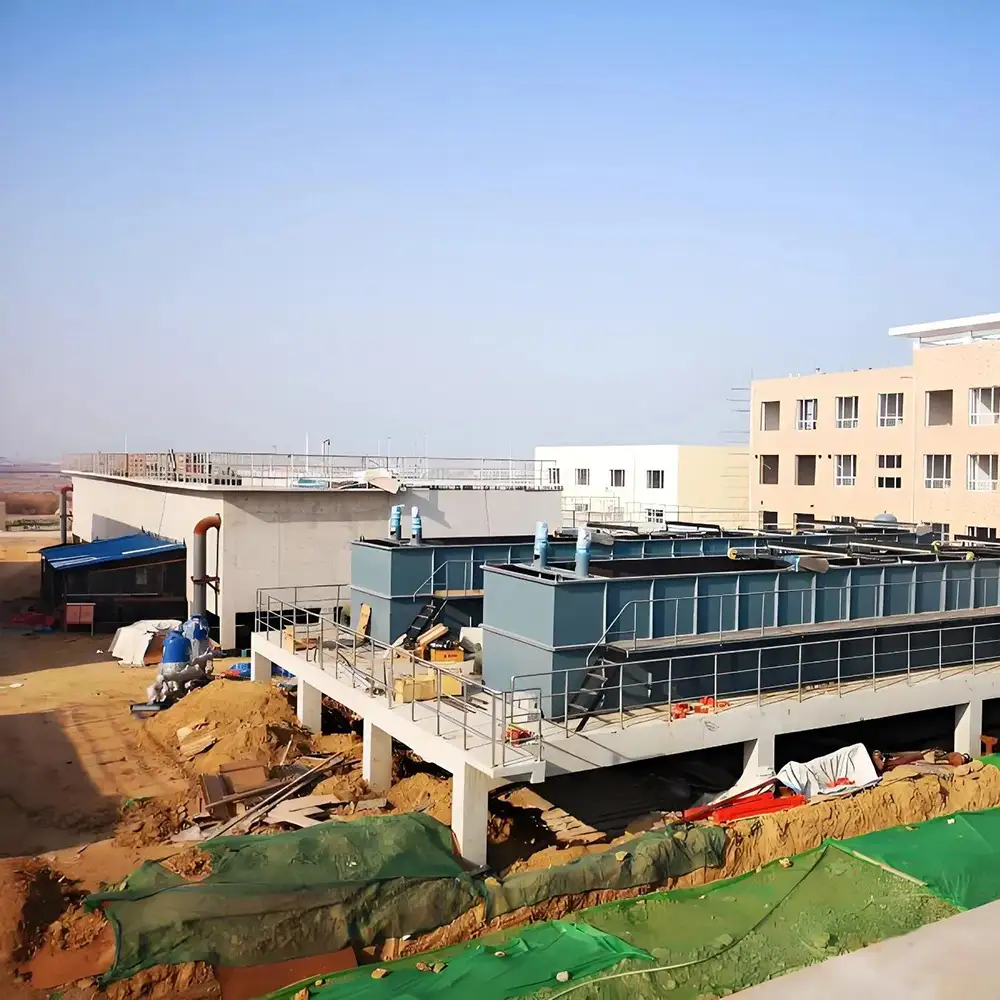
For small and medium-scale wastewater projects, packaged biological treatment systems are commonly used because prefabricated treatment facilities can be designed for individual properties and smaller communities.
MBBR and MBR Options
The biological treatment section can be configured using different technologies.
An MBBR system uses suspended biological carriers that provide protected surfaces for microorganisms. It can increase biological treatment capacity without requiring a large increase in reactor footprint.
An MBR system combines biological treatment with membrane filtration. The membrane barrier provides solid-liquid separation and can produce high-quality effluent with low suspended solids.
For projects requiring compact design and high effluent quality, an integrated MBR configuration can be considered. For projects primarily focused on organic matter removal and cost-effective biological treatment, MBBR or extended aeration may be appropriate.
Applications
Efficient integrated sewage treatment equipment can be used for:
Domestic Sewage Treatment
Municipal Wastewater Treatment
Residential Communities
Hotels and Resorts
Schools and Universities
Hospitals and Healthcare Facilities
Restaurants and Commercial Buildings
Food Processing Facilities
Industrial Parks
Manufacturing Facilities
Agricultural and Livestock Wastewater
Remote Facilities
Wastewater Reuse Projects
For industrial wastewater, pretreatment may be necessary when wastewater contains oil, heavy metals, toxic compounds, high salinity, or difficult-to-degrade organic substances.
Operation and Maintenance
Reliable operation depends on proper process control and regular maintenance. Operators should monitor influent and effluent flow, BOD, COD, pH, dissolved oxygen, sludge concentration, and other relevant parameters.
Aeration equipment should be inspected regularly because oxygen availability directly affects aerobic biological treatment. Pumps, valves, diffusers, screens, sensors, sludge equipment, and control cabinets should also be maintained according to operating conditions.
Excess sludge should be removed periodically to maintain the designed biomass concentration and process stability.
If membranes are included, membrane fouling should be monitored and cleaning should be performed according to membrane manufacturer recommendations.
Why Choose Us?
We provide integrated sewage treatment equipment designed around actual wastewater characteristics and project requirements.
Instead of using one standard configuration for every application, the treatment process can be selected according to wastewater flow, COD, BOD, TSS, ammonia, nitrogen, available installation space, discharge requirements, and water reuse objectives.
Available configurations can combine screening, equalization, biological treatment, MBBR, MBR, sedimentation, filtration, disinfection, sludge treatment, and automatic PLC control.
For B2B wastewater treatment projects, we can also support equipment layout, process configuration, technical documentation, installation guidance, commissioning assistance, and customized treatment solutions.
The goal is to provide a reliable, compact, and easy-to-operate wastewater treatment system capable of reducing organic pollution while meeting the requirements of the specific project.
FAQs
1. What Is Integrated Sewage Treatment Equipment?
It is a wastewater treatment system that combines multiple treatment stages into one coordinated unit or plant for efficient sewage purification.
2. What Does BOD Removal Mean?
BOD removal means reducing biodegradable organic matter that would otherwise consume dissolved oxygen in the receiving environment.
3. What Does COD Removal Mean?
COD removal means reducing oxidizable substances that contribute to the chemical oxygen demand of wastewater.
4. Can the System Remove Both COD and BOD?
Yes. Biological treatment is particularly effective for biodegradable organic matter and can reduce both BOD and the biodegradable fraction of COD.
5. Is Pretreatment Necessary?
Yes. Screening and other pretreatment stages help protect pumps, aeration equipment, membranes, and downstream treatment units.
6. Can MBBR Be Used in the System?
Yes. MBBR can be integrated into the biological treatment stage when additional biological capacity or a compact reactor design is required.
7. Can MBR Be Added?
Yes. An MBR section can be incorporated when high-quality solid-liquid separation and compact treatment are important.
8. Can This Equipment Treat Industrial Wastewater?
Yes, provided the treatment process is designed according to the specific industrial wastewater characteristics.
9. Does the System Remove All COD?
Not necessarily. COD includes different fractions, and some non-biodegradable or refractory COD may require advanced treatment.
10. Can the Treated Water Be Reused?
Potentially. Additional filtration, disinfection, activated carbon, RO, or other polishing processes may be required depending on the intended reuse.
11. How Is Treatment Efficiency Monitored?
Typical monitoring includes COD, BOD, TSS, pH, dissolved oxygen, flow rate, sludge concentration, and other parameters relevant to the treatment process.
12. Can the Sewage Treatment System Be Customized?
Yes. Capacity, biological process, tank configuration, equipment selection, automation, disinfection, and advanced treatment can be configured according to project requirements.
Prev:
Mbr Integrated Waste Water Treatment System Sewage Treatment Equipment
Next:
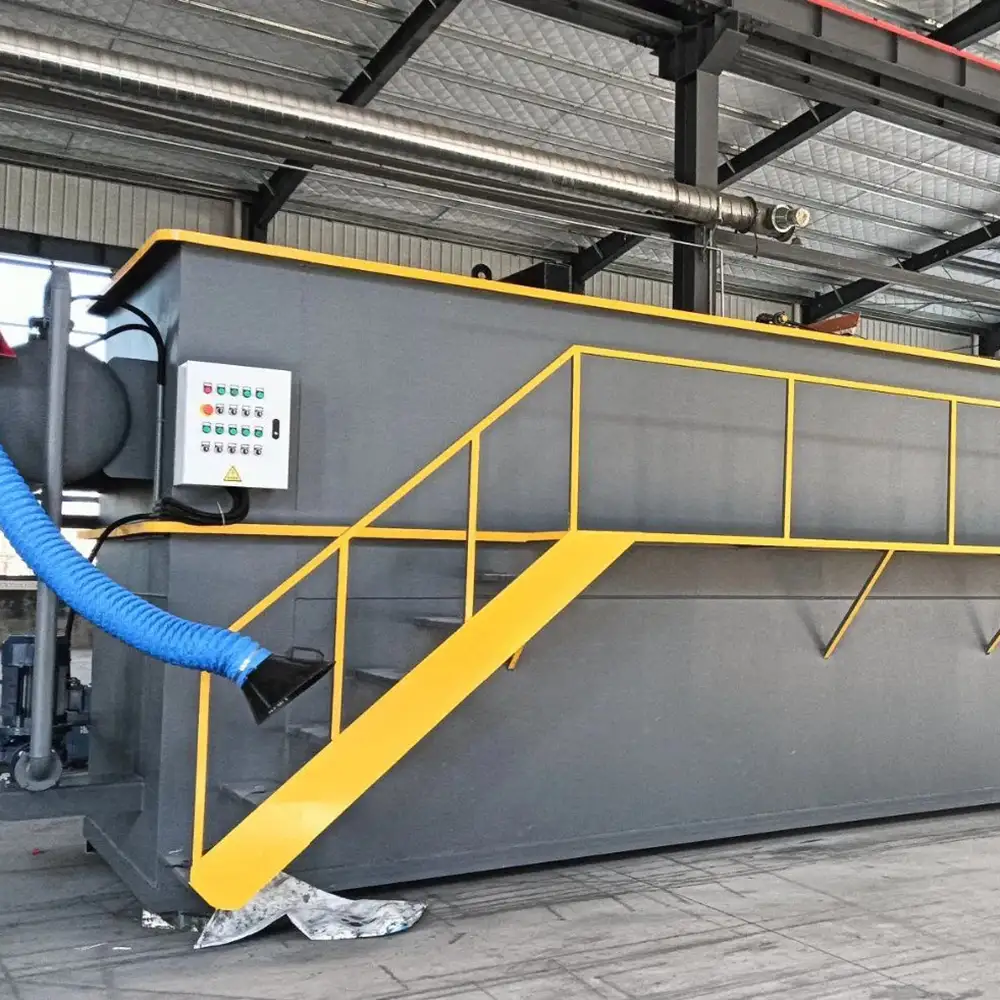
Solid and Liquard Separator Processor Dissolved Air Flotation for Sewage
TAG:
Industrial Wastewater Treatment Equipment,
Integrated Wastewater Treatment System,
Industrial Wastewater Treatment System,
Biological Wastewater Treatment System,
Industrial Wastewater Treatment,
Sewage Treatment Plant,
Industrial Sewage Treatment,
Industrial Wastewater Treatment Plant,
Wastewater Treatment Equipment,
Wastewater Treatment Plant,
Wastewater Reuse System,
Wastewater Treatment System,
Industrial Sewage Treatment Plant,
Sewage Treatment Equipment,
Sewage Treatment System,
BOD Removal Wastewater Treatment,
MBBR Wastewater Treatment,
MBBR Biological Treatment,
Biological Wastewater Treatment Plant,
Biological Wastewater Treatment,
Water Reuse Treatment System,
Integrated Wastewater Treatment Equipment,
Integrated Sewage Treatment System,
Integrated Sewage Treatment Equipment,
Automatic Sewage Treatment System,
Automatic Wastewater Treatment System,
COD Removal Wastewater Treatment,
Nitrogen Removal Wastewater Treatment,
Nutrient Removal Wastewater Treatment,
Activated Sludge Wastewater Treatment,
Related Category:
Efficient Integrated Sewage Treatment Equipment,COD BOD Removal Sewage Treatment System,Integrated Sewage Treatment Equi China, suppliers, manufacturers, factory, customized, wholesale, quotation, made in China