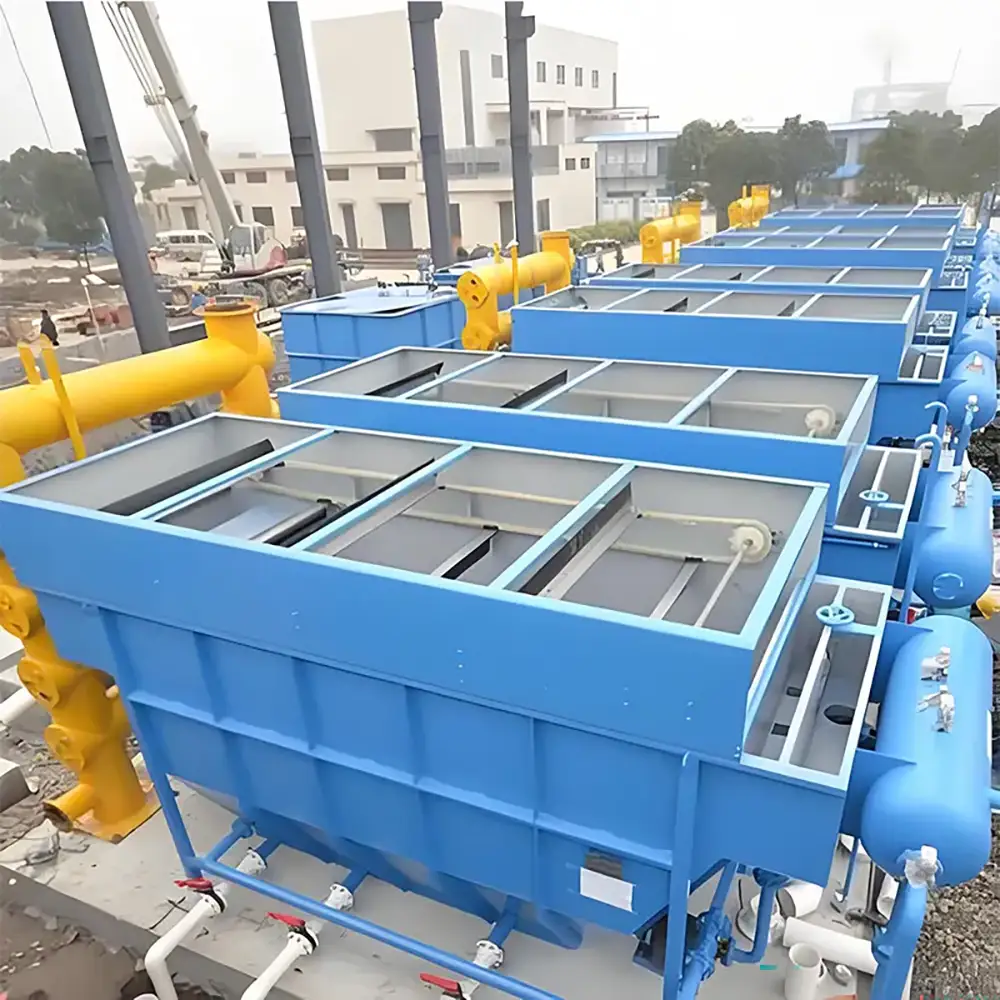
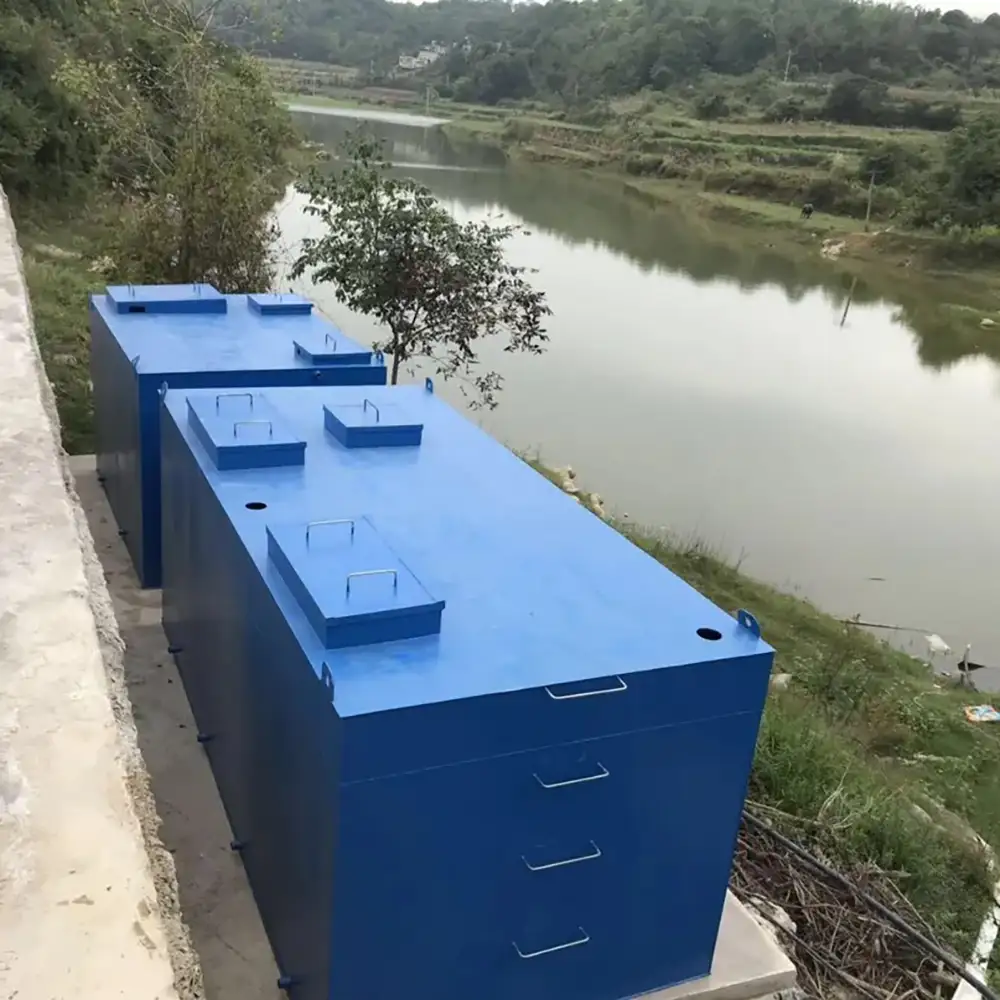
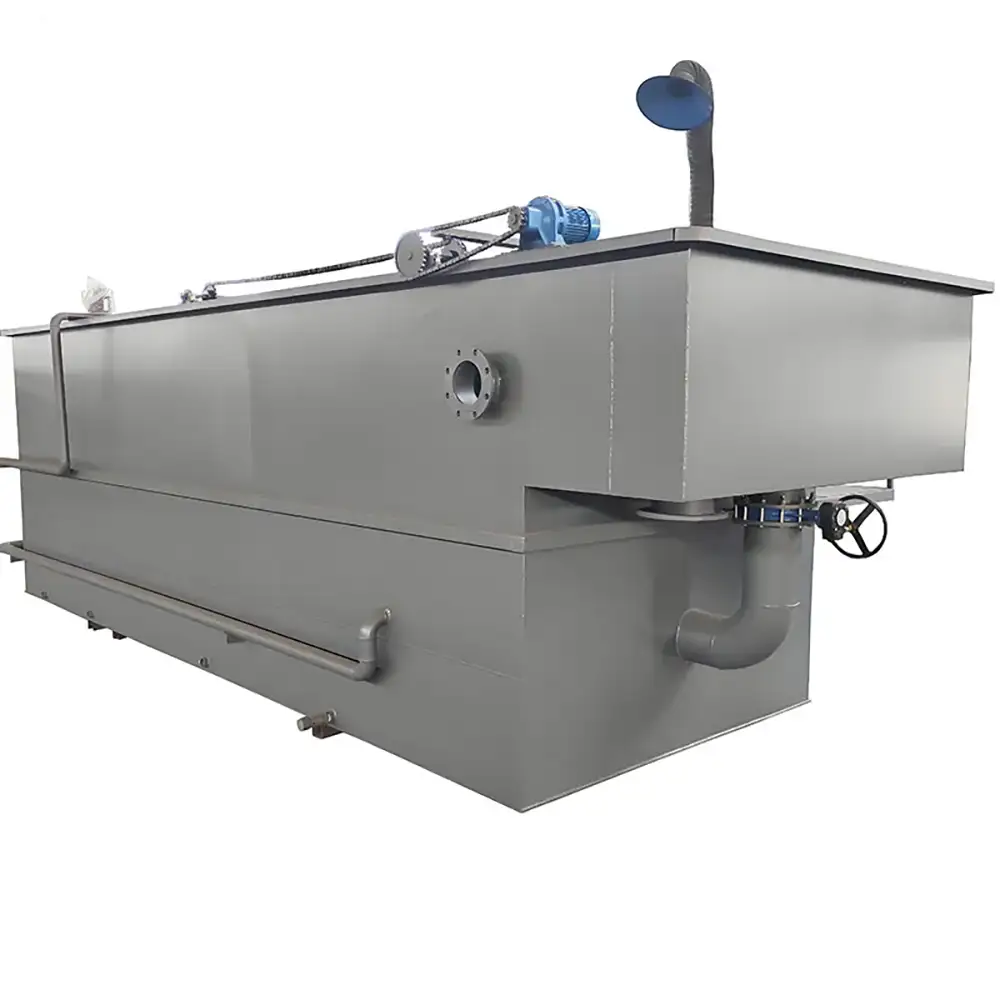
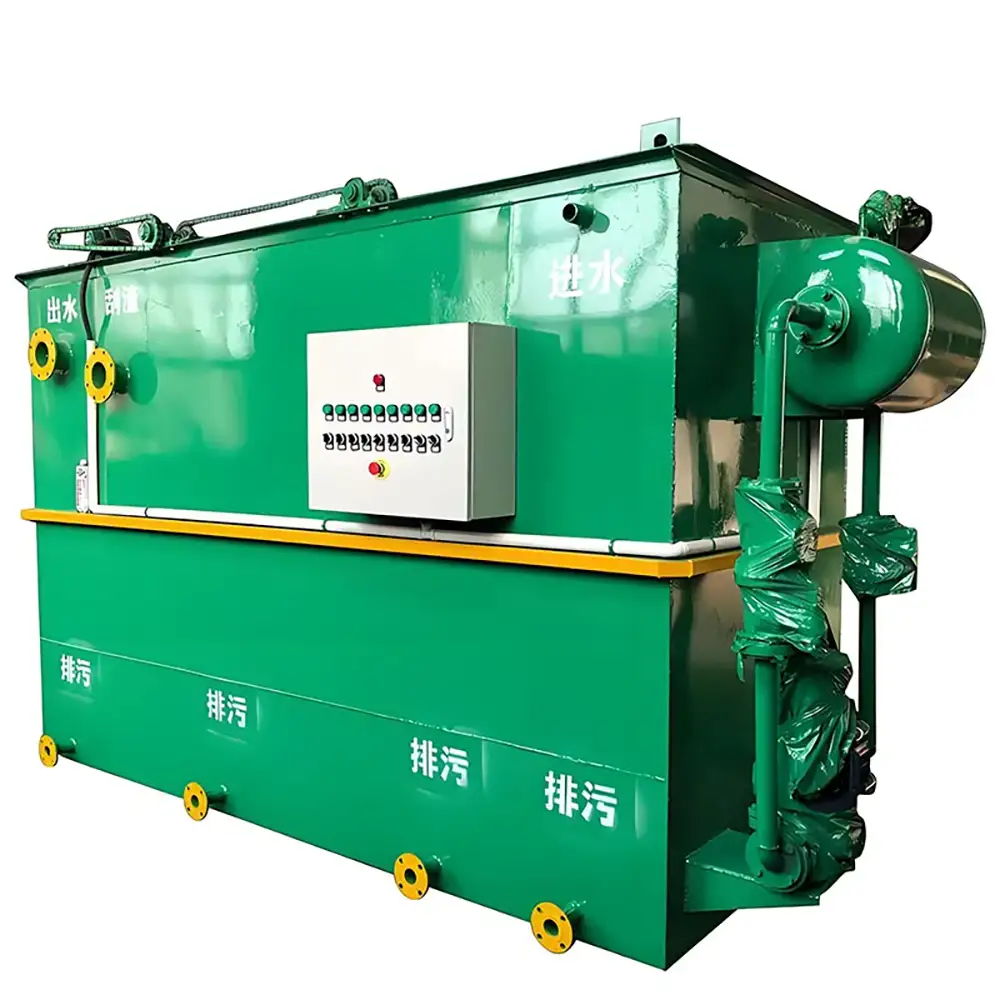
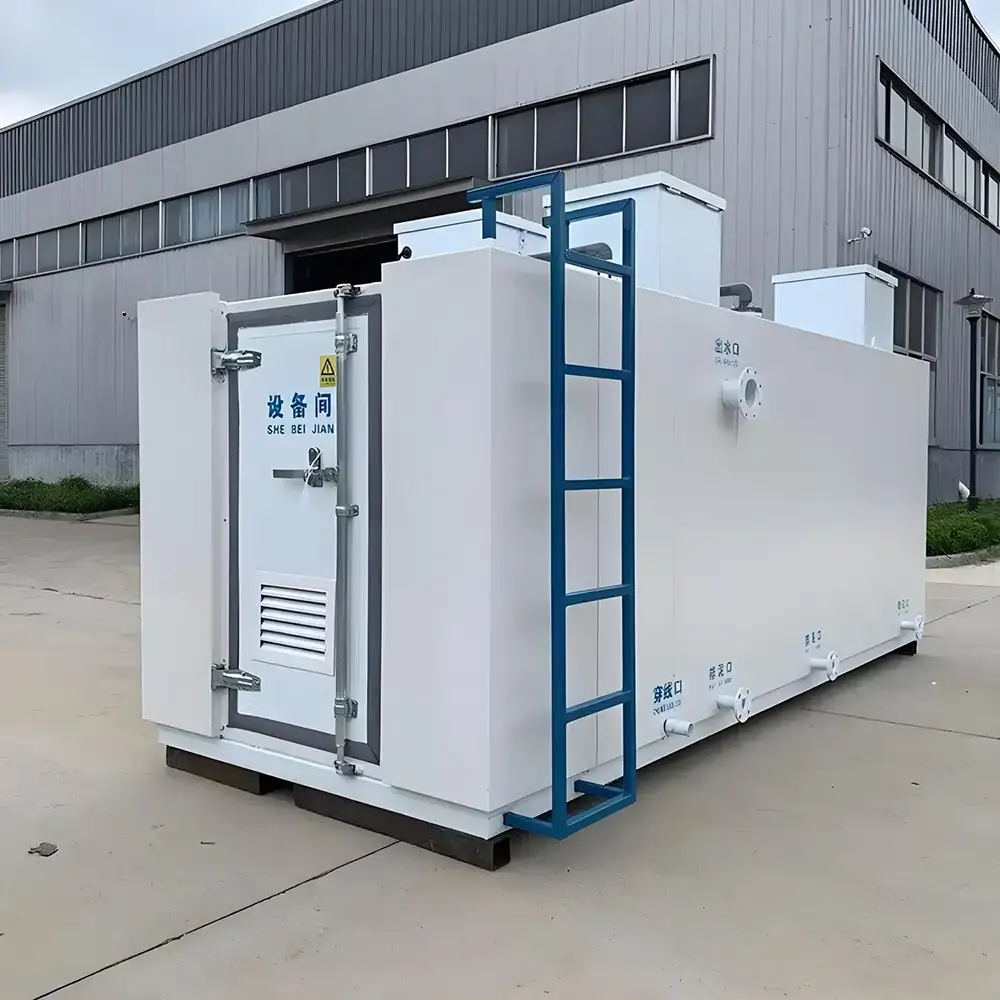
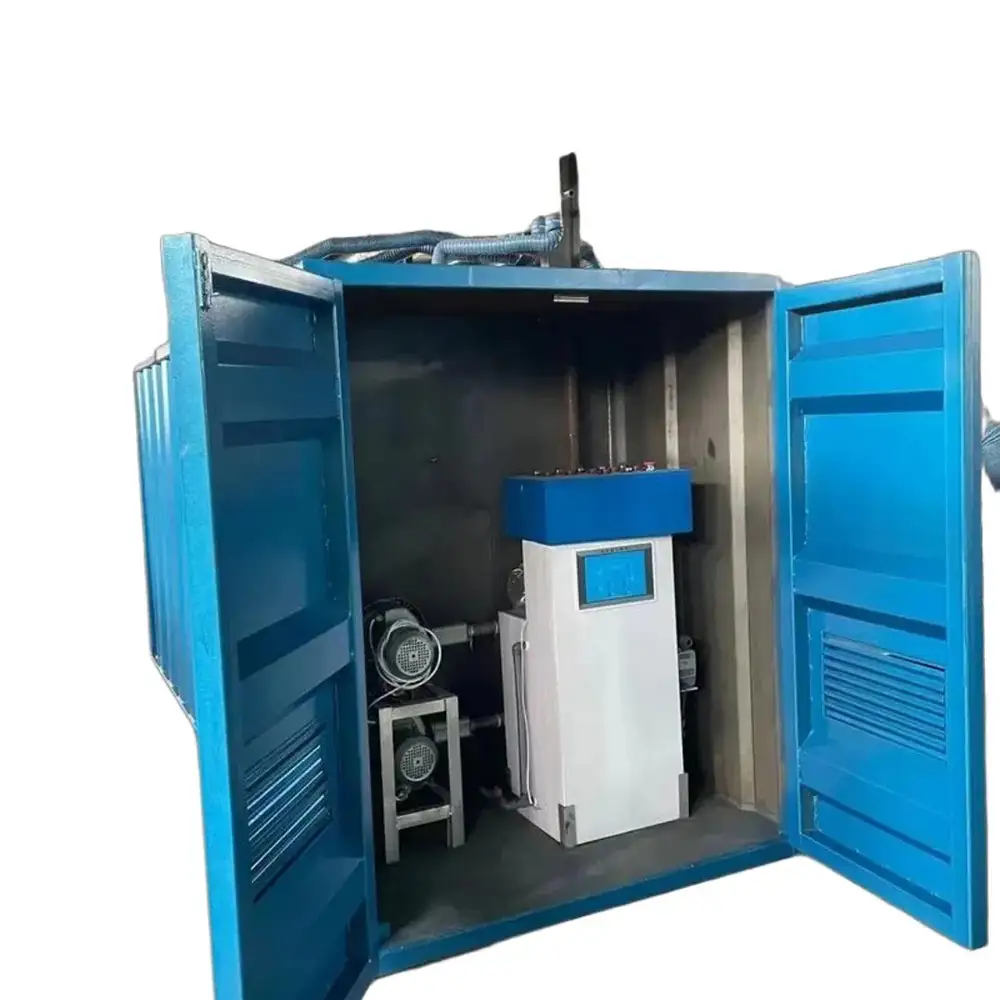
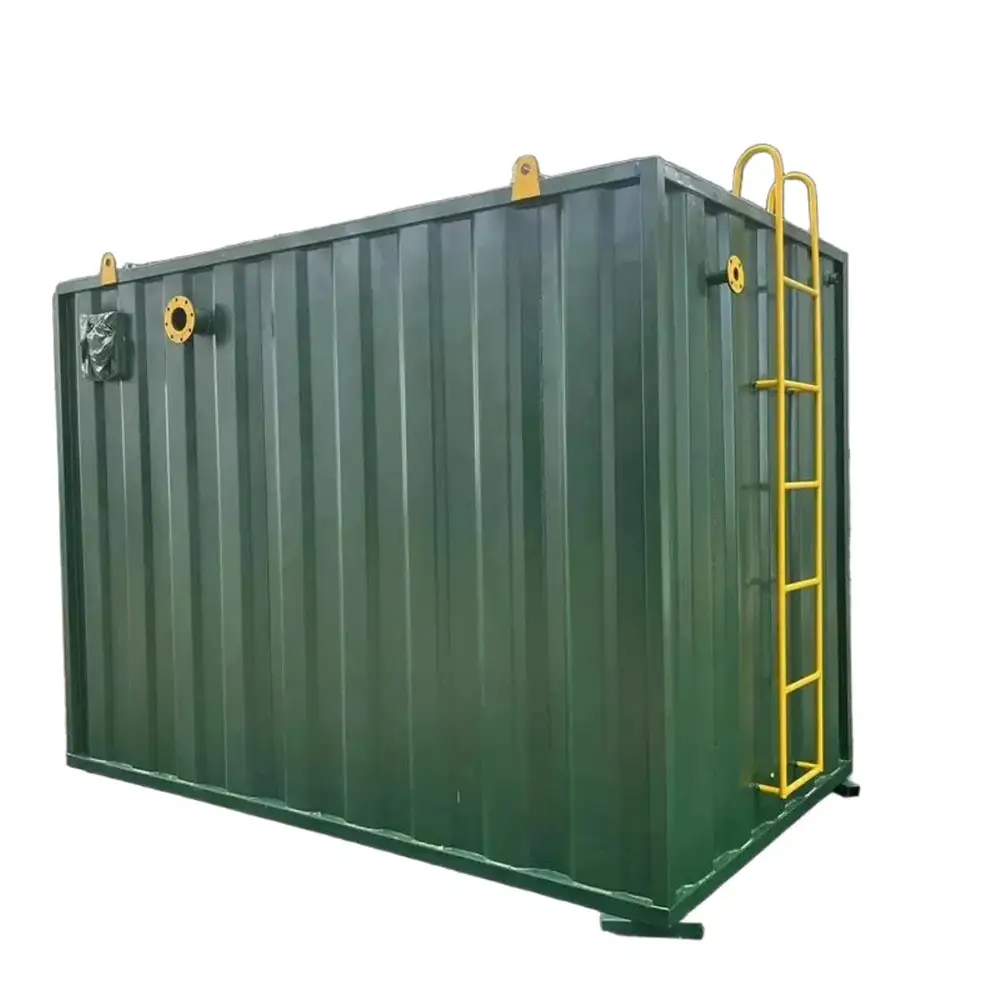
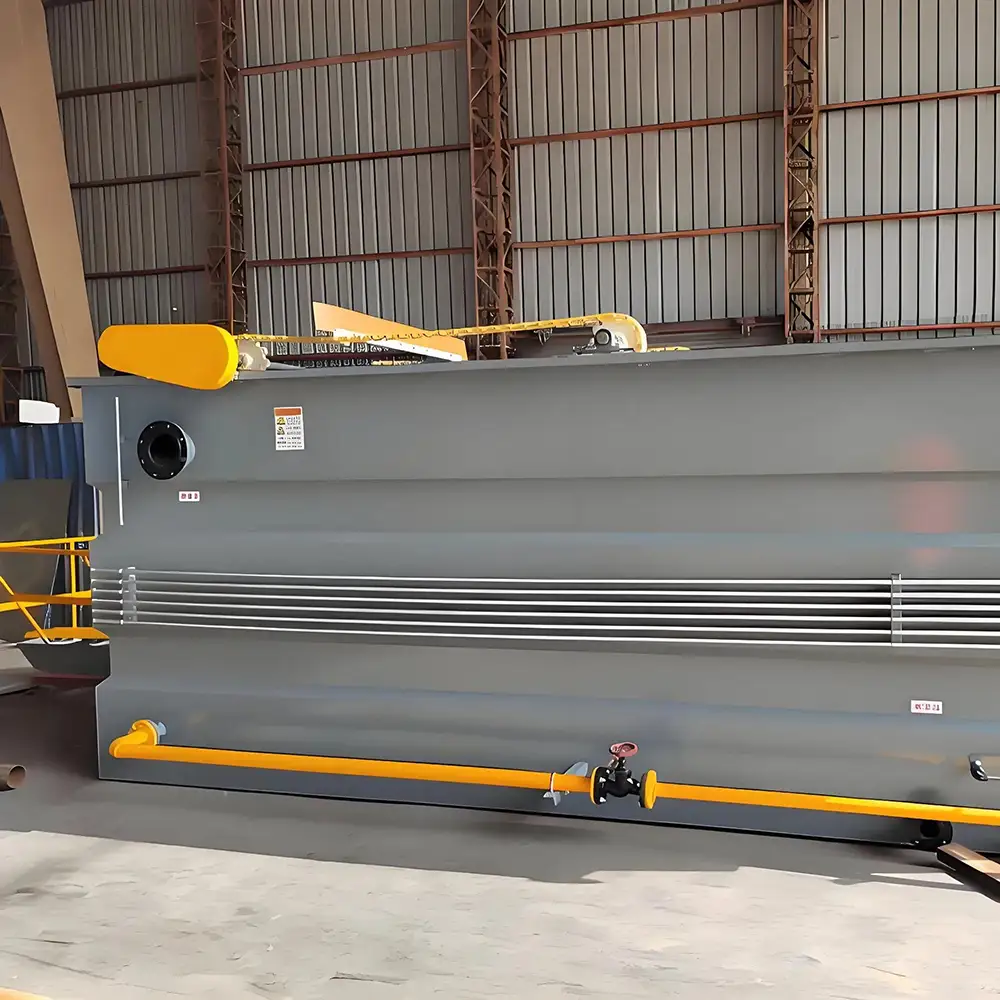
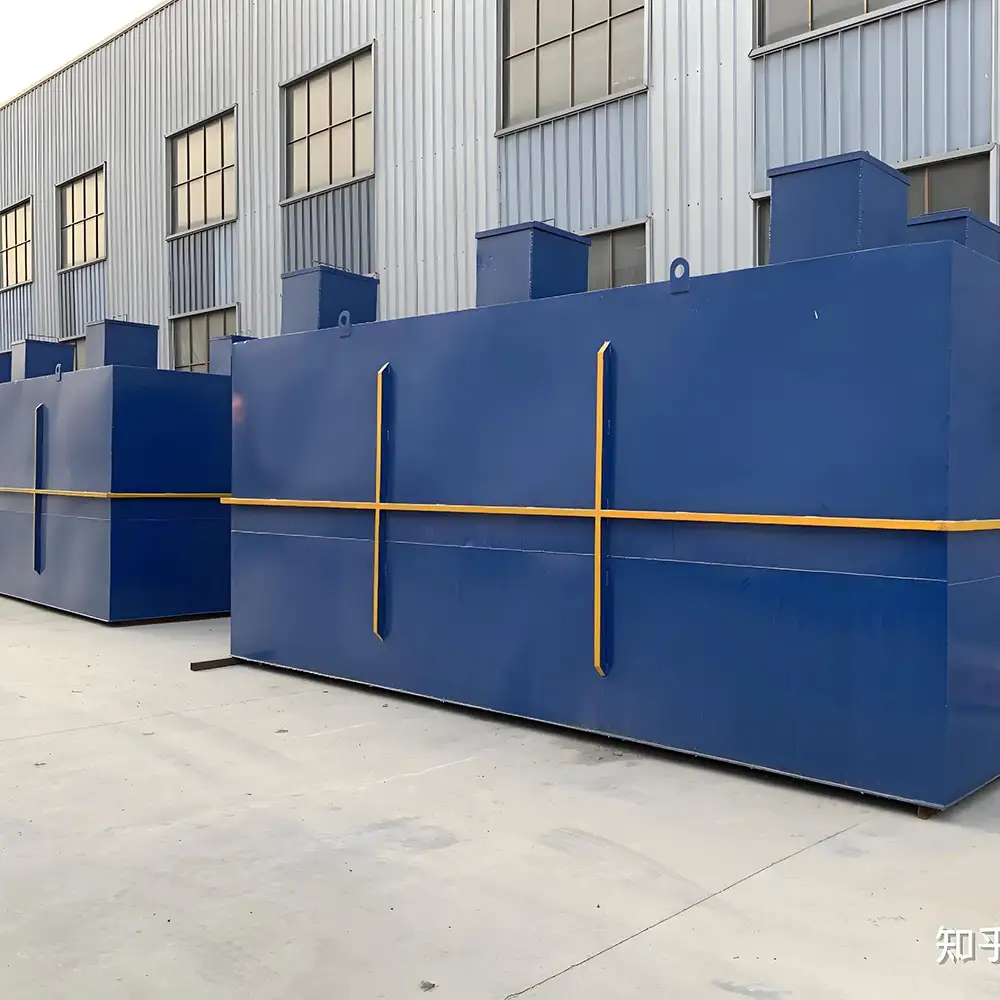
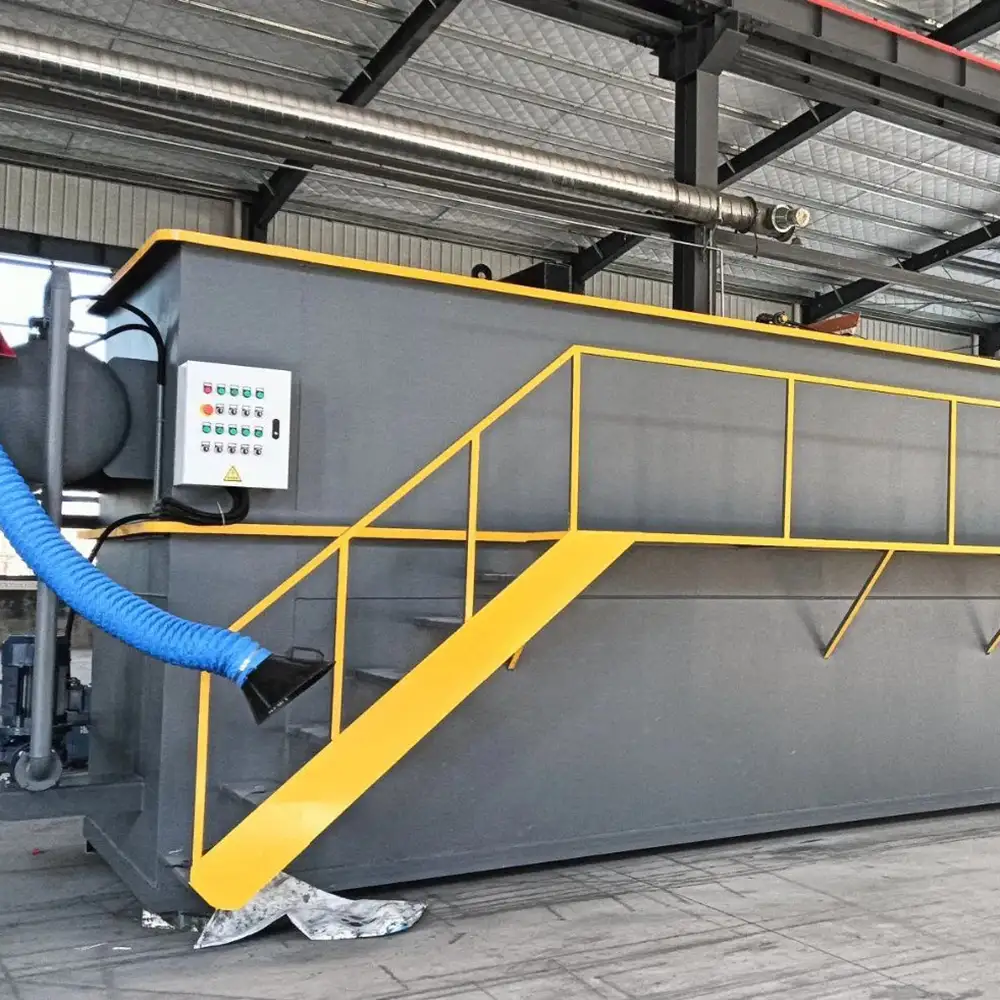
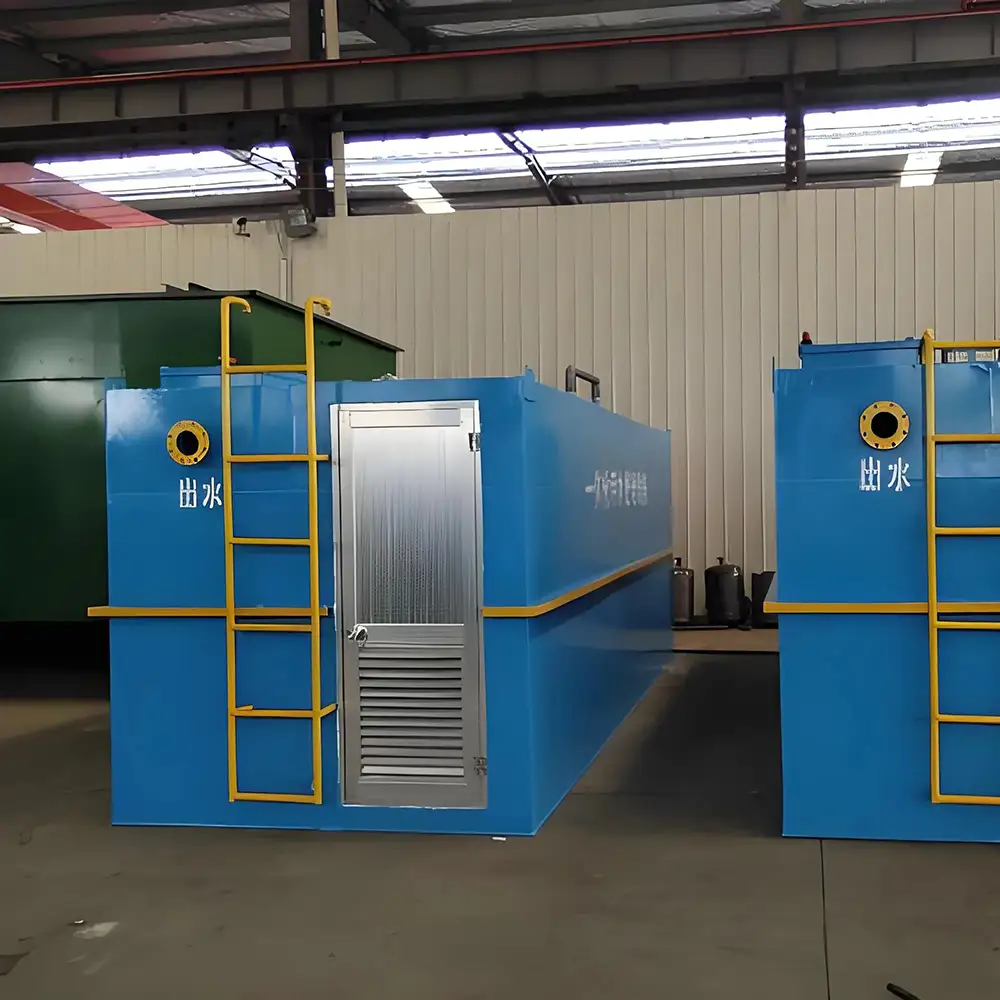
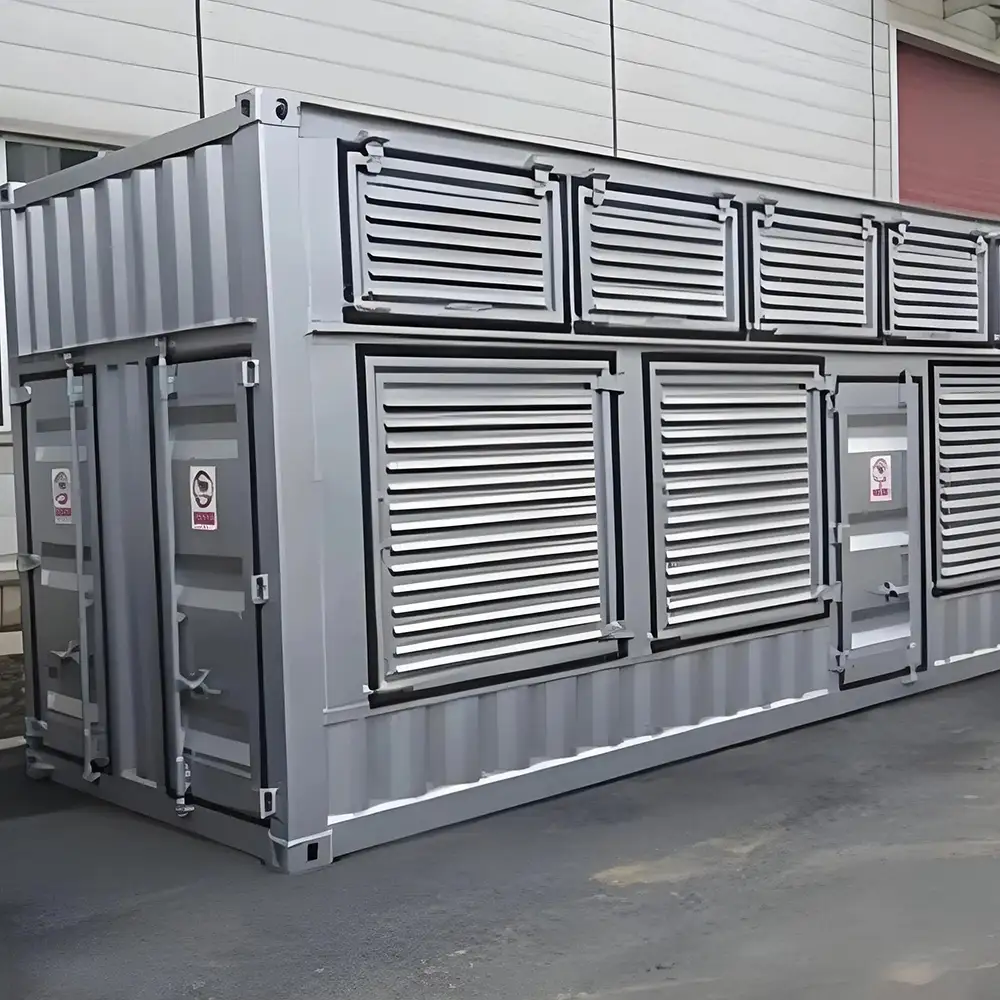
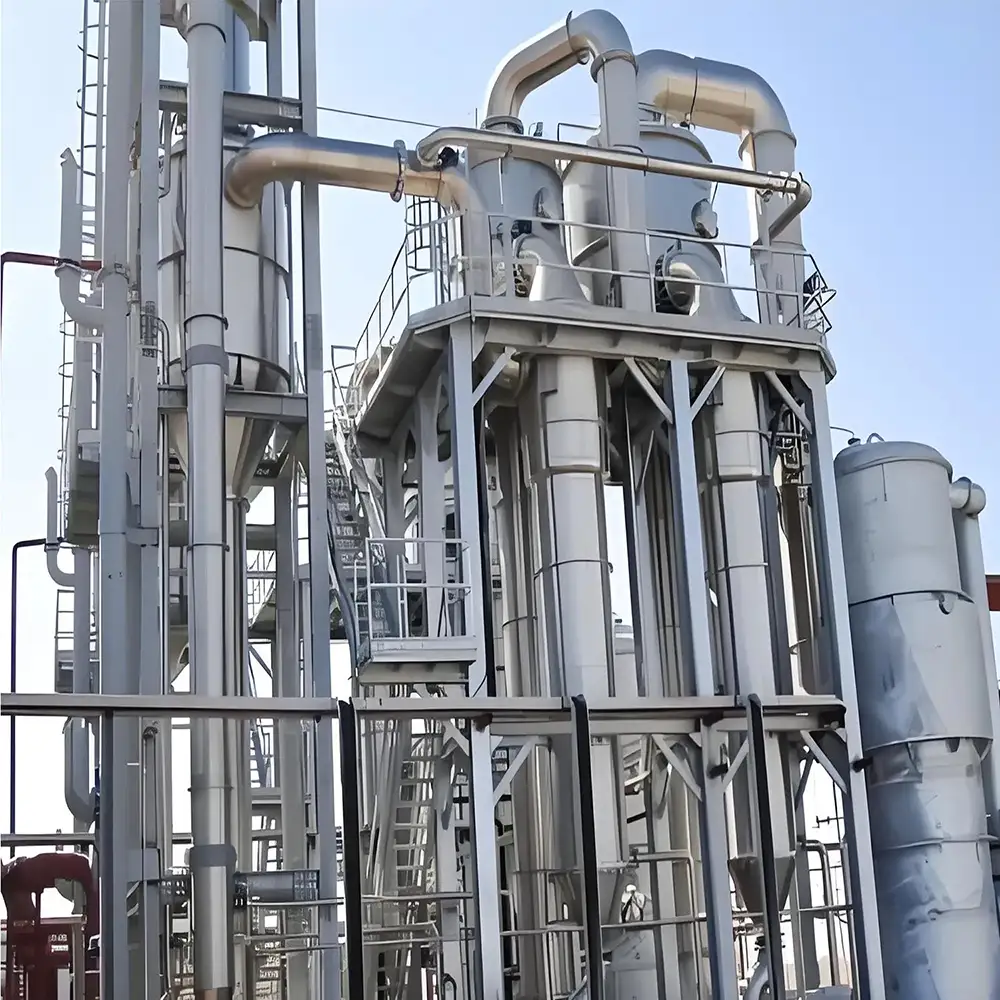
Solid And Liquid Separator Processor Dissolved Air Flotation For Sewage
The Solid And Liquid Separator Processor Dissolved Air Flotation For Sewage is a wastewater separation system designed to remove suspended solids, floating materials, oil, grease, colloidal particles, and other floatable pollutants from sewage and industrial wastewater. By combining dissolved air flotation with efficient solid-liquid separation, the system provides a compact pretreatment or primary treatment solution for wastewater treatment plants.
Dissolved air flotation, commonly called DAF, works by dissolving air into water under pressure and then releasing the pressure to generate fine bubbles. These bubbles attach to suspended particles and oil or grease, reducing their apparent density and causing them to rise to the water surface. The floating material is then continuously removed by a surface skimmer.
What Is a DAF Solid And Liquid Separator?
A DAF solid-liquid separator is a flotation-based wastewater treatment machine that separates floating and suspended pollutants from the liquid phase.
Unlike conventional gravity sedimentation, which relies primarily on particles settling downward, DAF causes suitable particles to move upward. This makes the process particularly useful for light suspended solids, oil, grease, and particles with a density close to that of water. EPA technical documentation identifies DAF as a common technology for removing suspended solids and dispersed oil and grease from wastewater.
The equipment can be installed as a standalone separation unit or integrated with screening, equalization, coagulation, flocculation, biological treatment, filtration, and sludge dewatering systems.
|
Model NO. |
GSRF |
Handling method |
physicochemical treatment |
|
Usage |
Industrial, agricultural, food factories, slaughterhouses |
Trademark |
|
|
Types |
Package, Compact, Small, Mini |
Applications |
Industrial, Municipal, Domestic, Medical, Ship |
|
Craft |
Flocculation sedimentation method |
Features |
Water Clarification, Filtration, Purification |
|
Service Life |
20 Years |
Operation |
Automatic |
|
Steel Plate Thickness |
>8mm |
Function |
Remove Suspended solids |
|
Voltage |
220V/ 380V/ Customerized |
Installation Type |
Onground |
|
Colour |
Grey/Silver/Blue/Balck/Customerized |
Use for |
Mineral, Printing, Chemical, Dyeing, Starch |
|
Material |
Carbon Steel, Stain Steel, FRP, PE, PP |
Certificate |
SGS, ISO |
|
Transport Package |
Container Standard Packing |
Specification |
Carbon steel anti-corrosion |
|
Production Capacity |
1000 Sets/Year |
Origin |
China |
Working Principle
The DAF sewage treatment process generally consists of several key steps.
First, wastewater enters the pretreatment or mixing section. Large debris and coarse solids should normally be removed before the flotation stage to protect pumps and downstream equipment.
When necessary, chemicals such as coagulants and polymers can be added to promote particle aggregation. Smaller colloidal particles can combine into larger flocs that are easier for air bubbles to capture.
A portion of clarified water can then be pressurized and saturated with air. When the pressurized water enters the flotation chamber and pressure is suddenly released, microscopic air bubbles form.
The bubbles attach to suspended solids, oil droplets, grease, and flocs. The resulting bubble-particle aggregates rise to the surface, where a mechanical skimmer removes the floating layer.
The clarified water leaves from the lower or side outlet and continues to the next treatment stage.
EPA documentation describes both full-flow and recycle pressurization configurations. Recycle pressurization uses a portion of clarified effluent for air saturation and can reduce the amount of wastewater that must be pressurized.
Main Components
A complete DAF solid-liquid separation system may include:
Wastewater Inlet
Mixing Tank
Coagulation Tank
Flocculation Tank
Pressurization Pump
Air Compressor
Air Dissolution System
Saturation Tank
Pressure Release Valve
DAF Flotation Tank
Microbubble Generation System
Surface Skimmer
Sludge Collection System
Clarified Water Outlet
Sludge Pump
Electrical Control Cabinet
The exact equipment configuration depends on wastewater characteristics, hydraulic capacity, pollutant loading, required separation efficiency, and the downstream treatment process.
Suspended Solids Removal
One of the main applications of DAF technology is suspended solids removal.
Fine particles that settle slowly or remain suspended for long periods can be difficult to remove using conventional sedimentation. DAF provides another separation mechanism by attaching air bubbles to these particles and transporting them toward the surface.
EPA technical information indicates that DAF is particularly attractive for particles whose density is close to that of water because such particles may require long settling times in conventional clarification.
Chemical coagulation and flocculation can further improve the capture of fine suspended particles and colloids. Actual removal performance depends on wastewater characteristics and process design rather than one fixed percentage.
Oil And Grease Separation
DAF is also widely used for removing free and dispersed oil, grease, fats, and other floatable substances.
Oil and grease droplets can attach to the microbubbles and rise rapidly to the surface. This makes DAF particularly useful for wastewater generated by food processing, meat processing, restaurants, refineries, metalworking, transportation equipment cleaning, and other industries.
EPA sources identify suspended solids, oil, and grease as important DAF treatment targets and note that chemical pretreatment can improve separation performance.
Compact Wastewater Treatment Design
Compared with some conventional clarification processes, DAF can provide efficient separation within a relatively compact footprint.
This makes it useful where wastewater treatment capacity needs to be increased but available plant space is limited.
The system can be supplied as an individual DAF unit or incorporated into a complete wastewater treatment line. Depending on the project, it can be installed upstream of biological treatment to reduce solids and oil loading before the biological process.
Applications
Solid and liquid separator DAF equipment can be used for many sewage and industrial wastewater applications, including:
Municipal Sewage Treatment
Domestic Wastewater Treatment
Food Processing Wastewater
Meat Processing Wastewater
Dairy Wastewater
Slaughterhouse Wastewater
Restaurant Wastewater
Textile Wastewater
Printing And Dyeing Wastewater
Paper Mill Wastewater
Petrochemical Wastewater
Metalworking Wastewater
Mining Wastewater
Industrial Process Wastewater
Oil And Grease Wastewater Treatment
For difficult industrial wastewater, DAF can be combined with chemical treatment, biological treatment, filtration, activated carbon, membrane treatment, or other processes.
DAF Combined With Coagulation And Flocculation
For wastewater containing colloids, emulsified oil, or very fine suspended solids, chemical pretreatment can improve flotation performance.
A typical process may use rapid mixing for coagulant dispersion, followed by gentle flocculation to produce larger particles. The flocs then enter the DAF flotation chamber, where microbubbles attach to the floc structures and carry them to the surface.
The floating sludge is removed by a scraper, while clarified water proceeds to the next treatment stage.
The appropriate chemical dosage should be established through wastewater testing or jar testing rather than applying a universal dosage.
Sludge And Float Management
DAF generates a floating sludge or scum layer containing concentrated solids, oil, grease, and other separated materials.
The surface skimmer continuously or intermittently removes this material and transfers it to a sludge collection tank. Depending on the wastewater, the collected float may then require thickening, dewatering, disposal, or further treatment.
Some DAF configurations can also collect heavier solids that settle toward the bottom of the flotation chamber.
Proper management of the separated sludge is an important part of overall wastewater treatment system design.
Operation And Maintenance
Regular inspection helps maintain stable DAF performance.
Operators should check the pressurization pump, air compressor, pressure regulating components, recycle flow, bubble generation, skimmer, sludge discharge system, and control instruments.
The flotation surface should remain properly controlled so that floating solids are removed without excessive accumulation. Changes in influent flow, pH, temperature, suspended solids, oil and grease concentration, or chemical dosage can influence DAF performance.
Periodic cleaning of the flotation tank, pipes, valves, and air-release components can also help prevent blockages and maintain consistent operation.
Why Choose Us?
We provide DAF solid-liquid separation equipment designed for different sewage and industrial wastewater characteristics.
The system can be configured according to wastewater flow rate, suspended solids concentration, oil and grease loading, chemical requirements, available installation space, and downstream treatment objectives.
Available configurations can include coagulation and flocculation, recycle pressurization, microbubble generation, automatic skimming, sludge collection, PLC control, and integration with biological or membrane treatment.
For complete wastewater treatment projects, the DAF unit can be incorporated into a larger process including screening, equalization, biological treatment, sedimentation, filtration, disinfection, sludge treatment, and water reuse.
Our objective is to provide a practical, compact, and reliable flotation separation solution for removing floatable and suspended pollutants before discharge or further wastewater treatment.
FAQs
1. What Is a DAF Solid-Liquid Separator?
It is a wastewater treatment machine that uses dissolved air microbubbles to separate suspended solids, oil, grease, and other floatable pollutants from water.
2. How Does Dissolved Air Flotation Work?
Air is dissolved into water under pressure. When the pressure is released, fine bubbles form and attach to pollutants, causing them to float to the surface for removal.
3. What Does DAF Remove?
DAF is commonly used for suspended solids, oil, grease, fats, colloids, and other floatable or bubble-capturable materials.
4. Can DAF Treat Sewage?
Yes. DAF can be used for selected municipal, domestic, commercial, and industrial sewage treatment applications, particularly when flotation is advantageous for the target pollutants.
5. Can DAF Remove Oil And Grease?
Yes. Oil and grease are common DAF treatment targets because they readily interact with the generated air bubbles and float to the surface.
6. Is Chemical Treatment Required?
Not always. However, coagulation and flocculation can significantly improve the capture of fine suspended solids, colloids, and emulsified pollutants in many applications.
7. Can DAF Remove Dissolved Pollutants?
DAF is primarily a physical separation process and is not generally intended to remove all dissolved pollutants. Additional biological, chemical, adsorption, or membrane treatment may be required.
8. What Industries Use DAF Equipment?
DAF is used in food processing, meat processing, dairy, textile, paper, metalworking, petrochemical, mining, transportation, and other industrial wastewater applications.
9. Can DAF Be Combined With Biological Treatment?
Yes. DAF is often used as pretreatment or primary treatment before biological wastewater treatment to reduce suspended solids, oil, grease, and other loads.
10. How Is DAF Sludge Removed?
A surface scraper or skimmer removes the floating sludge layer and transfers it to a collection system for further thickening, dewatering, treatment, or disposal.
11. Can the DAF System Be Automated?
Yes. Pumps, skimmers, valves, chemical dosing, recycle flow, alarms, and other components can be controlled through a PLC-based system.
12. Can DAF Equipment Be Customized?
Yes. Tank dimensions, treatment capacity, recycle configuration, chemical dosing, skimmer type, automation, materials, and auxiliary equipment can be configured according to the project.
Prev:
Efficient Integrated Sewage Treatment Equipment - Removal of Cod, BOD
Next:
Sewage Treatment Station/ Wastewater Treatment Plant/ Biogas Digester
TAG:
Industrial Wastewater Treatment Equipment,
Suspended Solids Removal,
Dairy Wastewater Treatment,
Meat Processing Wastewater Treatment,
Grease Wastewater Treatment,
Food Processing Wastewater Treatment,
Industrial Wastewater Treatment System,
DAF Wastewater Treatment System,
Dissolved Air Flotation Wastewater Treatment,
Industrial Wastewater Treatment,
Sewage Treatment Plant,
Industrial Wastewater Treatment Plant,
Printing And Dyeing Wastewater Treatment,
Solid Liquid Separator,
Solid Liquid Separation Equipment,
Solid Liquid Separation Machine,
Solid Liquid Separation System,
Suspended Solids Removal Equipment,
Suspended Solids Removal System,
Wastewater Solid Liquid Separator,
Industrial Solid Liquid Separator,
Oil Water Separation Equipment,
Wastewater Solid Liquid Separation,
Sewage Treatment Equipment,
Sewage Treatment System,
Poultry Wastewater Treatment,
Slaughterhouse Wastewater Treatment,
Oil Water Separator,
Oil Wastewater Treatment,
Suspended Solids Separation,
Related Category:
Solid And Liquid Separator DAF,Solid And Liquid Separation Equipment,Dissolved Air Flotation For Sewage,DAF Sewage Treat China, suppliers, manufacturers, factory, customized, wholesale, quotation, made in China