MBR Integrated Wastewater Treatment System | Sewage Treatment Equipment
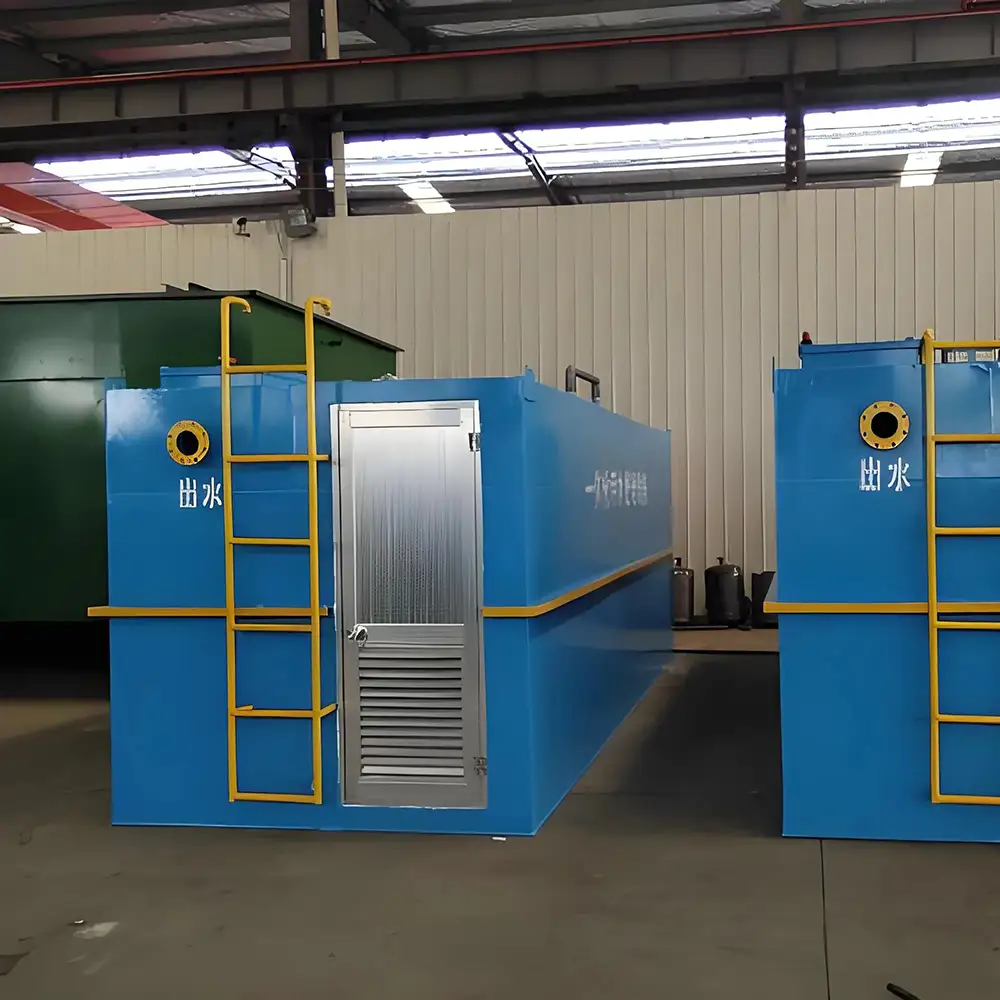
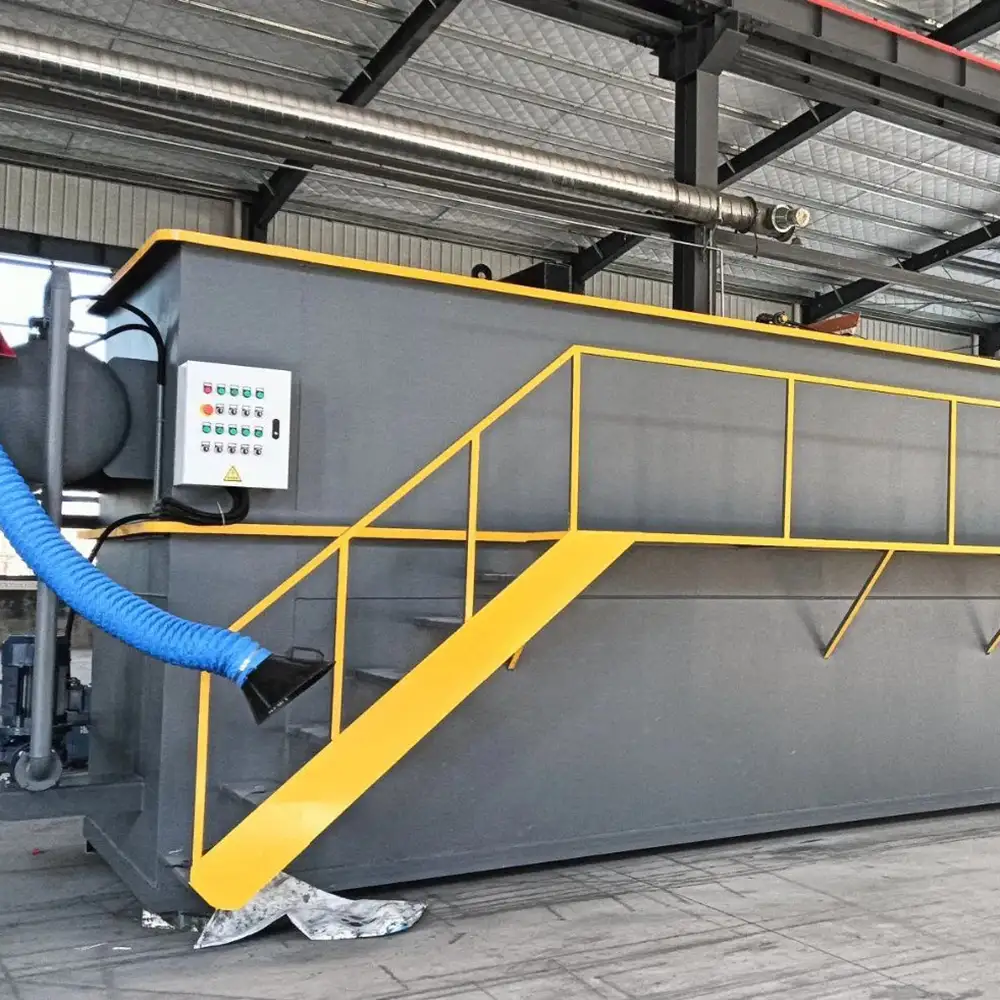
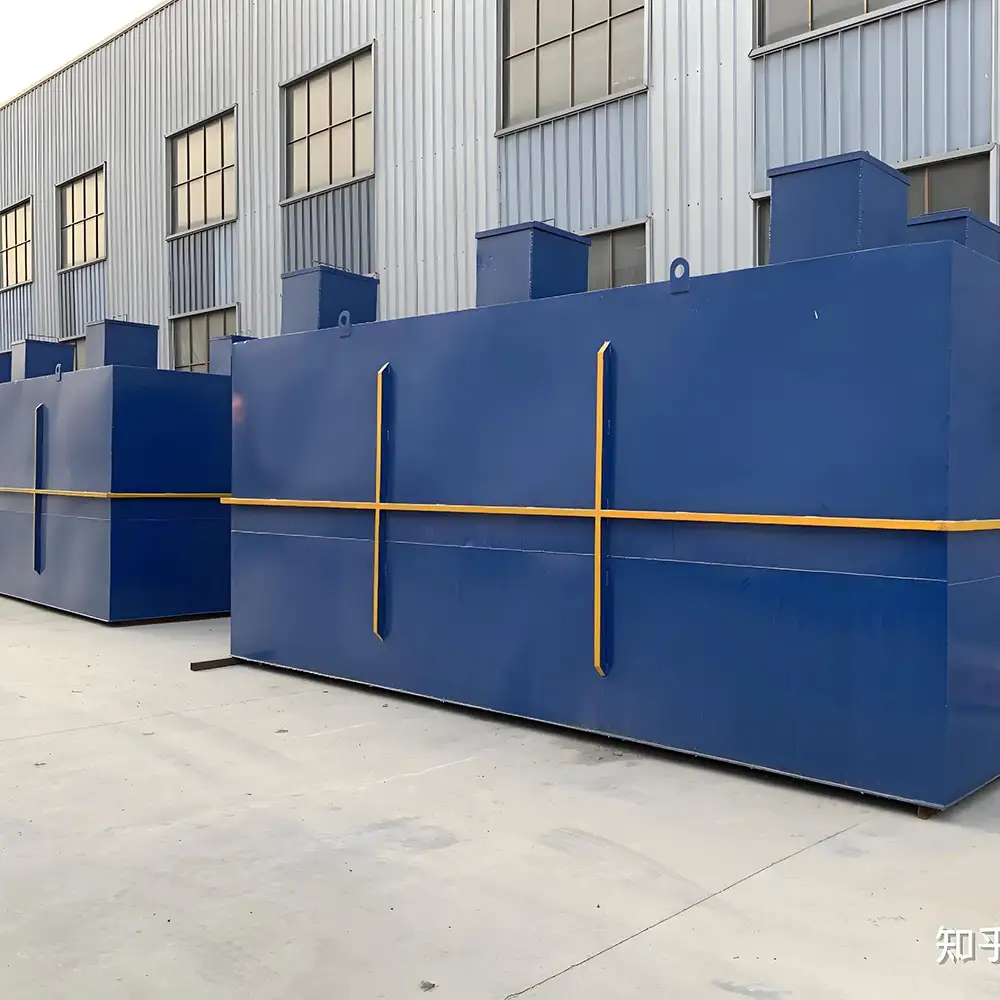
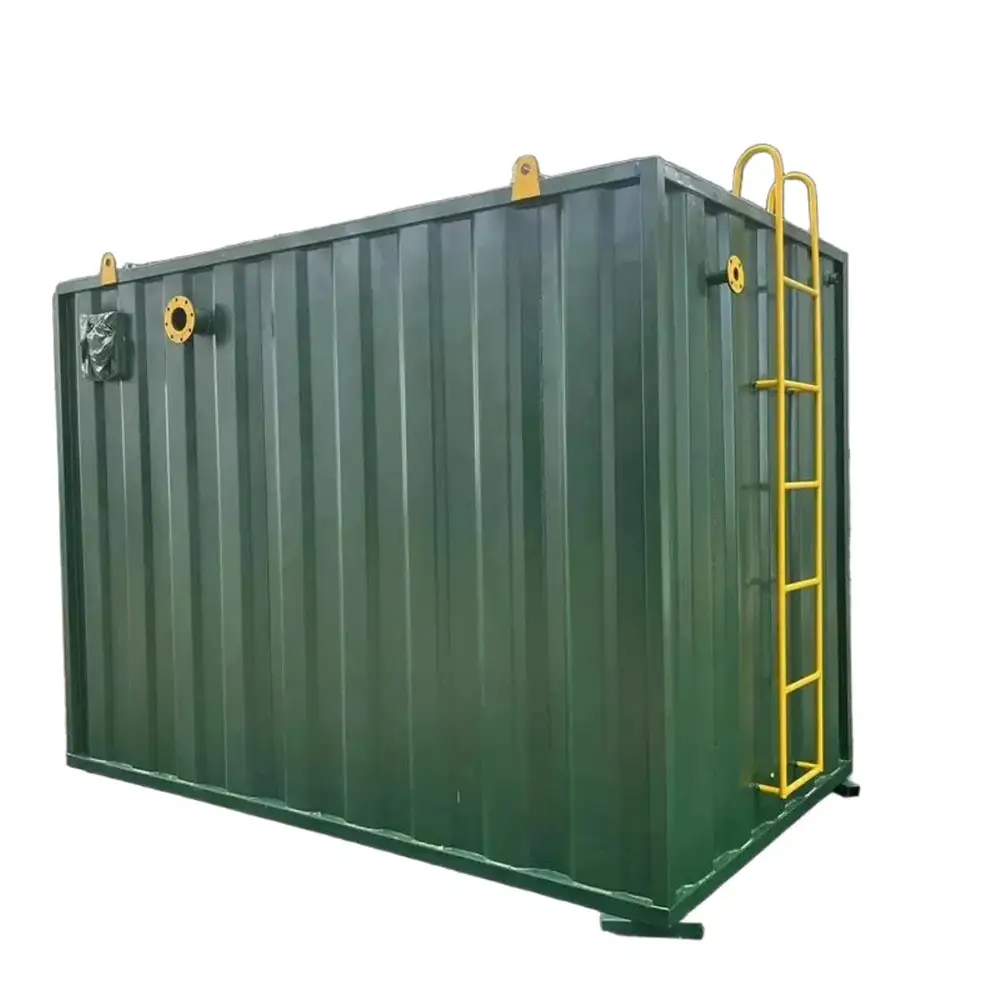
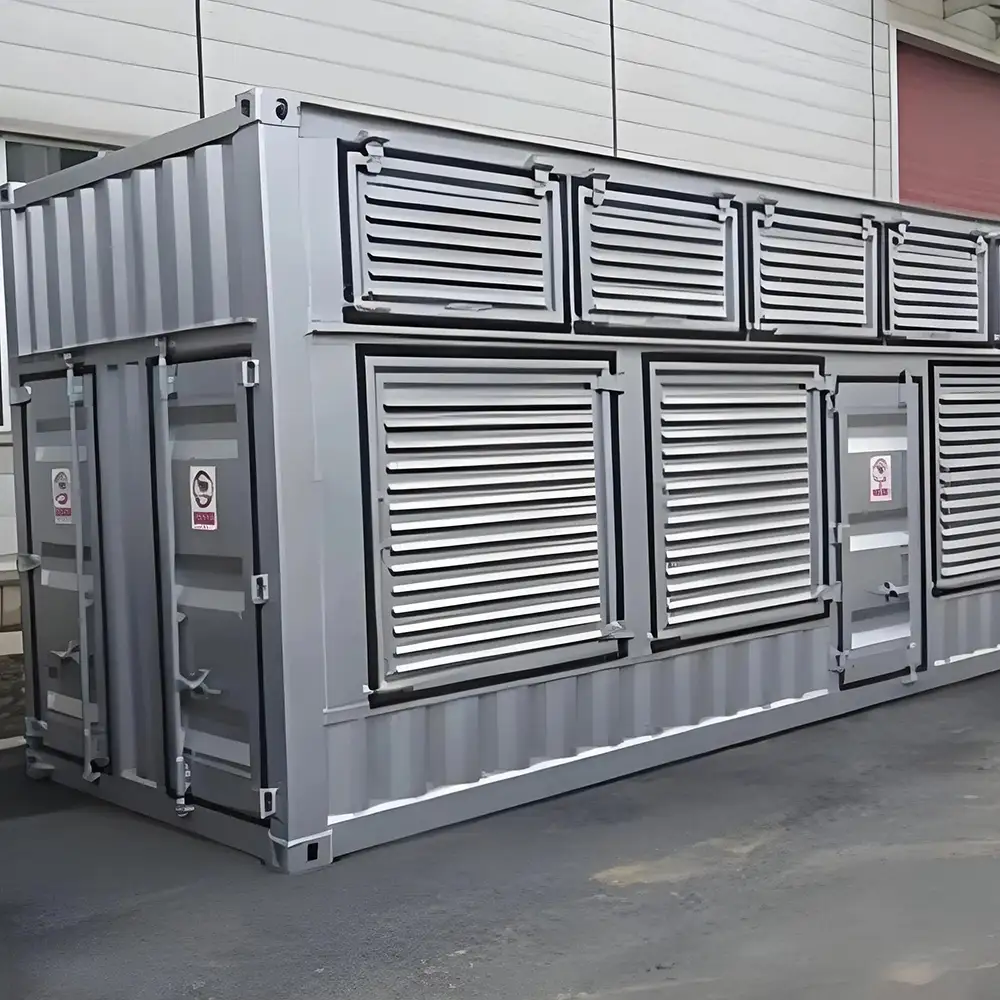
An MBR Integrated Wastewater Treatment System combines biological wastewater treatment with membrane filtration in one compact sewage treatment solution. By integrating the biological reactor and membrane separation process, MBR sewage treatment equipment can provide high-quality treated water while reducing the footprint normally required for conventional activated sludge systems.
Membrane bioreactor technology is widely used where reliable solids separation, compact installation, automation, and potential water reuse are important. The U.S. EPA notes that MBR systems combine suspended-growth biological treatment with filtration and can maintain higher biomass concentrations, allowing smaller bioreactors than conventional systems.
What Is an MBR Integrated Wastewater Treatment System?
An MBR integrated wastewater treatment system is a biological sewage treatment plant that uses membrane modules instead of, or in combination with, conventional secondary clarification. During operation, microorganisms degrade biodegradable organic pollutants in the biological reactor, while the membrane unit physically separates treated water from suspended biomass.
Depending on the project requirements, the system can include pretreatment, equalization, anoxic treatment, aerobic treatment, membrane filtration, sludge return, disinfection, and treated-water storage.
The integrated design makes this type of wastewater treatment equipment suitable for projects where space is limited or where a higher-quality effluent is required for discharge or reuse.
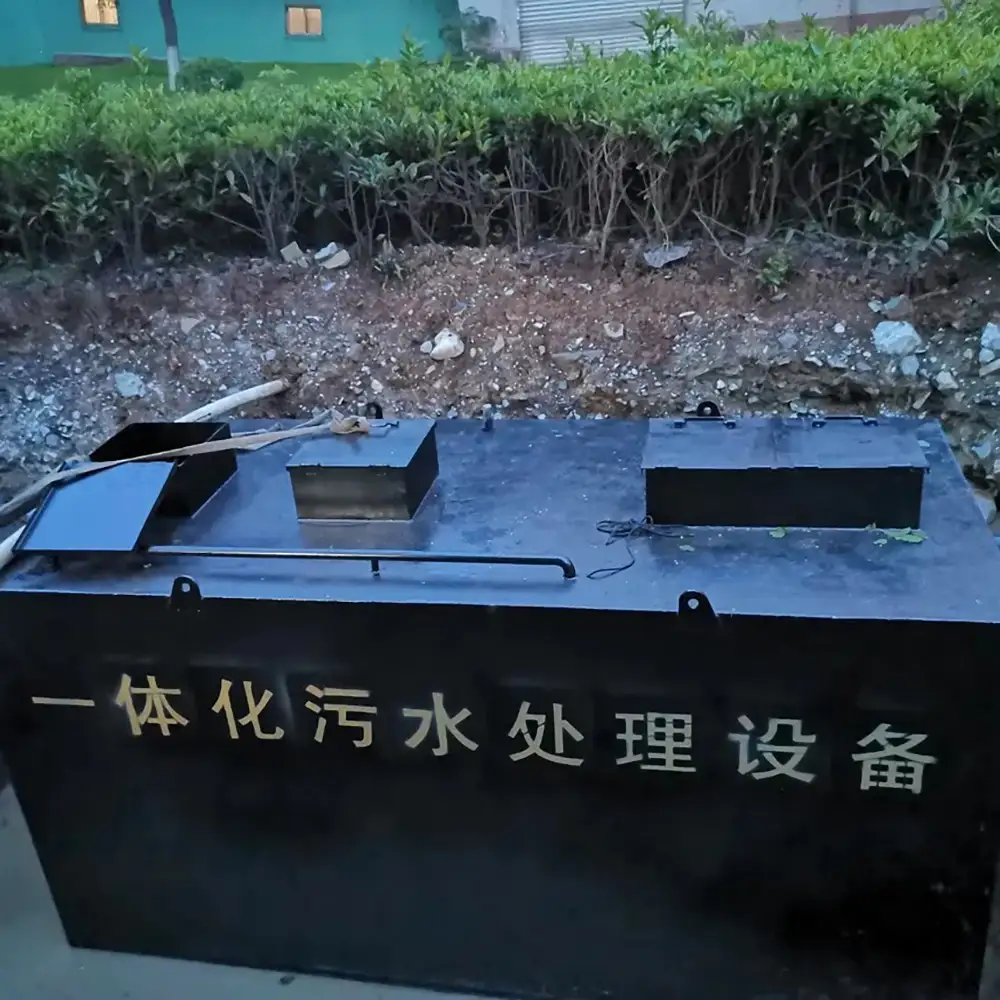
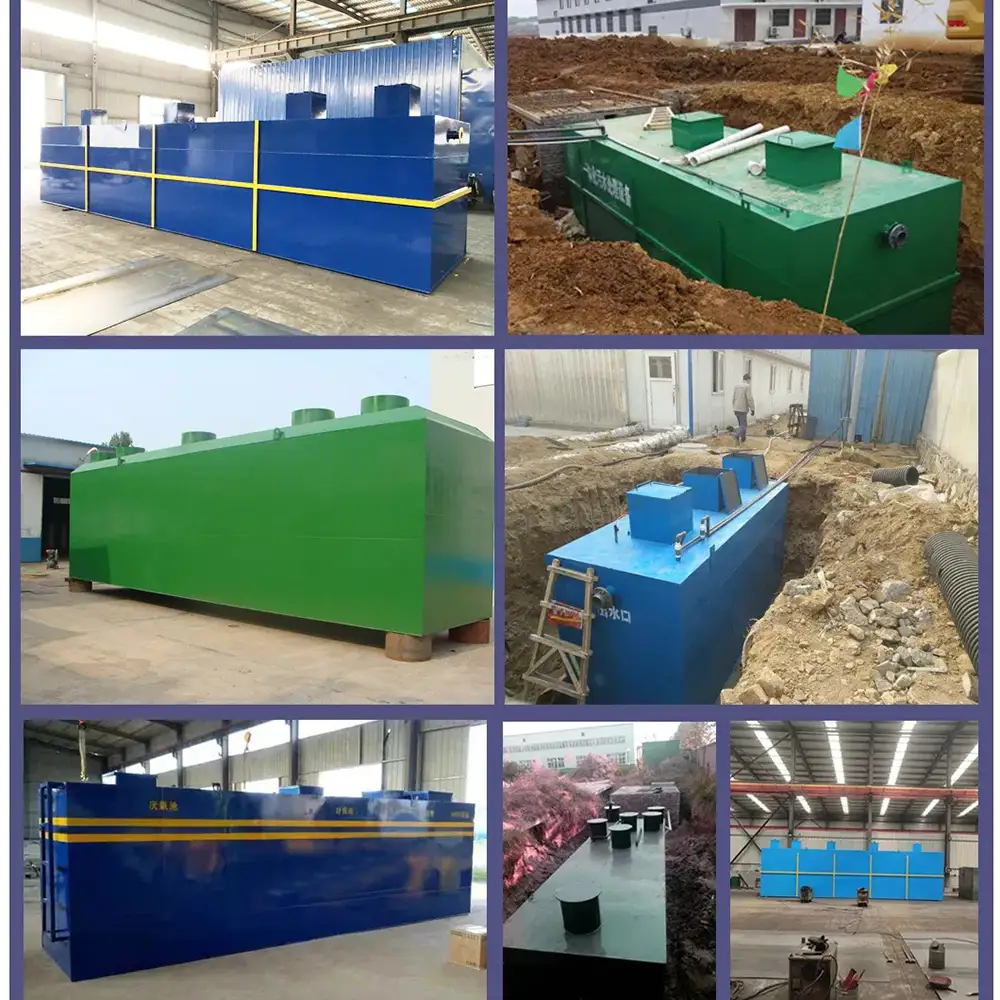
The integrated sewage treatment equipment produced by our company is currently a relatively excellent water treatment product, which is suitable for the treatment and reuse of domestic sewage and similar industrial organic wastewater. Can be buried under the surface, the surface above the equipment can be used as greening or other land, generally do not need to build houses and heating and insulation, automatic control, do not need personnel management, no sludge reflux, simple operation, easy maintenance, wide range of application, good treatment effect.
Working Principle
Wastewater first enters the pretreatment section, where coarse and fine solids are removed to protect downstream equipment and membrane modules. Fine screening is particularly important because debris can damage or obstruct membranes. EPA guidance identifies fine screening as an important MBR pretreatment measure.
After screening, wastewater may enter an equalization tank to balance variations in flow and pollutant concentration. The wastewater then flows into the biological reactor.
In the biological stage, aeration supplies oxygen to microorganisms that consume biodegradable organic matter. Anoxic and aerobic zones can be configured when nitrogen removal is required.
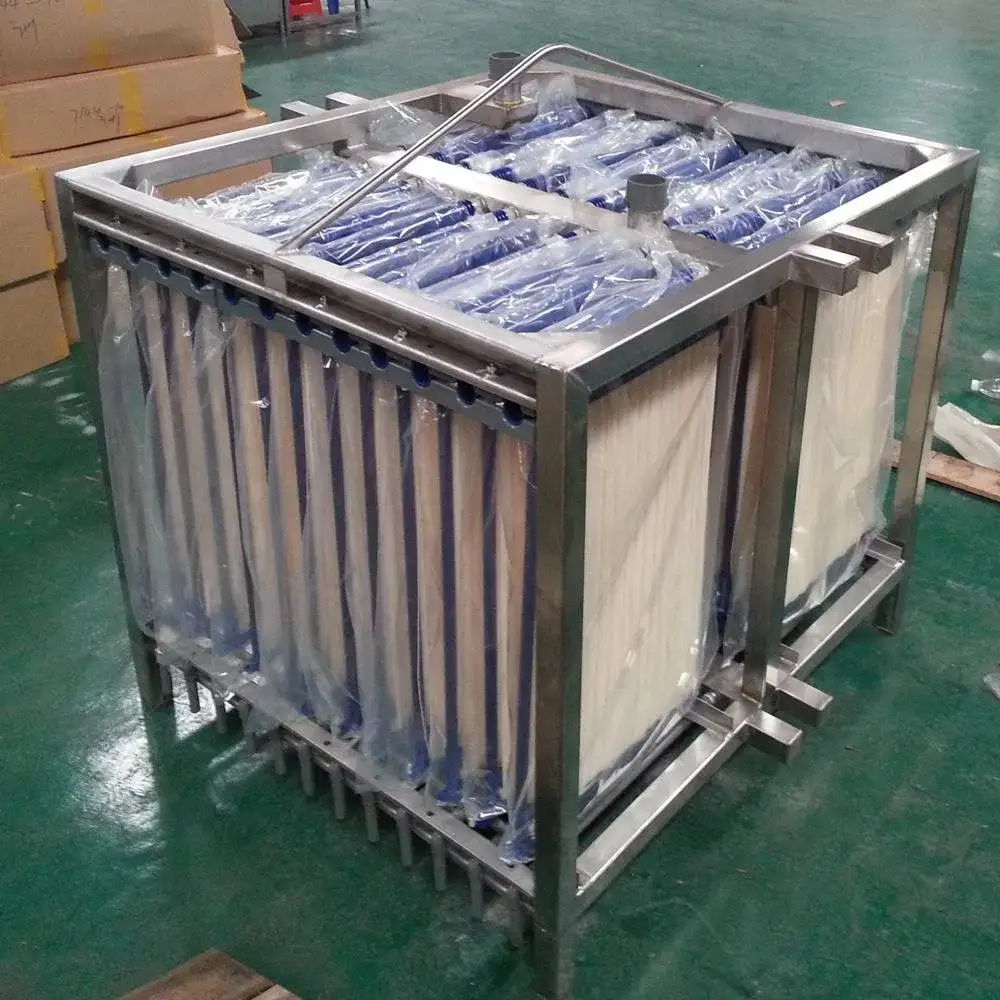
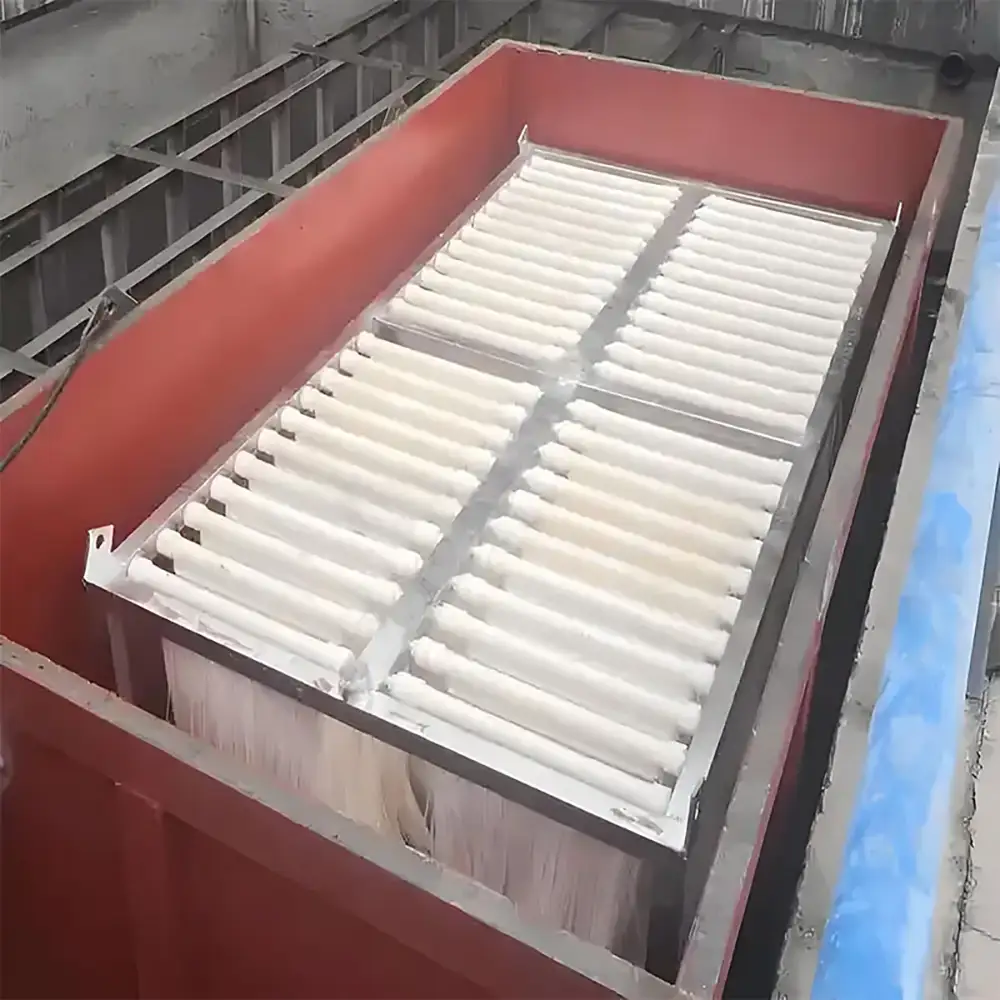
The mixed liquor then reaches the MBR membrane section. Hollow-fiber or flat-sheet membranes separate treated water from activated sludge. The biomass remains in the biological system while permeate passes through the membrane.
Air scouring is commonly used to reduce solids deposition and membrane fouling. Periodic physical and chemical cleaning can also be incorporated into the operating program.
Main Components
A complete MBR integrated sewage treatment system may include:
Coarse and Fine Screening Equipment
Equalization Tank
Anoxic Biological Tank
Aerobic Biological Reactor
MBR Membrane Tank
Hollow-Fiber or Flat-Sheet Membrane Modules
Aeration Blower
Membrane Air-Scouring System
Permeate Pump
Sludge Return Pump
Sludge Discharge System
Disinfection Unit
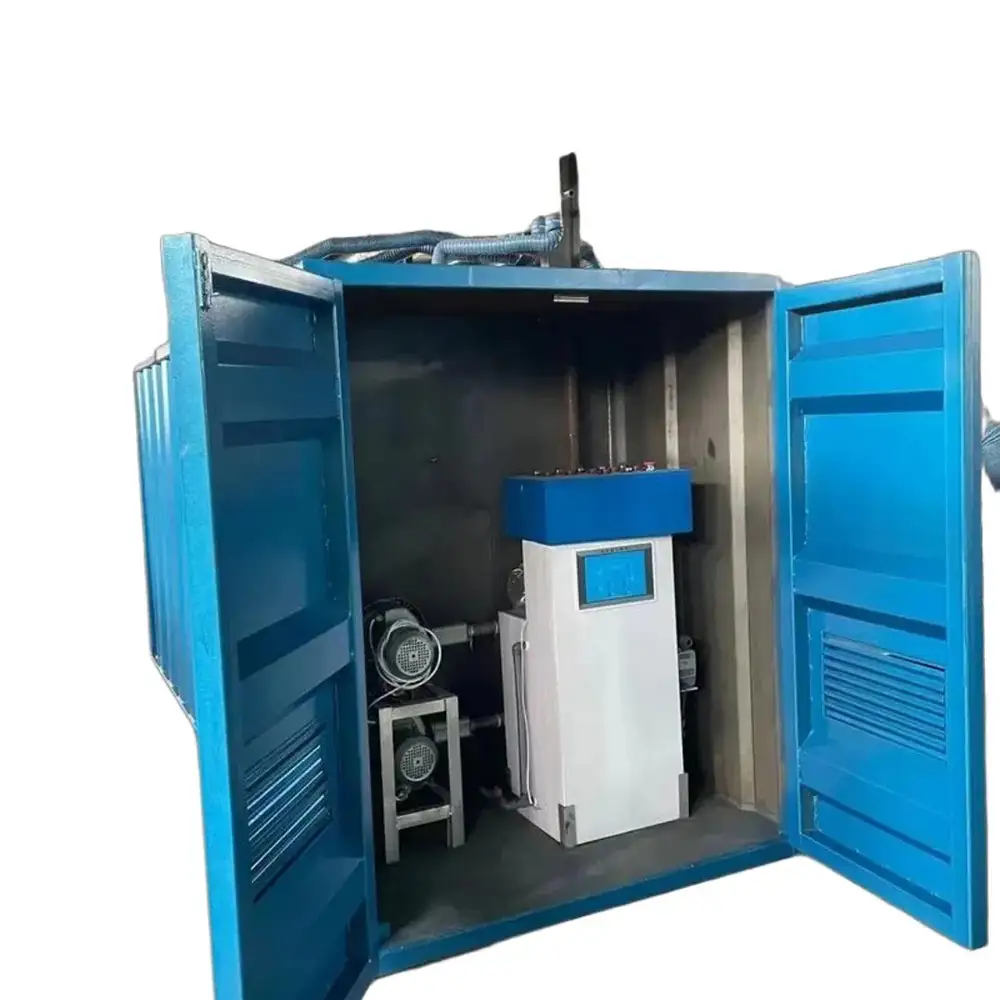
Control Cabinet and PLC
Chemical Cleaning System
Treated Water Tank
The actual configuration depends on wastewater characteristics, design flow, discharge requirements, reuse objectives, and local regulations.
Key Advantages
Compact Footprint
MBR technology can operate with higher biomass concentrations than conventional activated sludge treatment, reducing the required biological reactor volume. The membrane system can also replace some conventional clarification and filtration stages.
High-Quality Effluent
The membrane barrier provides effective separation of suspended solids and microorganisms. MBR systems can produce effluent with low concentrations of TSS and BOD, which can simplify subsequent disinfection or reuse treatment.
Integrated Treatment
Multiple treatment stages can be combined into a modular plant. This simplifies equipment arrangement and can reduce the overall installation footprint.
Flexible Applications
MBR systems can be designed for domestic sewage, municipal wastewater, commercial facilities, hotels, residential developments, schools, hospitals, food-processing facilities, and selected industrial wastewater applications.
Automation
PLC-based controls can monitor pumps, blowers, membrane operation, water levels, pressure, flow, and cleaning cycles. Automated operation reduces routine manual intervention and improves process consistency.
Applications
MBR integrated wastewater treatment equipment is suitable for:
Municipal Sewage Treatment
Residential Communities
Hotels and Resorts
Schools and Universities
Hospitals and Healthcare Facilities
Commercial Buildings
Food Processing Plants
Industrial Facilities
Industrial Parks
Remote Facilities
Wastewater Reuse Projects
For industrial wastewater, pretreatment or additional treatment may be necessary depending on the concentration of oils, toxic compounds, salts, heavy metals, or other non-biodegradable substances.
Membrane Fouling Control
Membrane fouling is an important consideration when operating an MBR system. Suspended solids, biological materials, scaling compounds, and other substances can accumulate on membrane surfaces and increase filtration resistance.
Effective fouling management normally includes adequate pretreatment, optimized aeration, controlled operating flux, periodic relaxation or backwashing where applicable, and chemical cleaning according to membrane specifications.
EPA information identifies membrane cleaning and fouling control as important MBR operation and maintenance requirements.
Water Reuse Potential
One major advantage of an MBR integrated wastewater treatment system is its ability to produce high-quality effluent that can serve as a feed stream for additional polishing processes.
Depending on local regulations and water quality objectives, MBR effluent may be further treated using UV disinfection, ozone, activated carbon, ultrafiltration, nanofiltration, or reverse osmosis.
However, an MBR should not automatically be considered a complete removal solution for every dissolved contaminant. Additional treatment may be required for specific salts, trace organic compounds, pharmaceuticals, or other dissolved pollutants.
Operation and Maintenance
Routine maintenance should include inspection of screens, pumps, blowers, valves, membrane modules, sensors, and control systems. Operators should monitor transmembrane pressure, permeate flow, dissolved oxygen, sludge concentration, and other process indicators according to the system design.
Membrane cleaning schedules should be determined from actual operating conditions rather than applying one fixed interval to every installation.
Proper pretreatment is especially important because excessive debris entering the membrane section can increase fouling and cleaning requirements.
Why Choose Us?
We provide integrated MBR wastewater treatment solutions designed around actual project requirements rather than using a one-size-fits-all configuration.
Our sewage treatment equipment can be configured according to wastewater flow, influent quality, required effluent standards, available installation space, membrane type, automation level, and water reuse objectives.
We can integrate pretreatment, biological treatment, membrane filtration, sludge management, disinfection, PLC control, and optional advanced treatment into a complete wastewater treatment plant.
For international B2B projects, we can also support equipment layout, technical documentation, process design coordination, installation guidance, commissioning support, and customized system configuration.
The result is a compact and scalable MBR wastewater treatment solution suitable for new installations, plant upgrades, and wastewater reuse projects.
FAQs
1. What Is an MBR Wastewater Treatment System?
An MBR system combines biological wastewater treatment with membrane filtration to separate treated water from activated sludge.
2. What Wastewater Can MBR Equipment Treat?
It can treat domestic, municipal, commercial, and selected industrial wastewater when the system is properly designed for the influent characteristics.
3. Does MBR Replace a Secondary Clarifier?
In many MBR configurations, membrane filtration performs the solid-liquid separation normally provided by secondary clarification.
4. What Type of Membranes Are Used?
Common configurations include hollow-fiber and flat-sheet membrane modules. The appropriate type depends on the project and operating conditions.
5. Is Fine Screening Necessary?
Yes. Effective screening helps prevent large particles and debris from reaching and damaging the membrane system.
6. Can MBR Remove BOD and TSS?
Yes. Biological treatment reduces biodegradable organic matter, while membrane filtration provides effective suspended-solids separation.
7. Can MBR Remove Nitrogen?
Nitrogen removal can be incorporated through properly designed anoxic and aerobic biological zones.
8. Can MBR Water Be Reused?
MBR effluent can be suitable for certain reuse applications after meeting the applicable water-quality requirements. Additional polishing may be required.
9. How Is Membrane Fouling Controlled?
Fouling can be controlled through pretreatment, aeration, optimized operating conditions, membrane relaxation or backwashing where applicable, and periodic chemical cleaning.
10. Does MBR Require Regular Maintenance?
Yes. Pumps, blowers, screens, sensors, membrane modules, valves, and control equipment should be inspected and maintained regularly.
11. Can the MBR System Be Automated?
Yes. PLC and touchscreen control systems can be used to automate pumps, blowers, valves, membrane cycles, alarms, and cleaning procedures.
12. Can the MBR System Be Customized?
Yes. Capacity, tank configuration, membrane type, pretreatment, biological stages, disinfection, automation, and optional advanced treatment can be configured according to project requirements.
Prev:
Mbr Medical Wastewater Treatment Equipment Water Treatment Plant
Next:
Efficient Integrated Sewage Treatment Equipment - Removal of Cod, BOD
TAG:
Industrial Wastewater Treatment Equipment,
Integrated Wastewater Treatment System,
Industrial Wastewater Treatment System,
Biological Wastewater Treatment System,
Industrial Wastewater Treatment,
Sewage Treatment Plant,
Industrial Wastewater Treatment Plant,
Wastewater Treatment Equipment,
Wastewater Treatment Plant,
Wastewater Treatment System,
Sewage Treatment Equipment,
Sewage Treatment System,
BOD Removal Wastewater Treatment,
Advanced Wastewater Treatment,
Biological Wastewater Treatment,
Water Reuse Treatment System,
Integrated Sewage Treatment System,
Integrated Sewage Treatment Equipment,
COD Removal Wastewater Treatment,
Nitrogen Removal Wastewater Treatment,
Nutrient Removal Wastewater Treatment,
Municipal Wastewater Treatment Equipment,
Domestic Sewage Treatment Plant,
Domestic Sewage Treatment System,
Domestic Sewage Treatment Equipment,
Biological Sewage Treatment,
Biological Sewage Treatment Equipment,
Domestic Sewage Treatment,
Integrated Sewage Treatment Plant,
Integrated Sewage Treatment,
Related Category:
MBR Integrated Wastewater Treatment System,MBR Sewage Treatment Equipment,Integrated MBR Wastewater Treatment Plant China, suppliers, manufacturers, factory, customized, wholesale, quotation, made in China