Electrocatalytic oxidation is an advanced oxidation technology based on electrochemical principles. It has a wide range of applications in environmental pollution control, energy conversion and other fields. The following is a detailed introduction:
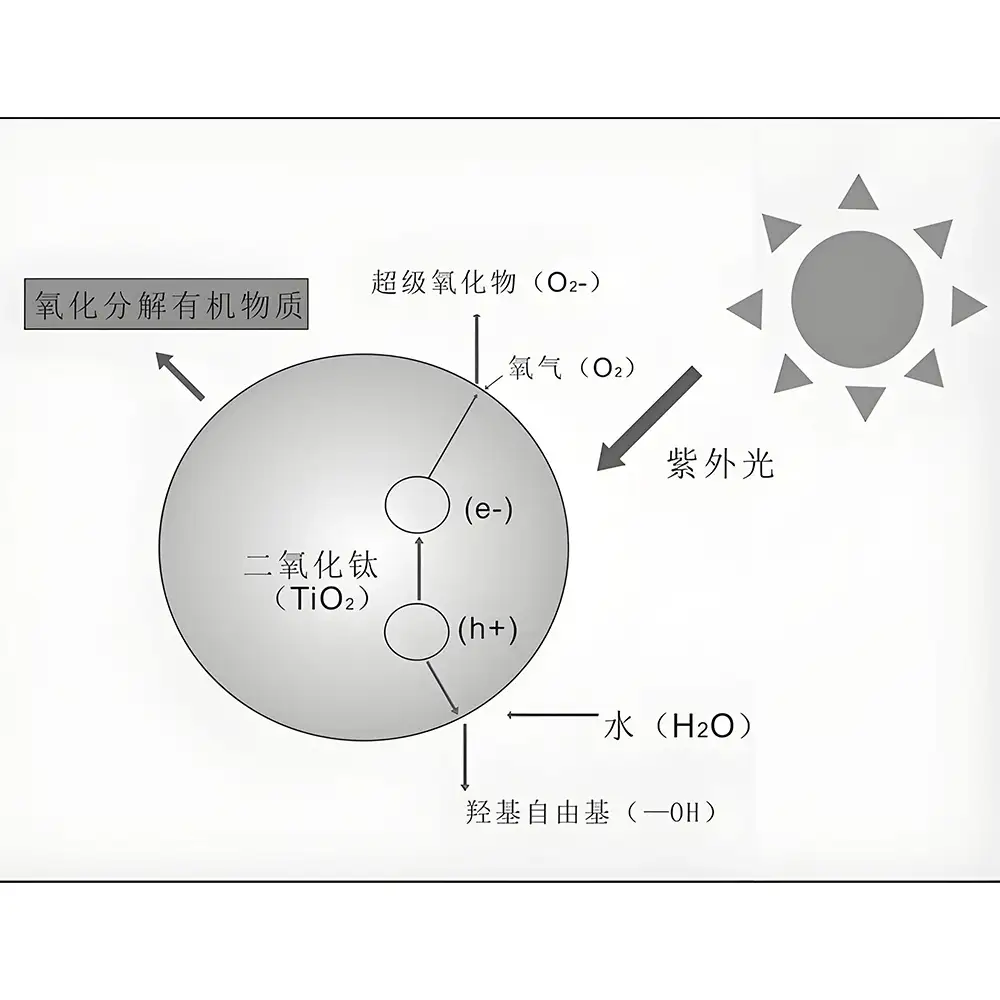
Basic principle: Electrocatalytic oxidation is a catalytic reaction process in which reactant molecules or ions undergo electron transfer on the electrode surface. Under the action of the electric field, organic matter is directly degraded through the anode reaction, or through the anode reaction to produce highly oxidizing intermediates (such as hydroxyl radicals⋅OH, ozone, etc.) to indirectly degrade organic matter. Taking hydroxyl radicals as an example, it has an extremely high oxidation potential (about 2.8V) and can non-selectively mineralize and degrade most organic pollutants into harmless substances such as carbon dioxide and water.
Key components
Electrode materials: It is the core component of electrocatalytic oxidation and directly affects the efficiency and selectivity of the reaction. Common anode materials include lead dioxide (PbO2), boron-doped diamond (BDD), ruthenium dioxide (RuO2), etc. For example, boron-doped diamond electrodes have a wide electrochemical window, low background current, high chemical stability and catalytic activity, and are suitable for the degradation of a variety of organic pollutants; lead dioxide electrodes are relatively low in cost and have certain applications in the treatment of some organic wastewater containing phenols, dyes, etc.
Electrolyte: It plays the role of conducting current in the electrocatalytic oxidation system and affects the reaction process on the electrode surface. Commonly used electrolytes include sodium sulfate (Na2SO4), sodium chloride (NaCl), etc. For example, in an electrolyte solution containing sodium chloride, chloride ions can be oxidized on the anode surface to generate chlorine gas, which is further hydrolyzed to generate hypochlorite. Hypochlorite has strong oxidizing properties and can participate in the oxidation and degradation reaction of organic matter.
Features
High efficiency: It can quickly degrade organic pollutants, has a fast reaction rate and high treatment efficiency, and can make the organic matter in the wastewater meet the discharge standard in a relatively short time.
Flexibility: It can adapt to the treatment needs of different types of organic wastewater by adjusting parameters such as electrode materials, electrolyte types and concentrations, current density, and reaction time.
Environmentally friendly: The electrocatalytic oxidation process generally does not introduce additional chemical reagents, avoiding secondary pollution, and electricity as a clean energy source meets the requirements of sustainable development.
Easy to automate and control: The reaction process can be automated by controlling electrical parameters, which is convenient for industrial application and management.
Application areas
Wastewater treatment: It is widely used in industrial wastewater and domestic sewage treatment, such as pharmaceutical wastewater, printing and dyeing wastewater, electroplating wastewater, etc. It can effectively remove refractory organic matter in wastewater, reduce chemical oxygen demand (COD) and biochemical oxygen demand (BOD), and improve the biodegradability of wastewater.
Drinking water purification: Remove trace organic pollutants, disinfection by-product precursors, etc. in drinking water to ensure drinking water safety.
Energy field: In fuel cells, electrocatalytic oxidation reactions (such as methanol oxidation, ethanol oxidation, etc.) can convert the chemical energy of fuel into electrical energy and improve energy utilization efficiency.
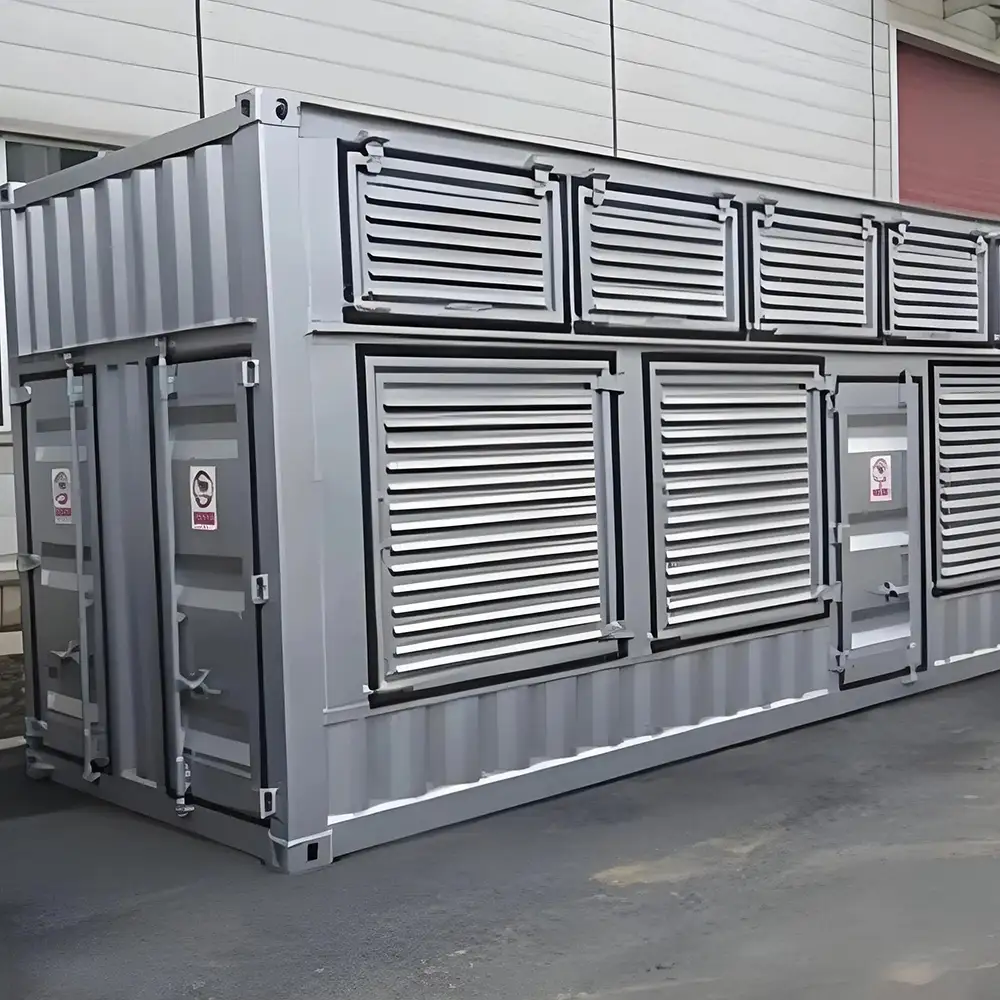
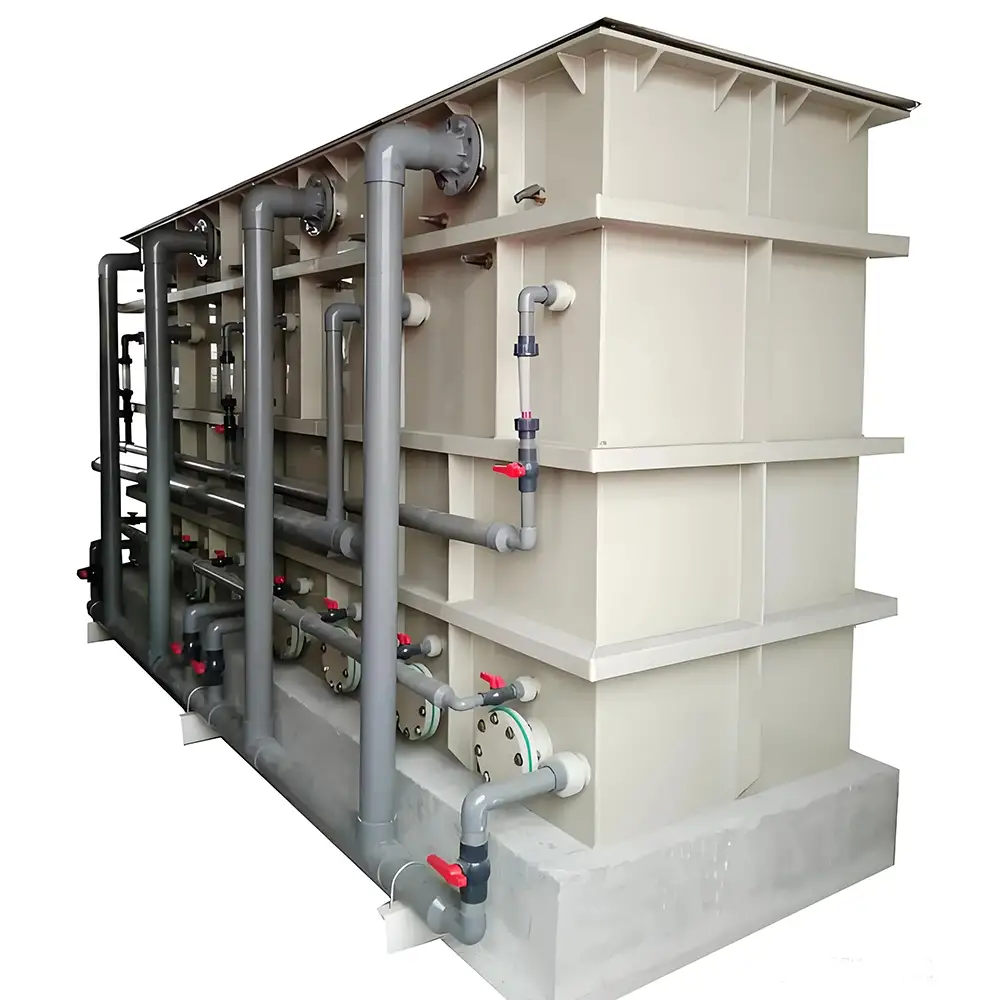
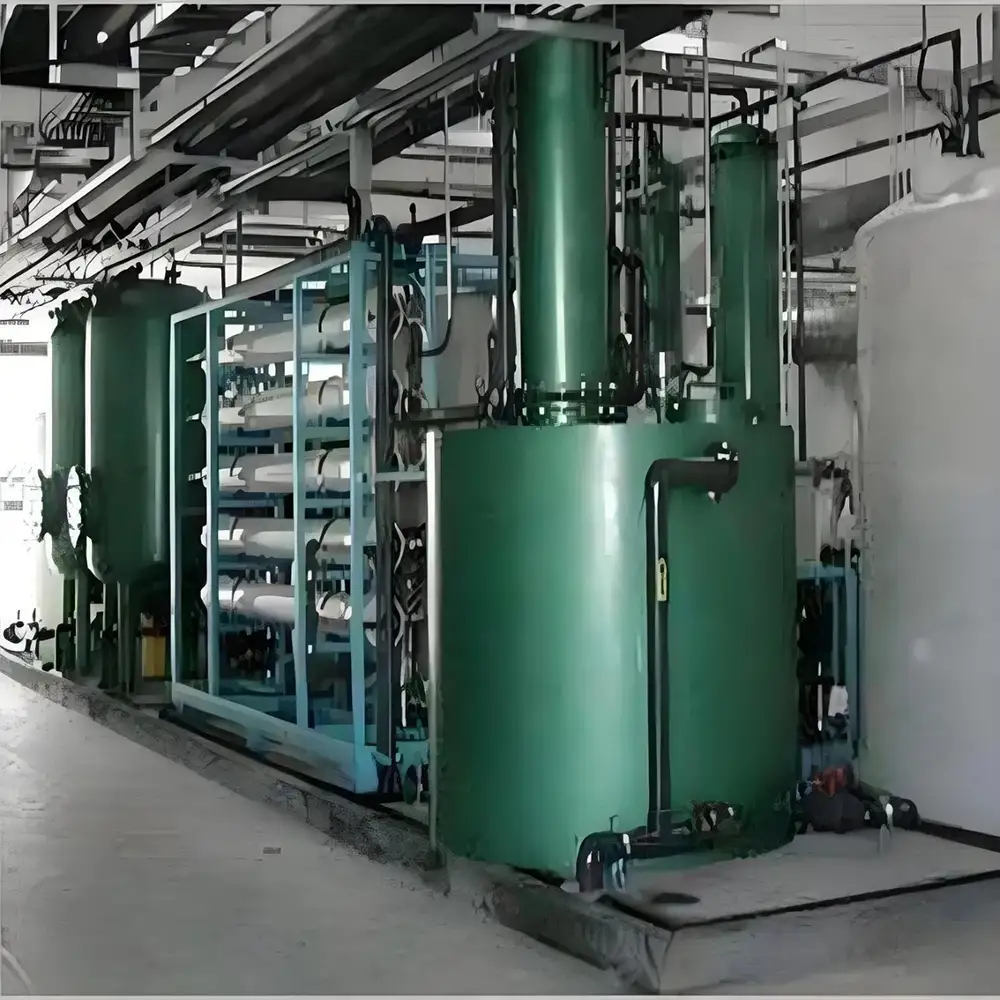
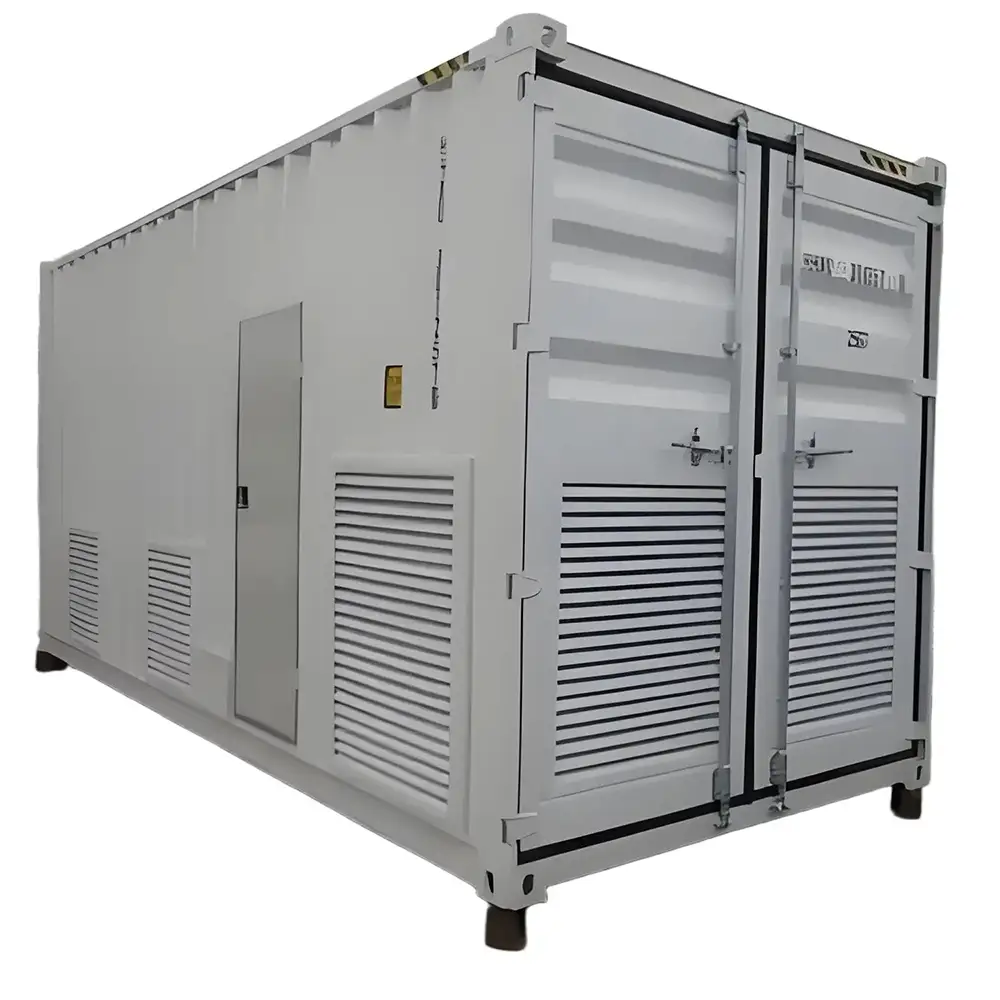
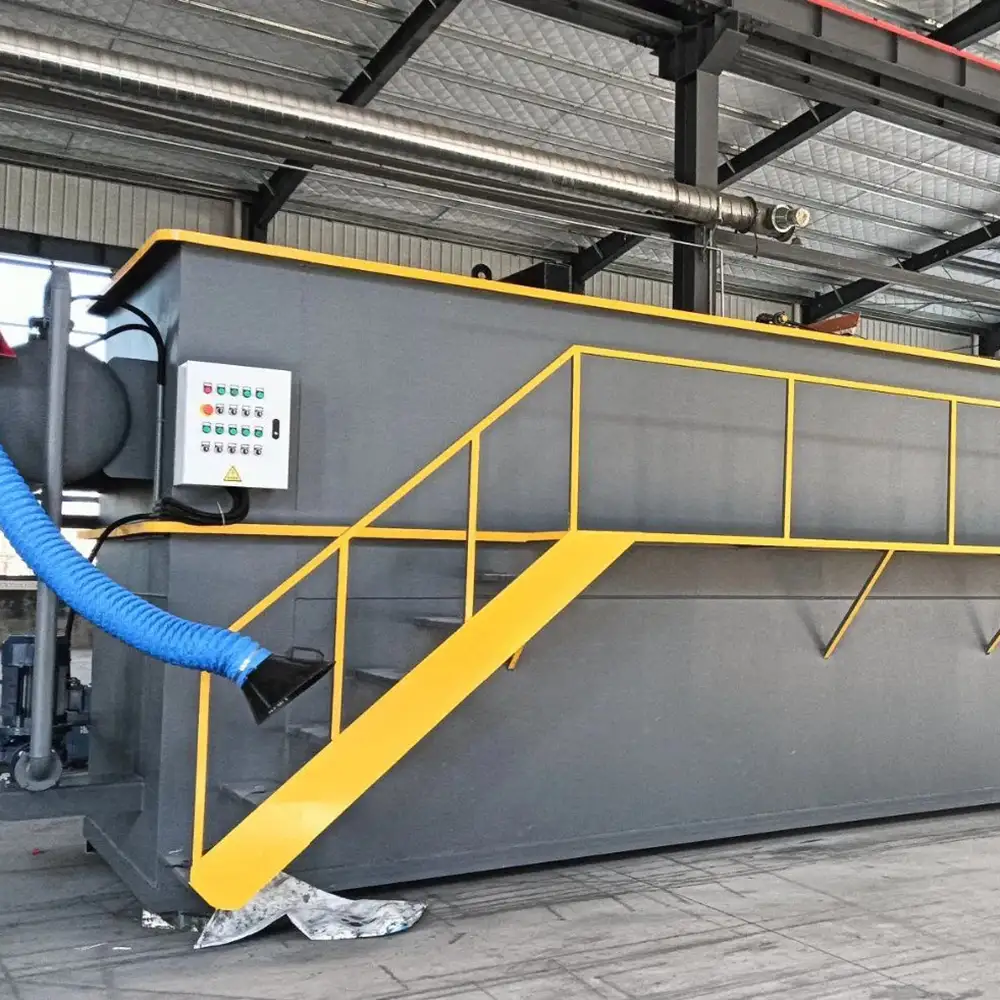
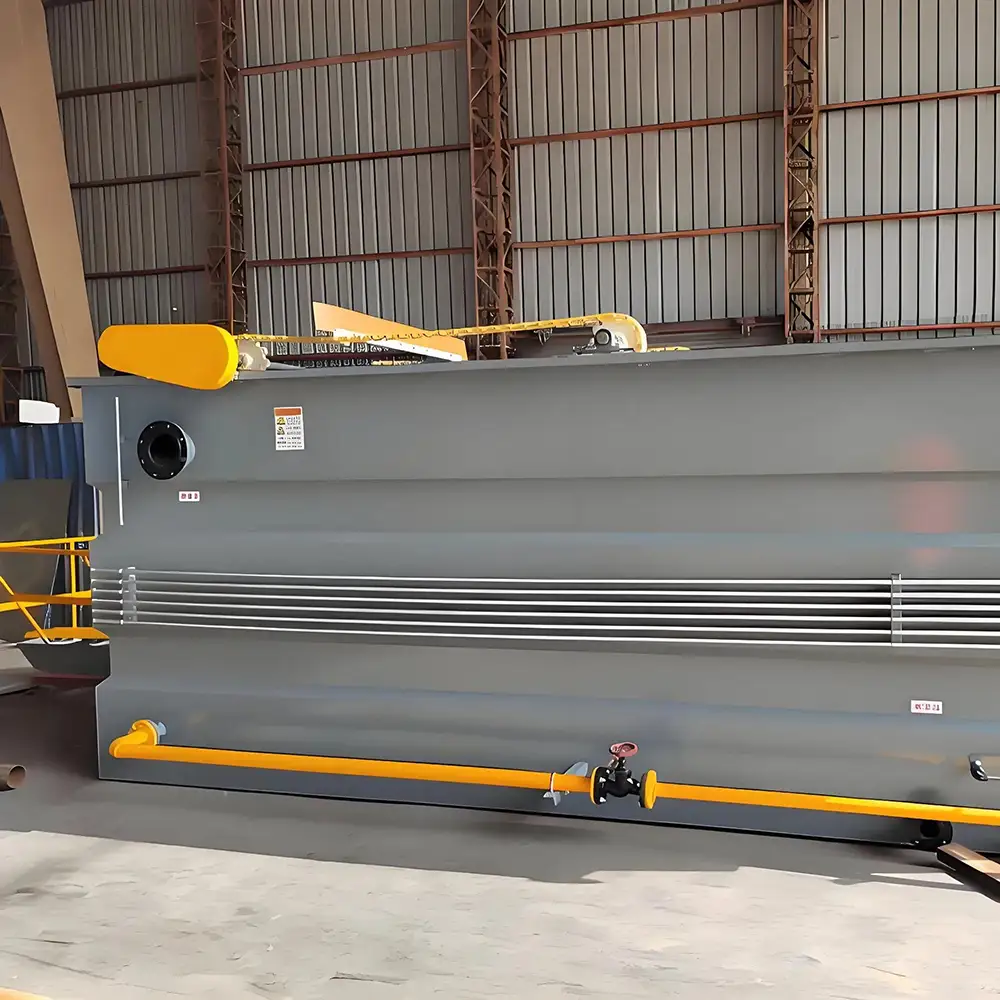
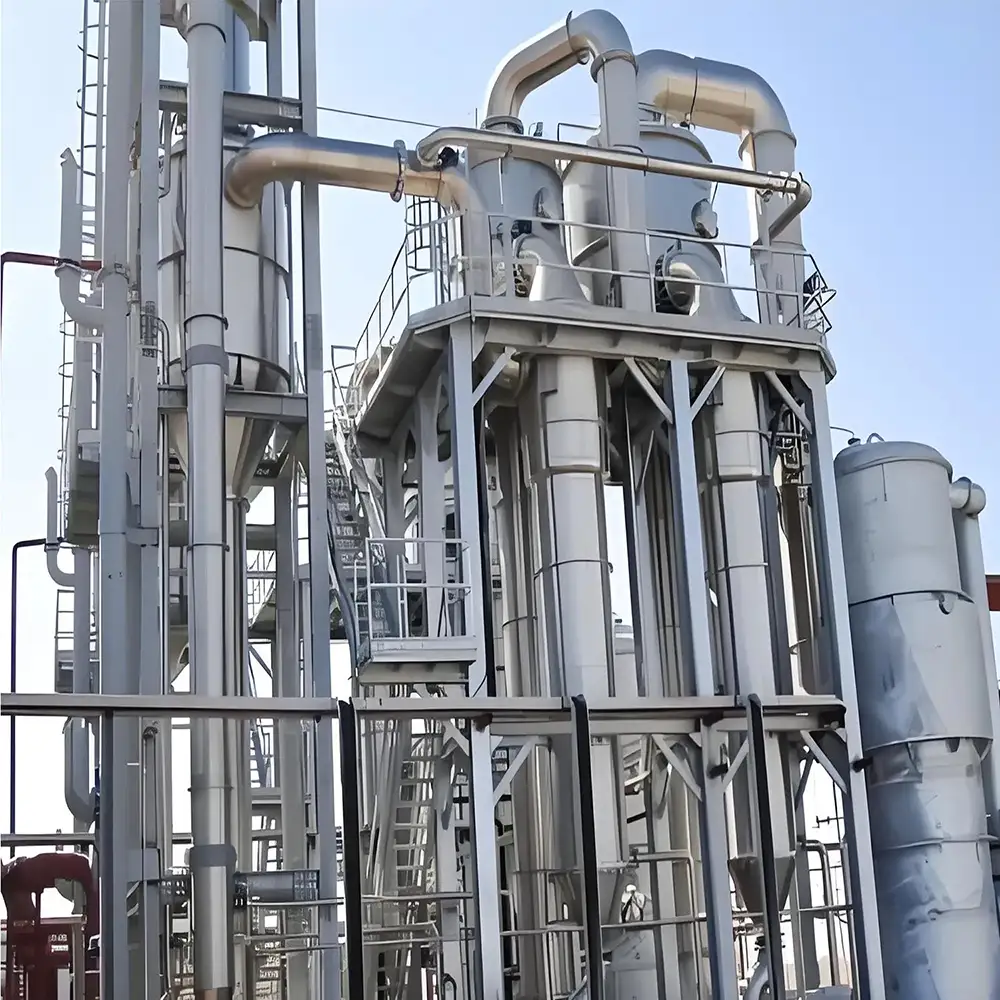
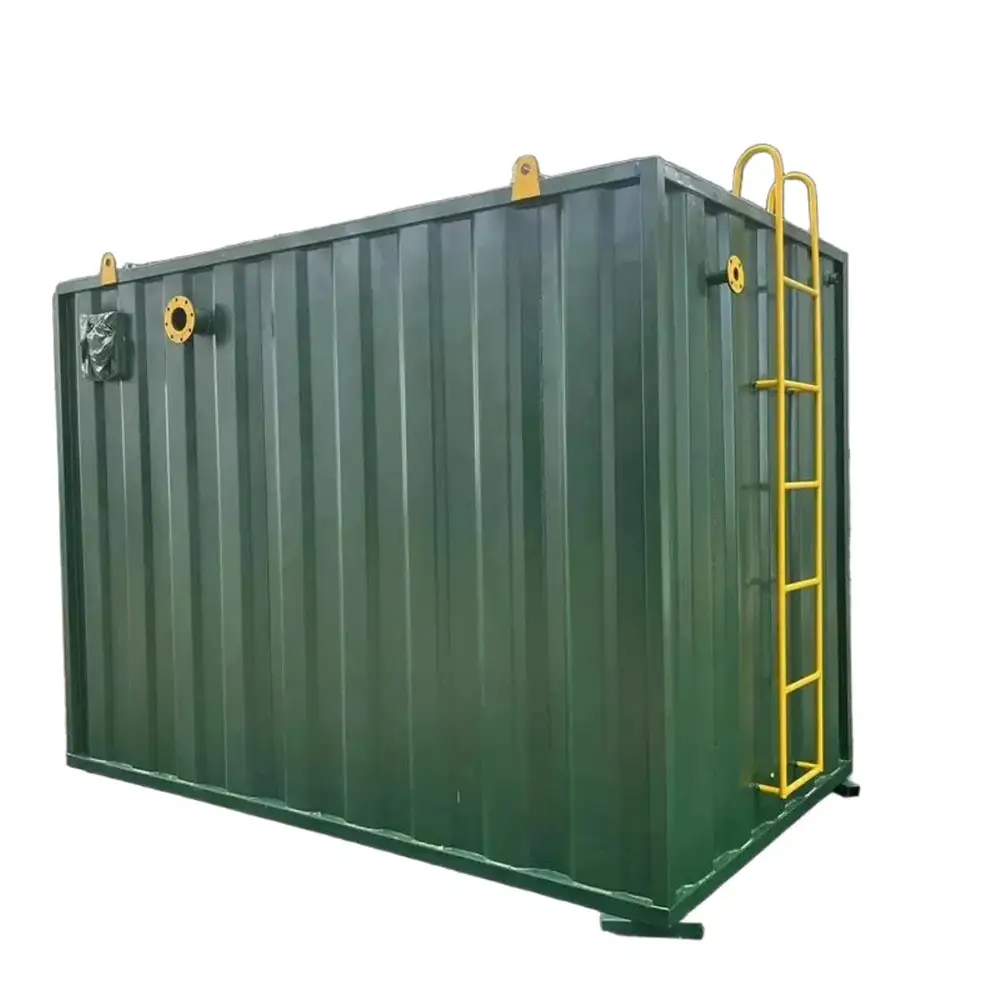
Detailed Photos
|
1. Core hardware equipment |
|
|
|
project |
Specifications/Models |
Usage |
|
1.Electrochemical reaction system |
- Electrolytic cell (glass/PTFE) |
Accommodate the reaction system and provide a place for electrochemical reaction; |
|
- Three-electrode system (working electrode, counter electrode, reference electrode) |
A three-electrode system was used to precisely control the potential. |
|
2.DC/Pulse Power Supply |
- Voltage range: 0~10V, current range: 0~2A |
Provide stable electrical energy to drive oxidation reactions; |
|
- With constant voltage/constant current mode |
Pulsed power optimizes reaction efficiency. |
|
3.Electrochemical workstation |
- Brand recommendations: Gamry, CHI, BioLogic |
Real-time monitoring of electrochemical parameters such as current-voltage curve and impedance spectrum. |
|
- Support CV, LSV, EIS and other test functions |
|
4.Temperature control system |
- Constant temperature water bath (±0.5ºC accuracy) |
Control the reaction temperature and study the effect of temperature on catalytic performance. |
|
- Heating/Cooling Circulators |
|
2. Electrode Materials |
|
|
|
type |
Optional Materials |
Features and applicable scenarios |
|
1.Working electrode |
- Precious metals: platinum sheet, iridium wire |
High catalytic activity and strong stability; |
|
- Metal oxides: Ti/SnO, Ti/PbO |
BDD electrodes are suitable for strong oxidative environments (such as hydroxyl radical generation). |
|
- Carbon-based materials: glassy carbon electrodes, graphene-coated electrodes |
|
|
- Boron-doped diamond (BDD) electrodes |
|
|
2.Counter electrode (cathode) |
- Platinum wire/Platinum mesh |
Provide an electron conduction path and avoid side reactions with the reactants. |
|
- Graphite rods |
|
3.Reference electrode |
- Ag/AgCl (saturated KCl) |
Provides a potential reference to ensure precise control of the working electrode potential. |
|
- Hg/HgO (alkaline system) |
|
|
|
|
|
|
|
|
|
3. Electrolytes and Reagents |
|
|
|
|
|
|
|
category |
Recommended reagents |
Effects and precautions |
|
1.Supporting electrolyte |
- Sodium sulfate (NaSO) |
Improve the conductivity of the solution, the concentration is usually 0.1~1.0 M. |
|
- Potassium nitrate (KNO) |
|
2.pH Adjusters |
- Phosphate buffered saline (PBS) |
Maintaining the pH stability of the reaction system affects the oxidation pathway and free radical generation. |
|
Sulfuric acid/sodium hydroxide |
|
3.Target contaminant/substrate |
- Dyes (methylene blue, rhodamine B) |
Choose according to research needs, and the initial concentration and detection method must be clarified. |
|
- Organic acids, phenolic compounds |
|
4.Oxidation enhancers |
- Persulfate (PDS/PMS) |
It works synergistically with electrocatalysis to enhance the generation of free radicals (SO·, ·OH). |
|
- Ozone (O) |
|
4. Auxiliary equipment and tools |
|
|
|
|
|
|
|
equipment |
Functional Description |
|
|
1.Magnetic stirrer |
Keep the electrolyte evenly mixed to avoid concentration gradients. |
|
|
2.Gas supply system |
Introduce oxygen/nitrogen (such as aerobic oxidation or inert atmosphere protection). |
|
|
3.Online monitoring probe |
- pH meter |
Monitor the changes in reaction conditions in real time. |
|
- Dissolved oxygen (DO) sensor |
|
- Temperature probe |
|
4.Membrane separation components |
Proton exchange membrane (Nafion) or ceramic membrane for separation of anode/cathode compartments or product recovery. |
|
|
5. Testing and analysis instruments |
|
|
|
|
|
|
|
instrument |
Detection target |
|
|
1.UV-Vis Spectrophotometer |
Quantitative analysis of pollutant concentrations (e.g. dye degradation rate). |
|
|
2.High Performance Liquid Chromatography (HPLC) |
Identification of degradation intermediates of organic pollutants. |
|
|
3.Gas chromatography-mass spectrometry (GC-MS) |
Analyze the degradation pathways of volatile organic compounds. |
|
|
4.Electron Microscopy (SEM/TEM) |
Observe the electrode surface morphology and catalyst dispersion state. |
|
|
6. Safety and Protection |
|
|
|
project |
Require |
|
|
1.Protective equipment |
Acid and alkali resistant gloves, goggles, and lab coats. |
|
|
2.Ventilation System |
Chemical fume hood (for handling corrosive gases or volatile organic compounds). |
|
|
3.Wastewater treatment |
Use special containers to collect waste liquid containing heavy metals/organics and dispose of it in accordance with environmental protection regulations. |
|
Hydroxyl Radical-Mediated Boron-Doped Diamond Electrode Catalytic Oxidation Water Treatment Plant
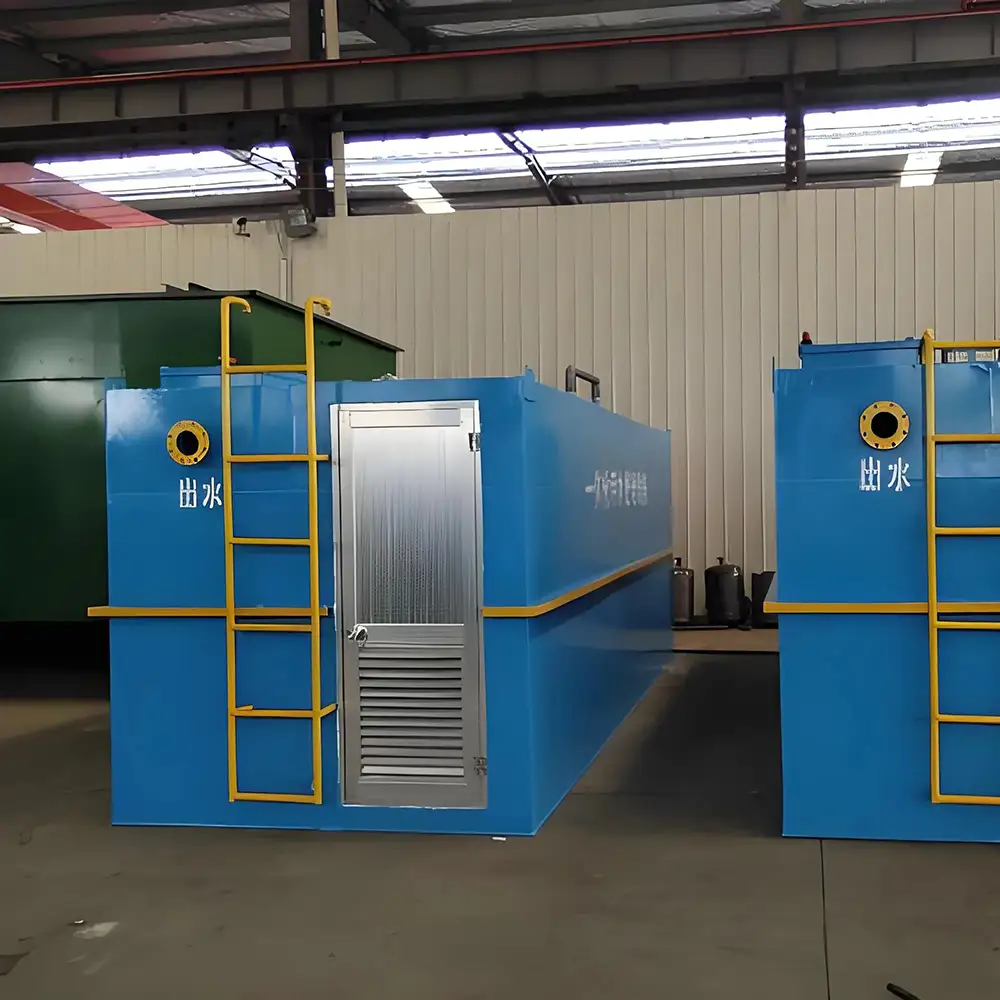
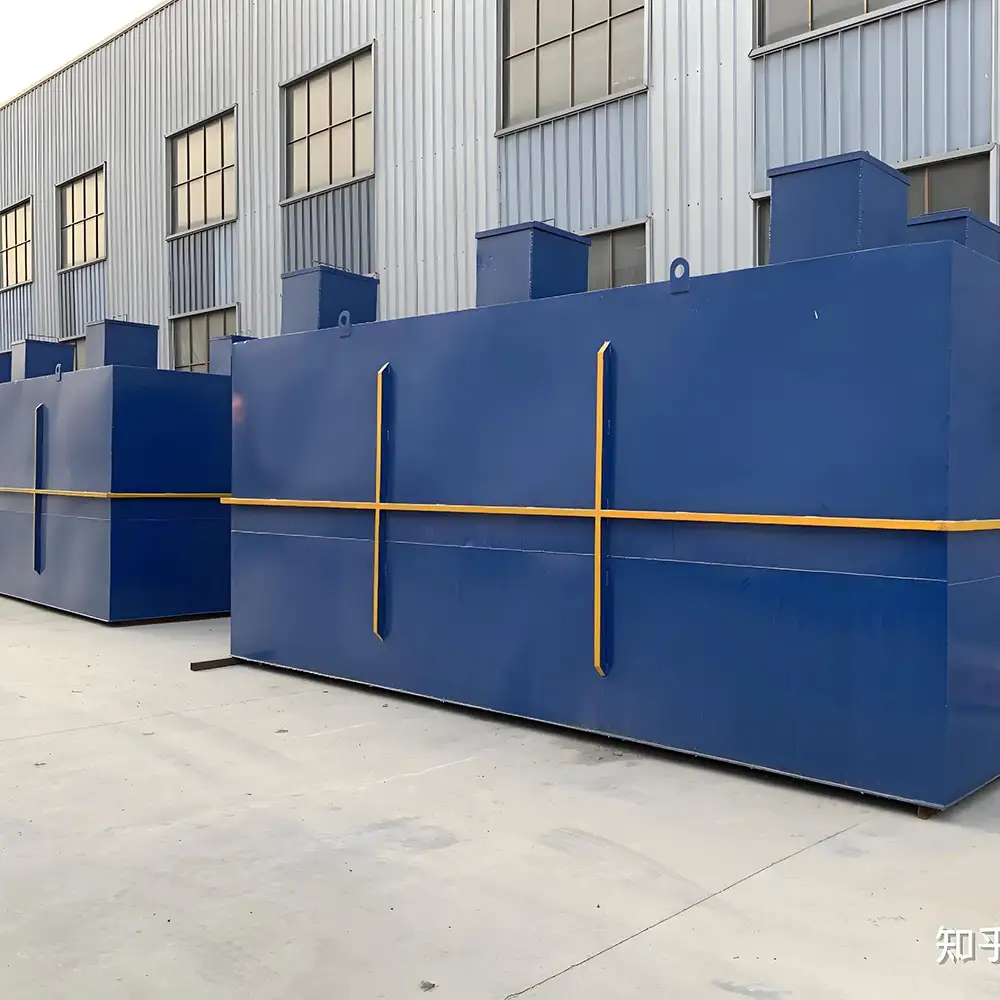
The Hydroxyl Radical-Mediated Boron-Doped Diamond Electrode Catalytic Oxidation Water Treatment Plant is an advanced electrochemical oxidation system designed for difficult-to-treat industrial wastewater and water streams containing refractory organic pollutants. By using boron-doped diamond (BDD) electrodes as high-performance anodes, the system promotes the electrochemical generation of highly reactive hydroxyl radicals that can attack and break down a wide range of persistent organic compounds.
BDD electrochemical oxidation has attracted significant attention because hydroxyl radicals can be generated directly at the electrode surface during water oxidation. Research has demonstrated the application of BDD electrodes for real industrial effluents, including petrochemical, hospital, food-processing, municipal, dyeing, and other complex wastewater streams.
Advanced Hydroxyl Radical Oxidation
The core of this water treatment plant is the BDD electrode reactor. When electrical energy is applied, water molecules participate in anodic reactions at the BDD surface, producing adsorbed hydroxyl radicals. These highly reactive species can oxidize organic pollutants through a series of reactions that convert complex compounds into smaller intermediates and, under suitable conditions, further toward carbon dioxide, water, and inorganic products.
Unlike conventional biological treatment, which can struggle with toxic or non-biodegradable compounds, electrochemical oxidation can provide an effective polishing or advanced treatment step for refractory wastewater. BDD electrodes are also recognized for their chemical and electrochemical stability, making them suitable for demanding oxidation environments.
BDD Electrode Catalytic Oxidation System
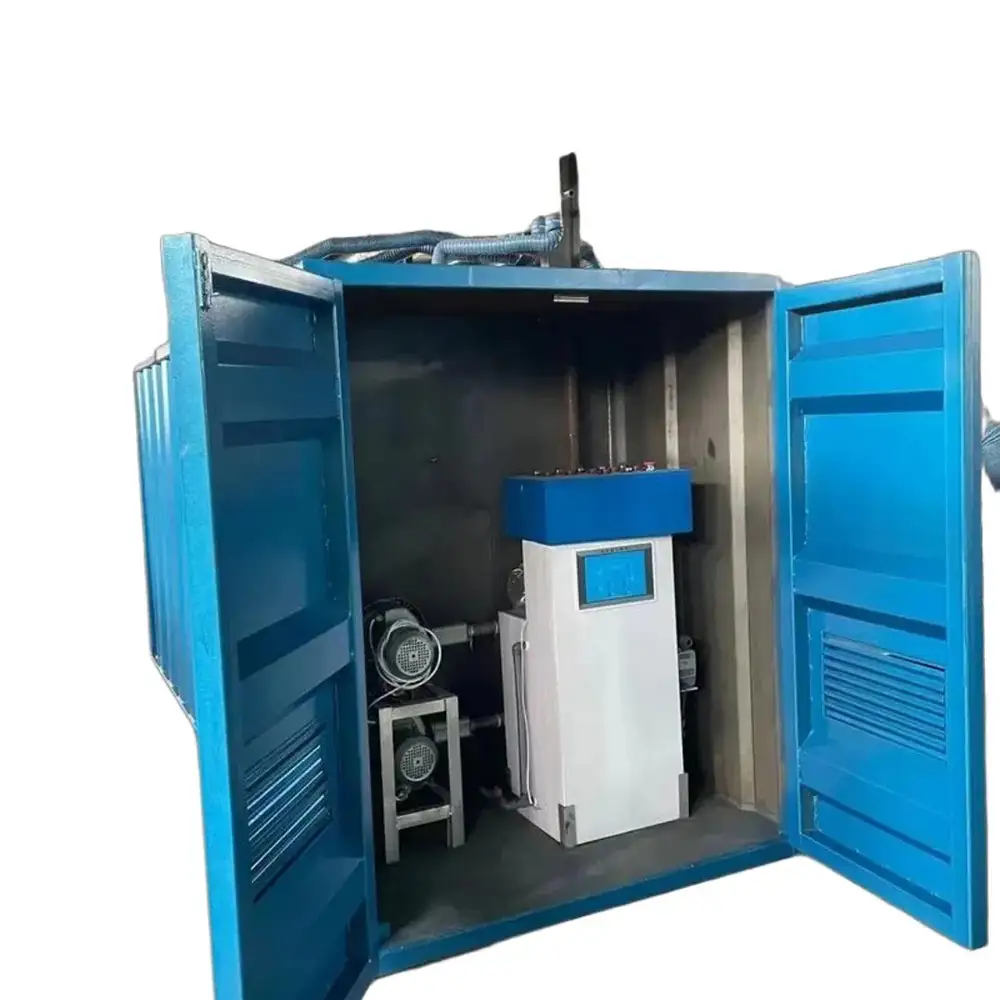
A typical system consists of an equalization or feed tank, pretreatment section, electrochemical oxidation reactor, power supply, control cabinet, circulation system, and treated-water outlet. Depending on the wastewater characteristics, additional filtration, biological treatment, coagulation, activated carbon, membrane treatment, or disinfection units can be integrated.
The BDD reactor can be designed for batch, recirculation, or continuous-flow operation. Reactor geometry, electrode spacing, current density, hydraulic retention time, conductivity, pH, temperature, and wastewater composition all influence treatment performance and energy consumption.
Treatment of Refractory Industrial Wastewater
The system is particularly suitable when conventional treatment leaves behind dissolved organic compounds that are difficult to biodegrade or remove by standard physical separation. Potential applications include chemical manufacturing wastewater, pharmaceutical wastewater, dyeing and textile wastewater, petrochemical effluent, landfill leachate, coking wastewater, and advanced treatment of biologically treated industrial wastewater.
BDD electrochemical oxidation has been investigated for advanced treatment of coking wastewater, with studies showing strong removal of refractory organic compounds and ammonia under appropriate operating conditions.
For dyeing and finishing wastewater, BDD oxidation can also serve as a polishing technology after biological treatment. Recent research has demonstrated its potential for reducing residual organic pollutants in biotreated dyeing wastewater.
Flexible Process Integration
This BDD catalytic oxidation plant does not necessarily replace an entire wastewater treatment process. In many industrial applications, it works best as an advanced treatment or polishing stage.
A typical process may include:
Wastewater Collection → Screening → Equalization → Pretreatment → Biological or Physicochemical Treatment → BDD Electrochemical Oxidation → Filtration → Disinfection or Reuse
Pretreatment can reduce suspended solids, oils, grease, and other substances that may interfere with electrochemical treatment. The BDD reactor can then focus on dissolved and refractory organic pollutants that remain after earlier treatment stages.
For low-conductivity wastewater, conductivity adjustment or process integration may be considered. For saline wastewater, chloride concentration and operating conditions require careful evaluation because electrochemical reactions can generate additional oxidizing species and potentially undesirable by-products.
COD and Organic Pollutant Reduction
One important application of BDD electrochemical oxidation is the reduction of dissolved organic pollution. Depending on wastewater characteristics and operating conditions, the process can reduce COD, TOC, color, and specific refractory contaminants.
The actual removal efficiency depends strongly on pollutant concentration, conductivity, pH, current density, electrode characteristics, reactor configuration, treatment time, and the presence of competing substances. Therefore, laboratory or pilot testing is recommended before final equipment sizing.
The system can also be combined with biological treatment. Biological treatment can economically remove biodegradable organic matter, while BDD oxidation provides a powerful polishing step for residual refractory compounds.
Compact and Automated Operation
Compared with large conventional treatment trains, an electrochemical oxidation system can offer a relatively compact process footprint. Automated control can monitor electrical current, voltage, flow rate, treatment time, liquid level, and other operating parameters.
The control system can be configured for automatic startup, shutdown, alarm protection, pump control, and process monitoring. Modular reactor design also allows treatment capacity to be expanded according to project requirements.
Industrial Water Treatment Applications
The Hydroxyl Radical-Mediated BDD Electrode Catalytic Oxidation Water Treatment Plant can be considered for:
Chemical Industry Wastewater
Pharmaceutical Wastewater
Dyeing and Textile Wastewater
Petrochemical Wastewater
Coking Wastewater
Food Processing Wastewater
Landfill Leachate
Hospital Wastewater
Industrial Effluent Polishing
RO Concentrate Treatment
Refractory Organic Wastewater
Industrial Water Reuse Pretreatment
BDD electrochemical oxidation has also been studied for RO concentrate and saline industrial wastewater, demonstrating its potential as an advanced oxidation technology for complex water matrices.
System Design and Customization
A practical BDD water treatment plant should be designed according to the actual wastewater rather than relying only on nominal flow capacity. Important design information includes wastewater flow rate, COD, TOC, BOD, TSS, conductivity, pH, salinity, chloride concentration, temperature, target pollutants, and required final water quality.
The system can be configured as a standalone advanced oxidation plant or integrated with existing wastewater treatment equipment. Reactor capacity, electrode area, electrical power, hydraulic configuration, pretreatment, post-treatment, and automation level can be selected according to project requirements.
Why Choose Us
Advanced BDD Technology: Uses boron-doped diamond electrodes for high-performance electrochemical oxidation.
Hydroxyl Radical Oxidation: Supports strong oxidation of difficult and persistent organic pollutants.
Suitable for Refractory Wastewater: Designed for advanced treatment and polishing applications.
Flexible Process Integration: Can be combined with biological, physicochemical, membrane, filtration, and disinfection processes.
Modular System Design: Treatment capacity and reactor configuration can be adapted to project requirements.
Automated Operation: Electrical parameters, pumps, alarms, and operating sequences can be integrated into an automatic control system.
Industrial Applications: Suitable for chemical, pharmaceutical, textile, petrochemical, food, coking, and other wastewater applications.
Engineering-Based Selection: Equipment configuration can be developed according to actual wastewater characteristics and treatment targets.
FAQ
1. What is a BDD electrode?
BDD stands for Boron-Doped Diamond. It is a diamond-based electrode material used in electrochemical applications, including advanced wastewater oxidation.
2. How does hydroxyl radical oxidation work?
During electrochemical oxidation, water participates in anodic reactions at the BDD surface, generating highly reactive hydroxyl radicals that can oxidize organic pollutants.
3. What wastewater can a BDD oxidation plant treat?
It can be considered for industrial wastewater containing refractory organic pollutants, including chemical, pharmaceutical, textile, petrochemical, coking, and other complex effluents.
4. Can BDD oxidation remove COD?
Yes. COD reduction is one of the important applications of electrochemical oxidation, although the actual performance depends on wastewater composition and operating conditions.
5. Can the system treat textile wastewater?
Yes. BDD electrochemical oxidation has been investigated as an advanced treatment technology for biologically treated dyeing and finishing wastewater.
6. Can BDD treatment be combined with biological treatment?
Yes. A common strategy is to use biological treatment for biodegradable pollutants and BDD oxidation as a polishing step for remaining refractory compounds.
7. Does the system require pretreatment?
Pretreatment is often beneficial. Screening, equalization, oil removal, filtration, or physicochemical treatment can reduce suspended solids and other substances that may affect reactor performance.
8. Can it treat RO concentrate?
BDD electrochemical oxidation has been studied for RO concentrate and can be evaluated as an advanced treatment technology depending on concentrate composition and project targets.
9. What parameters affect BDD treatment efficiency?
Important parameters include current density, electrode area, electrode spacing, conductivity, pH, treatment time, flow configuration, temperature, and pollutant concentration.
10. Is BDD oxidation suitable for continuous operation?
Yes. BDD reactors can be designed for continuous-flow, single-pass, or recirculation operation depending on the required treatment process.
11. Does BDD treatment completely mineralize pollutants?
Deep oxidation or mineralization is possible for some pollutants under suitable conditions, but performance varies substantially with wastewater composition and operating parameters. Pilot testing is recommended.
12. How should a BDD wastewater treatment plant be sized?
Sizing should be based on wastewater flow, pollutant loading, conductivity, target removal, treatment time, energy requirements, and required final water quality. A wastewater analysis and treatment test are recommended before final engineering.
Prev:
Mbr Sewage Treatment Tank Medical Wastewater and Domestic Sewage Integration
Next:
Water Purification Machine Water Treatment Equipment Hospital Equipment
TAG:
Industrial Wastewater Treatment Equipment,
Industrial Wastewater Treatment,
Organic Wastewater Treatment,
Industrial Wastewater Treatment Plant,
Chemical Wastewater Treatment,
Industrial Water Treatment Plant,
Industrial Water Treatment Equipment,
Industrial Water Treatment,
RO Concentrate Treatment,
Pharmaceutical Wastewater Treatment,
Saline Wastewater Treatment,
Industrial Effluent Treatment,
COD Removal Wastewater Treatment,
Electrochemical Wastewater Treatment,
Electrochemical Water Treatment,
Petrochemical Wastewater Treatment,
Textile Wastewater Treatment,
Landfill Leachate Treatment,
Coking Wastewater Treatment,
Organic Pollutant Removal,
Hydroxyl Radical Oxidation,
Hydroxyl Radical Wastewater Treatment,
Refractory Wastewater Treatment,
Refractory Organic Wastewater Treatment,
Advanced Oxidation Process,
Advanced Oxidation Wastewater Treatment,
Catalytic Oxidation Wastewater Treatment,
Wastewater Polishing System,
Wastewater Advanced Treatment,
Industrial Wastewater Advanced Treatment,
Related Category:
Boron-Doped Diamond Electrode Water Treatment,BDD Electrode Catalytic Oxidation,Hydroxyl Radical Water Treatment China, suppliers, manufacturers, factory, customized, wholesale, quotation, made in China