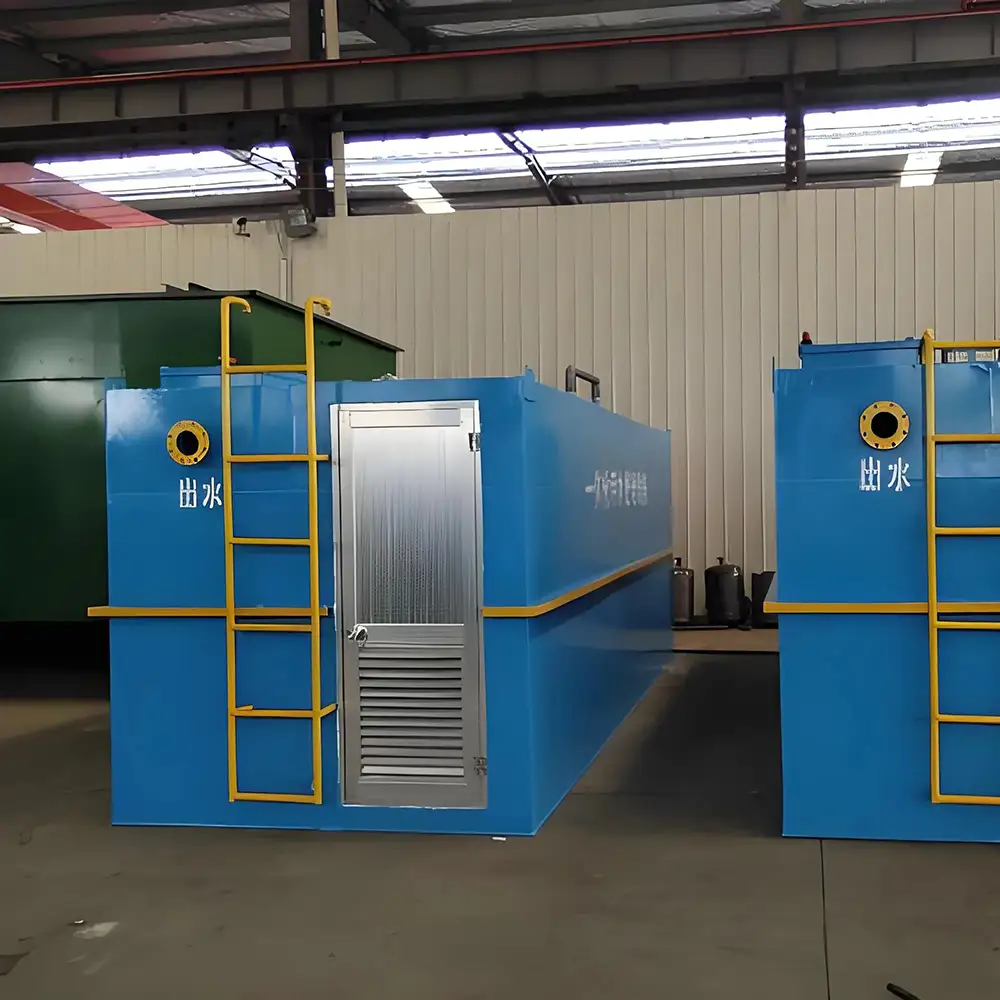
MBR Sewage Treatment Tank for Me
dical Wastewater and Domestic Sewage Integration
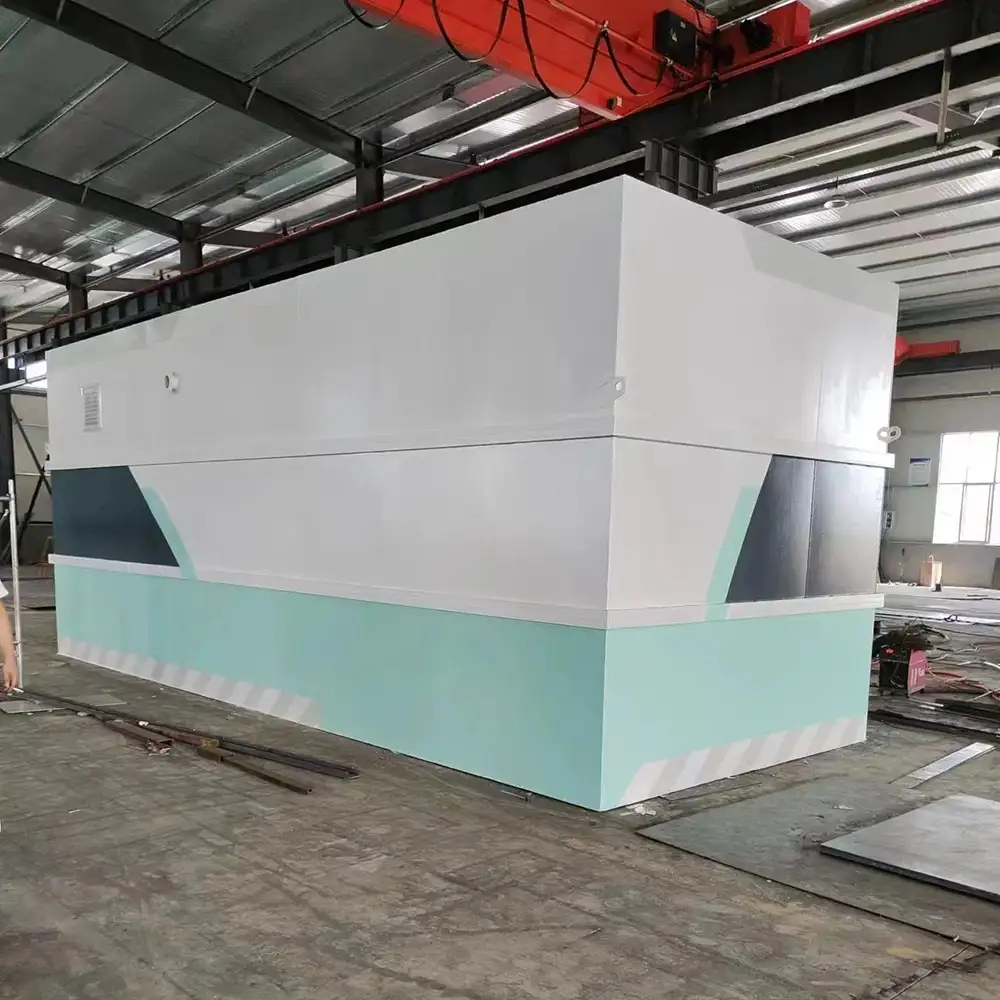
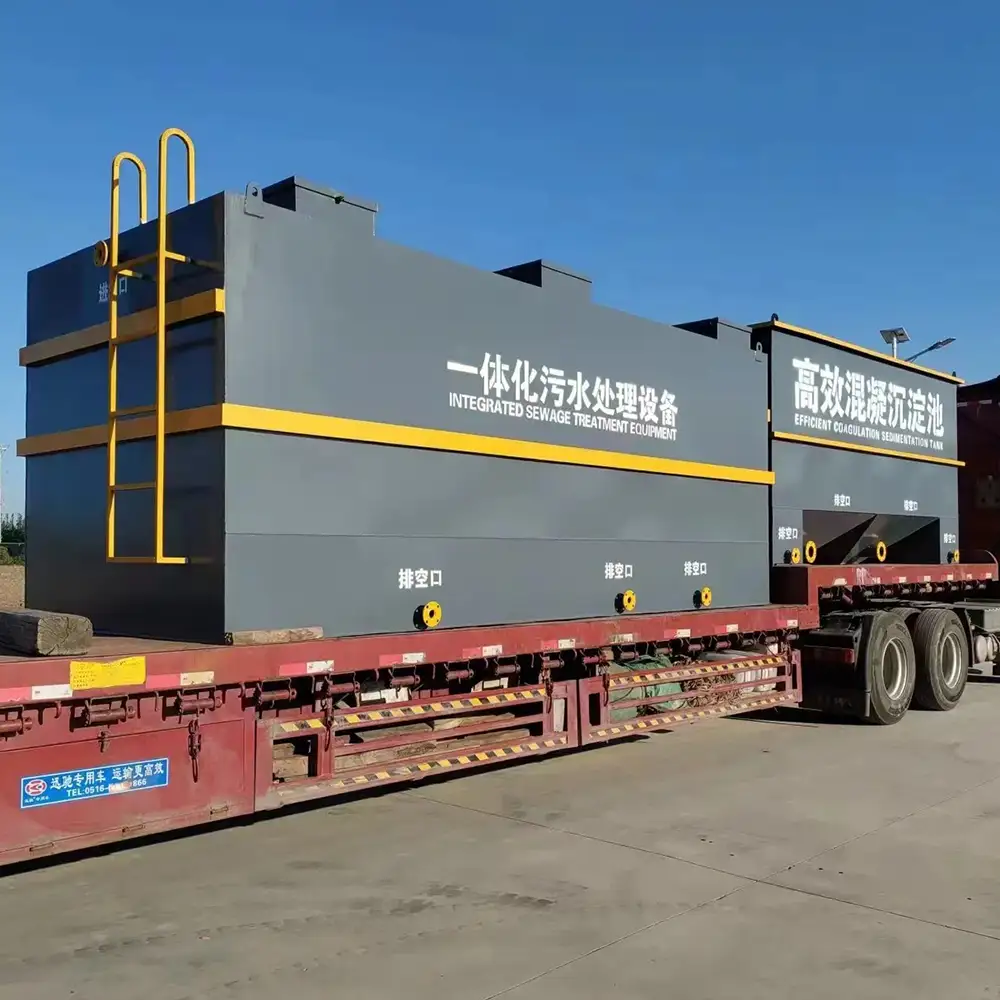
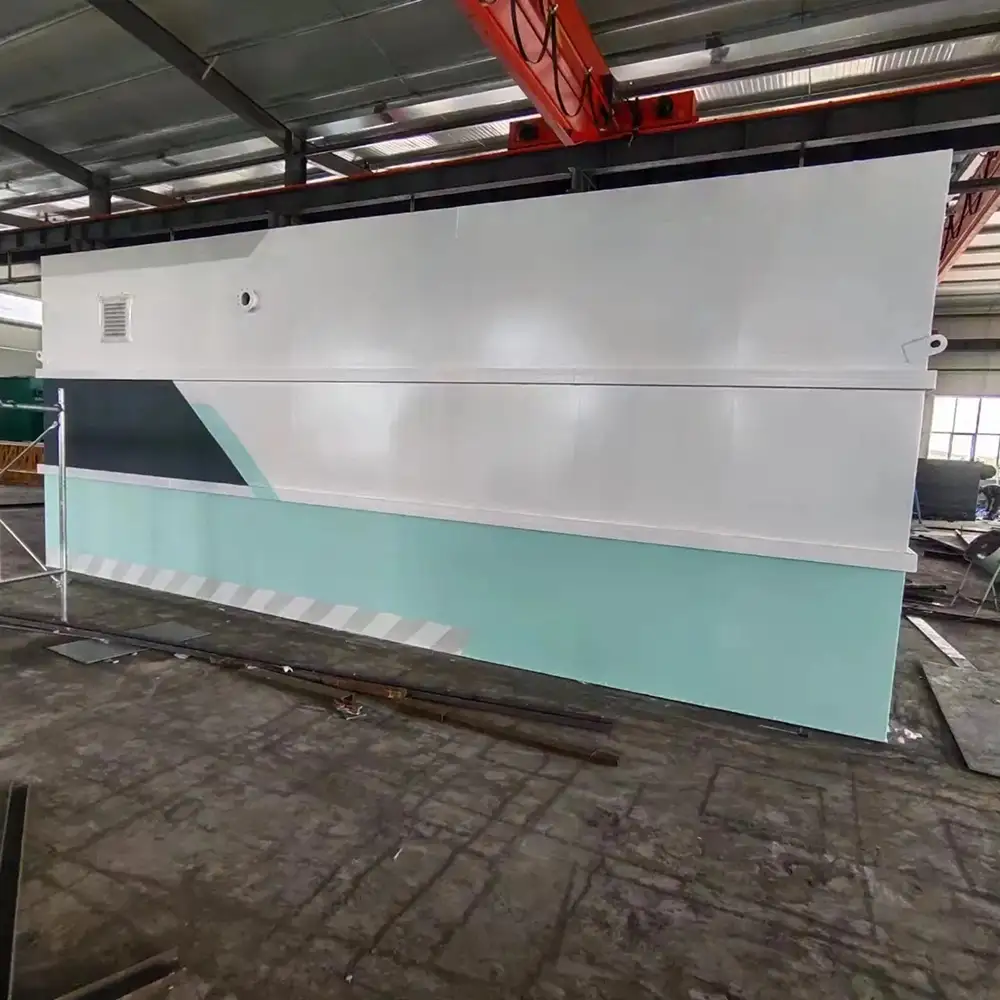
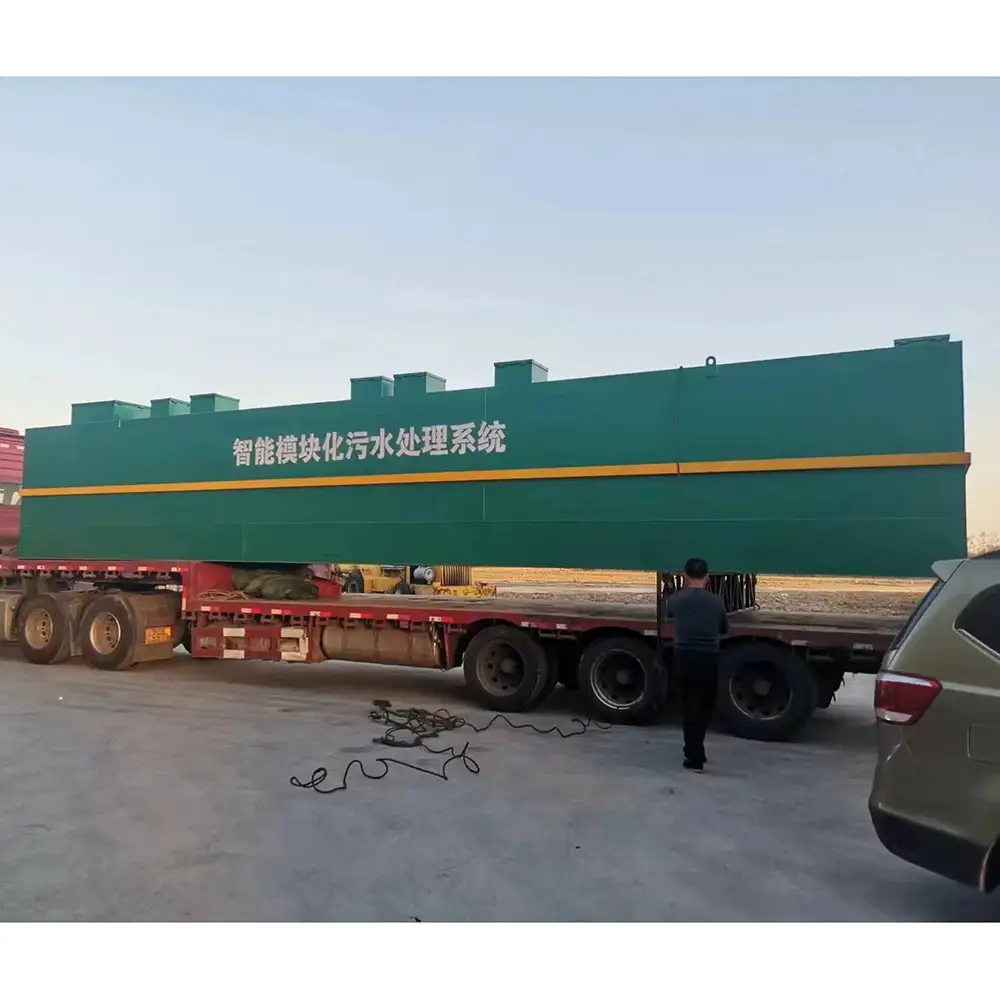
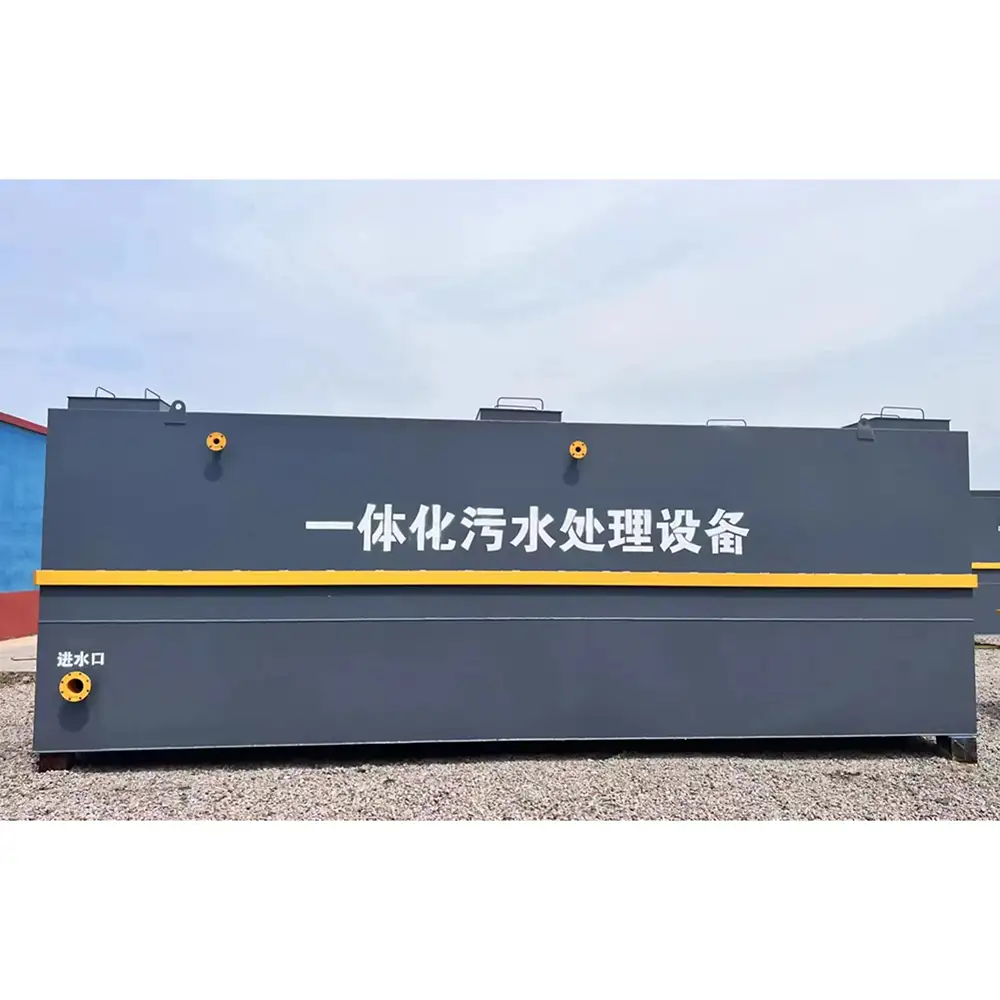
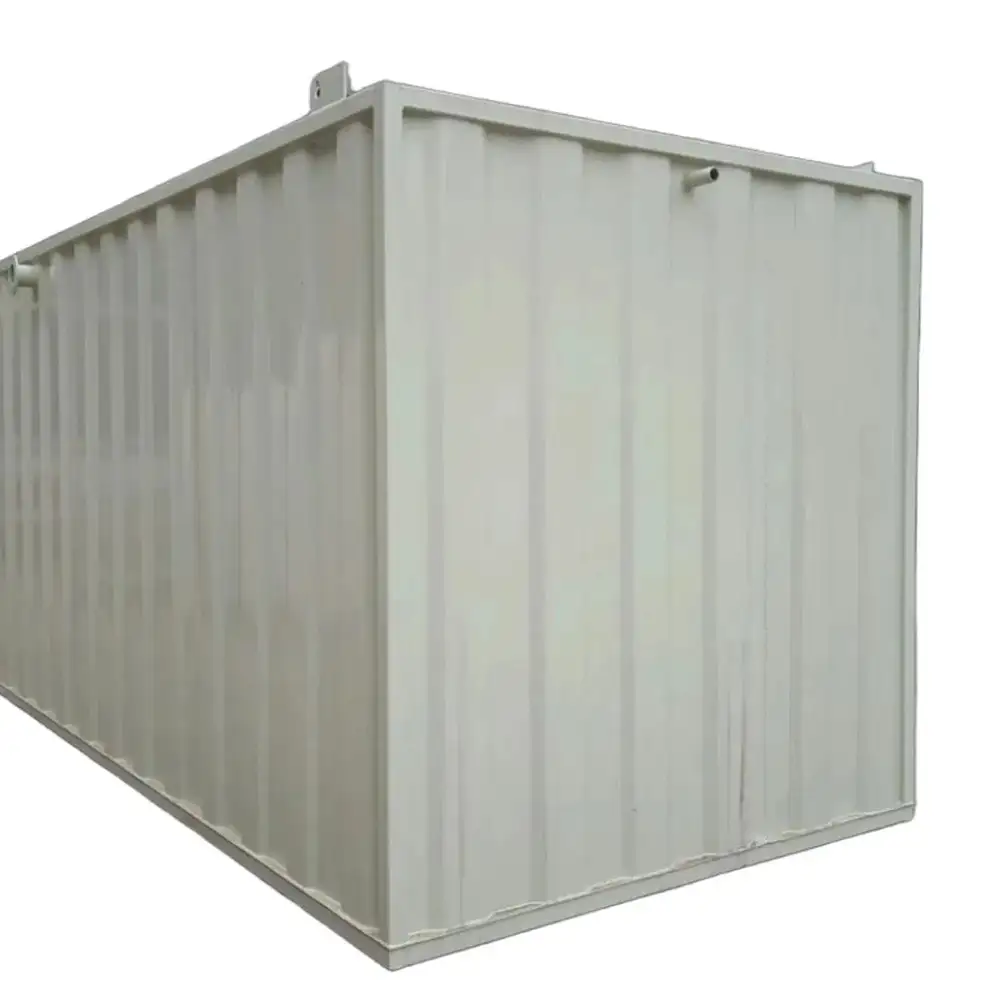
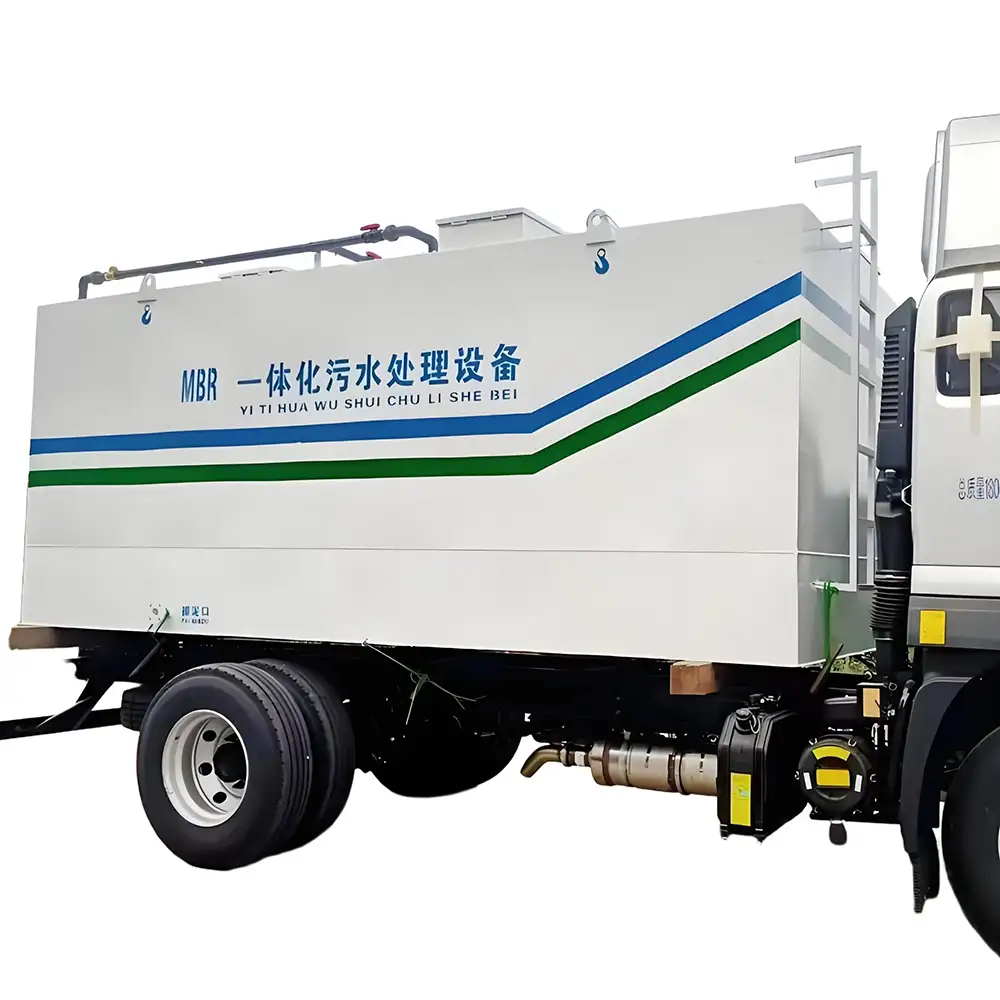
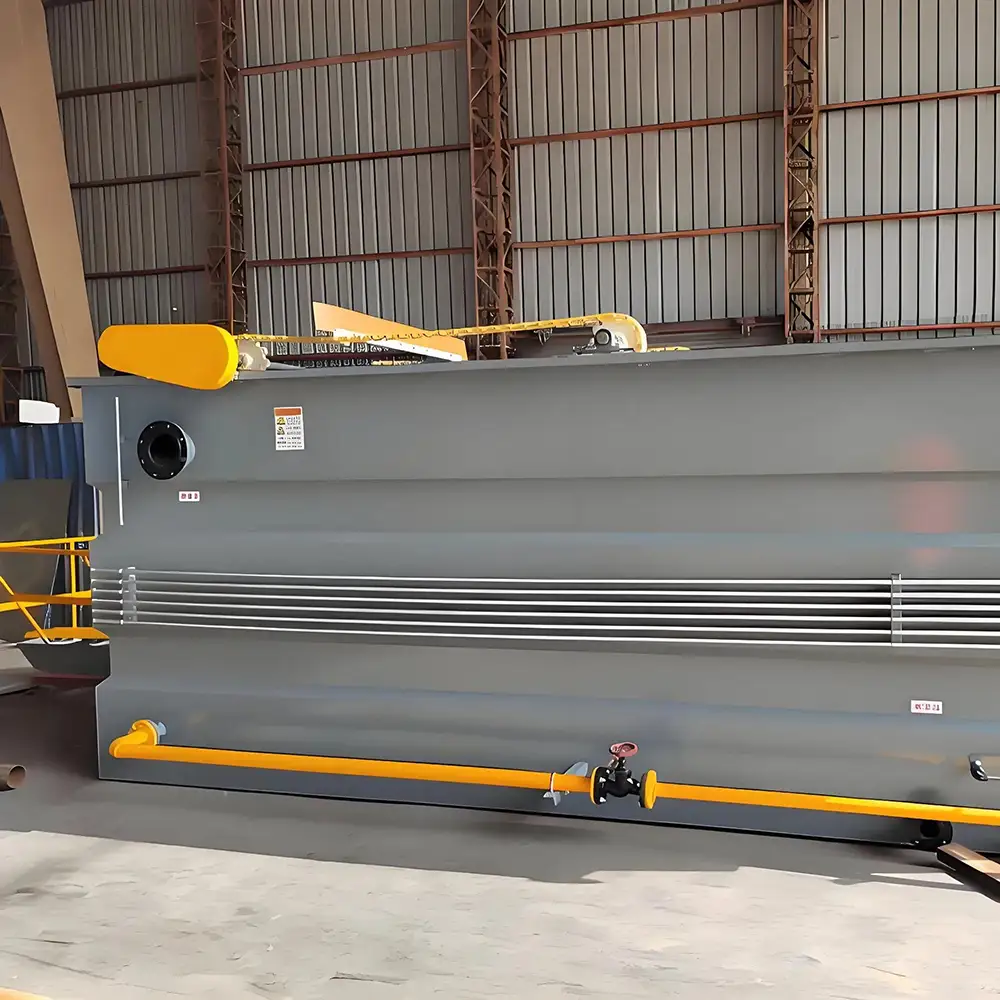
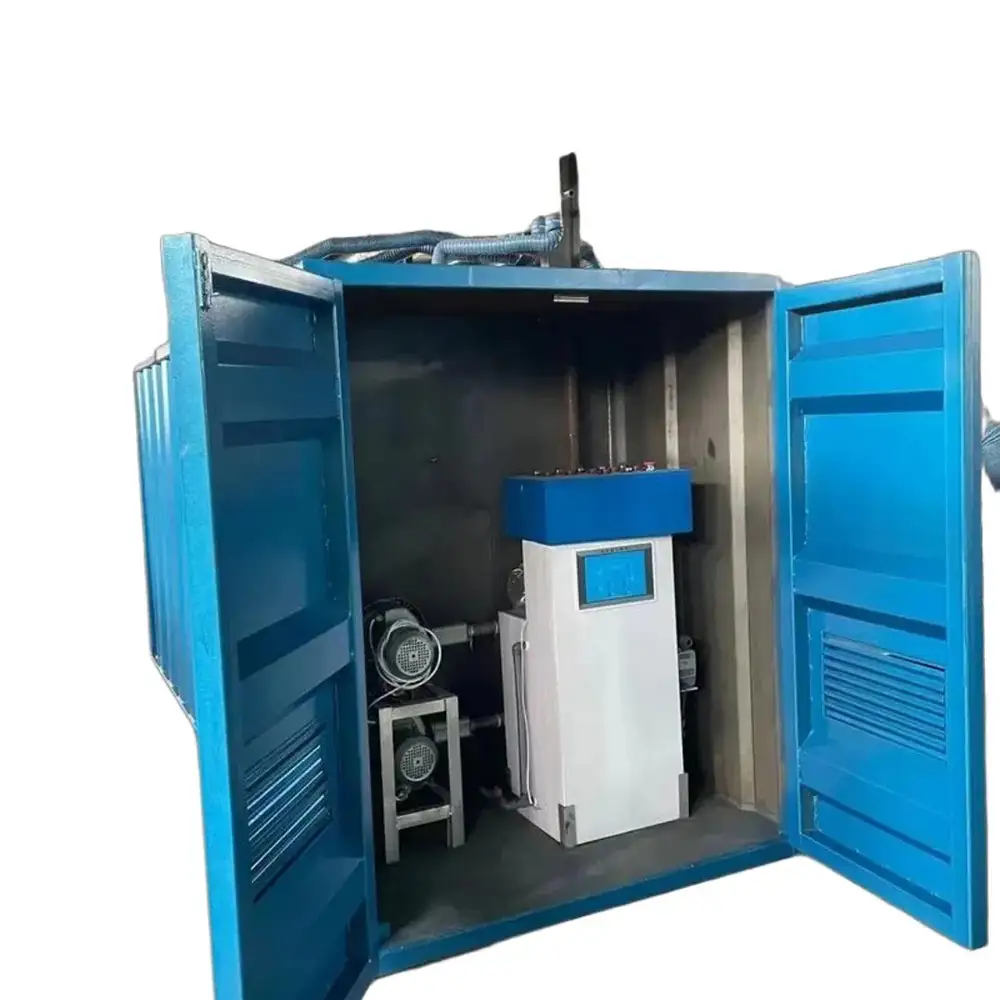
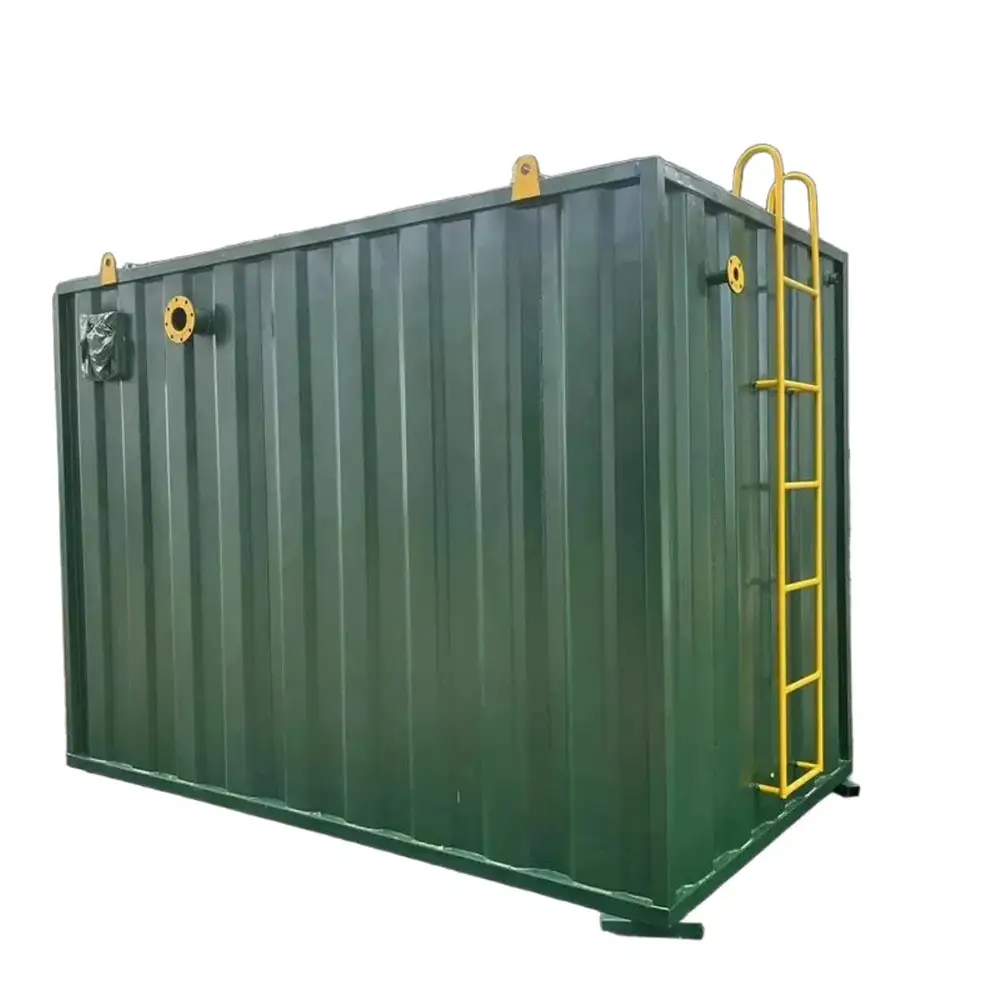
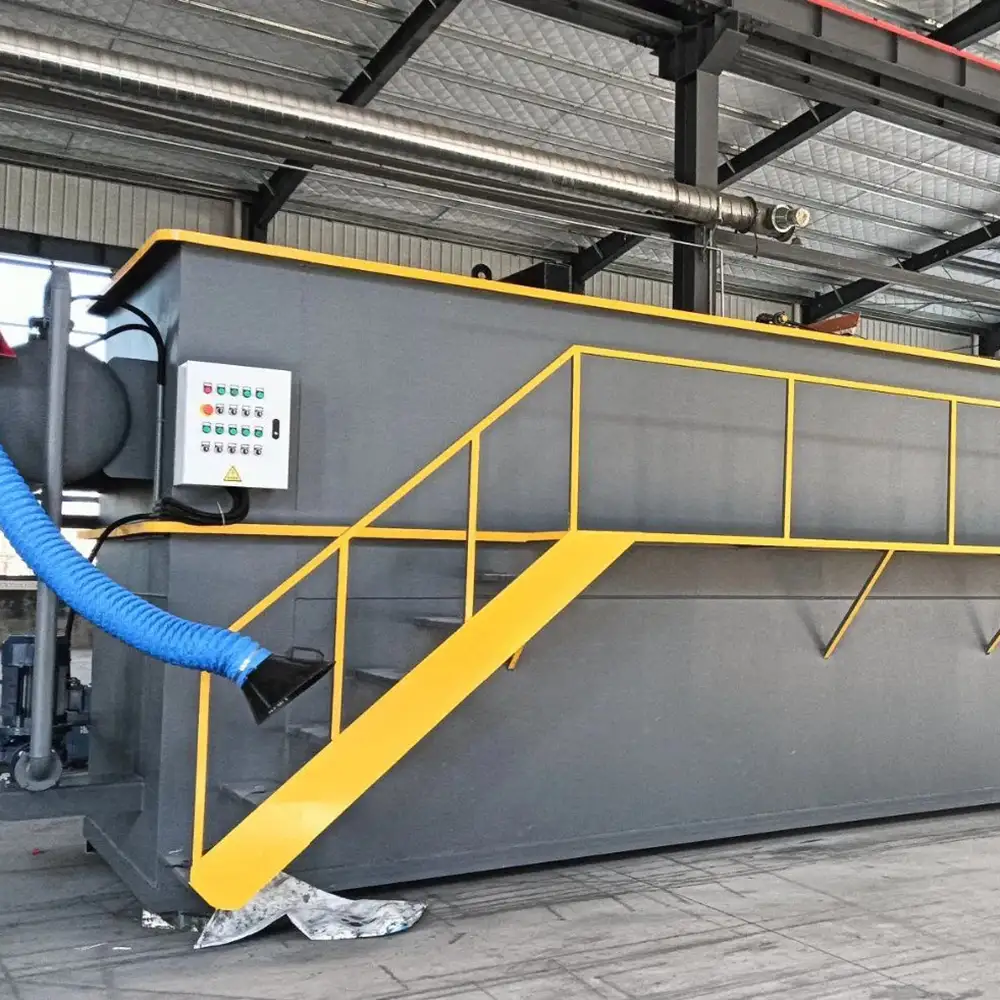
MBR Sewage Treatment Tank for Medical Wastewater and Domestic Sewage Integration is an integrated wastewater treatment solution designed for facilities where medical wastewater and domestic sewage need to be collected and treated through a coordinated treatment system. By combining biological treatment with membrane filtration, the MBR process can provide efficient solid-liquid separation while maintaining a relatively compact equipment footprint.
|
Model NO. |
WSZ |
Handling method |
Biological Treatment |
|
Usage |
Industrial, Home, Agriculture, Hospital, Urban |
Trademark |
|
|
Types |
Package, Compact, Small, Mini |
Applications |
Industrial, Municipal, Domestic, Medical, Ship |
|
Craft |
Mbr Membrane, Mbbr, Ao, Aao, Disinfect, Filtration |
Features |
Water Clarification, Filtration, Purification |
|
Service Life |
20 Years |
Operation |
Automatic |
|
Steel Plate Thickness |
>8mm |
Function |
Remove Cod BOD |
|
Voltage |
220V/ 380V/ Customerized |
Installation Type |
Underground / Onground |
|
Colour |
Grey/Silver/Blue/Balck/Customerized |
Use for |
farm,Mineral, Printing, Chemical, Dyeing, Starch |
|
Material |
Carbon Steel, Stain Steel, FRP, PE, PP |
Certificate |
SGS, ISO |
|
Transport Package |
Container Standard Packing |
Specification |
Carbon steel anti-corrosion |
|
Production Capacity |
2000 Sets/Year |
Origin |
China |
Medical facilities generate wastewater from patient areas, laboratories, toilets, washing facilities, kitchens, cleaning activities, and other operations. Domestic sewage may contain biodegradable organic matter, suspended solids, nutrients, detergents, and microorganisms. Medical wastewater can additionally require careful pretreatment, disinfection, and process control depending on its source and applicable regulations.
An MBR system can be engineered to integrate biological treatment, membrane separation, and final disinfection into a complete treatment train. EPA describes MBR technology as combining a suspended-growth biological reactor with solids removal through membrane filtration, offering advantages such as high-quality effluent and reduced space requirements compared with some conventional treatment configurations.
Integrated Medical and Domestic Sewage Treatment
The system can be designed to receive compatible medical wastewater and domestic sewage through a controlled collection and pretreatment arrangement.
A typical process may include:
Collection → Screening → Equalization → Biological Treatment → MBR Membrane Separation → Disinfection → Treated Water
Additional treatment stages can be incorporated according to wastewater characteristics.
Fine screening is particularly important before the membrane unit because larger debris and fibrous materials can damage or obstruct membranes. EPA guidance notes that MBR systems require appropriate debris removal and fine screening immediately before the membranes.
For healthcare applications, source-specific pretreatment may also be required for laboratory chemicals, pharmaceuticals, disinfectants, concentrated chemicals, or other wastewater streams that could interfere with biological treatment or membrane operation.
MBR Biological Treatment Process
The biological reactor provides an environment where microorganisms degrade biodegradable organic pollutants in wastewater.
Depending on the required nitrogen removal process, the biological section can include anoxic and aerobic zones.
In the aerobic zone, microorganisms use oxygen to break down biodegradable organic matter and support nitrification. In anoxic conditions, biological nitrogen removal can be incorporated when suitable carbon availability and internal recycling are provided.
The MBR membrane unit then separates treated water from suspended biomass. Because membrane filtration performs the solid-liquid separation function, an MBR system can operate at higher biomass concentrations than many conventional activated-sludge configurations.
EPA notes that MBR membranes can replace secondary clarification and, in suitable configurations, can also reduce the need for separate tertiary filtration.
Membrane Filtration and Treated Water Quality
The membrane system may use hollow-fiber or flat-sheet membrane modules, depending on the equipment configuration.
During operation, treated water passes through the membrane while suspended solids and microorganisms are retained within the biological system.
This produces a permeate stream with low suspended-solids concentrations and relatively low bacterial concentrations, which can facilitate subsequent disinfection. EPA identifies improved effluent quality and smaller space requirements among the advantages of MBR technology.
However, MBR membranes are not a universal barrier for every dissolved pollutant. Dissolved chemicals, salts, and some trace contaminants may require additional treatment technologies. Therefore, medical wastewater composition should be evaluated before final process selection.
Medical Wastewater Treatment
Medical wastewater should be evaluated according to its actual sources.
Potential wastewater streams may include:
Hospital sanitary wastewater
Clinic wastewater
Nursing facility wastewater
Laboratory wastewater
Medical center domestic sewage
Patient-room wastewater
Laundry wastewater
Kitchen wastewater
Cleaning wastewater
Healthcare facility drainage
Not every medical wastewater stream has the same composition. Laboratory chemicals, pharmaceutical residues, disinfectants, and other specialty wastewater may require source separation or pretreatment before entering the main biological treatment system.
The treatment plant should therefore be designed according to the facility's wastewater inventory rather than assuming all medical wastewater is equivalent to ordinary domestic sewage.
Domestic Sewage Integration
Domestic sewage from toilets, showers, sinks, kitchens, staff facilities, and residential areas can be incorporated into the treatment system when the wastewater characteristics are compatible with the selected process.
Equalization can help balance variations in flow and pollutant loading. This is particularly useful for hospitals, clinics, residential healthcare facilities, hotels, and other locations where wastewater generation varies significantly during the day.
A properly sized equalization tank can also reduce sudden hydraulic or organic loading changes reaching the biological reactor.
Disinfection for Healthcare Applications
Disinfection is an important consideration for treated wastewater from healthcare-related facilities.
Depending on the required discharge or reuse standard, the final treatment stage may use UV disinfection, chlorination, sodium hypochlorite, chlorine dioxide, or another approved disinfection technology.
The appropriate disinfection method depends on treated-water quality, flow, contact requirements, regulatory limits, and intended discharge or reuse.
Disinfection should be considered as part of the complete treatment process rather than relying on the MBR membrane alone.
Compact Integrated Tank Design
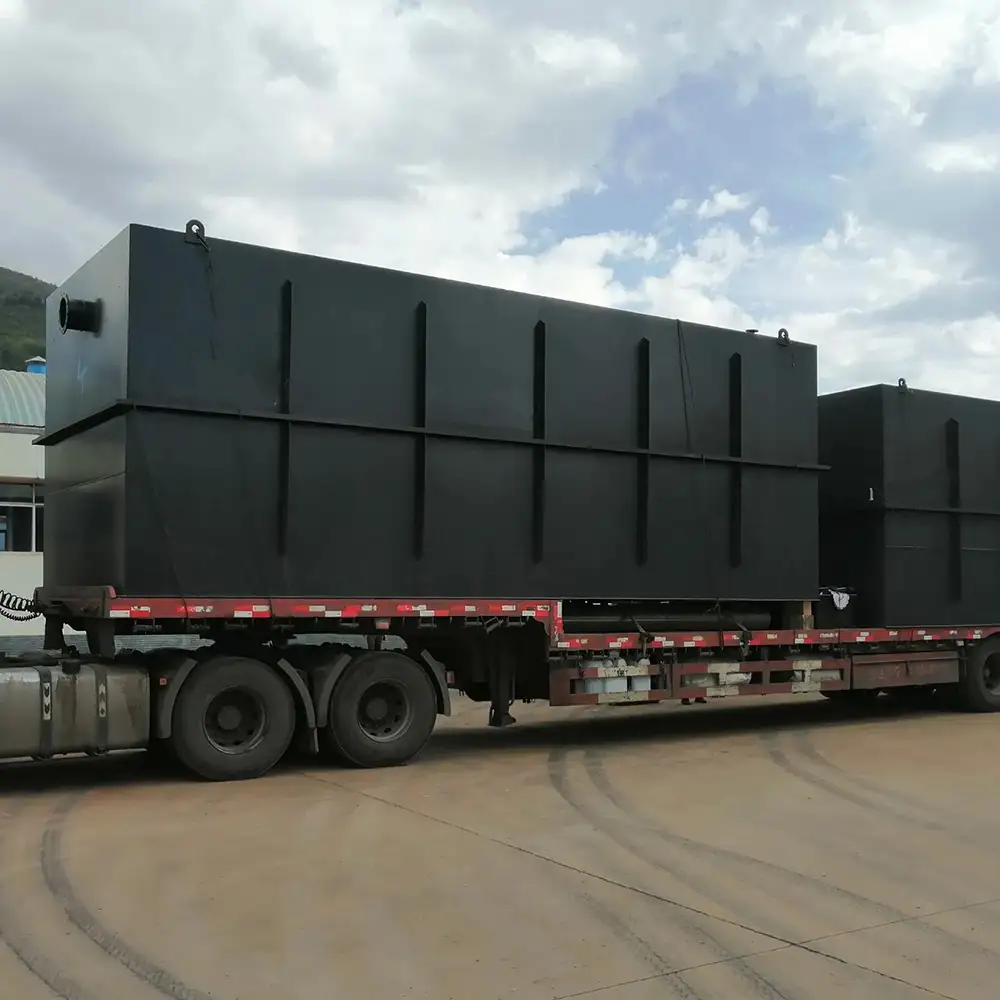
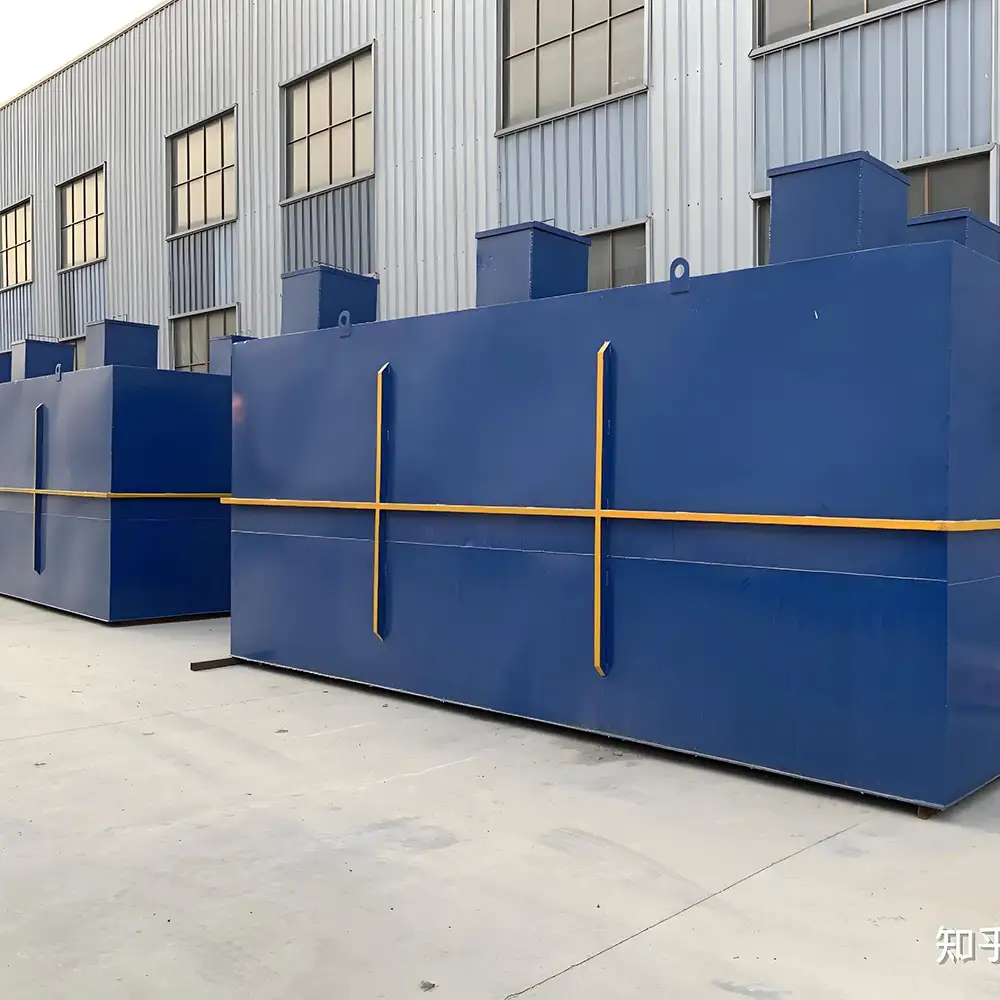
An integrated MBR sewage treatment tank can combine multiple functional sections into a compact equipment arrangement.
Depending on project requirements, the equipment may include:
Screening section
Equalization tank
Anoxic tank
Aerobic biological tank
MBR membrane tank
Membrane aeration system
Permeate pump
Sludge return system
Sludge discharge system
Disinfection unit
Control cabinet
Pumps and valves
Online monitoring instruments
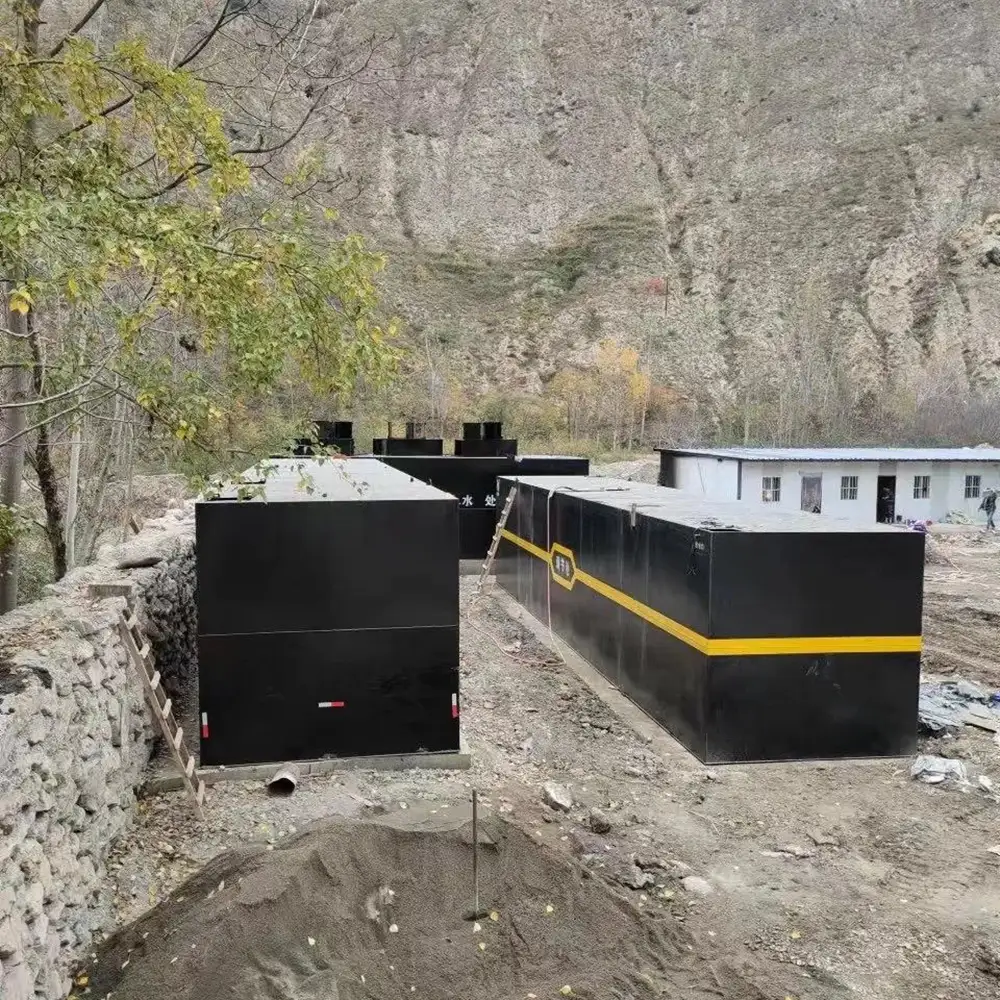
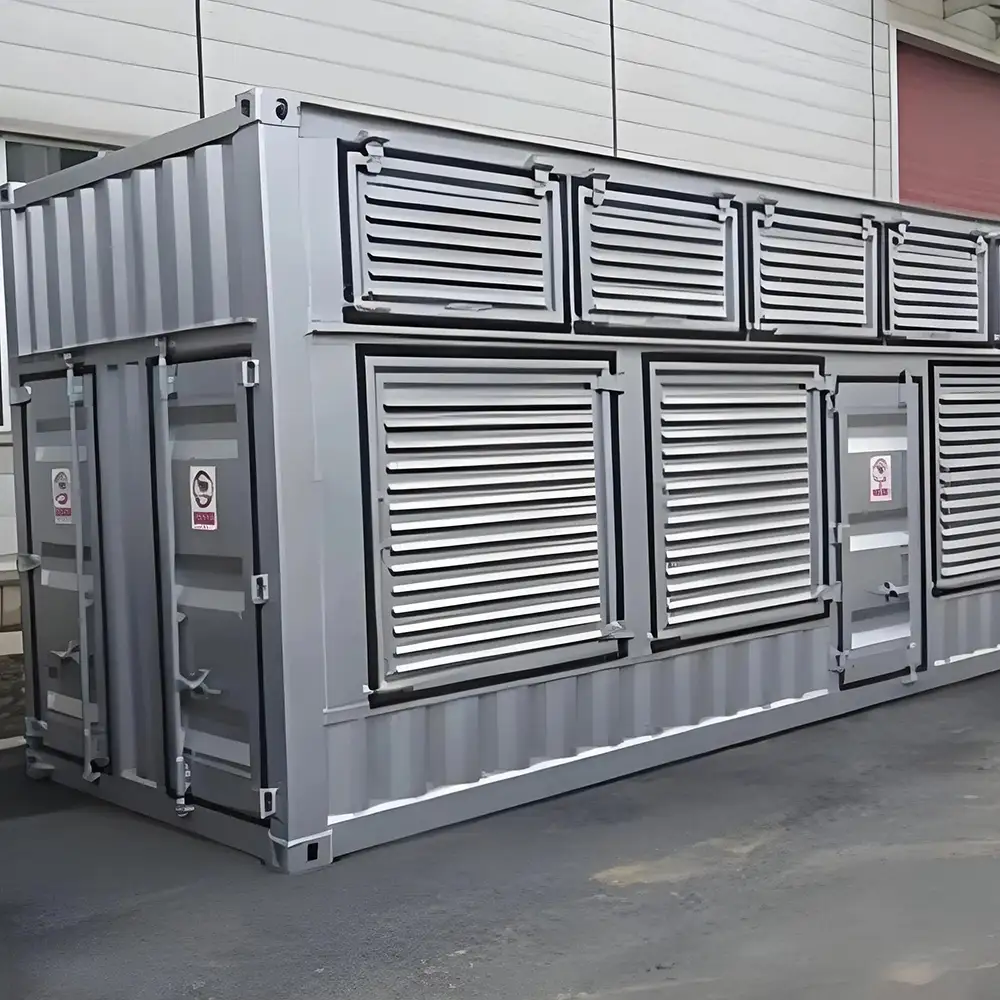
The system can be configured as above-ground, semi-buried, or underground equipment when appropriate structural and site conditions are available.
Applications
This integrated MBR sewage treatment system can be considered for:
Hospitals
Medical centers
Clinics
Nursing facilities
Healthcare campuses
Rehabilitation centers
Laboratory facilities
Residential healthcare facilities
Medical schools
Hotels with healthcare facilities
Small communities
Domestic sewage treatment projects
Remote healthcare facilities
Commercial buildings
Decentralized wastewater treatment projects
For industrial or laboratory wastewater containing unusual chemicals, dedicated pretreatment should be evaluated before combining the wastewater with domestic sewage.
Operation and Maintenance
MBR systems require more attention to membrane operation than conventional biological treatment.
Operators should monitor membrane permeability, transmembrane pressure where applicable, flow, dissolved oxygen, sludge concentration, aeration, and other relevant operating parameters.
Membrane fouling can occur when solids, microorganisms, organic matter, or other materials accumulate on the membrane surface. Air scouring, relaxation, backwashing where applicable, and chemical cleaning are common strategies used to control fouling.
EPA specifically identifies membrane cleaning and fouling control as important MBR operation and maintenance considerations.
Pretreatment screens should also be inspected and cleaned regularly to prevent debris from reaching the membrane modules.
Why Choose Us?
Integrated MBR Technology: Biological treatment and membrane separation are combined into one coordinated treatment system.
Medical and Domestic Sewage Integration: Suitable for projects where compatible healthcare wastewater and domestic sewage need centralized treatment.
Compact Design: MBR technology can provide high-quality solid-liquid separation within a relatively compact footprint.
Flexible Process Configuration: Anoxic, aerobic, membrane, sludge treatment, and disinfection sections can be configured according to project requirements.
Healthcare-Oriented Treatment: The system can incorporate appropriate pretreatment and final disinfection for medical facility applications.
Modular Equipment: Treatment capacity and equipment configuration can be developed for clinics, hospitals, communities, and other facilities.
Automated Operation: PLC controls, pumps, blowers, sensors, alarms, and membrane operating functions can be integrated.
Engineering-Based Design: Final equipment selection should be based on wastewater analysis, flow, peak loading, discharge requirements, site conditions, and applicable regulations.
FAQs
1. What is an MBR sewage treatment tank?
It is a wastewater treatment tank that combines biological treatment with membrane filtration for solid-liquid separation.
2. Can MBR treat medical wastewater?
Yes, MBR can be used for suitable medical and healthcare wastewater applications, provided the wastewater is properly characterized and incompatible chemical streams receive appropriate pretreatment.
3. Can medical wastewater and domestic sewage be treated together?
They can potentially be integrated when their characteristics and regulatory requirements are compatible. Wastewater sources containing special chemicals may need separate pretreatment.
4. What is the advantage of MBR over conventional activated sludge?
MBR combines biological treatment with membrane filtration, allowing high biomass concentrations and efficient solids separation in a relatively compact system.
5. Does MBR require a secondary clarifier?
The membrane separation stage can perform the solid-liquid separation function that is normally provided by secondary clarification in conventional biological treatment.
6. Can MBR remove bacteria?
MBR membrane filtration can substantially reduce suspended microorganisms in the treated water, but final disinfection requirements should be determined according to the applicable discharge or reuse standard.
7. Is disinfection still required after MBR treatment?
Often, yes, particularly for healthcare-related wastewater and applications with microbiological discharge or reuse requirements. The final disinfection process should be selected according to applicable regulations.
8. What membrane types can be used?
Common MBR configurations include hollow-fiber and flat-sheet membrane modules. The selection depends on capacity, equipment design, operating requirements, and project conditions.
9. Does MBR membrane fouling require maintenance?
Yes. Fouling control is a fundamental part of MBR operation. Aeration, cleaning, monitoring, and appropriate pretreatment help maintain membrane performance.
10. Can the system be used for hospital sewage?
Yes. Hospital and healthcare wastewater can be treated using an appropriately designed MBR process, but the wastewater sources and any specialty streams should be evaluated before equipment selection.
11. Can treated water be reused?
Potentially. MBR can produce high-quality effluent suitable for further treatment or certain reuse applications, subject to local regulations and the required water quality.
12. What information is needed for system design?
Important information includes daily and peak flow, wastewater source, BOD, COD, TSS, ammonia, nitrogen, pH, specialty medical wastewater characteristics, discharge standard, site conditions, and intended treated-water use.
Prev:
Automatic Operation and Maintenance Integrated Community Sewage Treatment Equipment
Next:
Hydroxyl Radical-Mediated Boron-Doped Diamond Electrode Catalytic Oxidation Water Treatment Plant
TAG:
UV Wastewater Disinfection,
Integrated Wastewater Treatment System,
BOD Removal Wastewater Treatment,
Membrane Wastewater Treatment,
Integrated Wastewater Treatment Equipment,
Integrated Sewage Treatment System,
Integrated Sewage Treatment Equipment,
COD Removal Wastewater Treatment,
Nitrogen Removal Wastewater Treatment,
Hospital Wastewater Disinfection,
Medical Wastewater Disinfection,
Medical Sewage Disinfection,
Domestic Sewage Treatment Plant,
Domestic Wastewater Treatment Plant,
Domestic Wastewater Treatment System,
Residential Wastewater Treatment,
Residential Sewage Treatment,
Domestic Sewage Treatment System,
Domestic Wastewater Treatment Equipment,
Domestic Sewage Treatment Equipment,
Domestic Sewage Treatment,
Domestic Wastewater Treatment,
Integrated Wastewater Treatment Plant,
Integrated Sewage Treatment Plant,
Integrated Sewage Treatment,
Integrated Wastewater Treatment,
Healthcare Facility Wastewater Treatment,
Healthcare Facility Sewage Treatment,
Healthcare Wastewater Disinfection,
Clinic Wastewater Treatment Equipment,
Related Category:
MBR Sewage Treatment Tank,Medical Wastewater Treatment Equipment,Domestic Sewage Treatment Equipment China, suppliers, manufacturers, factory, customized, wholesale, quotation, made in China