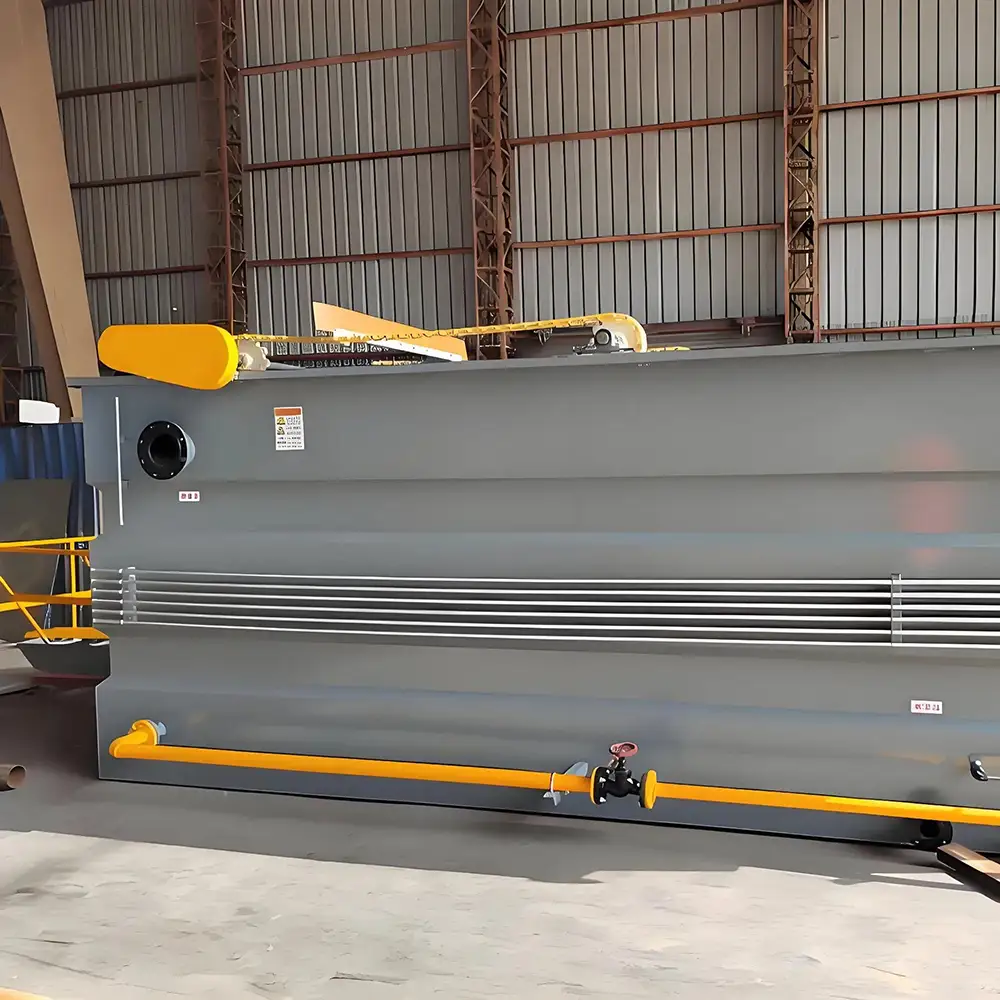
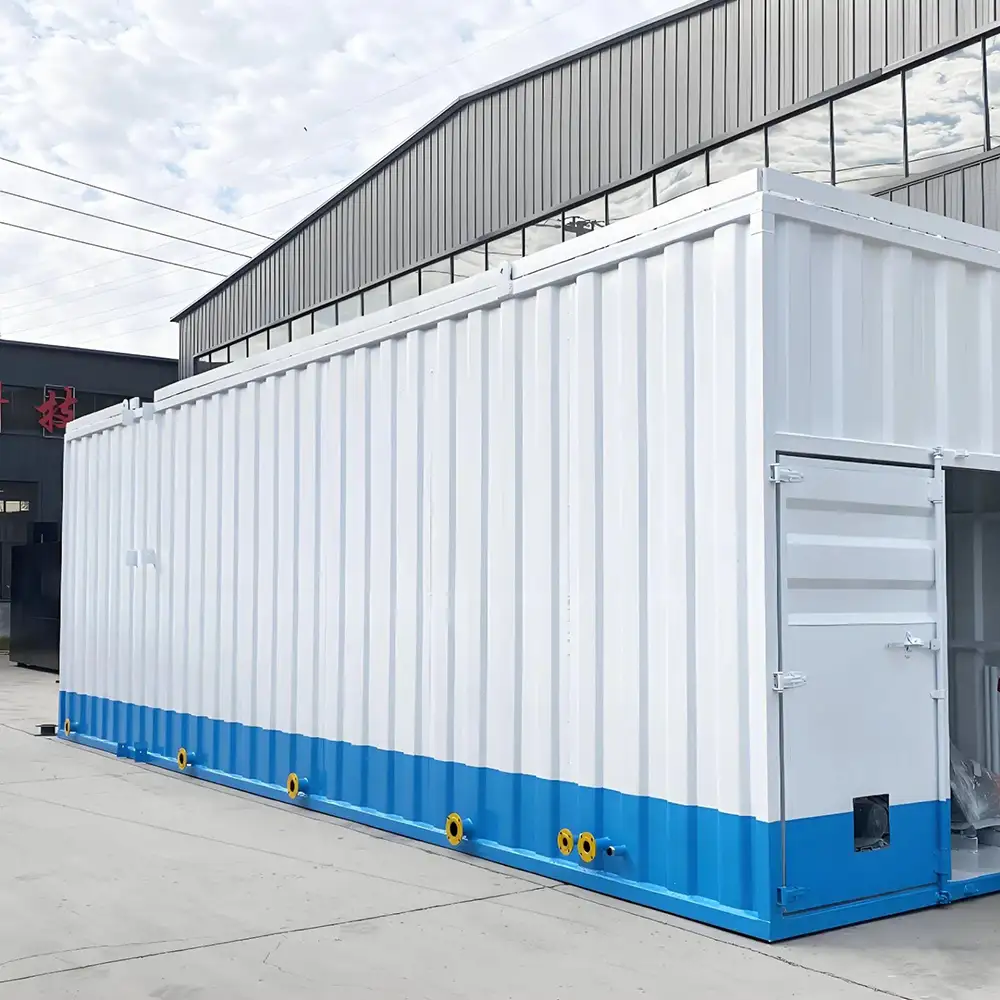
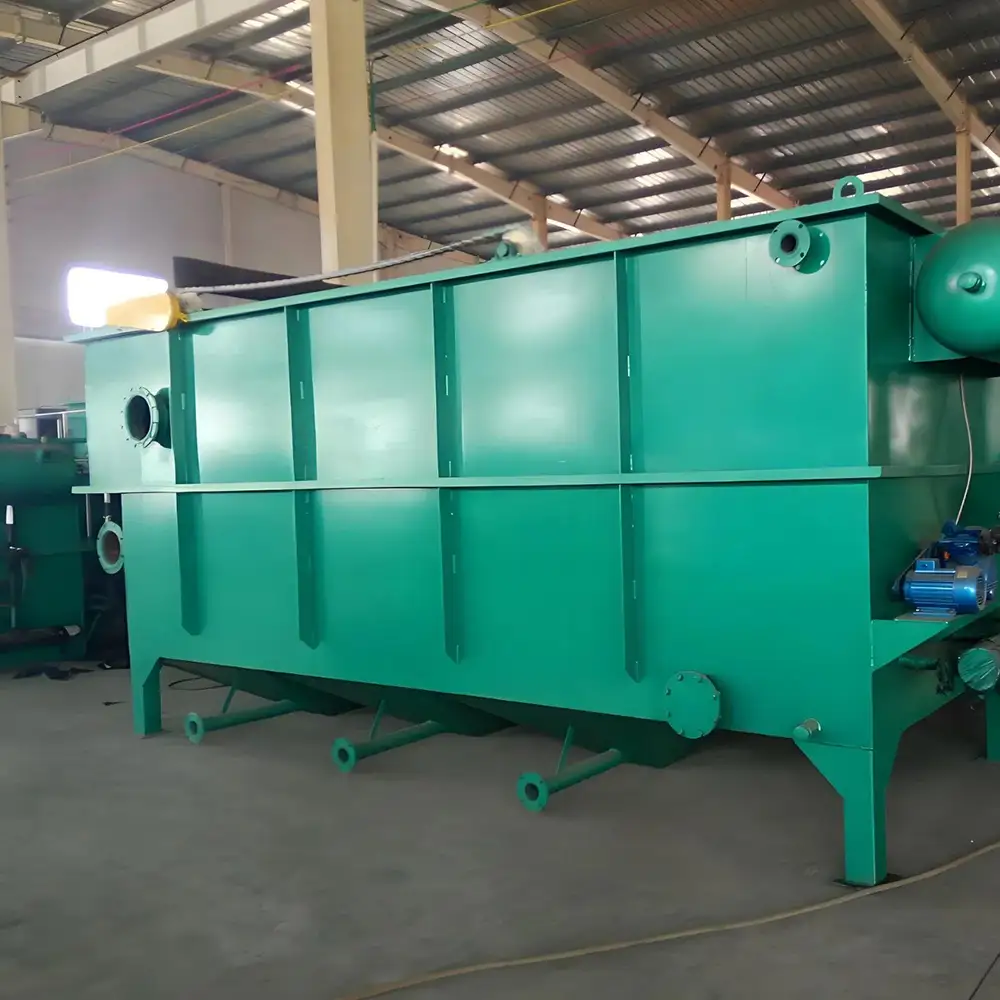
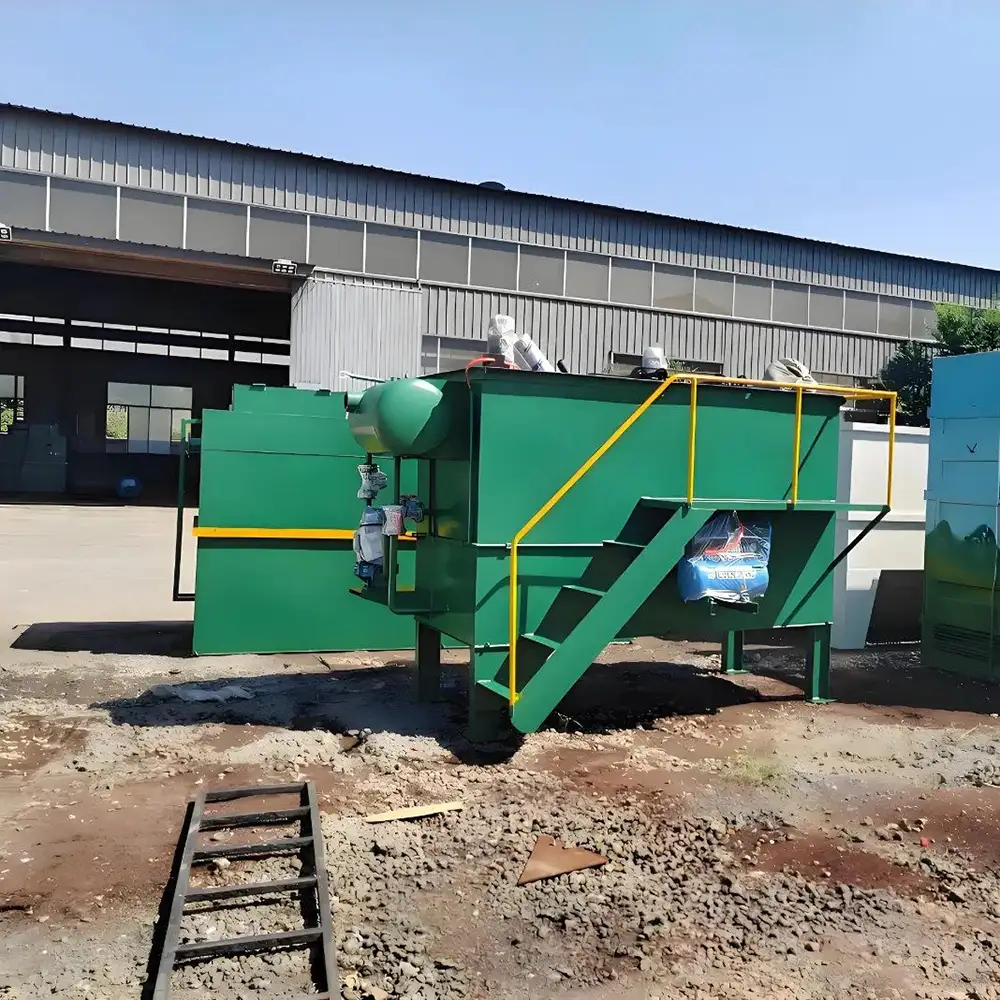
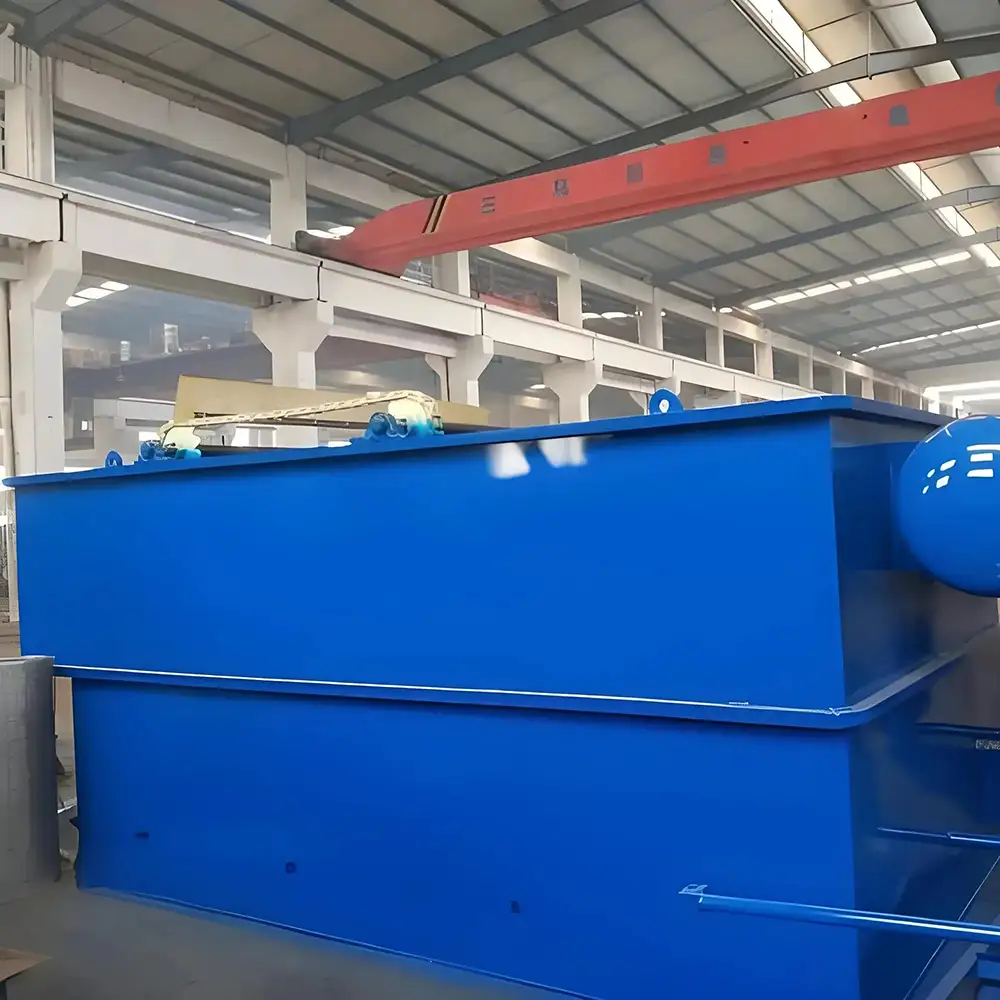
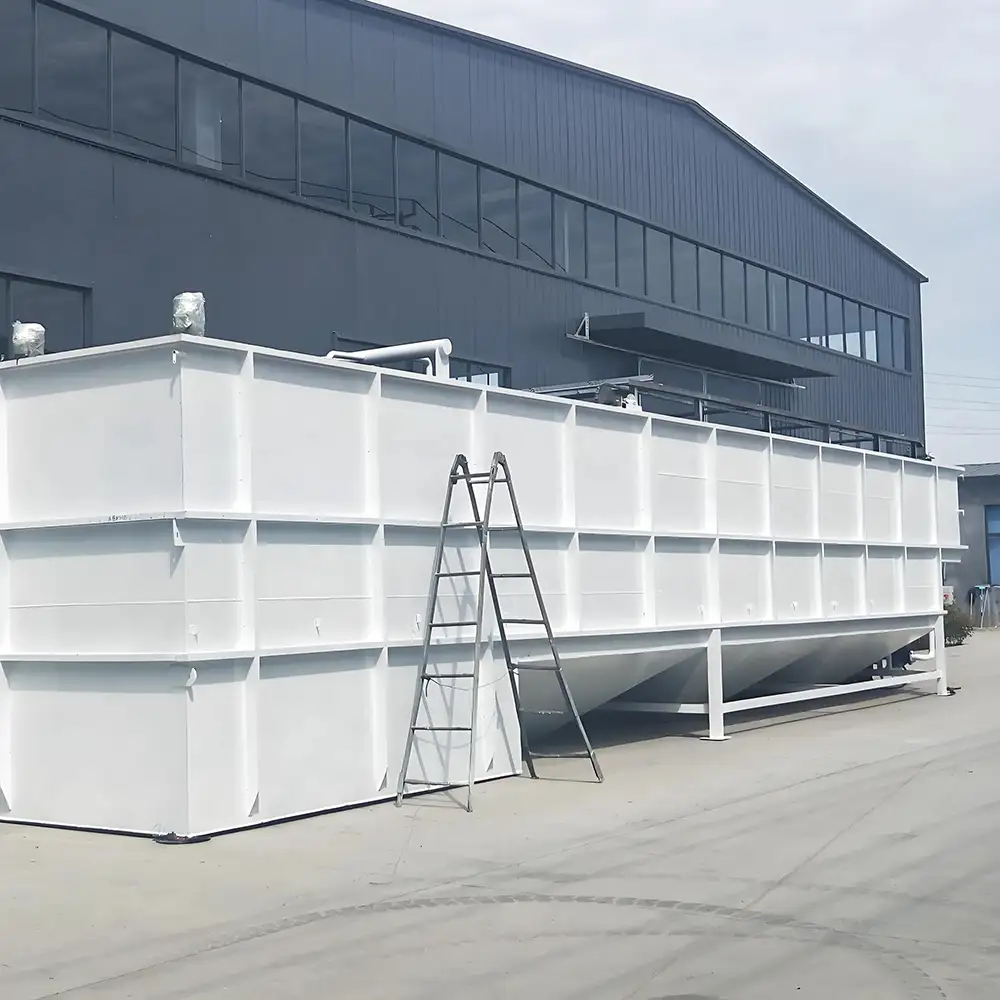
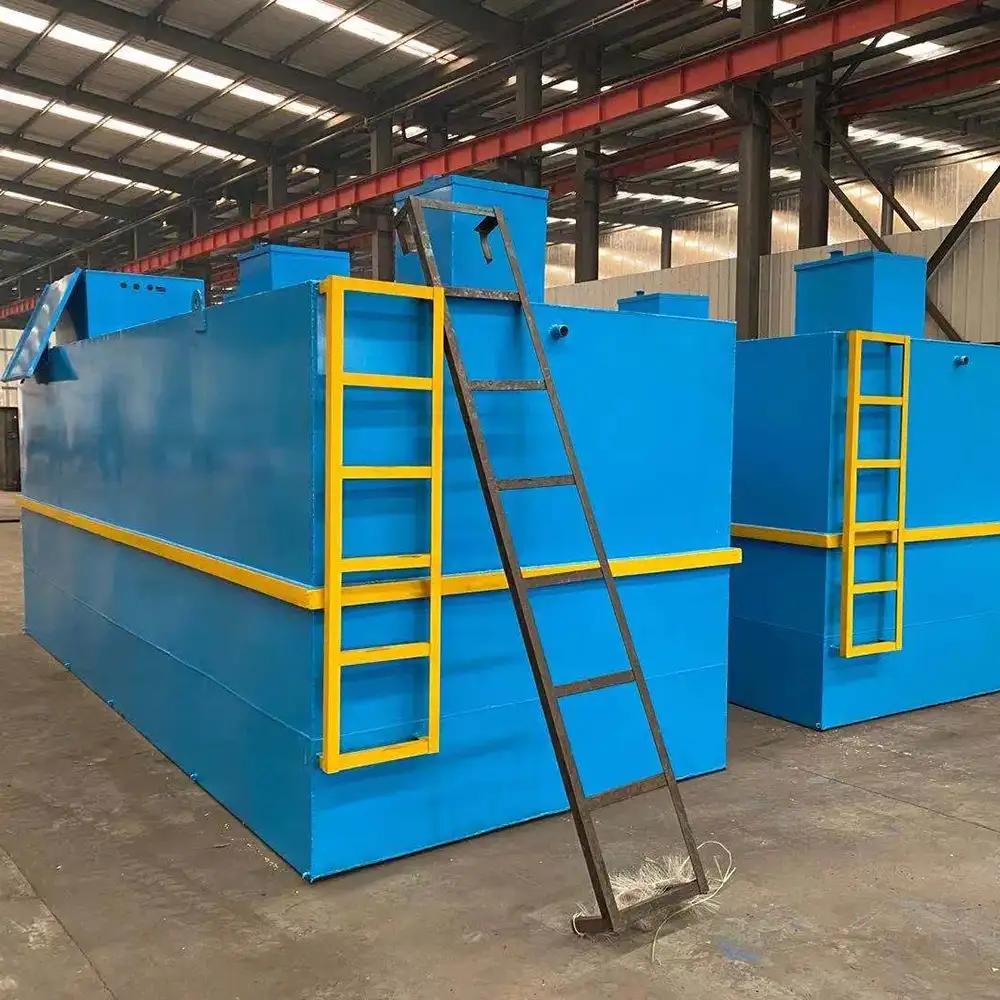
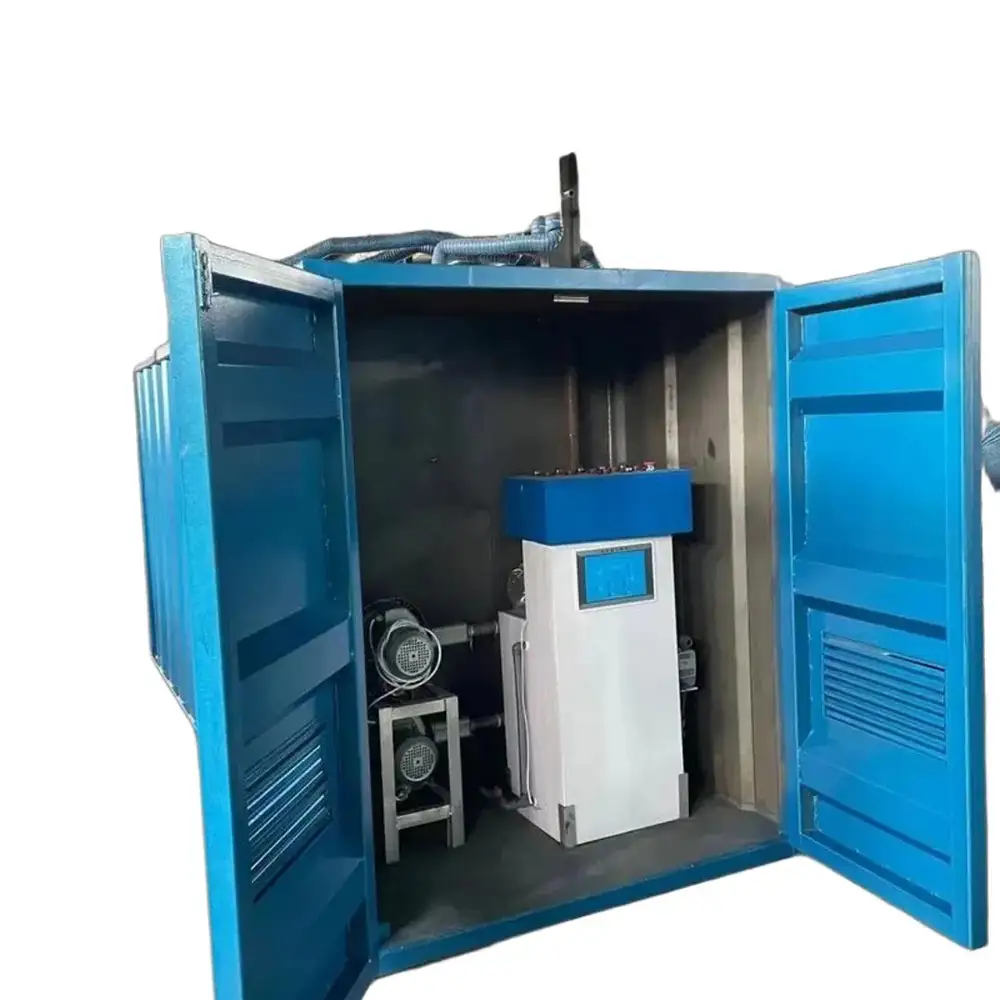
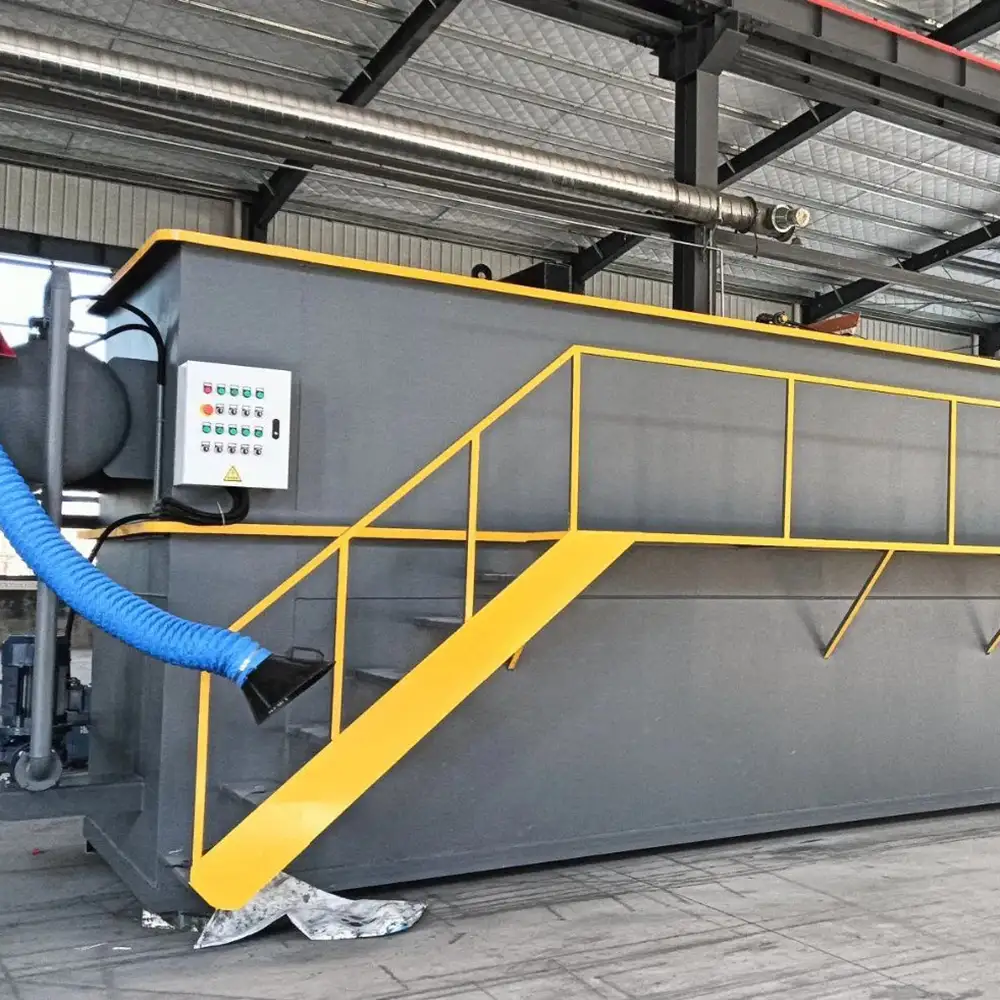
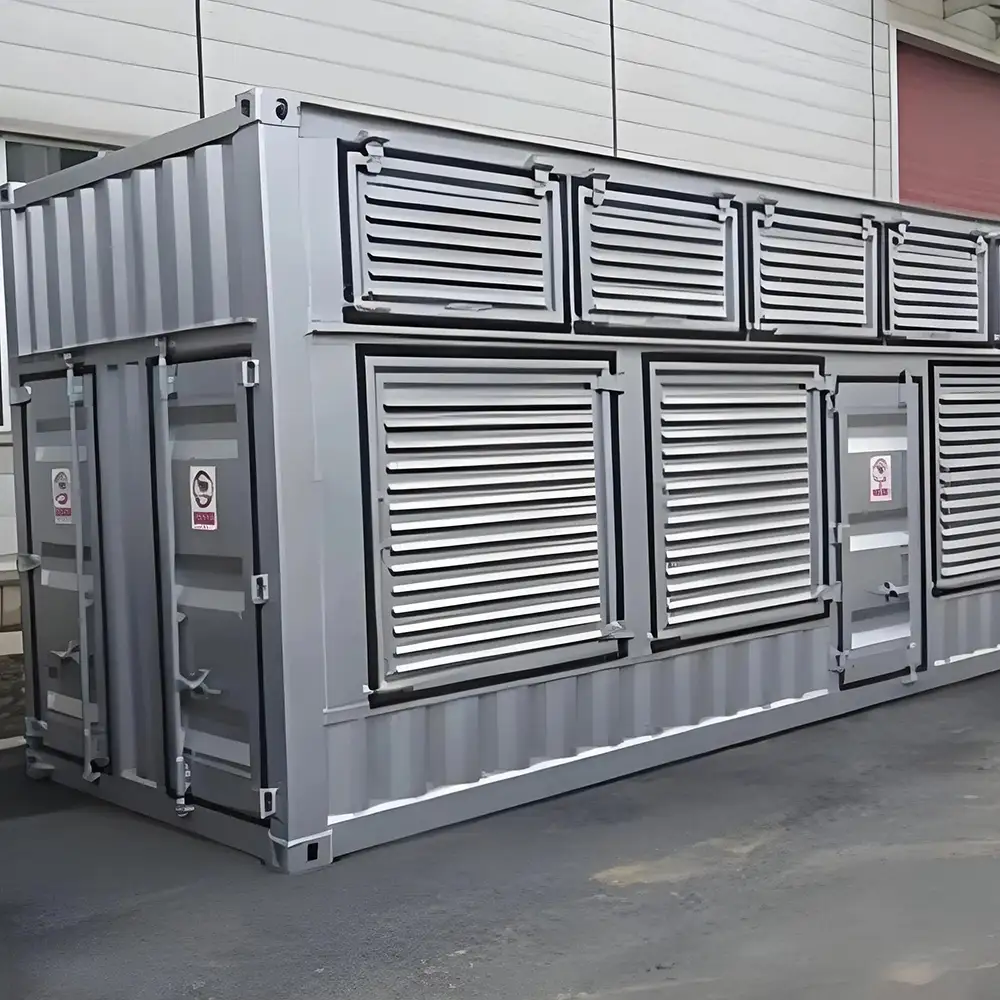
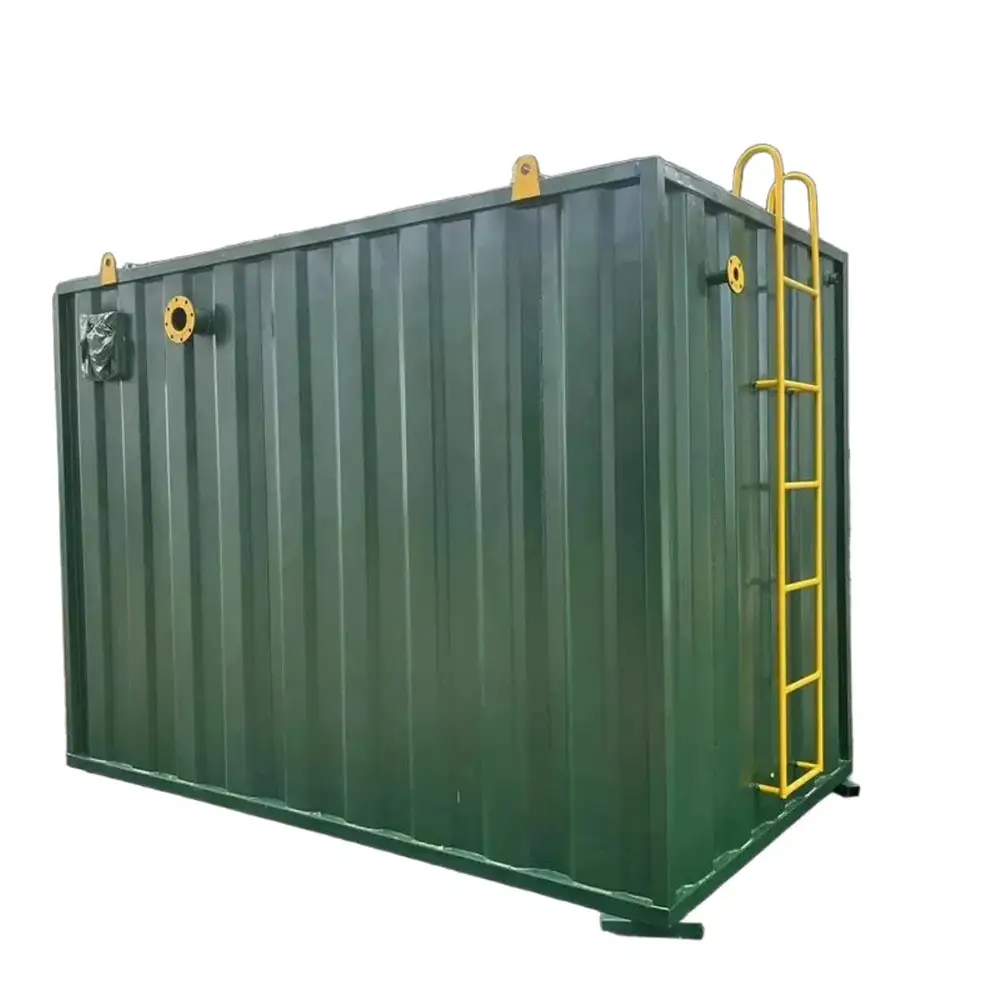
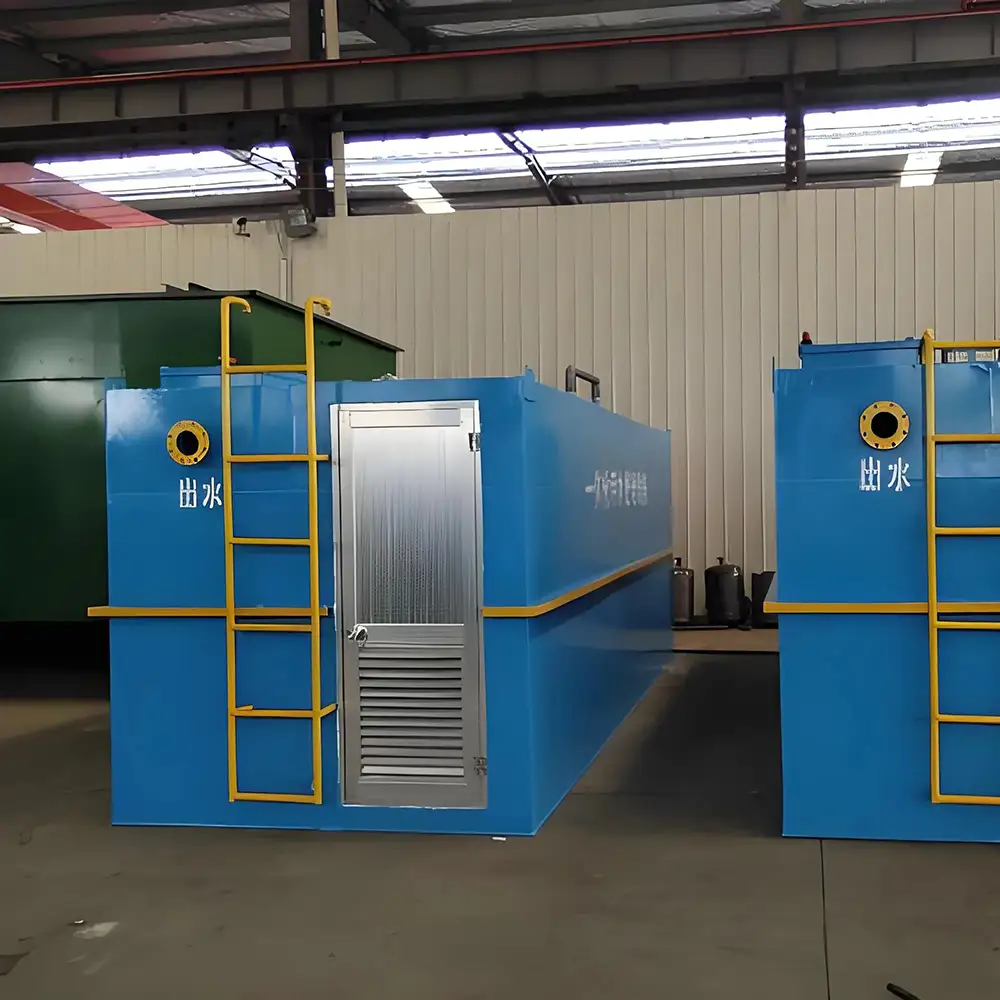
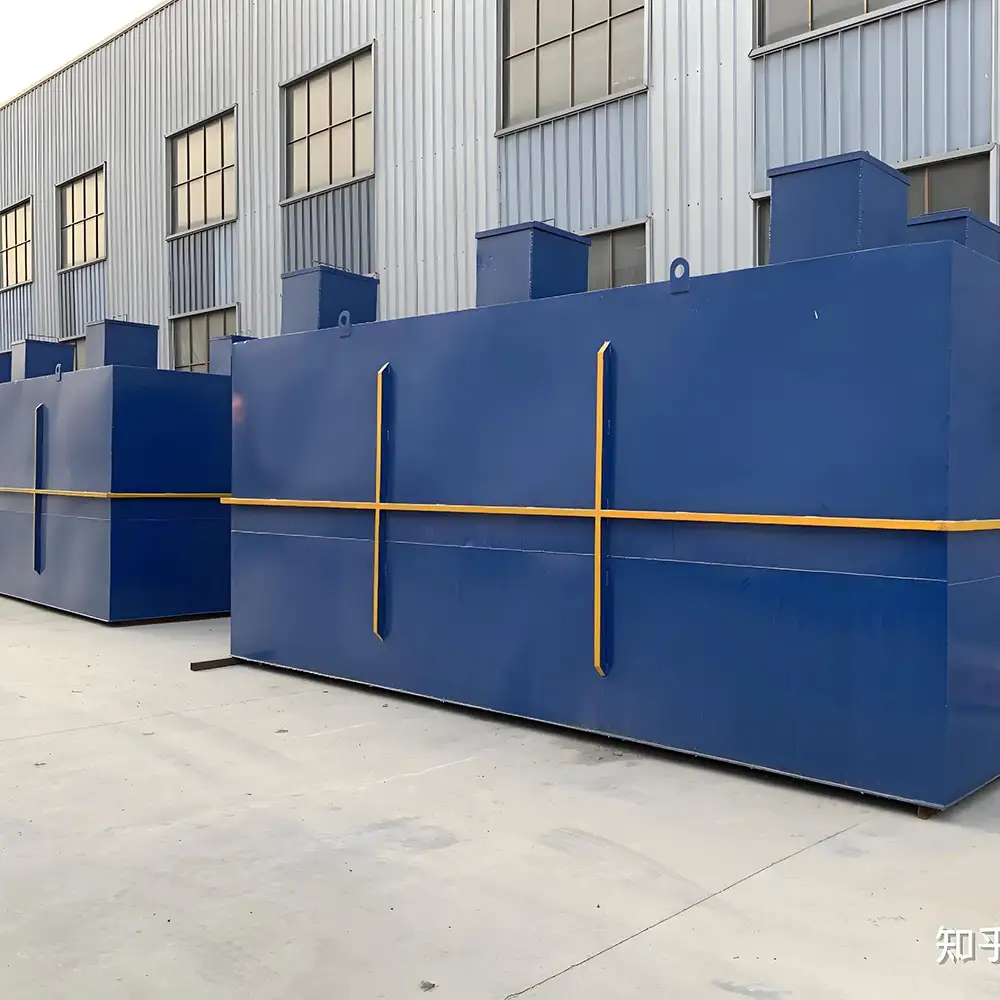
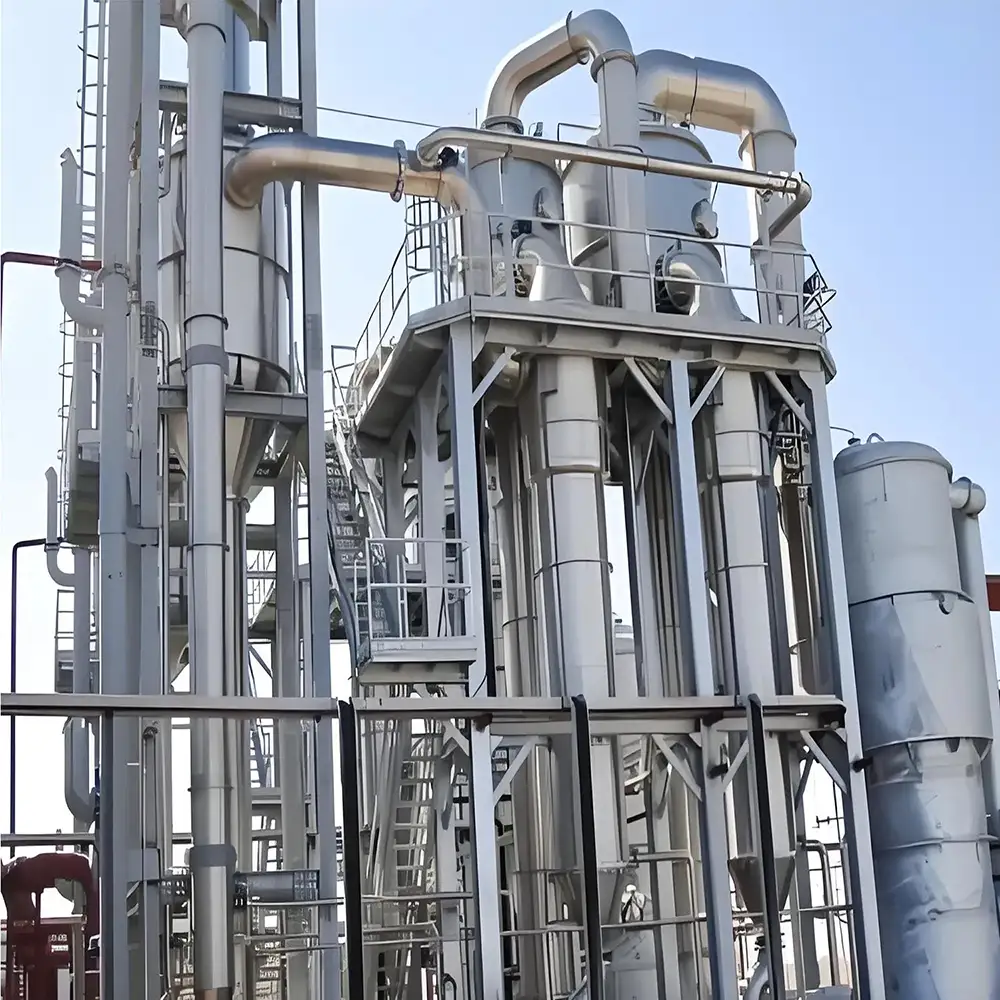
Domestic sewage comprehensive treatment equipment
The comprehensive treatment equipment for domestic sewage has made outstanding contributions in the current process, and its application in the living community is also of great concern. It directly affects our quality of life, and the treatment of sewage is also better improving our living environment. The biological treatment process adopted by this equipment integrates the removal of BOD, COD, and NH-N, making it the current sewage treatment equipment. It is widely used in the treatment of domestic sewage and similar industrial organic sewage in rural areas, villas and residential quarters, replacing the septic tank with low removal rate and treated effluent that cannot meet the comprehensive discharge standard.
Domestic sewage is the wastewater discharged from residents' daily lives, mainly from residential buildings and public buildings, such as residential buildings, government agencies, schools, hospitals, shops, public places, and industrial enterprise bathrooms. The pollutants contained in domestic sewage are mainly organic matter (such as proteins, carbohydrates, fats, urea, ammonia nitrogen, etc.) and a large number of pathogenic microorganisms (such as parasitic eggs and intestinal infectious viruses, etc.). The organic matter present in domestic sewage is extremely unstable and prone to decay, resulting in a foul odor. Bacteria and pathogens multiply in large quantities using organic matter in domestic sewage as nutrients, which can lead to the spread of infectious diseases.Integrated wastewater treatment equipment is suitable for residential areas, villages, towns, office buildings, shopping malls, hotels, restaurants, nursing homes, institutions, schools, hospitals, highways, railroads, factories, mines, tourist attractions and other domestic sewage and similar slaughtering, aquatic products, food and other small and medium-sized industrial organic wastewater treatment and reuse. The sewage treated by the equipment, the water quality to meet the national comprehensive emission standards for sewage treatment, class A standard
|
Model NO. |
WSZ |
Handling method |
Biological Treatment |
|
Usage |
Industrial, Home, Agriculture, Hospital, Urban |
Trademark |
|
|
Types |
Package, Compact, Small, Mini |
Applications |
Industrial, Municipal, Domestic, Medical, Ship |
|
Craft |
Mbr Membrane, Mbbr, Ao, Aao, Disinfect, Filtration |
Features |
Water Clarification, Filtration, Purification |
|
Service Life |
20 Years |
Operation |
Automatic |
|
Steel Plate Thickness |
>8mm |
Function |
Remove Cod BOD |
|
Voltage |
220V/ 380V/ Customerized |
Installation Type |
Underground / Onground |
|
Colour |
Grey/Silver/Blue/Balck/Customerized |
Use for |
mall,Mineral, Chemical, Dyeing, Starch |
|
Material |
Carbon Steel, Stain Steel, FRP, PE, PP |
Certificate |
SGS, ISO |
|
Transport Package |
Container Standard Packing |
Specification |
Carbon steel anti-corrosion |
|
Production Capacity |
1000 Sets/Year |
Origin |
China |
Aquaculture And Slaughtering Wastewater Treatment With DAF Equipment
Aquaculture and Slaughtering Wastewater Treatment requires effective removal of suspended solids, organic matter, fats, oils, grease, and other process-related pollutants before discharge or downstream biological treatment. A DAF Industrial Wastewater Treatment Equipment system provides an efficient flotation-based separation process that can be integrated into wastewater treatment plants for aquaculture facilities, slaughterhouses, meat-processing plants, seafood processors, and other food-related industries.
Dissolved Air Flotation, commonly called DAF, works by dissolving air into water under pressure and then releasing the pressurized stream into a flotation tank. The pressure reduction generates fine air bubbles that attach to suspended and floatable particles. The particle-bubble aggregates rise to the surface, where a mechanical skimmer removes the floating solids. EPA describes DAF as a commonly used technology for removing suspended solids and dispersed oil and grease from industrial wastewater.
For slaughtering and meat-processing wastewater, DAF is particularly useful because the wastewater can contain fine suspended solids, blood, tissue particles, fat, grease, and other light organic materials that may be difficult to remove efficiently by gravity sedimentation alone. EPA documents identify DAF as a primary-treatment technology used extensively in meat and poultry wastewater treatment.
How DAF Wastewater Treatment Works
The treatment process normally starts with screening. Coarse or fine screens remove large solids such as feathers, hair, tissue fragments, feed particles, plastic, and other debris.
The screened wastewater can then enter an equalization tank to balance fluctuations in flow and pollutant loading. Equalization is especially useful for slaughterhouses and aquaculture facilities because wastewater generation may vary considerably during production, cleaning, harvesting, and processing periods.
After equalization, the wastewater enters the DAF system. A portion of the treated or influent water is pressurized and saturated with air. When the pressurized recycle stream is released into the flotation chamber, microscopic bubbles form and attach to suspended particles, oils, grease, and other floatable materials. The resulting solids rise to the surface and are continuously removed by the skimmer.
Depending on the wastewater characteristics, coagulants and polymers can be added before flotation. Chemical conditioning can improve the aggregation of fine suspended solids, colloids, emulsified oils, and other difficult-to-float materials. EPA documentation for meat and poultry wastewater specifically identifies chemical addition before DAF as a method that can improve pollutant removal.
Aquaculture Wastewater Treatment
Aquaculture operations generate wastewater containing suspended solids, fecal matter, uneaten feed, organic residues, nutrients, and other pollutants associated with aquatic animal production.
A DAF system can be used as a solids-removal or pretreatment stage to reduce the load entering downstream biological treatment. Depending on the aquaculture operation, the system may treat wastewater from fish farms, shrimp farms, hatcheries, seafood production, recirculating aquaculture systems, and related processing facilities.
A typical aquaculture wastewater treatment process may include:
Screening
Grit Or Solid Separation
Equalization
DAF Flotation
Biological Treatment
Clarification
Filtration
Disinfection
Sludge Handling
DAF is particularly useful when fine suspended particles or organic solids are difficult to settle by gravity. Its flotation mechanism is designed for particles whose density is close to or lower than water, including many oils, grease particles, and light suspended solids.
Slaughterhouse Wastewater Treatment
Slaughterhouses and meat-processing facilities can produce wastewater with high concentrations of organic matter, suspended solids, fats, oils, grease, blood, tissue fragments, and other biodegradable materials.
DAF is commonly positioned after screening and equalization as a primary treatment step. It can remove a significant portion of suspended and floatable pollutants before the wastewater enters biological treatment.
EPA's meat and poultry wastewater treatment documentation identifies a process combination of screening, grit removal, DAF, biological treatment, filtration, disinfection, and solids handling depending on the treatment objective.
By reducing the suspended-solids and grease load before biological treatment, DAF can help protect downstream equipment and reduce the pollutant load entering biological reactors.
DAF For Meat, Poultry And Food Processing Wastewater
In addition to slaughterhouses, DAF equipment can be applied to wastewater generated by:
Meat Processing Plants
Poultry Processing Plants
Fish Processing Plants
Seafood Processing Plants
Shrimp Processing Facilities
Rendering Plants
Food Processing Plants
Dairy Processing Facilities
Animal Processing Facilities
Agricultural Food Industries
The exact treatment configuration should be selected according to the wastewater's flow rate, TSS, COD, BOD, oil and grease, pH, temperature, and other pollutants.
Main Components Of A DAF System
A complete DAF wastewater treatment system may include:
Feed Pump: Transfers wastewater into the flotation process.
Air Saturation System: Pressurizes a water stream and dissolves air into it.
Pressure Release System: Releases the pressurized recycle stream to generate fine bubbles.
Flotation Tank: Provides the environment for particle-bubble attachment and flotation.
Surface Skimmer: Continuously removes the floating sludge or scum layer.
Bottom Sludge Collection: Removes heavier solids that settle inside the flotation tank.
Chemical Dosing System: Adds coagulants, polymers, pH-adjustment chemicals, or other conditioning agents when required.
Control System: Controls pumps, valves, pressure, chemical dosing, skimmer operation, and alarms.
Advantages Of DAF Industrial Wastewater Treatment Equipment
Efficient Suspended Solids Separation
DAF is particularly suitable for fine and lightweight suspended materials that may settle slowly in conventional sedimentation systems. EPA notes that DAF can remove small or light particles, including grease, more effectively and rapidly than gravity settling in suitable applications.
Oil, Fat And Grease Removal
DAF is widely used for wastewater containing oil, grease, fats, and other floatable materials. These pollutants can attach to fine bubbles and rise to the surface for mechanical removal.
Compact Process
DAF can provide rapid solid-liquid separation within a relatively compact footprint, making it suitable for industrial wastewater facilities where available land is limited.
Flexible Chemical Conditioning
Coagulation and flocculation can be incorporated when wastewater contains colloids, emulsified oil, or very fine particles that are difficult to separate through flotation alone.
Reduced Downstream Loading
When installed as pretreatment, DAF can reduce suspended solids, grease, and other pollutants entering downstream biological treatment.
DAF Followed By Biological Treatment
DAF is not normally a complete solution for every wastewater pollutant. It is primarily a physical separation technology, and dissolved pollutants may remain in the treated water.
For slaughtering and aquaculture wastewater with significant biodegradable organic loading, DAF can therefore be combined with biological processes such as MBBR, activated sludge, SBR, anaerobic treatment, or MBR.
A typical integrated process can be:
Screening → Equalization → Coagulation/Flocculation → DAF → Biological Treatment → Clarification/MBR → Disinfection → Discharge Or Reuse
The final process should be designed according to the required effluent quality.
Sludge And Float Management
DAF generates a concentrated floating solids stream, commonly called float sludge or DAF sludge. This material should be collected continuously or at an appropriate controlled frequency and transferred to suitable sludge-handling equipment.
Depending on the application, downstream sludge management may include gravity thickening, screw presses, belt filter presses, filter presses, centrifuges, dewatering, rendering, disposal, or other resource-recovery processes.
For slaughtering and food-processing facilities, the possibility of recovering valuable organic materials should also be evaluated separately from wastewater treatment requirements.
Operation And Maintenance
Reliable DAF performance depends on stable flow, appropriate air-to-solids conditions, proper recycle flow, pressure control, chemical dosing, and timely sludge removal.
Operators should regularly inspect the pressurization pump, air system, pressure-control components, skimmer, sludge collection system, chemical dosing equipment, sensors, and control panel.
Chemical dosing should be optimized through wastewater testing and operating trials rather than using a fixed dosage for every application.
Why Choose Us?
We provide integrated DAF Industrial Wastewater Treatment Equipment for aquaculture, slaughtering, meat processing, seafood processing, and other high-organic-load industrial wastewater applications.
Our process design can combine screening, equalization, coagulation, flocculation, DAF, biological treatment, filtration, disinfection, and sludge handling according to the actual wastewater characteristics.
We focus on practical process configuration, equipment integration, automation, maintenance accessibility, and stable operation. DAF capacity, tank dimensions, recycle ratio, chemical dosing, materials, skimming system, and downstream treatment can be configured according to the project requirements.
Whether the project is a fish farm, shrimp farm, slaughterhouse, poultry processing facility, seafood plant, or food-processing factory, we can develop a treatment configuration around the actual wastewater flow and pollutant profile.
FAQs
1. What is DAF wastewater treatment?
DAF, or Dissolved Air Flotation, is a physical separation process that uses fine air bubbles to float suspended solids, oils, grease, and other suitable particles to the water surface for removal.
2. Is DAF suitable for slaughterhouse wastewater?
Yes. DAF is widely used in meat and poultry wastewater treatment because it can remove suspended solids, fats, oils, grease, and other floatable materials.
3. Can DAF treat aquaculture wastewater?
Yes. DAF can be used for aquaculture wastewater containing suspended solids and floatable organic materials, particularly as pretreatment before biological treatment.
4. Can DAF remove blood and animal tissue particles?
DAF can separate suitable suspended and floatable organic solids. Screening and other pretreatment should normally be used for larger solids before flotation.
5. Does DAF remove COD and BOD?
DAF primarily removes suspended and floatable pollutants. Because some COD and BOD are associated with suspended or floatable materials, their concentrations may decrease, but dissolved biodegradable pollutants generally require biological treatment.
6. Are chemicals required for DAF?
Not always. Coagulants and polymers can be added when necessary to improve the separation of fine particles, colloids, or emulsified materials.
7. What wastewater pollutants can DAF remove?
Depending on wastewater characteristics, DAF can remove suspended solids, oil, grease, fats, floatable materials, and some particulate-associated organic pollutants. It is not designed to remove all dissolved contaminants.
8. What comes after DAF?
For high-organic-load wastewater, DAF is often followed by biological treatment such as MBBR, activated sludge, SBR, anaerobic treatment, or MBR.
9. How is DAF sludge handled?
The floating solids are collected by a surface skimmer and transferred to sludge-handling or dewatering equipment.
10. Can the DAF system be automated?
Yes. PLC controls can manage pumps, recycle flow, pressure, skimmer operation, chemical dosing, alarms, and other process parameters.
11. How is the correct DAF capacity selected?
The main design factors include wastewater flow, peak flow, suspended solids, oil and grease concentration, particle characteristics, temperature, chemical requirements, and desired treatment performance.
12. Can the DAF equipment be integrated into a complete wastewater treatment plant?
Yes. DAF can be integrated with screening, equalization, biological treatment, filtration, disinfection, sludge dewatering, and other treatment units to create a complete industrial wastewater treatment system.
Prev:
Buried Integrated Sewage Treatment Equipment Rural Living Medical Hotel Food Factory
Next:
Domestic Sewage Treatment Equipment/Customized Sewage Treatment Equipment
TAG:
Industrial Wastewater Treatment Equipment,
Suspended Solids Removal,
FOG Wastewater Treatment,
Food Industry Wastewater Treatment,
Meat Processing Wastewater Treatment,
Food Processing Wastewater Treatment,
Industrial Wastewater Treatment System,
DAF Wastewater Treatment System,
Dissolved Air Flotation Wastewater Treatment,
Industrial Wastewater Treatment,
Organic Wastewater Treatment,
High COD Wastewater Treatment,
Industrial Sewage Treatment,
Industrial Wastewater Treatment Plant,
Wastewater Sludge Treatment,
Industrial Water Treatment,
Suspended Solids Removal Equipment,
Wastewater Pretreatment Equipment,
Fish Farm Wastewater Treatment,
Aquaculture Wastewater Treatment,
Aquaculture Wastewater Treatment Equipment,
Fish Farm Water Treatment,
Wastewater Solid Liquid Separation,
High BOD Wastewater Treatment,
High Strength Wastewater Treatment,
Slaughterhouse Wastewater Treatment Plant,
Food Industry Wastewater Treatment Plant,
Meat Industry Wastewater Treatment,
Slaughterhouse Wastewater Treatment,
Oil Removal Wastewater Treatment,
Related Category:
Aquaculture Wastewater Treatment,Slaughtering Wastewater Treatment,DAF Wastewater Treatment Equipment China, suppliers, manufacturers, factory, customized, wholesale, quotation, made in China