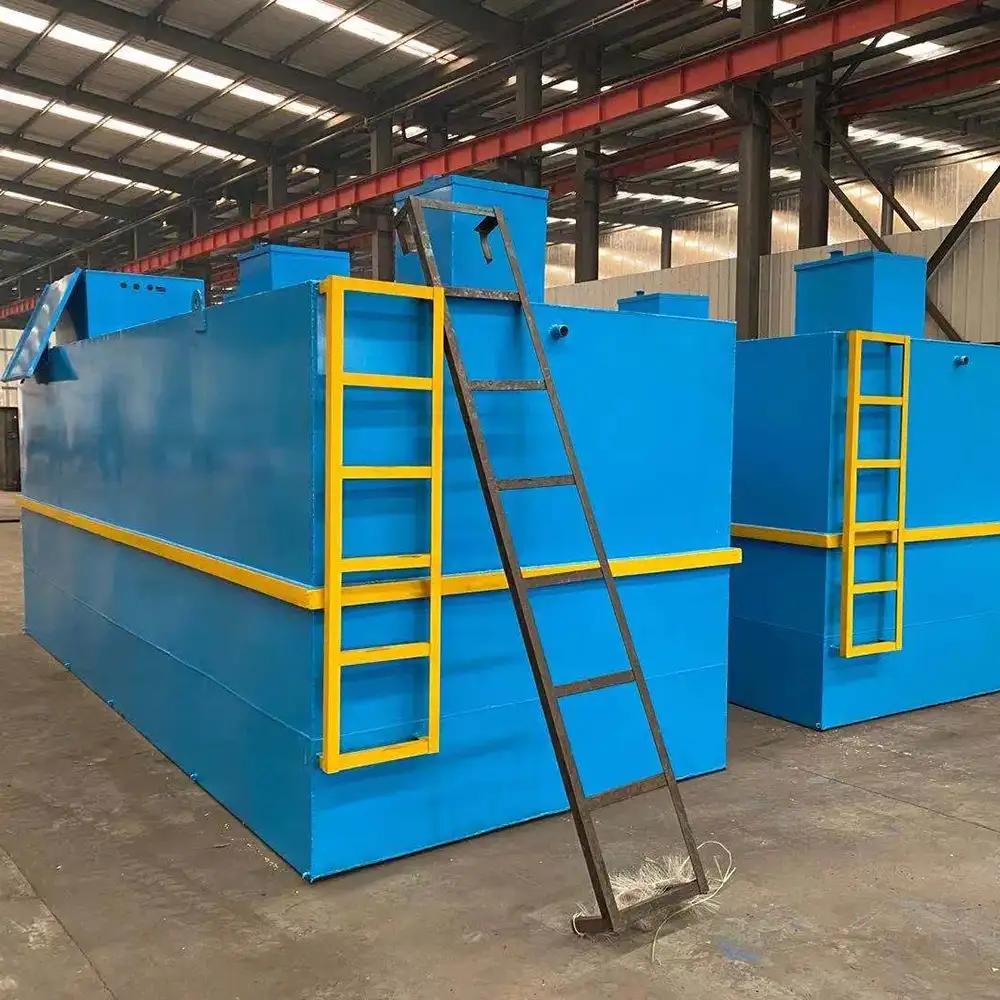
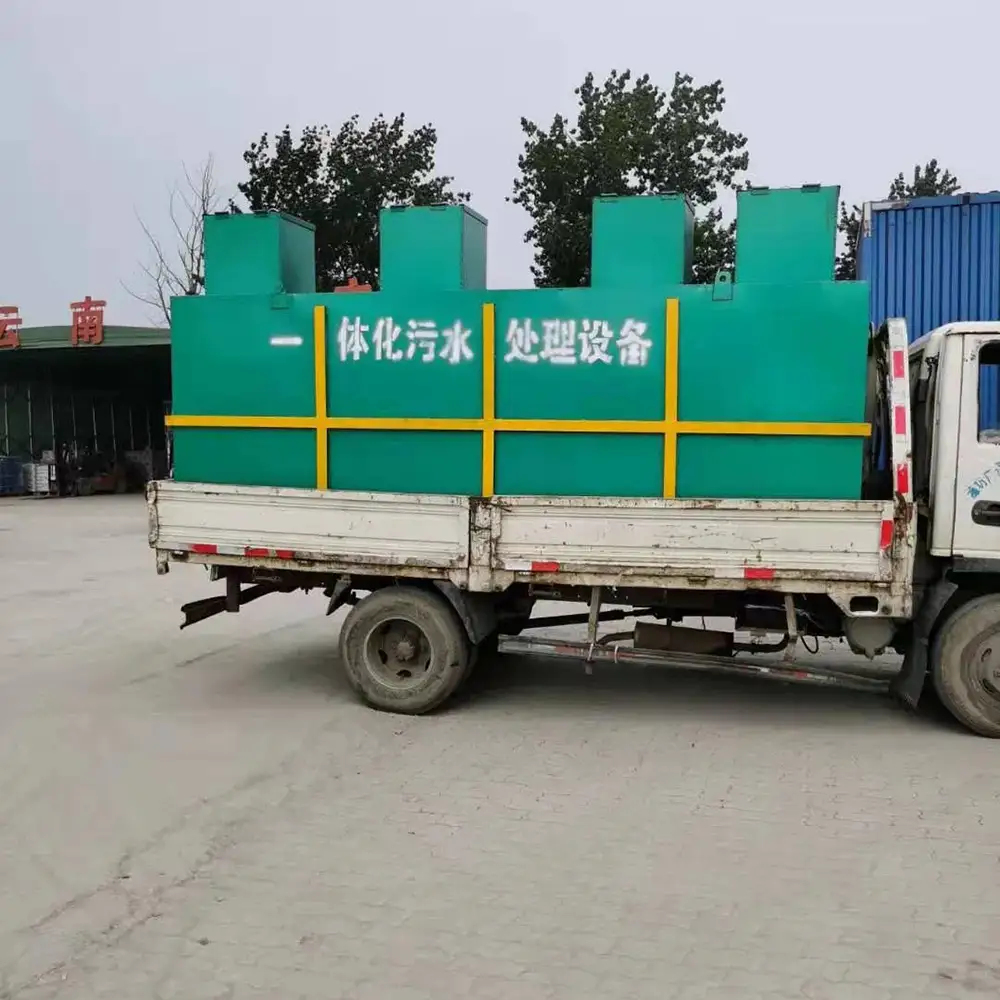
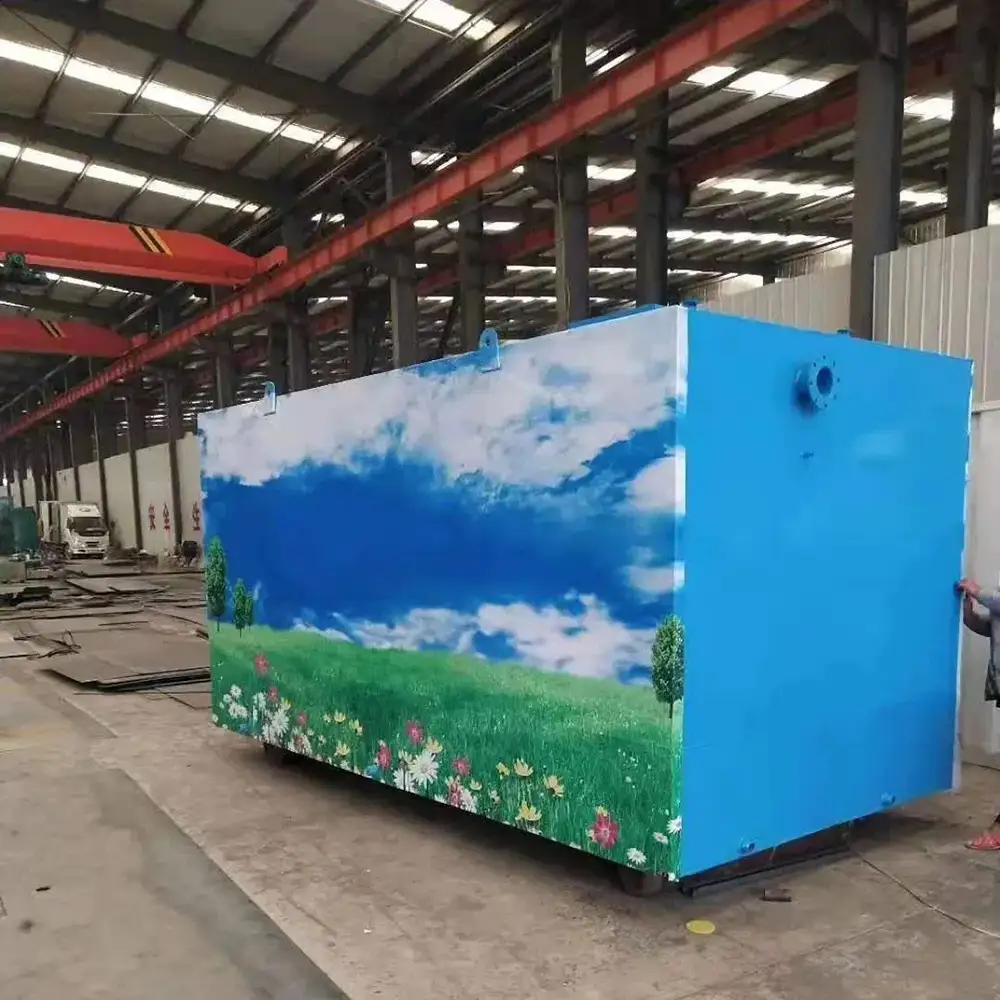
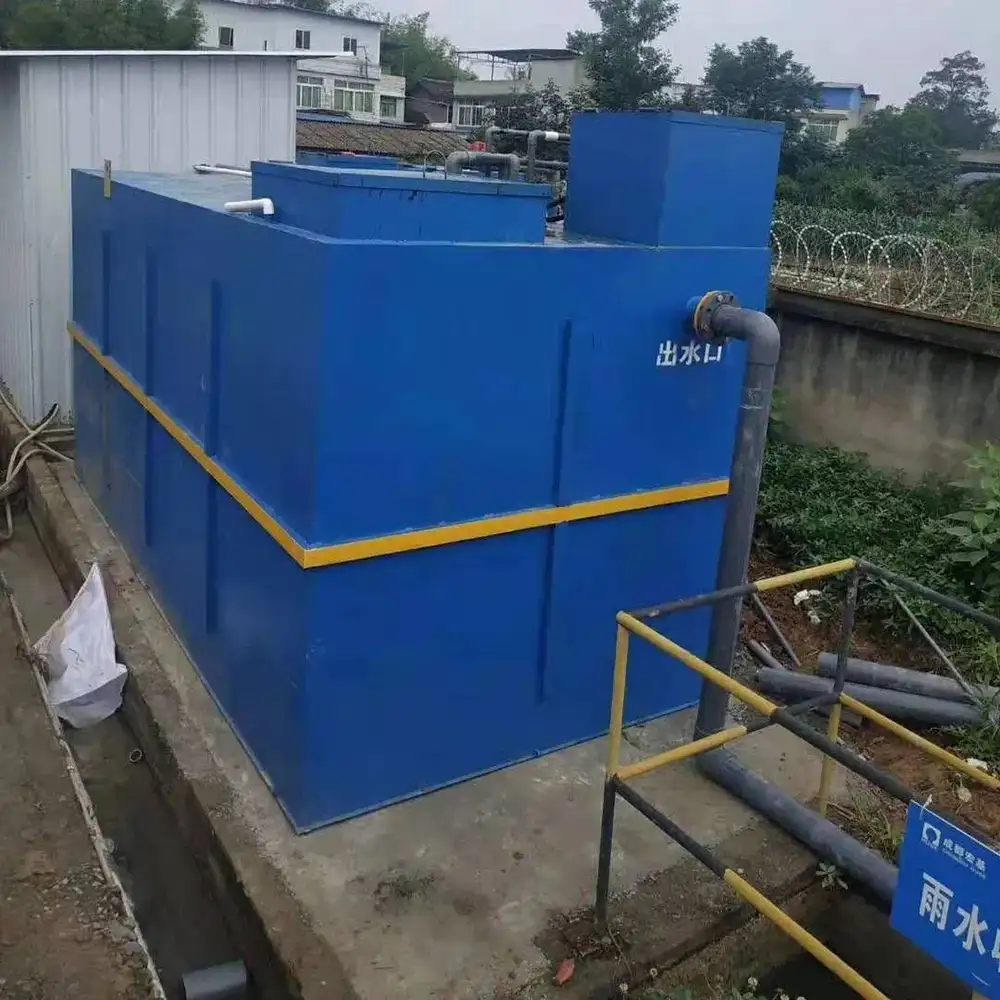
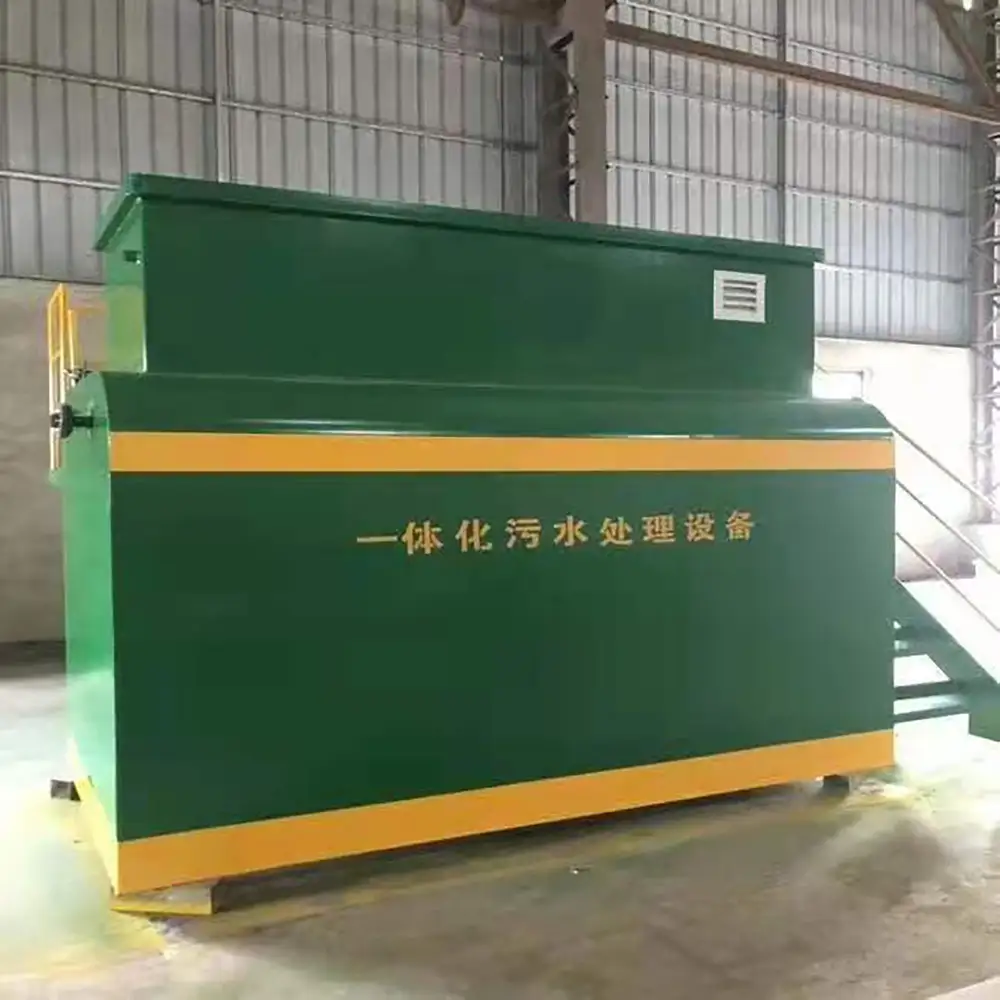
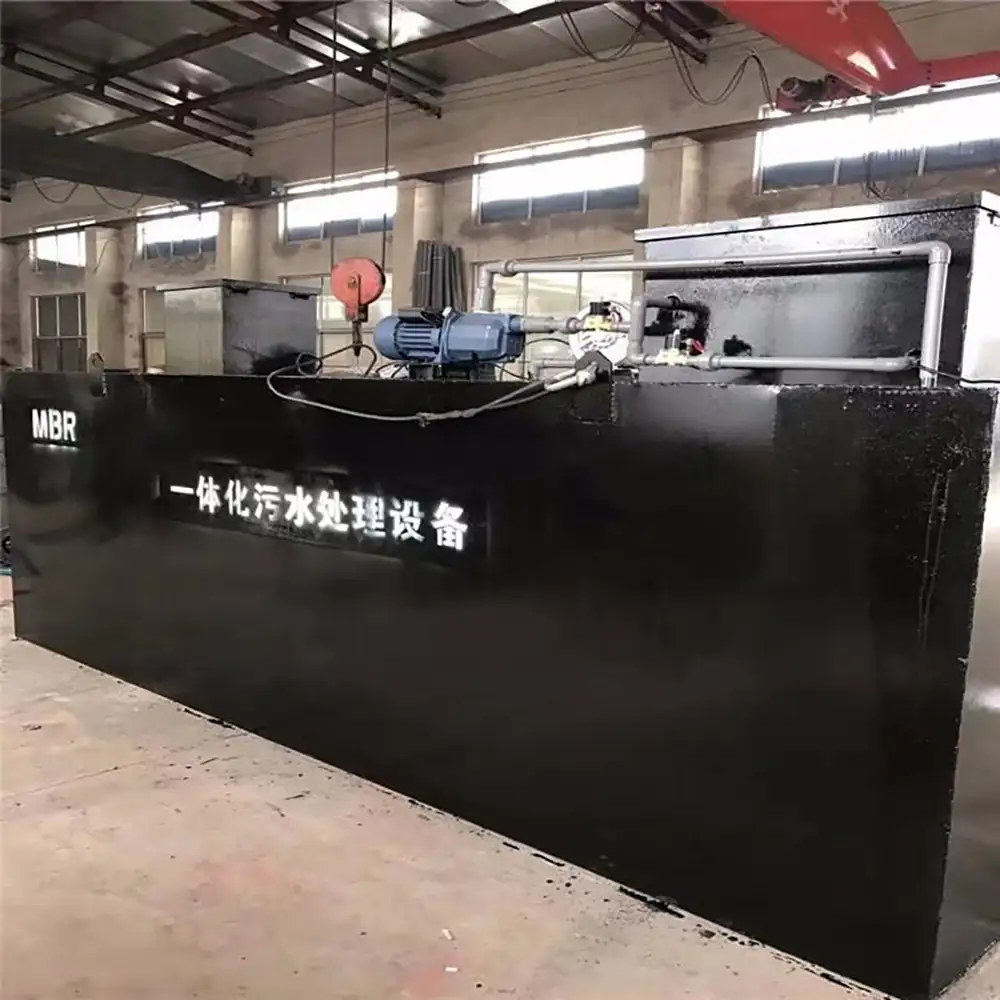
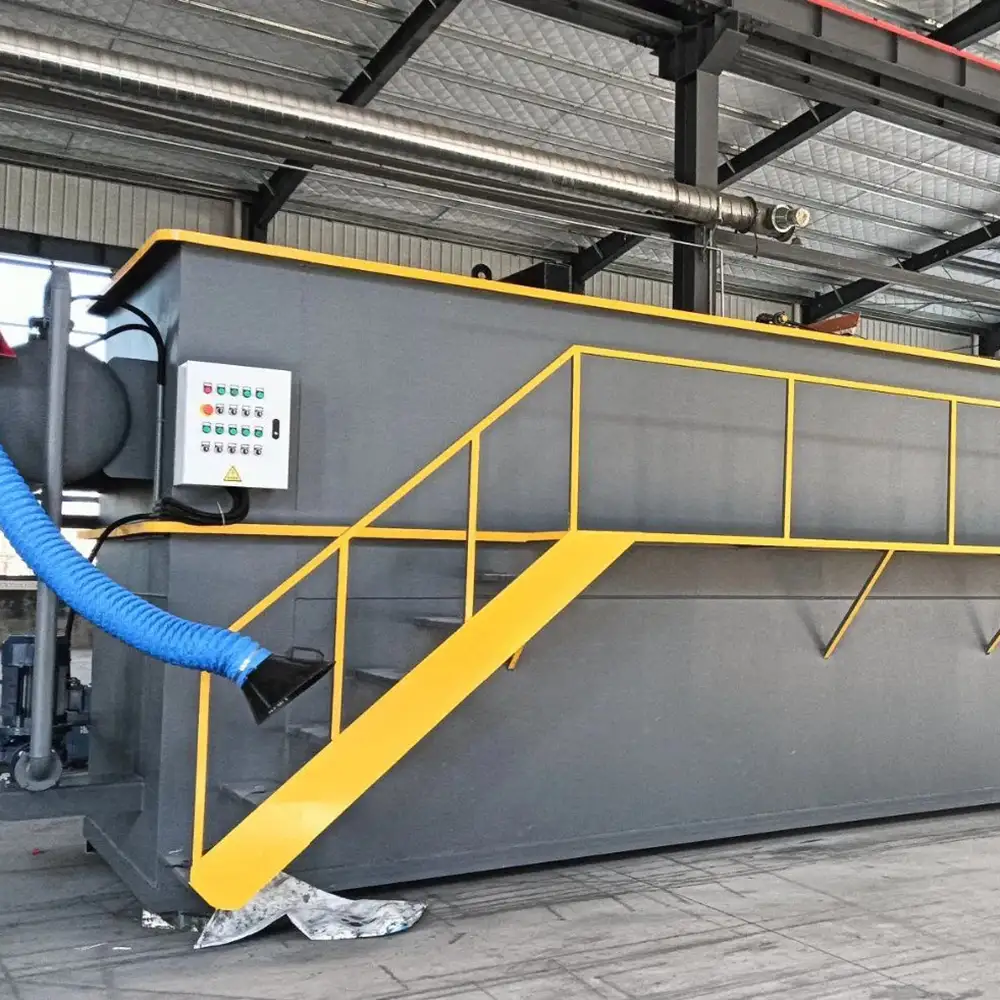
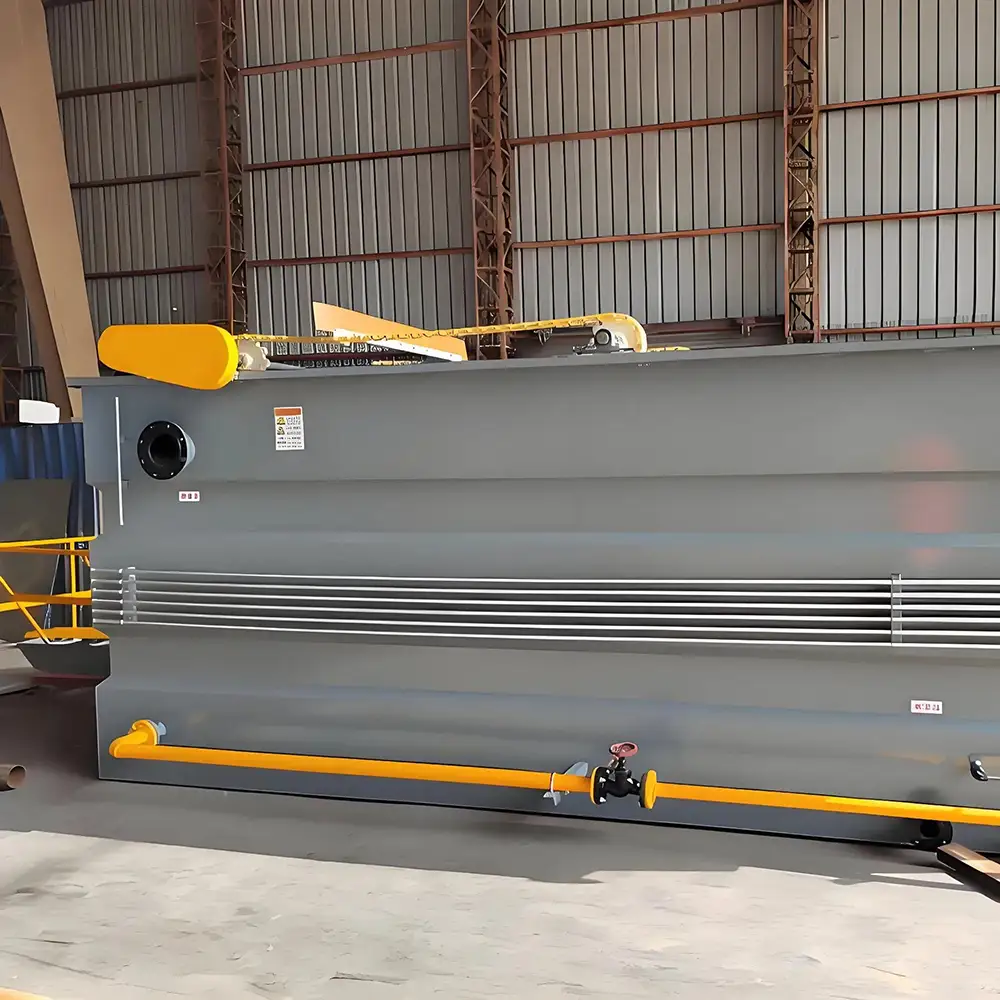
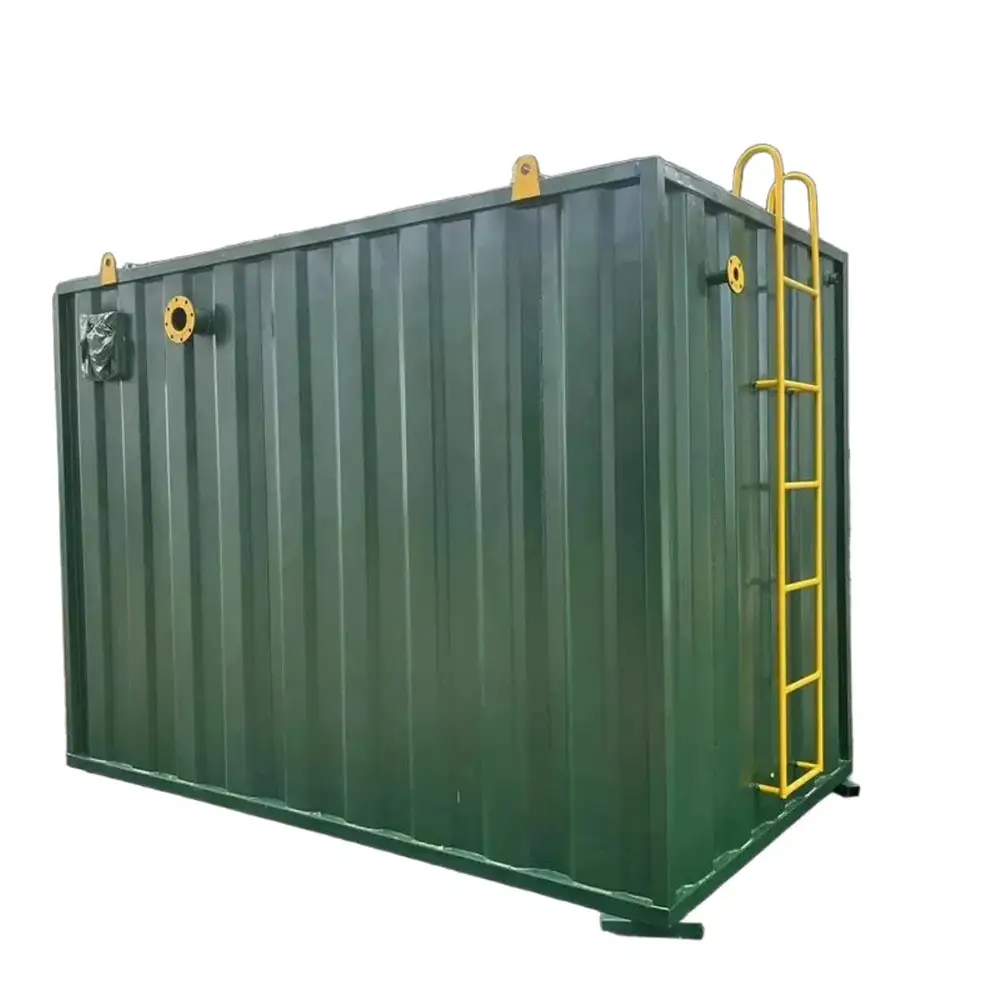
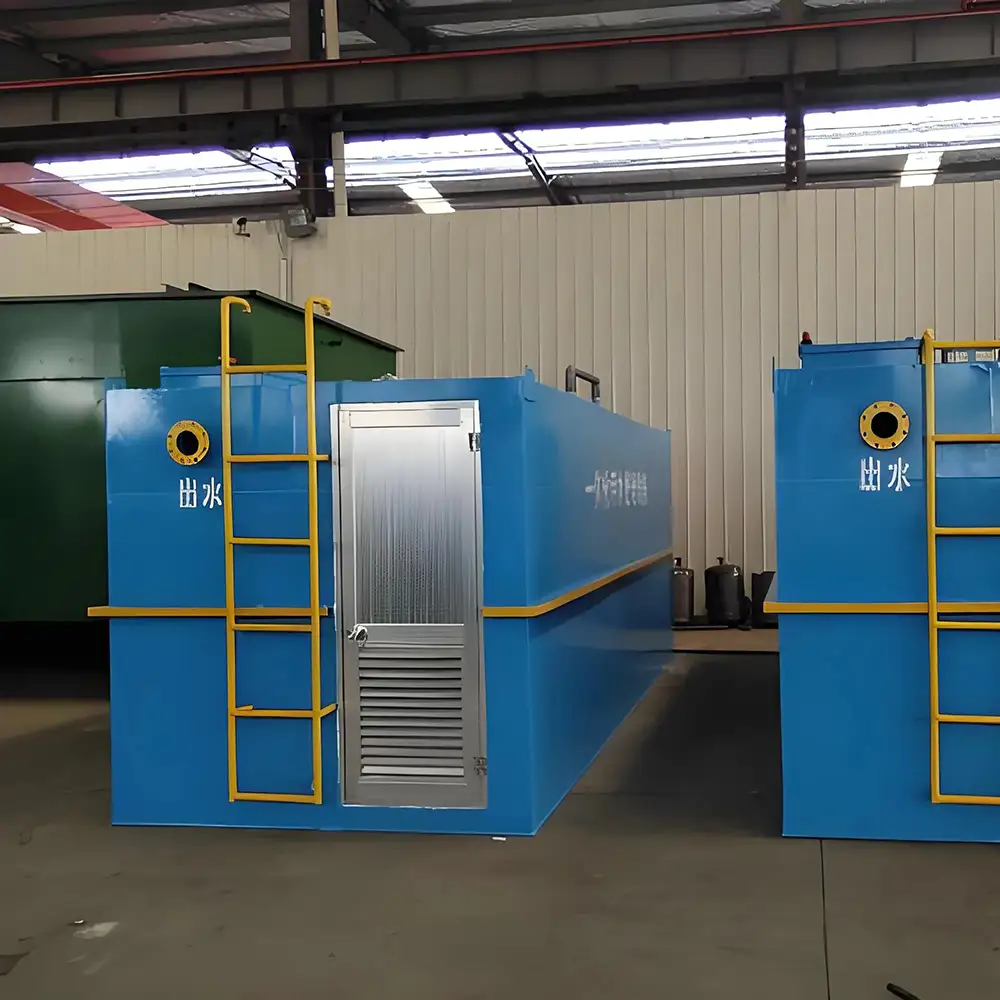
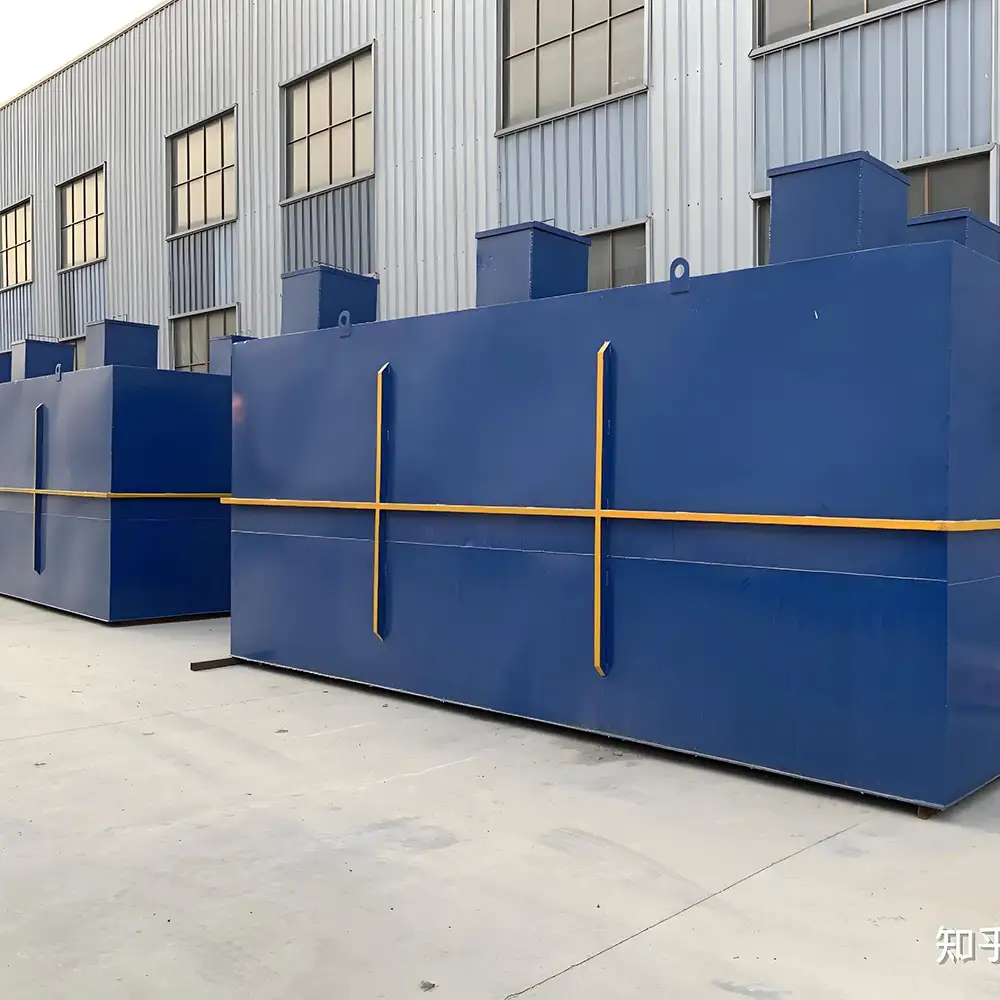
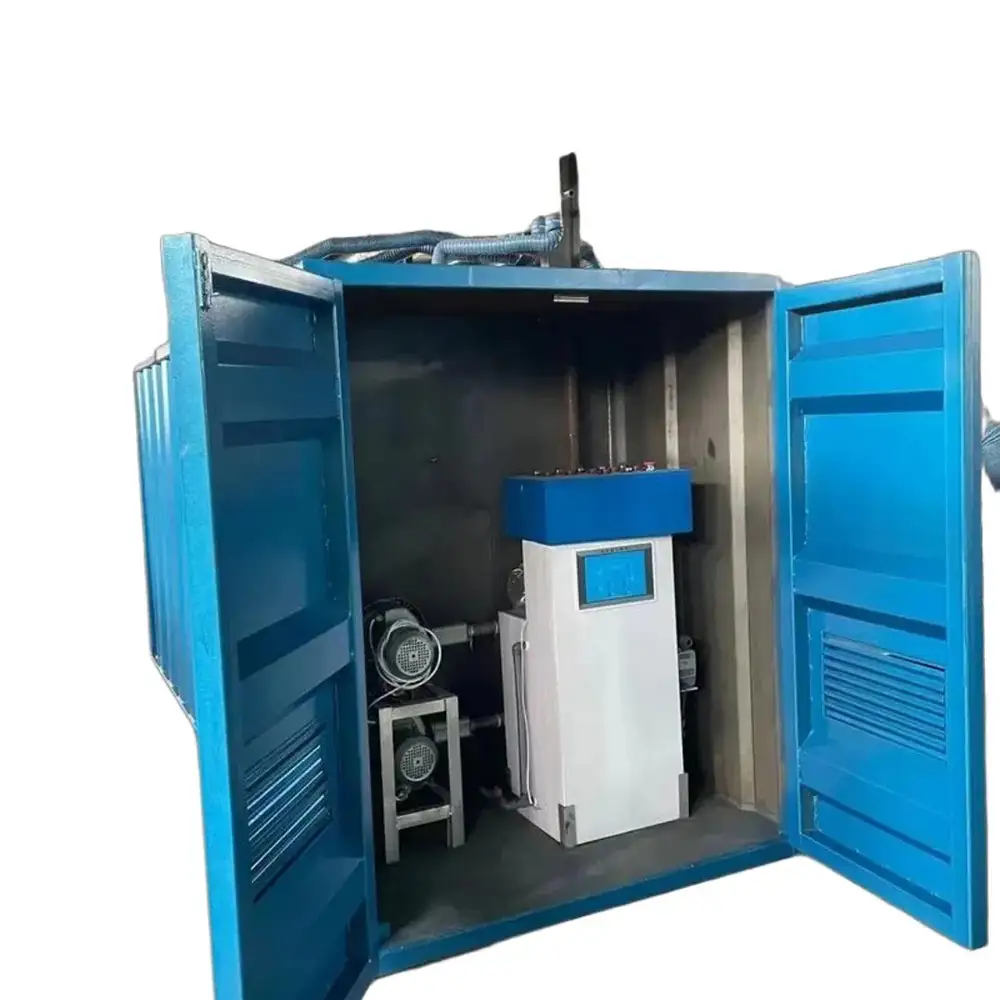
Domestic sewage comprehensive treatment equipment
The comprehensive treatment equipment for domestic sewage has made outstanding contributions in the current process, and its application in the living community is also of great concern. It directly affects our quality of life, and the treatment of sewage is also better improving our living environment. The biological treatment process adopted by this equipment integrates the removal of BOD, COD, and NH-N, making it the current sewage treatment equipment. It is widely used in the treatment of domestic sewage and similar industrial organic sewage in rural areas, villas and residential quarters, replacing the septic tank with low removal rate and treated effluent that cannot meet the comprehensive discharge standard.
After practical application, it has been shown that the integrated buried sewage treatment equipment is a very ideal and easy to manage domestic sewage treatment equipment. The long-term application results in the living community also indicate that this equipment is a good governance measure for our domestic sewage treatment.
Domestic sewage is the wastewater discharged from residents' daily lives, mainly from residential buildings and public buildings, such as residential buildings, government agencies, schools, hospitals, shops, public places, and industrial enterprise bathrooms. The pollutants contained in domestic sewage are mainly organic matter (such as proteins, carbohydrates, fats, urea, ammonia nitrogen, etc.) and a large number of pathogenic microorganisms (such as parasitic eggs and intestinal infectious viruses, etc.). The organic matter present in domestic sewage is extremely unstable and prone to decay, resulting in a foul odor. Bacteria and pathogens multiply in large quantities using organic matter in domestic sewage as nutrients, which can lead to the spread of infectious diseases.
The comprehensive domestic sewage has high CODcr and BOD5, and the value of BOD5/CODcr is greater than 0.4, indicating good biochemical performance. It is advisable to adopt a biochemical based process for treatment. Due to the large amount of wastewater, integrated sewage treatment equipment should be used for biochemical treatment. Before entering the biochemical device, try to remove floating and large particle suspended impurities from the domestic sewage during the pre-treatment stage as much as possible, and then enter the sewage regulating tank to prevent adverse effects on the sewage lifting pump.
Integrated Wastewater Treatment Equipment for Industrial, Aquaculture and Hospital Applications
An Integrated Sewage Treatment Equipment system combines multiple wastewater treatment processes into a coordinated treatment plant designed to reduce pollutants before discharge, recycling, or further treatment. This type of packaged wastewater treatment solution can be configured for industrial wastewater, aquaculture wastewater, hospital sewage, commercial wastewater, and other wastewater streams with specific treatment requirements.
Industrial, aquaculture, and hospital wastewater can have significantly different characteristics. Aquaculture wastewater commonly contains suspended solids, settleable solids, biological wastes, BOD, nutrients, and ammonia. Hospital wastewater may contain organic matter, suspended solids, pathogens, pharmaceutical residues, disinfectants, and other contaminants. Industrial wastewater can contain highly variable concentrations of organic pollutants, oils, chemicals, salts, metals, and other process-specific contaminants.
For this reason, a properly designed wastewater treatment plant begins with wastewater characterization and process selection. Biological treatment is widely used for biodegradable organic pollutants and can also support nutrient removal when the process is configured appropriately.
How an Integrated Sewage Treatment Plant Works
A typical integrated wastewater treatment system may combine several stages according to the application.
1. Preliminary Treatment
Incoming wastewater first passes through a coarse or fine screening system. Screens remove large debris, fibers, plastics, solids, and other materials that could clog pumps or interfere with downstream equipment.
For aquaculture applications, solids management is particularly important because uneaten feed, fecal matter, and settleable solids can contribute substantially to the wastewater load. EPA guidance specifically identifies solids control as an important component of aquaculture wastewater management.
2. Equalization
An equalization tank balances flow and pollutant loading before biological or chemical treatment. This is especially useful for industrial and hospital facilities where wastewater generation can vary throughout the day.
Mixing and aeration can be incorporated when needed to prevent solids settlement, reduce odor, and maintain a more consistent feed to the downstream process.
3. Biological Treatment
The biological treatment section uses microorganisms to degrade biodegradable organic matter. Depending on the wastewater characteristics and required effluent quality, the system may use activated sludge, MBBR, MBR, SBR, contact oxidation, or other biological processes.
MBBR and MBR are among the biological treatment technologies reviewed by the U.S. EPA for industrial wastewater applications.
Aerobic treatment can reduce biodegradable organic pollutants, while anoxic or anaerobic zones may be incorporated when nitrogen removal or other specific treatment objectives are required.
4. Solid-Liquid Separation
After biological treatment, suspended biomass and other solids need to be separated from the treated water.
Depending on the project, separation can be achieved using a secondary clarifier, sedimentation tank, dissolved air flotation system, membrane filtration, tube settler, or other solid-liquid separation equipment.
For projects requiring high-quality treated water, membrane-based separation such as MBR can be incorporated into the integrated system.
5. Advanced Treatment and Disinfection
Additional treatment can be added when the wastewater contains specific pollutants or when the treated water is intended for reuse.
Possible advanced treatment technologies include coagulation and flocculation, activated carbon adsorption, filtration, ultrafiltration, nanofiltration, reverse osmosis, advanced oxidation, or specialized chemical treatment.
Disinfection using chlorine, sodium hypochlorite, chlorine dioxide, ozone, or UV can be selected according to the application and effluent requirements. EPA water-reuse guidance identifies disinfection and pathogen removal as important treatment stages where reuse or stringent microbiological requirements apply.
Aquaculture Wastewater Treatment
Aquaculture facilities require effective control of solids and nutrient-rich wastewater. Typical pollutants of concern include suspended solids, settleable solids, biological wastes, BOD, phosphorus, nitrogen, and ammonia. Certain aquaculture operations may also generate residues associated with drugs, chemicals, and other operational materials.
An aquaculture wastewater treatment plant may therefore combine screening, solids separation, equalization, biological treatment, clarification, filtration, and disinfection.
For recirculating aquaculture systems, water treatment can also be integrated with mechanical and biological filtration to support water reuse within the production system. EPA describes recirculating aquaculture systems as systems that filter and reuse water and typically incorporate biological or mechanical filtration.
Hospital Wastewater Treatment
Hospital wastewater requires careful consideration because it can contain conventional organic pollutants and suspended solids as well as pathogens, pharmaceutical residues, disinfectants, and other healthcare-related contaminants.
A hospital wastewater treatment plant may include screening, equalization, biological treatment, clarification or membrane separation, advanced filtration, and disinfection.
Depending on local discharge standards and the wastewater profile, additional treatment such as activated carbon, advanced oxidation, membrane filtration, or other polishing technologies may be added.
The exact process should be determined through wastewater testing and regulatory requirements rather than assuming that biological treatment alone will remove every contaminant.
Industrial Wastewater Treatment
Industrial wastewater varies greatly between industries. Food processing, chemical manufacturing, textile production, metal processing, pharmaceutical manufacturing, electronics, and other industries can produce very different wastewater characteristics.
An integrated industrial wastewater treatment plant can therefore combine physical, chemical, biological, and membrane technologies.
Possible treatment units include:
Coarse And Fine Screens
Equalization Tank
Oil And Grease Separation
Coagulation And Flocculation
Dissolved Air Flotation
Primary Sedimentation
MBBR Biological Reactor
Activated Sludge System
SBR Treatment System
MBR Membrane System
Secondary Clarifier
Sand And Carbon Filtration
Ultrafiltration
Reverse Osmosis
UV Or Chlorine Disinfection
Sludge Dewatering System
The U.S. EPA maintains an Industrial Wastewater Treatment Technology Database containing technology-performance information for industrial wastewater treatment systems, demonstrating the importance of matching treatment technology to specific wastewater characteristics and pollutants.
Integrated and Compact System Design
The main advantage of an integrated sewage treatment plant is that multiple treatment stages can be assembled into a coordinated system. This can reduce the amount of site work required compared with constructing separate treatment units.
Packaged equipment can be designed for indoor or outdoor installation and can be supplied with tanks, pumps, blowers, mixers, dosing systems, membranes, control cabinets, instrumentation, and sludge-handling equipment.
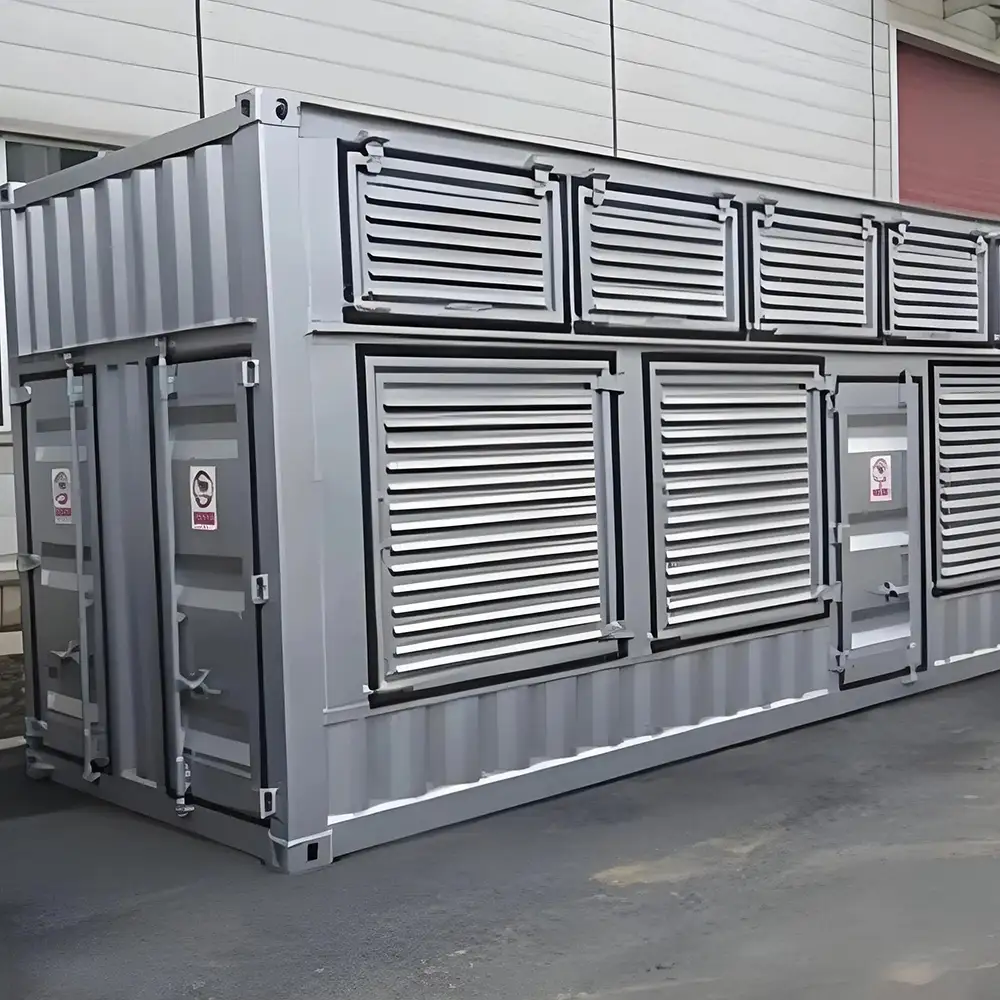
Depending on the project, the system can be supplied as a compact skid-mounted package or as a larger modular wastewater treatment plant.
Automatic Operation and Control
Modern integrated wastewater treatment equipment can use PLC-based controls to monitor flow, liquid level, dissolved oxygen, pressure, pH, pump operation, blower operation, dosing, and other process parameters.
Automatic alarms and interlocks can help operators identify abnormal operating conditions. Remote monitoring can also be incorporated where required.
Automation should be configured according to the complexity of the treatment process and the operator's requirements.
Applications
Integrated sewage treatment equipment can be used for:
Industrial Wastewater Treatment
Aquaculture Wastewater Treatment
Fish Farm Wastewater Treatment
Hospital Sewage Treatment
Medical Facility Wastewater Treatment
Hotel Wastewater Treatment
School And Campus Sewage Treatment
Residential Wastewater Treatment
Commercial Wastewater Treatment
Food Processing Wastewater Treatment
Pharmaceutical Wastewater Treatment
Agricultural Wastewater Treatment
Municipal And Decentralized Wastewater Treatment
Water Reuse Projects
Why Choose Us?
We provide integrated wastewater treatment solutions based on the actual wastewater characteristics, required capacity, discharge standards, available installation space, and target water quality.
Our engineering approach can combine biological treatment, solid-liquid separation, chemical treatment, membrane filtration, and disinfection into one coordinated system. This makes the equipment suitable for projects where a conventional single-process treatment system cannot meet the required treatment objectives.
We can also customize equipment configuration, tank volume, treatment capacity, materials, automation level, membrane technology, pretreatment, sludge handling, and downstream polishing according to project requirements.
The goal is not simply to supply a standard sewage treatment machine, but to provide a practical treatment process that can operate reliably under the customer's actual wastewater conditions.
FAQs
1. What is integrated sewage treatment equipment?
It is a wastewater treatment system that combines multiple treatment stages such as screening, biological treatment, sedimentation, filtration, and disinfection into one coordinated plant.
2. Can this system treat hospital wastewater?
Yes. The system can be configured for hospital sewage with appropriate biological treatment, solid-liquid separation, and disinfection. Additional advanced treatment may be required for specific pharmaceutical or chemical contaminants.
3. Can it be used for aquaculture wastewater?
Yes. Aquaculture treatment systems can be designed for suspended solids, organic matter, ammonia, nitrogen, phosphorus, and other pollutants associated with fish and aquatic animal production.
4. What biological process can be used?
Depending on the wastewater, options include MBBR, activated sludge, SBR, MBR, contact oxidation, and other biological treatment technologies.
5. Can MBR be integrated into the plant?
Yes. MBR can replace conventional secondary clarification with membrane-based solids separation when higher-quality effluent is required.
6. Does the system remove ammonia?
Biological nitrification and denitrification processes can be incorporated to address ammonia and nitrogen. The actual performance depends on wastewater characteristics and process design.
7. Can the treated water be reused?
Potentially, yes. Additional filtration, membrane treatment, and disinfection may be required depending on the intended reuse application and applicable standards.
8. Can industrial wastewater be treated with the same system as hospital sewage?
Not necessarily. Industrial wastewater can contain industry-specific chemicals, oils, metals, salts, or refractory pollutants. A separate pretreatment or advanced treatment stage may be necessary.
9. Is the equipment fully automatic?
The plant can be equipped with PLC-based automatic controls. The automation level can be configured according to the treatment process and operating requirements.
10. What information is needed for equipment selection?
Important information includes wastewater flow rate, daily operating hours, influent COD, BOD, TSS, ammonia, nitrogen, phosphorus, pH, temperature, specific pollutants, discharge requirements, and desired reuse quality.
11. Can the treatment plant be customized?
Yes. Capacity, process configuration, tank arrangement, equipment materials, automation, membrane system, chemical dosing, and sludge treatment can be customized.
12. How do I determine the correct treatment process?
A wastewater analysis and process assessment should be completed first. The treatment train should then be selected according to pollutants, flow variation, discharge requirements, site conditions, and intended water reuse.
Prev:
Solvent Recovery / Seawater Desalination Project/High-Efficiency Mvr Evaporator
Next:
Buried Integrated Sewage Treatment Equipment Rural Living Medical Hotel Food Factory
TAG:
UV Wastewater Disinfection,
Industrial Wastewater Treatment Equipment,
Integrated Wastewater Treatment System,
Suspended Solids Removal,
Industrial Wastewater Treatment System,
Dissolved Air Flotation Wastewater Treatment,
Industrial Wastewater Treatment,
Industrial Sewage Treatment,
Industrial Wastewater Treatment Plant,
Wastewater Treatment Equipment,
Wastewater Treatment Plant,
Wastewater Reuse System,
Wastewater Treatment System,
Industrial Water Treatment Equipment,
Industrial Water Treatment,
Fish Farm Wastewater Treatment,
Aquaculture Wastewater Treatment,
Aquaculture Wastewater Treatment Equipment,
Fish Farm Water Treatment,
Aquaculture Water Treatment Equipment,
Industrial Wastewater Management,
Wastewater Treatment Plant Equipment,
Industrial Water Reuse,
Industrial Sewage Treatment Plant,
Decentralized Wastewater Treatment,
Compact Wastewater Treatment Plant,
BOD Removal Wastewater Treatment,
Advanced Wastewater Treatment,
Ultrafiltration Wastewater Treatment,
MBBR Wastewater Treatment,
Related Category:
Industrial Wastewater Treatment Plant,Aquaculture Wastewater Treatment Plant,Hospital Wastewater Treatment Plant China, suppliers, manufacturers, factory, customized, wholesale, quotation, made in China