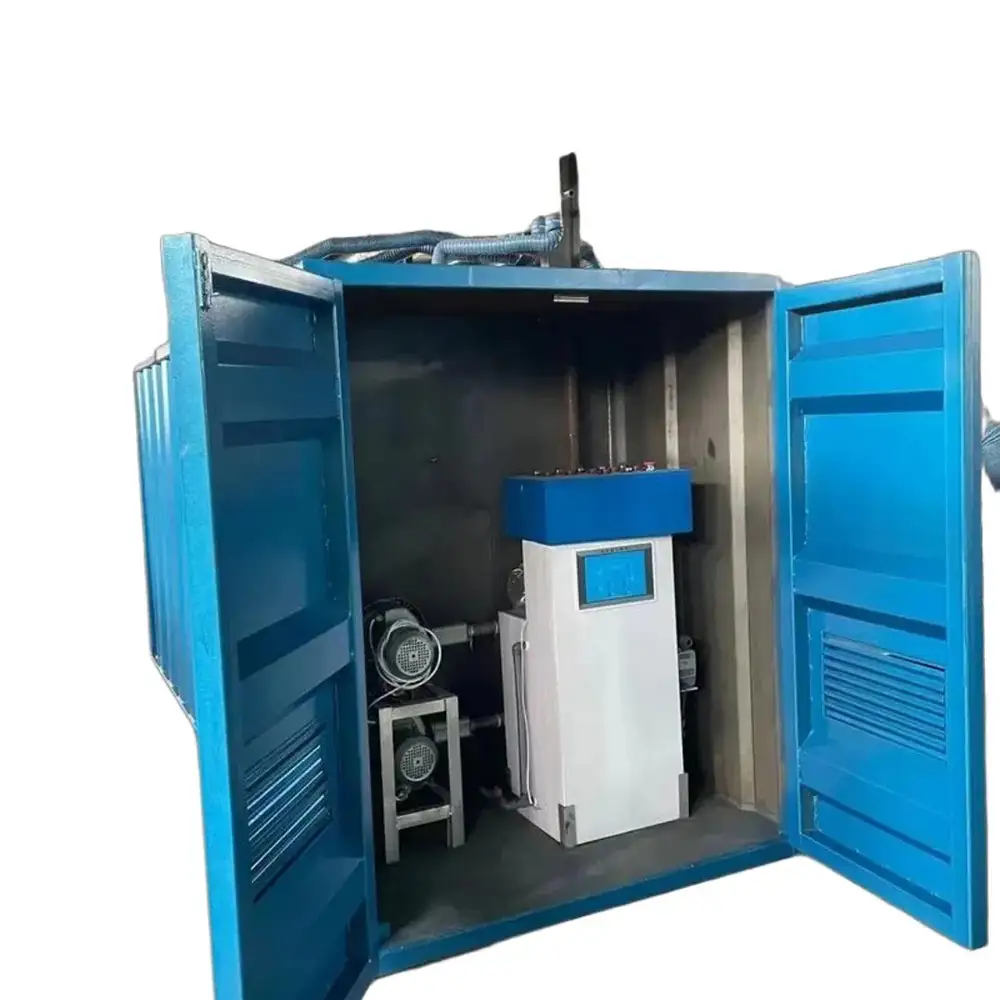
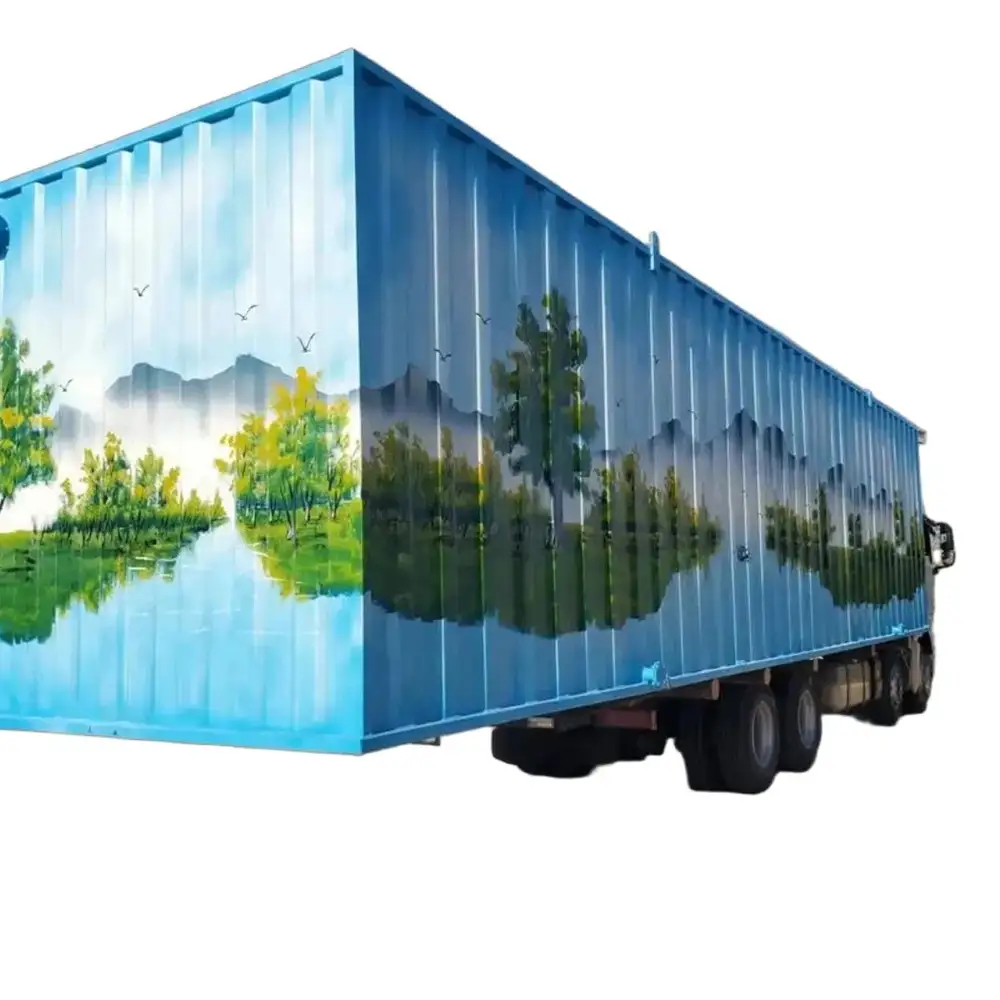
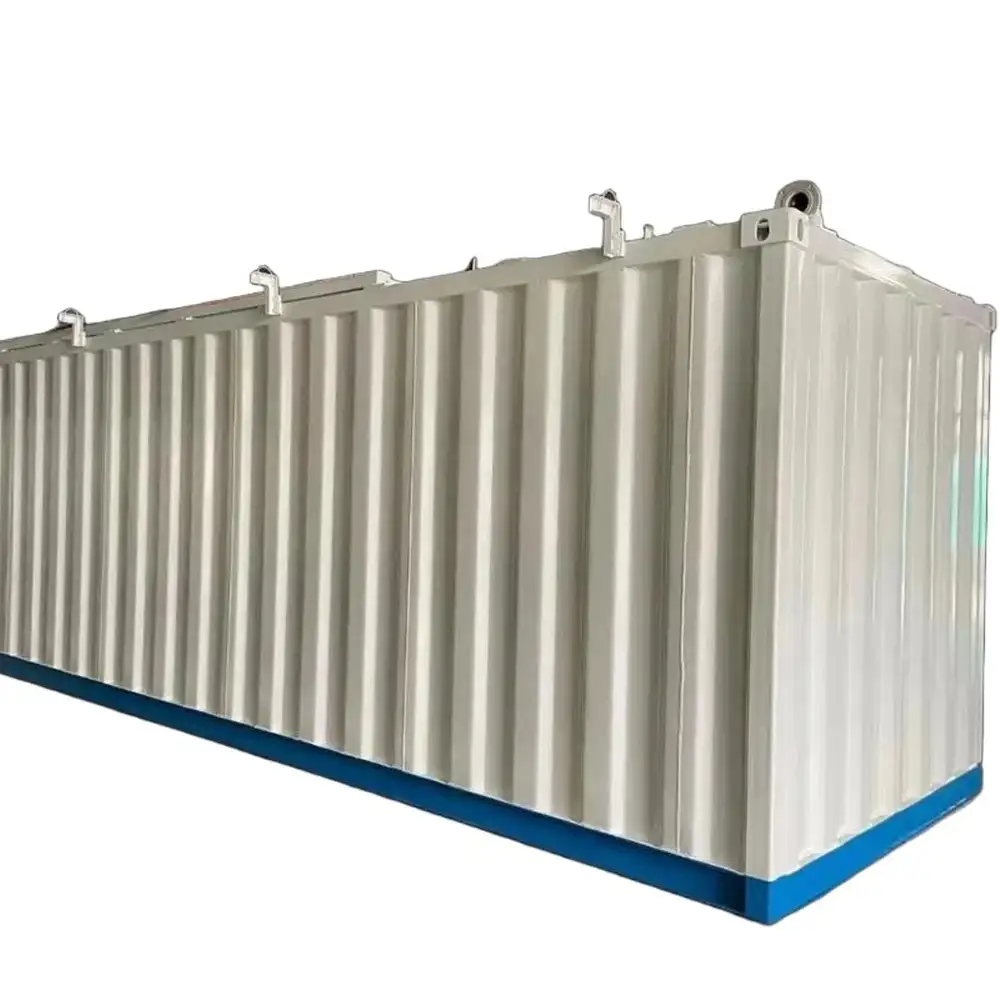
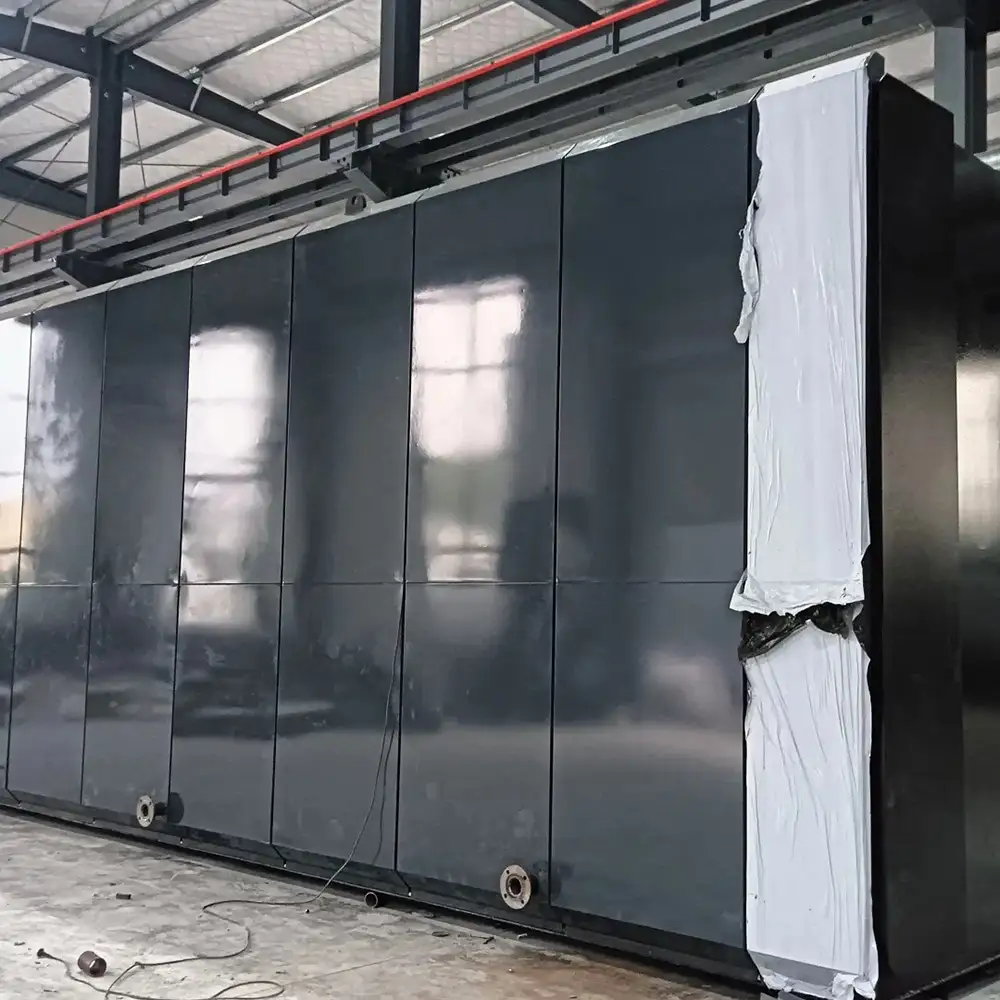
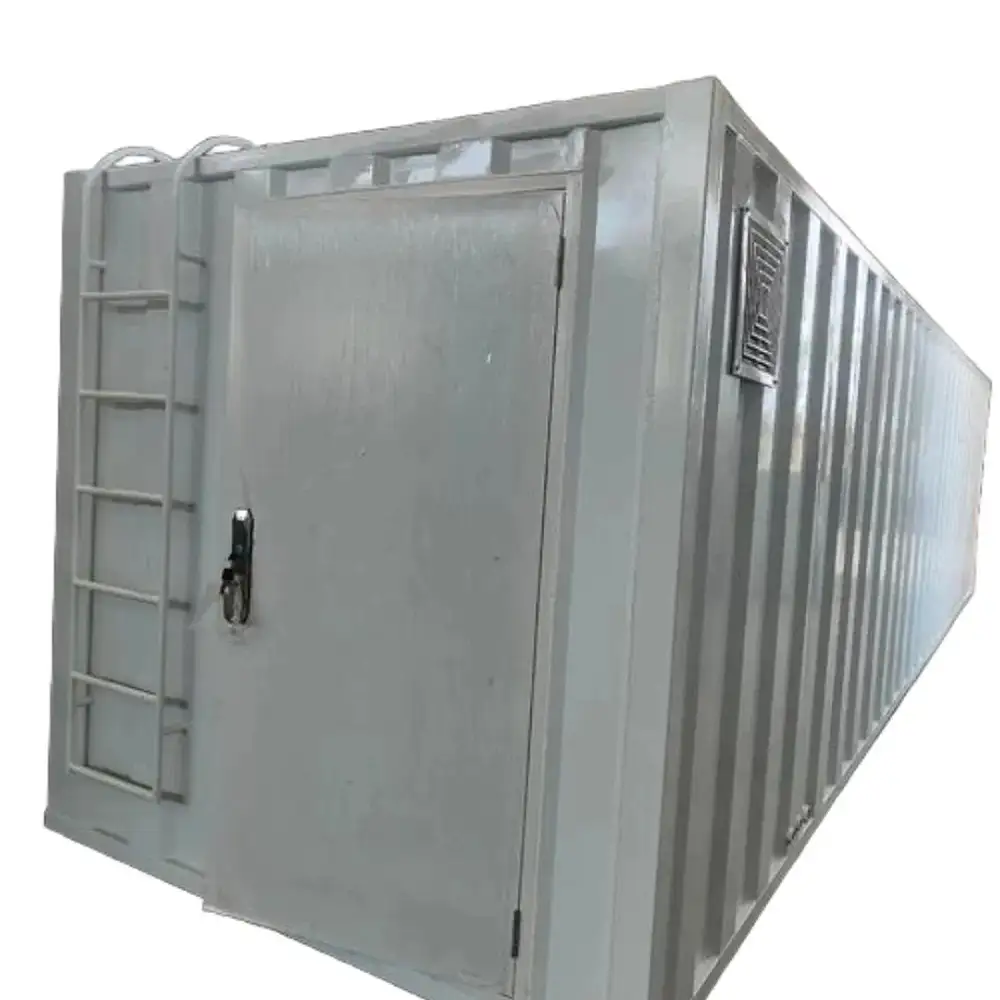
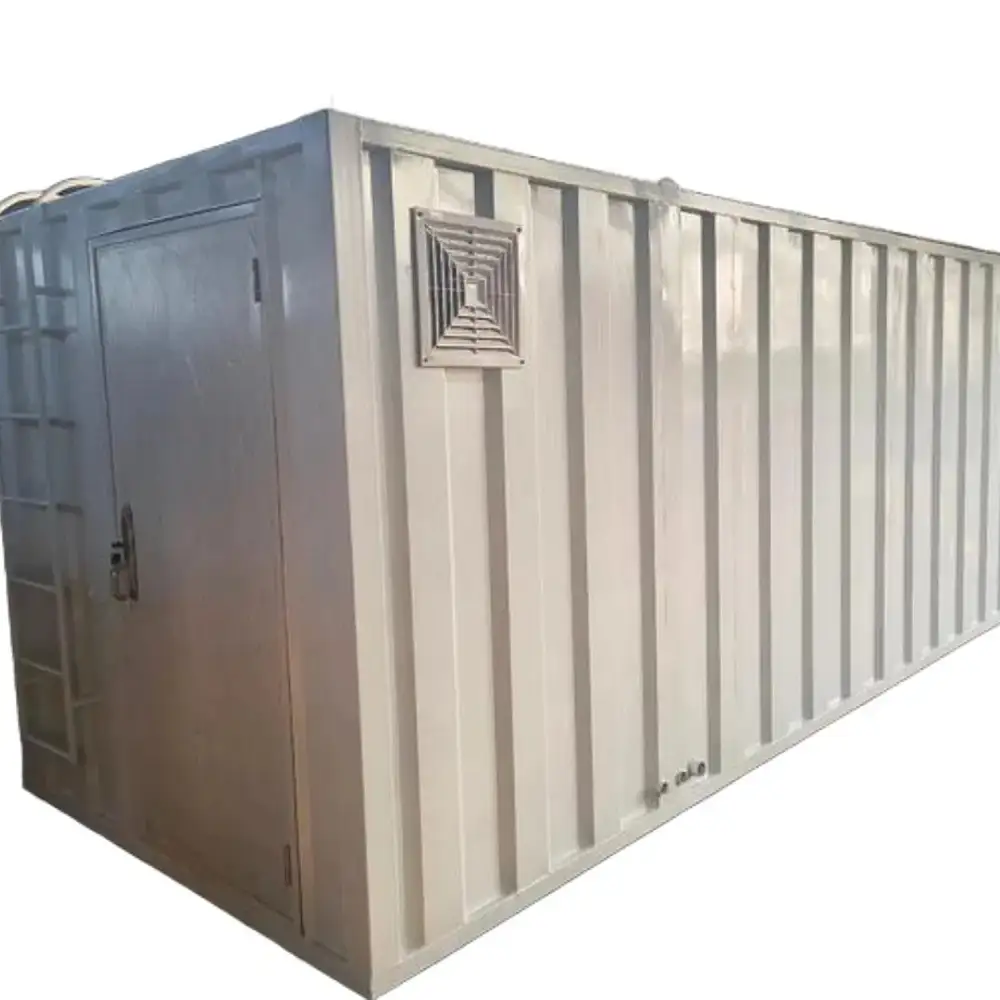
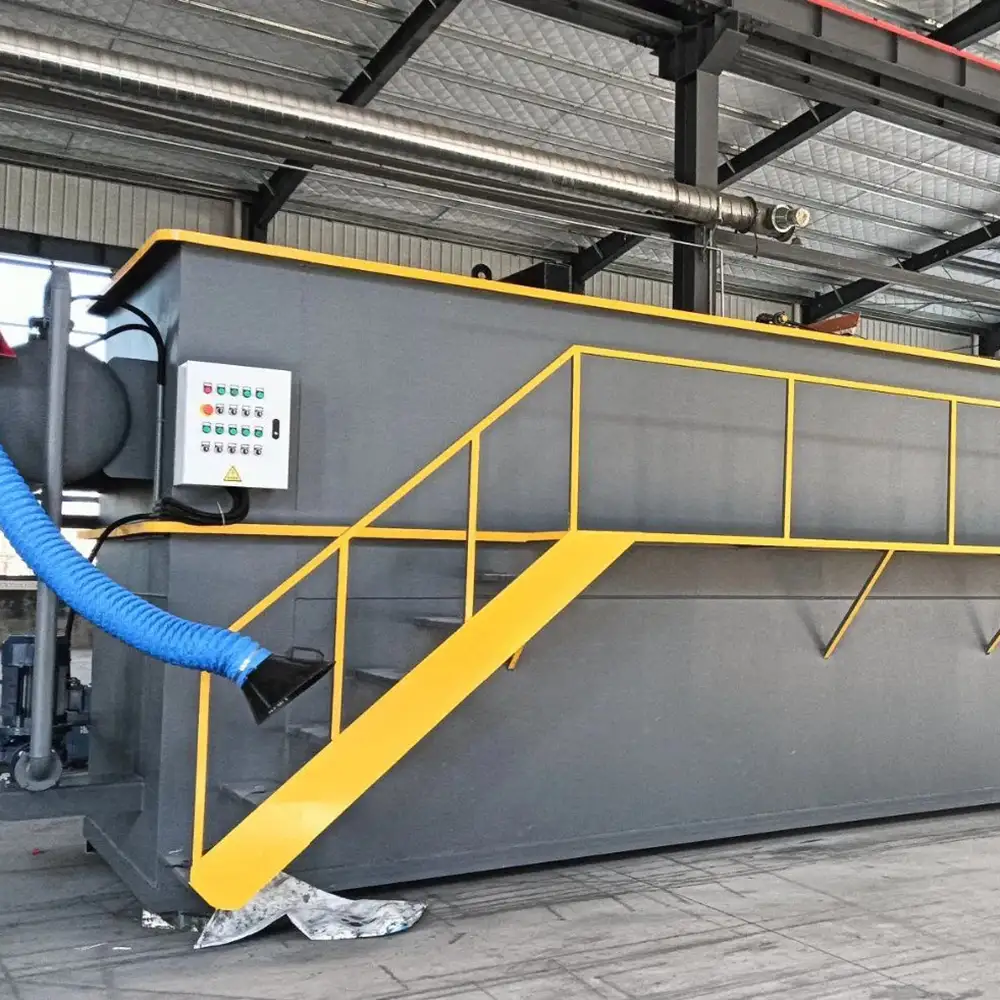
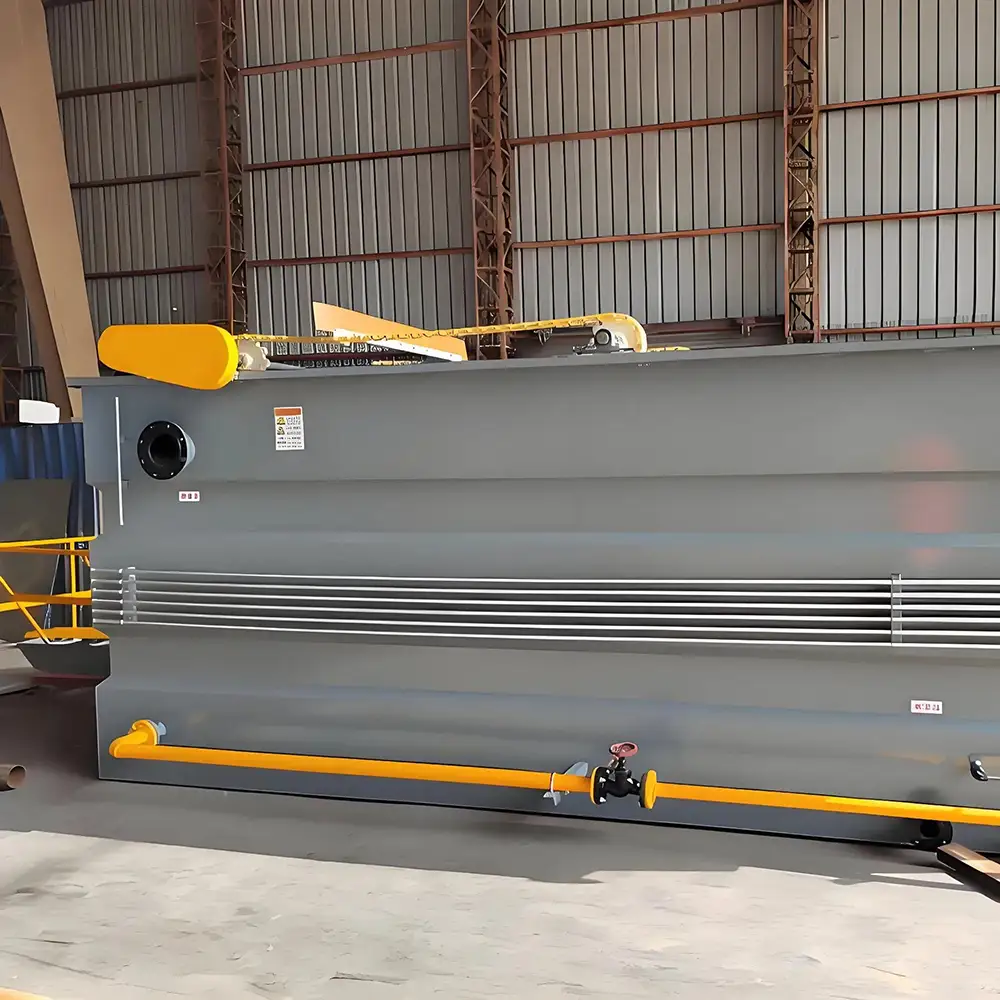
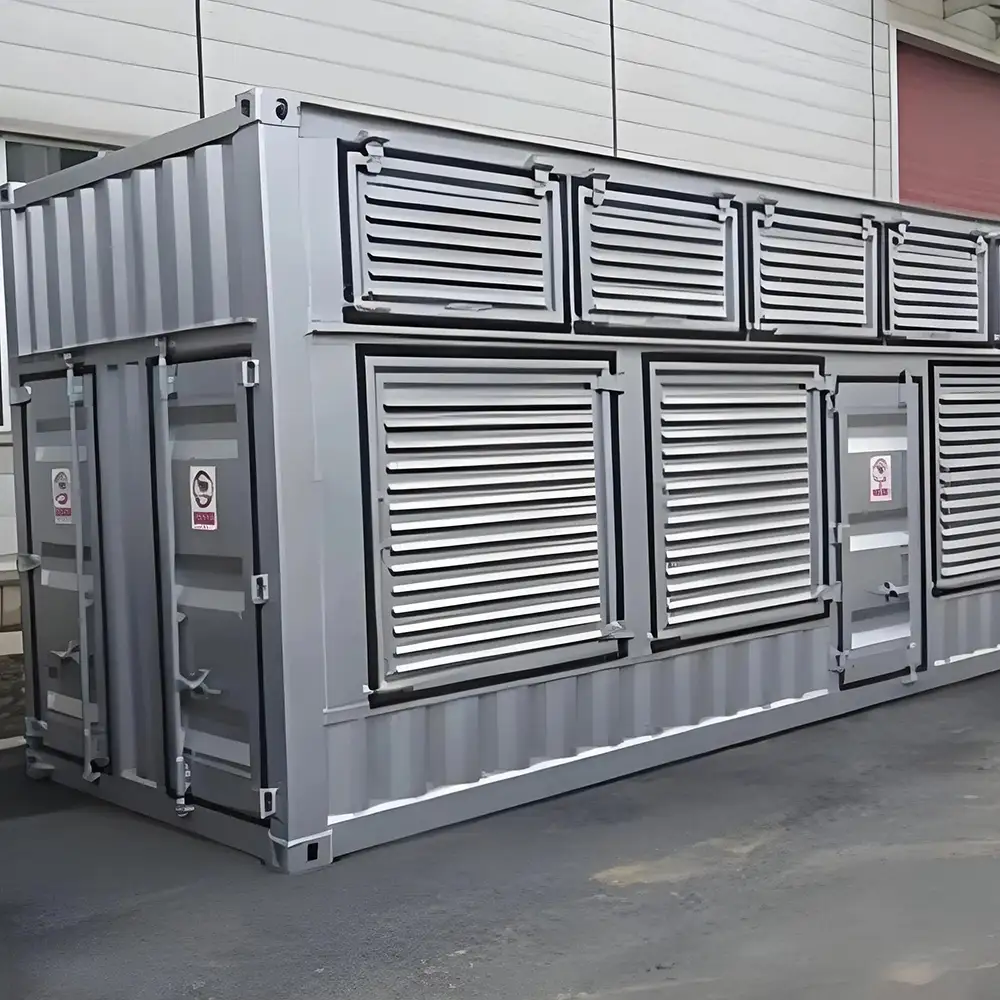
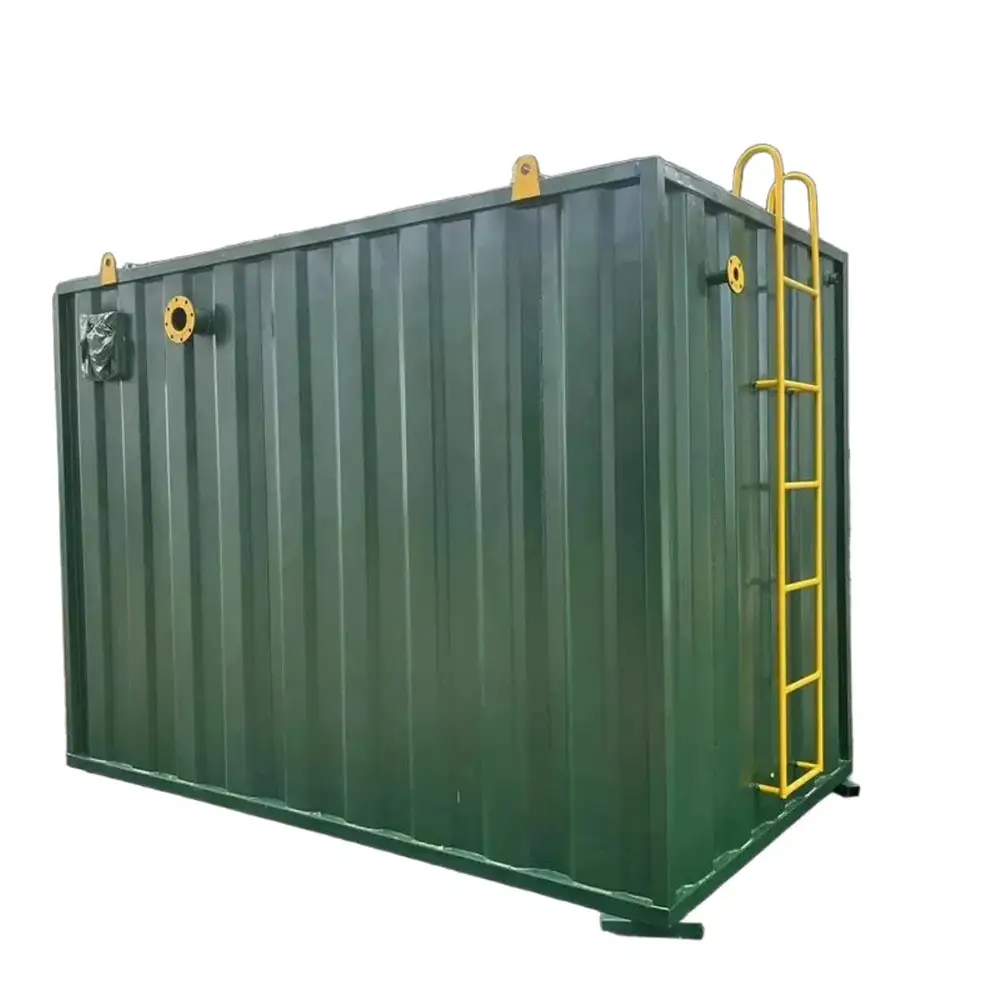
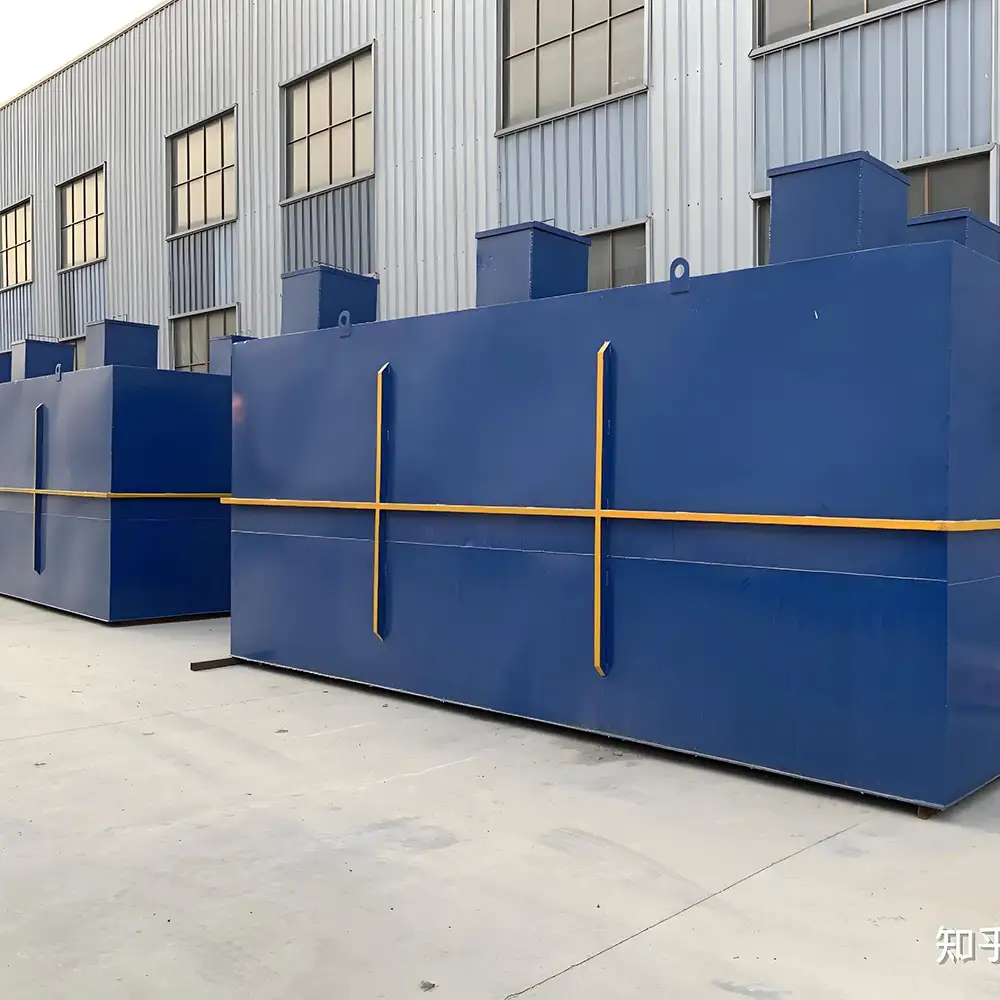
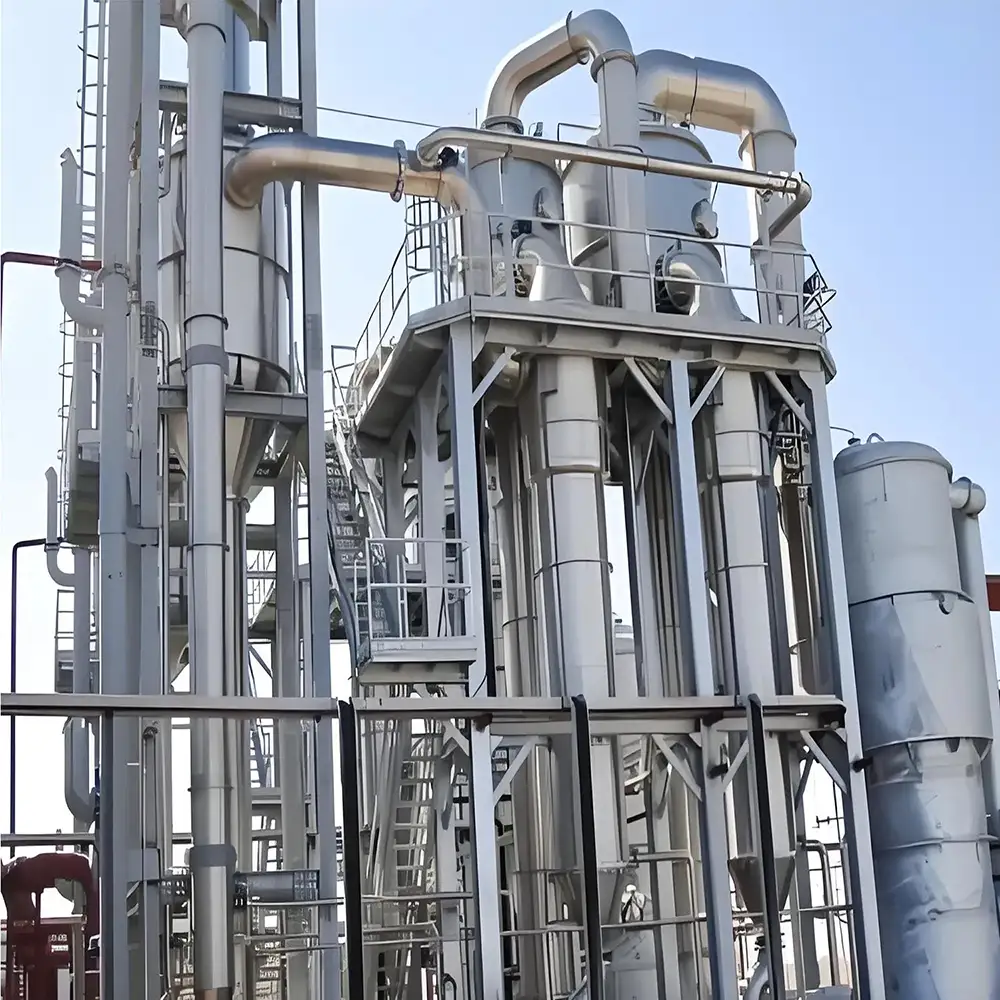
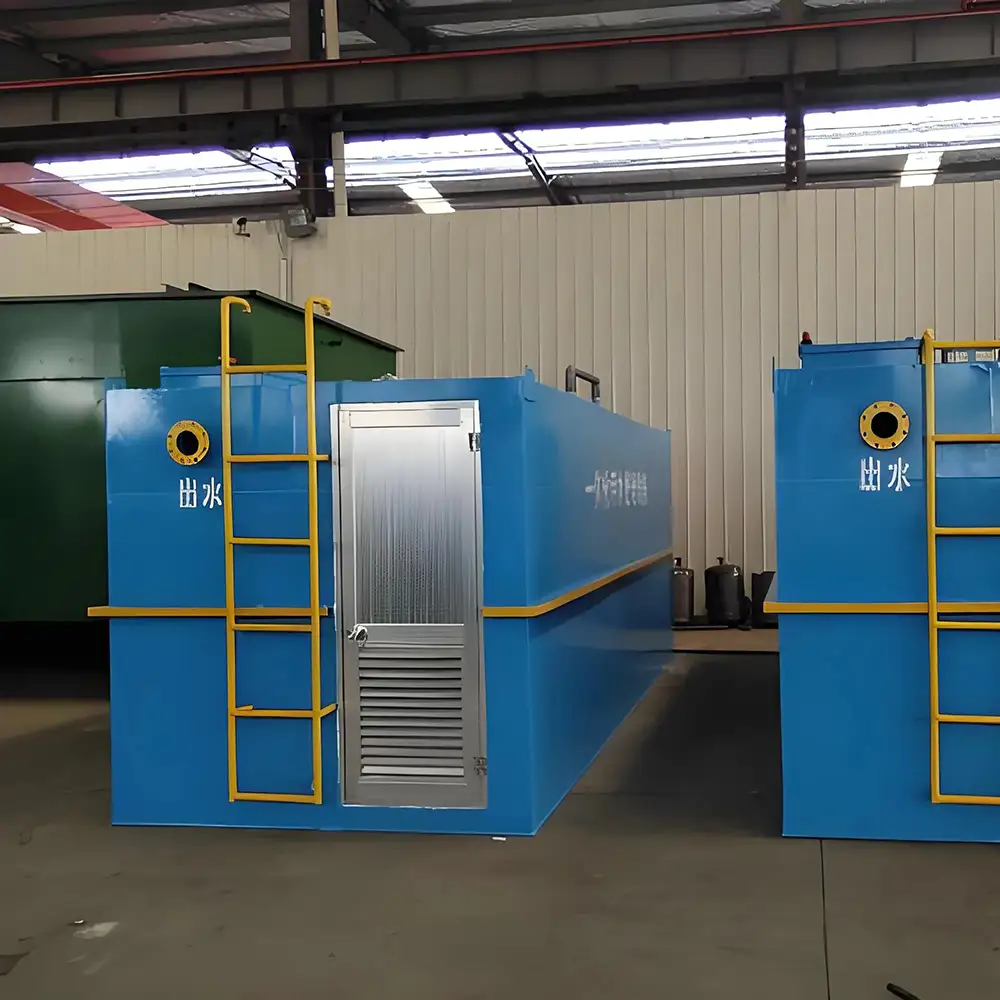
DAF System, as one waste water treatment process, it is widely used in sewage purification engineering. It can be used for these industries:
1. Paper industry -- pulp recycle in white water and clean water recycled for use.
2. Textile, printing and dyeing industry -- color chromaticity reduction and SS removal
3. Slaughterhouse and food industry
4. Petro-chemical industry -- oil-water separation
Wastewater Plant Sewage Treatment System Equipment with DAF System
Effective solid-liquid separation is an essential part of many modern wastewater treatment plants. Wastewater from food processing, slaughterhouses, chemical manufacturing, oil-related industries, paper mills, textile facilities, municipal sewage systems, and other industrial operations may contain suspended solids, oils, grease, colloids, and other floating pollutants that require efficient removal before biological or advanced treatment.
Our Wastewater Plant Sewage Treatment System Equipment with DAF System integrates Dissolved Air Flotation technology into a complete wastewater treatment process. DAF, also known as a dissolved air flotation system, uses microscopic air bubbles to attach to suspended and floating particles, causing them to rise to the water surface where they can be collected and removed.
What Is a DAF Wastewater Treatment System?
Dissolved Air Flotation is a physical-chemical separation process widely used for wastewater clarification and pretreatment. In a typical DAF system, a portion of treated water is pressurized with air and then released into the flotation tank.
When the pressure is reduced, dissolved air forms numerous fine bubbles. These bubbles attach to suspended particles, oil droplets, grease, and other low-density contaminants. The resulting solids-bubble particles rise to the surface and form a floating sludge layer.
A scraper mechanism removes the floating material, while clarified water is collected from the lower or side section of the flotation tank.
Efficient Removal of Suspended Solids
One of the primary applications of DAF equipment is the removal of suspended solids. Wastewater containing fine particles that are difficult to settle through conventional sedimentation can benefit from flotation.
DAF can be used as a pretreatment or clarification stage before biological treatment. Removing a significant portion of suspended solids and floating contaminants before downstream processes can reduce the loading on biological reactors, filters, membranes, and other equipment.
For industrial wastewater applications, chemical coagulation and flocculation can be integrated before flotation to improve the separation of fine particles and colloids.
Oil and Grease Removal
DAF systems are particularly useful for wastewater containing oil, grease, fats, and other floating or emulsified substances.
Food processing plants, slaughterhouses, dairy facilities, edible oil production, petrochemical operations, and other industries can generate wastewater containing significant quantities of fats and oils. If these pollutants enter biological treatment without adequate pretreatment, they may negatively affect downstream treatment performance.
DAF provides an effective separation stage for removing oil and grease from wastewater before further treatment.
Food Processing and Slaughterhouse Wastewater
Food and meat processing wastewater often contains blood, proteins, fats, grease, suspended solids, and biodegradable organic matter. DAF can be used to remove a substantial portion of floating and suspended pollutants before biological treatment.
A typical treatment sequence may include screening, equalization, coagulation and flocculation, DAF flotation, biological treatment, clarification, filtration, and disinfection.
The exact process should be selected according to wastewater flow, pollutant concentration, production conditions, and final discharge requirements.
Industrial Wastewater Treatment
Industrial wastewater characteristics can vary significantly between industries. Chemical, paper, textile, printing, food, mining, oil-processing, and manufacturing facilities may produce wastewater with different combinations of suspended solids, oil, grease, color, colloids, and organic pollutants.
A DAF system can be configured as part of an integrated Industrial Wastewater Treatment Plant to provide pretreatment or primary clarification.
For difficult wastewater, DAF can be combined with coagulation, flocculation, biological treatment, filtration, activated carbon, membrane processes, or other technologies.
DAF System Working Process
A typical DAF wastewater treatment system operates through several stages:
1. Wastewater Screening: Coarse solids are removed to protect pumps and downstream equipment.
2. Equalization: Flow and pollutant concentrations are balanced to improve treatment stability.
3. Coagulation: Chemical agents may be added to destabilize colloidal particles.
4. Flocculation: Small particles combine into larger flocs that can be more easily separated by flotation.
5. Dissolved Air Flotation: Microbubbles attach to suspended particles and carry them to the surface.
6. Sludge Scraping: Floating sludge is mechanically removed from the flotation tank.
7. Clarified Water Collection: Treated water flows to the next treatment stage.
Compact and Flexible Design
DAF equipment can be designed for a wide range of wastewater treatment capacities. Compact systems are suitable for facilities with limited installation space, while larger units can be integrated into centralized industrial wastewater treatment plants.
The equipment can also be supplied as a standalone DAF unit or incorporated into a complete treatment system with pumps, chemical dosing equipment, mixers, sludge handling equipment, control panels, and downstream biological or filtration processes.
DAF System Advantages
A properly designed DAF system can provide several advantages:
Efficient solid-liquid separation
Effective removal of suspended solids
Oil and grease separation
Removal of floating materials
Improved removal of colloidal particles
Compact equipment footprint
Fast clarification process
Suitable for industrial wastewater pretreatment
Compatible with coagulation and flocculation
Can reduce downstream treatment loading
Flexible integration with biological treatment
Suitable for new plants and treatment upgrades
DAF for Municipal and Sewage Treatment
Although DAF is widely associated with industrial wastewater, flotation technology can also be incorporated into certain municipal and domestic sewage treatment processes.
Depending on the treatment objective, DAF can provide primary clarification, sludge thickening, or polishing. The appropriate application depends on wastewater characteristics and the overall treatment process.
For municipal sewage, DAF may be combined with biological treatment, filtration, disinfection, and sludge treatment to form a complete sewage treatment system.
System Customization
Every wastewater treatment project has different requirements. Before selecting DAF equipment, important factors include wastewater flow rate, peak flow, suspended solids, oil and grease concentration, COD, BOD, pH, temperature, chemical composition, and required effluent quality.
The DAF tank dimensions, recycle flow, air saturation system, scraper design, chemical dosing system, hydraulic loading, and sludge handling capacity can be selected according to the application.
For high-strength industrial wastewater, DAF may be used together with anaerobic or aerobic biological treatment. For applications requiring advanced polishing, filtration or membrane treatment can be installed downstream.
Operation and Maintenance
Routine inspection helps maintain stable DAF performance. Operators should regularly check the air saturation system, recycle pump, pressure vessel, valves, nozzles, scraper mechanism, chemical dosing equipment, and sludge discharge system.
The flotation surface should be monitored to ensure that floating sludge is continuously removed. Chemical dosing should be adjusted according to wastewater characteristics and treatment performance rather than using a fixed dosage under all conditions.
Regular cleaning also helps prevent solids accumulation and maintain hydraulic performance.
Why Choose Us?
We provide DAF wastewater treatment equipment designed for practical industrial and sewage treatment applications. Our systems can be configured according to wastewater flow, pollutant characteristics, treatment objectives, available space, and local discharge requirements.
The DAF system can be supplied as an individual flotation unit or integrated with screening, equalization, coagulation, flocculation, biological treatment, filtration, disinfection, and sludge treatment equipment.
Our goal is to provide a reliable and flexible wastewater treatment solution that improves solid-liquid separation, reduces downstream treatment loading, and supports stable plant operation.
Frequently Asked Questions
1. What does DAF stand for?
DAF stands for Dissolved Air Flotation. It is a wastewater treatment process that uses fine air bubbles to separate suspended solids, oil, grease, and other floating or colloidal pollutants.
2. What contaminants can a DAF system remove?
DAF can remove suspended solids, floating solids, oil, grease, fats, and many colloidal particles. Chemical coagulation and flocculation can improve removal efficiency for certain wastewater types.
3. Can DAF treat industrial wastewater?
Yes. DAF is widely applicable as pretreatment or clarification equipment for many industrial wastewater treatment systems.
4. Can DAF remove oil and grease?
Yes. DAF is particularly suitable for separating oil, grease, fats, and other low-density contaminants from wastewater.
5. Is DAF suitable for food processing wastewater?
Yes. Food processing wastewater can contain fats, oils, grease, proteins, and suspended solids, making DAF a useful pretreatment technology.
6. Can DAF be used for slaughterhouse wastewater?
Yes. DAF can help remove suspended solids, fats, grease, proteins, and other floating pollutants from slaughterhouse wastewater before biological treatment.
7. Does DAF replace biological treatment?
Not necessarily. DAF is primarily a physical-chemical separation process. It is often used before biological treatment to reduce suspended solids and other pollutants entering the biological stage.
8. Can chemicals be used with DAF?
Yes. Coagulants and flocculants can be added when necessary to improve the formation and flotation of particles and colloids.
9. Can DAF be combined with MBBR or MBR?
Yes. DAF can be used as pretreatment before biological systems such as MBBR or MBR to reduce solids and oil loading.
10. How is DAF capacity selected?
Capacity is generally selected according to average and peak wastewater flow, pollutant concentration, hydraulic loading, required treatment efficiency, and downstream process requirements.
11. Can DAF equipment be customized?
Yes. Tank size, recycle system, scraper mechanism, chemical dosing, automation, sludge discharge, and auxiliary equipment can be configured according to the project.
12. What information is needed for a DAF system quotation?
Typical information includes wastewater flow rate, wastewater source, COD, BOD, SS, oil and grease, pH, temperature, treatment target, operating hours, and available installation space.
Prev:
Physicochemical Waste Water System Wastewater Treatment Plant Equipment
Next:
Wastewater Mbbr Waste Water Treatment Plant Equipment for Mineral, Printing, Chemical, Dyeing, Starch
TAG:
Suspended Solids Removal,
DAF Wastewater Treatment System,
Industrial Wastewater Treatment,
Sewage Treatment Plant,
Industrial Sewage Treatment,
Wastewater Treatment Plant,
Industrial Water Treatment Plant,
Wastewater Treatment System,
Oil Water Separation System,
Wastewater Clarification System,
Oil And Grease Removal,
Industrial DAF System,
DAF Wastewater Treatment,
Dissolved Air Flotation System,
DAF Sewage Treatment Equipment,
DAF Clarifier,
DAF Water Treatment Equipment,
Wastewater Flotation Equipment,
DAF Flotation System,
DAF Wastewater Treatment Plant,
Related Category:
DAF Wastewater Treatment System,DAF Sewage Treatment Equipment,Dissolved Air Flotation System,Wastewater Treatment Plant China, suppliers, manufacturers, factory, customized, wholesale, quotation, made in China