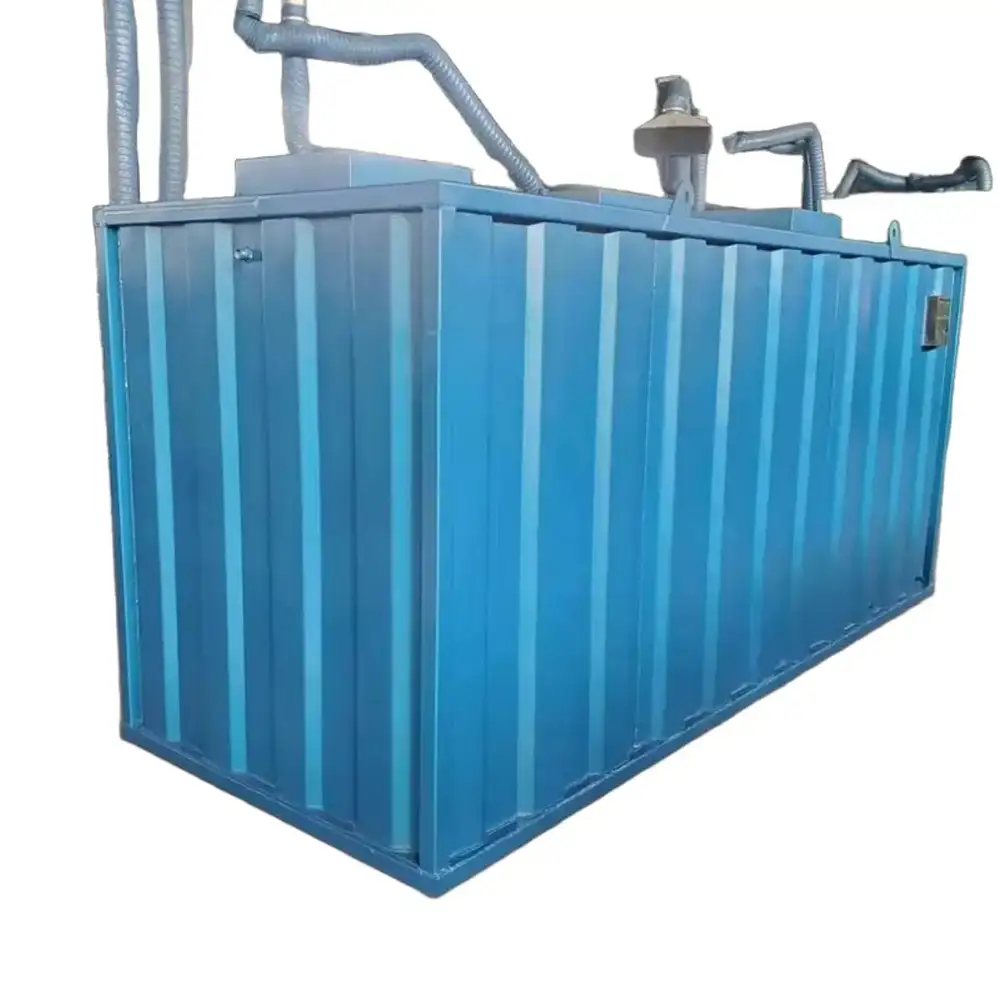
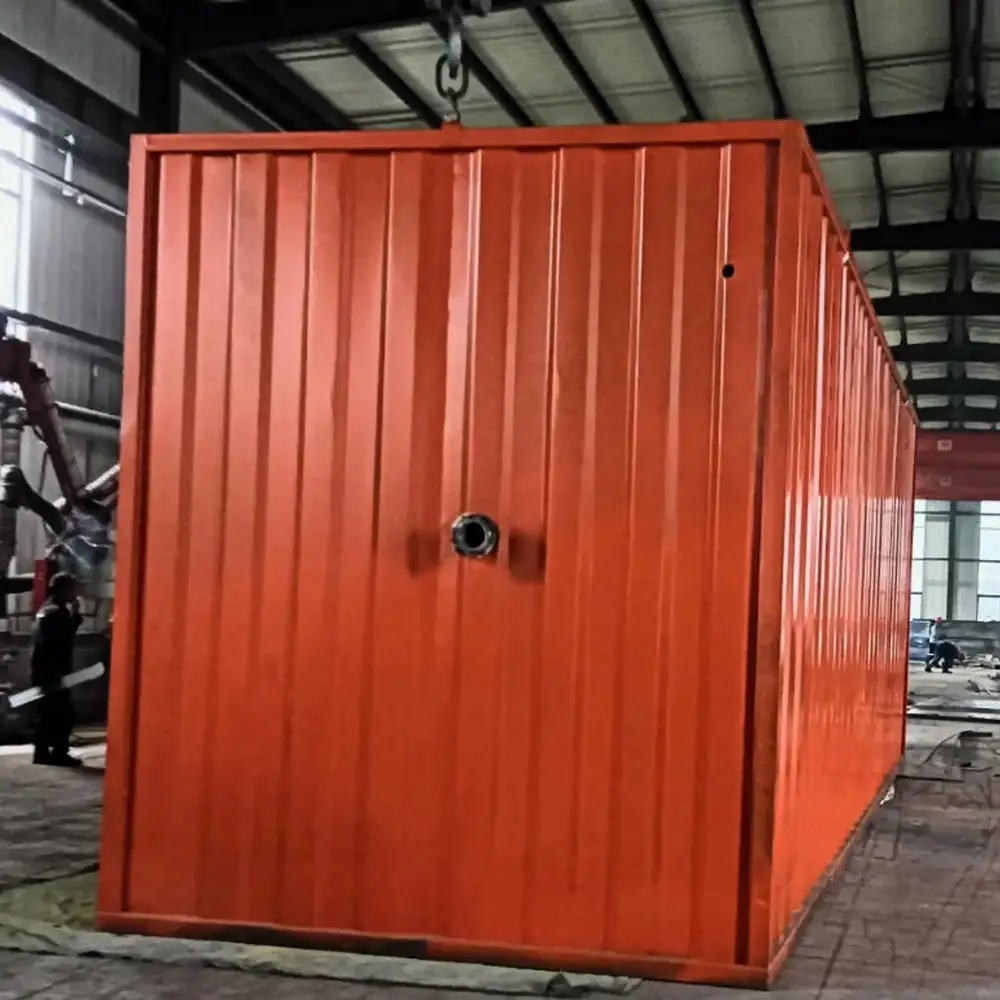
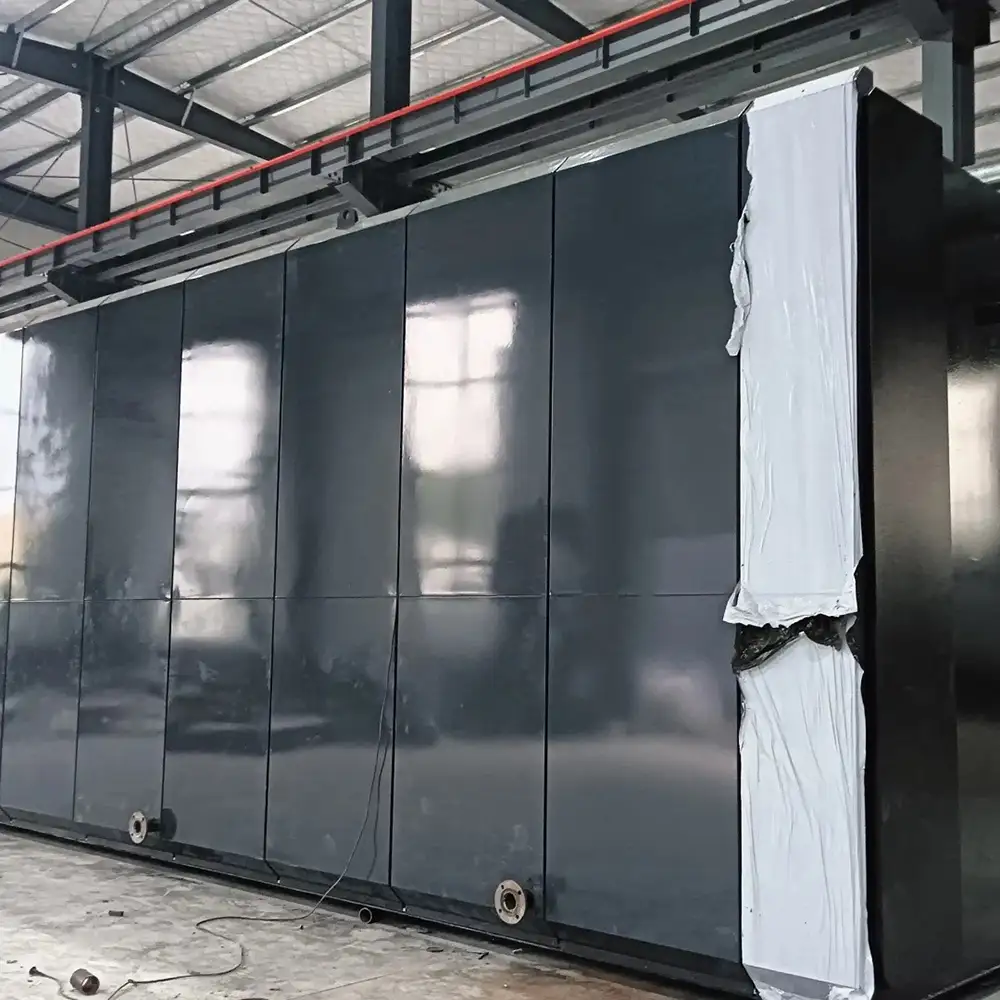
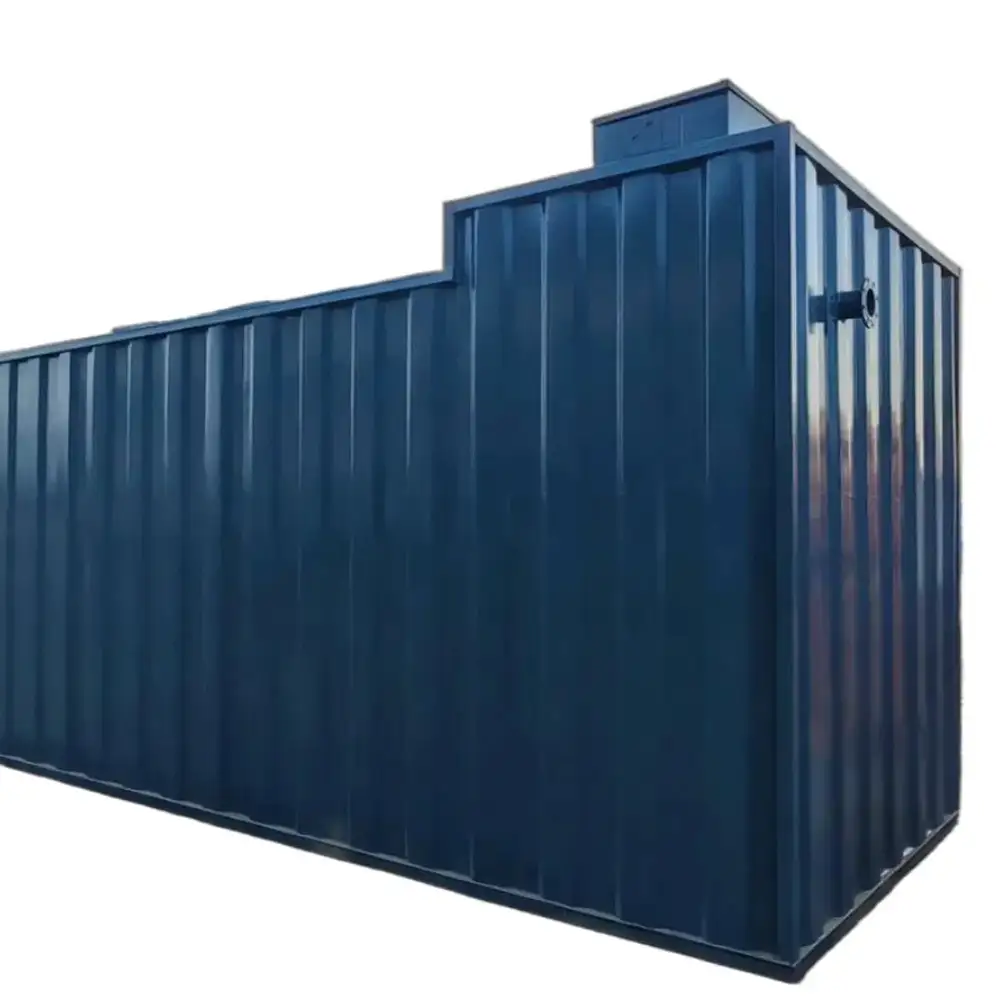
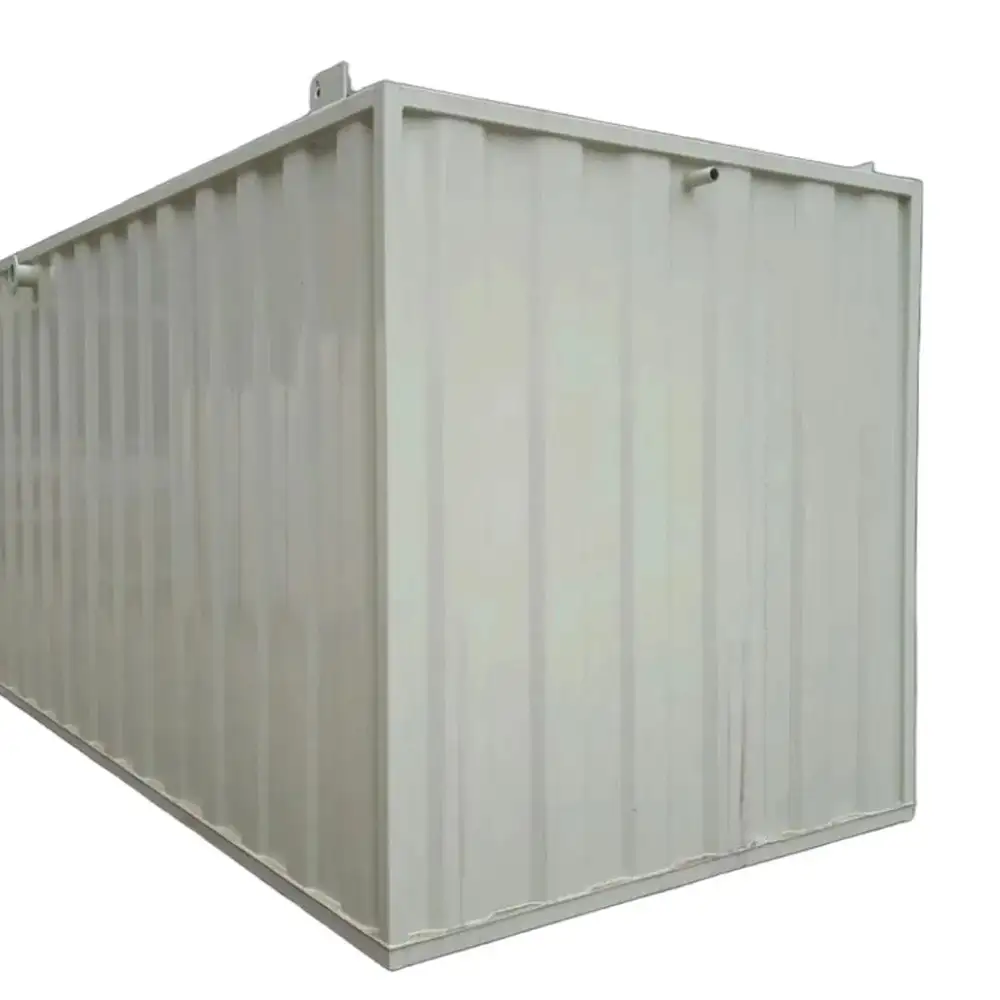
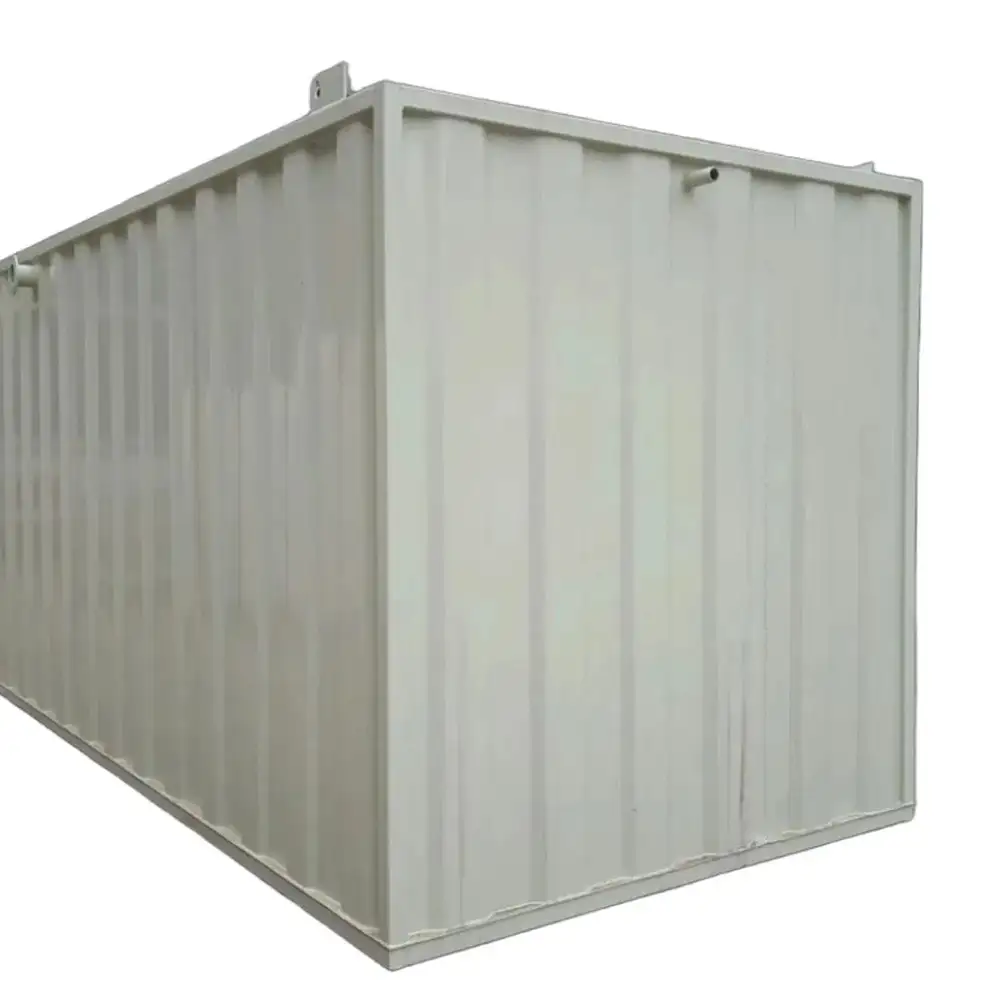
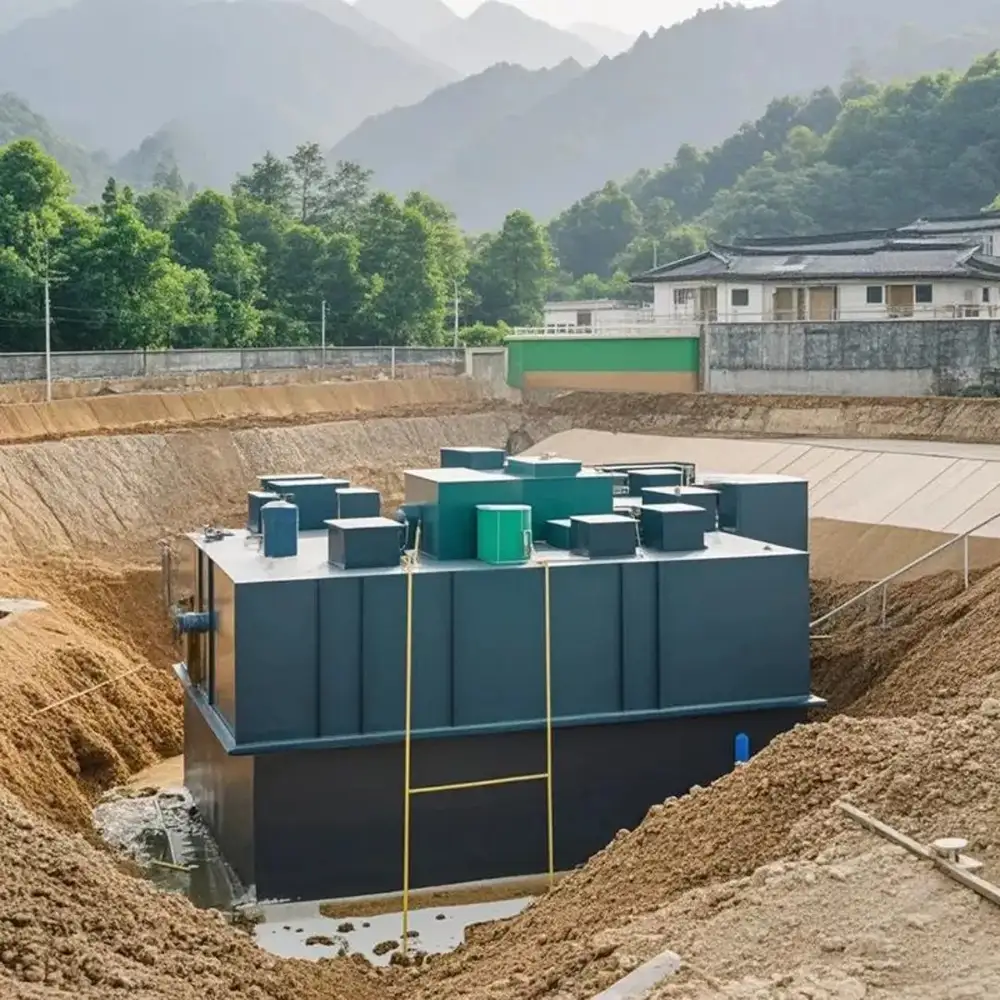
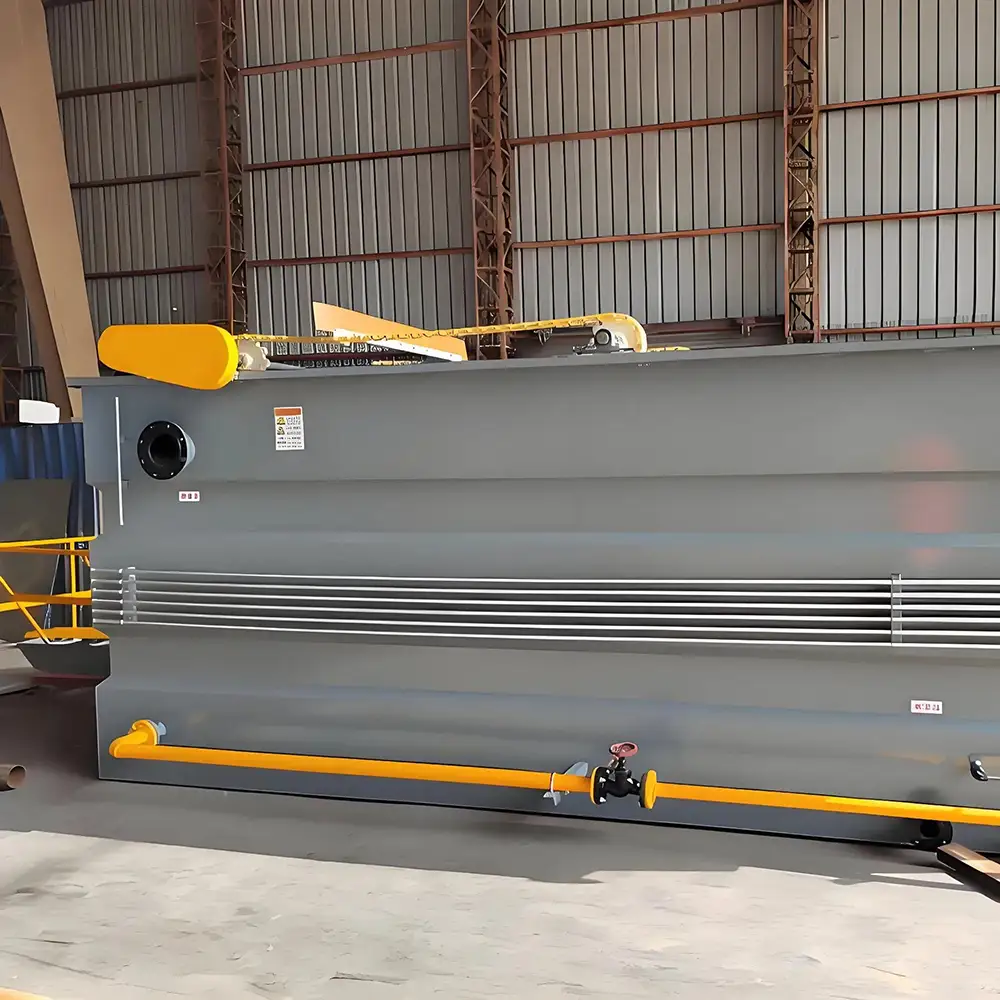
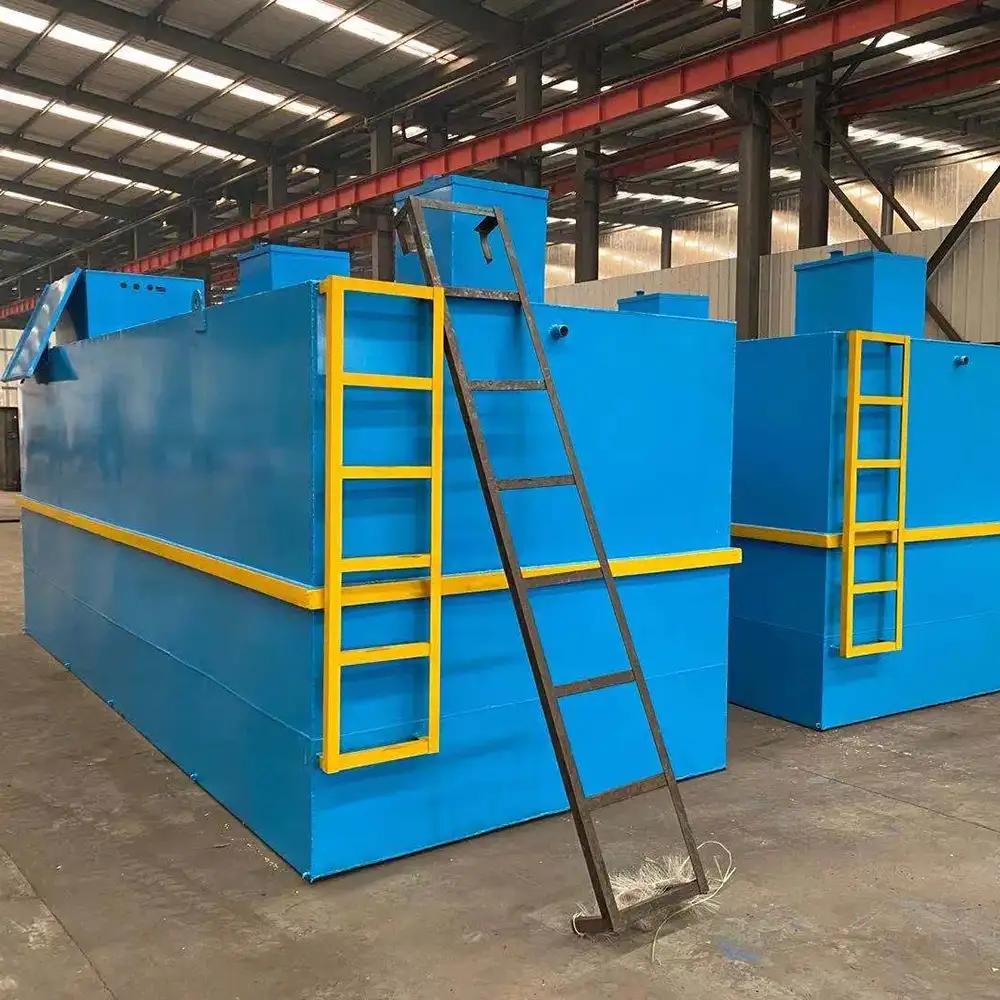
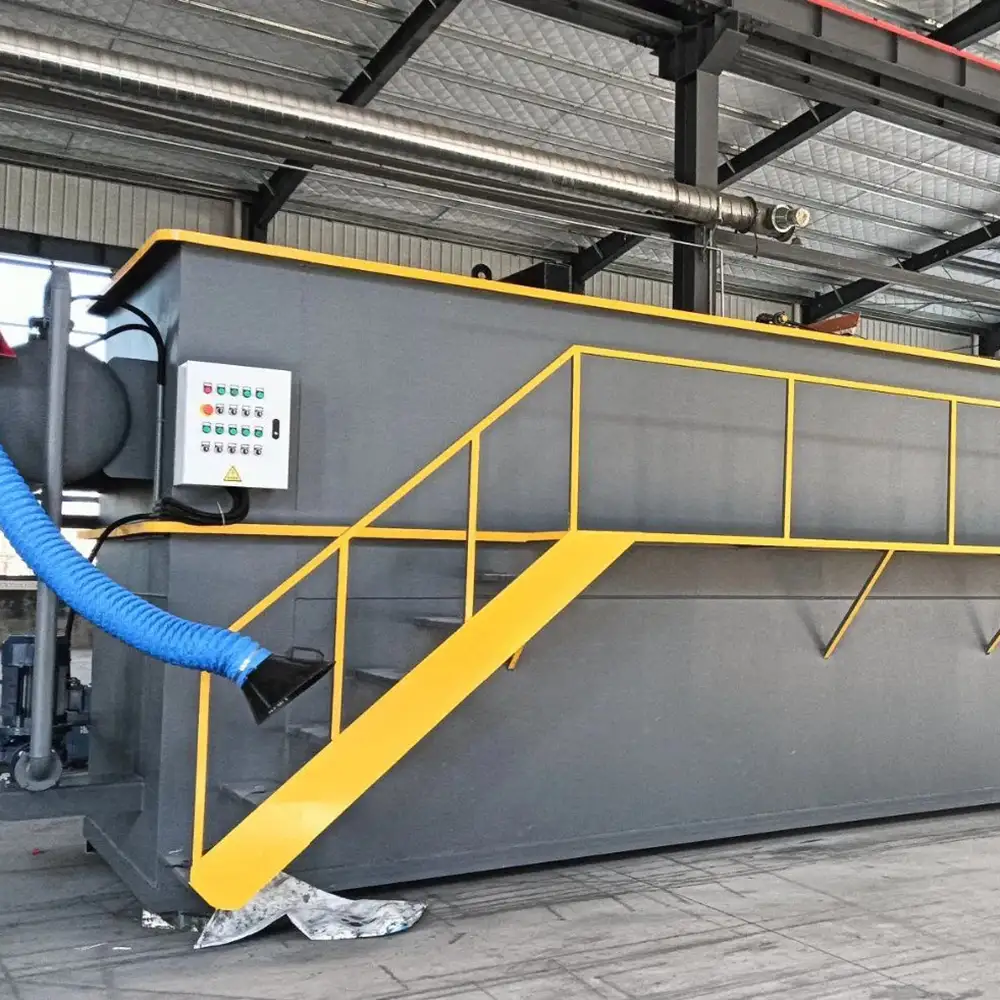
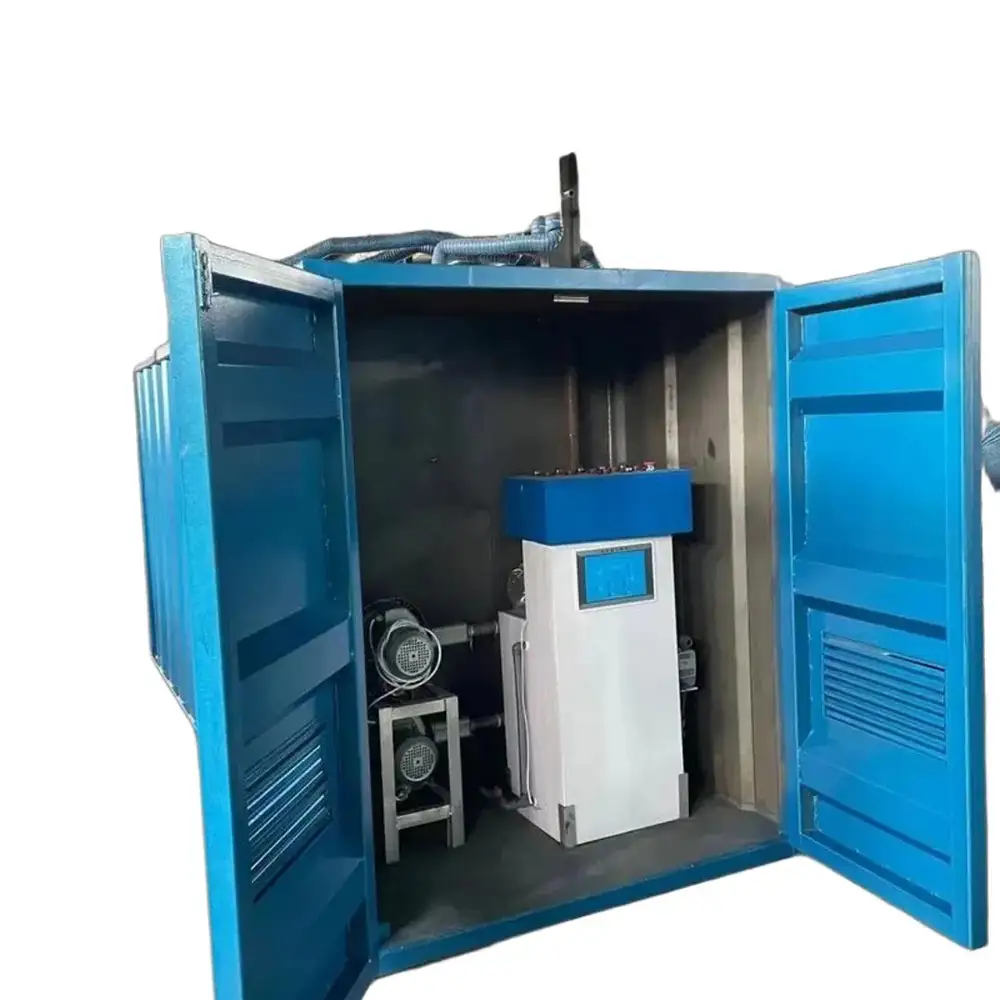
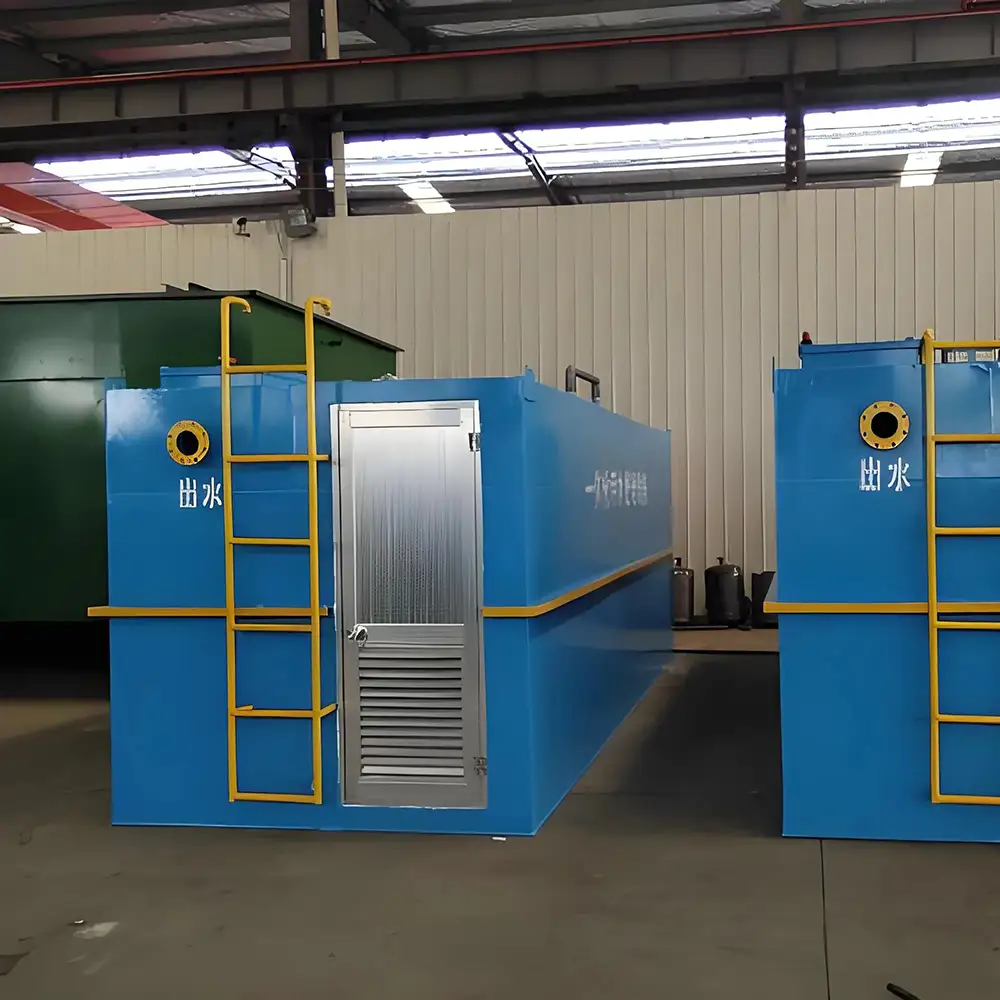
MBBR Wastewater Treatment Plant Equipment for Mineral, Printing, Chemical, Dyeing & Starch Industries
Industrial wastewater can vary significantly in flow rate, organic loading, suspended solids, color, nutrients, chemicals, and biodegradability. Wastewater from mineral processing, printing, chemical production, dyeing and textile operations, and starch manufacturing often requires a carefully designed treatment process rather than a standard sewage treatment solution.
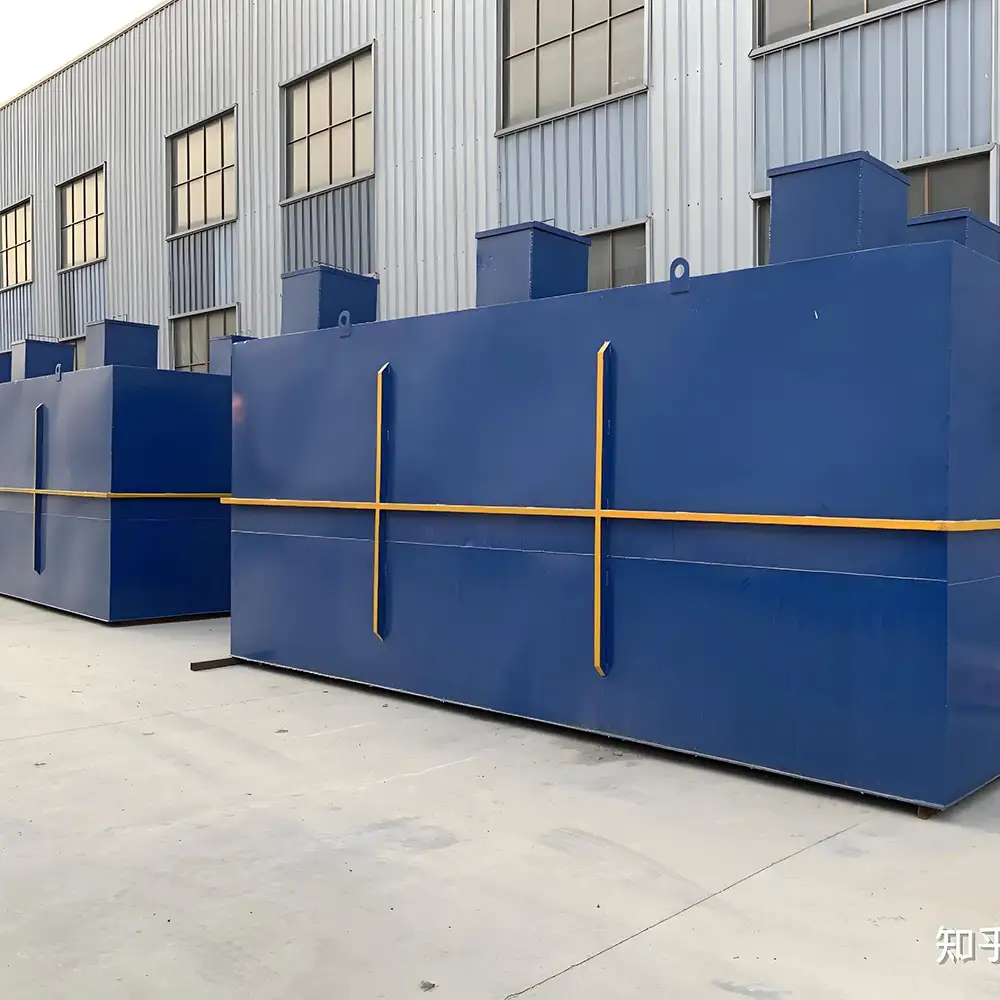
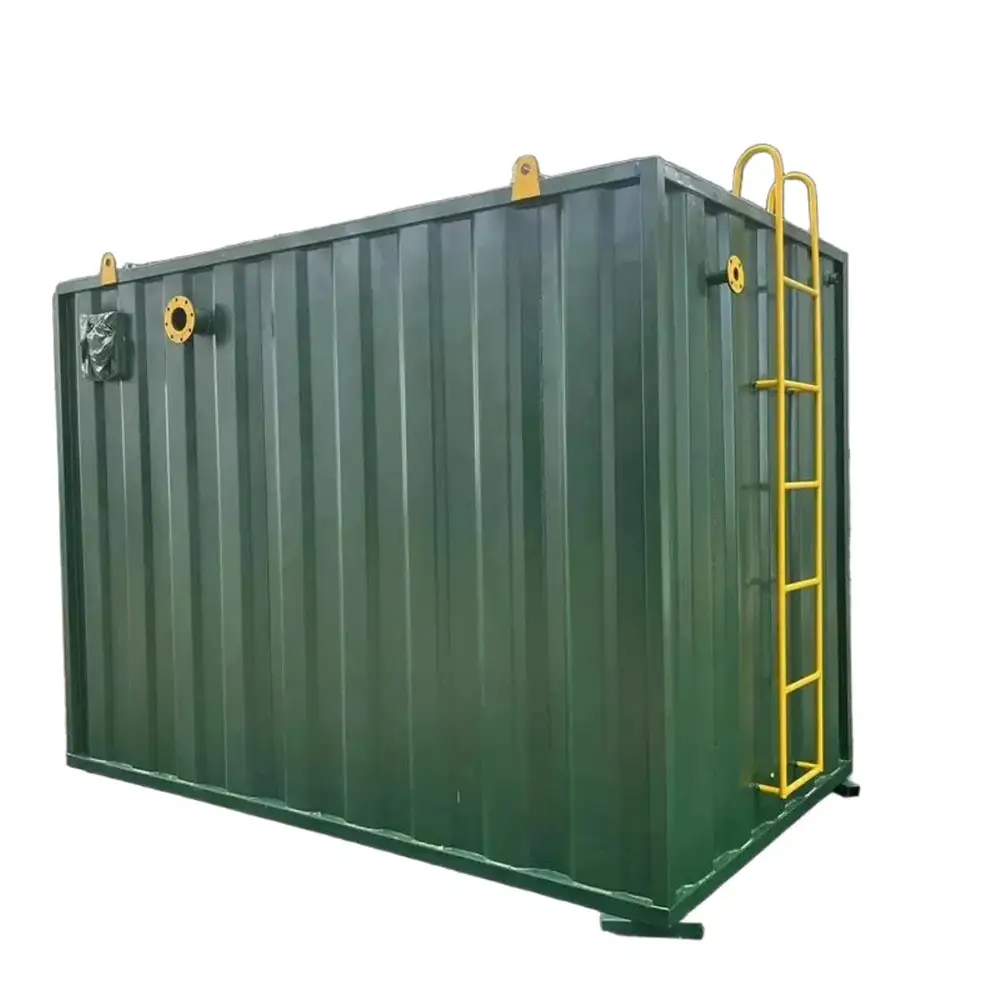
Our MBBR Wastewater Treatment Plant Equipment uses Moving Bed Biofilm Reactor technology as a biological treatment process for industrial wastewater applications. MBBR systems use specially designed carrier media to provide protected surfaces for microorganisms, allowing biofilm to develop inside the reactor. Depending on the wastewater characteristics and treatment objectives, MBBR can be incorporated into aerobic, anoxic, or combined biological treatment processes.
Advanced MBBR Biological Treatment
The core of an MBBR system is the reactor tank containing floating biofilm carrier media. Aeration or mixing keeps the carriers moving and promotes contact between wastewater, microorganisms, oxygen, and the carrier surface.
As wastewater passes through the biological reactor, microorganisms attached to the carriers consume biodegradable organic pollutants and can participate in nitrogen removal processes. This makes MBBR useful for reducing organic loading and improving wastewater quality before downstream treatment.
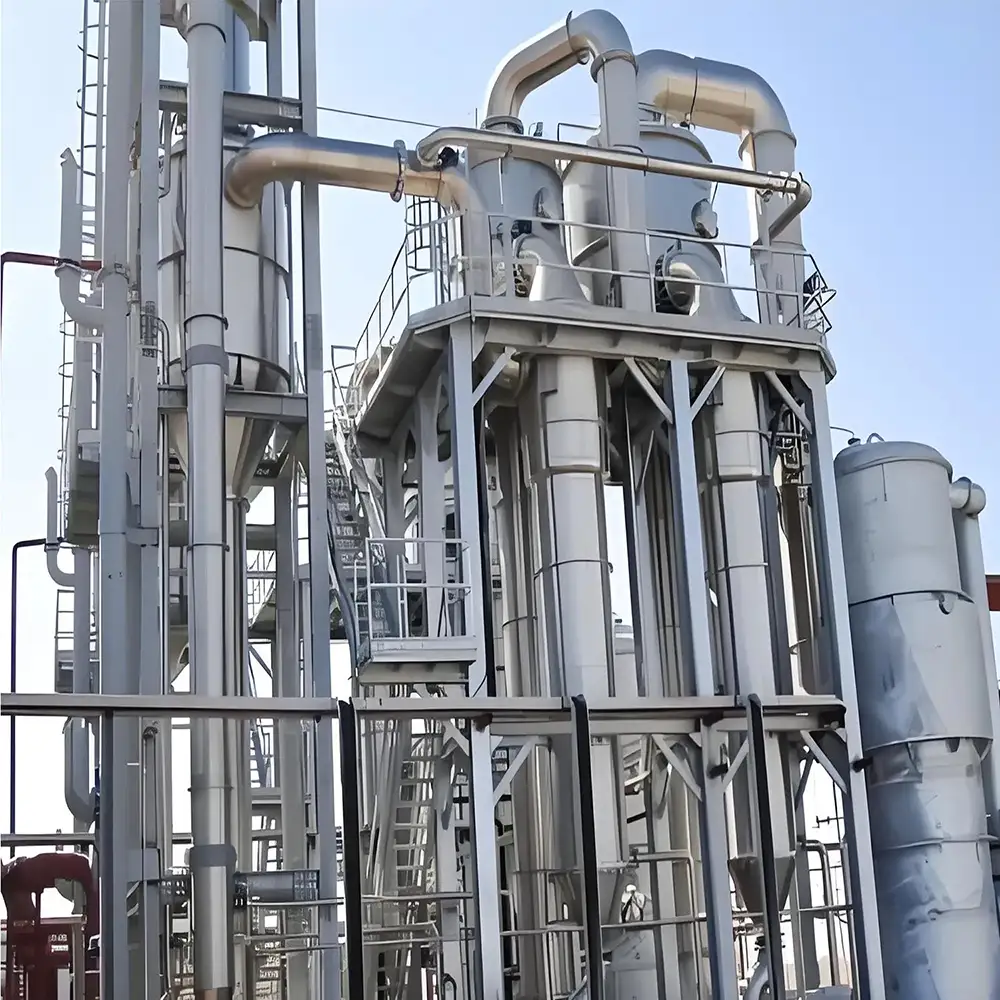
MBBR can also be integrated with other technologies when wastewater contains pollutants that require additional treatment. For difficult industrial wastewater, a complete process may include screening, equalization, coagulation, sedimentation, anaerobic treatment, MBBR, filtration, membrane treatment, or disinfection.
Mineral and Mining Wastewater Treatment
Mineral processing and mining operations can generate wastewater containing suspended solids, fine particles, dissolved substances, and varying concentrations of organic or inorganic contaminants. The appropriate process depends heavily on the specific mineral process and wastewater characteristics.
For applications where biodegradable organic pollutants are present, MBBR can serve as a biological treatment stage after suitable pretreatment. Screening, clarification, or other solids-removal processes may be required before the biological reactor to reduce excessive suspended solids loading.
The MBBR stage can then provide biological treatment before final clarification, filtration, or other polishing processes.
Printing Wastewater Treatment
Printing facilities can generate wastewater containing inks, solvents, cleaning chemicals, suspended solids, and organic compounds. Wastewater composition depends on printing technology, production volume, and cleaning procedures.
An MBBR system can be incorporated into a treatment train where biodegradable organic pollutants need to be reduced. Because printing wastewater may contain substances that inhibit biological activity, equalization and appropriate pretreatment are important parts of system design.
Where color, refractory compounds, or specific chemicals remain after biological treatment, additional physicochemical or advanced treatment can be incorporated.
Chemical Industry Wastewater Treatment
Chemical manufacturing wastewater can have highly variable pH, COD, toxicity, salinity, and biodegradability. A complete treatment system therefore needs to be designed according to actual wastewater analysis rather than relying solely on biological treatment.
MBBR can provide an effective biological treatment stage when the wastewater contains a suitable biodegradable fraction. Equalization can help stabilize hydraulic and organic loading, while pH adjustment and pretreatment can create more suitable conditions for microorganisms.
For complex chemical wastewater, MBBR may be combined with anaerobic treatment, coagulation, oxidation, activated carbon, membrane filtration, or other technologies depending on the target pollutants.
Dyeing and Textile Wastewater Treatment
Dyeing wastewater is typically characterized by complex water quality, color, chemicals, salts, and organic pollutants. Its biodegradability can vary significantly depending on the dyes and auxiliary chemicals used. Research has evaluated MBBR and combined anaerobic-aerobic biological processes for printing and dyeing wastewater treatment.
MBBR can reduce the biodegradable organic fraction and can be used as part of a larger treatment process. For difficult-to-biodegrade color and refractory compounds, additional treatment such as coagulation, oxidation, adsorption, or membrane filtration may be required.
A properly designed process can therefore use MBBR as one stage of an integrated industrial wastewater treatment plant rather than treating it as a universal solution for every contaminant.
Starch Wastewater Treatment
Starch processing wastewater can contain high concentrations of biodegradable organic matter and suspended solids. This makes biological treatment an important option for reducing organic loading.
Depending on the wastewater concentration and production process, pretreatment and equalization can be followed by anaerobic or aerobic biological treatment. MBBR can be used as an aerobic biological stage to provide a high-density biofilm environment for microorganisms.
For high-strength starch wastewater, an anaerobic process may be considered before MBBR to reduce organic loading and improve overall treatment efficiency.
Main Components of an MBBR Wastewater Treatment Plant
A complete industrial MBBR system can include several components:
1. Screening Equipment: Removes coarse solids and protects pumps and downstream treatment equipment.
2. Equalization Tank: Balances wastewater flow, pH, temperature, and pollutant concentration.
3. Pretreatment Equipment: Depending on the wastewater, oil separation, coagulation, sedimentation, or other processes may be incorporated.
4. MBBR Biological Reactor: Provides carrier media and controlled biological conditions for microbial treatment.
5. Aeration System: Supplies oxygen and maintains movement of carrier media in aerobic MBBR reactors.
6. Secondary Clarification: Separates suspended biological solids from treated water when required.
7. Filtration: Provides additional removal of fine suspended solids and residual pollutants.
8. Disinfection: Can be included when treated water requires additional microbial control.
9. Sludge Treatment: Excess sludge can be concentrated, dewatered, and handled according to the project requirements.
Key Advantages of MBBR Equipment
MBBR technology offers several advantages for industrial wastewater treatment. The carrier media provides a large protected surface for biofilm growth, allowing biological activity within a relatively compact reactor.
The process can also be suitable for wastewater systems that experience variations in hydraulic or organic loading. MBBR systems can be designed as new treatment plants or integrated into existing facilities to increase biological treatment capacity.
Other advantages include compact reactor design, flexible process configuration, relatively simple biological operation, and compatibility with other treatment technologies.
System Design and Customization
Industrial wastewater treatment should begin with wastewater analysis. Important parameters include flow rate, COD, BOD, SS, pH, ammonia nitrogen, total nitrogen, phosphorus, temperature, salinity, toxicity, color, oil and grease, and other industry-specific pollutants.
Based on these conditions, the treatment sequence, MBBR reactor volume, carrier filling ratio, aeration requirements, hydraulic retention time, and downstream treatment equipment can be selected.
For mineral, printing, chemical, dyeing, and starch applications, customization is particularly important because wastewater characteristics can vary significantly from one production facility to another.
Operation and Maintenance
Routine maintenance helps maintain stable system performance. Operators should regularly inspect blowers, aeration pipes, pumps, screens, valves, carrier retention screens, sensors, and control equipment.
Dissolved oxygen, pH, temperature, sludge condition, and hydraulic loading should be monitored according to the treatment process. Equalization and pretreatment equipment should also be maintained to prevent excessive solids or toxic substances from reaching the biological reactor.
Why Choose Us?
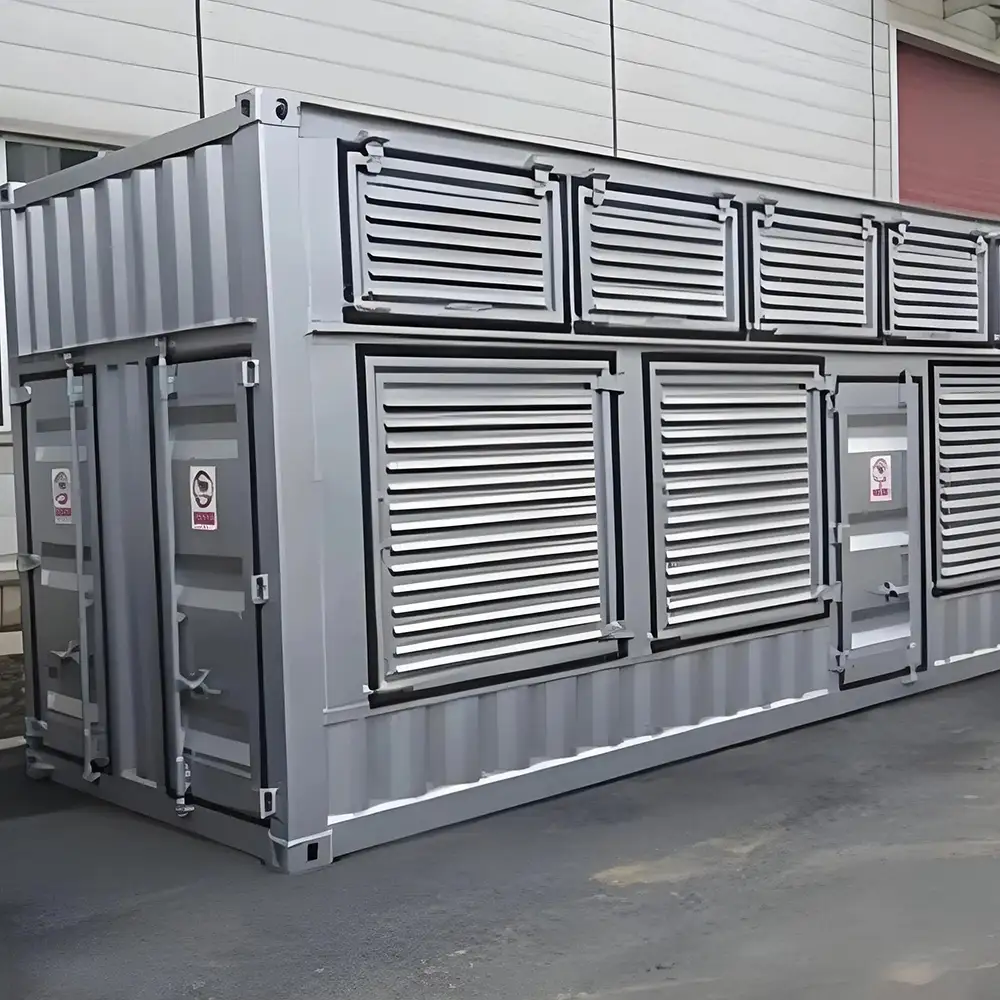
We provide integrated MBBR Wastewater Treatment Equipment for industrial applications where wastewater characteristics can be complex and variable. Our approach focuses on matching the treatment process with the actual wastewater composition, treatment capacity, installation conditions, and required effluent quality.
The MBBR reactor can be combined with screening, equalization, anaerobic treatment, clarification, coagulation, filtration, membrane treatment, and disinfection to create a complete wastewater treatment plant.
Whether the project involves mineral processing, printing, chemical production, dyeing, textile processing, or starch manufacturing, we can develop a practical treatment configuration around the specific wastewater conditions.
Frequently Asked Questions
1. What is an MBBR wastewater treatment plant?
MBBR stands for Moving Bed Biofilm Reactor. It is a biological wastewater treatment process that uses floating carrier media to support microorganisms inside a reactor.
2. Can MBBR treat industrial wastewater?
Yes. MBBR can be used for many industrial wastewater applications when the wastewater contains a suitable biodegradable fraction and the process is properly designed.
3. Can MBBR treat chemical wastewater?
Yes, but chemical wastewater requires careful evaluation of pH, toxicity, salinity, COD, biodegradability, and other parameters before biological treatment is selected.
4. Is MBBR suitable for dyeing wastewater?
MBBR can be used as part of a dyeing wastewater treatment system, particularly for biodegradable organic pollutants. Additional treatment may be necessary for persistent color and refractory compounds.
5. Can this system treat starch wastewater?
Yes. Starch wastewater can contain substantial biodegradable organic loading, making biological treatment suitable. High-strength wastewater may benefit from anaerobic treatment before MBBR.
6. Can MBBR be used for printing wastewater?
Yes. MBBR can be incorporated into printing wastewater treatment systems after appropriate screening, equalization, and other pretreatment processes.
7. Does MBBR remove suspended solids?
MBBR is primarily a biological treatment process rather than a dedicated solids-separation process. Screening, sedimentation, clarification, or filtration is normally used for effective SS removal.
8. Can MBBR be combined with other treatment technologies?
Yes. MBBR can be combined with anaerobic reactors, coagulation, sedimentation, filtration, MBR, oxidation, and disinfection depending on the wastewater and discharge or reuse requirements.
9. How is MBBR carrier media selected?
Carrier selection depends on surface area, material, density, filling ratio, biological loading, reactor configuration, and the required treatment performance.
10. What information is needed to design an MBBR system?
Typical information includes wastewater flow, COD, BOD, SS, pH, ammonia nitrogen, total nitrogen, temperature, salinity, specific pollutants, operating schedule, and required effluent quality.
11. Can MBBR equipment be installed in an existing wastewater plant?
Yes. MBBR can be considered for new installations, plant expansions, biological capacity upgrades, and some retrofit projects.
12. Is MBBR suitable for wastewater reuse?
It can be part of a wastewater reuse system, but additional filtration, membrane treatment, disinfection, or other polishing processes may be required depending on the intended reuse water quality.
Prev:
Waste Water Plant Sewage Treatment System Equipment with DAF System
Next:
Domestic Sewage Waste Water Treatment Equipment For Industrial, Agricultural, Food Factories, Slaughterhouses
TAG:
Industrial Wastewater Treatment,
Industrial Sewage Treatment,
Industrial Wastewater Treatment Plant,
Wastewater Treatment Plant,
Chemical Wastewater Treatment,
Wastewater Treatment System,
Industrial Water Treatment,
Dyeing Wastewater Treatment,
Moving Bed Biofilm Reactor,
MBBR Wastewater Treatment,
MBBR Biological Treatment,
Biological Wastewater Treatment,
Textile Wastewater Treatment,
Printing Wastewater Treatment,
MBBR Wastewater Treatment Equipment,
MBBR Treatment System,
Mining Wastewater Treatment,
Mineral Processing Wastewater Treatment,
Starch Wastewater Treatment,
MBBR Wastewater Treatment Plant,
Related Category:
MBBR Wastewater Treatment Plant,MBBR Wastewater Treatment Equipment,Industrial Wastewater Treatment China, suppliers, manufacturers, factory, customized, wholesale, quotation, made in China