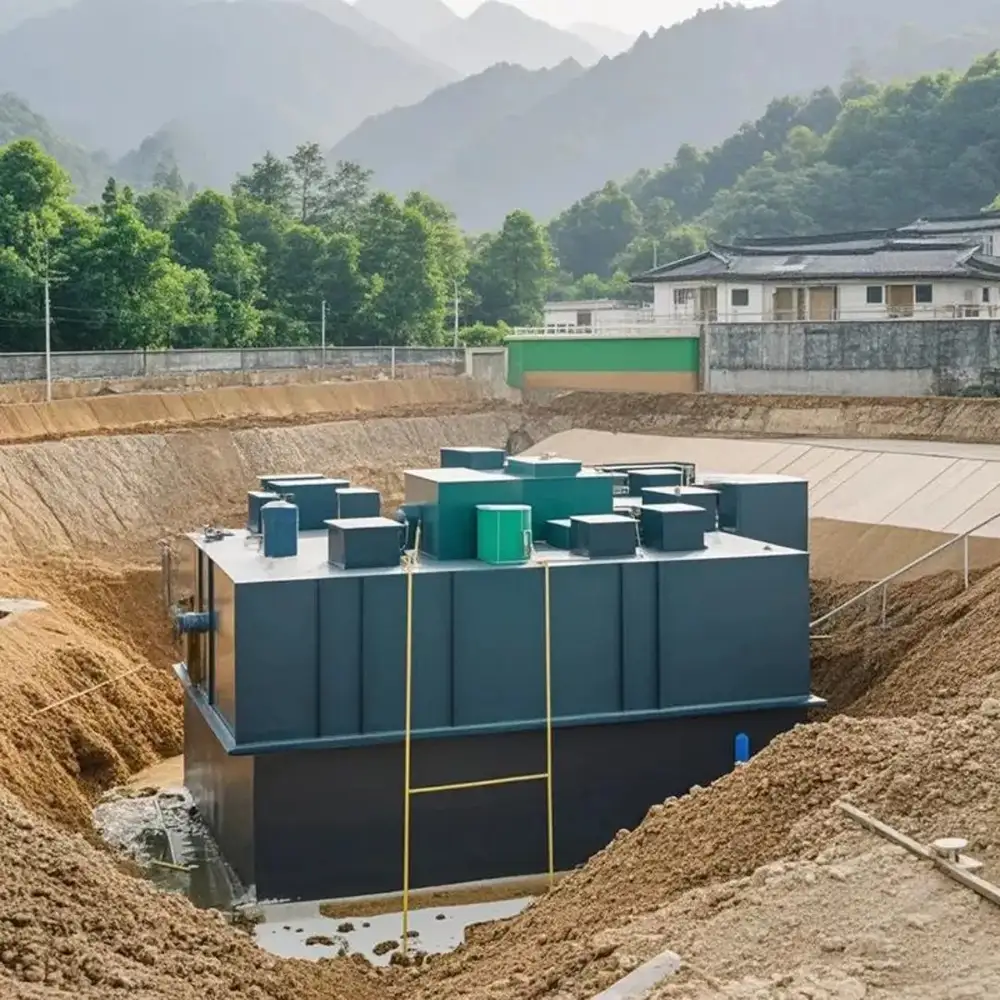
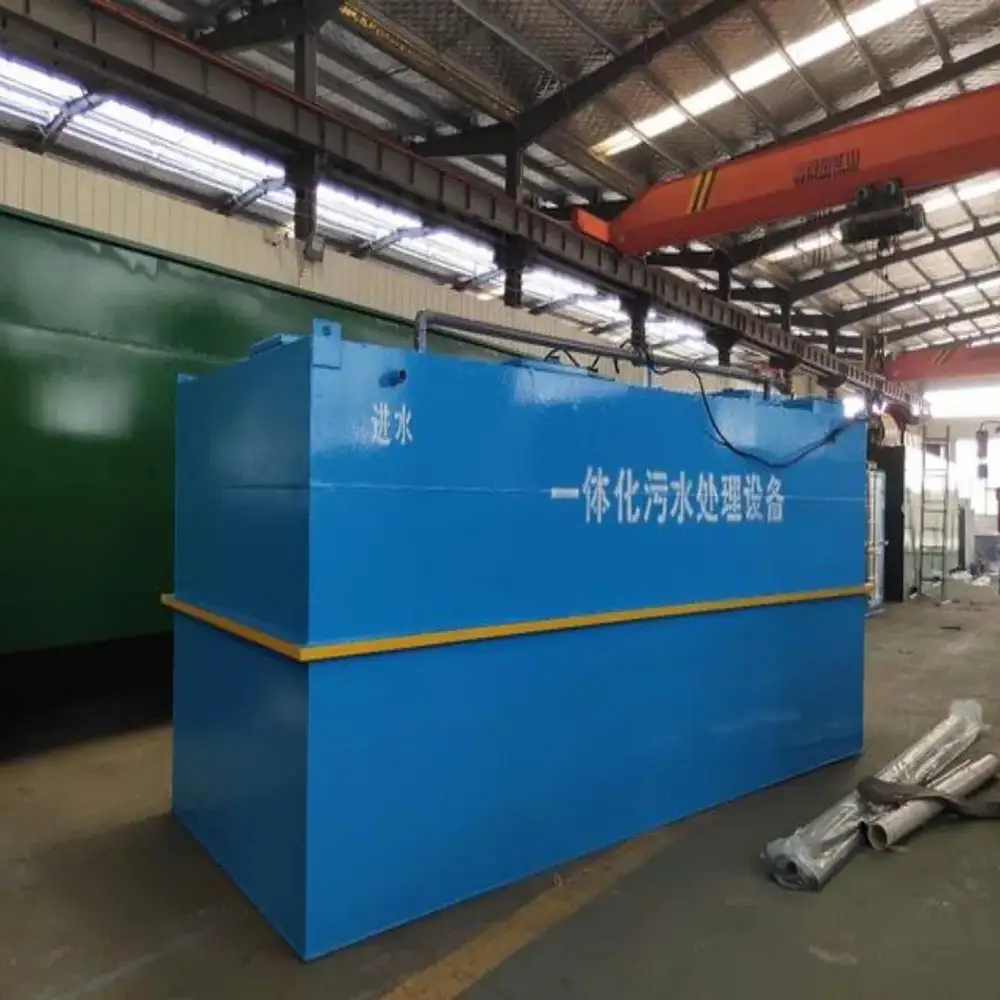
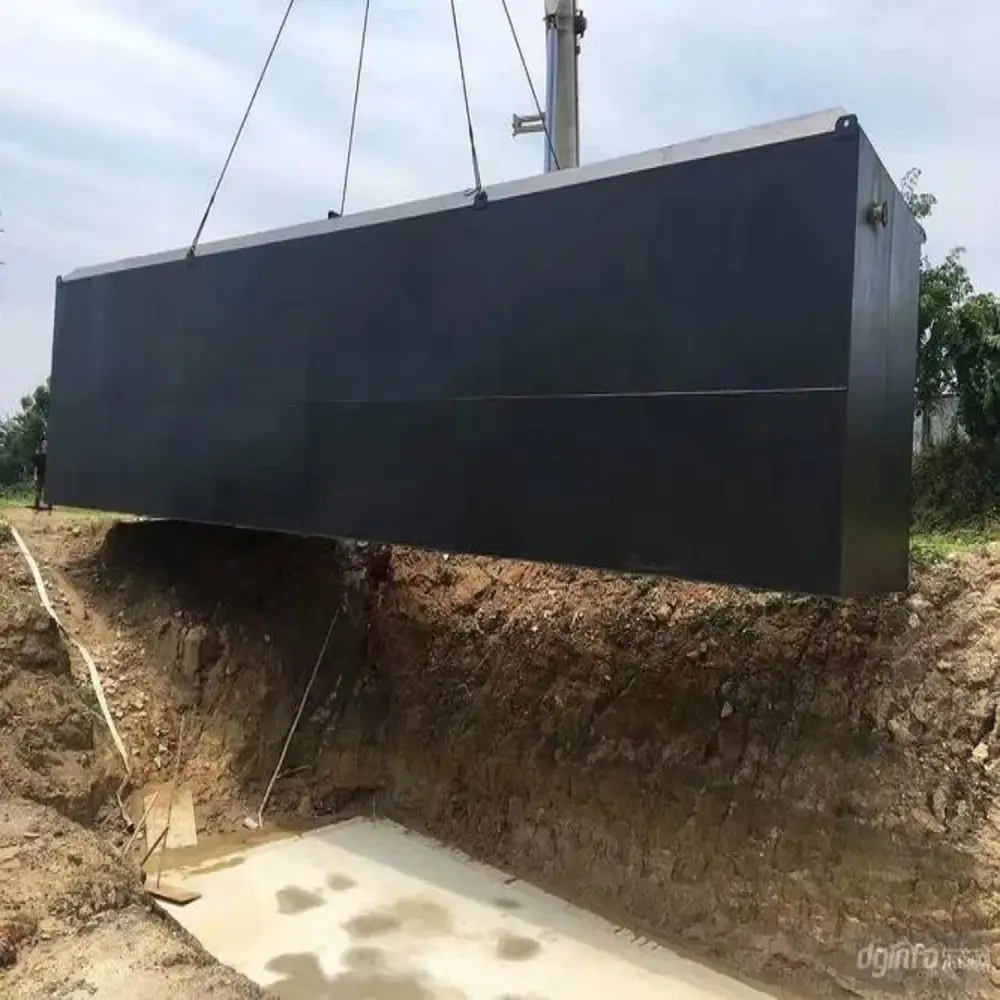
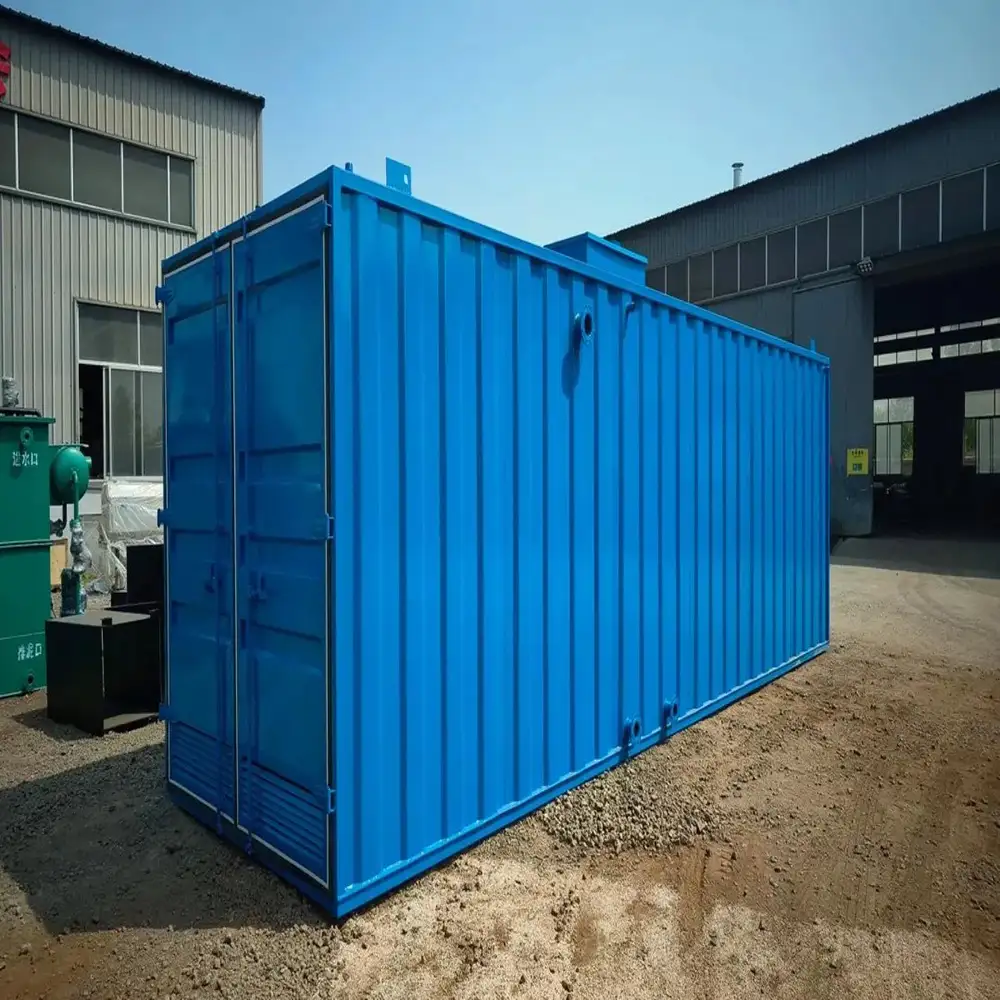
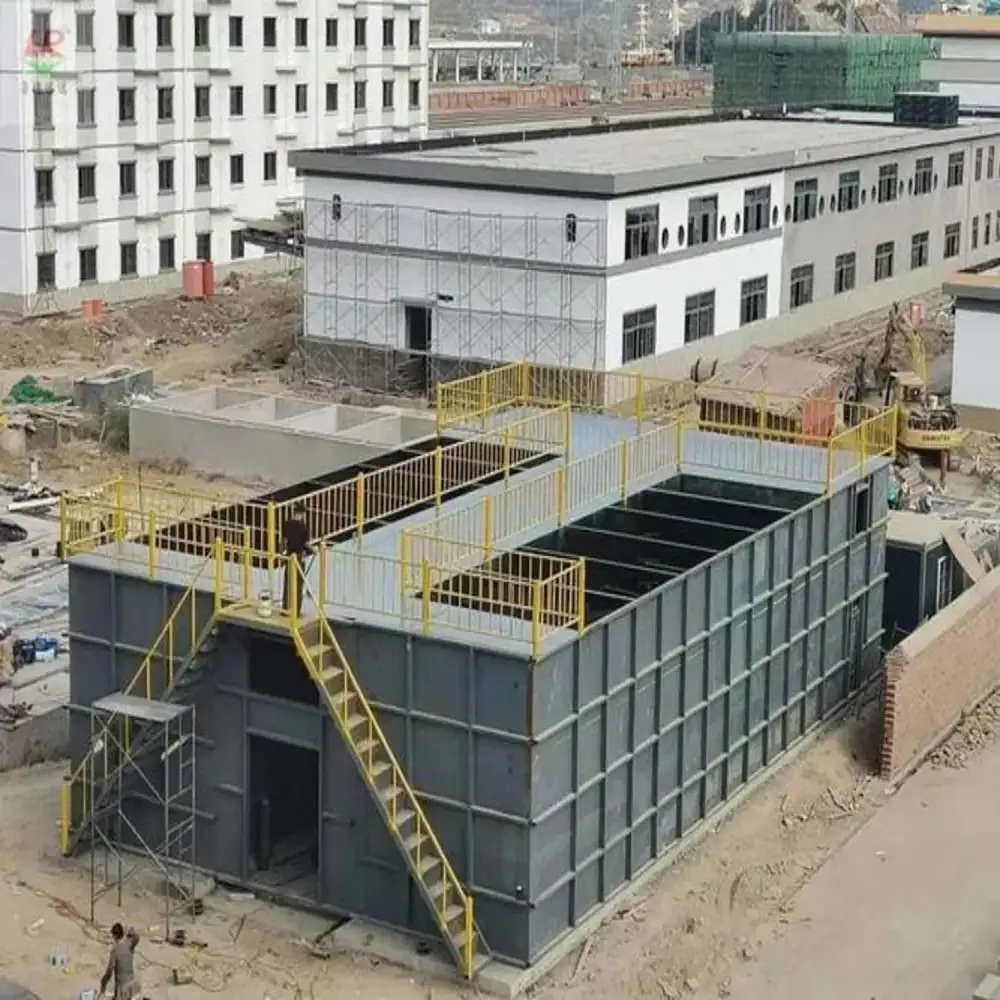
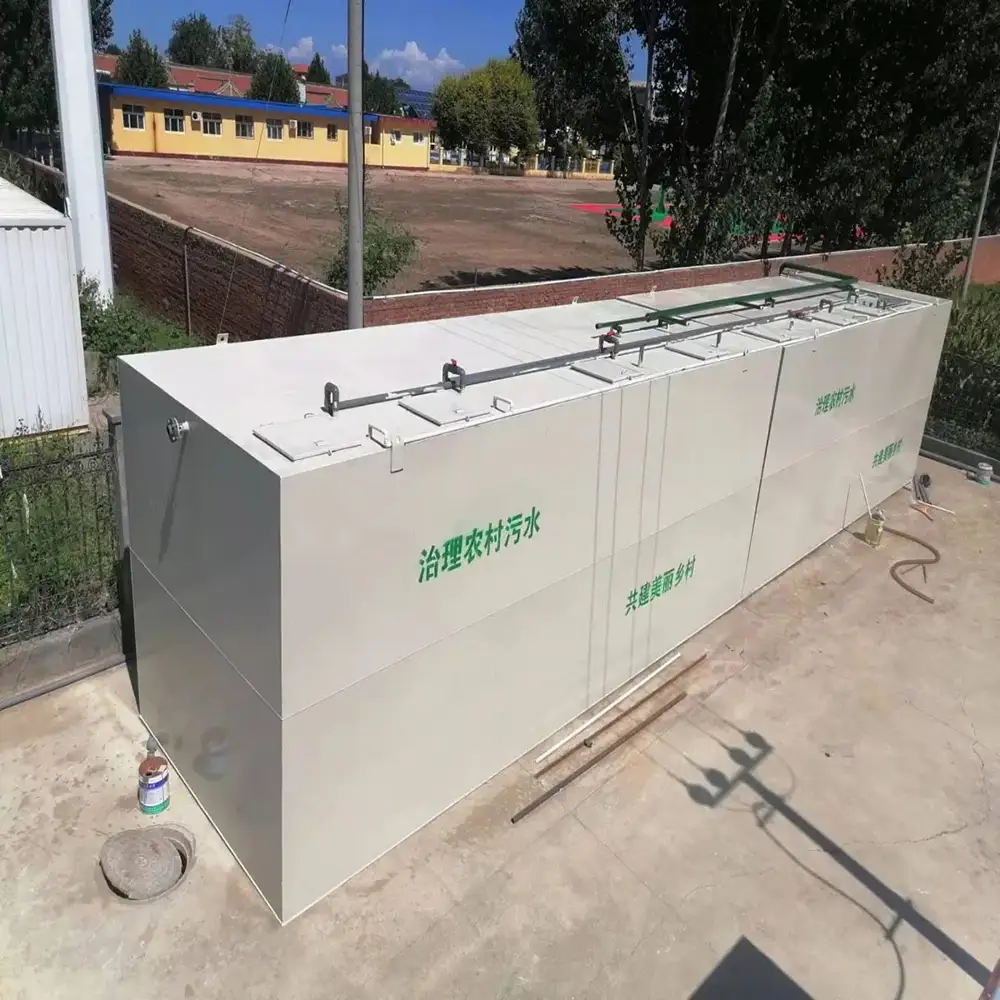
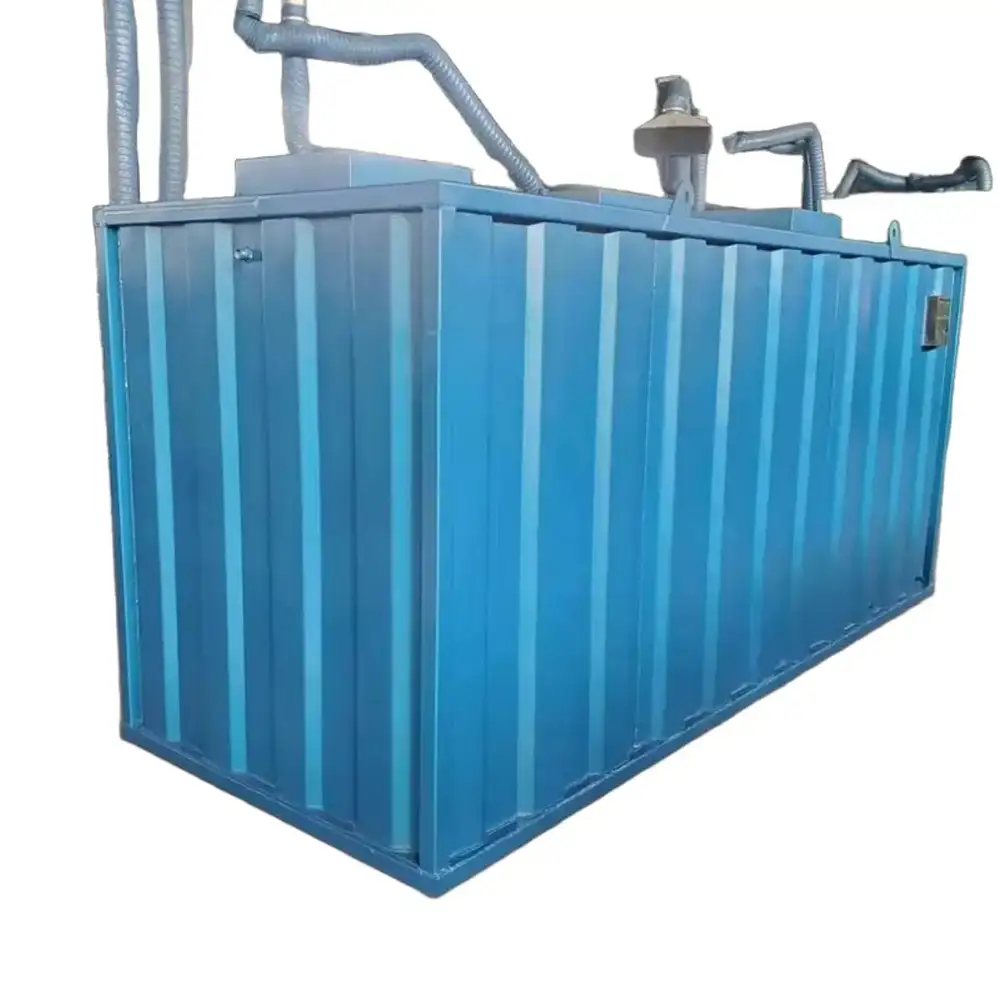
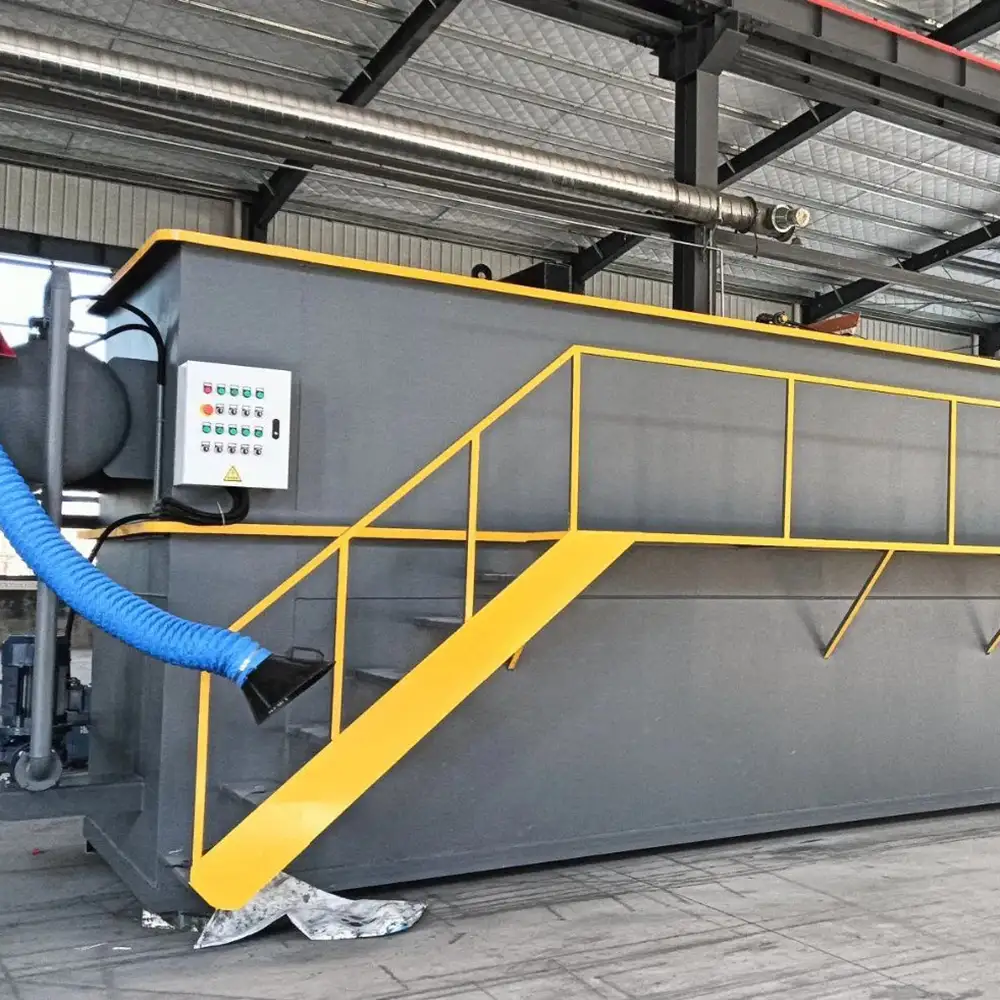
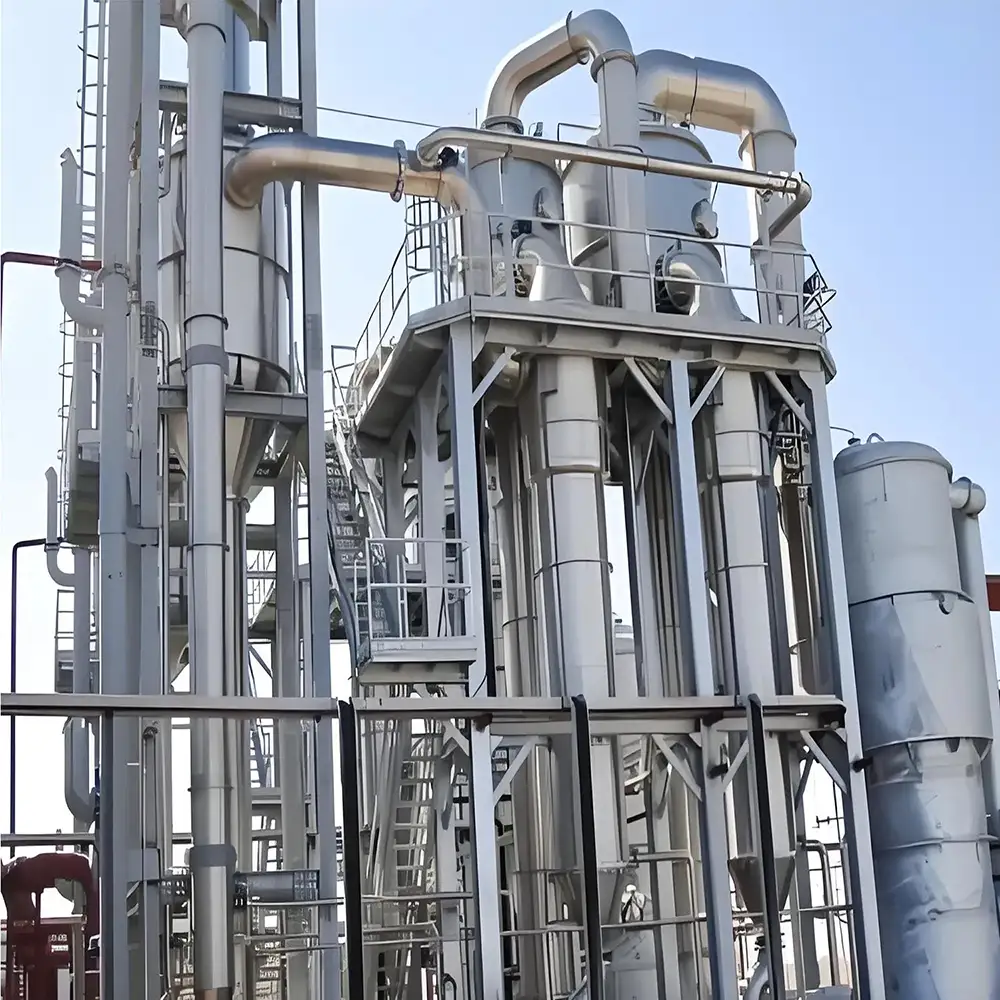
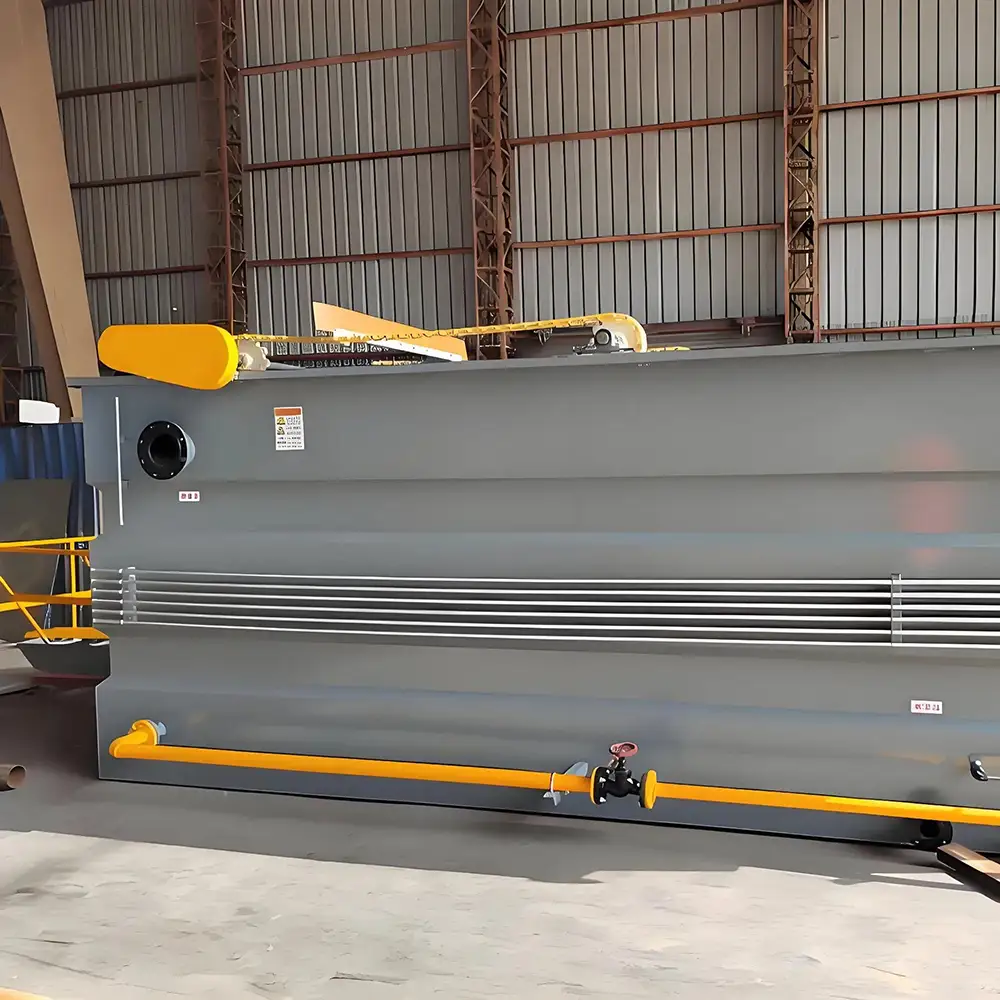
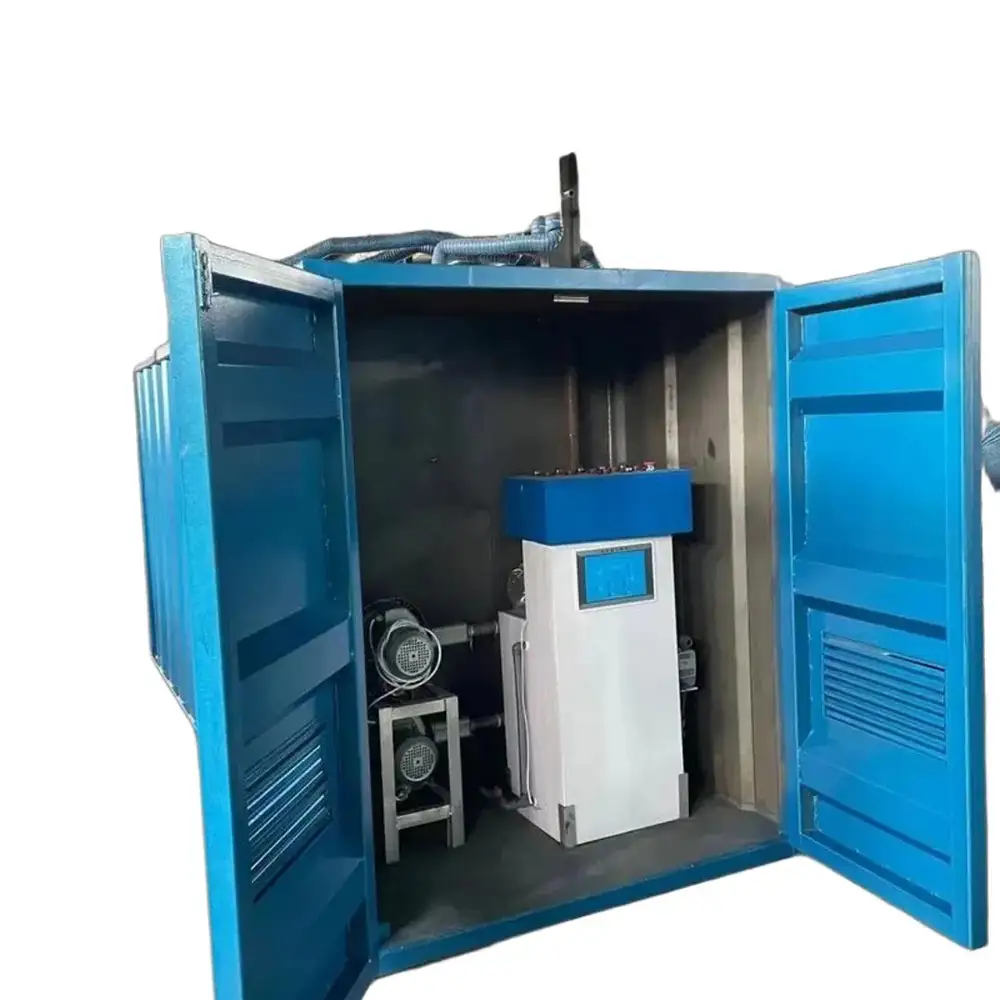
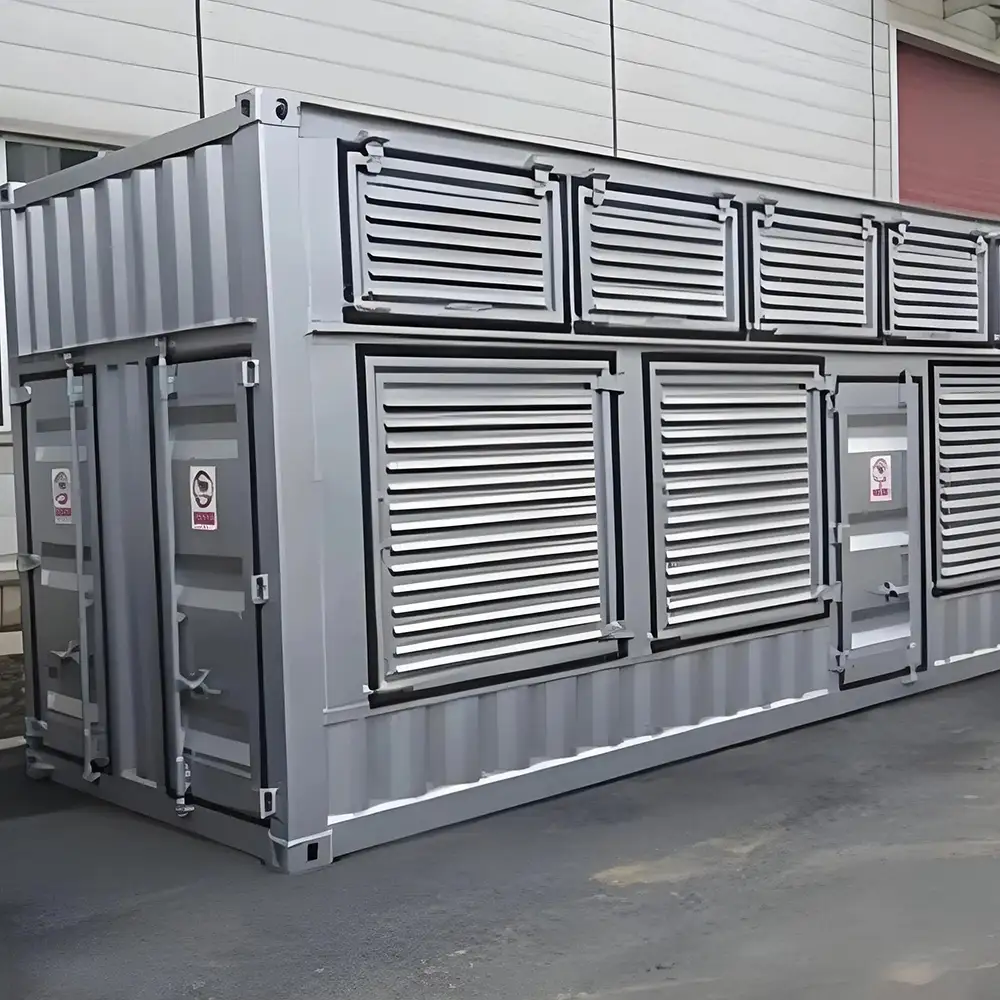
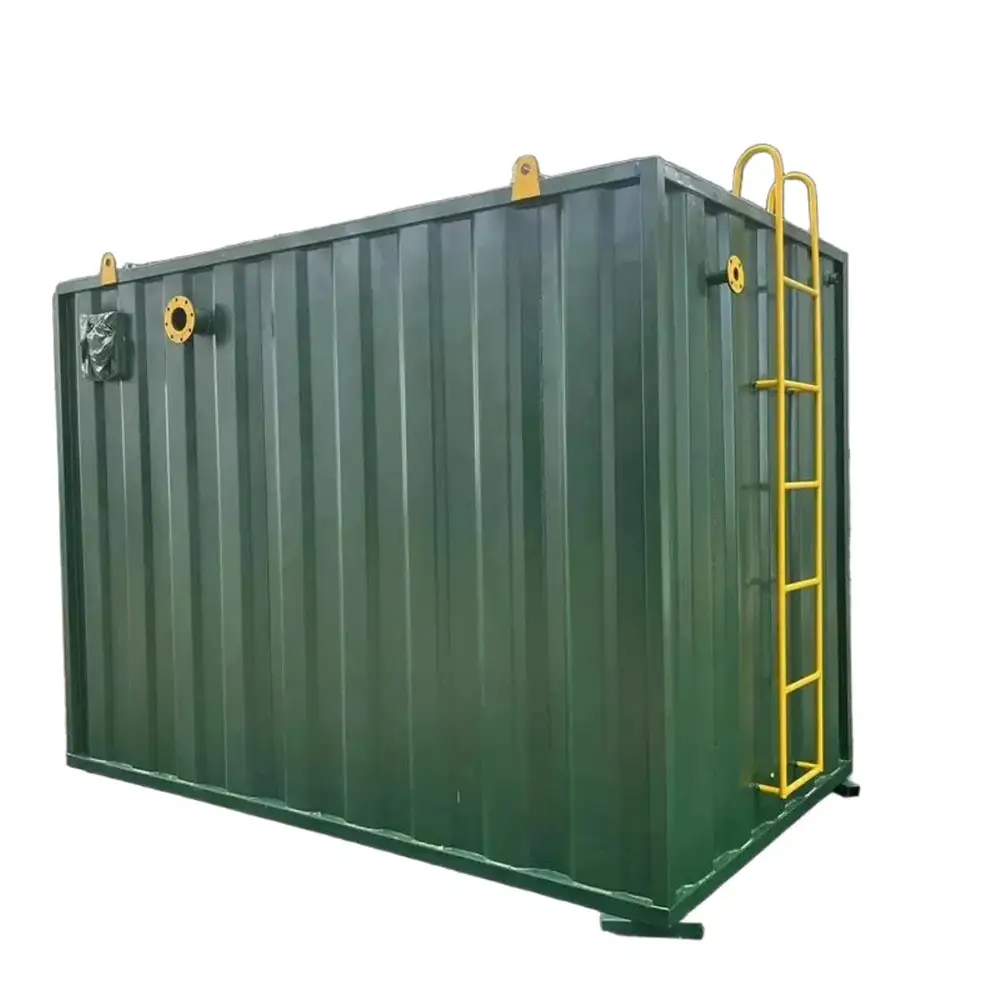
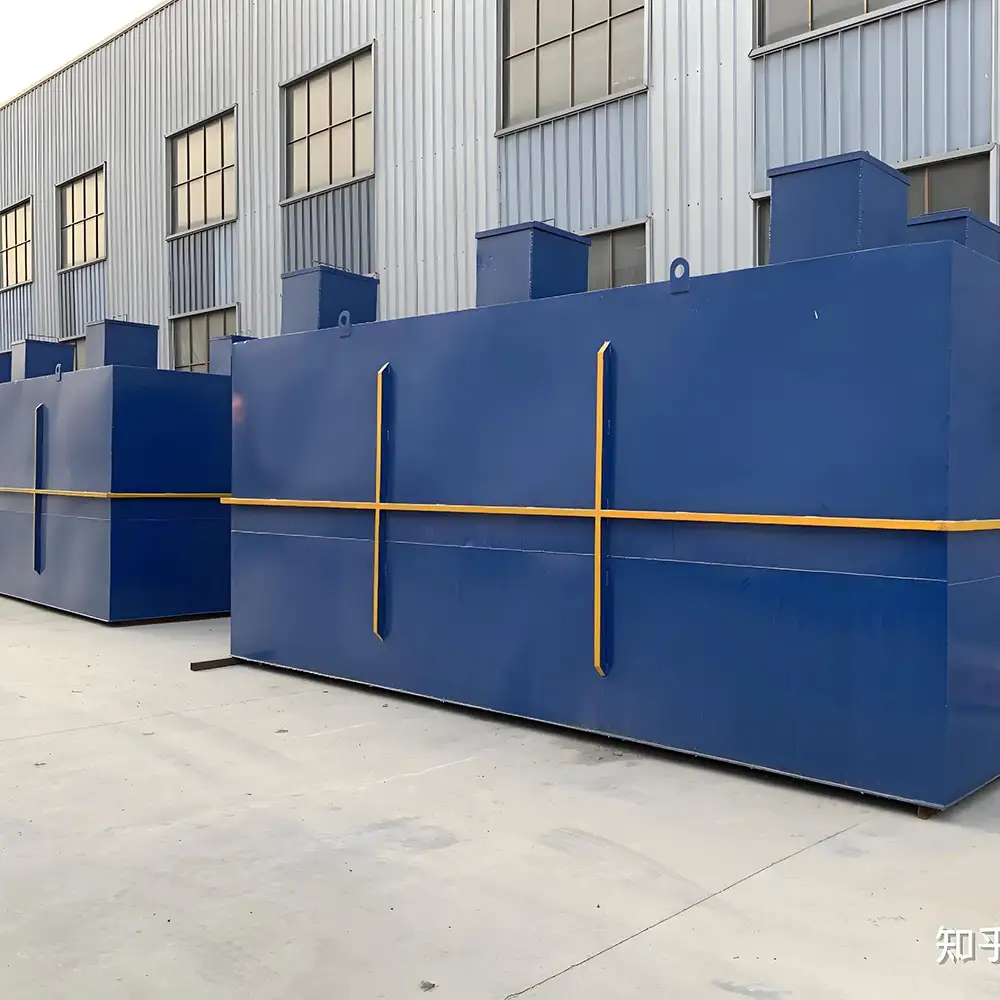
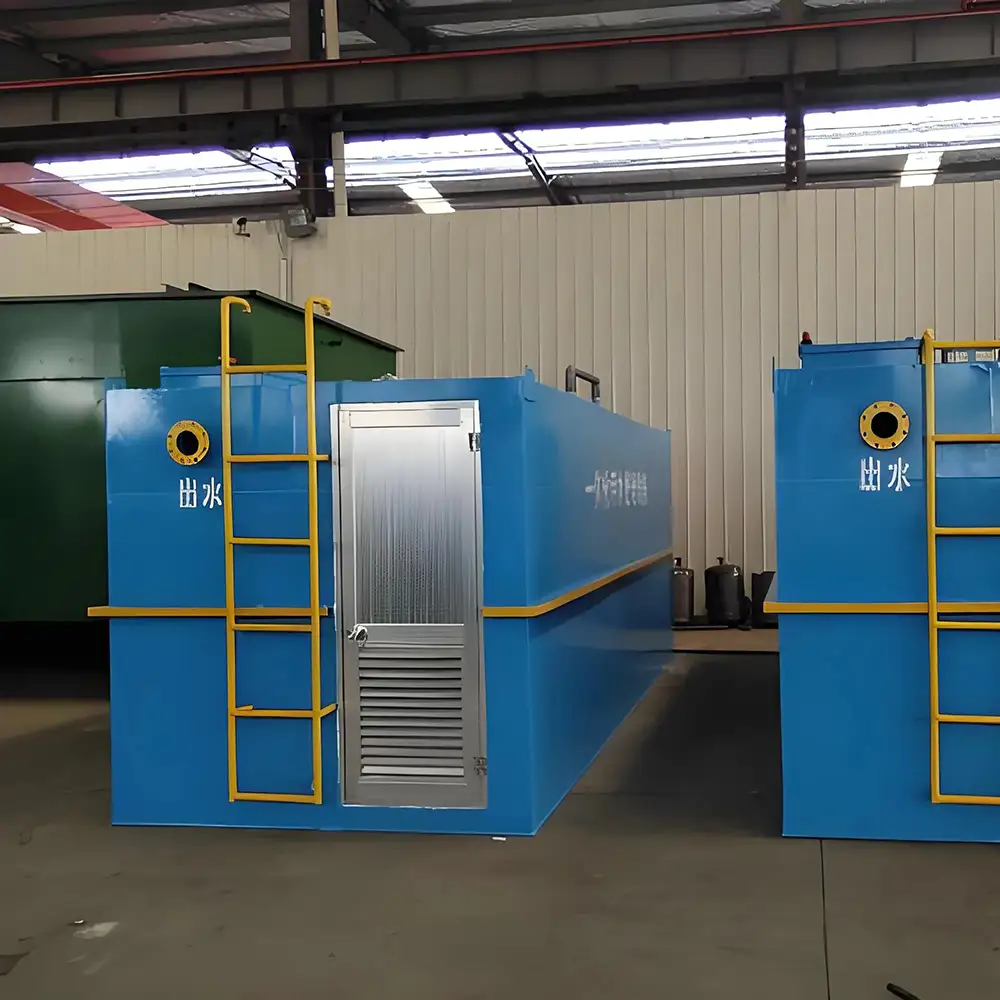
MBBR integrated sewage treatment equipment is a sewage treatment equipment that combines the technology of moving bed biofilm reactor (MBBR), which is widely used in the fields of domestic sewage, industrial wastewater, etc. Its core principle is to degrade pollutants through biofilm on suspended carriers, which has the characteristics of high efficiency, compactness and stable operation.
Main components
Reaction tank:
The reaction tank is the core part of MBBR, and the suspended carrier (biofilm carrier) is filled inside.
A large number of microorganisms are attached to the surface of the carrier to form a biofilm, which is used to degrade organic matter, ammonia nitrogen and other pollutants in sewage.
Suspended carrier:
Usually made of polyethylene or polypropylene materials, with a large specific surface area.
The carrier flows with the water flow in the reaction tank, providing a place for microorganisms to attach and grow.
Aeration system:
The aeration device supplies oxygen to the reaction tank to maintain the activity of microorganisms.
Aeration also plays a stirring role to make the carrier evenly distributed.
Sedimentation tank or filtration unit:
Used to separate treated water and suspended matter.
Some equipment will be equipped with a membrane filtration system to further improve the effluent water quality.
Control system:
Automated control system, used to adjust parameters such as aeration volume and hydraulic retention time to ensure efficient operation of the equipment.
MBBR Mobile Biofilm Reactor Sewage Treatment Equipment is an advanced biological wastewater treatment solution that uses freely moving biofilm carriers inside an aerated or anoxic reactor. The technology is widely used for domestic sewage, municipal wastewater, commercial wastewater, and selected industrial wastewater applications where reliable biological treatment and compact reactor design are important.
MBBR stands for Moving Bed Biofilm Reactor. Unlike conventional suspended-growth treatment, MBBR retains microorganisms on specially designed mobile carrier media. EPA describes MBBR as a biological treatment technology using buoyant, free-moving plastic biofilm carriers, with biomass retained in the reactor on the carriers. This approach can provide a high biomass concentration while helping reduce the required reactor volume.
How MBBR Mobile Biofilm Reactor Works
The basic MBBR process is based on microorganisms growing as a biofilm on the surface and protected areas of carrier media.
Wastewater first enters the treatment reactor after appropriate preliminary treatment. Screening and equalization may be used to remove larger solids and balance flow and pollutant loading.
Inside the MBBR tank, plastic biofilm carriers are added to the biological reactor. Aeration equipment or mechanical mixing keeps the carriers moving throughout the treatment zone. As wastewater contacts the carriers, microorganisms attached to the media consume biodegradable organic pollutants and can support nitrification and other biological conversion processes.
In aerobic MBBR operation, air provides oxygen while also creating movement of the carrier media. In anoxic configurations, mixing can be used to maintain carrier circulation without excessive oxygen input.
A typical process may include:
Screening → Equalization → MBBR Biological Treatment → Sedimentation or Filtration → Disinfection → Treated Water
The actual process depends on wastewater characteristics and the required effluent quality.
Mobile Biofilm Carrier Technology
The biofilm carrier is one of the most important components of an MBBR system. Carrier media provide protected surface area where microorganisms can attach and develop.
As the carriers continuously move through the reactor, wastewater and microorganisms remain in close contact. Biofilm development can create different microbial environments within the carrier surface and biofilm layers.
Carrier design, protected surface area, density, filling ratio, mixing intensity, dissolved oxygen, temperature, hydraulic retention time, and organic loading all influence system performance.
EPA technical documentation describes MBBR media as plastic elements with large surface area submerged in anoxic or aerobic biological zones.
High Biomass Concentration in a Compact Reactor
One major advantage of MBBR technology is the ability to retain substantial biological activity within the treatment reactor without relying entirely on conventional return activated sludge.
The attached-growth process allows biomass to remain on the carriers, reducing dependence on sludge recycling. EPA notes that MBBR can provide higher biomass concentration and smaller reactor volumes compared with conventional activated sludge in appropriate applications.
This makes MBBR particularly attractive when a wastewater treatment project has limited land or needs to upgrade treatment capacity without constructing large additional biological basins.
MBBR can also be used in new treatment plants as well as upgrades to existing wastewater treatment facilities.
Organic Matter and Nitrogen Treatment
MBBR systems can be configured for different biological treatment objectives.
For carbon removal, aerobic microorganisms use biodegradable organic matter as a food source.
For nitrification, specialized microorganisms develop on the biofilm and convert ammonia through biological oxidation.
For nitrogen removal, separate aerobic and anoxic treatment zones can be incorporated into the overall process. Appropriate carbon availability, dissolved oxygen, internal recycle, hydraulic retention time, and biological conditions must be considered.
MBBR research has demonstrated its application for municipal sewage and nitrogen-related treatment, but actual removal performance depends strongly on wastewater characteristics and operating conditions rather than on the MBBR technology alone.
MBBR Sewage Treatment Equipment Configuration
A complete MBBR sewage treatment system can include several supporting components:
Inlet screening equipment
Equalization tank
MBBR biological reactor
Biofilm carrier media
Fine bubble or coarse bubble aeration system
Air blower
Carrier retention screens
Sedimentation tank
Sludge collection system
Filtration equipment
Disinfection system
Electrical control cabinet
Pumps and valves
Online monitoring instruments
The equipment can be arranged as an integrated package or as separate treatment units according to project scale.
Applications
MBBR Mobile Biofilm Reactor Sewage Treatment Equipment can be used for many wastewater treatment applications, including:
Domestic sewage treatment
Municipal wastewater treatment
Rural sewage treatment
Residential communities
Hotels and resorts
Schools and campuses
Hospitals and healthcare facilities
Restaurants and food service facilities
Commercial buildings
Industrial park domestic sewage
Worker accommodation
Remote communities
Small and medium-sized wastewater treatment plants
Existing STP capacity upgrades
For industrial wastewater, pretreatment may be required when the wastewater contains toxic, inhibitory, high-strength, oily, or difficult-to-biodegrade contaminants.
MBBR for Existing STP Upgrades
MBBR technology can be particularly useful when an existing wastewater treatment plant needs additional biological capacity.
Instead of completely replacing the existing treatment infrastructure, MBBR media can potentially be introduced into suitable biological tanks as part of an engineered upgrade. Additional aeration, media retention screens, mixing, hydraulic improvements, or downstream solids separation may also be required.
The appropriate retrofit approach depends on the existing tank dimensions, loading, hydraulic conditions, effluent requirements, and equipment condition.
Operation and Maintenance
Routine maintenance helps maintain stable MBBR performance.
Operators should inspect blower operation, air distribution, carrier movement, media retention screens, pumps, valves, sludge removal equipment, and electrical controls.
Dissolved oxygen, pH, temperature, flow, loading, and other relevant parameters should be monitored according to the treatment process.
Carrier media should remain properly distributed throughout the reactor. Excessive solids accumulation or blocked media retention screens can affect hydraulic and biological performance.
Although MBBR generally avoids the continuous return activated sludge loop used in conventional activated sludge, downstream sludge separation and sludge handling are still important parts of the complete treatment system.
Why Choose Us?
Compact Biological Treatment: MBBR can provide substantial biological activity within a relatively compact reactor configuration.
Flexible Process Design: Aerobic, anoxic, or combined biological zones can be configured according to treatment objectives.
Mobile Biofilm Carriers: Special carrier media provide surfaces for attached microbial growth and biomass retention.
Suitable for Upgrades: MBBR technology can be considered for both new STPs and selected existing plant upgrades.
Wide Application Range: Suitable for domestic, municipal, commercial, community, and selected industrial wastewater.
Modular Equipment Configuration: Treatment units can be arranged according to wastewater flow, site conditions, and project requirements.
Automation Options: Pumps, blowers, valves, sensors, alarms, and control systems can be integrated for automated operation.
Engineering-Based Selection: Carrier type, filling ratio, reactor volume, aeration capacity, and process configuration should be selected according to actual wastewater characteristics and project requirements.
FAQs
1. What does MBBR stand for?
MBBR stands for Moving Bed Biofilm Reactor, a biological wastewater treatment process using mobile carrier media for attached microbial growth.
2. What is a mobile biofilm reactor?
It is a biological reactor where specially designed carrier media move freely through the wastewater while microorganisms grow on the carrier surfaces.
3. What wastewater can MBBR treat?
MBBR is commonly used for domestic, municipal, commercial, and selected industrial wastewater containing biodegradable organic pollutants.
4. Can MBBR remove ammonia?
Yes. MBBR can be designed for biological nitrification and ammonia removal when appropriate conditions for nitrifying microorganisms are provided.
5. Does MBBR require return activated sludge?
A conventional MBBR process retains much of its biomass on the carrier media and does not use the same return-sludge configuration as conventional activated sludge.
6. What is the function of MBBR carrier media?
Carrier media provide surfaces and protected areas for microorganisms to attach and develop into biofilms.
7. Can MBBR replace activated sludge?
MBBR can be used as an alternative biological treatment configuration in suitable projects, but the best process depends on wastewater characteristics, capacity, effluent standards, and site conditions.
8. Can MBBR be used to upgrade an existing sewage treatment plant?
Yes. MBBR is often considered for biological capacity upgrades, subject to evaluation of the existing tanks, hydraulics, aeration, solids separation, and discharge requirements.
9. Does MBBR require aeration?
Aerobic MBBR normally uses an aeration system to provide oxygen and maintain carrier movement. Anoxic MBBR zones may use mechanical mixing instead.
10. Is MBBR suitable for small sewage treatment plants?
Yes. MBBR can be configured for compact decentralized, residential, commercial, rural, and small-community wastewater treatment systems.
11. What affects MBBR treatment performance?
Important factors include wastewater characteristics, organic and ammonia loading, carrier filling ratio, biofilm development, dissolved oxygen, temperature, hydraulic retention time, mixing, and downstream solids separation.
12. Can MBBR be combined with other treatment technologies?
Yes. MBBR can be integrated with screening, equalization, sedimentation, filtration, disinfection, anaerobic treatment, MBR, or other processes depending on the project requirements.
Prev:
Block Integrated Sewage Treatment Equipment - Adapted to Different Terrain Needs/STP
Next:
Automatic Operation and Maintenance Integrated Community Sewage Treatment Equipment
TAG:
Biological Wastewater Treatment System,
Biological Wastewater Treatment Equipment,
BOD Removal Wastewater Treatment,
Moving Bed Biofilm Reactor,
MBBR Wastewater Treatment,
MBBR Biological Treatment,
Biological Wastewater Treatment Plant,
Biofilm Reactor,
Attached Growth Biological Treatment,
Biological Wastewater Treatment,
Biofilm Wastewater Treatment,
COD Removal Wastewater Treatment,
Nitrogen Removal Wastewater Treatment,
Wastewater Biofilm Reactor,
MBBR Sewage Treatment,
Moving Bed Biofilm Media,
MBBR Bio Media,
MBBR Biofilm Media,
Biofilm Carrier Media,
Moving Bed Biofilm Carrier,
MBBR Media,
MBBR Carrier Media,
MBBR Carrier,
MBBR Wastewater Treatment System,
MBBR Sewage Treatment System,
Biological Sewage Treatment System,
Biological Sewage Treatment,
Biological Sewage Treatment Equipment,
MBBR Wastewater Treatment Equipment,
MBBR Sewage Treatment Equipment,
Related Category:
MBBR Sewage Treatment Equipment,Mobile Biofilm Reactor,MBBR Wastewater Treatment Equipment China, suppliers, manufacturers, factory, customized, wholesale, quotation, made in China