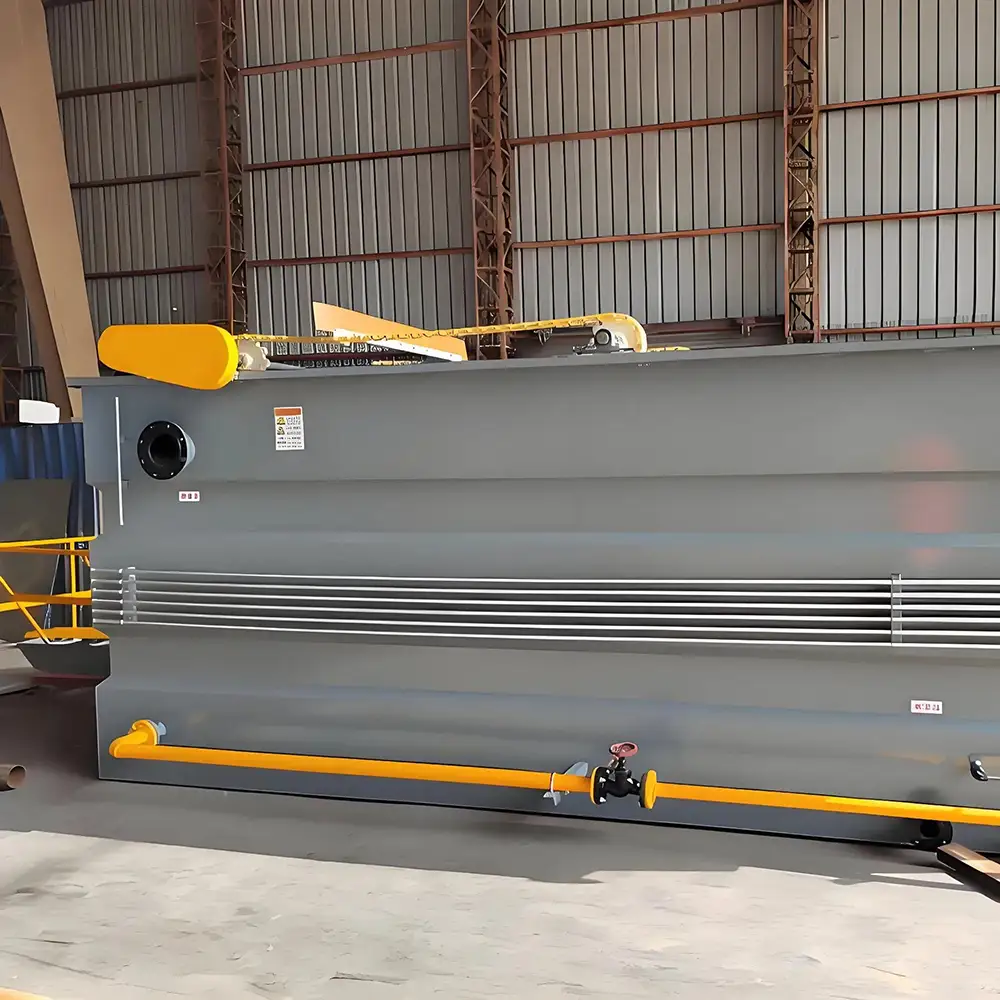
Block Integrated Sewage Treatment Equipment - Adapted to Different Terrain Needs/STP
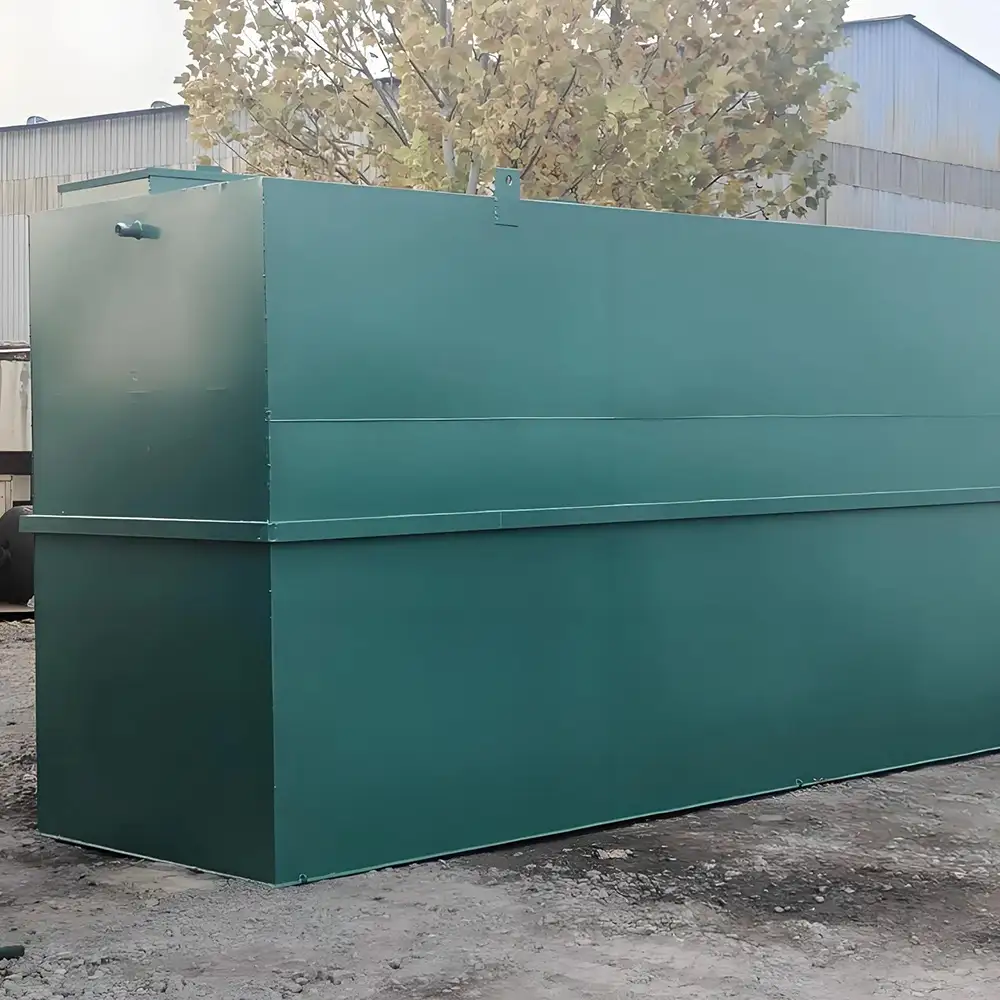
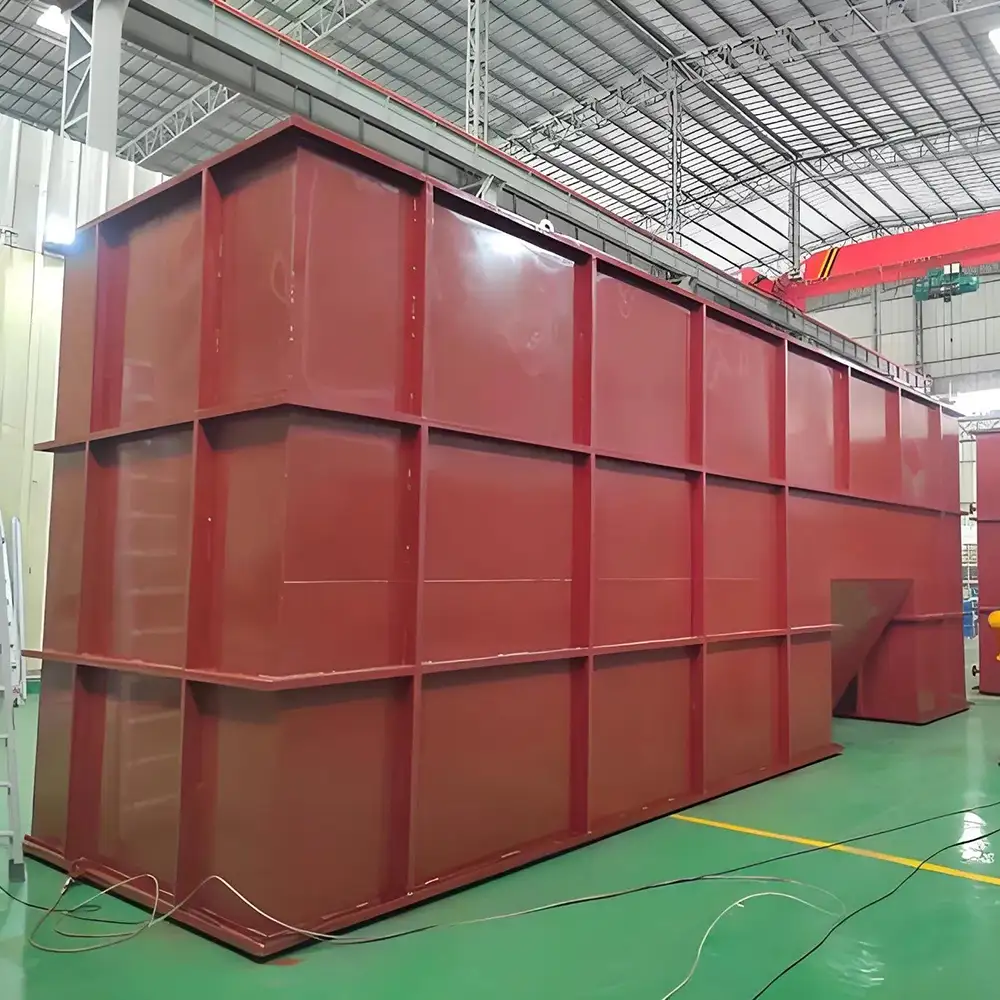
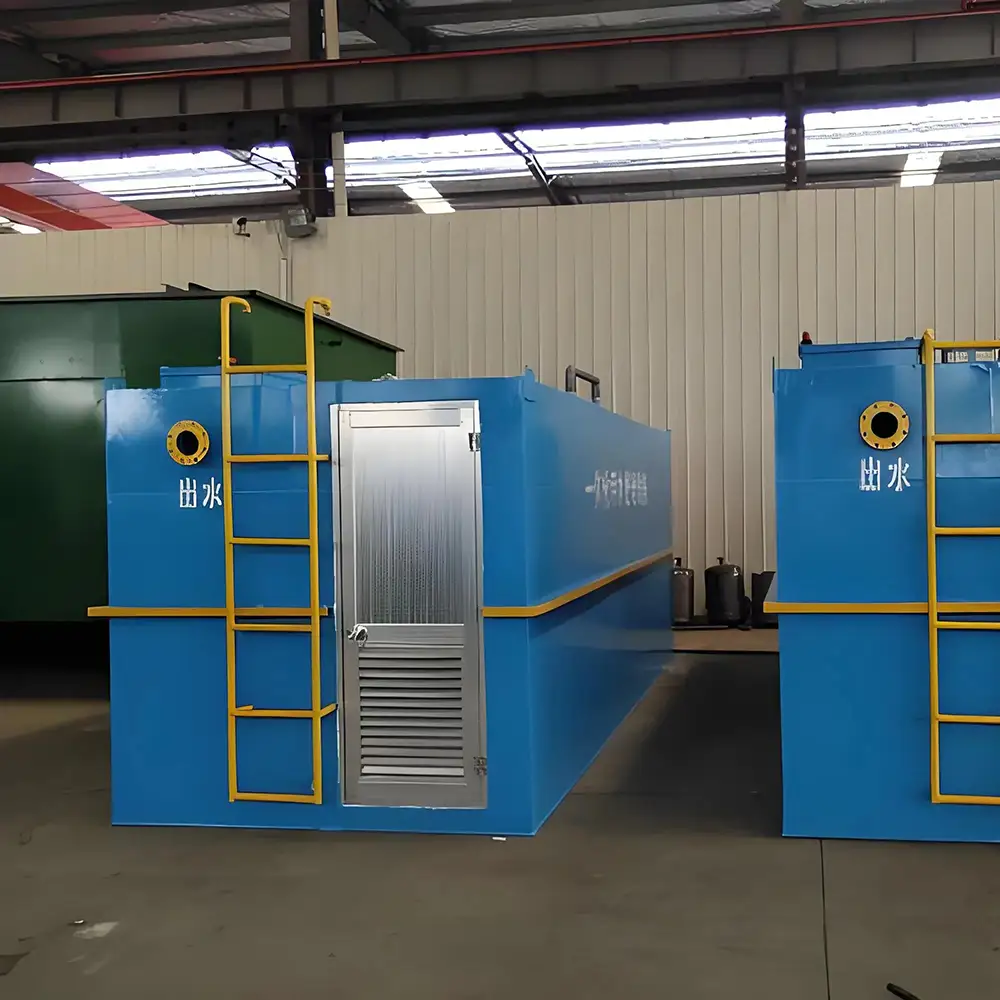
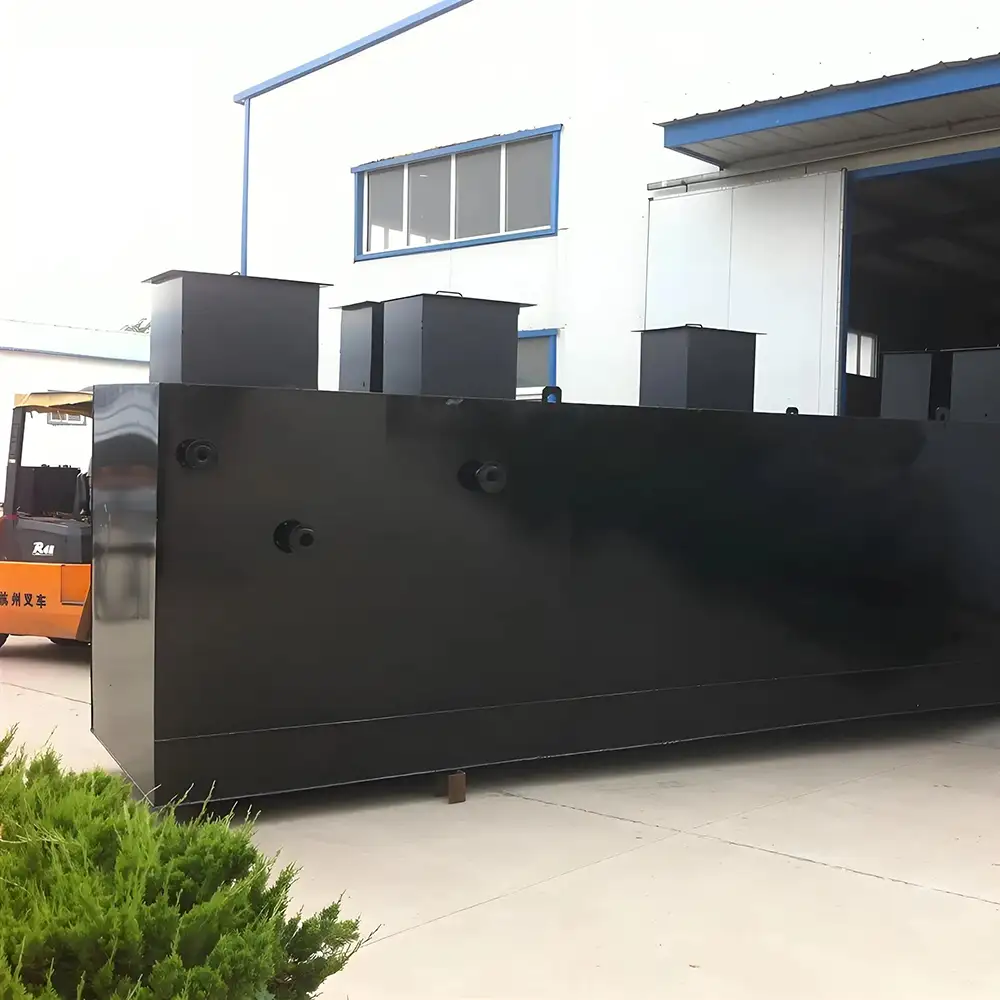
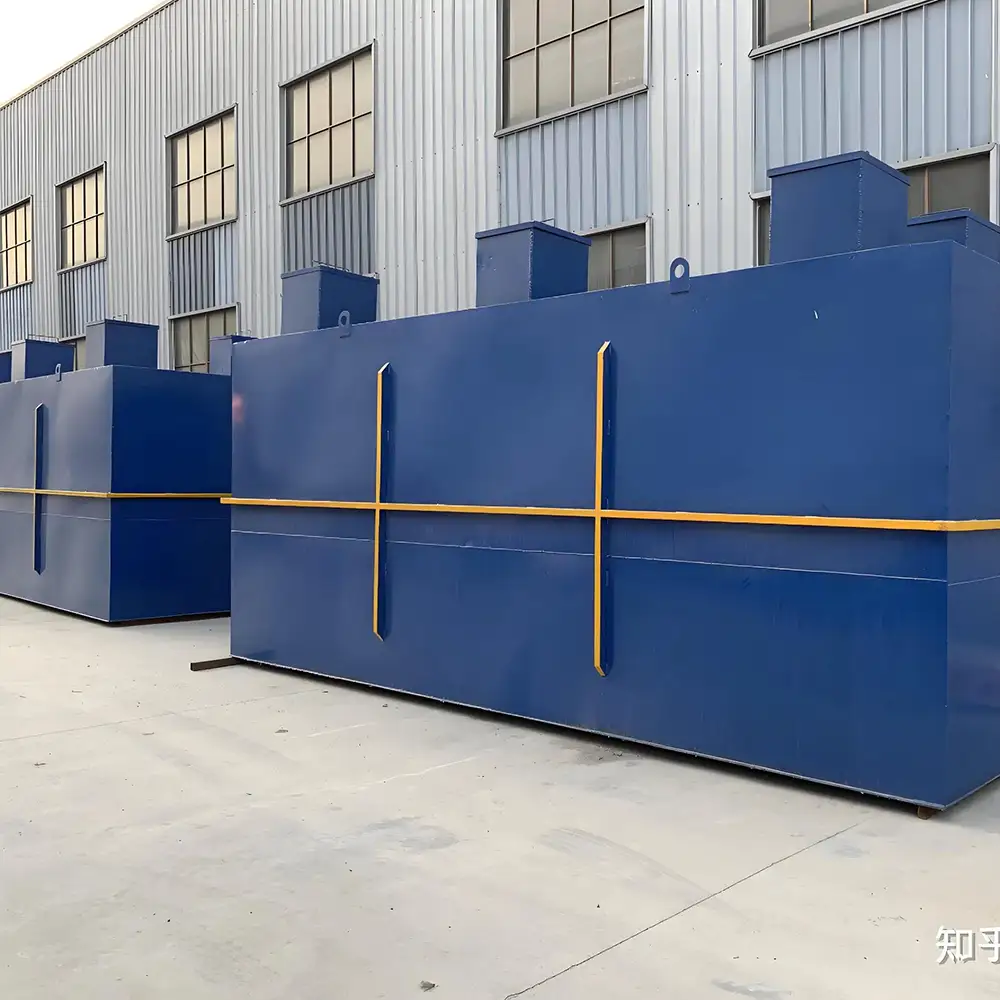
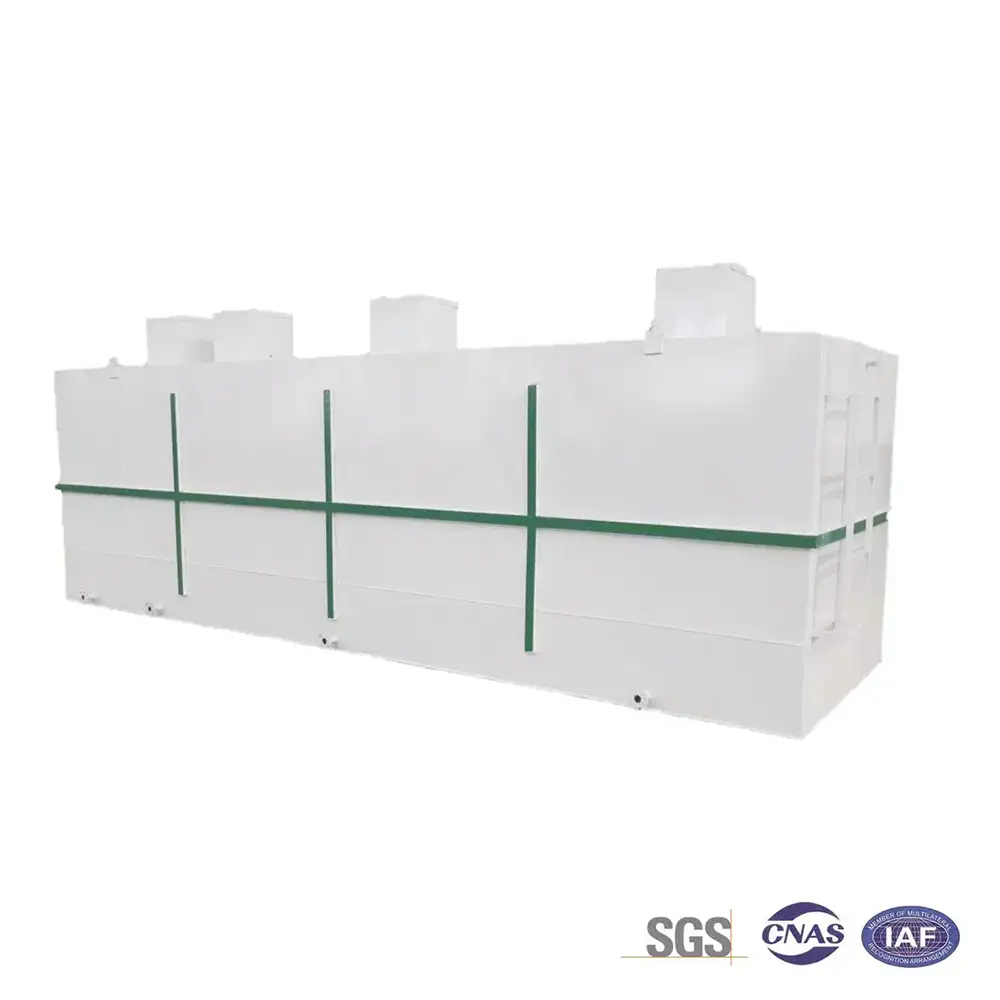
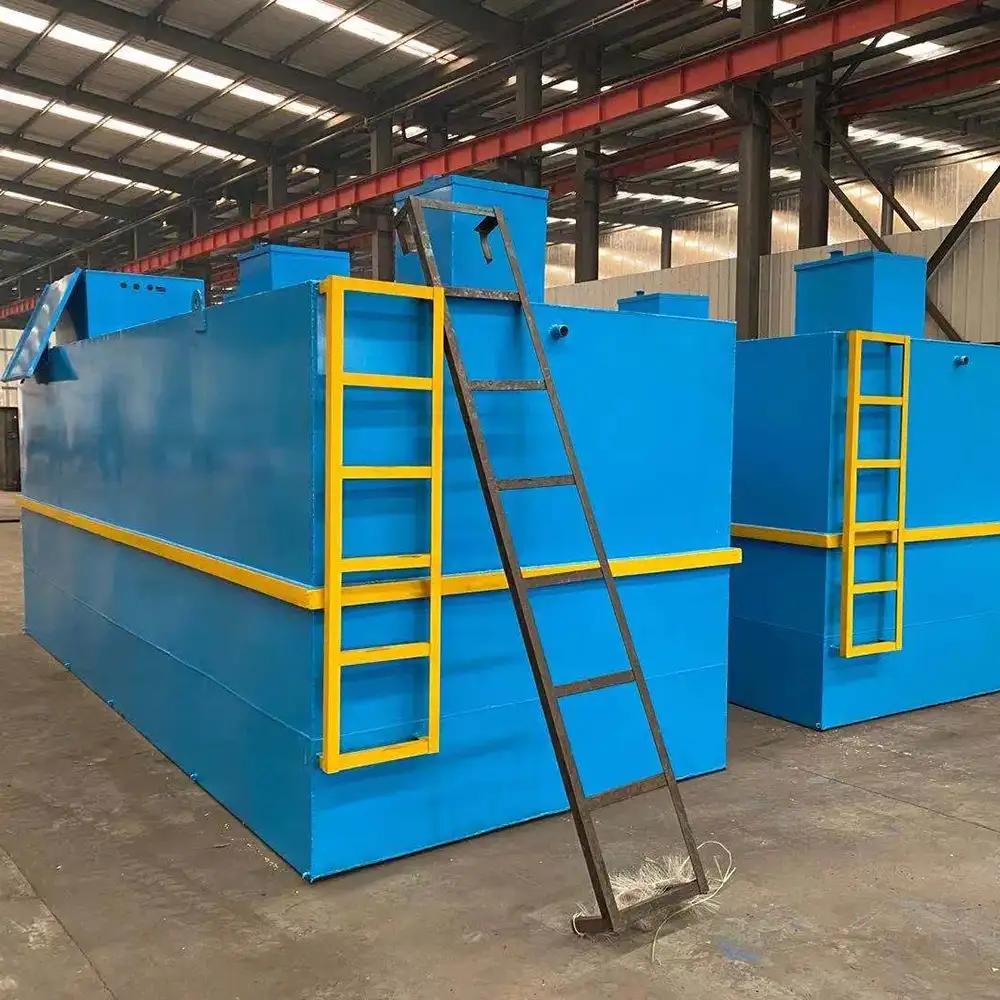
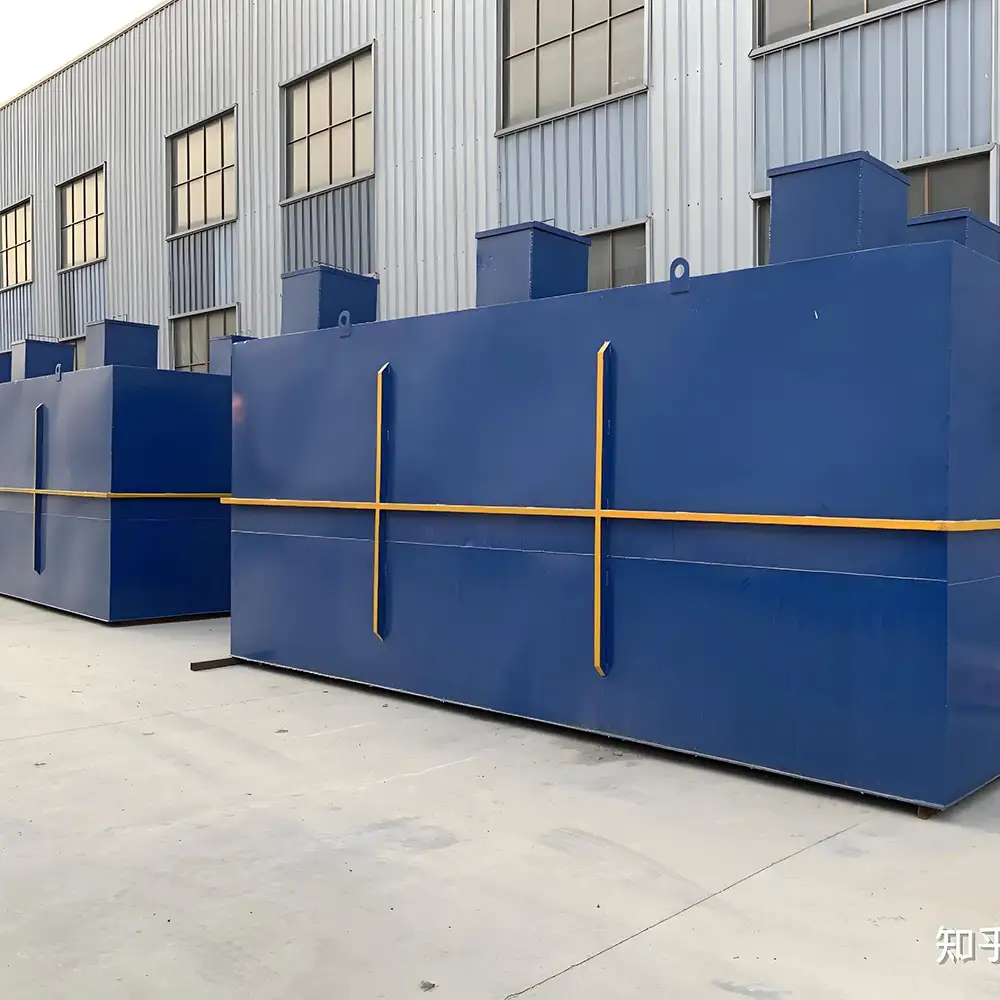
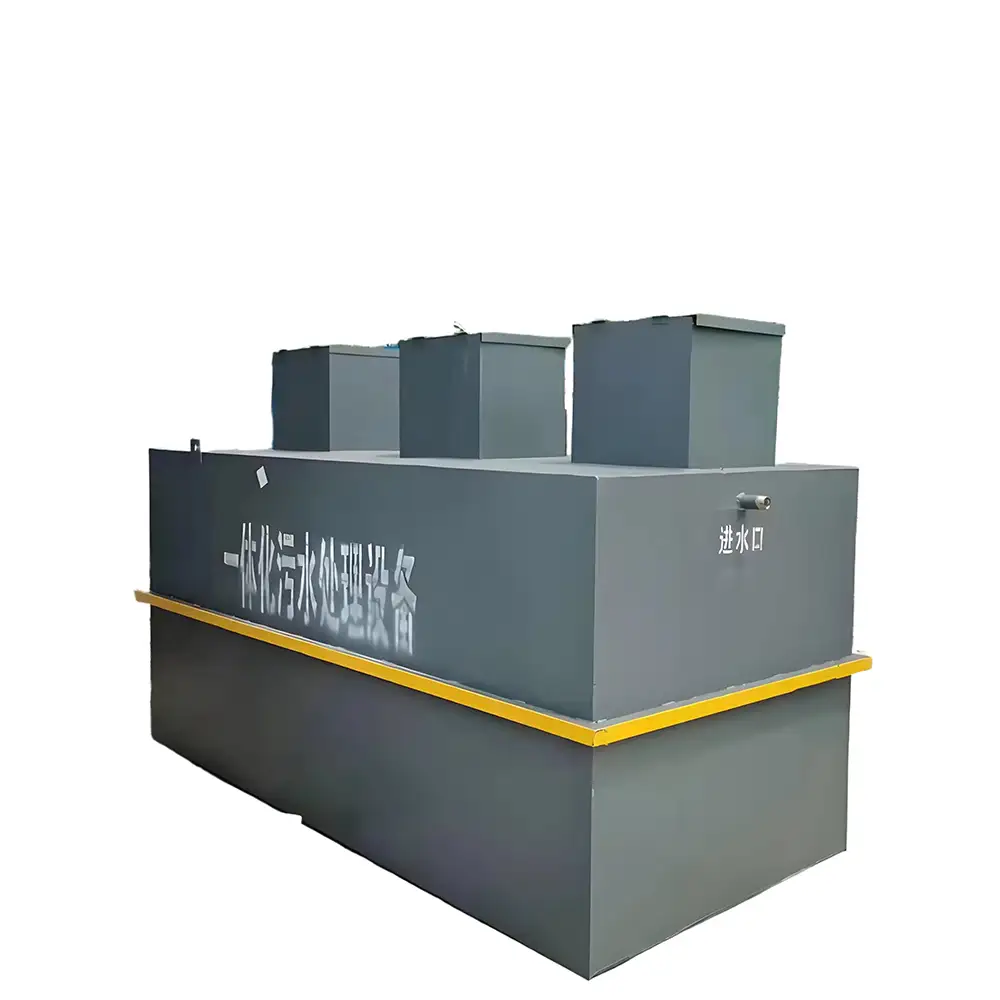
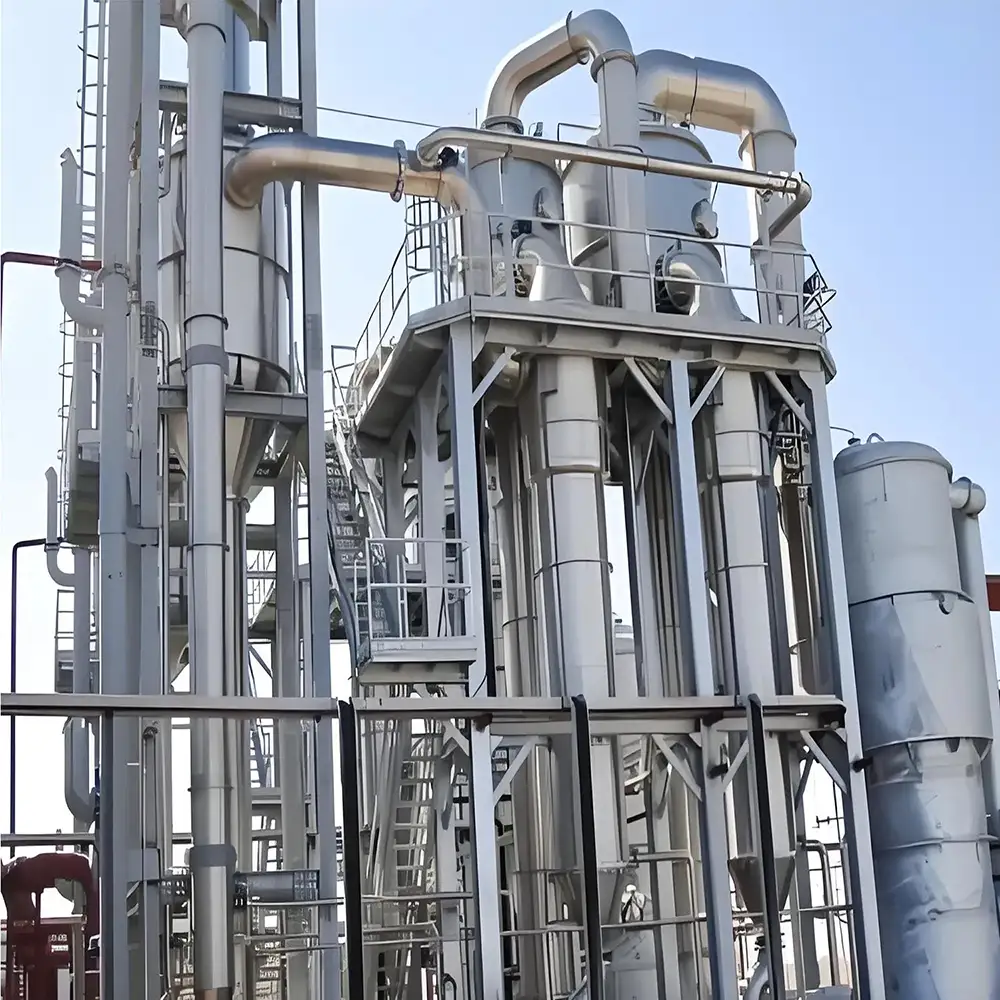
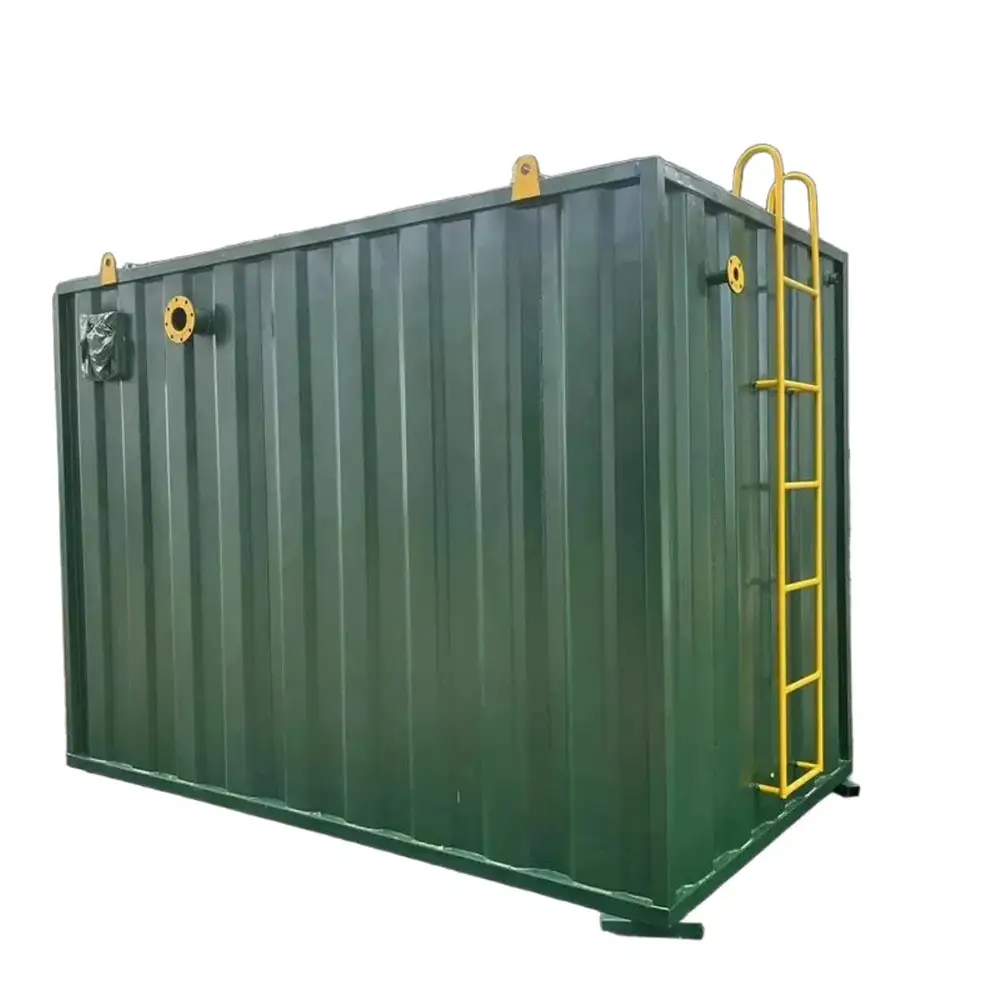
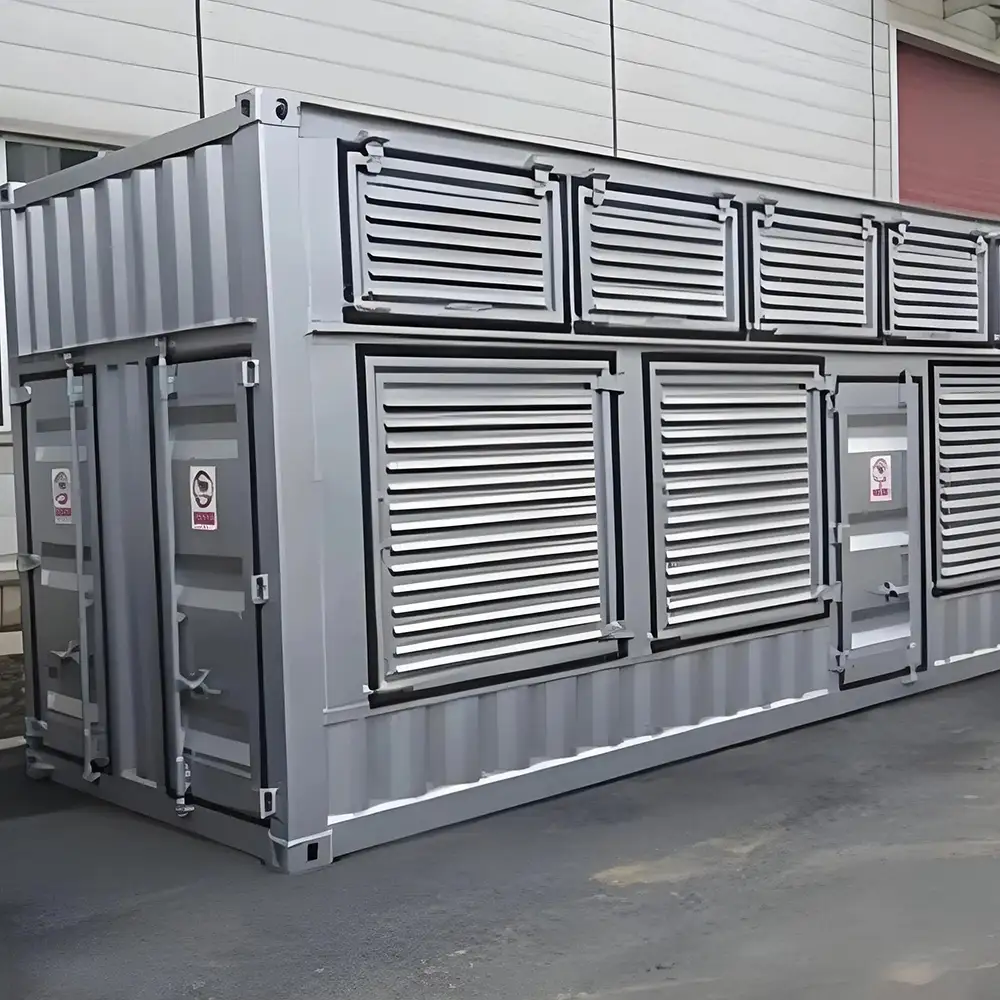
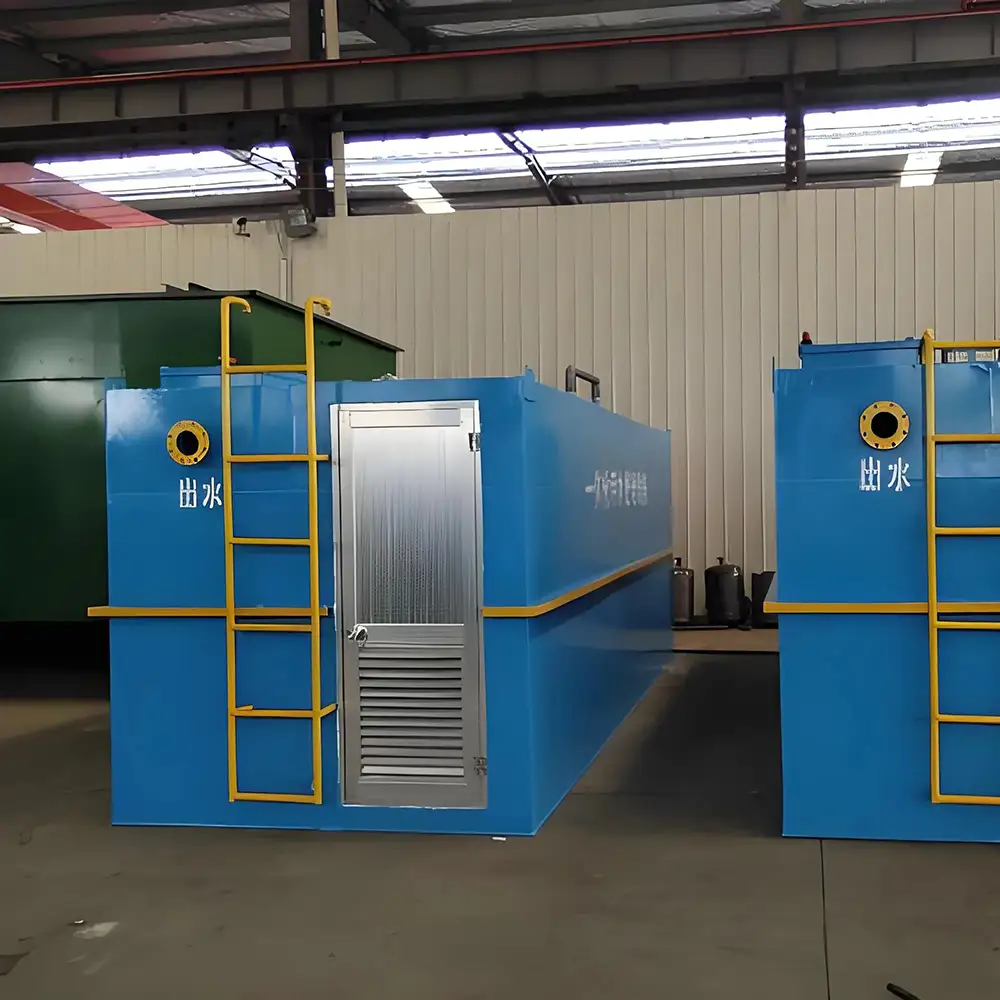
Block Integrated Sewage Treatment Equipment is a compact and modular wastewater treatment solution designed for locations where conventional centralized sewage treatment infrastructure may be difficult, expensive, or impractical to install. The block-type configuration integrates multiple treatment processes into a coordinated system, helping optimize space, simplify installation, and adapt the treatment layout to different site conditions.
Terrain is an important consideration when planning decentralized or small-community wastewater treatment. Soil conditions, site slope, groundwater level, available land, access conditions, and environmental requirements can all influence the appropriate treatment configuration. The U.S. EPA notes that decentralized wastewater systems may need to be adapted to factors such as soil type, site slope, lot size, groundwater, weather, and local regulations.
Our Block Integrated Sewage Treatment Equipment can therefore be configured according to the actual project environment rather than relying on one fixed installation arrangement.
The integrated sewage treatment equipment adopts internationally advanced biological treatment processes, summarizes the operating experience of domestic and foreign sewage treatment equipment, and designs an integrated organic wastewater treatment device that integrates the removal of BOD5, COD, and NH3-N. It has stable and reliable technical performance, good treatment effect, low investment, automated operation, convenient maintenance and operation, does not occupy surface area, and does not require building a house, Advantages such as no need for heating and insulation. This device can be set up as a buried type, and flowers and grass can be planted above the ground without affecting the surrounding environment. This equipment is suitable for the treatment and reuse of domestic sewage in residential communities, villages, towns, office buildings, shopping malls, hotels, restaurants, sanatoriums, government agencies, schools, troops, hospitals, highways, railways, factories, mines, tourist attractions, and similar small and medium-sized industrial organic wastewater such as slaughtering, aquatic product processing, and food. 1. Its treatment effect is better than that of a fully mixed or two-stage series fully mixed biological contact oxidation tank. Compared to activated sludge tanks, it has a smaller volume, strong adaptability to water quality, good impact load resistance, stable effluent quality, and no sludge bulking. A new type of elastic three-dimensional filler is used in the pool, with a large specific surface area and easy biofilm formation and detachment by microorganisms. Under the same organic load conditions, the removal rate of organic matter is high, which can improve the solubility of oxygen in the air in water.
2. The biochemical tank adopts the biological contact oxidation method, which has a relatively low volumetric load of fillers, microorganisms in their own oxidation stage, and low sludge production. It only takes more than three months (90 days) to discharge sludge (pumped or dehydrated into sludge cakes and transported out).
3. The entire equipment processing system is equipped with a fully automatic electrical control system and equipment fault alarm system, which operates safely and reliably. Usually, there is no need for dedicated personnel to manage, and only timely maintenance and upkeep of the equipment is required.
Compact Block-Type STP Design
The integrated block design combines several wastewater treatment functions into a coordinated equipment package. Depending on the wastewater characteristics and required discharge standard, the system may incorporate screening, equalization, biological treatment, sedimentation, filtration, disinfection, sludge collection, and other treatment stages.
A typical process may include:
Inlet → Screening → Equalization → Biological Treatment → Solid-Liquid Separation → Filtration → Disinfection → Treated Water Discharge or Reuse
The exact configuration can be adjusted according to wastewater flow, pollutant concentration, treatment objectives, available installation area, and local discharge requirements.
Compared with constructing multiple independent treatment structures, an integrated STP can help reduce the overall equipment footprint and simplify project coordination. It is particularly useful for decentralized wastewater treatment projects where space, construction conditions, and accessibility need to be considered carefully.
Designed for Different Terrain Conditions
One of the major advantages of block integrated sewage treatment equipment is its ability to accommodate different site conditions.
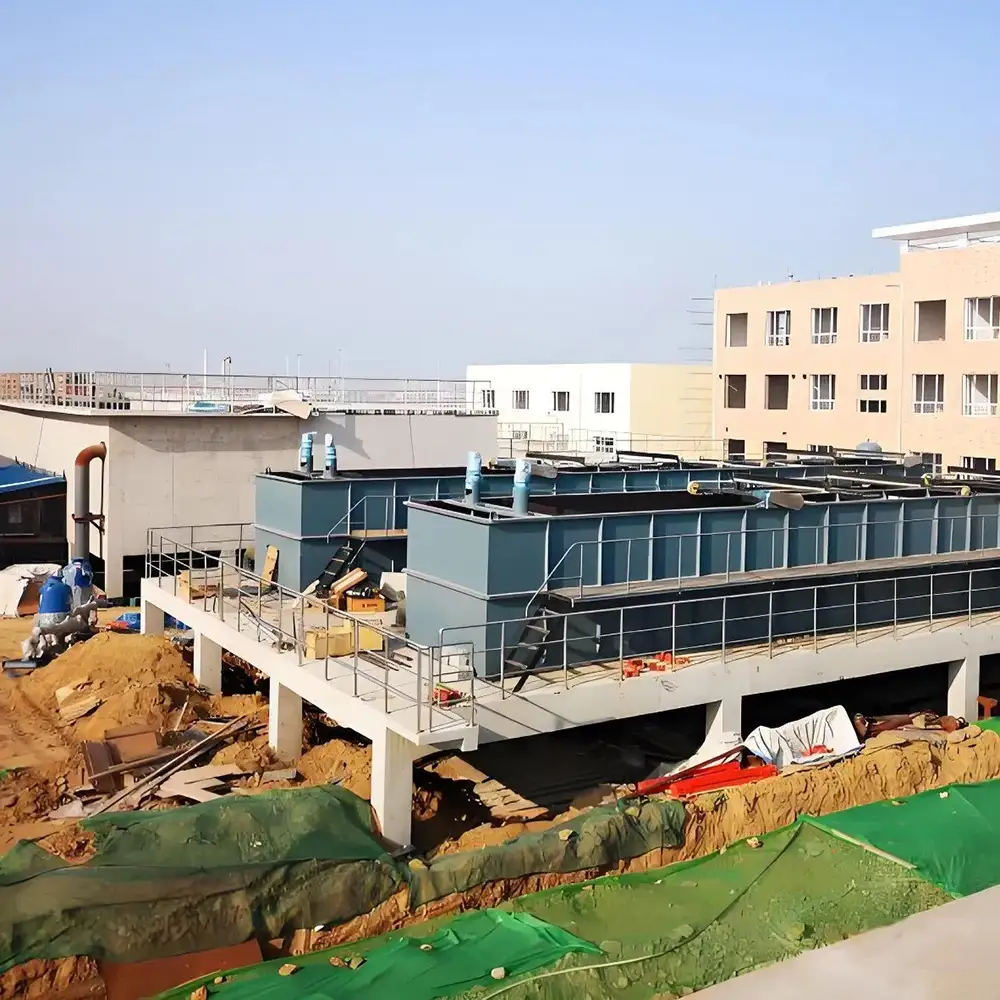
For relatively flat sites, the equipment can be arranged to make efficient use of gravity flow and minimize unnecessary pumping. For sloping sites, different tanks or functional blocks can be positioned according to elevation changes. Where gravity flow is not practical, lifting and pumping sections can be incorporated into the system.
Projects with limited land can use a compact arrangement, while larger sites may use multiple treatment blocks connected together. Underground, semi-buried, or above-ground installation can also be considered depending on structural, groundwater, access, and maintenance requirements.
Terrain adaptation does not mean that one standard machine can automatically operate under every site condition. Proper engineering evaluation remains important. EPA guidance identifies slope, groundwater, soil conditions, sensitive water bodies, and other site factors as important considerations for decentralized wastewater systems.
Biological Wastewater Treatment
Biological treatment is commonly used to reduce biodegradable organic pollutants in domestic sewage and many municipal-type wastewater streams.
Depending on the application, the integrated STP can be configured with technologies such as MBBR, activated sludge, SBR, contact oxidation, or MBR.
MBBR technology uses suspended carrier media to provide protected surfaces for microorganisms. It is suitable when a compact biological reactor is required.
SBR uses time-based treatment cycles that can combine aeration, settling, and decanting in one reactor, making it attractive for applications where equipment footprint needs to be controlled.
MBR combines biological treatment with membrane filtration and can provide high-quality treated water when suitable membrane operation and maintenance are provided.
The appropriate process should be selected according to influent quality, flow variation, treatment requirements, and the desired reuse or discharge standard.
Applications of Block Integrated Sewage Treatment Equipment
This STP equipment can be used for a wide range of decentralized and small-to-medium wastewater treatment projects, including:
Rural residential communities
Villages and small towns
Remote communities
Hotels and resorts
Schools and campuses
Worker accommodation
Construction camps
Hospitals and healthcare facilities
Restaurants and commercial buildings
Industrial parks with domestic sewage
Tourist facilities
Highway and roadside service facilities
Farms and agricultural communities
Remote facilities without centralized sewer access
EPA describes decentralized systems as onsite or clustered systems that can serve individual properties, businesses, small communities, or groups of buildings.
Flexible Installation Configuration
Different projects require different equipment layouts. The block integrated design allows the system configuration to be developed around the available site.
Possible installation approaches include:
Above-Ground Installation:
Suitable where excavation is limited or convenient equipment access is required.
Underground Installation:
Useful when the project requires reduced visual impact or improved land utilization, subject to structural and groundwater evaluation.
Semi-Buried Installation:
Can provide a compromise between accessibility and land utilization.
Modular Multi-Block Installation:
Multiple treatment blocks can be arranged for larger capacity requirements or phased project expansion.
For sloped terrain, elevation differences can be incorporated into the process layout. Pumping stations, lifting tanks, pipelines, and control systems can be added where necessary.
Customized Treatment Capacity
Treatment capacity can be configured according to the project's estimated daily wastewater flow. Small systems may be designed for individual buildings or rural properties, while larger modular systems can serve communities, hotels, campuses, or multiple buildings.
Important design parameters include:
Daily wastewater flow
Peak flow
BOD and COD concentration
Suspended solids
Ammonia and nitrogen requirements
Oil and grease content
Water temperature
Influent variability
Local discharge standards
Available installation area
Site elevation and slope
Groundwater conditions
Required treated-water quality
A wastewater analysis and site assessment should be completed before final equipment selection.
Automation and Easy Operation
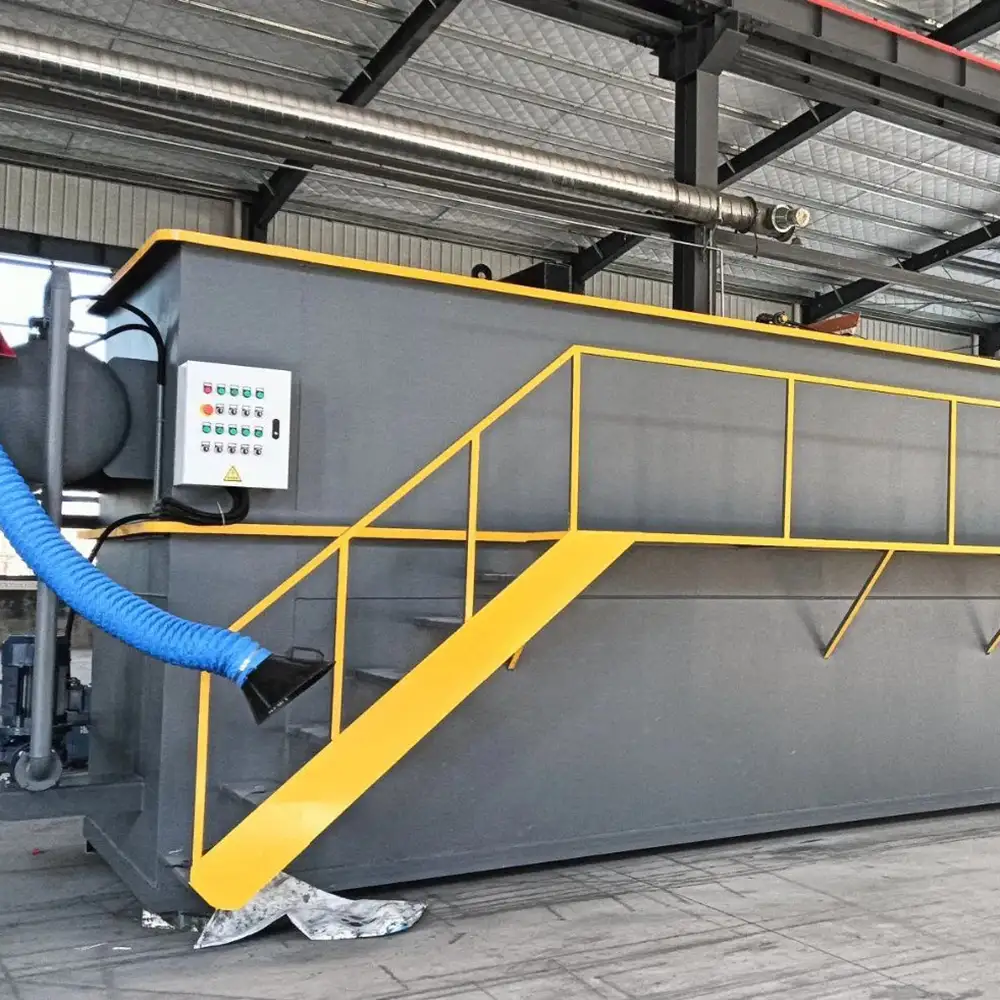
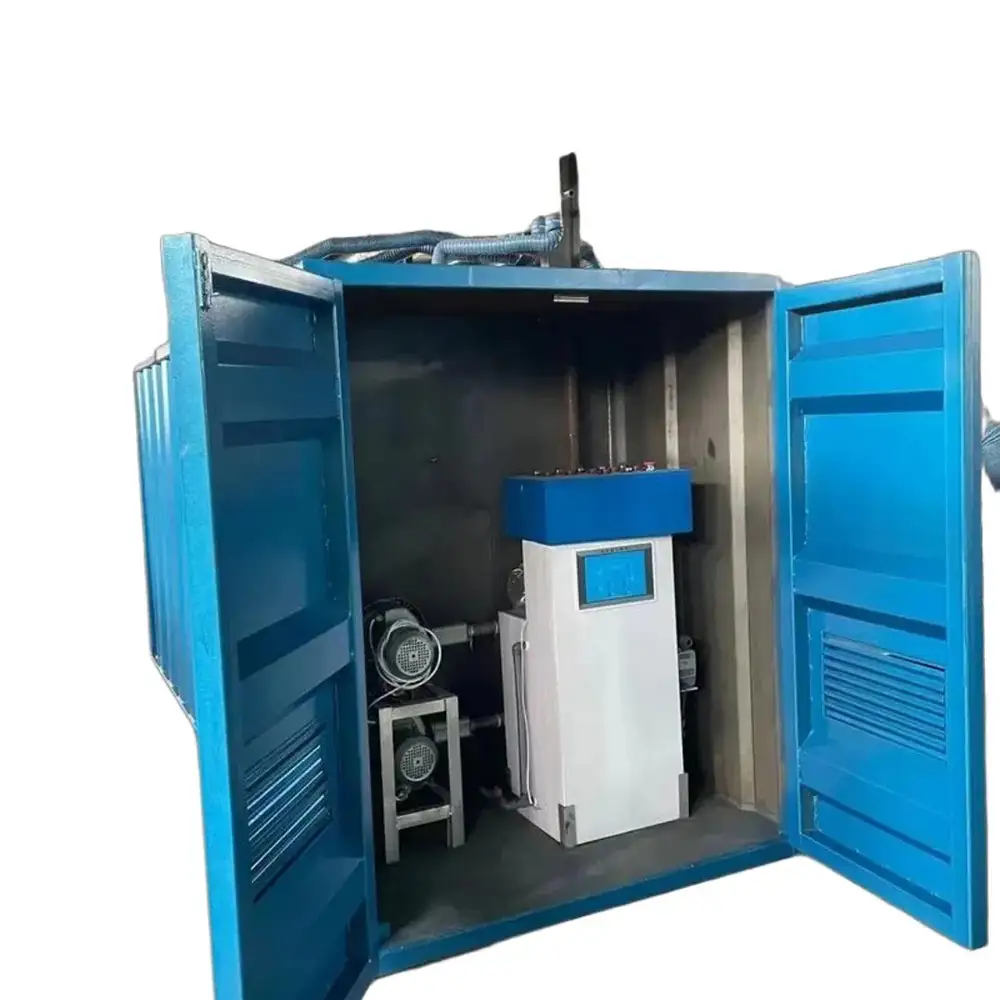
The integrated STP can be equipped with electrical control panels, pumps, blowers, valves, sensors, level controls, timers, alarms, and automatic operating functions.
Automation can help coordinate aeration, pumping, sludge handling, disinfection, and other treatment operations. Remote monitoring options can also be considered for projects located in rural or difficult-to-access areas.
Regular maintenance remains essential. Operators should periodically inspect pumps, blowers, aeration equipment, control components, filters, membranes where applicable, sludge accumulation, and disinfection systems.
Why Choose Us?
We provide integrated wastewater treatment solutions designed around actual project conditions rather than simply supplying a standard tank.
Terrain-Oriented Design: Equipment layout can be adapted to different slopes, elevations, available land, and installation conditions.
Integrated Treatment: Multiple treatment stages can be combined into a compact block configuration.
Flexible Process Selection: MBBR, SBR, MBR, activated sludge, contact oxidation, filtration, and disinfection options can be evaluated according to project requirements.
Modular Configuration: Systems can be configured for different capacities and project scales.
Space Optimization: Compact equipment arrangements are suitable for locations where land availability is limited.
Decentralized Applications: Suitable for rural communities, remote facilities, hotels, schools, commercial buildings, and other sites without convenient centralized sewer infrastructure.
Project-Based Engineering: Final configuration can be developed according to wastewater characteristics, site conditions, treatment capacity, and required effluent quality.
FAQs
1. What is Block Integrated Sewage Treatment Equipment?
It is a modular wastewater treatment system that integrates multiple treatment processes into a coordinated block-type STP configuration.
2. Can this system be used on sloped terrain?
Yes. The equipment layout can be engineered according to site elevation and slope. Pumping or lifting sections may be added where gravity flow is insufficient.
3. Can the equipment be installed underground?
Yes, underground or semi-buried installation can be considered when structural, groundwater, access, ventilation, and maintenance conditions are suitable.
4. What type of wastewater can it treat?
It is primarily suitable for domestic sewage and municipal-type wastewater. Special industrial wastewater may require pretreatment and a different process configuration.
5. What biological treatment technologies are available?
Depending on the project, MBBR, SBR, activated sludge, contact oxidation, MBR, or other biological processes may be considered.
6. Is the system suitable for rural communities?
Yes. Integrated and decentralized systems are commonly considered for rural and small-community wastewater applications where centralized sewer infrastructure is unavailable or impractical.
7. Can the capacity be customized?
Yes. Capacity and configuration can be developed according to average flow, peak flow, wastewater characteristics, and required treatment performance.
8. Can treated water be reused?
Potentially. With appropriate advanced treatment and disinfection, treated wastewater may be suitable for specified reuse applications. The actual reuse standard must be determined by the applicable local regulations.
9. Does terrain affect wastewater treatment system design?
Yes. Slope, soil, groundwater, land availability, drainage, and site elevation can influence system configuration and installation.
10. What information is needed for equipment selection?
Useful information includes wastewater source, daily flow, peak flow, influent analysis, required effluent standard, installation location, available land, terrain conditions, and preferred installation method.
11. Can the system be expanded later?
Modular systems can often be designed with expansion in mind, although future expansion should be considered during the original engineering stage.
12. Is regular maintenance required?
Yes. Pumps, blowers, aeration components, filters, membranes where applicable, sludge systems, electrical controls, and disinfection equipment should be inspected and maintained according to the system configuration.
Prev:
Domestic Sewage Treatment Equipment/Customized Sewage Treatment Equipment
Next:
Mbbr Mobile Biofilm Reactor Sewage Treatment Equipment
TAG:
UV Wastewater Disinfection,
Integrated Wastewater Treatment System,
Decentralized Wastewater Treatment,
Onsite Wastewater Treatment,
Compact Wastewater Treatment Plant,
BOD Removal Wastewater Treatment,
School Wastewater Treatment,
School Sewage Treatment,
MBBR Wastewater Treatment,
Biological Wastewater Treatment,
Water Reuse Treatment System,
Decentralized Sewage Treatment System,
Onsite Wastewater Treatment System,
Integrated Wastewater Treatment Equipment,
Integrated Sewage Treatment System,
Integrated Sewage Treatment Equipment,
COD Removal Wastewater Treatment,
Nitrogen Removal Wastewater Treatment,
SBR Wastewater Treatment,
Activated Sludge Wastewater Treatment,
Aerobic Wastewater Treatment,
Aerobic Sewage Treatment,
Compact Wastewater Treatment Equipment,
MBBR Sewage Treatment,
Wastewater Disinfection Equipment,
Decentralized Wastewater Treatment System,
Decentralized Sewage Treatment,
Onsite Sewage Treatment System,
Rural Sewage Treatment,
Rural Wastewater Treatment,
Related Category:
Block Integrated Sewage Treatment Equipment,Integrated Sewage Treatment Equipment China, suppliers, manufacturers, factory, customized, wholesale, quotation, made in China