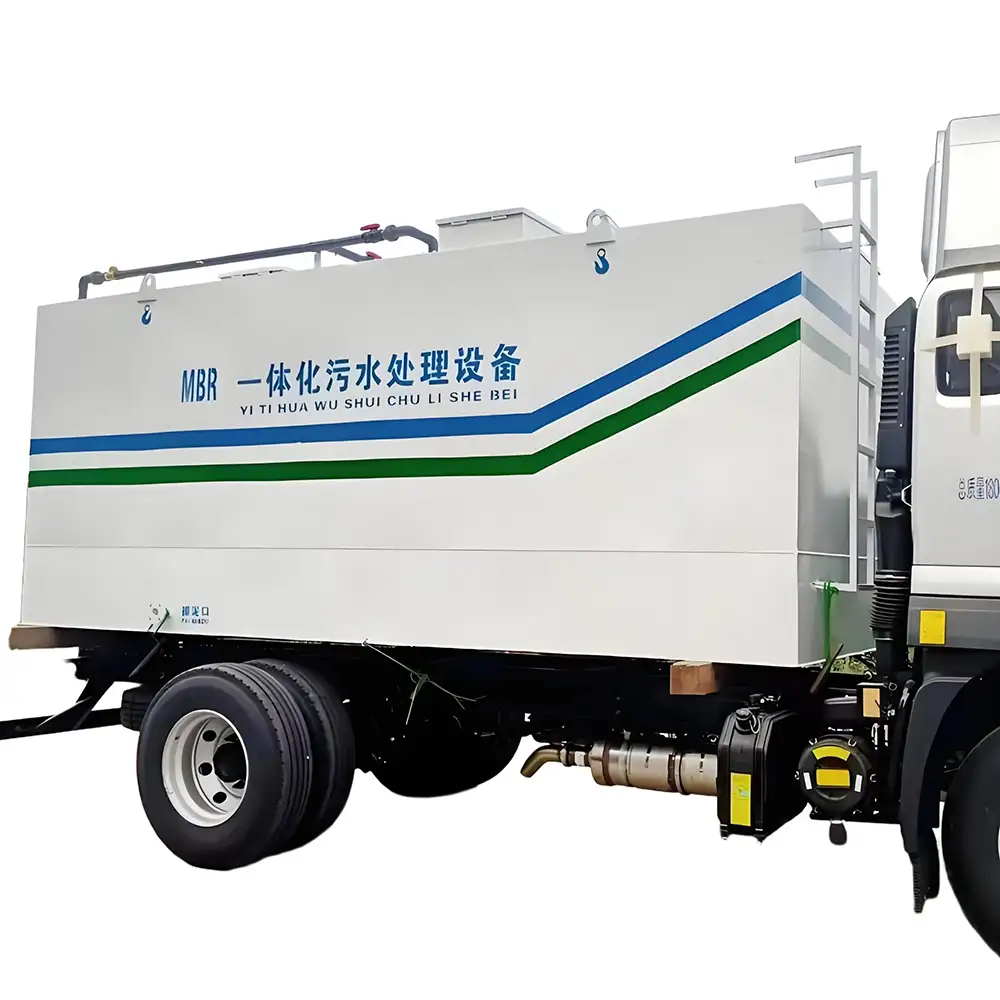
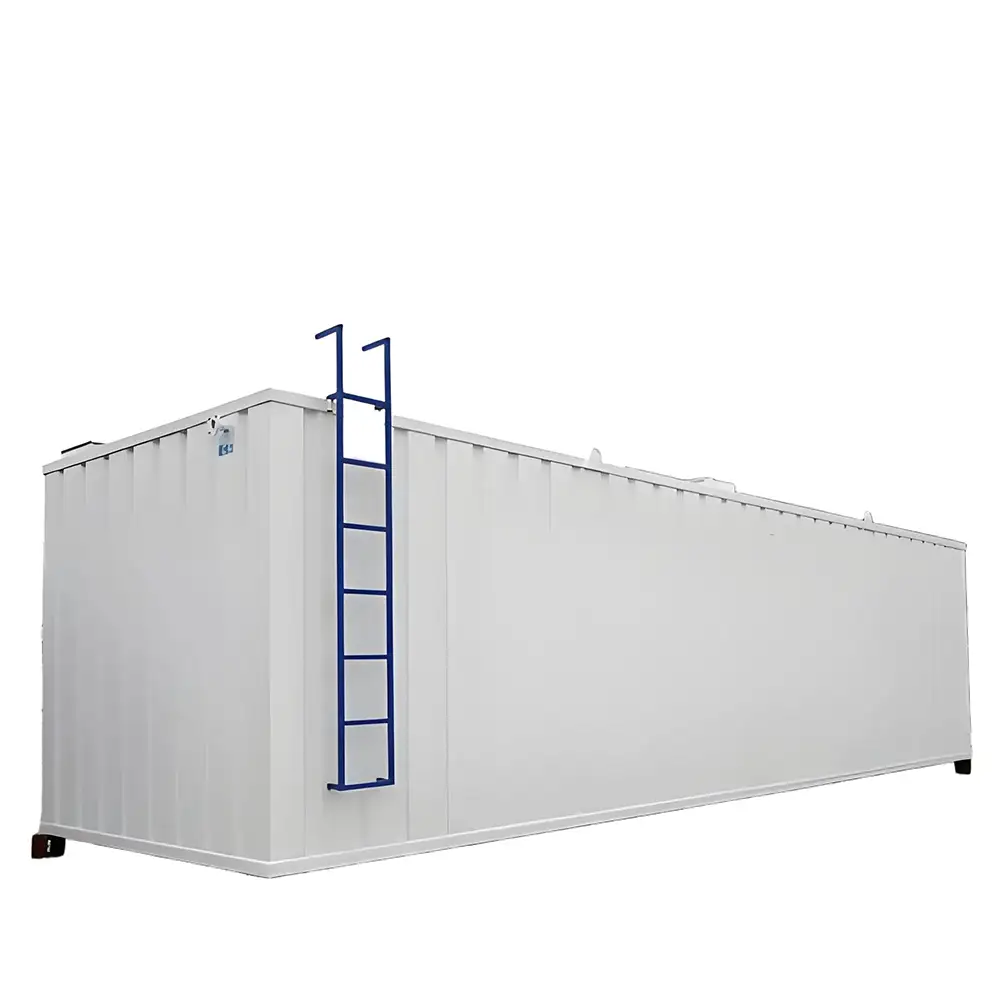
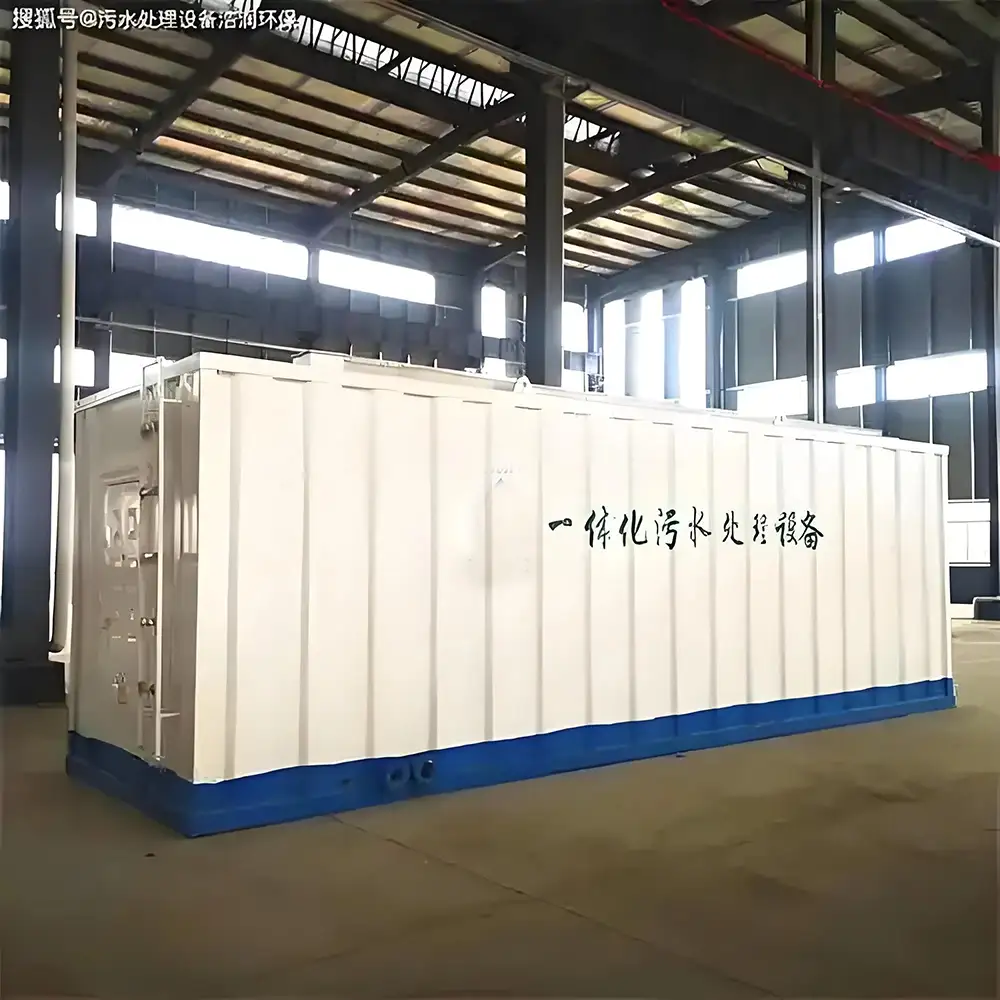
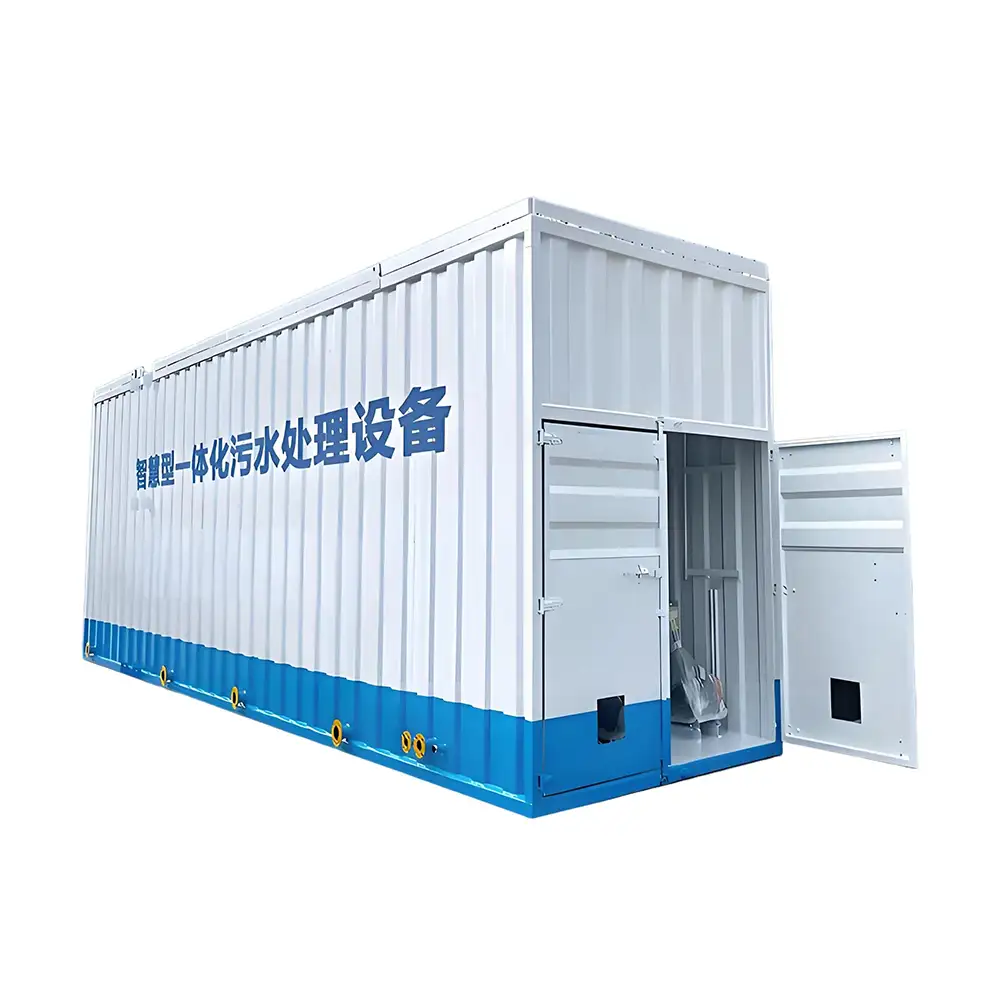
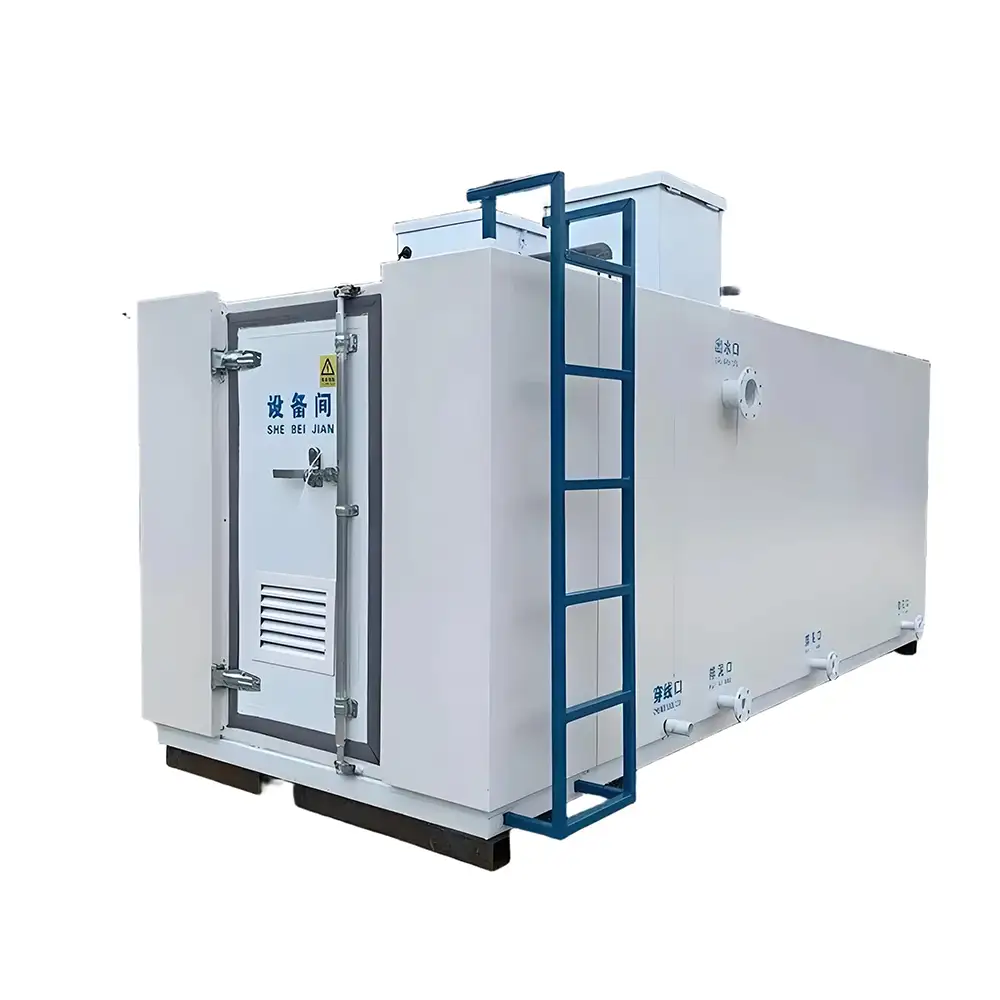
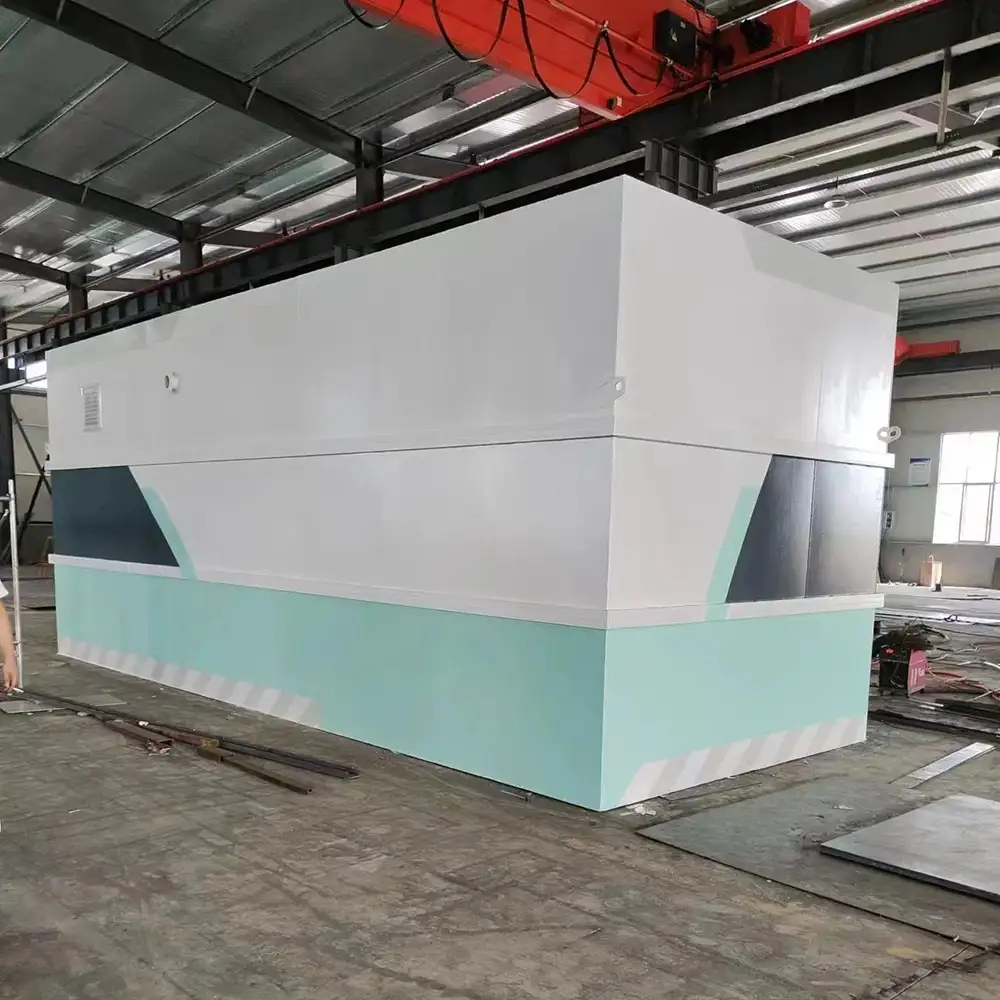
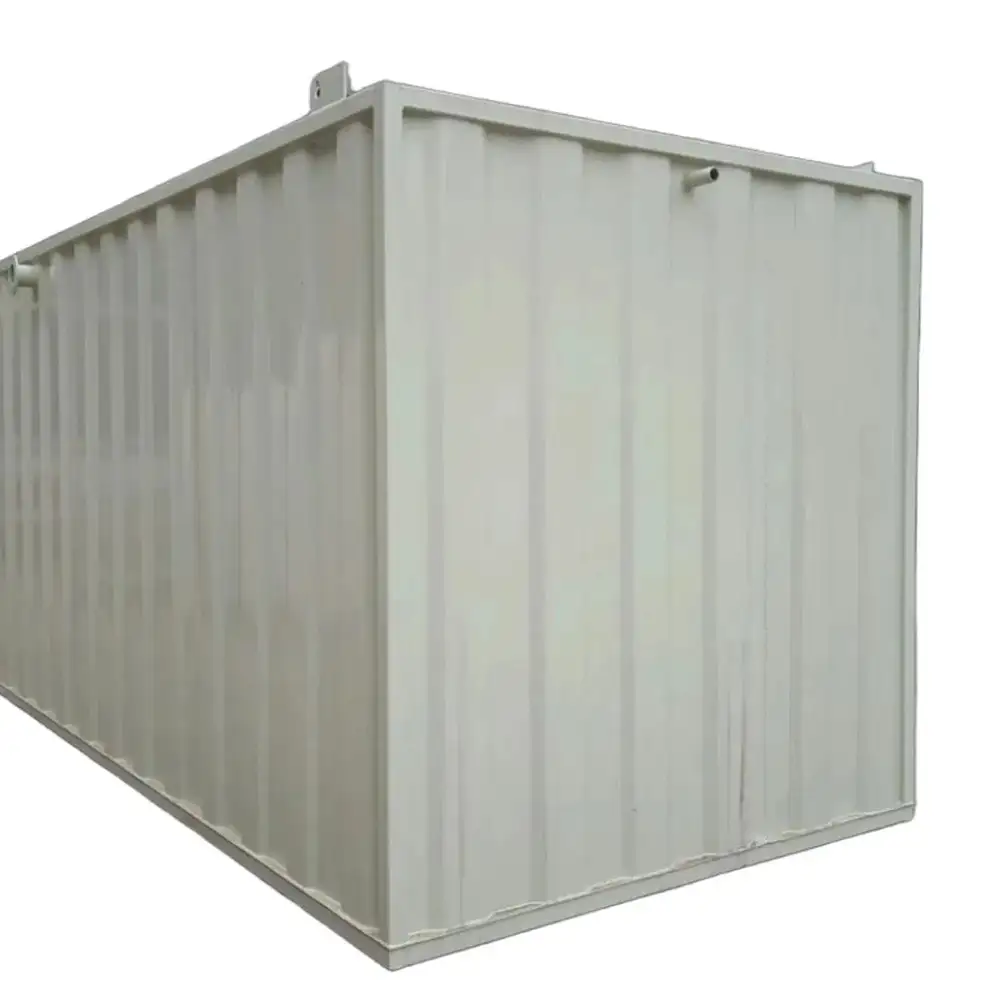
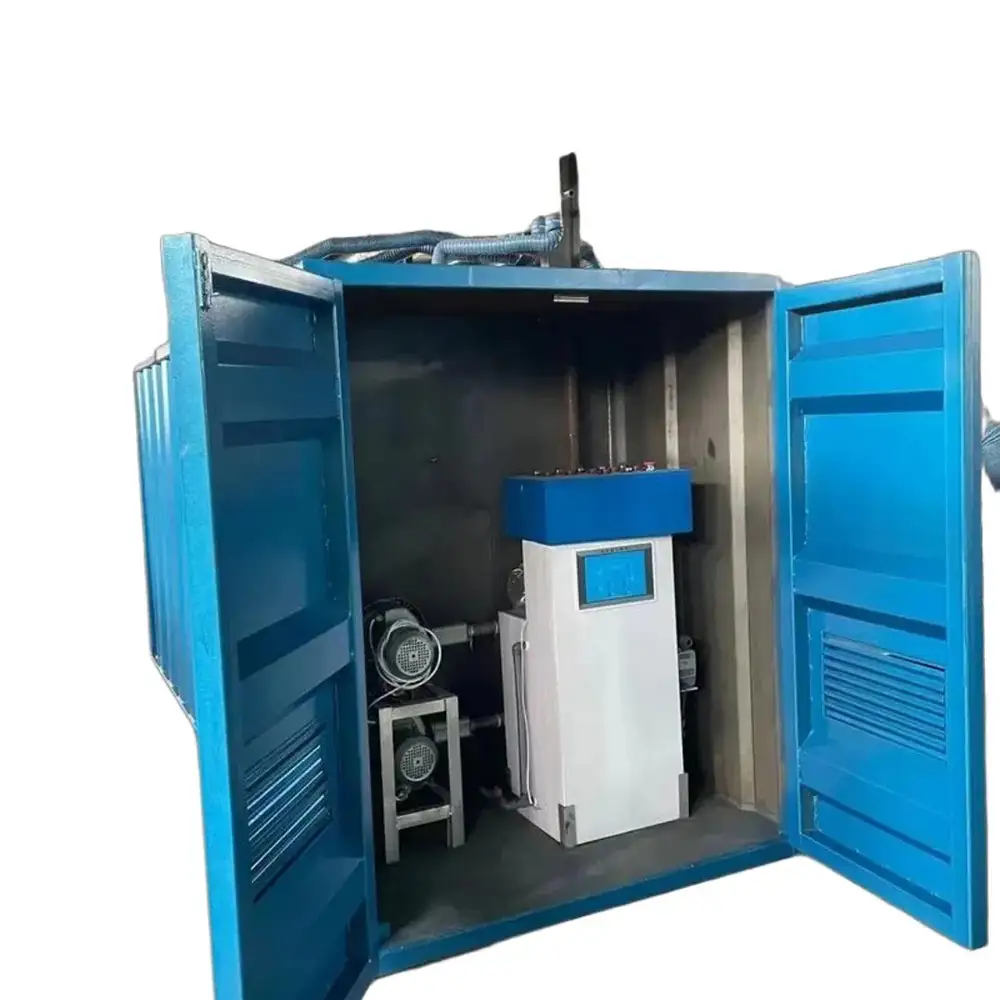
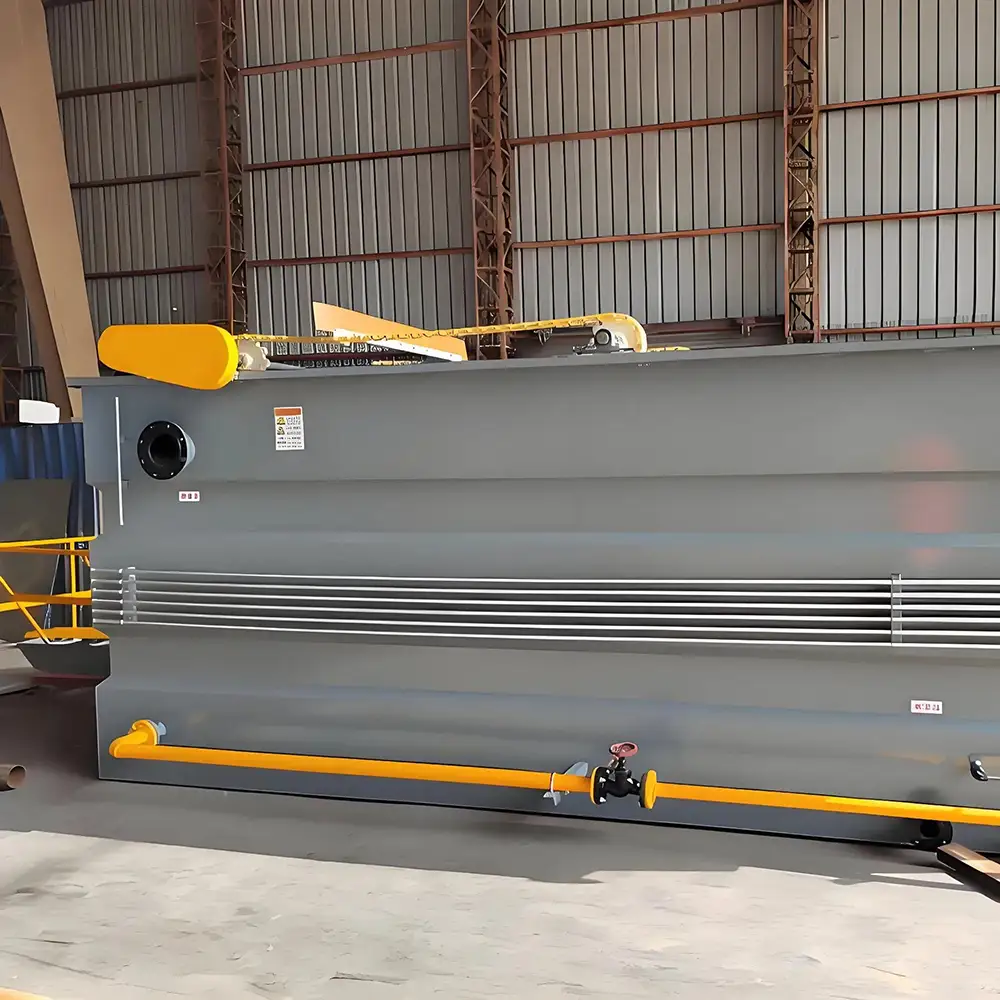
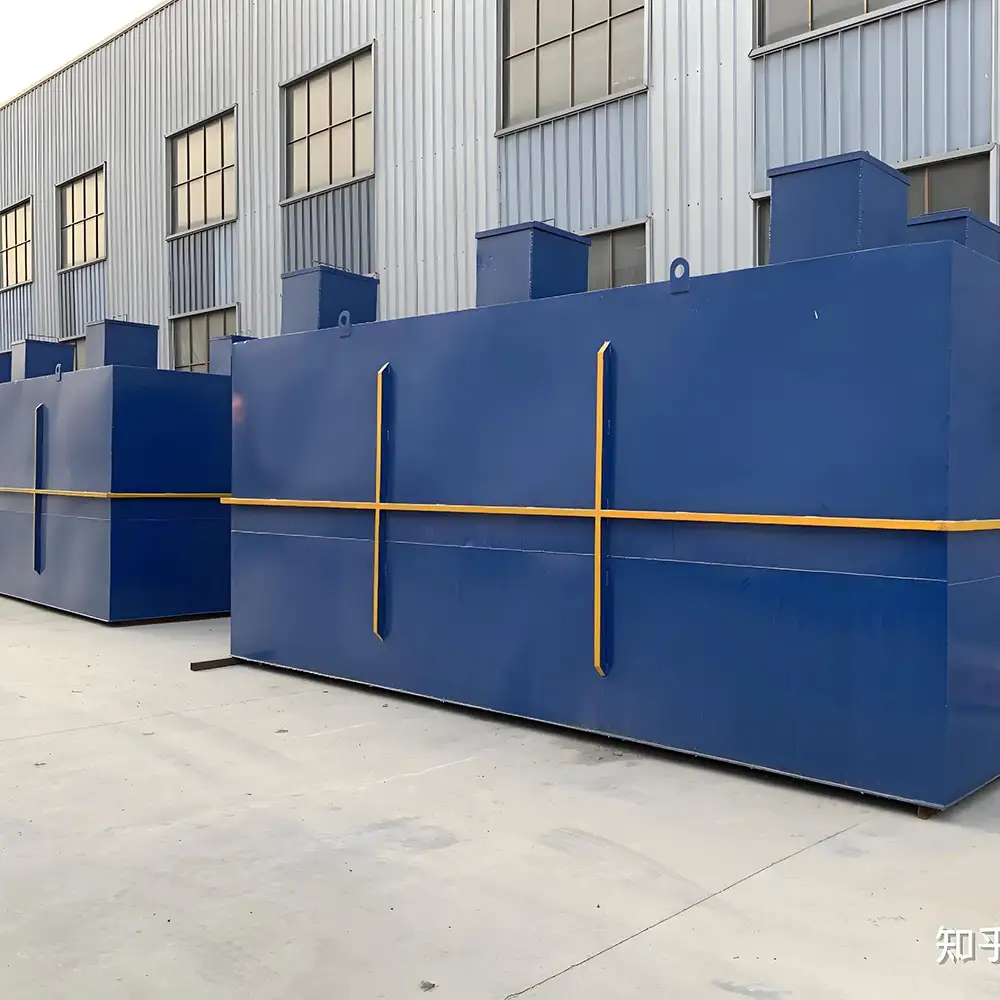
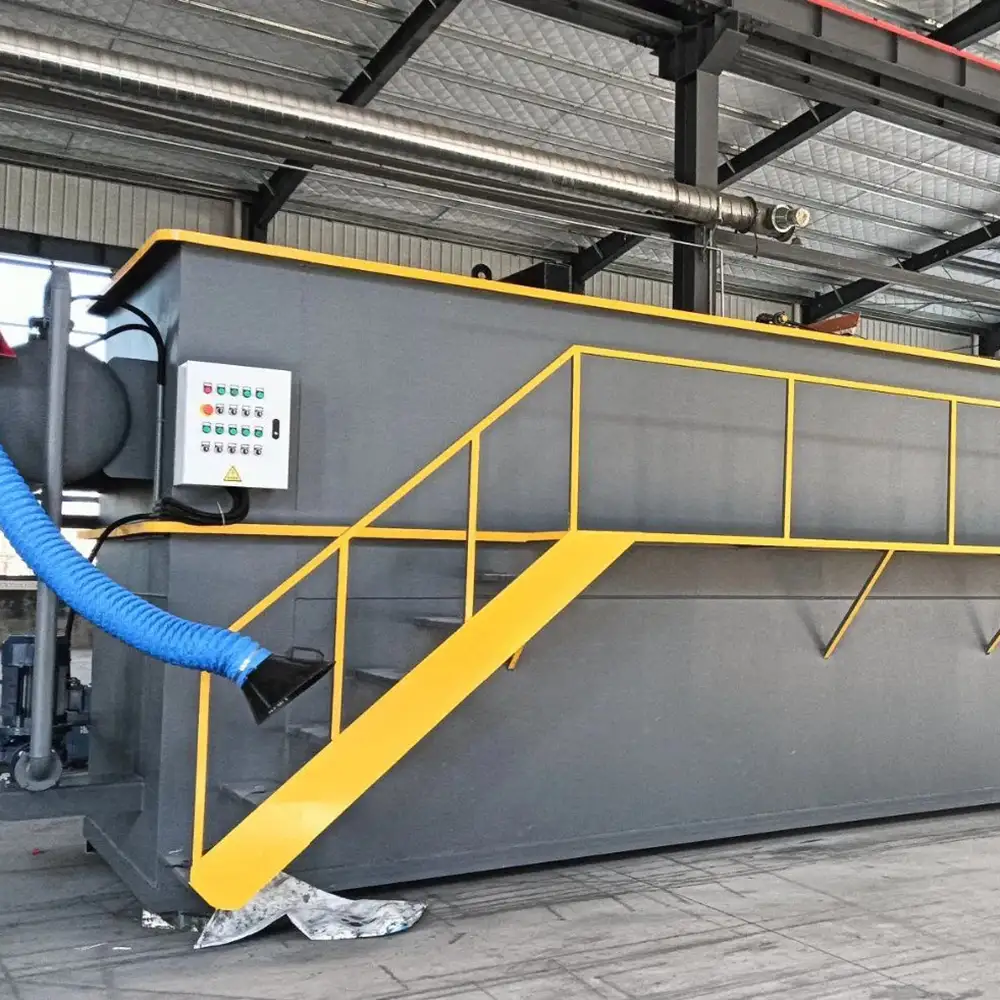
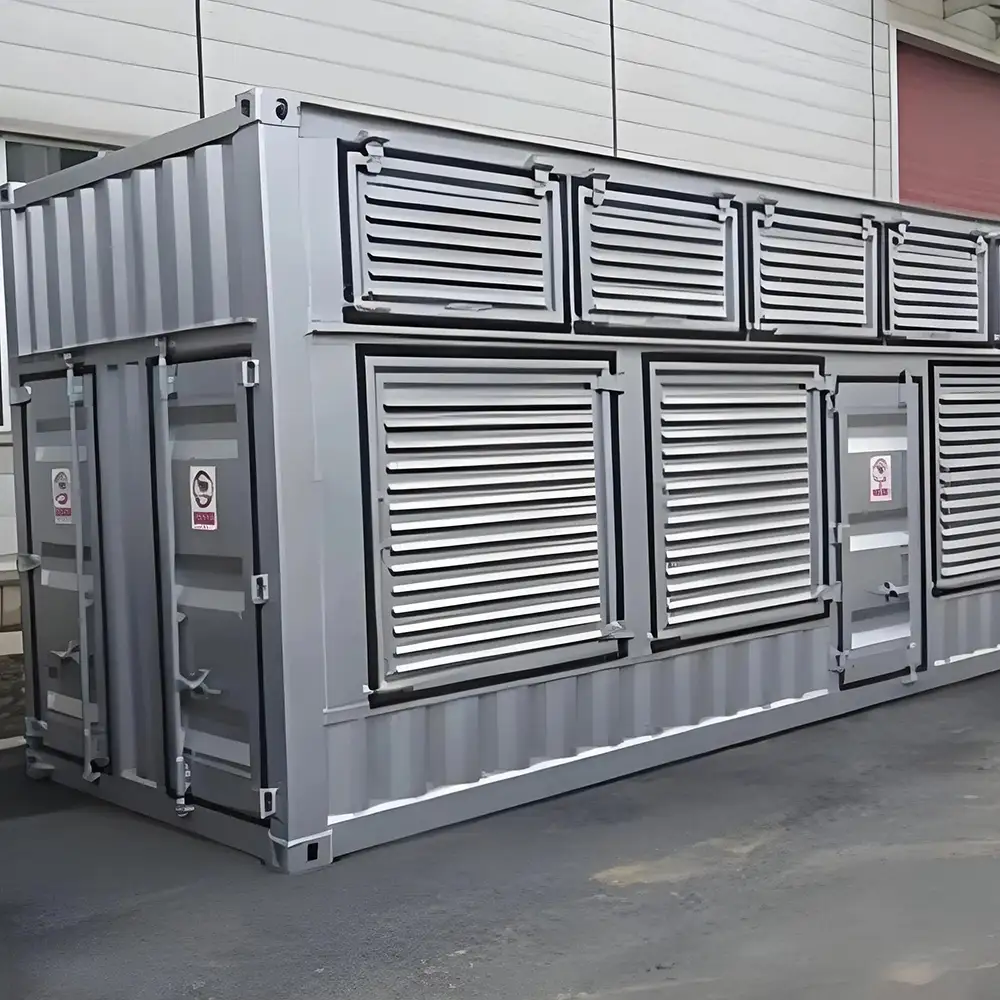
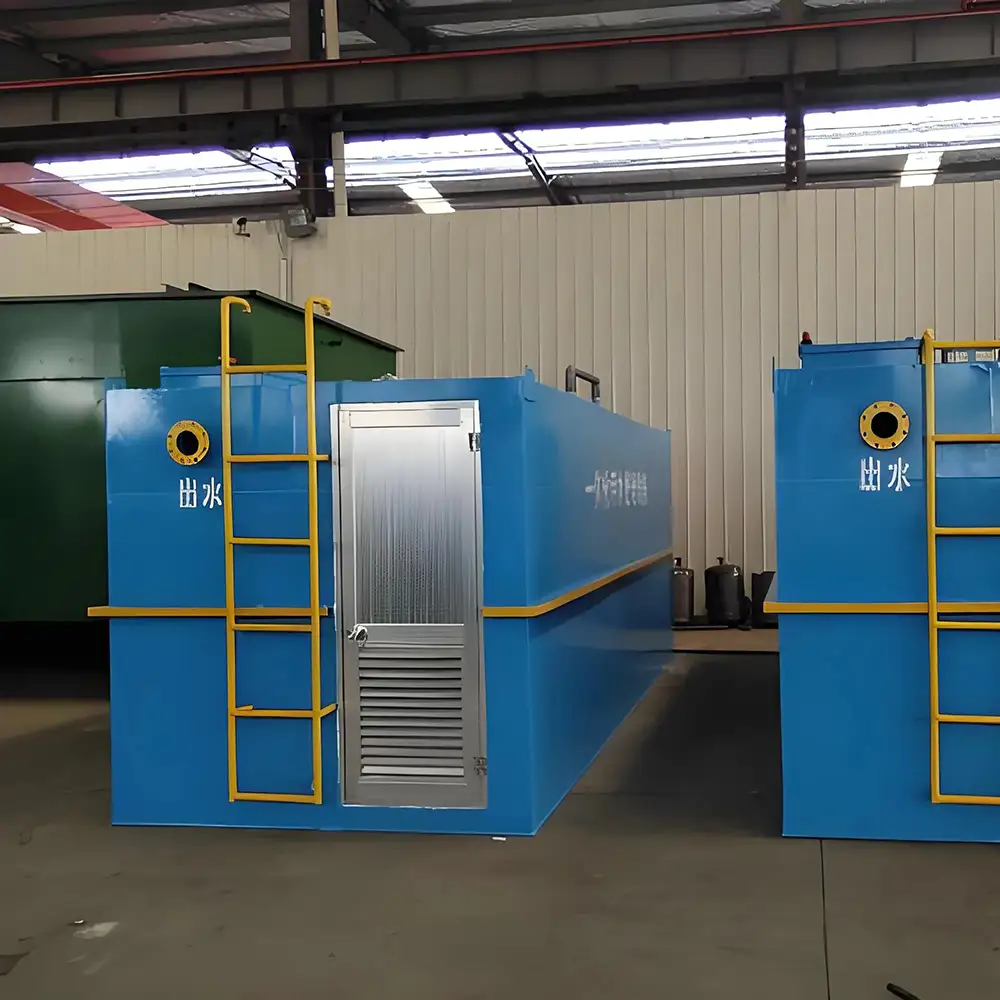
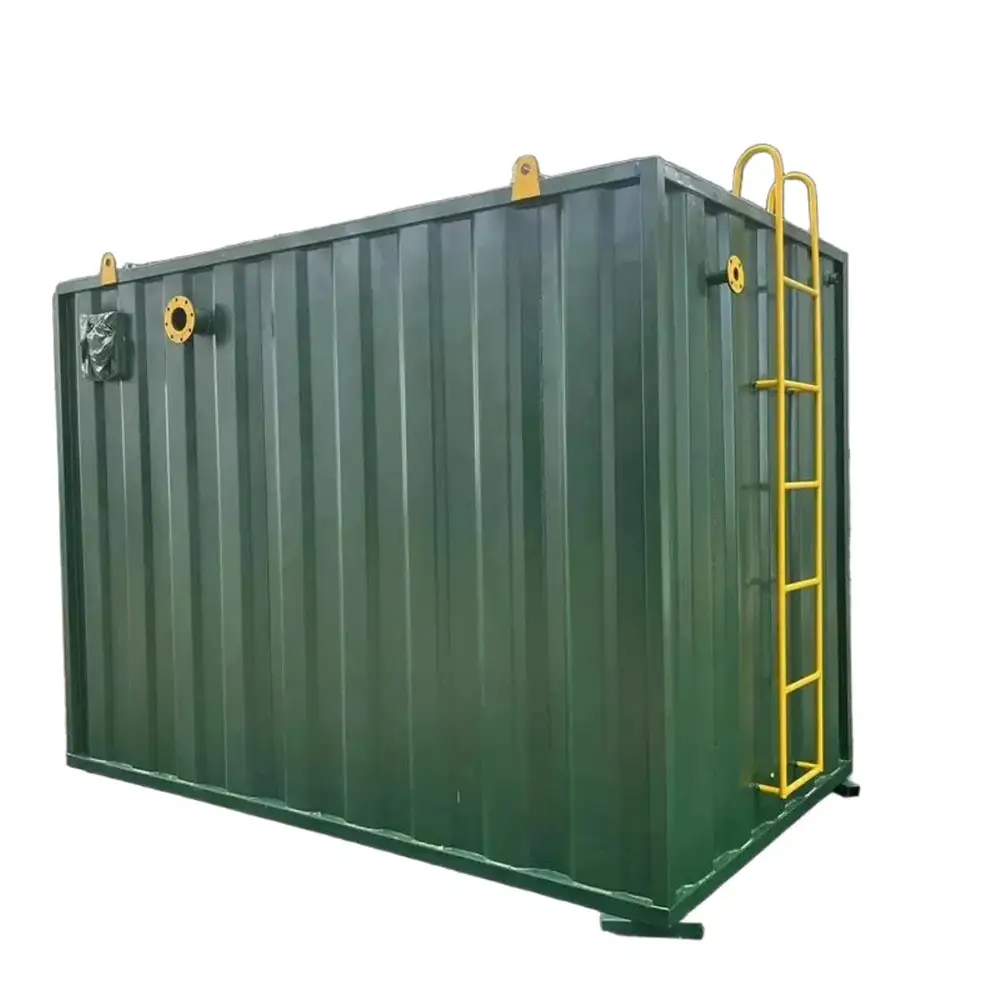
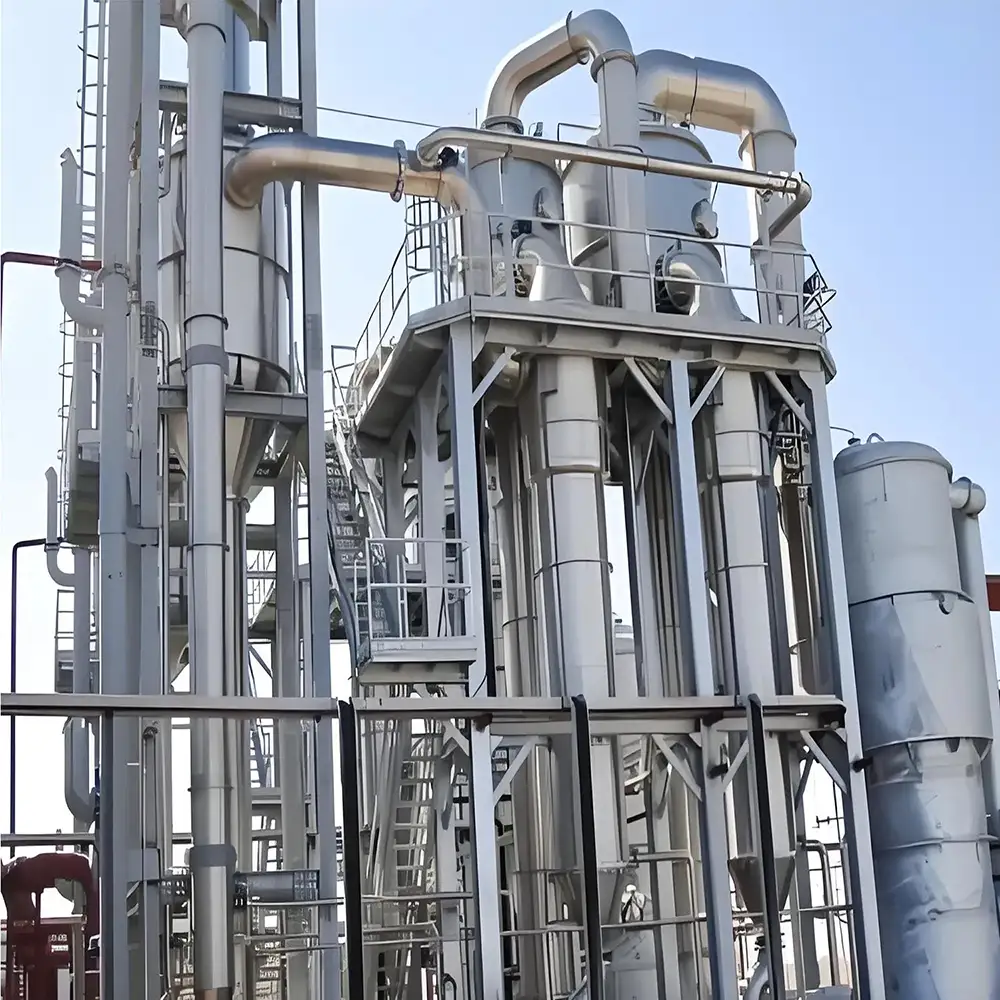
The integrated sewage treatment equipment produced by our company is currently a relatively excellent water treatment product, which is suitable for the treatment and reuse of domestic sewage and similar industrial organic wastewater. Can be buried under the surface, the surface above the equipment can be used as greening or other land, generally do not need to build houses and heating and insulation, automatic control, do not need personnel management, no sludge reflux, simple operation, easy maintenance, wide range of application, good treatment effect.
Domestic Sewage Treatment Equipment for Residential and Decentralized Applications
Domestic Sewage Treatment Equipment is designed to collect and treat wastewater generated from homes, residential communities, rural properties, small businesses, and other facilities that produce primarily domestic sewage. A Customized Sewage Treatment Equipment system can be configured according to wastewater flow, pollutant loading, site conditions, discharge requirements, available space, and the intended use of treated water.
Domestic sewage generally contains biodegradable organic matter, suspended solids, nutrients, grease, and microorganisms. A properly designed treatment system can combine physical separation, biological treatment, clarification or membrane separation, and disinfection to reduce pollutants before discharge or reuse.
Decentralized wastewater treatment is particularly useful where a large centralized sewer network is unavailable or impractical. EPA describes decentralized systems as onsite or clustered systems that collect, treat, and disperse or reclaim wastewater from individual homes, businesses, or small communities.
How Domestic Sewage Treatment Equipment Works
A typical domestic sewage treatment system consists of several treatment stages. The exact configuration depends on the required effluent quality and site conditions.
1. Screening and Preliminary Treatment
Incoming domestic wastewater first passes through a coarse or fine screen. The screen captures larger materials such as plastics, wipes, fibers, paper, hair, and other debris.
Removing these materials protects downstream pumps, blowers, valves, diffusers, and biological treatment equipment.
For small residential systems, a compact screening arrangement may be sufficient. Larger community or commercial systems may require mechanical fine screens and additional grit removal.
2. Equalization
An equalization tank can be incorporated to balance variations in wastewater flow and organic loading.
Domestic wastewater generation is not constant throughout the day. Morning and evening peak periods can produce significantly different flow conditions from nighttime operation.
Equalization helps provide a more stable flow to the biological treatment stage and can also provide additional hydraulic buffering.
3. Biological Treatment
Biological treatment is the core process for removing biodegradable organic pollutants from domestic sewage.
Microorganisms use organic matter as a food source and convert biodegradable pollutants into biomass, carbon dioxide, water, and other products under controlled conditions.
Depending on the application, the system may use:
MBBR Biological Treatment
Activated Sludge
SBR Treatment
Contact Oxidation
MBR Treatment
Aerobic Biological Treatment
Anoxic And Aerobic Treatment
Aerobic biological treatment provides microorganisms with oxygen to support the degradation of biodegradable organic matter. EPA recognizes aerobic treatment as an established technology for decentralized wastewater treatment applications.
MBBR Domestic Sewage Treatment
MBBR, or Moving Bed Biofilm Reactor, is a popular option for compact wastewater treatment systems.
The process uses specially designed biofilm carriers inside an aerated reactor. Microorganisms grow on the carrier surfaces, providing additional biological treatment capacity within the reactor.
MBBR can be suitable where compact equipment, stable biological treatment, and flexible operation are important considerations.
It can be combined with screening, equalization, sedimentation, filtration, and disinfection to form a complete domestic sewage treatment plant.
SBR Domestic Wastewater Treatment
SBR, or Sequencing Batch Reactor, performs biological treatment and settling in a controlled sequence within the same reactor.
Typical operating stages can include filling, aeration, reaction, settling, decanting, and idle periods.
This configuration can reduce the need for separate biological and clarification tanks, making it attractive for some packaged and decentralized applications.
SBR operation can also be adjusted according to changing flow and treatment requirements.
MBR Domestic Sewage Treatment
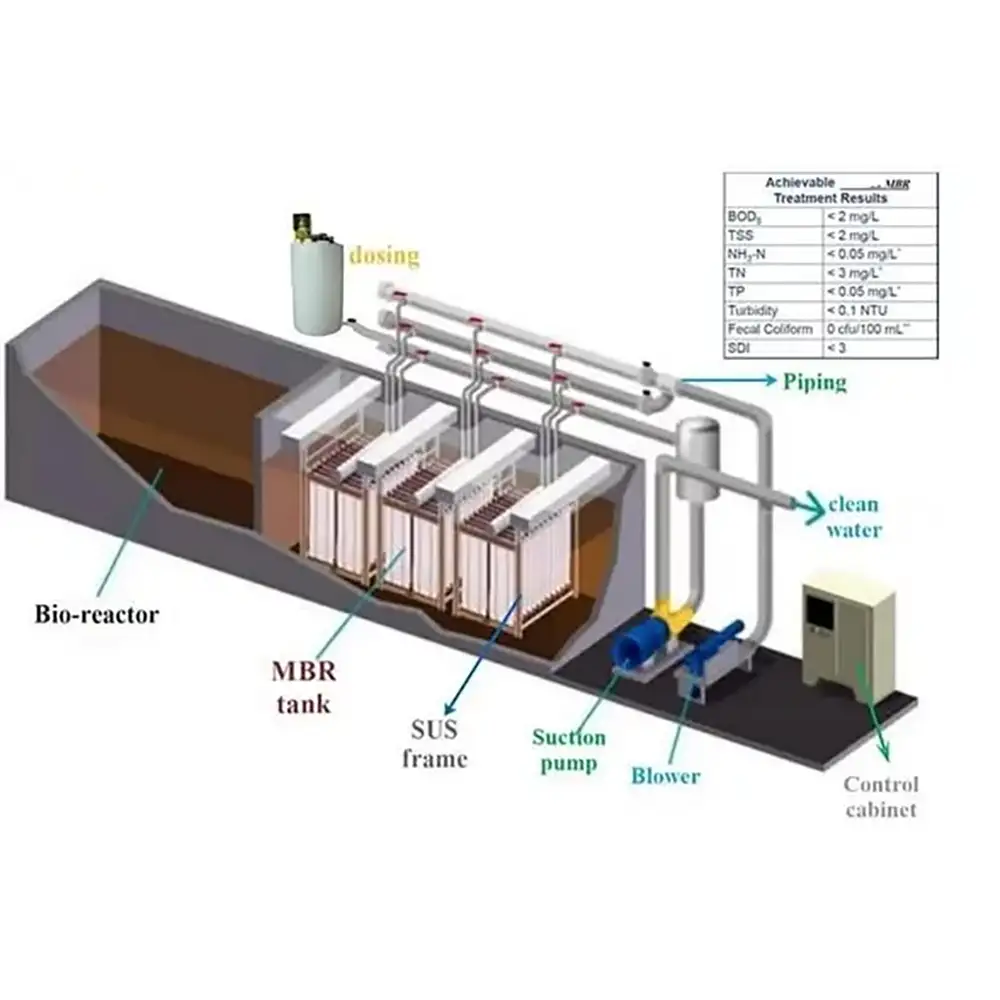
For projects requiring higher-quality treated water, MBR wastewater treatment can be integrated into the system.
An MBR combines biological treatment with membrane filtration. The membrane separates treated water from suspended biomass, allowing the system to produce a relatively clear permeate when properly designed and operated.
MBR can be considered for residential communities, hotels, schools, commercial buildings, and water-reuse projects where space is limited or a higher effluent quality is required.
Membrane cleaning and operating conditions must be carefully managed to control fouling and maintain stable performance.
Solid-Liquid Separation
After biological treatment, suspended solids need to be separated from the treated wastewater.
Depending on the process, this can be achieved through:
Secondary Clarifiers
Sedimentation Tanks
Tube Settlers
Dissolved Air Flotation
Membrane Filtration
Sand Filtration
Conventional clarification can be suitable for many domestic sewage applications, while membrane separation can be selected when higher-quality effluent is required.
Disinfection and Water Reuse
Final disinfection can be added to reduce microorganisms before discharge or reuse.
Available technologies may include:
UV Disinfection
Chlorination
Sodium Hypochlorite
Chlorine Dioxide
Ozone
The correct disinfection method depends on the treated water quality, flow rate, contact requirements, operating conditions, and applicable regulations.
Where treated water is intended for irrigation, landscaping, toilet flushing, cooling, or other non-potable applications, additional filtration and disinfection may be required.
EPA notes that decentralized systems can be designed for wastewater treatment and, in some configurations, water reuse or reclamation.
Customized Sewage Treatment Equipment
One of the main advantages of a customized sewage treatment system is the ability to configure the equipment according to the actual project.
Customization can include:
Treatment Capacity:
Equipment can be designed according to average daily flow and peak flow conditions.
Process Configuration:
MBBR, SBR, MBR, activated sludge, contact oxidation, clarification, filtration, and disinfection can be combined according to the treatment objectives.
Tank Design:
Tank dimensions, compartment arrangement, materials, access openings, and installation configuration can be adjusted according to site requirements.
Installation Type:
Systems can be designed for above-ground, underground, partially buried, containerized, or modular installation where appropriate.
Automation:
PLC control systems can monitor pumps, blowers, liquid levels, dissolved oxygen, valves, dosing systems, alarms, and other operating parameters.
Water Reuse:
Additional filtration, membrane treatment, and disinfection can be incorporated when reclaimed water is required.
Applications
Domestic and customized sewage treatment equipment can be used for:
Single-Family Residential Properties
Residential Communities
Rural Villages
Rural Houses
Apartment Communities
Hotels And Guesthouses
Schools And Campuses
Restaurants
Office Buildings
Worker Dormitories
Construction Camps
Remote Facilities
Small Commercial Buildings
Decentralized Communities
Community Wastewater Treatment Projects
EPA identifies individual onsite systems as well as cluster and community-scale decentralized systems as options for areas where conventional centralized sewer infrastructure is not available or practical.
Installation and Maintenance
Before installation, important factors include wastewater flow, soil conditions, groundwater level, available land, elevation, access for maintenance, electrical supply, ventilation, drainage, and local permitting requirements.
Routine maintenance may include screen cleaning, sludge removal, pump inspection, blower inspection, aeration-system maintenance, sensor calibration, tank inspection, and disinfection-system servicing.
For MBR systems, membrane cleaning and fouling control are particularly important. For biological systems, stable aeration and appropriate sludge management are essential for reliable operation.
EPA guidance emphasizes that effective decentralized wastewater treatment depends not only on equipment selection but also on proper site evaluation, design, construction, operation, maintenance, monitoring, and residuals management.
Why Choose Us?
We provide Domestic Sewage Treatment Equipment and customized wastewater treatment solutions for residential, rural, commercial, and decentralized applications.
Our approach begins with the actual wastewater characteristics and project requirements. Instead of applying one standard treatment process to every project, we can configure screening, equalization, biological treatment, clarification, membrane filtration, disinfection, sludge handling, and water-reuse equipment according to the intended application.
We can also optimize the system for limited installation space, underground installation, modular construction, automatic operation, or higher-quality treated water.
Whether you need a compact residential sewage treatment system, a rural community wastewater plant, or a customized decentralized wastewater treatment package, the equipment can be engineered around the project's flow rate, effluent requirements, site conditions, and operating strategy.
FAQs
1. What is domestic sewage treatment equipment?
It is equipment designed to treat wastewater generated primarily from residential and domestic activities, including bathrooms, kitchens, laundry, and other household sources.
2. What is the difference between domestic and industrial wastewater treatment?
Domestic wastewater mainly contains biodegradable organic matter, suspended solids, nutrients, grease, and microorganisms. Industrial wastewater may contain chemicals, oils, metals, salts, or other industry-specific pollutants requiring specialized treatment.
3. Can this system be used for rural houses?
Yes. Domestic sewage treatment equipment is suitable for many rural and decentralized applications where centralized sewer infrastructure is unavailable.
4. Can the equipment serve an entire residential community?
Yes. The system can be designed for individual properties, multiple homes, apartment communities, villages, and other small community applications.
5. Which biological process is best for domestic sewage?
MBBR, SBR, activated sludge, contact oxidation, and MBR can all be suitable depending on flow, site conditions, treatment requirements, and desired effluent quality.
6. Can the sewage treatment system be customized?
Yes. Capacity, tank configuration, treatment process, installation method, materials, automation, disinfection, and water-reuse stages can be customized.
7. Can the system be installed underground?
Depending on the equipment design and site conditions, underground or partially buried installation may be possible. Structural loading, groundwater, buoyancy, access, and local requirements must be evaluated.
8. Can treated domestic wastewater be reused?
Yes, where permitted and properly treated. Additional filtration and disinfection may be required depending on the intended reuse application.
9. Is the domestic sewage treatment plant automatic?
It can be equipped with PLC-based automatic controls for pumps, blowers, aeration, valves, dosing, liquid levels, alarms, and other process equipment.
10. What capacity can be customized?
Treatment capacity can be engineered according to average daily flow, peak flow, population or facility size, wastewater characteristics, and required operating schedule.
11. Does domestic sewage treatment remove nitrogen?
Nitrogen removal can be incorporated through appropriately configured biological processes, such as anoxic and aerobic treatment. The required process depends on influent characteristics and discharge requirements.
12. What information is needed for a customized system?
Important information includes wastewater flow, peak flow, population or facility type, COD, BOD, TSS, ammonia, nitrogen, phosphorus, pH, temperature, discharge standards, available space, installation conditions, and desired water reuse quality.
Prev:
Aquaculture and Slaughtering Wastewater Treatment / DAF Industrial Wastewater Treatment Equipment
Next:
Block Integrated Sewage Treatment Equipment - Adapted to Different Terrain Needs/STP
TAG:
Decentralized Wastewater Treatment,
Onsite Wastewater Treatment,
BOD Removal Wastewater Treatment,
Decentralized Water Treatment,
MBBR Wastewater Treatment,
Biological Wastewater Treatment,
Water Reuse Treatment System,
Decentralized Sewage Treatment System,
Onsite Wastewater Treatment System,
COD Removal Wastewater Treatment,
Nitrogen Removal Wastewater Treatment,
SBR Wastewater Treatment,
Activated Sludge Wastewater Treatment,
Aerobic Wastewater Treatment,
Aerobic Sewage Treatment,
MBBR Sewage Treatment,
Wastewater Disinfection Equipment,
Decentralized Wastewater Treatment System,
Decentralized Sewage Treatment,
Onsite Sewage Treatment System,
Rural Sewage Treatment,
Rural Wastewater Treatment,
Onsite Sewage Treatment,
Rural Sewage Treatment System,
Rural Wastewater Treatment System,
Residential Wastewater Treatment Equipment,
Domestic Sewage Treatment Plant,
Domestic Wastewater Treatment Plant,
Domestic Wastewater Treatment System,
Residential Wastewater Treatment,
Related Category:
Domestic Sewage Treatment Equipment,Domestic Wastewater Treatment Equipment China, suppliers, manufacturers, factory, customized, wholesale, quotation, made in China