12
|
Model NO. |
GSRF |
Handling method |
physicochemical treatment |
|
Usage |
Industrial, agricultural, food factories, slaughterhouses |
Trademark |
|
|
Types |
Package, Compact, Small, Mini |
Applications |
Industrial, Municipal, Domestic, Medical, Ship |
|
Craft |
Flocculation sedimentation method |
Features |
Water Clarification, Filtration, Purification |
|
Service Life |
20 Years |
Operation |
Automatic |
|
Steel Plate Thickness |
>8mm |
Function |
Remove Suspended solids |
|
Voltage |
220V/ 380V/ Customerized |
Installation Type |
Onground |
|
Colour |
Grey/Silver/Blue/Balck/Customerized |
Use for |
Mineral, Printing, Chemical, Dyeing, Starch |
|
Material |
Carbon Steel, Stain Steel, FRP, PE, PP |
Certificate |
SGS, ISO |
|
Transport Package |
Container Standard Packing |
Specification |
Carbon steel anti-corrosion |
|
Production Capacity |
1000 Sets/Year |
Origin |
China |
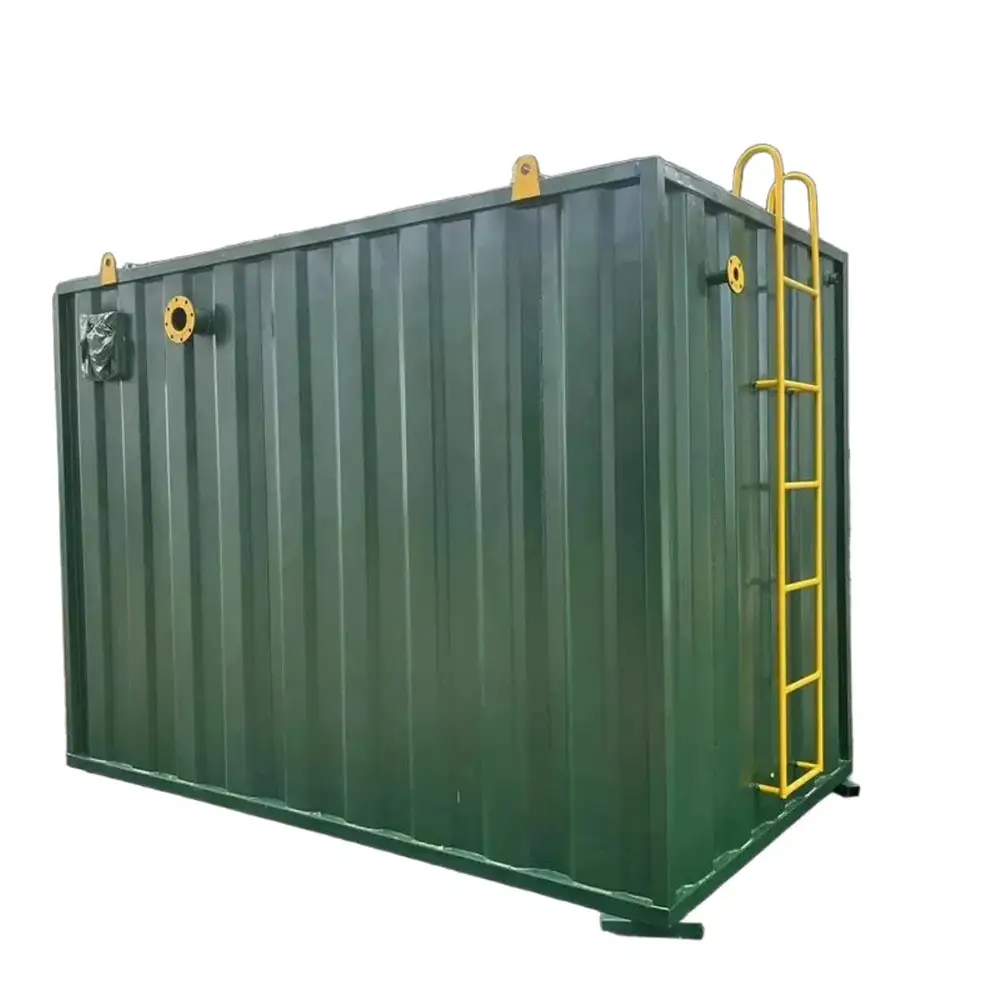
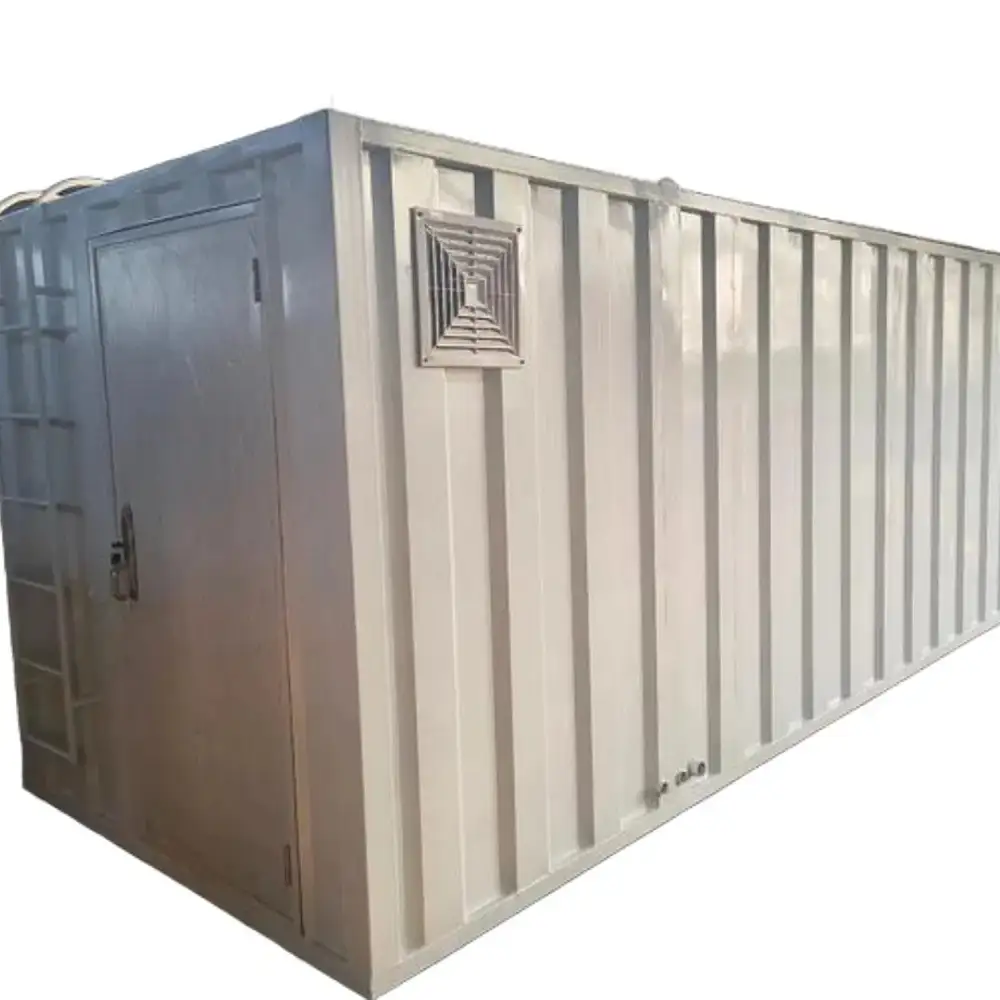
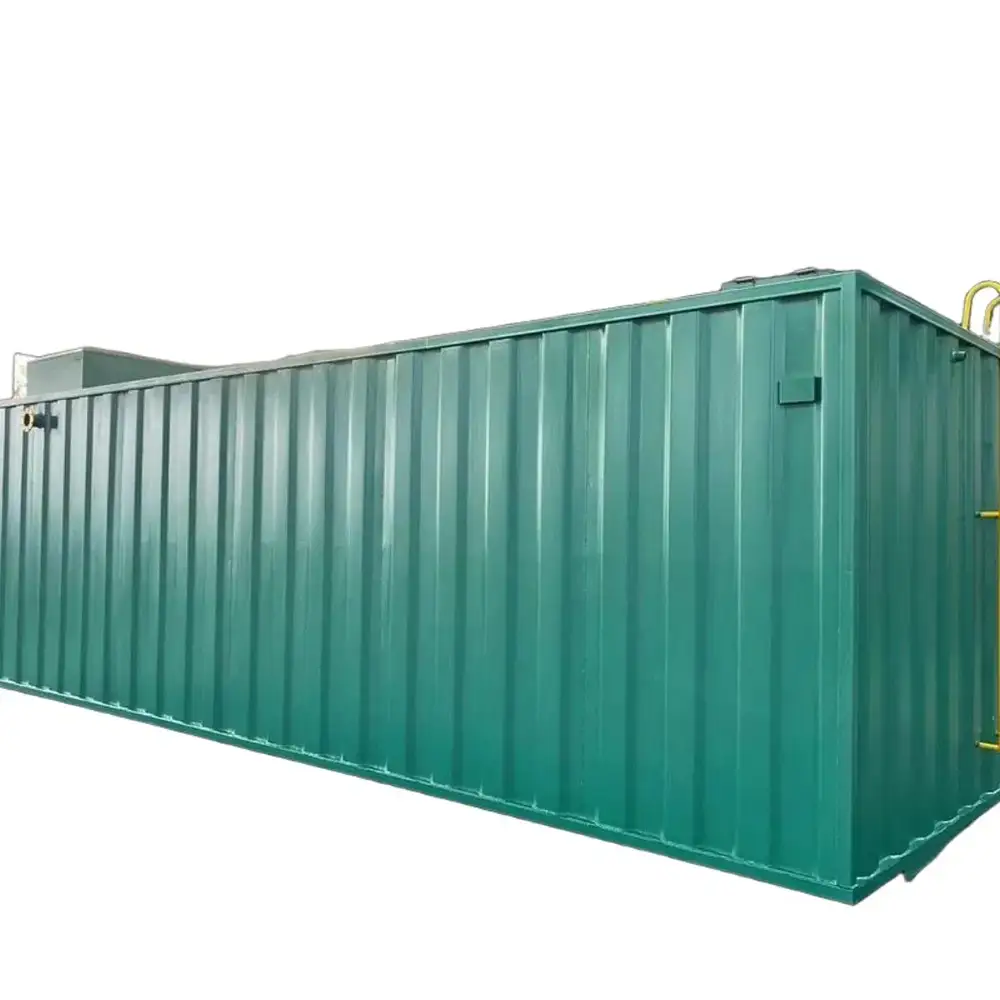
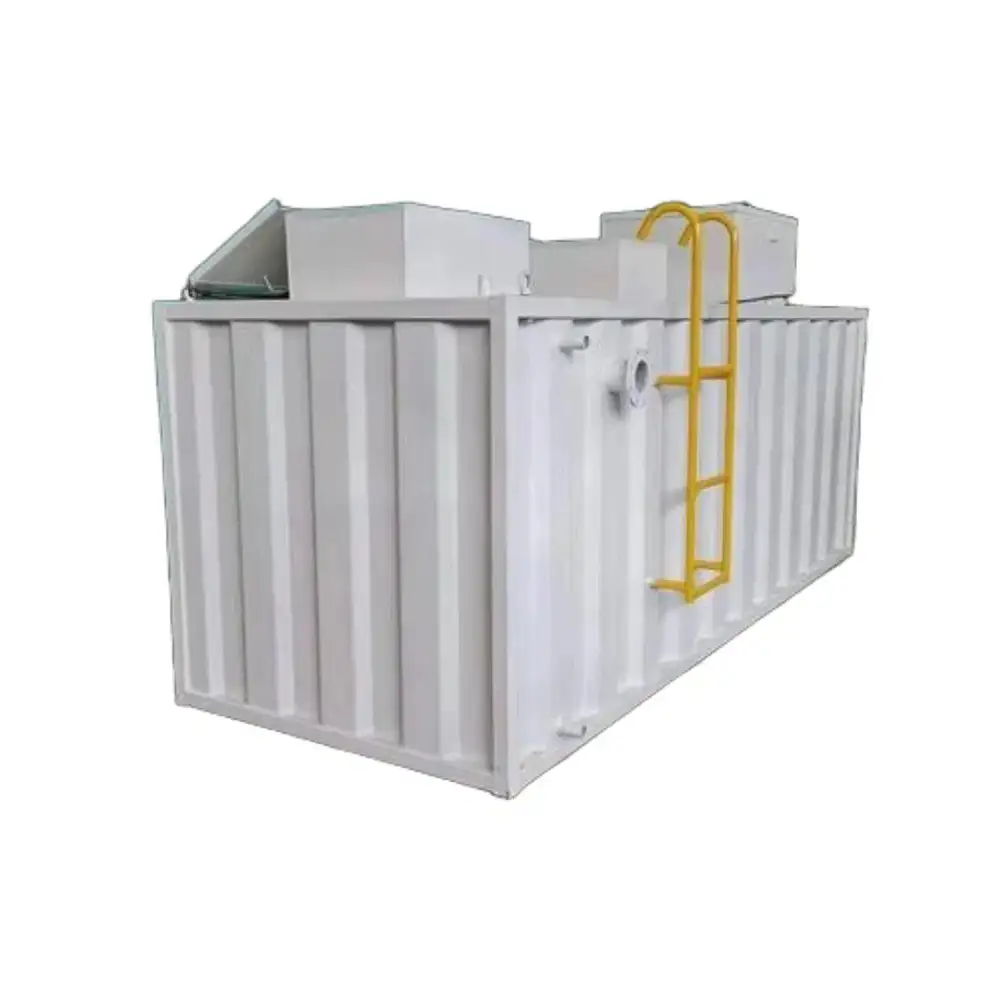
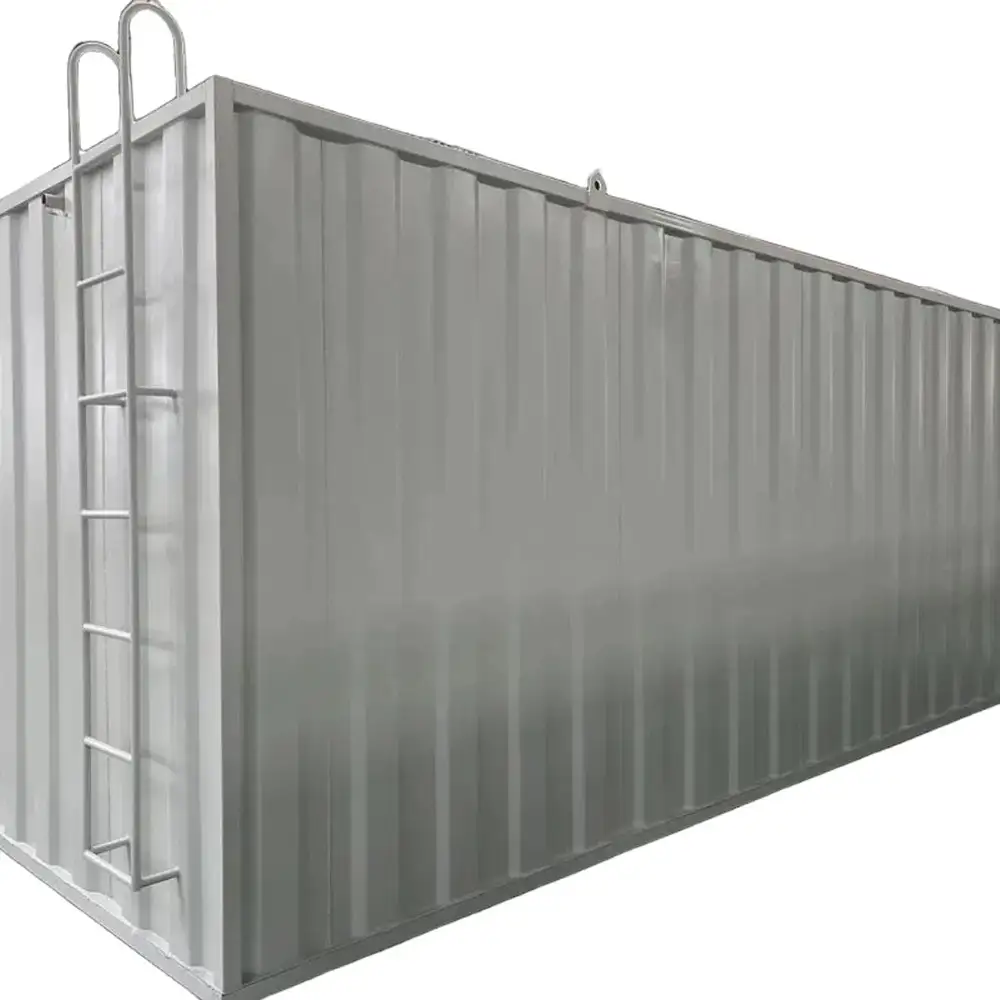
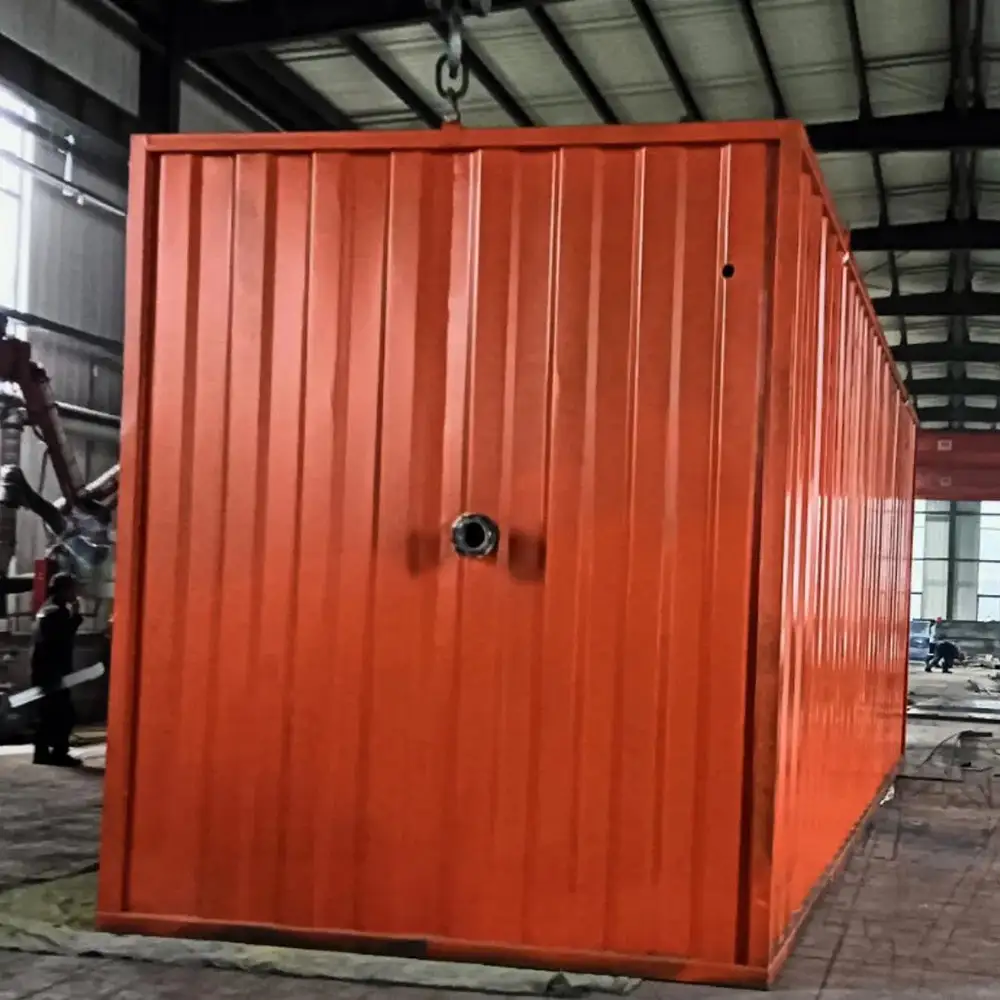
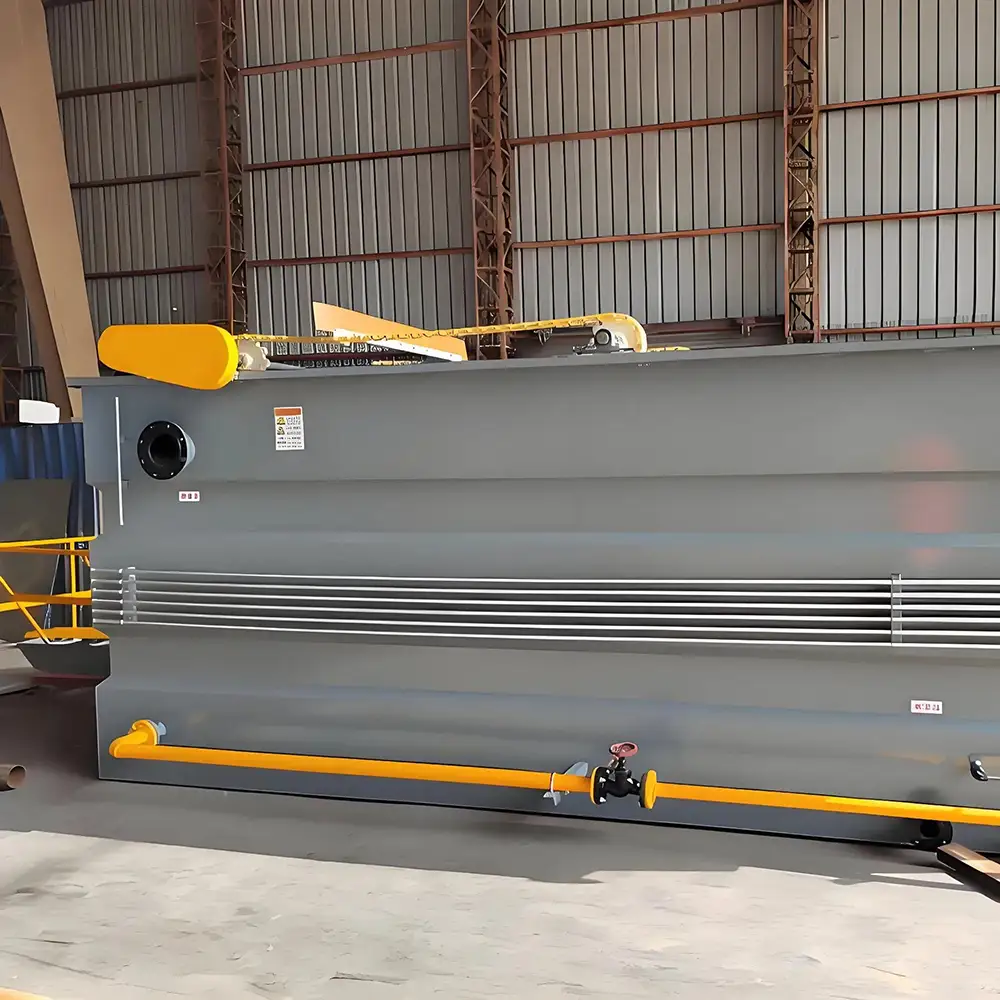
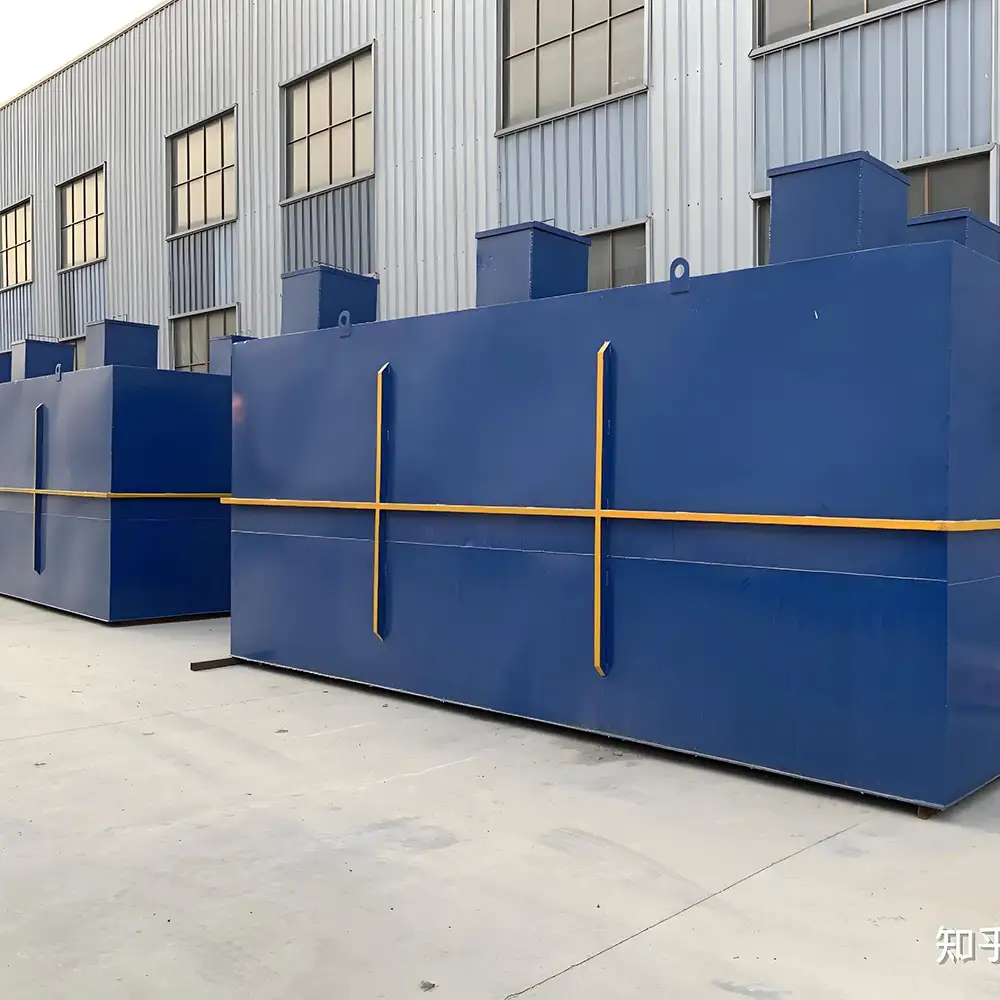
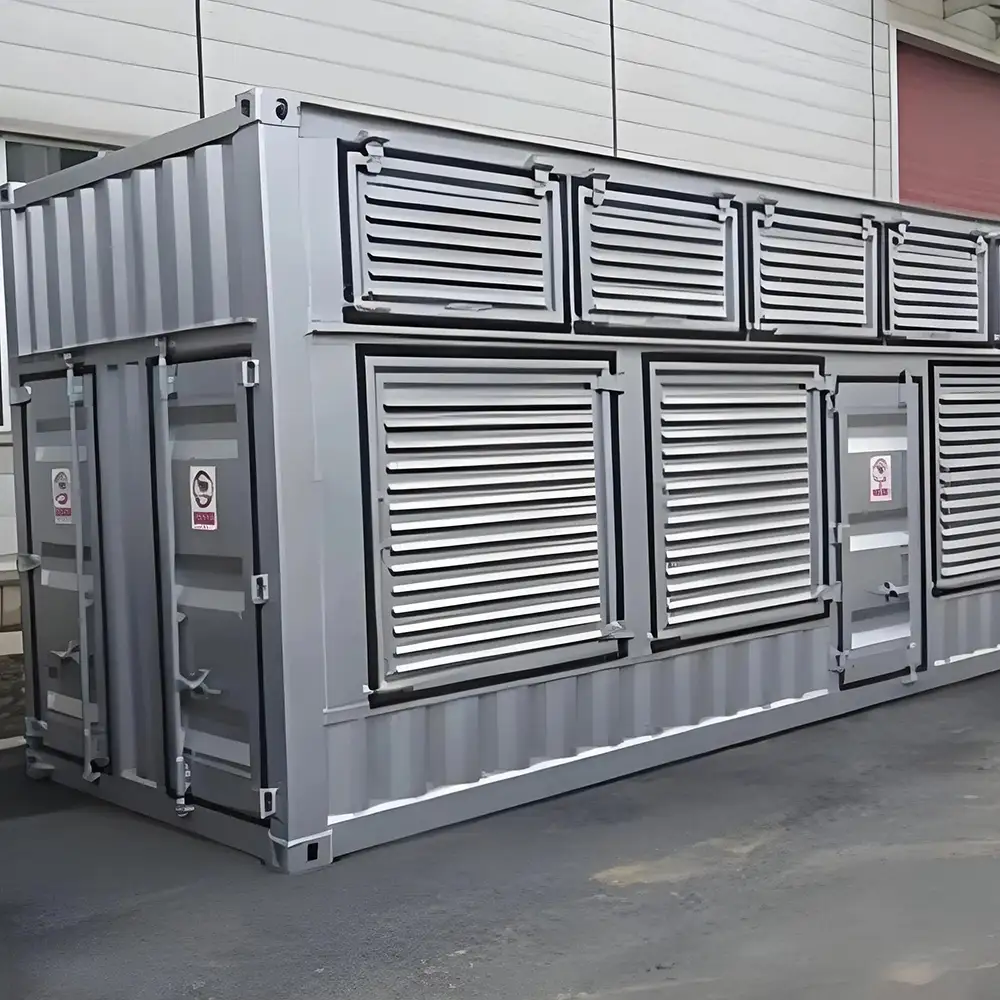
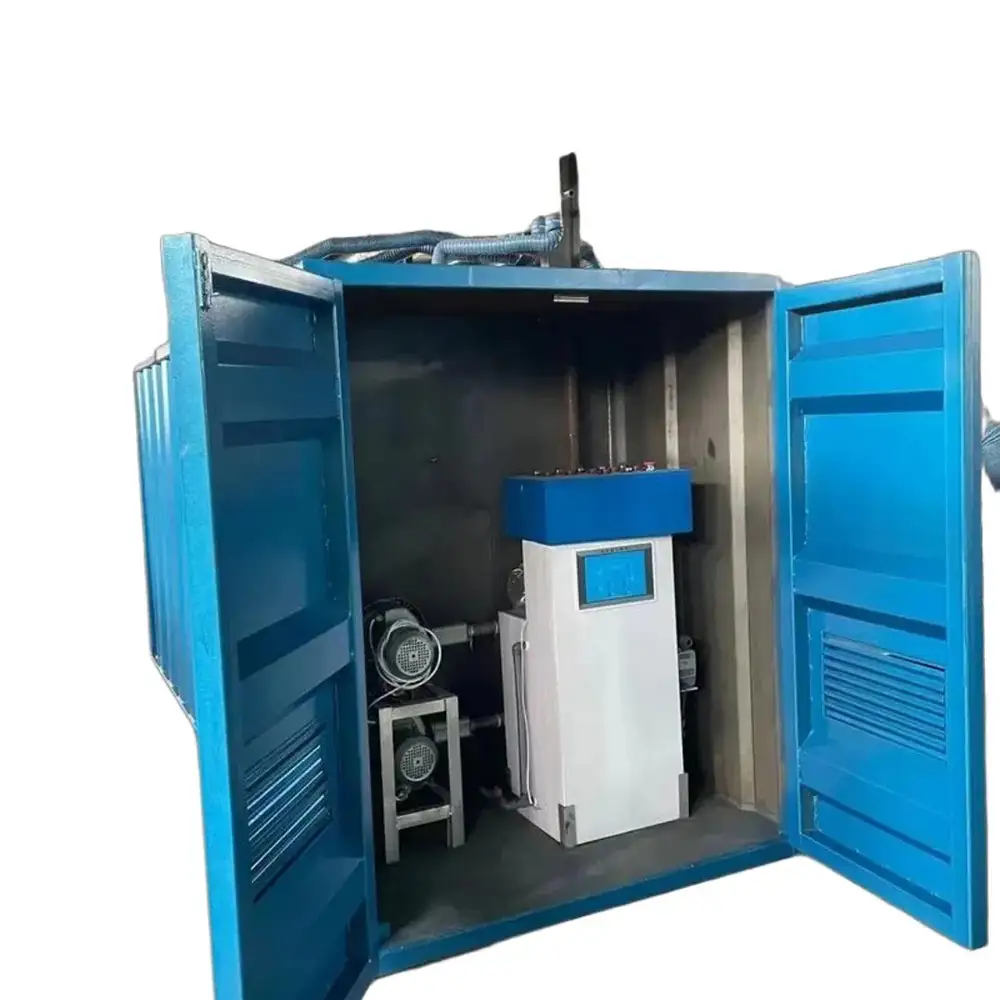
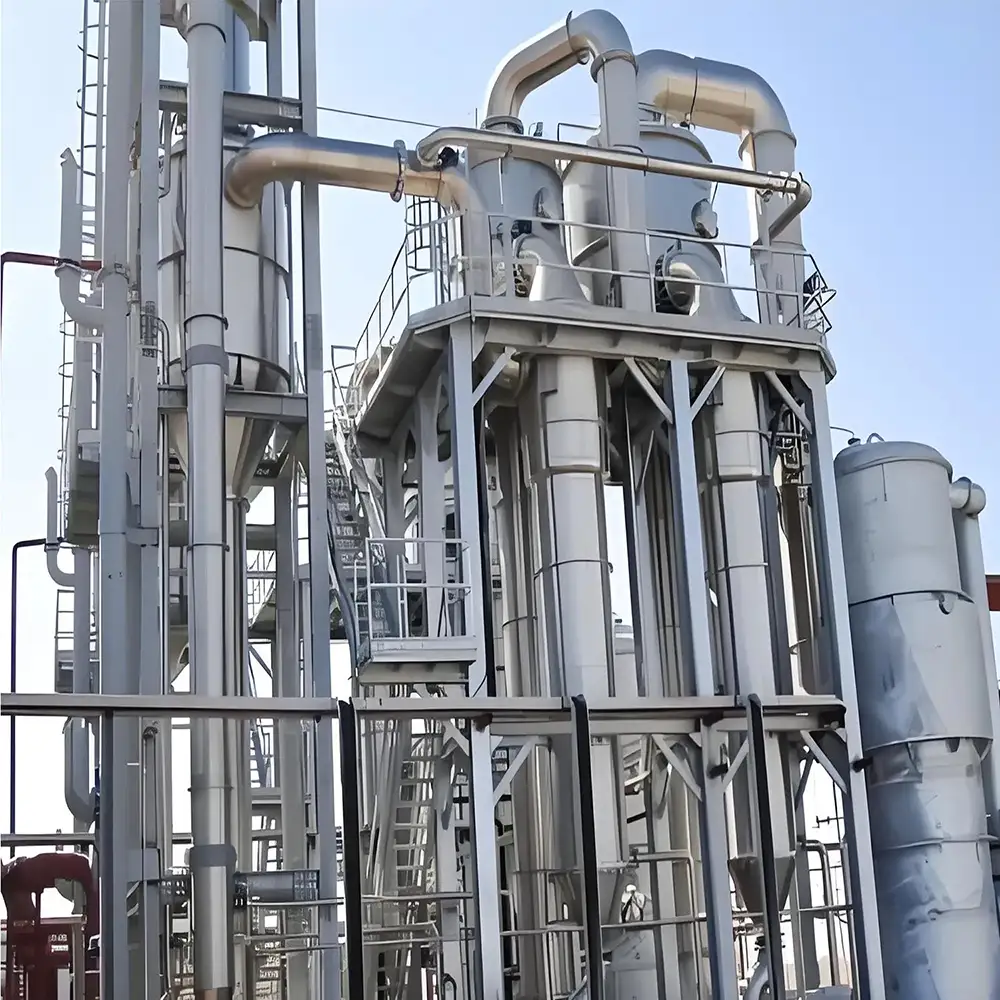
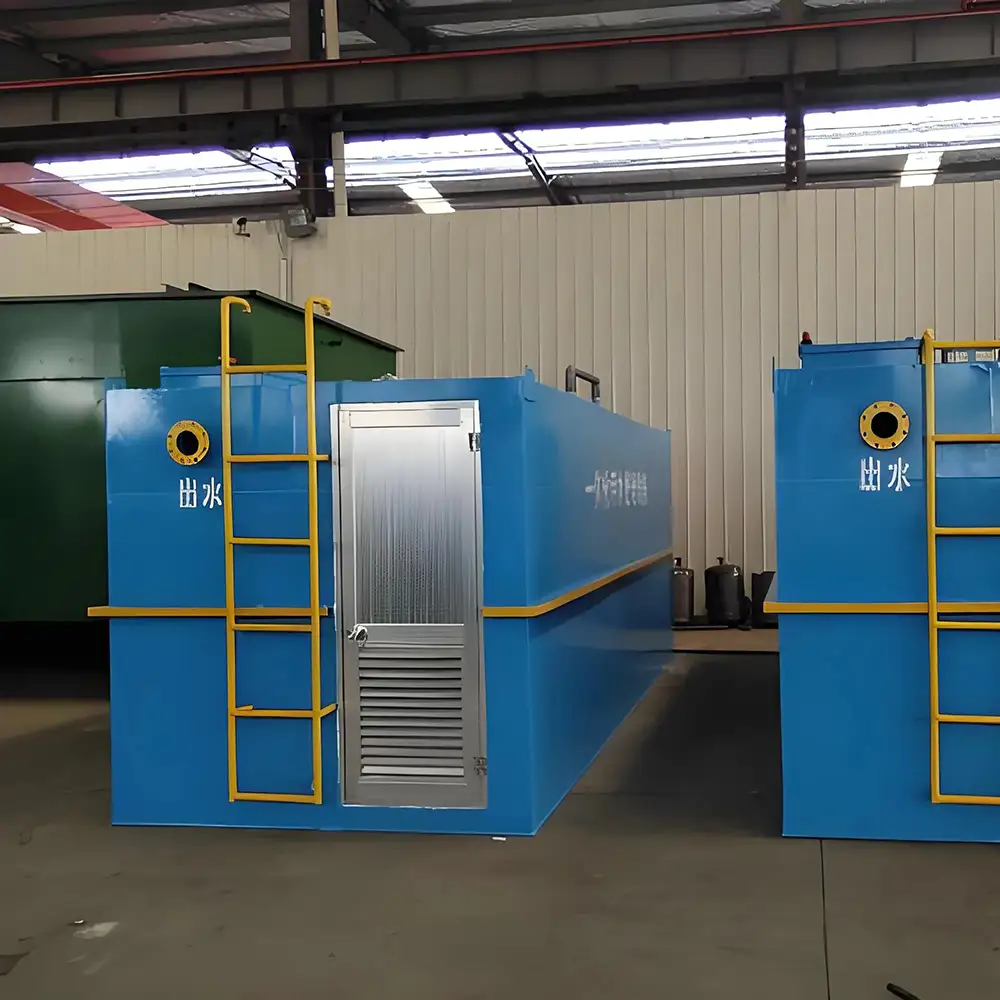
Physicochemical Wastewater Treatment System Equipment
Industrial wastewater often contains suspended solids, colloids, oil and grease, heavy metals, phosphorus, color, refractory compounds, and other pollutants that may not be effectively removed by a single biological process. A properly designed Physicochemical Wastewater Treatment System combines physical separation and chemical treatment processes to destabilize, separate, precipitate, or otherwise remove targeted contaminants.
Our Physicochemical Wastewater Treatment Plant Equipment is designed for industrial wastewater applications where reliable pretreatment, clarification, pollutant removal, and downstream process protection are required. Depending on the wastewater characteristics, the system can incorporate equalization, pH adjustment, coagulation, flocculation, chemical precipitation, sedimentation, dissolved air flotation, filtration, and sludge treatment.
Physicochemical treatment is widely used as a primary or pretreatment stage and can also be integrated with biological or advanced treatment processes. Coagulation and flocculation are established industrial wastewater treatment methods for destabilizing colloidal particles and forming larger flocs that can then be separated by settling, flotation, or filtration.
What Is Physicochemical Wastewater Treatment?
Physicochemical wastewater treatment refers to treatment processes that use physical separation mechanisms together with chemical reactions or chemical conditioning to remove pollutants from wastewater.
Unlike biological treatment, which relies primarily on microorganisms to degrade biodegradable pollutants, physicochemical treatment can target suspended and colloidal solids, oils, metals, phosphorus, color, and certain difficult-to-biodegrade substances.
A typical system may begin with screening and equalization, followed by pH adjustment and chemical dosing. Coagulants destabilize fine particles, while flocculants promote the formation of larger flocs. These flocs can then be removed through sedimentation, DAF flotation, or filtration.
Equalization and pH Adjustment
Wastewater generated by industrial facilities can fluctuate considerably during production. Flow rate, temperature, pH, COD, suspended solids, and chemical concentrations may change throughout the day.
An equalization tank helps stabilize these variations before the wastewater enters chemical treatment. This can make chemical dosing and downstream separation more consistent.
pH adjustment is another important stage. Acids or alkalis can be dosed to bring wastewater into an appropriate operating range for coagulation, precipitation, or downstream treatment.
The required pH depends on the wastewater composition and selected treatment chemistry, so actual wastewater testing should be used when establishing operating conditions.
Coagulation and Flocculation
Coagulation and flocculation are key components of many physicochemical wastewater treatment systems. During coagulation, chemicals such as aluminum- or iron-based coagulants can destabilize suspended and colloidal particles. During flocculation, controlled mixing encourages destabilized particles to combine into larger aggregates.
The resulting flocs can then be separated from water by sedimentation, DAF, or filtration. This combination is widely used because it can be integrated into different industrial treatment configurations.
Coagulant and polymer selection, dosage, pH, mixing intensity, and reaction time all influence treatment performance. Jar testing is commonly used to determine suitable chemical conditions for a particular wastewater.
Chemical Precipitation
Chemical precipitation can be incorporated when dissolved pollutants need to be converted into insoluble compounds that can be separated from wastewater.
Depending on wastewater chemistry, precipitation may be considered for certain heavy metals, phosphorus, and other target contaminants. The precipitated material forms solids that can then be removed through clarification, flotation, filtration, or sludge handling.
For industrial wastewater with specific chemical contaminants, the precipitation process should be selected according to laboratory testing and the required effluent quality.
Sedimentation and Clarification
After coagulation and flocculation, the wastewater can enter a sedimentation or clarification unit. Larger flocs settle under gravity and form sludge at the bottom of the tank, while clarified water moves toward the next treatment stage.
Lamella clarifiers can also be incorporated where a compact footprint is preferred. Plate or tube configurations provide increased effective settling area within a relatively compact tank design.
Sedimentation is especially useful when the wastewater generates dense flocs that settle effectively.
Dissolved Air Flotation
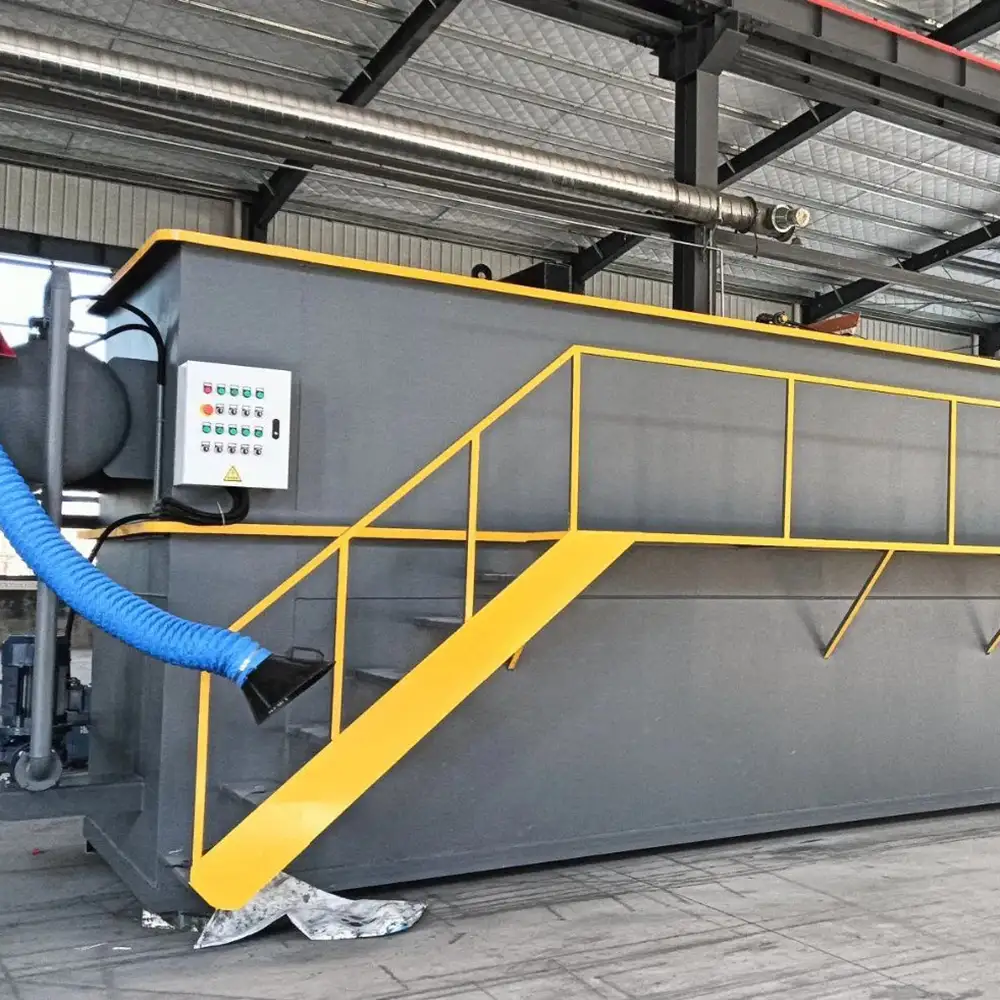
DAF can be incorporated when wastewater contains oil, grease, floating solids, lightweight flocs, or particles that are difficult to settle.
In a DAF system, microscopic air bubbles attach to suspended particles and carry them to the water surface, where a scraper removes the floating sludge.
For food processing, slaughterhouse, petrochemical, chemical, and other oily industrial wastewater applications, DAF can provide an effective separation stage.
The choice between sedimentation and DAF depends on wastewater characteristics, floc properties, density differences, hydraulic loading, and the overall treatment objective.
Filtration
Filtration can provide additional polishing after physicochemical clarification. Depending on the required water quality, the system may incorporate sand filters, multimedia filters, activated carbon, cartridge filters, or other filtration technologies.
Filtration can remove residual suspended solids and provide a cleaner feed for downstream biological, membrane, or reuse processes.
For systems requiring advanced water recovery, physicochemical treatment may serve as pretreatment before ultrafiltration, nanofiltration, reverse osmosis, or other membrane technologies.
Industrial Applications
Physicochemical wastewater treatment can be adapted for many industrial sectors, including:
Chemical manufacturing
Textile and dyeing
Printing
Food processing
Slaughterhouses
Metal finishing
Electroplating
Mining and mineral processing
Paper and pulp
Pharmaceutical production
Petrochemical operations
Industrial parks
Manufacturing facilities
Each industry can produce wastewater with different pollutants and concentrations. Therefore, the treatment train should be selected according to actual wastewater characteristics rather than applying the same configuration to every project.
Typical Treatment Process
A representative physicochemical wastewater treatment plant may use the following sequence:
Screening → Equalization → pH Adjustment → Coagulation → Flocculation → Sedimentation or DAF → Filtration → Disinfection or Advanced Treatment
The process can be modified according to wastewater conditions.
For example, wastewater with high oil and grease may benefit from DAF, while wastewater containing heavy metals may require chemical precipitation. Wastewater with high biodegradable organic loading may require biological treatment after physicochemical pretreatment.
Sludge Treatment
Physicochemical treatment converts many dissolved, suspended, or colloidal pollutants into removable solids. These solids form sludge that must be collected and managed.
A complete system can include sludge collection, sludge concentration, sludge conditioning, and mechanical dewatering. Filter presses, screw presses, centrifuges, or other dewatering equipment can be selected according to sludge characteristics.
Proper sludge management is important because chemical treatment can transfer contaminants from the water phase into the solid phase.
System Design and Customization
Industrial wastewater treatment systems should be designed based on actual water quality and operating conditions.
Important design parameters can include wastewater flow rate, peak flow, pH, COD, BOD, suspended solids, oil and grease, heavy metals, phosphorus, color, conductivity, temperature, and industry-specific pollutants.
Chemical consumption, sludge production, hydraulic loading, reaction time, equipment footprint, automation level, and final discharge requirements should also be considered.
For complex wastewater, physicochemical treatment can be combined with biological processes such as MBBR, activated sludge, or MBR, as well as advanced oxidation, activated carbon, ultrafiltration, or reverse osmosis.
Advantages of Physicochemical Wastewater Treatment
A properly designed system offers several practical advantages:
Effective suspended and colloidal solids removal
Chemical precipitation of selected dissolved pollutants
Oil and grease separation
Heavy metal treatment for suitable wastewater
Phosphorus removal options
Color reduction for selected industrial wastewater
Flexible coagulation and flocculation processes
DAF or sedimentation integration
Protection of downstream biological systems
Compact treatment configurations
Suitable for industrial wastewater pretreatment
Easy integration with filtration and membrane systems
Operation and Maintenance
Routine operation should include monitoring pH, chemical dosing, mixing, sludge production, clarification performance, and effluent quality.
Coagulant and polymer dosages should be adjusted according to wastewater conditions and treatment results. Excessive chemical dosing can increase operating costs and sludge production, while insufficient dosing may reduce treatment efficiency. Recent wastewater-treatment literature continues to emphasize the importance of coagulant selection and operating parameters in coagulation-flocculation performance.
Pumps, mixers, dosing systems, clarifiers, DAF components, filters, valves, sensors, and sludge equipment should also be inspected regularly.
Why Choose Us?
We provide integrated Physicochemical Wastewater Treatment Plant Equipment for industrial applications requiring reliable solid-liquid separation and chemical pollutant removal.
Our treatment systems can combine equalization, pH adjustment, coagulation, flocculation, chemical precipitation, sedimentation, DAF, filtration, and sludge treatment according to actual project requirements.
Instead of using a single standard configuration, the system can be developed around wastewater characteristics, flow capacity, pollutant loading, installation space, operating conditions, and required effluent quality.
The equipment can also be integrated with biological and advanced treatment technologies, making it suitable for complete industrial wastewater treatment plants as well as existing plant upgrades.
Frequently Asked Questions
1. What is physicochemical wastewater treatment?
Physicochemical wastewater treatment combines physical separation with chemical processes to remove suspended solids, colloids, oils, metals, phosphorus, and other targeted pollutants.
2. What processes are included in a physicochemical treatment system?
Common processes include screening, equalization, pH adjustment, coagulation, flocculation, chemical precipitation, sedimentation, DAF, filtration, and sludge treatment.
3. Can physicochemical treatment remove heavy metals?
Chemical precipitation can be used to remove certain heavy metals by converting dissolved metals into separable solid compounds. The appropriate chemistry depends on the specific metals and wastewater composition.
4. Can the system remove suspended solids?
Yes. Coagulation, flocculation, sedimentation, DAF, and filtration can be combined to achieve effective suspended-solids removal.
5. Can physicochemical treatment remove oil and grease?
Yes. DAF and other separation processes can be incorporated for wastewater containing oil, grease, fats, and floating contaminants.
6. Is physicochemical treatment suitable for chemical wastewater?
Yes. It is commonly considered for industrial wastewater with suspended solids, colloids, metals, color, oils, and other pollutants. The exact process should be based on wastewater analysis.
7. Can this system be combined with MBBR?
Yes. Physicochemical pretreatment can reduce suspended solids and certain pollutants before MBBR biological treatment, helping protect and stabilize the downstream biological process.
8. Can DAF be used instead of a clarifier?
DAF and sedimentation provide different separation mechanisms. DAF is often advantageous for oily wastewater, lightweight solids, and certain low-density flocs, while sedimentation is suitable for flocs that settle effectively.
9. How are chemicals selected?
Chemical selection depends on wastewater characteristics and treatment objectives. Coagulants and polymers are commonly evaluated through laboratory jar testing before full-scale application.
10. Does physicochemical treatment generate sludge?
Yes. Removed contaminants and chemical precipitates are concentrated into sludge. A suitable sludge collection and dewatering system should be included when required.
11. Can the equipment be customized?
Yes. Tank size, process configuration, chemical dosing, DAF or clarifier selection, filtration, automation, sludge treatment, and other components can be configured according to project requirements.
12. What information is required to design the system?
Typical information includes wastewater flow, peak flow, pH, COD, BOD, SS, oil and grease, heavy metals, phosphorus, temperature, conductivity, specific pollutants, treatment targets, and available installation space.
Prev:
Suspended Solids and Oil/Grease Removal Daf System for Water Treatment
Next:
Waste Water Plant Sewage Treatment System Equipment with DAF System
TAG:
Industrial Wastewater Treatment Equipment,
Industrial Wastewater Treatment,
Industrial Sewage Treatment,
Industrial Wastewater Treatment Plant,
Sludge Treatment System,
Chemical Wastewater Treatment,
Industrial Water Treatment Plant,
Industrial Water Treatment,
Wastewater Treatment Plant Equipment,
DAF Wastewater Treatment,
Industrial Wastewater Clarifier,
Sedimentation Wastewater Treatment,
Coagulation Flocculation System,
Flocculation Wastewater Treatment,
Coagulation Wastewater Treatment,
Chemical Precipitation Wastewater Treatment,
Physicochemical Wastewater Treatment System,
Physicochemical Wastewater Treatment Equipment,
Physicochemical Water Treatment,
Physicochemical Wastewater Treatment,
Related Category:
Physicochemical Wastewater Treatment,Physicochemical Wastewater Treatment System,Wastewater Treatment Plant Equipment China, suppliers, manufacturers, factory, customized, wholesale, quotation, made in China