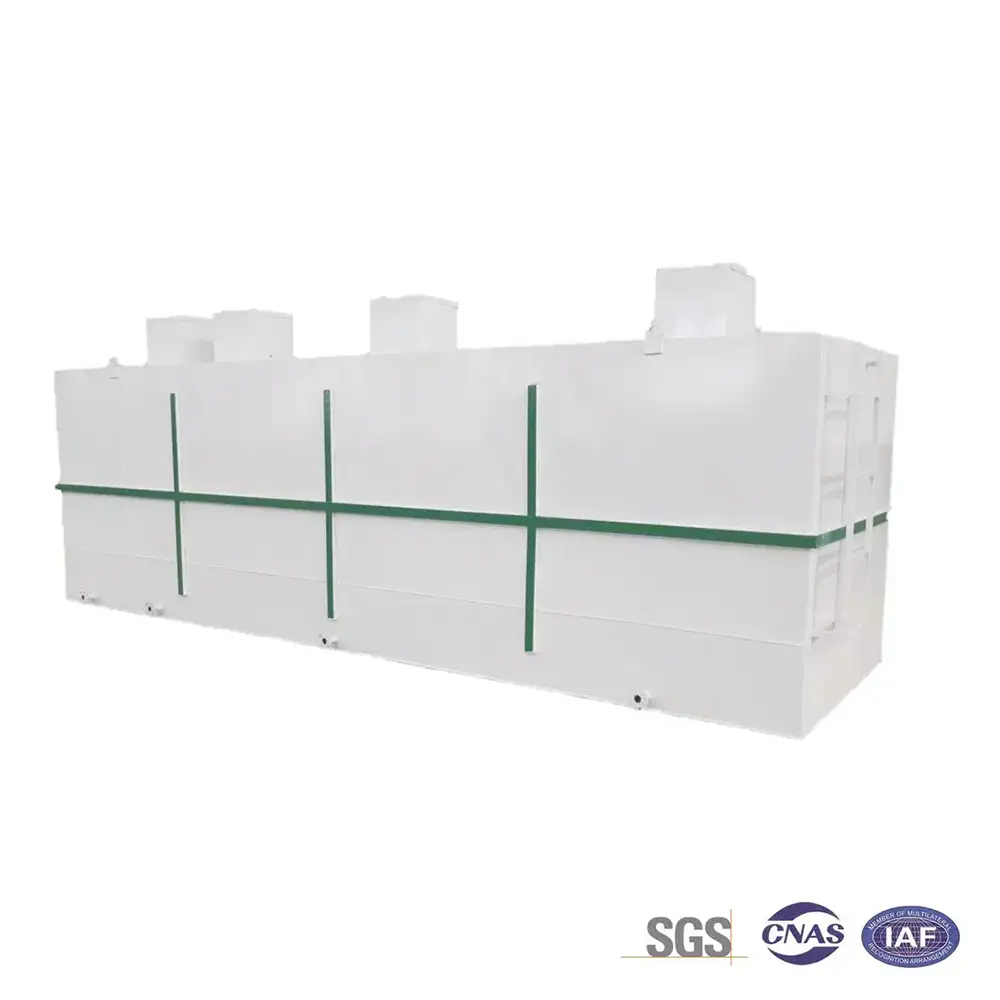
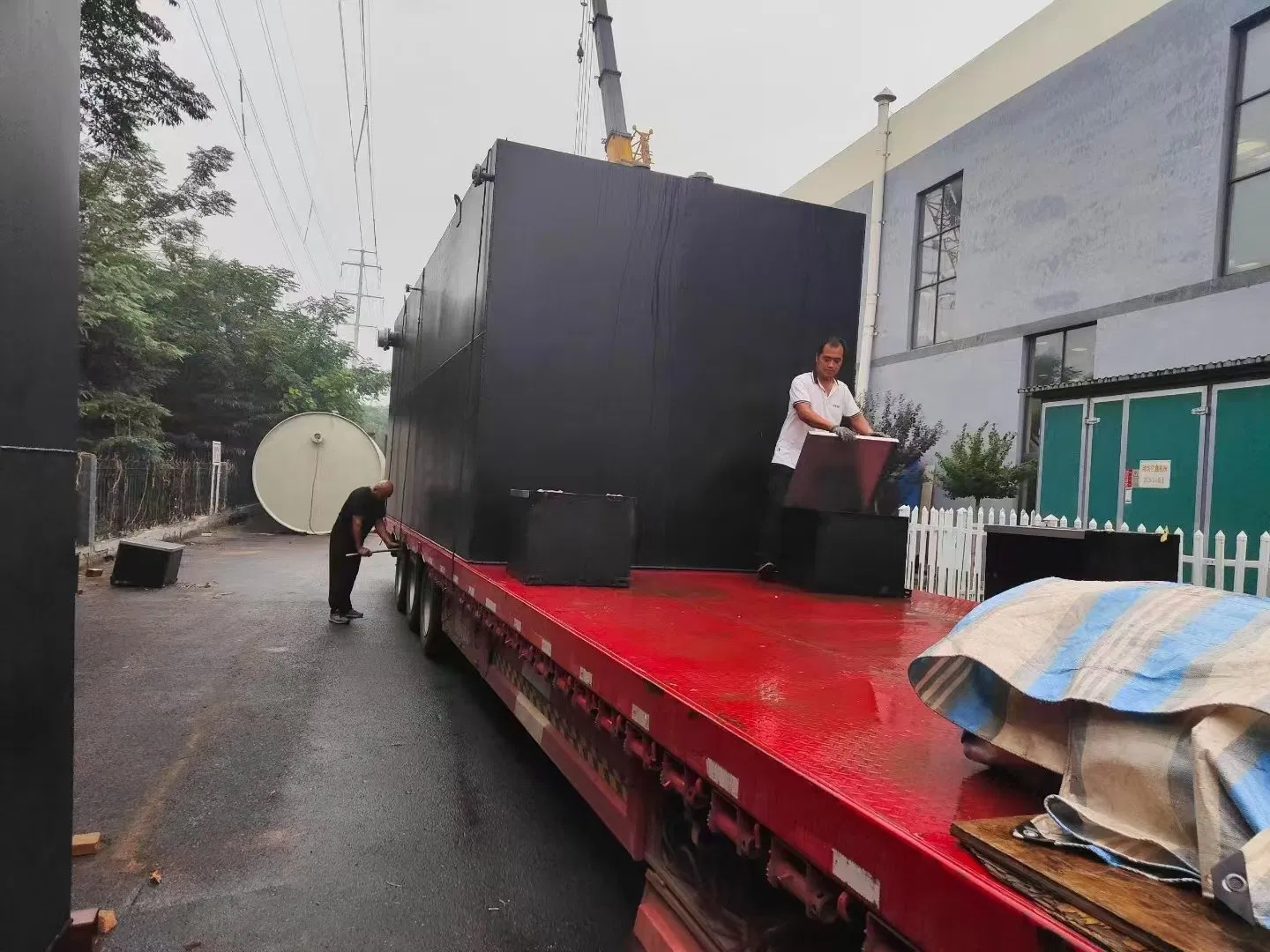
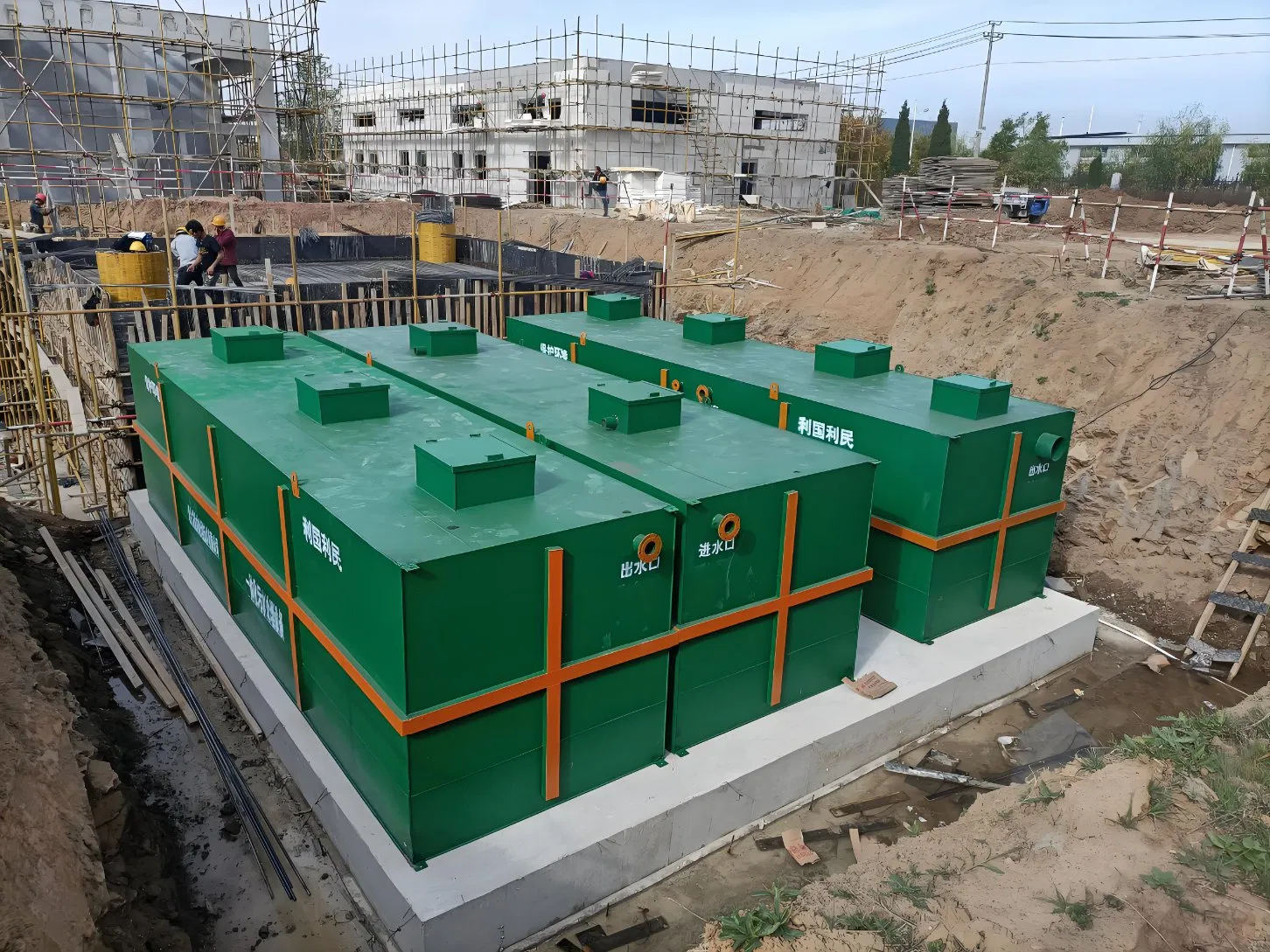
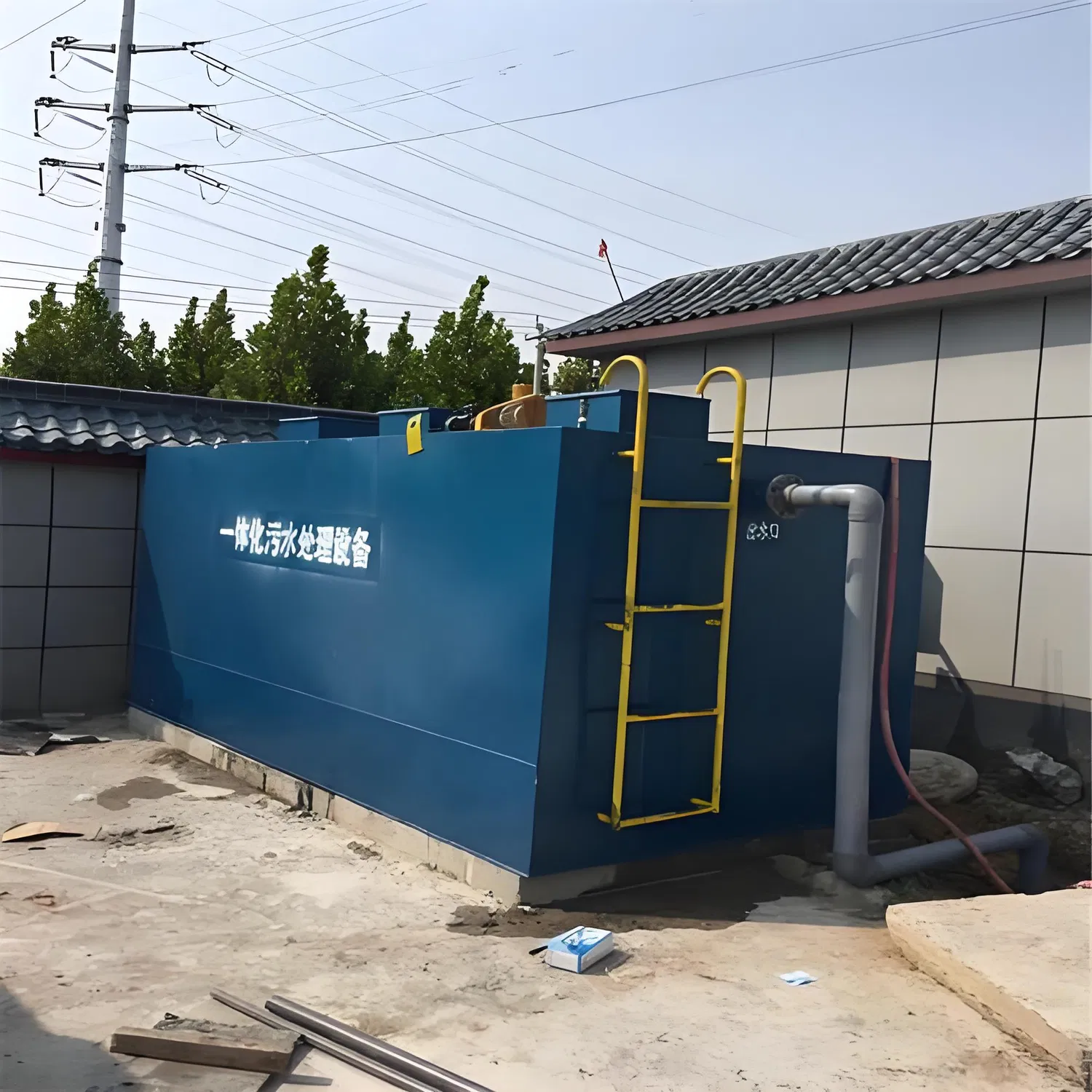
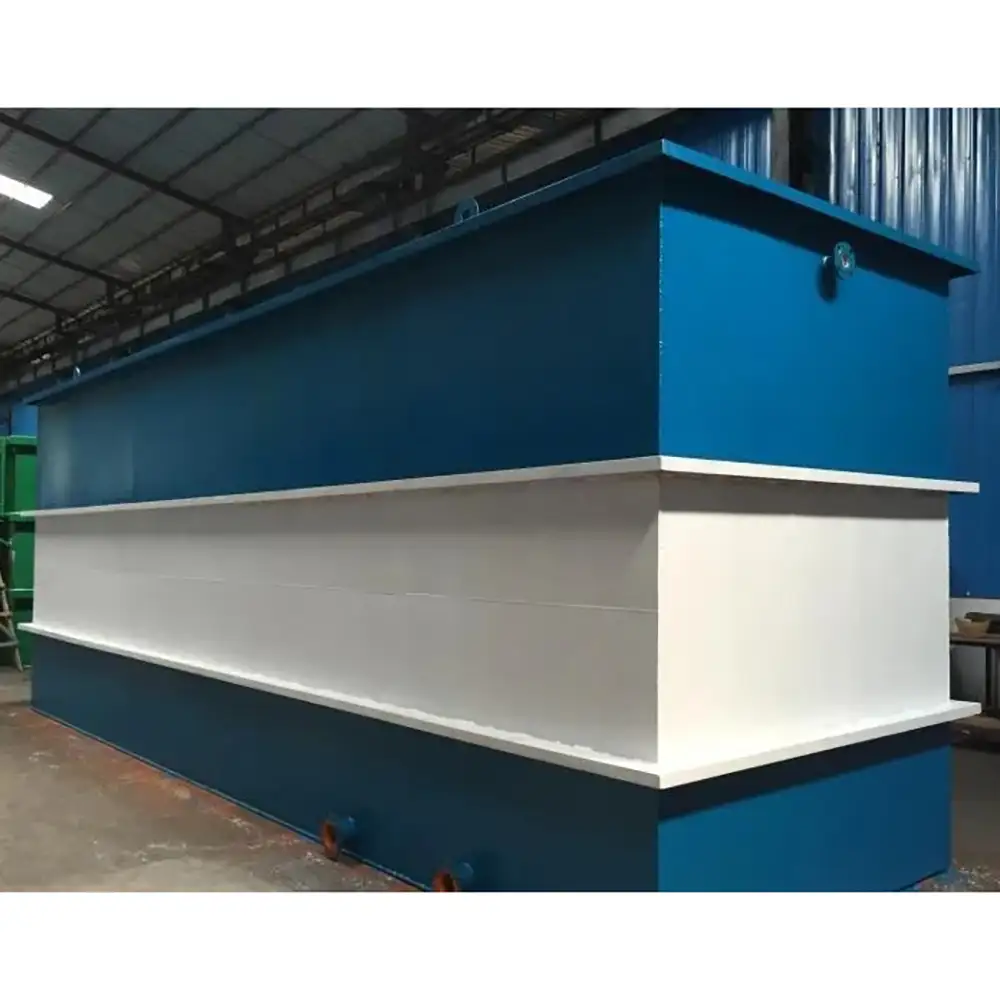
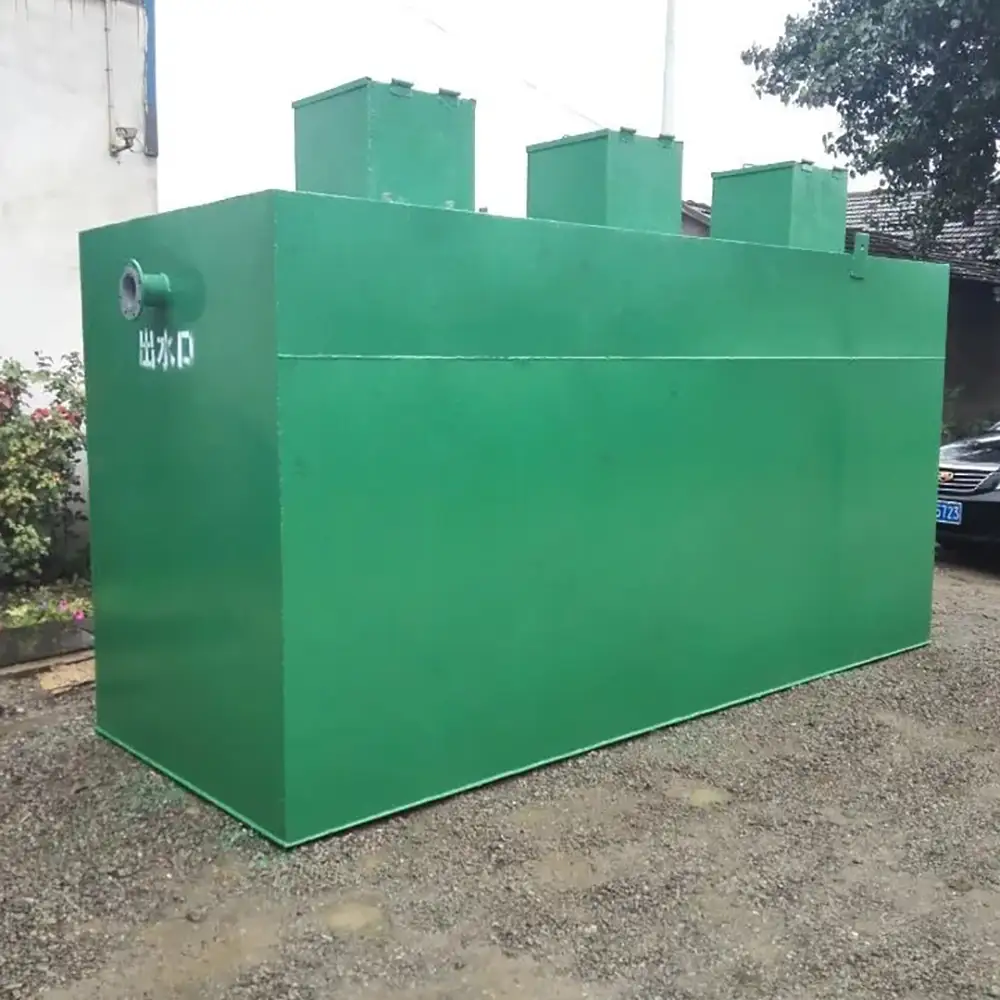
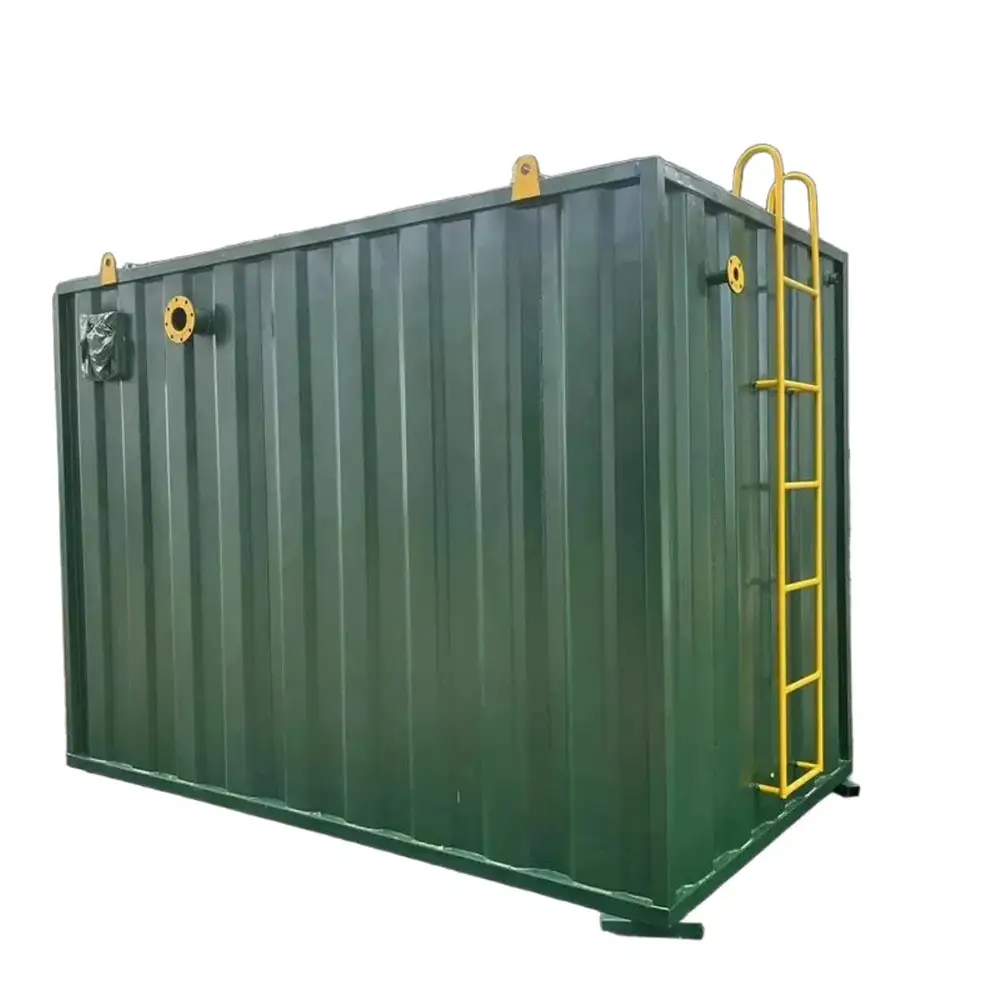
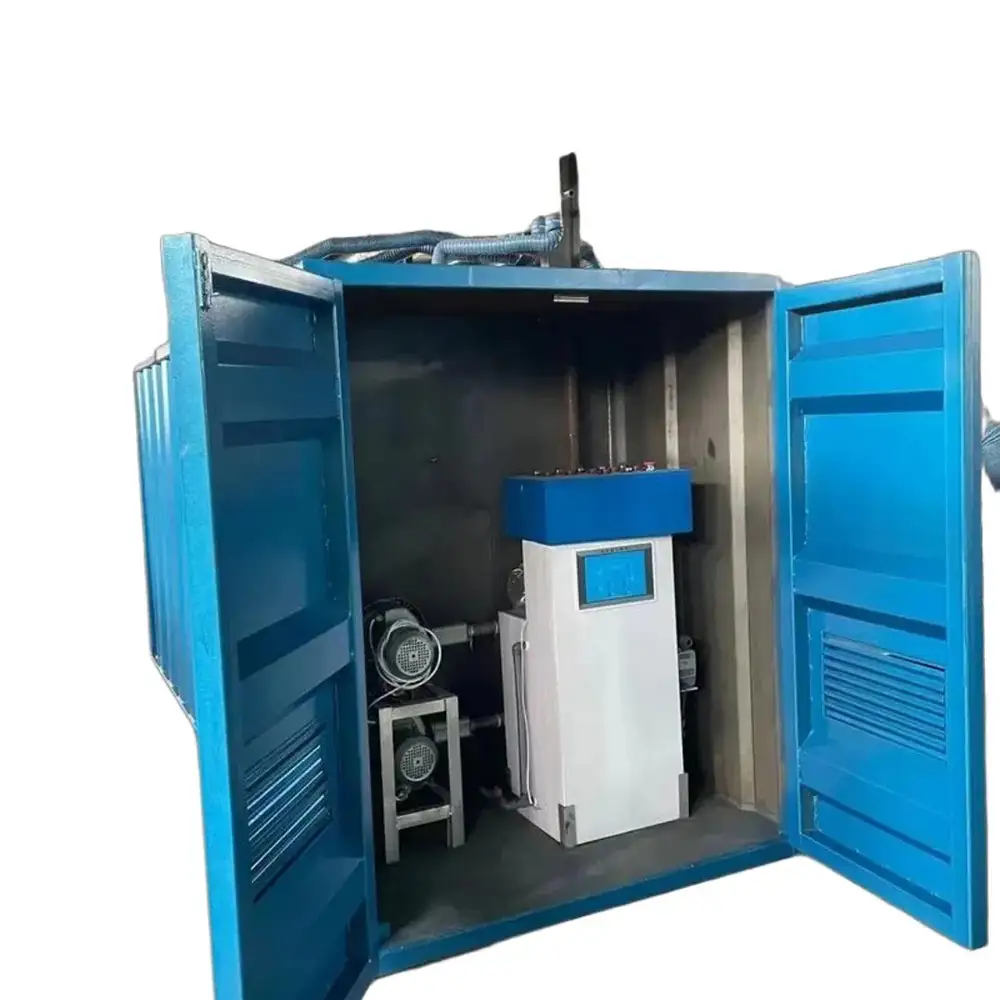
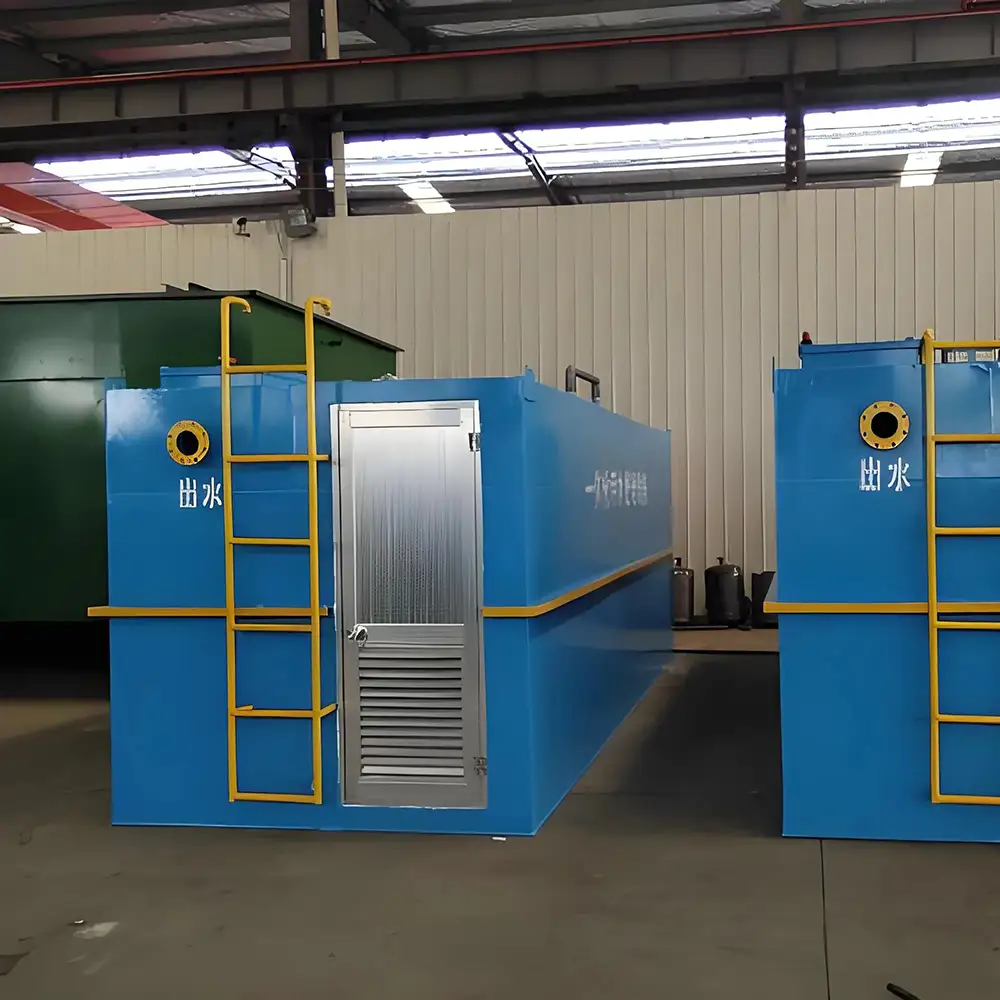
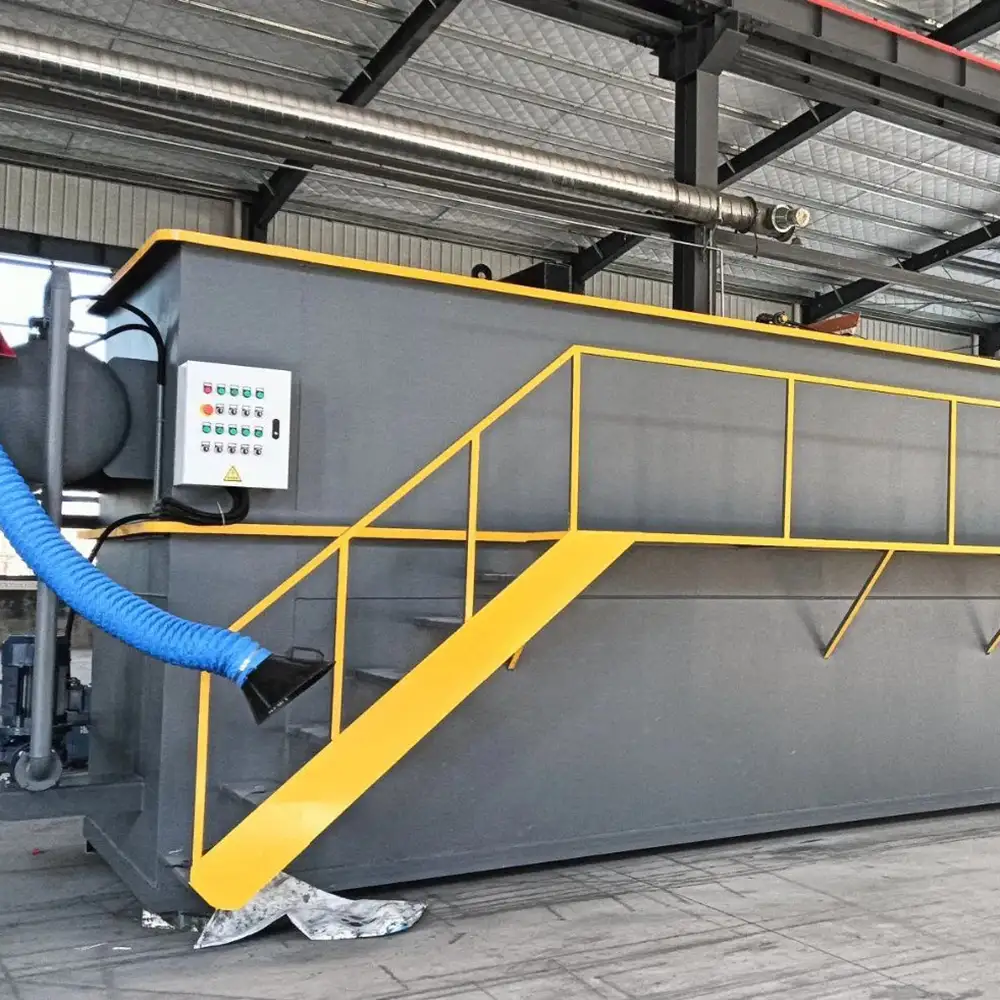
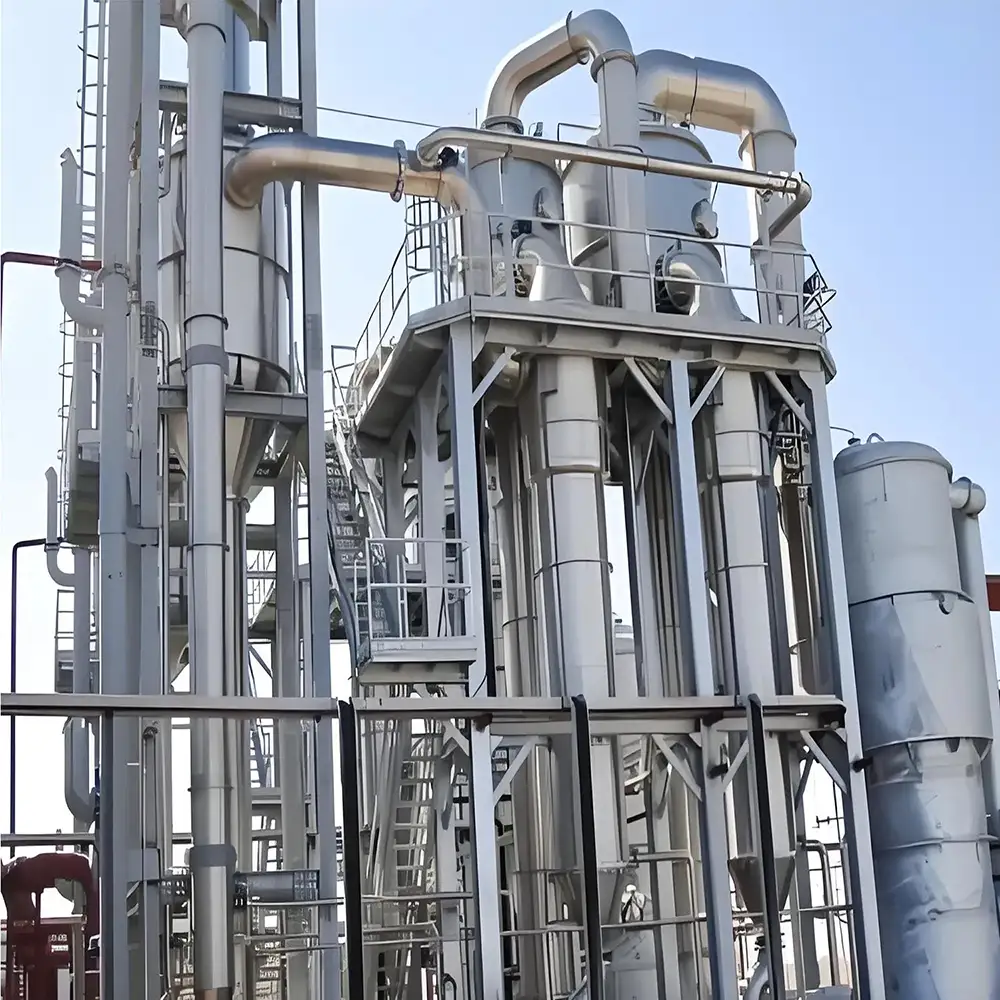
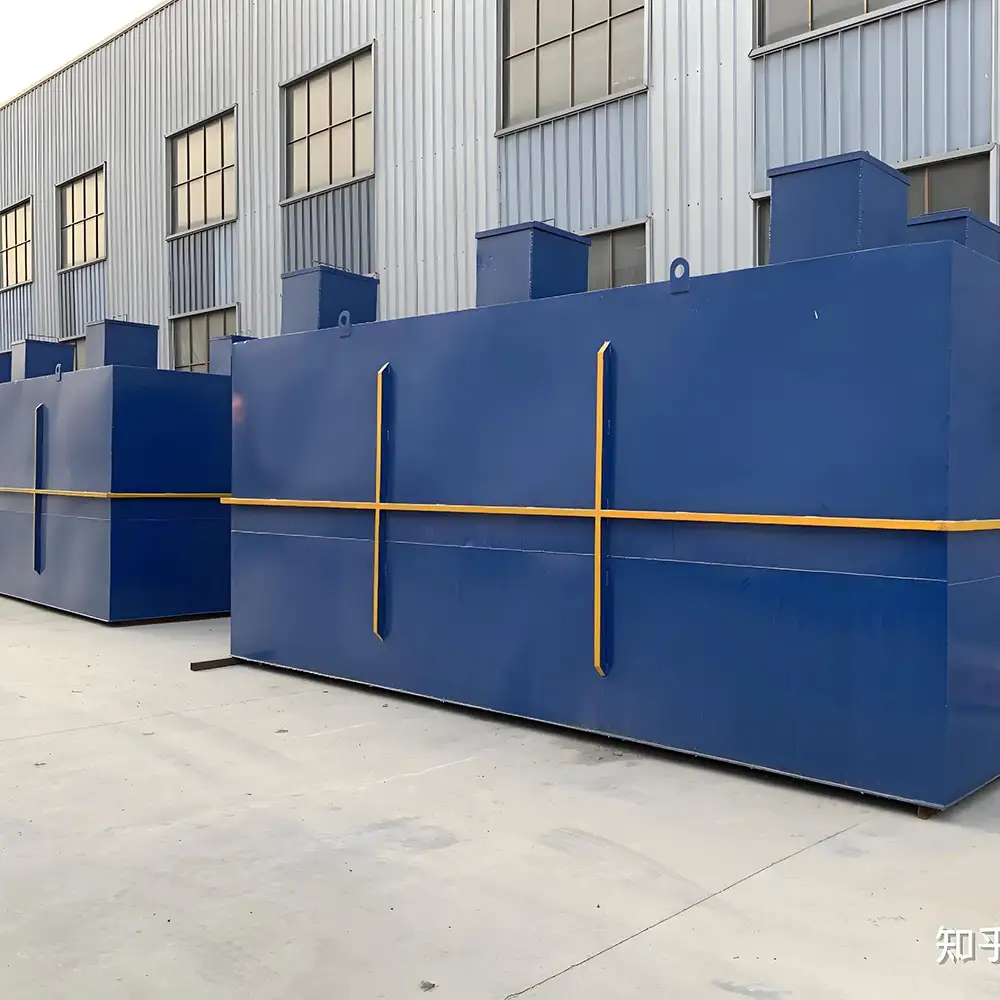
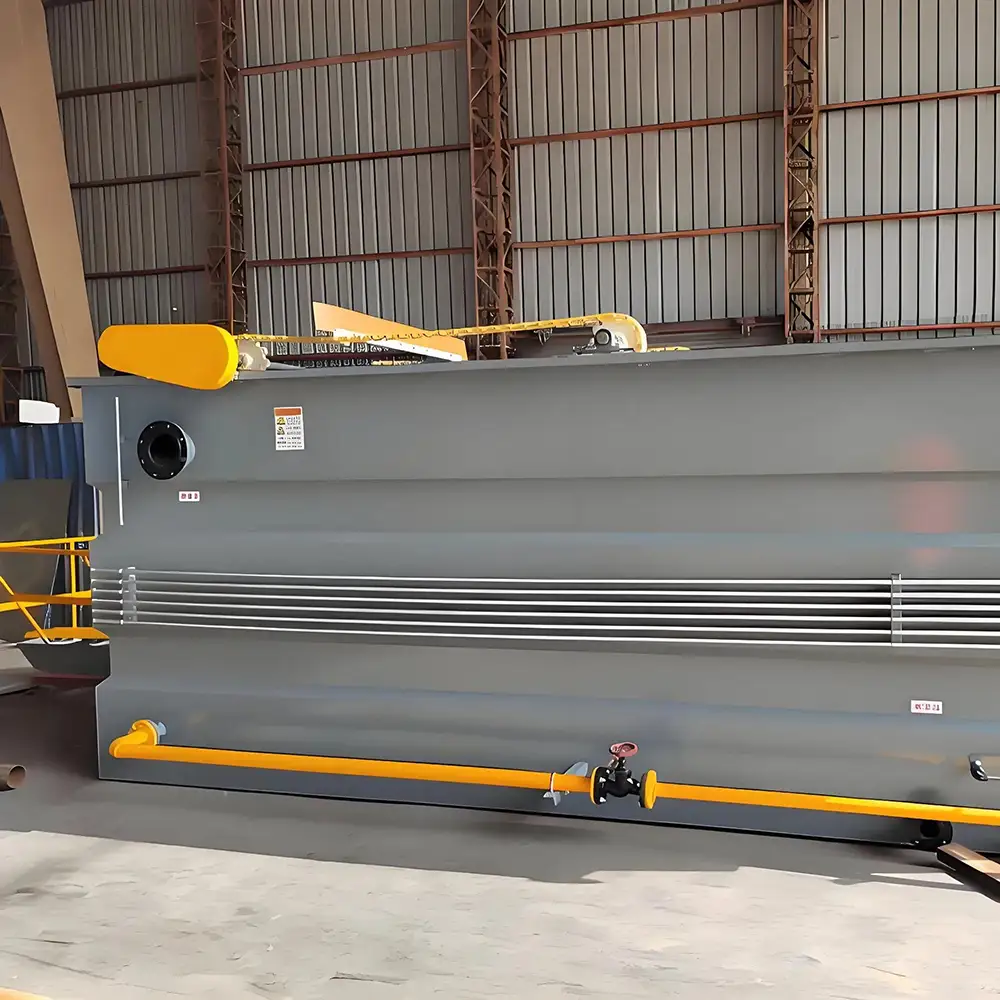
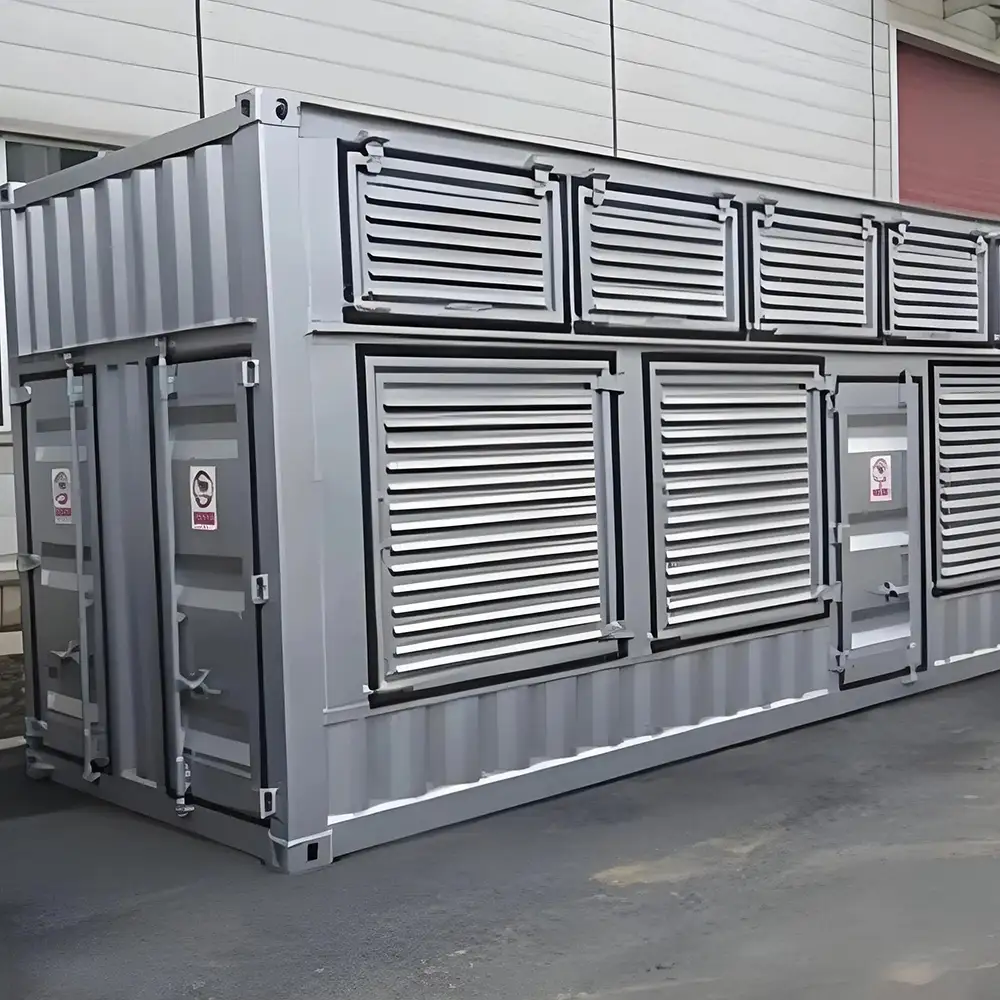
Domestic sewage comprehensive treatment equipment
The comprehensive treatment equipment for domestic sewage has made outstanding contributions in the current process, and its application in the living community is also of great concern. It directly affects our quality of life, and the treatment of sewage is also better improving our living environment. The biological treatment process adopted by this equipment integrates the removal of BOD, COD, and NH-N, making it the current sewage treatment equipment.
Buried Integrated Sewage Treatment Equipment for Multiple Wastewater Applications
Buried Integrated Sewage Treatment Equipment is a compact wastewater treatment solution designed for locations where land availability, visual impact, and decentralized sewage treatment are important considerations. By integrating several treatment processes into a coordinated underground or partially buried system, the equipment can provide practical wastewater treatment for rural communities, residential areas, medical facilities, hotels, restaurants, food factories, and other decentralized applications.
Unlike a conventional wastewater treatment plant with multiple exposed tanks, a buried sewage treatment system can place major treatment units below ground while keeping the surface available for landscaping, access roads, parking, or other site uses. The actual installation arrangement depends on soil conditions, groundwater level, loading requirements, local regulations, and maintenance access.
Because rural domestic sewage, medical wastewater, hotel sewage, and food-processing wastewater have different characteristics, the treatment process should be selected according to the actual influent. A typical system may combine screening, equalization, biological treatment, sedimentation or membrane separation, sludge handling, filtration, and final disinfection.
How a Buried Integrated Sewage Treatment System Works
1. Sewage Collection and Screening
Wastewater enters the treatment system through a collection pipeline and first passes through coarse or fine screening. Screening removes larger debris such as plastics, fibers, wipes, food particles, and other solids.
For hotels and food factories, screening can be especially important because food residues, grease, packaging fragments, and fibrous materials can interfere with pumps and downstream treatment equipment.
2. Equalization and Pretreatment
An equalization section can balance fluctuations in wastewater flow and pollutant concentration. This helps provide a more stable feed to the biological treatment process.
For food factories, restaurants, and commercial kitchens, grease separation or dissolved air flotation may be incorporated before biological treatment. For medical wastewater, additional pretreatment and disinfection considerations may be required depending on the wastewater source.
3. Biological Treatment
The biological section is usually the core of an integrated sewage treatment system. Microorganisms consume biodegradable organic matter and convert pollutants into biomass and other biological products.
Depending on the project, the biological process may use MBBR, activated sludge, contact oxidation, SBR, or MBR technology.
MBBR uses biofilm carriers to provide a large surface area for microorganisms. SBR performs biological treatment and settling in controlled operating cycles. MBR combines biological treatment with membrane-based solid-liquid separation when higher-quality effluent is required.
The appropriate technology depends on flow rate, organic loading, temperature, nitrogen requirements, site conditions, and desired effluent quality.
Rural Living and Residential Sewage Treatment
Rural communities and decentralized residential developments may not have access to large municipal wastewater networks. A buried integrated sewage treatment plant can provide localized treatment close to the wastewater source.
Typical rural applications include:
Rural Residential Communities
Villages
Farmhouses
Rural Schools
Rural Guesthouses
Agricultural Communities
Remote Worker Housing
Small Residential Developments
The underground design can reduce the visible footprint of wastewater infrastructure while allowing the surrounding land to be used for landscaping or other purposes.
Medical and Healthcare Wastewater Treatment
Medical facilities can generate wastewater containing conventional organic pollutants, suspended solids, microorganisms, disinfectants, pharmaceuticals, and other healthcare-related contaminants.
For medical applications, the treatment system may include biological treatment followed by clarification, filtration, and reliable disinfection. UV, chlorination, chlorine dioxide, ozone, or other disinfection technologies can be selected according to the project requirements.
Not every medical wastewater stream has the same composition. Laboratories, hospitals, clinics, dental facilities, and nursing homes may require different pretreatment or advanced treatment stages. Therefore, process selection should be based on wastewater analysis and applicable local discharge requirements.
Hotel and Commercial Sewage Treatment
Hotels generate wastewater from guest rooms, kitchens, restaurants, laundry operations, bathrooms, and other facilities. Flow can vary significantly between peak and low occupancy periods.
A buried integrated sewage treatment system can help balance variable flows and treat biodegradable organic matter, suspended solids, and other conventional wastewater pollutants.
For hotels with restaurants or commercial kitchens, grease removal and solids pretreatment can be incorporated into the process. Where treated water is intended for landscaping, toilet flushing, irrigation, or other reuse applications, additional filtration and disinfection may be required.
Food Factory Wastewater Treatment
Food-processing wastewater can have substantially higher organic loading than ordinary domestic sewage. It may also contain suspended solids, fats, oils, grease, food particles, nutrients, and biodegradable process residues.
A food factory wastewater treatment system may therefore require stronger pretreatment than a standard residential sewage plant.
Depending on the industry, the process may include:
Coarse And Fine Screening
Grit Removal
Equalization
Grease Separation
Coagulation And Flocculation
Dissolved Air Flotation
Anaerobic Treatment
MBBR Biological Treatment
SBR Biological Treatment
Secondary Clarification
MBR Membrane Filtration
Sludge Dewatering
Final Disinfection
The exact treatment train should be selected according to wastewater flow, COD, BOD, TSS, oil and grease, pH, temperature, and other process-specific parameters.
Advantages of Buried Integrated Sewage Treatment Equipment
A buried integrated system offers several practical advantages for decentralized wastewater projects.
Reduced Visible Footprint:
Major treatment units can be installed below ground, helping reduce the visual impact of the wastewater facility.
Space Optimization:
The land above or around the equipment can potentially be used for landscaping, access, or other site functions, subject to structural and safety requirements.
Integrated Process Design:
Multiple treatment stages can be combined into one coordinated system instead of requiring numerous independent treatment structures.
Flexible Applications:
The same general equipment concept can be configured for rural residential sewage, hotel wastewater, medical wastewater, and selected industrial or food-processing applications.
Automation:
PLC-based control systems can monitor pumps, blowers, liquid levels, aeration, dosing, and other operating parameters.
Modular Configuration:
Treatment capacity and process stages can be configured according to the project's flow rate and effluent requirements.
Installation and Maintenance
Underground installation requires careful engineering. Soil bearing capacity, groundwater, excavation depth, tank buoyancy, structural loading, ventilation, access openings, drainage, and maintenance space should all be considered.
Although the main treatment tank can be buried, pumps, blowers, electrical cabinets, control panels, dosing systems, and other components may be installed in accessible equipment areas.
Routine maintenance can include screen cleaning, sludge removal, pump inspection, blower maintenance, diffuser inspection, membrane cleaning when applicable, sensor calibration, and periodic tank inspection.
Why Choose Us?
We provide integrated wastewater treatment solutions for decentralized and industrial applications. Our equipment can be configured around the customer's actual wastewater characteristics rather than relying on a single standard process.
For rural living projects, we focus on compact installation and straightforward operation. For medical facilities, we can incorporate enhanced disinfection and polishing stages. For hotels, the system can accommodate variable daily flows. For food factories, stronger solids, grease, and organic-load pretreatment can be incorporated.
We can also support process selection, equipment configuration, tank sizing, automation, material selection, sludge treatment, disinfection, and water-reuse integration.
FAQs
1. What is buried integrated sewage treatment equipment?
It is a wastewater treatment system in which several treatment processes are integrated into a compact tank or coordinated treatment structure designed for underground or partially buried installation.
2. Can the system be used for rural residential sewage?
Yes. It is suitable for many decentralized rural residential and community wastewater projects when correctly sized for the population and wastewater flow.
3. Can it treat hotel wastewater?
Yes. Hotel sewage can be treated using biological treatment, solid-liquid separation, and disinfection. Kitchen grease pretreatment may also be required.
4. Is it suitable for medical wastewater?
Yes, but medical wastewater requires careful process selection and reliable disinfection. Specific medical or laboratory wastewater may require additional pretreatment.
5. Can it be used for a food factory?
Yes. Food-processing wastewater can be treated, but high COD, suspended solids, fats, oils, grease, and food residues may require additional pretreatment.
6. What biological process can be used?
MBBR, SBR, activated sludge, contact oxidation, and MBR are possible options depending on the wastewater characteristics and treatment objectives.
7. Can the equipment be completely buried underground?
The main tank can often be buried, but equipment requiring routine access, such as blowers, electrical controls, pumps, and dosing systems, should be arranged for safe inspection and maintenance.
8. Does buried installation require special engineering?
Yes. Groundwater, soil conditions, structural loading, tank buoyancy, excavation depth, and maintenance access should be evaluated before installation.
9. Can treated water be reused?
Potentially. Additional filtration and disinfection may be required depending on the intended reuse application and applicable water-quality standards.
10. Is the system automatic?
It can be equipped with PLC-based automatic control for pumps, blowers, aeration, dosing, liquid levels, alarms, and other process parameters.
11. How is food factory wastewater different from domestic sewage?
Food factory wastewater can contain much higher organic loading and more solids, fats, oils, and grease, so additional pretreatment may be necessary.
12. What information is required for system design?
Important information includes daily wastewater flow, peak flow, COD, BOD, TSS, ammonia, nitrogen, phosphorus, pH, temperature, oil and grease, wastewater source, discharge standard, and desired reuse quality.
Prev:
Industrial Aquaculture Hospital Wastewater Treatment Plant Integrated Sewage Treatment Equipment
Next:
Aquaculture and Slaughtering Wastewater Treatment / DAF Industrial Wastewater Treatment Equipment
TAG:
UV Wastewater Disinfection,
Industrial Wastewater Treatment Equipment,
Integrated Wastewater Treatment System,
Food Industry Wastewater Treatment,
Food Processing Wastewater Treatment,
Industrial Wastewater Treatment System,
Dissolved Air Flotation Wastewater Treatment,
Industrial Wastewater Treatment,
Industrial Sewage Treatment,
Industrial Wastewater Treatment Plant,
Wastewater Reuse System,
Decentralized Wastewater Treatment,
Compact Wastewater Treatment Plant,
BOD Removal Wastewater Treatment,
Decentralized Water Treatment,
MBBR Wastewater Treatment,
Biological Wastewater Treatment,
Water Reuse Treatment System,
Decentralized Sewage Treatment System,
Integrated Wastewater Treatment Equipment,
Integrated Sewage Treatment System,
Integrated Sewage Treatment Equipment,
COD Removal Wastewater Treatment,
Nitrogen Removal Wastewater Treatment,
SBR Wastewater Treatment,
Activated Sludge Wastewater Treatment,
Food Factory Wastewater Treatment,
MBBR Sewage Treatment,
MBBR Wastewater Treatment System,
Industrial Sewage Treatment Equipment,
Related Category:
Buried Integrated Sewage Treatment Equipment,Buried Sewage Treatment Plant,Underground Sewage Treatment System China, suppliers, manufacturers, factory, customized, wholesale, quotation, made in China