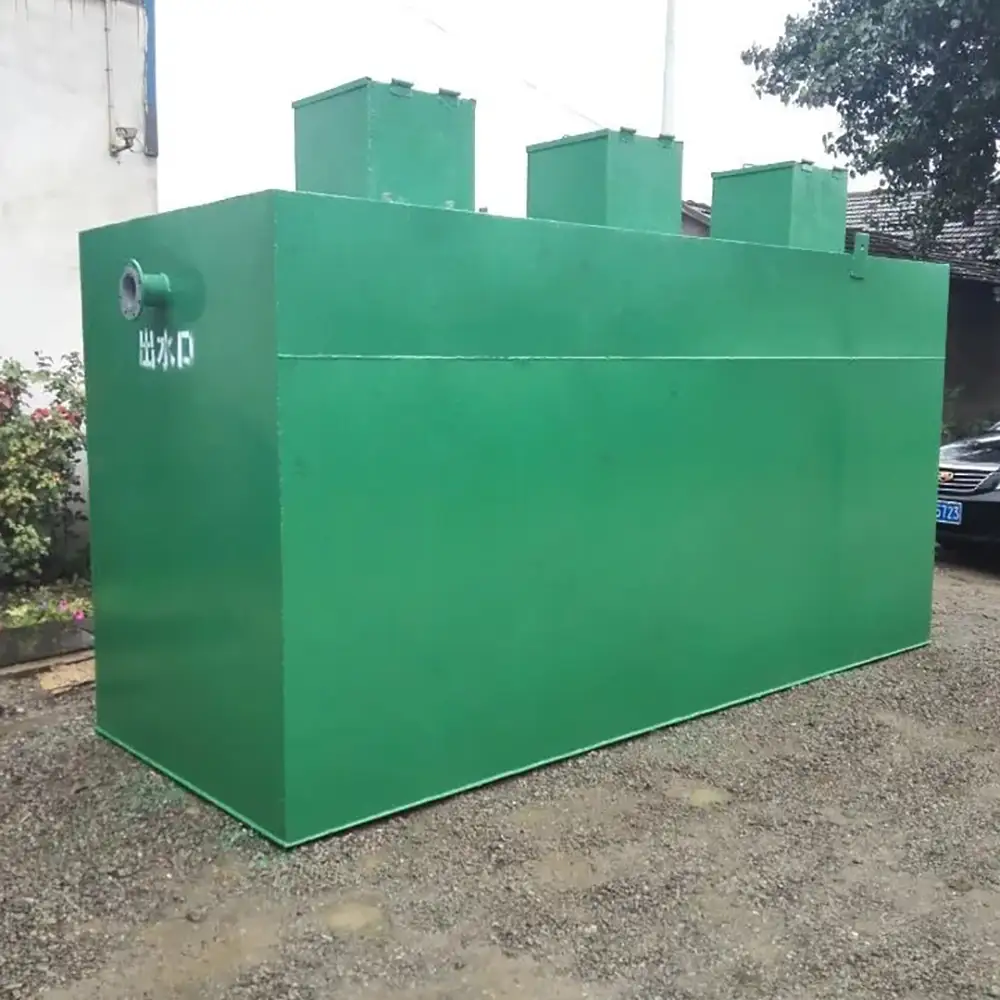
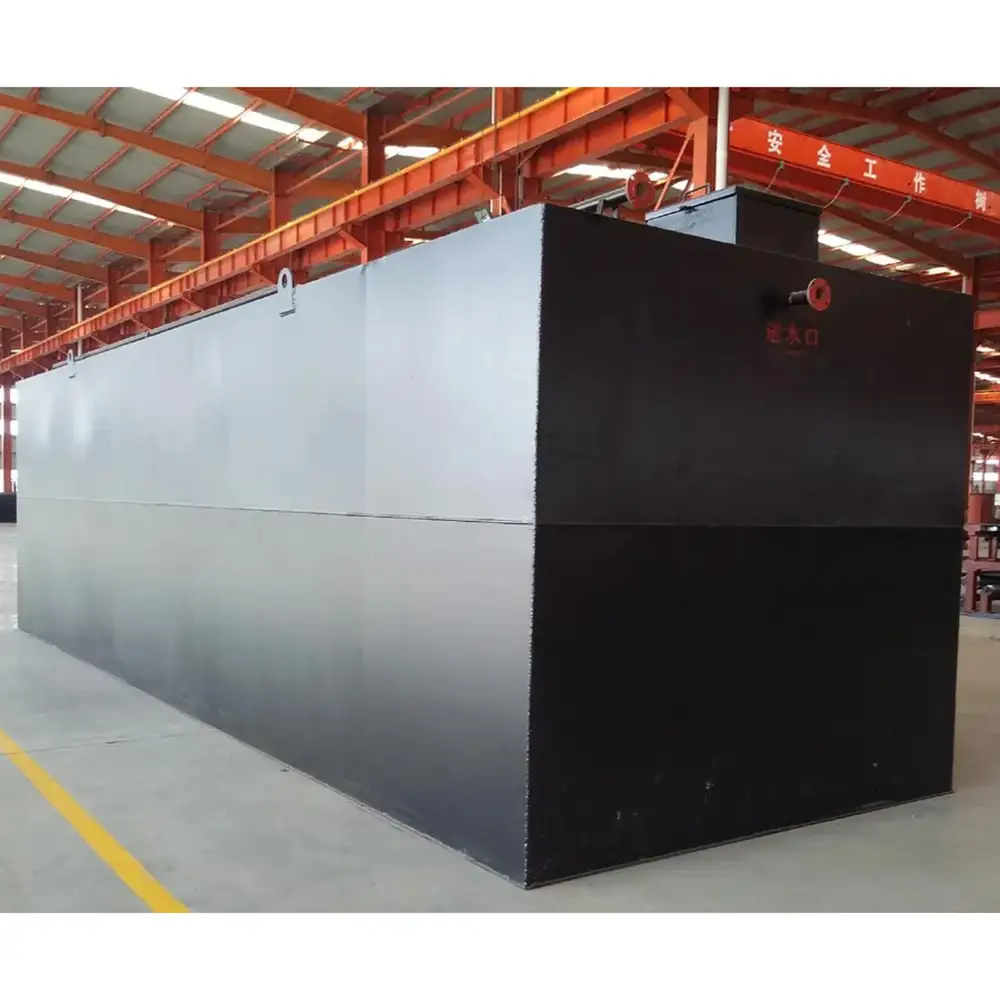
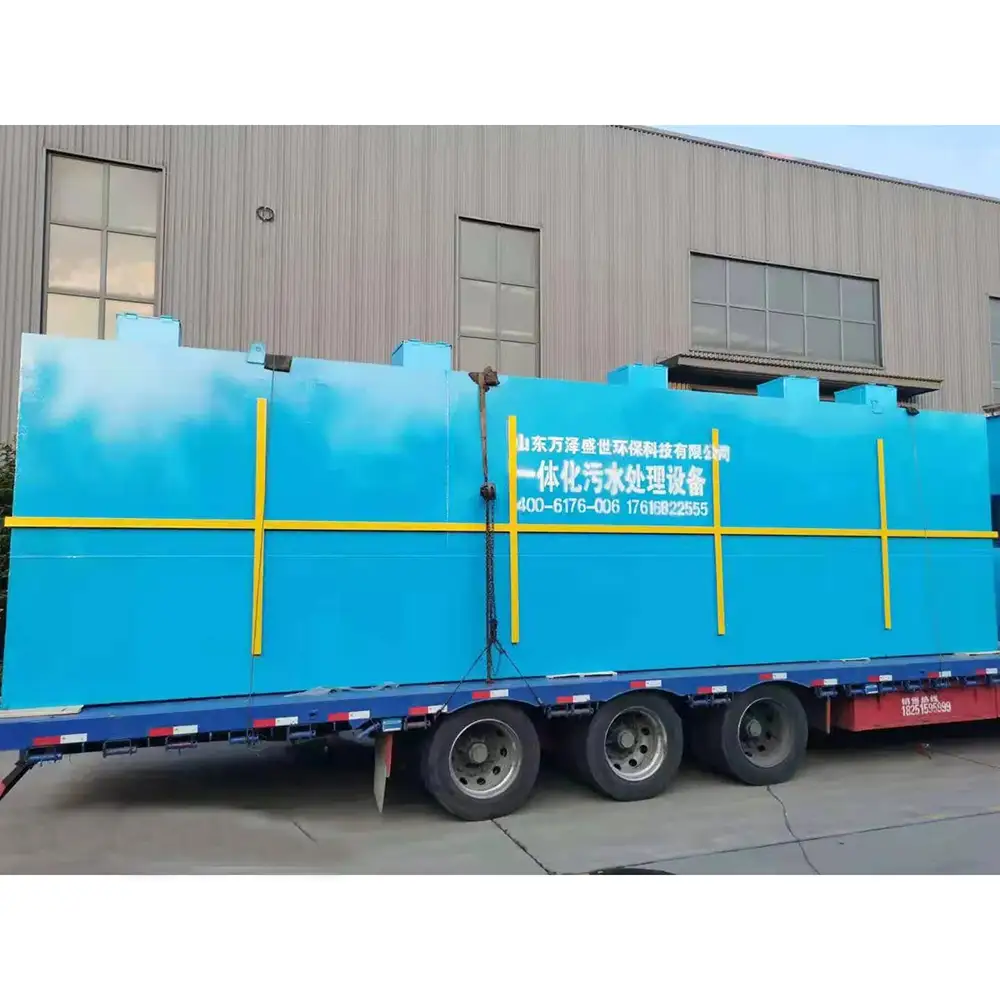
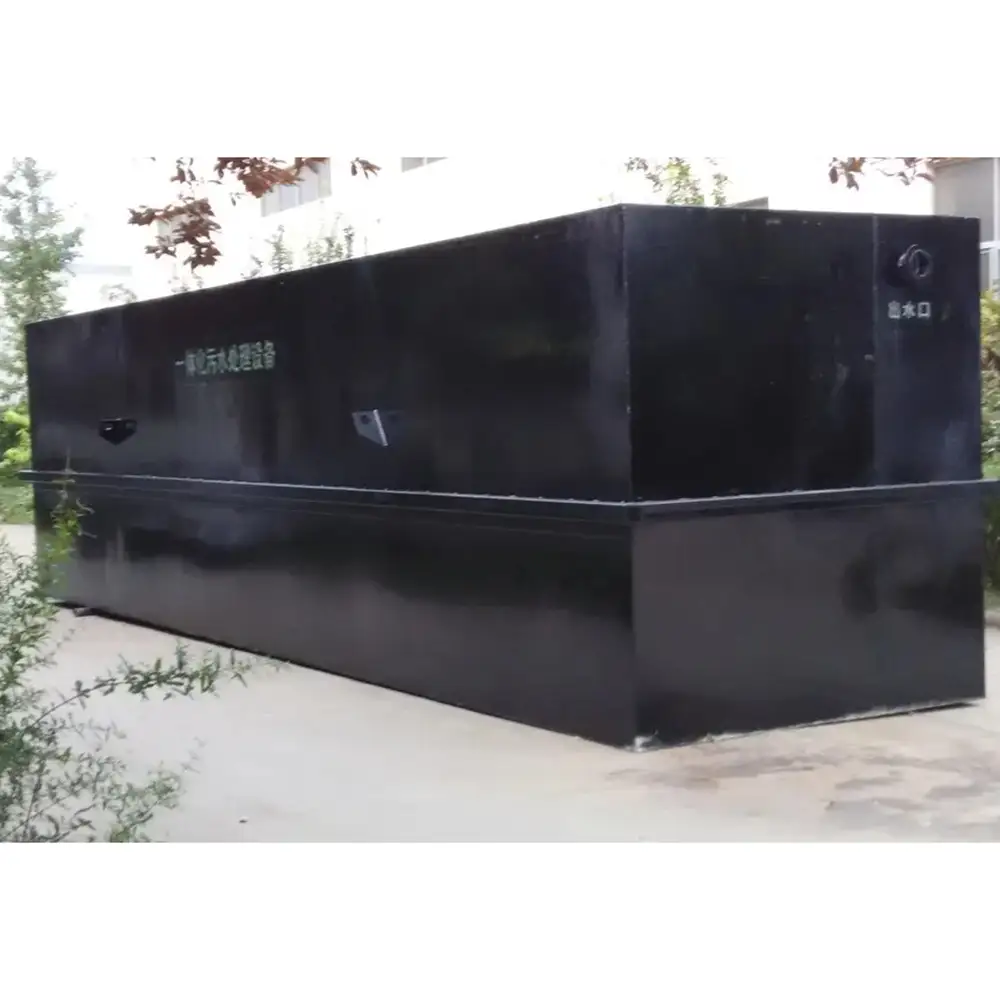
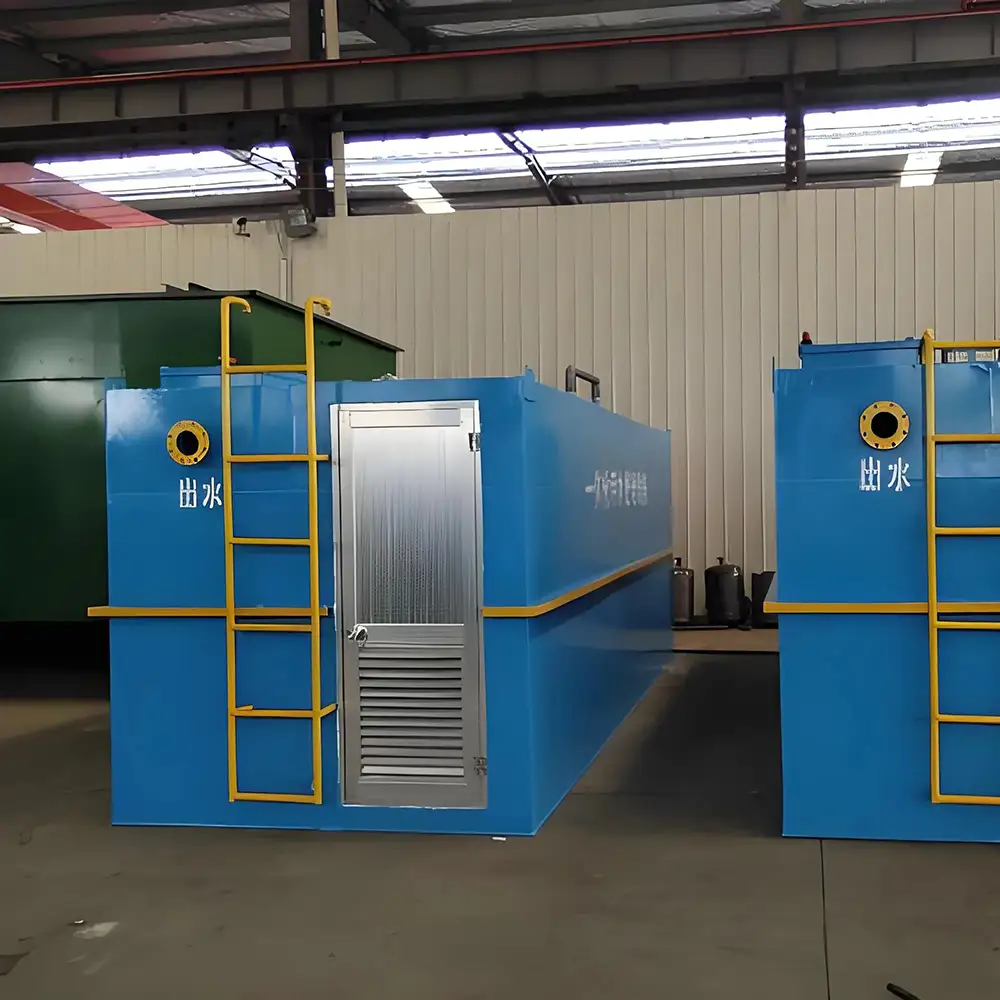
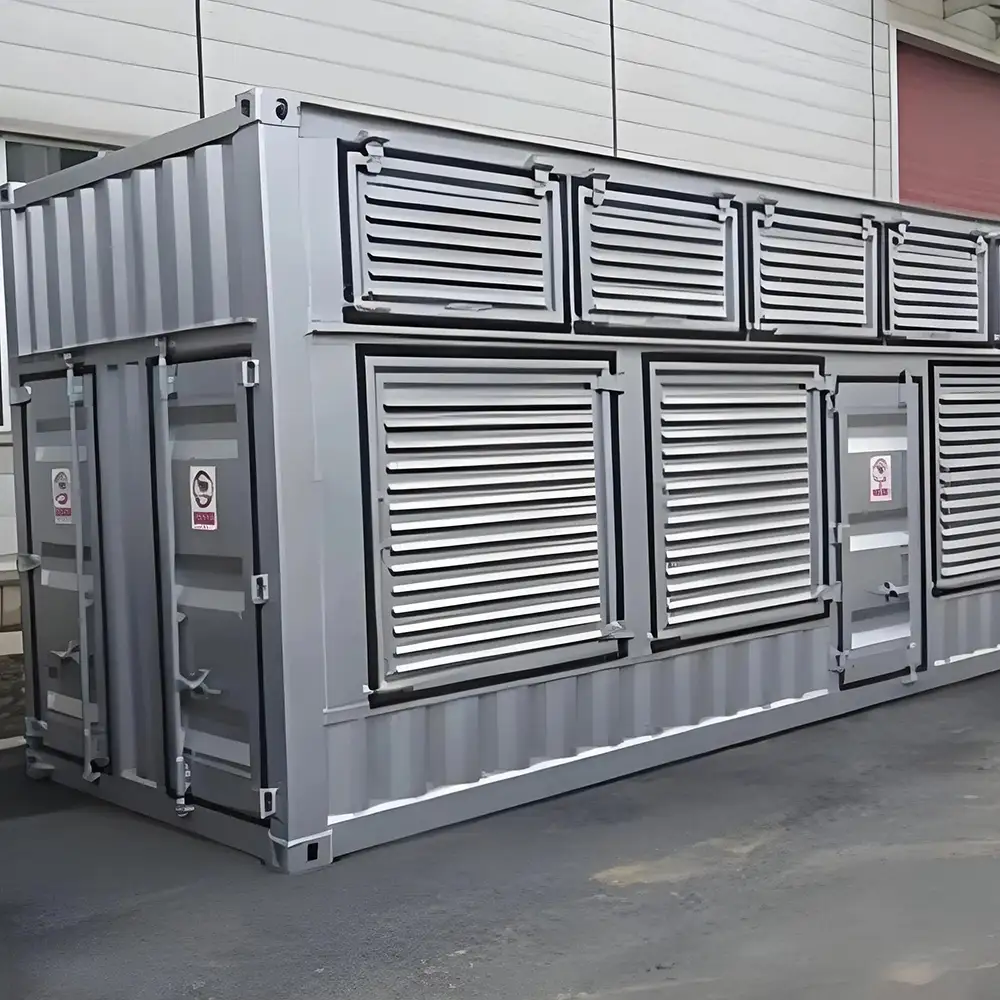
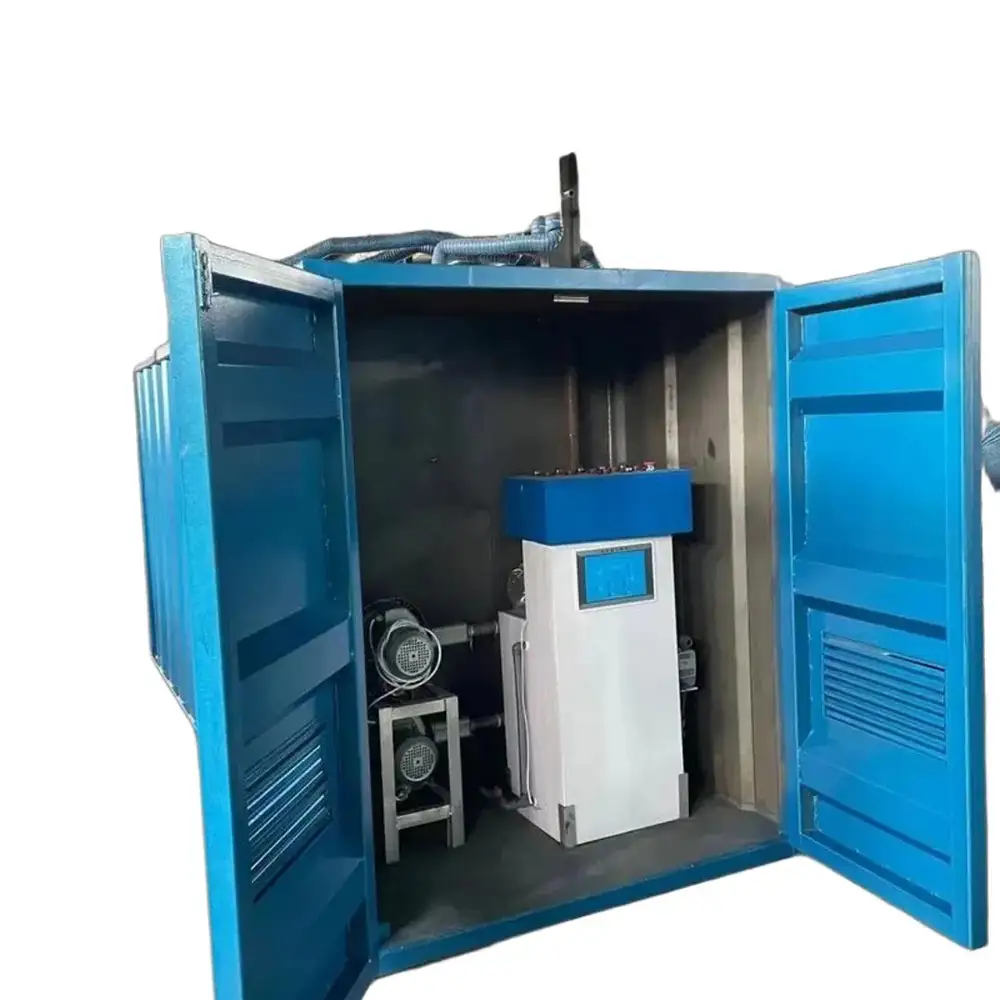
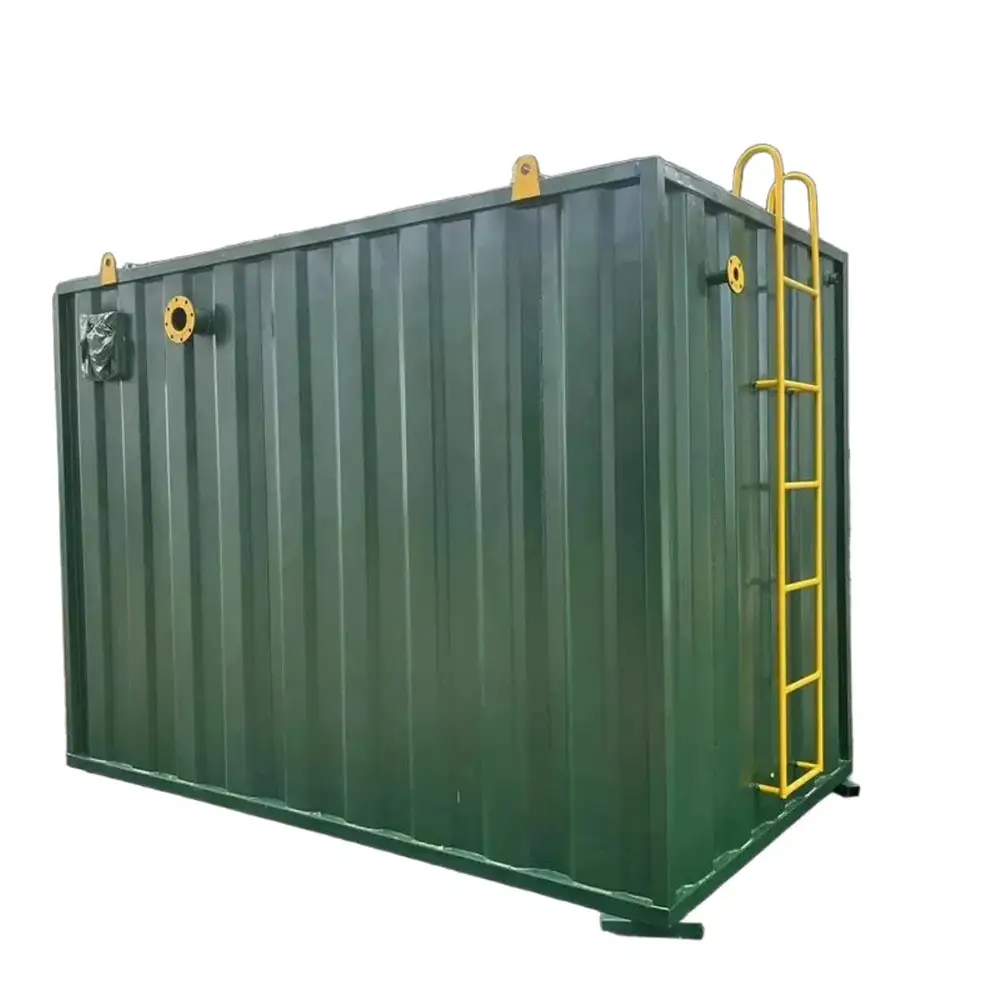
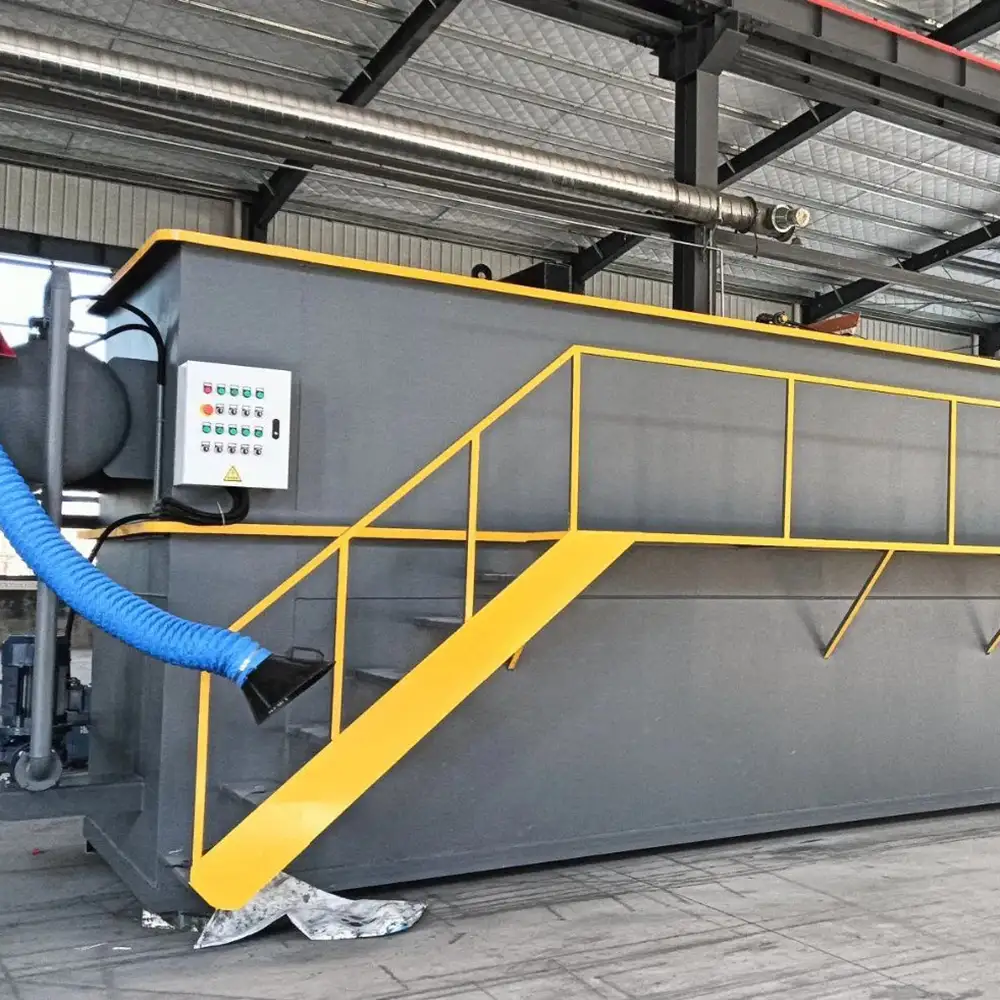
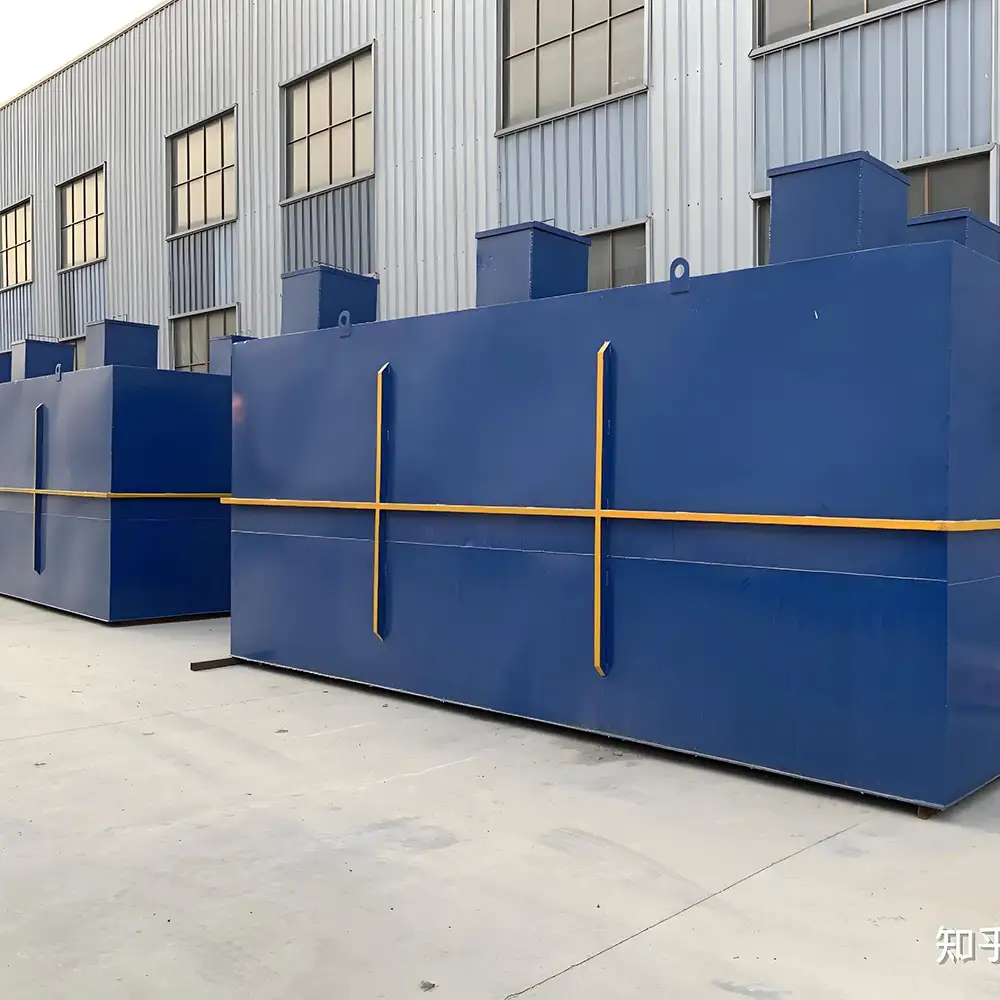
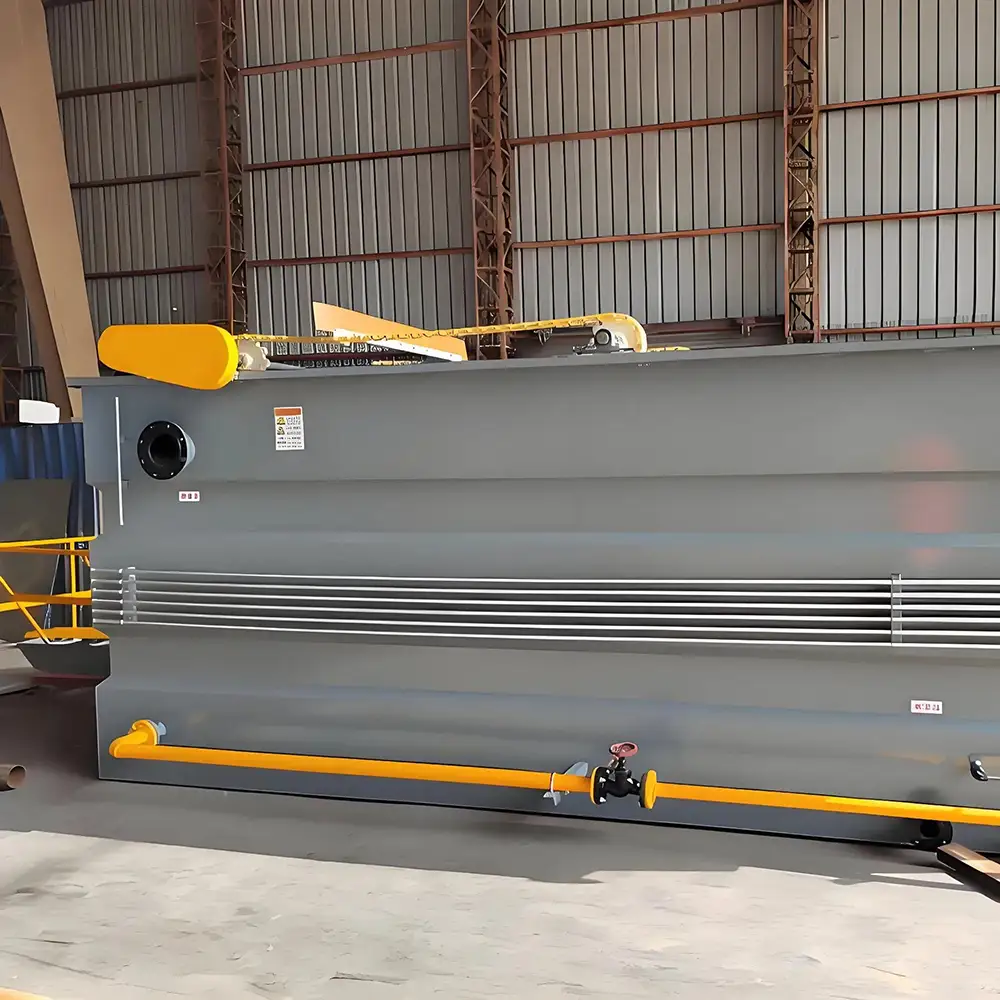
Domestic sewage comprehensive treatment equipment
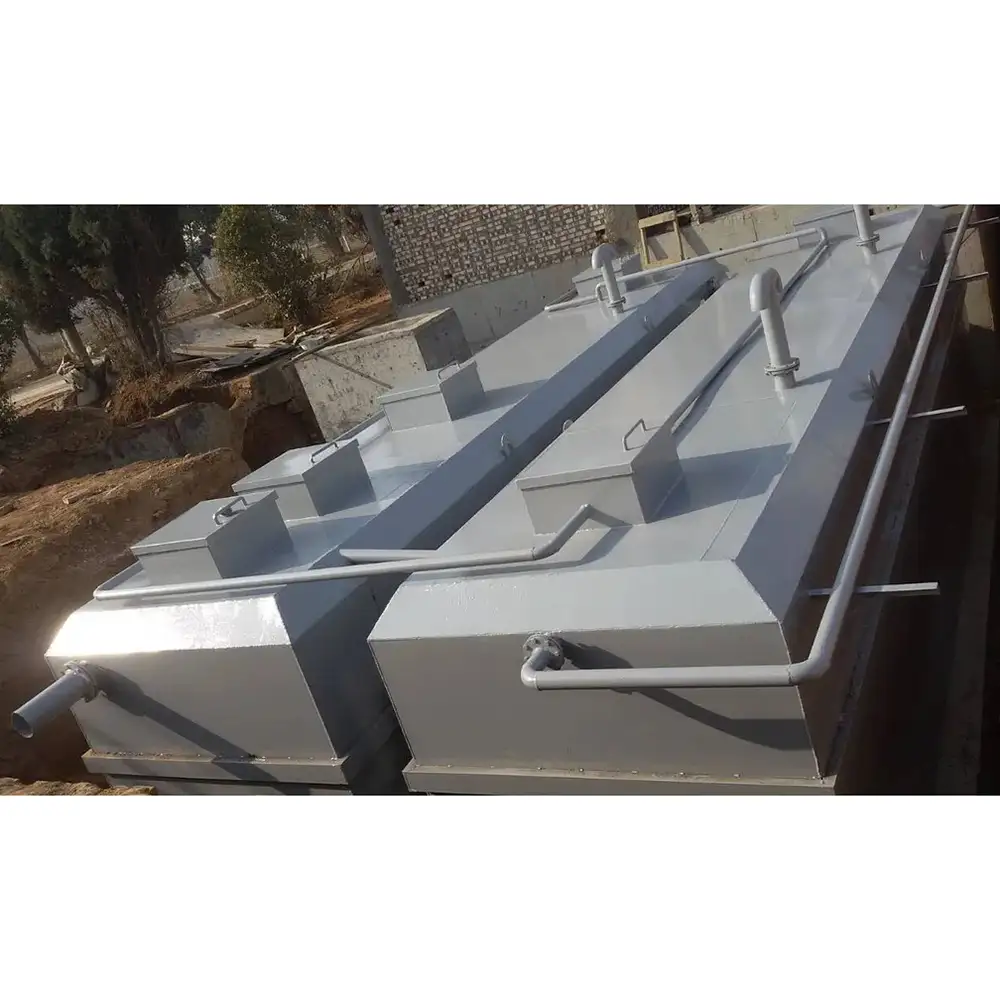
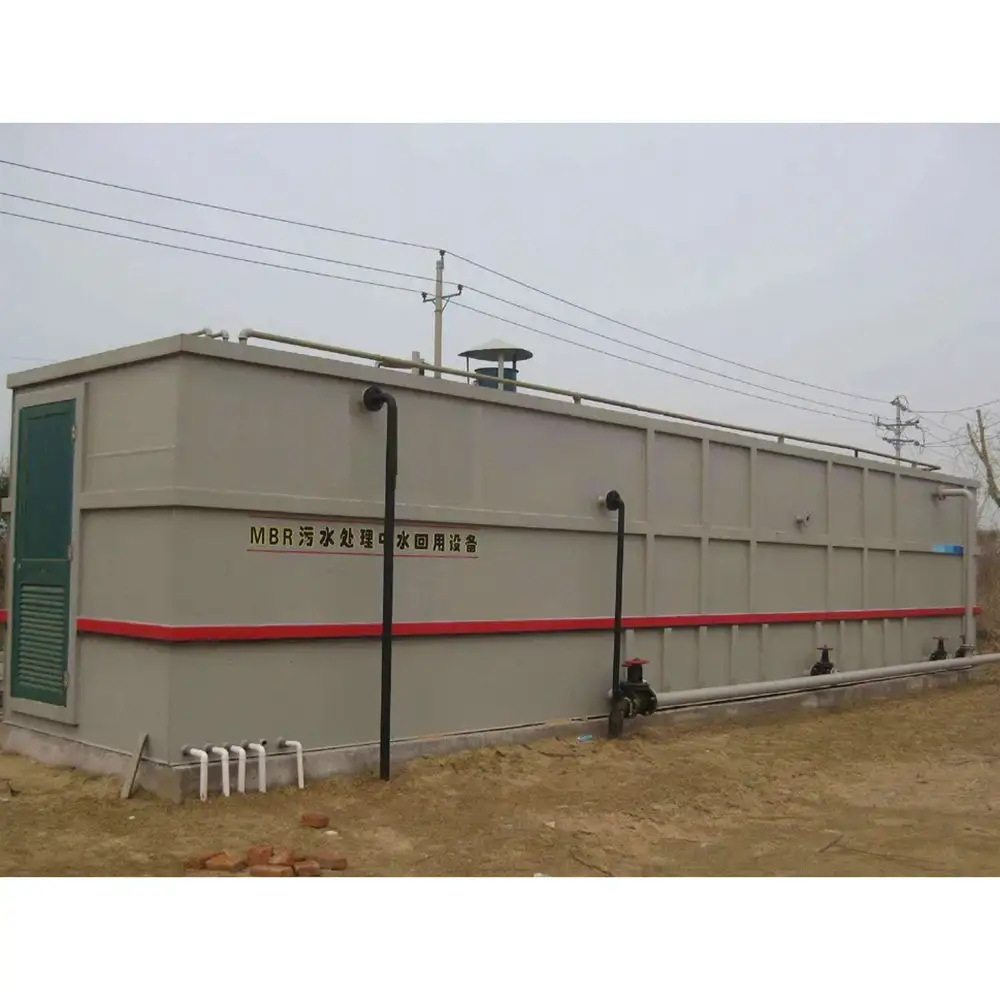
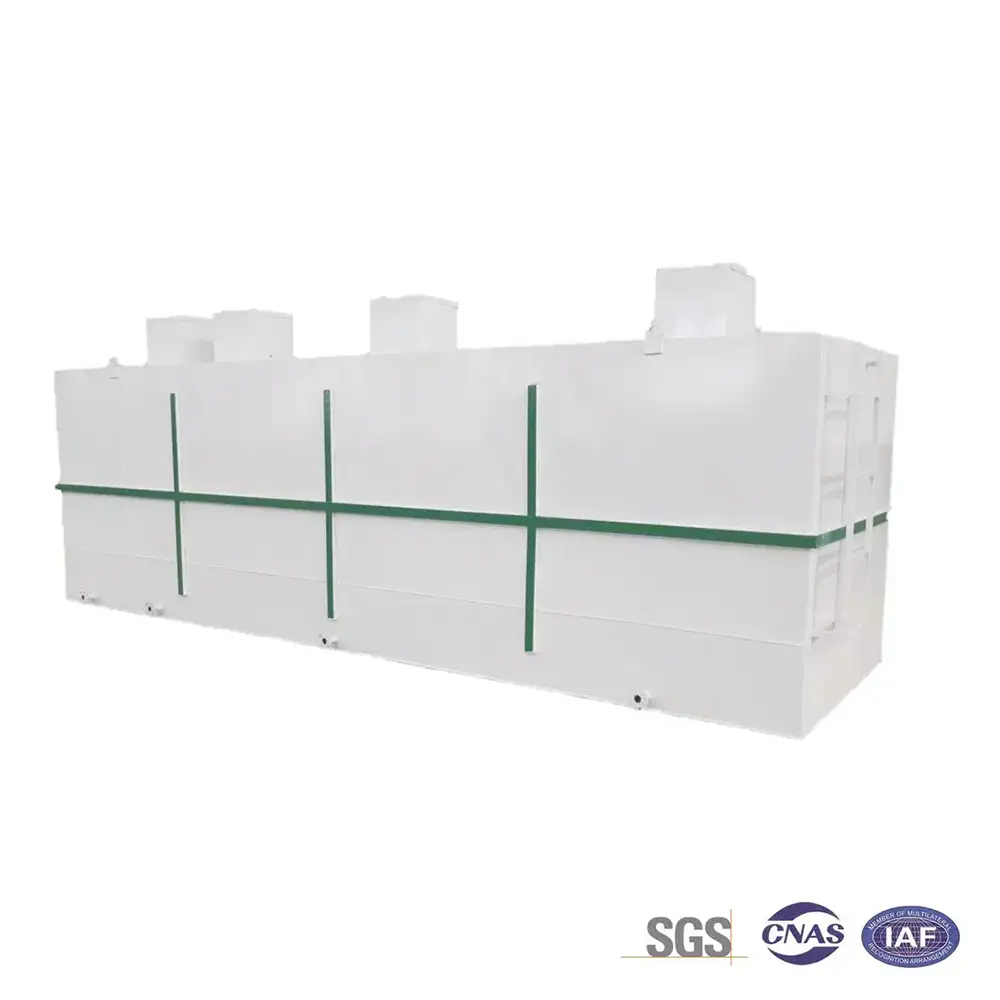
The comprehensive treatment equipment for domestic sewage has made outstanding contributions in the current process, and its application in the living community is also of great concern. It directly affects our quality of life, and the treatment of sewage is also better improving our living environment. The biological treatment process adopted by this equipment integrates the removal of BOD, COD, and NH-N, making it the current sewage treatment equipment. It is widely used in the treatment of domestic sewage and similar industrial organic sewage in rural areas, villas and residential quarters, replacing the septic tank with low removal rate and treated effluent that cannot meet the comprehensive discharge standard.
The Underground and Above-Ground Sewage Treatment System MBBR Wastewater Treatment Package is a modular biological wastewater treatment solution designed for domestic sewage, municipal wastewater, commercial wastewater, and selected industrial applications. The system can be configured as an underground or above-ground treatment plant according to site conditions, available space, construction requirements, and operating preferences.
The core biological process uses MBBR, or Moving Bed Biofilm Reactor, technology. MBBR uses buoyant biofilm carriers that move freely within the biological reactor. Microorganisms grow on the carrier surfaces, providing additional biological treatment capacity. EPA describes MBBR as a biological treatment technology using free-moving biofilm carriers and notes that the process can provide higher biomass concentration and smaller reactor volumes compared with conventional activated sludge in suitable applications.
After practical application, it has been shown that the integrated buried sewage treatment equipment is a very ideal and easy to manage domestic sewage treatment equipment. The long-term application results in the living community also indicate that this equipment is a good governance measure for our domestic sewage treatment.
Domestic sewage is the wastewater discharged from residents' daily lives, mainly from residential buildings and public buildings, such as residential buildings, government agencies, schools, hospitals, shops, public places, and industrial enterprise bathrooms. The pollutants contained in domestic sewage are mainly organic matter (such as proteins, carbohydrates, fats, urea, ammonia nitrogen, etc.) and a large number of pathogenic microorganisms (such as parasitic eggs and intestinal infectious viruses, etc.). The organic matter present in domestic sewage is extremely unstable and prone to decay, resulting in a foul odor. Bacteria and pathogens multiply in large quantities using organic matter in domestic sewage as nutrients, which can lead to the spread of infectious diseases.
The comprehensive domestic sewage has high CODcr and BOD5, and the value of BOD5/CODcr is greater than 0.4, indicating good biochemical performance. It is advisable to adopt a biochemical based process for treatment. Due to the large amount of wastewater, integrated sewage treatment equipment should be used for biochemical treatment. Before entering the biochemical device, try to remove floating and large particle suspended impurities from the domestic sewage during the pre-treatment stage as much as possible, and then enter the sewage regulating tank to prevent adverse effects on the sewage lifting pump.
|
Model NO. |
WSZ |
Handling method |
Biological Treatment |
|
Usage |
Industrial, Home, Agriculture, Hospital, Urban |
Trademark |
|
|
Types |
Package, Compact, Small, Mini |
Applications |
Industrial, Municipal, Domestic, Medical, Ship |
|
Craft |
Mbr Membrane, Mbbr, Ao, Aao, Disinfect, Filtration |
Features |
Water Clarification, Filtration, Purification |
|
Service Life |
20 Years |
Operation |
Automatic |
|
Steel Plate Thickness |
>8mm |
Function |
Remove Cod BOD |
|
Voltage |
220V/ 380V/ Customerized |
Installation Type |
Underground / Onground |
|
Colour |
Grey/Silver/Blue/Balck/Customerized |
Use for |
Mineral, Printing, Chemical, Dyeing, Starch |
|
Material |
Carbon Steel, Stain Steel, FRP, PE, PP |
Certificate |
SGS, ISO |
|
Transport Package |
Container Standard Packing |
Specification |
Carbon steel anti-corrosion |
|
Production Capacity |
1000 Sets/Year |
Origin |
China |
Underground And Above-Ground Sewage Treatment Options
One of the main advantages of a packaged MBBR wastewater treatment system is installation flexibility.
An underground sewage treatment system can be installed below grade, helping preserve valuable surface space. This configuration can be useful for residential communities, hotels, resorts, schools, commercial developments, and facilities where the treatment plant needs to blend into the surrounding site.
An above-ground sewage treatment system provides easier access to tanks, pumps, blowers, valves, electrical equipment, and maintenance areas. Above-ground installations can be especially practical where land preparation is straightforward and convenient equipment access is a priority.
The appropriate installation method depends on soil conditions, groundwater level, traffic loads, site layout, local regulations, maintenance requirements, and project budget.
What Is MBBR Wastewater Treatment?
MBBR is a biological treatment process in which microorganisms grow as biofilm on specially designed plastic carriers inside a reactor.
The carriers remain suspended and continuously move through the wastewater. In aerobic zones, air supplied through diffusers provides oxygen and mixing. The movement keeps the carriers distributed throughout the reactor and promotes contact between wastewater, microorganisms, and oxygen.
The biofilm microorganisms consume biodegradable organic matter and can support nitrification and other biological reactions when the reactor is properly designed.
Research and EPA technical materials have documented MBBR applications for municipal and industrial wastewater treatment, including removal of organic matter and nutrients.
Working Principle
A typical MBBR packaged sewage treatment system follows several stages.
1. Pretreatment
Incoming sewage first passes through coarse or fine screening. Screens remove plastics, fibers, rags, large particles, and other debris that could interfere with pumps, aeration systems, or biological treatment.
Grit removal can also be included when sand and mineral particles are present.
2. Equalization
An equalization tank can balance fluctuations in flow and pollutant concentration. This helps prevent sudden hydraulic or organic loading changes from destabilizing the biological treatment process.
3. MBBR Biological Treatment
Wastewater enters the MBBR reactor containing biological carrier media.
In aerobic zones, blowers and diffusers supply oxygen while maintaining carrier movement. Microorganisms attached to the media degrade biodegradable organic matter and can convert ammonia through nitrification.
For nitrogen removal, anoxic and aerobic zones can be arranged according to the required treatment process.
4. Solid-Liquid Separation
After biological treatment, suspended solids and biological flocs must be separated from the treated water.
Depending on the system configuration, separation may be achieved through secondary sedimentation, membrane filtration, or other suitable technologies.
5. Disinfection
UV, chlorine, chlorine dioxide, ozone, or another disinfection process can be added when required by the final discharge or reuse application.
Main Components
A packaged MBBR sewage treatment plant can include:
Coarse Screening Unit
Fine Screening Unit
Grit Removal System
Equalization Tank
Anoxic Tank
MBBR Aerobic Reactor
MBBR Biofilm Carrier Media
Aeration Blower
Fine Bubble Diffusers
Secondary Clarifier
Sludge Return System
Sludge Discharge System
Filtration Unit
Disinfection Equipment
Treated Water Tank
PLC Control Cabinet
The actual equipment combination depends on wastewater characteristics, treatment capacity, discharge standards, available space, and the desired level of automation.
Underground MBBR Sewage Treatment System
Underground installation can provide an effective way to save surface space.
The treatment tanks can be installed below ground while selected electrical and mechanical components remain accessible above ground. Landscaping, parking areas, green spaces, or other site functions may be arranged around the treatment facility when permitted by the project design.
Underground systems require careful consideration of structural loading, waterproofing, groundwater conditions, ventilation, access openings, maintenance clearance, and lifting arrangements.
For sites with high groundwater or difficult excavation conditions, an above-ground or partially buried configuration may be more practical.
Above-Ground MBBR Wastewater Treatment Package
Above-ground packaged treatment systems are convenient for installation, inspection, and maintenance.
The tanks can be arranged in a compact modular layout, with pumps, blowers, control cabinets, chemical dosing equipment, and disinfection units positioned for easy access.
A modular above-ground system can also simplify future capacity expansion. Additional treatment modules or process equipment may be incorporated when the site and hydraulic design allow expansion.
Key Advantages
Compact Biological Treatment
MBBR uses attached biofilm carriers to maintain active biomass within the reactor. This can provide higher biomass concentration and help reduce reactor volume in appropriate designs.
Flexible Installation
The system can be designed for underground, above-ground, partially buried, or modular installation depending on site requirements.
Stable Biological Process
Because biomass grows on carrier media, the biological system can retain microorganisms within the reactor rather than relying entirely on suspended biomass retention.
Scalable Design
Packaged treatment modules can be configured for different flow capacities and process requirements.
Lower Site Footprint
MBBR can provide a compact biological treatment solution where conventional treatment tanks would require more space.
Easy Process Integration
MBBR can be combined with sedimentation, MBR, filtration, disinfection, activated carbon, or other treatment technologies.
Applications
Underground and above-ground MBBR sewage treatment packages are suitable for:
Residential Communities
Apartment Complexes
Hotels And Resorts
Schools And Universities
Hospitals And Healthcare Facilities
Commercial Buildings
Restaurants
Industrial Parks
Factories
Food Processing Facilities
Municipal Sewage Treatment
Rural Sewage Treatment
Remote Facilities
Construction Camps
Wastewater Reuse Projects
For industrial wastewater, pretreatment may be necessary when wastewater contains high concentrations of oil, toxic compounds, heavy metals, salts, or difficult-to-biodegrade substances.
MBBR For COD, BOD And Nitrogen Removal
The MBBR biological process can reduce biodegradable organic matter and contribute to COD and BOD reduction.
Properly configured aerobic MBBR reactors can also support nitrification, while anoxic MBBR zones can be incorporated into nitrogen-removal processes.
Actual removal performance depends on wastewater characteristics, temperature, hydraulic retention time, carrier filling ratio, dissolved oxygen, organic loading, nutrient balance, and other operating conditions.
Pilot and full-scale studies have demonstrated MBBR applications for COD, BOD, nitrogen, and phosphorus removal, but individual project performance should be established from actual wastewater data rather than applying fixed removal percentages.
Operation And Maintenance
Routine maintenance should include inspection of blowers, diffusers, pumps, valves, screens, carrier retention screens, sensors, sludge equipment, and control systems.
Operators should monitor flow rate, pH, dissolved oxygen, COD, BOD, ammonia, suspended solids, sludge concentration, and other parameters required by the treatment process.
The MBBR carrier media should remain properly distributed and retained within the biological reactor. Retention screens should be inspected regularly to prevent blockage and ensure that the carrier media remains inside the reactor.
Aeration performance is particularly important because insufficient oxygen or mixing can affect biological activity and carrier movement.
Why Choose Us?
We provide underground and above-ground MBBR wastewater treatment packages designed around the actual requirements of each sewage treatment project.
The system can be configured according to treatment capacity, influent COD and BOD, ammonia concentration, discharge standards, available installation space, installation method, climate, automation requirements, and water reuse objectives.
We can integrate screening, equalization, anoxic treatment, MBBR biological treatment, sedimentation, filtration, disinfection, sludge treatment, and PLC automation into a complete wastewater treatment package.
For underground projects, structural design and site conditions can be considered during system planning. For above-ground installations, equipment layout and maintenance accessibility can be optimized for convenient operation.
For international B2B wastewater projects, we can also support process configuration, equipment layout, technical documentation, installation guidance, commissioning assistance, and customized system integration.
The goal is to provide a compact, flexible, and reliable MBBR sewage treatment solution for municipal, commercial, residential, and industrial wastewater applications.
FAQs
1. What Is An MBBR Wastewater Treatment Package?
It is a packaged biological wastewater treatment system using moving biofilm carriers to support microorganisms that treat organic pollutants and, when properly configured, nitrogen compounds.
2. Can The MBBR System Be Installed Underground?
Yes. The treatment tanks can be designed for underground installation when structural, groundwater, access, ventilation, and maintenance requirements are properly addressed.
3. Can The System Be Installed Above Ground?
Yes. Above-ground installation is often convenient for equipment access, inspection, maintenance, and future modification.
4. What Does MBBR Stand For?
MBBR stands for Moving Bed Biofilm Reactor.
5. How Does MBBR Remove Organic Matter?
Microorganisms grow on carrier media and biodegrade organic pollutants as wastewater passes through the reactor.
6. Can MBBR Remove BOD And COD?
Yes. MBBR biological treatment can reduce biodegradable organic matter and therefore contribute to BOD and biodegradable COD removal.
7. Can MBBR Remove Ammonia?
Yes. Aerobic MBBR configurations can support nitrifying microorganisms for ammonia removal when operating conditions are properly controlled.
8. Does MBBR Require Biofilm Carrier Media?
Yes. The carrier media provides the surface on which microorganisms develop and remain within the biological reactor.
9. Can MBBR Be Combined With MBR?
Yes. MBBR can be combined with MBR to provide biological treatment followed by membrane-based solid-liquid separation.
10. Is A Secondary Clarifier Required?
It depends on the overall system configuration. Conventional MBBR systems often use clarification after biological treatment, while MBBR-MBR systems use membrane filtration for solid-liquid separation.
11. Can The System Treat Industrial Wastewater?
Yes, when the process is designed for the specific industrial wastewater. Pretreatment may be necessary for oil, toxic compounds, heavy metals, high salinity, or other inhibitory substances.
12. Can The MBBR Wastewater Treatment Package Be Customized?
Yes. Treatment capacity, underground or above-ground configuration, MBBR stages, carrier filling ratio, aeration system, clarification, filtration, disinfection, automation, and other components can be configured according to project requirements.
Prev:
Sewage Treatment Station/ Wastewater Treatment Plant/ Biogas Digester
Next:
Solvent Recovery / Seawater Desalination Project/High-Efficiency Mvr Evaporator
TAG:
Industrial Wastewater Treatment Equipment,
Industrial Wastewater Treatment System,
Industrial Wastewater Treatment,
Industrial Wastewater Treatment Plant,
Decentralized Wastewater Treatment,
Compact Wastewater Treatment Plant,
BOD Removal Wastewater Treatment,
School Sewage Treatment,
Moving Bed Biofilm Reactor,
MBBR Wastewater Treatment,
MBBR Biological Treatment,
Integrated Wastewater Treatment Equipment,
Integrated Sewage Treatment Equipment,
COD Removal Wastewater Treatment,
Nutrient Removal Wastewater Treatment,
MBBR Biological Reactor,
MBBR Sewage Treatment,
MBBR Biofilm Media,
MBBR Carrier Media,
MBBR Biofilm Carrier,
MBBR Wastewater Treatment System,
MBBR Sewage Treatment System,
Decentralized Wastewater Treatment System,
Decentralized Sewage Treatment,
Rural Sewage Treatment,
Domestic Sewage Treatment Plant,
Residential Wastewater Treatment,
Residential Sewage Treatment,
Domestic Sewage Treatment System,
Domestic Sewage Treatment Equipment,
Related Category:
Underground Sewage Treatment System,Above-Ground Sewage Treatment System,MBBR Wastewater Treatment Package,MBBR Sewage T China, suppliers, manufacturers, factory, customized, wholesale, quotation, made in China