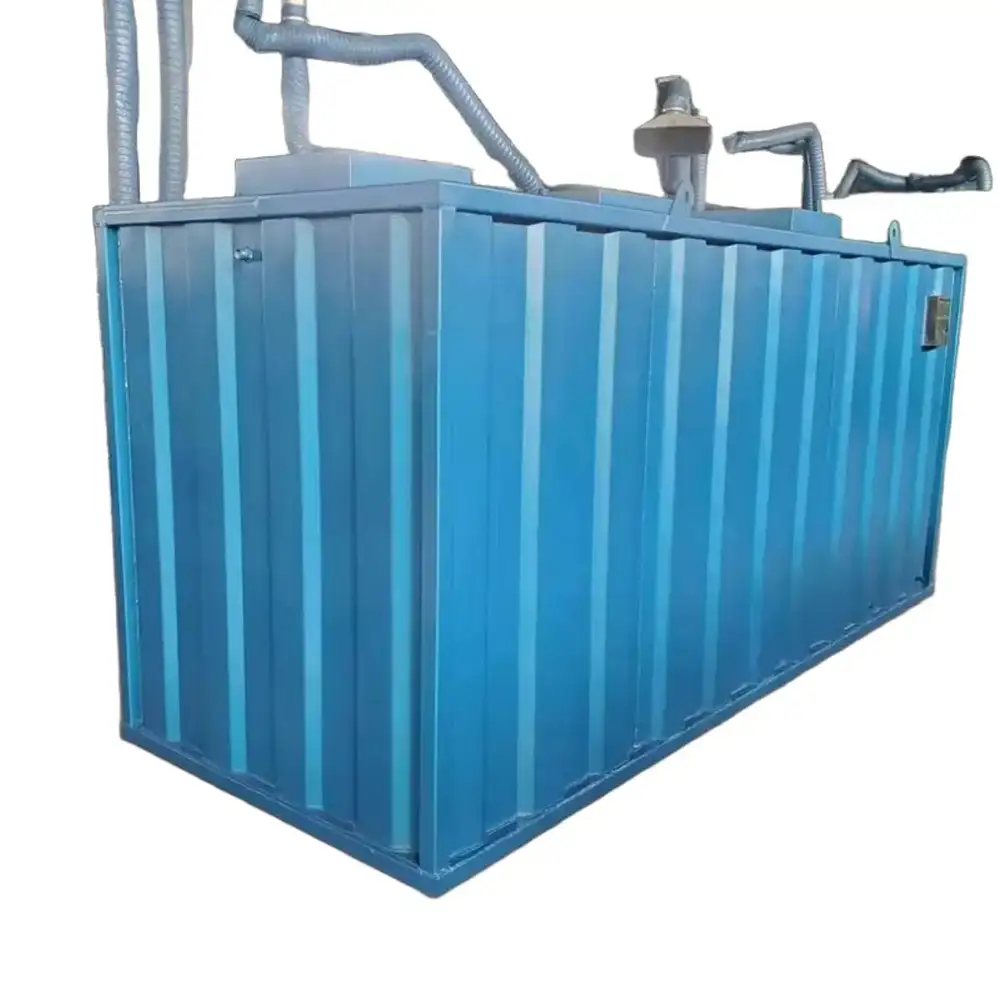
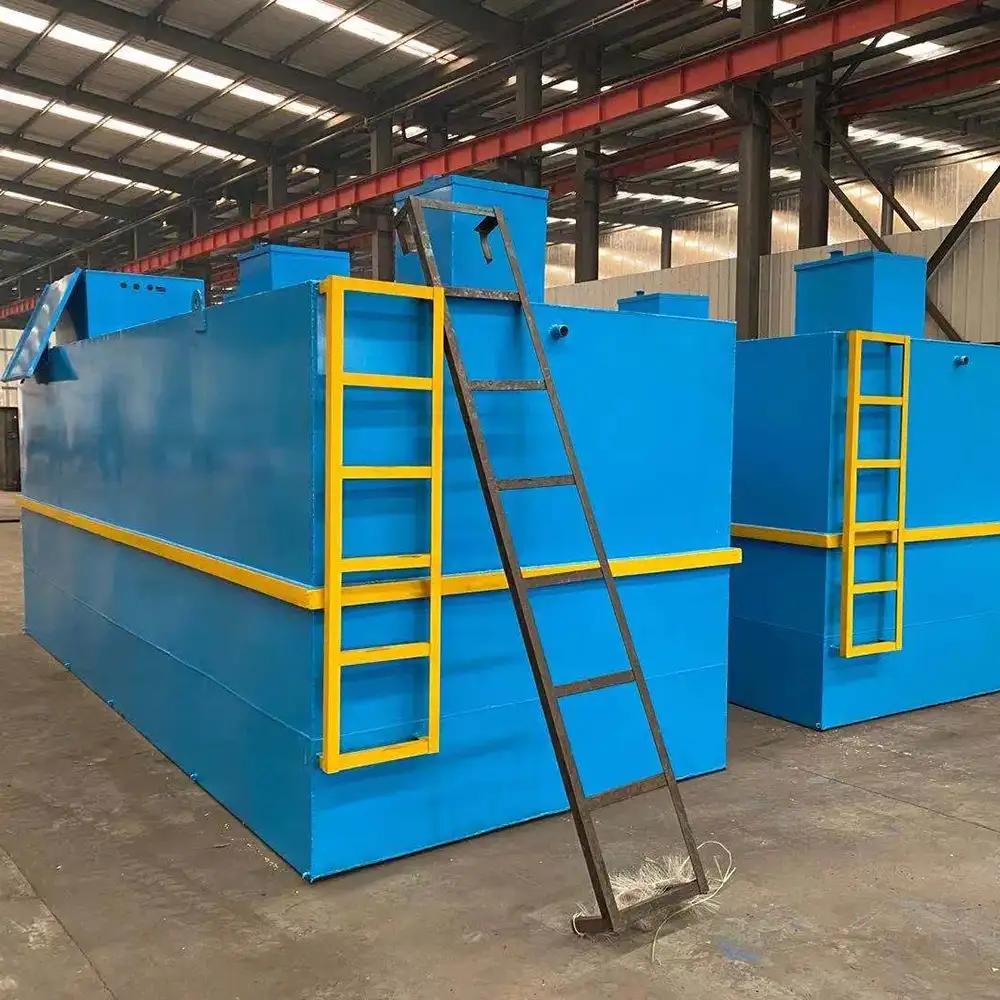
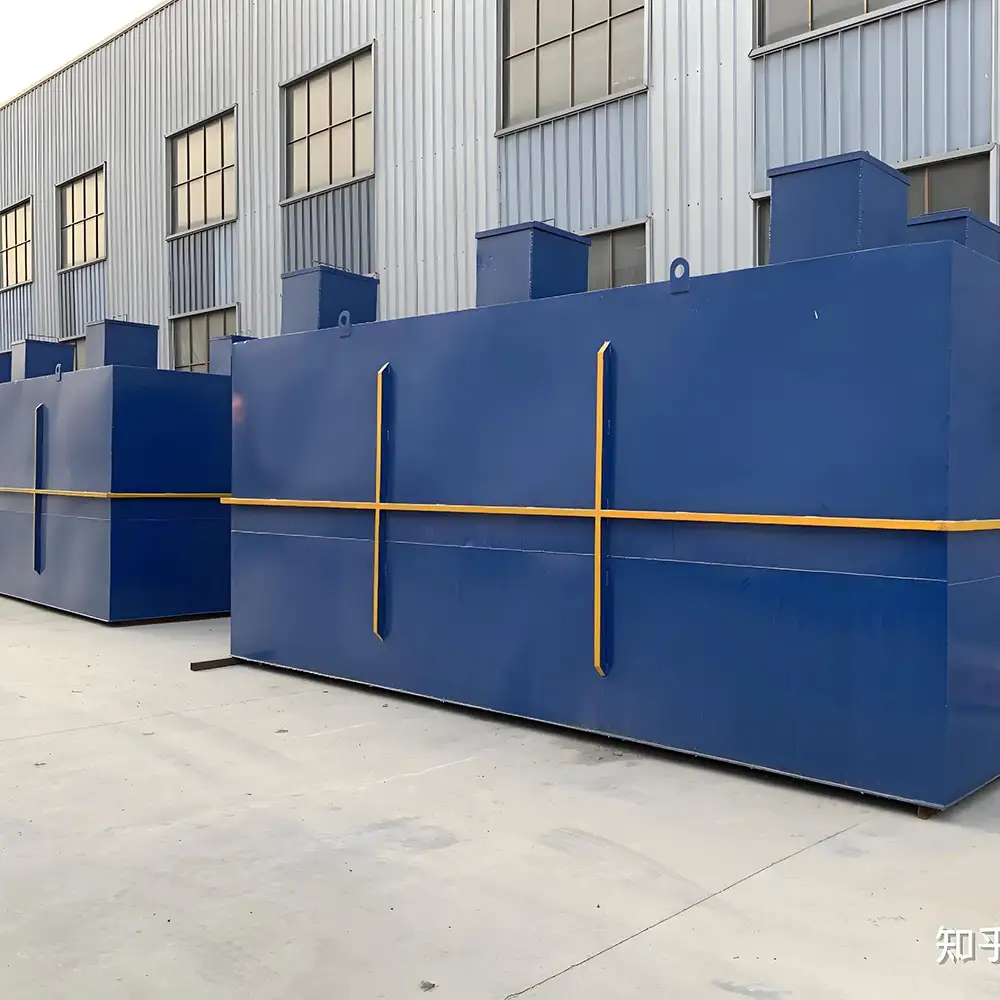
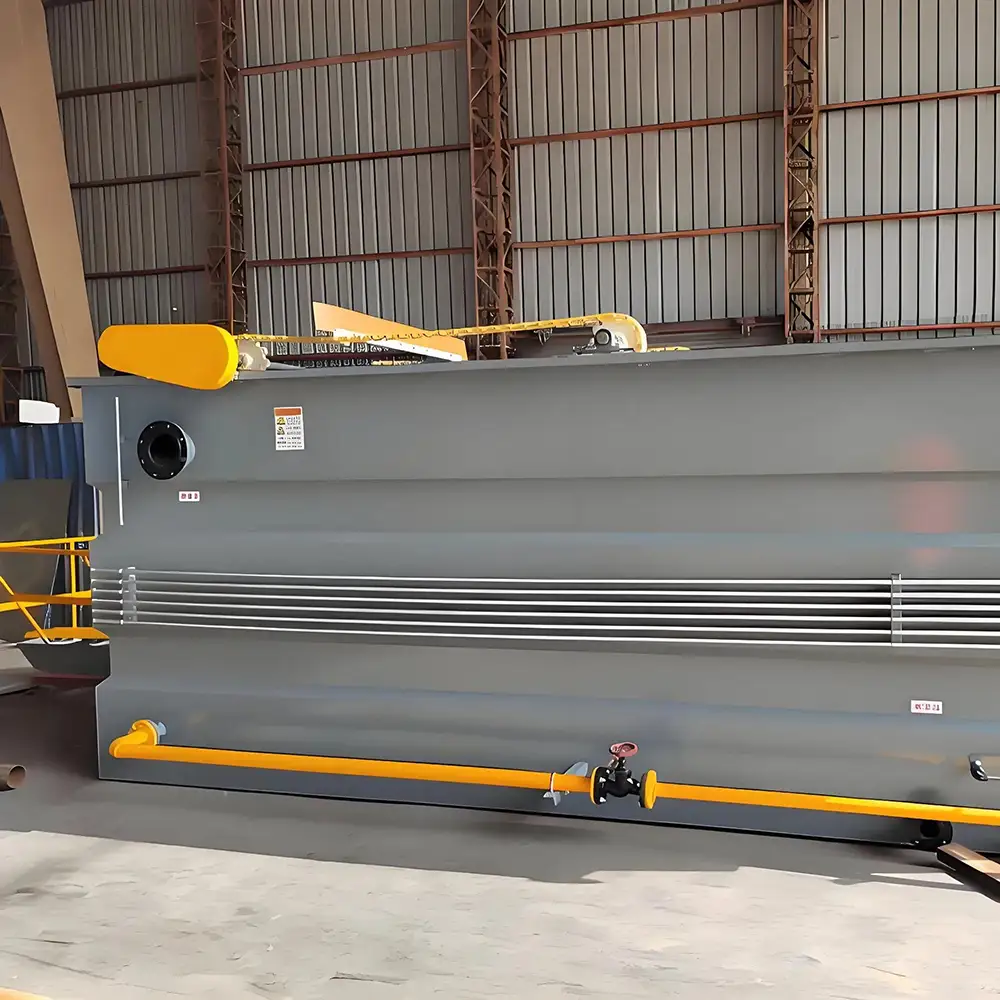
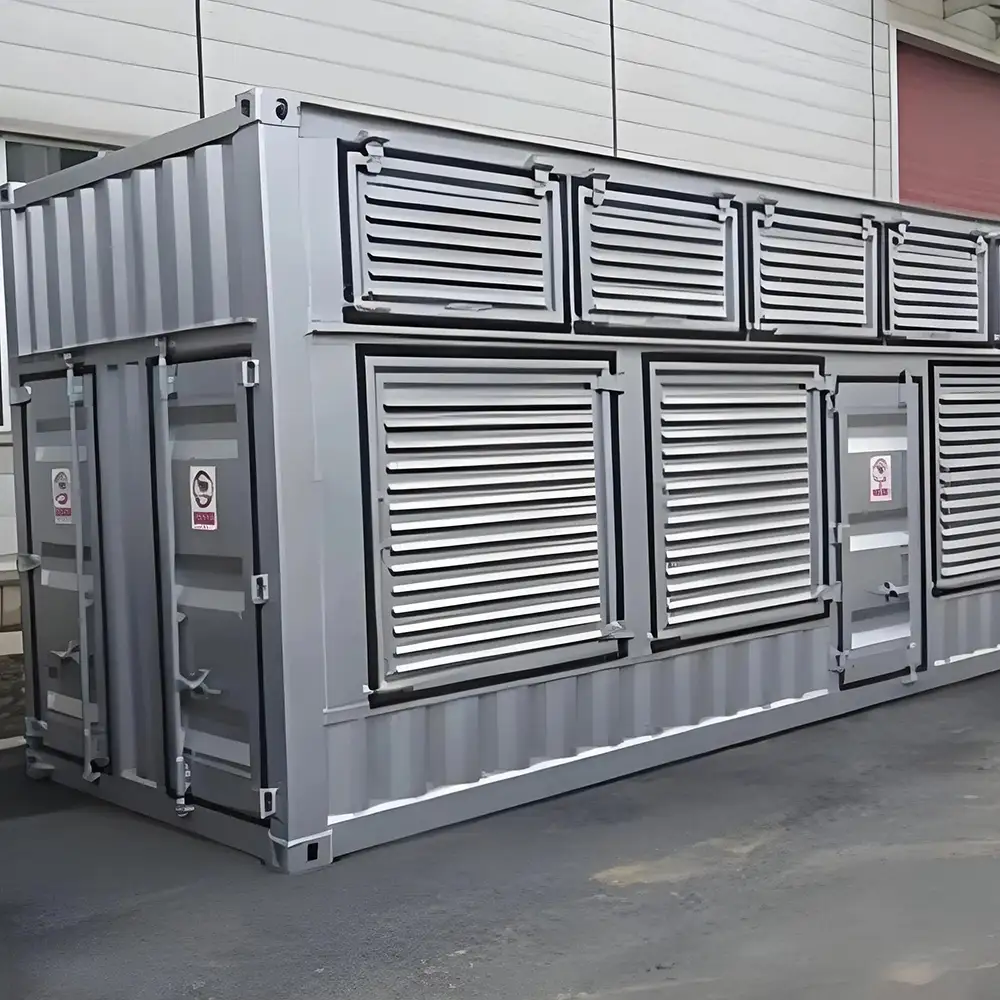
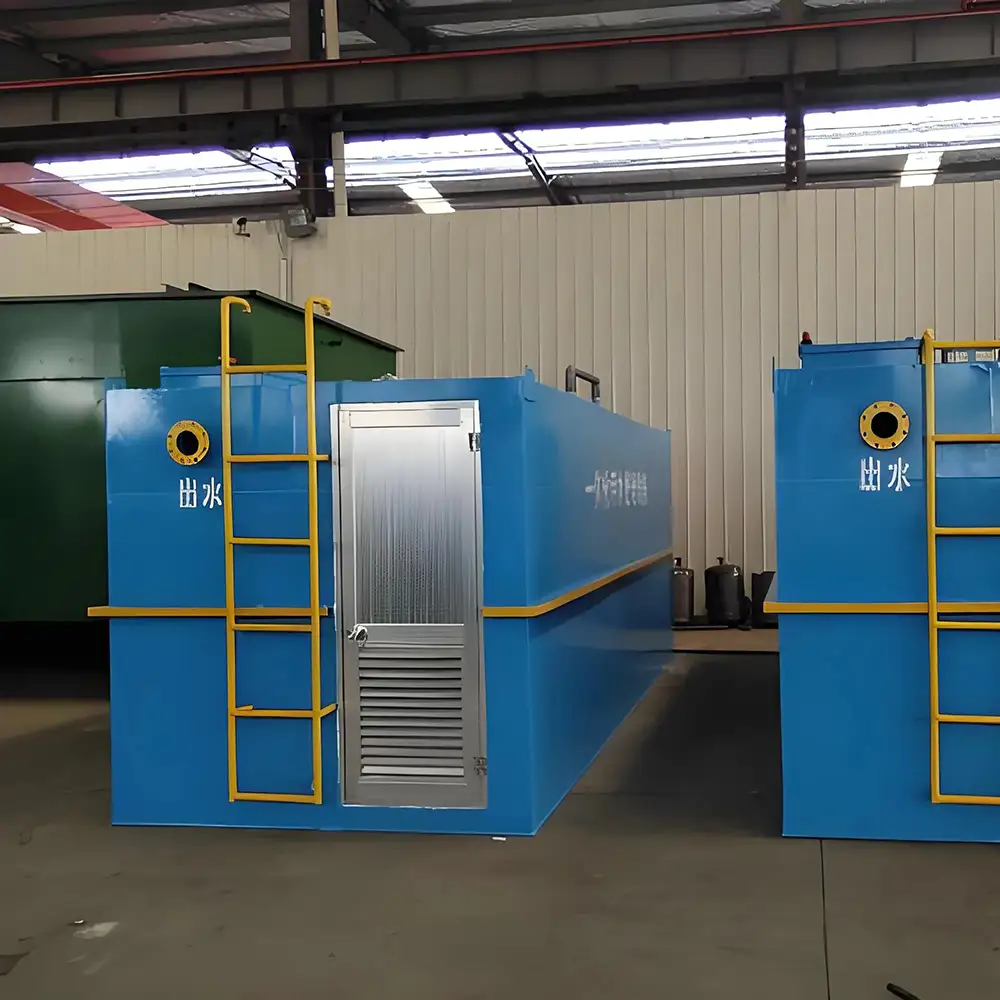
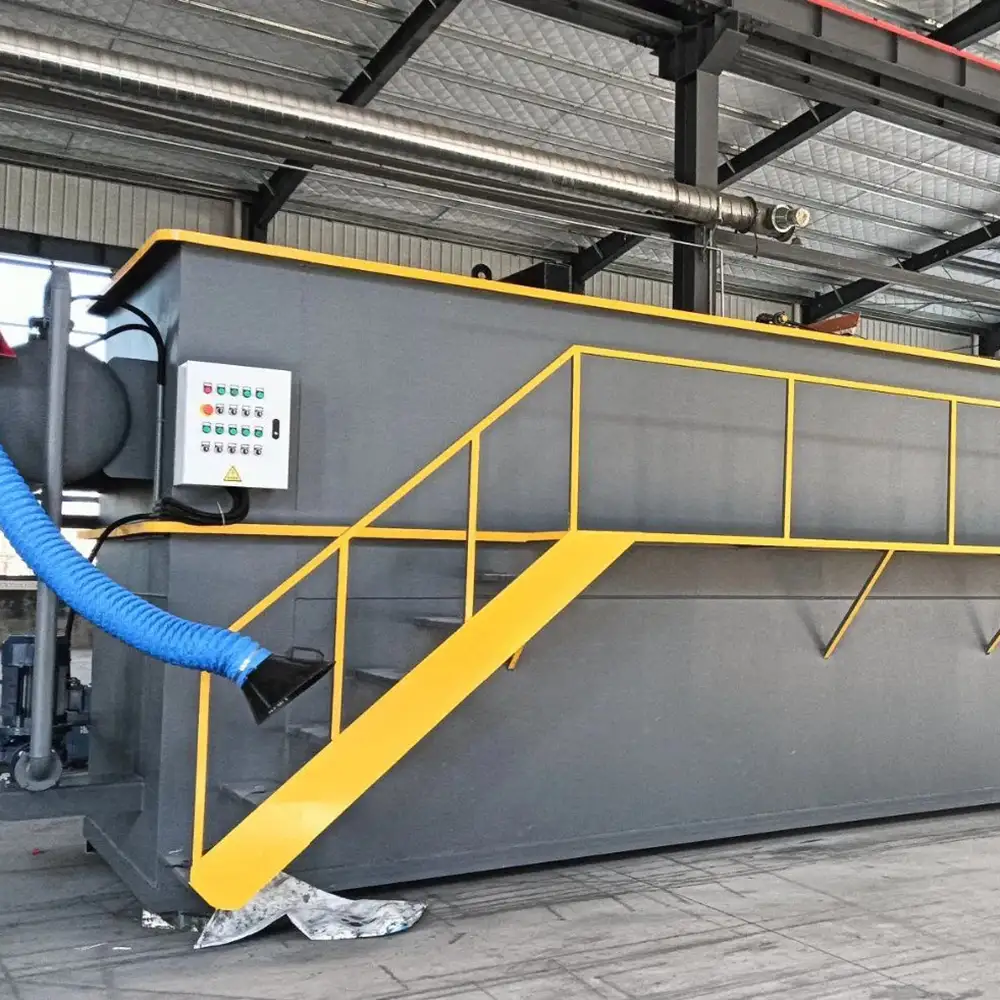
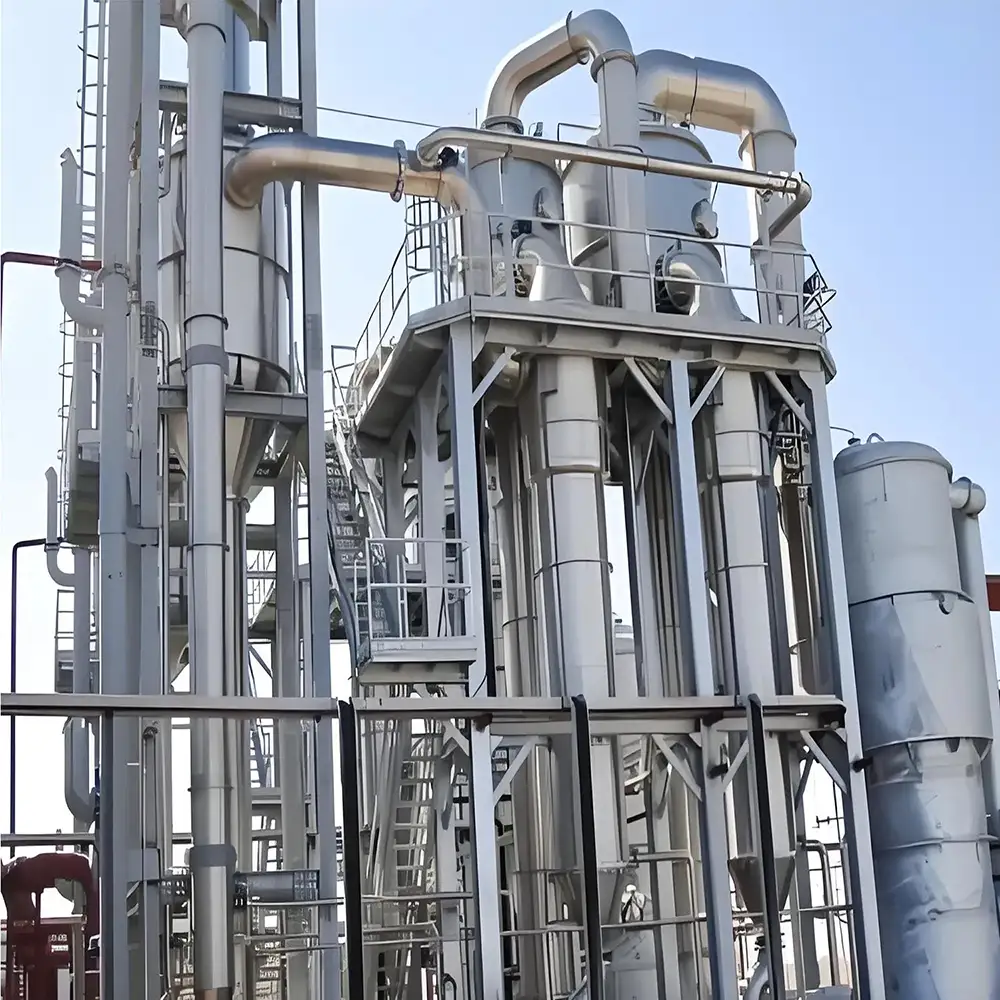
Sewage Treatment Station | Wastewater Treatment Plant | Biogas Digester
A Sewage Treatment Station, Wastewater Treatment Plant, and Biogas Digester can be integrated into a complete wastewater resource recovery system for treating sewage, stabilizing organic solids, and recovering energy from biodegradable waste. The treatment configuration can combine physical separation, biological wastewater treatment, sludge management, anaerobic digestion, biogas collection, and final effluent treatment according to the characteristics of the incoming wastewater.
Modern wastewater treatment is increasingly focused not only on pollutant removal but also on resource recovery. Anaerobic digestion uses microorganisms to break down organic material in an oxygen-free environment and produces biogas and digestate. According to the U.S. EPA, wastewater solids, food waste, manure, fats, oils, and grease can all be suitable feedstocks for anaerobic digestion when properly managed.
|
PH |
6--8 |
B\C |
≥0.3 |
|
Inflow suspended solids |
≤1500mg\L |
Influent ammonia nitrogen concentration |
≤2000mg/L |
|
Effective water depth |
5-8m |
COD concentration of influent water |
≥1500mg/L |
|
Effective water depth |
<0.8m/h |
UASB sludge yield |
0.05-0.10kgVSS/kgCOD |
|
Total depth of sedimentation zone |
≥1.0m |
Sedimentation zone surface load |
≤0.8m |
|
The distance between the perforated water pipe and the pool bottom |
200mm |
Outlet weir load |
6.12m/(h·m) |
|
Use for |
Mineral, Printing, Chemical, Dyeing, Starch |
Certificate |
SGS, ISO |
What Is a Sewage Treatment Station?
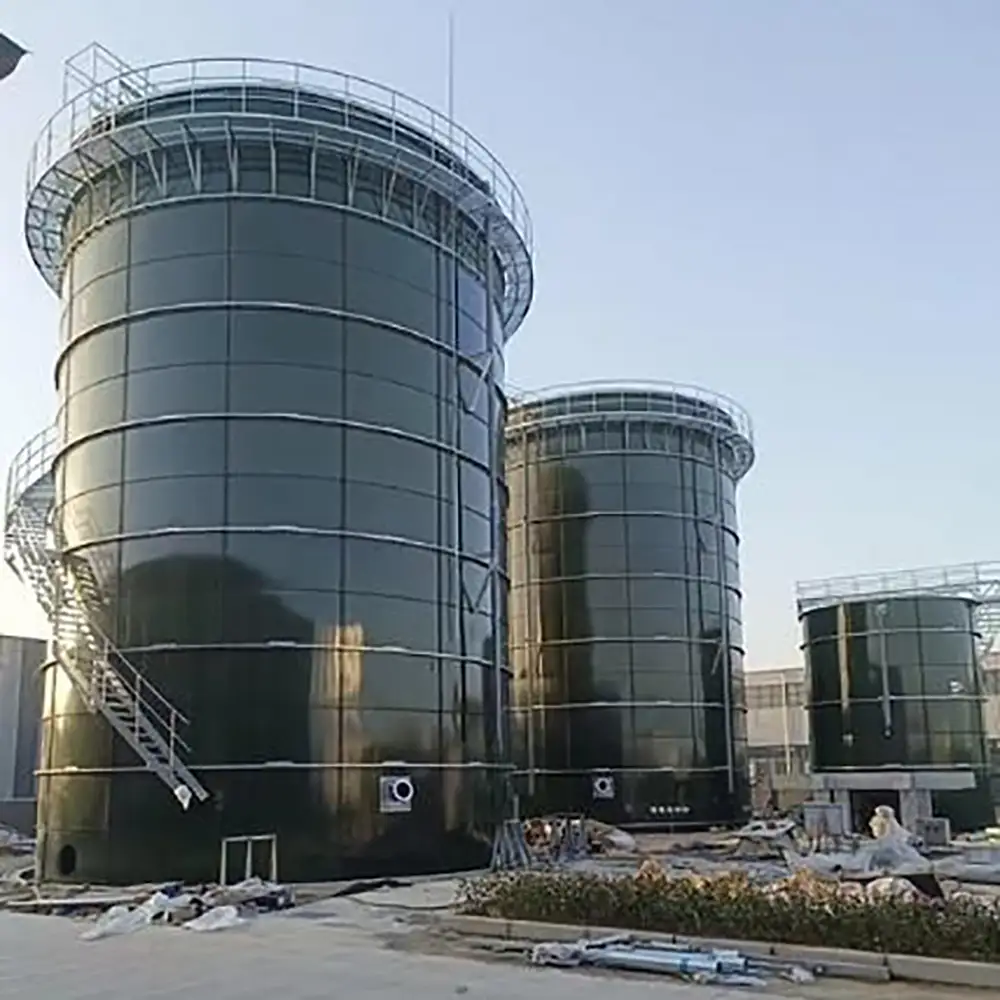
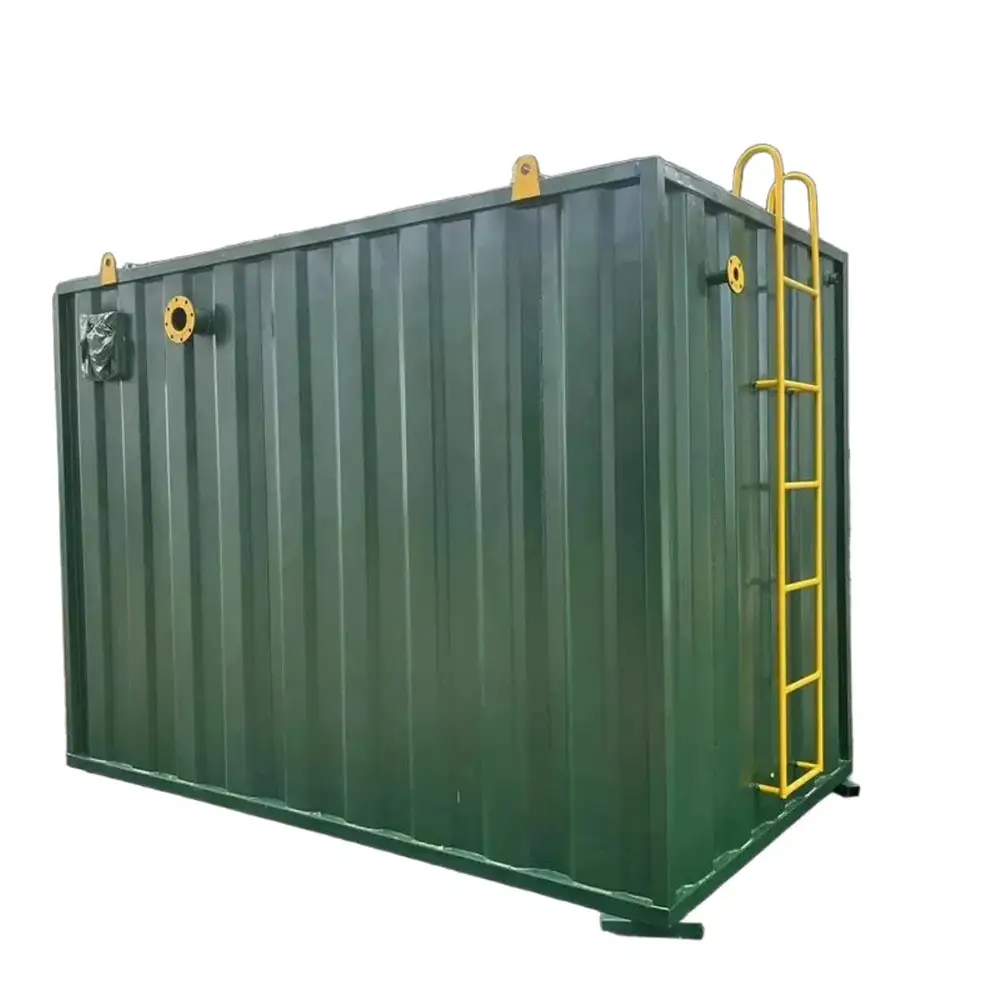
A sewage treatment station is a compact or modular wastewater treatment facility designed to collect and treat sewage before discharge or reuse. Depending on the project, it may include screening, grit removal, equalization, biological treatment, clarification, filtration, disinfection, sludge treatment, and other processes.
For residential communities and smaller facilities, packaged or modular treatment stations can provide a practical alternative to large centralized infrastructure. For industrial facilities, the treatment plant can be designed around specific wastewater characteristics such as COD, BOD, suspended solids, ammonia, oil, grease, and other pollutants.
The final process should always be selected according to influent characteristics, treatment capacity, local discharge requirements, and intended reuse.
Wastewater Treatment Plant Process
A typical integrated wastewater treatment plant can use several treatment stages.
1. Screening
Incoming sewage first passes through coarse or fine screens to remove plastics, fibers, rags, sticks, and other large debris. Screening protects pumps, aeration equipment, valves, membranes, and downstream treatment units.
2. Equalization
An equalization tank can balance fluctuations in wastewater flow and pollutant concentration. This provides more stable conditions for biological treatment and can reduce sudden organic or hydraulic loading.
3. Biological Treatment
The wastewater then enters an aerobic, anoxic, anaerobic, MBBR, SBR, or other biological treatment stage according to the project design.
Microorganisms consume biodegradable organic matter and can reduce BOD and part of the COD. Properly designed anoxic and aerobic zones can also support nitrogen removal.
4. Solid-Liquid Separation
After biological treatment, suspended biomass is separated from the treated water using sedimentation, membrane filtration, dissolved air flotation, or other appropriate separation technologies.
5. Disinfection
UV, chlorine dioxide, sodium hypochlorite, ozone, or another disinfection process can be added when pathogen control is required.
6. Sludge Treatment
The sludge generated during wastewater treatment can be thickened, dewatered, stabilized, or sent to an anaerobic digester.
What Is a Biogas Digester?
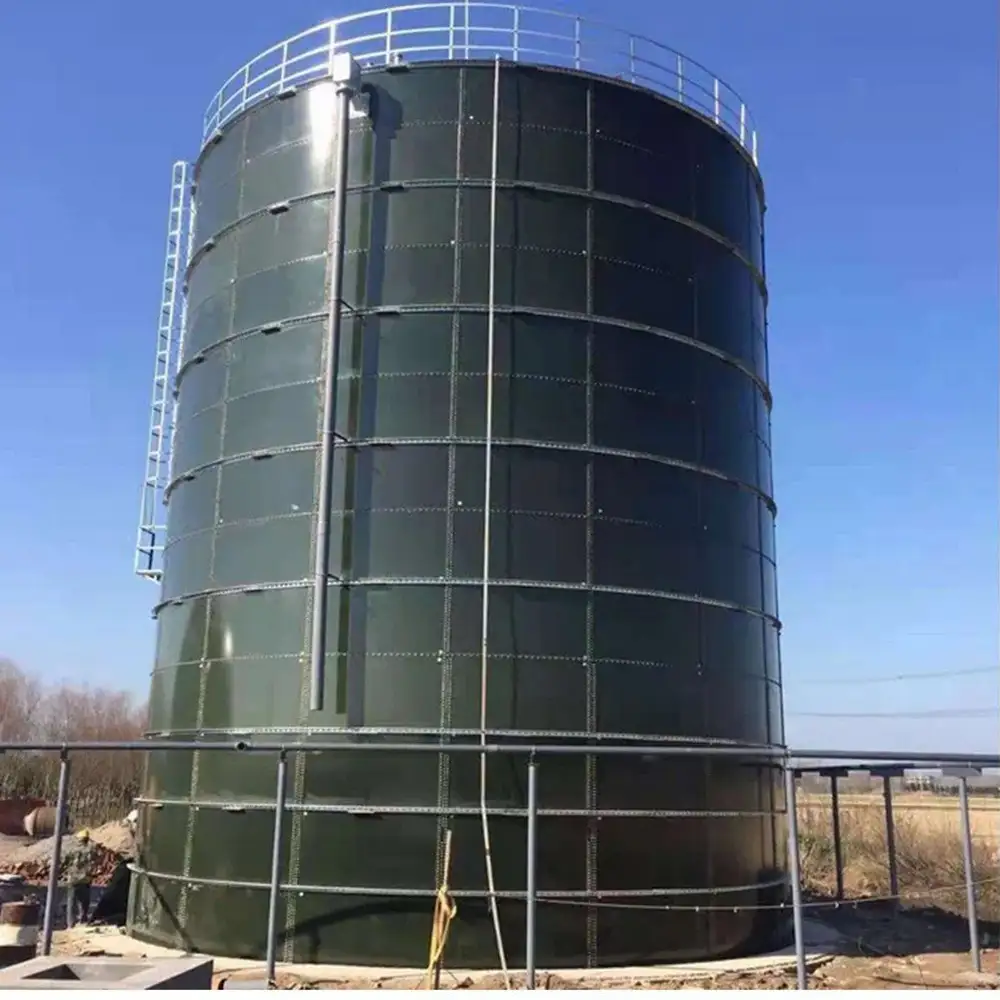
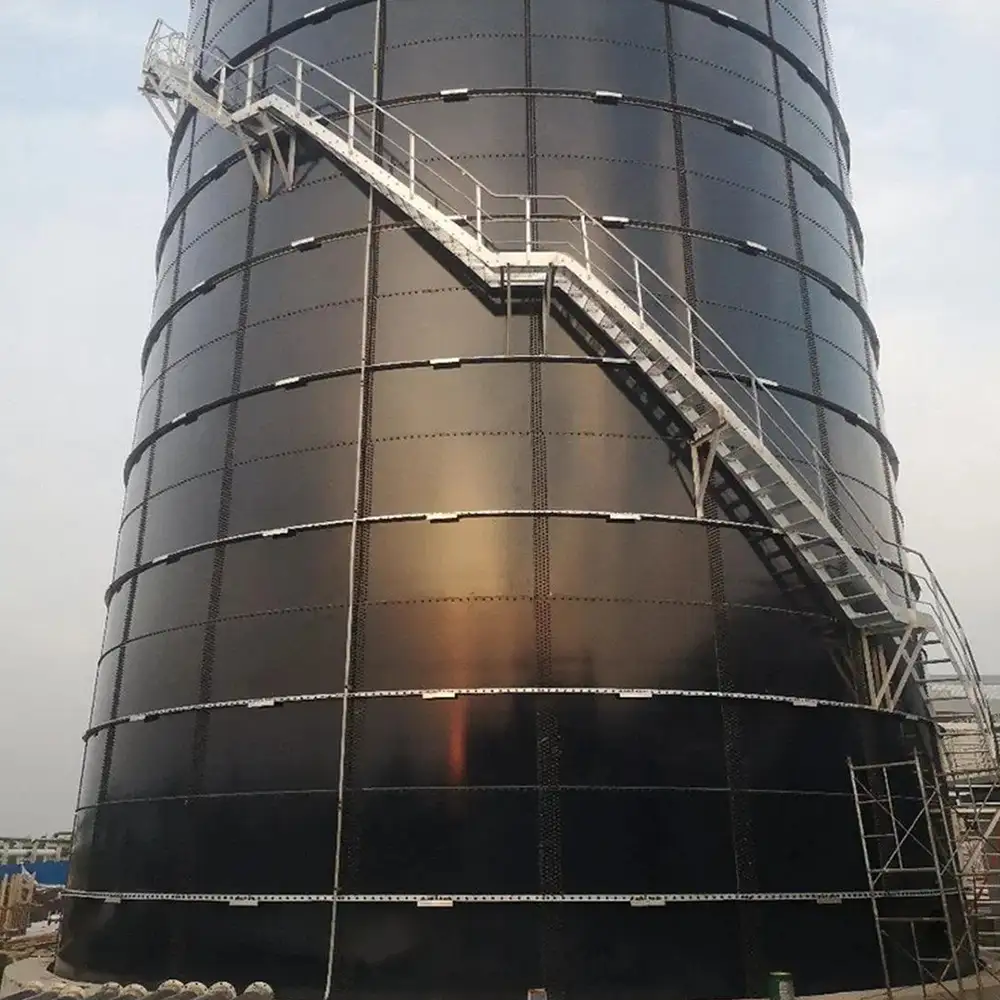
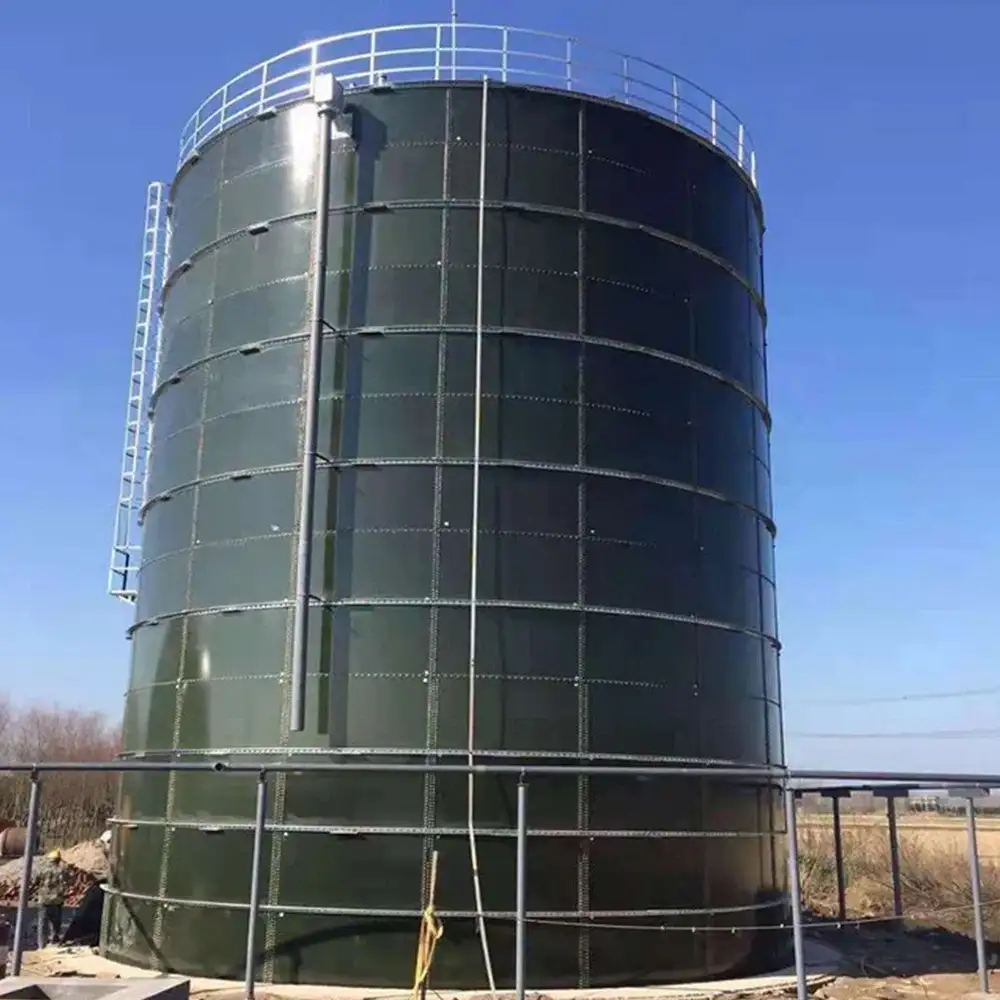
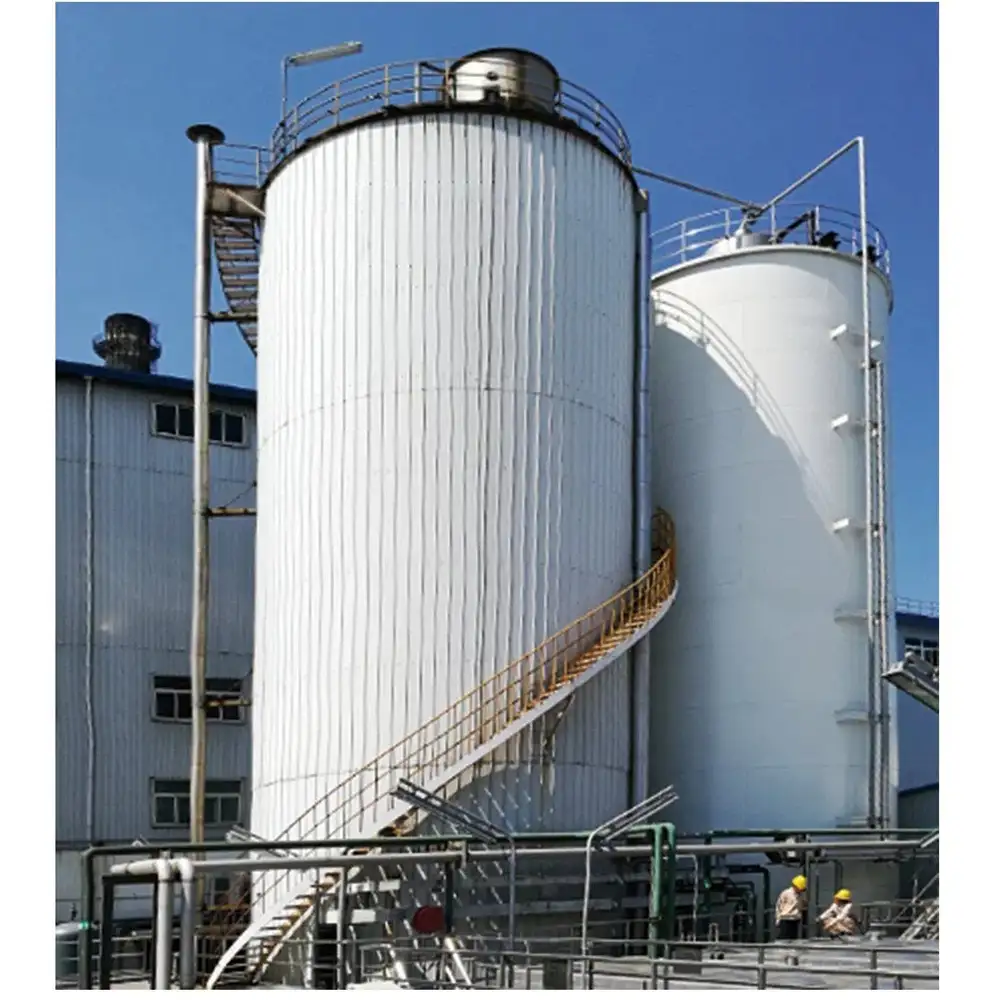
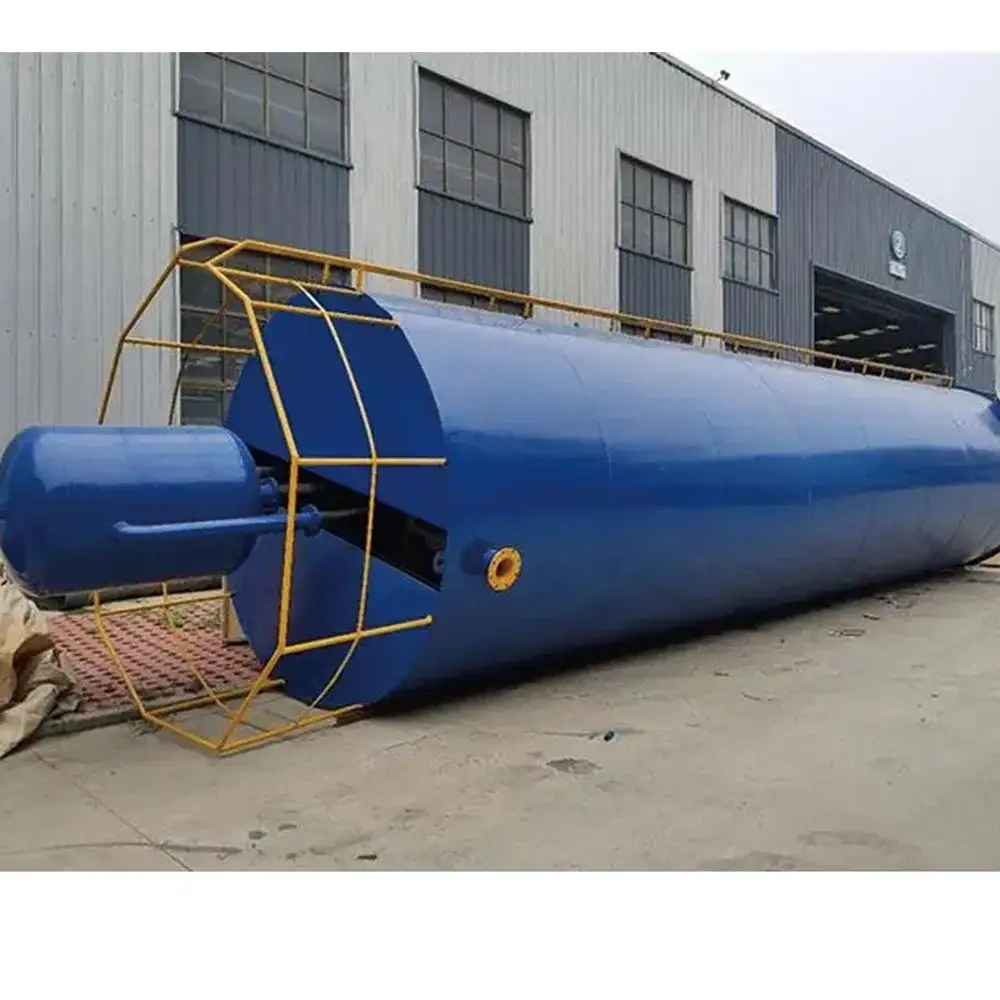
A biogas digester, also called an anaerobic digester or biodigester, is a sealed reactor in which microorganisms break down biodegradable organic material without oxygen.
During anaerobic digestion, complex organic matter is progressively converted by different microbial groups. The final stage produces methane and carbon dioxide, which together form biogas. EPA describes anaerobic digestion as a biological process that can treat wastewater solids and produce biogas as an energy resource.
The remaining material is called digestate. Depending on the feedstock and treatment system, digestate can contain liquid and solid fractions that require further processing and management.
Anaerobic Digestion For Sewage Sludge
At municipal wastewater treatment plants, anaerobic digesters are commonly used to treat sewage sludge generated by the wastewater treatment process.
Digestion can stabilize organic solids, reduce odors, reduce part of the volatile solids fraction, and generate biogas. EPA notes that anaerobic digestion at wastewater resource recovery facilities is primarily used to treat wastewater solids.
The recovered biogas can potentially be used for digester heating, boilers, combined heat and power, or further upgrading into renewable natural gas, subject to gas quality and project economics.
Biogas Recovery System
A complete biogas recovery system may include:
Anaerobic Digester
Feed Sludge Pump
Sludge Mixing System
Heating System
Temperature Sensors
Gas Collection Dome
Biogas Pipeline
Moisture Removal System
Hydrogen Sulfide Removal System
Gas Storage Tank
Pressure Regulation System
Gas Flare
Biogas Boiler
CHP Generator
Renewable Natural Gas Upgrading System
Biogas is primarily methane and carbon dioxide, with smaller quantities of water vapor, hydrogen sulfide, and other gases. Gas treatment requirements depend on the intended end use. For example, moisture removal and hydrogen sulfide control may be needed to protect combustion equipment.
Advantages Of Integrated Wastewater And Biogas Treatment
Wastewater Pollution Reduction
The wastewater treatment plant can reduce organic matter, suspended solids, nutrients, and other pollutants through appropriately selected treatment processes.
Sludge Stabilization
Anaerobic digestion can stabilize wastewater solids and reduce the amount of volatile organic solids that remain after treatment.
Renewable Energy Recovery
Instead of treating organic matter only as waste, anaerobic digestion can recover part of its energy content as biogas. Biogas can be used for heat, electricity, or further upgrading depending on the system.
Reduced Odor Potential
Properly designed and operated anaerobic digestion can help stabilize organic solids and reduce odor associated with untreated organic material.
Integrated Resource Recovery
Combining wastewater treatment, sludge management, and biogas recovery creates a more comprehensive wastewater resource recovery approach.
Applications
This type of integrated sewage and biogas treatment system can be used for:
Municipal Sewage Treatment Plants
Residential Communities
Industrial Parks
Food Processing Plants
Beverage Factories
Breweries
Distilleries
Dairy Facilities
Livestock Farms
Slaughterhouses
Agricultural Waste Treatment
Organic Waste Treatment
Wastewater Resource Recovery Facilities
High-Organic-Load Industrial Wastewater
For high-strength industrial wastewater, anaerobic treatment can sometimes be used directly on the wastewater before aerobic polishing or other downstream treatment. EPA notes that some industrial wastewater streams with sufficiently high organic loading can be suitable for anaerobic treatment and biogas production.
Important Design Considerations
A successful sewage treatment station and biogas digester must be designed around the actual feedstock.
Important parameters include wastewater flow, COD, BOD, suspended solids, volatile solids, pH, temperature, nutrient balance, hydraulic retention time, organic loading rate, and the presence of inhibitory substances.
Pretreatment is important for removing plastics, sand, grit, stones, and other materials that could clog pumps or interfere with digestion. EPA guidance also highlights the importance of controlling contaminants and unsuitable materials entering anaerobic digestion systems.
Digester temperature must also remain within the selected operating range because anaerobic microorganisms are sensitive to process conditions.
Operation And Maintenance
Regular monitoring is essential for both the wastewater treatment plant and biogas digester.
Wastewater operators should monitor flow, pH, dissolved oxygen, COD, BOD, suspended solids, ammonia, sludge concentration, and effluent quality where applicable.
Digester operators should monitor temperature, pH, alkalinity, organic loading, gas production, methane concentration, hydrogen sulfide, pressure, mixing, and sludge levels.
Biogas pipelines, valves, moisture traps, gas storage equipment, pressure controls, and safety systems should also be inspected regularly. EPA's anaerobic digester operator guidance emphasizes process control, mechanical inspection, maintenance, gas handling, odor control, and safety.
Why Choose Us?
We provide integrated sewage treatment stations, wastewater treatment plants, sludge treatment systems, and biogas digester solutions for different municipal, commercial, agricultural, and industrial applications.
The process can be configured according to wastewater flow, pollutant concentration, available installation space, discharge standards, sludge production, organic loading, and energy recovery objectives.
A complete system can combine screening, equalization, biological treatment, clarification, filtration, disinfection, sludge dewatering, anaerobic digestion, biogas purification, storage, and energy utilization.
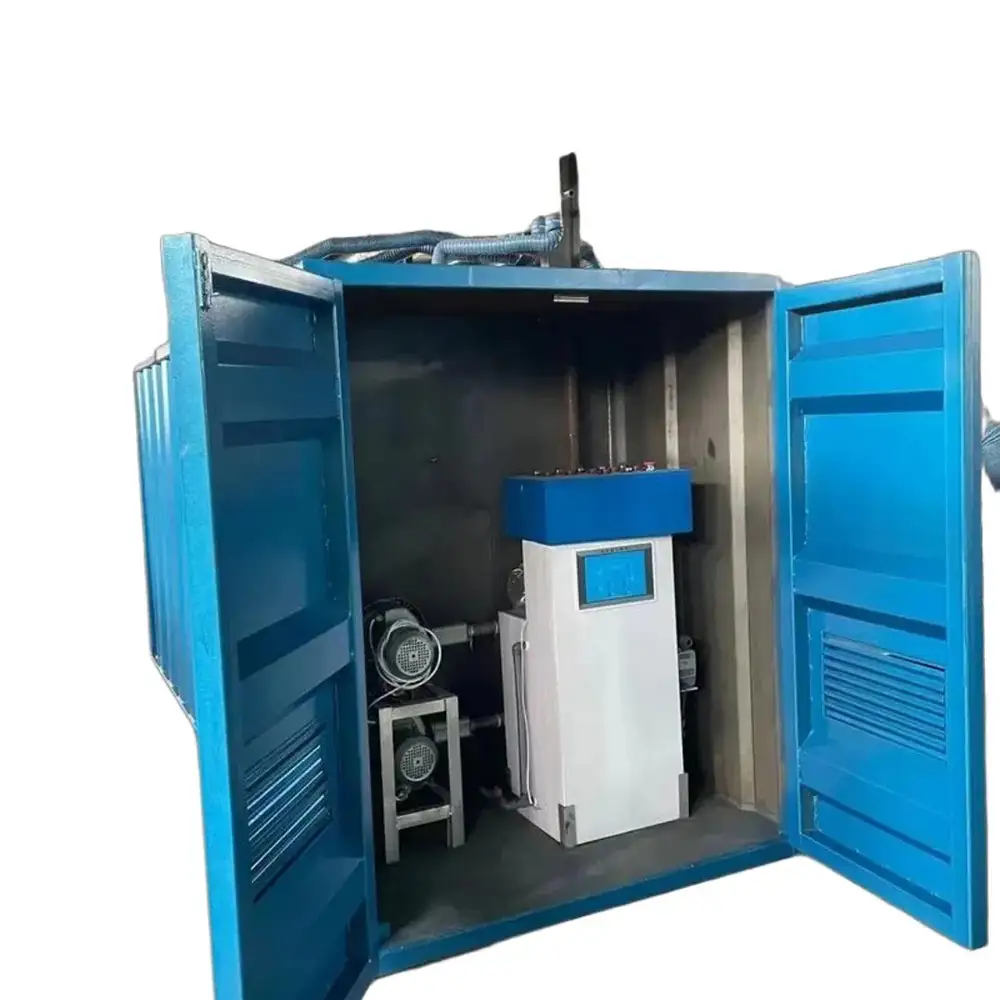
We also focus on practical equipment integration, including pumps, blowers, mixers, control cabinets, gas handling equipment, sludge systems, and monitoring instruments.
For international wastewater projects, we can support process configuration, equipment selection, technical documentation, plant layout, installation guidance, commissioning support, and customized system integration.
The objective is to create a reliable wastewater treatment and resource recovery system that not only treats sewage but also makes better use of organic waste and recovered biogas.
FAQs
1. What Is A Sewage Treatment Station?
A sewage treatment station is a facility designed to collect and treat sewage before discharge, reuse, or further processing.
2. What Is A Wastewater Treatment Plant?
A wastewater treatment plant uses physical, biological, chemical, or membrane processes to remove pollutants from wastewater.
3. What Is A Biogas Digester?
A biogas digester is a sealed anaerobic reactor where microorganisms break down biodegradable organic matter and produce biogas and digestate.
4. Can A Biogas Digester Treat Sewage?
An anaerobic digester can treat wastewater solids such as sewage sludge. Certain high-organic-load industrial wastewaters can also be treated anaerobically when properly designed.
5. What Gas Does An Anaerobic Digester Produce?
Biogas consists primarily of methane and carbon dioxide, with smaller quantities of water vapor, hydrogen sulfide, and other gases.
6. Can Biogas Generate Electricity?
Yes. Biogas can be used in suitable engines or combined heat and power systems to generate electricity and useful heat.
7. Can Biogas Be Used For Heating?
Yes. Properly treated biogas can be used as a fuel for boilers and other compatible heating equipment.
8. What Is Digestate?
Digestate is the material remaining after anaerobic digestion. It generally contains liquid and solid fractions that require appropriate management or further treatment.
9. Is Pretreatment Required Before Anaerobic Digestion?
Usually, unsuitable materials such as plastics, stones, sand, and other contaminants should be removed to protect pumps, piping, mixers, and the digester.
10. Can The System Be Used For Industrial Wastewater?
Yes. Industrial applications are possible when the wastewater has suitable biodegradable organic content and the process is designed around its specific chemical and physical characteristics.
11. Can Wastewater Treatment And Biogas Recovery Be Combined?
Yes. A wastewater treatment plant can be integrated with sludge digestion and biogas recovery to create a broader resource recovery system.
12. Can The System Be Customized?
Yes. Treatment capacity, biological process, digester type, gas storage, biogas purification, sludge treatment, disinfection, automation, and energy recovery equipment can be configured according to project requirements.
Prev:
Solid and Liquard Separator Processor Dissolved Air Flotation for Sewage
Next:
Underground and Above-Ground Sewage Treatment System Mbbr Waste Water Treatment Package
TAG:
Industrial Wastewater Treatment Equipment,
Anaerobic Digestion Wastewater Treatment,
Dairy Wastewater Treatment,
Food Processing Wastewater Treatment,
Industrial Wastewater Treatment System,
Anaerobic Wastewater Treatment System,
Biological Wastewater Treatment System,
Industrial Wastewater Treatment,
Anaerobic Wastewater Treatment,
High COD Wastewater Treatment,
Biogas Recovery System,
Biogas Plant Equipment,
Biogas Wastewater Treatment,
Anaerobic Sewage Treatment,
Sewage Treatment Plant,
Biogas Plant,
Industrial Wastewater Treatment Plant,
Biogas Treatment System,
Anaerobic Treatment Plant,
Anaerobic Digestion Equipment,
Wastewater Treatment Equipment,
Biogas Generator System,
Biogas Gas Holder,
Double Membrane Gas Holder,
Biogas Gas Storage System,
Anaerobic Digester,
Biogas Digester,
Organic Waste Digester,
Organic Waste Anaerobic Digester,
Biogas Purification System,
Related Category:
Sewage Treatment Station,Wastewater Treatment Plant,Biogas Digester,Anaerobic Digester Sewage Treatment,Anaerobic Digest China, suppliers, manufacturers, factory, customized, wholesale, quotation, made in China