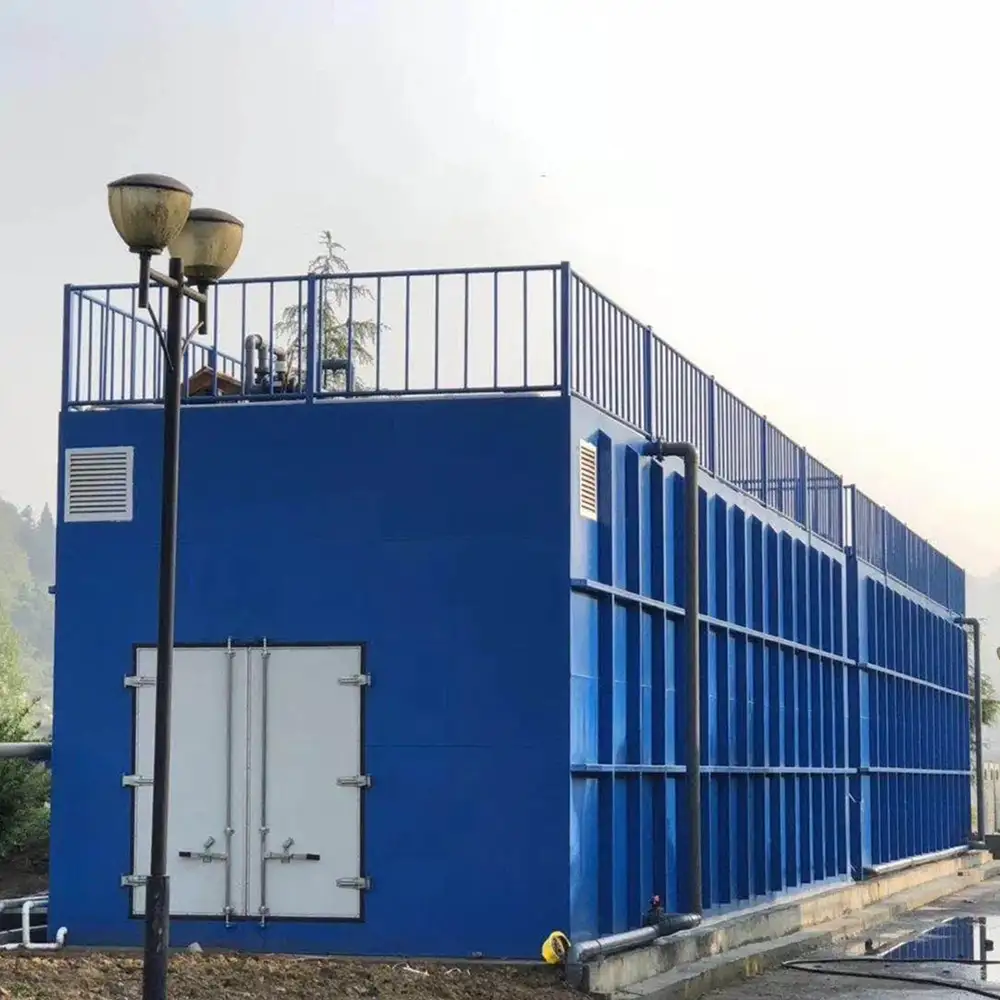
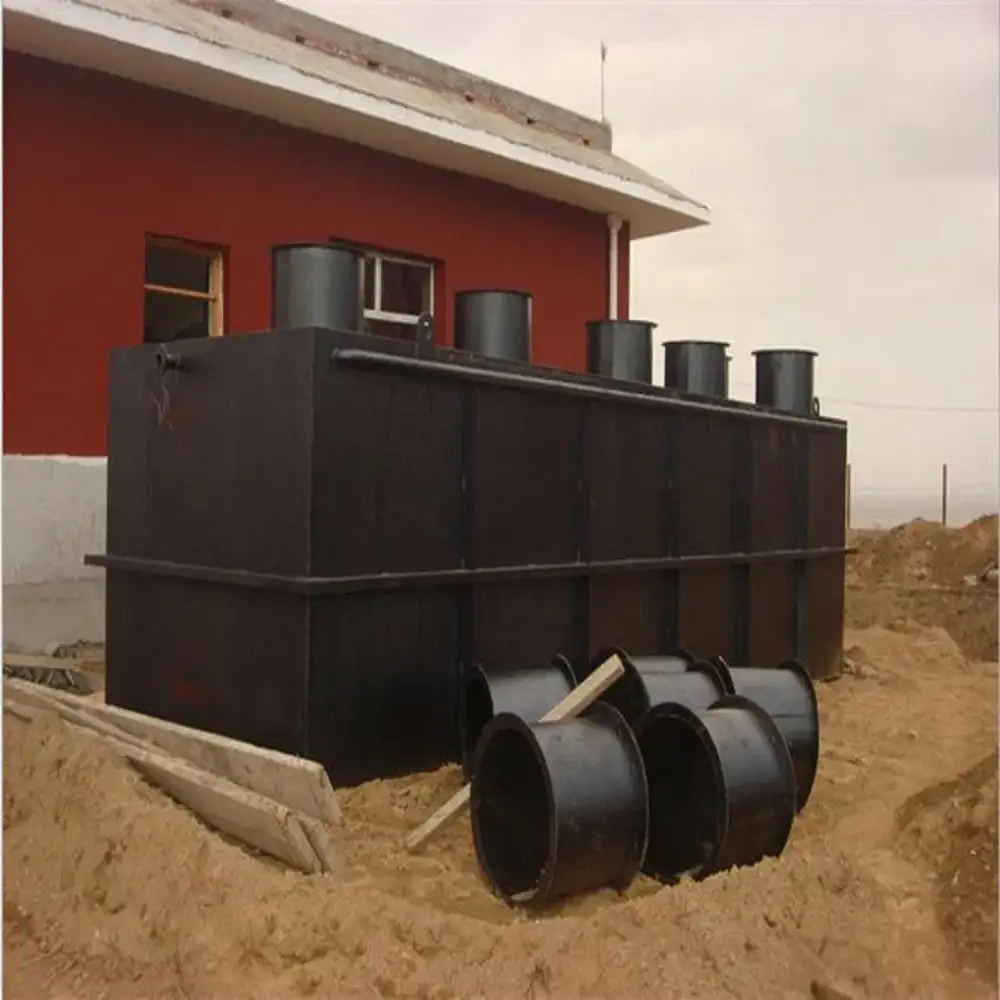
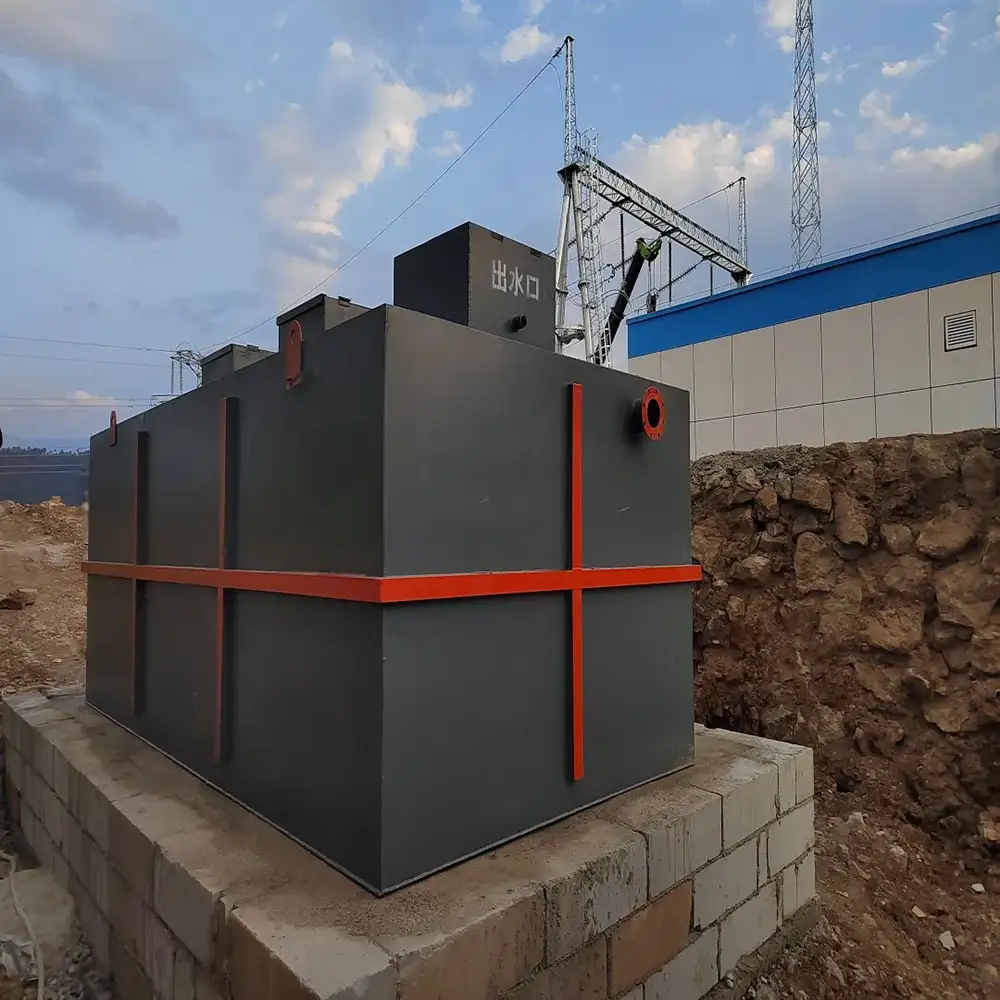
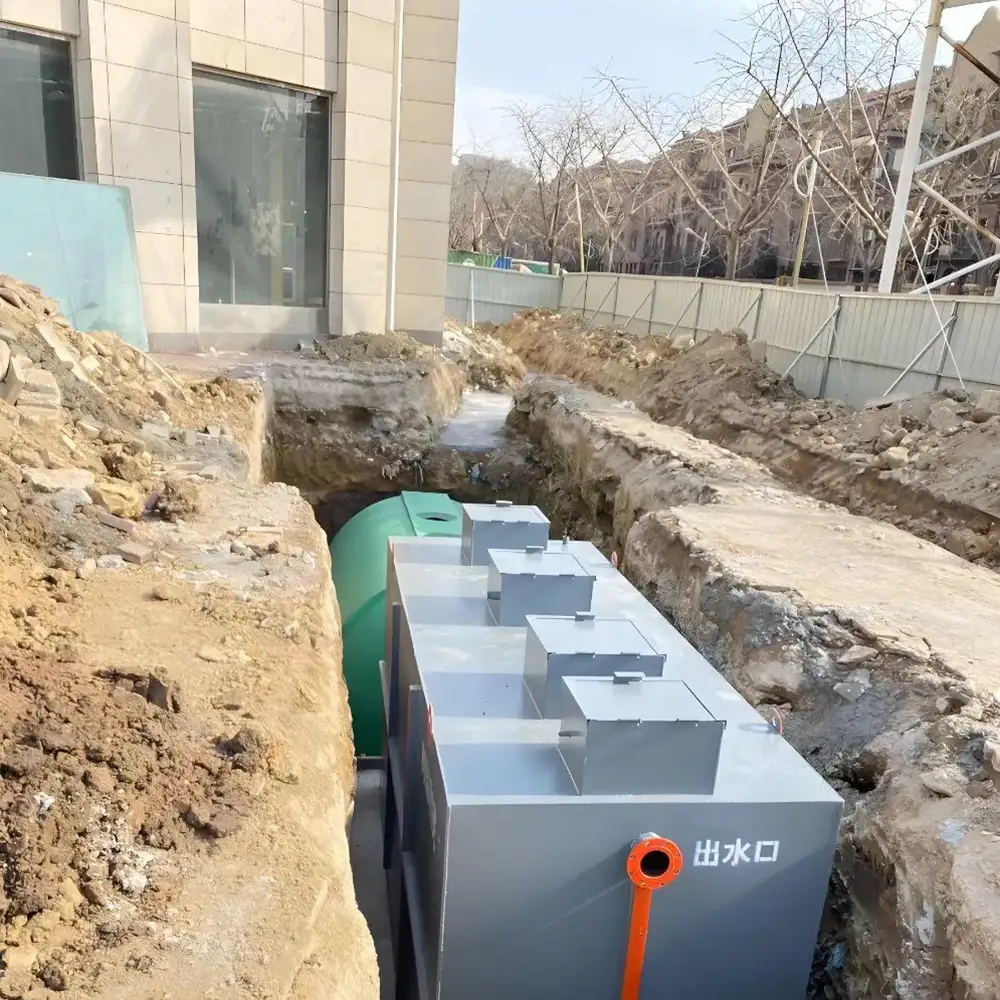
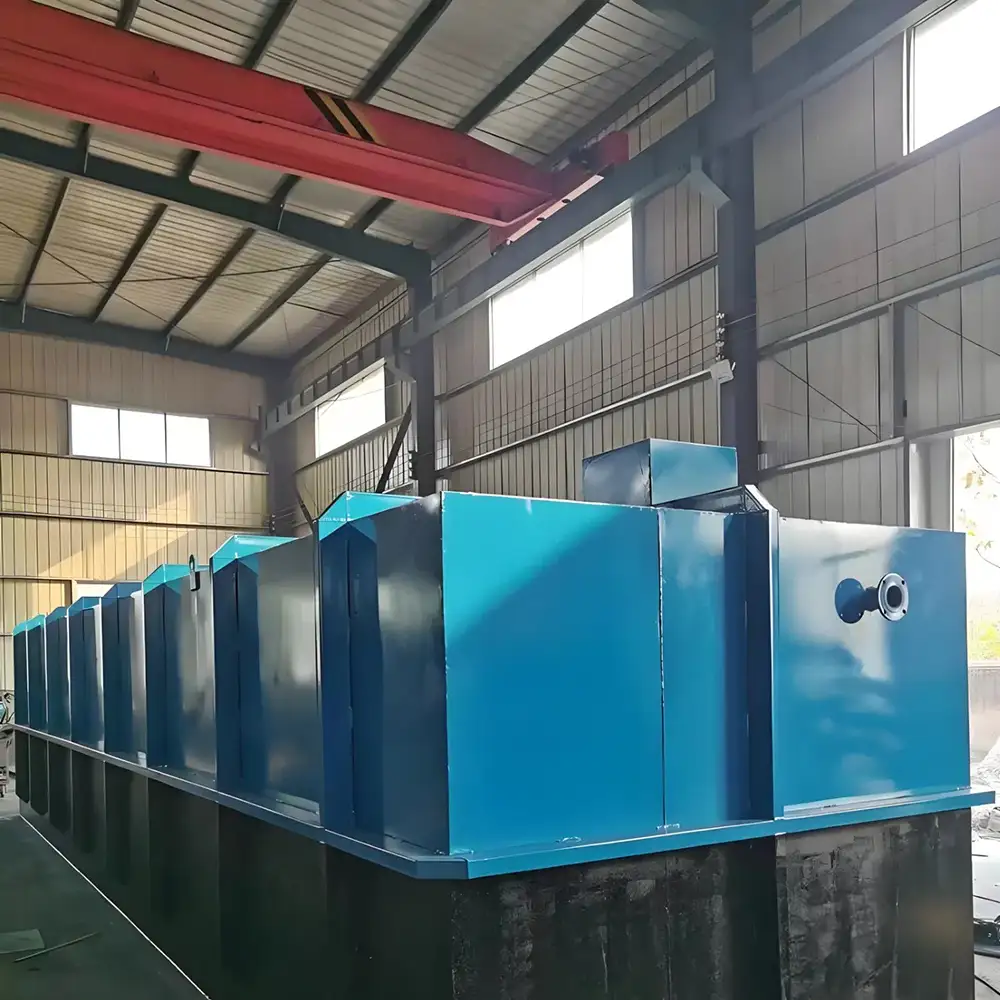
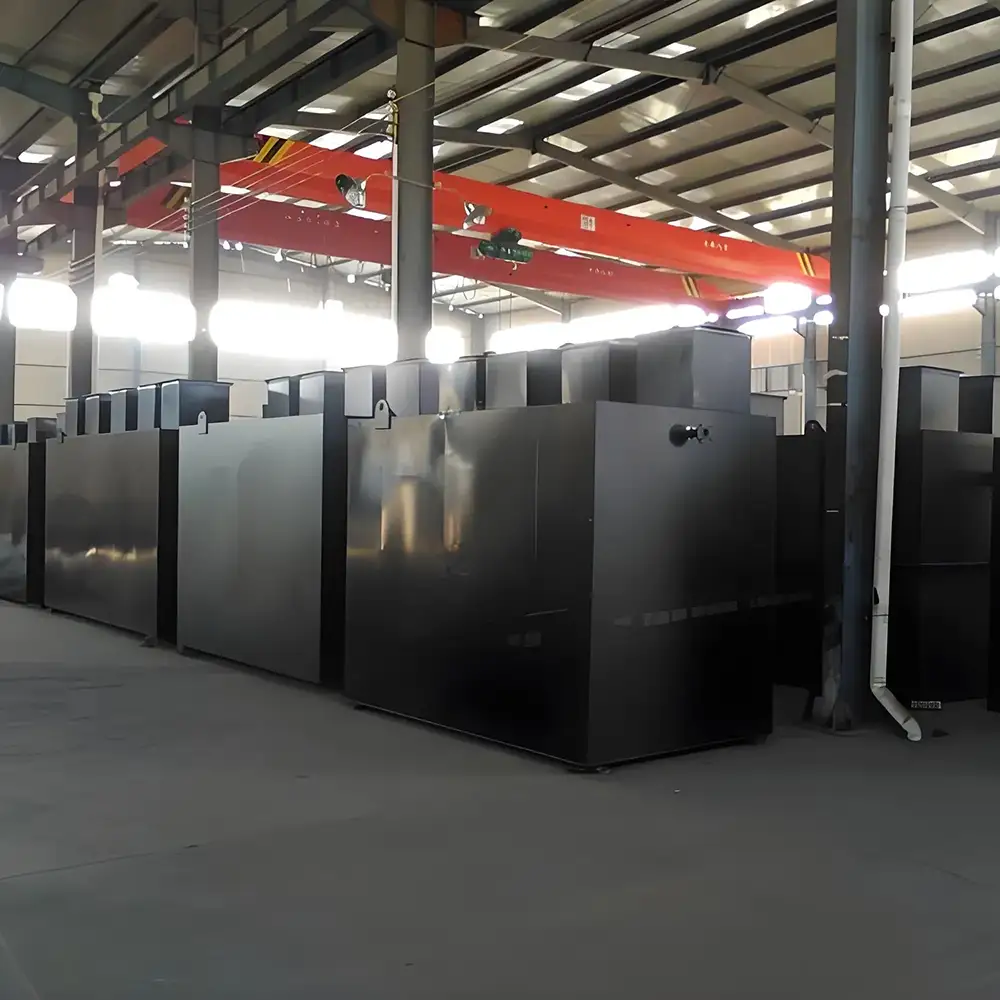
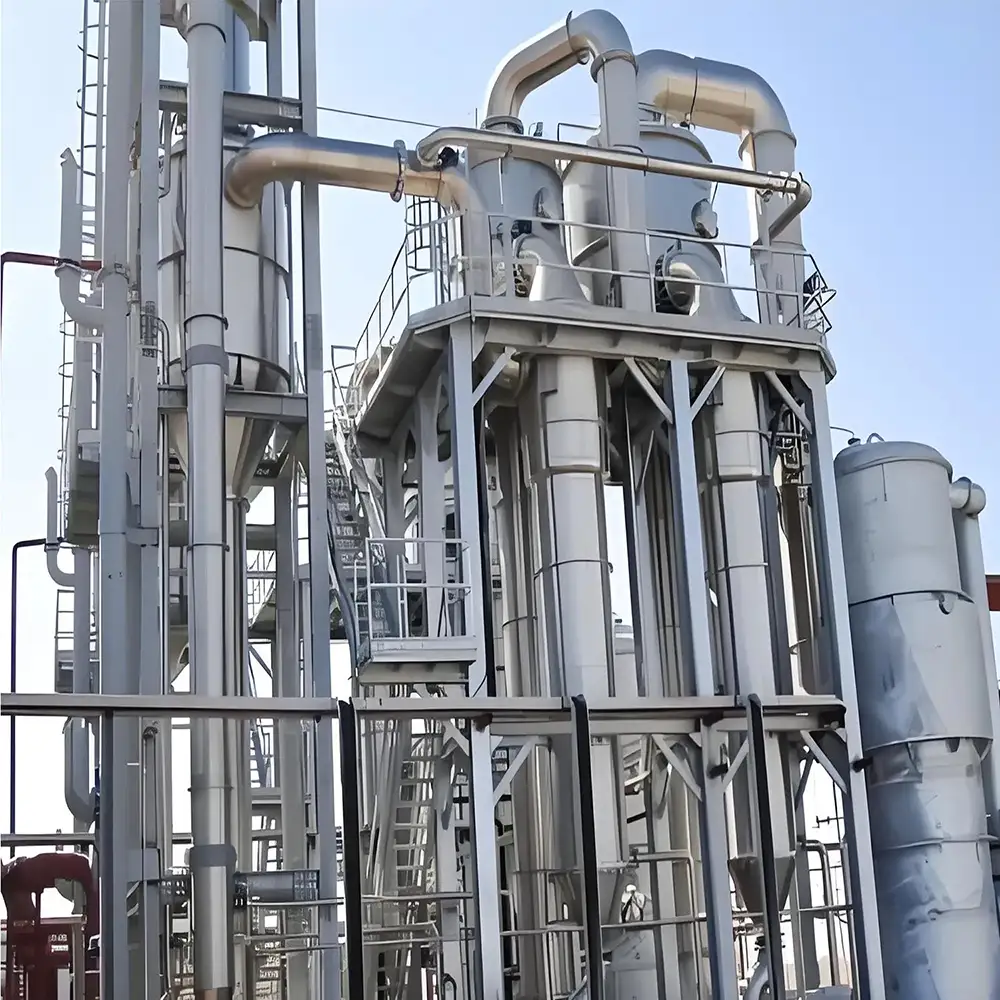
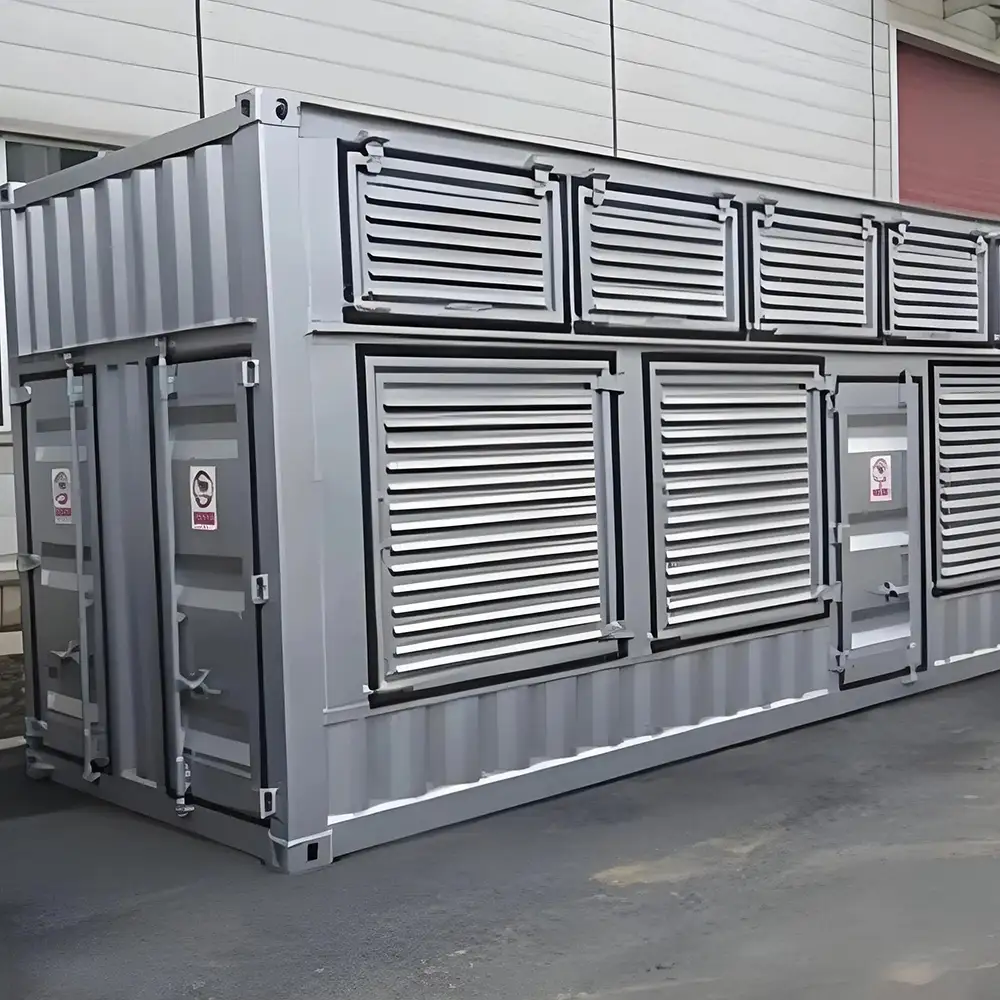
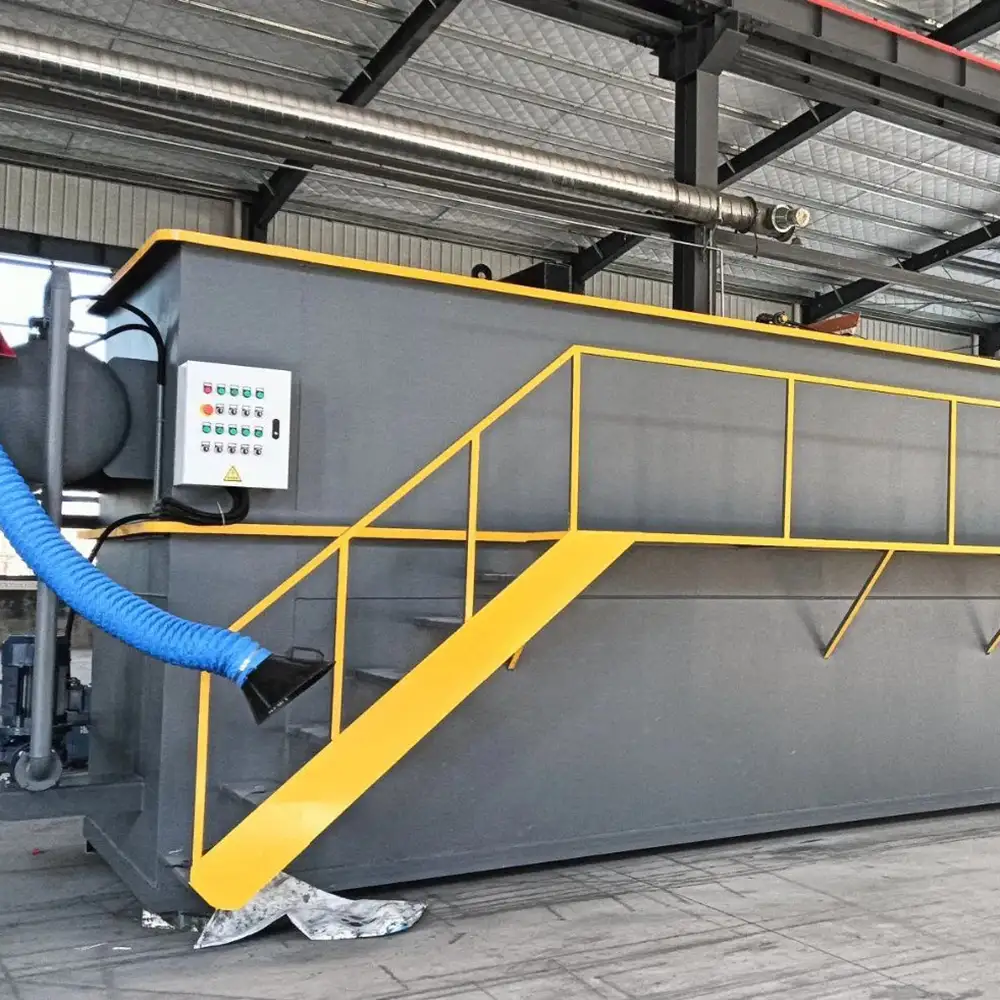
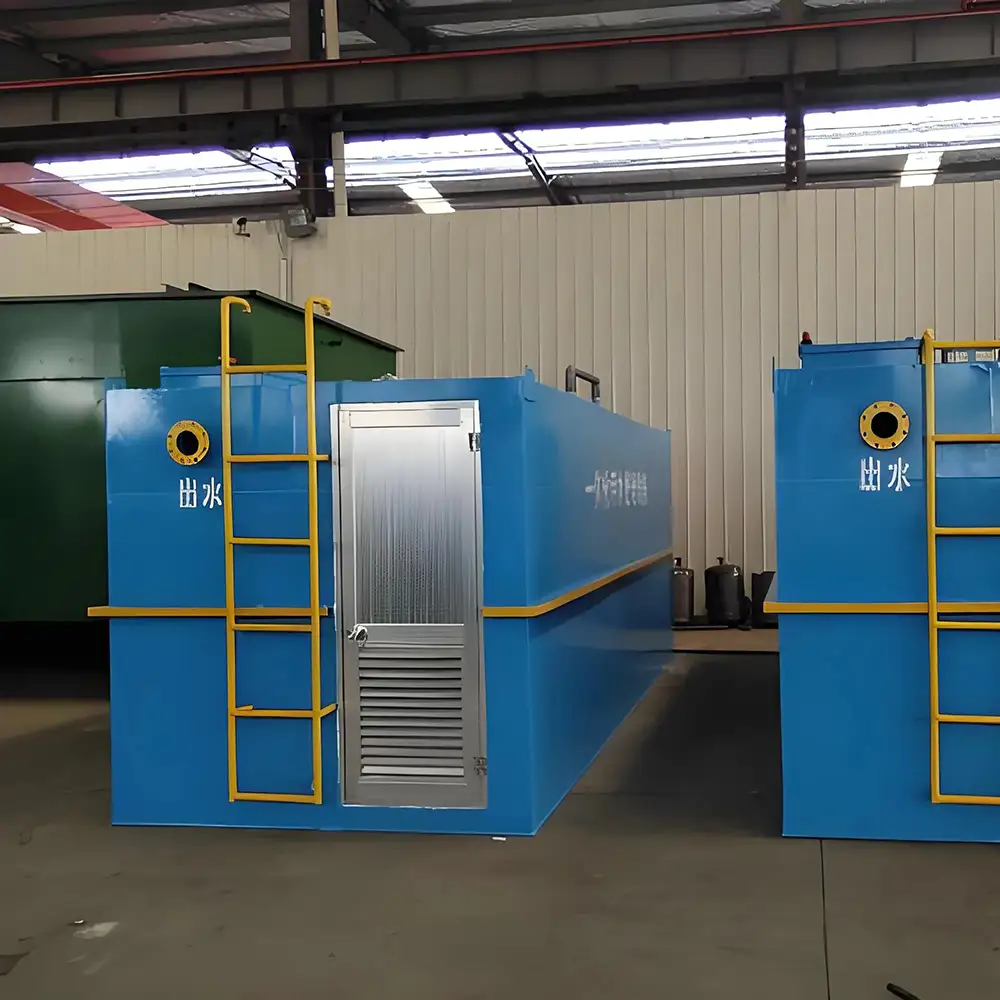
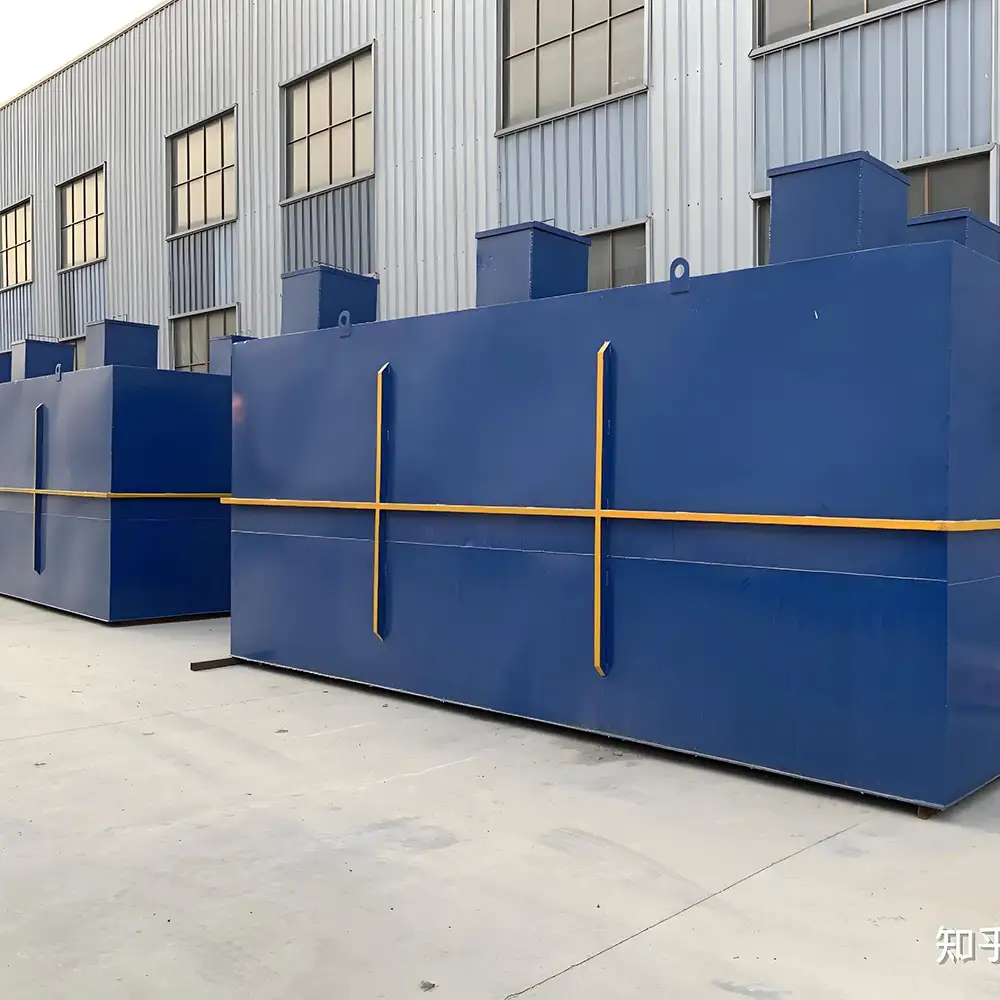
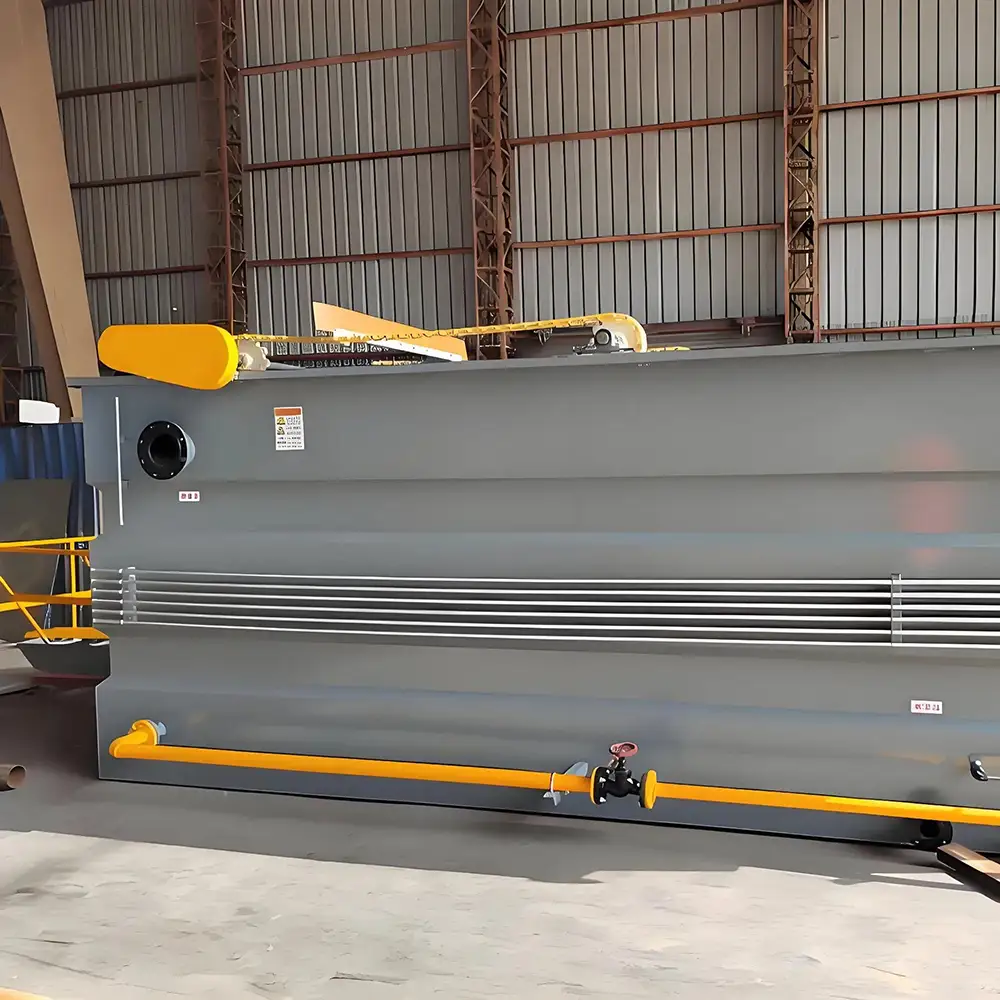
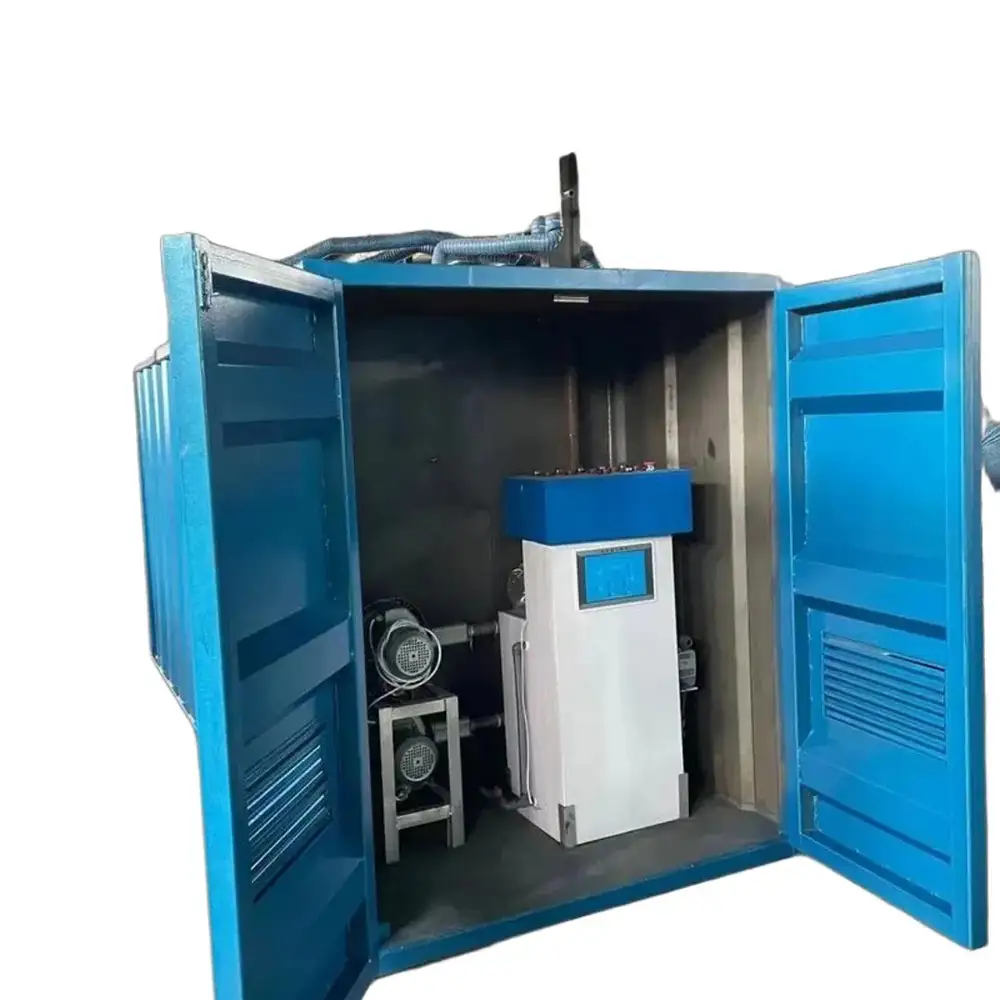
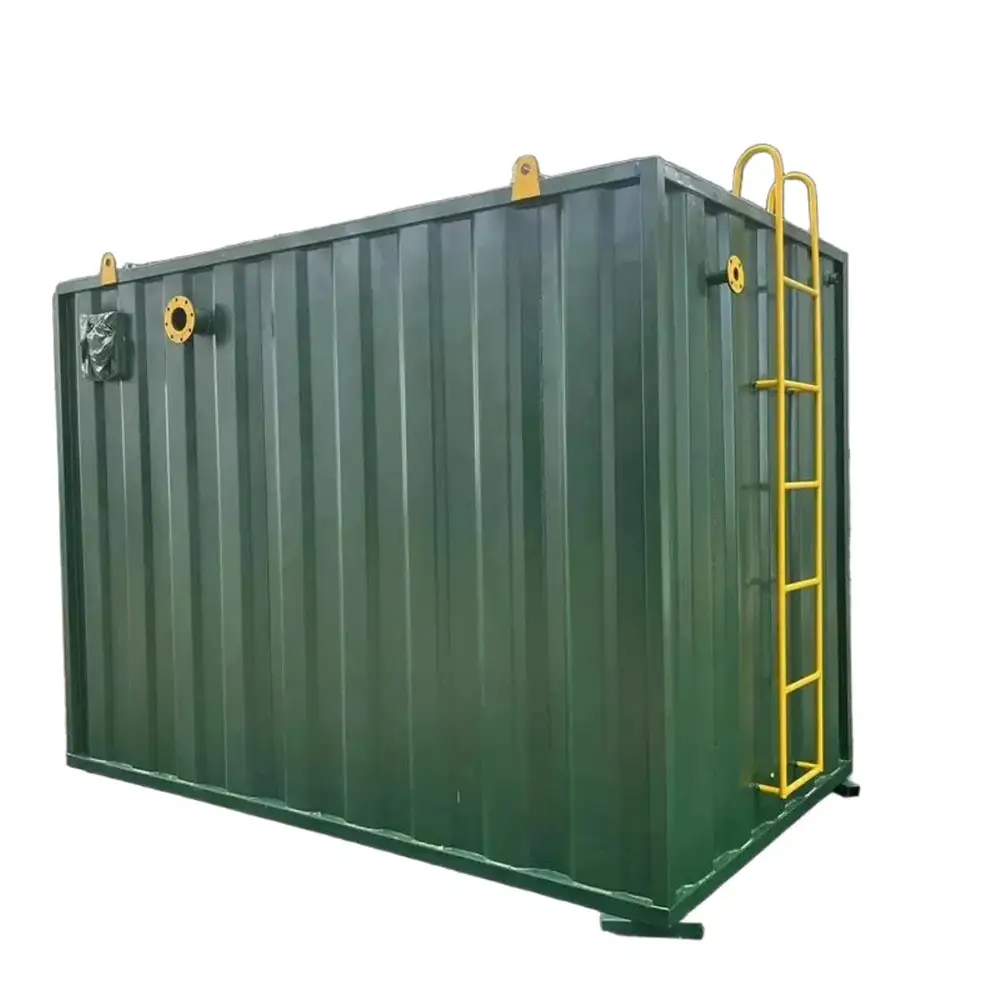
Integrated sewage treatment equipment
The biological treatment process adopted by this equipment integrates the removal of BOD, COD, and NH-N, making it the current sewage treatment equipment. It is widely used in the treatment of domestic sewage and similar industrial organic sewage in rural areas, villas and residential quarters, replacing the Septic tank with low removal rate and treated effluent that cannot meet the comprehensive discharge standard.
After practical application, it has been shown that the integrated buried sewage treatment equipment is a very ideal and easy to manage domestic sewage treatment equipment. The long-term application results in the living community also indicate that this equipment is a good governance measure for our domestic sewage treatment.
Sewage is the wastewater discharged from residents' daily lives, mainly from residential buildings and public buildings, such as residential buildings, government agencies, schools, hospitals, shops, public places, and industrial enterprise bathrooms. The pollutants contained in domestic sewage are mainly organic matter (such as proteins, carbohydrates, fats, urea, ammonia nitrogen, etc.) and a large number of pathogenic microorganisms (such as parasitic eggs and intestinal infectious viruses, etc.). The organic matter present in domestic sewage is extremely unstable and prone to decay, resulting in a foul odor. Bacteria and pathogens multiply in large quantities using organic matter in domestic sewage as nutrients, which can lead to the spread of infectious diseases.
The comprehensive domestic sewage has high CODcr and BOD5, and the value of BOD5/CODcr is greater than 0.4, indicating good biochemical performance. It is advisable to adopt a biochemical based process for treatment. Due to the large amount of wastewater, integrated sewage treatment equipment should be used for biochemical treatment. Before entering the biochemical device, try to remove floating and large particle suspended impurities from the domestic sewage during the pre-treatment stage as much as possible, and then enter the sewage regulating tank to prevent adverse effects on the sewage lifting pump.
|
Model NO. |
WSZ |
Handling method |
Biological Treatment |
|
Usage |
Industrial, Home, Agriculture, Hospital, Urban |
Trademark |
|
|
Types |
Package, Compact, Small, Mini |
Applications |
Industrial, Municipal, Domestic, Medical, Ship |
|
Craft |
Mbr Membrane, Mbbr, Ao, Aao, Disinfect, Filtration |
Features |
Water Clarification, Filtration, Purification |
|
Service Life |
20 Years |
Operation |
Automatic |
|
Steel Plate Thickness |
>8mm |
Function |
Remove Cod BOD |
|
Voltage |
220V/ 380V/ Customerized |
Installation Type |
Underground / Onground |
|
Colour |
Grey/Silver/Blue/Balck/Customerized |
Use for |
Mineral, Printing, Chemical, Dyeing, Starch |
|
Material |
Carbon Steel, Stain Steel, FRP, PE, PP |
Certificate |
SGS, ISO |
|
Transport Package |
Container Standard Packing |
Specification |
Carbon steel anti-corrosion |
|
Production Capacity |
1000 Sets/Year |
Origin |
China |
Automatic Operation and Maintenance Integrated Community Sewage Treatment Equipment
Automatic Operation and Maintenance Integrated Community Sewage Treatment Equipment is designed for communities and decentralized wastewater projects that require reliable treatment with simplified operation, monitoring, and routine maintenance. By integrating multiple treatment stages, pumps, blowers, controls, sensors, and supporting equipment into one coordinated system, the integrated STP can reduce manual intervention and make daily wastewater treatment management more convenient.
Community wastewater treatment can be challenging when a project is located far from a centralized municipal sewer network. Rural residential developments, villages, small towns, resorts, schools, worker housing, and remote facilities may need an independent wastewater treatment solution. EPA identifies cluster or community decentralized wastewater systems as systems that collect wastewater from multiple dwellings or buildings and convey it to a common treatment and dispersal location.
An integrated automatic system can provide a practical approach where centralized infrastructure is unavailable, difficult to extend, or unsuitable for the project.
Integrated Community Sewage Treatment System
The equipment can combine several treatment processes within a compact treatment plant. Depending on wastewater characteristics and the required effluent standard, the process may include:
Screening → Equalization → Biological Treatment → Sedimentation → Filtration → Disinfection → Treated Water Discharge or Reuse
Additional treatment stages can be incorporated when required.
The biological treatment section may use technologies such as MBBR, SBR, activated sludge, contact oxidation, or MBR. The appropriate process depends on wastewater flow, organic loading, ammonia concentration, treatment objectives, available space, and local discharge requirements.
By integrating the treatment stages into one coordinated system, the equipment can simplify project installation and provide a more organized operating environment.
Automatic Operation
Automation is one of the key features of this integrated community sewage treatment equipment.
A centralized electrical control system can coordinate pumps, blowers, valves, aeration equipment, sludge handling, disinfection, and other components according to programmed operating conditions.
Automatic functions may include:
Automatic wastewater pumping
Automatic level control
Automatic aeration control
Blower start and stop control
Automatic sludge discharge
Automatic disinfection control
Equipment alarm functions
High and low liquid-level alarms
Pump alternation
Equipment overload protection
Automatic operating cycles
Remote monitoring options
Automation reduces the amount of routine manual operation required by local personnel. However, automatic equipment should not be interpreted as maintenance-free. Mechanical, electrical, and biological systems still require inspection and preventive maintenance.
EPA guidance emphasizes that operation and maintenance requirements vary according to wastewater type, system technology, and receiving environment, and that proper O&M is essential for decentralized wastewater system performance.
Simplified Operation and Maintenance
The integrated design can make routine inspection more organized because major treatment components are coordinated within the same system.
Operators can monitor important parameters such as wastewater level, pump status, blower operation, aeration condition, flow, and alarm signals. Depending on the configuration, additional sensors can be installed for pH, dissolved oxygen, turbidity, pressure, or other process parameters.
Routine maintenance may include:
Inspecting pumps and motors
Checking blower operation
Cleaning screens
Inspecting aeration equipment
Checking valves and pipelines
Removing accumulated sludge
Inspecting control panels
Checking sensors
Maintaining disinfection equipment
Cleaning filters
Checking membrane systems where applicable
The actual maintenance schedule should be established according to the equipment configuration, operating conditions, manufacturer recommendations, and local requirements.
Biological Treatment for Community Wastewater
Domestic community sewage normally contains biodegradable organic matter, suspended solids, nutrients, and other household wastewater pollutants.
Biological treatment uses microorganisms to break down biodegradable pollutants.
MBBR Process
MBBR uses mobile biofilm carriers that provide surfaces for microorganisms to grow. The carriers move within the biological reactor, supporting high biological activity in a relatively compact treatment volume.
SBR Process
SBR performs biological treatment and settling through controlled operating cycles. It can combine several treatment functions within one reactor, which can be advantageous when land availability is limited.
MBR Process
MBR combines biological treatment with membrane filtration. It can produce high-quality treated water, although membrane systems require appropriate fouling control, cleaning, and maintenance.
Activated Sludge
Conventional activated sludge uses suspended microorganisms to biologically treat wastewater and can be integrated with clarification and sludge return systems.
The final process should be selected based on actual wastewater characteristics rather than simply choosing a technology based on equipment size.
Applications
Automatic Integrated Community Sewage Treatment Equipment can be used for:
Residential communities
Rural communities
Villages
Small towns
Apartment communities
Hotels and resorts
Schools and campuses
Worker dormitories
Construction camps
Healthcare facilities
Restaurants and commercial areas
Tourist facilities
Remote communities
Industrial park domestic sewage
Small decentralized wastewater projects
EPA notes that community-scale wastewater systems can vary according to population density, available land, environmental conditions, and project economics.
Smart Monitoring and Control
For remote or lightly staffed facilities, monitoring is especially important.
A PLC-based control system can coordinate treatment equipment and display operating status. Optional communication functions can provide remote access to selected operating data, alarms, and equipment status.
For larger community projects, the control system may also record operating data for maintenance planning and troubleshooting.
Remote monitoring can help operators identify abnormal pump operation, blower faults, high liquid levels, or other conditions before they develop into larger operational problems.
Compact and Modular Design
Integrated community sewage treatment equipment can be configured according to available site space and required capacity.
The system may be installed as an above-ground package, semi-buried configuration, or underground system when suitable structural and site conditions are available.
Modular equipment can also be arranged in multiple treatment blocks for larger communities or future capacity expansion.
For decentralized projects, site evaluation remains important. EPA guidance emphasizes planning, site evaluation, design, construction, operation, maintenance, monitoring, and residuals management as parts of effective decentralized wastewater management.
Water Reuse and Final Treatment
After biological treatment and solid-liquid separation, additional filtration and disinfection can be added when higher treated-water quality is required.
Depending on applicable regulations and the treatment configuration, treated water may be considered for applications such as landscape irrigation, toilet flushing, or other non-potable uses.
Reuse requirements vary significantly by location, so the final process should be designed according to applicable local regulations and the intended reuse application.
Why Choose Us?
Automatic Control: Integrated PLC and electrical control options reduce routine manual intervention.
Community-Scale Application: Designed for residential communities, villages, rural areas, hotels, schools, and decentralized projects.
Integrated Treatment: Multiple treatment stages can be combined into one coordinated wastewater treatment system.
Flexible Biological Processes: MBBR, SBR, MBR, activated sludge, and other treatment technologies can be considered according to project requirements.
Simplified Maintenance: Centralized equipment arrangement makes inspection and routine servicing more organized.
Remote Monitoring Options: Communication and monitoring functions can be incorporated for remote facilities.
Compact Footprint: Integrated configurations can help optimize limited installation space.
Project-Based Design: Treatment capacity, process configuration, control functions, installation arrangement, and automation level can be developed according to actual project conditions.
FAQs
1. What is automatic integrated community sewage treatment equipment?
It is a wastewater treatment system that integrates treatment units and automated control equipment for treating sewage from communities, villages, residential developments, and similar decentralized applications.
2. Can the system operate automatically?
Yes. Pumps, blowers, aeration, sludge discharge, disinfection, alarms, and other components can be controlled automatically according to the system configuration.
3. Is automatic operation maintenance-free?
No. Automation reduces routine manual operation but does not eliminate maintenance. Pumps, blowers, sensors, filters, controls, and other components still require periodic inspection and servicing.
4. What type of wastewater can it treat?
It is primarily designed for domestic and community sewage. Industrial wastewater with special pollutants may require separate pretreatment and process evaluation.
5. What biological treatment processes are available?
MBBR, SBR, activated sludge, contact oxidation, MBR, and other biological processes can be considered depending on the project.
6. Can it serve an entire residential community?
Yes. The system can be designed for multiple buildings or dwellings connected to a common wastewater treatment facility.
7. Can remote monitoring be added?
Yes. PLC controls, communication modules, alarm systems, and remote monitoring functions can be incorporated when required.
8. Can the equipment be installed underground?
Potentially. Underground installation requires appropriate structural design, groundwater assessment, access planning, ventilation, and maintenance provisions.
9. Can treated wastewater be reused?
Potentially. Additional filtration and disinfection may be incorporated for suitable non-potable reuse applications, subject to local regulations.
10. How often does the system need maintenance?
The frequency depends on the process, wastewater characteristics, operating hours, equipment configuration, and manufacturer recommendations. EPA notes that O&M requirements vary according to system type and technology.
11. Can the system be expanded for a growing community?
Modular configurations can be designed with future expansion in mind. Expansion requirements should ideally be considered during the initial engineering stage.
12. What information is needed for system design?
Important information includes daily wastewater flow, peak flow, wastewater analysis, number of users, discharge or reuse requirements, available land, installation conditions, local regulations, and preferred automation level.
Prev:
Mbbr Mobile Biofilm Reactor Sewage Treatment Equipment
Next:
Mbr Sewage Treatment Tank Medical Wastewater and Domestic Sewage Integration
TAG:
UV Wastewater Disinfection,
Integrated Wastewater Treatment System,
Biological Wastewater Treatment Equipment,
Decentralized Wastewater Treatment,
Onsite Wastewater Treatment,
Compact Wastewater Treatment Plant,
BOD Removal Wastewater Treatment,
School Sewage Treatment,
MBBR Wastewater Treatment,
Biological Wastewater Treatment,
Water Reuse Treatment System,
Automatic Blower Control,
Decentralized Sewage Treatment System,
Onsite Wastewater Treatment System,
PLC Wastewater Treatment System,
PLC Sewage Treatment System,
Remote Wastewater Monitoring,
Integrated Wastewater Treatment Equipment,
Integrated Sewage Treatment System,
Integrated Sewage Treatment Equipment,
Automatic Wastewater Treatment Equipment,
Automatic Sewage Treatment Equipment,
Smart Wastewater Treatment System,
Smart Sewage Treatment System,
Automatic Sewage Treatment System,
Automatic Wastewater Treatment System,
COD Removal Wastewater Treatment,
Nitrogen Removal Wastewater Treatment,
SBR Wastewater Treatment,
Compact Wastewater Treatment Equipment,
Related Category:
Automatic Sewage Treatment Equipment,Integrated Community Sewage Treatment Equipment China, suppliers, manufacturers, factory, customized, wholesale, quotation, made in China