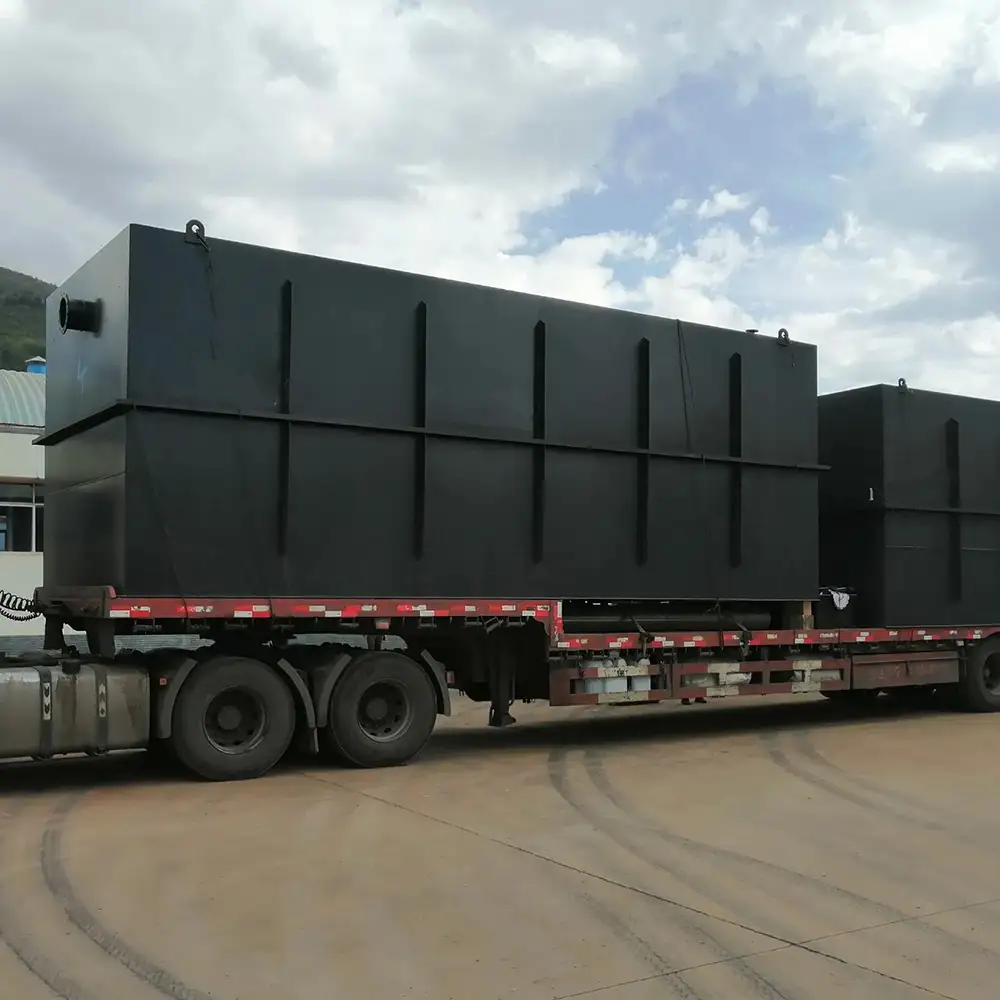
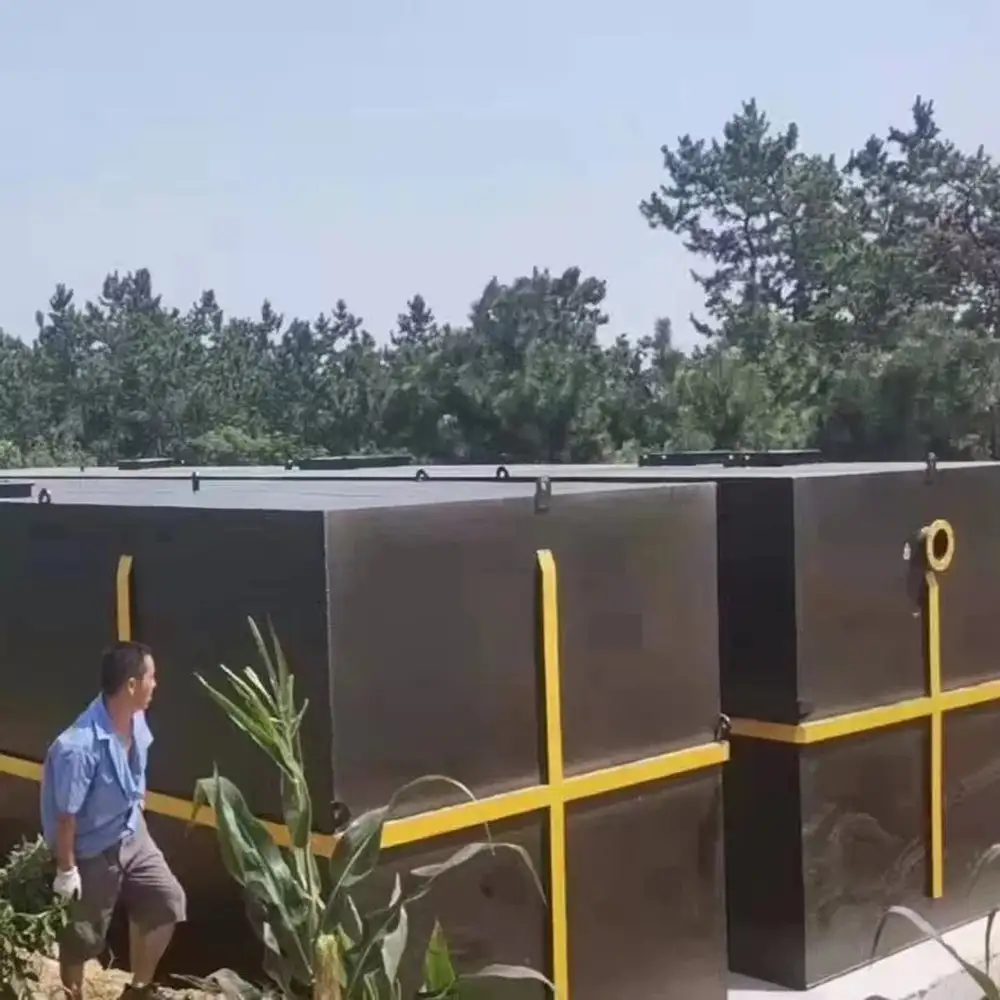
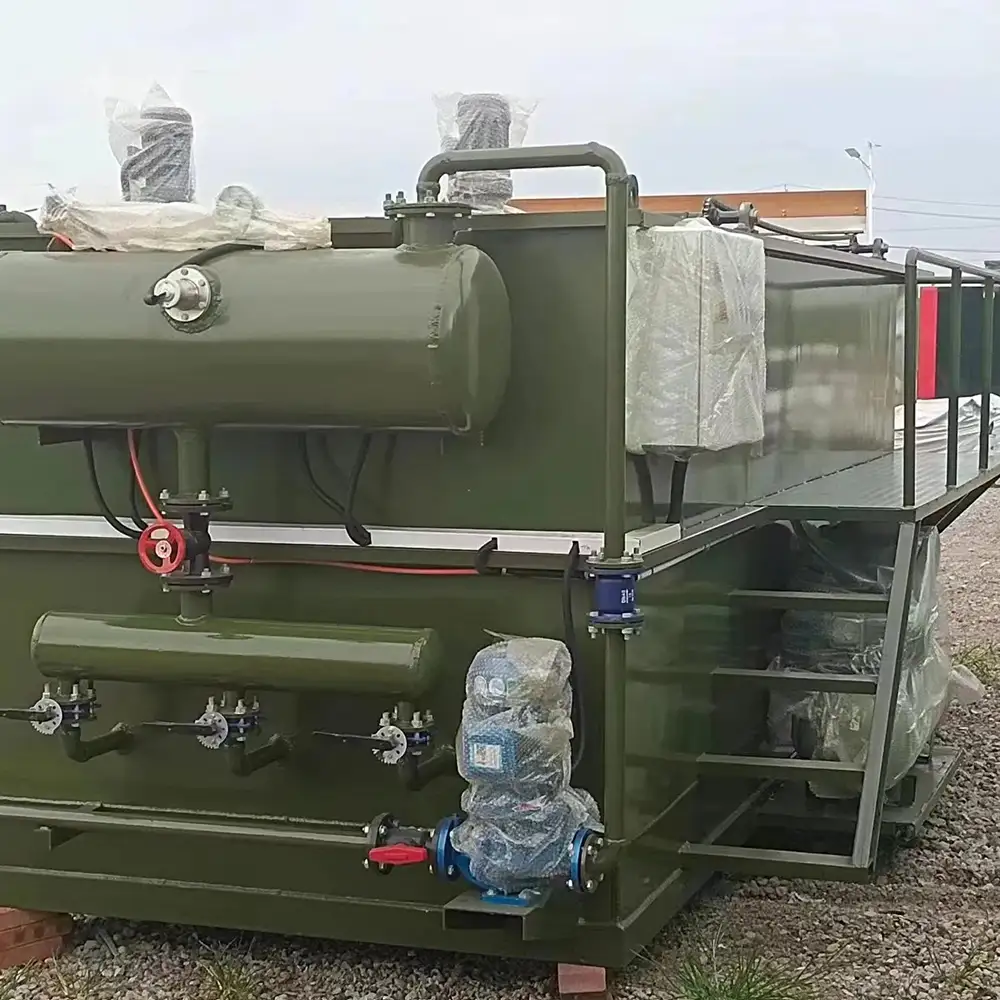
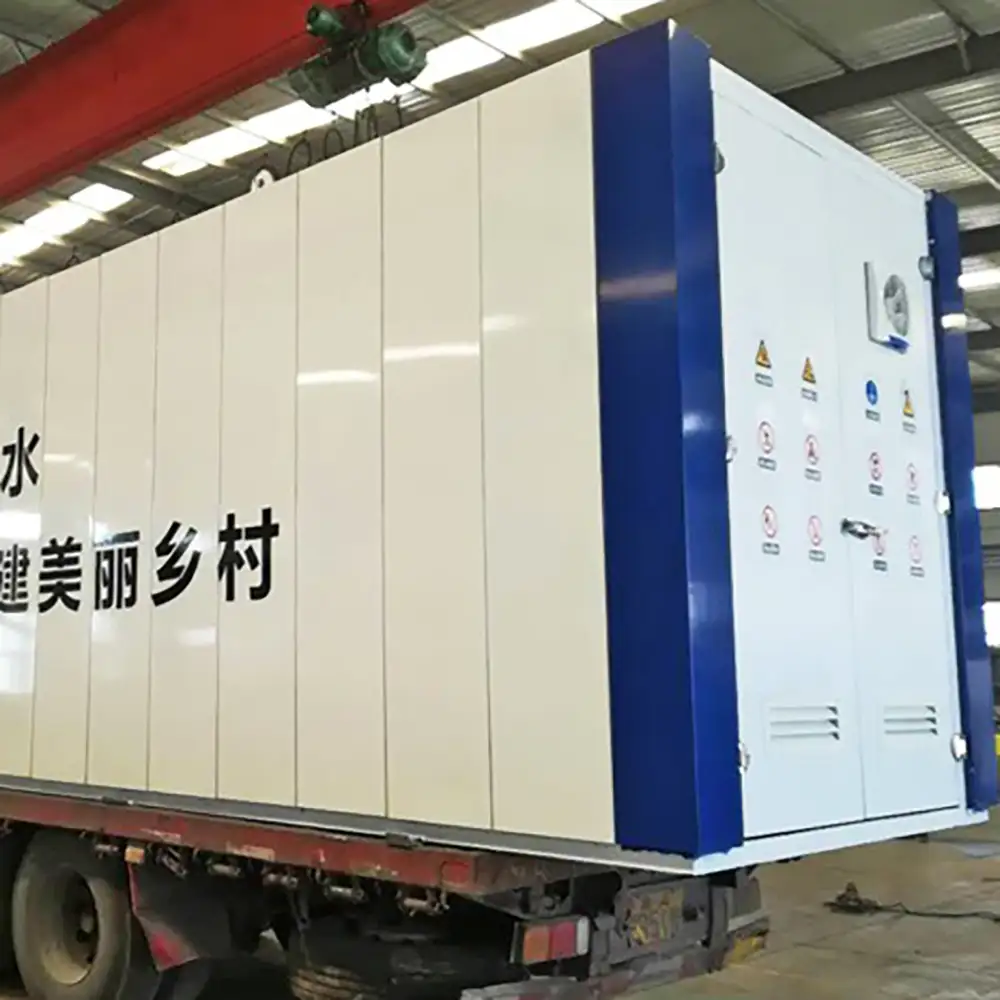
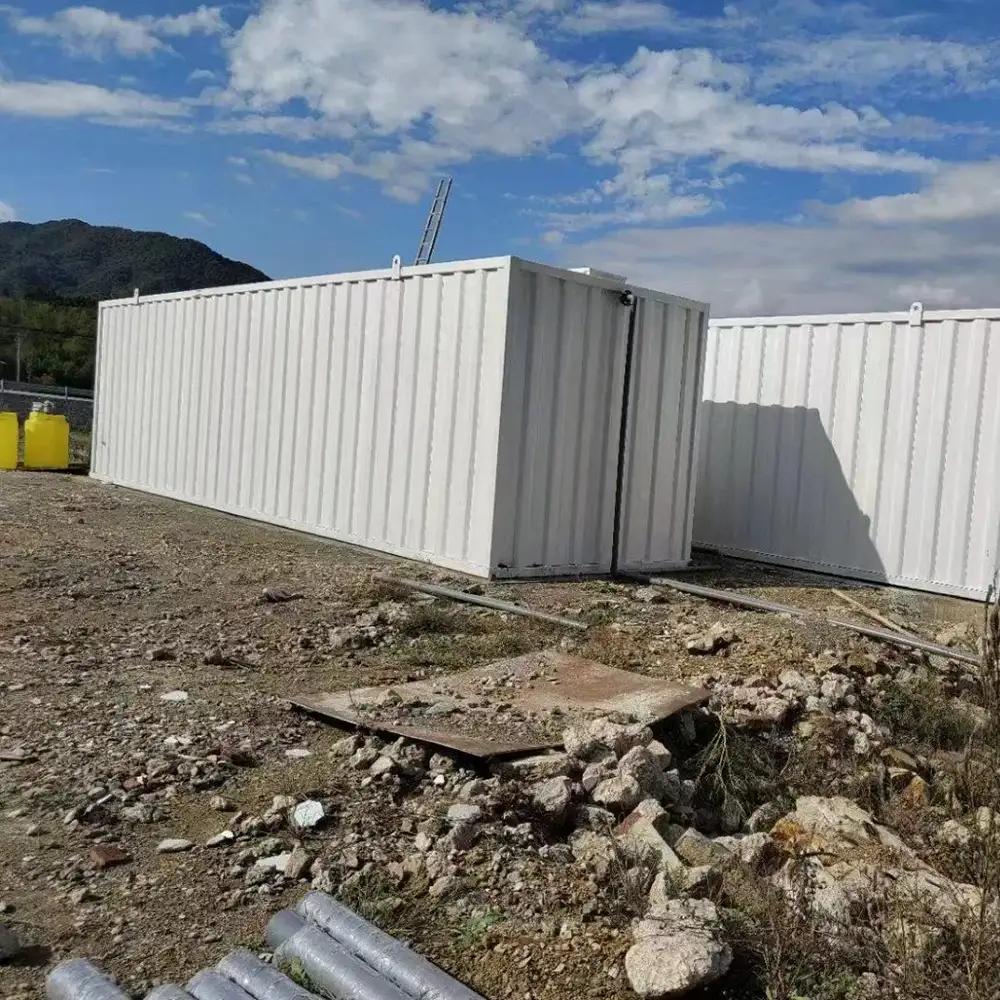
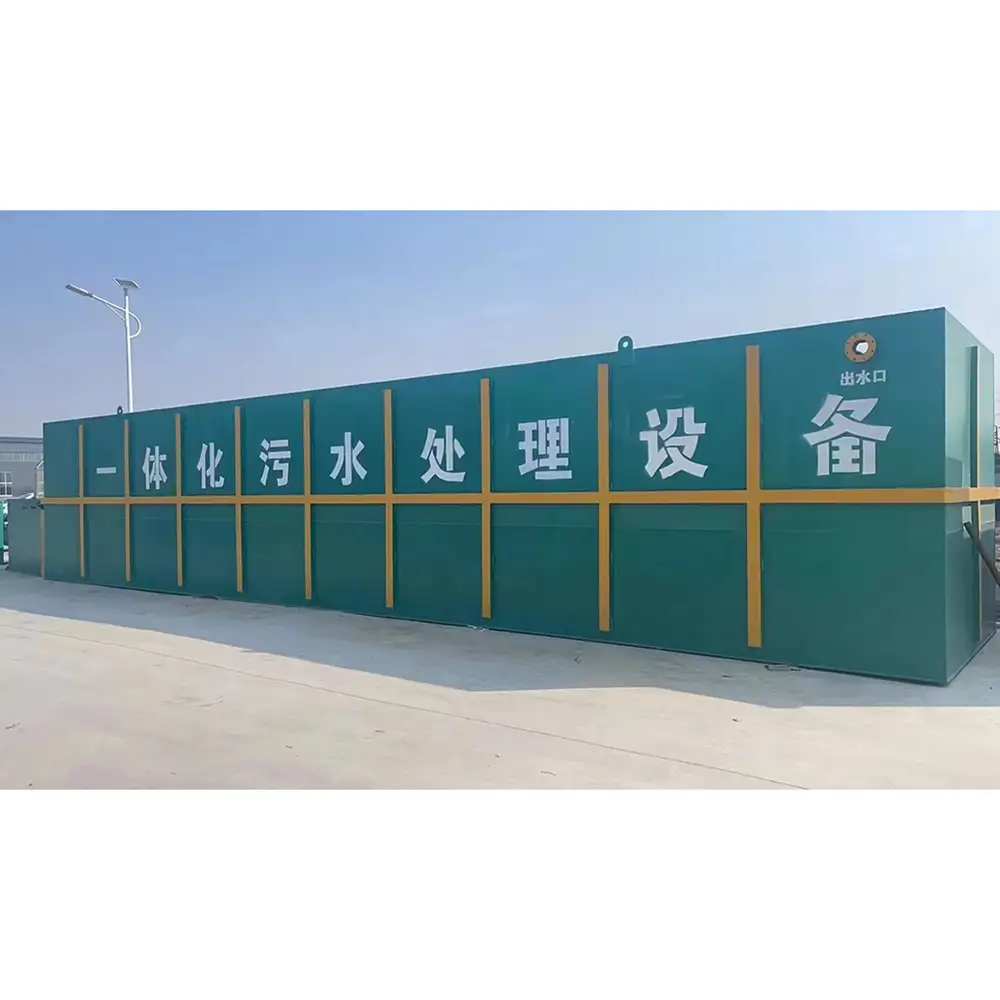
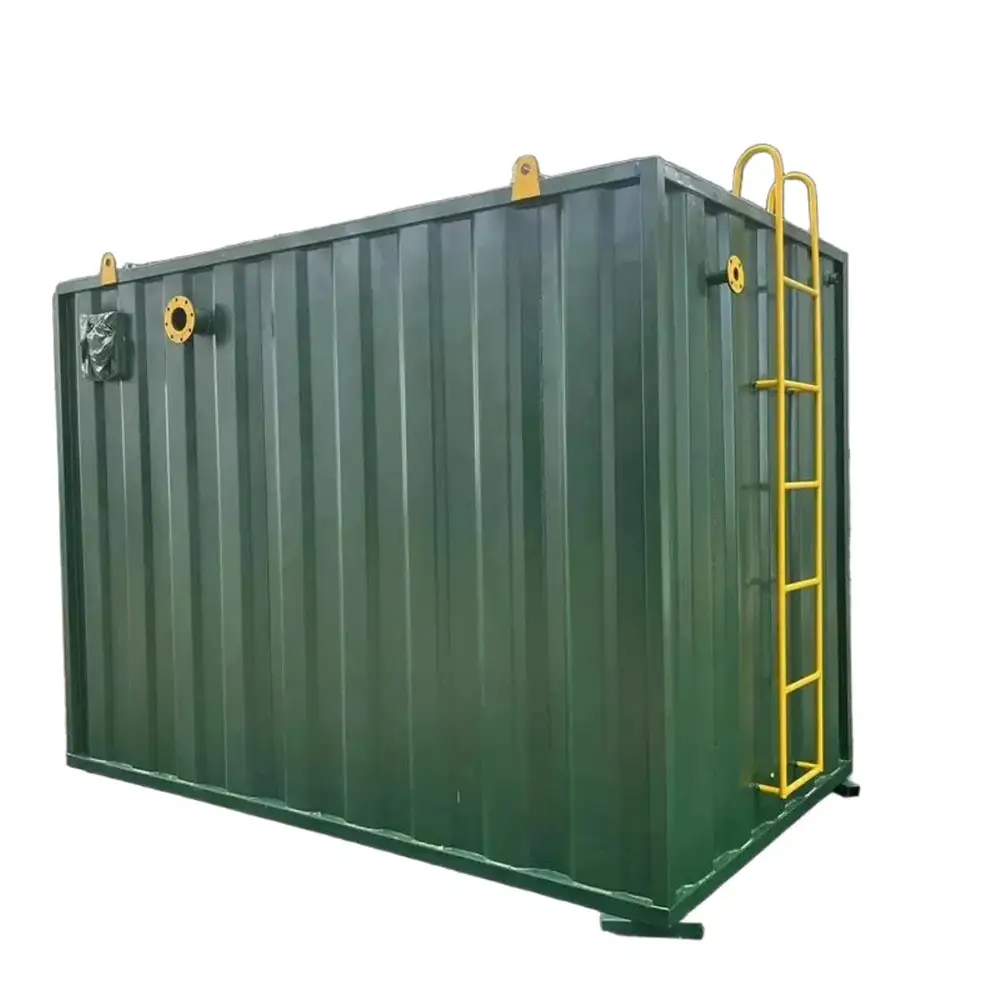
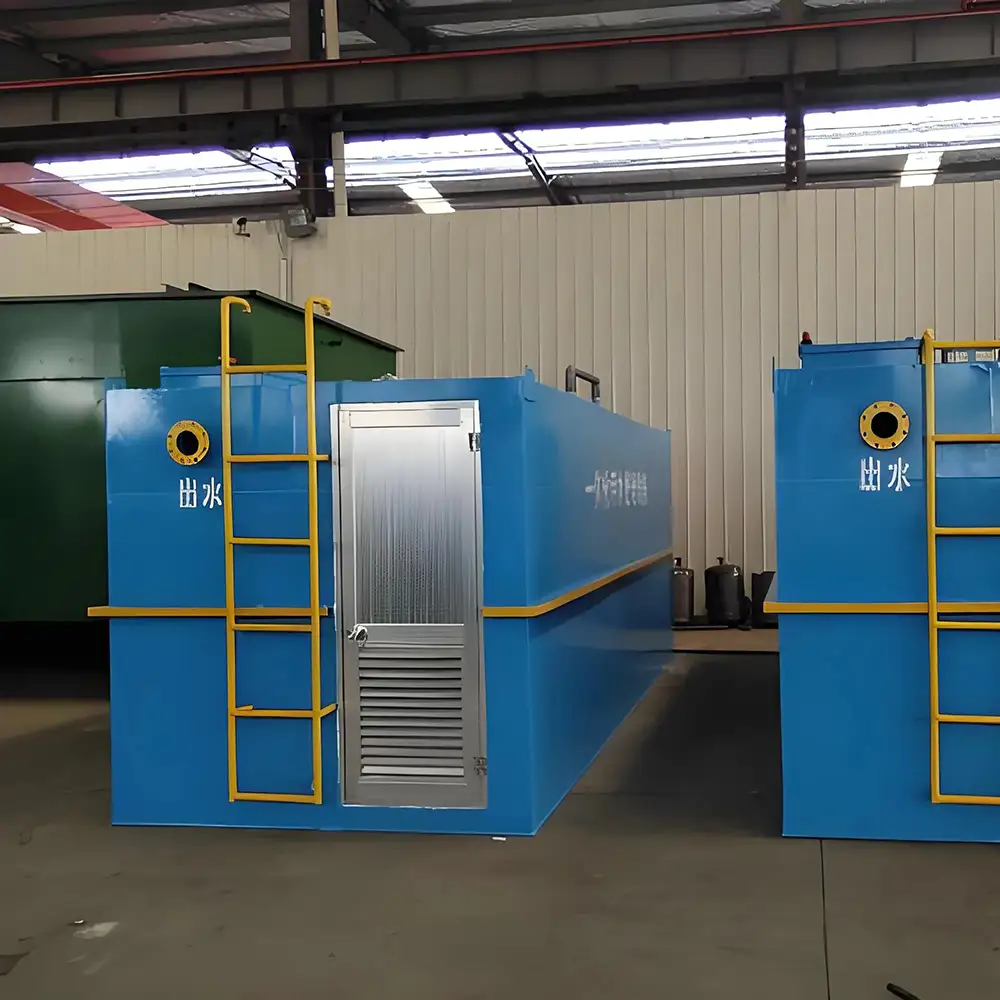
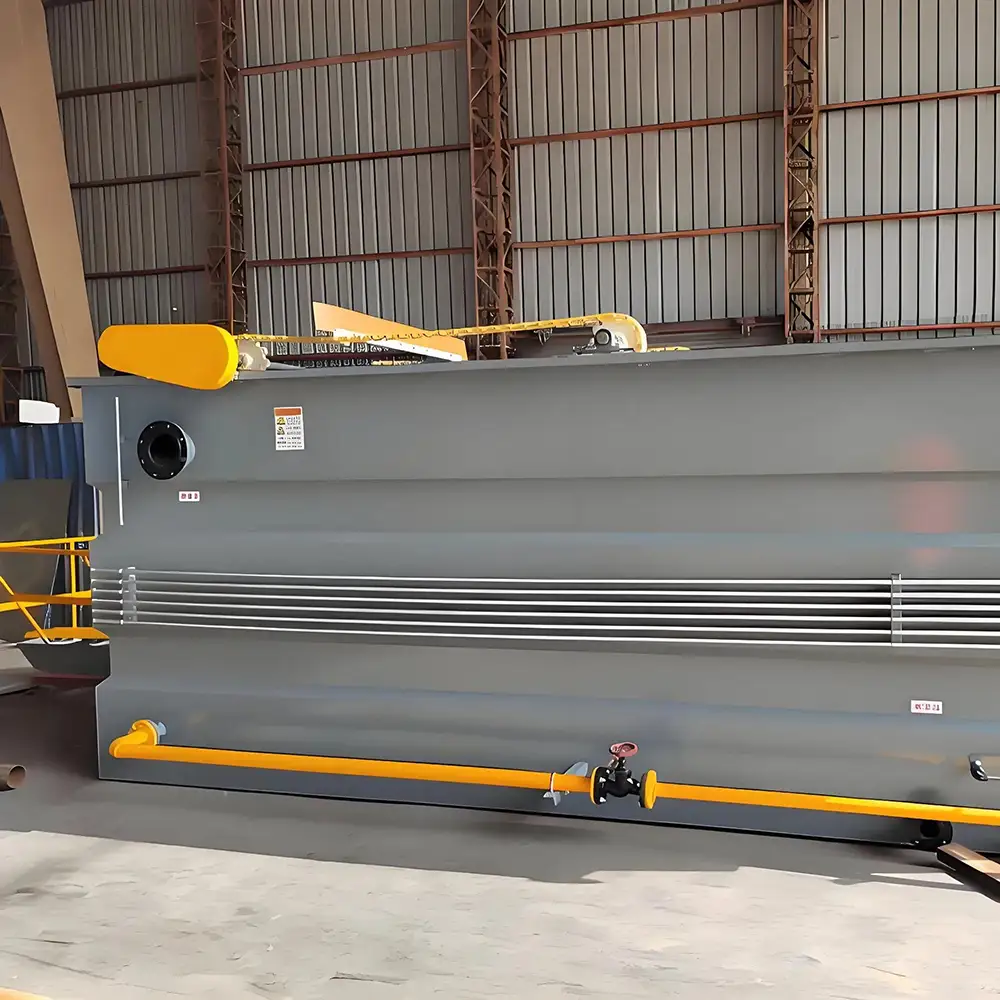
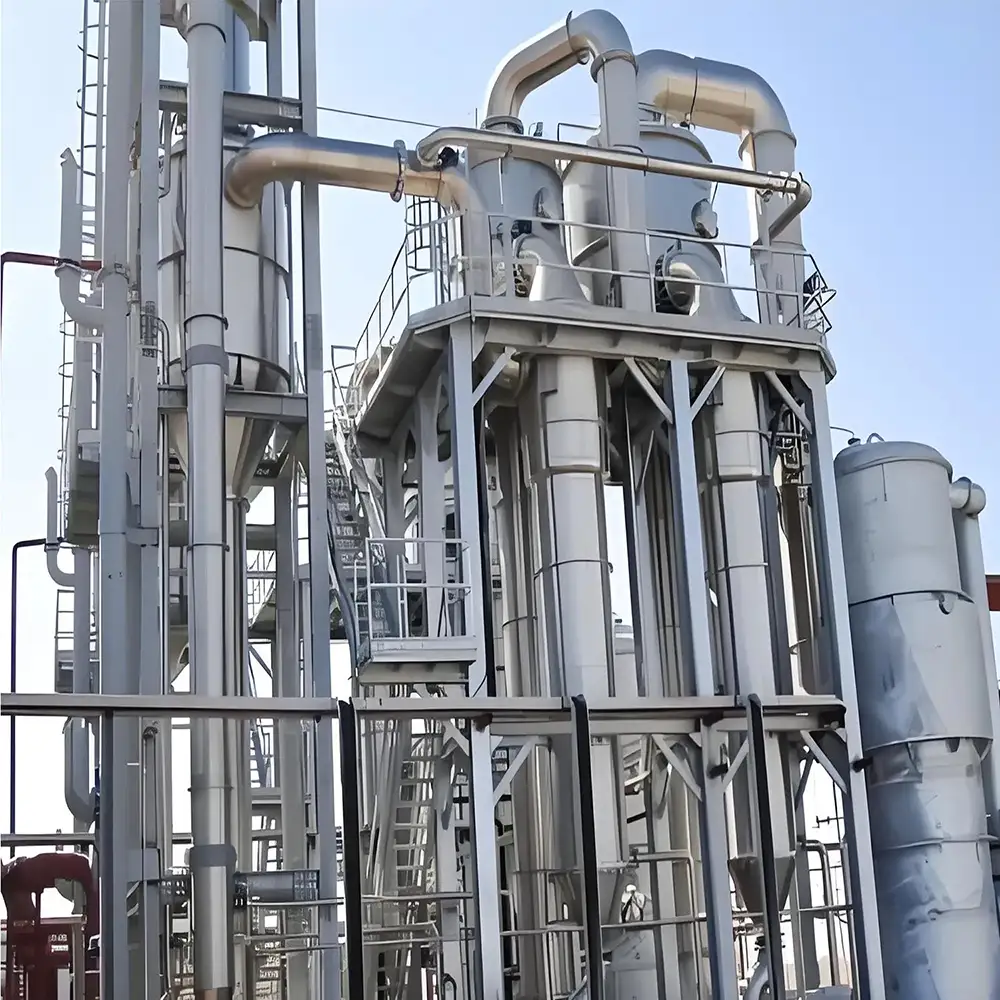
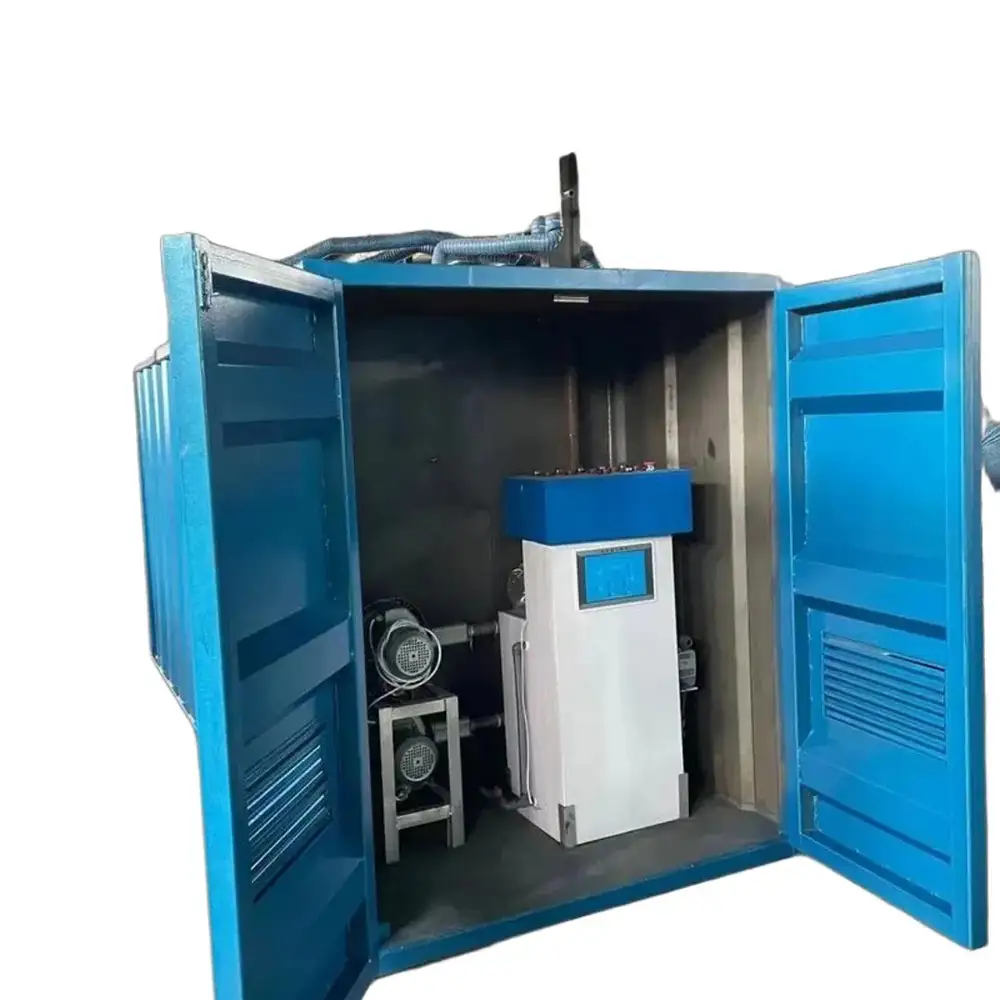
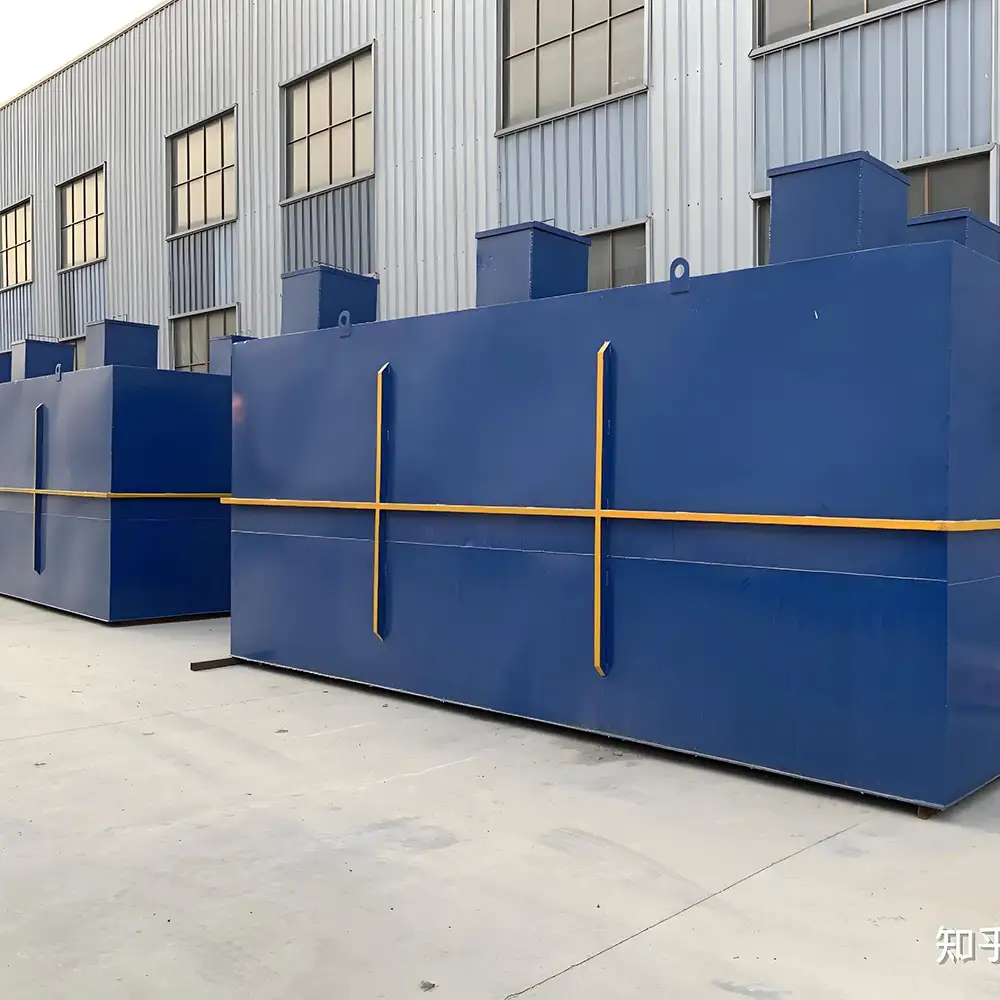
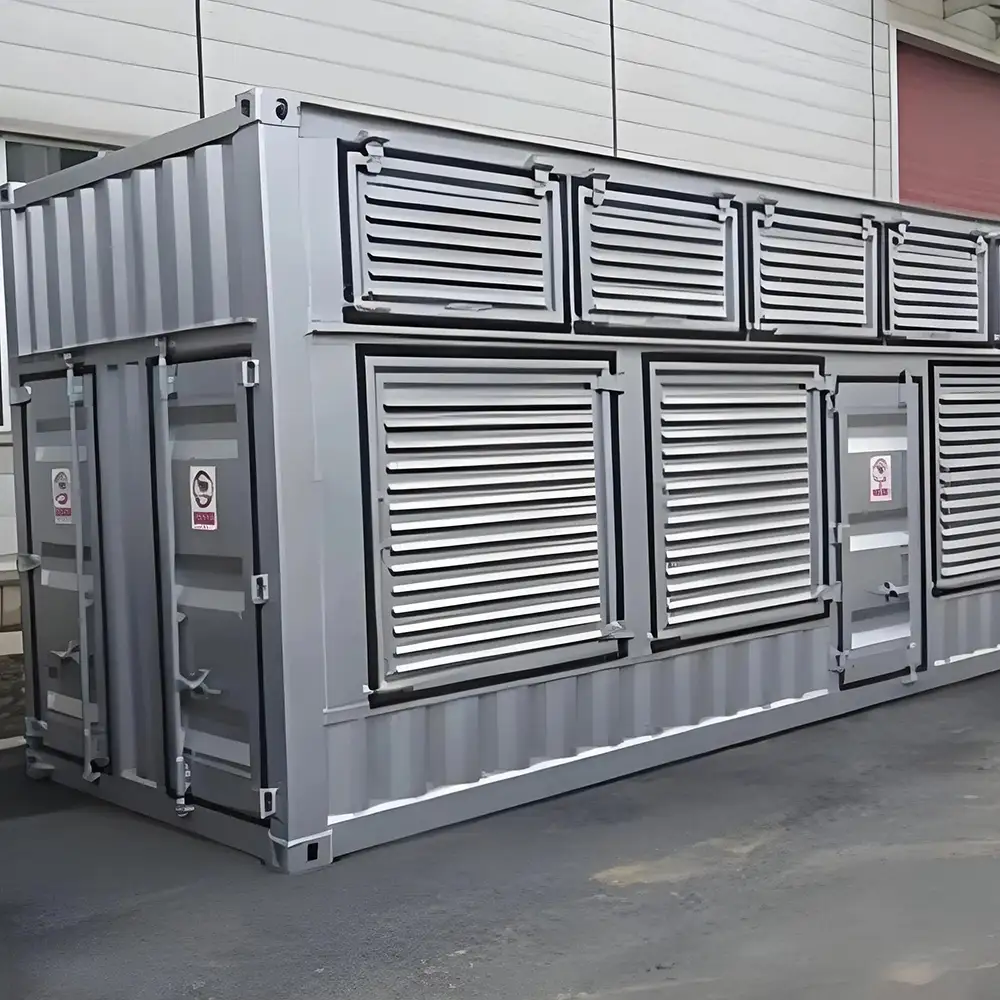
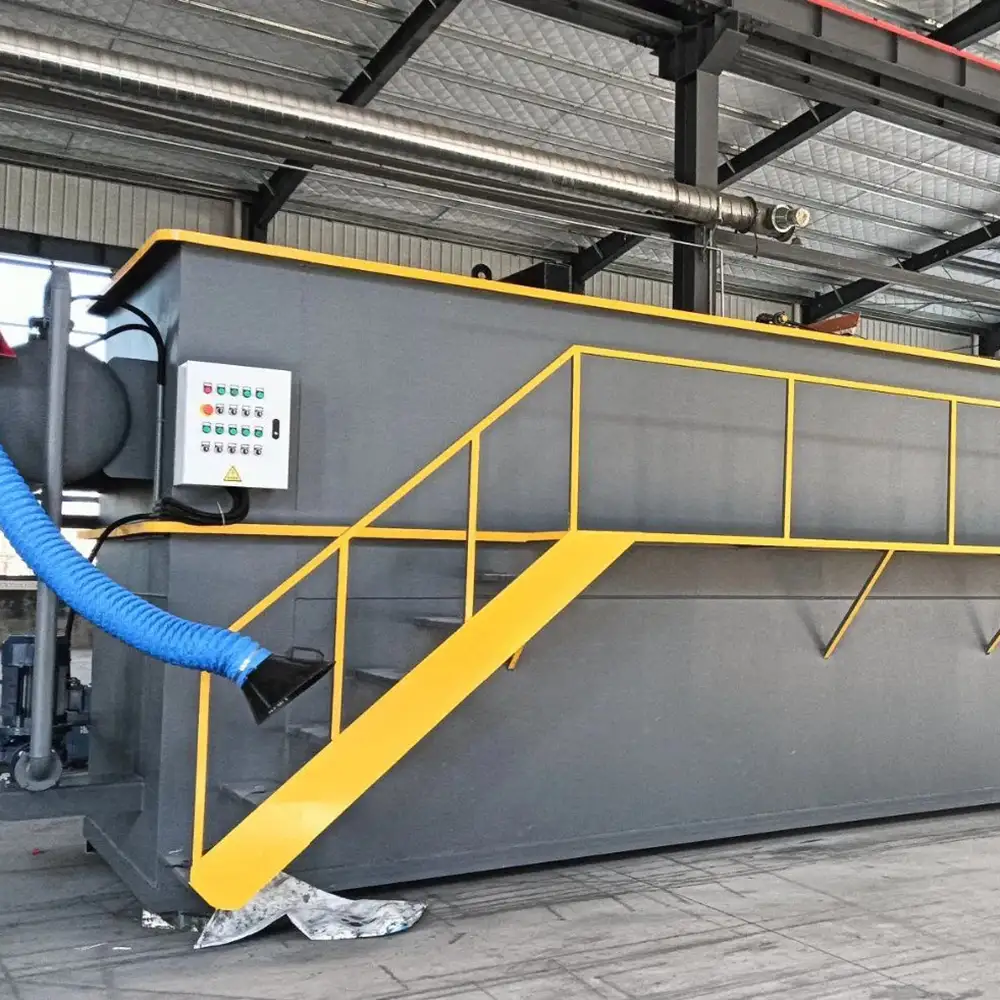
ntegrated sewage treatment equipment
The biological treatment process adopted by this equipment integrates the removal of BOD, COD, and NH-N, making it the current sewage treatment equipment. It is widely used in the treatment of domestic sewage and similar industrial organic sewage in rural areas, villas and residential quarters, replacing the Septic tank with low removal rate and treated effluent that cannot meet the comprehensive discharge standard.
After practical application, it has been shown that the integrated buried sewage treatment equipment is a very ideal and easy to manage domestic sewage treatment equipment. The long-term application results in the living community also indicate that this equipment is a good governance measure for our domestic sewage treatment.
Sewage is the wastewater discharged from residents' daily lives, mainly from residential buildings and public buildings, such as residential buildings, government agencies, schools, hospitals, shops, public places, and industrial enterprise bathrooms. The pollutants contained in domestic sewage are mainly organic matter (such as proteins, carbohydrates, fats, urea, ammonia nitrogen, etc.) and a large number of pathogenic microorganisms (such as parasitic eggs and intestinal infectious viruses, etc.). The organic matter present in domestic sewage is extremely unstable and prone to decay, resulting in a foul odor. Bacteria and pathogens multiply in large quantities using organic matter in domestic sewage as nutrients, which can lead to the spread of infectious diseases.
The comprehensive domestic sewage has high CODcr and BOD5, and the value of BOD5/CODcr is greater than 0.4, indicating good biochemical performance. It is advisable to adopt a biochemical based process for treatment. Due to the large amount of wastewater, integrated sewage treatment equipment should be used for biochemical treatment. Before entering the biochemical device, try to remove floating and large particle suspended impurities from the domestic sewage during the pre-treatment stage as much as possible, and then enter the sewage regulating tank to prevent adverse effects on the sewage lifting pump.
MBR Medical Wastewater Treatment Equipment Water Treatment Plant
The MBR Medical Wastewater Treatment Equipment Water Treatment Plant is an advanced biological and membrane filtration system designed for treating wastewater generated by hospitals, clinics, medical centers, laboratories, nursing facilities, and other healthcare operations. Medical wastewater can contain suspended solids, biodegradable organic matter, nutrients, microorganisms, pharmaceutical residues, disinfectants, and other site-specific pollutants. Because wastewater characteristics vary between healthcare facilities, a properly designed treatment system may combine screening, equalization, biological treatment, membrane filtration, disinfection, and additional polishing processes.
Membrane Bioreactor (MBR) technology combines a suspended-growth biological reactor with membrane filtration for solid-liquid separation. The membrane acts as a physical barrier that retains activated sludge and suspended particles while allowing treated water to pass through. This configuration can produce a relatively clear effluent and can operate with a compact footprint compared with some conventional treatment arrangements.
How MBR Medical Wastewater Treatment Works
Medical wastewater first enters a preliminary treatment section. Screens remove large debris, fibers, plastics, and other materials that could interfere with pumps, aeration equipment, or membranes.
Equalization can then be used to balance variations in wastewater flow and pollutant concentration. This is especially useful for hospitals and healthcare facilities where wastewater generation changes throughout the day.
After pretreatment, wastewater enters the biological reactor. Aerobic microorganisms consume biodegradable organic pollutants while aeration provides oxygen for biological activity. Depending on the required treatment objectives, anoxic zones or operating stages can be incorporated to support nitrogen removal.
The mixed liquor then passes to the membrane separation stage. In a submerged MBR, membrane modules are immersed directly in the biological reactor or a dedicated membrane tank. Hollow-fiber or flat-sheet membranes can be used depending on the system design.
The membrane retains activated sludge and suspended solids while treated water passes through as permeate. This eliminates the need for a conventional secondary clarifier in the membrane separation stage.
EPA describes MBR systems as combining suspended-growth biological treatment with solids removal through filtration and notes their suitability for applications requiring compact treatment and high-quality effluent.
Medical and Hospital Wastewater Treatment
Hospital wastewater is more complex than typical domestic sewage because it can receive wastewater from patient wards, laboratories, operating areas, pharmacies, cleaning activities, kitchens, laundries, and other healthcare departments.
Depending on the facility, wastewater may contain pathogenic microorganisms, pharmaceuticals, antibiotics, disinfectants, organic pollutants, nutrients, suspended solids, and other contaminants. Research reviews specifically identify hospital wastewater as a complex stream containing microorganisms, pharmaceutical compounds, toxic organic substances, and ionic pollutants.
For this reason, the MBR system should normally be viewed as a core biological and membrane treatment stage rather than the only treatment process.
Additional processes such as UV disinfection, chlorination, ozonation, activated carbon, advanced oxidation, or other polishing technologies may be considered according to local regulations and the specific contaminants of concern.
Typical MBR Medical Wastewater Treatment Process
A representative process may include:
Coarse Screening → Fine Screening → Equalization → pH Adjustment → Biological Treatment → MBR Membrane Filtration → Disinfection → Treated Water Tank
For more demanding medical wastewater applications, the process can be expanded to:
Screening → Equalization → Anoxic Treatment → Aerobic Treatment → MBR → UV/Ozone/Chlorine Disinfection → Activated Carbon or Advanced Polishing → Water Reuse
The final process should be determined according to wastewater analysis, facility type, discharge requirements, local regulations, and intended water reuse.
Main Equipment Components
A complete MBR medical wastewater treatment plant may include:
Coarse Bar Screen
Fine Mechanical Screen
Equalization Tank
Lift Pump
pH Adjustment System
Anoxic Tank
Aerobic Biological Reactor
MBR Membrane Tank
Hollow Fiber Membrane Module
Flat Sheet Membrane Module
Aeration Blower
Fine Bubble Diffusers
Membrane Scouring Air System
Permeate Pump
Backwash System
Chemical Cleaning System
Sludge Pump
UV Disinfection System
Chlorine Dosing System
Ozone Treatment System
Activated Carbon Filter
Treated Water Tank
PLC Control Cabinet
Not every project requires all components. Equipment selection should be based on actual wastewater characteristics and the required effluent quality.
Advantages of MBR Medical Wastewater Treatment
High Solid Retention
The membrane provides physical separation of suspended solids and activated sludge from treated water. This helps produce a low-turbidity permeate when the system is properly operated.
Compact Footprint
Because the membrane performs solid-liquid separation, MBR systems can operate at higher biomass concentrations and may require less space than some conventional biological treatment layouts.
Biological Treatment and Filtration in One System
MBR combines biological degradation with membrane separation, reducing the dependence on a conventional secondary clarification step.
Flexible Process Configuration
Anoxic, aerobic, membrane, and disinfection stages can be arranged according to treatment requirements.
High-Quality Treated Water
MBR permeate can provide a suitable basis for additional disinfection or polishing when high-quality discharge or reuse is required.
Suitable for Healthcare Facilities
MBR technology has been specifically investigated and applied for hospital wastewater treatment, including systems designed to address organic matter, nutrients, solids, and other complex wastewater constituents.
Disinfection and Advanced Treatment
Because medical wastewater may contain microorganisms and trace contaminants, final disinfection can be an important part of the overall treatment design.
UV systems can provide physical disinfection without adding a chemical residual. Chlorine-based systems can provide residual disinfectant where appropriate. Ozone or advanced oxidation may be considered for selected trace organic compounds or pharmaceutical contaminants.
Research has also investigated combinations of MBR with ozonation for hospital wastewater, particularly where additional treatment of pharmaceutical compounds is required.
The appropriate treatment technology depends on the target contaminants and regulatory requirements. MBR should not be presented as automatically eliminating every dissolved pharmaceutical or trace organic pollutant.
Membrane Fouling Control
Membrane fouling is one of the most important operational considerations for MBR systems. Organic matter, suspended solids, inorganic deposits, and biological materials can accumulate on the membrane surface and reduce permeability.
Continuous air scouring helps control membrane fouling by creating turbulence around the membrane surface. Periodic physical and chemical cleaning can also be incorporated into the operating program.
Proper pretreatment is essential. EPA guidance notes that MBR systems require effective debris removal before membranes and commonly use fine screening immediately upstream of the membrane system to reduce the risk of membrane damage or blockage.
Operating parameters such as membrane flux, transmembrane pressure, dissolved oxygen, mixed liquor concentration, temperature, and cleaning frequency should be monitored.
Sludge Management
Although MBR systems can reduce the need for separate clarification, biological sludge is still generated. Excess sludge must be periodically removed according to the biological process and solids-retention strategy.
Sludge can be transferred to a thickening or dewatering system when required. Depending on the facility and local regulations, dewatered sludge may require approved disposal or further treatment.
Water Reuse Applications
After MBR treatment and appropriate disinfection or polishing, treated water may be considered for selected non-potable applications such as toilet flushing, landscape irrigation, equipment washing, cooling-water makeup, or other industrial uses where permitted.
The actual reuse application must be evaluated against local water-quality requirements. Additional treatment may be necessary depending on the intended reuse.
Operation and Maintenance
Routine operation should include monitoring of membrane pressure, permeate flow, dissolved oxygen, mixed liquor concentration, aeration performance, sludge concentration, and cleaning requirements.
Fine screens should be inspected frequently because debris entering the membrane system can cause operational problems. Blowers, pumps, valves, sensors, and chemical dosing systems should also be maintained according to operating conditions.
Membrane cleaning should be initiated according to performance indicators rather than relying only on a fixed calendar schedule. Maintaining appropriate pretreatment and biological conditions can help extend membrane operating life.
Why Choose Us?
We provide integrated MBR medical and hospital wastewater treatment solutions for healthcare facilities, clinics, laboratories, medical centers, nursing facilities, and other institutions.
Our system design starts with the actual wastewater rather than using a one-size-fits-all configuration. Flow rate, COD, BOD, TSS, ammonia, nitrogen, phosphorus, pH, temperature, pharmaceutical contamination, disinfection requirements, and intended water reuse are considered during process selection.
The treatment plant can integrate screening, equalization, biological treatment, MBR membrane filtration, sludge handling, UV, chlorine, ozone, activated carbon, and other advanced treatment stages.
For facilities with limited installation space, the compact nature of MBR technology can provide an important design advantage. The system can also be equipped with PLC automation, alarms, sensors, automatic cleaning functions, and remote monitoring options according to project requirements.
FAQs
1. What is an MBR medical wastewater treatment system?
It is a wastewater treatment system that combines biological treatment with membrane filtration for treating wastewater from hospitals, clinics, laboratories, and healthcare facilities.
2. Can MBR treat hospital wastewater?
Yes. MBR technology has been studied and applied for hospital wastewater treatment because it combines biological degradation with effective solid-liquid membrane separation.
3. What pollutants can MBR remove?
MBR can effectively target suspended solids and biodegradable organic pollutants and can support nutrient removal when appropriately designed. Additional processes may be needed for specific dissolved trace contaminants.
4. Can MBR remove bacteria?
The membrane provides strong physical retention of suspended microorganisms and solids. However, healthcare wastewater treatment should include an appropriate disinfection strategy based on applicable regulations and risk requirements.
5. Can MBR remove pharmaceutical residues?
Some pharmaceutical compounds can be reduced through biological treatment and membrane-related processes, but removal varies significantly by compound. Additional treatment such as activated carbon, ozone, or advanced oxidation may be required for specific contaminants.
6. Does an MBR system require a secondary clarifier?
The membrane performs the solid-liquid separation function, so a conventional secondary clarifier is generally not required for the MBR membrane separation stage.
7. Can UV disinfection be added?
Yes. UV can be installed after the MBR permeate stage when additional disinfection is required.
8. Can the system include ozone treatment?
Yes. Ozone can be incorporated as an additional polishing process for selected wastewater treatment objectives.
9. How is membrane fouling controlled?
Air scouring, proper pretreatment, controlled operating conditions, backwashing where applicable, and periodic chemical cleaning are commonly used to manage fouling.
10. Can the treated water be reused?
Potentially, yes. After MBR treatment and any required polishing and disinfection, treated water may be suitable for selected non-potable reuse applications subject to local requirements.
11. What type of membrane can be used?
Common MBR configurations include hollow-fiber and flat-sheet membrane modules. Selection depends on system capacity, wastewater characteristics, operating conditions, and maintenance strategy.
12. Can the MBR medical wastewater treatment plant be customized?
Yes. Capacity, pretreatment, biological stages, membrane configuration, disinfection, advanced polishing, sludge handling, automation, and water-reuse processes can be configured according to project requirements.
Prev:
Integrated SBR Sewage Treatment Equipment
Next:
Mbr Integrated Waste Water Treatment System Sewage Treatment Equipment
TAG:
Industrial Wastewater Treatment Equipment,
Industrial Wastewater Treatment System,
Biological Wastewater Treatment System,
Industrial Wastewater Treatment,
Sewage Treatment Plant,
Industrial Wastewater Treatment Plant,
Wastewater Treatment Equipment,
Wastewater Treatment Plant,
Wastewater Treatment System,
Pharmaceutical Wastewater Treatment,
Sewage Treatment Equipment,
Sewage Treatment System,
BOD Removal Wastewater Treatment,
Biological Wastewater Treatment,
Water Reuse Treatment System,
COD Removal Wastewater Treatment,
Nitrogen Removal Wastewater Treatment,
Nutrient Removal Wastewater Treatment,
Industrial Sewage Treatment Equipment,
Hospital Wastewater Disinfection,
Medical Wastewater Disinfection,
Industrial Sewage Treatment System,
Biological Sewage Treatment,
Biological Sewage Treatment Equipment,
Healthcare Effluent Treatment,
Hospital Effluent Treatment System,
Hospital Effluent Treatment,
Medical Effluent Treatment,
Healthcare Wastewater Treatment System,
Healthcare Wastewater Treatment Plant,
Related Category:
MBR Medical Wastewater Treatment Equipment,MBR Medical Wastewater Treatment Plant,MBR Hospital Wastewater Treatment Syst China, suppliers, manufacturers, factory, customized, wholesale, quotation, made in China