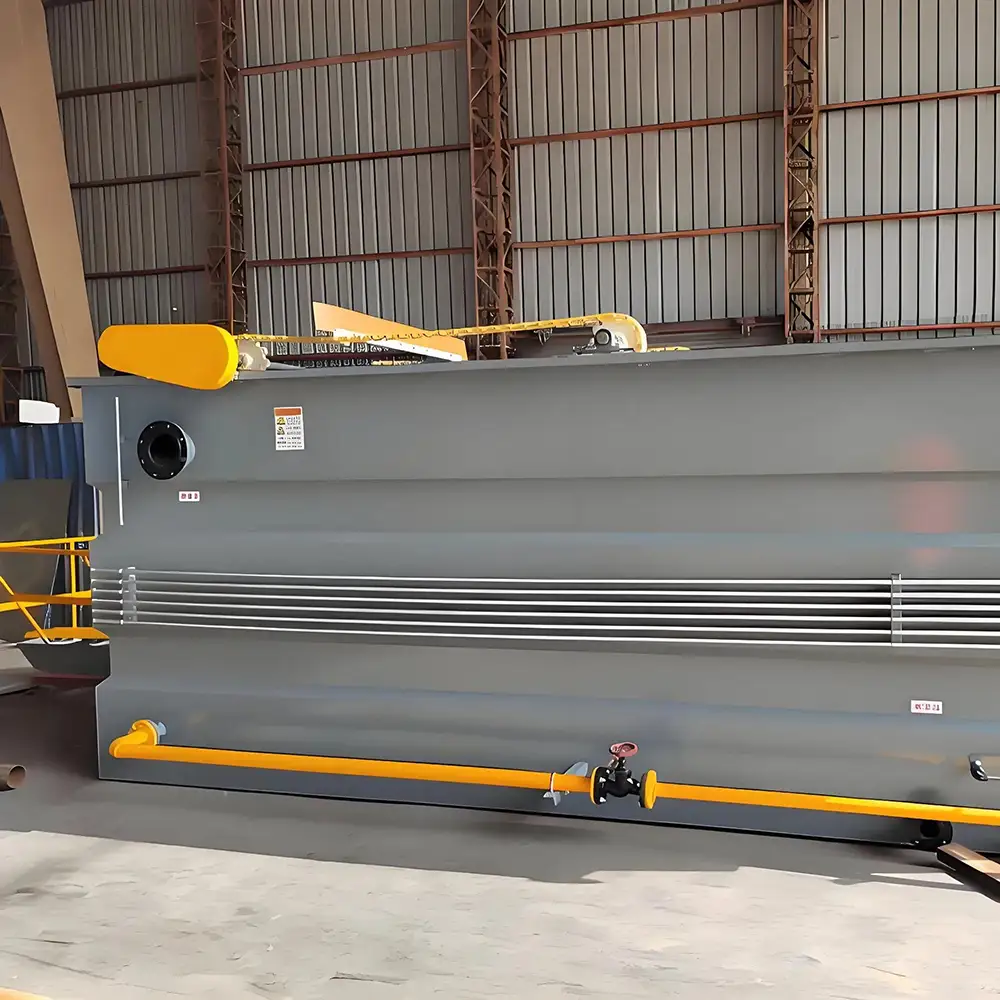
The SBR sewage treatment process is an intermittent activated sludge treatment process that achieves biological treatment of sewage through periodic water filling, aeration, sedimentation and drainage operations. The following are the core features and advantages of the SBR process:
Orderly operation and intermittent operation: The entire treatment process is divided into stages such as water inlet, reaction, sedimentation, drainage and idleness, which are completed in the SBR reaction tank and carried out in sequence.
Ideal plug flow aeration tank: From a time perspective, SBR is a relatively ideal plug flow aeration tank with large thrust and high efficiency of biochemical reaction.
Having the function of a secondary sedimentation tank: The aeration tank also has the function of a secondary sedimentation tank, and there is no need to set up a secondary sedimentation tank and sludge return device.
Sludge is easy to settle: The SVI value is low, the sludge is easy to settle, and sludge expansion rarely occurs.
Strong impact load resistance: It can adapt to large fluctuations in water quality and water volume, and the operation mode is flexible.
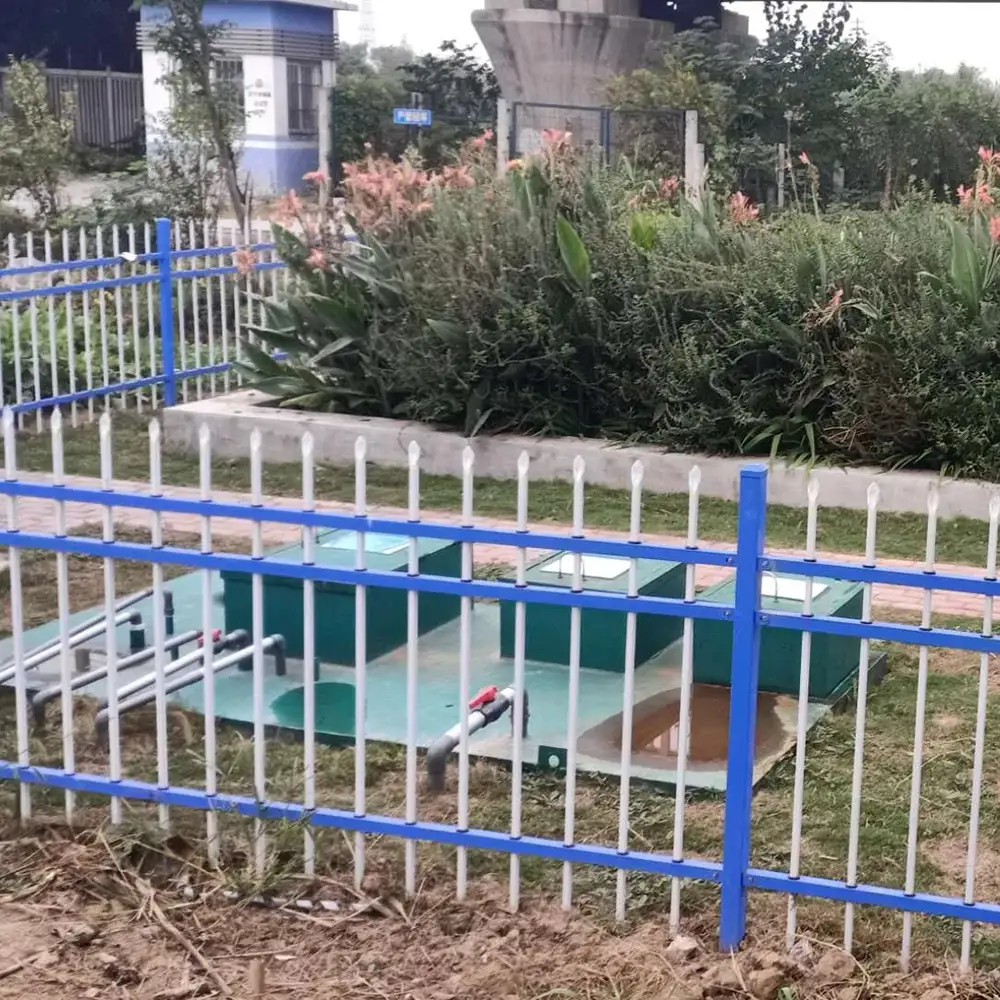
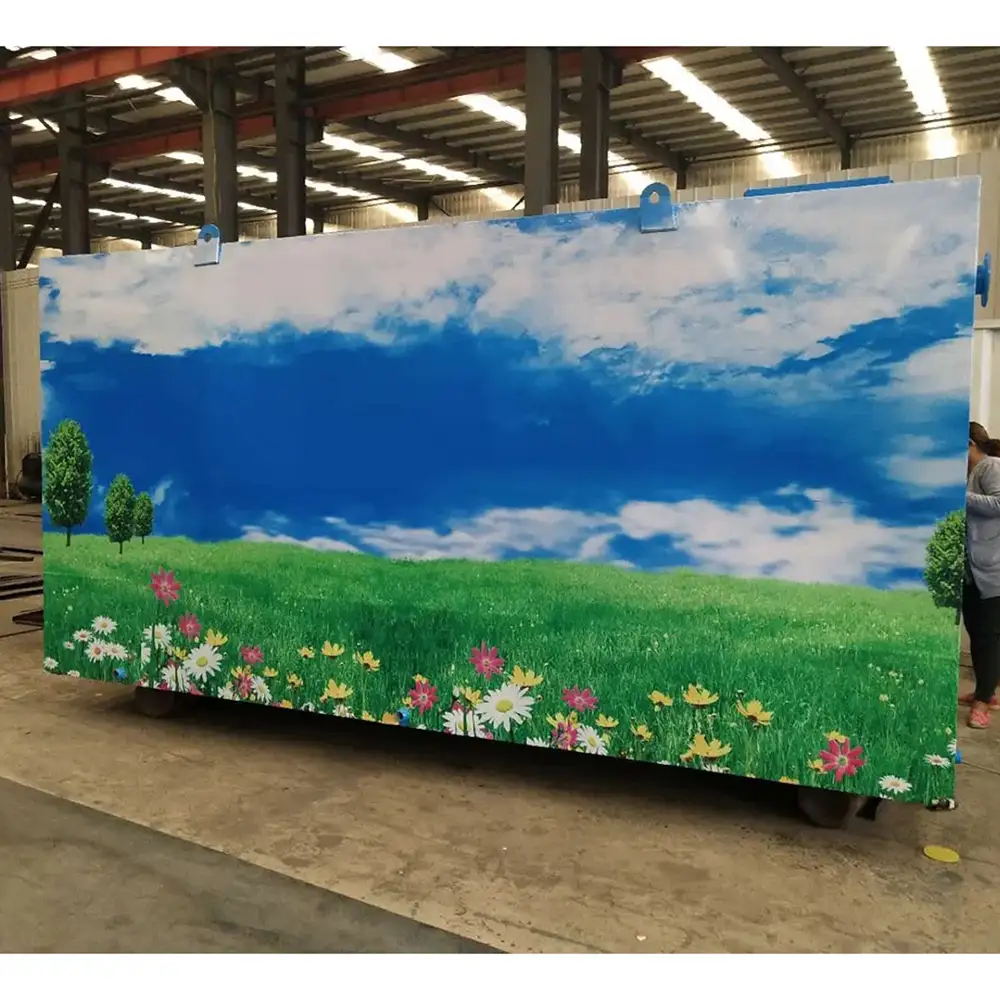
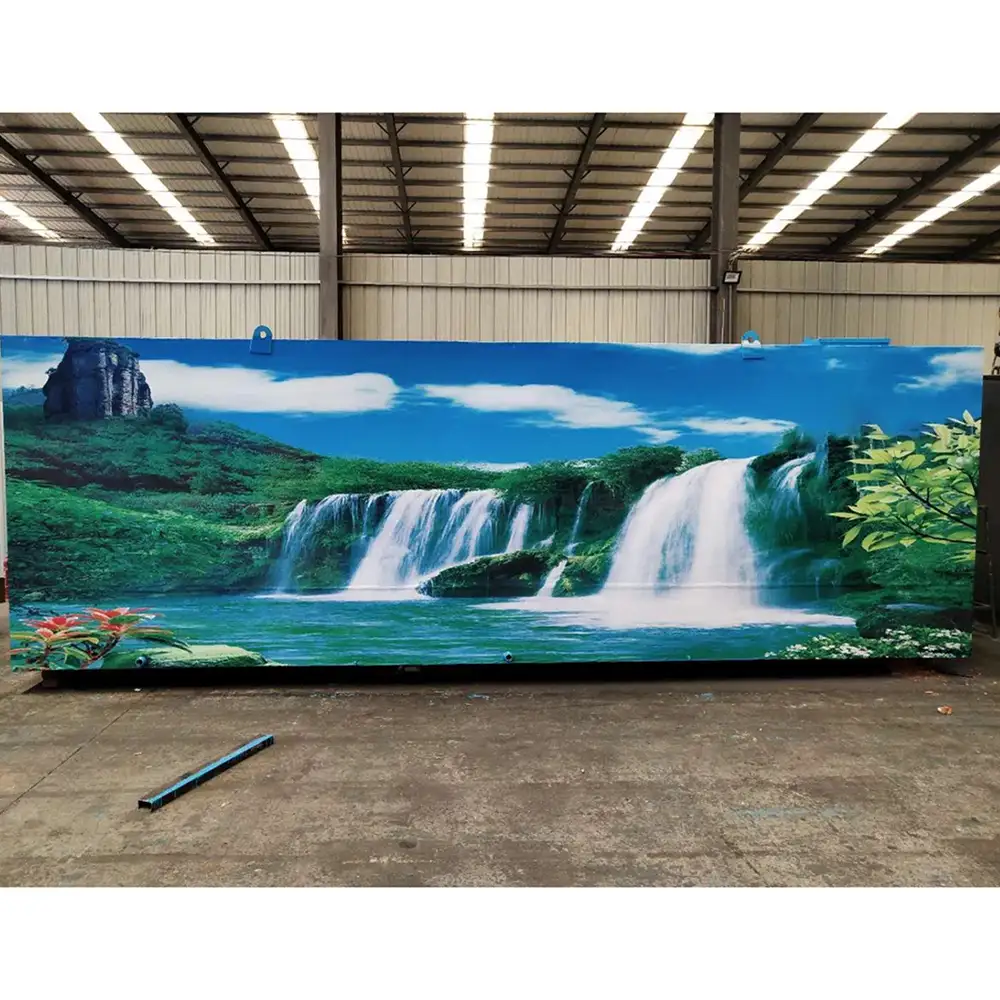
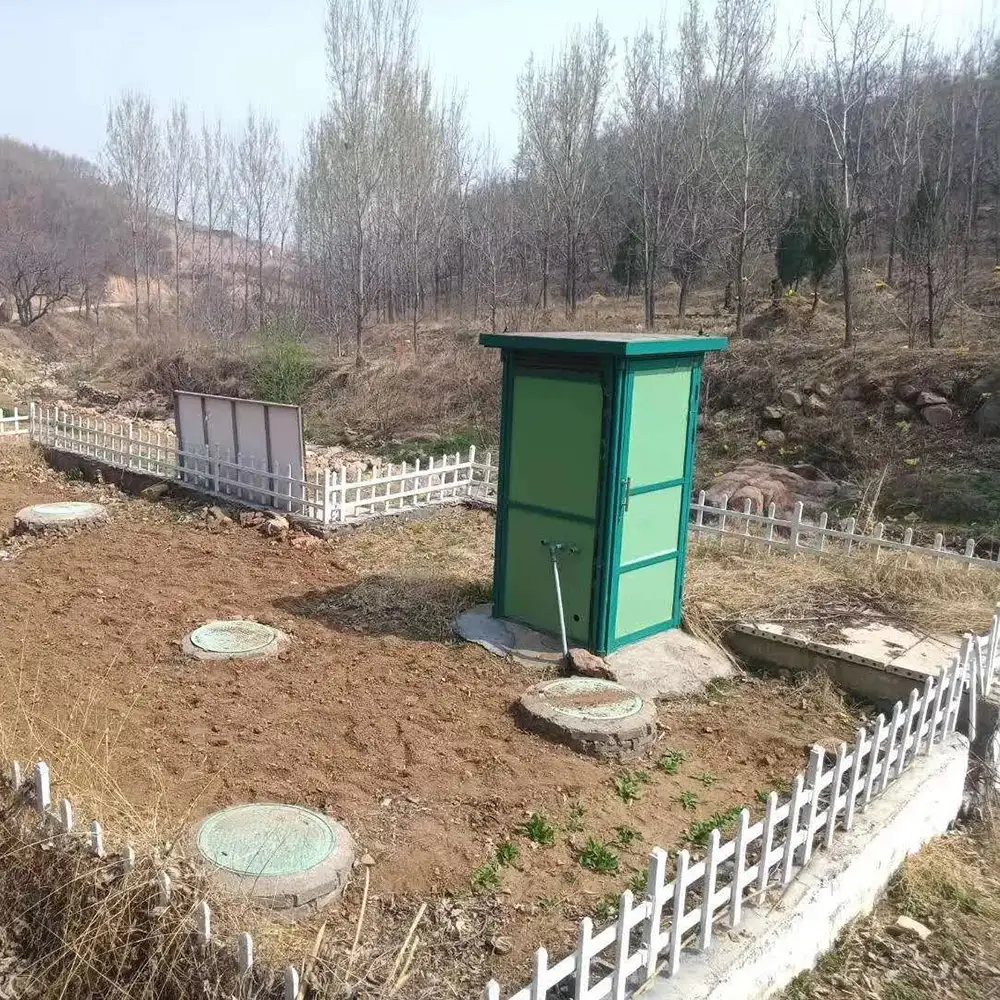
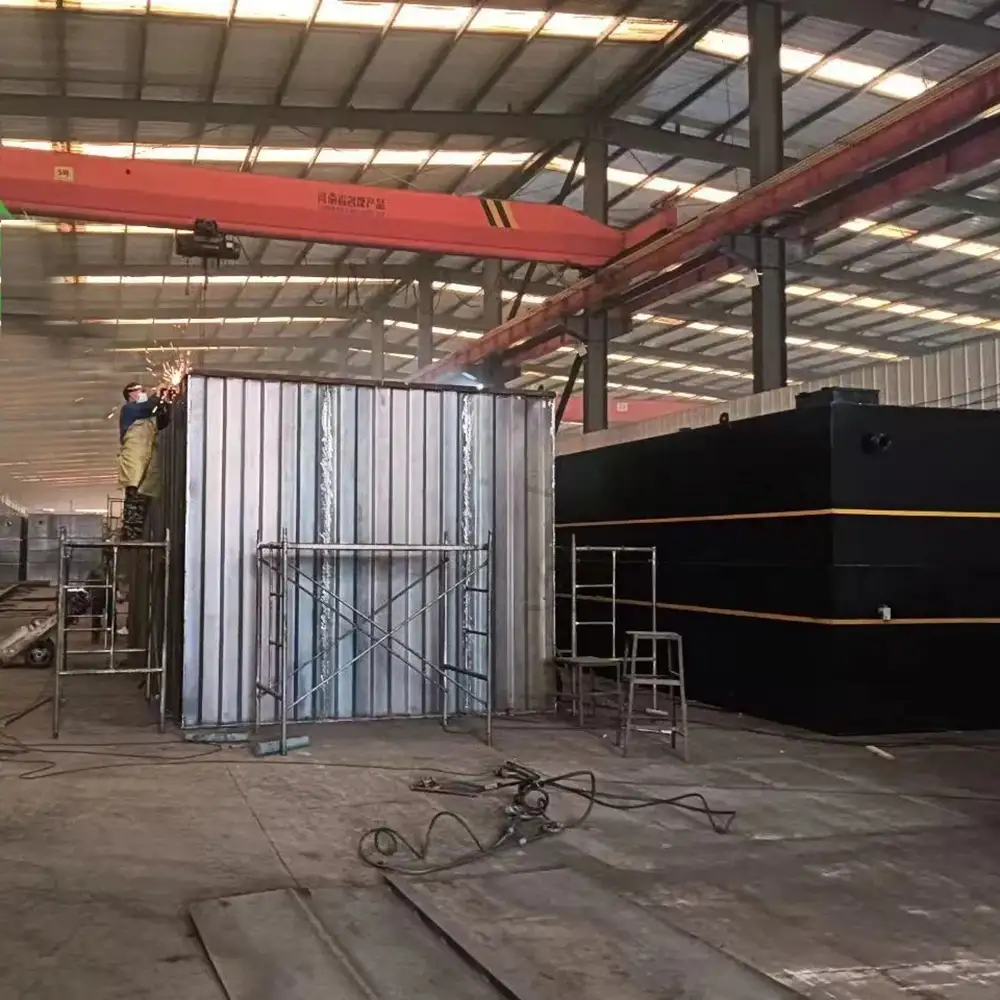
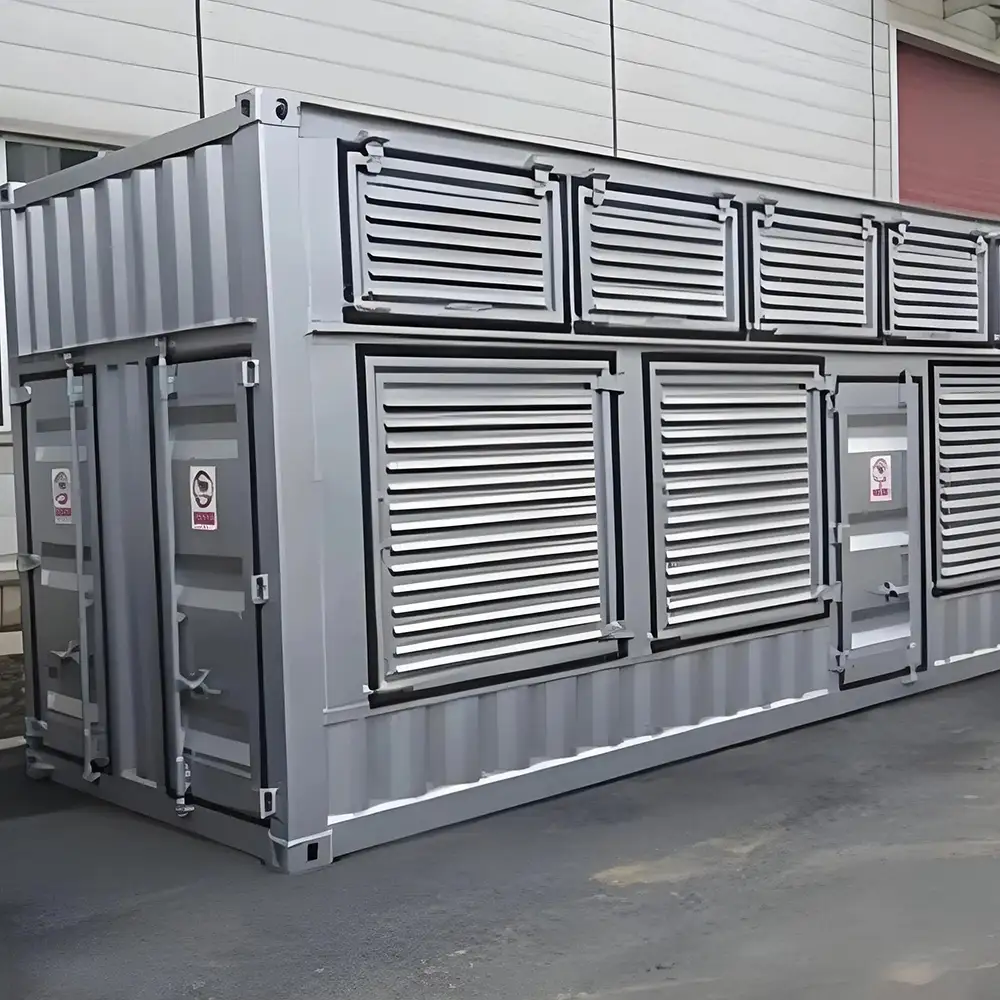
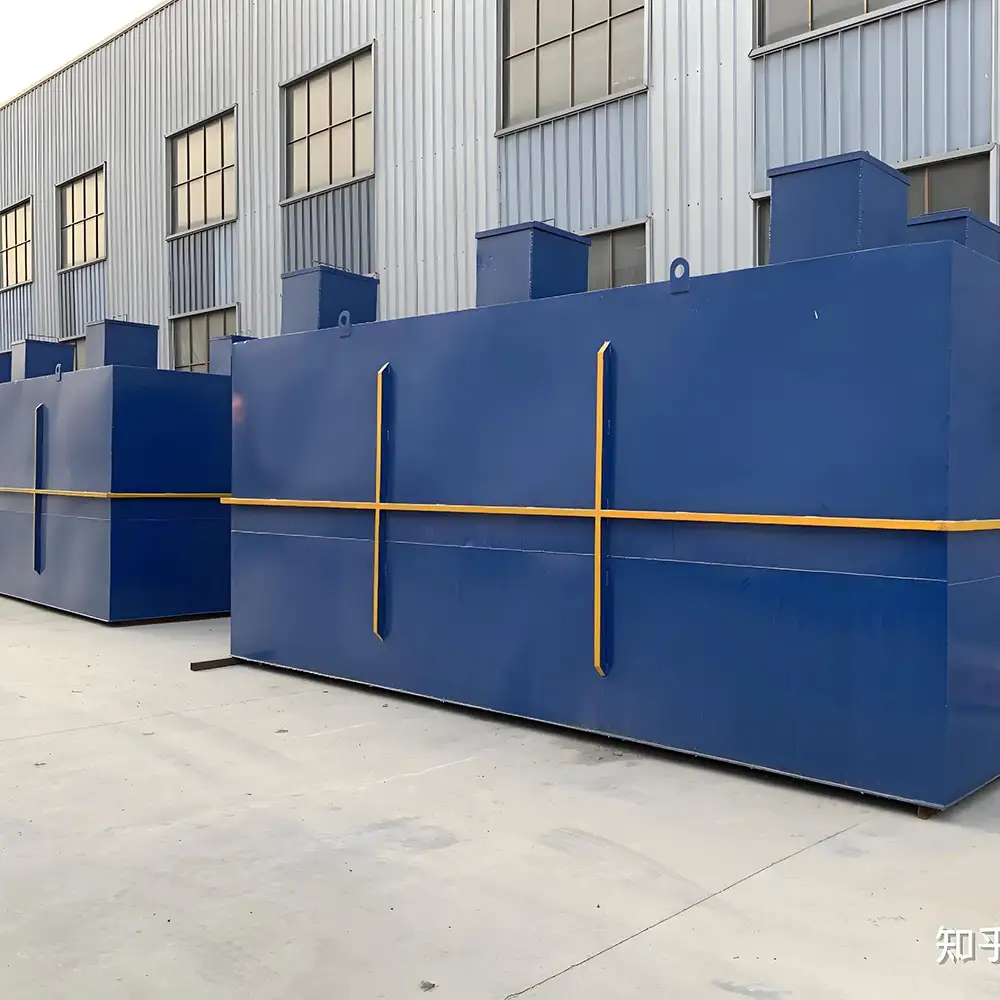
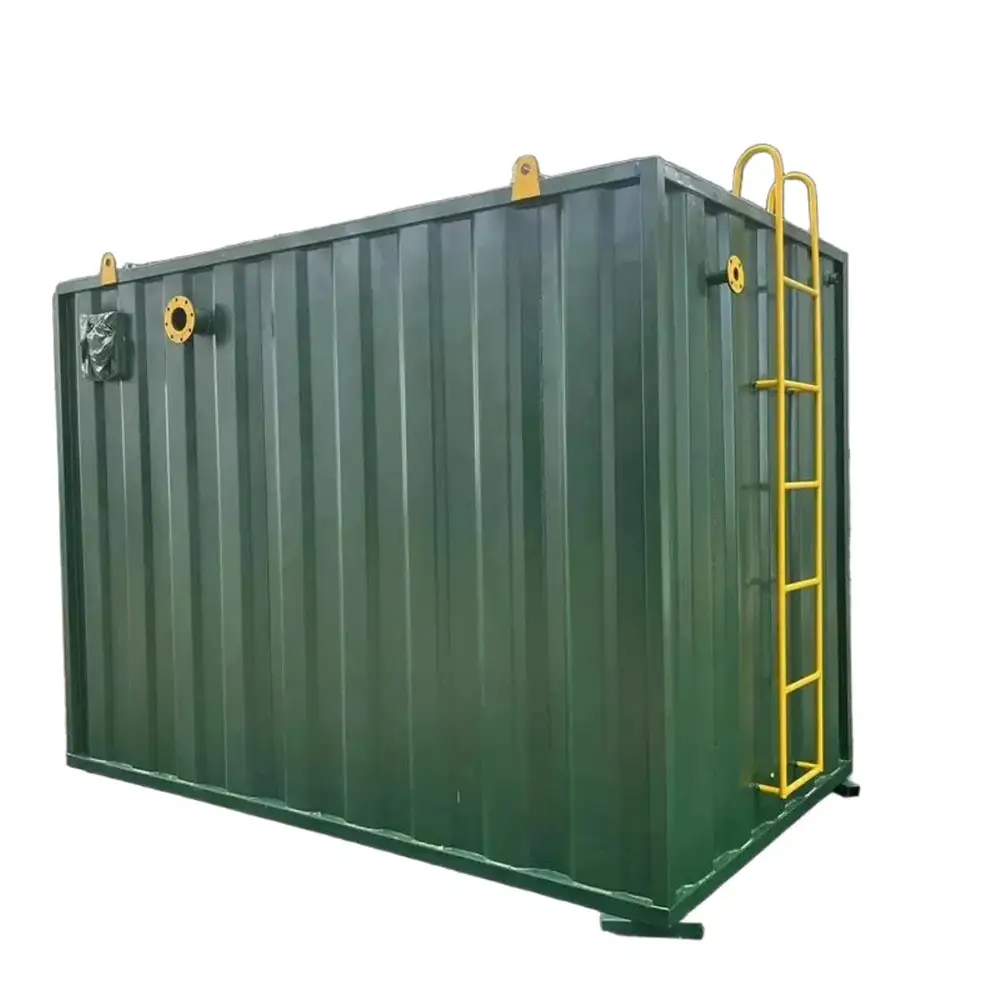
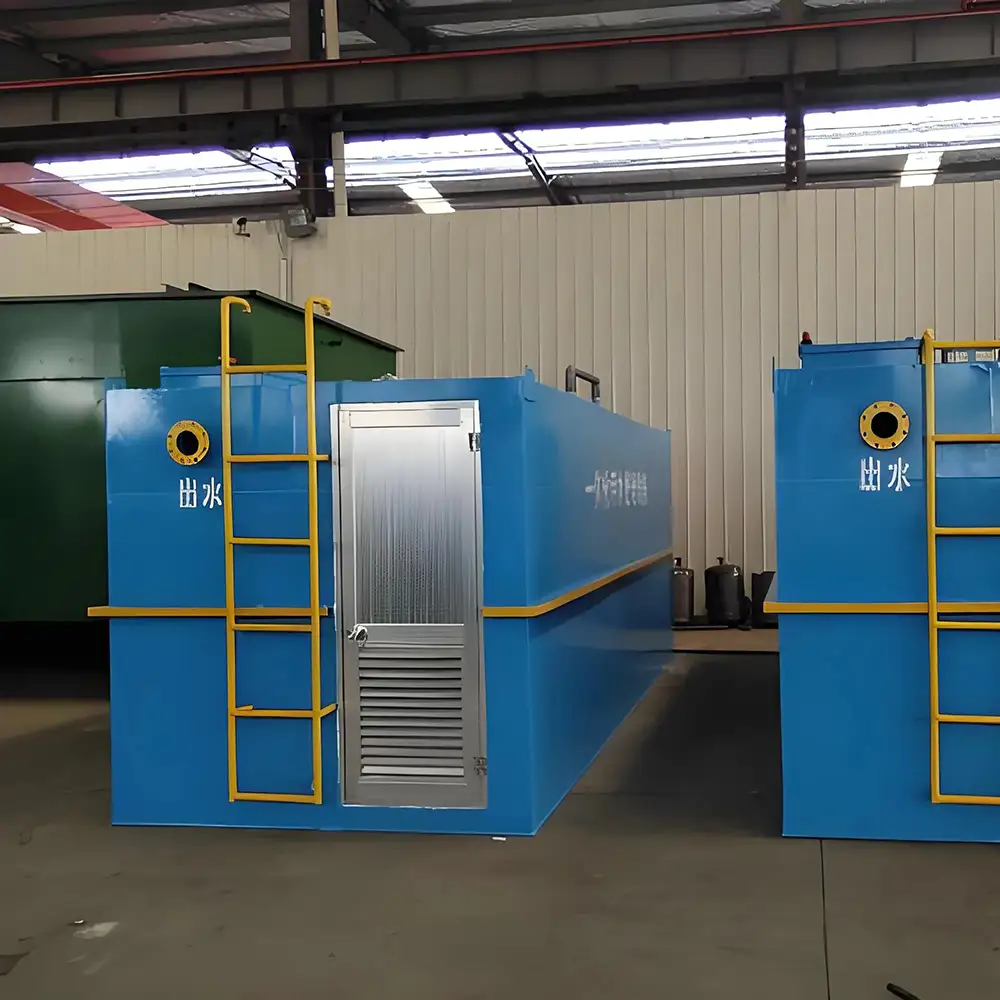
Integrated SBR Sewage Treatment Equipment
The Integrated SBR Sewage Treatment Equipment is a compact biological wastewater treatment system based on Sequencing Batch Reactor (SBR) technology. It is designed to treat municipal sewage, domestic wastewater, industrial wastewater, and other biodegradable wastewater streams where efficient biological treatment and flexible process control are required.
SBR is a fill-and-draw activated sludge process in which wastewater treatment steps are performed sequentially within the same reactor. Instead of using separate tanks for aeration and secondary clarification, an SBR can perform biological reaction, settling, and treated-water decanting in a controlled time sequence. This makes SBR technology particularly useful where flexible operation, compact process configuration, or variable wastewater flow is important.
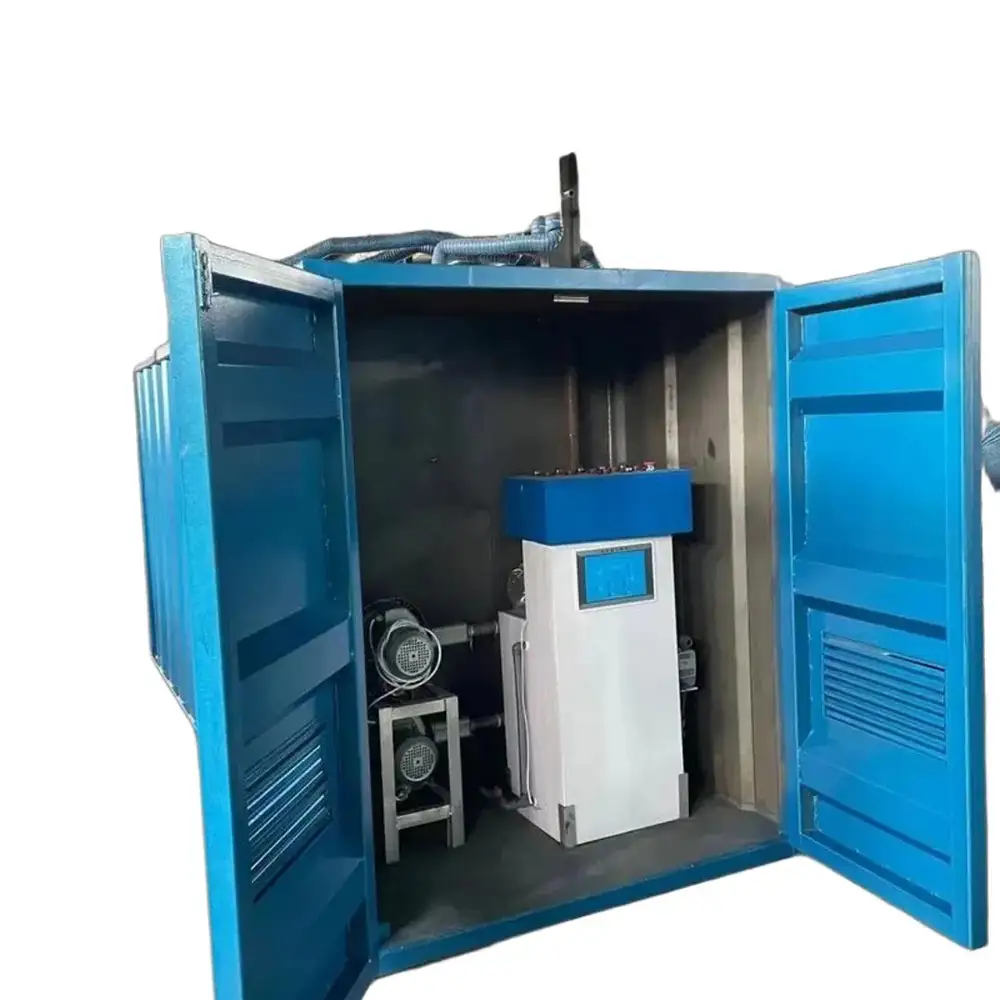
The integrated system can combine pretreatment, SBR biological treatment, sludge management, disinfection, controls, pumps, aeration equipment, and other auxiliary components into a coordinated wastewater treatment plant.
What Is an SBR Wastewater Treatment System?
A Sequencing Batch Reactor is a suspended-growth biological treatment process. Microorganisms are maintained in the reactor to consume biodegradable organic pollutants in wastewater.
A typical SBR treatment cycle consists of Fill, React, Settle, Draw, and Idle stages. During Fill, incoming wastewater enters the reactor. During React, aeration and mixing support biological degradation. During Settle, aeration is stopped and activated sludge settles. During Draw, clarified supernatant is removed from the upper part of the tank. The Idle phase prepares the system for the next cycle.
Depending on wastewater characteristics and treatment objectives, the cycle can be adjusted to create aerobic, anoxic, or anaerobic conditions. This provides flexibility for BOD removal, TSS reduction, nitrification, denitrification, and biological nutrient removal.
How Integrated SBR Equipment Works
A typical integrated SBR sewage treatment plant begins with preliminary treatment. Coarse screens or fine screens remove large debris, plastics, fibers, and other materials that could damage pumps or interfere with biological treatment.
Wastewater may then enter an equalization tank to balance hydraulic and organic loading variations. Equalization is particularly useful for facilities where wastewater production changes significantly throughout the day.
After pretreatment, wastewater enters the SBR reactor. The PLC control system automatically manages the treatment cycle.
During the Fill stage, wastewater enters the reactor and mixes with activated sludge.
During the React stage, blowers supply air through diffusers while microorganisms biologically degrade organic pollutants.
During the Settle stage, aeration and mixing stop. The biological solids settle naturally toward the bottom of the reactor, producing a clarified upper layer.
During the Draw stage, a decanter removes treated supernatant without disturbing the settled sludge layer.
During the Idle stage, excess sludge can be wasted and the reactor prepares for the next cycle.
For continuous wastewater inflow, two or more reactors can be operated in parallel so that different tanks are in different phases of the treatment cycle. EPA notes that multiple batch reactors can be operated according to predetermined sequences to accommodate continuous treatment requirements.
Main Components
An integrated SBR wastewater treatment plant may include:
Coarse Bar Screen
Fine Screen
Grit Removal Equipment
Equalization Tank
SBR Reactor
Fine Bubble Diffusers
Air Blower
Mechanical Mixer
Automatic Decanter
Sludge Discharge System
Sludge Pump
Disinfection Equipment
Treated Water Tank
Control Cabinet
PLC Automatic Control System
Level Sensors
Dissolved Oxygen Sensors
Flow Meters
Valves and Piping
The exact equipment configuration depends on wastewater characteristics, treatment capacity, discharge requirements, available installation area, and automation requirements.
BOD and TSS Removal
SBR systems are widely used for biological treatment of wastewater containing biodegradable organic matter and suspended solids. EPA describes SBR technology as applicable to municipal and industrial wastewater and notes that system performance is dependent on design and site-specific conditions.
During the biological reaction stage, microorganisms convert biodegradable organic compounds into biomass and stabilized products. During the settling stage, the biological floc separates from the treated water.
This combined biological reaction and clarification process allows the SBR reactor to perform functions that would otherwise require separate process tanks in a conventional activated sludge arrangement.
Nitrogen and Nutrient Removal
One of the important advantages of SBR technology is the ability to modify operating cycles to support nutrient removal.
By controlling aeration and mixing, the reactor can alternate between aerobic and anoxic conditions. Aerobic periods can support nitrification, while anoxic periods can support denitrification.
Where required, additional cycle modifications can also be considered for biological phosphorus removal. EPA documentation indicates that SBR systems can be designed or operated for nitrification, denitrification, and biological phosphorus removal when appropriate process modifications are made.
The actual nutrient-removal performance depends on wastewater composition, temperature, dissolved oxygen, sludge age, carbon availability, cycle configuration, and other design parameters.
Applications
Integrated SBR sewage treatment equipment can be used for a wide range of applications, including:
Municipal Sewage Treatment
Domestic Wastewater Treatment
Residential Community Wastewater
Hotels and Resorts
Schools and Universities
Hospitals and Healthcare Facilities
Food Processing Wastewater
Dairy Wastewater
Brewery Wastewater
Pharmaceutical Wastewater
Textile Wastewater
Pulp and Paper Wastewater
Industrial Park Wastewater
Agricultural Processing Wastewater
Rural Sewage Treatment
Remote Facility Wastewater
EPA package-plant guidance identifies SBR systems as suitable for applications with limited land, variable flows, and certain industrial wastewater streams including food processing, dairy, brewery, pulp and paper, and chemical wastes.
Advantages of Integrated SBR Treatment
Compact Process Configuration
Because biological reaction and settling occur sequentially in the same reactor, an SBR can reduce the number of dedicated process tanks compared with some conventional continuous-flow layouts.
Flexible Operation
Treatment cycle times can be adjusted according to wastewater loading and effluent requirements.
Automatic Control
PLC-based automation can coordinate pumps, blowers, valves, decanters, mixers, and other equipment.
Nutrient Removal Potential
Aerobic and anoxic periods can be incorporated into the cycle to support nitrogen removal and other biological treatment objectives.
Suitable for Variable Flows
SBR systems can be particularly useful for wastewater facilities with intermittent or fluctuating flow conditions.
Integrated Design
Pretreatment, biological treatment, sludge handling, disinfection, and control equipment can be combined into a coordinated treatment system.
Operation and Maintenance
Reliable SBR operation requires proper control of dissolved oxygen, sludge concentration, cycle times, aeration, settling, and decanting.
Blowers and diffusers should be inspected regularly to maintain adequate oxygen transfer. Decanters should be checked to ensure stable withdrawal of treated water without excessive disturbance of settled sludge.
Sludge wasting should be controlled according to biomass concentration and treatment objectives. Excess sludge that remains in the system for too long can affect settling characteristics and biological performance.
Screens should be cleaned regularly, while pumps, valves, sensors, and automatic control components should be inspected according to operating conditions.
Because the SBR process depends strongly on timing and automation, PLC programming and instrumentation are important components of overall plant reliability. EPA identifies the control system, automatic switches, valves, aeration/mixing equipment, decanter, and sludge handling as important SBR system components.
Why Choose Us?
We provide integrated SBR sewage and wastewater treatment solutions for municipal, commercial, agricultural, and industrial applications.
Our system design considers wastewater flow, BOD, COD, TSS, ammonia, nitrogen, phosphorus, pH, temperature, operating hours, effluent standards, and available installation space.
The SBR system can be configured with screening, equalization, biological treatment, automatic decanting, sludge management, disinfection, PLC control, and other auxiliary equipment.
For industrial wastewater, the biological process can also be combined with pretreatment technologies such as DAF, coagulation, filtration, or other treatment stages when required.
The objective is to provide a practical and scalable wastewater treatment solution that balances treatment performance, operating flexibility, automation, maintenance requirements, and total system configuration.
FAQs
1. What does SBR stand for?
SBR stands for Sequencing Batch Reactor. It is a biological activated sludge wastewater treatment process operated in timed treatment cycles.
2. What are the main SBR treatment stages?
The typical stages are Fill, React, Settle, Draw, and Idle.
3. Can SBR treat industrial wastewater?
Yes. SBR technology can be used for suitable biodegradable industrial wastewater as well as municipal and domestic sewage.
4. What pollutants can an SBR remove?
Depending on design and operation, SBR systems can reduce BOD, TSS, ammonia, nitrogen, and other biodegradable pollutants.
5. Can an SBR remove nitrogen?
Yes. Aerobic and anoxic periods can be incorporated into the operating cycle to support nitrification and denitrification.
6. Does an SBR require a separate secondary clarifier?
A typical SBR performs biological reaction and settling sequentially in the same reactor, so a separate secondary clarifier is generally not required for the SBR process itself.
7. Can the system handle fluctuating wastewater flow?
Yes. SBR technology is well suited to many applications with intermittent or variable flow because treatment is controlled by batch cycles.
8. Can the SBR system be fully automated?
Yes. PLC control can automatically manage treatment sequences, aeration, mixing, decanting, sludge wasting, pumps, valves, and alarms.
9. How many SBR tanks are required?
The number depends on hydraulic flow and operating requirements. Multiple reactors can be operated in parallel when continuous inflow must be accommodated.
10. Can SBR equipment be integrated with disinfection?
Yes. UV, chlorine, sodium hypochlorite, or other suitable disinfection systems can be installed after biological treatment.
11. Is pretreatment required before SBR?
Most systems require preliminary treatment such as screening. Additional equalization, grit removal, DAF, or chemical pretreatment may be needed depending on the wastewater.
12. Can the SBR system be customized?
Yes. Reactor capacity, cycle programming, aeration equipment, decanter configuration, sludge handling, disinfection, automation, and pretreatment can be designed according to project requirements.
Prev:
Industrial Wastewater Treatment Wastewater Treatment Plant Mvr Forced Circulation Crystallization Evaporator
Next:
Mbr Medical Wastewater Treatment Equipment Water Treatment Plant
TAG:
Industrial Wastewater Treatment Equipment,
Integrated Wastewater Treatment System,
Industrial Wastewater Treatment System,
Biological Wastewater Treatment System,
Industrial Wastewater Treatment,
Sewage Treatment Plant,
Industrial Sewage Treatment,
Industrial Wastewater Treatment Plant,
Wastewater Treatment Equipment,
Wastewater Treatment Plant,
Wastewater Treatment System,
Industrial Sewage Treatment Plant,
Sewage Treatment Equipment,
Sewage Treatment System,
BOD Removal Wastewater Treatment,
Wastewater Biological Treatment,
Biological Wastewater Treatment,
Package Sewage Treatment Plant,
Integrated Wastewater Treatment Equipment,
Integrated Sewage Treatment System,
Integrated Sewage Treatment Equipment,
Automatic Sewage Treatment System,
Nitrogen Removal Wastewater Treatment,
Nutrient Removal Wastewater Treatment,
SBR Wastewater Treatment,
Sequencing Batch Reactor,
SBR Aeration System,
Activated Sludge Wastewater Treatment,
Activated Sludge Treatment System,
Industrial Biological Wastewater Treatment,
Related Category:
Integrated SBR Sewage Treatment Equipment,Integrated SBR Wastewater Treatment System,SBR Sewage Treatment Equipment China, suppliers, manufacturers, factory, customized, wholesale, quotation, made in China