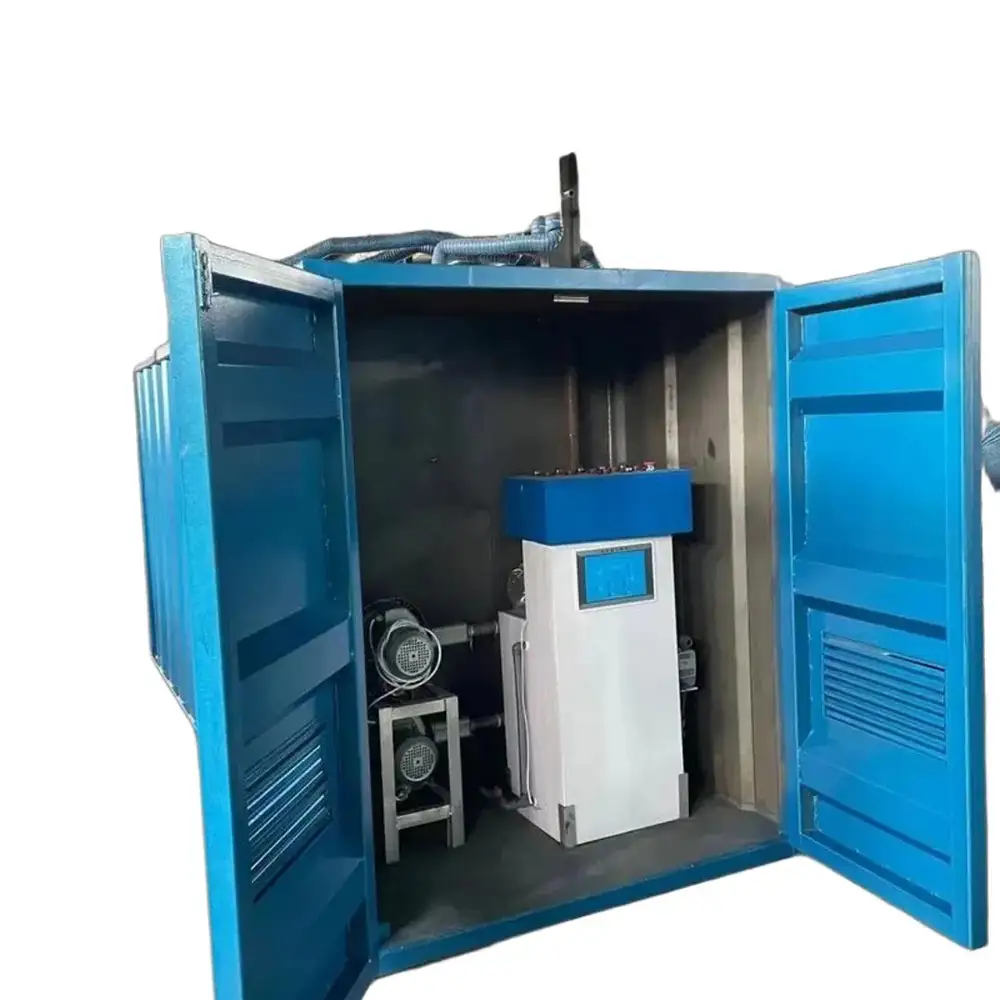
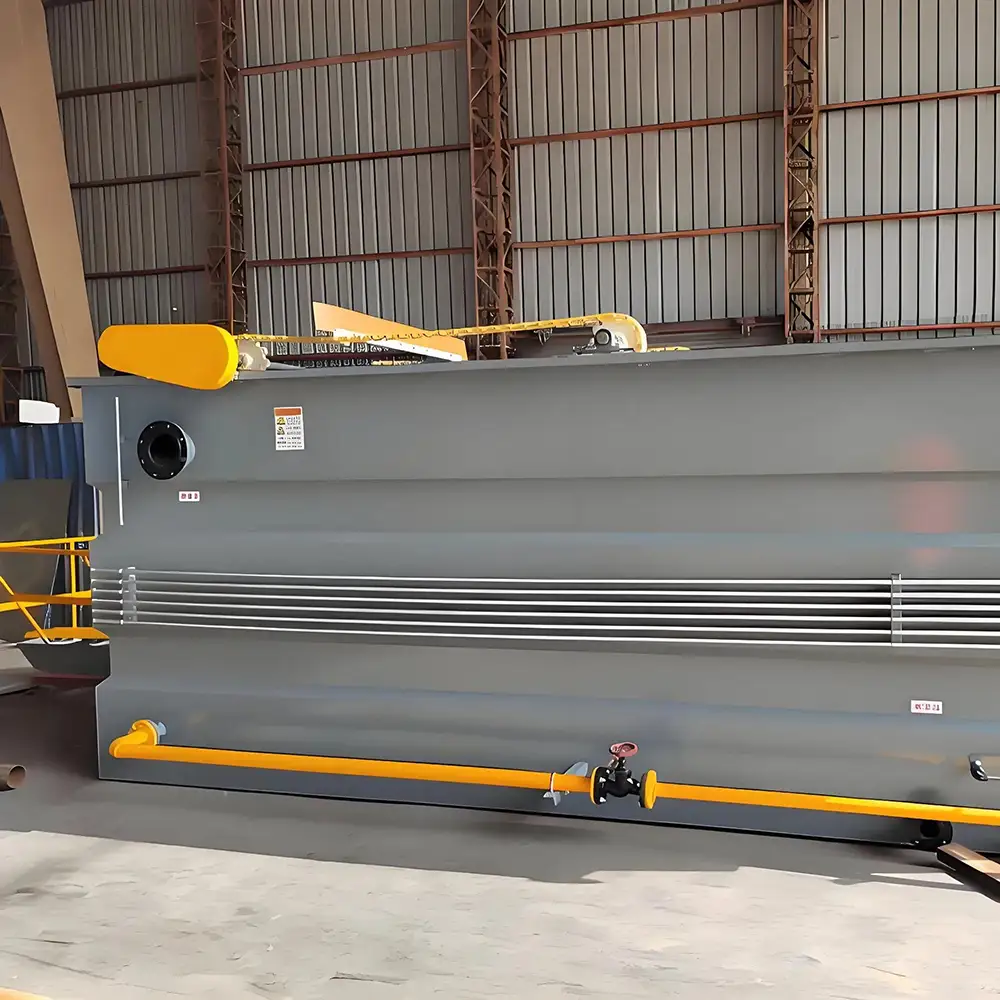
Wastewater Treatment Water Purification Machine Equipment
Wastewater treatment and water purification equipment are essential technologies for improving water quality, reducing pollutants, and supporting responsible water reuse. Modern wastewater treatment machines can be configured for domestic sewage, municipal wastewater, commercial wastewater, industrial effluent, process water, and other water treatment applications.
A complete wastewater treatment system may combine several processes, including screening, equalization, biological treatment, solid-liquid separation, filtration, membrane treatment, and disinfection. The appropriate configuration depends on the characteristics of the incoming water and the required quality of the treated water. EPA guidance also emphasizes that treatment requirements can vary according to the source water and intended reuse application.
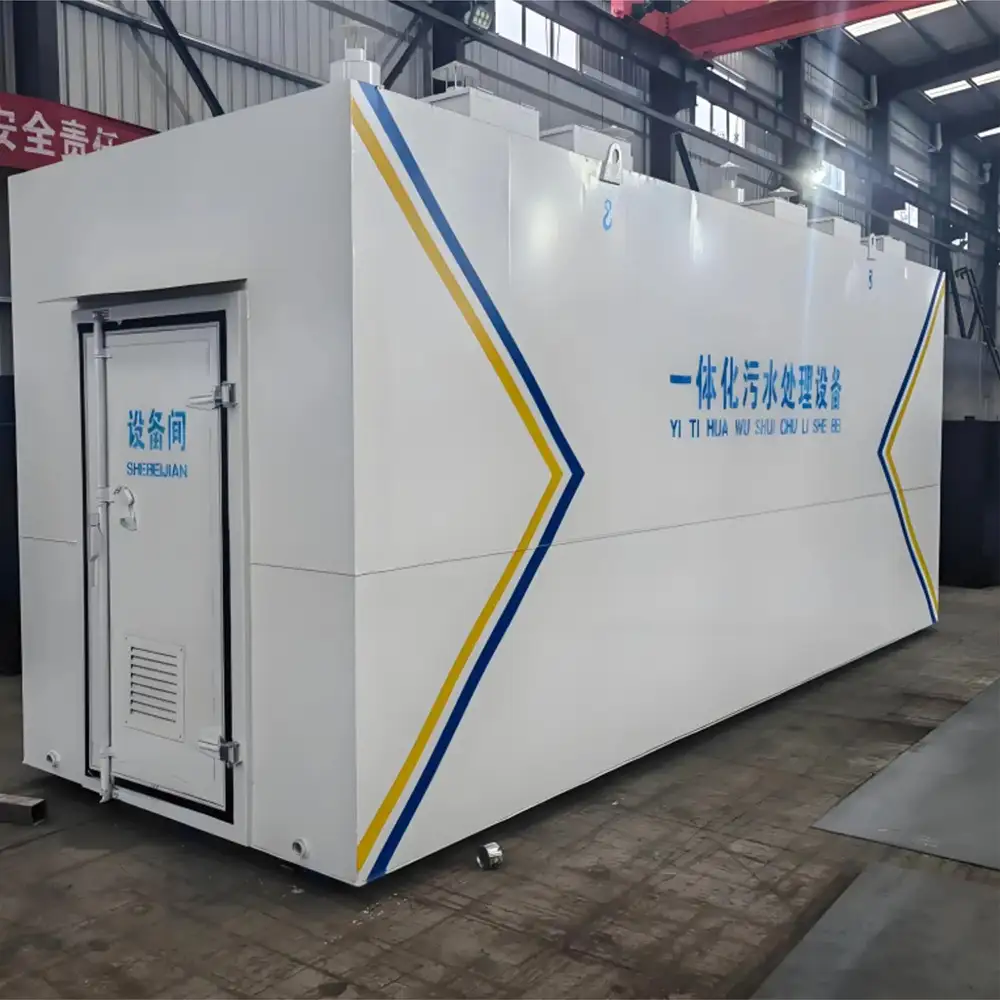
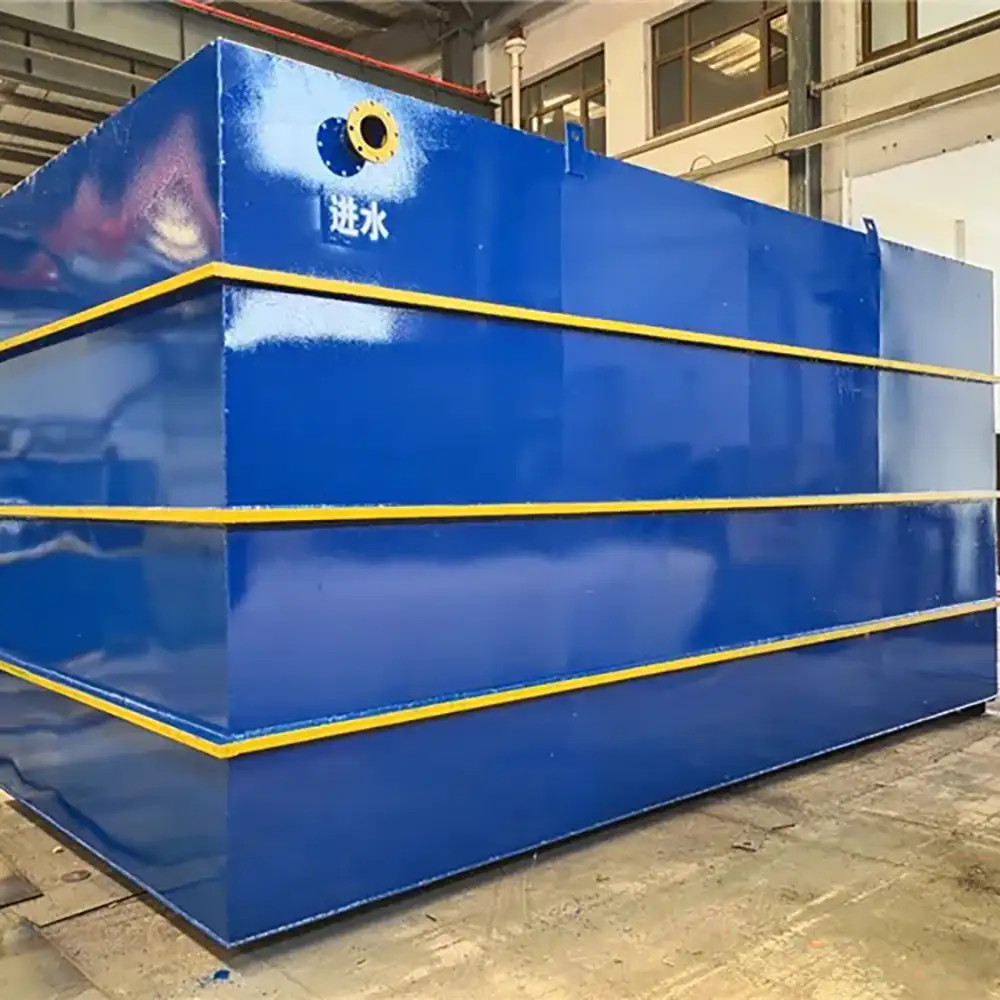
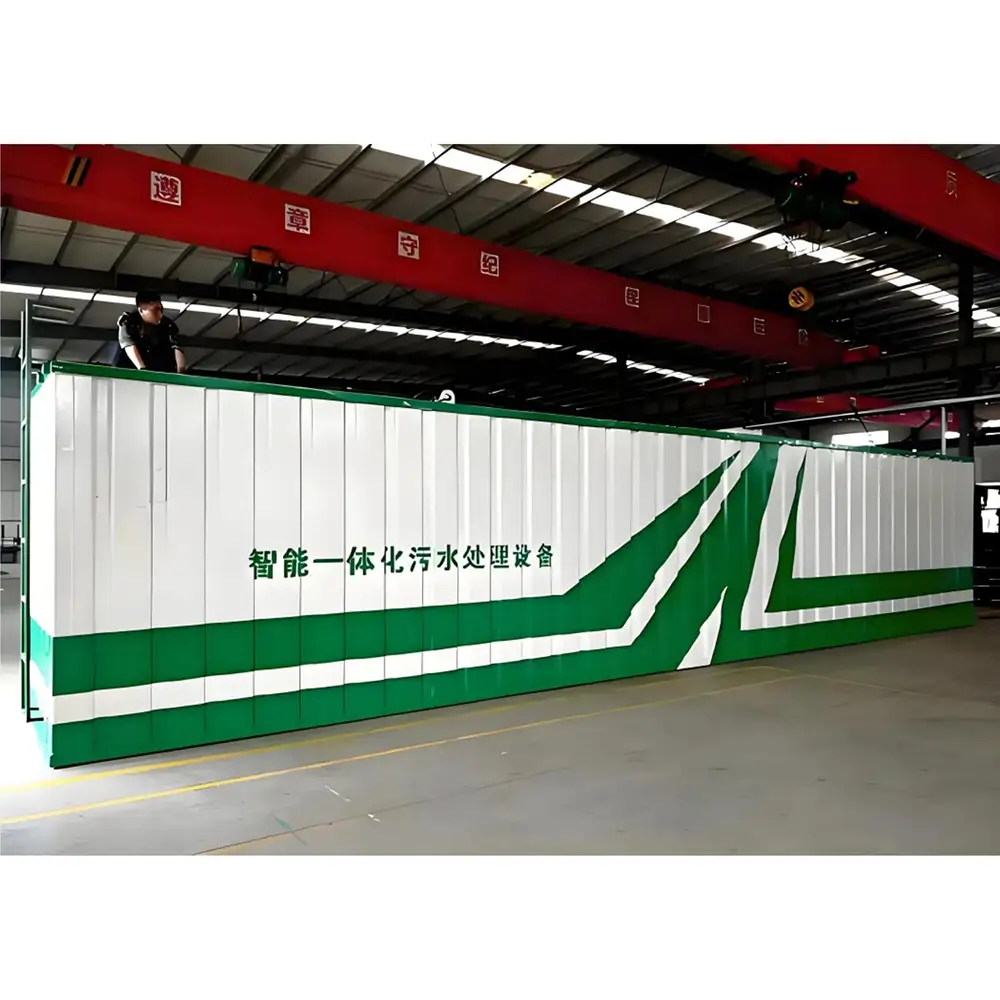
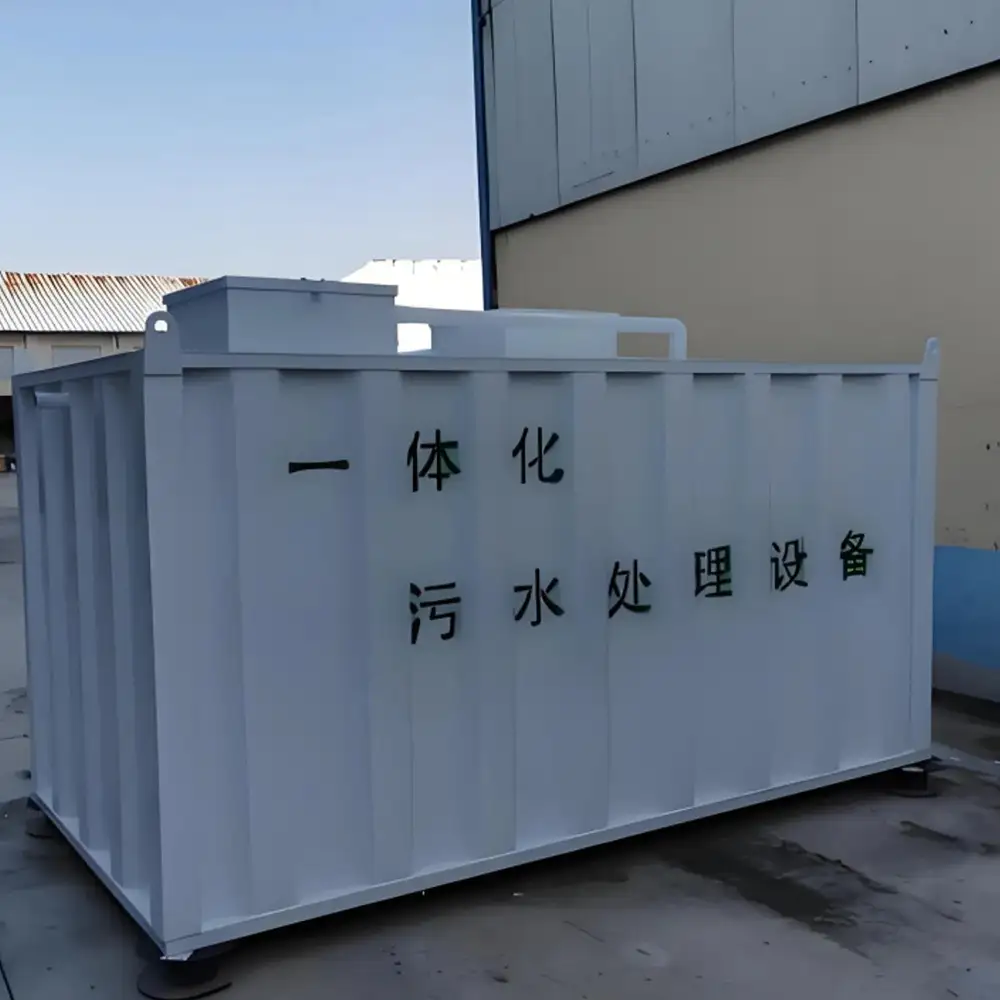
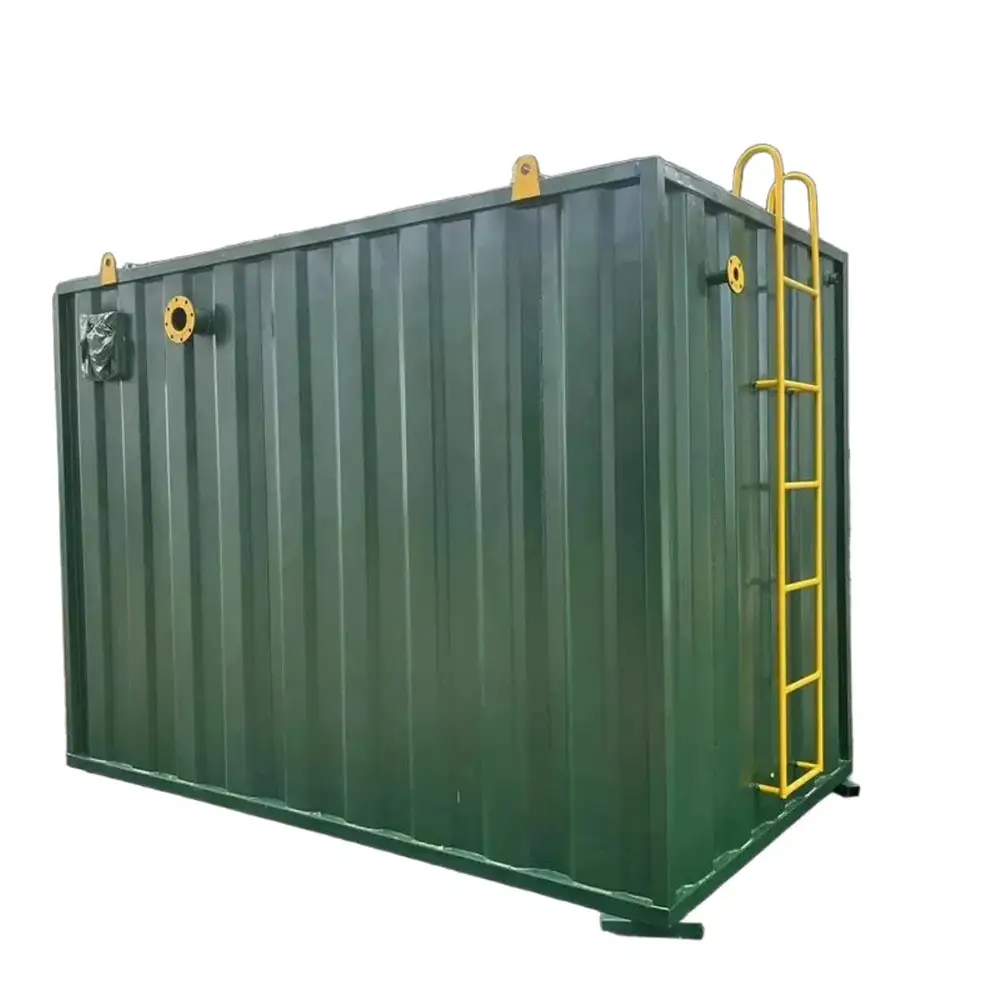
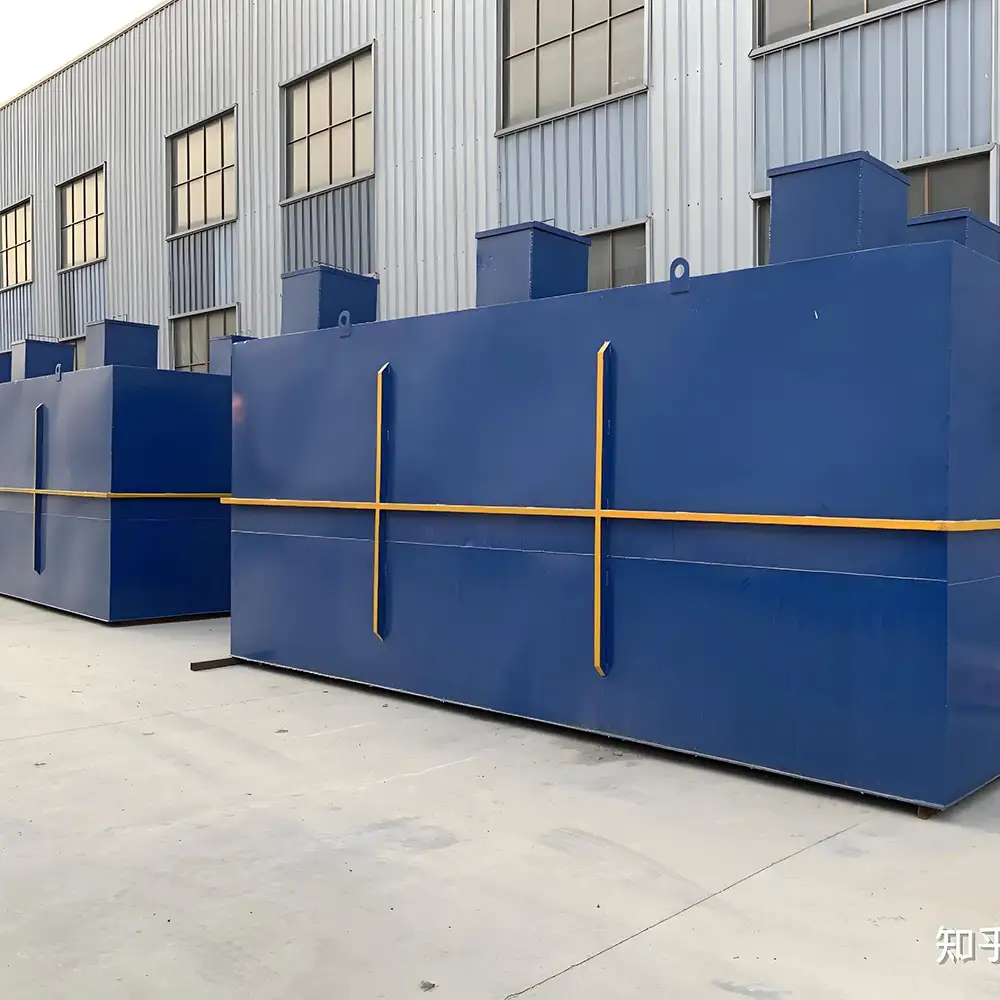
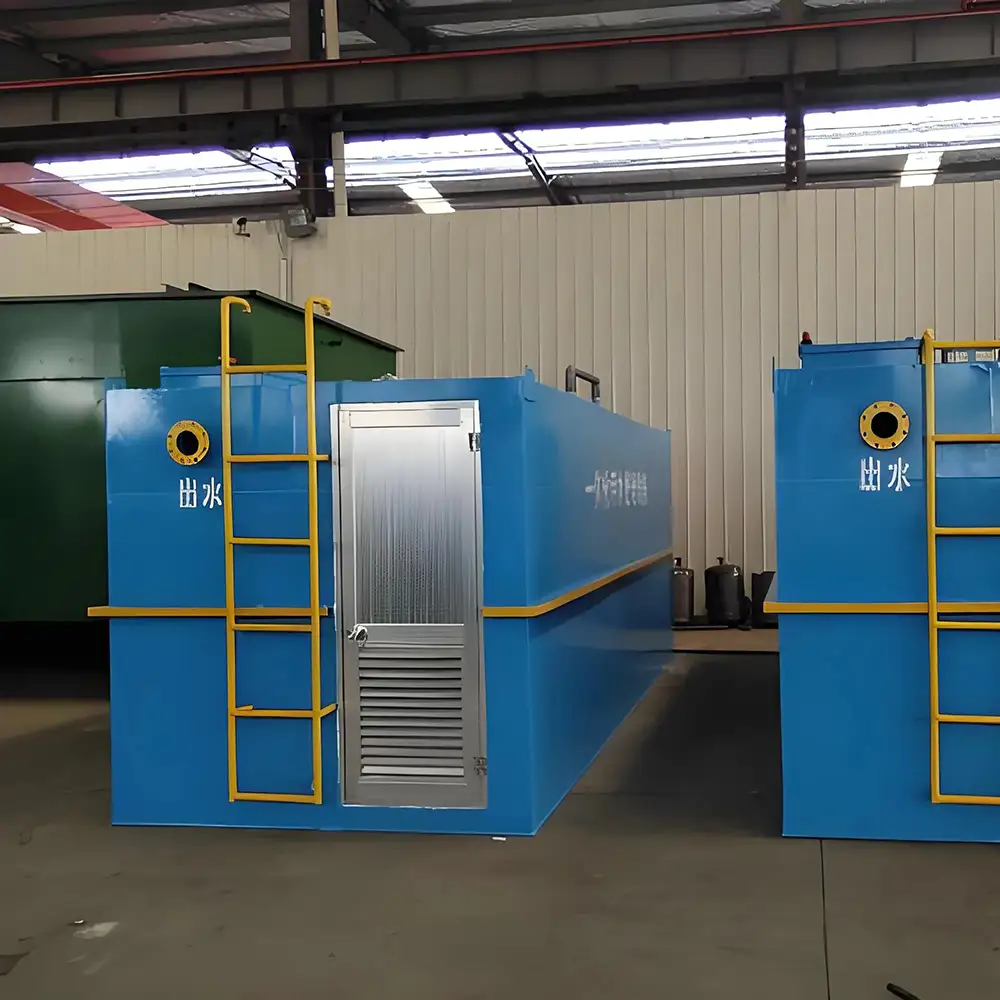
Our wastewater treatment water purification equipment can be designed as an integrated, packaged, modular, or customized treatment solution. Systems can be developed for small decentralized applications as well as larger industrial and municipal wastewater treatment projects.
How Does Wastewater Treatment Equipment Work?
A wastewater treatment machine normally uses multiple treatment stages to progressively remove suspended solids, organic pollutants, nutrients, microorganisms, and other contaminants.
1. Pretreatment and Screening
The first stage removes larger debris, plastics, fibers, sand, and other coarse materials. Bar screens, fine screens, grit removal equipment, and related pretreatment units help protect pumps, blowers, membranes, and downstream treatment equipment.
2. Equalization
An equalization tank can balance variations in wastewater flow and pollutant concentration. This helps stabilize the loading entering the biological or advanced treatment process, especially for factories, hotels, hospitals, food-processing facilities, and commercial properties.
3. Biological Wastewater Treatment
Biological treatment uses microorganisms to reduce biodegradable organic matter and, when properly configured, can also support nitrogen removal. Common technologies include MBBR, SBR, activated sludge, contact oxidation, and MBR systems.
MBBR systems use biofilm carriers to retain microorganisms inside the reactor, while SBR systems perform biological treatment and settling in controlled cycles. MBR systems combine biological treatment with membrane separation for applications requiring higher-quality treated water.
4. Solid-Liquid Separation
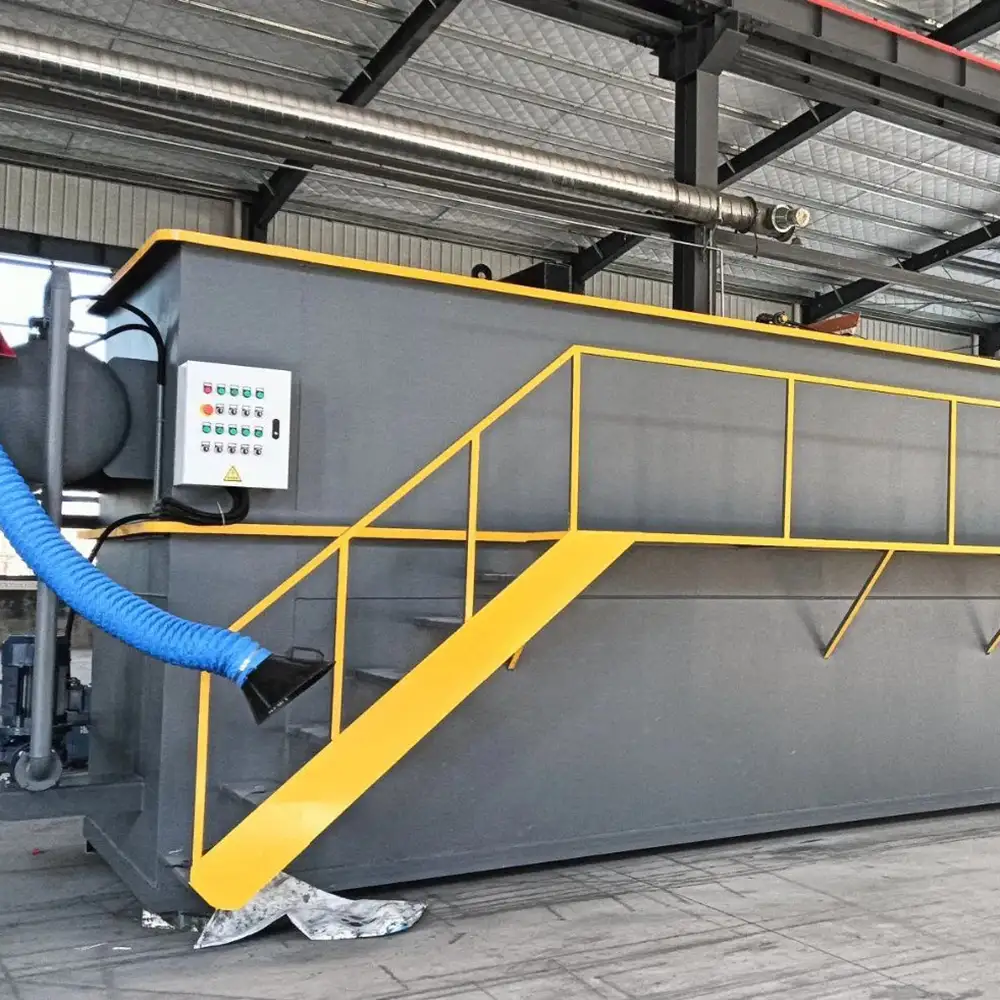
After biological treatment, suspended biological solids need to be separated from the treated water. Depending on the project, this can be achieved through sedimentation, clarification, membrane filtration, flotation, or other solid-liquid separation technologies.
5. Filtration and Advanced Water Purification
Filtration can further reduce fine suspended particles and improve water quality. Depending on the target application, treatment may include multimedia filtration, sand filtration, activated carbon, ultrafiltration, nanofiltration, or reverse osmosis.
Advanced membrane technologies can be selected when the project requires additional removal of dissolved contaminants. EPA identifies reverse osmosis and nanofiltration among available water treatment technologies, while granular activated carbon is another option for specific contaminant control.
6. Disinfection
Disinfection is commonly used as a final treatment stage. UV, chlorine-based systems, ozone, or other suitable technologies may be selected according to the wastewater characteristics and final application.
For water reuse applications, the required treatment level depends on the intended end use and applicable regulations. Non-potable reuse and potable reuse can have substantially different treatment and monitoring requirements.
Main Features of Wastewater Treatment Machine Equipment
Integrated Treatment Design
Multiple treatment processes can be integrated into a single wastewater treatment system, reducing the need for complicated interconnections between individual units.
Flexible Process Configuration
The equipment can be configured with biological treatment, filtration, membrane separation, flotation, disinfection, sludge handling, or other process units according to project requirements.
Compact Equipment Options
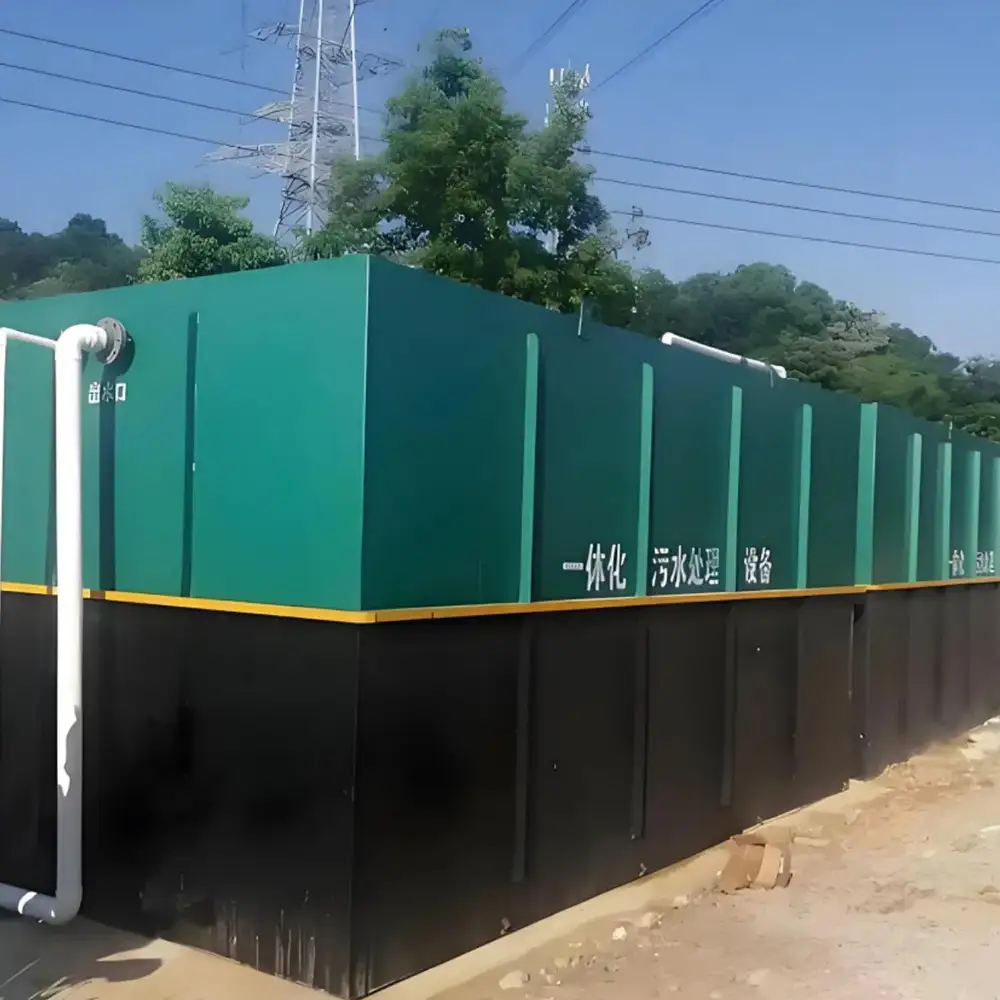
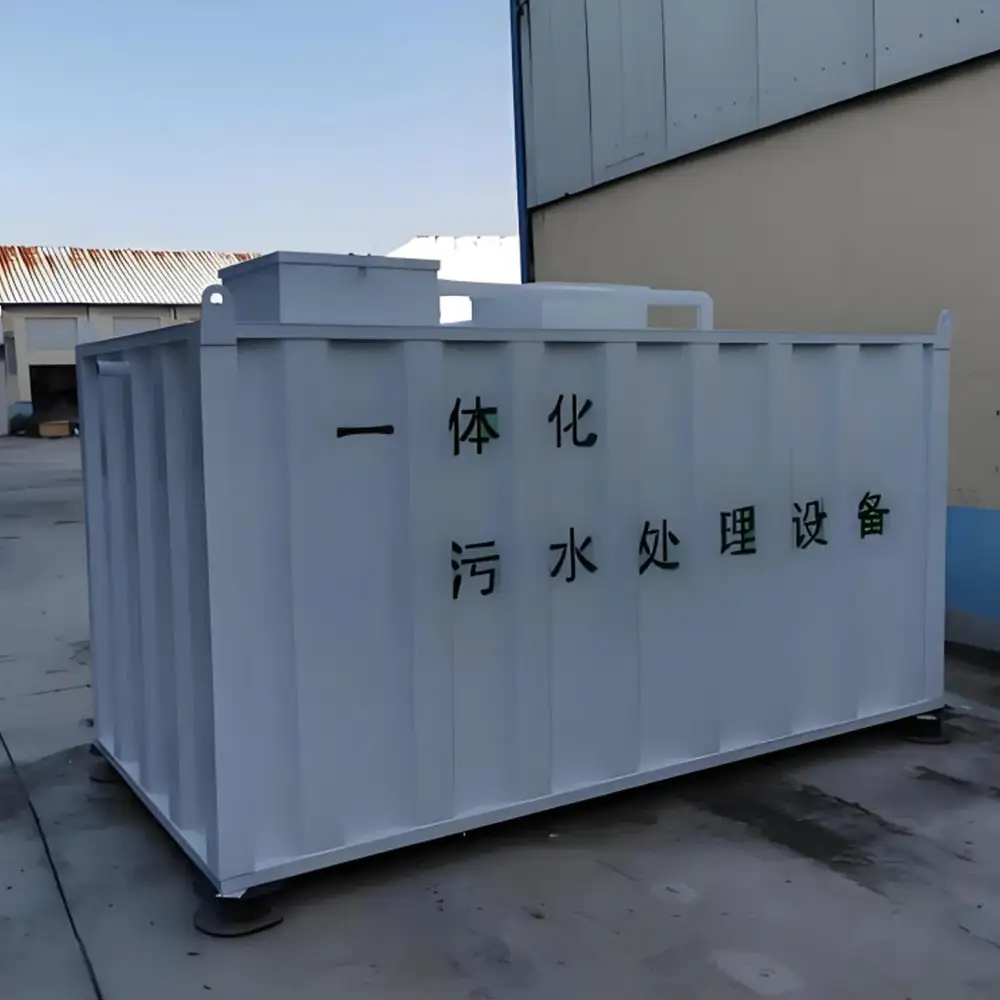
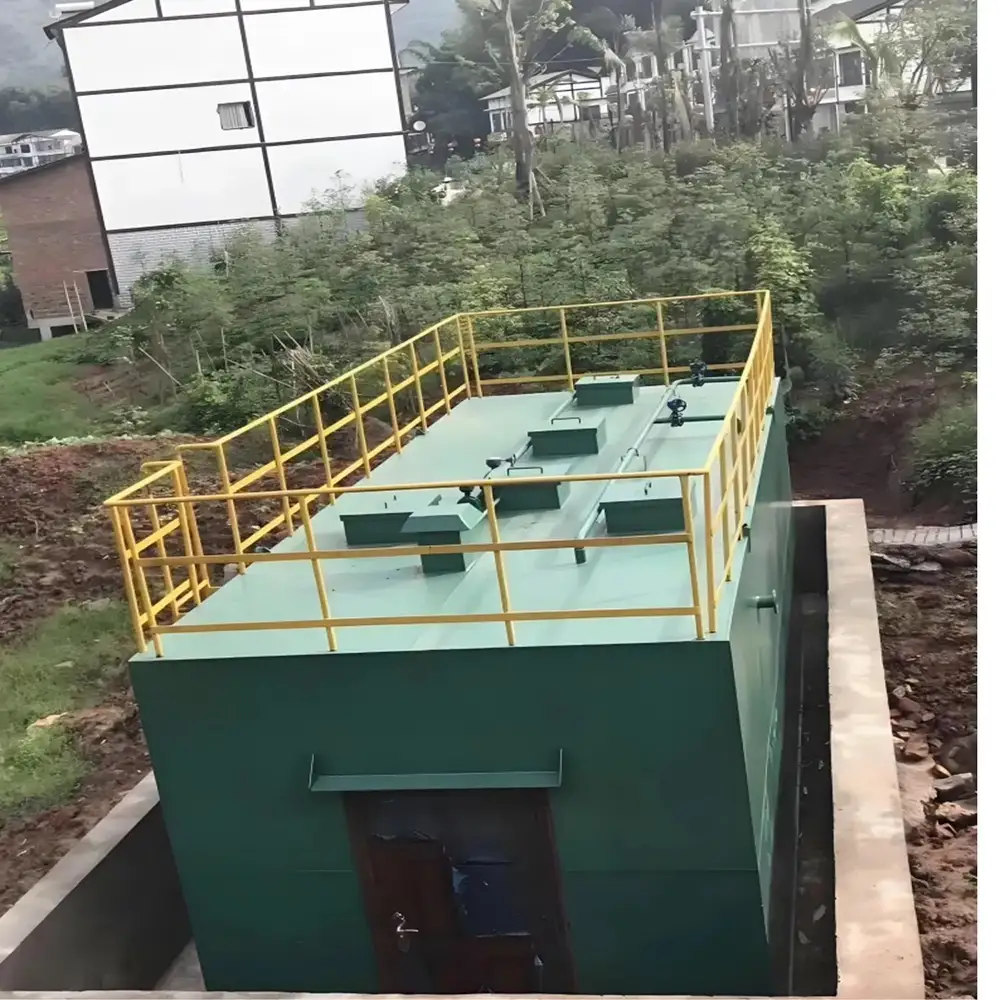
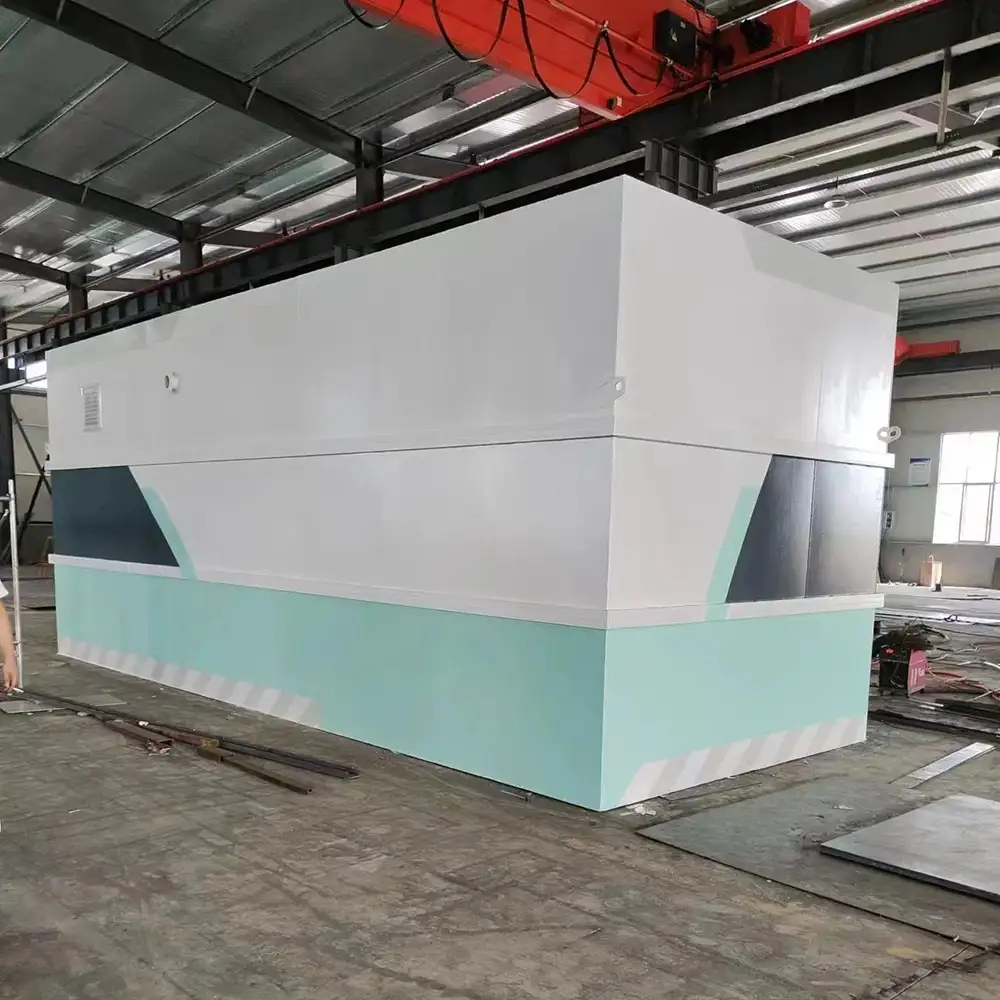
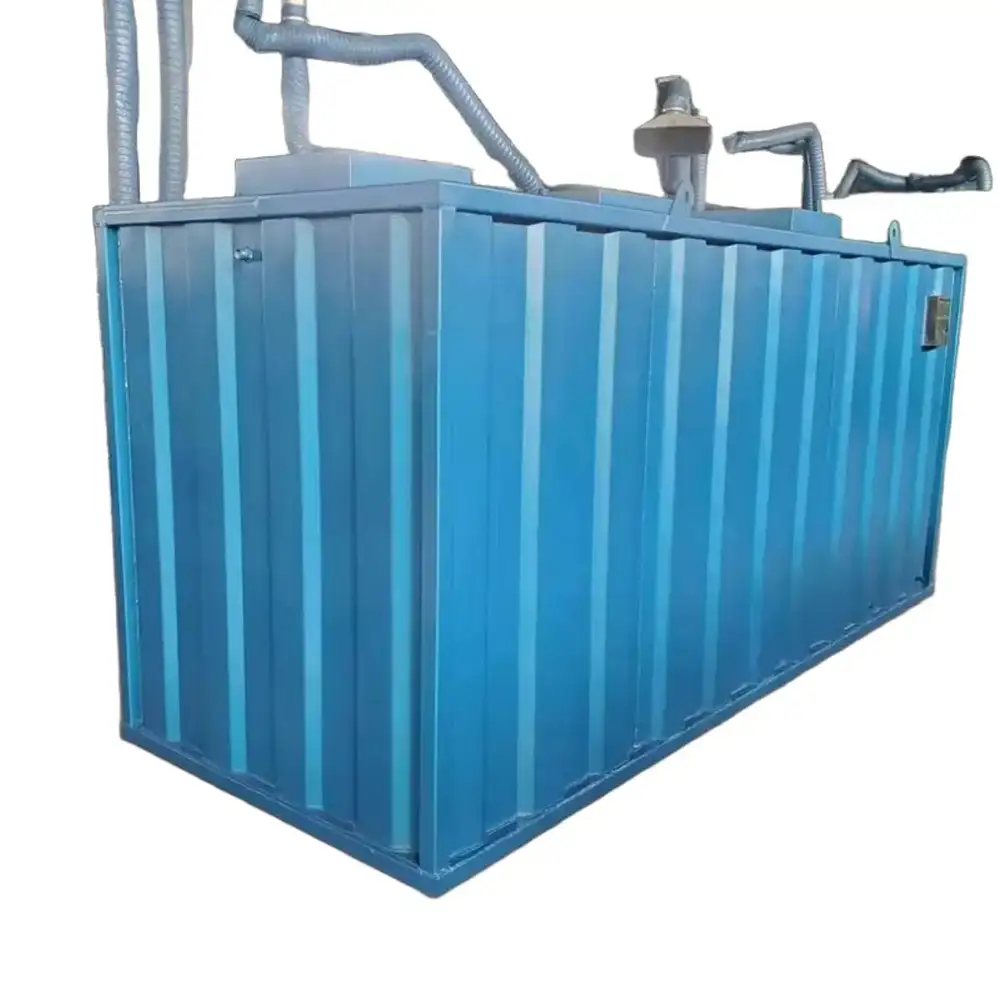
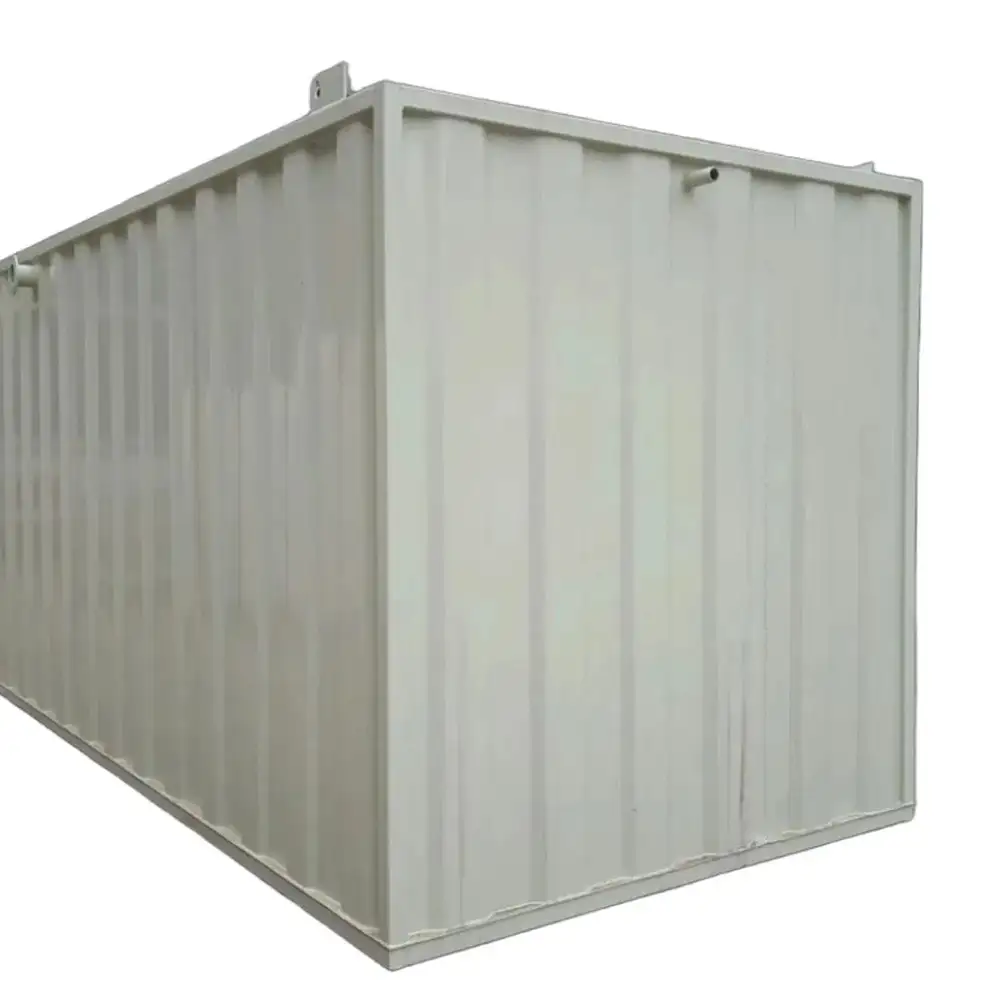
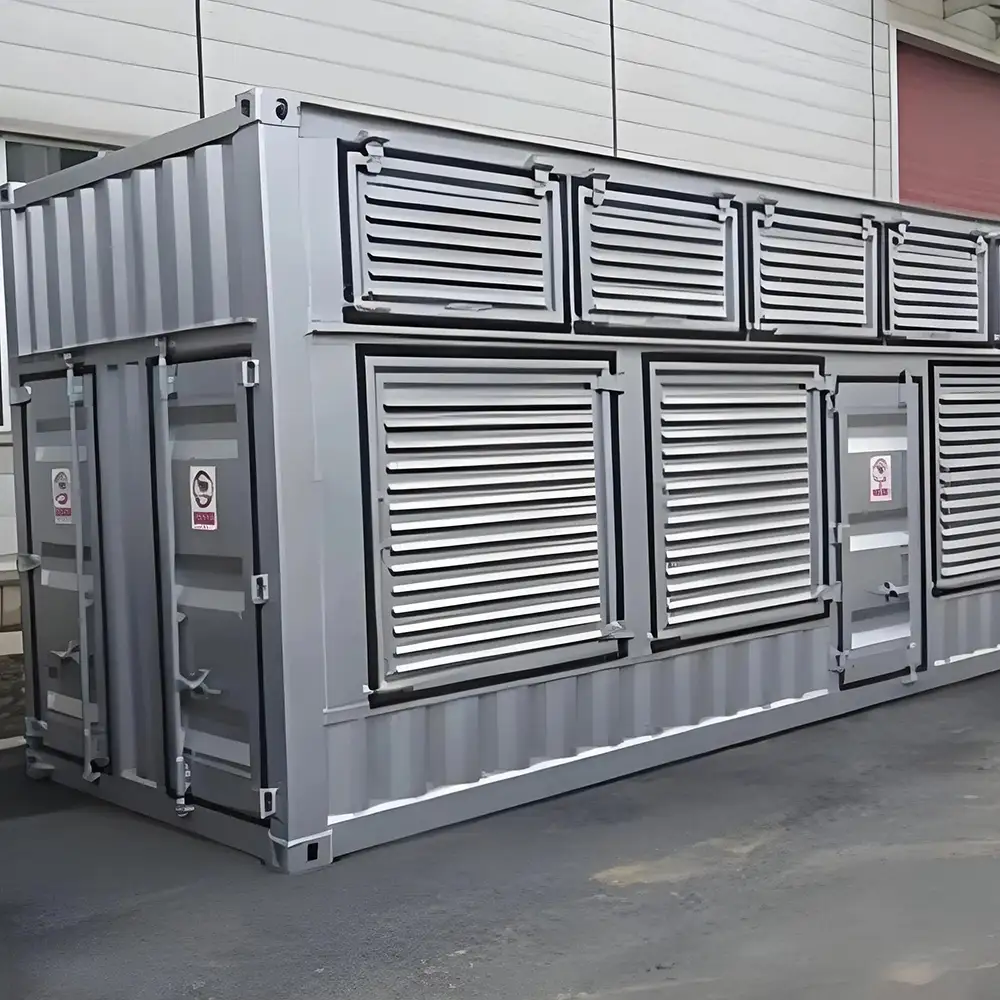
Packaged and modular wastewater treatment equipment can be suitable for sites where installation space is limited. Above-ground, underground, containerized, and skid-mounted configurations may be considered depending on the project.
Automated Operation
PLC control systems, pumps, blowers, valves, sensors, alarms, and automatic dosing systems can be integrated to simplify operation and monitoring.
Water Reuse Potential
Properly designed treatment systems can support non-potable water reuse applications such as irrigation, toilet flushing, industrial processes, equipment washing, and other suitable uses. EPA notes that treated recycled water is increasingly used as an alternative water source for beneficial applications.
Applications
Wastewater treatment water purification equipment can be used in a wide range of industries and facilities, including:
Residential communities
Rural and decentralized sewage treatment
Municipal wastewater treatment plants
Hotels and resorts
Hospitals and medical facilities
Schools and universities
Restaurants and commercial buildings
Food and beverage processing
Pharmaceutical production
Chemical manufacturing
Textile and dyeing industries
Industrial manufacturing plants
Mining and mineral processing
Aquaculture facilities
Slaughterhouses and meat-processing plants
Agricultural and livestock facilities
Industrial water recycling projects
Industrial applications often require customized pretreatment and advanced treatment because wastewater composition can vary significantly between production processes. The treatment train should therefore be selected according to flow rate, COD, BOD, TSS, ammonia, nitrogen, phosphorus, oil, grease, salinity, pH, temperature, and other relevant parameters.
Customized Wastewater Treatment Solutions
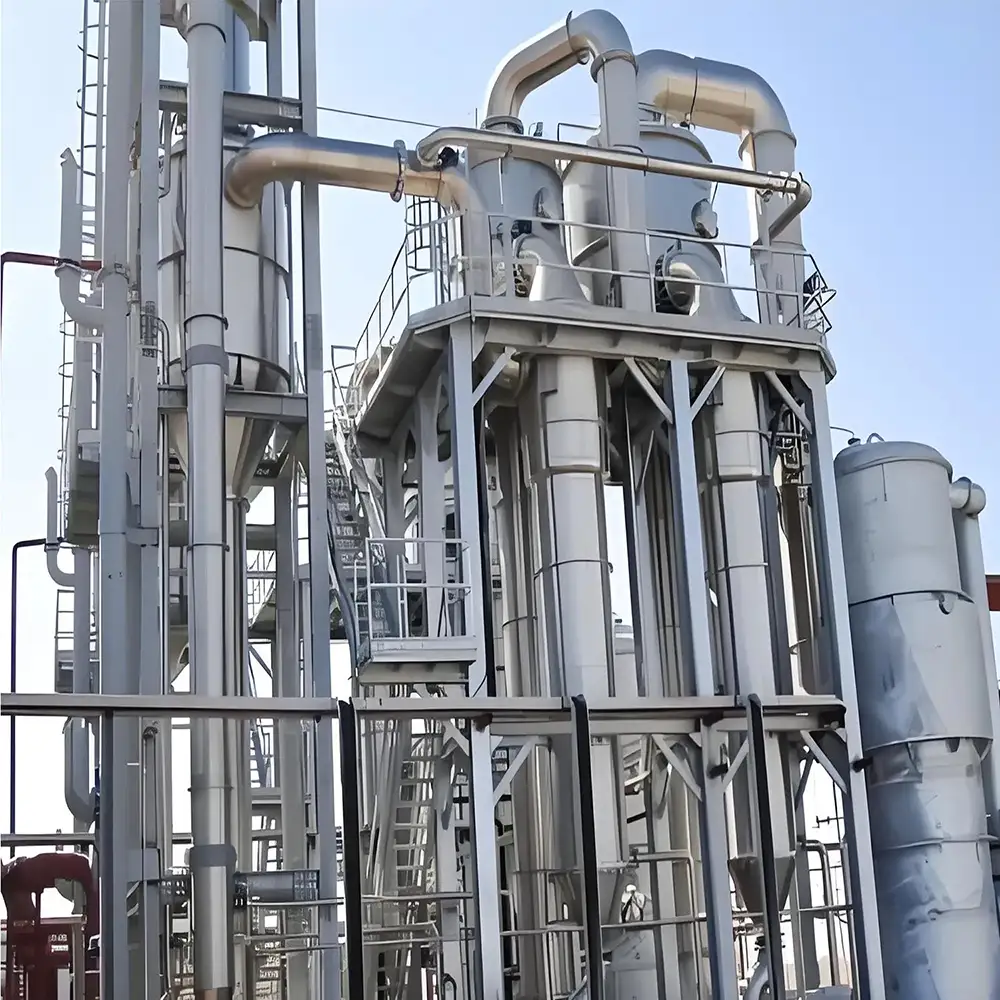
Different wastewater sources require different treatment strategies. A domestic sewage treatment plant may primarily require biological treatment and disinfection, while an industrial wastewater project may require chemical pretreatment, DAF, biological treatment, filtration, membrane separation, or evaporation.
For water purification and water reuse projects, the final water quality target should be defined before selecting equipment. Important factors include:
Wastewater source
Daily and peak flow
Pollutant concentration
Required discharge standard
Desired reuse application
Available installation area
Climate and operating temperature
Automation requirements
Sludge disposal method
Future capacity expansion
A properly engineered wastewater treatment machine can then be configured around the actual process requirements rather than relying on a one-size-fits-all design.
Operation and Maintenance
Regular operation and maintenance are important for stable wastewater treatment performance. Operators should inspect pumps, blowers, valves, screens, aeration systems, dosing equipment, sensors, filters, membranes, and sludge-handling equipment according to the system design.
Membrane systems may require periodic cleaning and fouling control. Biological systems require appropriate aeration, loading control, nutrient balance, and sludge management. Filtration equipment needs backwashing or media maintenance when applicable.
Monitoring influent and effluent quality also helps operators identify changes in wastewater characteristics and adjust treatment conditions accordingly.
Why Choose Us?
We provide wastewater treatment and water purification equipment for domestic, commercial, municipal, and industrial applications. Our approach focuses on matching equipment configuration to actual wastewater characteristics and required treated-water quality.
Customized Process Design
We can combine screening, equalization, biological treatment, DAF, sedimentation, filtration, MBR, RO, UV, and other treatment technologies according to project requirements.
Complete Equipment Integration
The system can integrate tanks, pumps, blowers, control panels, dosing systems, filtration units, membranes, disinfection equipment, and sludge-handling components.
Flexible Installation
Packaged, modular, skid-mounted, above-ground, underground, and other configurations can be considered for different site conditions.
Industrial B2B Applications
Our wastewater treatment solutions are suitable for factories, commercial facilities, communities, municipal projects, and water recycling applications.
Engineering Support
From wastewater analysis and process selection to equipment configuration and commissioning support, we can help develop a treatment solution based on project-specific requirements.
Frequently Asked Questions
1. What is wastewater treatment equipment?
Wastewater treatment equipment is machinery used to remove solids, organic pollutants, nutrients, microorganisms, and other contaminants from wastewater before discharge or reuse.
2. What is the difference between wastewater treatment and water purification?
Wastewater treatment generally focuses on treating contaminated water generated by homes, communities, or industrial processes. Water purification may refer to treating water to achieve a specific quality for industrial, commercial, or drinking-water applications. The required process depends on the source and intended use.
3. Can this equipment treat domestic sewage?
Yes. Properly configured systems can treat domestic sewage from residential communities, hotels, schools, rural areas, and similar facilities.
4. Can wastewater treatment equipment be used for industrial wastewater?
Yes. Industrial wastewater often requires customized treatment because pollutant types and concentrations vary significantly between industries.
5. Which biological process is better, MBBR, SBR, or MBR?
There is no universal best option. MBBR, SBR, and MBR have different operating characteristics and should be selected according to wastewater quality, flow, land availability, treated-water requirements, and operating conditions.
6. Can the system produce reusable water?
Yes, depending on the treatment configuration and required water quality. Additional filtration, membrane treatment, and disinfection may be required for specific reuse applications.
7. Can RO be added to a wastewater treatment system?
Yes. Reverse osmosis can be integrated as an advanced treatment stage when dissolved salts or other contaminants need additional removal.
8. Does the equipment require automatic operation?
Automatic control is available for many configurations. PLC systems can control pumps, blowers, valves, dosing equipment, alarms, and other components.
9. Can the wastewater treatment machine be installed underground?
Depending on the equipment design and site conditions, underground or buried installation can be considered. Structural loading, groundwater, ventilation, maintenance access, and local engineering requirements should be evaluated.
10. How should the correct wastewater treatment system be selected?
The selection should begin with wastewater flow and laboratory analysis, followed by defining discharge or reuse requirements. Process configuration, equipment capacity, site conditions, automation, and operating requirements can then be determined.
11. Can the equipment be customized?
Yes. Treatment capacity, tank configuration, process technology, pumps, blowers, filtration, membranes, disinfection, control systems, and installation arrangement can be customized for specific projects.
12. Can wastewater be reused after treatment?
Yes. Treated wastewater can potentially be reused for suitable non-potable applications when the treatment process achieves the required quality and applicable regulations are met. EPA describes water reuse as treating water from various sources and using it again for beneficial purposes.
Prev:
Water Treatment Domestic Sewage Industrial Wastewater Mbbr Media Equipment
Next:
Water Purification Wastewater Treatment Machine Equipment Sewage Treatment Equipment
TAG:
Industrial Water Purification System,
UV Wastewater Disinfection,
Industrial Water Treatment System,
Industrial Wastewater Treatment Equipment,
Integrated Wastewater Treatment System,
Industrial Wastewater Treatment System,
Biological Wastewater Treatment System,
Dissolved Air Flotation Wastewater Treatment,
Biological Wastewater Treatment Equipment,
Industrial Wastewater Treatment,
Sewage Treatment Plant,
Industrial Wastewater Treatment Plant,
Water Purification Equipment,
Wastewater Treatment Equipment,
Wastewater Treatment Plant,
Sludge Treatment Equipment,
Solid Liquid Separation Equipment,
Wastewater Filtration Equipment,
Industrial Water Purification Equipment,
Wastewater Treatment System,
Industrial Water Treatment Equipment,
Industrial Water Treatment,
Water Recycling Equipment,
Water Reclamation Equipment,
Water Filtration Equipment,
Water Purification Machine,
Water Treatment Plant,
Water Treatment Equipment,
Water Reclamation System,
Industrial Water Purification,
Related Category:
Wastewater Treatment Equipment,Water Purification Equipment,Wastewater Treatment Machine China, suppliers, manufacturers, factory, customized, wholesale, quotation, made in China