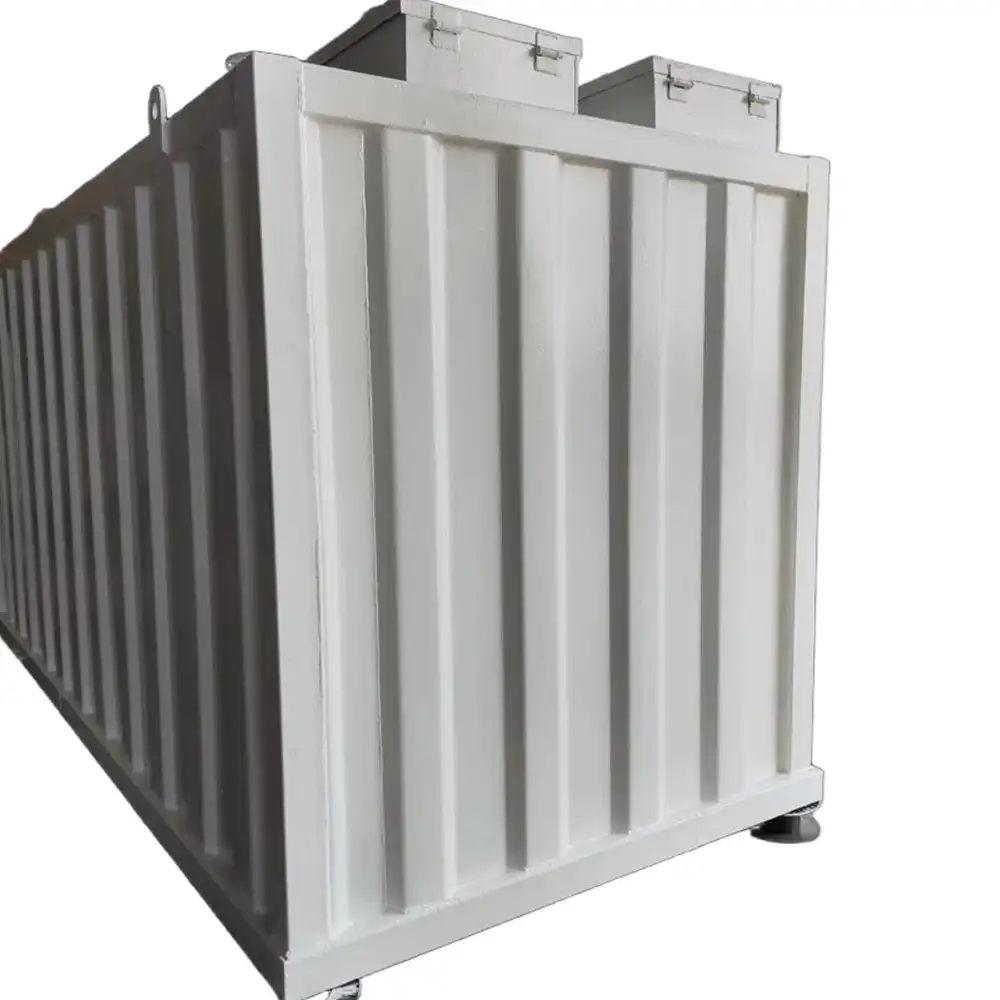
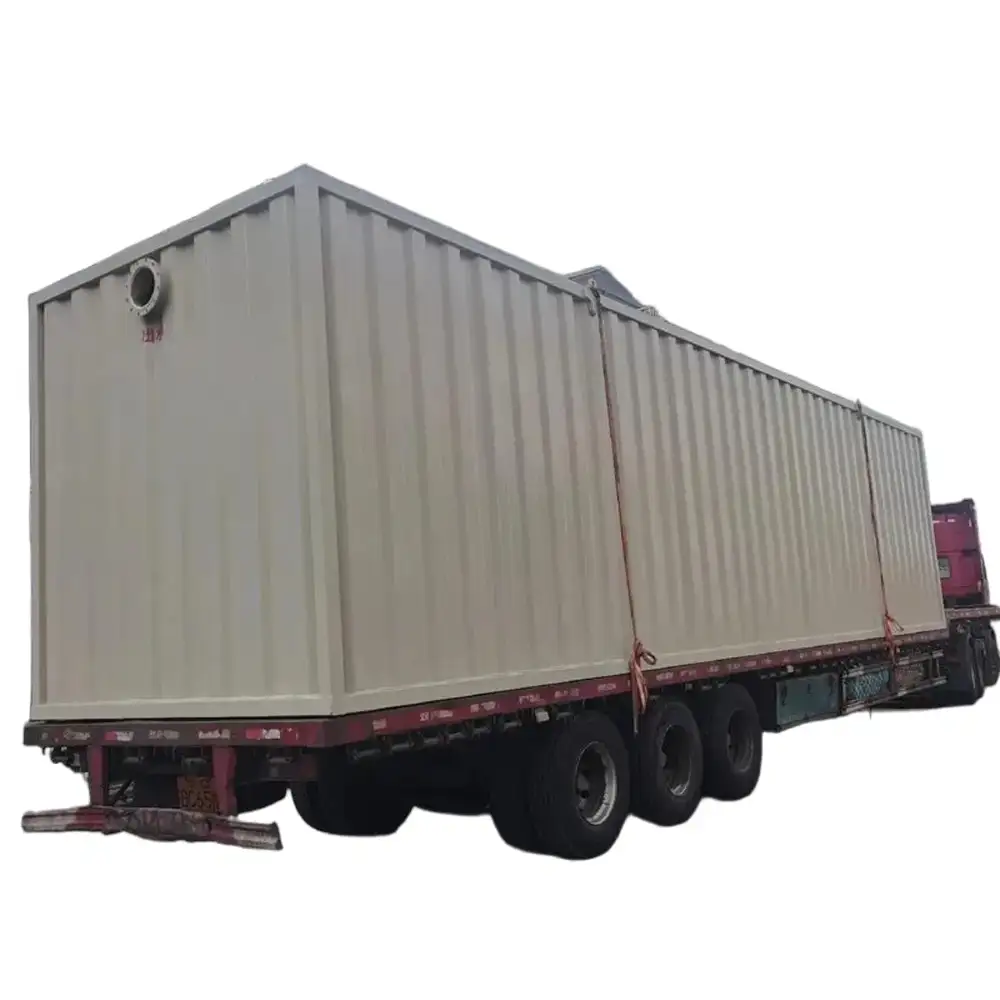
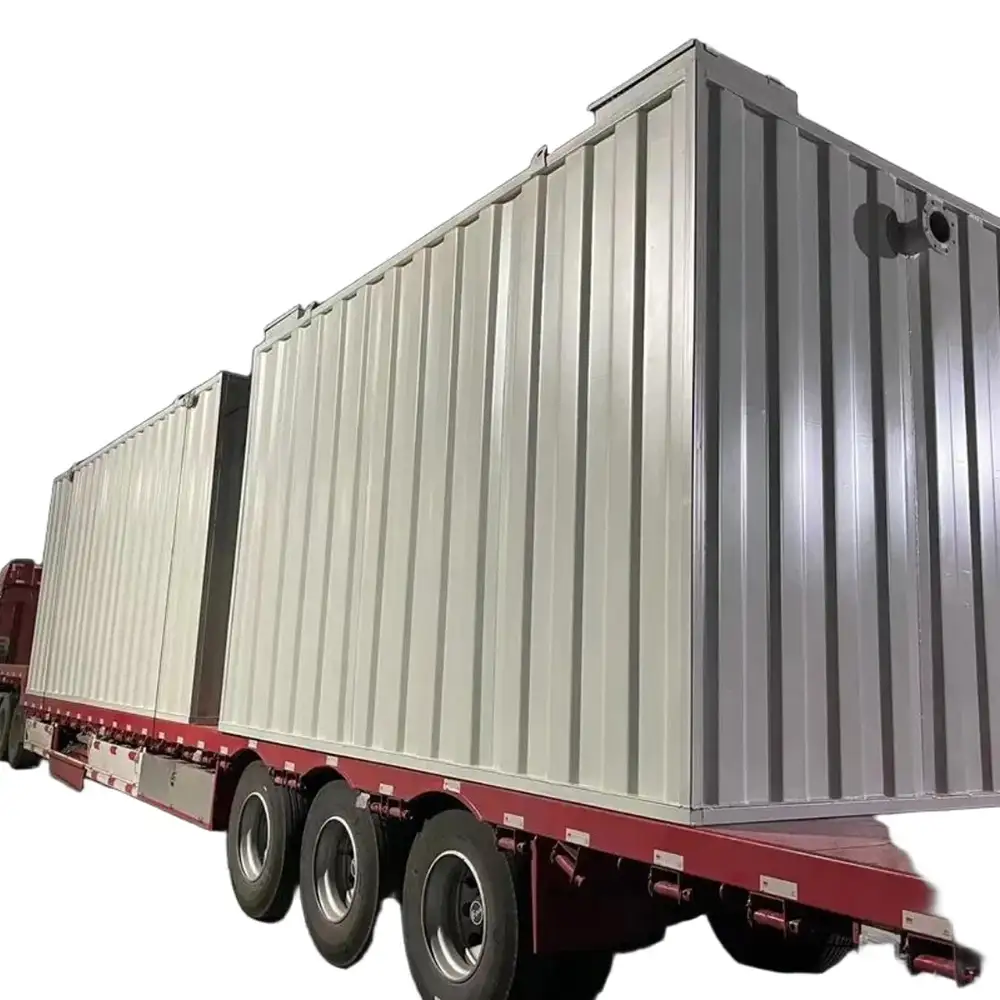
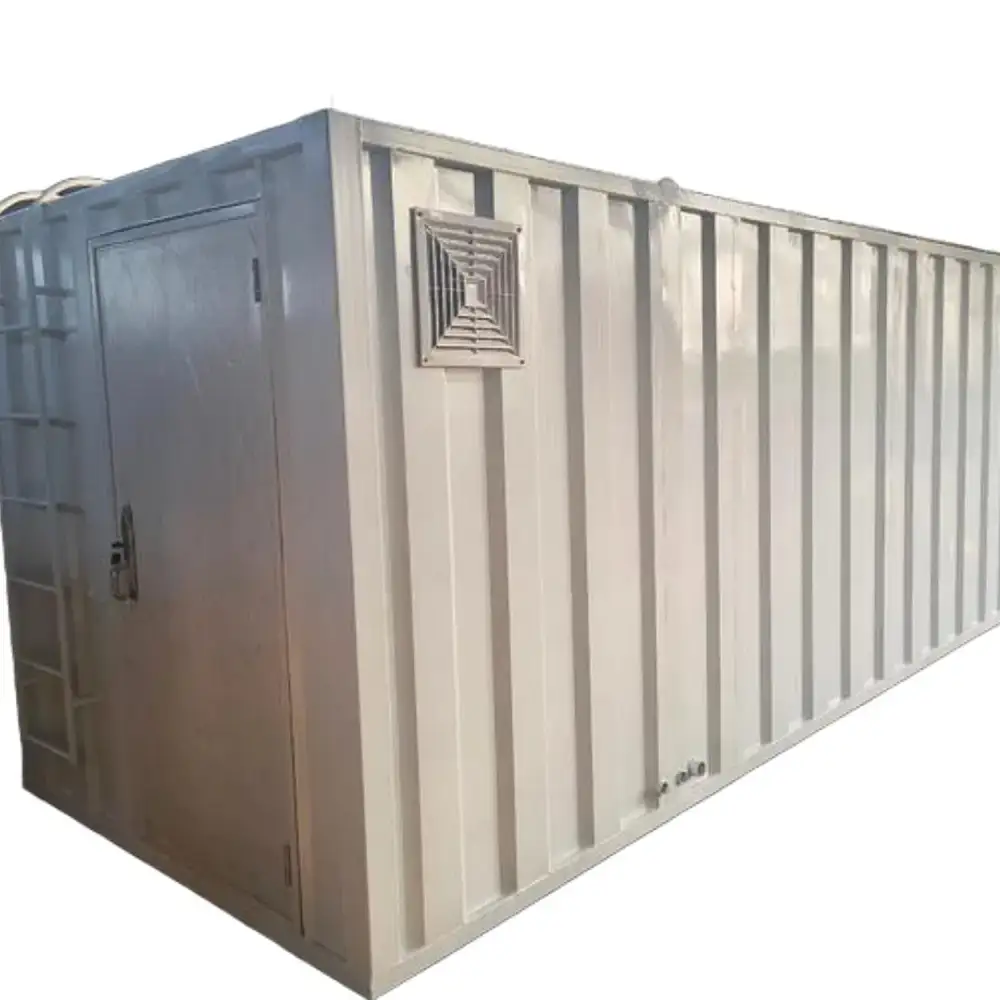
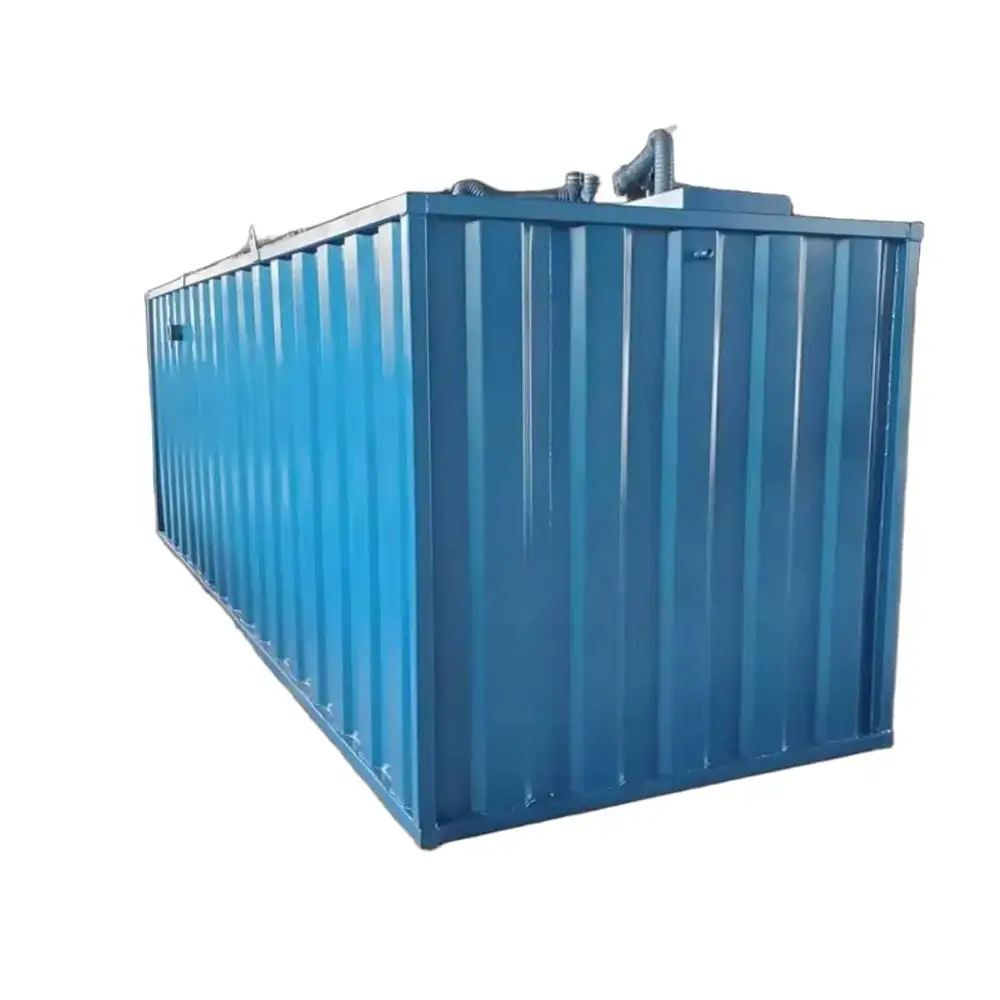
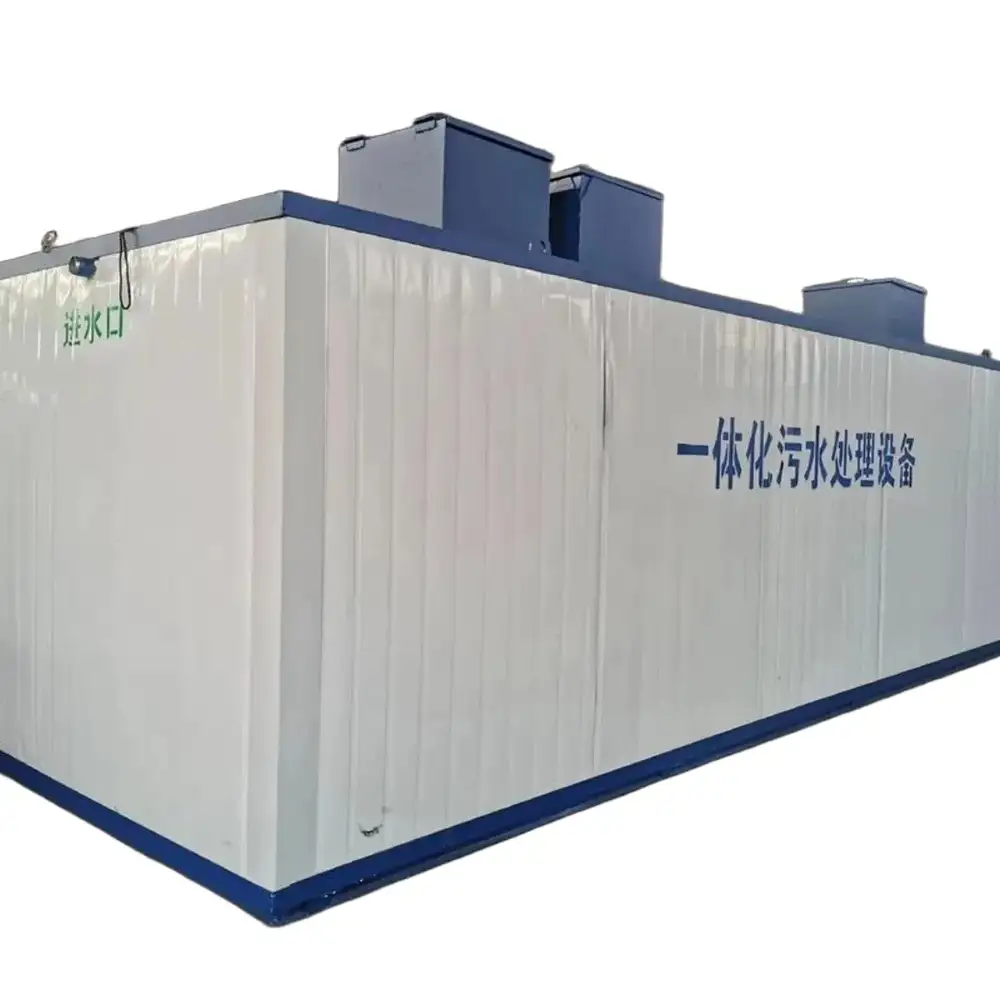
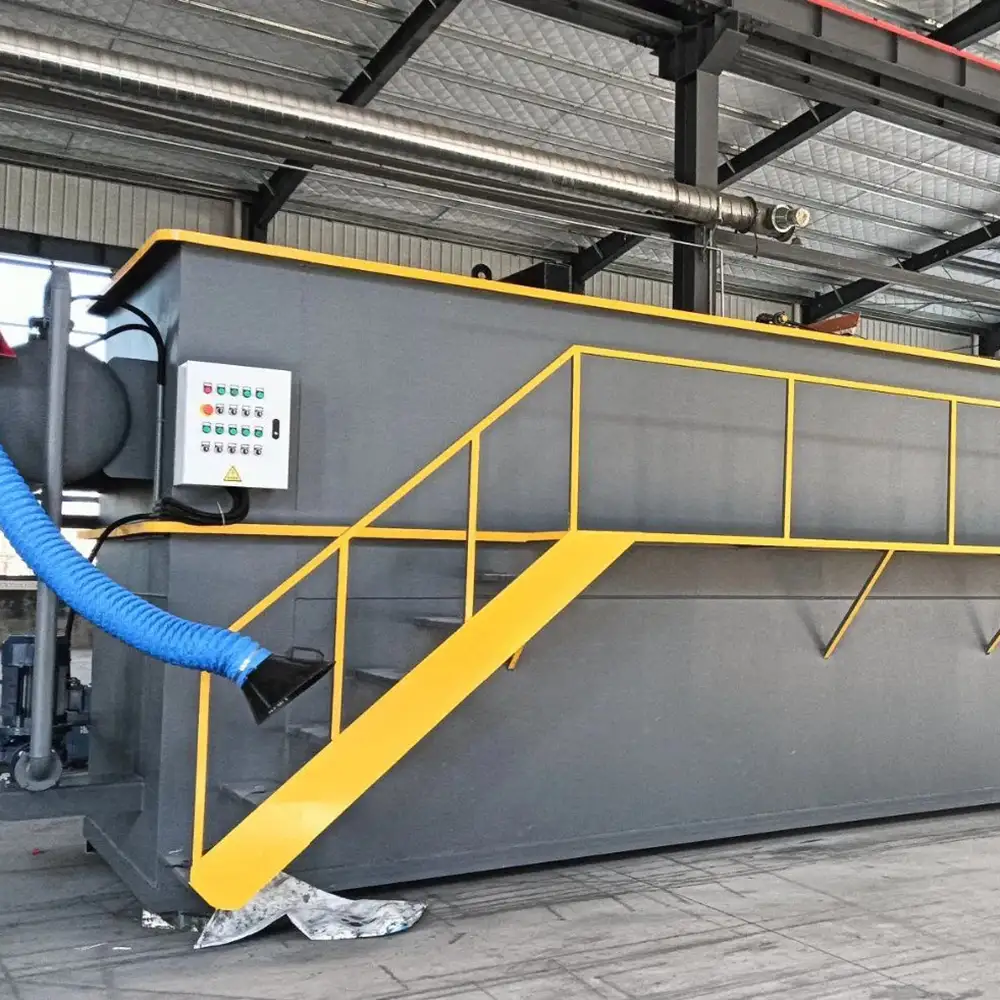
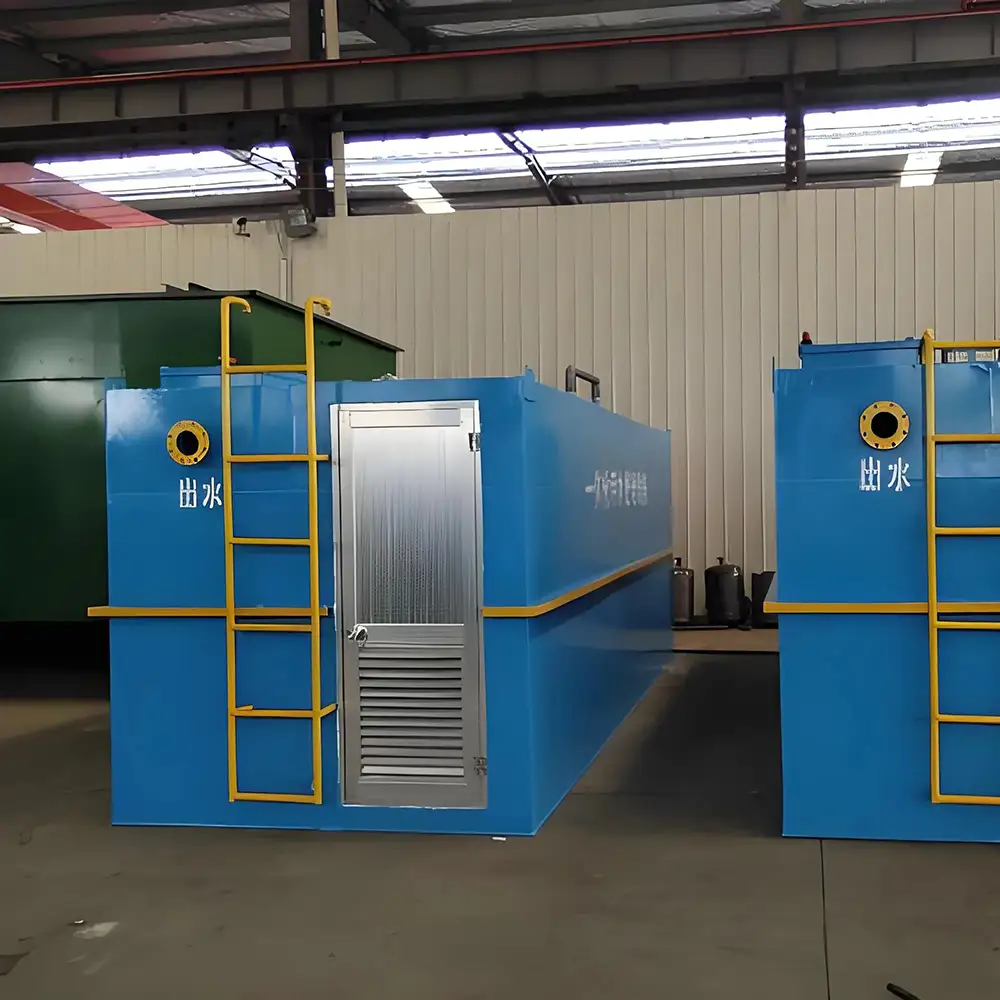
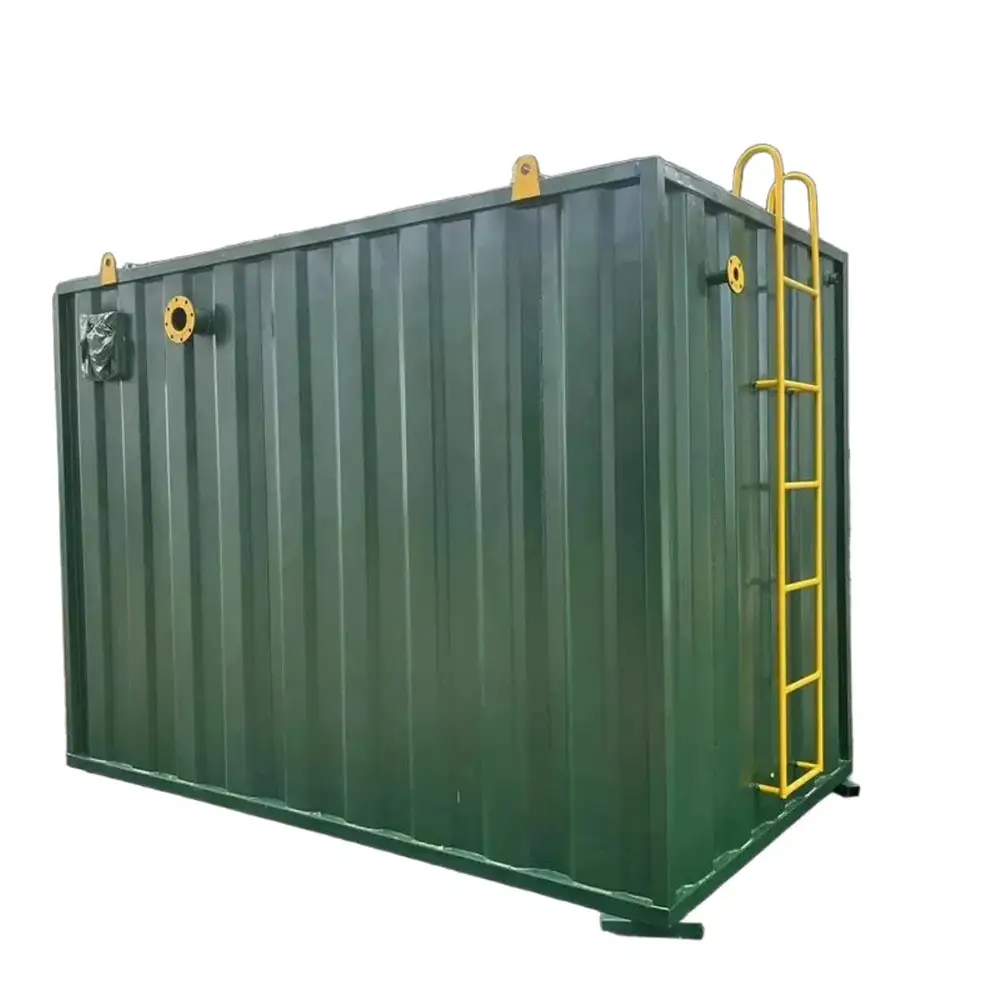
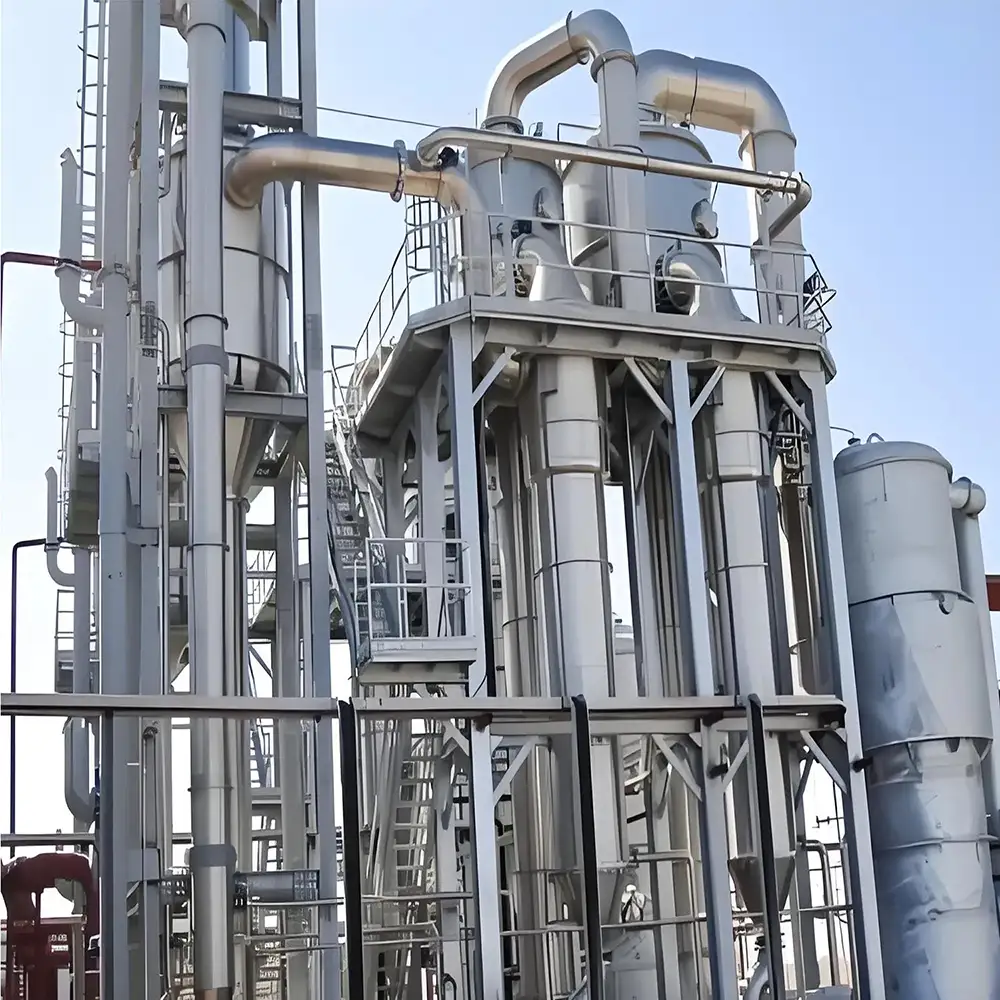
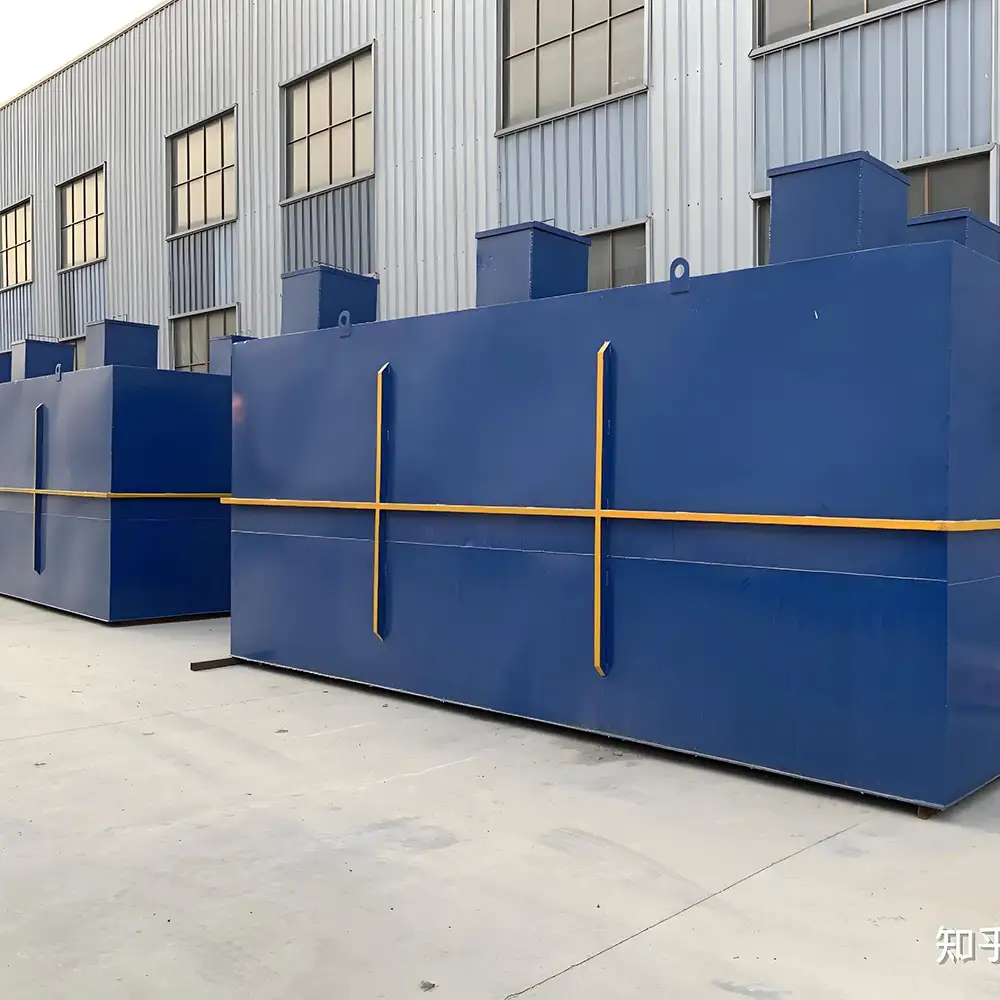
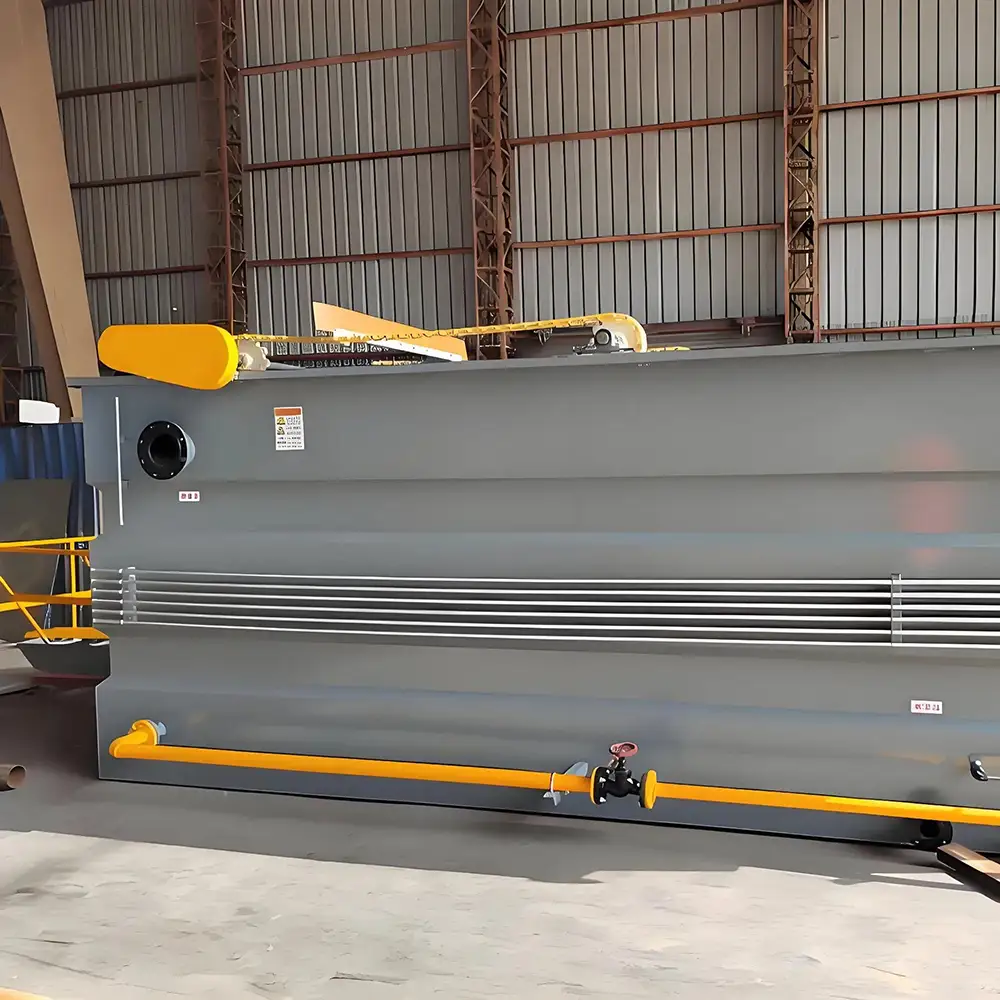
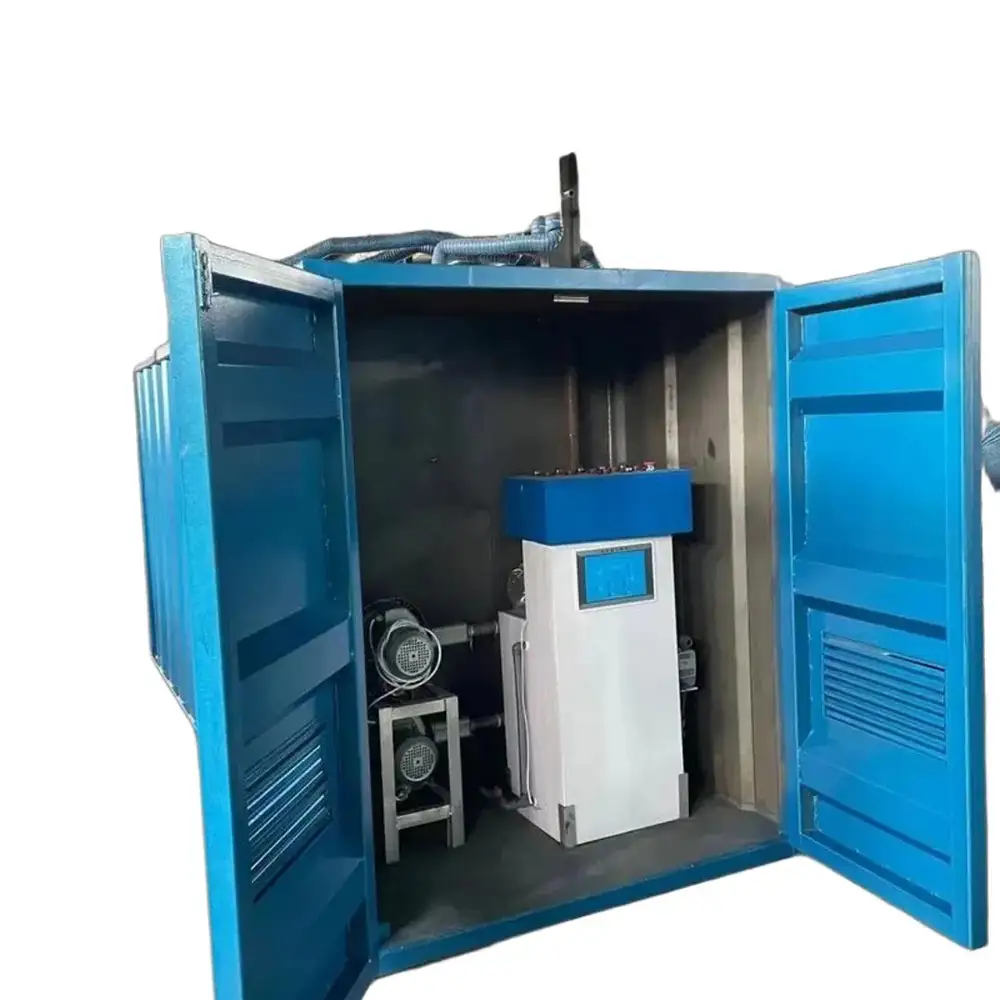
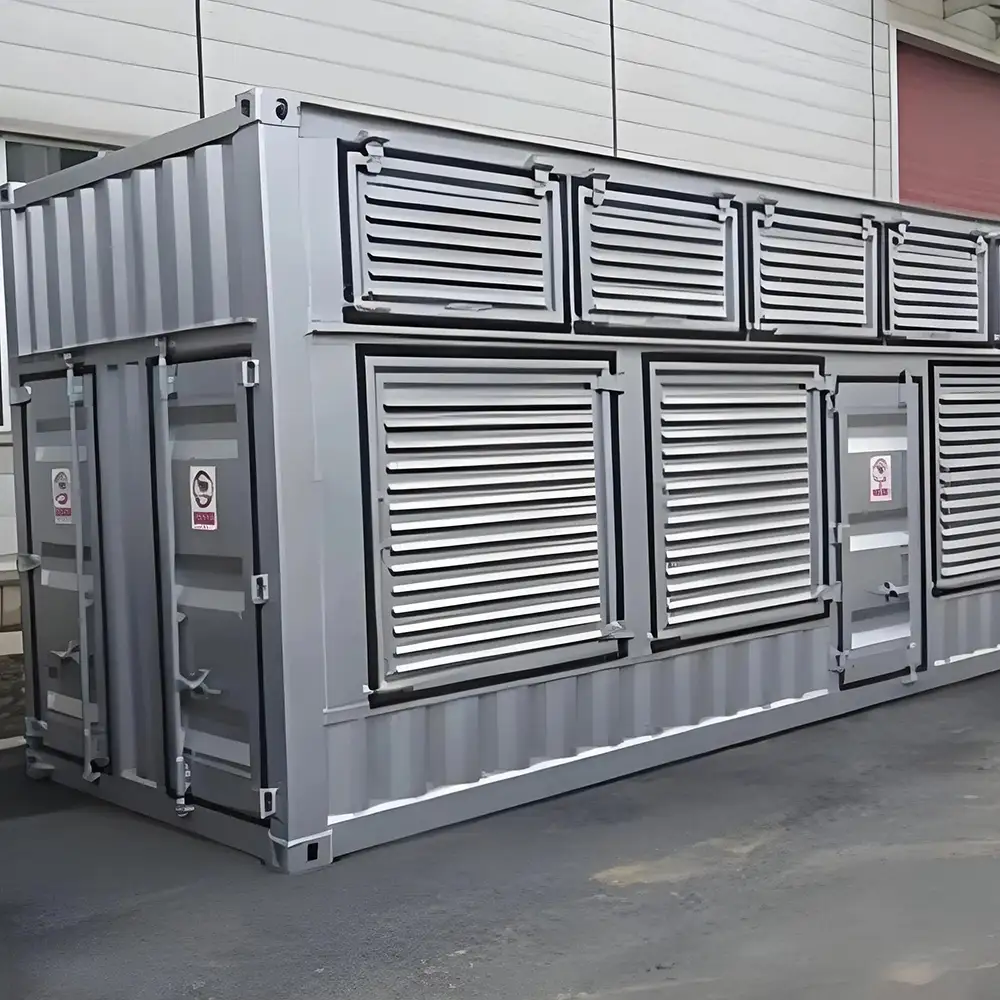
Dissolved air flotation can remove suspended solids very well, and can be used for breeding, food consumption, slaughtering, food processing, plastic washing, dyeing, and car washing sewage treatment.
MBBR Media Equipment for Water Treatment
MBBR media equipment is an important biological treatment solution for domestic sewage, municipal wastewater, commercial wastewater, and industrial wastewater treatment applications. Moving Bed Biofilm Reactor technology uses specially designed plastic carrier media that move freely within a biological reactor, providing a protected surface for microorganisms to grow as biofilm.
Unlike conventional suspended-growth treatment, MBBR retains a significant amount of active biomass on carrier media inside the reactor. EPA technical information describes MBBR as a biological treatment process using buoyant, free-moving plastic biofilm carriers, with biomass retained on the carriers. The technology can provide higher biomass concentration and help reduce reactor volume compared with some conventional activated sludge configurations.
The MBBR media equipment can be integrated into new wastewater treatment plants or used to upgrade existing biological treatment systems. Depending on wastewater characteristics and treatment objectives, MBBR can be configured for carbon removal, nitrification, denitrification, or other biological treatment functions.
What Is MBBR Media?
MBBR media, also called MBBR carrier media, biofilm carriers, or moving bed biofilm media, are specially designed plastic elements placed inside a biological wastewater treatment reactor.
The media provide a large protected surface area where microorganisms can attach and develop a biofilm. During operation, aeration or mechanical mixing keeps the carriers moving throughout the reactor. EPA guidance describes MBBR media as plastic media with a large surface area that are submerged in completely mixed aerobic or anoxic zones.
The shape, size, density, internal structure, protected surface area, filling ratio, and material of the carrier influence reactor performance. Common carrier designs use internal channels, cavities, or protected surfaces that help maintain biofilm while allowing water and oxygen to contact the microorganisms.
How Does an MBBR System Work?
1. Wastewater Pretreatment
Before entering the MBBR reactor, wastewater normally passes through screening and other pretreatment equipment. Removing large solids, fibers, plastics, grit, and other debris helps protect downstream pumps, aeration equipment, and carrier media.
For industrial wastewater, additional equalization, pH adjustment, oil separation, coagulation, flotation, or other pretreatment may be required depending on the wastewater characteristics.
2. Biological Reactor
Pretreated wastewater enters the MBBR biological reactor containing a controlled quantity of carrier media. Microorganisms attach to the media and form biofilm.
In an aerobic MBBR, air supplied through an aeration system provides oxygen and mixing. In an anoxic MBBR, mechanical mixing can keep the media suspended while creating conditions suitable for denitrification.
3. Biofilm Treatment
As wastewater passes through the reactor, microorganisms within the biofilm consume biodegradable organic matter and can convert nitrogen compounds through biological reactions.
Different microbial populations can develop in different regions of the biofilm. This makes MBBR useful for applications involving organic matter treatment and, when properly designed, nitrification and nitrogen removal.
4. Media Retention
A media retention screen or sieve is installed at the reactor outlet to keep MBBR carriers inside the biological tank while allowing treated water to pass through.
Proper screen design is important because it must provide sufficient open area while preventing carrier loss and minimizing blockage.
5. Final Separation
MBBR itself is primarily a biological treatment process. Suspended solids leaving the biological reactor generally require downstream separation through sedimentation, clarification, filtration, flotation, or membrane treatment.
For high-quality reuse applications, MBBR can be combined with filtration, MBR, UF, RO, UV, or other advanced treatment processes.
Advantages of MBBR Media Equipment
High Biomass Retention
The carrier media provide attachment surfaces for microorganisms, allowing substantial biomass to remain within the biological reactor.
Compact Biological Treatment
A higher concentration of active biomass can allow MBBR systems to achieve biological treatment within a relatively compact reactor configuration. EPA identifies higher biomass concentration and smaller reactor volumes among potential advantages of MBBR compared with conventional activated sludge.
Flexible Upgrade Solution
MBBR media can be added to suitable existing biological treatment tanks as part of an upgrade strategy. This can increase biological treatment capacity without necessarily constructing an entirely new treatment plant.
Suitable for Domestic Sewage
MBBR technology can be used for residential communities, hotels, schools, hospitals, rural sewage, municipal wastewater, and other domestic sewage sources.
Suitable for Industrial Wastewater
MBBR is also used in industrial wastewater treatment. Industrial applications can include food processing, beverage production, chemical manufacturing, pharmaceutical facilities, textile wastewater, paper production, livestock wastewater, and other biodegradable industrial effluents.
EPA has reviewed MBBR among major biological treatment technologies for industrial wastewater applications.
Flexible Aerobic and Anoxic Applications
Depending on the treatment objective, MBBR reactors can be configured as aerobic, anoxic, or multi-stage systems. Multiple reactors can be arranged in series to support different biological treatment functions.
MBBR Media for Domestic Sewage Treatment
Domestic sewage typically contains biodegradable organic matter, suspended solids, nitrogen compounds, and microorganisms. An MBBR system can provide biological treatment after suitable pretreatment.
For domestic sewage treatment, MBBR may be integrated with screening, equalization, primary separation, secondary clarification, filtration, and disinfection.
It is suitable for apartment communities, residential developments, rural villages, hotels, schools, hospitals, office buildings, restaurants, and decentralized sewage treatment projects.
MBBR Media for Industrial Wastewater
Industrial wastewater varies considerably from one industry to another. Some industrial wastewater contains high COD, ammonia, nitrogen, oils, chemicals, salts, or other substances that may affect biological activity.
For this reason, industrial projects should normally evaluate wastewater composition before selecting MBBR media and reactor conditions.
Pretreatment may be necessary when wastewater contains toxic or inhibitory substances. EPA research has documented MBBR applications involving industrial and domestic wastewater and demonstrates the importance of process conditions and wastewater characteristics when treating challenging streams.
MBBR Media Selection Factors
Selecting the appropriate MBBR media requires consideration of several factors:
Wastewater flow rate
COD and BOD concentration
Ammonia and nitrogen concentration
Required treatment efficiency
Reactor volume
Media filling ratio
Effective protected surface area
Carrier density and buoyancy
Media geometry
Aeration intensity
Mixing requirements
Temperature
Hydraulic retention time
Influent toxicity
Required effluent quality
The media filling ratio should be determined through process design rather than simply maximizing the amount of carrier in the tank.
Applications
MBBR media equipment can be used for:
Domestic sewage treatment
Municipal wastewater treatment
Industrial wastewater treatment
Commercial wastewater treatment
Rural sewage treatment
Community wastewater treatment
Hotel wastewater treatment
Hospital wastewater treatment
Food-processing wastewater
Beverage wastewater
Pharmaceutical wastewater
Chemical wastewater
Textile wastewater
Paper mill wastewater
Aquaculture wastewater
Livestock wastewater
Industrial park wastewater
Existing wastewater plant upgrades
Why Choose Us?
We provide MBBR media and wastewater treatment equipment for domestic, municipal, commercial, and industrial applications.
Application-Based Selection
MBBR carrier selection can be based on wastewater characteristics, reactor configuration, biological objectives, and required treatment performance.
Complete MBBR System
In addition to carrier media, a complete system can include biological tanks, aeration equipment, mixing systems, media retention screens, pumps, control systems, and downstream separation equipment.
Flexible System Design
MBBR can be integrated with conventional activated sludge, SBR, MBR, DAF, filtration, disinfection, and other wastewater treatment technologies.
New Plants And Upgrades
The technology can be considered for both new wastewater treatment plants and suitable existing treatment facilities requiring additional biological capacity.
Industrial B2B Applications
Our equipment solutions are suitable for factories, municipal projects, commercial properties, decentralized sewage systems, and industrial wastewater treatment plants.
Frequently Asked Questions
1. What is MBBR media?
MBBR media are specially designed plastic carrier elements used inside a moving bed biofilm reactor to provide surfaces for microorganisms to grow as biofilm.
2. What is MBBR used for?
MBBR is used for biological wastewater treatment, including organic matter removal and, depending on the process design, nitrification and nitrogen removal.
3. Can MBBR treat domestic sewage?
Yes. MBBR is suitable for many domestic and municipal sewage treatment applications when properly designed.
4. Can MBBR media be used for industrial wastewater?
Yes. MBBR can be used for industrial wastewater containing biodegradable organic pollutants, although industrial wastewater may require appropriate pretreatment.
5. What is the difference between MBBR media and activated sludge?
MBBR uses attached-growth biofilm on carrier media, while conventional activated sludge primarily relies on suspended microorganisms in the mixed liquor.
6. Does MBBR require aeration?
Aerobic MBBR systems normally require aeration for oxygen supply and carrier movement. Anoxic configurations may use mechanical mixing instead of aerobic aeration.
7. Can MBBR media be added to an existing wastewater treatment plant?
In suitable systems, yes. Adding carrier media to an existing biological reactor can be considered as part of a capacity or performance upgrade.
8. How long do MBBR media last?
The service life depends on the material, carrier design, wastewater conditions, mechanical stress, operating conditions, and equipment configuration. Properly selected media are designed for long-term wastewater treatment service.
9. What percentage of the tank should be filled with MBBR media?
There is no universal filling ratio. The appropriate ratio depends on wastewater loading, carrier characteristics, reactor volume, oxygen transfer, and treatment objectives.
10. Can MBBR remove ammonia?
Yes. With suitable reactor conditions and an established nitrifying biofilm, MBBR can support biological nitrification and ammonia treatment.
11. Can MBBR be combined with MBR?
Yes. MBBR and MBR can be combined in hybrid biological treatment systems. Such configurations can use carrier media for attached-growth treatment while membranes provide liquid-solid separation.
12. How do I choose the right MBBR media?
Selection should consider wastewater flow, COD, BOD, ammonia, nitrogen, reactor volume, treatment target, media surface characteristics, filling ratio, aeration, and operating condition
Prev:
Domestic Sewage Waste Water Treatment Equipment For Industrial, Agricultural, Food Factories, Slaughterhouses
Next:
Wastewater Treatment Water Purification Wastewater Treatment Machine Equipment
TAG:
Industrial Wastewater Treatment Equipment,
Industrial Wastewater Treatment System,
Industrial Wastewater Treatment,
Industrial Sewage Treatment,
Industrial Wastewater Treatment Plant,
Wastewater Treatment Equipment,
Wastewater Treatment Plant,
Wastewater Treatment System,
Water Treatment Plant,
Water Treatment Equipment,
Water Treatment System,
Decentralized Wastewater Treatment,
Moving Bed Biofilm Reactor,
MBBR Wastewater Treatment,
MBBR Water Treatment,
Biological Treatment System,
Biological Wastewater Treatment,
Biofilm Wastewater Treatment,
MBBR Biological Reactor,
MBBR Sewage Treatment,
High Surface Area Biofilm Carrier,
Plastic Biofilm Carrier,
High Surface Area MBBR Media,
MBBR Plastic Media,
MBBR Biofilm Media,
Moving Bed Biofilm Reactor Media,
Biofilm Carrier Media,
Moving Bed Biofilm Carrier,
MBBR Media,
MBBR Carrier Media,
Related Category:
MBBR Media Equipment,MBBR Media,Moving Bed Biofilm Reactor Media,MBBR Carrier Media China, suppliers, manufacturers, factory, customized, wholesale, quotation, made in China