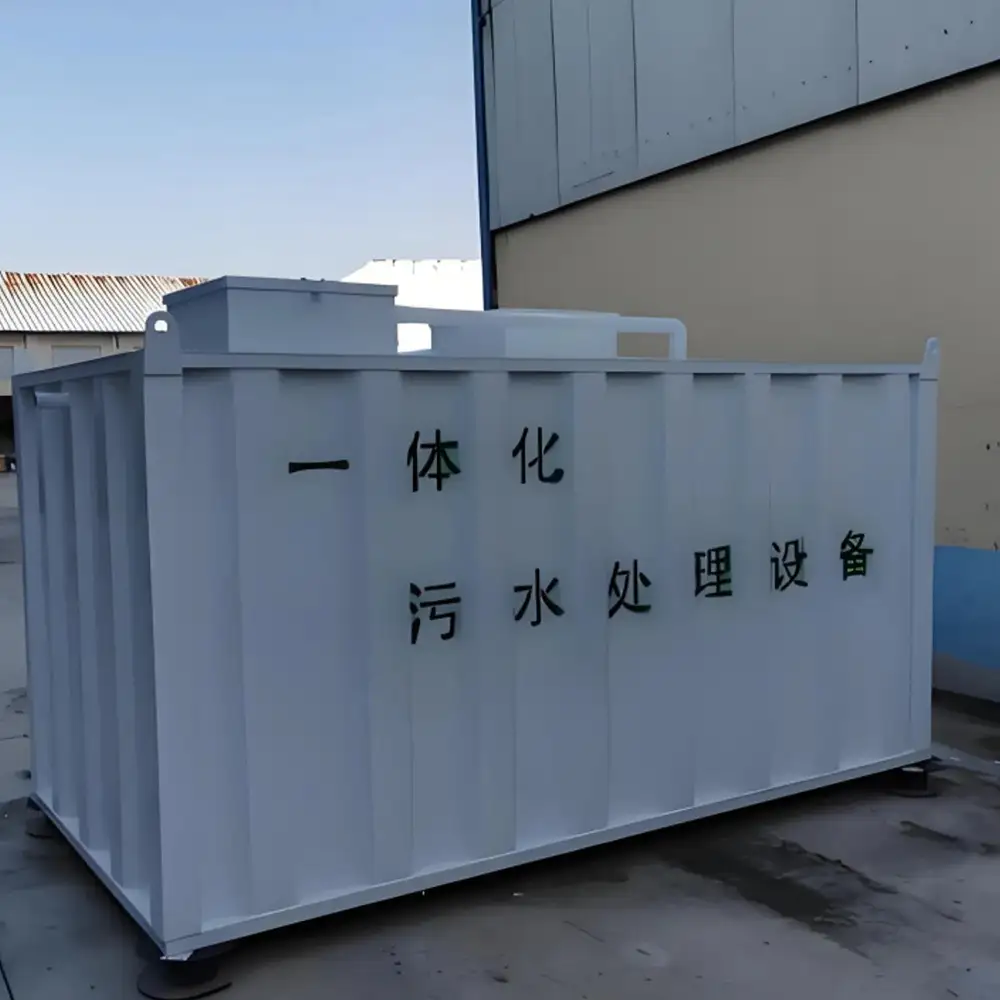
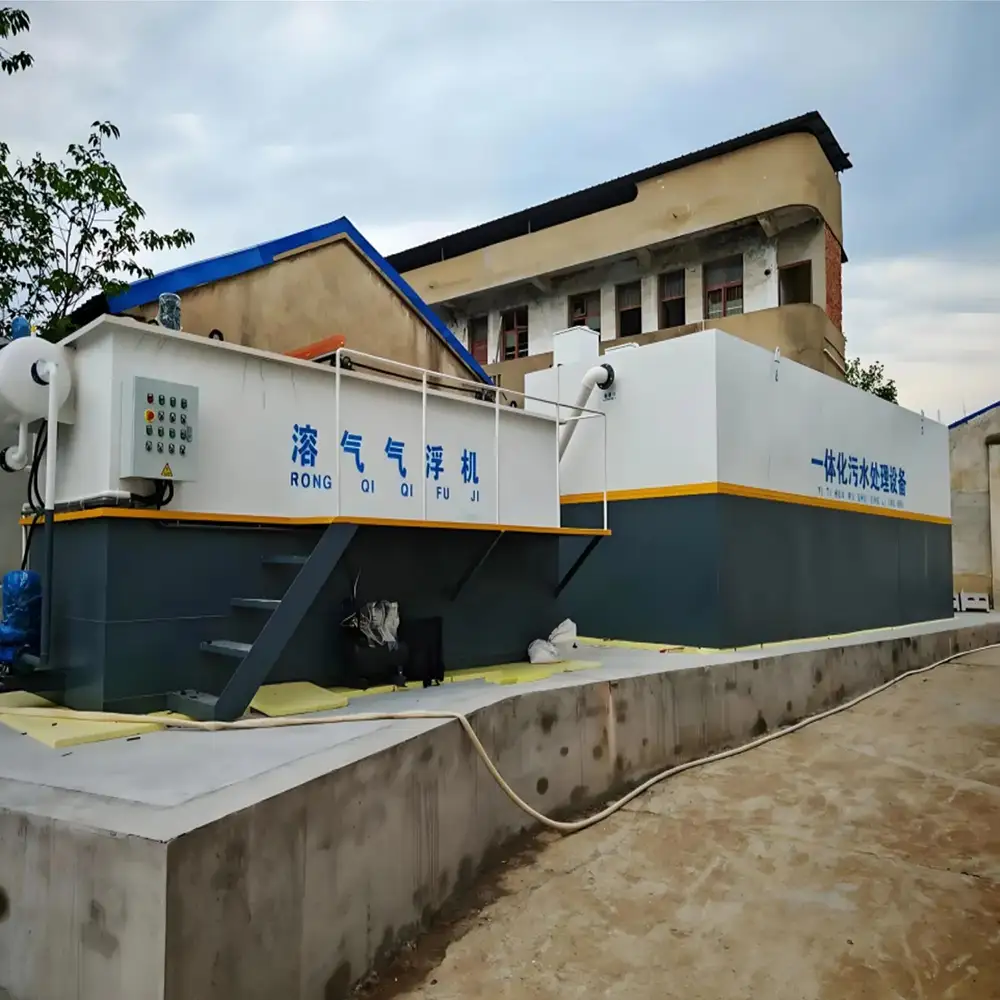
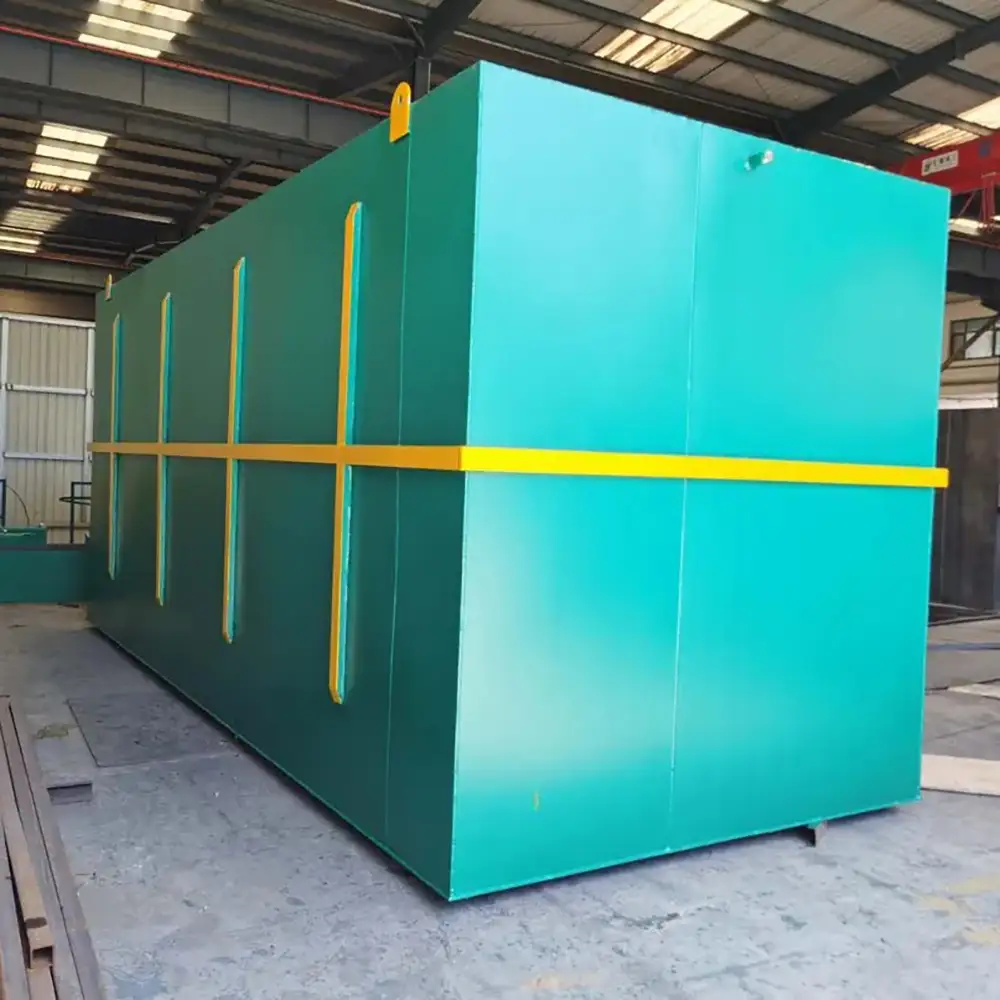
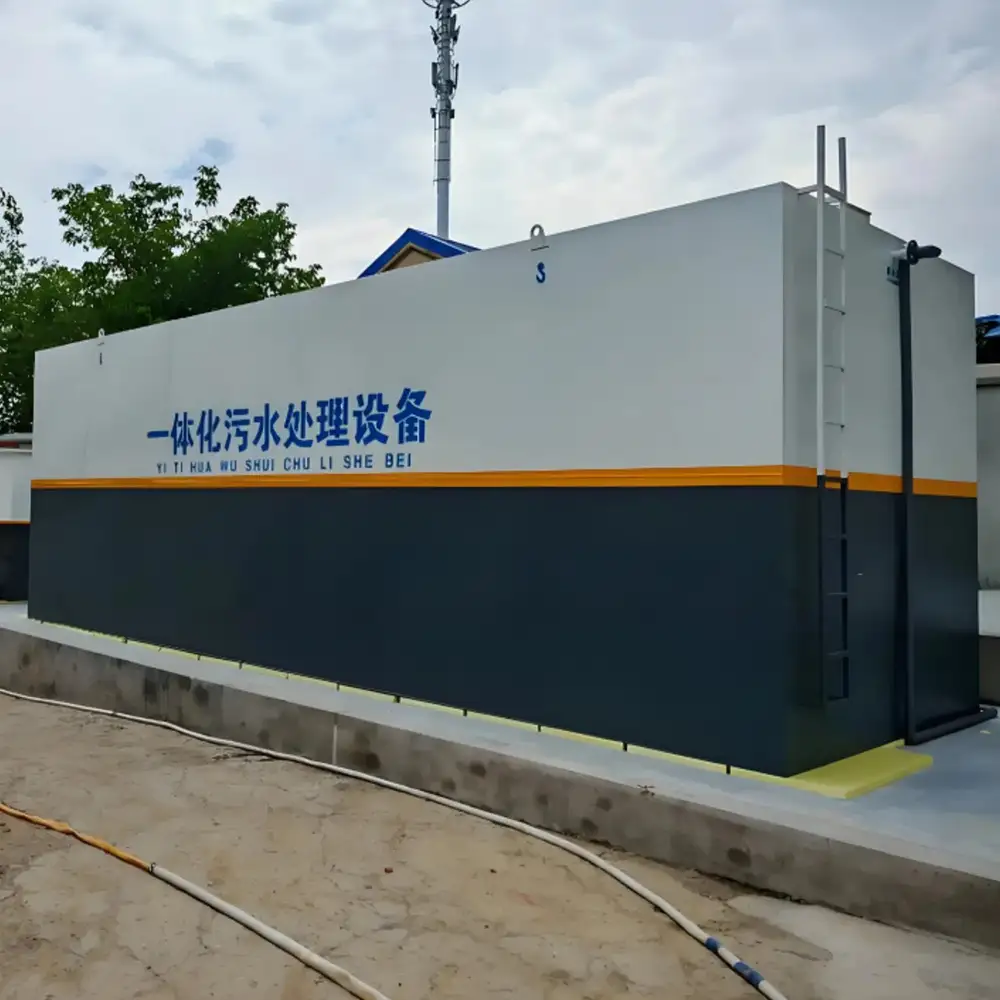
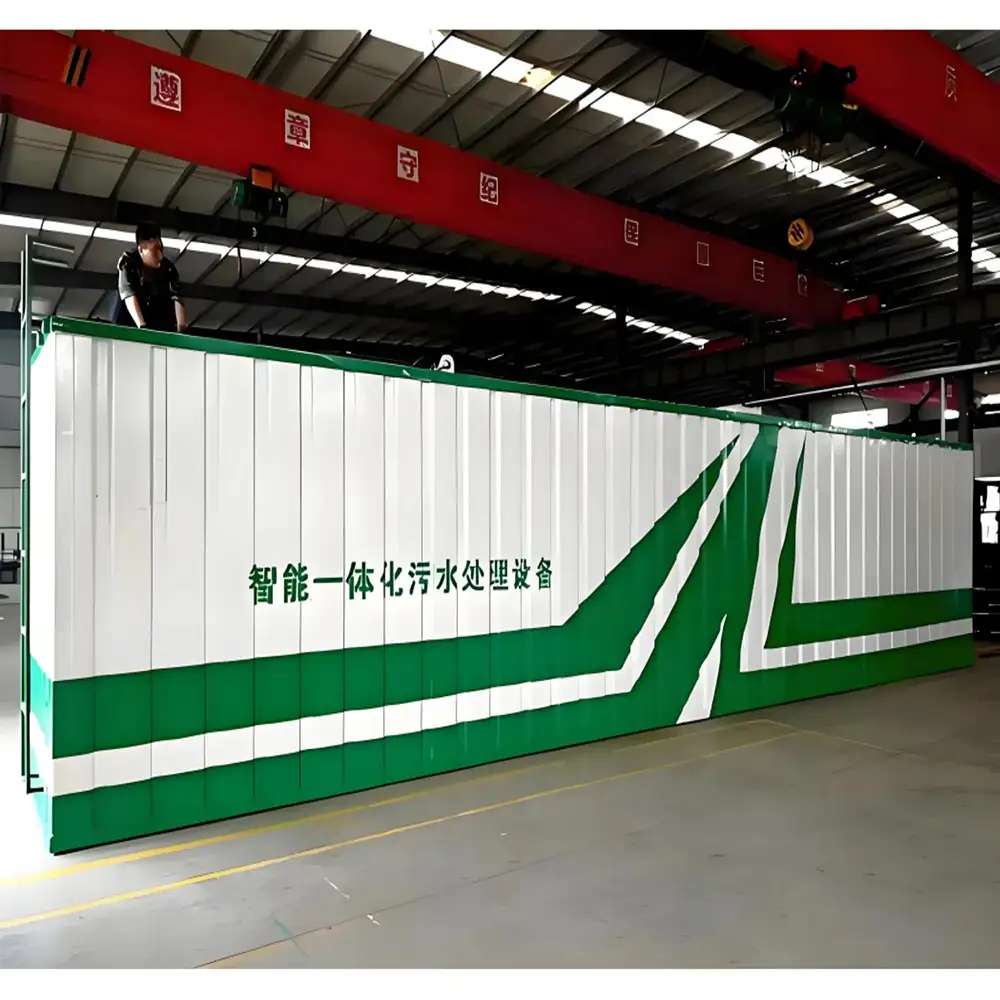
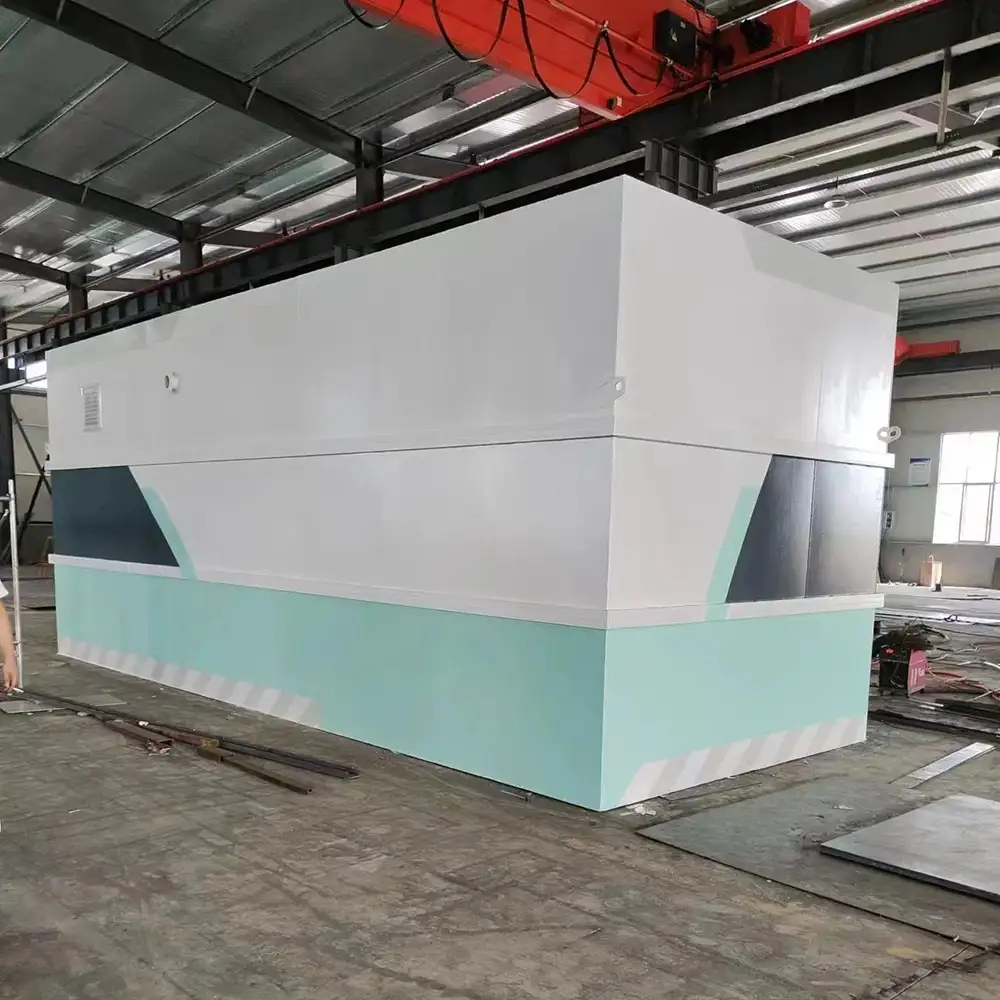
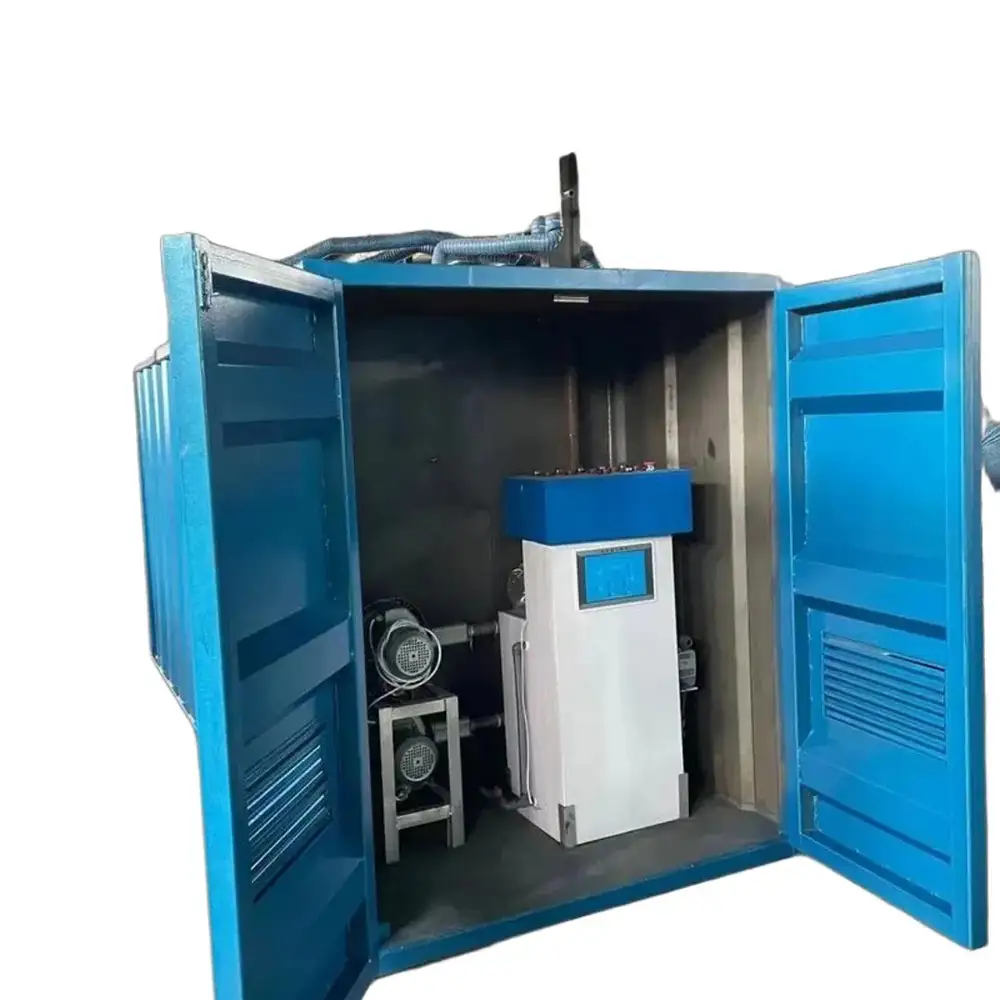
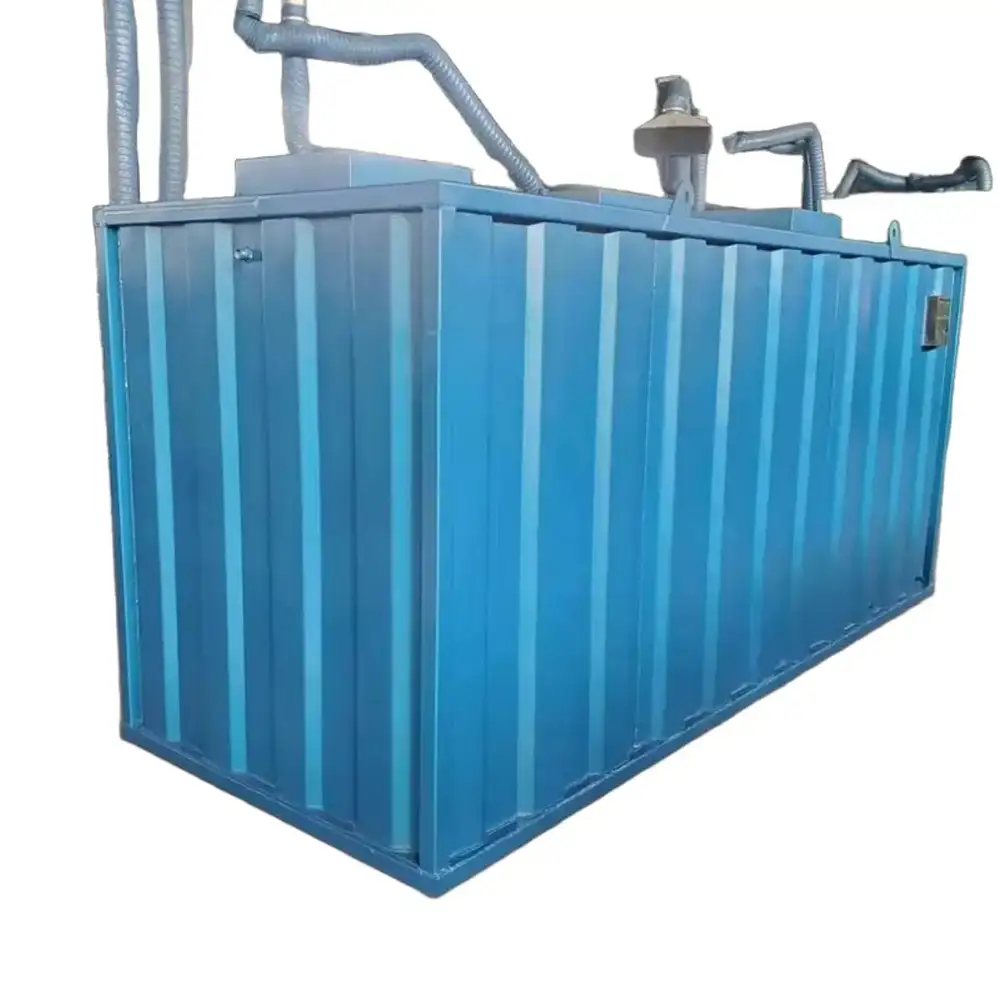
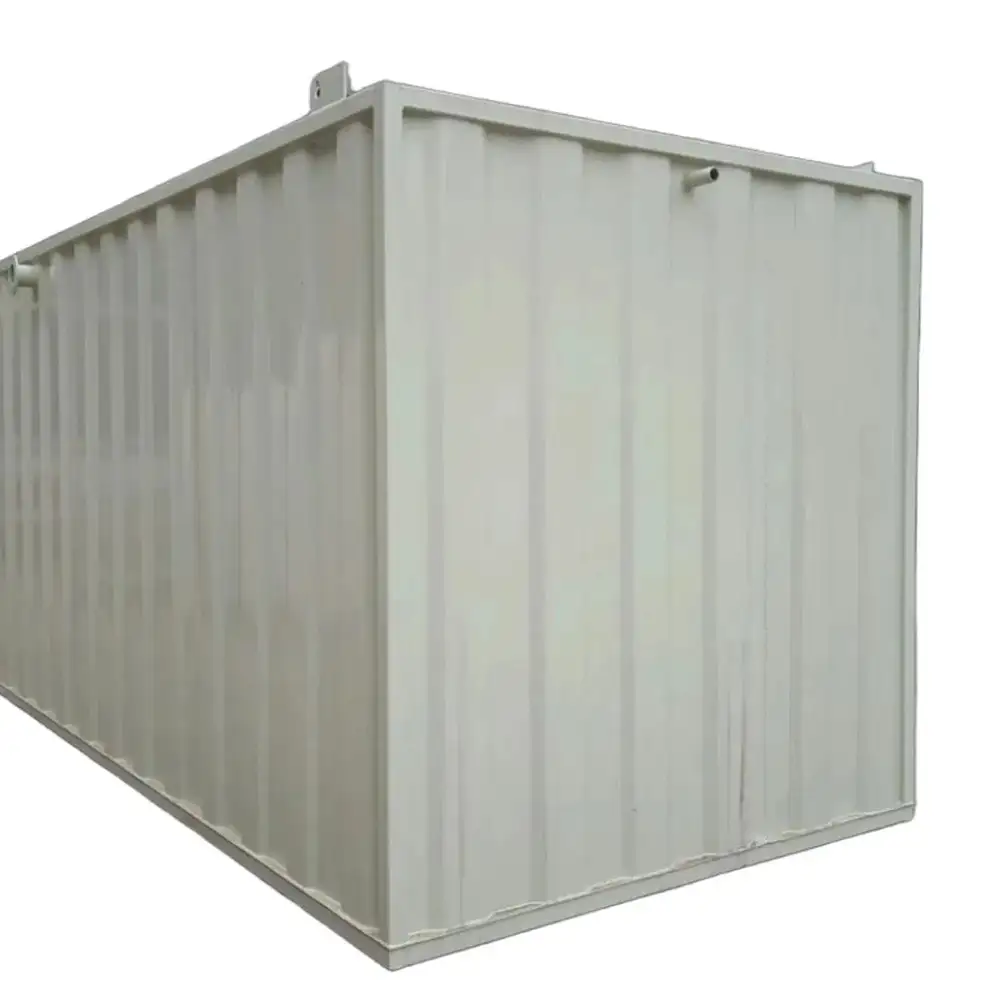
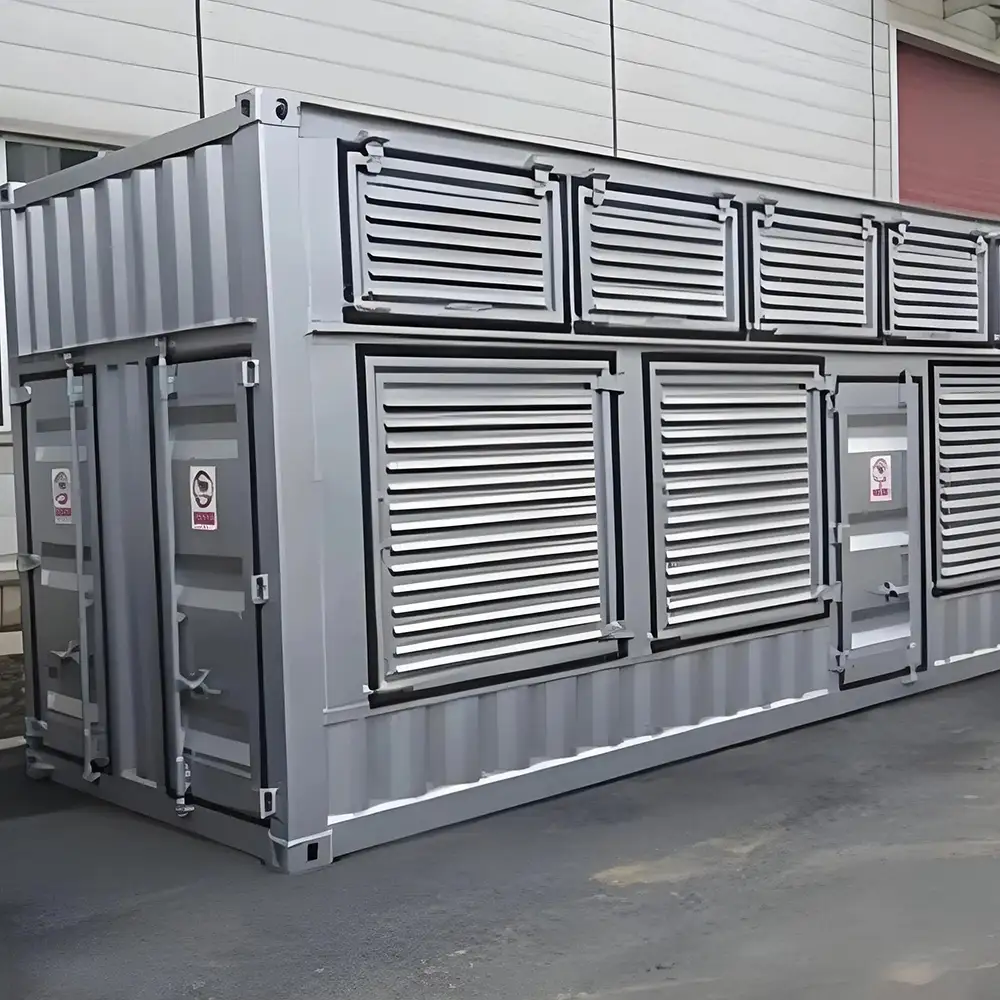
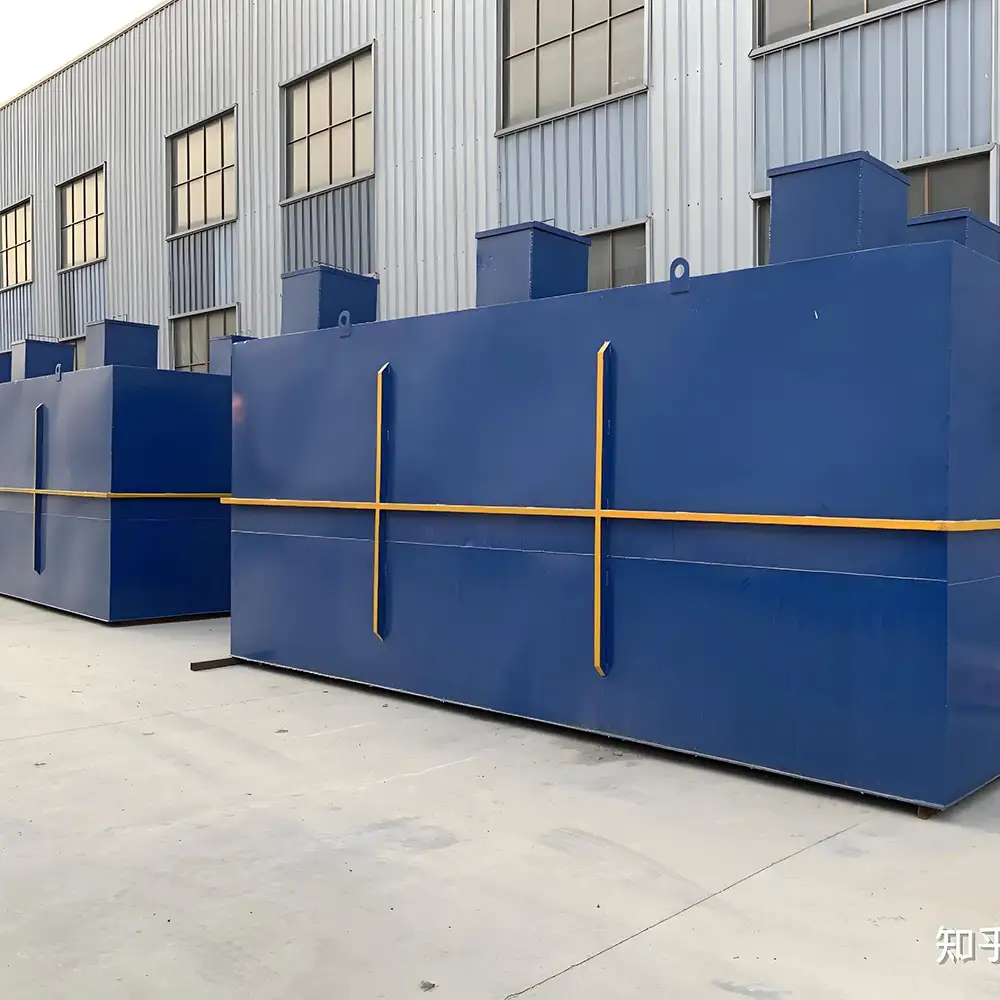
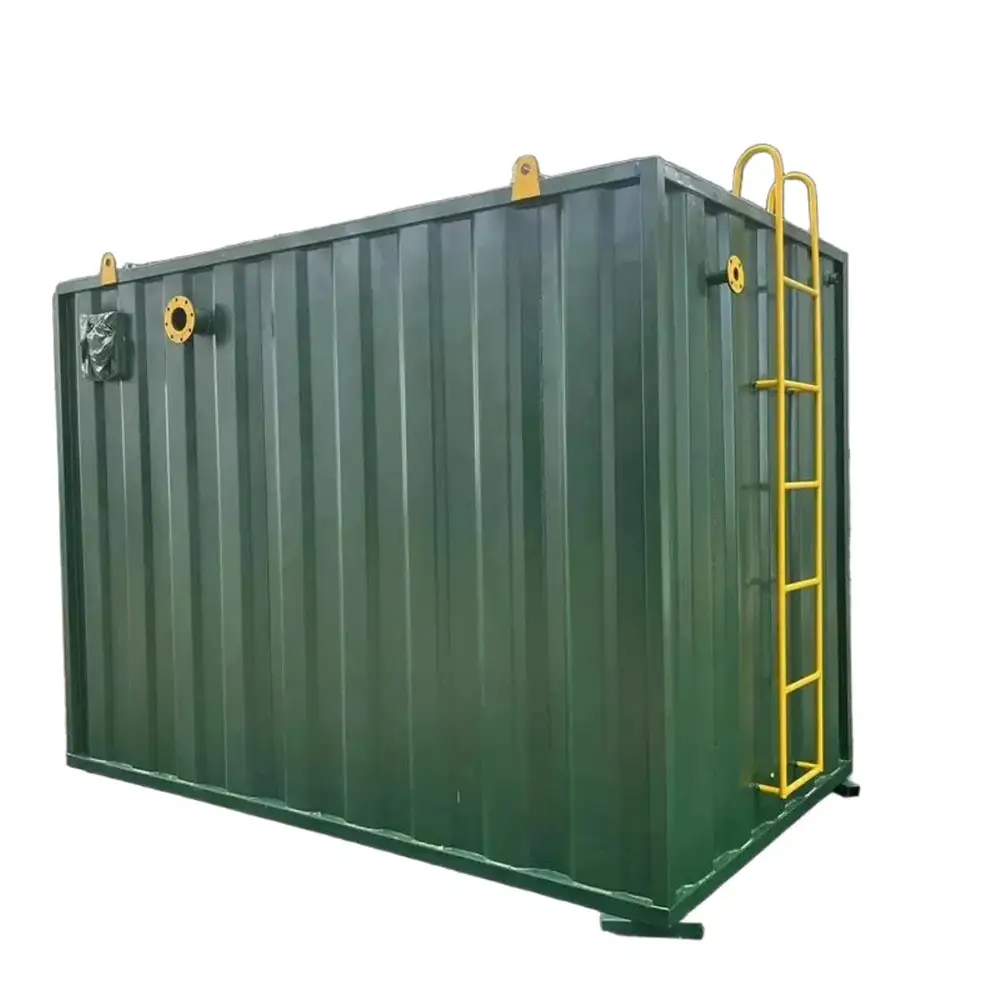
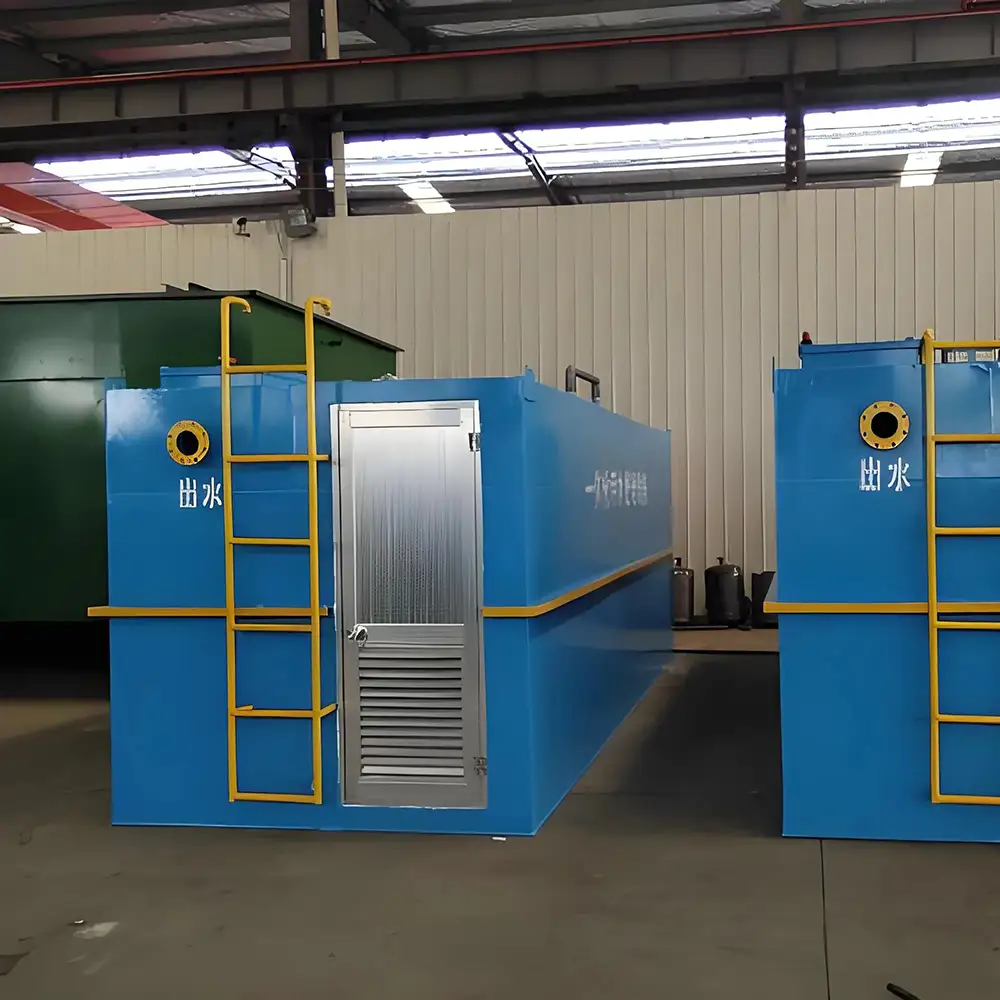
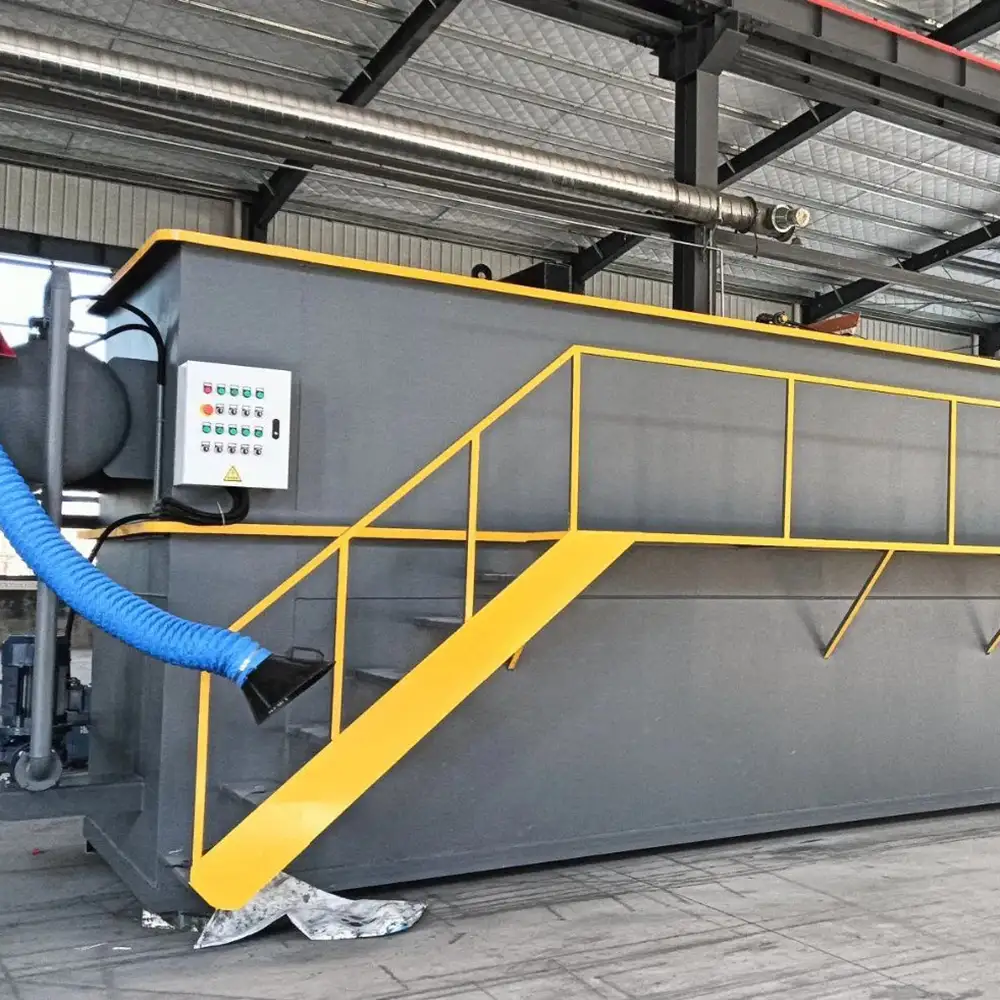
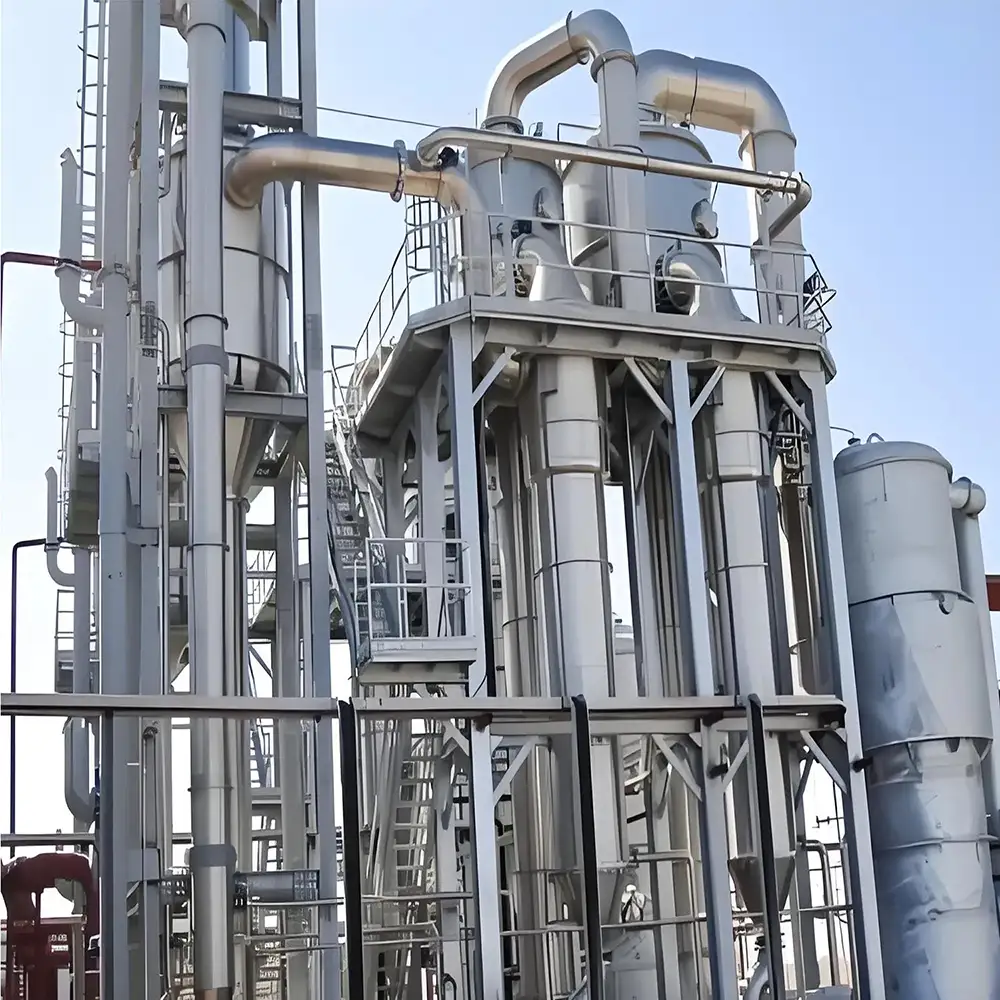
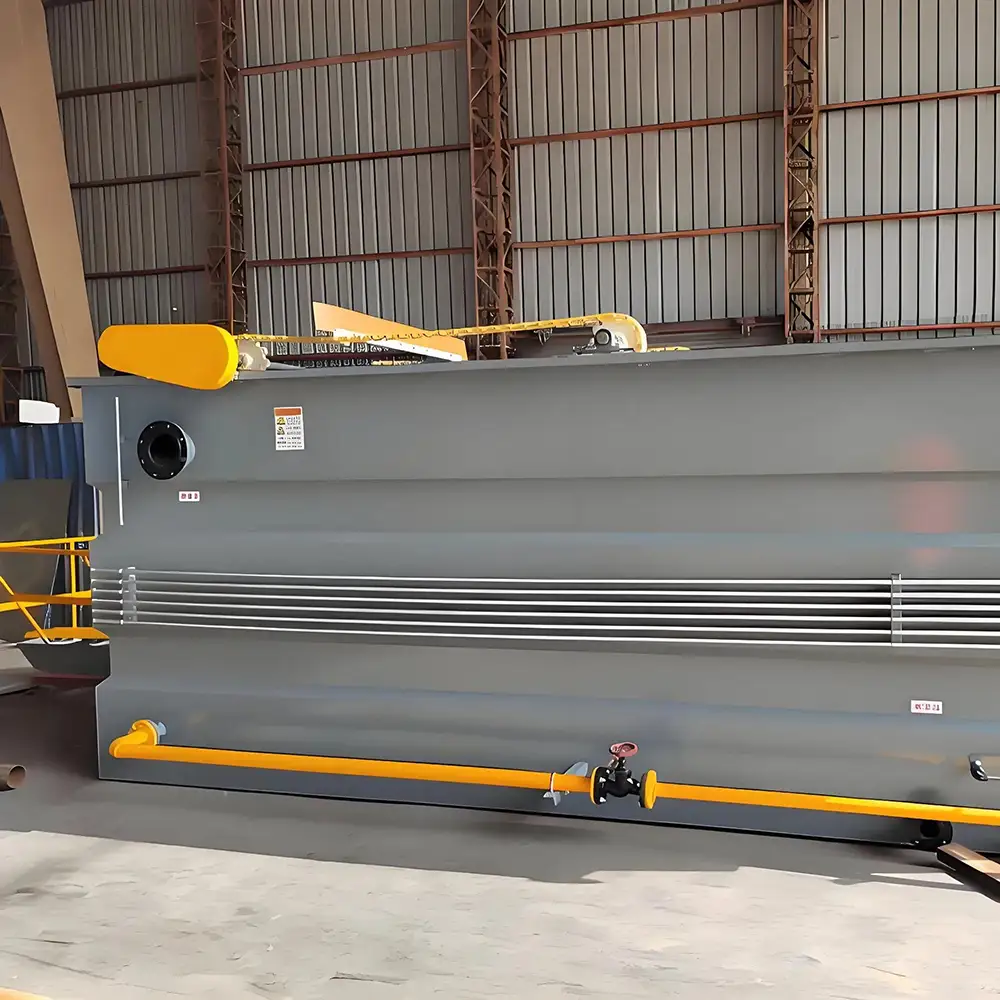
Water Purification Wastewater Treatment Machine Equipment Sewage Treatment Equipment
Water Purification Wastewater Treatment Machine Equipment is a broad treatment solution designed to improve wastewater quality through physical, biological, chemical, membrane, filtration, and disinfection processes. The equipment can be configured for domestic sewage, municipal wastewater, commercial wastewater, selected industrial wastewater, and water reuse applications.
Although water purification and wastewater treatment are closely related, they serve different treatment objectives. Wastewater treatment primarily reduces pollutants before discharge or reuse, while water purification may involve additional processes to produce water suitable for a specific application. EPA explains that wastewater treatment plants remove pollutants from wastewater generated by homes and businesses before treated water is discharged or reused.
The treatment equipment should therefore be selected according to the incoming water quality, treatment target, discharge requirements, and intended final use.
Complete Wastewater Treatment Process
A typical sewage treatment system may combine several treatment stages:
Screening → Grit Removal → Equalization → Biological Treatment → Solid-Liquid Separation → Filtration → Disinfection → Discharge or Reuse
Not every project requires every stage. The final process depends on wastewater characteristics and the required treated-water quality.
Screening removes larger floating materials and protects pumps and downstream equipment. Equalization can help balance variations in flow and pollutant loading. Biological treatment then reduces biodegradable organic pollutants, while clarification or membrane separation removes suspended biomass.
Additional filtration, adsorption, membrane treatment, or advanced oxidation can be incorporated when higher-quality water is required.
Physical Wastewater Treatment
Physical treatment is generally used at the front end of a wastewater treatment plant.
Coarse and fine screens can remove plastics, rags, fibers, packaging materials, and other larger solids. Grit removal may be used to separate sand, gravel, and other dense inorganic particles.
Depending on the wastewater source, additional physical separation equipment may include:
Oil-water separators
Grease traps
Sedimentation tanks
Dissolved Air Flotation systems
Rotary screens
Drum screens
Filter units
Sludge separation equipment
These processes help protect downstream biological and membrane treatment equipment.
EPA's wastewater treatment guidance identifies screening, grit removal, sedimentation, biological processes, and disinfection as common elements of wastewater treatment.
Biological Wastewater Treatment
Biological treatment uses microorganisms to convert biodegradable organic matter into biomass and other products.
Several biological technologies can be integrated into the sewage treatment equipment depending on the application.
MBBR Wastewater Treatment
Moving Bed Biofilm Reactor technology uses mobile carrier media that provide surfaces for microorganisms to grow. MBBR can provide compact biological treatment and can be used for domestic, municipal, and selected industrial wastewater.
SBR Wastewater Treatment
Sequencing Batch Reactor technology performs biological treatment and settling through controlled cycles in a reactor. It can combine several functions within a relatively compact process configuration.
MBR Wastewater Treatment
Membrane Bioreactor systems combine biological treatment with membrane filtration. MBR can provide high-quality solid-liquid separation and is often considered when treated-water quality and limited footprint are important.
Activated Sludge
Conventional activated sludge uses suspended microorganisms to biologically treat wastewater and is widely used in municipal and domestic sewage treatment.
The most suitable technology depends on flow, BOD, COD, TSS, ammonia, nitrogen, temperature, loading variation, and discharge requirements.
Filtration and Water Purification
After biological treatment and solid-liquid separation, additional purification may be required.
Filtration systems can reduce residual suspended solids and improve treated-water clarity. Depending on the required water quality, treatment may include:
Sand filtration
Multimedia filtration
Activated carbon filtration
Ultrafiltration
Microfiltration
Nanofiltration
Reverse Osmosis
Cartridge filtration
EPA identifies filtration and low-pressure membranes such as ultrafiltration and microfiltration among advanced wastewater treatment options, while reverse osmosis and other membrane technologies can address additional dissolved constituents.
For this reason, a wastewater treatment system can be expanded into a water reuse or water purification system when the application requires additional treatment.
Disinfection
Disinfection is normally applied after sufficient treatment and solids reduction.
Common wastewater disinfection options include:
UV Disinfection
Chlorination
Sodium Hypochlorite
Chlorine Dioxide
Ozone
Other approved disinfection technologies
EPA notes that UV, chlorine, and ozone are among the established wastewater disinfection approaches.
The correct disinfection method depends on treated-water quality, flow, contact conditions, microbiological requirements, operating costs, safety considerations, and local regulations.
Domestic and Municipal Sewage Treatment
For domestic sewage, the equipment can be designed to treat wastewater from:
Residential communities
Apartments
Rural villages
Schools
Hotels
Restaurants
Office buildings
Worker accommodation
Small towns
Remote communities
Commercial facilities
Domestic wastewater commonly contains suspended solids, biodegradable organic matter, nutrients, detergents, and microorganisms.
A packaged or integrated sewage treatment plant can combine screening, biological treatment, clarification, filtration, and disinfection into a coordinated system.
For smaller communities, decentralized or packaged wastewater treatment can provide an alternative where centralized sewer infrastructure is unavailable or impractical.
Industrial Wastewater Treatment
Industrial wastewater can vary significantly between industries. Food processing, textile, chemical, pharmaceutical, metalworking, slaughterhouse, aquaculture, and other industries may produce very different wastewater characteristics.
Industrial wastewater treatment may therefore require specialized pretreatment such as:
pH Adjustment
Coagulation and Flocculation
Dissolved Air Flotation
Oil and Grease Separation
Chemical Oxidation
Anaerobic Treatment
Biological Treatment
Membrane Filtration
Activated Carbon
Reverse Osmosis
Sludge Dewatering
A wastewater analysis should be completed before selecting the final treatment process.
Integrated Water Treatment Equipment
The equipment can be supplied as individual treatment units or as a complete integrated system.
A complete system may include:
Wastewater Collection Tank
Screening Equipment
Equalization Tank
Biological Reactor
Clarifier
MBBR Carrier Media
MBR Membrane Module
Filter System
Disinfection Unit
Sludge Treatment Equipment
Pumps and Blowers
Chemical Dosing System
PLC Control Cabinet
Monitoring Instruments
The configuration can be adapted according to capacity, installation area, wastewater characteristics, and required treated-water quality.
Water Reuse Applications
When treated wastewater is intended for reuse, additional purification may be required.
Depending on local regulations and the intended application, treated water may be further processed for applications such as landscape irrigation, toilet flushing, industrial process water, cooling water, or other non-potable uses.
Advanced membrane processes such as UF, NF, and RO can be considered when lower concentrations of suspended solids, microorganisms, dissolved salts, or specific contaminants are required.
Reuse treatment should always be designed according to the actual end-use water-quality criteria.
Operation and Maintenance
Reliable wastewater treatment depends on proper operation and maintenance.
Routine inspection may include:
Pump Operation
Blower Performance
Screen Cleaning
Filter Condition
Membrane Fouling
Sludge Accumulation
Chemical Dosing
Disinfection Equipment
Sensors and Instruments
Electrical Controls
Pipeline and Valve Condition
Automatic controls can reduce routine manual intervention, while online monitoring can help operators identify abnormal operating conditions.
Maintenance requirements vary according to the process configuration and wastewater characteristics.
Why Choose Us?
Complete Treatment Solutions: Physical, biological, filtration, membrane, chemical, and disinfection processes can be combined according to project requirements.
Flexible Equipment Configuration: Systems can be designed for domestic, municipal, commercial, and selected industrial wastewater.
Integrated Design: Multiple treatment stages can be coordinated into a compact treatment system.
Water Reuse Capability: Additional filtration, membrane, and disinfection stages can be incorporated when treated water is intended for reuse.
Multiple Biological Technologies: MBBR, SBR, MBR, activated sludge, and other biological processes can be considered.
Scalable Capacity: Equipment can be configured for small decentralized systems or larger wastewater treatment projects.
Automation Options: Pumps, blowers, valves, sensors, dosing systems, alarms, and PLC controls can be integrated.
Application-Based Engineering: Final equipment selection is based on wastewater characteristics, flow, treatment targets, installation conditions, and applicable discharge or reuse standards.
FAQs
1. What is wastewater treatment equipment?
Wastewater treatment equipment is used to remove or reduce physical, biological, chemical, and other pollutants from sewage or wastewater before discharge or reuse.
2. Is water purification equipment the same as sewage treatment equipment?
Not always. Sewage treatment focuses on wastewater pollutant reduction, while water purification may involve additional treatment to achieve a specific water-quality target.
3. What wastewater can this equipment treat?
It can be configured for domestic sewage, municipal wastewater, commercial wastewater, and selected industrial wastewater.
4. What is the typical sewage treatment process?
A common process includes screening, equalization, biological treatment, solid-liquid separation, filtration, and disinfection. The actual process varies by project.
5. Can MBBR be used in the system?
Yes. MBBR can be integrated as the biological treatment stage when appropriate for the wastewater characteristics and treatment objectives.
6. Can MBR be added for higher-quality treated water?
Yes. MBR combines biological treatment with membrane filtration and can be considered where compact treatment and high-quality solid-liquid separation are required.
7. Can the equipment treat industrial wastewater?
Yes, but industrial wastewater often requires industry-specific pretreatment and process design because pollutant characteristics vary significantly.
8. Can treated wastewater be reused?
Potentially. Additional filtration, membrane treatment, and disinfection may be required depending on the intended reuse application and local requirements.
9. What disinfection methods are available?
Common options include UV, chlorine-based systems, chlorine dioxide, and ozone. The appropriate technology depends on the water quality and application.
10. Does the system require regular maintenance?
Yes. Pumps, blowers, screens, filters, membranes, sludge systems, controls, and disinfection equipment require inspection and maintenance.
11. Can the system be automated?
Yes. PLC control, automatic pumps, blower control, dosing systems, alarms, sensors, and monitoring functions can be integrated.
12. How do I select the right wastewater treatment machine?
The main factors include wastewater source, daily and peak flow, BOD, COD, TSS, ammonia, nitrogen, pH, specific contaminants, discharge standard, reuse target, site conditions, and available installation space.
Prev:
Wastewater Treatment Water Purification Wastewater Treatment Machine Equipment
Next:Sorry, no information
TAG:
UV Wastewater Disinfection,
Industrial Wastewater Treatment Equipment,
Integrated Wastewater Treatment System,
Industrial Wastewater Treatment System,
Biological Wastewater Treatment System,
Dissolved Air Flotation Wastewater Treatment,
Biological Wastewater Treatment Equipment,
Industrial Wastewater Treatment,
Sewage Treatment Plant,
Industrial Sewage Treatment,
Industrial Wastewater Treatment Plant,
Water Purification Equipment,
Wastewater Treatment Equipment,
Integrated Water Treatment System,
Wastewater Treatment Plant,
Sludge Treatment Equipment,
Solid Liquid Separation Equipment,
Wastewater Filtration Equipment,
Wastewater Reuse System,
Wastewater Treatment System,
Water Reuse Treatment Equipment,
Water Filtration Equipment,
Water Purification Machine,
Oil Water Separation Equipment,
Water Treatment Plant,
Water Treatment Equipment,
Water Purification System,
Wastewater Recycling System,
Industrial Water Reuse,
Industrial Sewage Treatment Plant,
Related Category:
Water Purification Equipment,Wastewater Treatment Equipment,Sewage Treatment Equipment,Wastewater Treatment Machine China, suppliers, manufacturers, factory, customized, wholesale, quotation, made in China