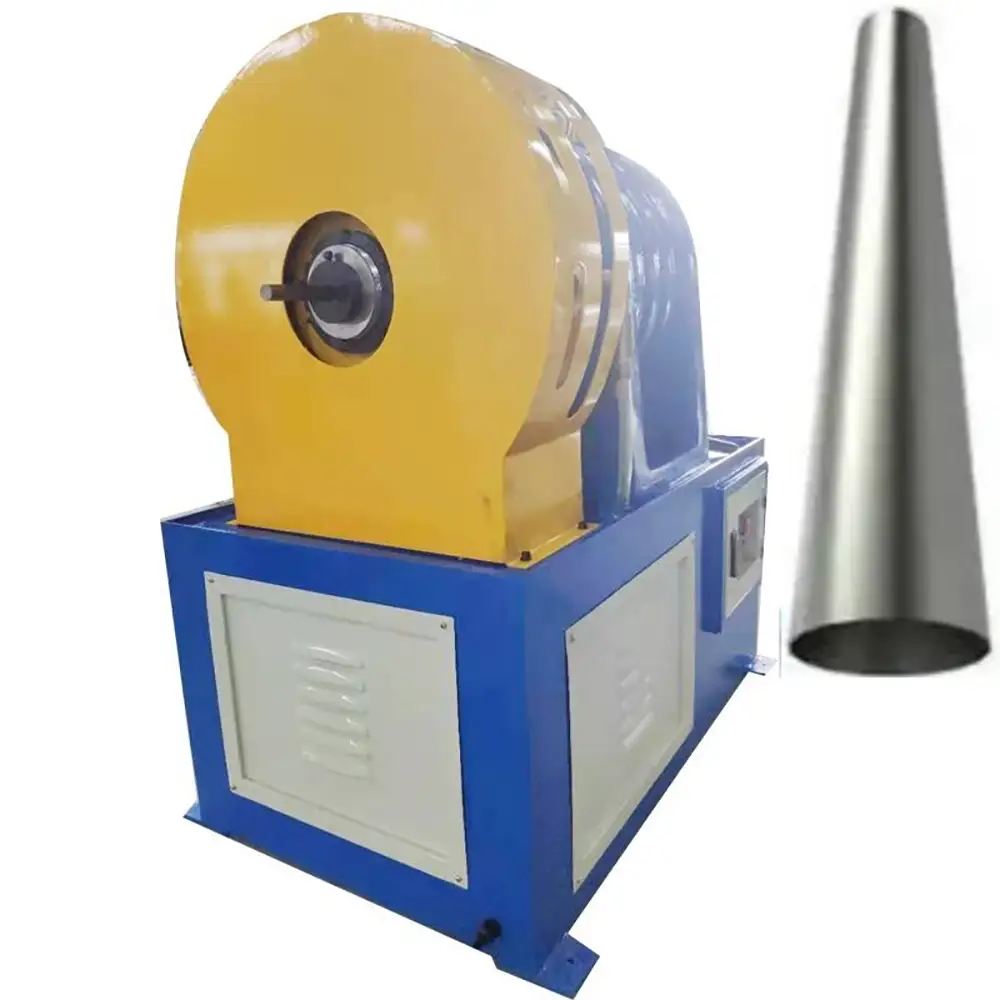
Multifunction Expanding Machine for Exhaust Repair and Tube Pipe End Forming
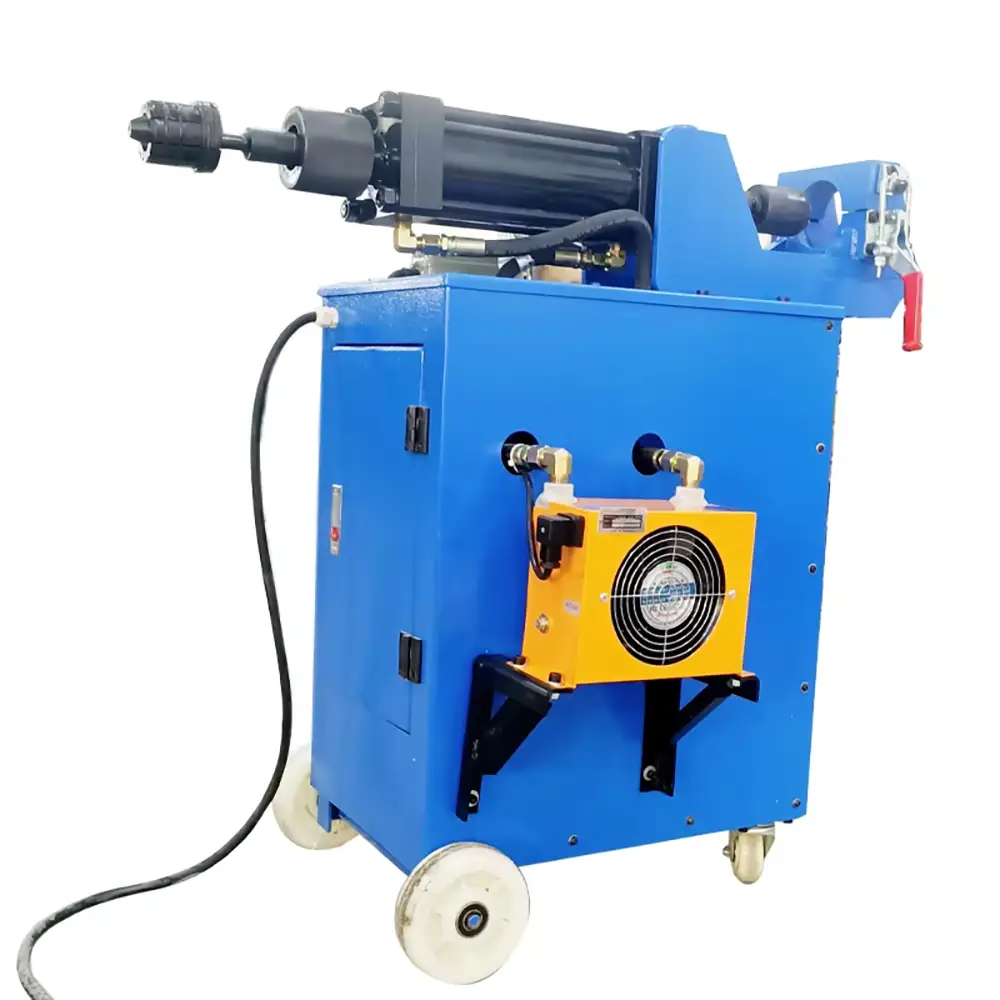
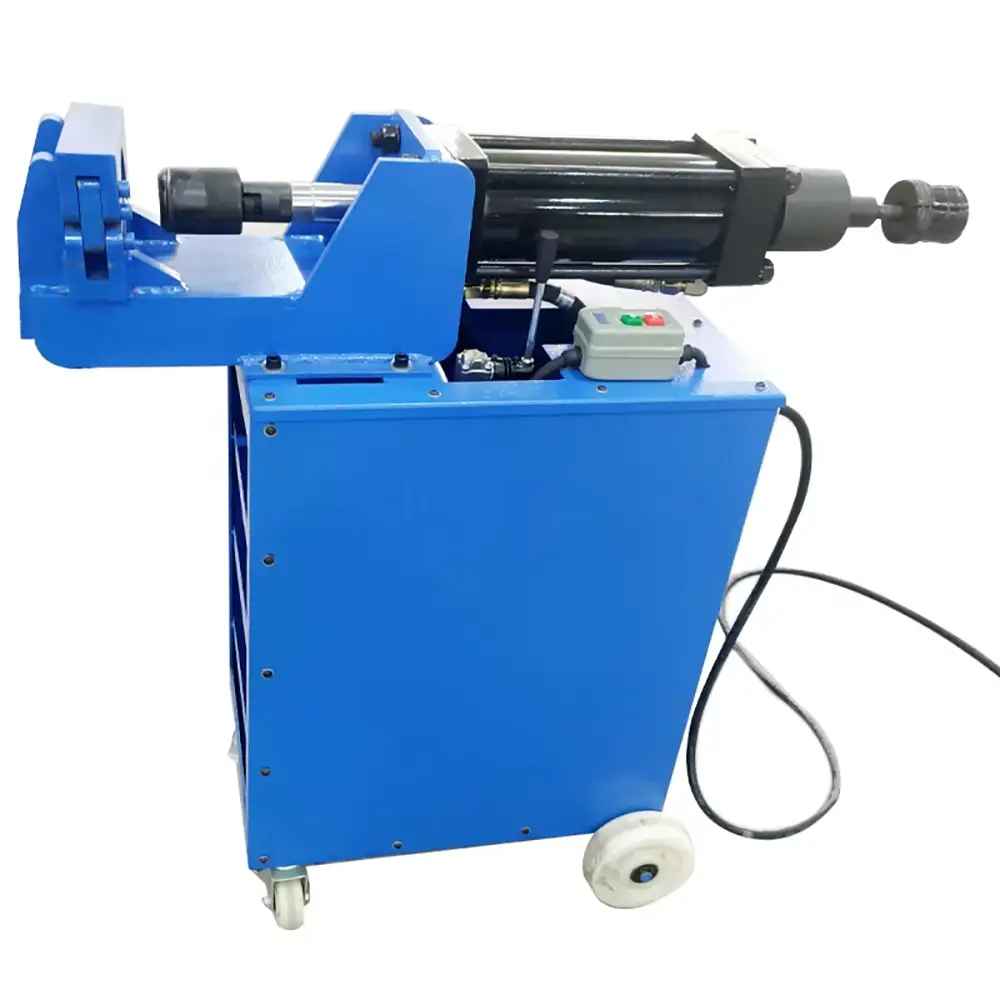
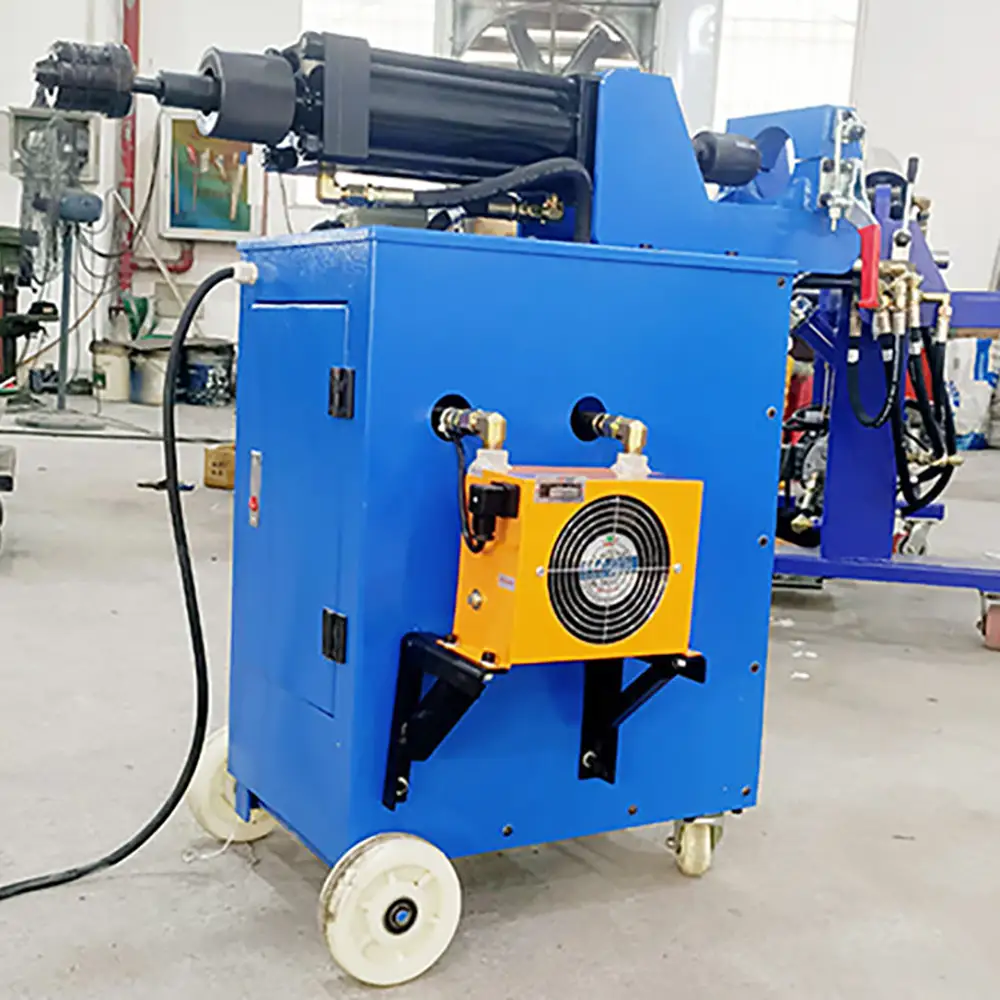
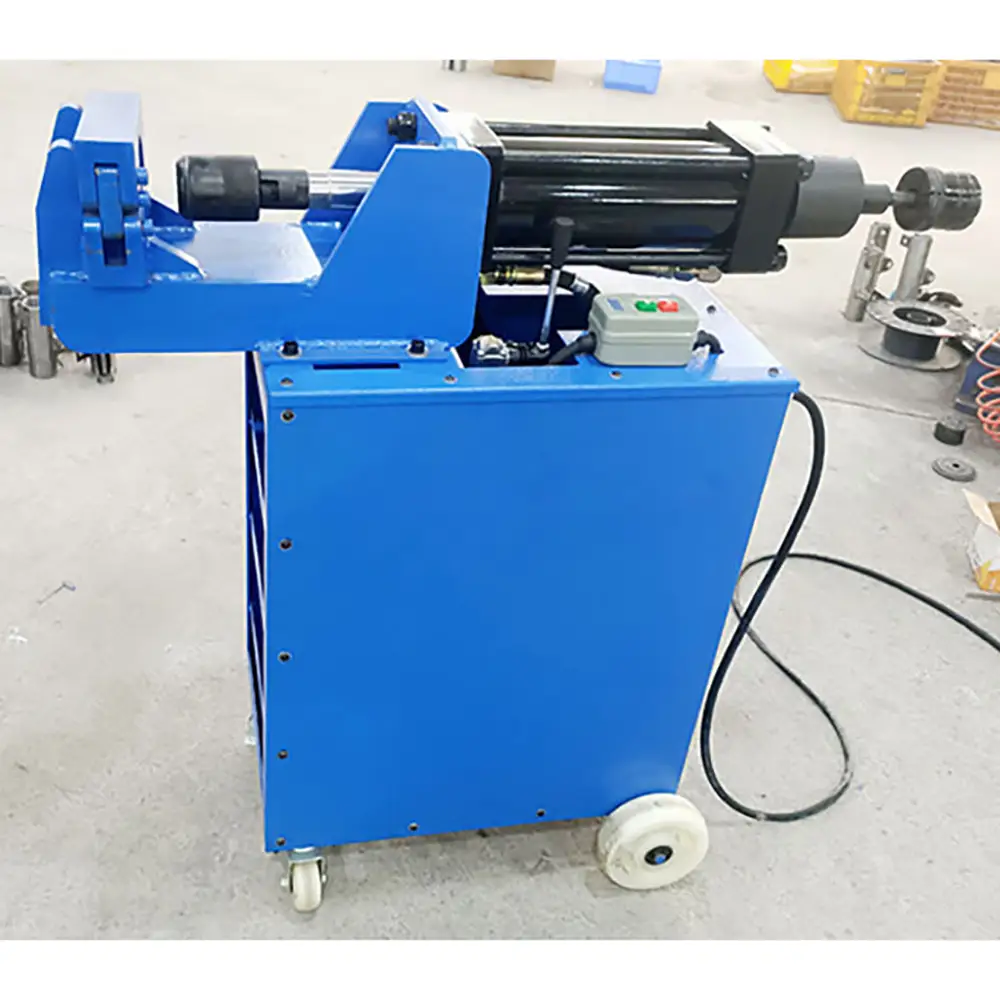
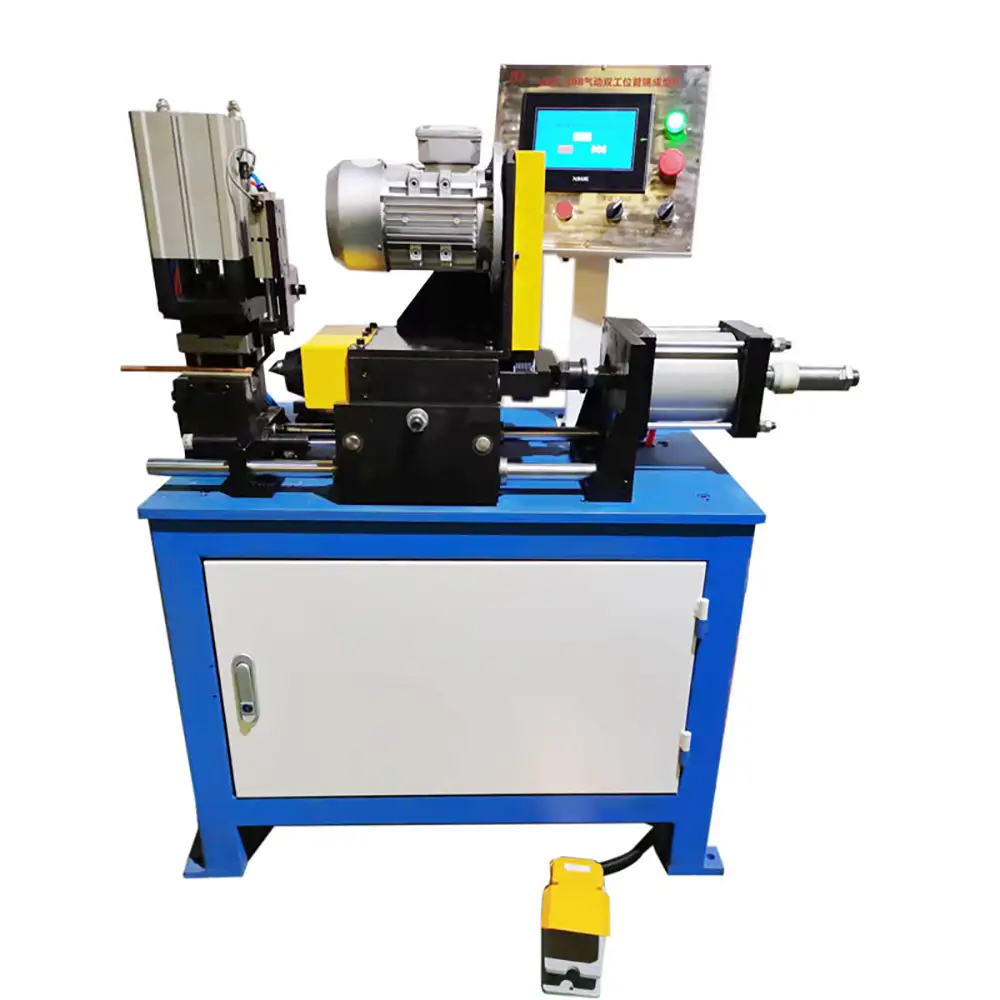
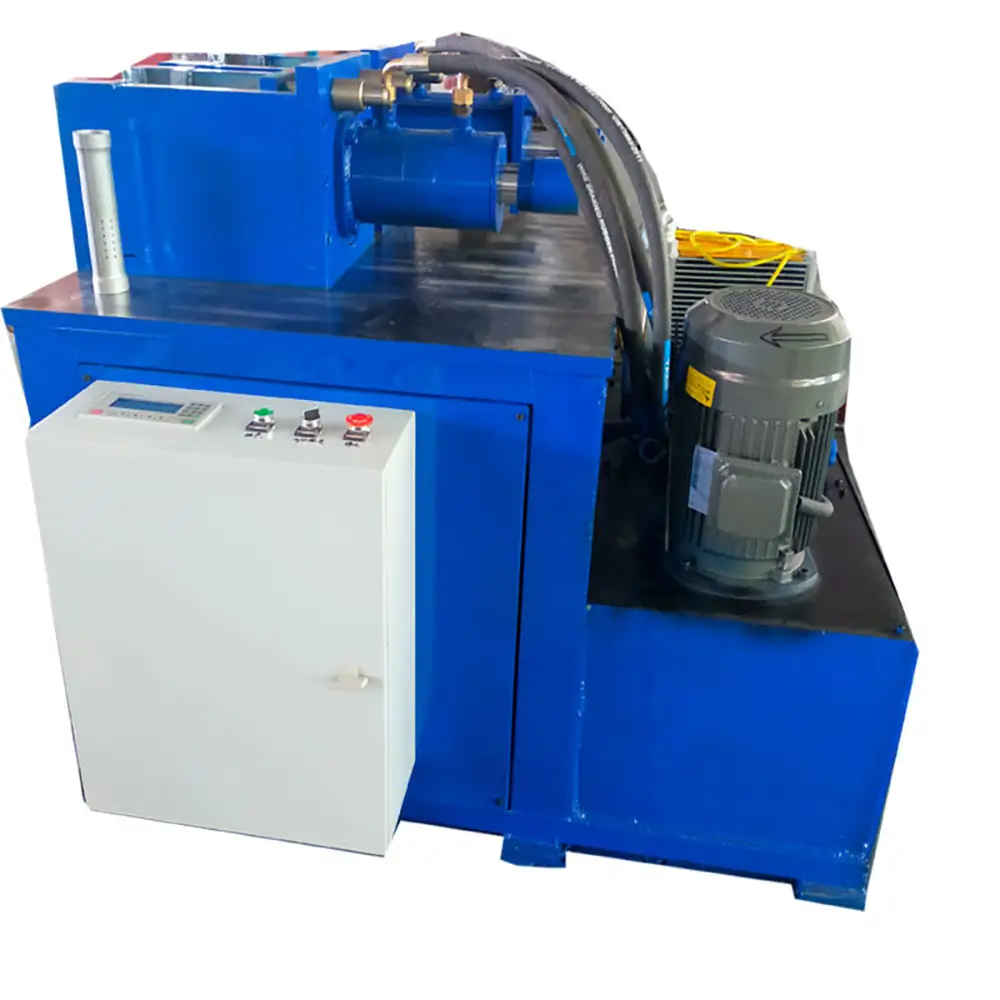
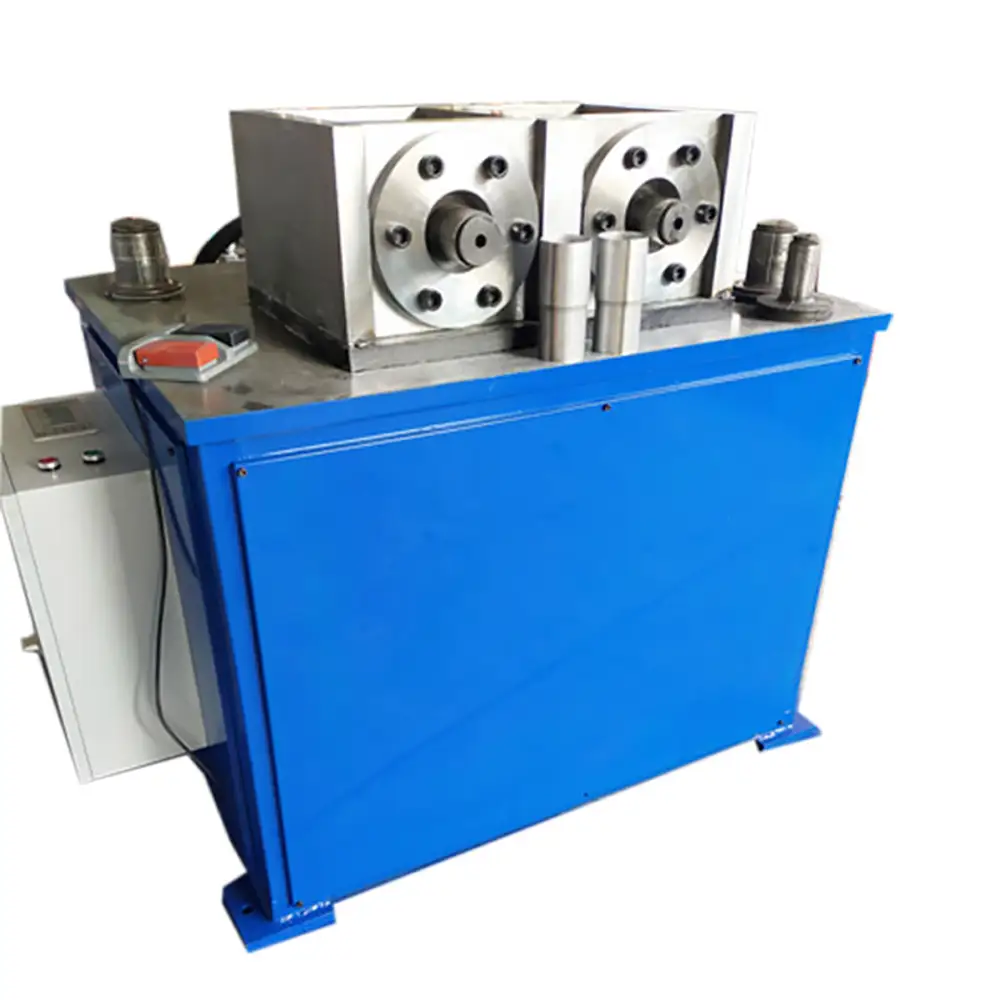
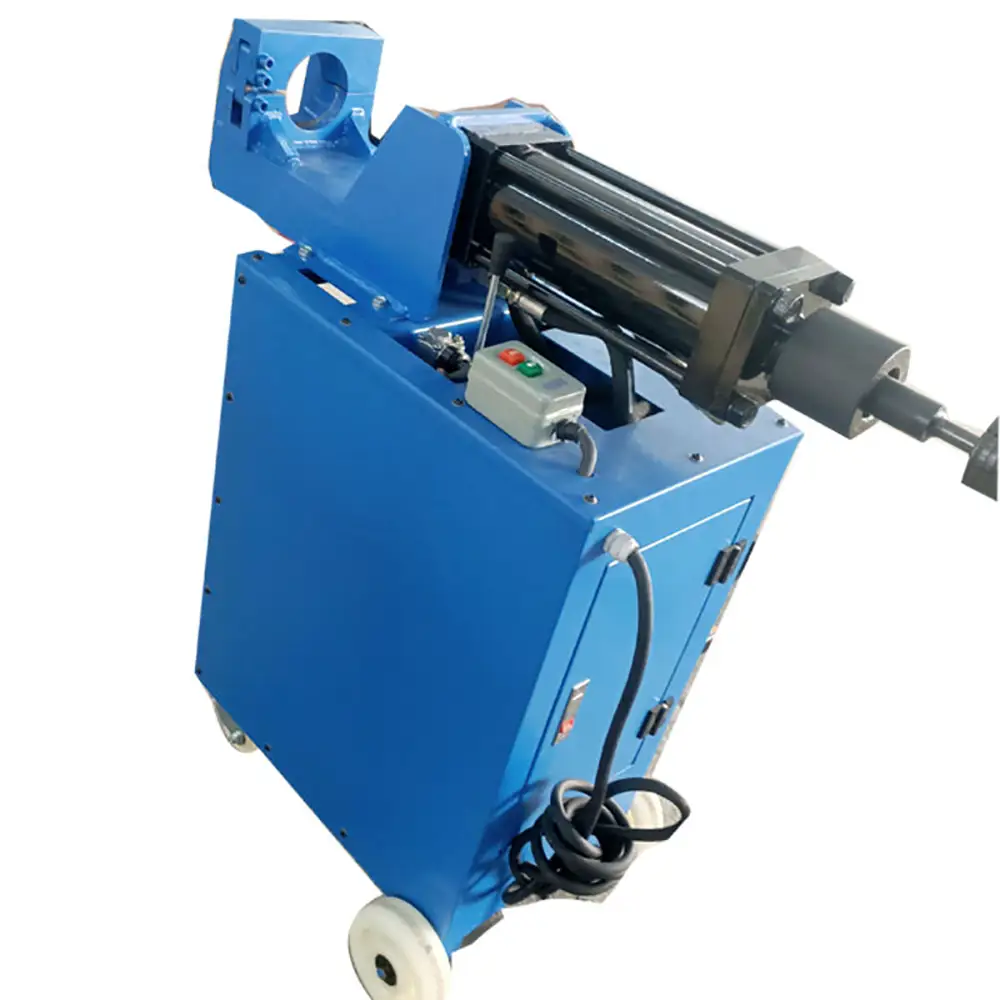
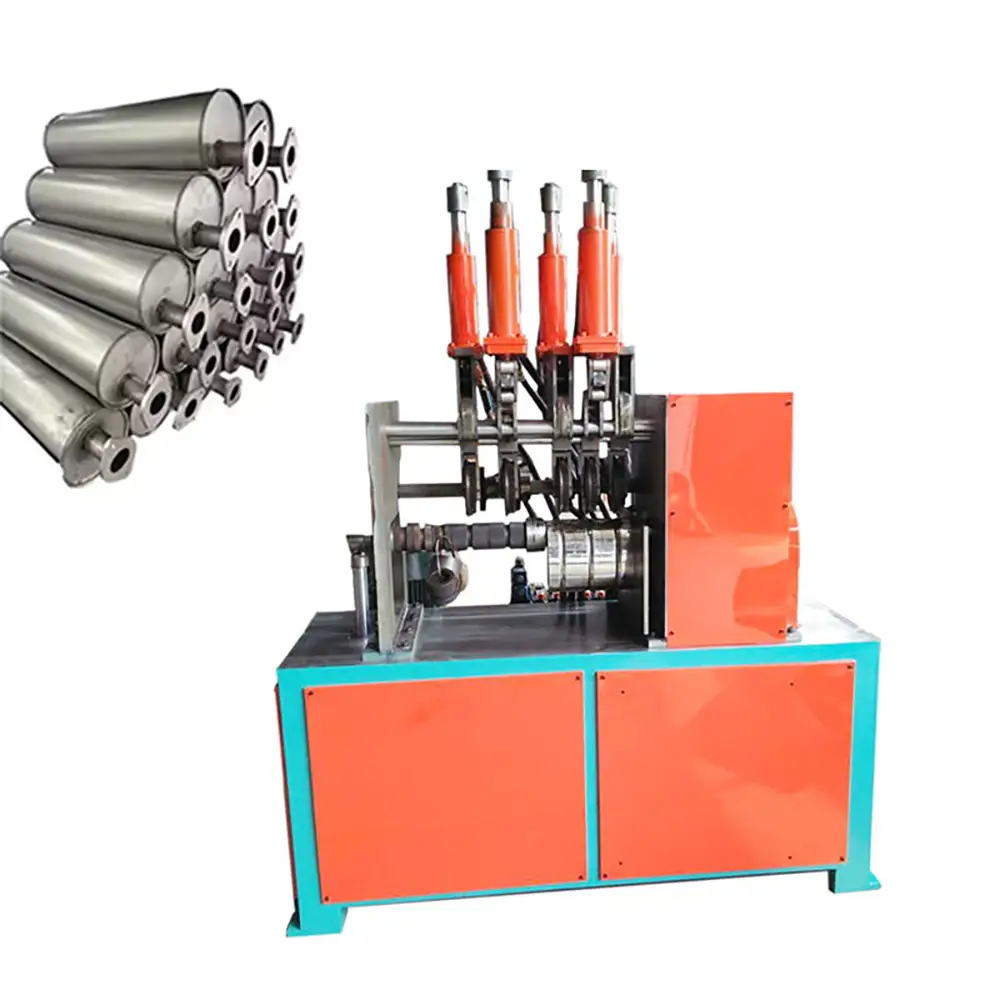
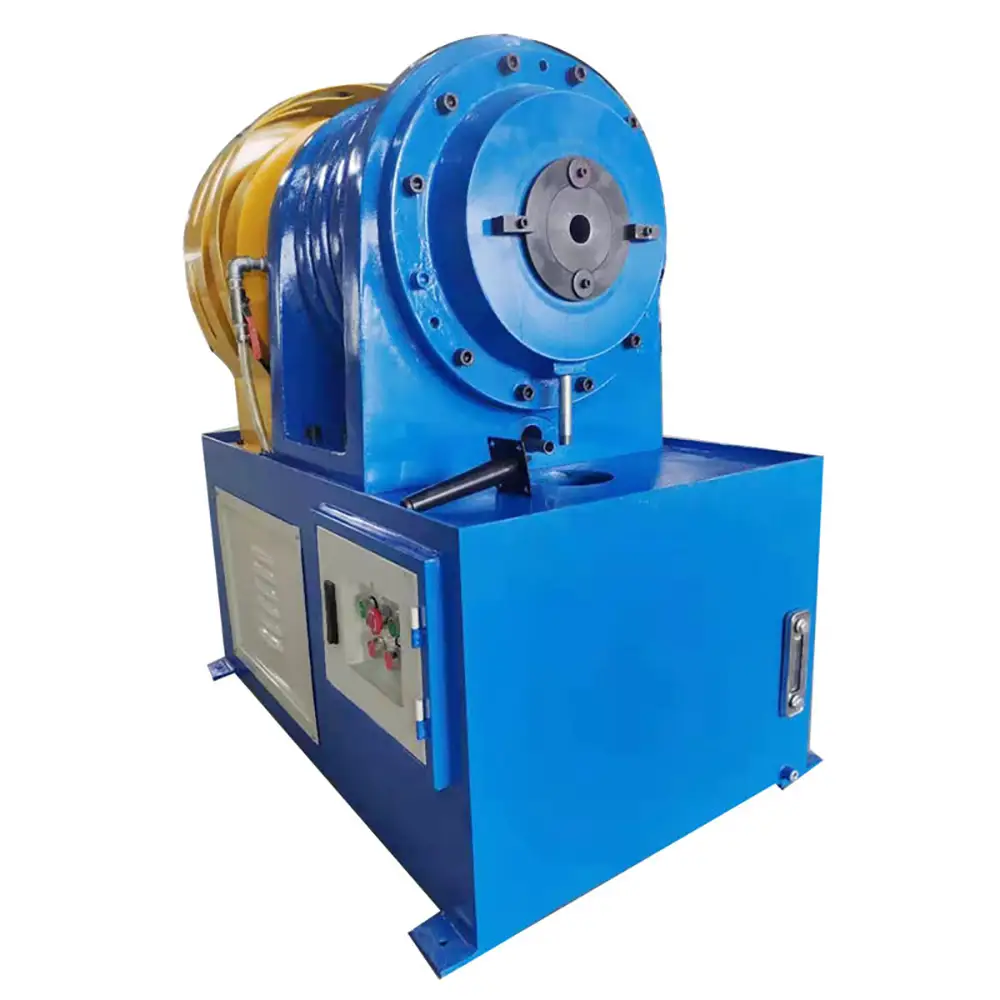
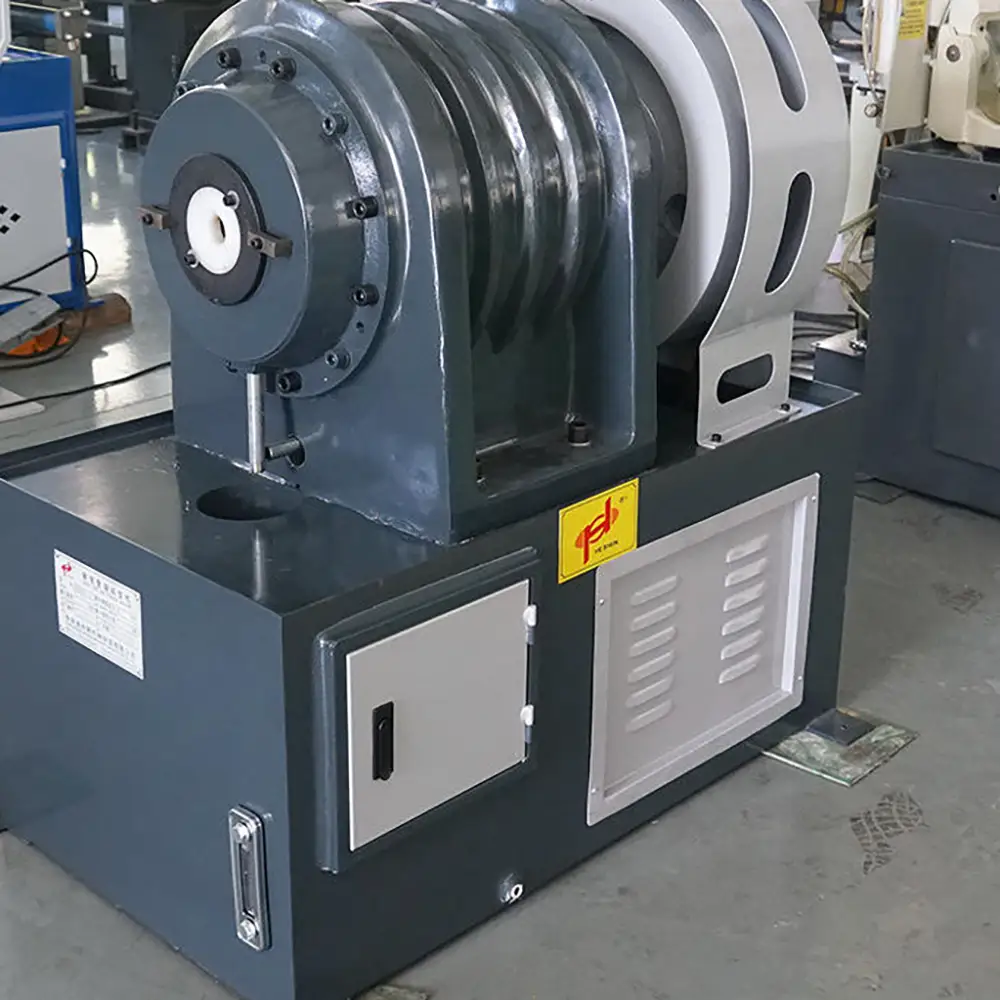
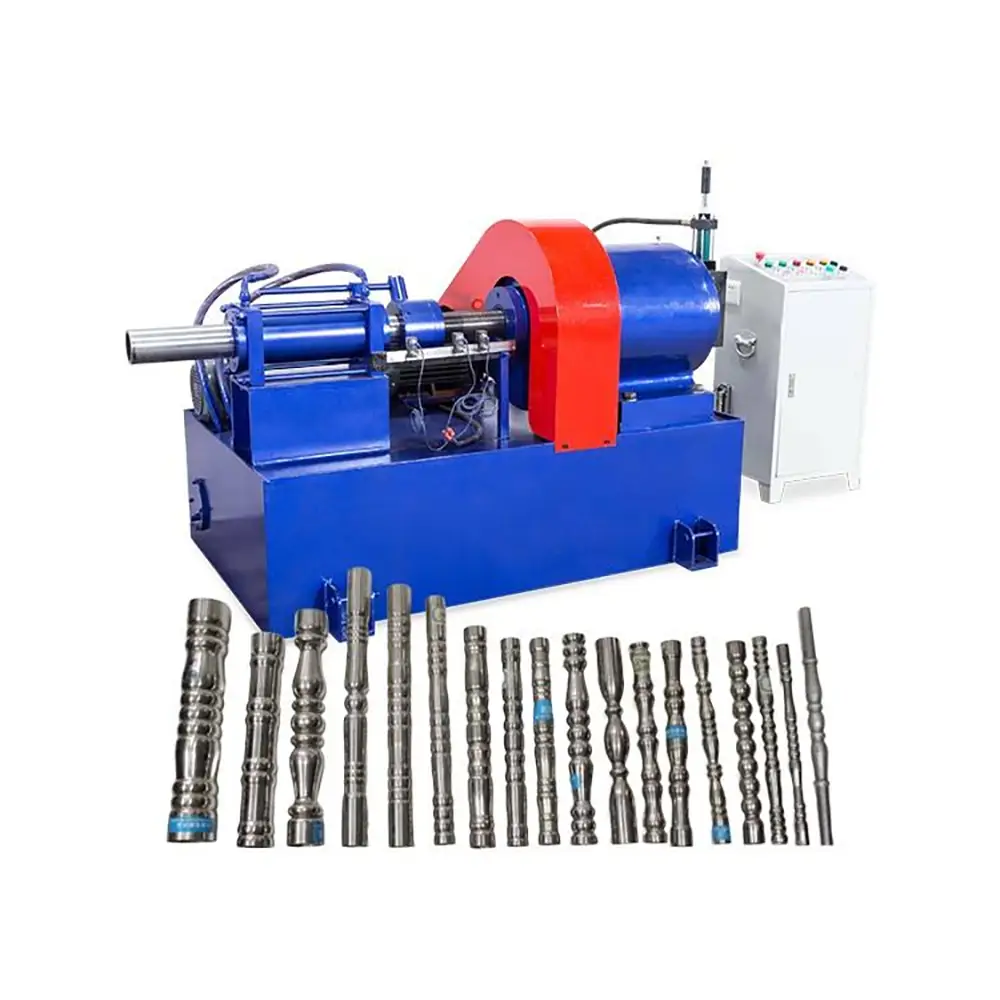
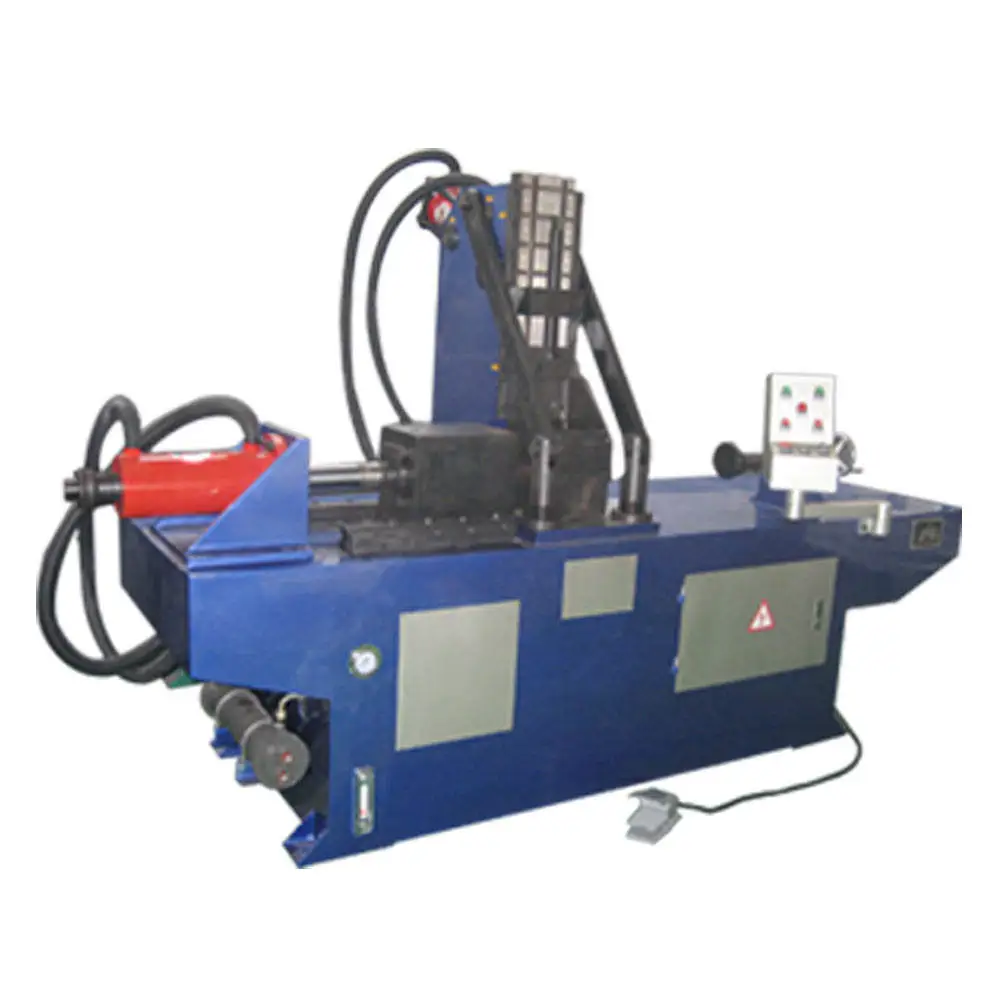
The Multifunction Expanding Machine Exhaust Repair Modify Shop Tube Pipe Expanding Reducing Shrinking Machine Expander is a versatile metal tube processing solution designed for exhaust repair shops,automotive service centers,metal fabrication workshops,and manufacturers that require multiple tube end forming operations in one machine.
The machine is designed to process suitable metal pipes and tubes through operations such as expanding,reducing,and shrinking. These forming processes can modify the diameter or end geometry of a tube to help create suitable connections,transitions,and mating sections.
This multifunction design is particularly useful for exhaust system repair and modification applications,where operators may need to adapt pipes of different diameters or create a suitable connection between existing and replacement exhaust components.
The exact forming capacity depends on the machine structure,tooling,material,pipe diameter,wall thickness,and selected configuration. Customers should provide detailed tube specifications when selecting the appropriate model.
Tube Expanding Operation
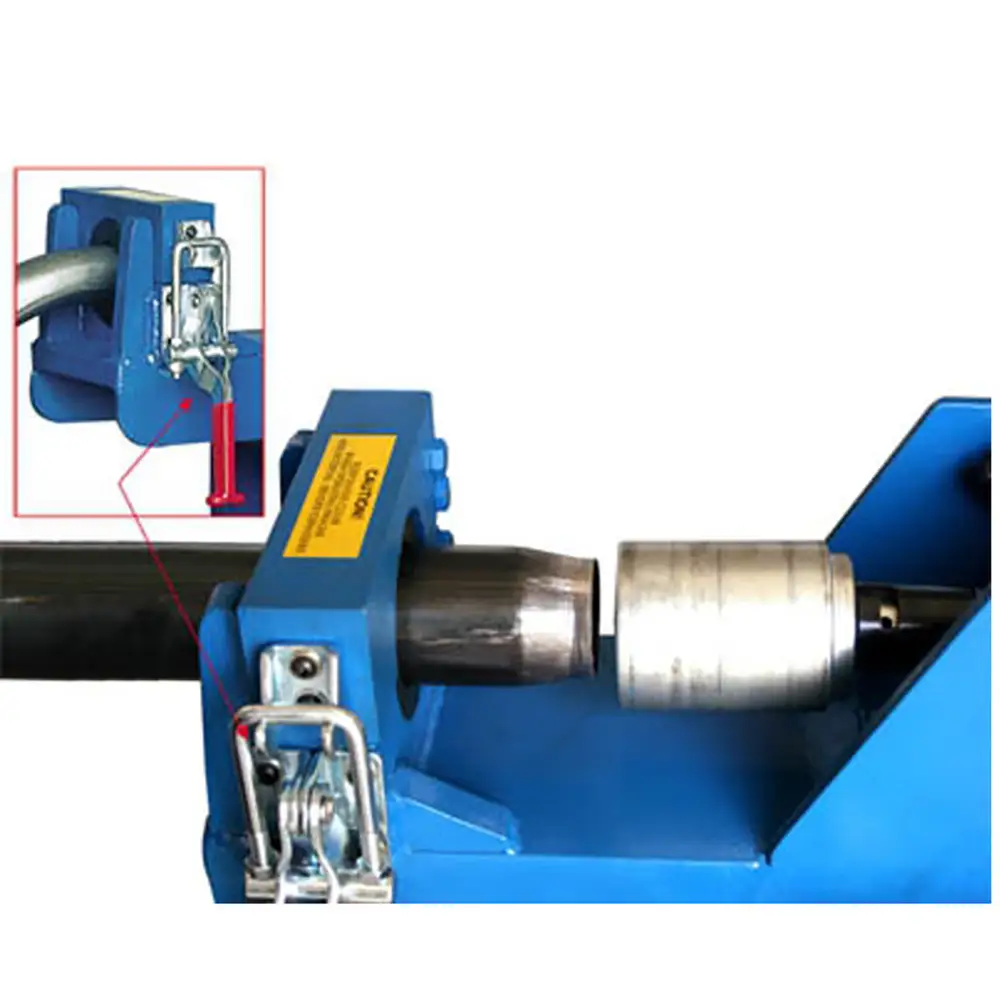
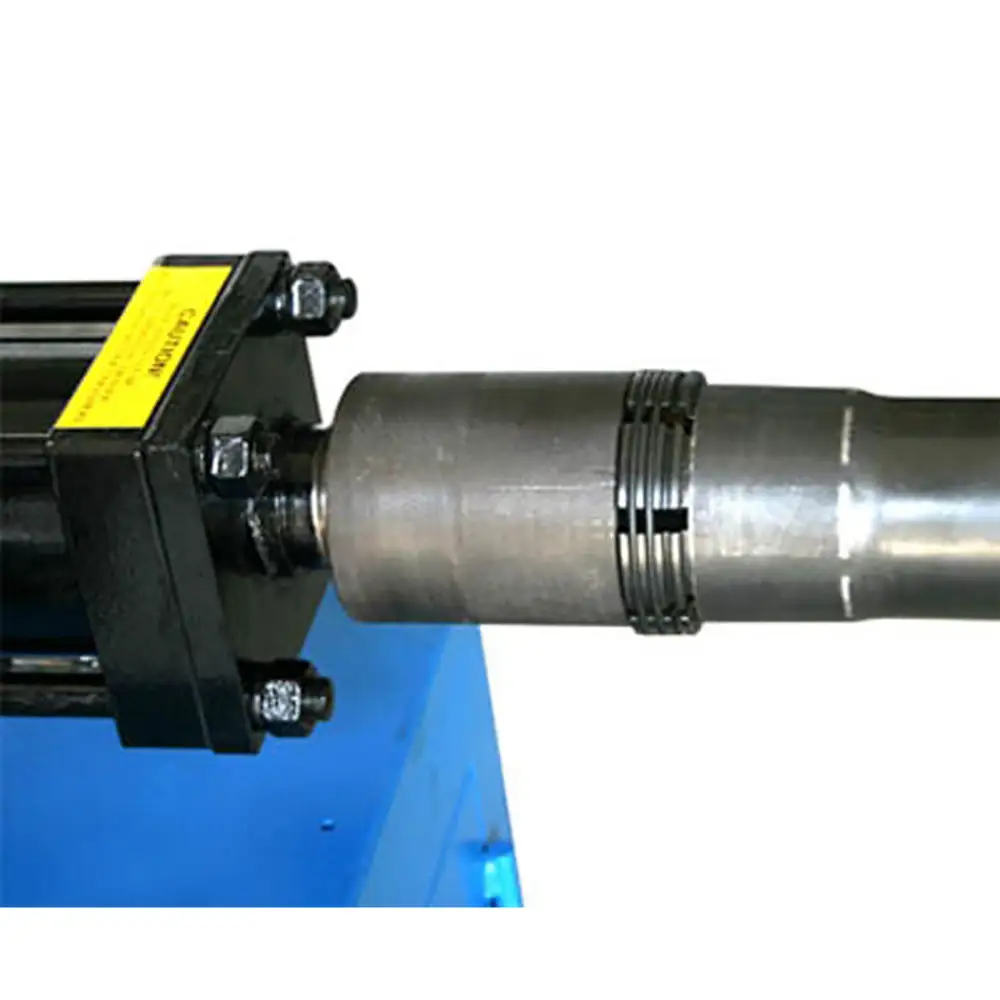
Tube expanding increases the diameter of a selected section of a metal tube. The process is commonly used when one tube needs to fit over another tube or when a larger connection section is required.
In exhaust repair applications,expanding can be useful for adapting replacement pipes,repairing modified exhaust systems,and preparing tube ends for assembly or welding.
The expanding process applies controlled mechanical force to the tube. Depending on the machine design,this may be performed through internal expansion tooling or another forming mechanism.
Proper tooling selection is important because excessive expansion can deform or damage the tube,while insufficient expansion may not provide the required fit.
|
Length |
900mm |
|
Width |
520mm |
|
Height |
1020mm |
|
Cylinder stroke |
190mm |
|
Horse power |
2HP single phase three phase |
Pipe Reducing and Shrinking
Pipe reducing and tube shrinking decrease the diameter of a selected tube section.
These operations can be used to create tapered or reduced tube ends,prepare pipes for insertion into another component,or produce transitions between different tube diameters.
For exhaust fabrication,the ability to reduce or shrink a tube can help manufacturers create custom connections and modify exhaust pipe geometry without replacing an entire assembly.
The final shape depends on the tooling and forming method. Different reduction ratios may require different dies or forming tools.
Exhaust Repair Shop Applications
One of the main applications of this multifunction expanding machine is exhaust repair and modification.
Automotive repair shops often encounter exhaust pipes that need to be joined,adapted,repaired,or modified. A tube expander can provide a practical method for adjusting pipe ends during repair work.
Potential applications include:
Car exhaust pipe repair
Motorcycle exhaust modification
Muffler pipe repair
Exhaust tube expansion
Exhaust pipe reduction
Custom exhaust fabrication
Tailpipe modification
Muffler replacement preparation
Exhaust connection adjustment
Custom exhaust system production
The machine can also be useful for shops producing one-off or customized exhaust systems where standard replacement parts do not provide the required dimensions.
Multifunction Tube Forming
Combining several tube forming functions into one machine can reduce the need for multiple dedicated machines.
Depending on the configuration,the equipment may support expanding,reducing,shrinking,tapering,or other tube end forming operations through interchangeable tooling.
This flexibility can be particularly valuable for repair shops because different jobs may require different tube geometries.
Instead of maintaining separate equipment for every forming operation,a multifunction machine can provide a centralized tube processing solution.
The actual available operations should be confirmed according to the selected machine and tooling package.
Metal Tube and Pipe Materials
The machine can be configured for suitable metal tubes made from different materials.
Typical materials may include:
Carbon steel
Mild steel
Stainless steel
Aluminum
Copper
Galvanized steel
Other compatible metal alloys
Material properties have a direct effect on forming performance. Stainless steel may require different tooling and forming force than mild steel,while aluminum and copper generally have different deformation characteristics.
For exhaust applications,stainless steel and carbon steel are commonly encountered,although the appropriate material range should always be confirmed according to the machine specifications.
Tube Diameter and Wall Thickness
Tube dimensions are important when selecting a pipe expanding or shrinking machine.
Relevant parameters include tube outside diameter,inside diameter,wall thickness,forming length,and required expansion or reduction amount.
Thicker or higher-strength tubes generally require greater forming force and stronger tooling. Thin-wall tubes require careful control to reduce the possibility of buckling,wrinkling,or unwanted deformation.
Customers should provide the minimum and maximum tube diameters,wall thickness range,and required forming geometry when requesting a quotation.
Exhaust System Manufacturing
In addition to repair shops,the machine can be used for exhaust component manufacturing.
Automotive and motorcycle exhaust systems may contain multiple pipes,connections,transition sections,muffler components,and formed tube ends.
Tube expansion and reduction can help prepare these components for assembly,welding,and connection.
The machine may therefore be used in small-batch exhaust manufacturing,custom exhaust fabrication,and aftermarket exhaust production.
Production requirements will determine whether a manual,semi-automatic,or more automated configuration is appropriate.
Workshop Flexibility
A multifunction tube expander can provide flexibility for workshops that process different tube sizes and applications.
Repair technicians may encounter pipes with different diameters,materials,and wall thicknesses throughout the day. Interchangeable tooling can allow the machine to adapt to different jobs within its rated range.
This makes the equipment suitable not only for exhaust repair,but also for general tube fabrication,metalworking,and custom pipe modification.
Potential applications include furniture tube processing,automotive components,machinery fabrication,industrial piping,and general metal tube forming.
Tooling and Dies
Tooling is one of the most important parts of a tube expanding and shrinking machine.
Different tube diameters and forming operations require suitable dies,mandrels,or forming heads. The tooling determines the final geometry and has a direct influence on forming quality.
For example,an expansion tool is designed to enlarge the tube section,while a reduction or shrinking tool is designed to decrease the diameter.
Custom tooling can be developed for specific exhaust pipe dimensions,connection profiles,and production requirements.
Customers can provide drawings,samples,or photographs of the required tube end shape for tooling evaluation.
Production Efficiency
Combining expanding,reducing,and shrinking functions can streamline tube processing.
For repair shops,the machine can reduce the need to move workpieces between different forming stations. For small manufacturers,it can provide a flexible platform for processing different tube products.
Actual production efficiency depends on tube material,diameter,wall thickness,forming amount,tooling changes,operator workflow,and machine configuration.
For repeated production,the use of dedicated tooling and standardized machine settings can help improve consistency between workpieces.
Forming Quality and Accuracy
Tube forming quality depends on several factors,including material properties,tool alignment,forming force,tooling condition,forming speed,and workpiece support.
Proper alignment is particularly important when producing tube ends that must fit together accurately.
Operators should inspect the first formed part and verify the diameter,length,shape,and connection fit before continuing a production batch.
For exhaust systems,the finished tube may also require welding,grinding,polishing,or additional fitting after the forming operation.
Maintenance and Safety
Regular maintenance helps maintain reliable tube forming performance.
Operators should inspect forming dies,mandrels,hydraulic or mechanical drive components,clamping systems,bearings,and electrical components according to the manufacturer's recommendations.
Forming tools should be kept clean and inspected for wear or damage. Worn tooling can affect tube dimensions and surface quality.
During operation,operators should keep hands away from moving tooling and follow appropriate machine safety procedures. Emergency-stop systems,guards,and other protective features depend on the actual machine configuration.
Custom and OEM Solutions
Different exhaust manufacturers and repair shops may require different tube sizes,forming lengths,and end profiles.
The machine can therefore be configured with application-specific tooling and operating systems where appropriate.
OEM and ODM solutions may include customized expansion dies,reduction dies,fixtures,clamping systems,control systems,and other accessories.
For B2B buyers,providing tube material,diameter,wall thickness,required expansion amount,reduction amount,and production volume helps determine the appropriate configuration.
Why Choose Us
Multifunction Tube Processing – Combines expanding,reducing,and shrinking operations for flexible tube end forming.
Exhaust Repair Applications – Suitable for automotive and motorcycle exhaust repair,modification,and custom fabrication.
Flexible Tooling – Different dies and forming tools can be selected for different tube sizes and shapes.
Multi-Material Capability – Can be configured for suitable carbon steel,stainless steel,aluminum,copper,and other metal tubes.
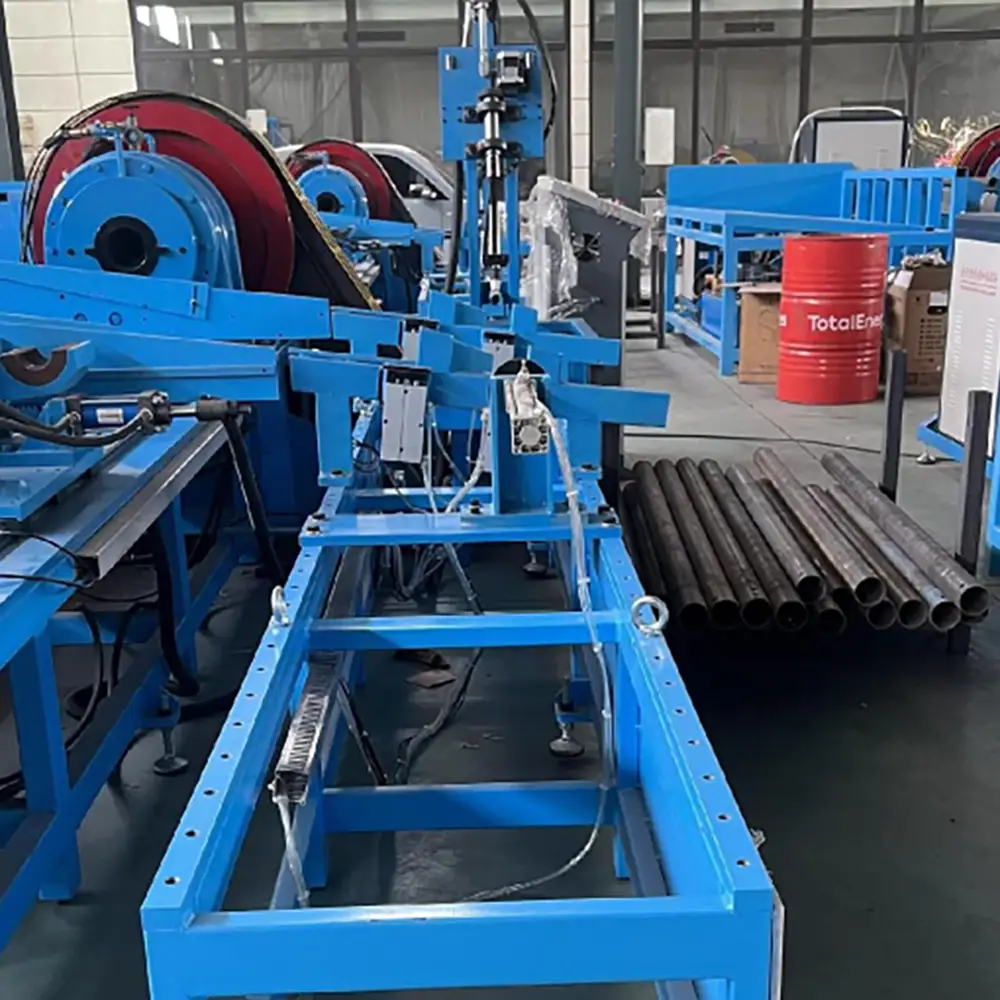
Workshop-Friendly Design – Suitable for repair shops,small manufacturers,custom fabrication businesses,and industrial workshops.
Improved Production Flexibility – Multiple forming operations can be handled with one machine platform.
Custom OEM Tooling – Specialized dies,fixtures,and forming configurations can be developed for customer requirements.
B2B Manufacturing Support – Suitable for manufacturers,distributors,wholesalers,repair businesses,and international machinery buyers.
FAQs
1. What is a multifunction tube expanding machine?
It is a tube forming machine designed to perform multiple operations such as expanding,reducing,and shrinking suitable metal tube ends.
2. Can it be used for exhaust repair?
Yes. It is suitable for many exhaust repair,modification,and custom exhaust fabrication applications within its configured operating range.
3. What does tube expanding do?
Tube expanding increases the diameter of a selected tube section and can help create an overlapping connection or prepare the tube for assembly.
4. What is tube shrinking?
Tube shrinking reduces the diameter of a selected tube section to create a smaller end or transition.
5. Can it reduce exhaust pipe diameter?
Yes,when the machine is equipped with suitable reduction or shrinking tooling for the required pipe dimensions.
6. What materials can it process?
Depending on the configuration,it can process suitable carbon steel,stainless steel,aluminum,copper,galvanized steel,and other compatible metal tubes.
7. Can it process stainless steel exhaust pipes?
Yes,provided the machine capacity and tooling are suitable for the stainless steel grade,diameter,and wall thickness.
8. Can different tube diameters be processed?
Yes. Different tube sizes can generally be processed by using appropriately sized forming tools and dies within the machine's rated range.
9. Can the tooling be customized?
Yes. Custom expansion,reduction,and shrinking dies can be developed for specific tube diameters and end profiles.
10. Is it suitable for a small exhaust repair shop?
Yes. Its multifunction design can be useful for repair shops that need to perform different tube forming operations without purchasing several dedicated machines.
11. What affects tube forming quality?
Material type,wall thickness,tube diameter,tooling,forming force,tool alignment,forming speed,and workpiece support all affect the finished result.
12. What information should I provide for a quotation?
Provide tube material,outside diameter,wall thickness,required expansion and reduction dimensions,forming length,application,and production volume. Drawings or samples are also helpful.
Prev:
Semi-automatic Pneumatic Rotary Tube Expander Flared Opening Expander Pipe End Froming Machine
Next:
Electric Pipe Expander Portable Tube Expanding Machine for Condenser Heater
TAG:
Exhaust Tube Expanding Machine,
Copper Tube Expanding Machine,
Aluminum Tube Expanding Machine,
Metal Pipe Forming Machine,
Metal Tube Forming Machine,
Stainless Steel Tube Expanding Machine,
Pipe Tapering Machine,
Pipe End Reducing Machine,
Tube Swaging Machine,
Pipe Swaging Machine,
Tube Tapering Machine,
Tube End Reducing Machine,
Pipe Reducing Machine,
Pipe End Expanding Machine,
Pipe Shrinking Machine,
Tube Shrinking Machine,
Pipe Expanding And Shrinking Machine,
Tube Expanding And Shrinking Machine,
Tube Reducing Machine,
Tube End Shrinking Machine,
Pipe End Shrinking Machine,
Tube End Forming Machine,
Pipe End Forming Machine,
Tube End Expanding Machine,
Pipe Expanding Machine,
Hydraulic Tube End Forming Machine,
Tube Expanding Machine,
Metal Tube Processing Machine,
Pipe Processing Machine,
Tube Processing Machine,
Related Category:
Multifunction Expanding Machine,Exhaust Repair Shop Expanding Machine,Tube Expanding Machine,Pipe Expanding Machine China, suppliers, manufacturers, factory, customized, wholesale, quotation, made in China