|
Model |
LX15 |
|
Power |
0.75KW |
|
Processing thickness |
1.2mm |
|
Weight |
120KG |
|
Overall Dimension |
860*520*1050 |
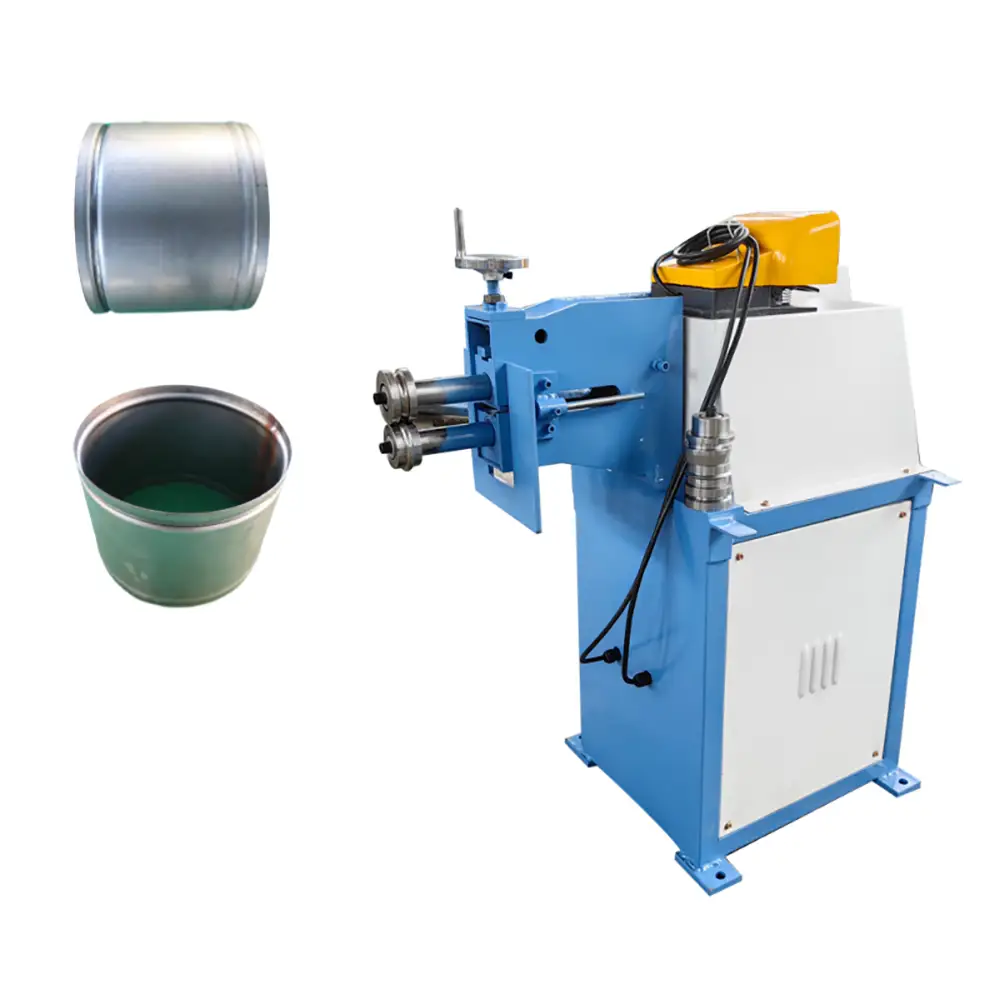
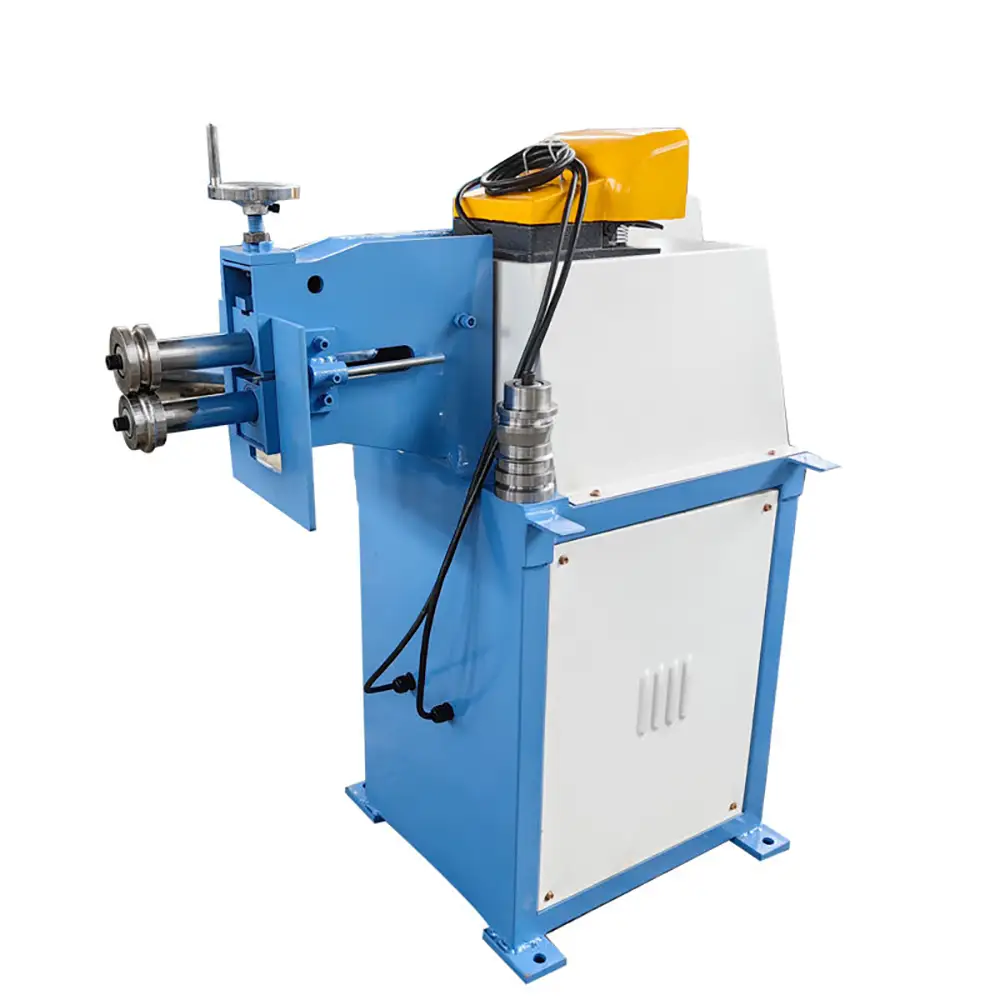
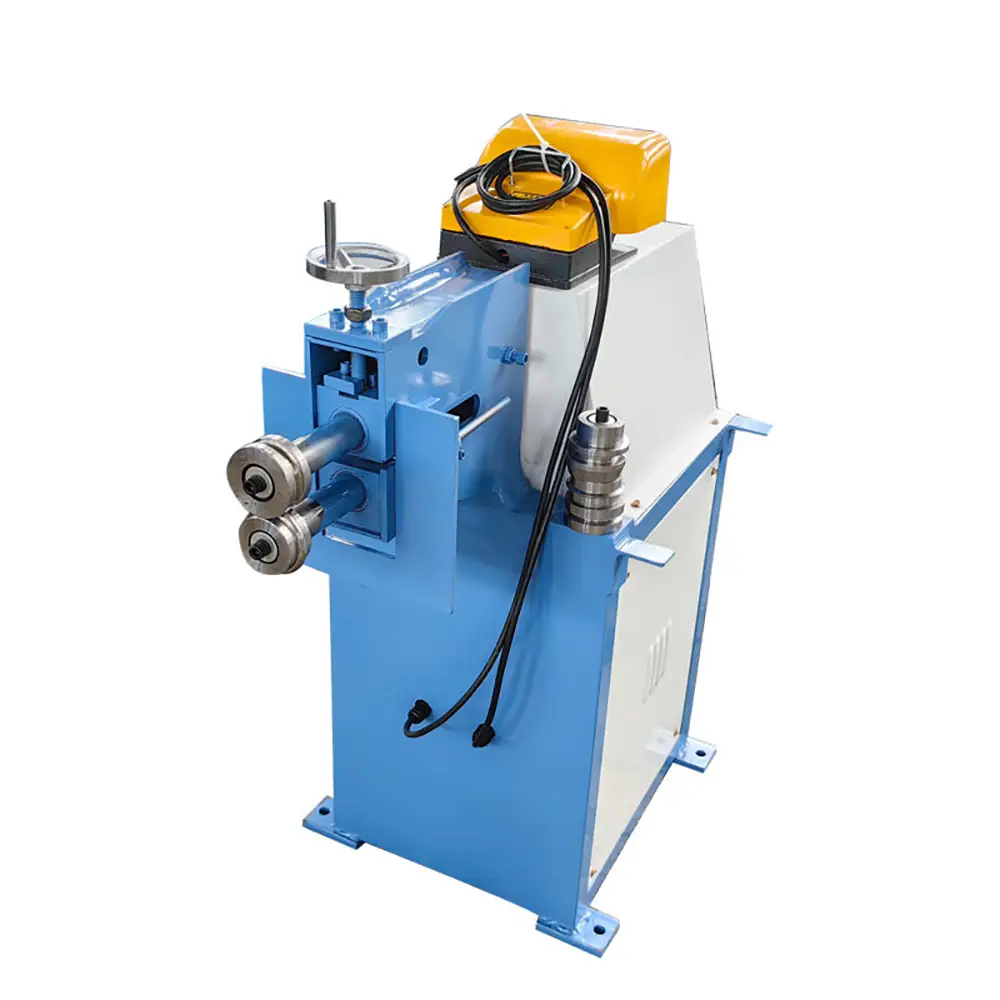
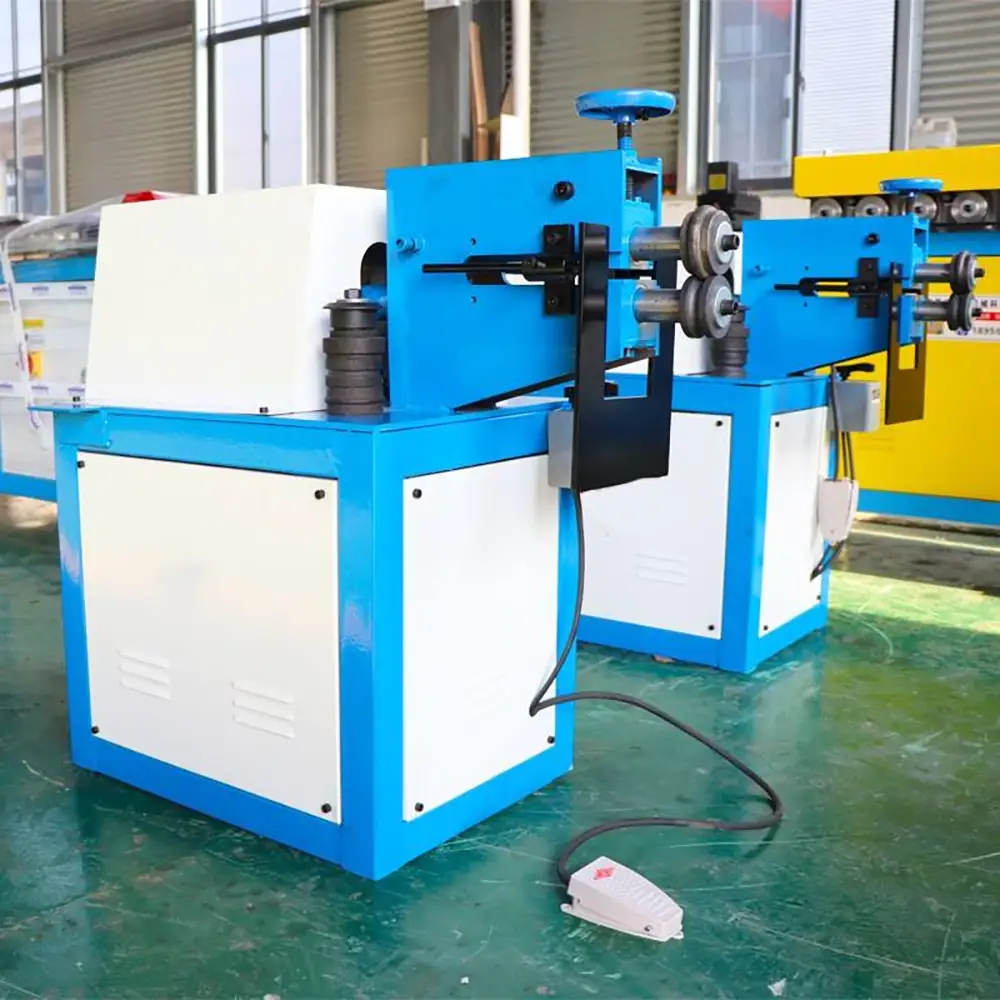
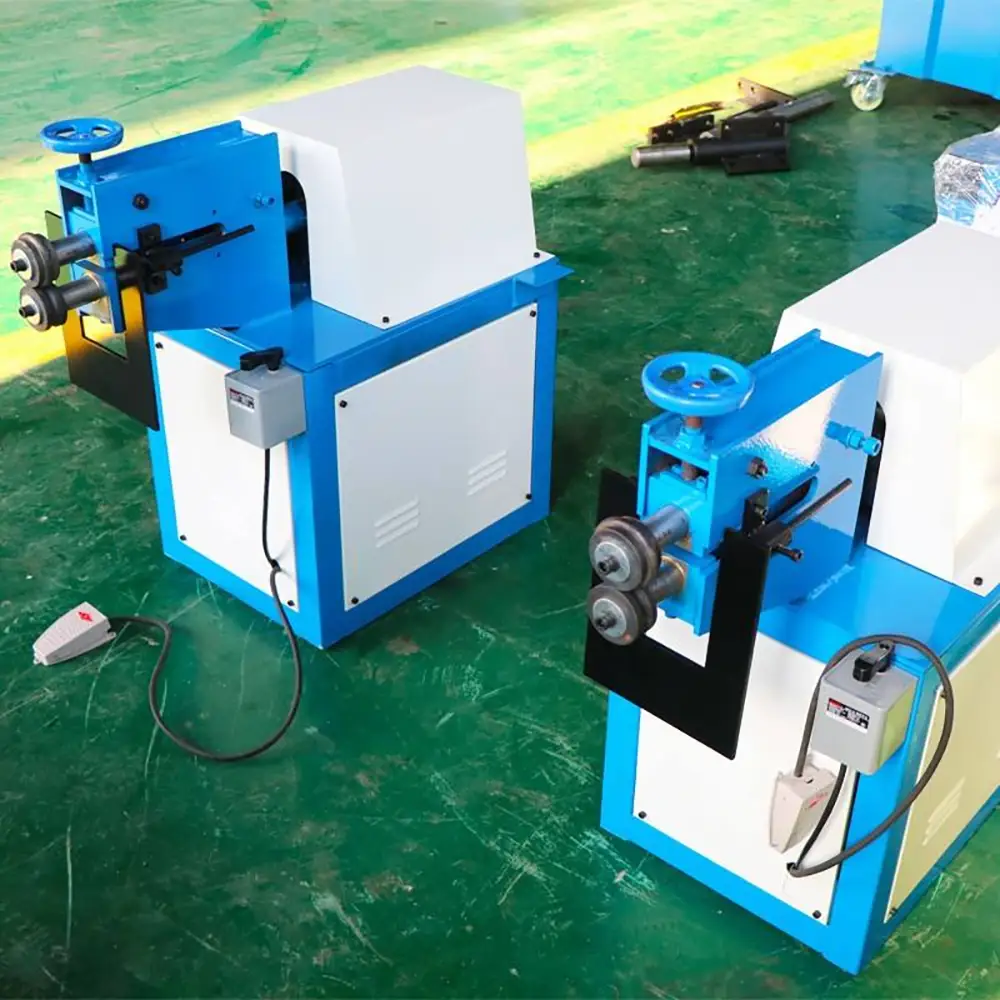
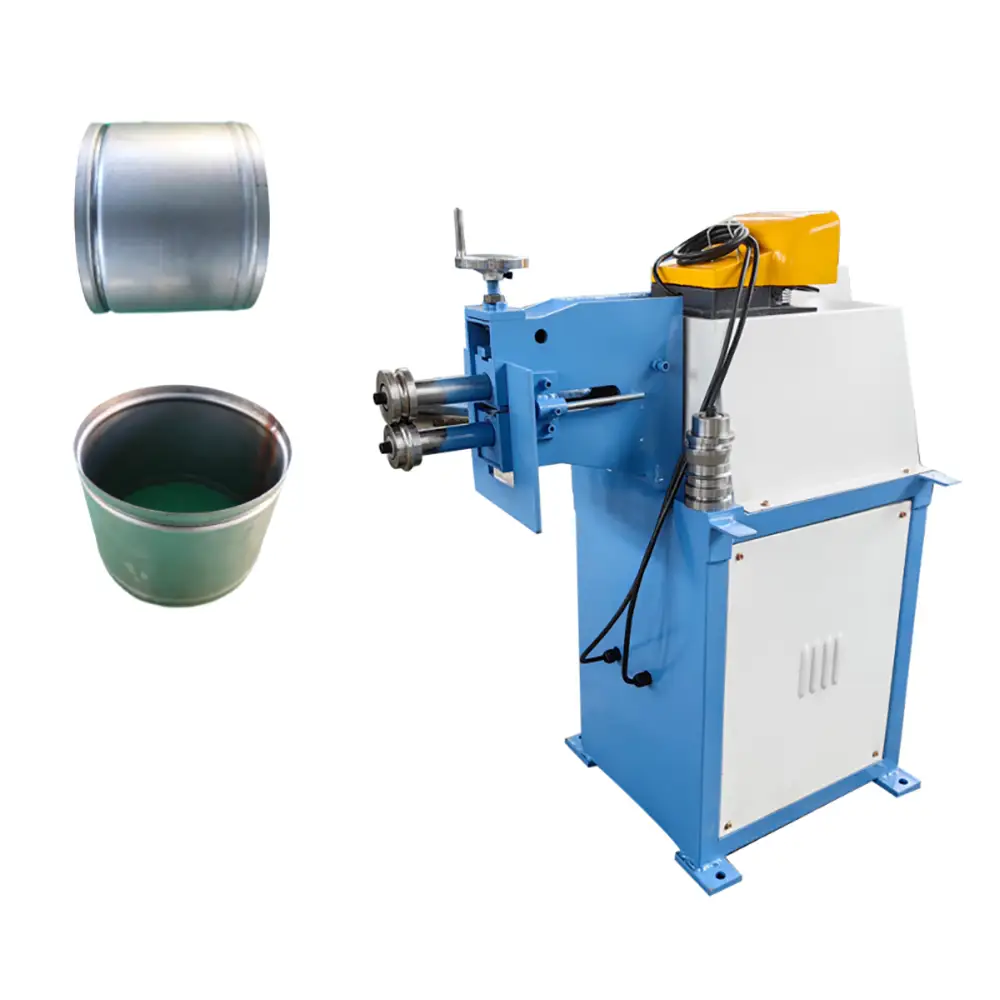
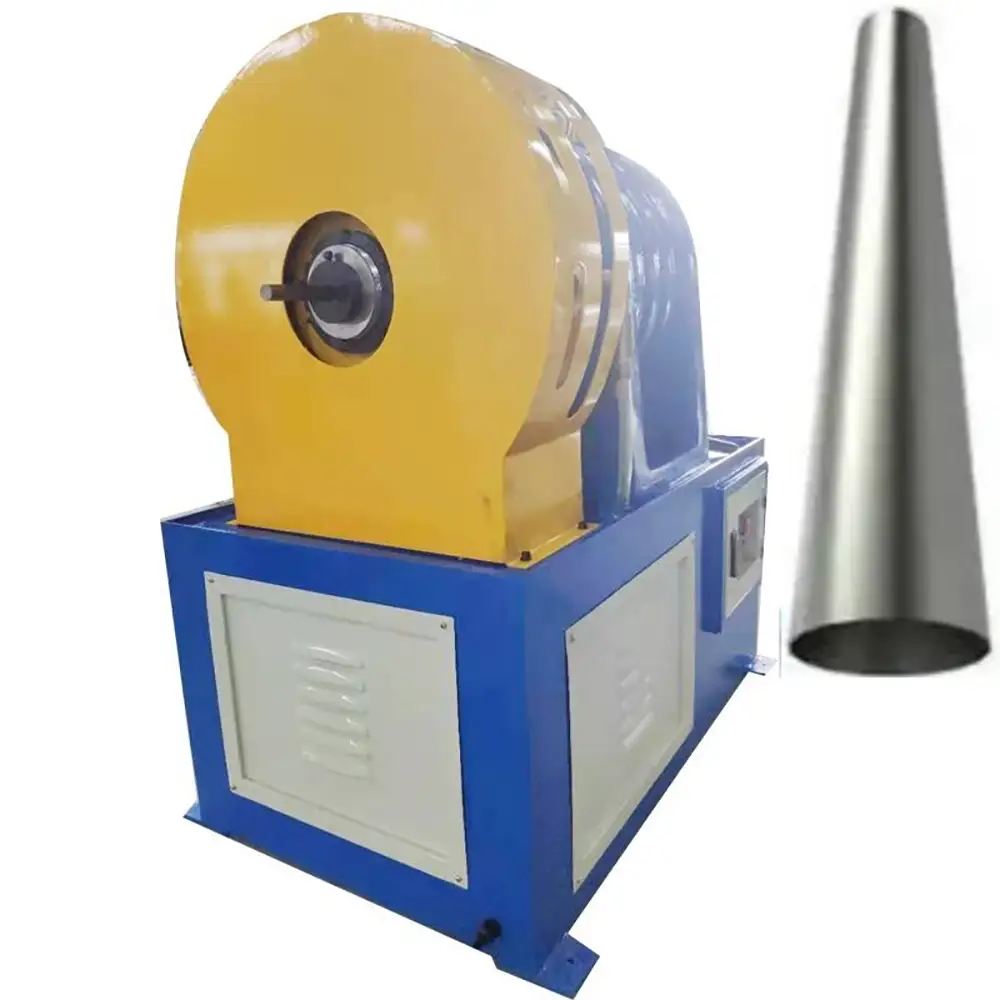
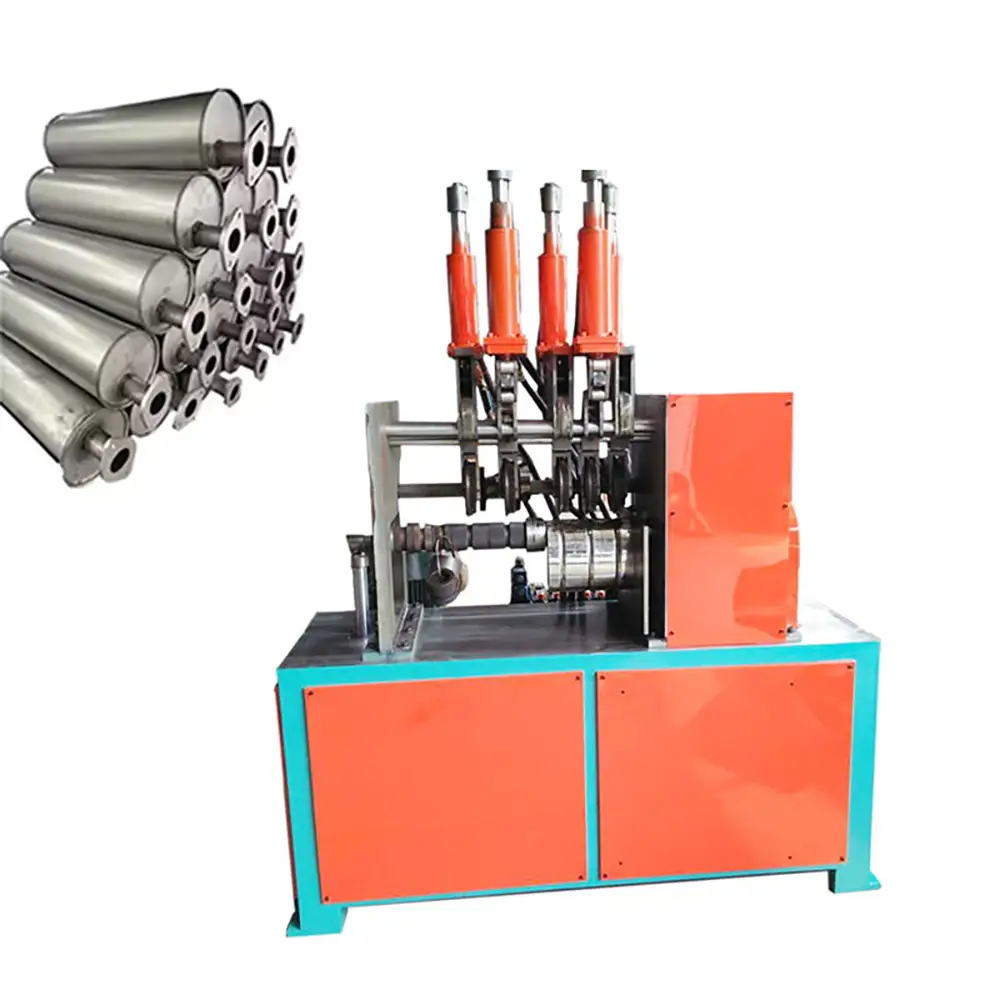
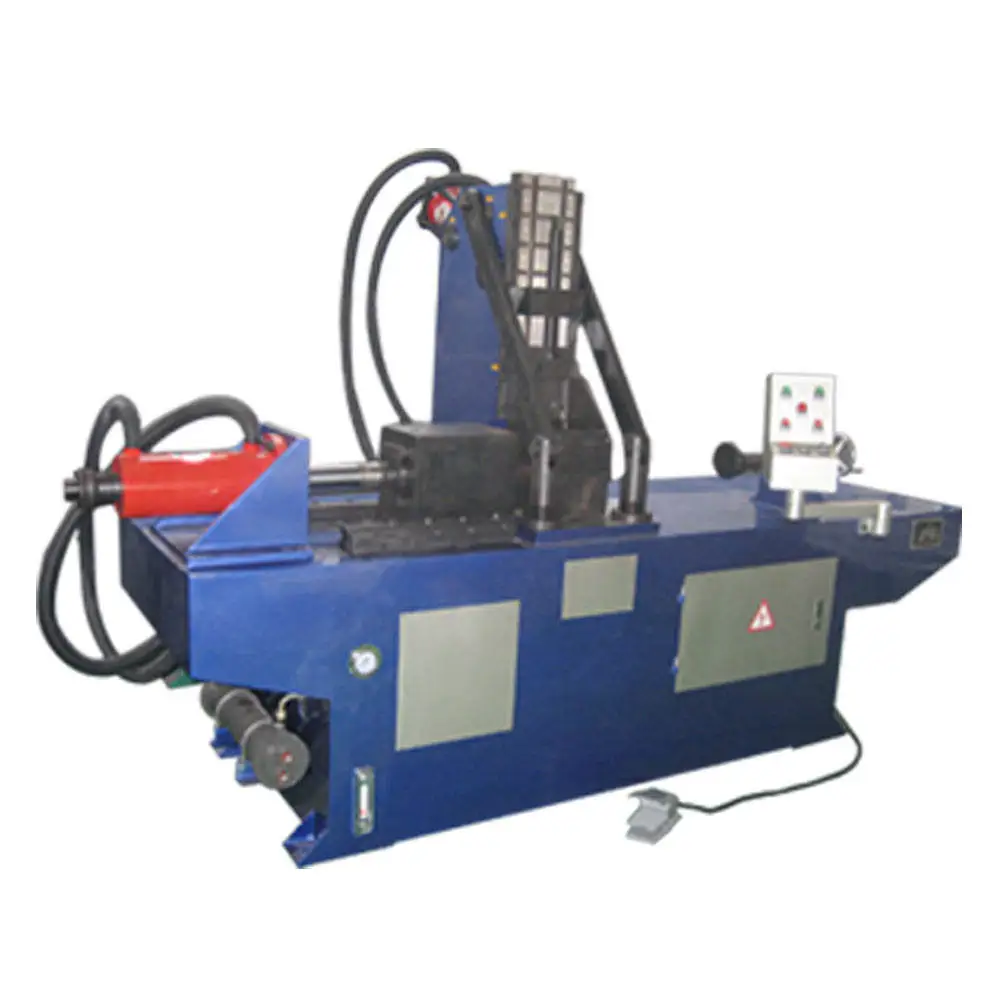
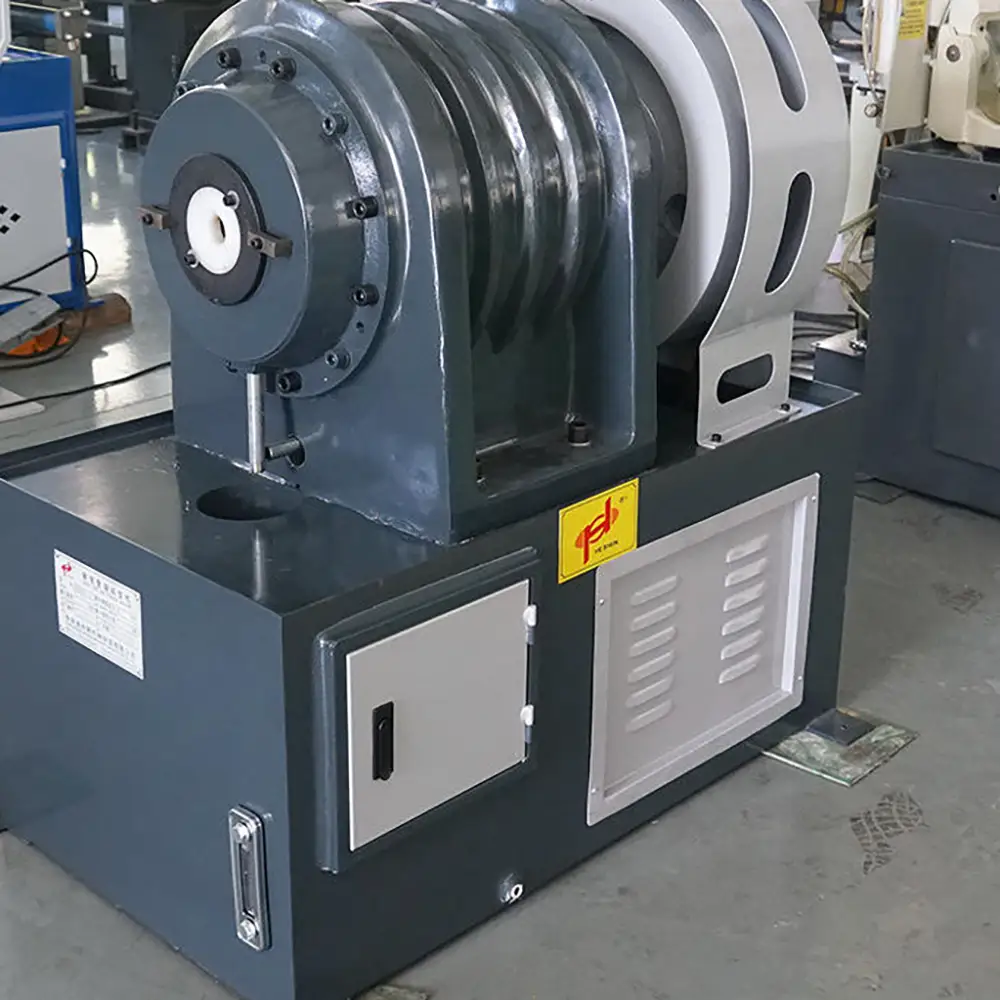
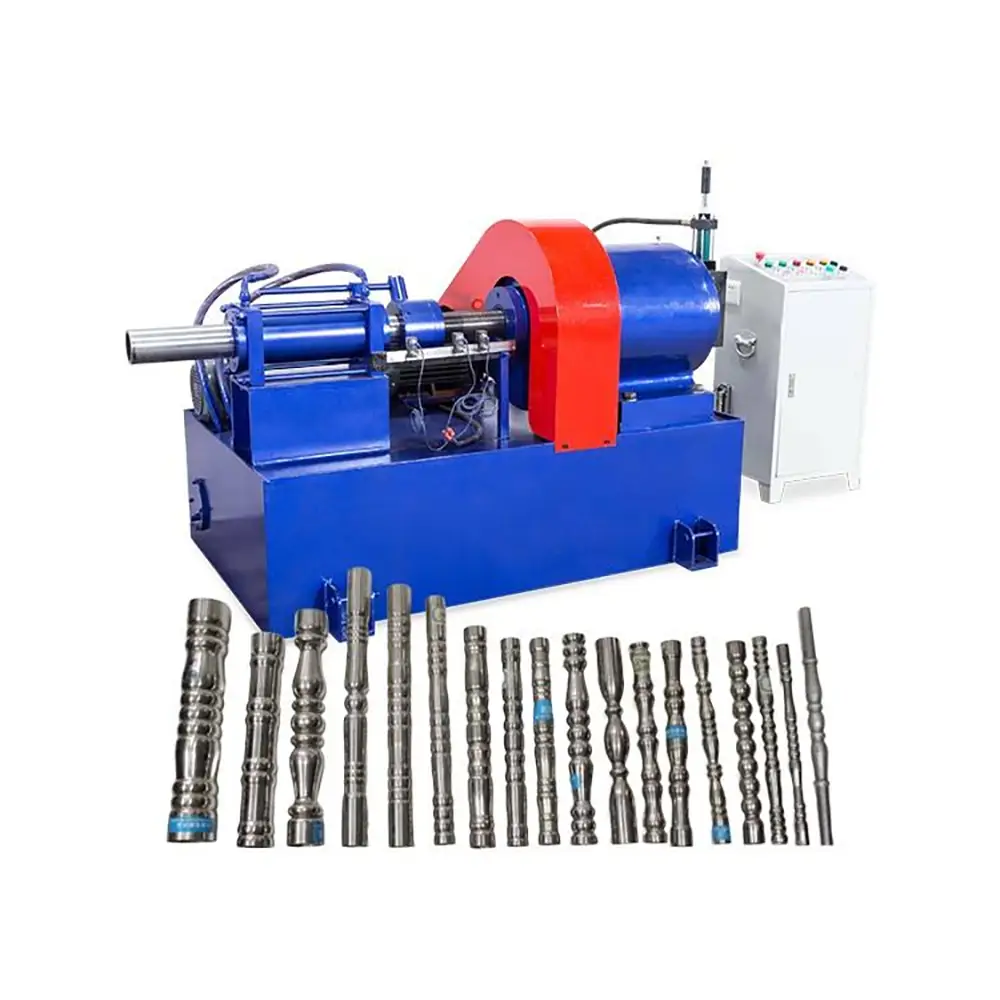
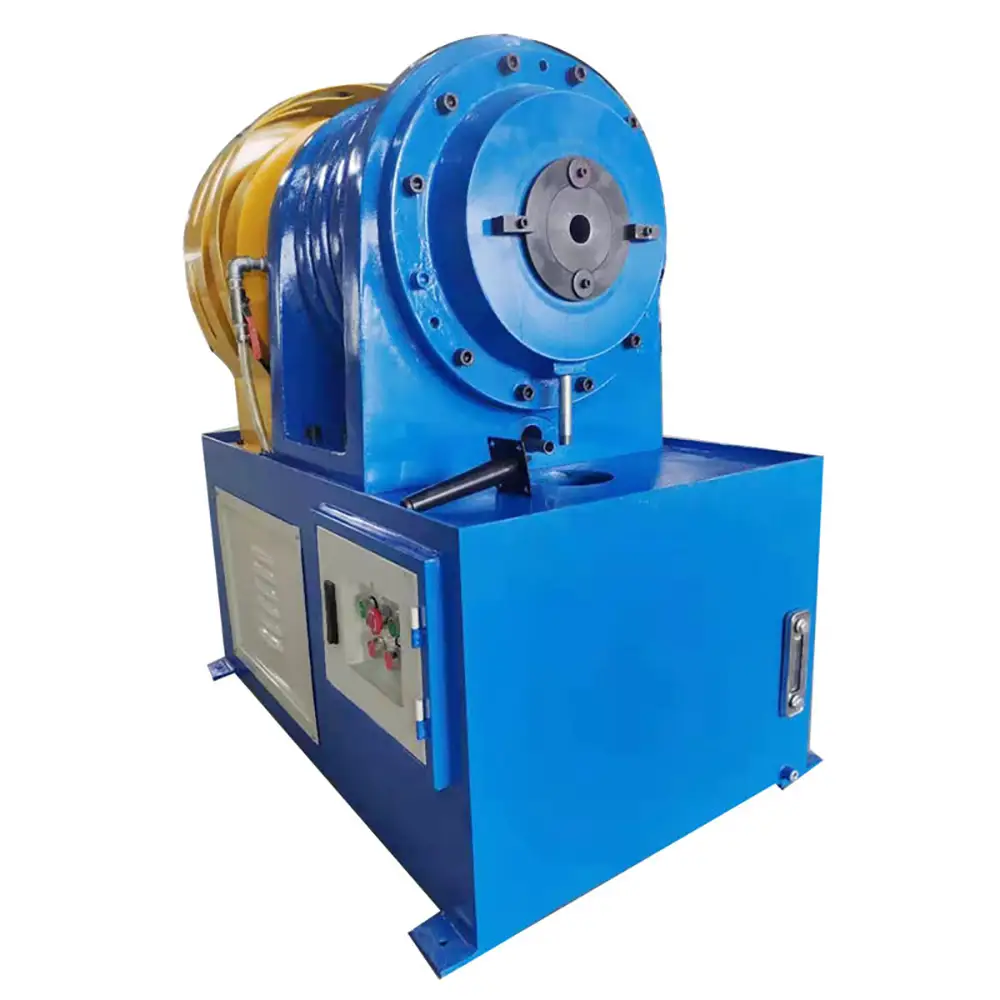
Multifunction Round Duct Sheet Metal Bead Roller Swag Rotary Machine
The Multifunction Round Duct Sheet Metal Bead Roller Swag Rotary Machine is a versatile metal forming machine designed for beading,swaging,rib forming,and edge shaping of sheet metal and round duct components. It combines rotary forming principles with interchangeable tooling to help manufacturers produce consistent profiles on metal sheets,duct sections,and fabricated cylindrical components.
This type of machine is widely applicable to HVAC duct manufacturing,ventilation systems,metal fabrication,automotive components,industrial ductwork,air conditioning equipment,and general sheet metal processing. By using forming rollers rather than material removal,the machine can create raised beads,ribs,grooves,and other formed profiles while maintaining the overall integrity of the workpiece.
The multifunction configuration allows the same machine platform to perform different forming operations by changing the roller tooling according to the required profile. Actual forming capability depends on the machine model,material thickness,material type,roller design,and workpiece dimensions.
Round Duct Bead Roller
A bead roller is commonly used to create raised beads or reinforcing ribs on sheet metal. These formed profiles can increase local rigidity and help reduce unwanted vibration or deformation in suitable applications.
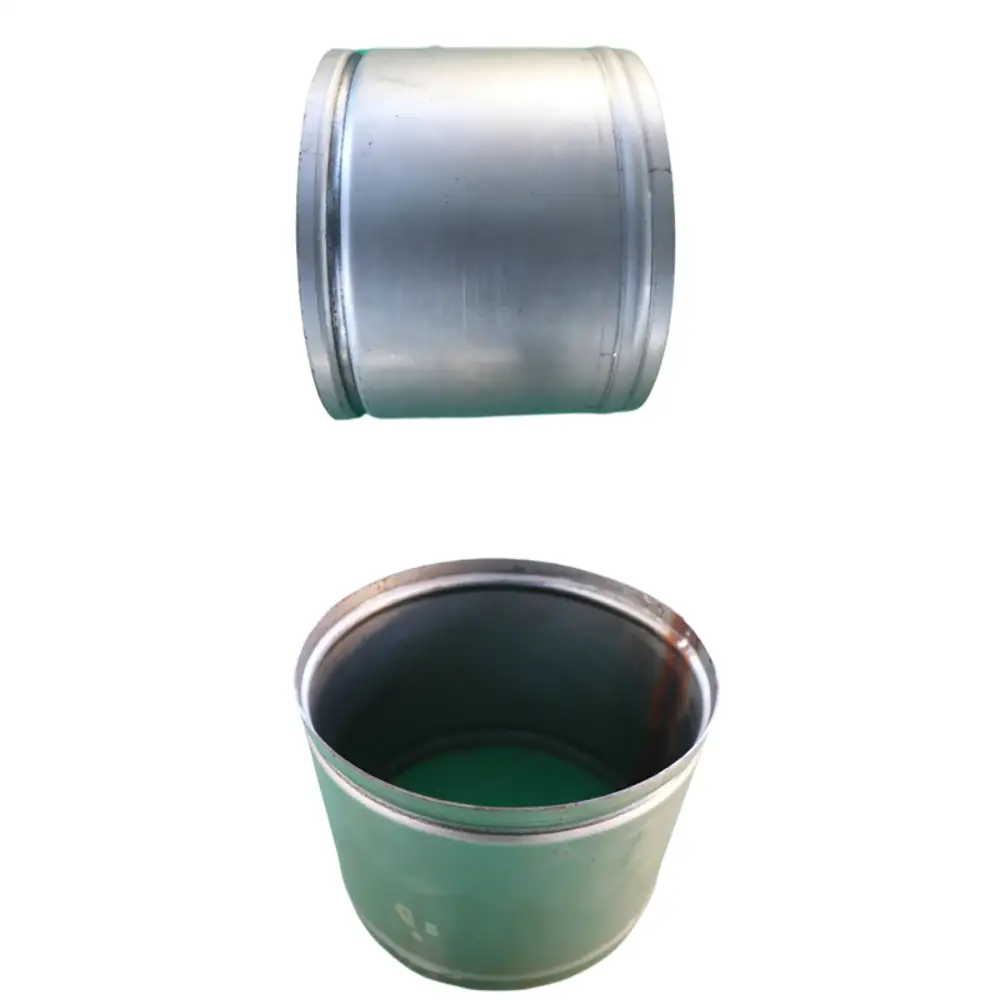
For round ducts,the workpiece can be positioned and guided through the forming rollers so that the desired bead or groove follows the circumference of the duct. Proper alignment is important for maintaining a consistent profile around the workpiece.
The actual maximum duct diameter and material thickness should be confirmed according to the machine configuration. Different roller sets can also be selected for different bead sizes,groove shapes,and forming requirements.
Sheet Metal Beading and Swaging
The machine can perform sheet metal beading and swaging operations using matched upper and lower forming rollers. The rollers apply controlled mechanical pressure to reshape the metal without cutting through the material.
Common forming operations may include:
Bead forming
Rib forming
Groove forming
Swaging
Edge forming
Reinforcement forming
Channel forming
Profile shaping
The exact operations available depend on the tooling supplied with the machine. Custom roller profiles can be considered when a particular production line requires a special cross-section or forming pattern.
Rotary Metal Forming Principle
The rotary forming process uses rotating rollers to gradually deform the workpiece. Compared with a single-point forming operation,the progressive contact between the rollers can provide a controlled forming process for suitable sheet metal applications.
Operators can adjust the roller position according to the workpiece and required forming depth. Proper adjustment is important because excessive forming pressure may deform thin sheet metal or damage the desired profile.
Material properties also influence the forming process. Mild steel,galvanized steel,stainless steel,aluminum,and other compatible sheet materials may require different forming pressures and tooling configurations.
HVAC and Round Duct Applications
One of the main applications for this type of bead roller is HVAC and ventilation duct fabrication. Round metal ducts can require reinforcing beads or formed profiles to improve structural rigidity.
The machine can be used for suitable:
Round ventilation ducts
HVAC duct sections
Air conditioning ducts
Exhaust duct components
Industrial ventilation systems
Sheet metal duct fittings
Metal pipe-like fabricated sections
Customized duct components
For HVAC production,the machine can help standardize repeated forming operations and reduce manual forming work.
Actual suitability depends on duct diameter,material thickness,material type,and required bead geometry.
Sheet Metal Fabrication
Beyond duct manufacturing,the machine can be used for general sheet metal forming. Fabricators may use bead rollers to create reinforcement patterns on panels,containers,covers,guards,and other metal components.
Beading can increase stiffness in selected areas while also providing a controlled visual profile. In some products,the formed bead serves both structural and aesthetic purposes.
Typical applications include:
Metal panels
Equipment covers
Machine enclosures
Automotive panels
Metal containers
Ventilation components
Industrial housings
Custom fabricated parts
The final result depends on material characteristics,roller design,forming depth,and operator adjustment.
Multifunction Tooling
The multifunction nature of the machine comes from its ability to work with different roller tools and forming profiles.
Depending on the configuration,tooling may be supplied for different bead widths,groove shapes,edge profiles,or reinforcement patterns. Changing the rollers allows manufacturers to adapt the machine to different products.
For customized production,customers can provide drawings,samples,profile dimensions,and material specifications. Custom roller tooling can then be evaluated according to the required forming geometry.
Tooling selection is particularly important when processing stainless steel or other harder materials because forming force and roller strength may differ from those required for mild steel.
Production Efficiency
A rotary bead roller can improve workflow efficiency when the same forming operation must be repeated across multiple workpieces. Once the appropriate roller position and forming parameters have been established,operators can reproduce similar profiles on subsequent components.
For small-batch production,the machine provides flexibility for changing between different profiles. For higher-volume manufacturing,dedicated tooling and standardized setup procedures can help reduce setup time.
Actual production speed depends on workpiece size,material thickness,forming depth,operator handling,roller configuration,and machine design.
The machine should therefore be evaluated according to the complete production process rather than forming speed alone.
Material Compatibility
The machine can be configured for various sheet metal materials,depending on its forming capacity and tooling.
Potential materials include:
Mild steel
Carbon steel
Galvanized steel
Stainless steel
Aluminum
Other compatible sheet metals
Different materials have different yield strengths and forming characteristics. Stainless steel generally requires greater forming force than softer aluminum or mild steel.
Before production,operators should confirm the material thickness range and use suitable roller tooling and forming pressure.
Forming Quality and Consistency
Consistent roller adjustment is important for producing uniform beads and grooves. Roller alignment,workpiece positioning,material thickness,and forming pressure can all influence the finished profile.
If the roller gap is too small,the workpiece may experience excessive deformation. If the pressure is insufficient,the bead may not reach the required depth.
For repeated production,operators should establish a suitable setup and inspect the first workpieces before continuing with larger batches.
Dimensional checks can include bead height,groove width,profile location,and overall workpiece geometry.
Operation and Maintenance
Regular maintenance helps keep the machine operating reliably. Operators should inspect forming rollers,bearings,shafts,adjustment mechanisms,and drive components according to the manufacturer's recommendations.
Metal chips,dust,and forming debris should be removed from the machine. Rollers should be kept clean to prevent unwanted marks on finished surfaces.
Tooling should also be inspected for wear or damage. Worn rollers can affect the consistency of the formed profile.
Before changing tooling or performing maintenance,the machine should be stopped and isolated according to the applicable safety procedure.
Safety Considerations
A bead roller contains rotating rollers and mechanical drive components that can create pinch points. Operators should keep hands and loose clothing away from the forming area while the machine is running.
Suitable guarding,emergency-stop devices,electrical protection,and other safety features may be included depending on the machine configuration.
Operators should receive appropriate training and follow the manufacturer's operating instructions and applicable workplace safety requirements.
For large round ducts or sheet metal components,additional material support may be necessary to maintain stable handling during forming.
OEM and Custom Sheet Metal Forming Solutions
The Multifunction Round Duct Sheet Metal Bead Roller Swag Rotary Machine can be adapted for different production requirements.
Customization may include:
Roller tooling
Bead profiles
Groove profiles
Material thickness range
Drive configuration
Workpiece support
Control system
Machine dimensions
Special forming applications
For OEM and ODM projects,customers can provide material type,thickness,duct diameter,required bead shape,production volume,and drawings or samples.
This information helps determine the appropriate machine configuration and tooling solution.
Applications
The machine is suitable for a broad range of B2B manufacturing applications,including:
HVAC duct fabrication
Ventilation equipment
Air conditioning manufacturing
Sheet metal workshops
Automotive fabrication
Industrial equipment
Metal enclosure production
Exhaust component fabrication
General metalworking
Custom sheet metal manufacturing
Its multifunction design makes it suitable for businesses that process different sheet metal components and require flexible rotary forming capability.
Why Choose Us
Multifunction Forming Capability — Supports suitable beading,swaging,rib forming,grooving,and edge-forming operations with appropriate tooling.
Round Duct Processing — Designed for suitable round duct and cylindrical sheet metal components used in HVAC and ventilation applications.
Flexible Roller Tooling — Different forming rollers can be selected or customized for different bead and groove profiles.
Wide Material Applications — Suitable configurations can be developed for mild steel,galvanized steel,stainless steel,aluminum,and other compatible sheet metals.
Consistent Rotary Forming — Controlled roller movement helps produce repeatable profiles when the machine is correctly adjusted.
Industrial Sheet Metal Applications — Suitable for HVAC,ventilation,automotive,industrial equipment,and general fabrication.
Custom OEM Tooling — Roller profiles,fixtures,and machine configurations can be adapted to specific customer requirements.
B2B Manufacturing Support — Suitable for manufacturers,distributors,wholesalers,and international buyers seeking sheet metal forming equipment and OEM solutions.
FAQs
1. What is a bead roller machine?
A bead roller is a metal forming machine that uses rotating rollers to create beads,ribs,grooves,and other formed profiles in suitable sheet metal.
2. Can this machine process round ducts?
Yes. The machine can be configured for suitable round duct and cylindrical sheet metal components. The applicable duct diameter range depends on the specific machine model.
3. What does swaging mean in sheet metal forming?
Swaging generally refers to forming or reshaping metal through controlled mechanical pressure. In this machine,it can refer to selected profile-forming operations using rotary tooling.
4. What materials can it process?
Depending on machine capacity and tooling,it can process suitable mild steel,carbon steel,galvanized steel,stainless steel,aluminum,and other sheet metals.
5. Can it form HVAC ducts?
Yes. Round HVAC and ventilation ducts are common applications for bead rollers when the workpiece dimensions are within the machine's operating range.
6. What is the purpose of forming beads on sheet metal?
A formed bead can increase local rigidity and help reduce deformation or vibration in suitable sheet metal components. It can also provide a defined decorative profile.
7. Can the rollers be changed?
Yes. Different roller sets can be used for different forming profiles,depending on the machine configuration.
8. Can custom rollers be supplied?
Custom roller tooling can be developed or selected for specific bead widths,grooves,profiles,and workpiece requirements.
9. Is the machine suitable for stainless steel?
It can be,provided the machine's forming capacity and roller tooling are suitable for the stainless steel grade and thickness.
10. What affects bead forming quality?
Material type,material thickness,roller alignment,roller gap,forming pressure,workpiece positioning,and tooling condition all affect the final profile.
11. Is this machine fully automatic?
Not necessarily. Operating methods vary by model. Some machines may use manual adjustment and feeding,while other configurations can incorporate powered or automated functions.
Prev:
Tube Expander Pipe End Reducing Machine for Exhaust
Next:
Pipe Extender and Reducer Machine Copper Pipe Expanding Machine
TAG:
Metal Fabrication Machine,
Sheet Metal Fabrication Machine,
Sheet Metal Processing Machine,
Ventilation Duct Forming Machine,
Air Duct Beading Machine,
Heavy Duty Bead Roller Machine,
Precision Bead Roller Machine,
Metal Sheet Processing Equipment,
Ductwork Fabrication Machine,
Air Conditioning Duct Machine,
Metal Duct Beading Machine,
Galvanized Sheet Metal Bead Roller,
Stainless Steel Bead Roller,
Aluminum Sheet Bead Roller,
Carbon Steel Bead Roller,
Sheet Metal Roller Machine,
Metal Tube Beading Machine,
Manual Bead Roller Machine,
Power Bead Roller Machine,
Electric Bead Roller Machine,
Hydraulic Bead Roller Machine,
Automatic Bead Roller Machine,
Round Pipe Beading Machine,
Round Tube Beading Machine,
Metal Duct Forming Equipment,
Metal Duct Fabrication Equipment,
Round Metal Duct Machine,
Metal Roller Forming Machine,
Sheet Metal Profile Forming Machine,
Sheet Metal Reinforcement Machine,
Related Category:
Multifunction Bead Roller Machine,Round Duct Bead Roller,Sheet Metal Bead Roller Machine,Metal Bead Roller China, suppliers, manufacturers, factory, customized, wholesale, quotation, made in China