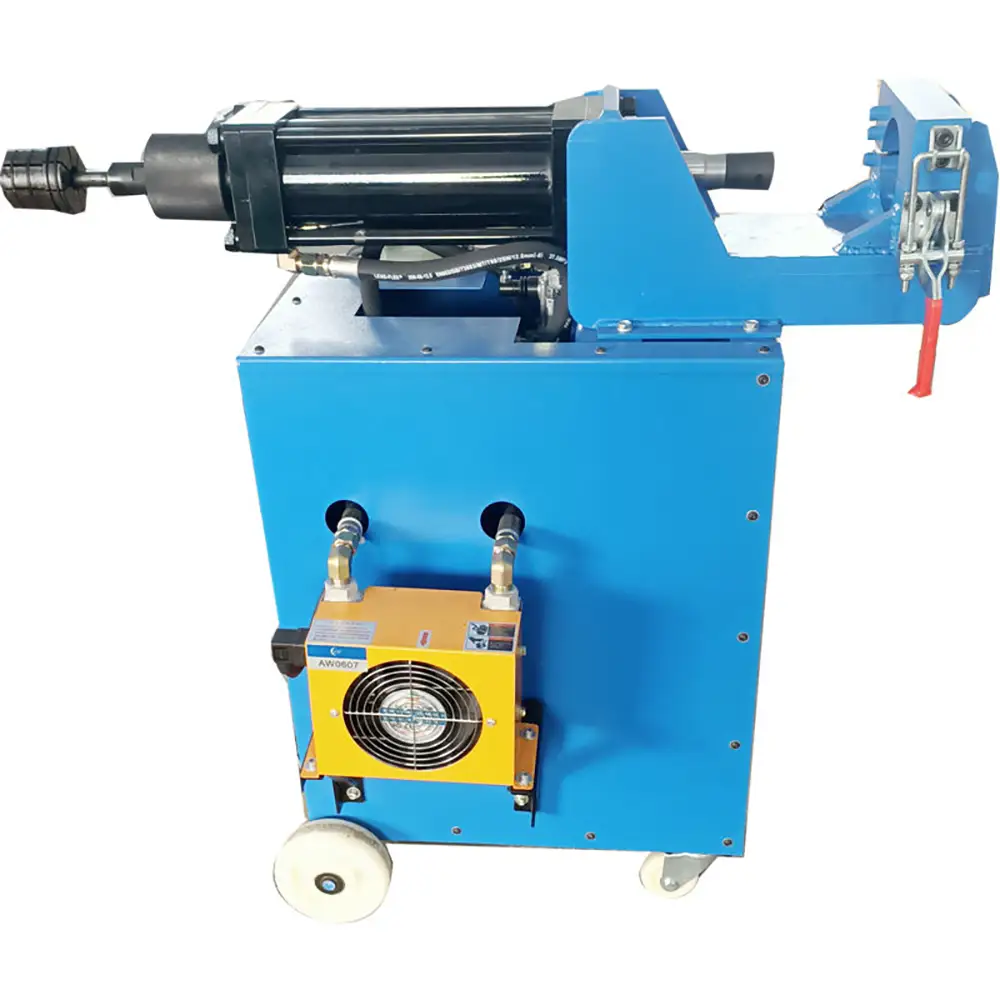
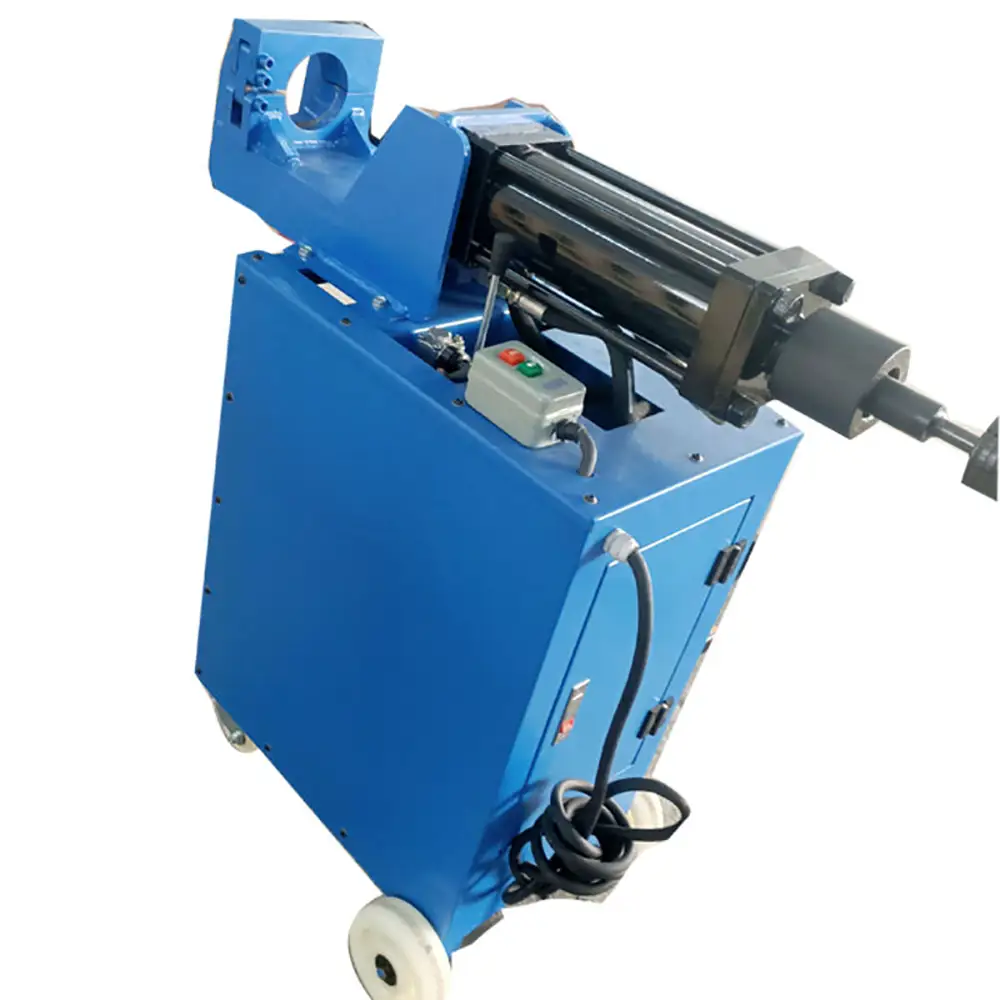
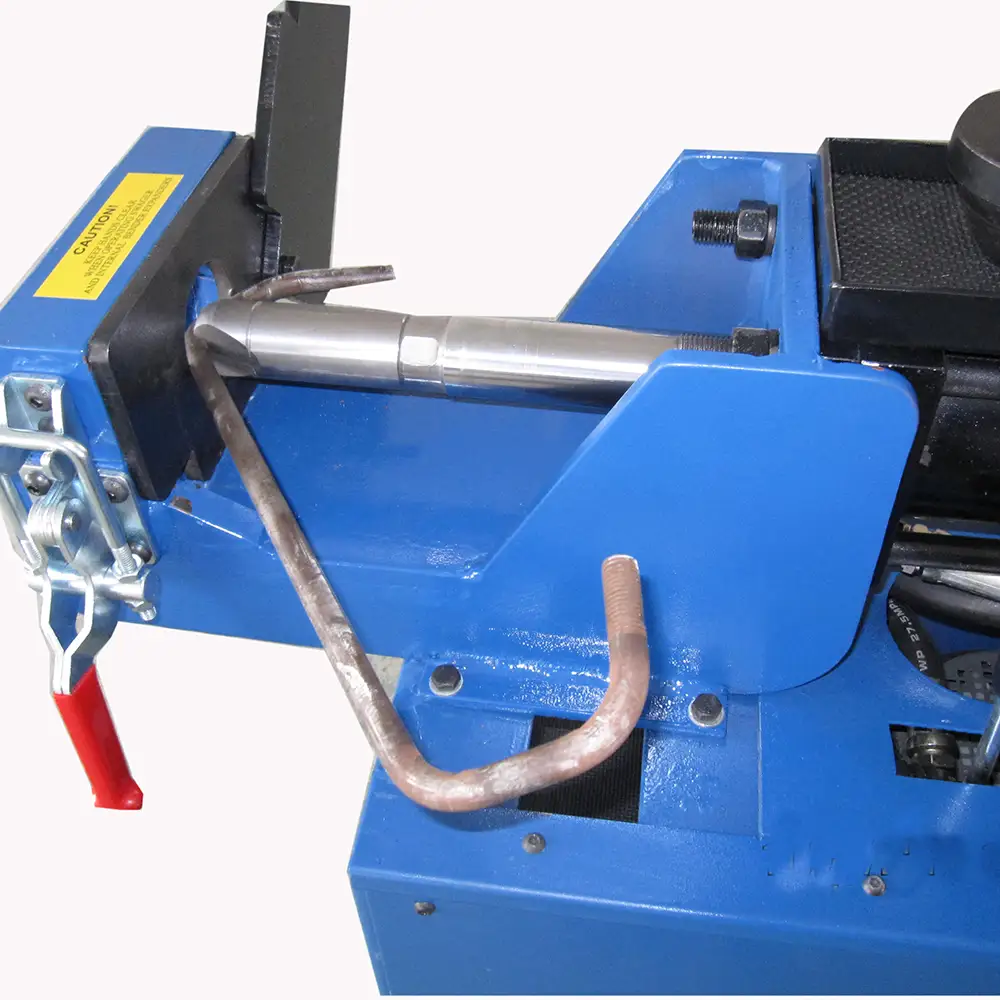
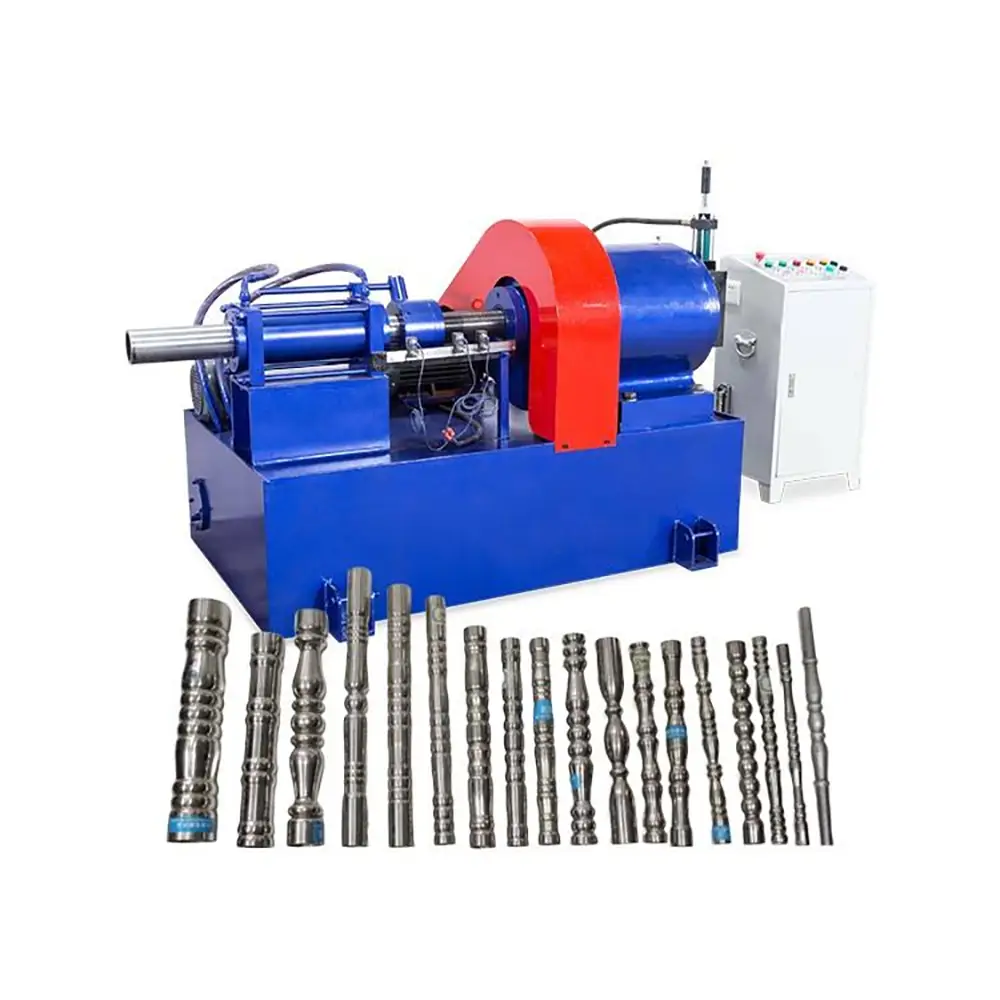
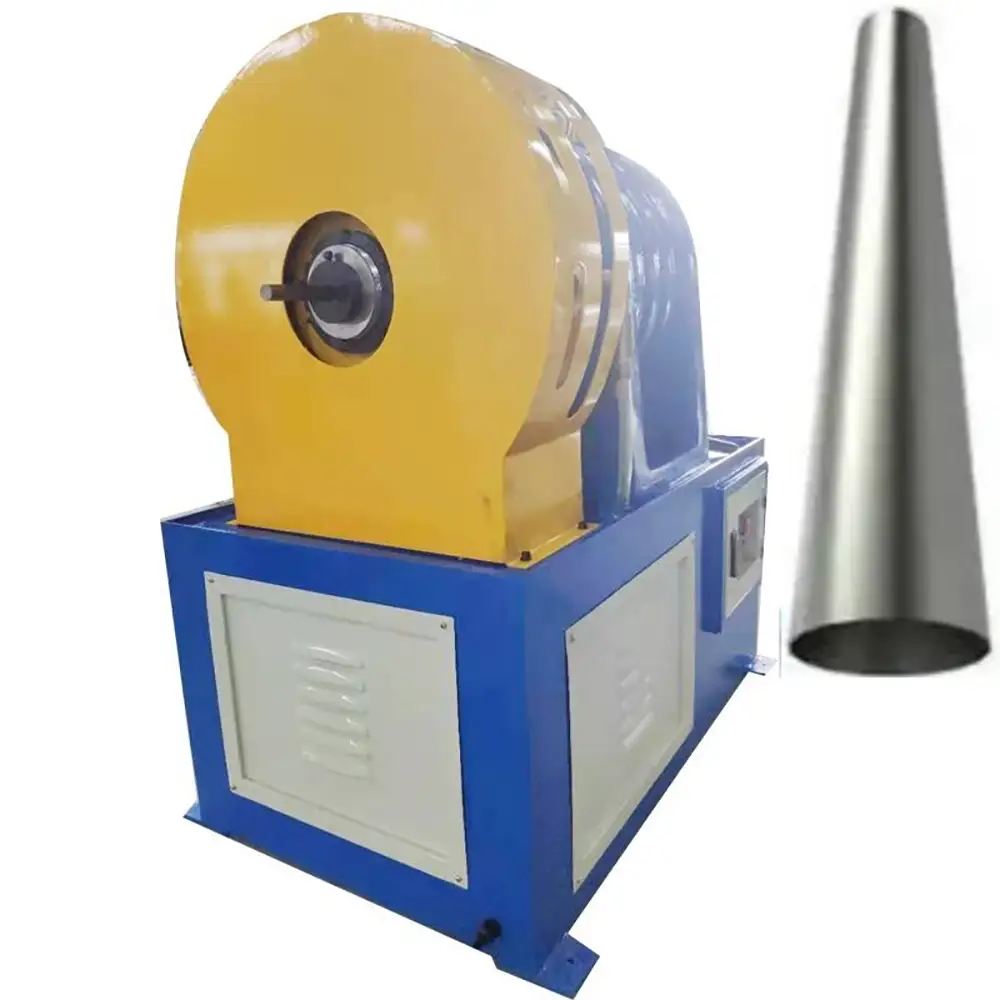
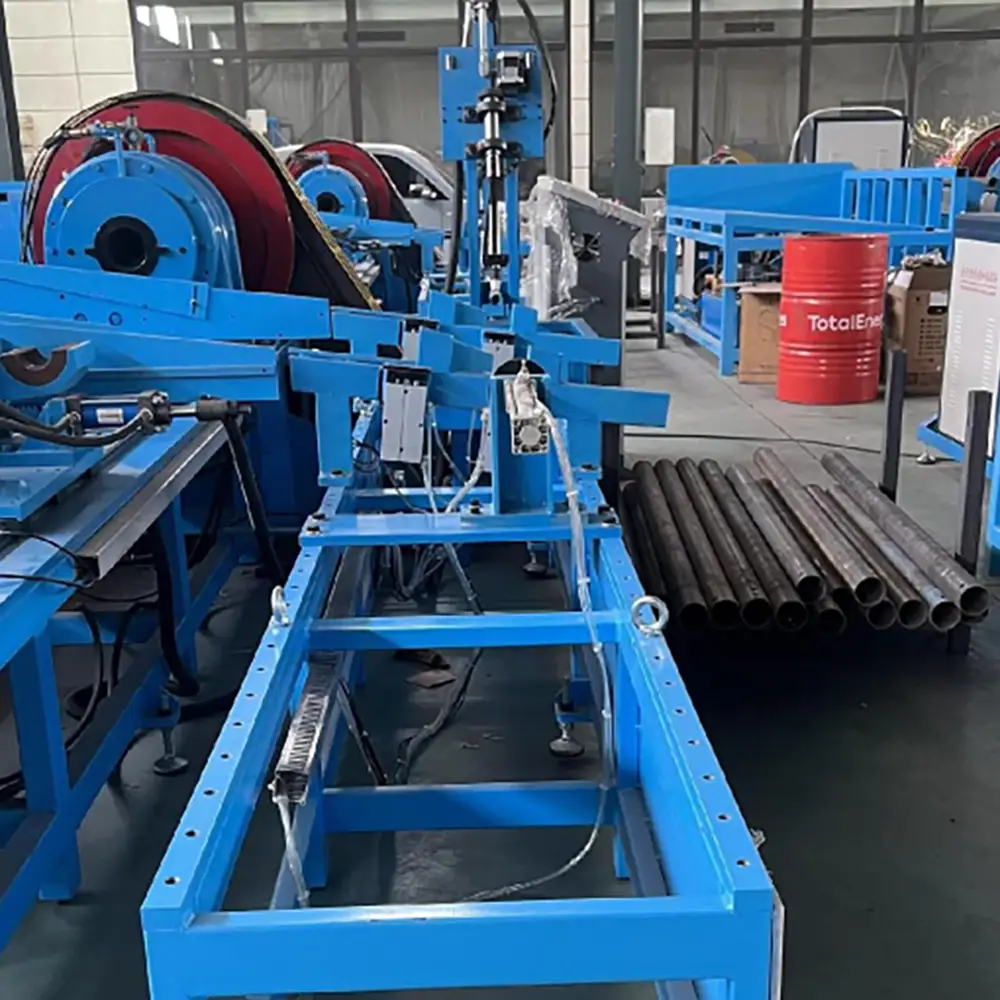
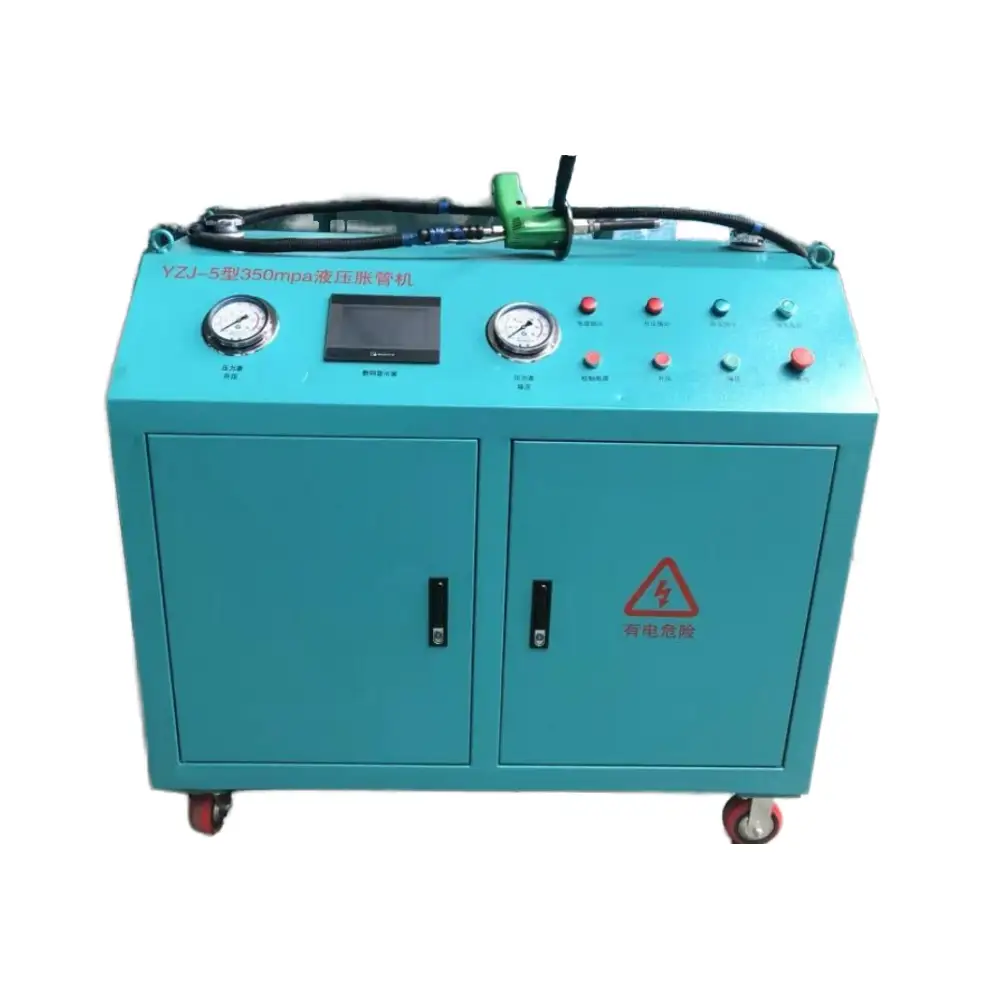
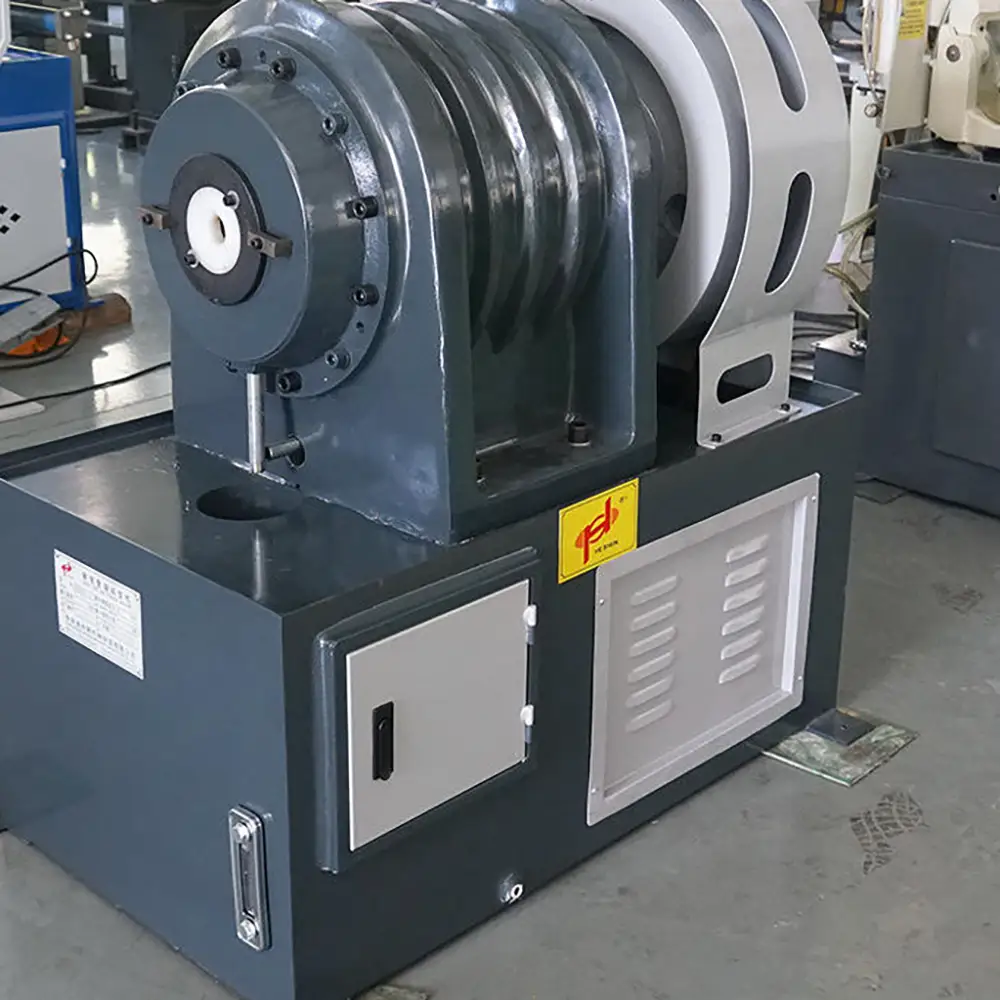
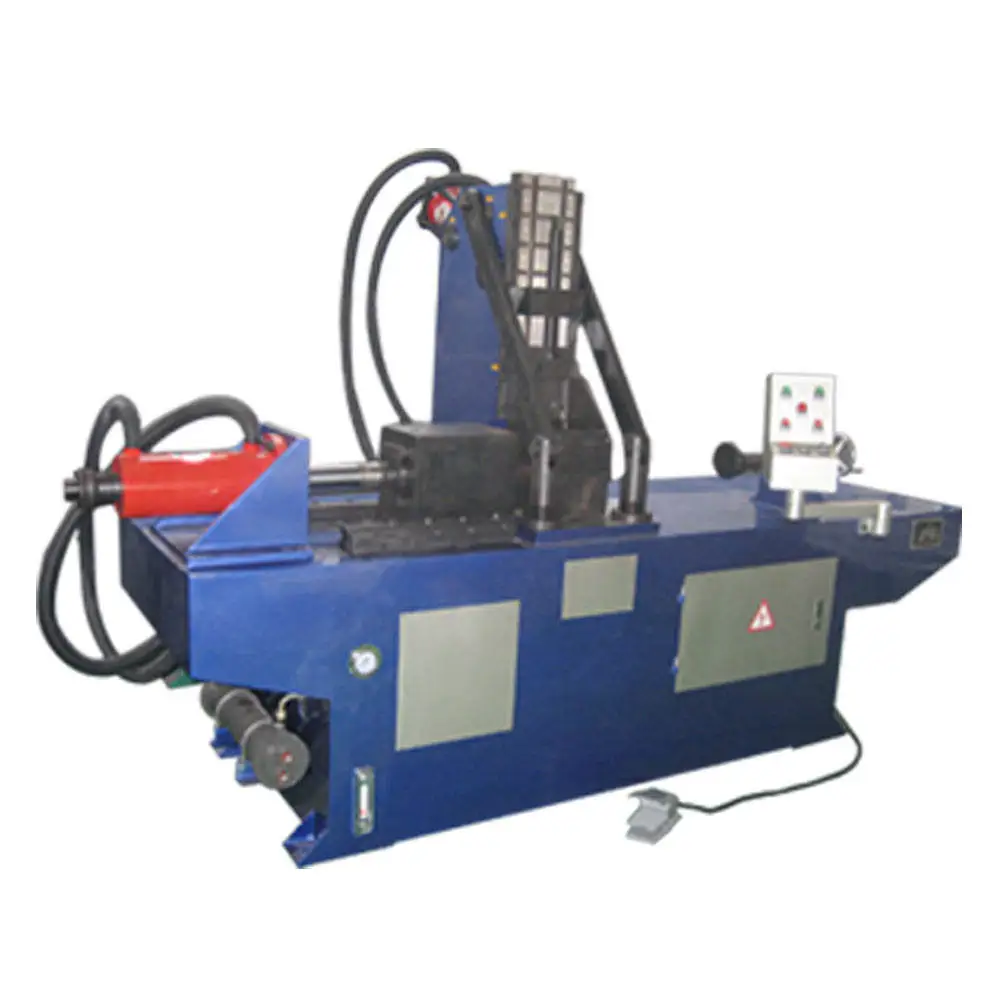
Tube Expander & Pipe End Reducing Machine for Exhaust
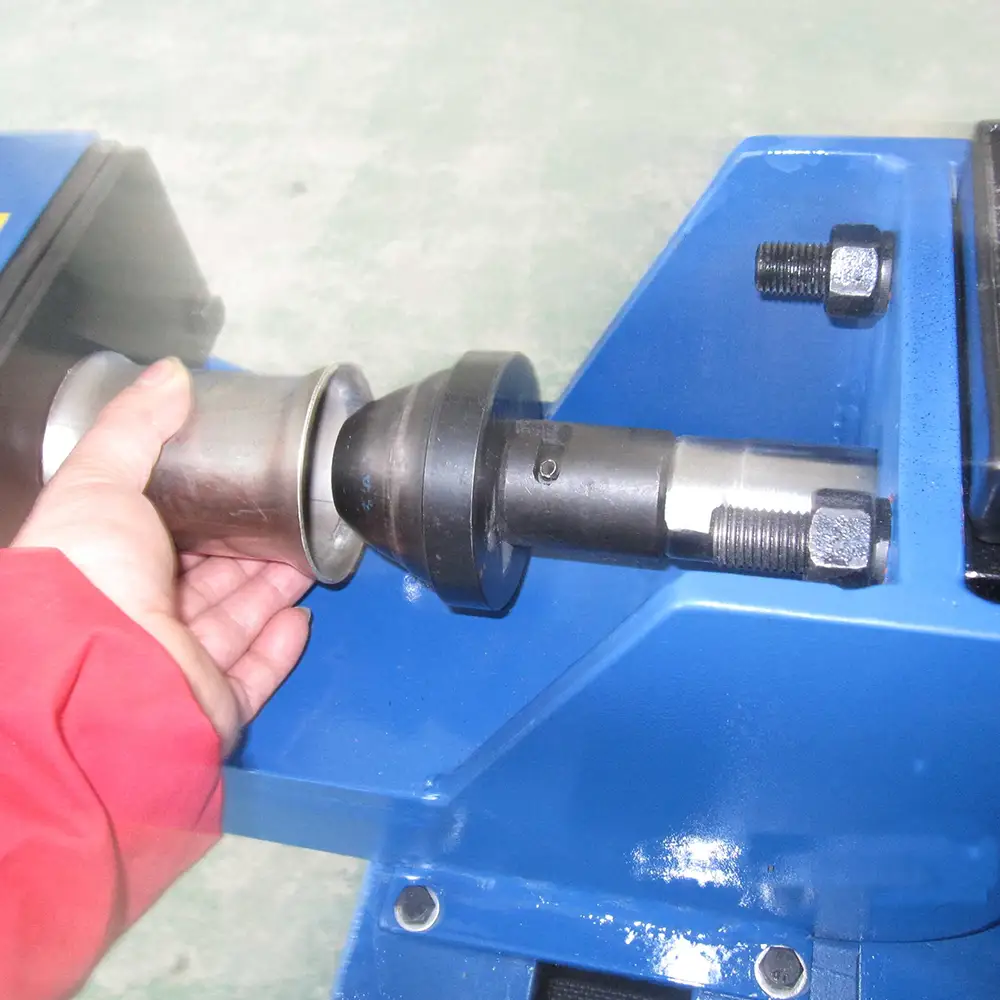
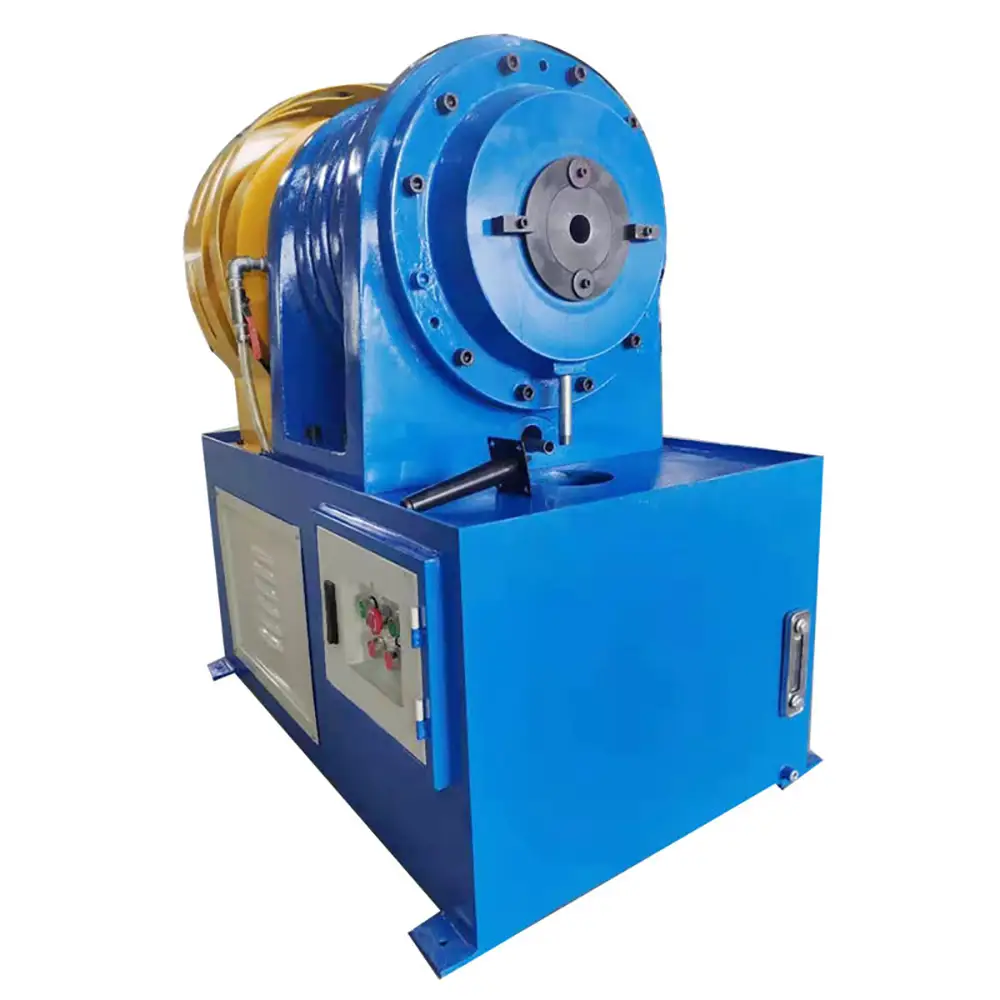
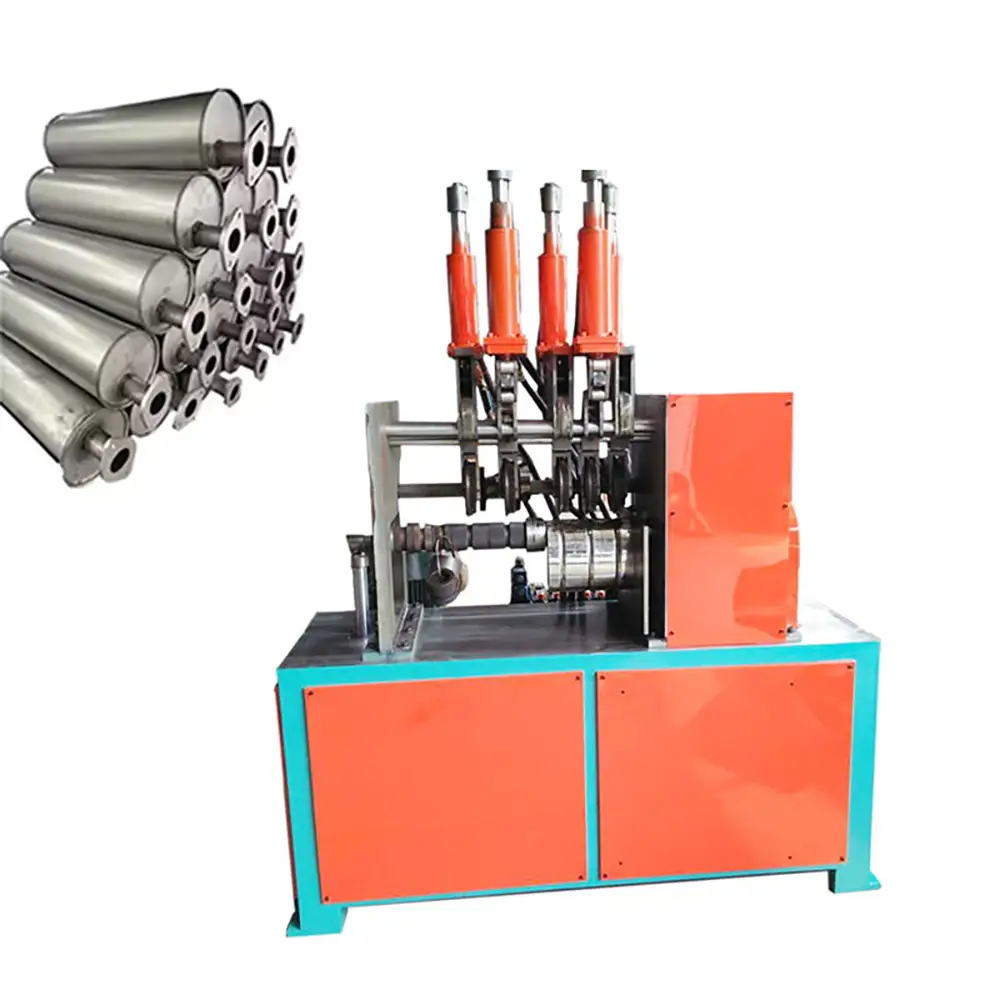
The Tube Expander & Pipe End Reducing Machine for Exhaust is a specialized metal tube end forming solution designed for expanding,reducing,swaging,and reshaping the ends of exhaust pipes and other tubular components. By combining tube expansion and pipe end reduction capabilities in one machine,the equipment can support multiple forming operations used in automotive,motorcycle,industrial exhaust,and general metal tube fabrication.
Exhaust systems often require tubes with different diameters or specially formed ends to create connections between pipes,mufflers,resonators,catalytic converter components,and other exhaust parts. Tube end forming provides a controlled way to modify the tube geometry without cutting and welding additional sections for every connection.
Depending on the machine configuration,the equipment can use hydraulic,pneumatic,mechanical,or other forming systems to apply controlled force through dedicated dies and tooling. The actual forming capacity depends on tube material,diameter,wall thickness,forming length,required shape,and machine configuration.
This expanding machine is one of the standard equipment for car body-shop repair exhaust repair shops and modify car shops etc
|
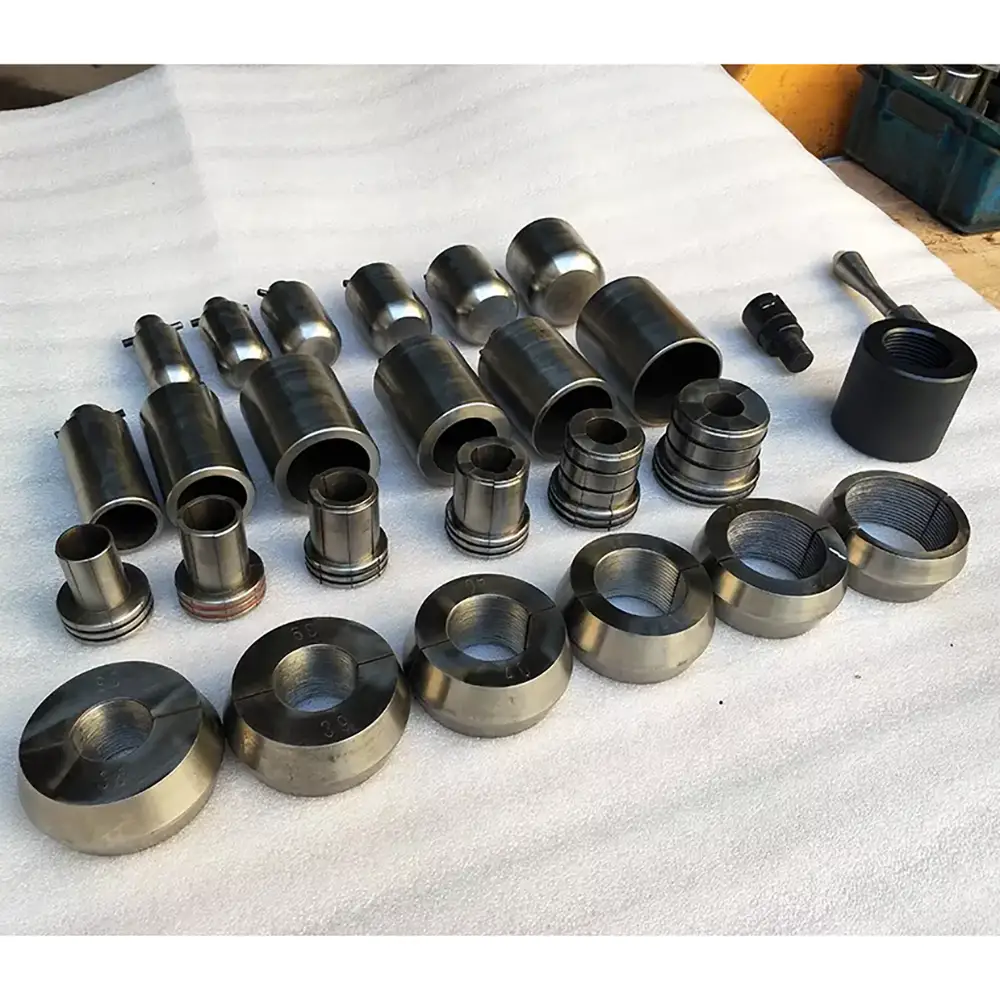
The CR-6001 tube bender is supplied with standard tooling pack 3A |
|
5 sizes of back shoe sets |
1 1/2,1 5/ 8,1 3/4,2,2 1/2 inch |
|
5 sizes of half shoes |
1 1/2,1 5/ 8,1 3/4,2,2 1/2inch |
|
5size of bend plugs |
1 1/2,1 5/ 8,1 3/4,2,2 1/2inch |
|
3 sizes of reducing tools |
1 5/ 8,1 3/4,2inch |
|
5 sizes expander dies |
1 1/2,1 5/ 8,1 3/4,2,2 1/2inch |
|
5 sizes adaptor collars |
1 1/2,1 5/ 8,1 3/4,2,2 1/2inch |
|
5 sizes segment expander sets |
1 1/2,1 5/ 8,1 3/4,2,2 1/2inch |
|
1 segment expander arbor |
1 1/2,1 5/ 8,1 3/4,2,2 1/2, inch |
|
1 rotation gauge |
Exhaust Tube Expanding
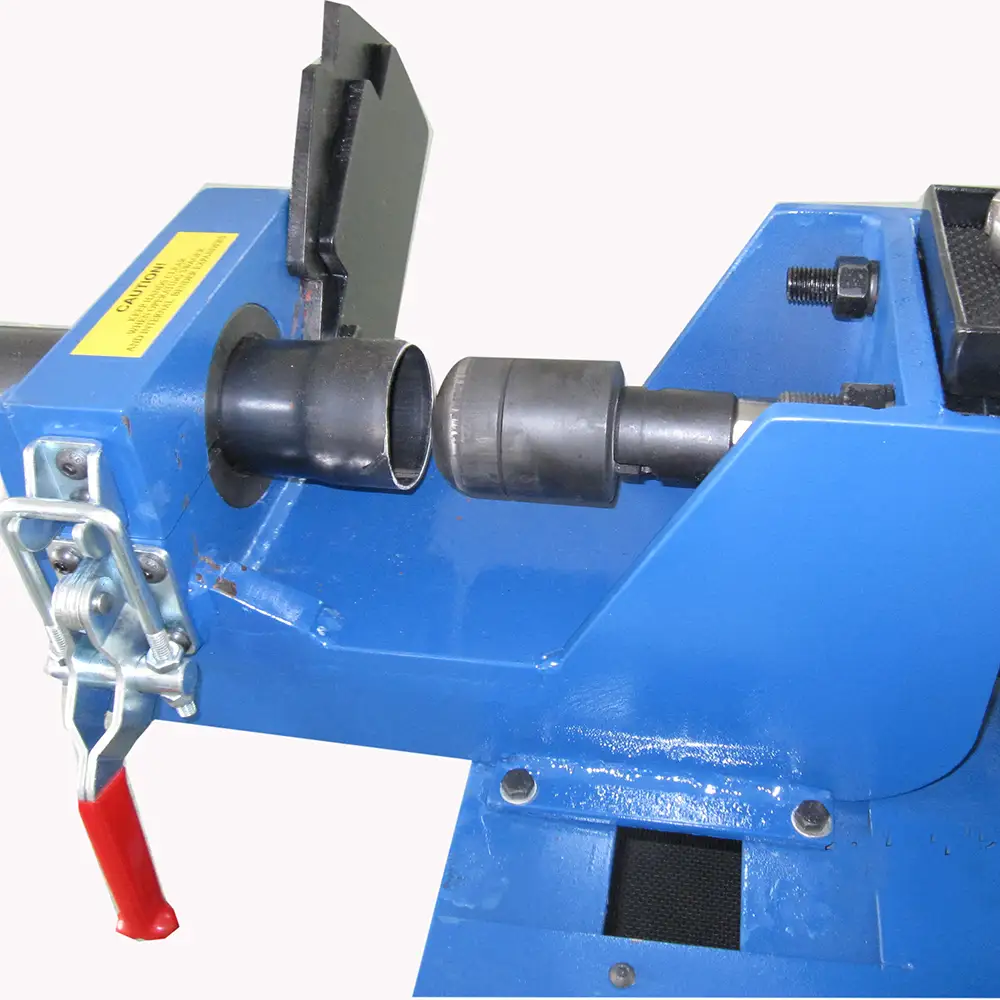
Tube expansion increases the outside diameter or otherwise enlarges a selected section of the tube end. This operation can be useful when one exhaust tube needs to fit over another tube or when a larger connection section is required.
The tube is positioned inside the appropriate forming tooling,and controlled force is applied to produce the desired expanded profile.
For exhaust manufacturing,the expansion process may be used for:
Exhaust pipe connections
Muffler inlet and outlet tubes
Resonator connections
Automotive exhaust components
Motorcycle exhaust pipes
Custom exhaust tubing
Industrial exhaust systems
The final expansion diameter and forming length depend on the tooling and machine specifications.
|
Length |
Width |
Height |
Cylinder stroke |
Horse power |
|
900mm |
520mm |
1020mm |
190mm |
2HP single phase three phase |
Pipe End Reducing
Pipe end reducing is the process of decreasing the diameter of a selected tube section. This operation can create a smaller end for connecting to another component or produce a tapered transition between different tube diameters.
Reducing can be performed through dedicated dies that compress the tube end into the required geometry.
For exhaust tube fabrication,reducing may be used to prepare connections for:
Mufflers
Resonators
Exhaust headers
Tailpipes
Catalytic converter assemblies
Connecting tubes
Custom exhaust components
The exact reduction ratio should be determined according to the tube dimensions,material properties,and required finished geometry.
Exhaust Pipe End Forming
Exhaust pipe manufacturing frequently involves multiple forming operations. Depending on the component design,a tube may require expansion,reduction,swaging,tapering,beading,or other end-forming processes.
Combining these operations within a dedicated machine can reduce the need to move the workpiece between multiple forming stations.
The machine can be configured with interchangeable or dedicated dies according to the production requirements. Tooling design determines the final profile of the exhaust tube end.
For custom exhaust components,customers can provide technical drawings or samples so the appropriate forming process can be evaluated.
Tube Swaging and Diameter Reduction
Swaging is another common tube end-forming process used to reshape the diameter or profile of a metal tube. Depending on the tooling and forming method,swaging can produce tapered,reduced,or specially shaped tube ends.
In exhaust manufacturing,swaging can help prepare tubes for assembly and connection. It can also provide a transition between different tube diameters.
The quality of a swaged or reduced end depends on material properties,tooling geometry,forming pressure,workpiece positioning,and the number of forming stages.
For thicker or higher-strength materials,the forming force and tooling requirements may be significantly different from those required for thin-wall tubing.
Automotive Exhaust Applications
The machine is particularly suitable for manufacturers and fabricators producing exhaust components.
Potential applications include:
Car exhaust pipes
Motorcycle exhaust pipes
Muffler tubes
Resonator tubes
Tailpipes
Exhaust connectors
Catalytic converter connections
Exhaust header components
Performance exhaust systems
Custom exhaust components
Different exhaust designs require different tube diameters,wall thicknesses,and end profiles. A dedicated tube end forming machine provides a repeatable method for producing these geometries.
Actual suitability should be confirmed based on the tube material,diameter,wall thickness,and required forming shape.
Tube Materials
The machine can be configured for various metal tube materials depending on its forming capacity and tooling.
Common materials may include:
Carbon steel
Mild steel
Stainless steel
Aluminum
Galvanized steel
Other compatible metal tubing
Stainless steel is widely used in exhaust applications because of its corrosion resistance and high-temperature performance. However,its forming characteristics can differ from those of mild steel.
Material hardness,strength,wall thickness,and work-hardening behavior should be considered when selecting the machine and forming dies.
Hydraulic Tube End Forming
When equipped with a hydraulic forming system,the machine uses hydraulic pressure to generate controlled forming force. Hydraulic operation can provide substantial force for reducing,expanding,and shaping suitable metal tubes.
The required hydraulic capacity depends on the tube diameter,material,wall thickness,forming geometry,and tooling.
Hydraulic tube forming can be useful for repeated industrial production because the forming process can be standardized once suitable tooling and parameters have been established.
The exact hydraulic pressure,cylinder size,and forming force should be confirmed from the manufacturer's technical specification rather than estimated from the machine name.
Tooling and Dies
Tooling is one of the most important components of an exhaust tube end forming machine. The die determines the shape and dimensions of the finished tube end.
Different tooling can be developed for:
Tube expansion
Diameter reduction
Swaging
Taper forming
Necking
Beading
Flanging
Custom end profiles
For high-volume production,a dedicated die set can provide consistent results across repeated workpieces. For flexible production,interchangeable tooling can allow the same machine platform to process different tube designs.
Customers should provide tube drawings,dimensions,material information,and samples when requesting customized tooling.
Production Efficiency
Using a dedicated tube expander and reducing machine can help simplify exhaust tube production by integrating multiple end-forming operations into a controlled workstation.
Compared with manual tube forming,the machine can provide more consistent forming pressure and workpiece positioning when correctly configured.
Production efficiency depends on tube dimensions,forming sequence,loading method,tooling changes,number of forming stages,and operator workflow.
For mass production,automatic or semi-automatic feeding and unloading options may be considered depending on the machine design.
Forming Quality and Accuracy
The final quality of an expanded or reduced tube end depends on several factors. Tooling accuracy,material properties,forming force,workpiece alignment,and machine rigidity all influence the finished component.
Important inspection points may include:
Finished tube diameter
Reduction ratio
Expansion diameter
Forming length
Concentricity
Surface condition
Overall dimensional consistency
For critical exhaust components,first-piece inspection and periodic dimensional checks can help maintain production consistency.
If a tube requires tight dimensional tolerances,the required specifications should be provided before machine selection.
Maintenance and Safety
Regular maintenance helps maintain stable forming performance. Operators should inspect hydraulic components,forming dies,fixtures,guide systems,and mechanical parts according to the manufacturer's maintenance schedule.
Tooling should be kept clean and checked for wear. Damaged or excessively worn dies may affect tube dimensions and surface quality.
During operation,operators should keep hands away from the forming area and use suitable protective equipment. Guards,emergency-stop systems,and other safety features depend on the machine configuration.
Before changing dies or performing maintenance,the machine should be stopped and isolated according to the applicable safety procedure.
Custom OEM Exhaust Tube Forming Solutions
The machine can be customized for different exhaust tube production requirements.
OEM and ODM configurations may include:
Custom expansion dies
Reducing dies
Swaging tooling
Tapering tools
Hydraulic capacity
Pneumatic assistance
Tube clamping systems
Automatic feeding
CNC or PLC control
Special workholding fixtures
Customers can provide tube diameter,wall thickness,material grade,forming length,finished diameter,and production volume.
Drawings and samples are particularly useful for developing a suitable tube end forming solution.
Why Choose Us
Tube Expanding & Reducing — Combines important exhaust tube end-forming functions within one production-oriented machine.
Exhaust Industry Applications — Suitable for automotive,motorcycle,muffler,resonator,and custom exhaust tube manufacturing.
Controlled Tube Forming — Designed to provide repeatable forming pressure and workpiece positioning according to the machine configuration.
Flexible Tooling — Expansion,reduction,swaging,tapering,and other custom dies can be developed for different tube profiles.
Multiple Metal Materials — Suitable configurations can be developed for carbon steel,stainless steel,aluminum,and other compatible tubing.
Production-Oriented Design — Suitable for prototype production,small batches,and repetitive industrial manufacturing.
Custom OEM Solutions — Machine capacity,tooling,fixtures,feeding,and controls can be adapted to specific customer requirements.
B2B Manufacturing Support — Suitable for manufacturers,distributors,wholesalers,and international buyers sourcing tube end forming equipment.
FAQs
1. What is a tube expander machine?
A tube expander is a forming machine used to increase or reshape the diameter of a selected tube section using dedicated forming tooling.
2. What is a pipe end reducing machine?
A pipe end reducing machine decreases the diameter of a selected tube or pipe end to create a smaller connection section or tapered profile.
3. Can this machine be used for exhaust pipes?
Yes. It can be configured for suitable automotive,motorcycle,muffler,resonator,and other exhaust tube applications.
4. Can it expand and reduce the same tube?
Depending on the machine configuration and tooling,the same machine can perform both expansion and reduction operations.
5. What materials can be processed?
Suitable configurations may process carbon steel,mild steel,stainless steel,aluminum,and other compatible metal tubes.
6. Can stainless steel exhaust pipes be formed?
Yes,provided that the machine capacity and tooling are matched to the stainless steel grade,diameter,and wall thickness.
7. What is tube swaging?
Tube swaging is a forming process used to reshape or reduce a tube diameter through controlled mechanical force and dedicated tooling.
8. Can custom exhaust tube dies be supplied?
Yes. Custom expansion,reducing,swaging,tapering,or other end-forming dies can be developed according to drawings or samples.
9. Is the machine hydraulic?
The machine can be configured with hydraulic forming depending on the specific model. Other operating configurations may also be available.
10. What affects tube forming quality?
Material type,wall thickness,tube diameter,tooling geometry,forming force,workpiece alignment,machine rigidity,and forming sequence can all affect the finished result.
11. Is the machine fully automatic?
Not necessarily. Operating methods vary by model. Manual,semi-automatic,and automated configurations may be available depending on the production requirements.
12. What information is needed for a quotation?
Provide tube material,outer diameter,wall thickness,required expansion or reduction diameter,forming length,finished shape,production volume,and drawings or samples if available.
Prev:
Semi- Automatic Handrail Embossing Machine Iron Pipe Embossing Machine
Next:
Multifunction Round Duct Sheet Metal Bead Roller Swag Rotary Machine
TAG:
Automatic Tube End Forming Machine,
Exhaust Pipe End Forming Machine,
Exhaust Tube Reducing Machine,
Stainless Steel Tube Forming Machine,
Carbon Steel Tube Forming Machine,
Tube End Forming Equipment,
Pipe Flaring Machine,
Pipe End Forming Equipment,
Hydraulic Tube Expander,
Pipe Tapering Machine,
Pipe End Reducing Machine,
Tube Flaring Machine,
Tube Swaging Machine,
Pipe Swaging Machine,
Pipe Necking Machine,
Tube Necking Machine,
Tube Tapering Machine,
Tube End Reducing Machine,
Pipe Reducing Machine,
Pipe End Expanding Machine,
Pipe Shrinking Machine,
Tube Shrinking Machine,
Tube Reducing Machine,
Tube End Forming Machine,
Pipe End Forming Machine,
Tube End Expanding Machine,
Pipe Expanding Machine,
Tube Expanding Machine,
Hydraulic Pipe End Forming Machine,
Industrial Tube Forming Machine,
Related Category:
Tube Expander Pipe End Reducing Machine,Exhaust Tube Expander,Exhaust Pipe End Reducing Machine China, suppliers, manufacturers, factory, customized, wholesale, quotation, made in China