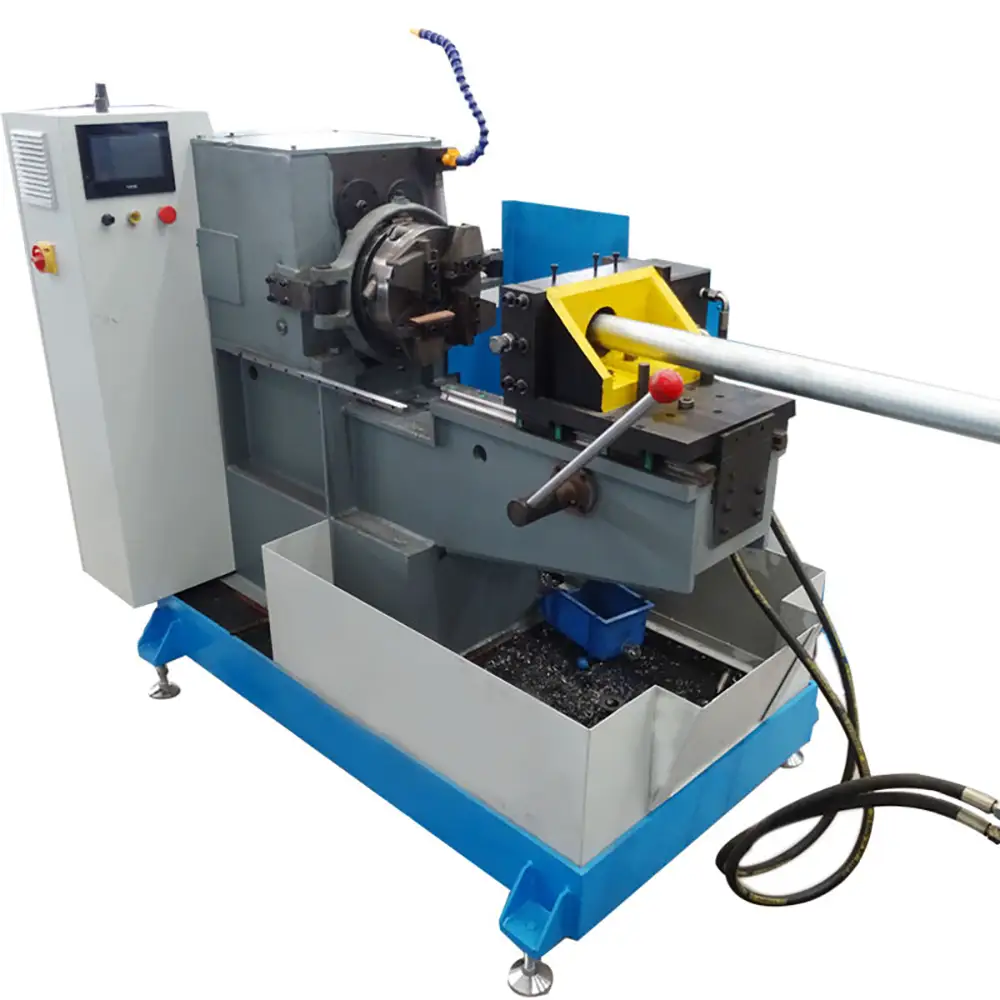
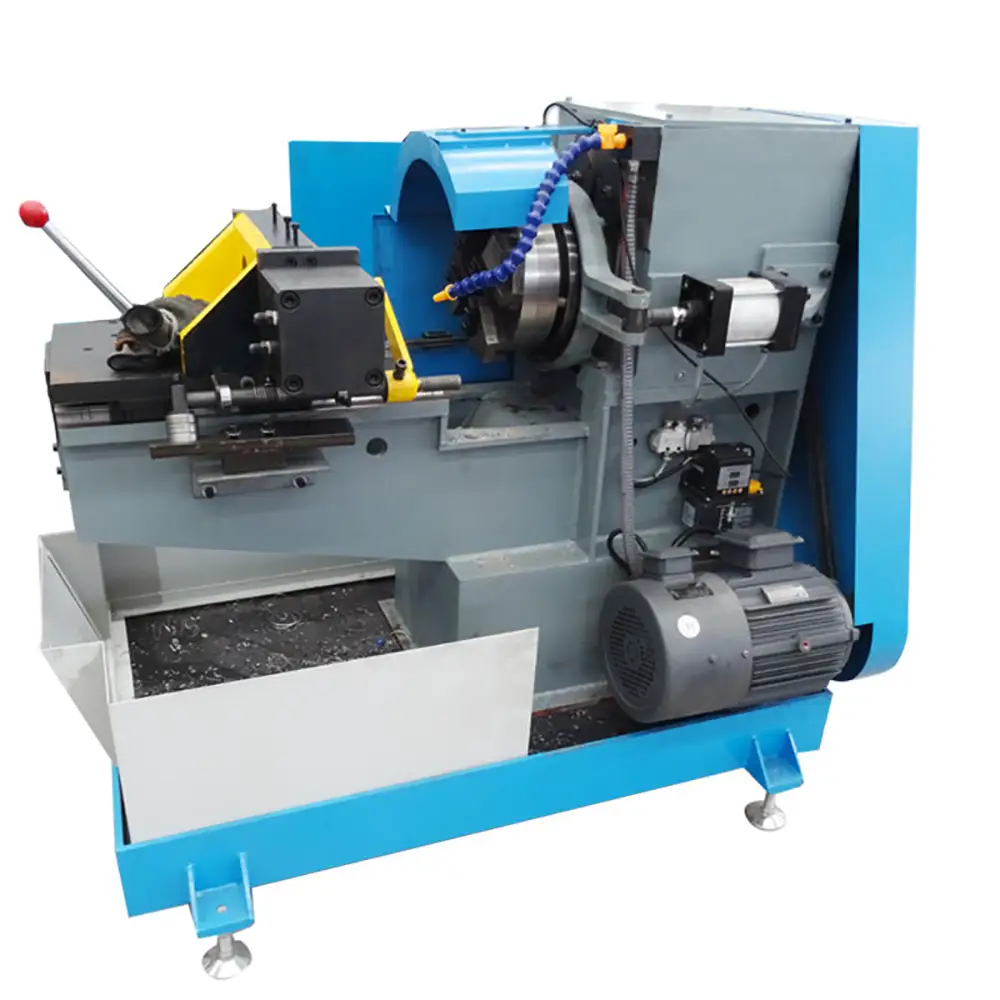
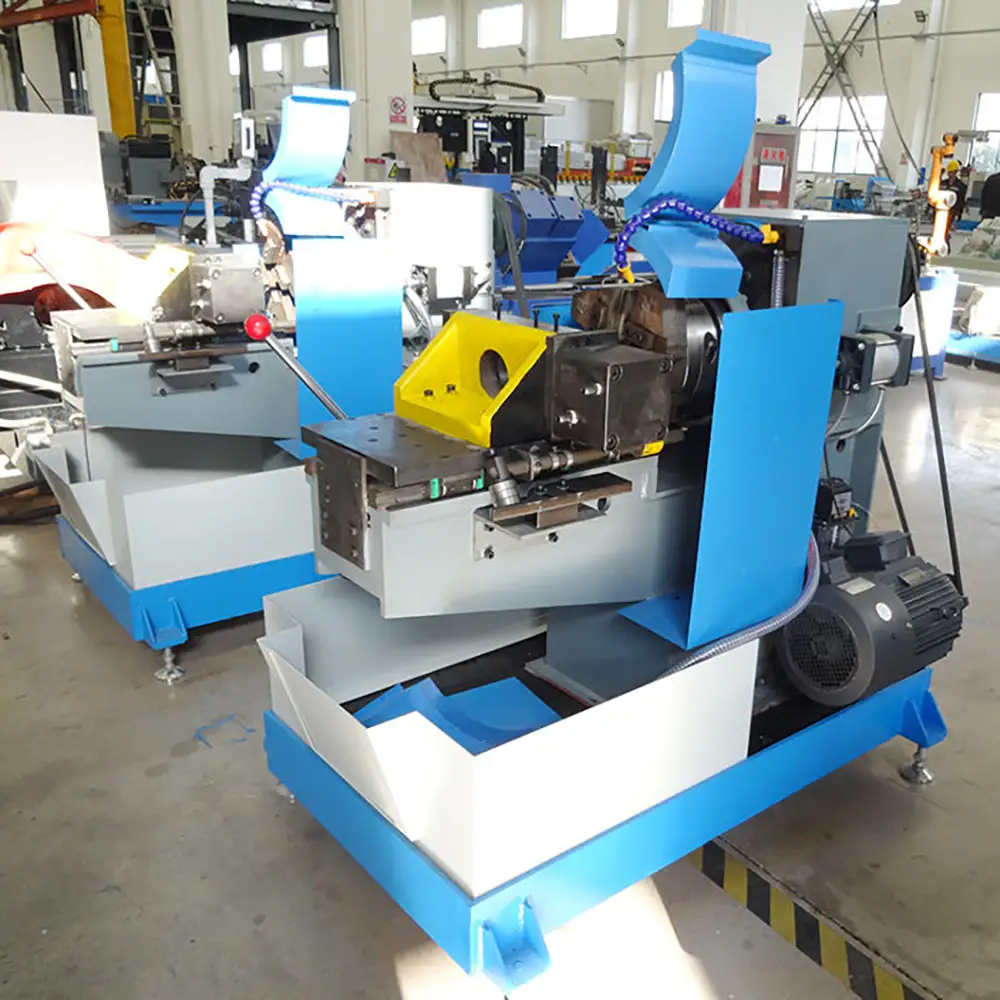
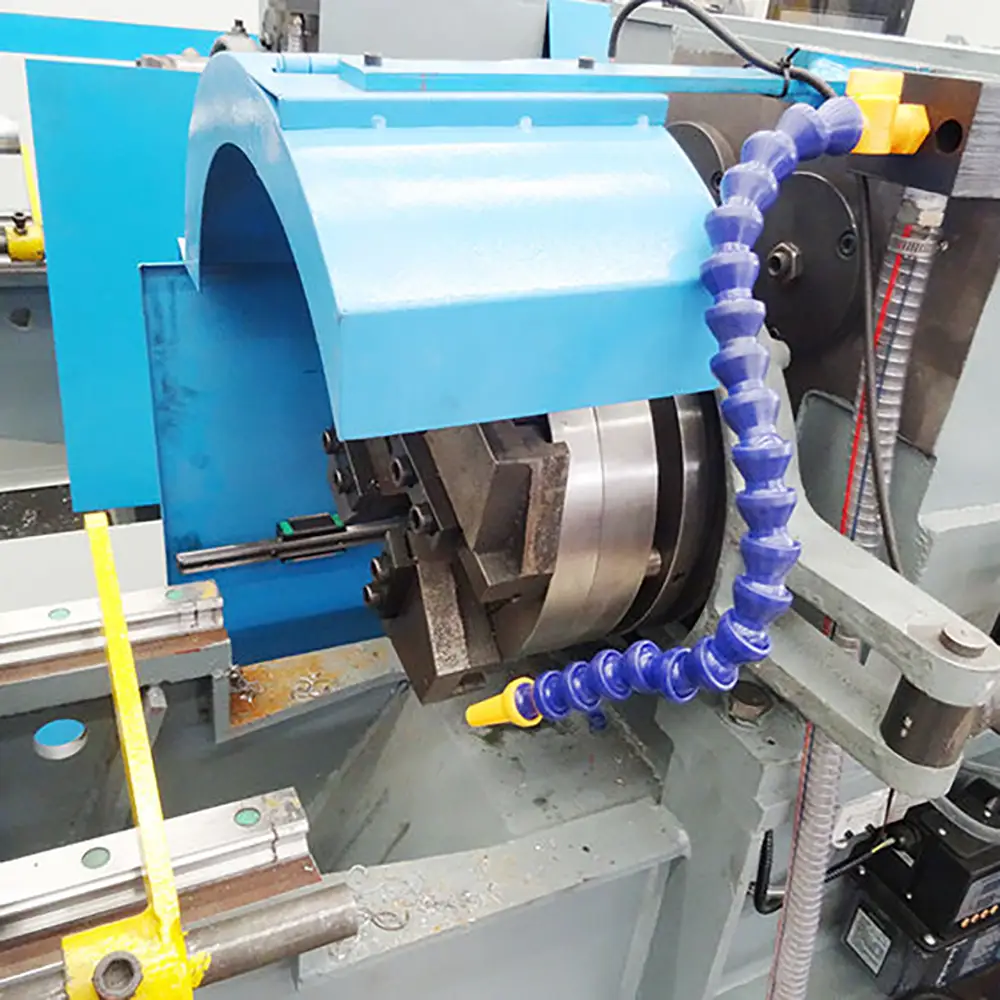
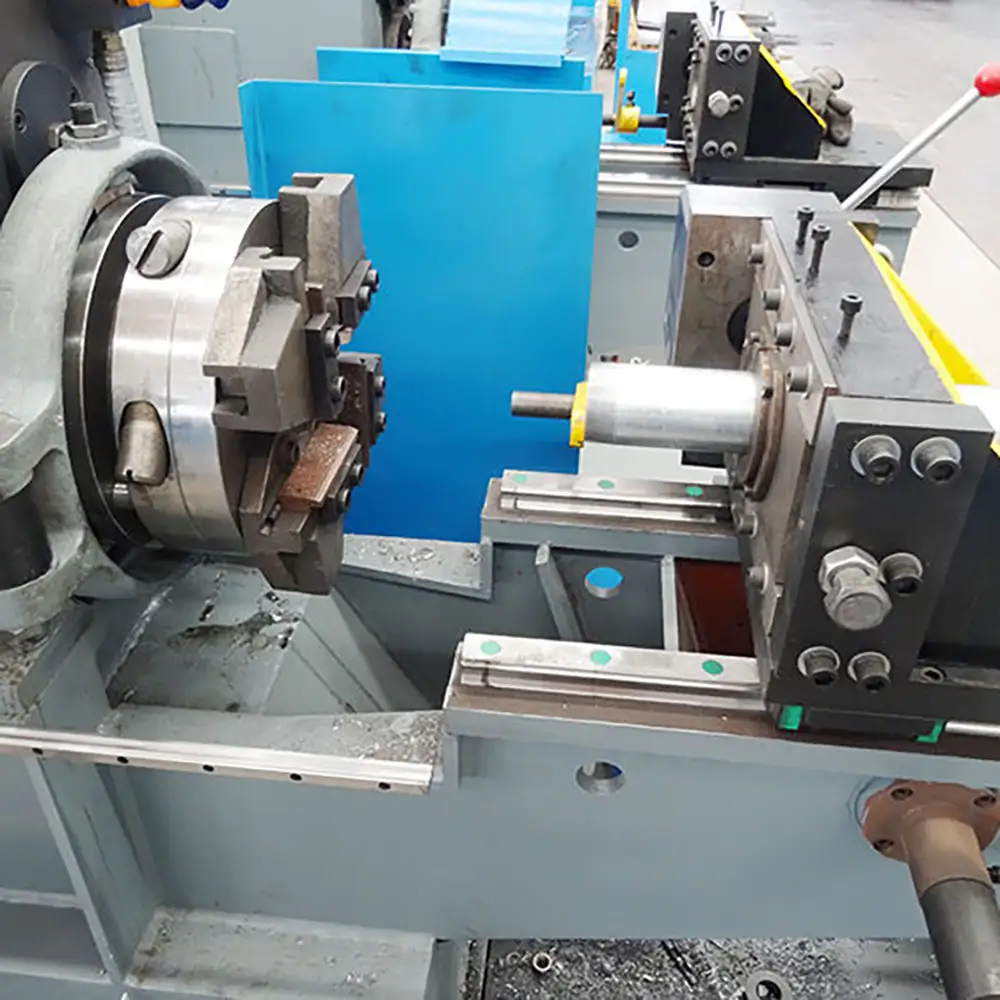
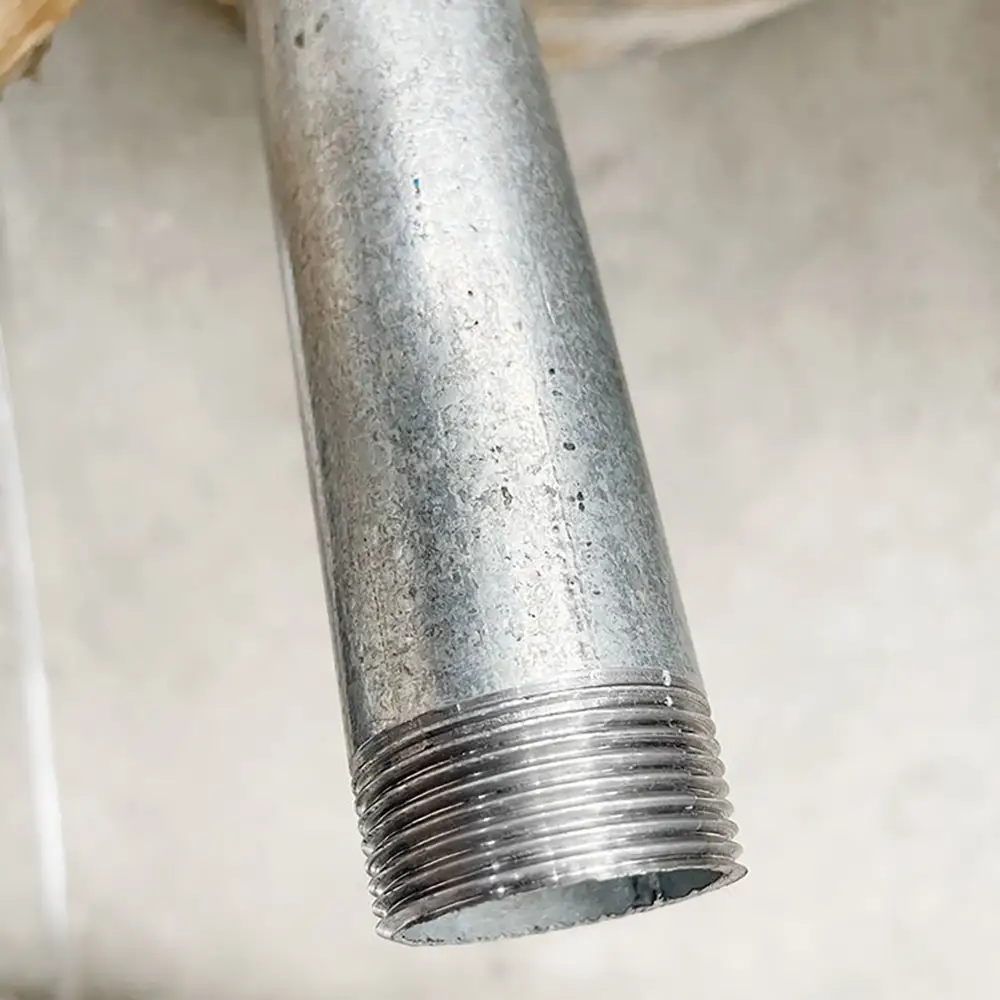
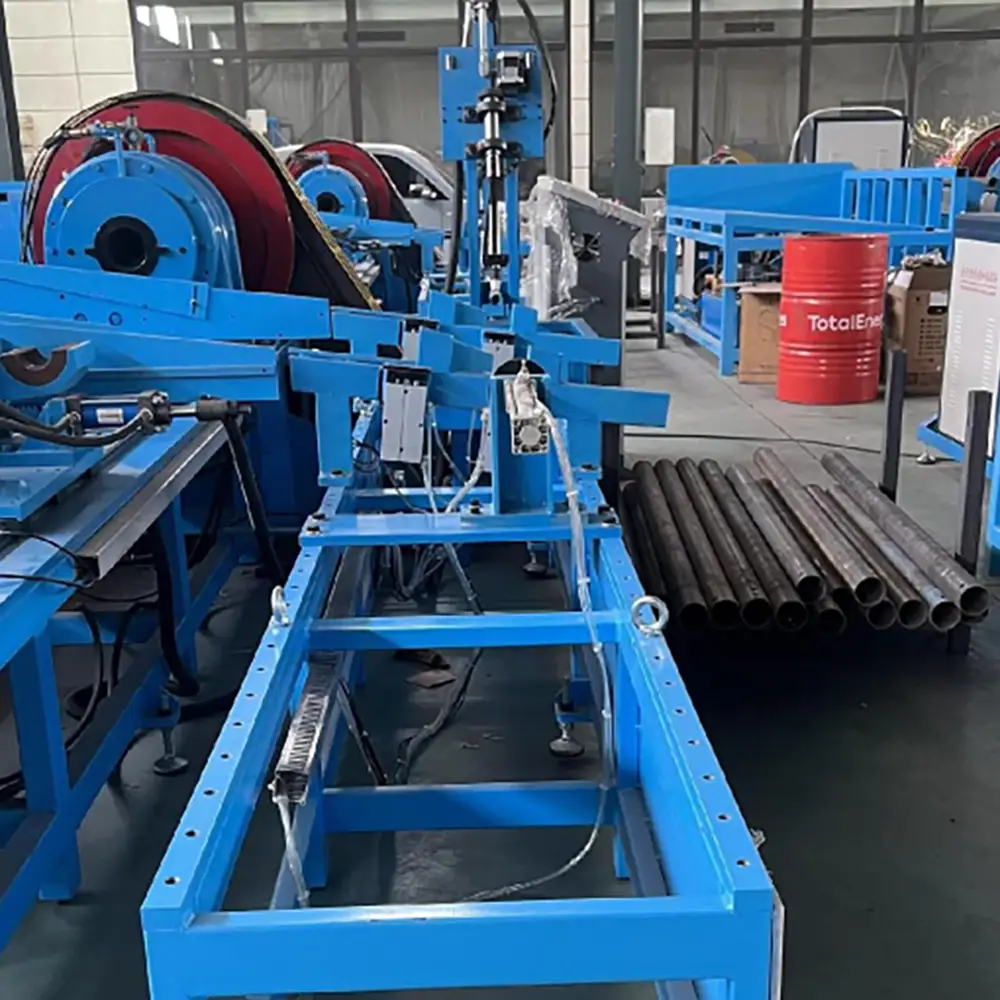
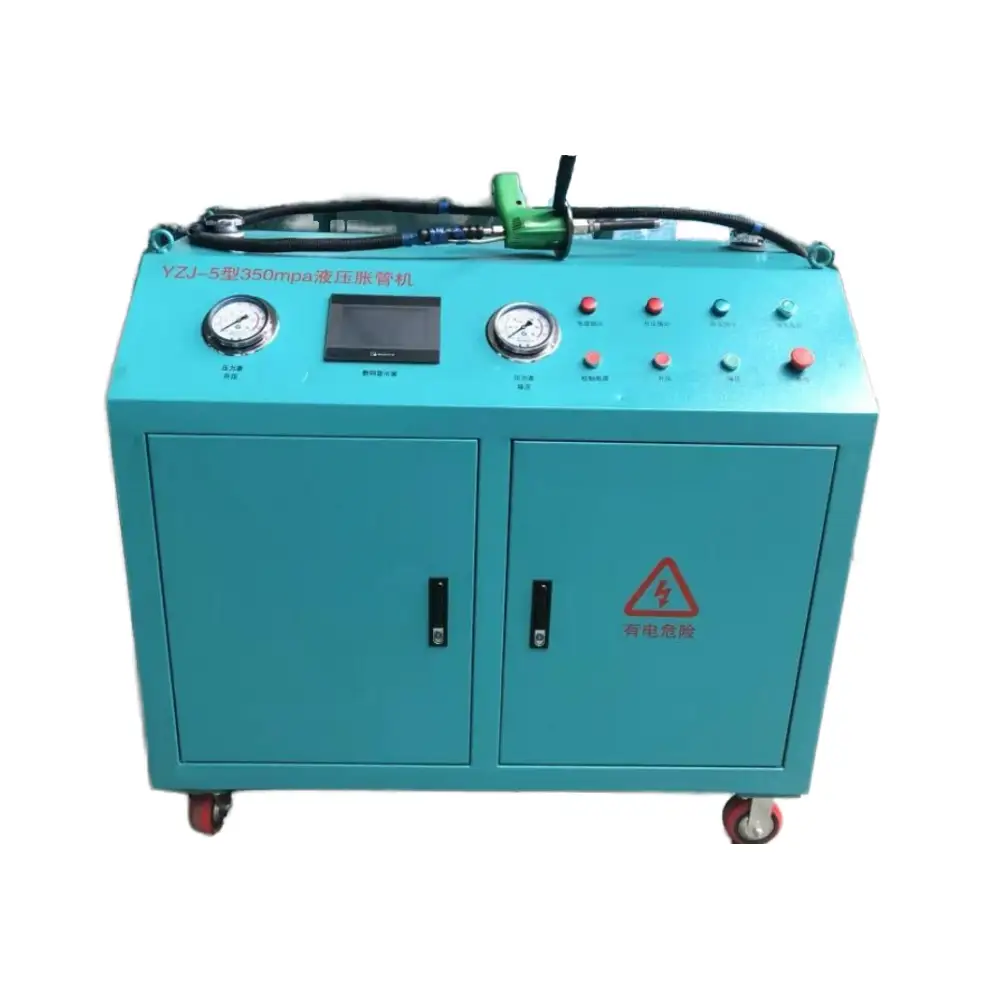
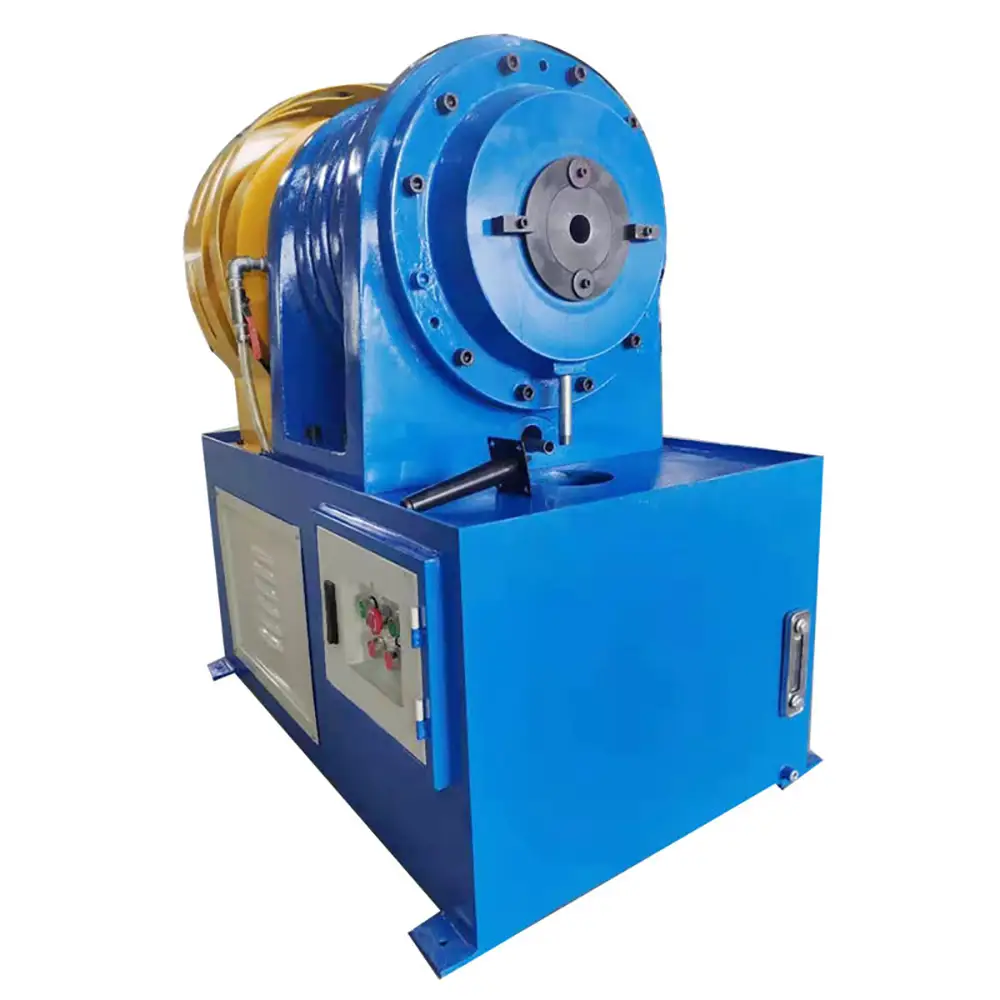
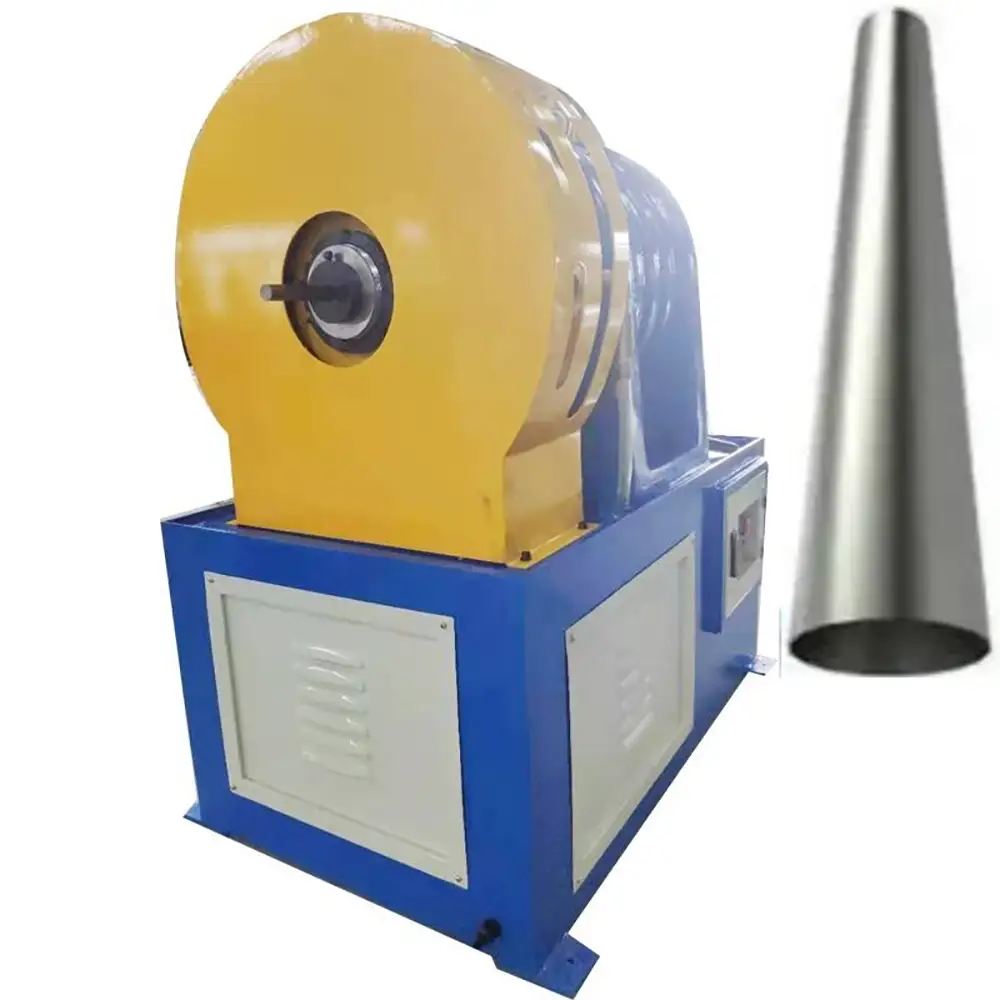
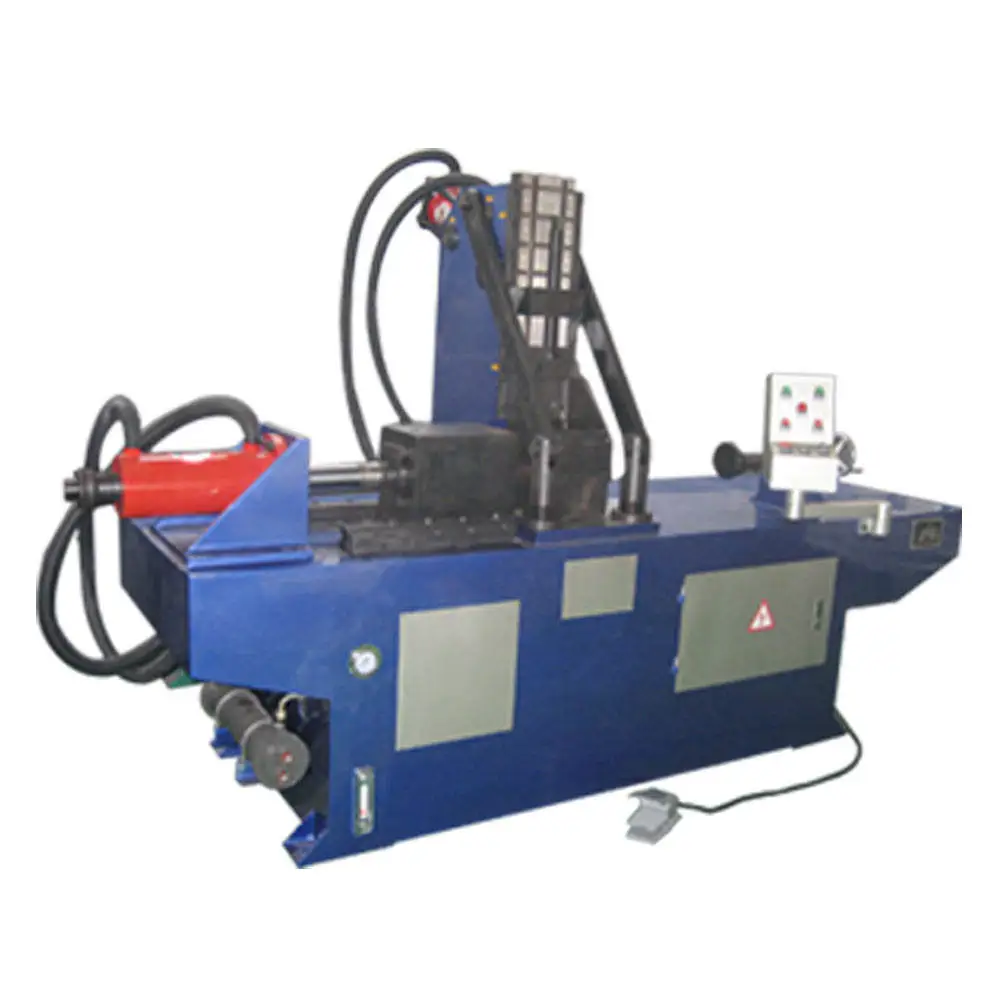
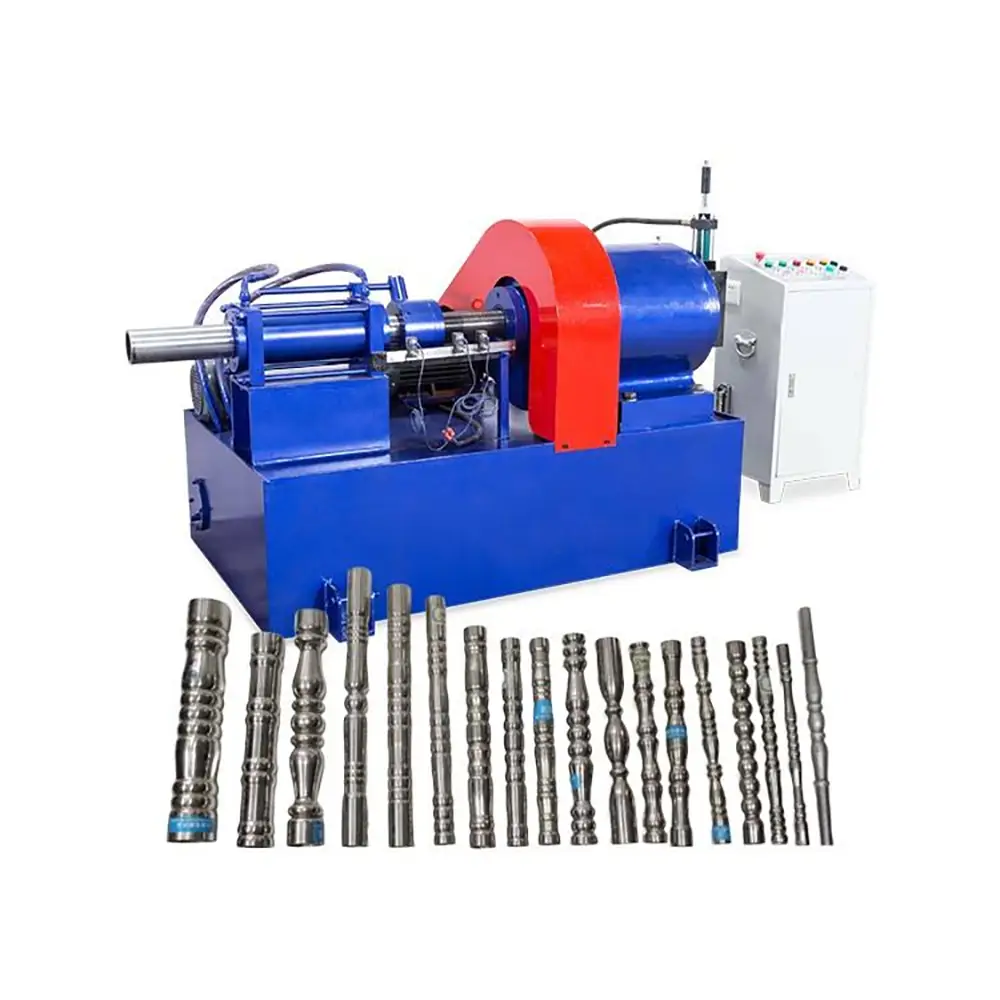
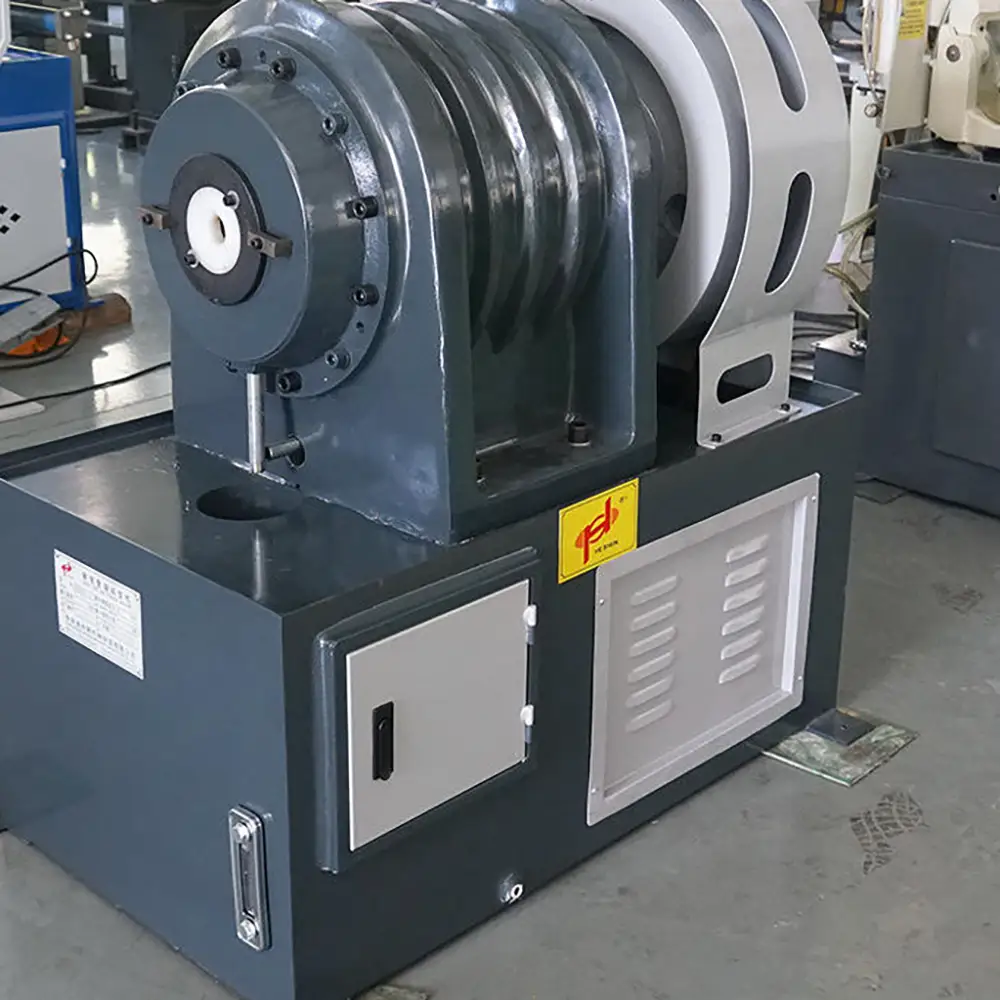
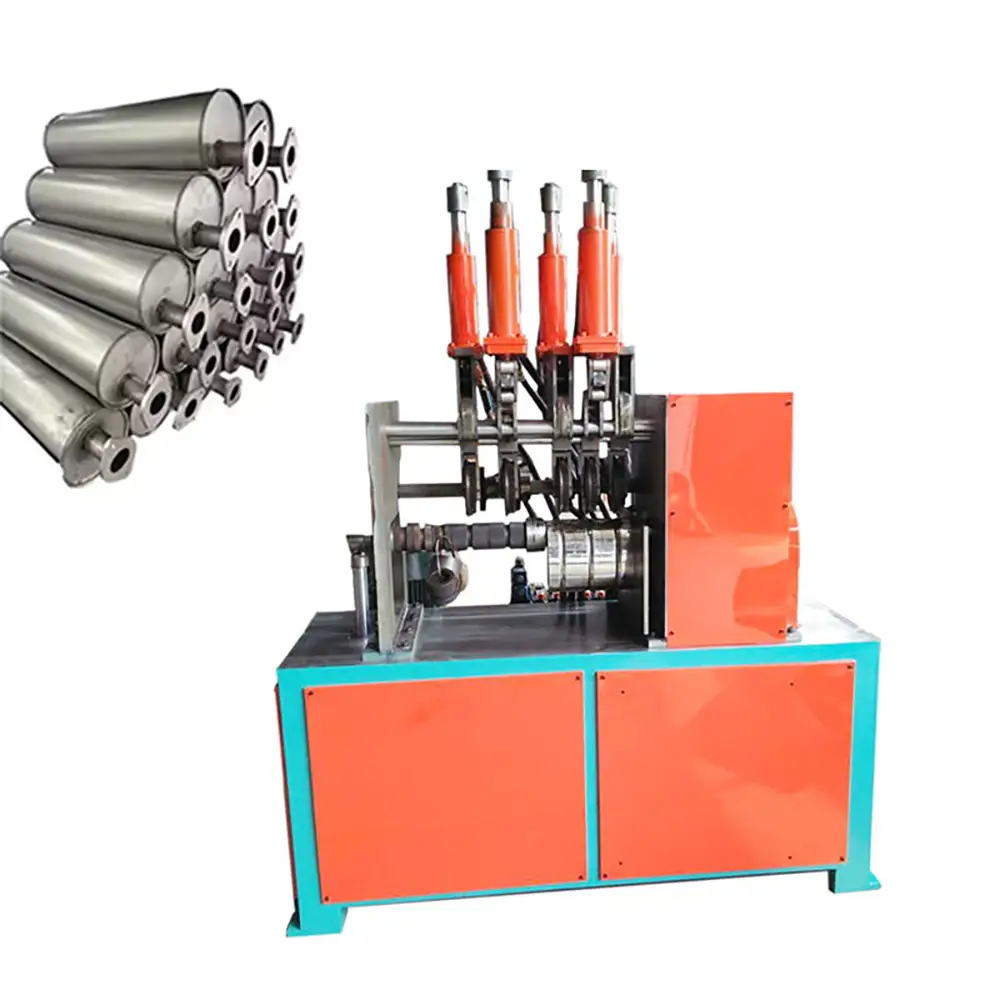
1, single-headed manual feed pipe, suitable for short pipes
2, the machine is simple to operate, high efficiency
3, the threading tool can be used 30,000-50,000 times
4, light weight and small size of the machine, can be moved at will
|
Model |
65 |
|
Control type |
NC, semi automatic |
|
Power |
8.2kw |
|
Threading capacity |
DN25-DN65 |
|
Processing efficiency |
10 S/ pieces |
|
Tool life |
30,000-50,000 pieces |
|
Size |
1600x600x115mm |
|
Weight |
900kg
|
Smaller Type High-Speed Thread Rolling Machine
The Smaller Type High-Speed Thread Rolling Machine is a compact metal thread forming machine designed for manufacturers that need efficient and repeatable external thread production while keeping equipment size and floor-space requirements under control.
Thread rolling is a cold-forming process in which hardened thread dies apply controlled pressure to a suitable workpiece and form the external thread profile without removing material in the same way as conventional thread cutting. This process can provide an efficient solution for producing threads on bolts,rods,studs,fasteners,and other compatible cylindrical components.
The smaller machine format makes this type of equipment practical for production workshops,fastener manufacturers,hardware factories,automotive component suppliers,and general metalworking operations where production efficiency and available installation space are important considerations.
Actual thread size,workpiece dimensions,production speed,and compatible materials depend on the specific machine configuration,thread dies,material properties,and processing requirements.
High-Speed Thread Rolling Technology
The machine is designed around a high-speed thread rolling process that uses thread-forming dies to progressively form the required thread profile on the workpiece.
Unlike material-removal thread cutting,thread rolling primarily reshapes the surface material through controlled forming pressure. This can provide a fast production method for suitable workpieces and may produce consistent thread geometry when the machine,tooling,and material are properly matched.
The actual rolling speed depends on the machine design,workpiece dimensions,thread specification,material hardness,and die configuration.
For high-volume production,thread rolling can help reduce repetitive machining operations and support a continuous manufacturing workflow.
Compact Thread Rolling Machine Design
The smaller type configuration is intended for applications where manufacturers need a capable thread rolling system without installing a large machine.
A compact footprint can make the equipment easier to integrate into existing production lines,workshops,and manufacturing cells. It may also simplify material handling and machine placement when floor space is limited.
However,machine size should not be confused with universal processing capability. The maximum thread diameter,workpiece length,rolling force,and production rate must be confirmed according to the actual technical specification.
Before ordering,customers should provide thread dimensions,material,workpiece size,and production requirements.
External Thread Forming
Thread rolling is commonly used to form external threads on suitable cylindrical components.
Typical workpieces may include:
Bolts
Studs
Screws
Threaded Rods
Fastener Components
Metal Shafts
Pins
Automotive Components
Construction Hardware
Machinery Components
The thread profile is created by the rolling dies as the workpiece passes through or rotates between the forming tools.
The finished thread depends on die design,workpiece material,initial diameter,thread pitch,rolling pressure,and machine setup.
Thread Rolling for Fastener Manufacturing
Fastener production is one of the important applications for thread rolling machines.
Manufacturers can use thread rolling equipment to produce external threads on suitable bolts,studs,and other fastener blanks. Because the process is based on forming rather than conventional cutting,it can be suitable for repetitive production where consistent thread geometry is required.
The appropriate blank diameter is important because the material must have enough volume to form the required thread profile.
Thread rolling dies should be selected according to thread standard,pitch,diameter,thread length,and workpiece material.
For critical fastener applications,production samples should be inspected using suitable gauges and dimensional measurement equipment.
Material Compatibility
Thread rolling can be used with suitable ductile and formable metals. Common materials may include:
Carbon Steel
Alloy Steel
Stainless Steel
Mild Steel
Copper Alloys
Aluminum Alloys
Other Suitable Metal Materials
Material hardness and ductility have a direct effect on the forming process. Excessively hard or brittle materials may not be suitable for conventional thread rolling without appropriate process evaluation.
Heat treatment condition is also important. Some components may require rolling before or after specific heat treatment stages depending on the material and manufacturing process.
Customers should provide material grade and hardness information when requesting machine recommendations.
Thread Rolling Dies
Thread dies are critical components of the machine because they determine the final thread geometry.
Different thread specifications require different die sets. Tooling can be selected according to thread diameter,pitch,profile,thread length,and applicable thread standard.
Common thread profiles may include metric,UNC,UNF,and other external thread forms when compatible tooling is available.
Custom dies can also be considered for specialized thread profiles or non-standard components.
Proper die installation and alignment are essential for maintaining thread quality and extending tooling life.
Production Efficiency
High-speed thread rolling can support repetitive manufacturing by reducing the time required for individual thread-forming operations.
For larger production batches,a controlled rolling process can provide repeatable results across multiple workpieces. The actual output depends on workpiece dimensions,thread length,material,feeding method,die condition,and operator workflow.
Automatic feeding or integrated production-line functions may be available depending on the machine configuration.
For a high-volume application,the complete cycle should be evaluated,including loading,rolling,inspection,and unloading.
Thread Quality and Dimensional Control
Quality control is essential for threaded components.
Manufacturers may inspect:
Thread Diameter
Thread Pitch
Thread Profile
Thread Length
Thread Concentricity
Surface Condition
Thread Gauge Results
Correct blank diameter,die alignment,rolling pressure,and machine setup all contribute to finished thread quality.
For production runs,first-piece inspection and periodic sampling can help identify tooling wear or process changes.
Thread gauges and other appropriate inspection equipment should be selected according to the required thread standard and tolerance.
Advantages of Thread Rolling
For suitable materials and applications,thread rolling offers several production advantages.
The process can provide fast external thread forming and can reduce the need for material-removal operations. Because the thread is formed by pressure,the process can also produce a smooth formed surface when the workpiece and tooling are properly matched.
Thread rolling may also be useful for high-volume production where consistent cycle times and repeatable thread geometry are important.
The actual benefits depend on the specific workpiece and production conditions.
Applications Across Industries
The smaller type high-speed thread rolling machine can be used in various manufacturing sectors,including:
Fastener Manufacturing
Automotive Parts
Motorcycle Components
Machinery Manufacturing
Construction Hardware
Agricultural Machinery
Electrical Hardware
Bicycle Components
Industrial Equipment
General Metal Fabrication
The machine is especially useful for manufacturers producing repeated external-thread components in batches.
Maintenance and Safety
Routine maintenance should include inspection of thread dies,drive components,fixtures,fasteners,lubrication systems,and electrical components according to the manufacturer's recommendations.
Thread dies should be checked regularly for wear,damage,and alignment. Worn tooling can affect thread quality and increase the risk of dimensional variation.
During operation,the rolling area should remain clear of hands and loose objects. Operators should receive appropriate training and use required personal protective equipment.
Emergency stops,guards,electrical protection,and other safety features depend on the machine configuration and applicable local requirements.
OEM and Custom Thread Rolling Solutions
Different manufacturers may require different thread sizes,workpiece lengths,materials,and production rates. The machine can therefore be configured around specific manufacturing requirements.
For OEM and ODM projects,customers can provide:
Thread Diameter
Thread Pitch
Thread Length
Thread Standard
Workpiece Diameter
Workpiece Length
Material Grade
Material Hardness
Required Production Volume
Sample Parts or Drawings
This information helps determine suitable rolling dies,machine configuration,and feeding arrangements.
Why Choose Us
Compact Machine Design — Smaller equipment format can simplify installation in workshops and production cells with limited floor space.
High-Speed Thread Rolling — Designed for efficient external thread forming on suitable metal components.
External Thread Forming — Suitable for bolts,studs,rods,shafts,and other compatible cylindrical workpieces.
Production Efficiency — Thread rolling supports repetitive manufacturing and batch production.
Flexible Tooling — Thread dies can be selected or customized according to thread dimensions and profiles.
Multiple Material Options — Suitable machine configurations can be evaluated for carbon steel,alloy steel,stainless steel,and other formable metals.
Quality-Oriented Processing — Proper machine setup and tooling can help maintain consistent thread geometry.
OEM & ODM Support — Machine configuration,thread dies,feeding systems,and production solutions can be developed according to customer requirements.
FAQs
1. What is a thread rolling machine?
A thread rolling machine forms external threads on suitable metal workpieces by applying controlled pressure through specialized thread dies.
2. What does high-speed thread rolling mean?
It refers to a thread rolling process designed for relatively fast and repeatable production. Actual speed depends on the machine and workpiece specifications.
3. What does “smaller type” mean?
It generally refers to a more compact machine format designed to reduce installation space compared with larger industrial thread rolling systems.
4. What products can be thread rolled?
Suitable applications include bolts,studs,threaded rods,shafts,pins,fasteners,and other cylindrical metal components.
5. What materials can be thread rolled?
Depending on the machine and tooling,suitable carbon steel,alloy steel,stainless steel,mild steel,copper alloys,aluminum alloys,and other formable metals may be processed.
6. Is thread rolling better than thread cutting?
The two processes have different applications. Thread rolling forms the thread through pressure,while thread cutting removes material. The appropriate process depends on material,thread specification,production volume,and component design.
7. Can the machine produce metric threads?
Yes,when suitable metric thread dies are available and compatible with the machine.
8. Can it produce UNC and UNF threads?
Depending on the machine and tooling configuration,it can be equipped with suitable dies for compatible unified thread standards.
9. Can custom thread dies be supplied?
Yes. Custom or application-specific thread dies can be evaluated according to the required thread profile and workpiece dimensions.
10. What affects thread rolling quality?
Material properties,blank diameter,thread die condition,die alignment,rolling pressure,thread pitch,and machine setup all affect the finished thread.
11. Is the machine fully automatic?
The operating method depends on the selected configuration. Manual,semi-automatic,and automated feeding arrangements may be available.
Prev:
Iron Tube Expander Pipe Tube End Forming Machine
Next:
Metal Round Pipe Beading Machine Electric Wire Reeling Machine
TAG:
Steel Thread Rolling Machine,
Threading Machine For Rods,
Threading Machine For Bolts,
Threading Machine For Fasteners,
Stainless Steel Thread Rolling Machine,
Carbon Steel Thread Rolling Machine,
Alloy Steel Thread Rolling Machine,
Small Bolt Thread Rolling Machine,
Industrial Bolt Thread Rolling Machine,
Thread Rolling Press,
Thread Rolling Tool,
Cold Thread Rolling Machine,
Cold Thread Forming Machine,
Thread Rolling Production Line,
Industrial Thread Rolling Equipment,
Thread Rolling Machine Manufacturer,
Thread Rolling Machine Supplier,
Metal Threading Machine,
Cold Forming Thread Machine,
Thread Rolling Equipment Manufacturer,
Thread Forming Machine Supplier,
Metal Thread Rolling Machine Manufacturer,
Metal Thread Rolling Machine Supplier,
High-Speed Thread Rolling Machine Manufacturer,
High-Speed Thread Rolling Machine Supplier,
Precision Thread Rolling Machine Manufacturer,
Thread Rolling Production Machine,
Thread Rolling Production Equipment,
Thread Rolling Machinery Manufacturer,
Thread Rolling Machinery Supplier,
Related Category:
Smaller Type High-Speed Thread Rolling Machine,High-Speed Thread Rolling Machine,Small Thread Rolling Machine,Compact Th China, suppliers, manufacturers, factory, customized, wholesale, quotation, made in China