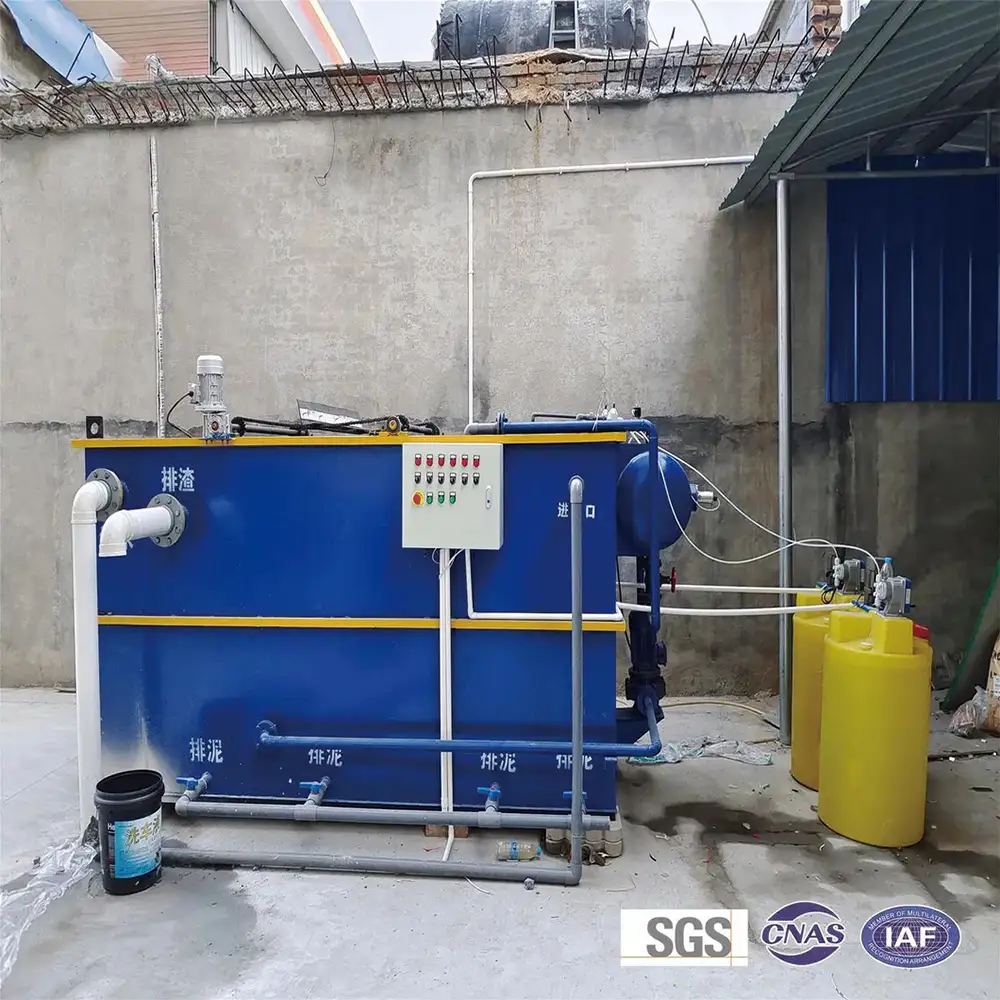
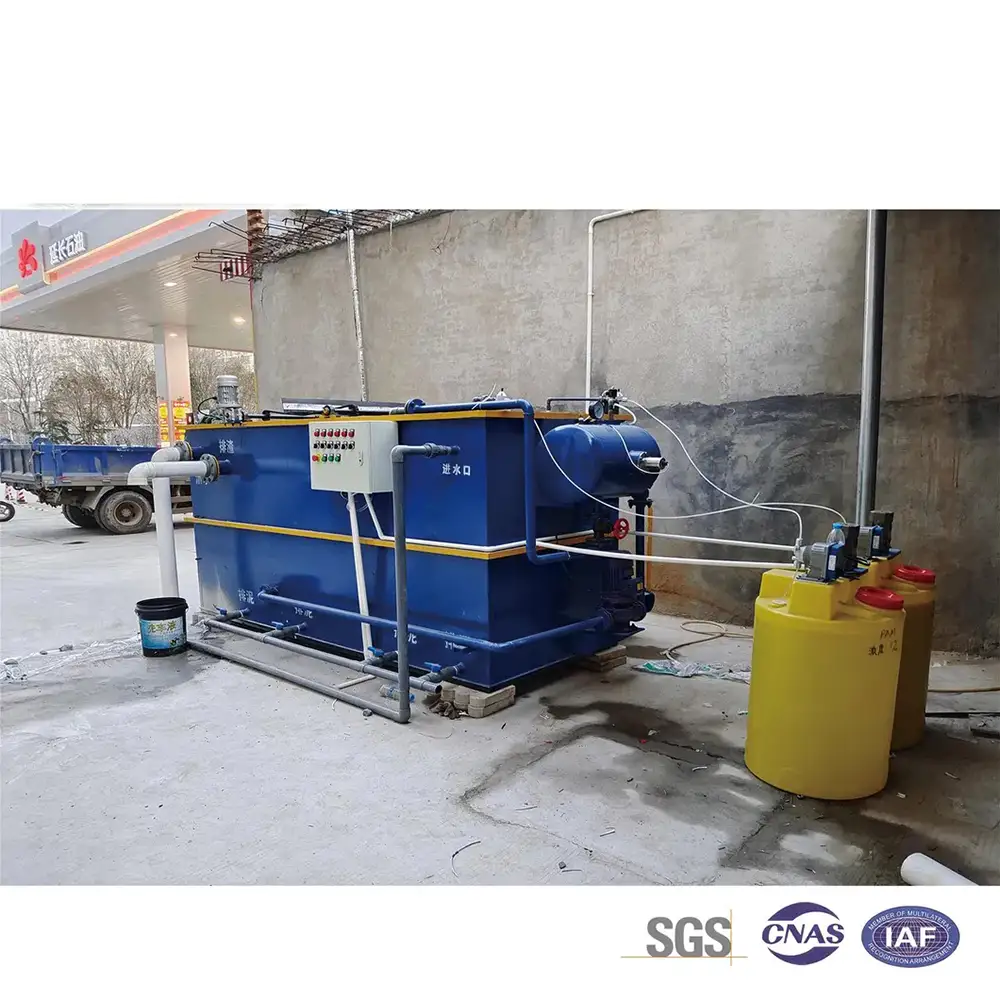
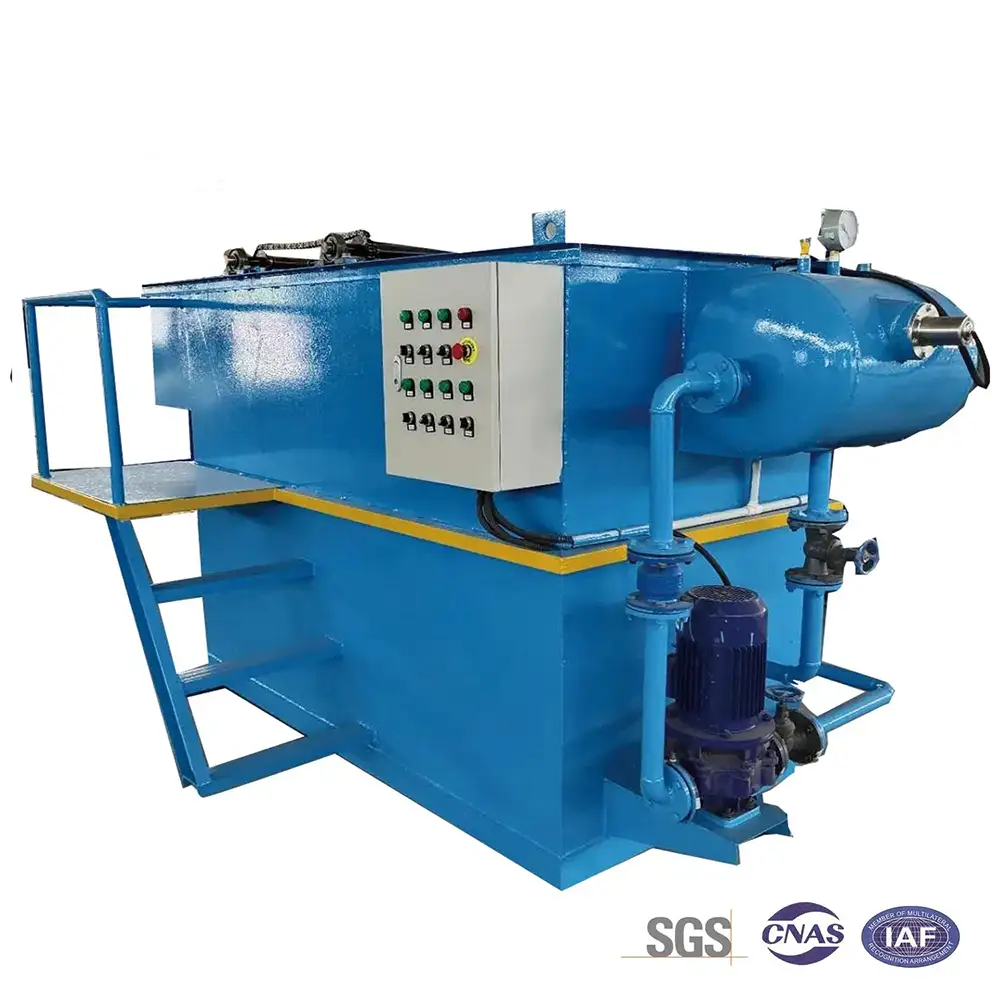
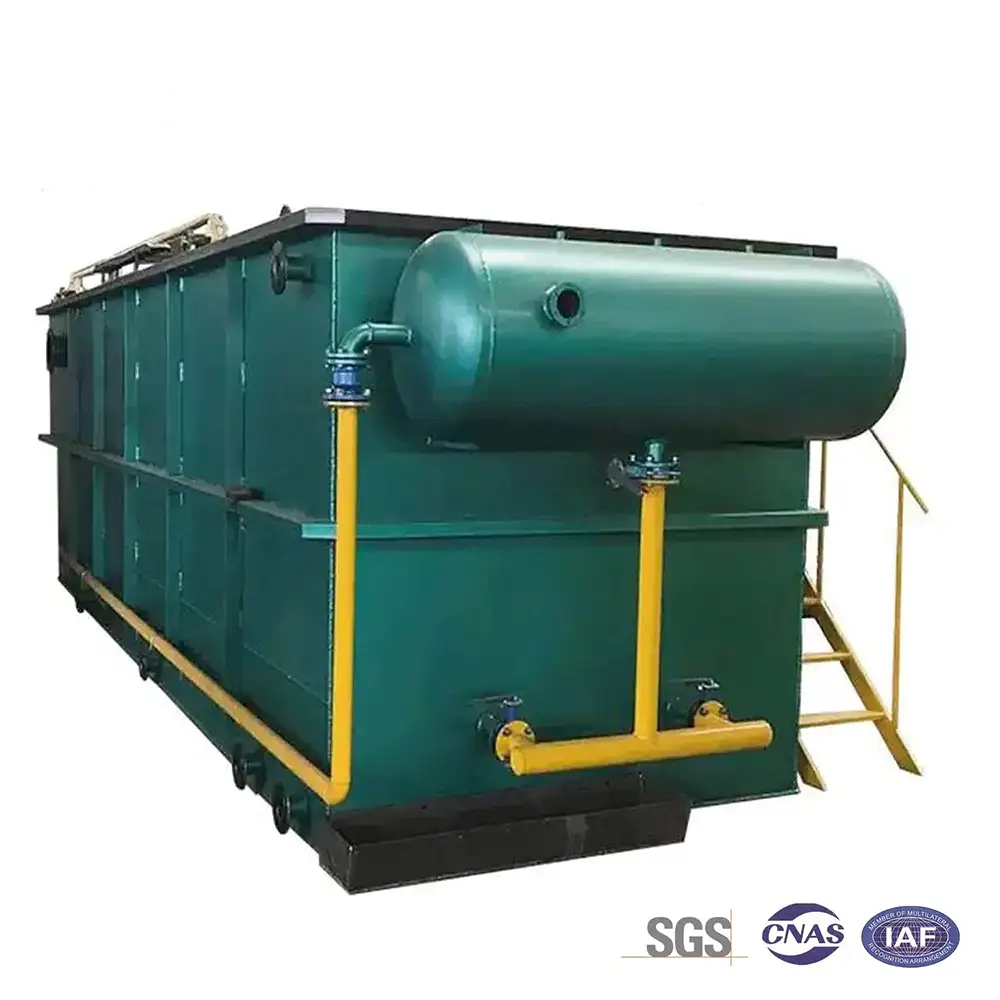
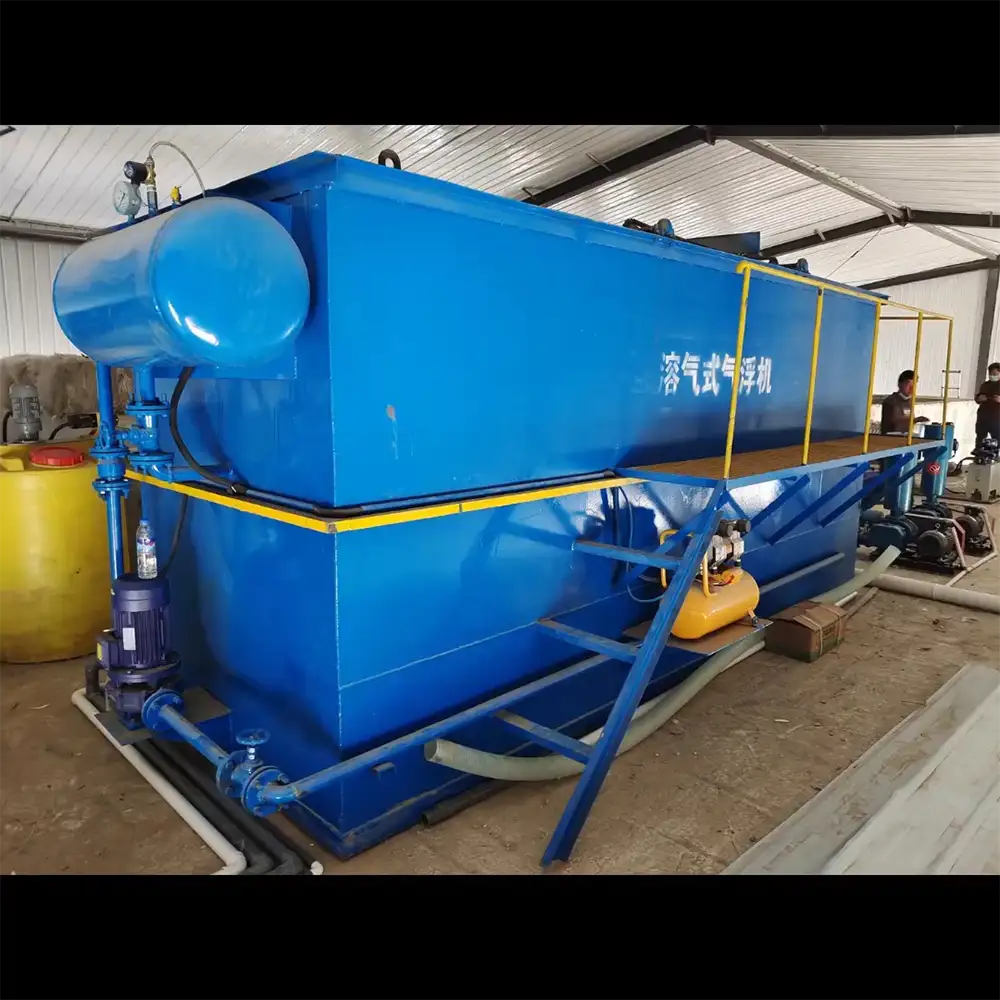
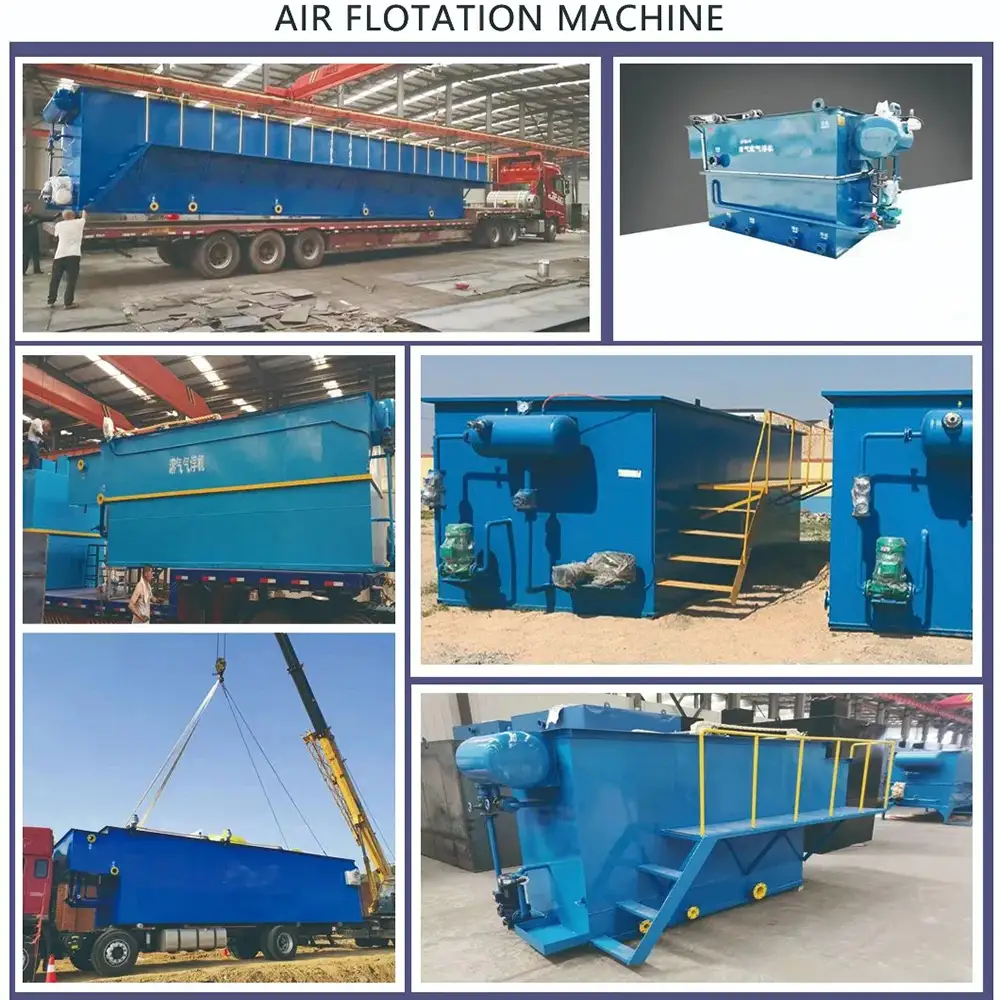
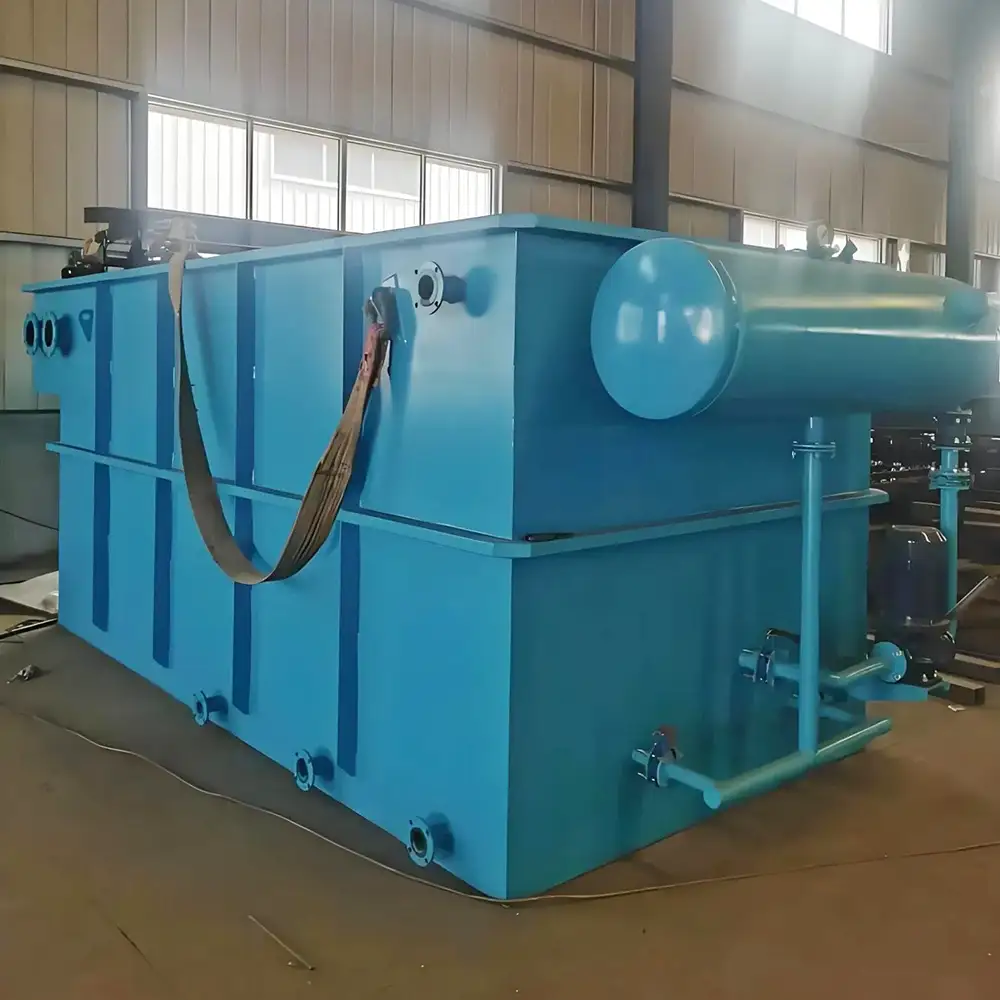
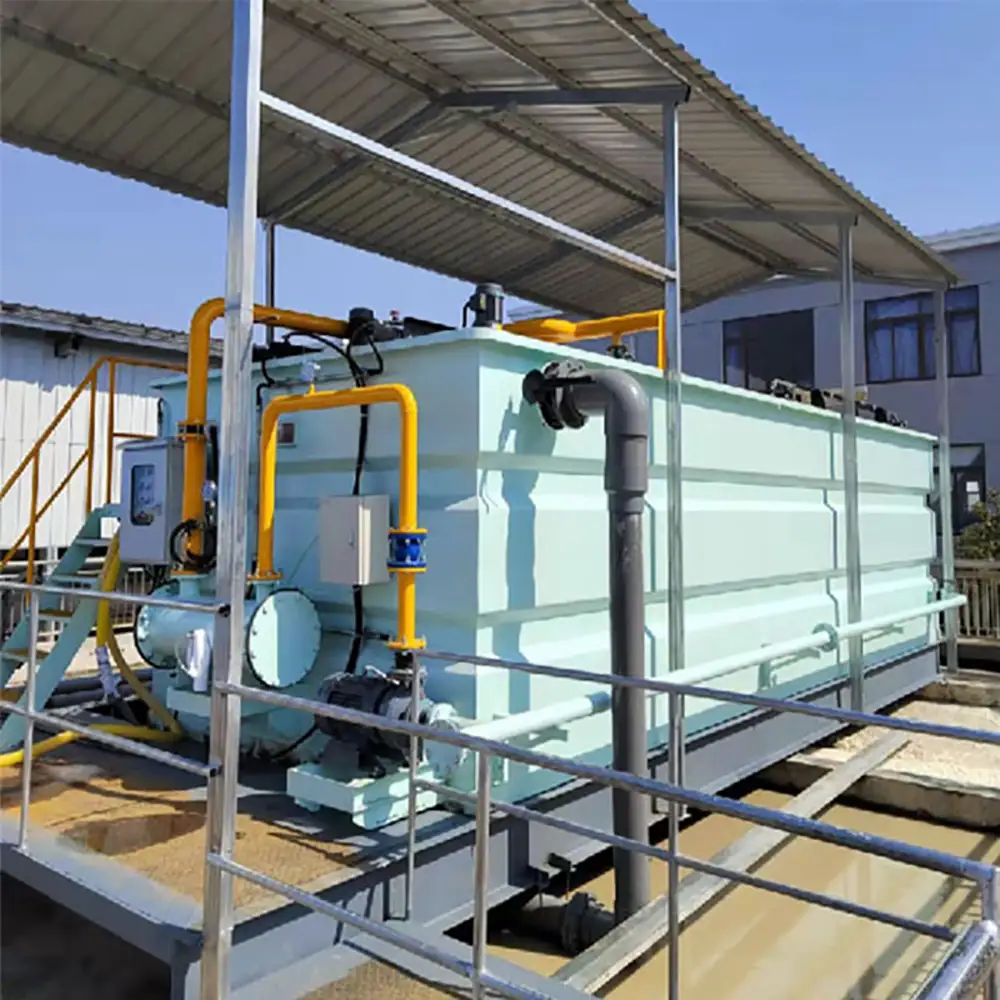
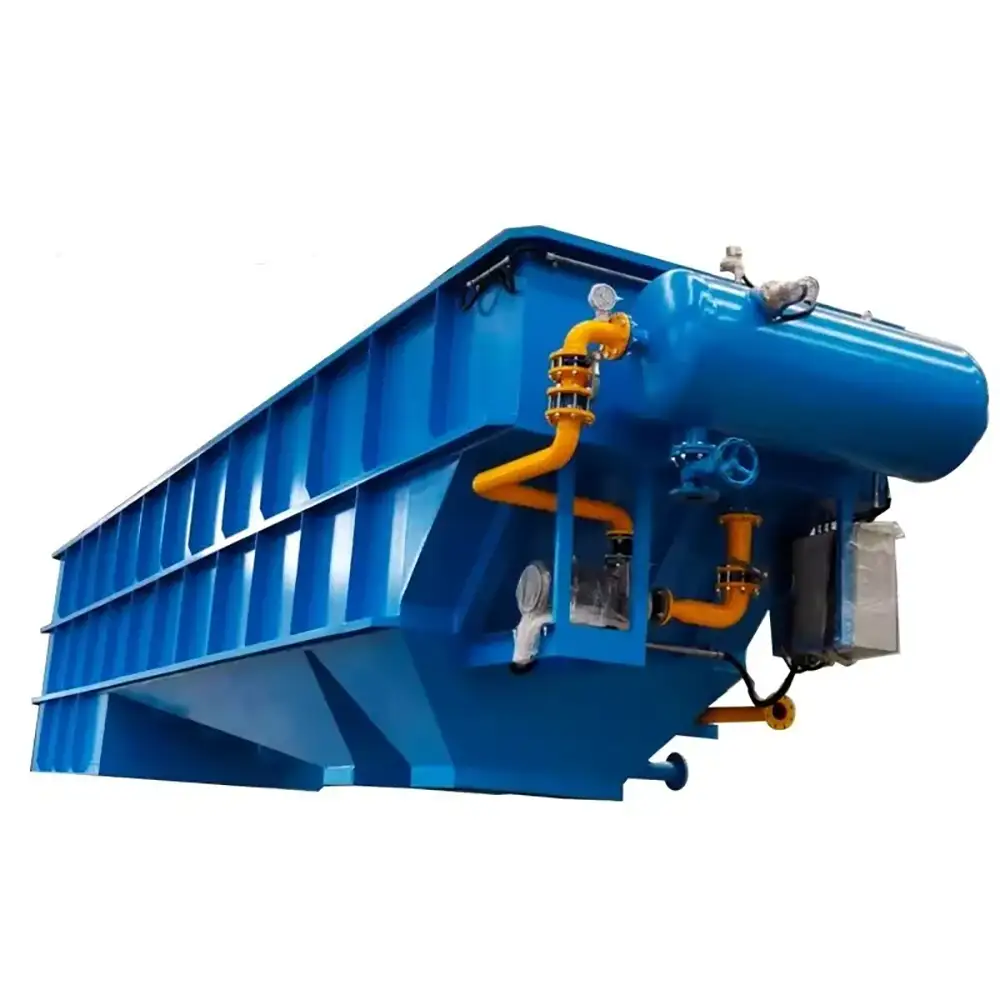
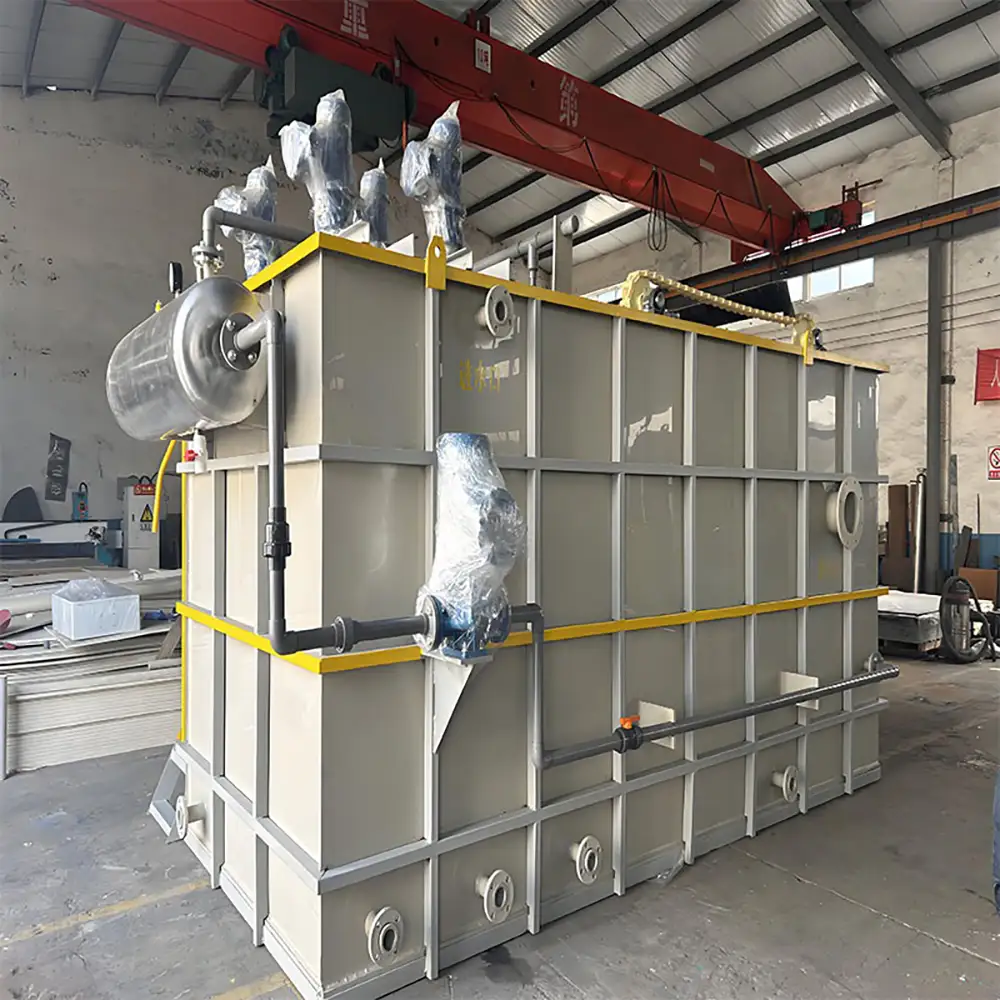
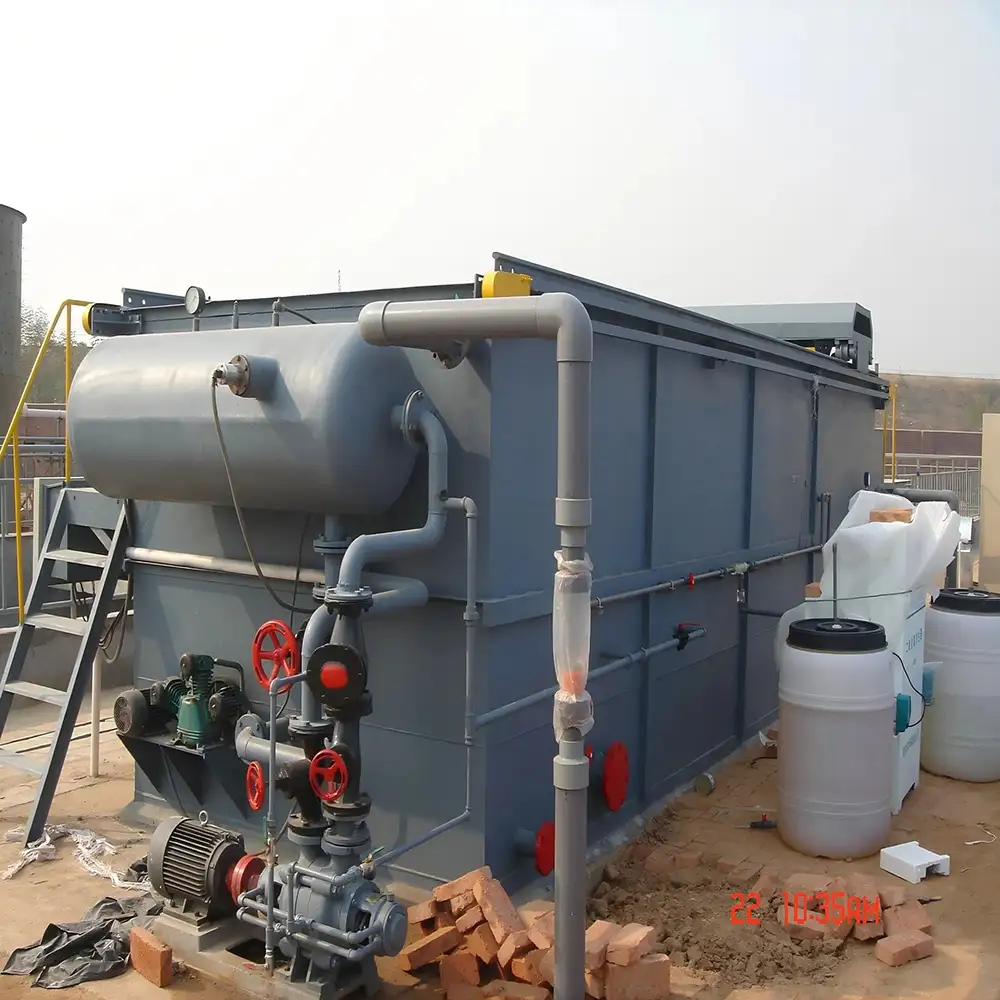
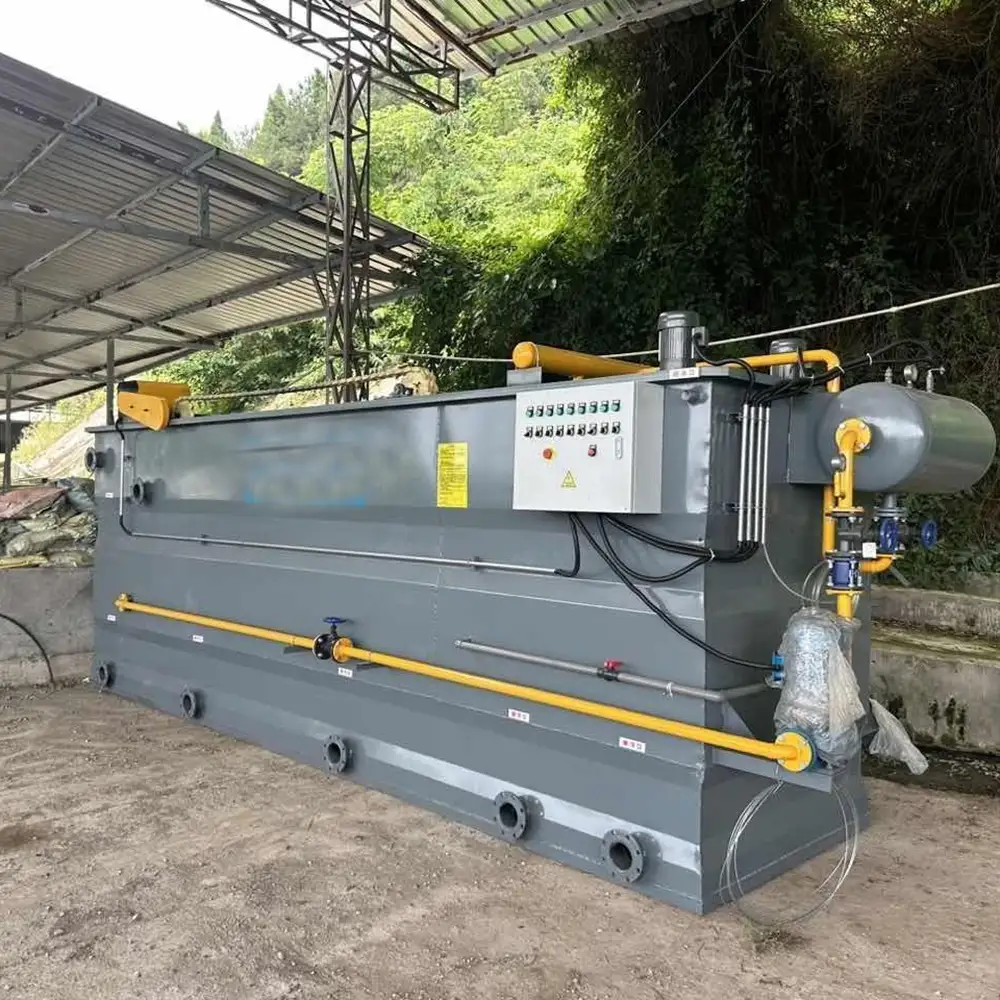
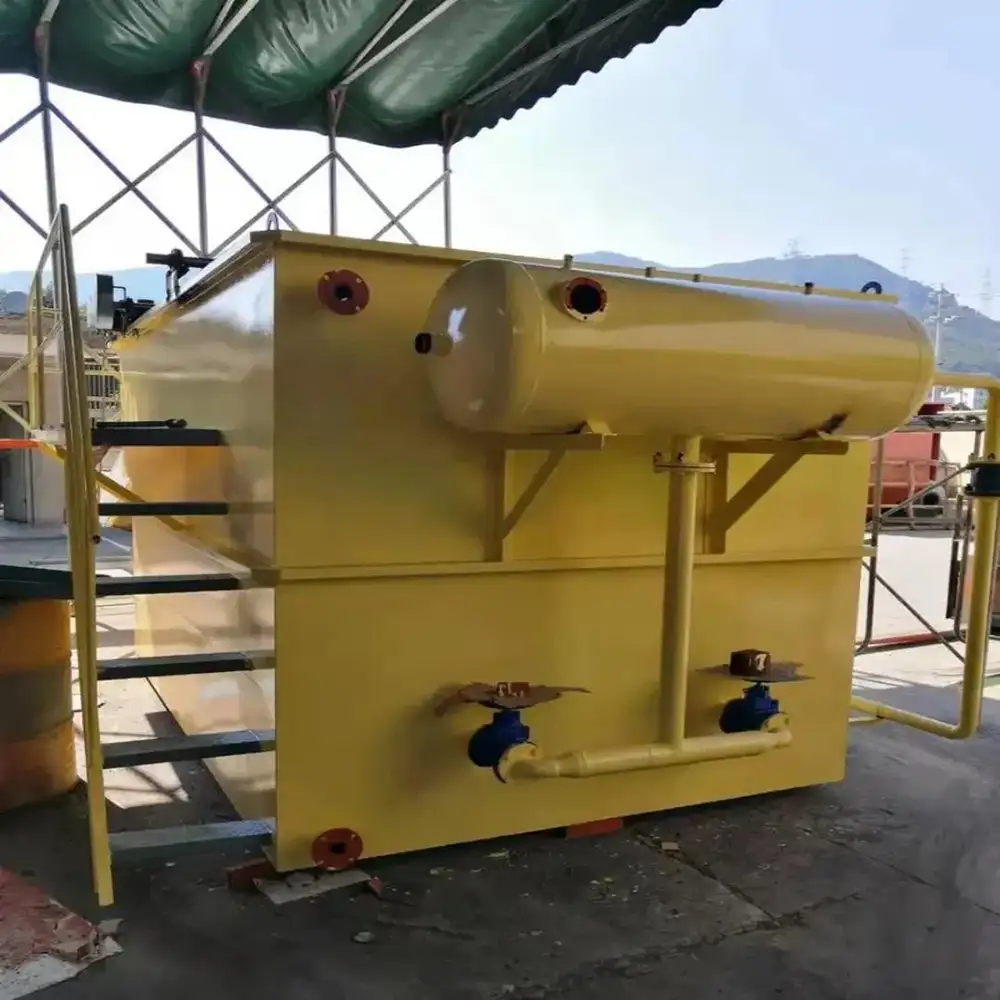
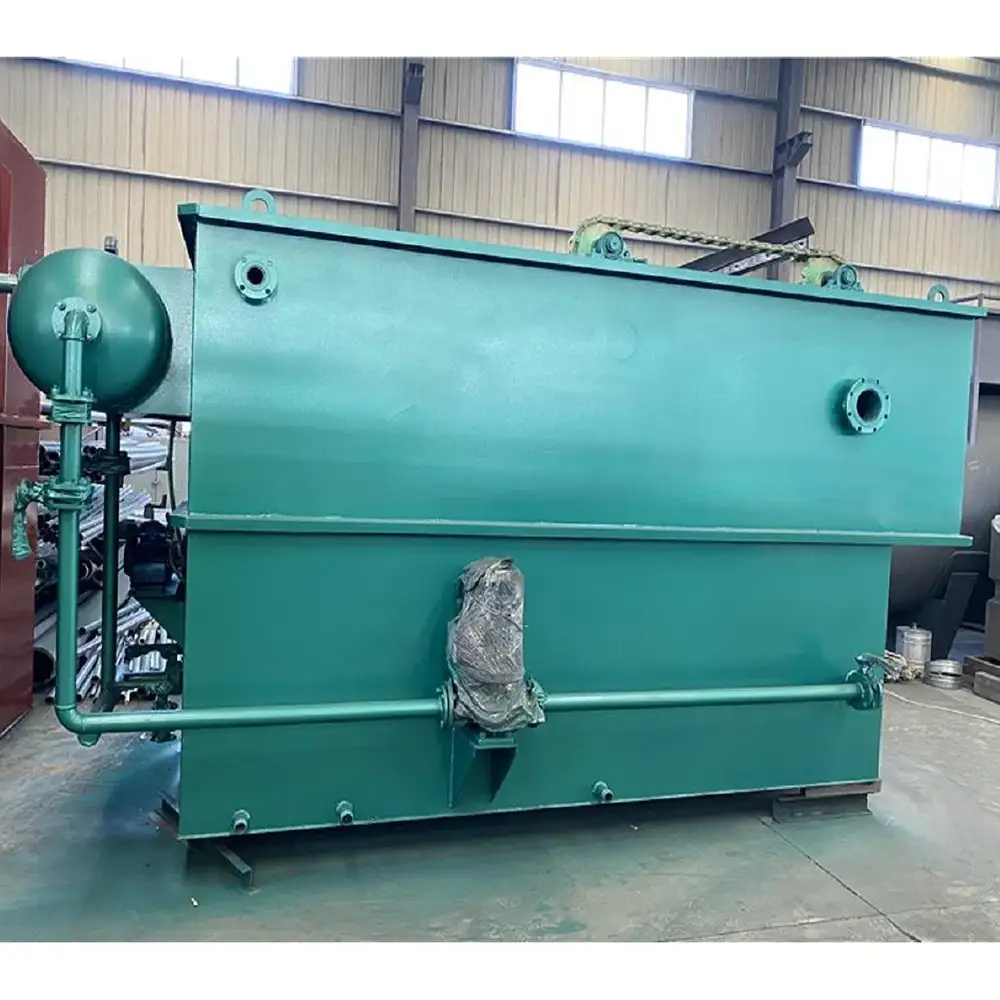
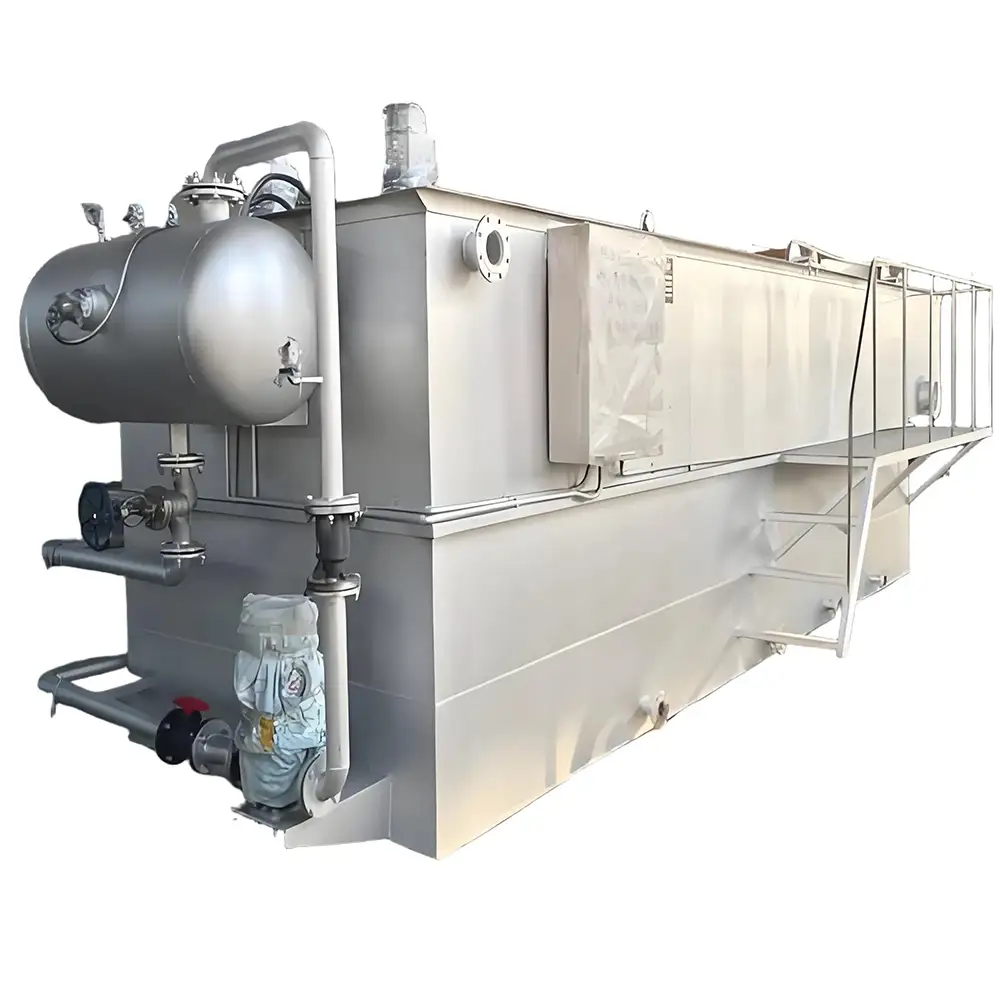
Air flotation machine is a machine that uses small bubbles or small bubbles to surface impurities in the medium. This air flotation device can be used for small particles with a specific gravity close to that of water, which are difficult to sink or float due to their own weight.
In terms of water supply and drainage, the pre-treatment water quality, except for some raw water bodies with high sand content and sewage with heavy mechanical impurities, is mostly composed of lightweight suspended particles. For example, algae in lakes, reservoirs, and some rivers; Plant residues and small colloidal impurities; Dye particles in the printing and dyeing industry; Short fibers in the papermaking and chemical fiber industries; Microdroplets of petroleum and organic solvents in the refining and chemical industries; Heavy metal ions in electroplating and pickling wastewater; Electrophoretic paint wastewater, etc;
|
Model NO. |
GSRF |
Handling method |
physicochemical treatment |
|
Usage |
Industrial, agricultural, food factories, slaughterhouses |
Trademark |
|
|
Types |
Package, Compact, Small, Mini |
Applications |
Industrial, Municipal, Domestic, Medical, Ship |
|
Craft |
Flocculation sedimentation method |
Features |
Water Clarification, Filtration, Purification |
|
Service Life |
20 Years |
Operation |
Automatic |
|
Steel Plate Thickness |
>8mm |
Function |
Remove Suspended solids |
|
Voltage |
220V/ 380V/ Customerized |
Installation Type |
Onground |
|
Colour |
Grey/Silver/Blue/Balck/Customerized |
Use for |
Mineral, Printing, Chemical, Dyeing, Starch |
|
Material |
Carbon Steel, Stain Steel, FRP, PE, PP |
Certificate |
SGS, ISO |
|
Transport Package |
Container Standard Packing |
Specification |
Carbon steel anti-corrosion |
|
Production Capacity |
1000 Sets/Year |
Origin |
China |
High Performance Suspended Solids Removal Water Treatment System
A High Performance Suspended Solids Removal Water Treatment System is designed to efficiently separate suspended particles, turbidity, colloidal matter, and other solid contaminants from industrial water and wastewater. Suspended solids can originate from manufacturing processes, food processing, mining, chemical production, municipal wastewater, surface water, and many other sources. Effective solids removal is often an important step before downstream biological treatment, filtration, membrane treatment, disinfection, or water reuse.
The treatment system can be configured with screening, coagulation, flocculation, sedimentation, dissolved air flotation, media filtration, or other solid-liquid separation technologies according to the characteristics of the incoming water. EPA treatment guidance identifies sedimentation, filtration, coagulation, flocculation, and flotation as established approaches for suspended solids separation.
What Is Suspended Solids Removal?
Suspended solids are particles that remain dispersed in water rather than completely dissolving. They can include sand, silt, clay, organic particles, biological solids, process residues, fibers, precipitated compounds, and other fine materials.
High concentrations of suspended solids can increase turbidity, reduce water quality, interfere with downstream treatment, increase filter loading, and contribute to sludge generation. A properly selected Suspended Solids Removal System separates these materials before they create problems in subsequent treatment stages.
Depending on particle size and characteristics, solids can be removed by gravity settling, filtration, flotation, or chemical-assisted separation. Fine and colloidal particles may require coagulation and flocculation to form larger particles that can be more effectively separated.
How Does the Water Treatment System Work?
The exact process flow depends on the application, but a typical high-performance system may include several treatment stages.
First, coarse screening can remove large debris and protect pumps, valves, and downstream equipment. An equalization tank may then be used to balance flow and pollutant fluctuations.
For water containing fine or colloidal particles, coagulants may be added to destabilize particle charges. Flocculation then promotes contact between particles and forms larger flocs. These flocs can subsequently be removed through sedimentation, flotation, or filtration.
In a sedimentation system, heavier flocs settle under gravity and are collected as sludge. In a dissolved air flotation system, microscopic air bubbles attach to suitable particles and carry them to the water surface for skimming.
Filtration can provide additional polishing by passing water through a porous or granular medium. Sand, multimedia, activated carbon, cloth, cartridge, or other filtration technologies can be selected according to the required treatment objective. EPA references filtration as a common process for removing remaining suspended and fine particles after clarification.
High-Performance Suspended Solids Removal
The term High Performance Suspended Solids Removal should be understood as a system-design objective rather than a guaranteed removal percentage. Actual performance depends on influent water quality, particle characteristics, hydraulic loading, chemical conditioning, equipment configuration, and operating conditions.
A properly engineered system can provide:
Efficient suspended solids separation
Turbidity reduction
Improved water clarity
Reduced downstream filter loading
Better protection for membrane systems
More stable biological treatment
Reduced particulate carryover
Improved water reuse pretreatment
Continuous or automatic operation
Concentrated sludge collection
Where coagulation is used, chemical selection and dosing should be based on actual water characteristics. EPA guidance notes that coagulation efficiency depends on factors including raw water quality, chemical selection, mixing conditions, dosage, and pH.
Industrial Water Treatment Applications
This Industrial Water Treatment System can be designed for many applications, including:
Industrial Process Water
Industrial Wastewater
Municipal Wastewater
Food Processing Wastewater
Beverage Industry Wastewater
Meat Processing Wastewater
Textile Wastewater
Chemical Industry Wastewater
Mining Wastewater
Construction Wastewater
Paper And Pulp Wastewater
Manufacturing Wastewater
Surface Water Pretreatment
Groundwater Treatment
Water Reuse Systems
RO Pretreatment
Membrane Pretreatment
For industrial water reuse, suspended solids removal is particularly important because excessive particulate loading can shorten filter runs and increase maintenance requirements for downstream membrane and polishing equipment.
Main Treatment Configurations
The system can be supplied in different configurations depending on the water source and treatment target.
Coagulation And Flocculation
Chemical coagulation and flocculation are useful when particles are too small or stable to settle effectively on their own. Coagulants destabilize particles, while controlled mixing encourages them to form larger flocs.
Sedimentation
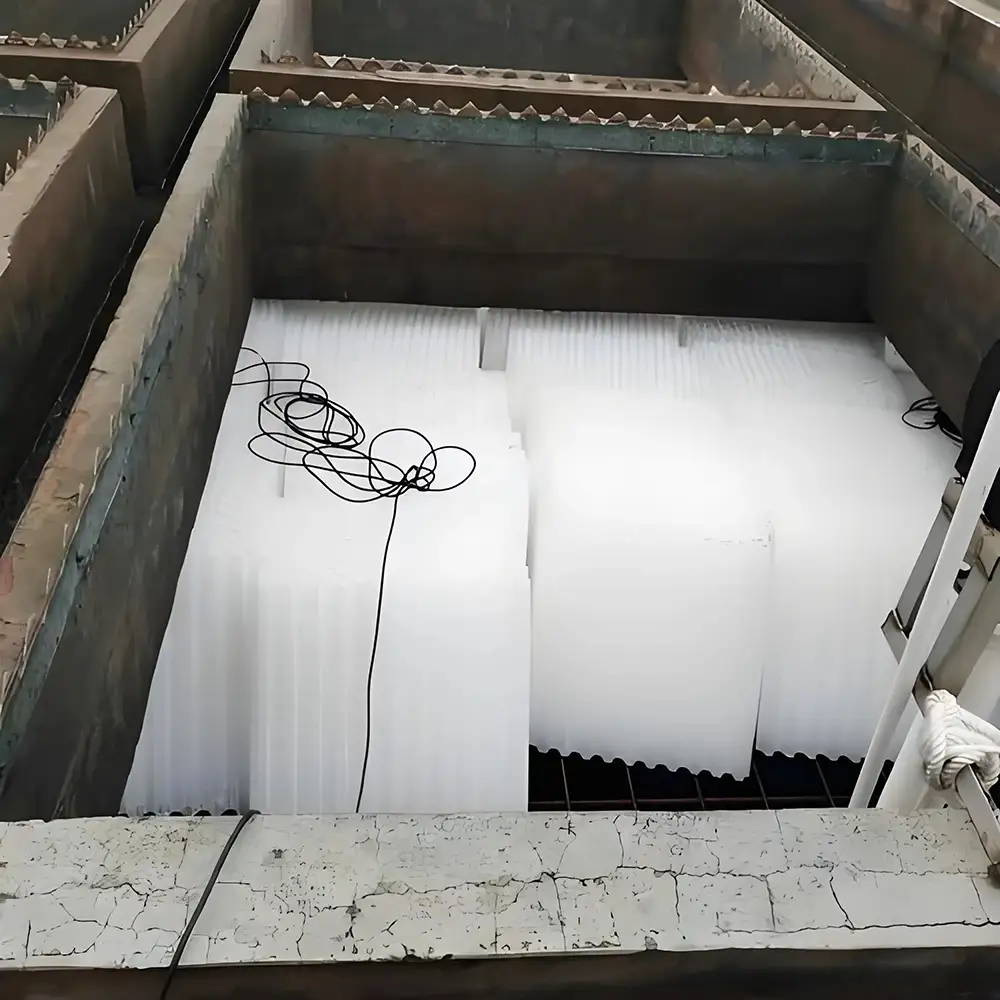
Sedimentation separates relatively dense particles through gravity. It is widely used as a clarification stage and can be installed before filtration or biological treatment.
Dissolved Air Flotation
DAF uses dissolved air bubbles to float suitable suspended solids and other contaminants. It can be particularly useful for particles that are difficult to settle or for wastewater containing oil and grease.
Media Filtration
Sand and multimedia filters capture remaining suspended particles as water passes through the filter bed. Dual-media and mixed-media filters can be configured for higher filtration rates than traditional single-media arrangements in appropriate applications.
System Features
A high-performance water treatment system can incorporate automatic valves, flow meters, pressure gauges, chemical dosing pumps, sludge discharge systems, PLC controls, monitoring instruments, and alarms.
The equipment can be configured for continuous operation and integrated with upstream and downstream treatment equipment. Materials and components can be selected according to water chemistry, temperature, installation environment, and operating requirements.
For larger projects, several treatment units can operate in parallel to provide additional capacity, operational flexibility, or maintenance redundancy.
Why Choose Us?
We provide integrated Suspended Solids Removal and Water Treatment Systems for industrial and commercial water treatment applications. Our approach focuses on matching the treatment process to actual wastewater characteristics rather than applying a single standard configuration to every project.
The system can be designed around flow rate, peak flow, TSS concentration, turbidity, particle size, pH, temperature, oil and grease content, chemical requirements, discharge standards, and water reuse objectives.
We can also integrate clarification, DAF, sedimentation, filtration, biological treatment, membrane treatment, sludge handling, and disinfection into a complete treatment line.
For difficult wastewater, laboratory testing or pilot testing can help determine the most appropriate process combination and chemical dosage before final equipment selection.
Operation And Maintenance
Regular maintenance is important for stable suspended solids removal. Operators should inspect pumps, valves, mixers, chemical dosing equipment, filter media, sludge discharge systems, pressure gauges, and automatic controls.
Sedimentation and flotation units should be checked for excessive sludge accumulation. Filters should be backwashed or cleaned according to pressure differential and operating conditions.
Chemical dosing should be adjusted when influent characteristics change. Excessive chemical dosing can increase chemical consumption and sludge production, while insufficient dosing can reduce floc formation and separation performance.
Proper sludge handling is also essential because the separated solids become concentrated during treatment. Depending on the application, sludge may require thickening, dewatering, disposal, or further processing.
Frequently Asked Questions
1. What is a Suspended Solids Removal System?
It is a water treatment system designed to separate suspended particles and solids from water using processes such as sedimentation, flotation, coagulation, flocculation, or filtration.
2. What types of solids can be removed?
Depending on the process, the system can remove sand, silt, clay, organic solids, biological solids, process particles, colloids, and other suspended materials.
3. Does suspended solids removal reduce turbidity?
Yes. Suspended particles are a major contributor to turbidity, so removing them can substantially improve water clarity.
4. Is coagulation always necessary?
No. Larger and easily settleable particles may be removed by screening or sedimentation without chemicals. Fine or colloidal particles may benefit from coagulation and flocculation.
5. What is the difference between sedimentation and filtration?
Sedimentation primarily uses gravity to separate particles, while filtration passes water through a filter medium to capture remaining particles.
6. Can DAF be used for suspended solids removal?
Yes. Dissolved air flotation can remove suspended solids by attaching fine air bubbles to suitable particles and floating them to the water surface.
7. Can this system treat industrial wastewater?
Yes. The system can be configured for many industrial wastewater applications, but the appropriate process depends on the wastewater composition and required effluent quality.
8. Can suspended solids removal be used before RO?
Yes. Suspended solids removal is commonly used as pretreatment to reduce particulate loading on downstream membrane systems.
9. Can the system be fully automated?
Yes. PLC controls, automatic valves, pumps, sensors, alarms, and chemical dosing systems can be incorporated depending on the project.
10. How is the correct system selected?
Important parameters include flow rate, peak flow, TSS, turbidity, particle characteristics, pH, temperature, oil and grease, required effluent quality, and downstream treatment requirements.
11. What happens to the removed solids?
The separated solids are collected as sludge and can be thickened, dewatered, disposed of, or further treated according to their characteristics and local requirements.
12. Can the system be combined with other treatment technologies?
Yes. Suspended solids removal can be integrated with biological treatment, DAF, sedimentation, media filtration, ultrafiltration, MBR, RO, and disinfection processes.
Prev:
Dissolved Air Flotation Sewage Treatment Plant for Industrial Wastewater Slaughterhouse Wastewater
Next:
Cod & BOD Reduction Air Flotation Sewage Treatment Equipment
TAG:
Industrial Water Purification System,
Industrial Water Treatment System,
Industrial Wastewater Treatment Equipment,
Suspended Solids Removal,
Industrial Wastewater Treatment System,
DAF Wastewater Treatment System,
Industrial Wastewater Treatment,
Industrial Wastewater Treatment Plant,
Wastewater Treatment Equipment,
Wastewater Treatment Plant,
Solid Liquid Separation Equipment,
Solid Liquid Separation Machine,
Solid Liquid Separation System,
Wastewater Filtration Equipment,
Industrial Water Purification Equipment,
Chemical Wastewater Treatment,
Industrial Water Treatment Plant,
Wastewater Treatment System,
Industrial Water Treatment Equipment,
Industrial Water Treatment,
Industrial Water Recycling,
Suspended Solids Removal Equipment,
Process Water Purification,
Process Water Filtration,
Suspended Solids Removal System,
Industrial Water Filter,
Wastewater Solid Liquid Separation,
Water Treatment Plant,
Water Treatment Equipment,
Industrial Water Purification,
Related Category:
High Performance Suspended Solids Removal,Suspended Solids Removal System,Water Treatment System China, suppliers, manufacturers, factory, customized, wholesale, quotation, made in China