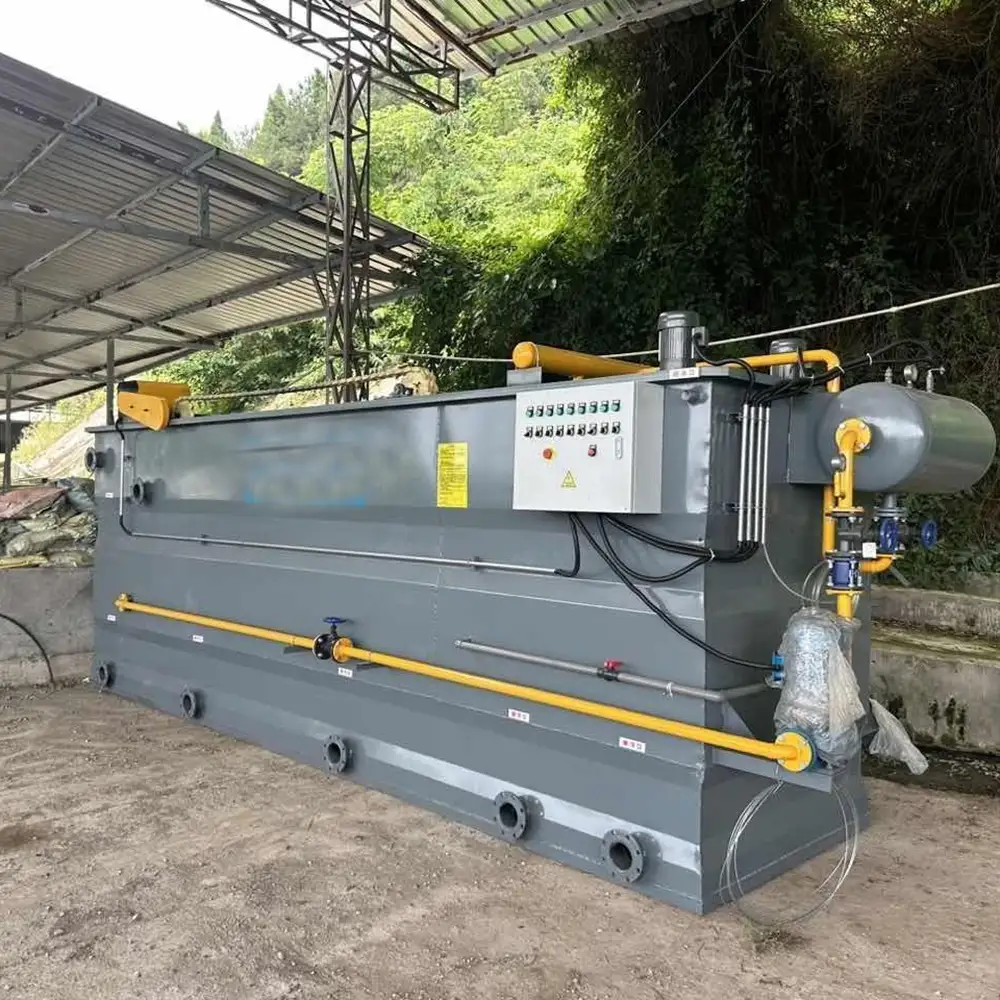
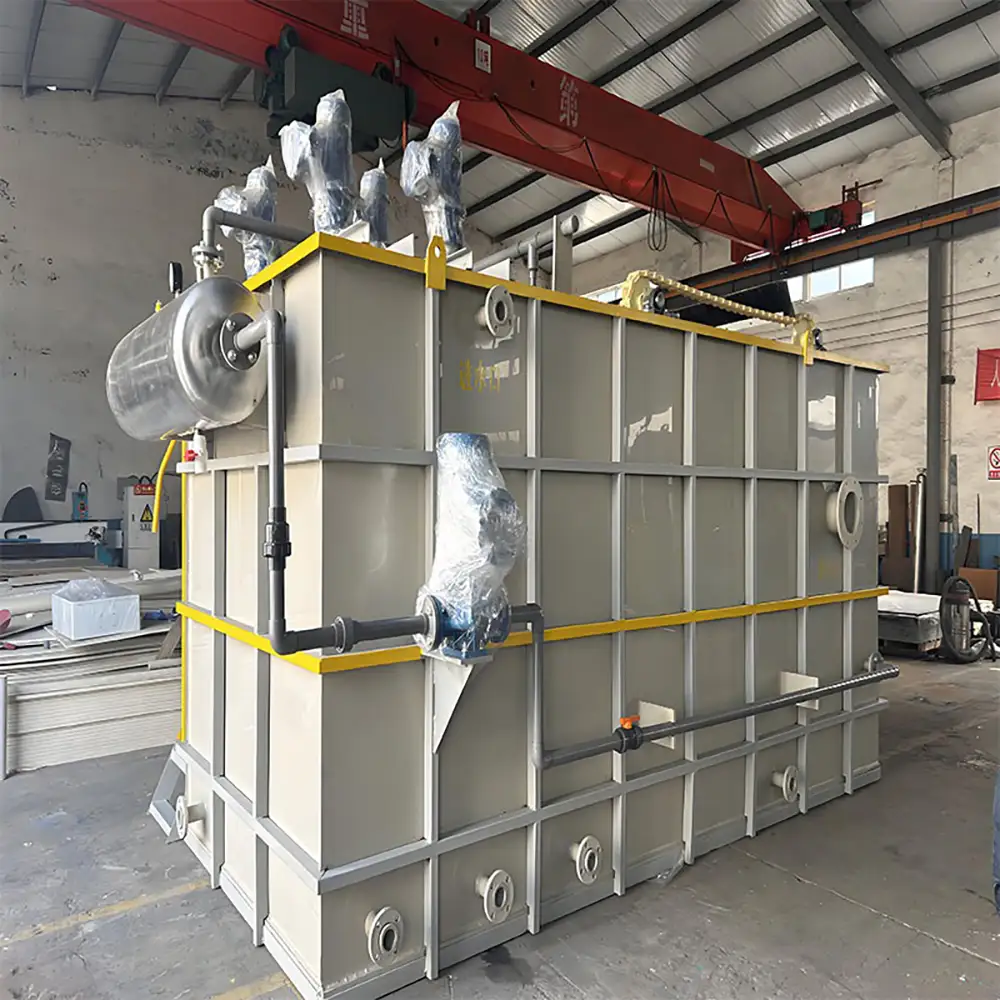
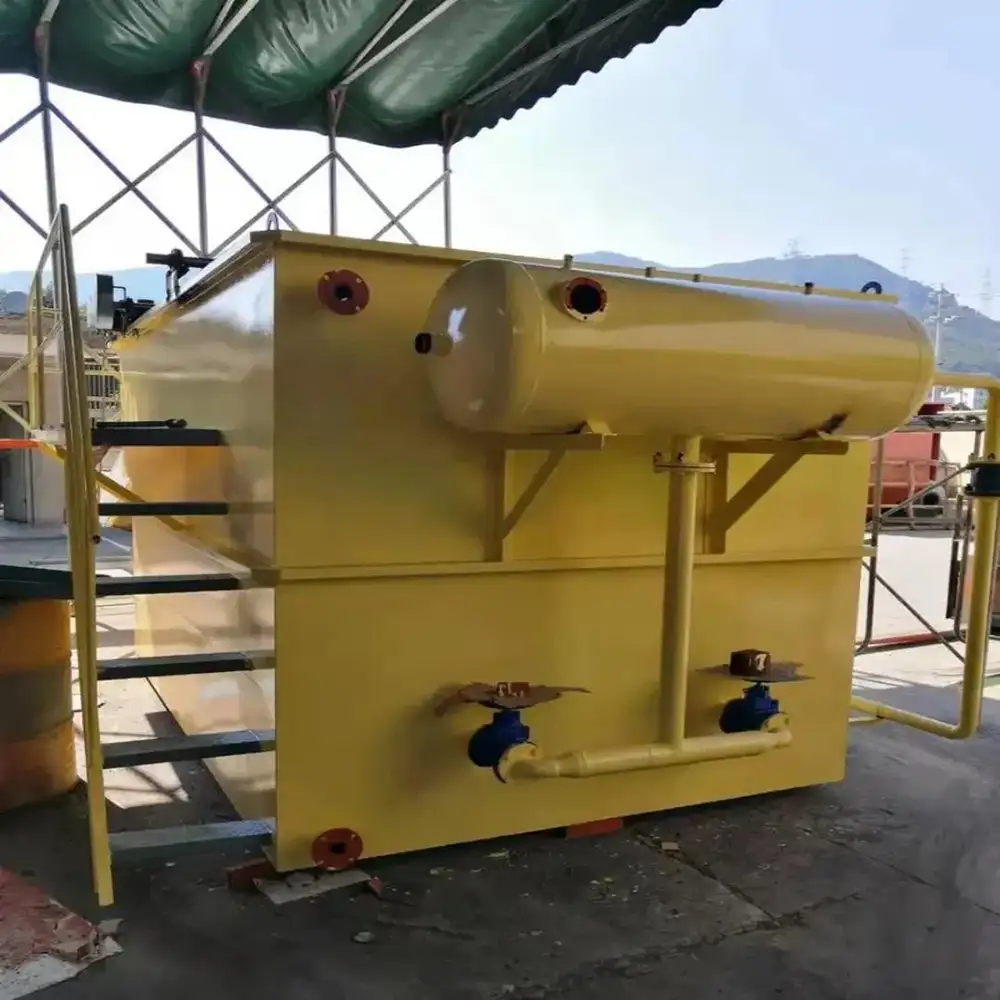
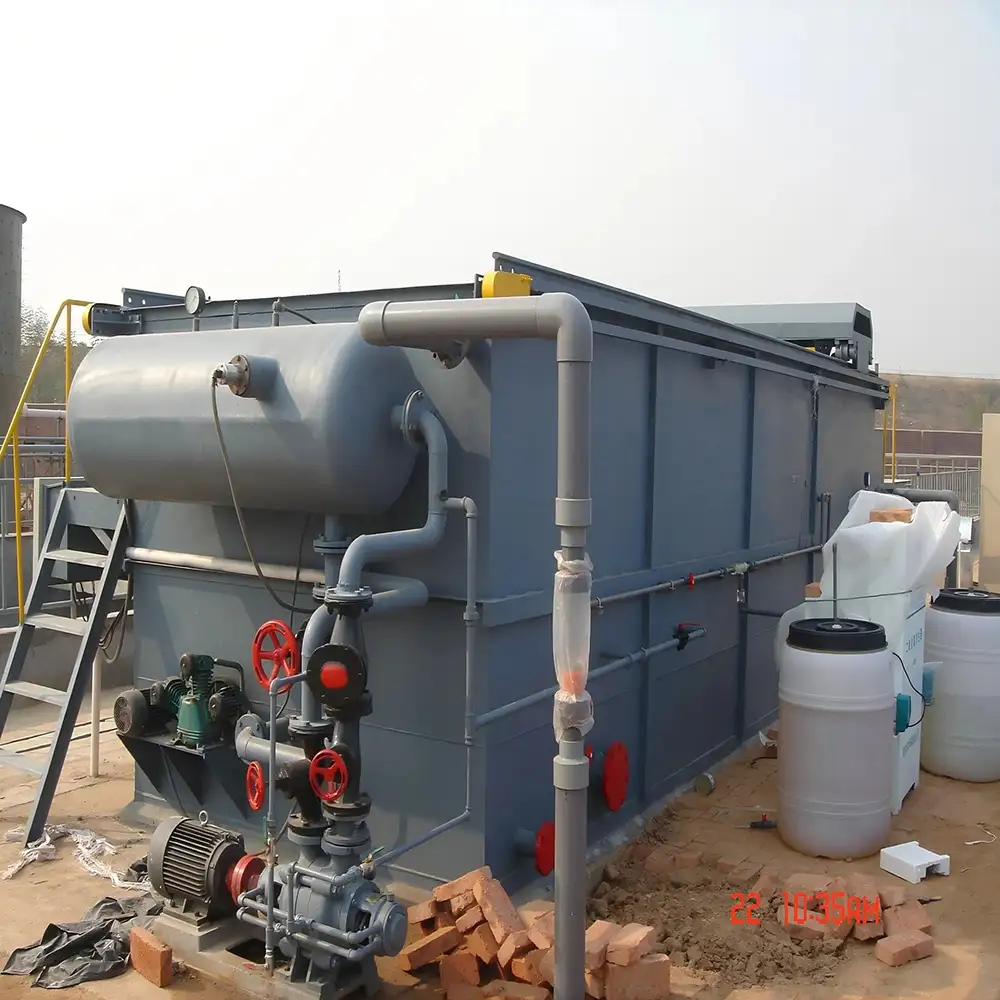
In terms of water supply and drainage, the pre-treatment water quality, except for some raw water bodies with high sand content and sewage with heavy mechanical impurities, is mostly composed of lightweight suspended particles. For example, algae in lakes, reservoirs, and some rivers; Plant residues and small colloidal impurities; Dye particles in the printing and dyeing industry; Short fibers in the papermaking and chemical fiber industries; Microdroplets of petroleum and organic solvents in the refining and chemical industries; Heavy metal ions in electroplating and pickling wastewater; Electrophoretic paint wastewater, etc; They are lightweight particles with a specific gravity very close to that of water. For these raw water, if traditional sedimentation methods are used, the effect will inevitably be poor, especially in low temperature winter conditions, where coagulation and hydraulic conditions deteriorate, making it more difficult to ensure the treatment effect. It can be imagined that if it is difficult to settle flocs, forcing them to sink will inevitably result in half the effort. Instead, it is better to use the situation to artificially introduce bubbles into the water body, making them adhere to the flocs, thereby greatly reducing the overall density of the flocs, and using the speed of bubble rise to force them to float up, thus achieving rapid solid-liquid separation. In this sense, the emergence of air flotation technology is a revolution in the gravity sedimentation method, which has opened up new fields of solid-liquid separation technology.
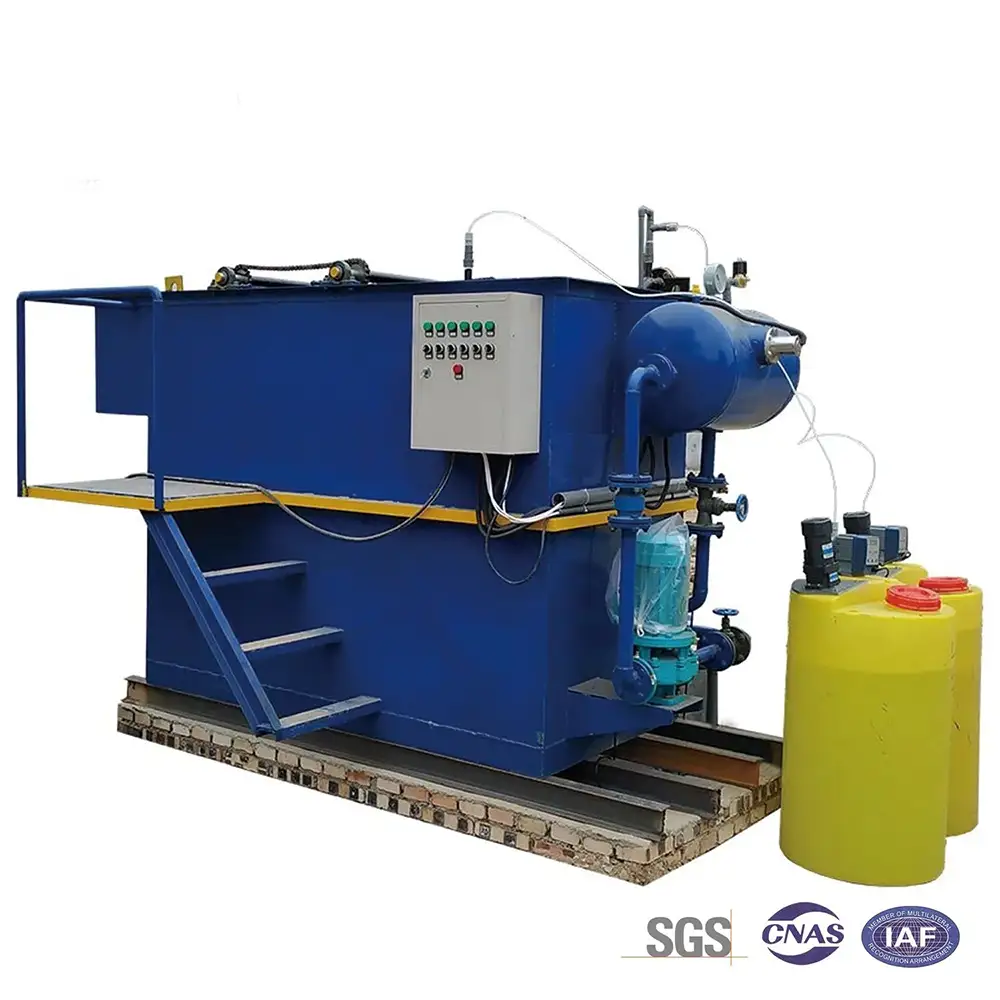
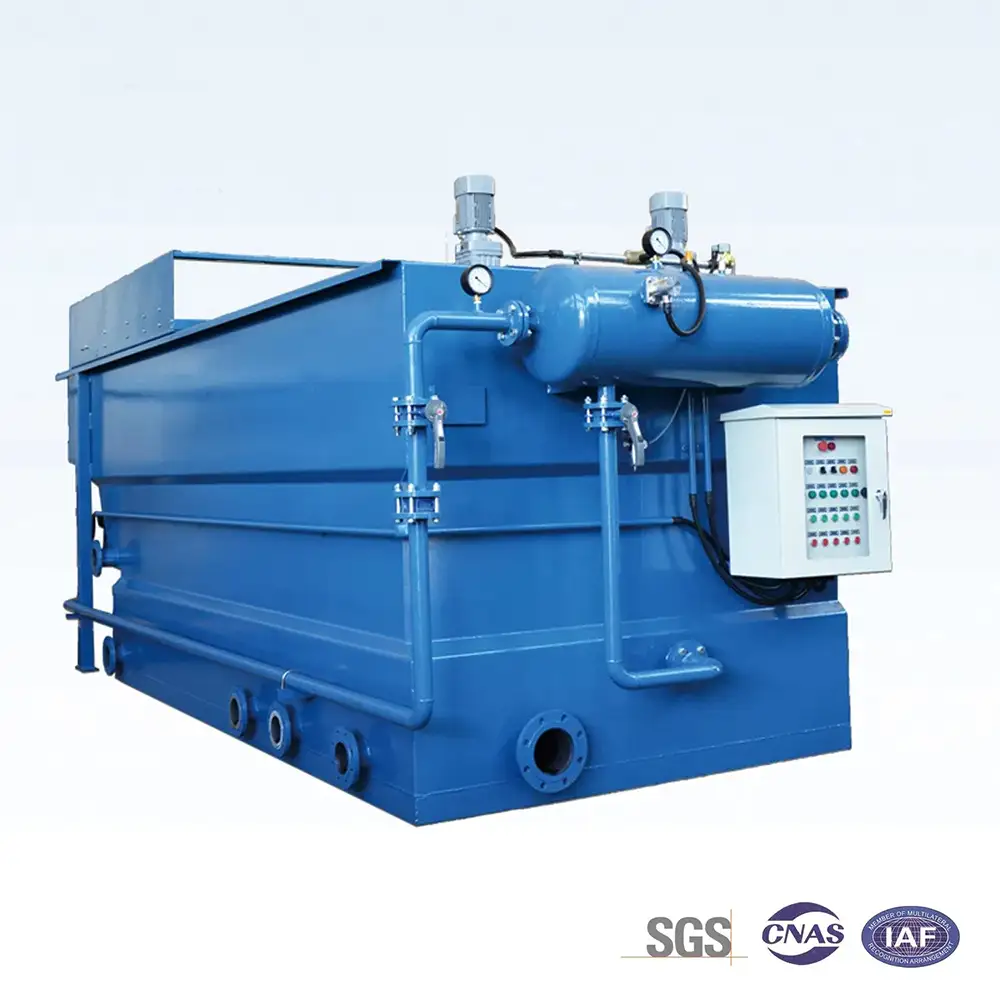
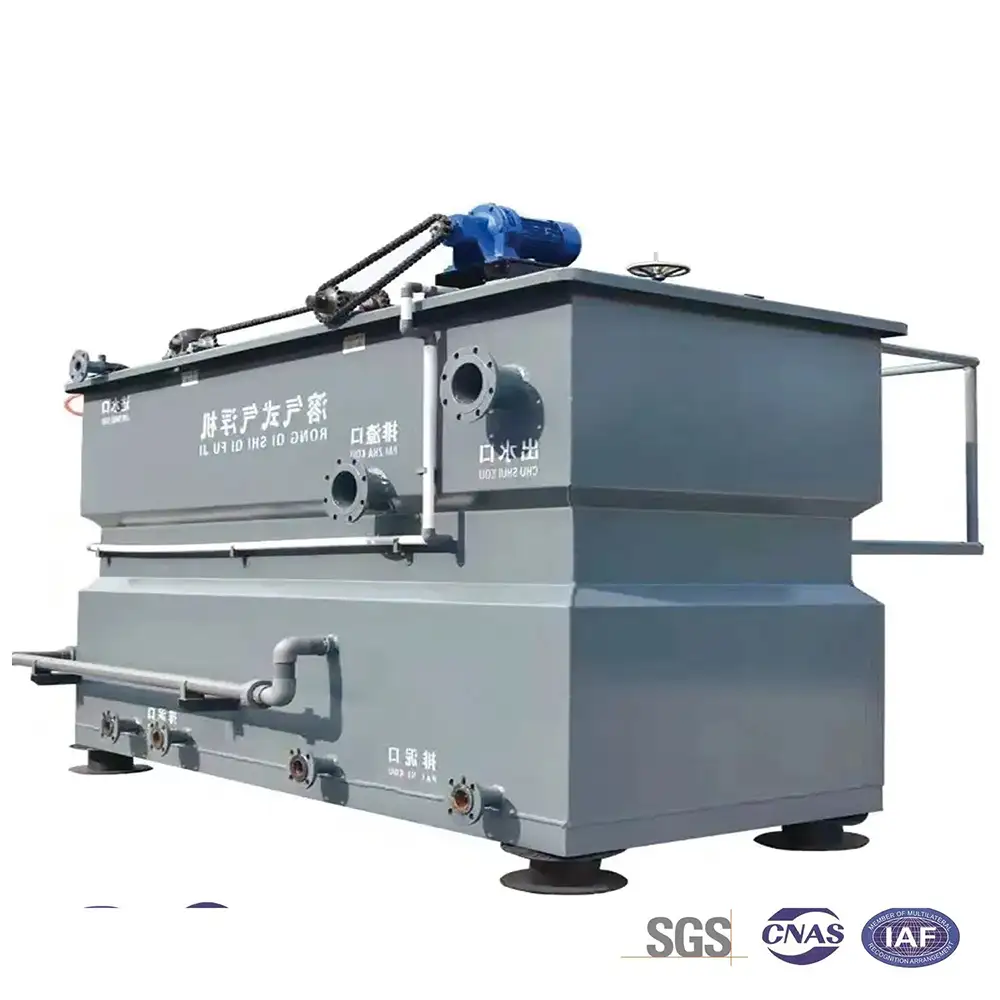
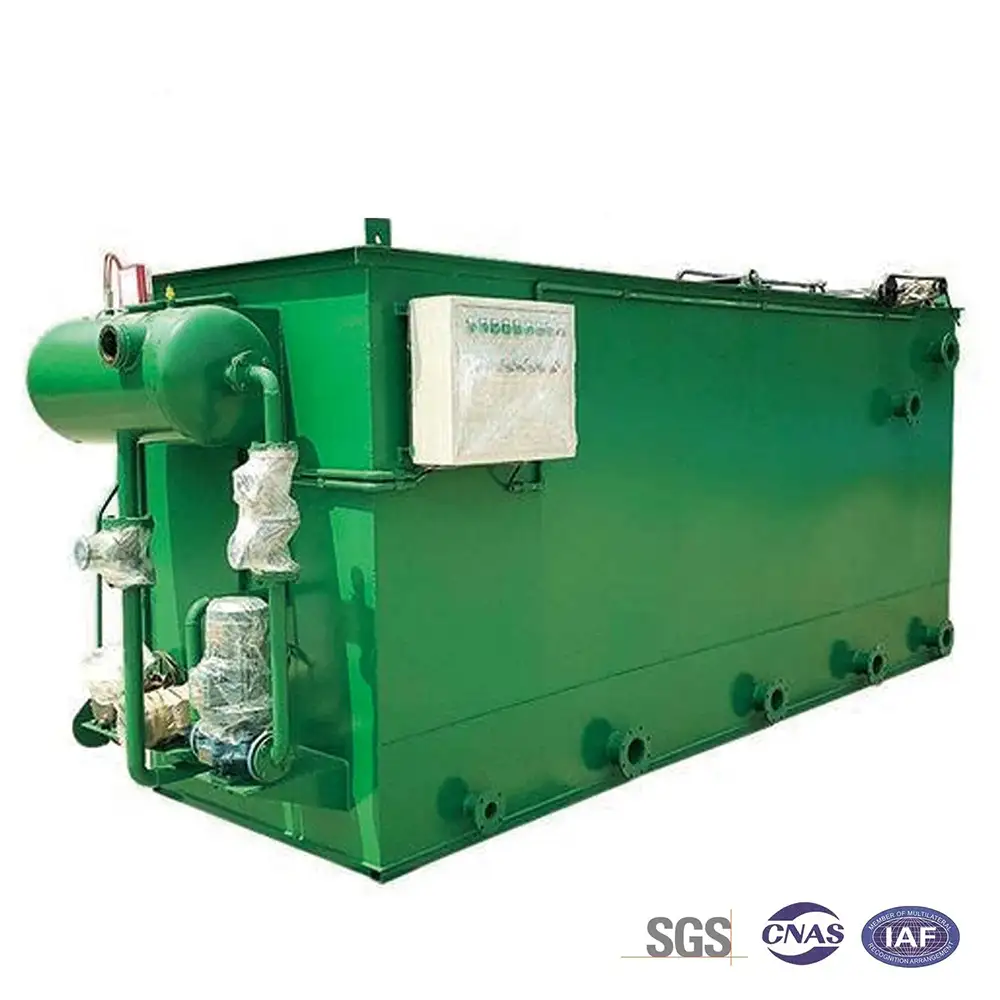
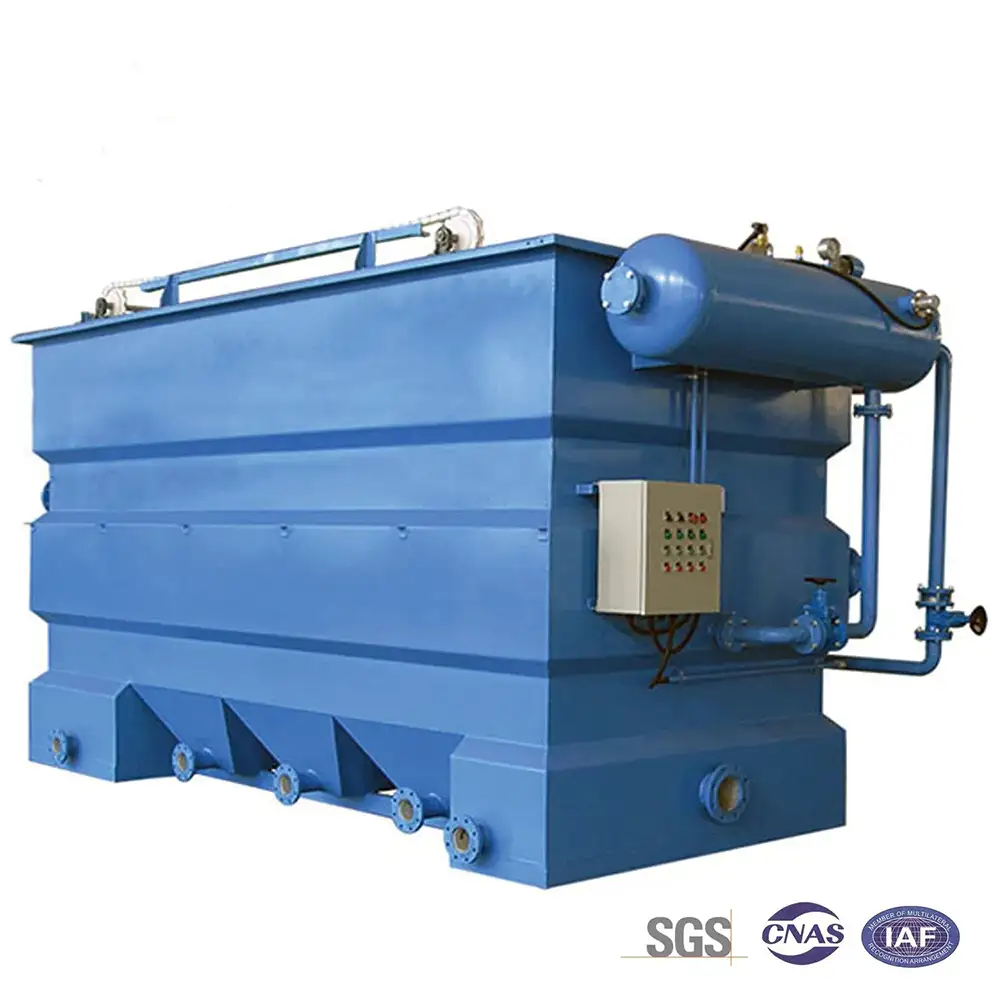
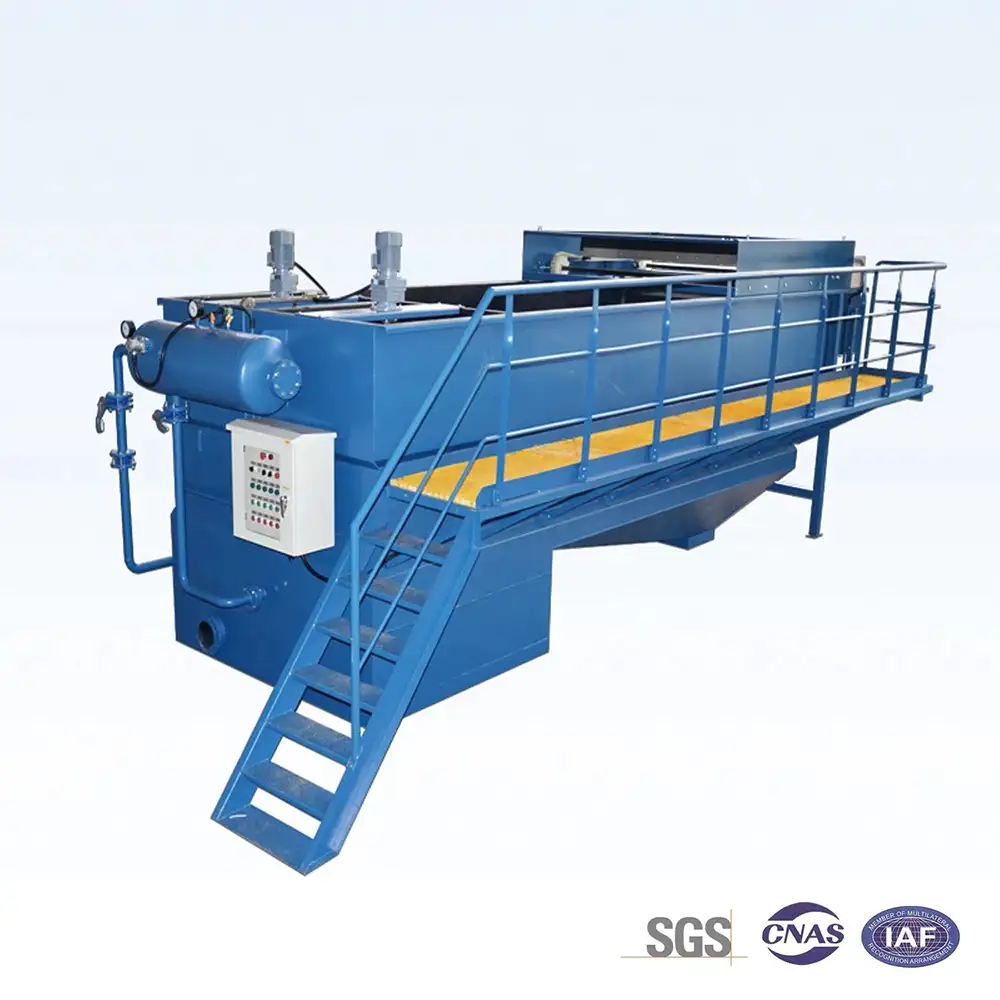
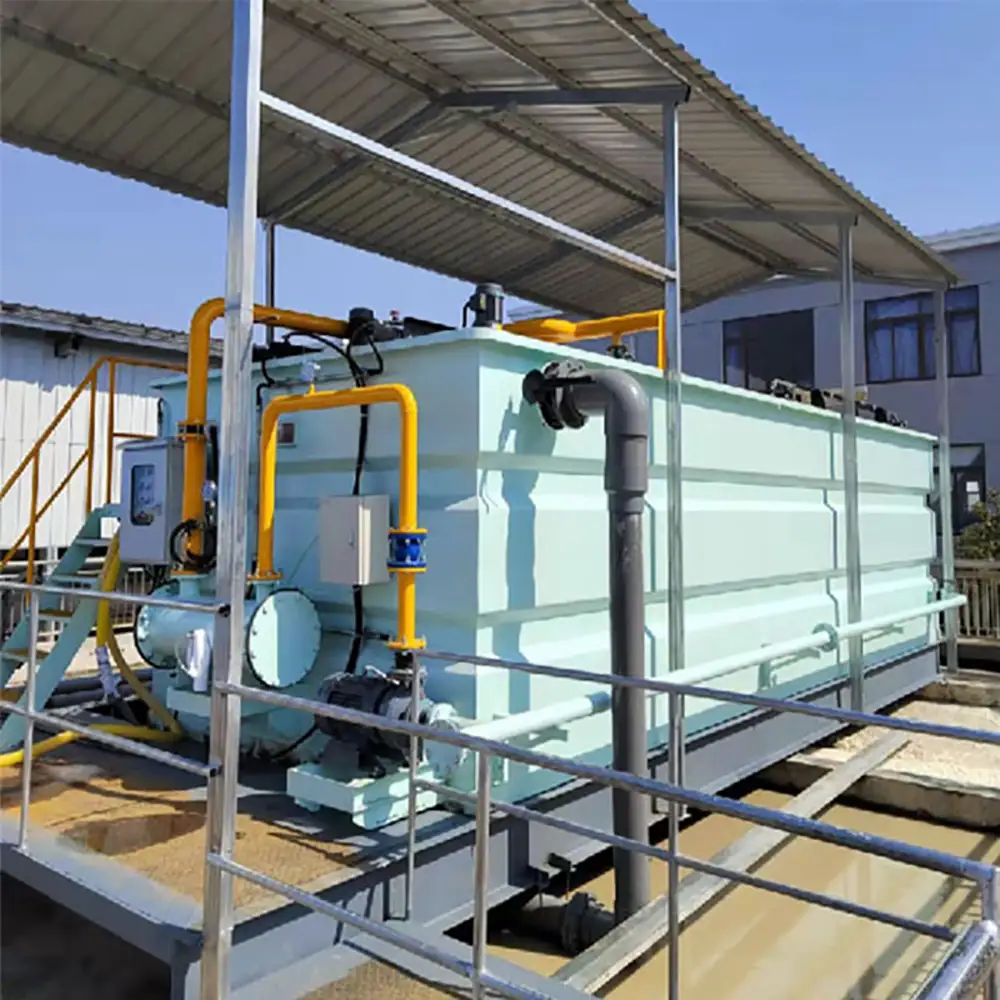
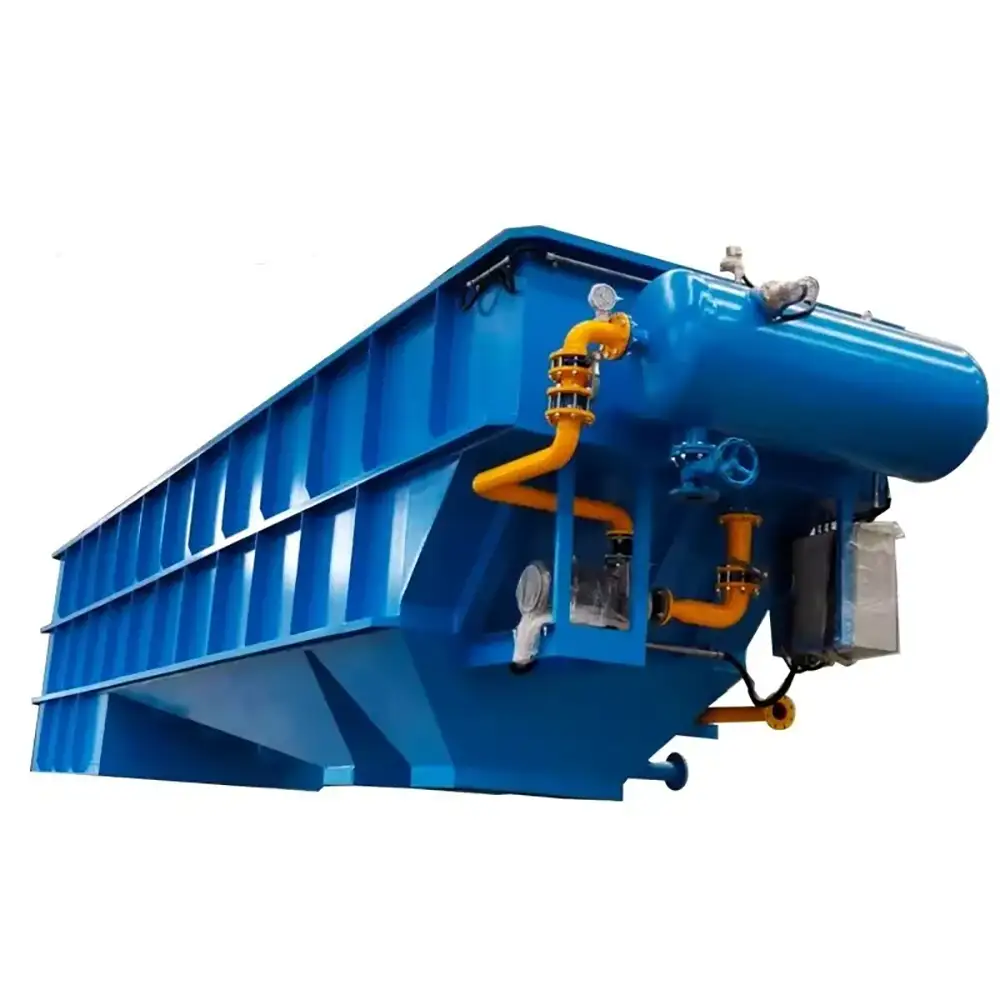
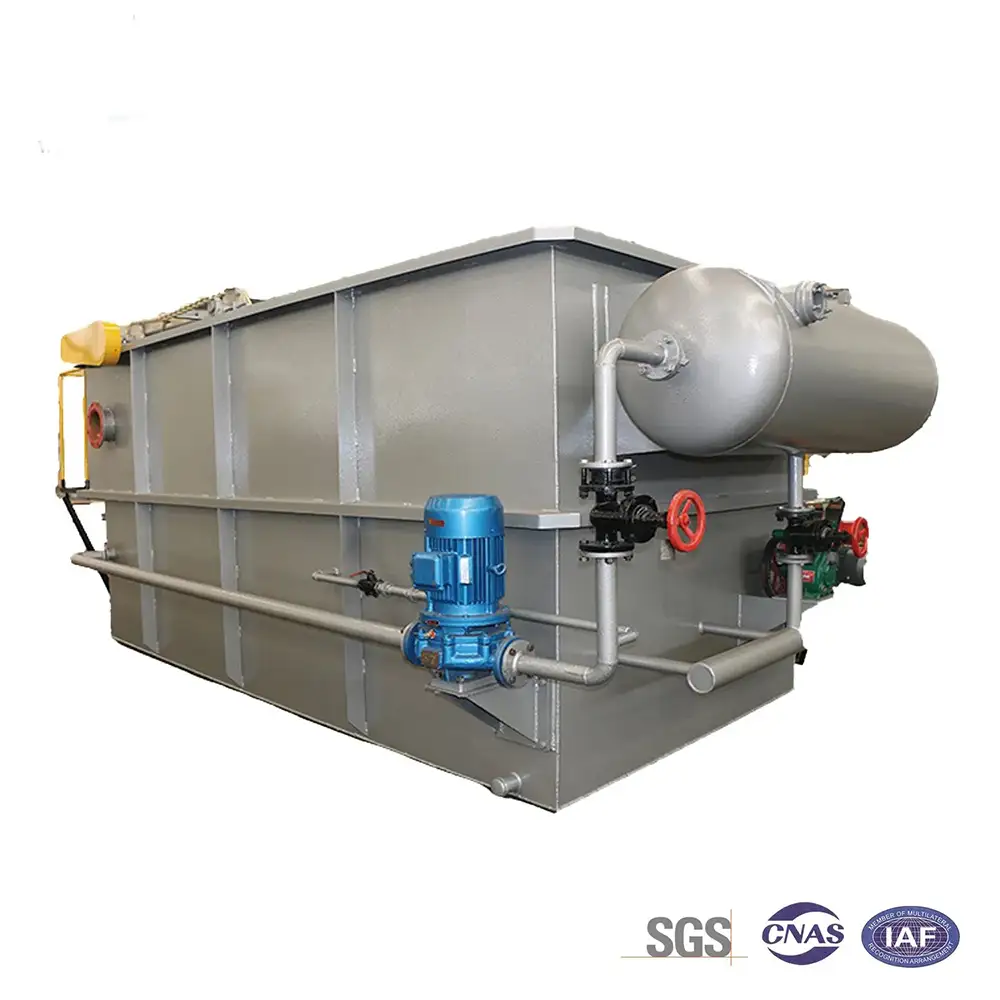
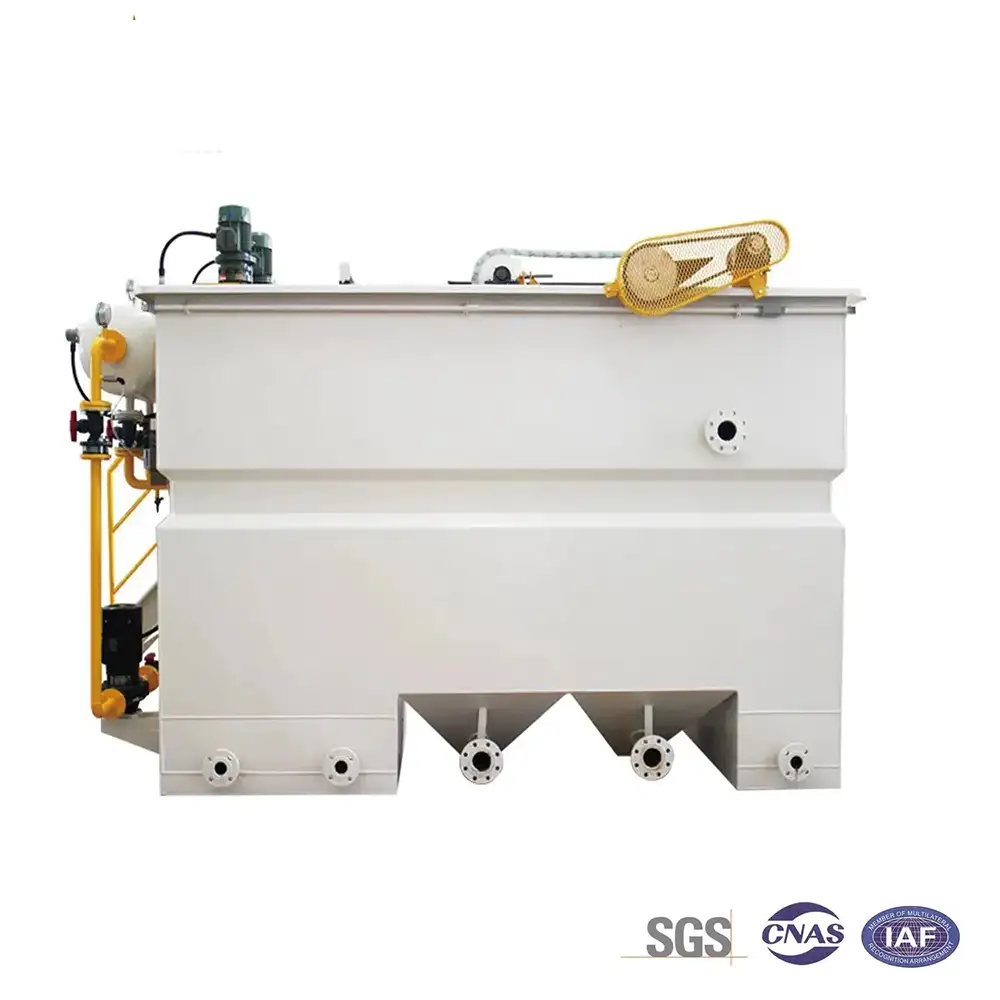
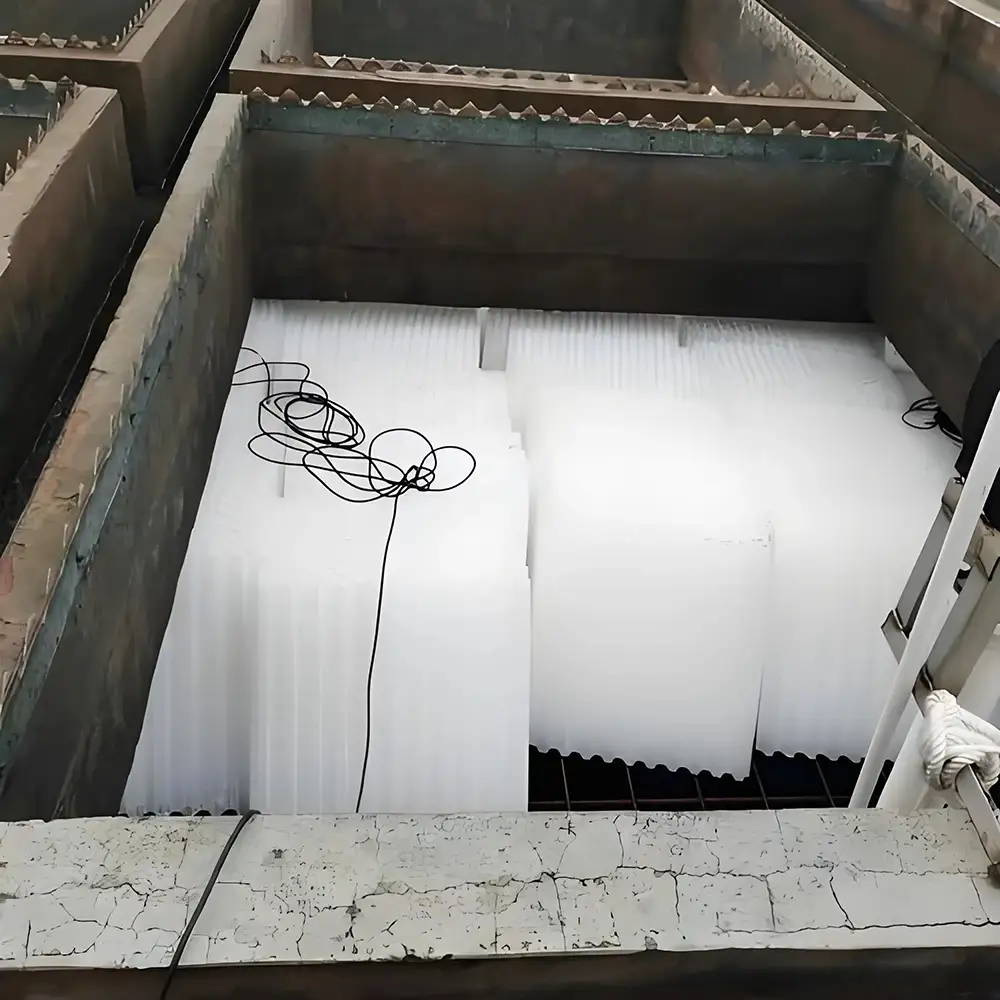
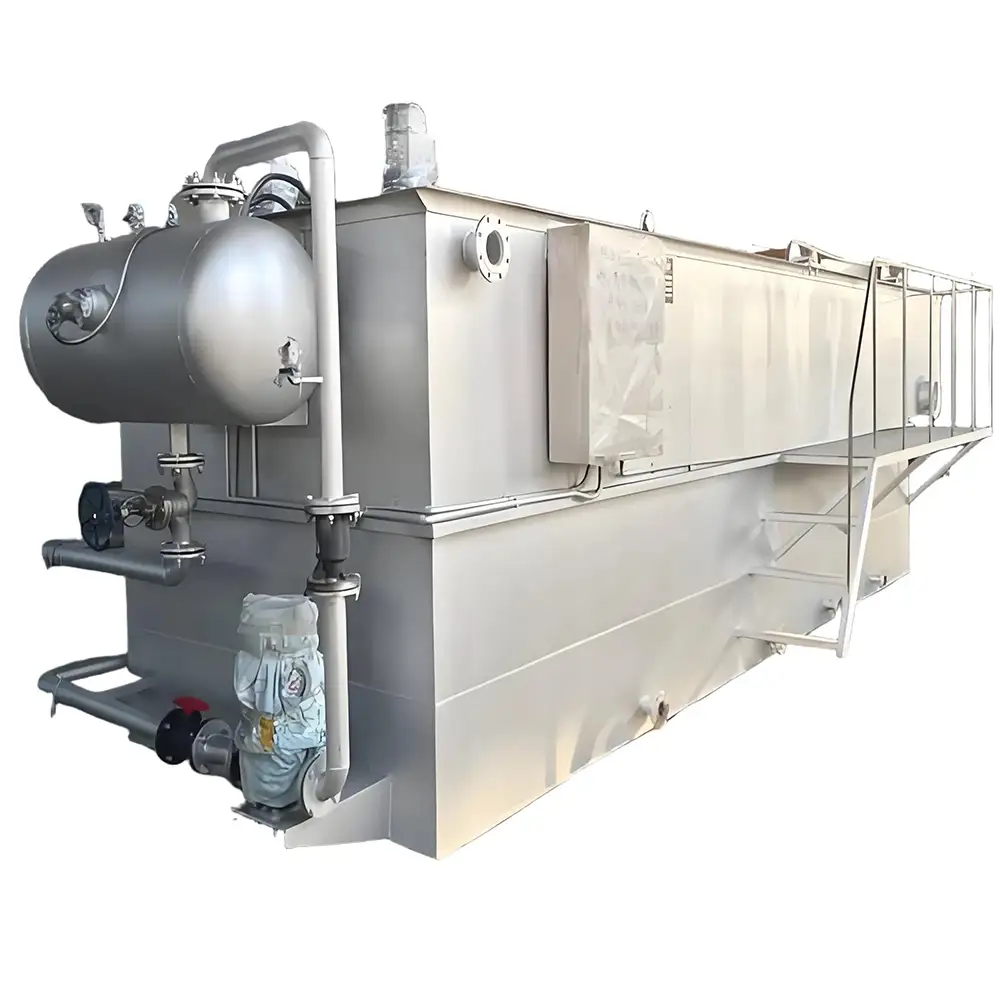
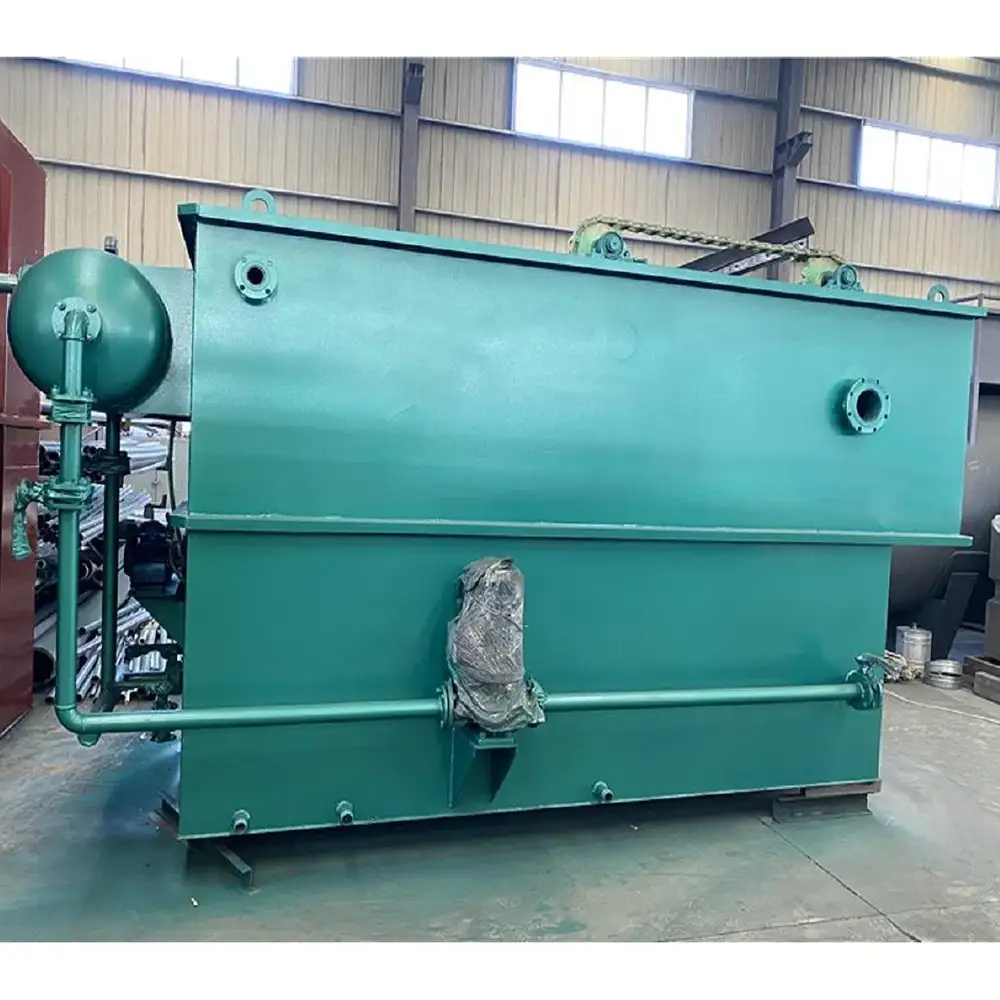
Dissolved Air Flotation Sewage Treatment Plant for Industrial Wastewater and Slaughterhouse Wastewater
A Dissolved Air Flotation Sewage Treatment Plant is an effective physicochemical wastewater treatment solution for industrial wastewater, slaughterhouse wastewater, meat processing effluent, food processing wastewater, and other waste streams containing high concentrations of suspended solids, fats, oils, grease, and colloidal pollutants. By generating fine air bubbles that attach to suspended and hydrophobic particles, the DAF system separates contaminants from water and concentrates them into a floating sludge layer for removal.
Slaughterhouses and meat processing facilities can generate wastewater containing blood, fat, grease, proteins, suspended solids, organic matter, and nutrients. The wastewater characteristics can vary significantly depending on production processes, water consumption, and facility operations. Research on full-scale slaughterhouse treatment systems has shown that DAF can be used to remove oil and grease and suspended solids before downstream biological treatment.
How Does a Dissolved Air Flotation System Work?
The DAF wastewater treatment process normally begins with wastewater screening and equalization. Larger solids such as hair, feathers, food particles, tissue fragments, and other debris should generally be removed before the flotation stage.
After preliminary treatment, wastewater enters a coagulation and flocculation process when chemical conditioning is required. Coagulants and polymers can destabilize colloidal particles and promote the formation of larger flocs that are easier to float.
A portion of clarified DAF effluent is commonly recycled and pressurized with air. When the pressurized recycle stream enters the flotation tank, pressure reduction releases dissolved air as microscopic bubbles. These bubbles attach to suspended particles, oil droplets, grease, and flocs, causing them to rise to the water surface.
A mechanical skimmer then removes the floating sludge layer. Heavier particles that do not float can settle and be collected from the bottom depending on the DAF tank configuration. The clarified water leaves the flotation chamber for further treatment or discharge.
The U.S. EPA describes DAF as a primary treatment technology for meat and poultry wastewater because it can remove small or light particles, including grease, more effectively and rapidly than conventional gravity settling in many applications.
DAF Treatment for Slaughterhouse Wastewater
Slaughterhouse wastewater can have high concentrations of fats, oils and grease, suspended solids, proteins, blood-related organic matter, BOD, COD, nitrogen, and phosphorus. Because the wastewater composition can change significantly throughout the production cycle, reliable pretreatment is important for protecting downstream biological treatment equipment.
A properly designed DAF system can separate a substantial portion of floatable and suspended pollutants before biological treatment. In documented poultry slaughterhouse applications, DAF has been used between screening/equalization and UASB biological reactors to reduce oil and grease and suspended solids and improve the stability of downstream treatment.
For this reason, a Slaughterhouse Wastewater Treatment Plant may combine:
Mechanical screening
Equalization tank
Coagulation and flocculation
Dissolved air flotation
Biological treatment
Secondary clarification
Filtration or membrane treatment
Disinfection
Sludge dewatering
The final configuration should be selected according to wastewater analysis, required discharge limits, reuse objectives, flow rate, and local regulations.
Key Features of the Industrial DAF System
The Industrial DAF Wastewater Treatment System can be designed for continuous operation and integrated into a complete wastewater treatment plant.
Key features include:
Efficient separation of suspended solids
Removal of fats, oils, and grease
Fine-bubble flotation technology
Optional chemical coagulation and flocculation
Recycle water pressurization system
Automatic or manual sludge skimming
Compact footprint compared with some conventional settling processes
Stainless steel, carbon steel, or other suitable construction options
PLC and automatic control options
Adjustable hydraulic loading and recycle ratios
Integration with biological and membrane treatment systems
Customized capacity and tank configuration
DAF performance depends strongly on wastewater characteristics, chemical dosage, bubble generation, hydraulic loading, recycle conditions, and operating parameters. Therefore, laboratory or pilot testing can be valuable when designing systems for difficult industrial wastewater.
Applications
This Dissolved Air Flotation Sewage Treatment Plant can be applied to many industrial wastewater streams, including:
Slaughterhouse Wastewater
Meat Processing Wastewater
Poultry Processing Wastewater
Abattoir Wastewater
Food Processing Wastewater
Rendering Plant Wastewater
Dairy Wastewater
Vegetable Processing Wastewater
Seafood Processing Wastewater
Beverage Industry Wastewater
Edible Oil Wastewater
Petrochemical Wastewater
Industrial Process Wastewater
DAF can serve as primary treatment, pretreatment before biological processes, or part of a broader wastewater polishing system. Studies of meat-processing wastewater have also investigated DAF followed by advanced oxidation, demonstrating the potential for combining physicochemical and advanced treatment processes when higher removal performance is required.
Why Choose Us?
We provide customizable DAF wastewater treatment equipment for industrial and municipal applications. System design can be adapted according to wastewater flow, pollutant concentration, treatment objectives, available installation space, and downstream process requirements.
Our solutions can include the complete treatment train from screening and equalization through coagulation, DAF, biological treatment, sludge handling, filtration, and disinfection. We can also provide individual DAF flotation units for customers who already have existing wastewater infrastructure.
For slaughterhouse and meat-processing projects, we recommend selecting the DAF system based on actual wastewater characteristics rather than relying only on nominal flow capacity. Parameters such as TSS, FOG, COD, BOD, pH, temperature, and chemical requirements should be evaluated before final equipment selection.
Maintenance and Operation
Regular inspection helps maintain stable DAF performance. Operators should check the recycle pump, air saturation system, pressure controls, nozzles, skimmer mechanism, sludge discharge system, and chemical dosing equipment.
The flotation surface should be kept free from excessive sludge accumulation. Chemical dosing should be adjusted according to wastewater conditions and jar-test or process-testing results when appropriate. Periodic cleaning of pipes, valves, pumps, and air-release components can also help maintain consistent bubble distribution.
Proper sludge handling is equally important because DAF concentrates pollutants into a relatively dense float layer. Sludge may require thickening, dewatering, transportation, or further treatment depending on the project.
Frequently Asked Questions
1. What is a Dissolved Air Flotation System?
A DAF system is a wastewater separation process that uses microscopic air bubbles to float suspended solids, oil, grease, and other particles to the water surface for mechanical removal.
2. Can DAF treat slaughterhouse wastewater?
Yes. DAF is widely studied and used as pretreatment for slaughterhouse and meat-processing wastewater, particularly for suspended solids and fats, oils, and grease removal.
3. What contaminants can DAF remove?
Depending on wastewater characteristics and chemical conditioning, DAF can remove suspended solids, fats, oils, grease, colloidal particles, and a portion of associated organic pollutants.
4. Does DAF remove COD and BOD?
DAF can reduce COD and BOD when part of the organic load is associated with suspended or floatable material. Dissolved biodegradable pollutants generally require additional biological or other downstream treatment.
5. Is coagulation required before DAF?
Not always. However, coagulation and flocculation can significantly improve separation when wastewater contains fine colloids, emulsified oil, or difficult-to-float particles.
6. Can DAF replace biological wastewater treatment?
Usually not for high-strength industrial wastewater. DAF is commonly used as primary treatment or pretreatment before biological, membrane, oxidation, or other advanced processes.
7. What is the difference between DAF and a sedimentation tank?
Sedimentation relies mainly on gravity to settle heavier particles, while DAF uses fine air bubbles to float low-density and suspended particles. DAF can therefore be advantageous for oil, grease, and light solids.
8. Can the DAF system be automated?
Yes. PLC-based automatic control can be used for pumps, recycle flow, chemical dosing, sludge skimming, valves, alarms, and other operating functions.
9. Can DAF be customized for a slaughterhouse?
Yes. Capacity, tank dimensions, recycle system, skimmer configuration, materials, chemical dosing, automation, and downstream connections can be customized according to the project.
10. How do I select the correct DAF capacity?
The system should be selected according to average and peak flow, wastewater characteristics, hydraulic loading, required treatment performance, and downstream process requirements. Actual wastewater testing is recommended for accurate design.
11. What happens to the sludge collected by DAF?
The concentrated float sludge is discharged to a sludge handling system. Depending on its characteristics, it may undergo thickening, dewatering, digestion, disposal, or resource recovery.
12. Can DAF be combined with UASB or MBR?
Yes. DAF can be used as pretreatment before biological systems such as UASB, activated sludge, or MBR. Slaughterhouse wastewater treatment research has specifically evaluated DAF-UASB configurations.
13. Can DAF-treated water be reused?
Potentially, but DAF alone is generally not sufficient for every water-reuse application. Additional biological, filtration, membrane, disinfection, or advanced treatment may be required depending on the intended reuse quality.
Prev:Sorry, no information
Next:
High Performance Suspended Solids Removal/ Water Treatment System
TAG:
Industrial Wastewater Treatment Equipment,
Suspended Solids Removal,
Food Industry Wastewater Treatment,
Meat Processing Wastewater Treatment,
Food Processing Wastewater Treatment,
Industrial Wastewater Treatment System,
DAF Wastewater Treatment System,
Dissolved Air Flotation Wastewater Treatment,
Industrial Wastewater Treatment,
Food Wastewater Treatment,
Sewage Treatment Plant,
Industrial Sewage Treatment,
Industrial Wastewater Treatment Plant,
Wastewater Treatment Equipment,
Wastewater Treatment Plant,
Solid Liquid Separation Equipment,
Industrial Water Purification Equipment,
Industrial Water Treatment Plant,
Wastewater Treatment System,
Industrial Water Treatment Equipment,
Suspended Solids Removal System,
Wastewater Pretreatment Equipment,
Wastewater Solid Liquid Separation,
Water Treatment Plant,
Industrial Effluent Treatment,
Industrial Sewage Treatment Plant,
Sewage Treatment Equipment,
Sewage Treatment System,
Fats Oils And Grease Removal,
Slaughterhouse Wastewater Treatment Plant,
Related Category:
Dissolved Air Flotation Sewage Treatment Plant,Dissolved Air Flotation System,DAF Wastewater Treatment China, suppliers, manufacturers, factory, customized, wholesale, quotation, made in China