|
Model NO. |
GSRF |
Handling method |
physicochemical treatment |
|
Usage |
Industrial, agricultural, food factories, slaughterhouses |
Trademark |
|
|
Types |
Package, Compact, Small, Mini |
Applications |
Industrial, Municipal, Domestic, Medical, Ship |
|
Craft |
Flocculation sedimentation method |
Features |
Water Clarification, Filtration, Purification |
|
Service Life |
20 Years |
Operation |
Automatic |
|
Steel Plate Thickness |
>8mm |
Function |
Remove Suspended solids |
|
Voltage |
220V/ 380V/ Customerized |
Installation Type |
Onground |
|
Colour |
Grey/Silver/Blue/Balck/Customerized |
Use for |
Mineral, Printing, Chemical, Dyeing, Starch |
|
Material |
Carbon Steel, Stain Steel, FRP, PE, PP |
Certificate |
SGS, ISO |
|
Transport Package |
Container Standard Packing |
Specification |
Carbon steel anti-corrosion |
|
Production Capacity |
1000 Sets/Year |
Origin |
China |
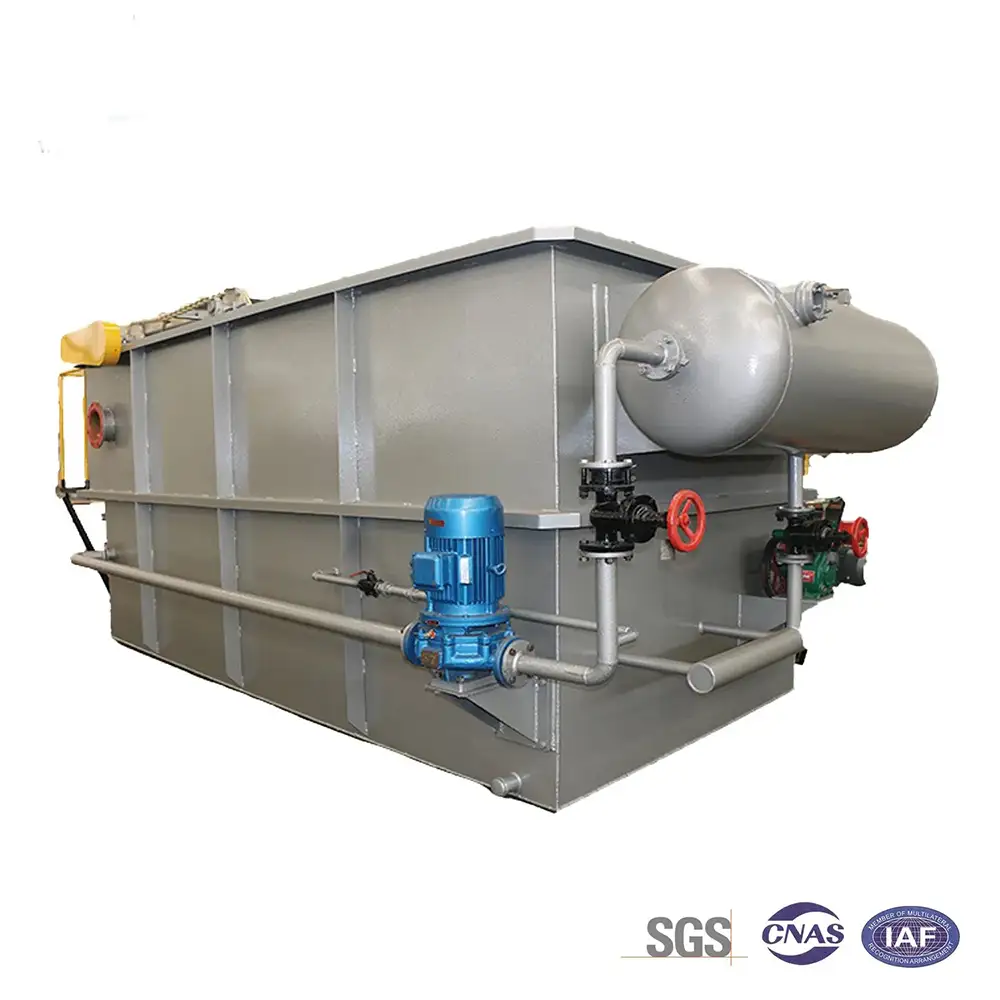
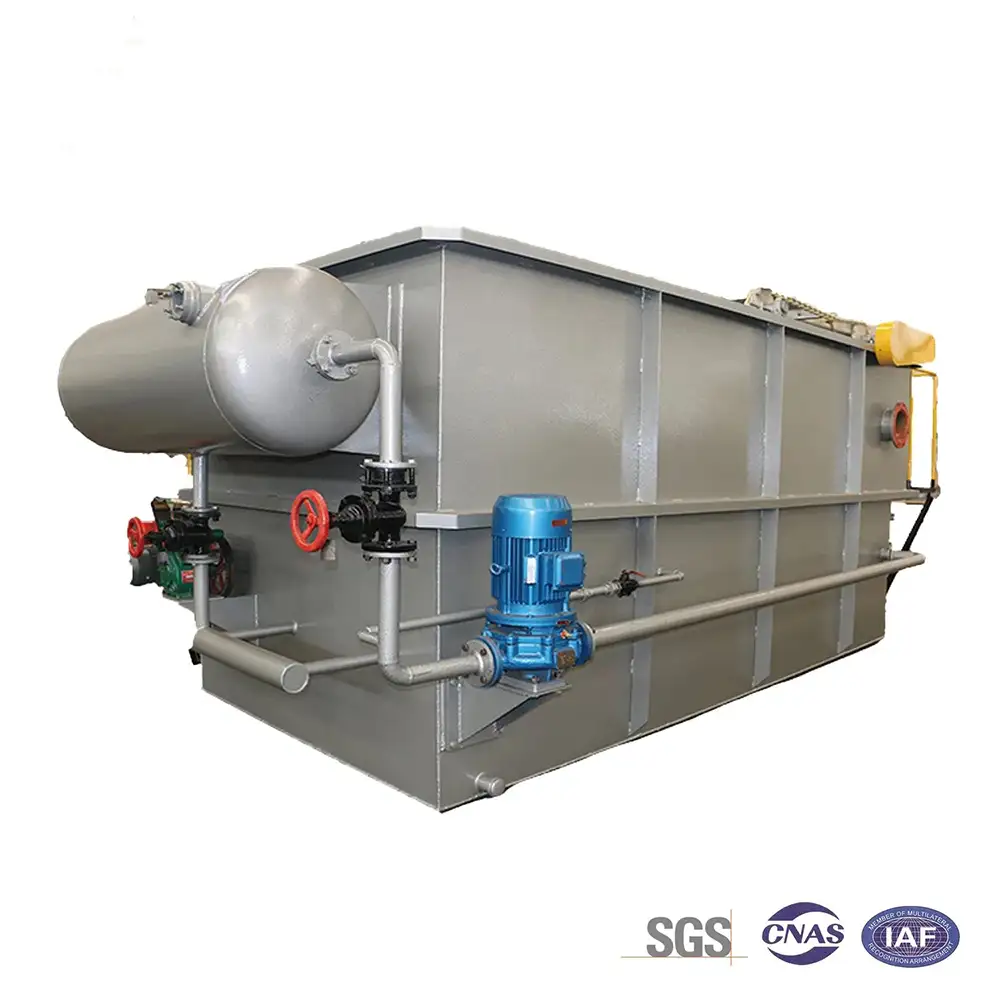
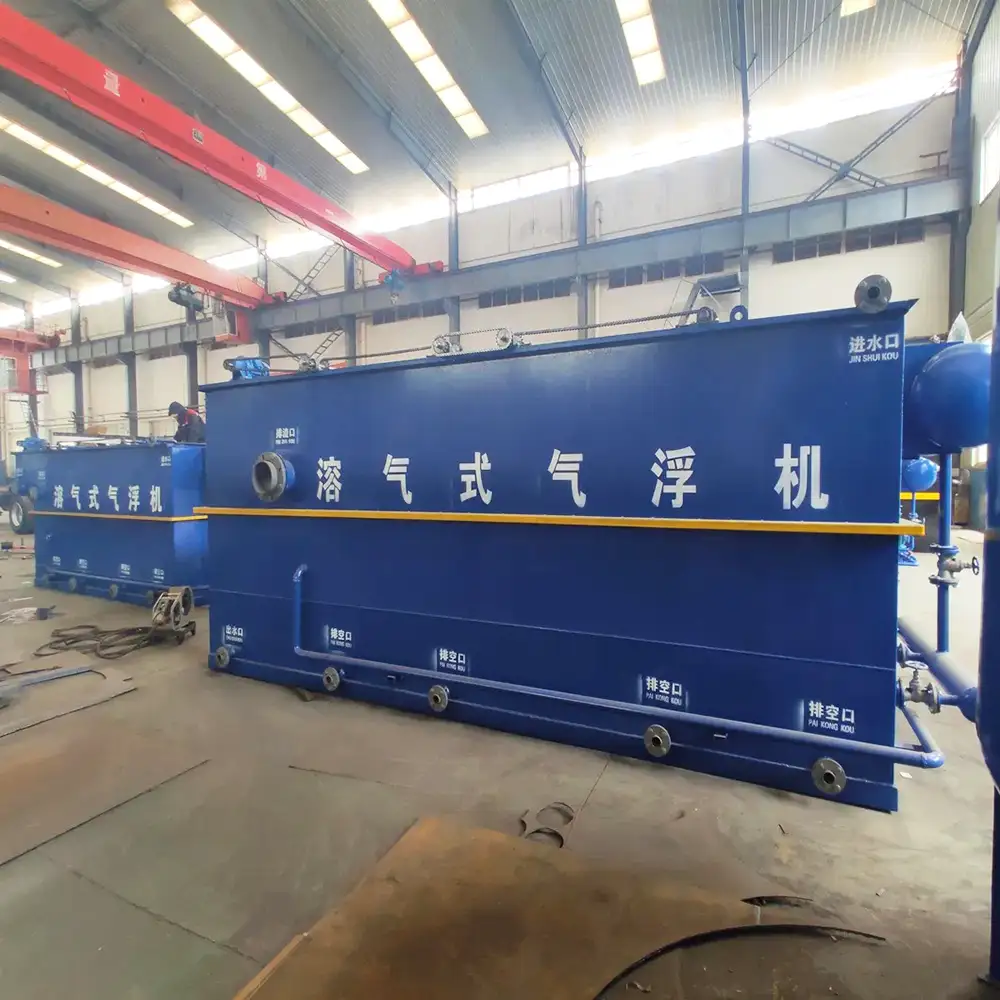
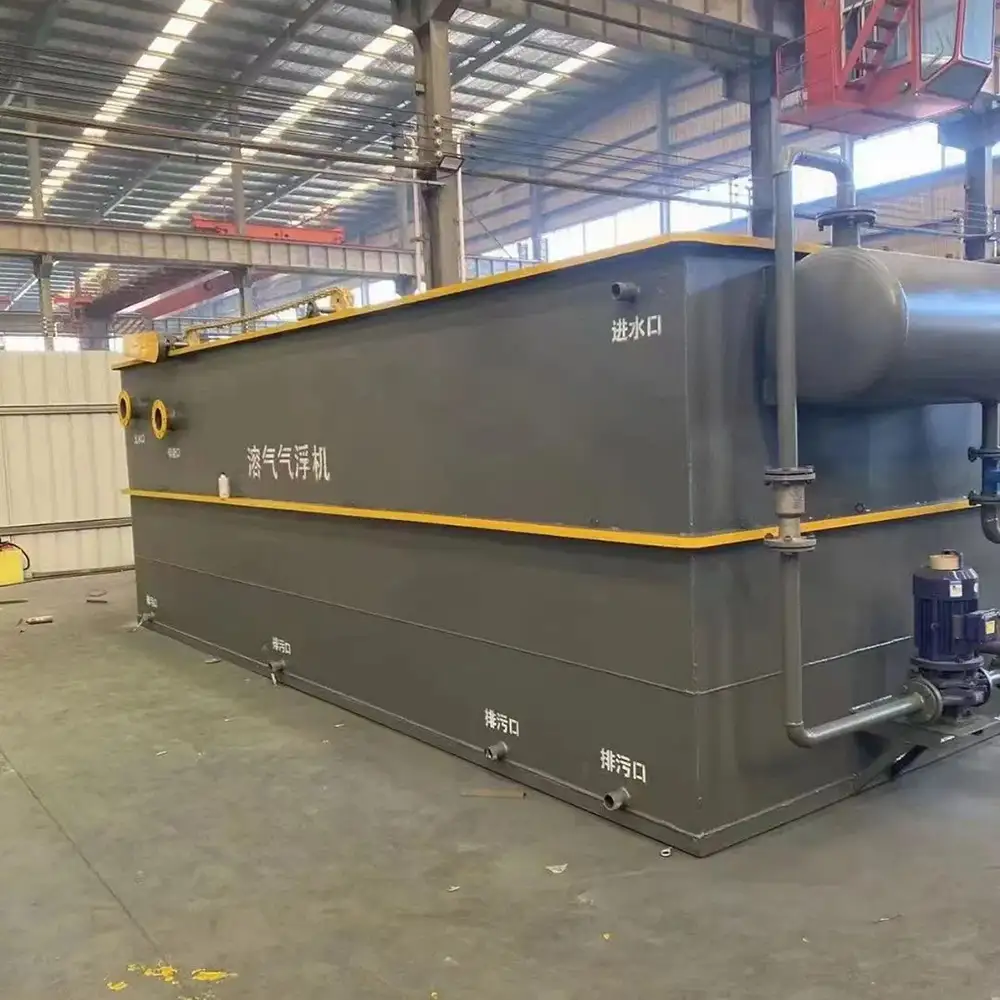
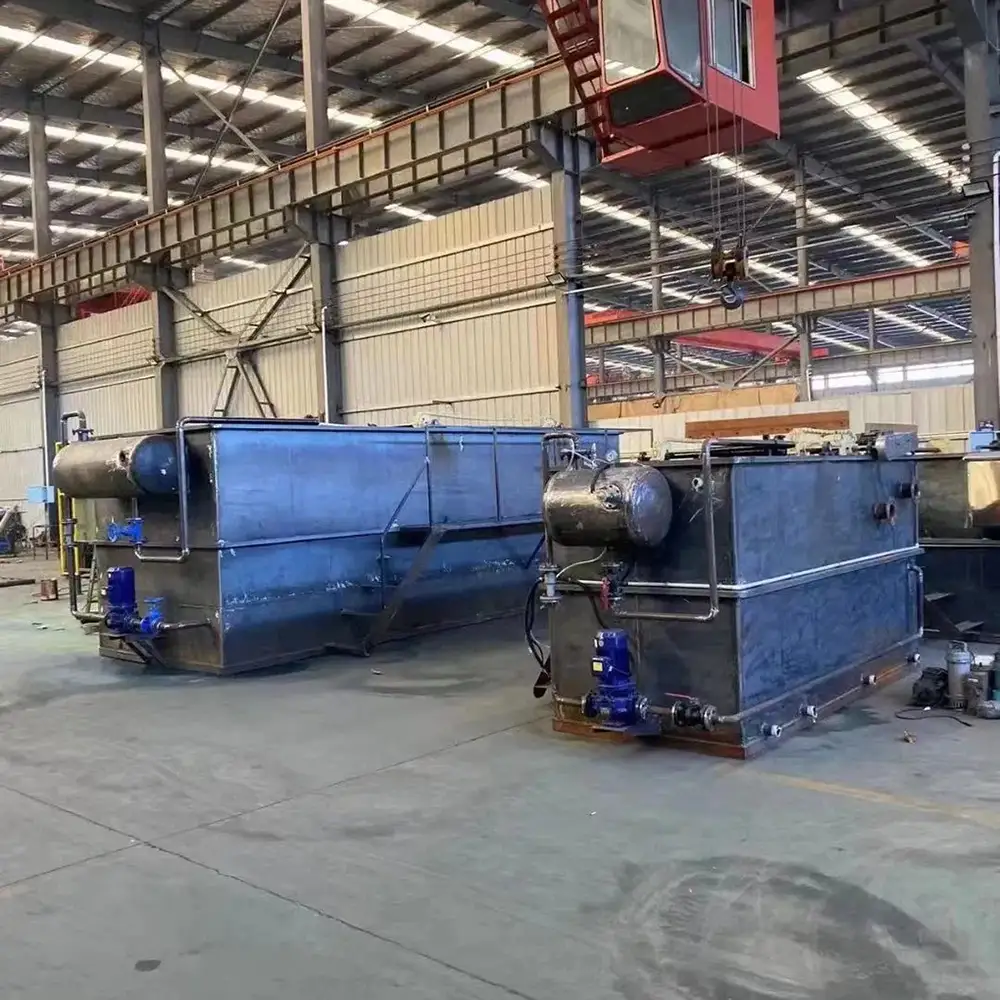
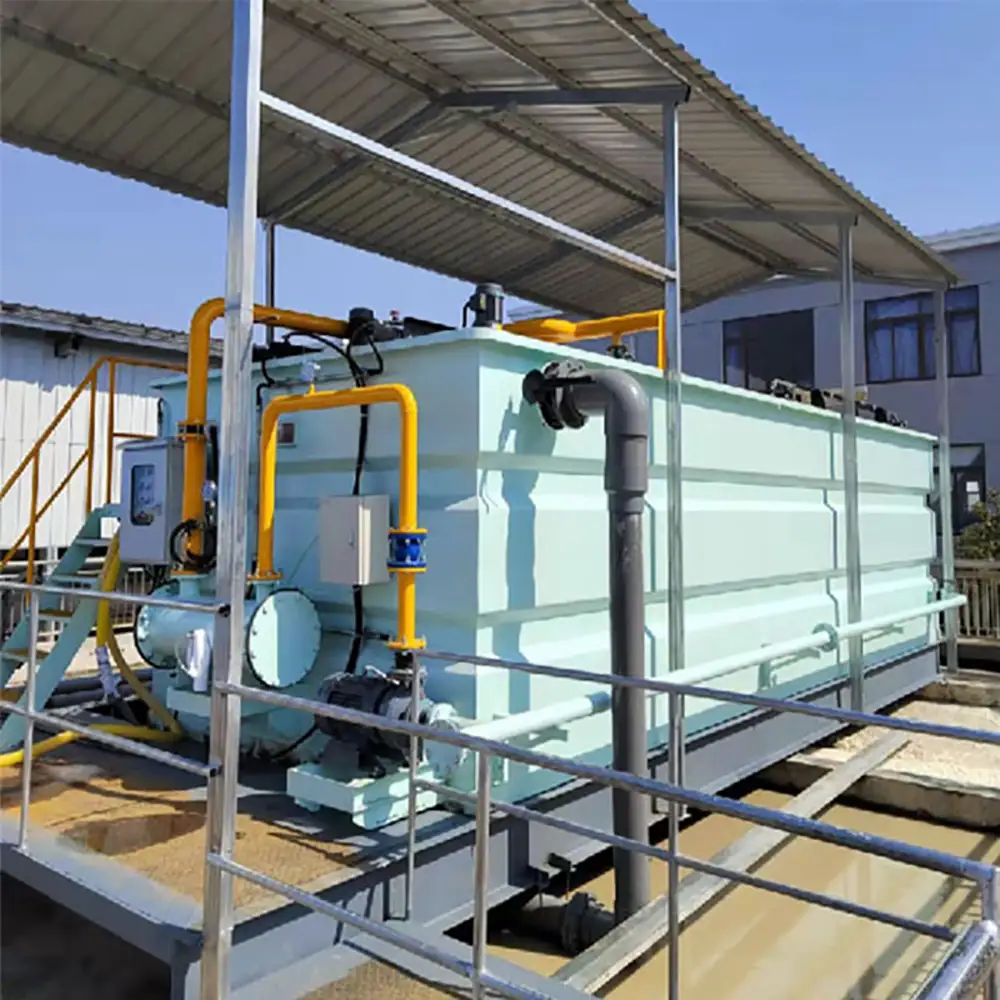
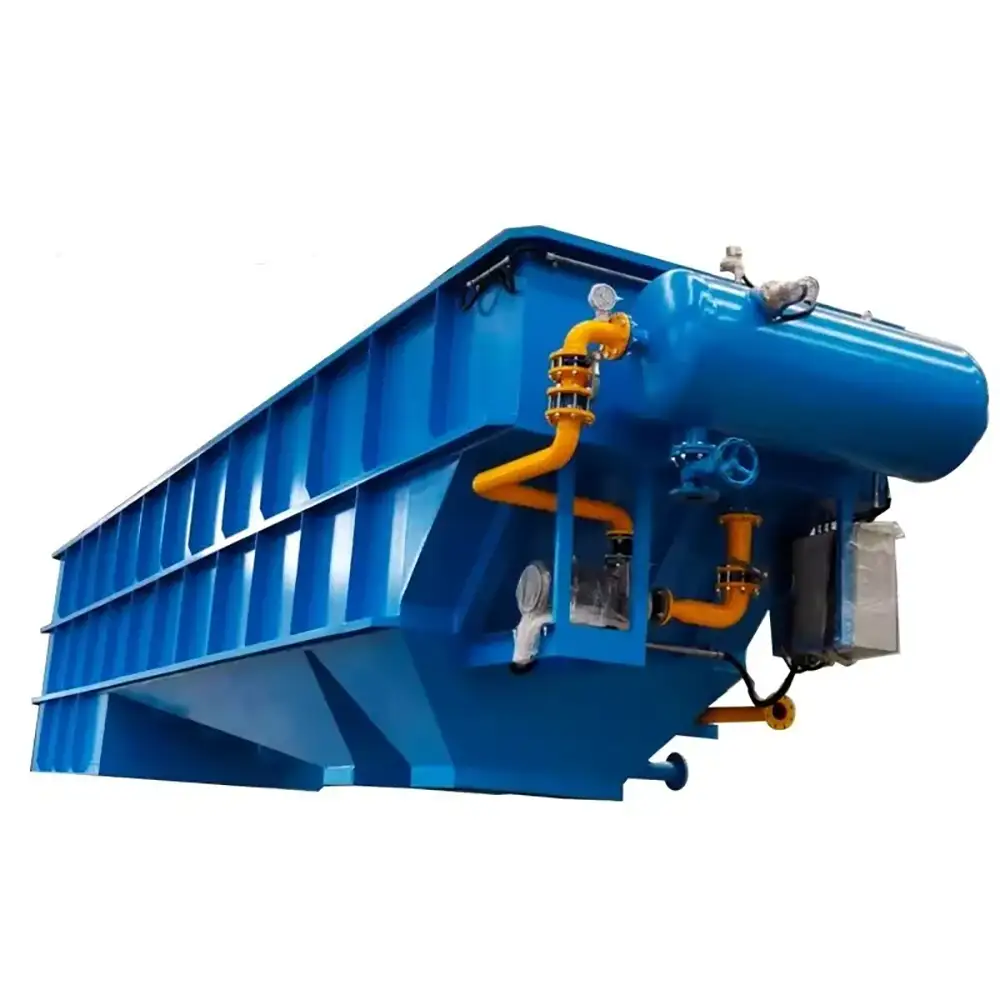
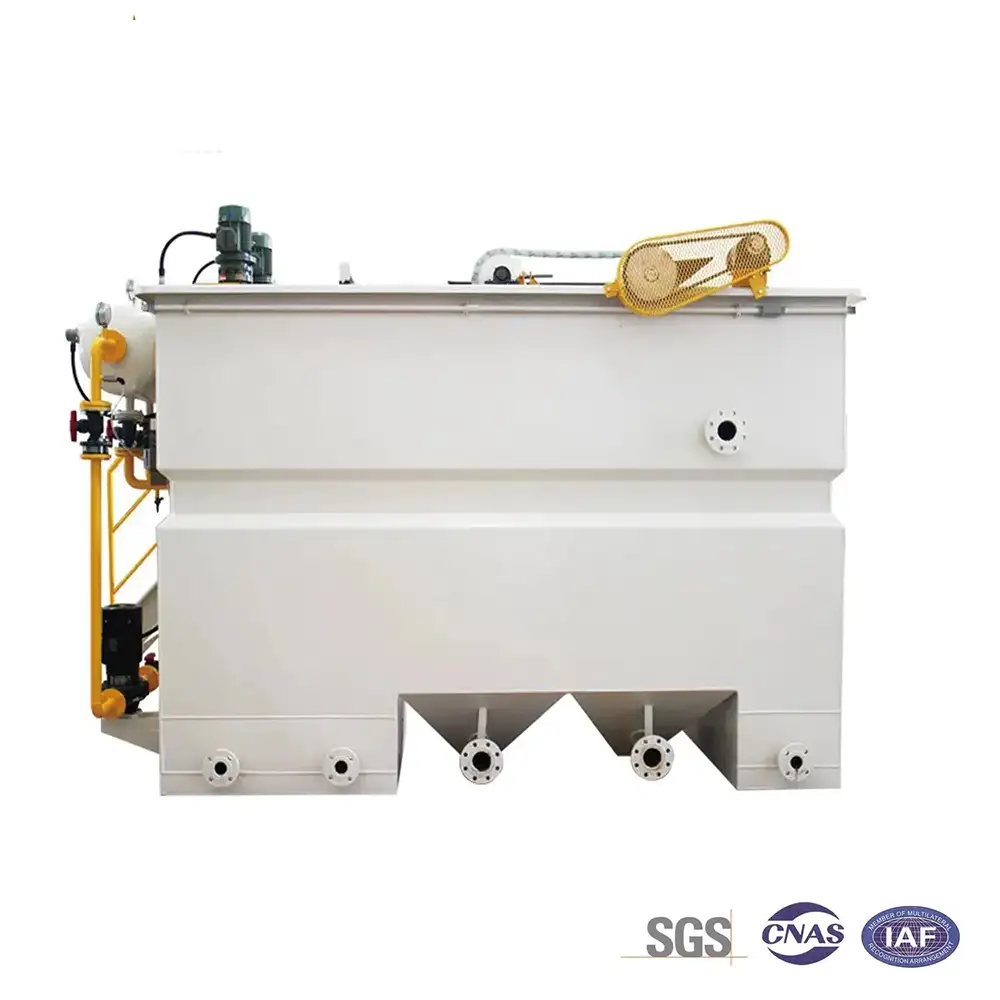
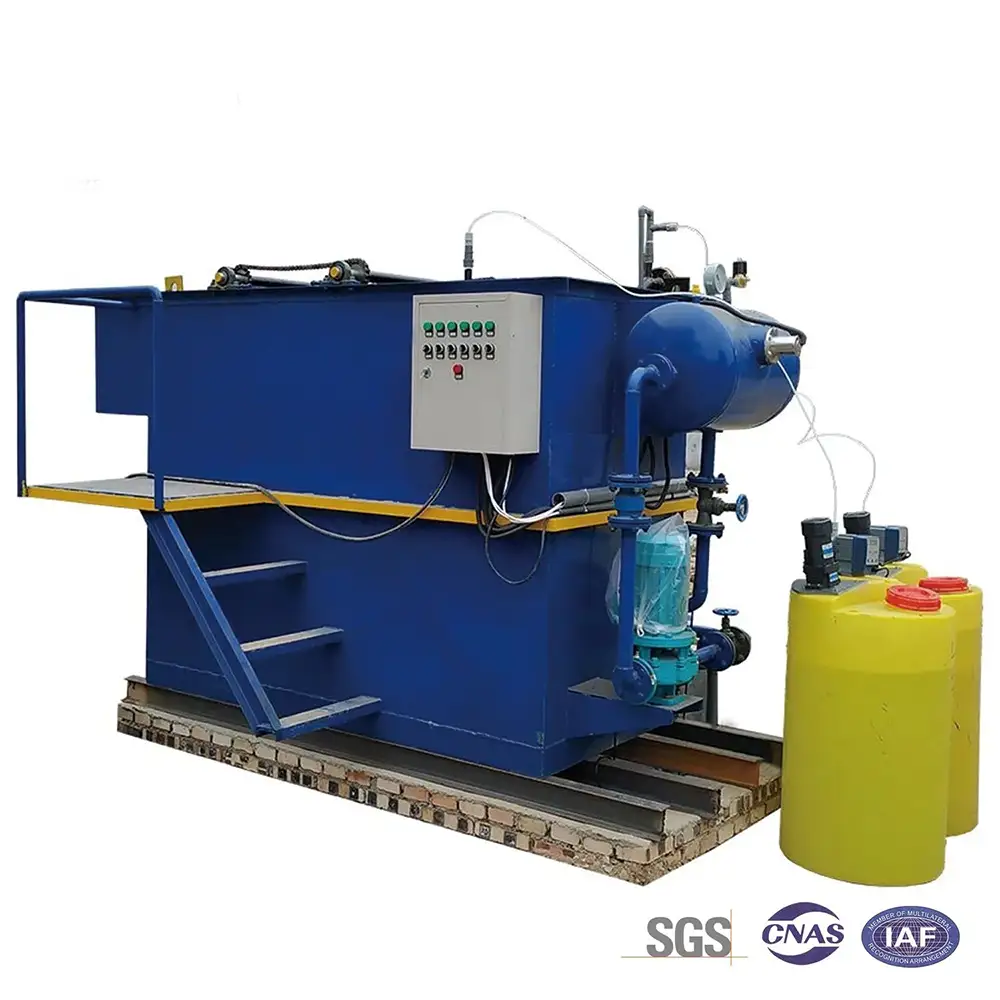
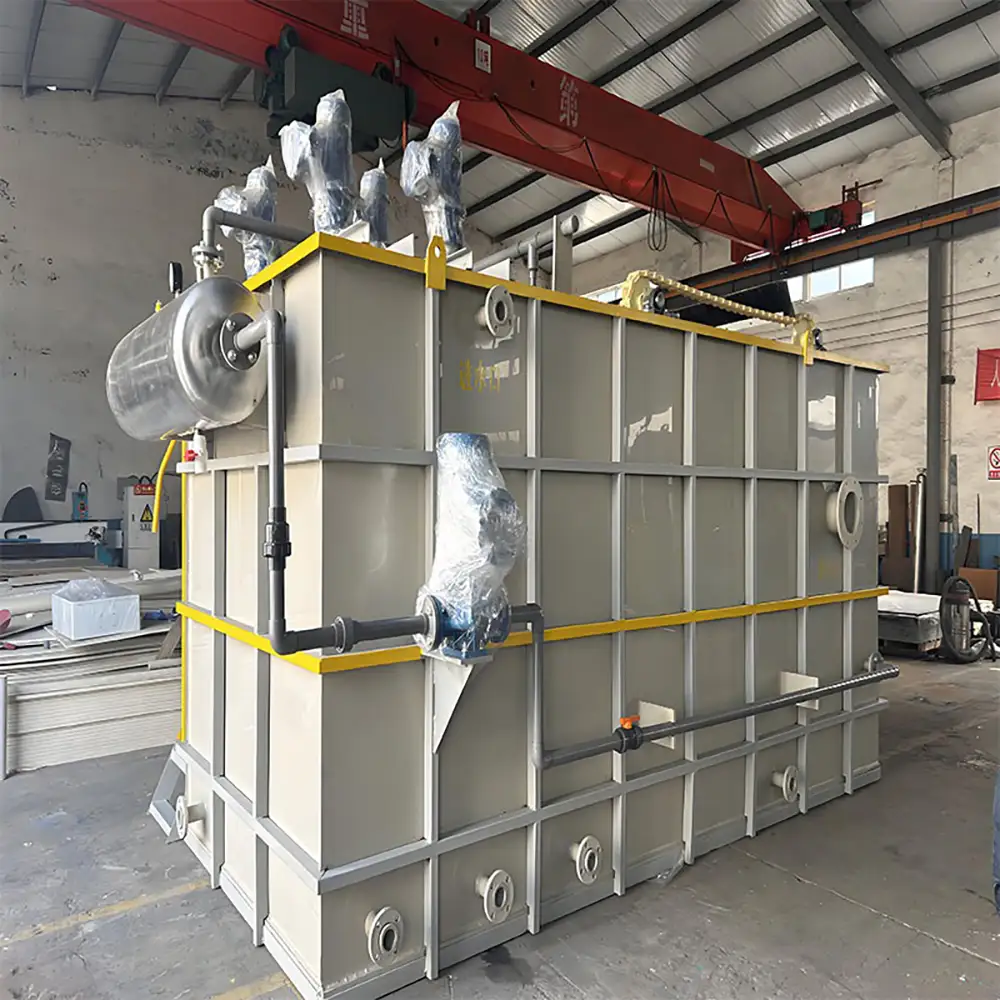
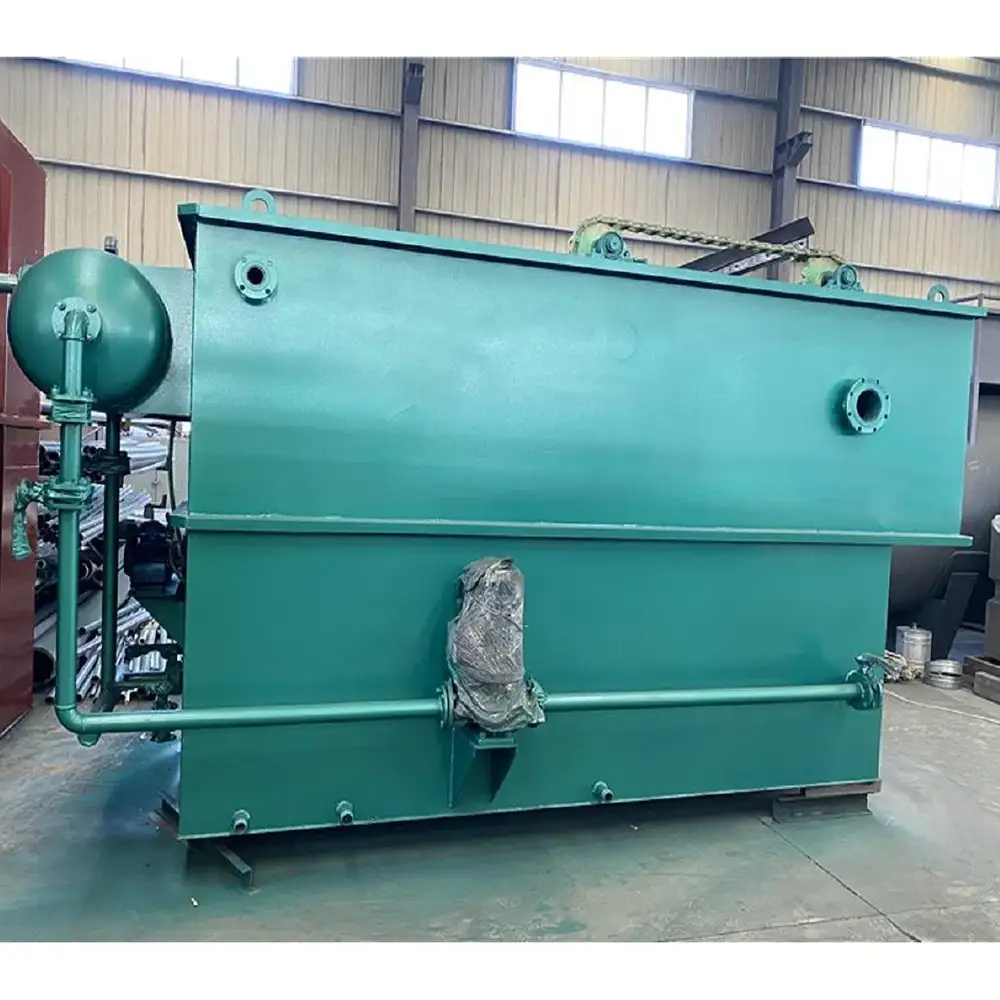
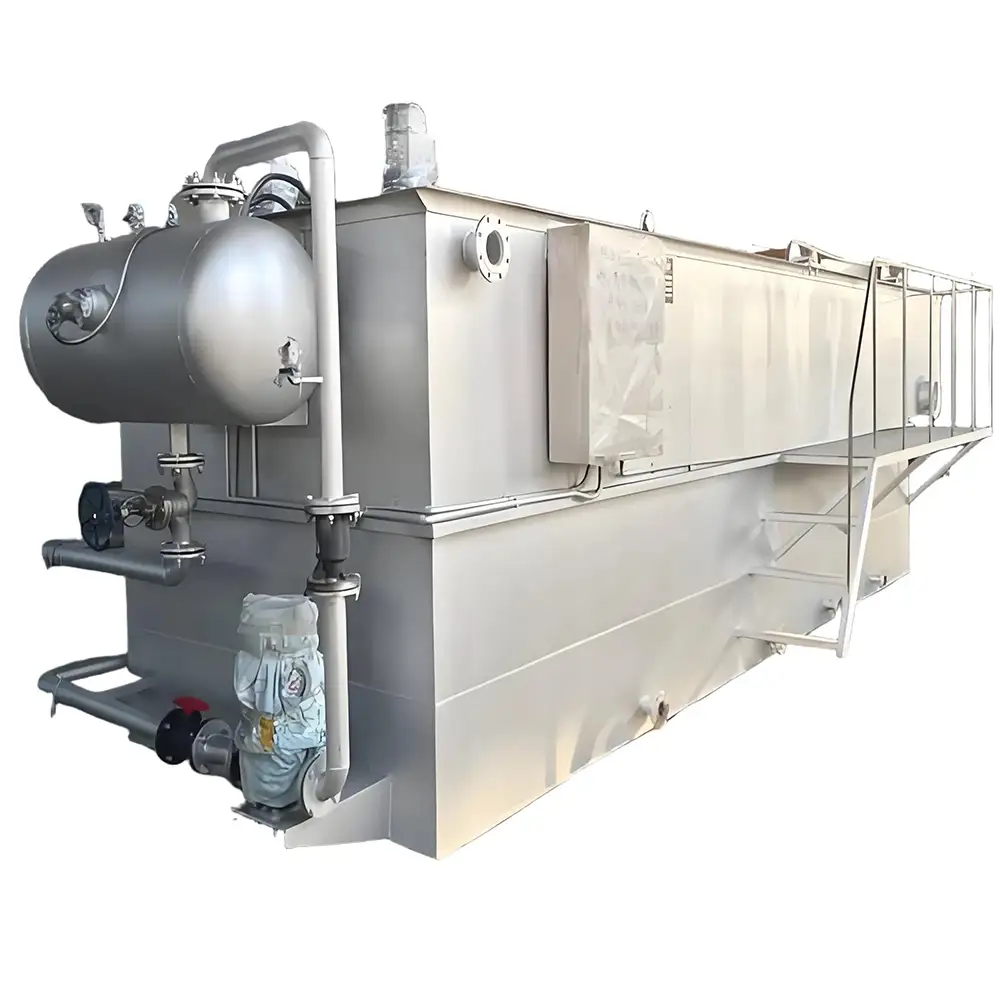
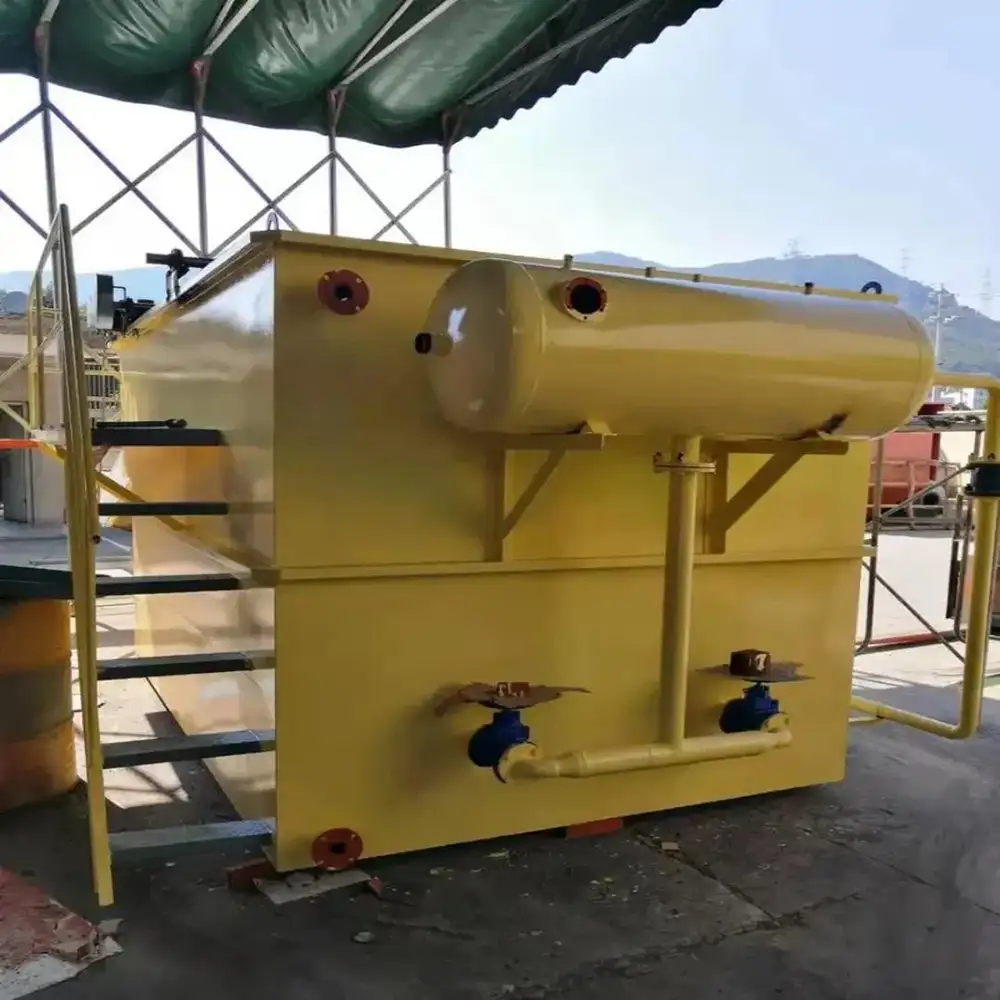
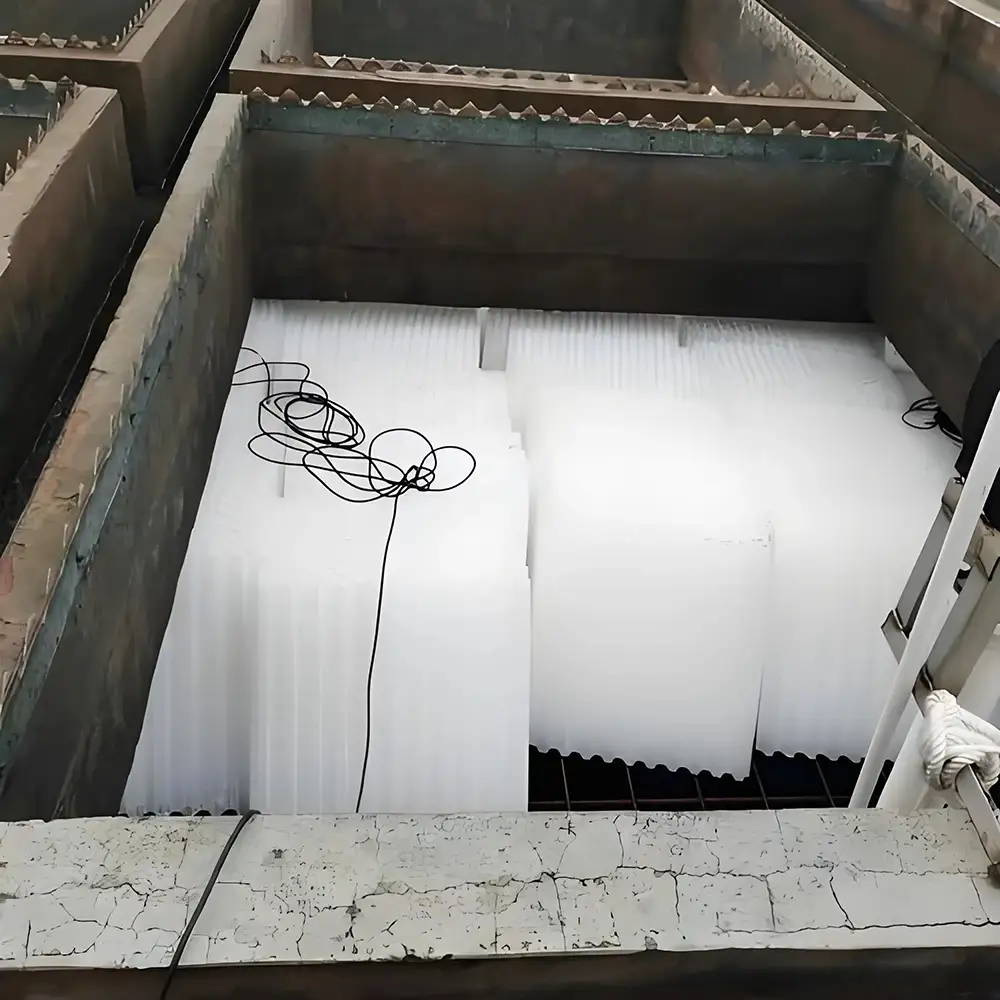
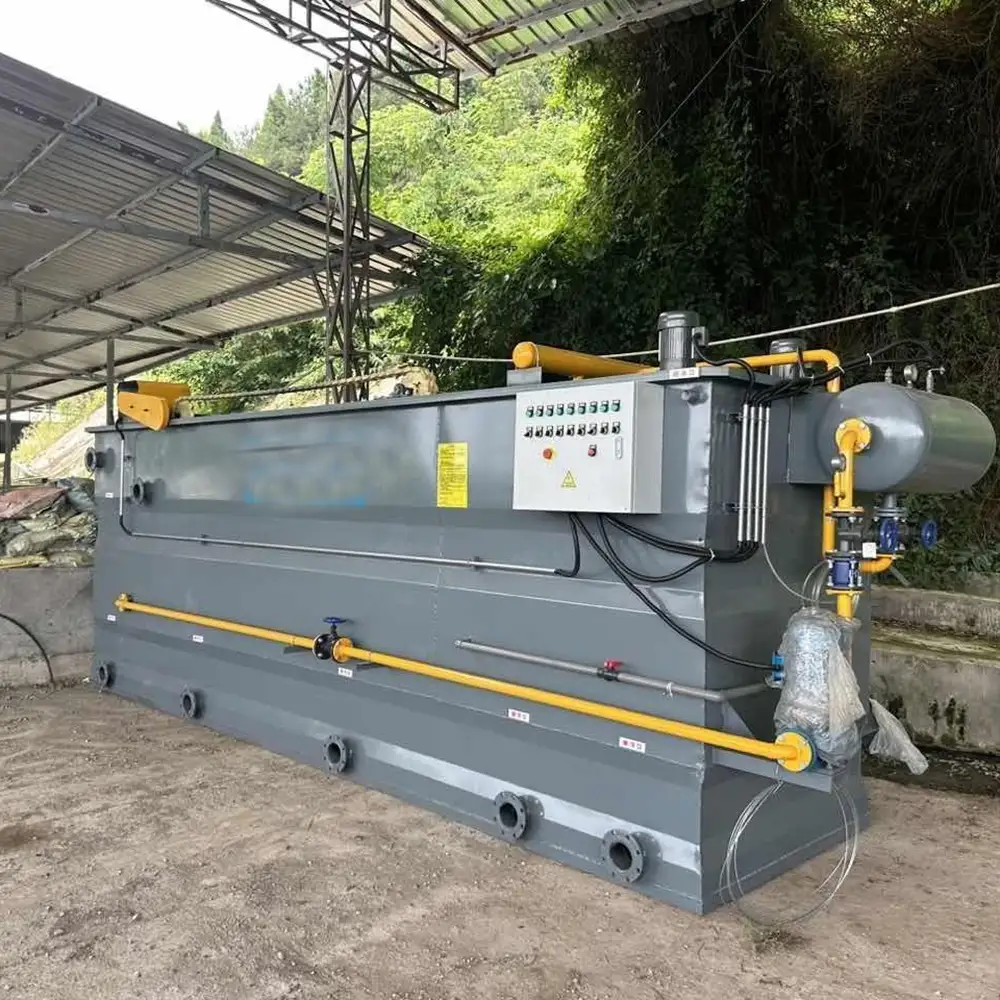
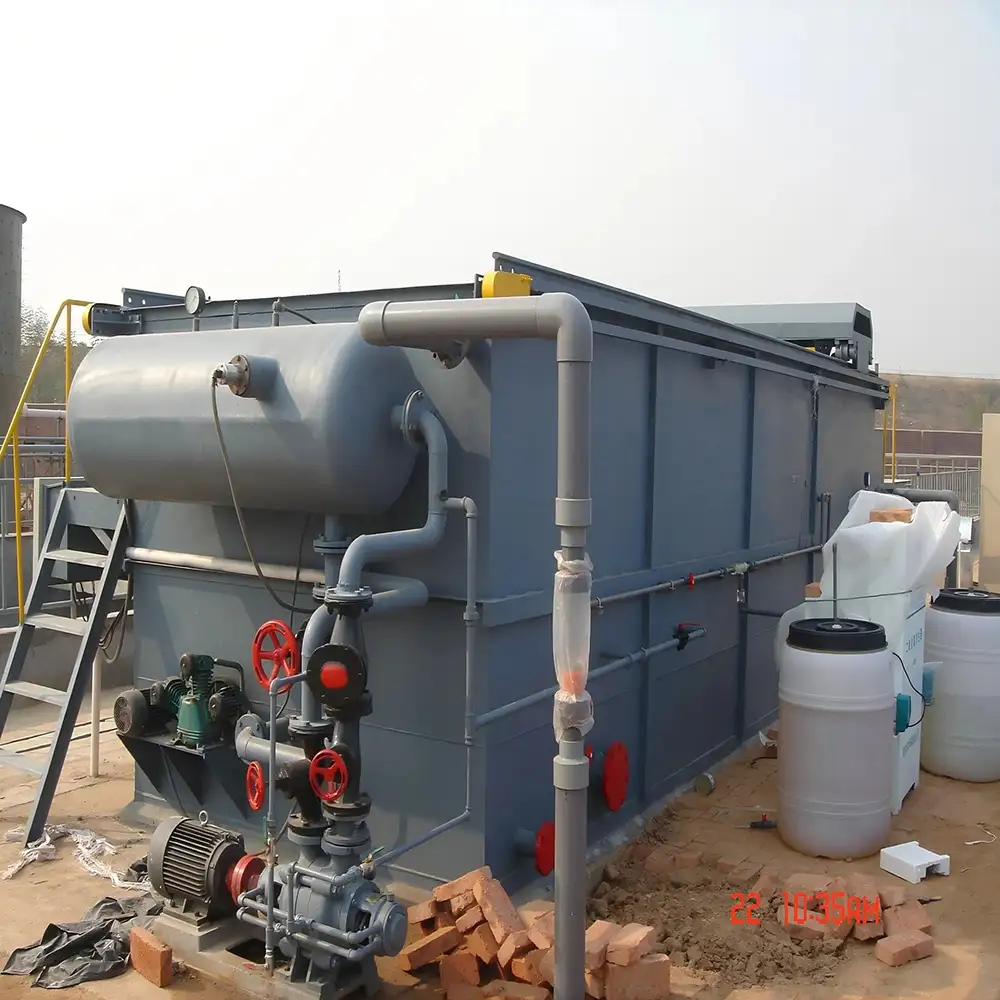
DAF Meat Processing Wastewater Industrial Water Treatment Equipment
A DAF Meat Processing Wastewater Treatment System is an industrial water treatment solution designed for wastewater generated by slaughterhouses, meat processing plants, poultry processing facilities, rendering operations, and other food-processing industries. The system uses Dissolved Air Flotation (DAF) to separate suspended solids, fats, oils, grease, proteins, tissue particles, colloids, and other floatable pollutants from wastewater.
Meat processing wastewater can contain high concentrations of organic matter, suspended solids, fats, oils, grease, nitrogen, and other pollutants. Because a significant portion of the contaminant load can be associated with suspended and floatable material, DAF is frequently used as primary treatment or pretreatment before biological wastewater treatment. Research on meat industry wastewater has demonstrated that DAF can reduce COD, turbidity, total solids, and other pollutant parameters when properly operated and chemically conditioned.
What Is DAF Wastewater Treatment?
DAF stands for Dissolved Air Flotation. It is a physical-chemical wastewater treatment process that uses microscopic air bubbles to separate suspended and low-density contaminants from water.
In a typical DAF system, a portion of treated water is recycled and pressurized with dissolved air. When the pressure is released, the dissolved air forms very small bubbles. These bubbles attach to suitable suspended particles, oil droplets, grease, and flocs, increasing their buoyancy.
The bubble-particle aggregates rise to the surface of the flotation tank, where a mechanical skimmer removes the concentrated float sludge. Clarified water is collected below the flotation layer and transferred to subsequent treatment.
EPA technical documentation identifies DAF as an important primary treatment technology for meat and poultry processing wastewater because it can remove small or light particles, including grease, more effectively and rapidly than gravity settling in suitable applications.
DAF for Meat Processing Wastewater
Meat processing wastewater can originate from animal slaughtering, carcass washing, equipment cleaning, cutting, deboning, rendering, floor washing, and other production operations.
Typical contaminants include:
Total Suspended Solids
Fats, Oils, And Grease
Blood And Proteins
Meat And Tissue Particles
Organic Matter
BOD
COD
Nitrogen
Phosphorus
Colloidal Solids
Fine Food Particles
The exact wastewater composition varies according to the type of meat processed, production volume, water consumption, blood collection efficiency, cleaning practices, and wastewater management procedures.
A properly designed DAF system can remove a substantial portion of suspended and floatable material before the wastewater enters biological treatment. This can help reduce the organic and solids loading on downstream equipment.
A full-scale poultry slaughterhouse study evaluated DAF followed by UASB reactors and found that DAF was used specifically for suspended-solids and oil-and-grease removal before anaerobic treatment.
How Does a DAF System Work?
The complete process can include several stages depending on wastewater characteristics.
1. Screening
Coarse and fine screening can remove large solids such as tissue fragments, hair, packaging residues, bones, and other debris before the DAF stage.
2. Equalization
An equalization tank can balance variations in flow and pollutant concentration caused by production shifts, cleaning cycles, and intermittent discharge.
3. pH Adjustment
pH adjustment may be required to create appropriate conditions for coagulation and flocculation.
4. Coagulation
A suitable coagulant destabilizes fine suspended particles and colloids that are difficult to separate directly.
5. Flocculation
Flocculation promotes particle aggregation, creating larger flocs that provide improved attachment surfaces for microscopic air bubbles.
6. Dissolved Air Flotation
Pressurized recycle water releases dissolved air into the flotation tank. Microbubbles attach to solids, grease, oil, and flocs and carry them toward the surface.
7. Sludge Skimming
A mechanical skimmer removes the floating sludge blanket and transfers it to a sludge collection tank.
8. Downstream Treatment
The clarified DAF effluent can then be treated using biological systems such as MBBR, SBR, activated sludge, UASB, or MBR, depending on the required effluent quality.
Oil and Grease Removal
One of the most important advantages of DAF for meat processing wastewater is the separation of fats, oils, and grease (FOG).
Oil and grease can interfere with biological treatment, clog equipment, create floating scum, and increase maintenance requirements. DAF provides a flotation-based separation mechanism that is particularly useful for low-density contaminants.
EPA documentation specifically notes that DAF can remove grease and other light particles from meat and poultry wastewater.
Actual oil and grease removal performance depends on whether the contaminants are free-floating, dispersed, emulsified, or chemically conditioned. Coagulation and flocculation can improve separation for difficult wastewater streams.
Suspended Solids and Organic Load Reduction
DAF can also reduce suspended solids and the portion of COD and BOD associated with particulate organic matter.
It is important to distinguish particulate organic matter from dissolved organic compounds. DAF is primarily a separation technology, not a complete biological oxidation process. Dissolved biodegradable organic matter generally requires subsequent biological treatment.
Studies of meat industry wastewater have evaluated DAF as a primary treatment stage before advanced oxidation or biological processes, demonstrating the value of combining physical-chemical separation with downstream treatment.
Typical Meat Processing Wastewater Treatment Plant
A complete Planta De Tratamiento De Agua for a meat processing facility may use the following process:
Screening → Equalization → pH Adjustment → Coagulation → Flocculation → DAF → Biological Treatment → Secondary Clarification → Filtration/MBR → Disinfection
For high-strength wastewater, anaerobic treatment such as UASB may be incorporated to reduce soluble organic loading and potentially recover biogas.
For stricter discharge or reuse requirements, additional membrane filtration, activated carbon, advanced oxidation, or disinfection may be included.
The appropriate process should always be selected according to actual wastewater analysis and local discharge requirements.
Main Features of DAF Industrial Equipment
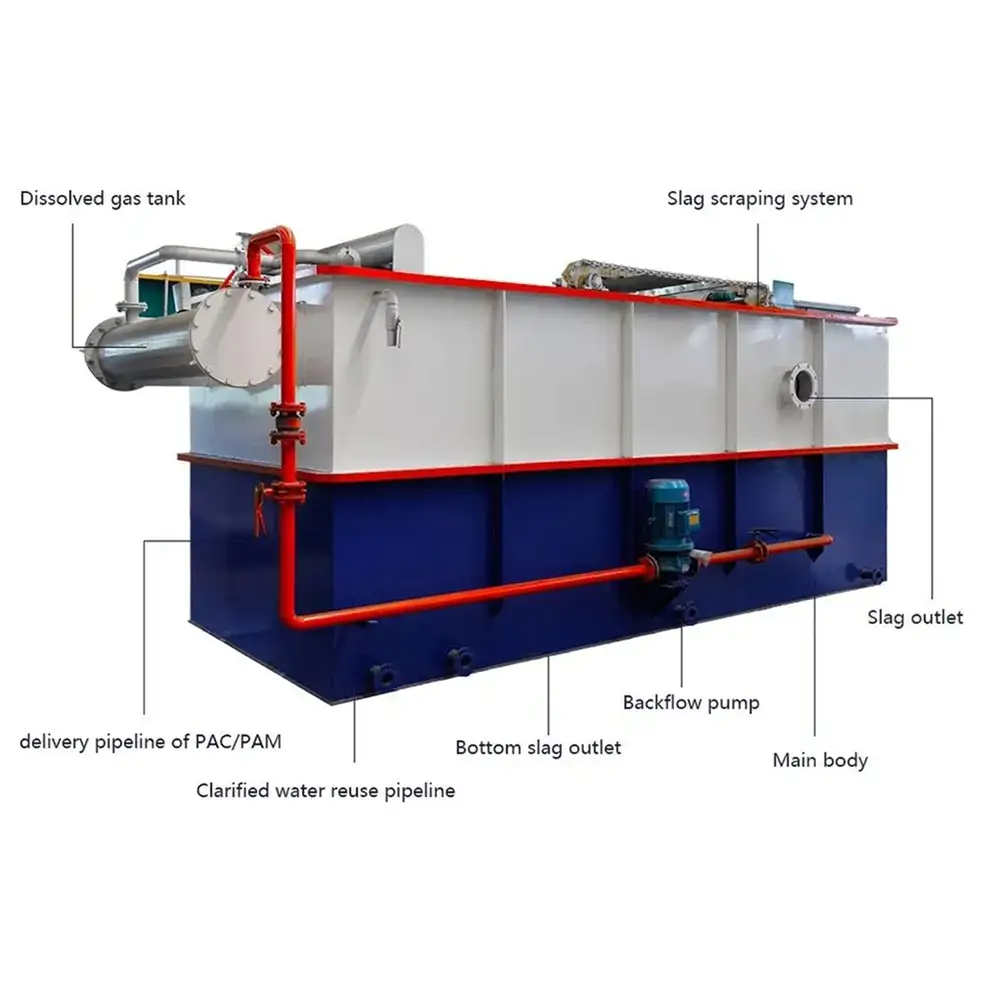
A complete DAF industrial wastewater treatment system can include:
DAF Flotation Tank
Recycle Water Pump
Air Saturation System
Pressure Release System
Air Compressor
Coagulation Tank
Flocculation Tank
Chemical Dosing Pumps
Surface Sludge Skimmer
Sludge Collection Tank
Bottom Sludge Discharge
PLC Control Cabinet
Flow And Pressure Monitoring
Automatic Valves
The system can be configured for continuous operation and integrated with existing wastewater treatment infrastructure.
Applications
DAF meat processing wastewater equipment is suitable for:
Beef Processing Plants
Pork Processing Plants
Poultry Processing Plants
Slaughterhouses
Abattoirs
Meat Cutting Facilities
Deboning Plants
Rendering Plants
Sausage Processing Plants
Food Processing Factories
Seafood Processing Facilities
Animal By-Product Processing
DAF systems have also been implemented in real meat-processing facilities as part of integrated wastewater treatment systems incorporating screening, equalization, DAF, sludge handling, and automated controls.
Why Choose Us?
We focus on designing DAF Industrial Wastewater Treatment Equipment according to actual wastewater characteristics and project requirements.
For meat processing applications, important parameters include average and peak wastewater flow, TSS, FOG, COD, BOD, pH, temperature, production schedule, chemical requirements, sludge production, and required discharge quality.
We can provide a standalone DAF unit or integrate DAF into a complete Industrial Water Treatment Plant with screening, equalization, chemical dosing, biological treatment, filtration, membrane treatment, sludge dewatering, and disinfection.
For difficult wastewater, laboratory jar testing or pilot testing can help determine suitable coagulants, polymers, dosage, flotation conditions, and expected treatment performance.
Operation and Maintenance
Regular maintenance is essential for reliable DAF operation. Operators should inspect the recycle pump, air saturation system, pressure controls, pressure-release devices, skimmer, chemical dosing equipment, valves, gauges, and sludge discharge system.
The flotation surface should be monitored to maintain an appropriate sludge blanket. Excessive sludge accumulation can interfere with stable operation.
Chemical dosing should be adjusted when wastewater characteristics change. Regular cleaning of pipes, pumps, valves, air-release components, and flotation surfaces can help maintain consistent bubble generation and separation performance.
Collected DAF sludge should be transferred to appropriate sludge thickening, dewatering, digestion, disposal, or resource-recovery processes.
Frequently Asked Questions
1. What is DAF in wastewater treatment?
DAF means Dissolved Air Flotation. It uses microscopic air bubbles to float suspended solids, fats, oils, grease, and suitable flocs to the water surface for removal.
2. Can DAF treat meat processing wastewater?
Yes. DAF is widely used as primary treatment or pretreatment for meat, poultry, slaughterhouse, and food-processing wastewater.
3. What contaminants does DAF remove?
DAF can remove suspended solids, fats, oils, grease, colloidal particles, proteins, tissue particles, and other floatable or chemically conditioned contaminants.
4. Can DAF reduce COD and BOD?
Yes, particularly when COD and BOD are associated with suspended or particulate organic matter. Dissolved biodegradable organics generally require additional biological treatment.
5. Does meat wastewater require coagulation before DAF?
Many meat-processing applications benefit from coagulation and flocculation, especially when wastewater contains fine particles, colloids, or emulsified fats and oils.
6. What is the difference between DAF and sedimentation?
Sedimentation uses gravity to settle particles, while DAF uses microscopic air bubbles to float suitable particles. DAF is particularly useful for lighter solids, grease, and oil.
7. Can DAF be combined with UASB?
Yes. DAF can be used as pretreatment before UASB to reduce suspended solids and oil and grease and help protect the anaerobic biological stage.
8. Can DAF be used before MBR?
Yes. DAF can reduce TSS, fats, oils, grease, and particulate loading before membrane bioreactor treatment.
9. Can the DAF system operate automatically?
Yes. PLC control can automate pumps, valves, chemical dosing, sludge skimming, alarms, and other operating functions.
10. How is DAF capacity selected?
Capacity should be determined from average and peak flow, wastewater characteristics, TSS, FOG, COD, BOD, hydraulic loading, required removal performance, and downstream treatment requirements.
11. What happens to the DAF sludge?
The concentrated float sludge is collected and can be transferred to thickening, dewatering, digestion, disposal, rendering, or other suitable solids-management processes.
Prev:
Dissolved Air Flotation Machine Food Factory Oil Sewage Treatment Equipment / DAF
Next:
Industrial Suspended Solids Removal DAF Water Treatment System
TAG:
Industrial Water Purification System,
Industrial Water Treatment System,
Industrial Wastewater Treatment Equipment,
Suspended Solids Removal,
Food Industry Wastewater Treatment,
Meat Processing Wastewater Treatment,
Food Processing Wastewater Treatment,
Industrial Wastewater Treatment System,
DAF Wastewater Treatment System,
Industrial Wastewater Treatment,
Food Wastewater Treatment,
Organic Wastewater Treatment,
Sewage Treatment Plant,
Industrial Sewage Treatment,
Industrial Wastewater Treatment Plant,
Wastewater Treatment Equipment,
Wastewater Treatment Plant,
Solid Liquid Separation Equipment,
Industrial Water Treatment Plant,
Wastewater Treatment System,
Industrial Water Treatment Equipment,
Industrial Water Treatment,
Suspended Solids Removal Equipment,
Suspended Solids Removal System,
Wastewater Pretreatment Equipment,
Industrial Water Purification,
Industrial Sewage Treatment Plant,
Sewage Treatment Equipment,
Sewage Treatment System,
Fats Oils And Grease Removal,
Related Category:
DAF Meat Processing Wastewater,Meat Processing Wastewater Treatment,DAF Wastewater Treatment China, suppliers, manufacturers, factory, customized, wholesale, quotation, made in China