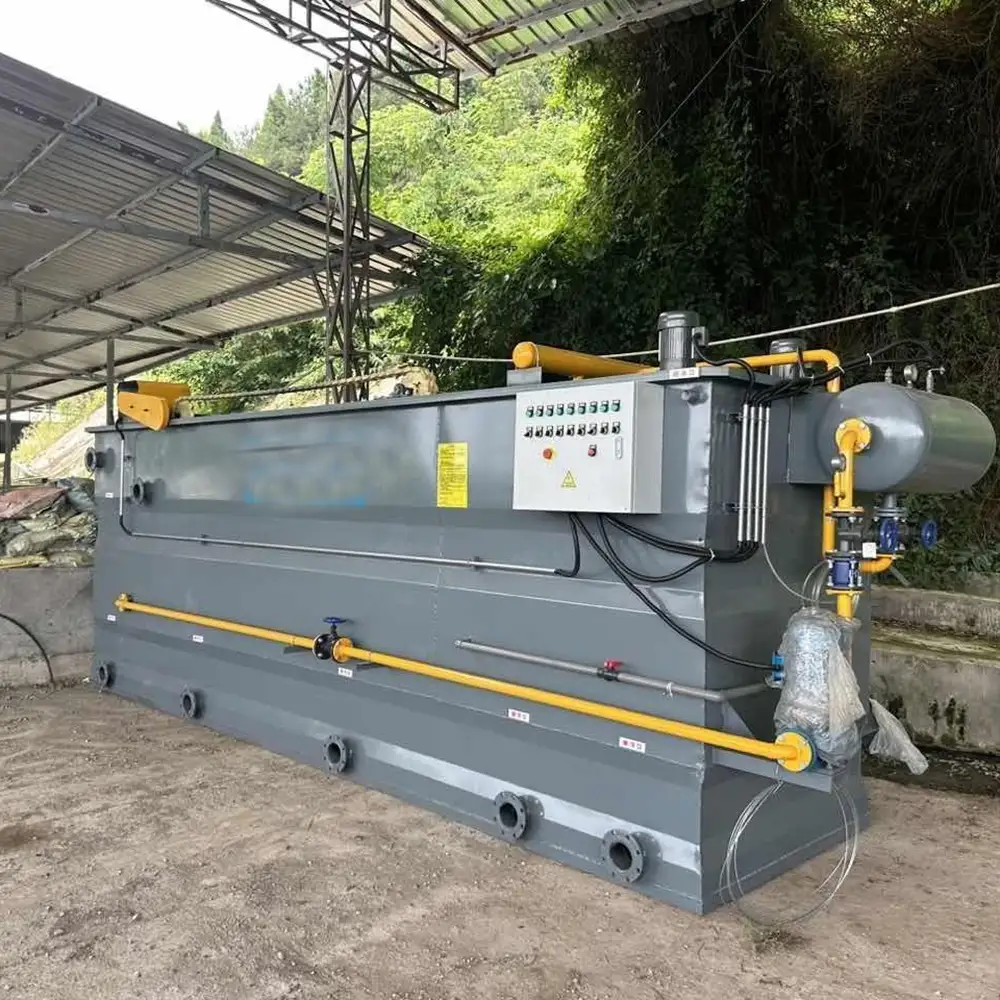
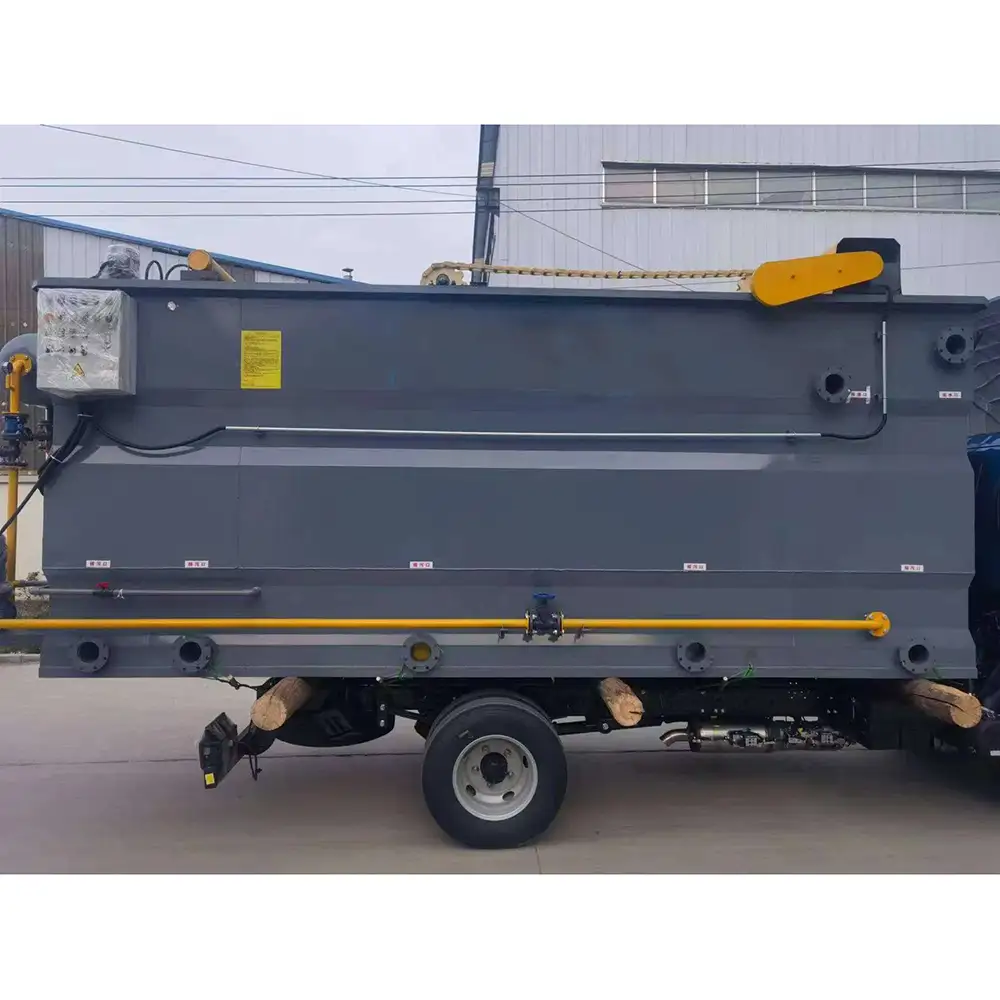
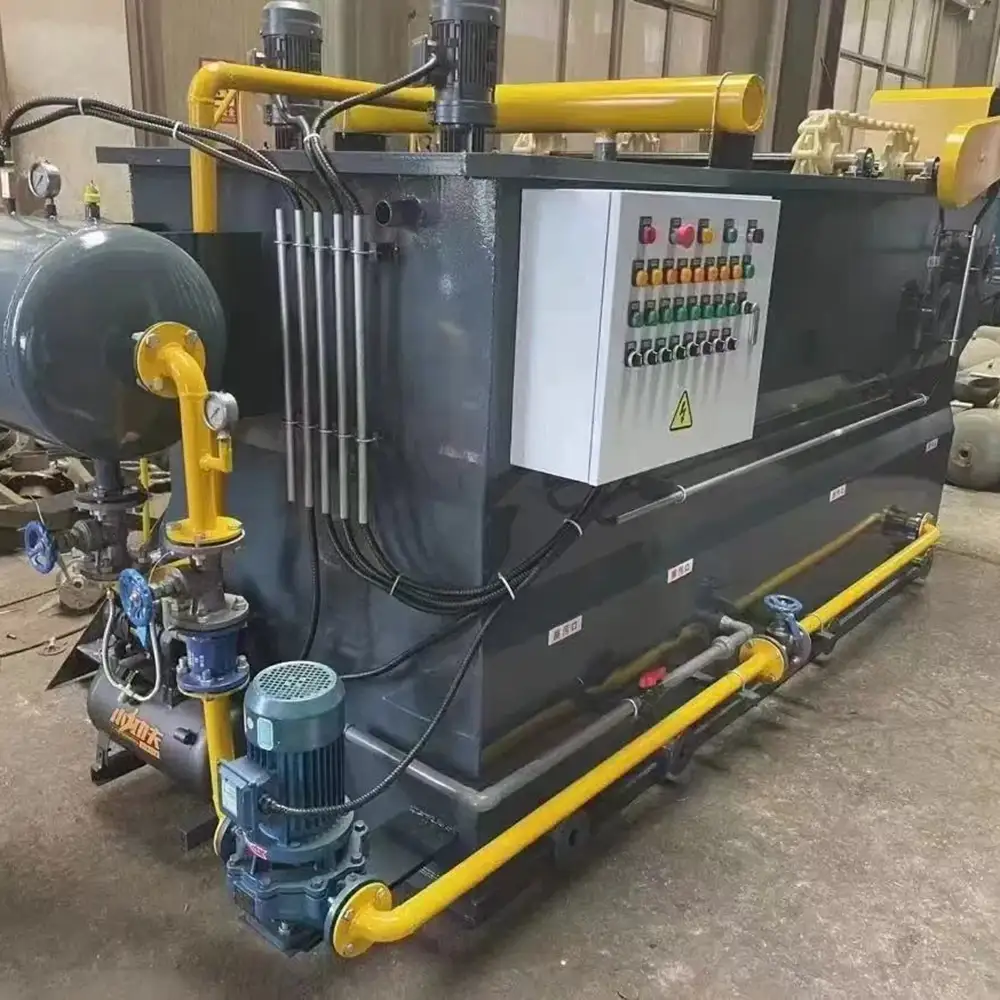
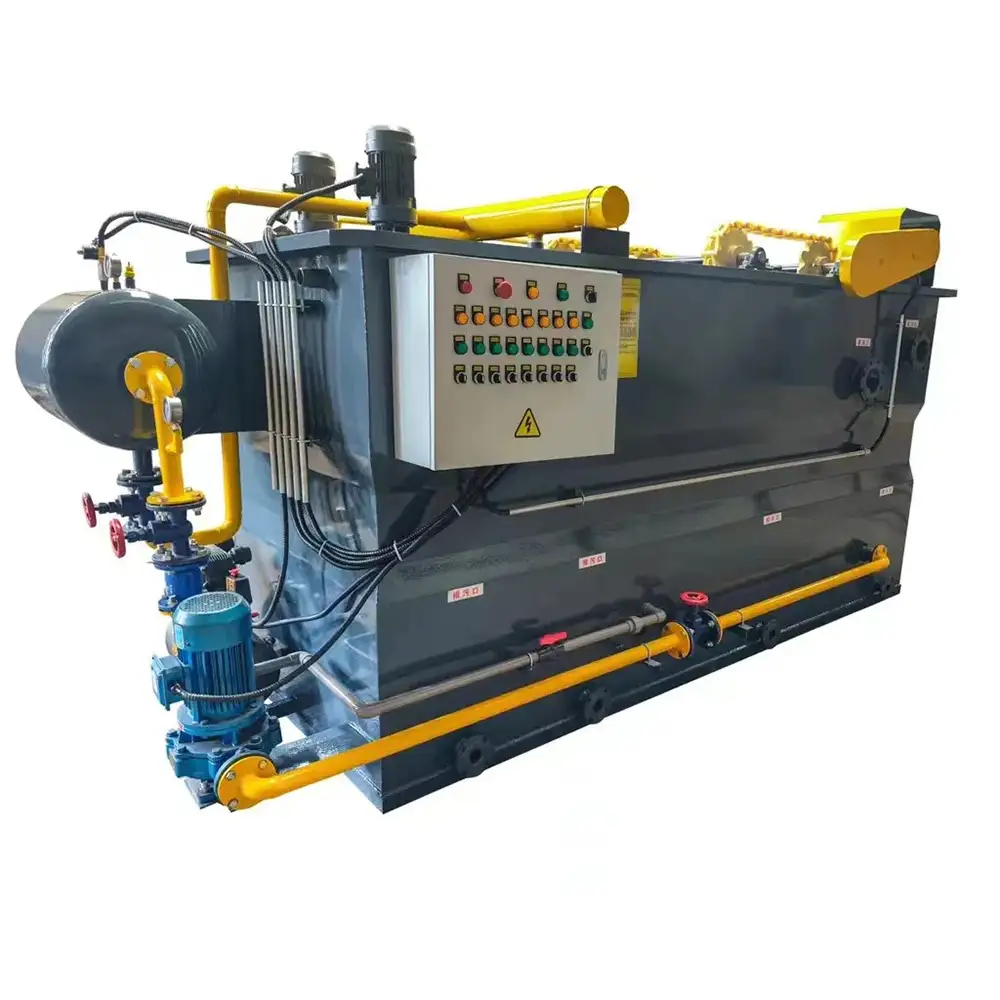
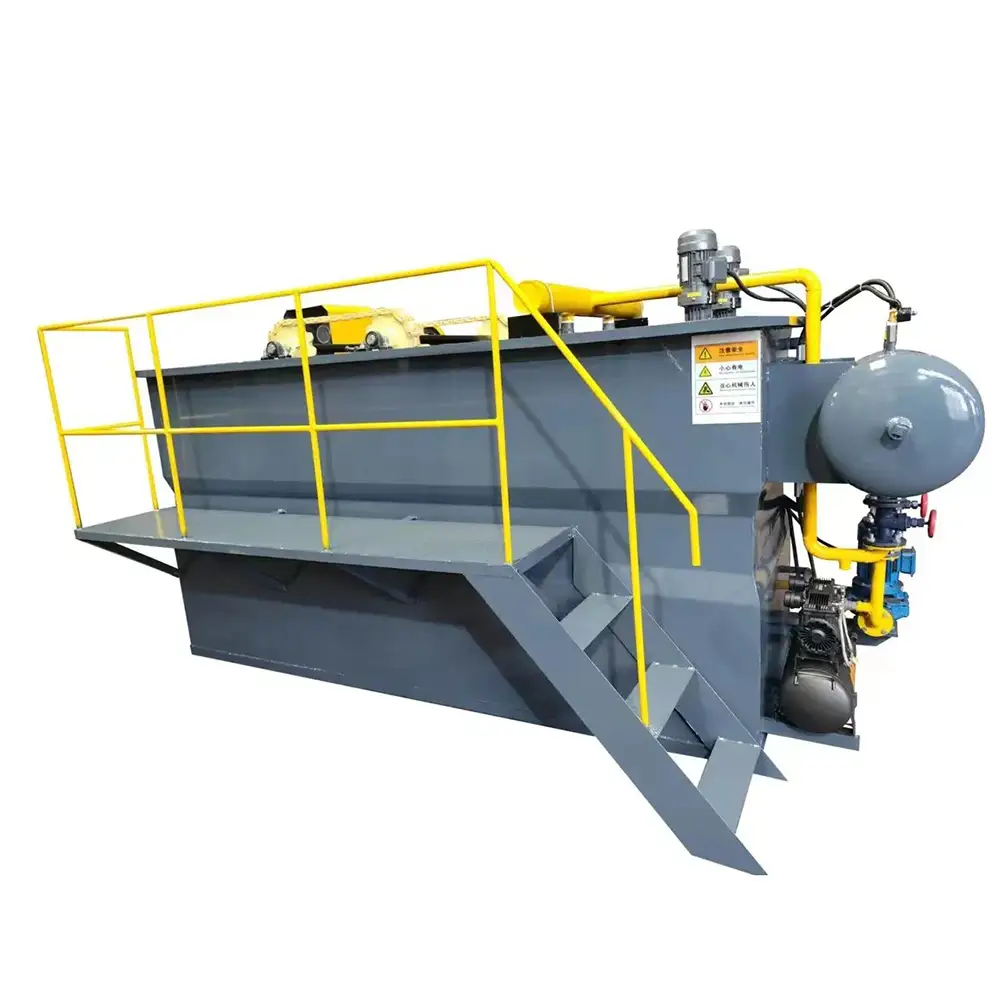
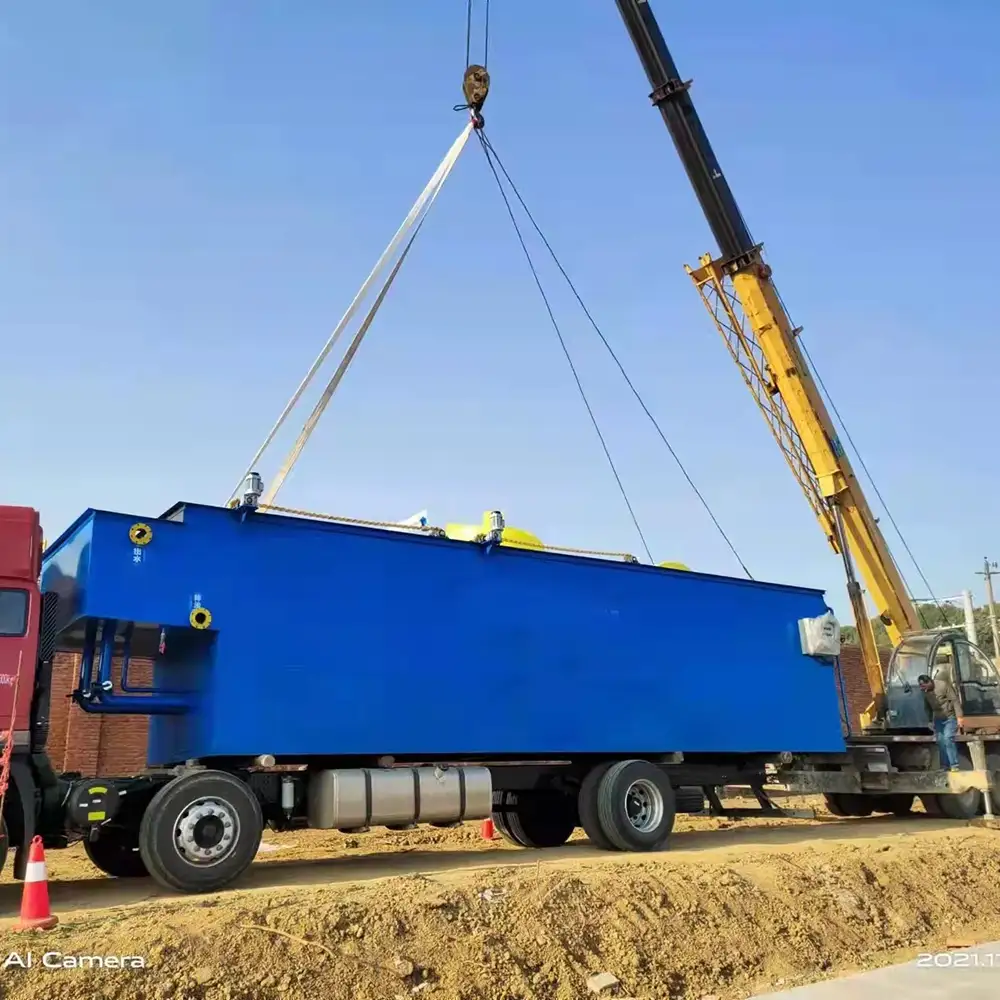
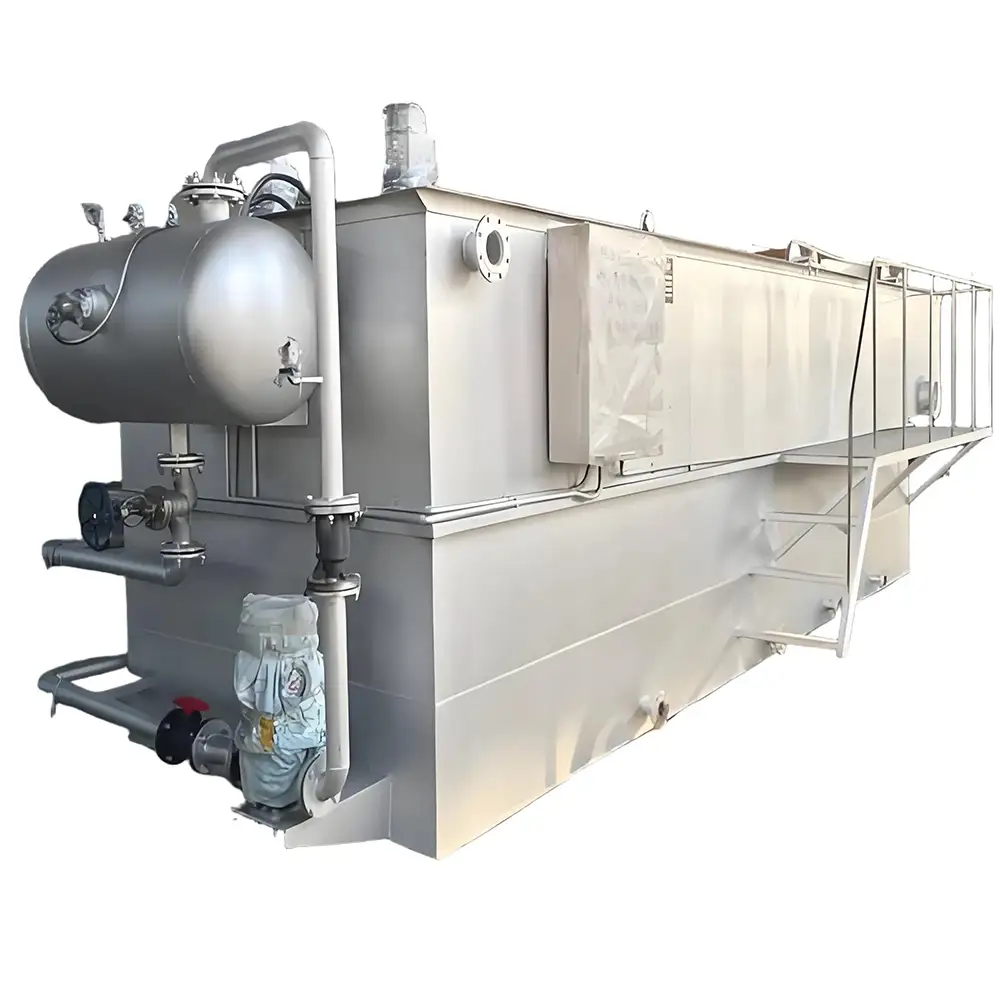
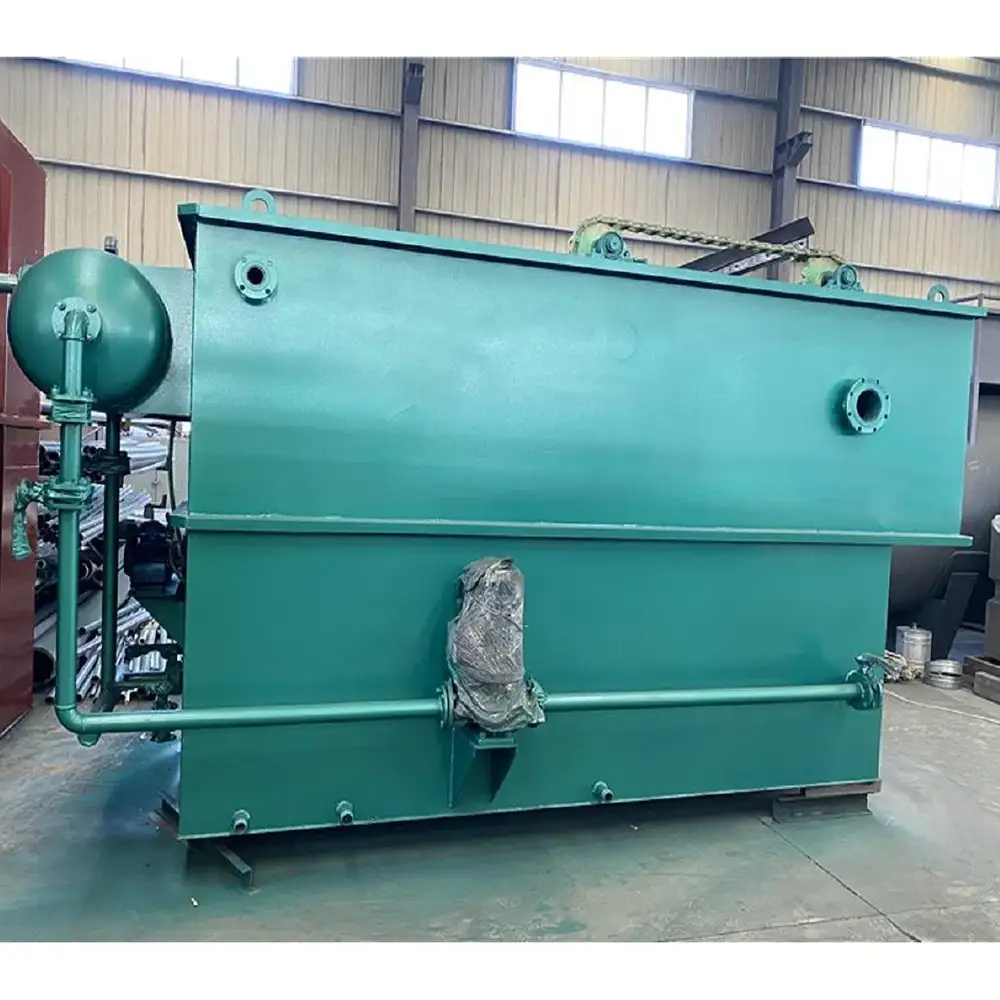
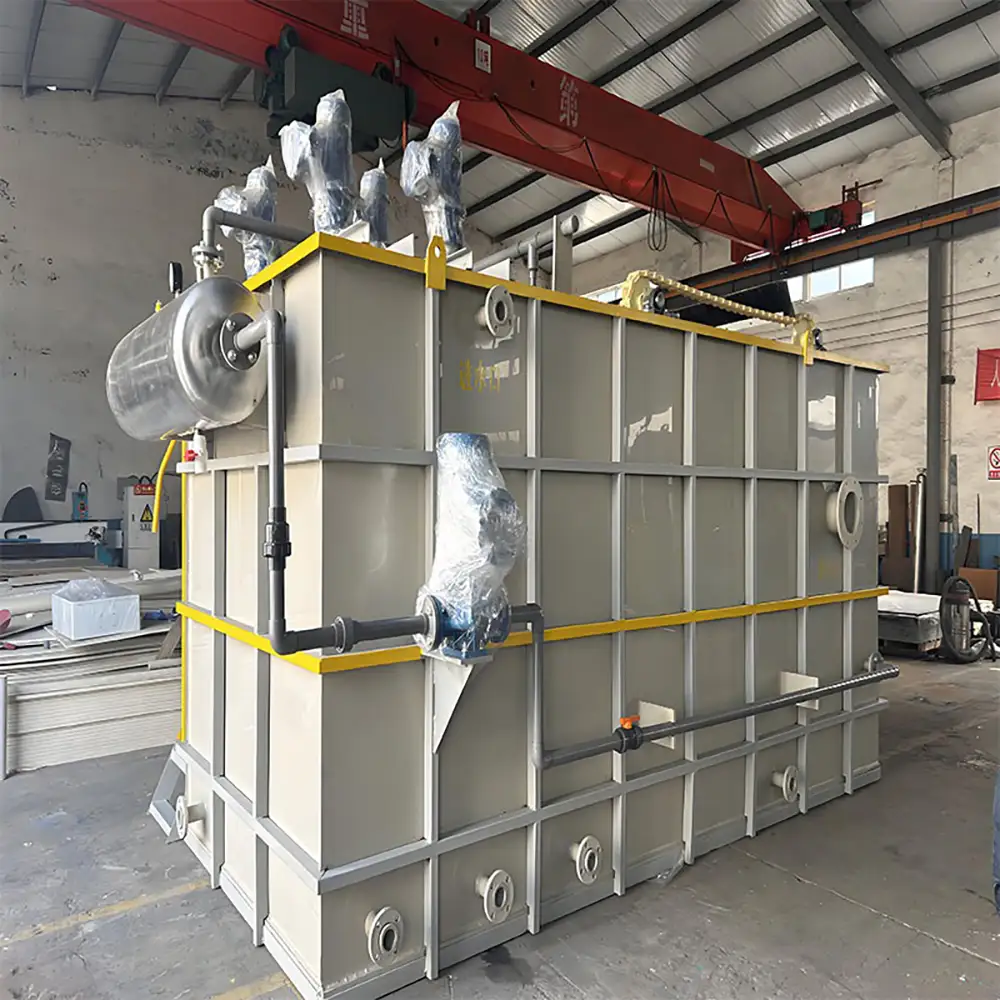
Coal Mine Wastewater Treatment Equipment | Industrial Water Treatment System
Coal mine wastewater treatment is an important part of modern mining operations, helping mines manage contaminated drainage, process water, stormwater, and water generated during coal preparation. Depending on geological conditions, mining methods, and processing operations, coal mine wastewater may contain high concentrations of suspended solids, turbidity, acidity, iron, manganese, dissolved solids, and other contaminants.
A properly designed Coal Mine Wastewater Treatment System combines physical, chemical, and, when necessary, advanced water treatment technologies to improve effluent quality and support discharge, reuse, or further treatment. EPA information identifies total suspended solids, settleable solids, iron, manganese, acidity, and pH among important parameters associated with coal mining wastewater.
|
Model NO. |
GSRF |
Handling method |
physicochemical treatment |
|
Usage |
Stone processing, coal mining, sand washing, heavy metal wastewater |
Trademark |
|
|
Types |
Package, Compact, Small, Mini |
Applications |
Industrial, Municipal, Domestic, Medical, Ship |
|
Craft |
Flocculation sedimentation method |
Features |
Water Clarification, Filtration, Purification |
|
Service Life |
20 Years |
Operation |
Automatic |
|
Steel Plate Thickness |
>8mm |
Function |
Remove Suspended solids |
|
Voltage |
220V/ 380V/ Customerized |
Installation Type |
Onground |
|
Colour |
Grey/Silver/Blue/Balck/Customerized |
Use for |
Minerals, printing, chemicals, heavy metals, coal mining, stone processing |
|
Material |
Carbon Steel, Stain Steel, FRP, PE, PP |
Certificate |
SGS, ISO |
|
Transport Package |
Container Standard Packing |
Specification |
Carbon steel anti-corrosion |
|
Production Capacity |
1000 Sets/Year |
Origin |
China |
Coal Mine Wastewater Treatment Process
The treatment process should be selected according to the actual characteristics of the mine water. A typical system may include equalization, screening, coagulation and flocculation, pH adjustment, aeration, sedimentation or clarification, filtration, sludge handling, and advanced treatment when required.
For acid mine drainage, chemical neutralization and precipitation can be used to adjust pH and convert dissolved metals into less soluble compounds. Aeration may assist with oxidation of iron, followed by clarification or sedimentation to remove precipitated solids. These technologies are well-established approaches for mine drainage treatment.
For alkaline mine drainage and coal preparation wastewater, suspended solids removal may be the primary treatment objective. Settling basins, clarifiers, coagulation, and filtration can be selected according to the influent concentration, flow rate, available footprint, and required effluent quality.
Main Contaminants in Coal Mine Wastewater
Coal mine water does not have one universal composition. Water quality can vary significantly from one mining site to another. Typical treatment considerations include:
Total suspended solids and settleable solids
Coal fines and mineral particles
Turbidity
Iron and manganese
Acidity or abnormal pH
Dissolved solids and salts
Sulfates and other dissolved constituents
Oil and grease from mining equipment
Organic pollutants associated with certain industrial activities
Coal mine wastewater may originate from groundwater entering mine workings, water used during coal preparation, equipment operations, dust control, precipitation, and contaminated areas around coal storage or waste facilities.
Key Treatment Equipment
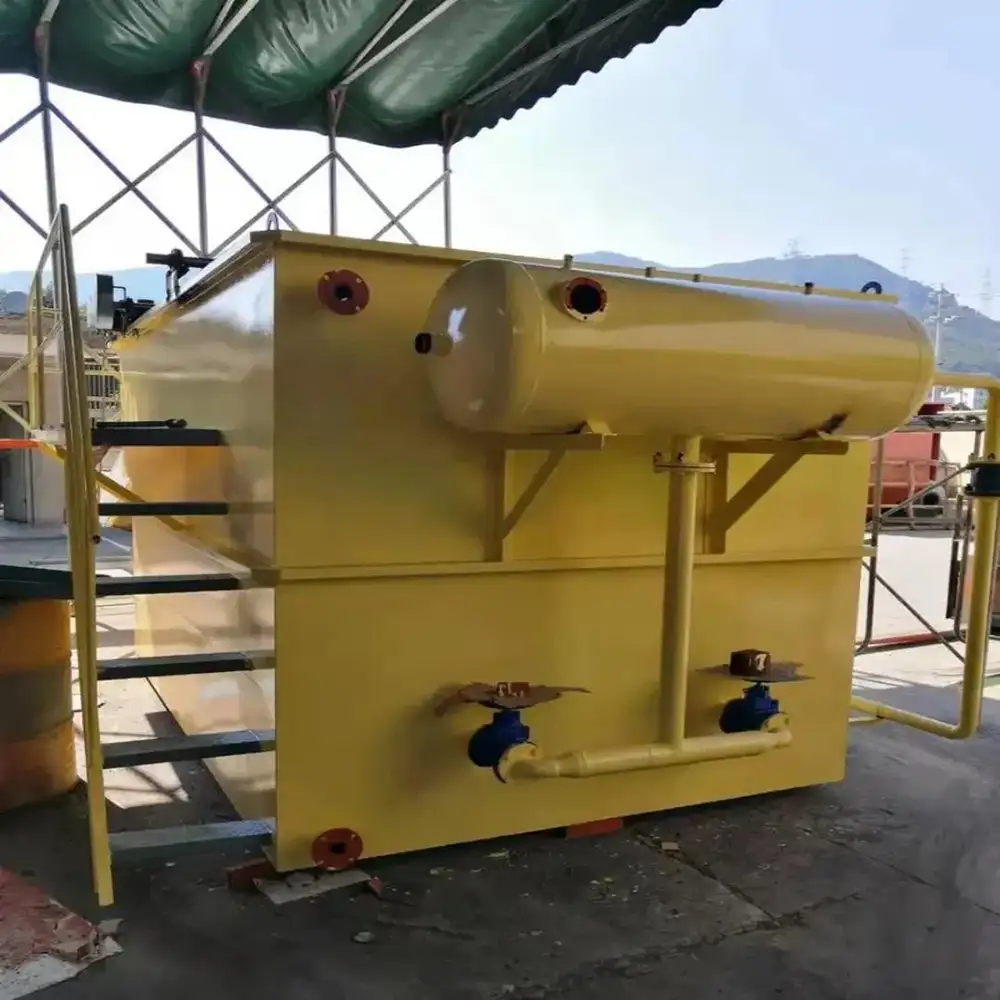
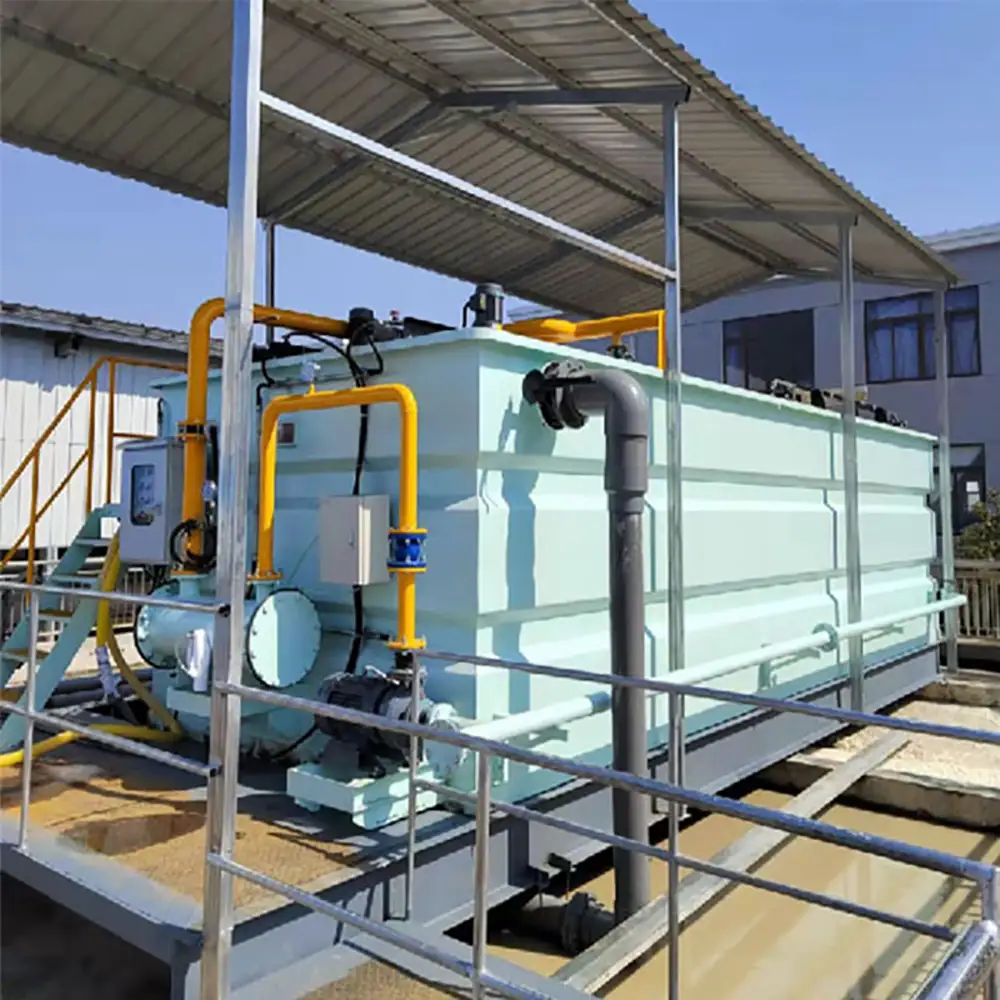
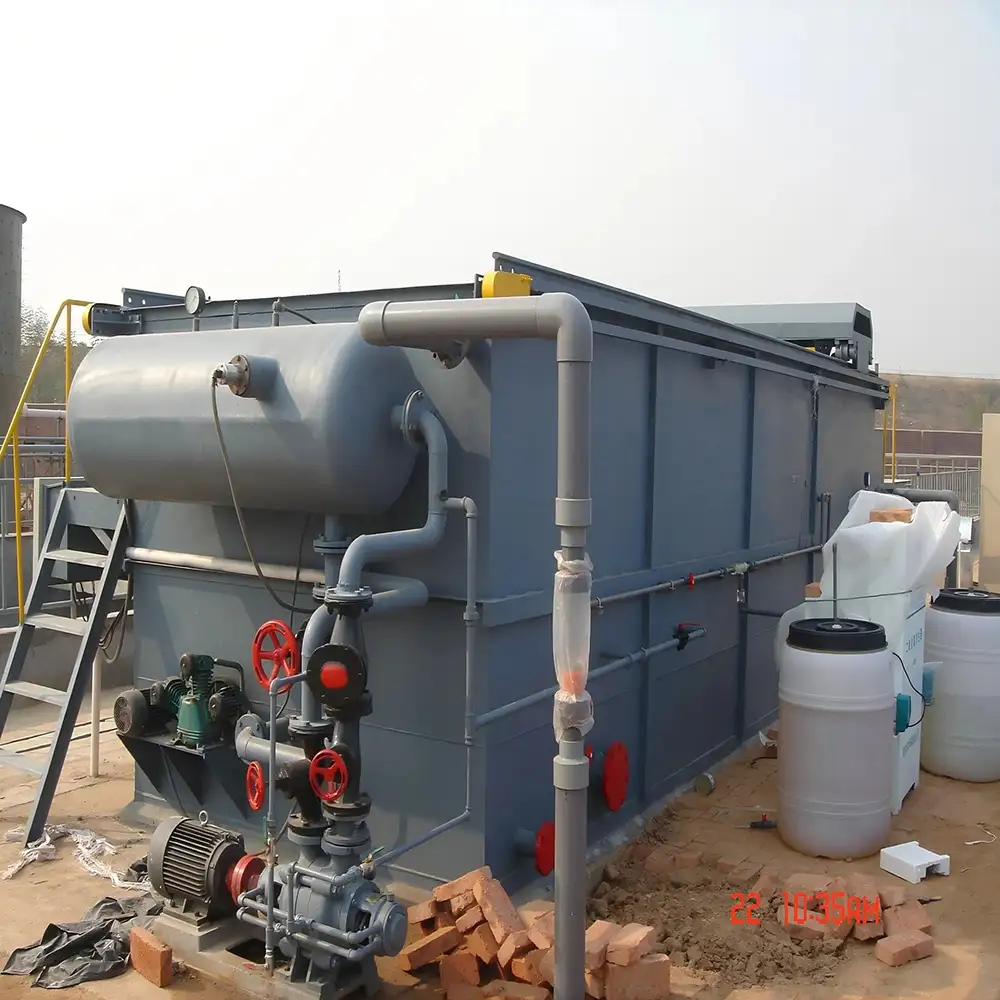
A complete Mine Water Treatment Equipment package can be configured with several process units.
Equalization Tank:
An equalization tank balances variations in wastewater flow and pollutant concentration. This helps downstream treatment equipment operate under more stable conditions.
Screening Equipment:
Screens can remove larger debris, coal particles, and floating materials before water enters pumps and treatment tanks.
pH Adjustment System:
Acidic mine drainage may require alkaline chemicals such as lime or other suitable reagents to raise pH and facilitate metal precipitation. Chemical selection should be based on water analysis and treatment requirements.
Coagulation and Flocculation System:
Coagulants and flocculants can promote aggregation of fine suspended particles into larger flocs that are easier to separate by sedimentation, flotation, or filtration.
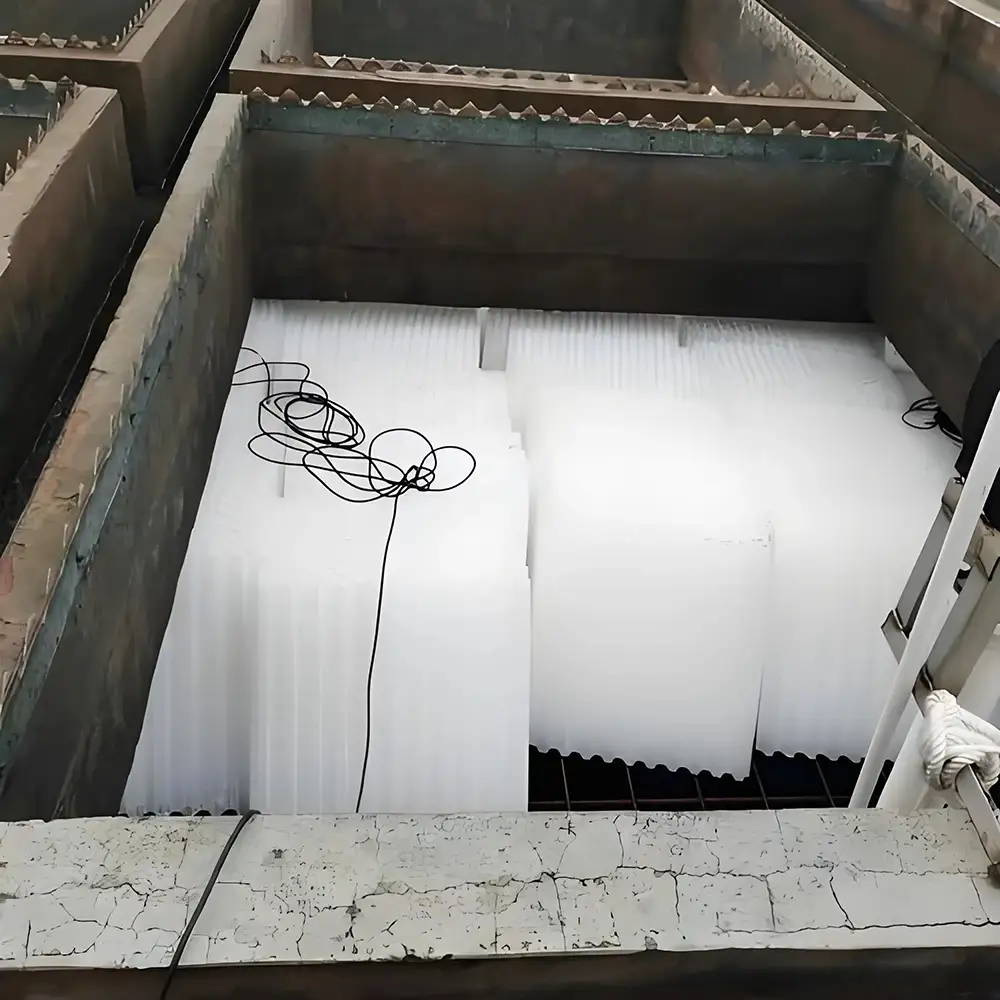
Clarifier or Sedimentation Tank:
Clarification separates heavier suspended solids and chemically precipitated particles from treated water. Mechanical clarifiers can provide more controlled sludge removal than large settling ponds where land availability is limited.
Aeration System:
Aeration can increase oxygen transfer and support oxidation reactions, particularly where iron oxidation is part of the treatment process.
Filtration System:
Sand filters, multimedia filters, or other polishing equipment can be used after clarification to reduce remaining suspended particles and improve final water quality.
Sludge Handling System:
Treatment of coal mine wastewater generates sludge containing concentrated solids and precipitated contaminants. Sludge collection, thickening, dewatering, and proper disposal or recovery should therefore be considered during system design.
Advantages of Coal Mine Water Treatment Equipment
A properly engineered Coal Mine Wastewater Treatment System can provide several operational advantages.
1. Efficient Suspended Solids Removal
Coal fines, soil particles, and mineral solids can create high turbidity. Sedimentation, coagulation, clarification, and filtration can be combined to achieve the required solids removal.
2. Flexible Treatment Configuration
Different mines have different wastewater characteristics. The system can be configured around the actual flow rate, pH, TSS, iron, manganese, TDS, and other water-quality parameters.
3. Acid Mine Drainage Treatment
For acidic mine water, neutralization, oxidation, precipitation, and clarification can be integrated into a treatment train. EPA references active treatment approaches that use chemical addition to achieve desired effluent characteristics.
4. Water Reuse Potential
After suitable treatment, clarified or polished mine water may be considered for applications such as dust suppression, equipment washing, coal preparation, or other non-potable uses, subject to site-specific water quality requirements.
5. Modular Industrial Design
Treatment systems can be arranged as individual tanks and equipment or supplied as an integrated treatment plant. Modular construction can simplify installation and future expansion.
Applications
Coal Mine Wastewater Treatment Equipment can be used for:
Underground coal mine drainage
Open-pit and surface coal mining
Acid mine drainage treatment
Alkaline mine drainage treatment
Coal preparation plants
Coal washing wastewater
Coal storage area runoff
Mine stormwater treatment
Mining equipment wastewater
Industrial mine water recycling
Mine water clarification
Suspended solids removal
Industrial wastewater pretreatment
Mine-influenced water treatment technologies can include both active and passive approaches, with technology selection depending on water chemistry, flow, contaminants, maintenance requirements, and site conditions.
System Selection and Customization
Before selecting a Mine Water Treatment System, wastewater testing is recommended. Important design information includes average and peak flow, pH, TSS, turbidity, iron, manganese, acidity, conductivity or TDS, temperature, and the intended discharge or reuse standard.
For wastewater with primarily suspended solids, clarification and filtration may be sufficient. Where acidic conditions and dissolved metals are present, pH adjustment, chemical precipitation, aeration, and sedimentation may be required. High TDS or dissolved salt concentrations may require additional membrane or desalination technologies because conventional solids treatment does not necessarily remove major dissolved ions.
The system can be designed according to required treatment capacity, available installation area, automation level, chemical dosing requirements, sludge management method, and final water quality target.
Maintenance and Operation
Regular inspection helps maintain stable treatment performance. Operators should monitor pH, flow, turbidity, chemical dosage, sludge accumulation, pump performance, filter pressure, and other critical operating parameters.
Sedimentation tanks and clarifiers should be desludged according to actual accumulation conditions. Chemical dosing systems should be calibrated regularly, while pumps, valves, mixers, aeration equipment, sensors, and control cabinets should be inspected according to the operating schedule.
Proper sludge management is especially important because chemical treatment can generate additional precipitated solids that must be separated from the treated water.
Why Choose Us?
We provide practical Coal Mine Wastewater Treatment and Industrial Water Treatment Equipment solutions for demanding mining environments. Our approach starts with the characteristics of the wastewater rather than using a one-size-fits-all treatment process.
Our equipment can be configured for suspended solids removal, acid mine drainage treatment, iron and manganese removal, clarification, filtration, sludge separation, and water reuse applications. Process equipment can be integrated into a complete treatment line according to capacity, site conditions, automation requirements, and project objectives.
We focus on reliable equipment configuration, straightforward operation, convenient maintenance, and scalable treatment solutions for coal mining and other industrial wastewater applications.
FAQs
1. What is coal mine wastewater treatment?
Coal mine wastewater treatment is the process of removing suspended solids, acidity, metals, turbidity, and other contaminants from water generated by mining and coal preparation operations.
2. What pollutants are commonly found in coal mine wastewater?
Common parameters include TSS, settleable solids, iron, manganese, acidity, pH, turbidity, dissolved solids, and sulfates. Actual characteristics vary by mine location and operation.
3. What is acid mine drainage?
Acid mine drainage is acidic water associated with mining activity, often containing dissolved metals. It can form when water contacts sulfur-bearing minerals and oxygen.
4. How is acid mine drainage treated?
Typical active treatment can include pH adjustment or neutralization, aeration, chemical precipitation, and sedimentation or clarification.
5. Can this system remove coal fines and suspended solids?
Yes. Sedimentation, coagulation, clarification, and filtration can be combined to remove coal fines and other suspended particles.
6. Can iron and manganese be removed?
They can be treated through appropriate chemical precipitation and oxidation processes when the wastewater chemistry is suitable.
7. Is filtration always required?
Not always. The need for filtration depends on the influent quality and required final effluent quality.
8. Can treated mine water be reused?
Potentially. Depending on the treated water quality, mine water may be reused for selected non-potable applications after appropriate treatment.
9. How is mine wastewater treatment capacity determined?
Capacity is primarily based on average and peak flow rates, wastewater characteristics, treatment objectives, hydraulic retention requirements, and final discharge or reuse criteria.
10. Can the system be automated?
Yes. Automatic chemical dosing, pH monitoring, flow monitoring, sludge control, pumps, valves, alarms, and PLC control can be integrated according to project requirements.
11. What information is needed for system design?
Useful information includes wastewater flow rate, pH, TSS, turbidity, iron, manganese, TDS or conductivity, acidity, temperature, available space, and required effluent quality.
12. Can coal mine wastewater treatment equipment be integrated with other industrial systems?
Yes. The treatment line can be combined with clarification, filtration, sludge dewatering, membrane treatment, water recycling, or other downstream processes when required.
Prev:
Integrated Sewage Treatment High-Efficiency Sedimentation Tank
Next:
DAF Catering Oily Wastewater Flotation Equipment Degreasing Water Treatment Equipment
TAG:
Industrial Water Treatment System,
Industrial Wastewater Treatment Equipment,
Suspended Solids Removal,
Industrial Wastewater Treatment,
Mining Sludge Dewatering,
Wastewater Reuse System,
Industrial Water Treatment Equipment,
Industrial Water Treatment,
Industrial Water Recycling,
Suspended Solids Removal Equipment,
Industrial Water Purification,
Industrial Water Filtration,
Water Reuse Treatment,
Multimedia Filtration System,
Mining Wastewater Treatment,
Coagulation And Flocculation,
TSS Removal Equipment,
Sedimentation Tank,
Coal Mining Water Treatment Plant,
Coal Mining Environmental Equipment,
Mining Environmental Equipment,
Mining Pollution Control Equipment,
Mining Water Pollution Treatment,
Coal Mine Environmental Protection Equipment,
Coal Mine Water Recycling System,
Industrial Wastewater Recycling System,
Mining Water Reuse System,
Coal Mine Water Reuse,
Coal Mine Effluent Treatment Equipment,
Coal Mine Wastewater Purification,
Related Category:
Coal Mine Wastewater Treatment,Coal Mine Wastewater Treatment Equipment,Mine Water Treatment Equipment,Coal Mine Water T China, suppliers, manufacturers, factory, customized, wholesale, quotation, made in China