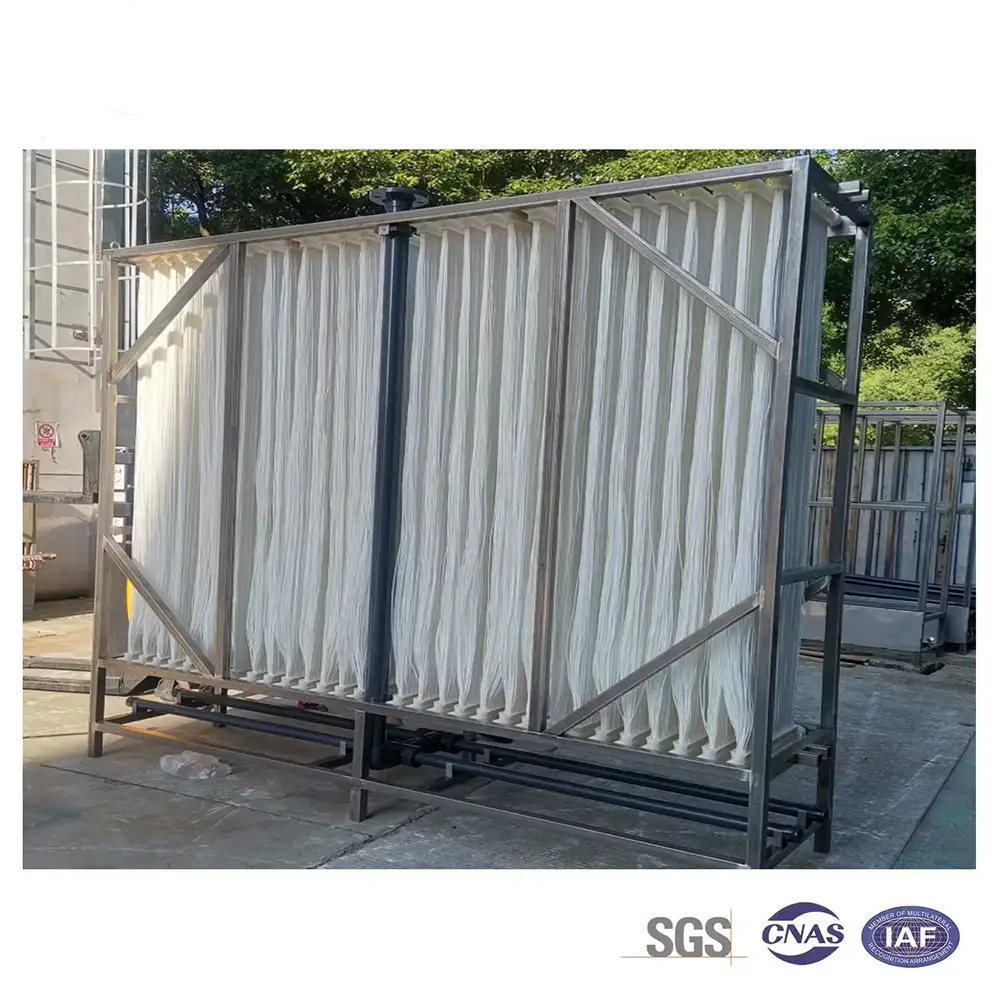
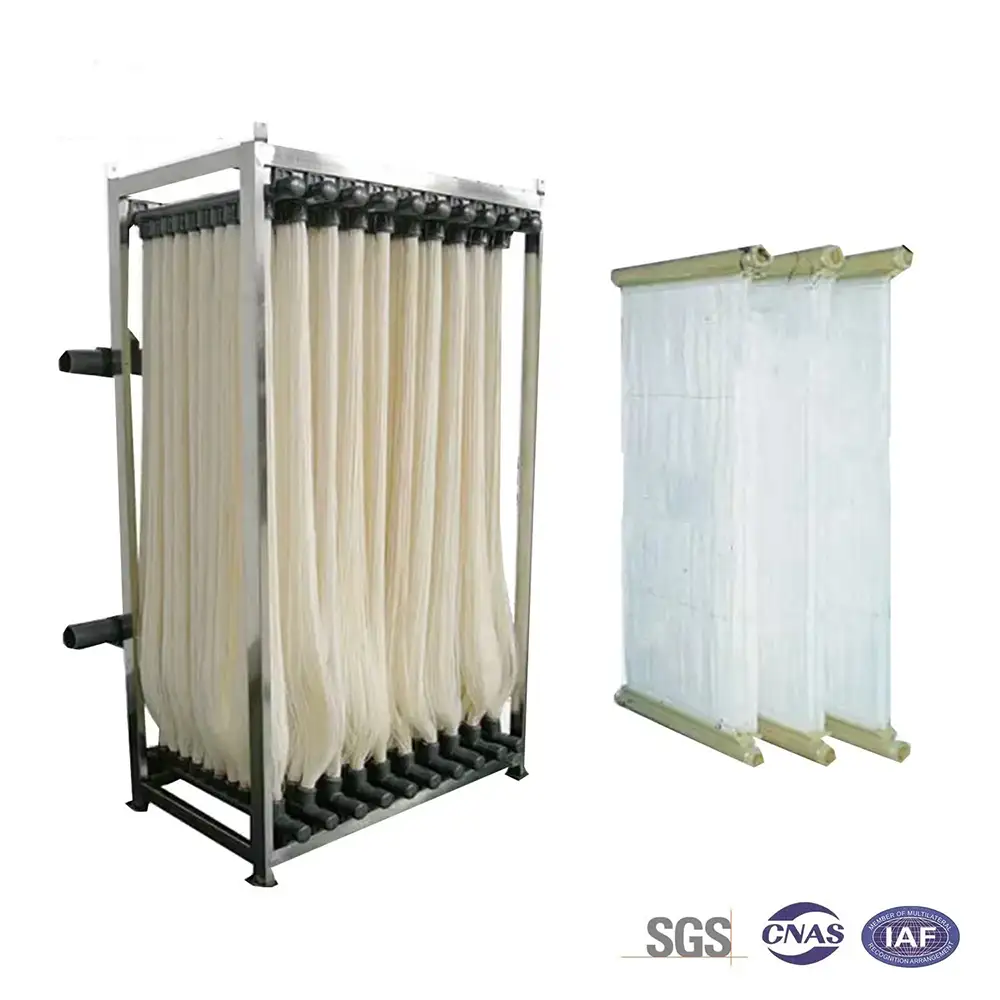
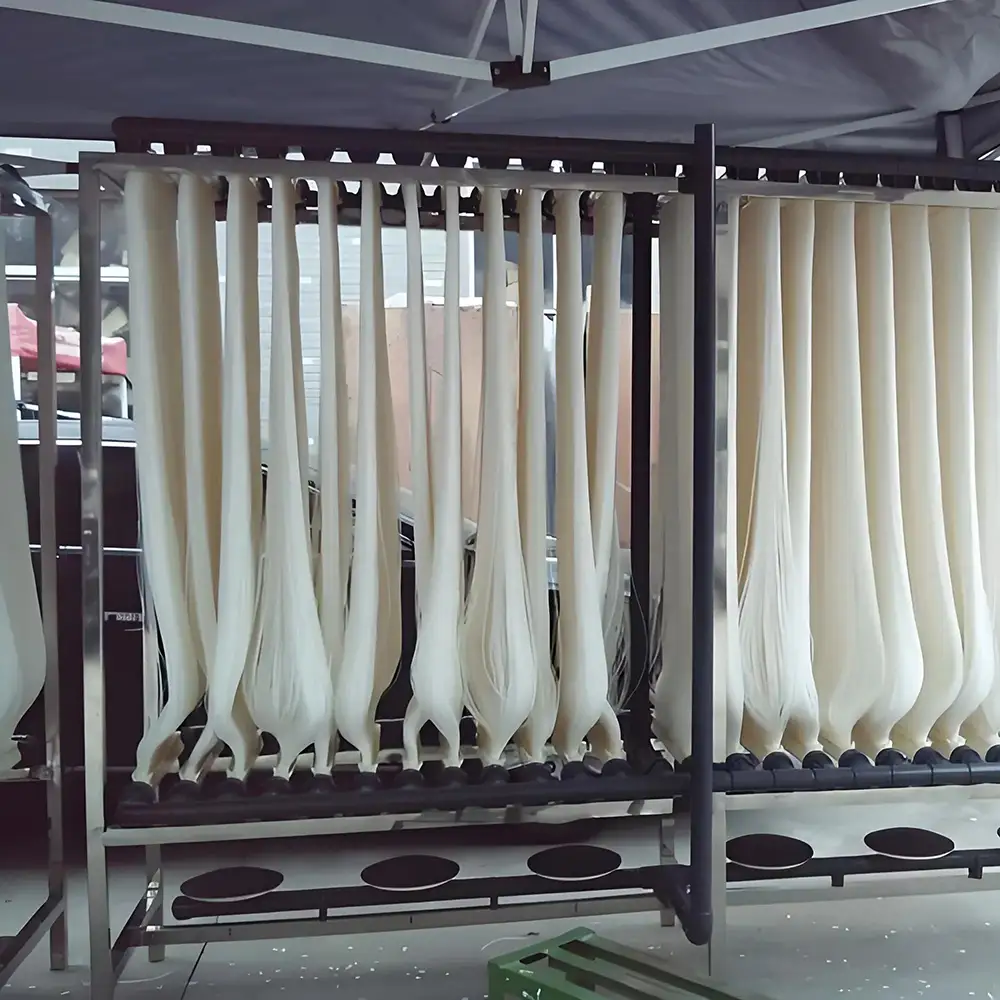
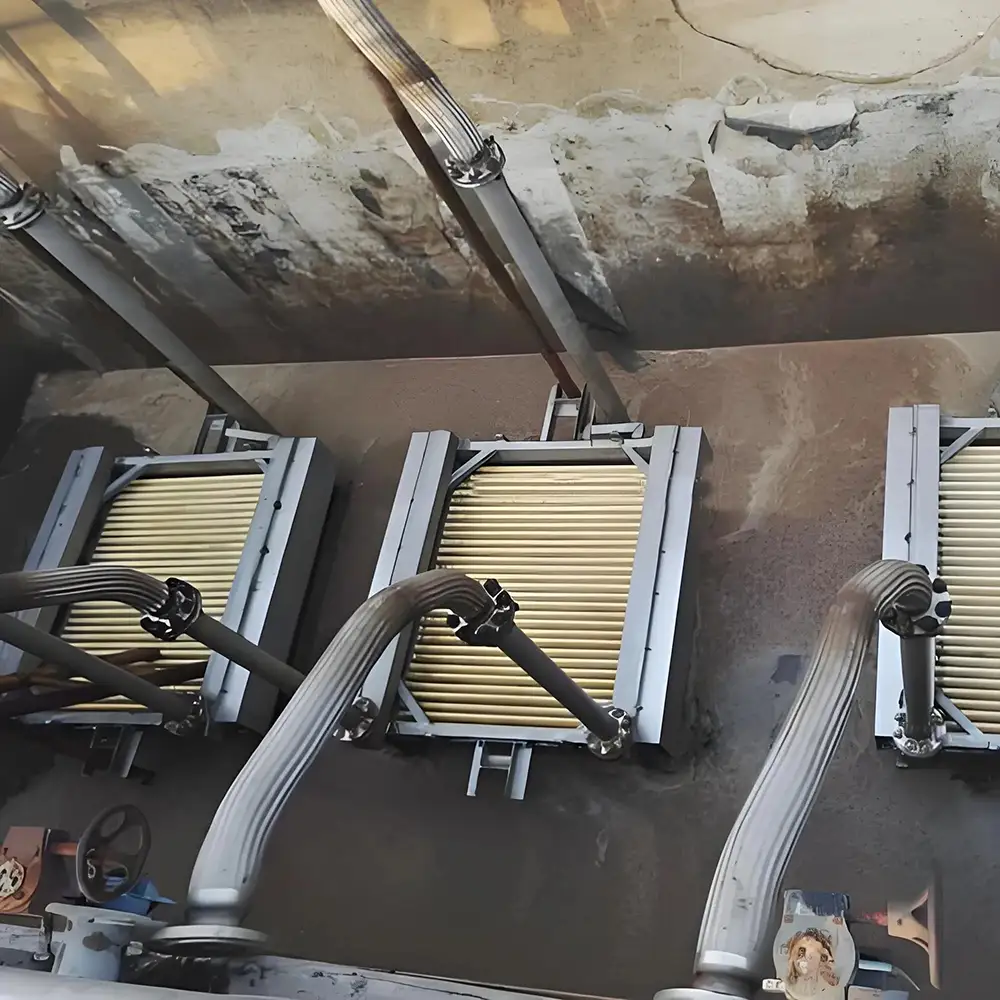
PVDF MBR Membrane for Water Purification and Wastewater Treatment
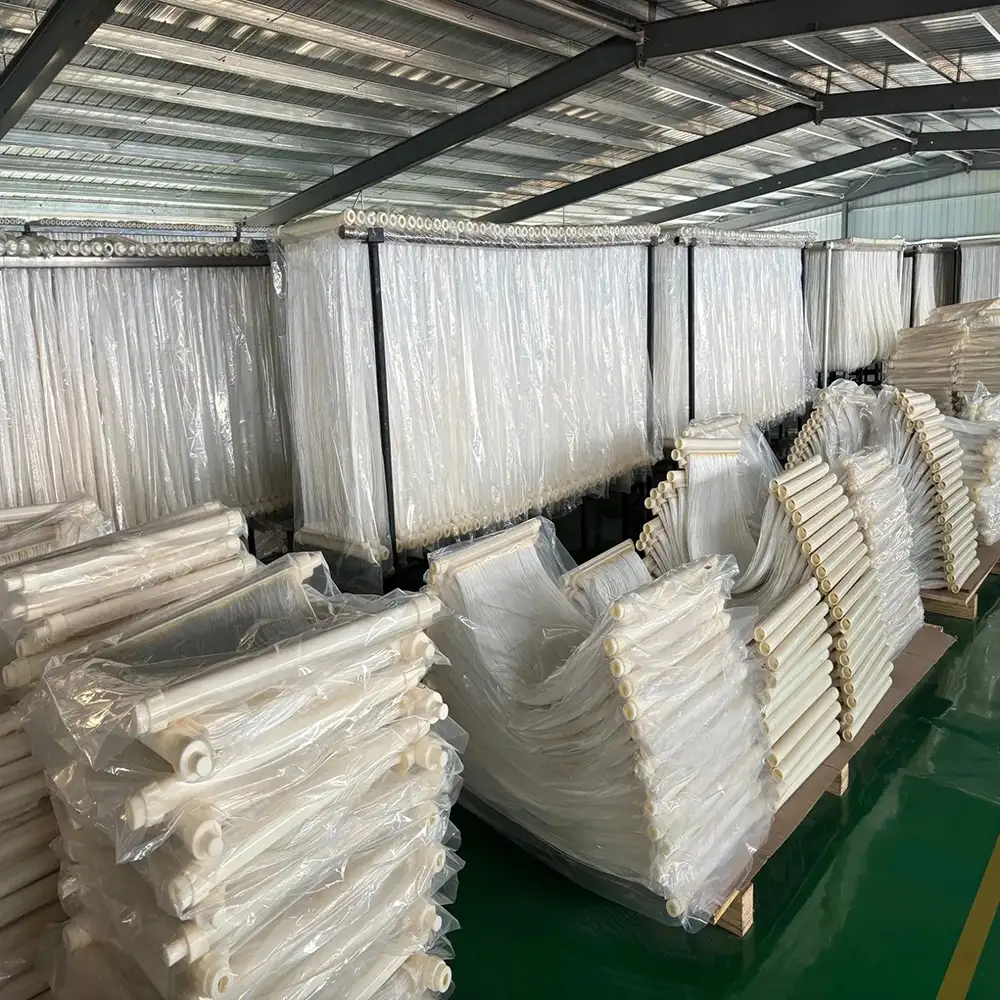
The PVDF MBR Membrane for Water Purification is a membrane filtration component designed for modern membrane bioreactor systems, wastewater treatment plants, sewage treatment stations, and water reuse applications. Made from PVDF (Polyvinylidene Fluoride), the membrane combines filtration performance with mechanical strength and chemical resistance, making it suitable for demanding municipal and industrial wastewater environments.
MBR technology integrates biological wastewater treatment with membrane separation. Instead of relying only on a conventional secondary clarifier for solid-liquid separation, the MBR membrane provides a physical filtration barrier that retains suspended solids, activated sludge, and microorganisms while allowing treated water to pass through. PVDF is widely used for MBR membrane applications because of its durability and chemical resistance.
|
Model NO. |
PVDF |
Handling method |
Physical Treatment |
|
Usage |
Industrial, Home, Agriculture, Hospital, Urban |
Trademark |
|
|
Types |
Package, Compact, Small, Mini |
Applications |
Industrial, Municipal, Domestic, Medical, Ship |
|
Transport Package |
Container Standard Packing |
Features |
Remove Cod BOD |
|
Service Life |
10 Years |
Operation |
Automatic |
|
material |
PVDF |
Function |
Removing Escherichia coli, harmful bacteria |
|
Voltage |
220V/ 380V/ Customerized |
Installation Type |
Underground / Onground |
|
Colour |
white |
Use for |
Mineral, Printing, Chemical, Dyeing, Starch |
|
Material |
PVDF |
Production Capacity |
2000 Sets/Year |
PVDF Material MBR Membrane
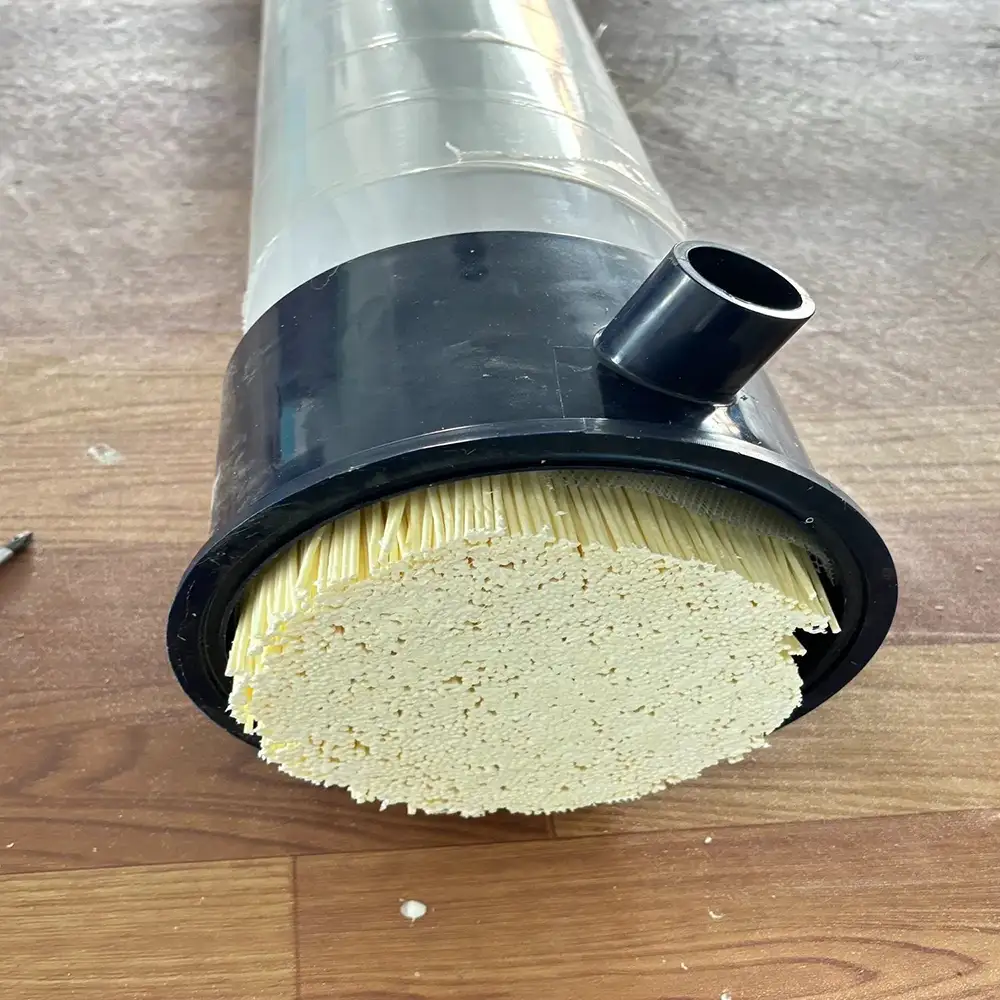
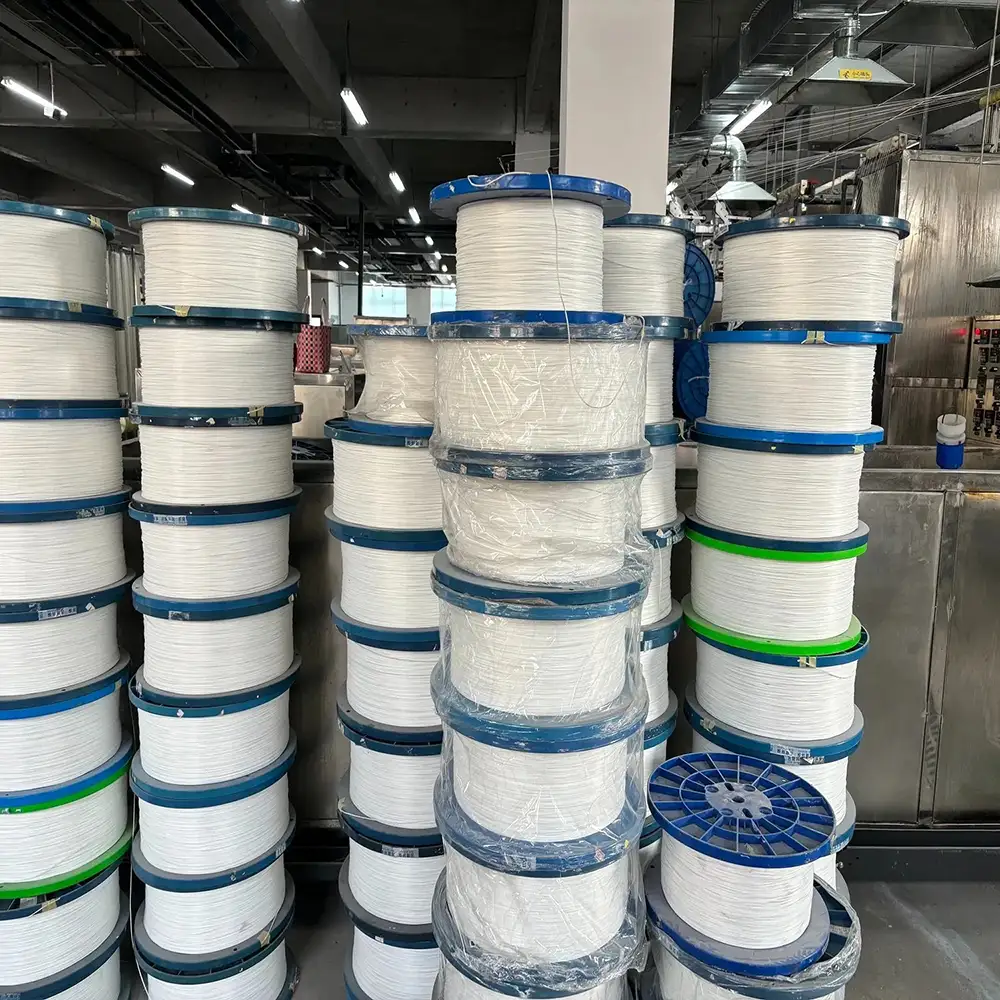
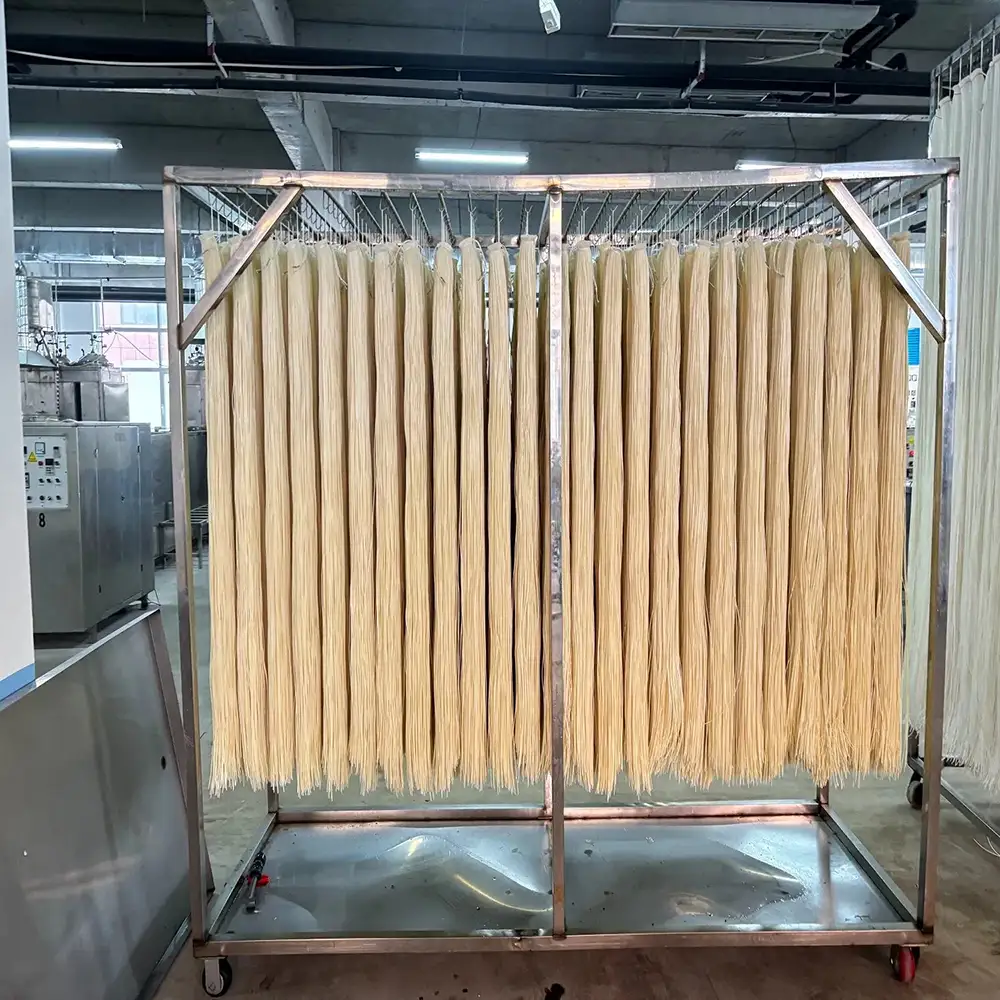
PVDF, or polyvinylidene fluoride, is a fluoropolymer commonly used in membrane filtration. Its mechanical strength, chemical stability, and resistance to hydrolysis make it suitable for water and wastewater treatment applications.
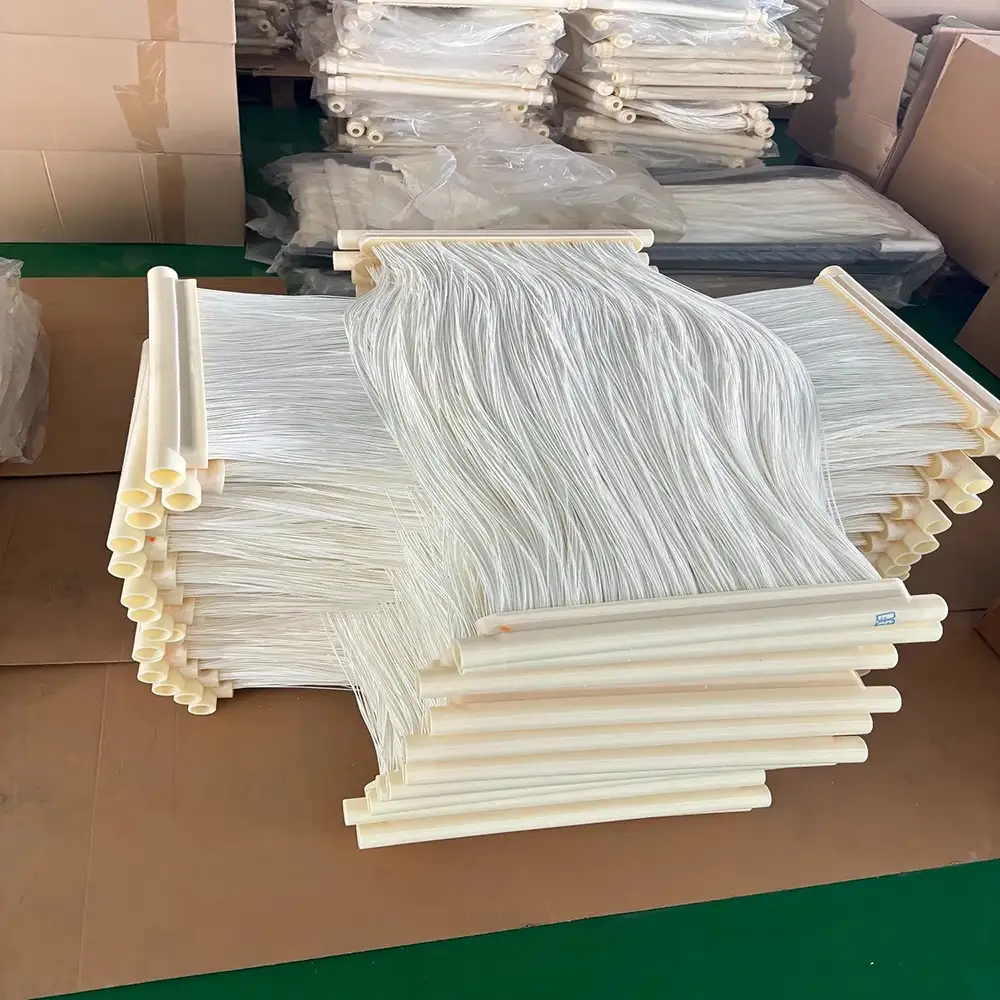
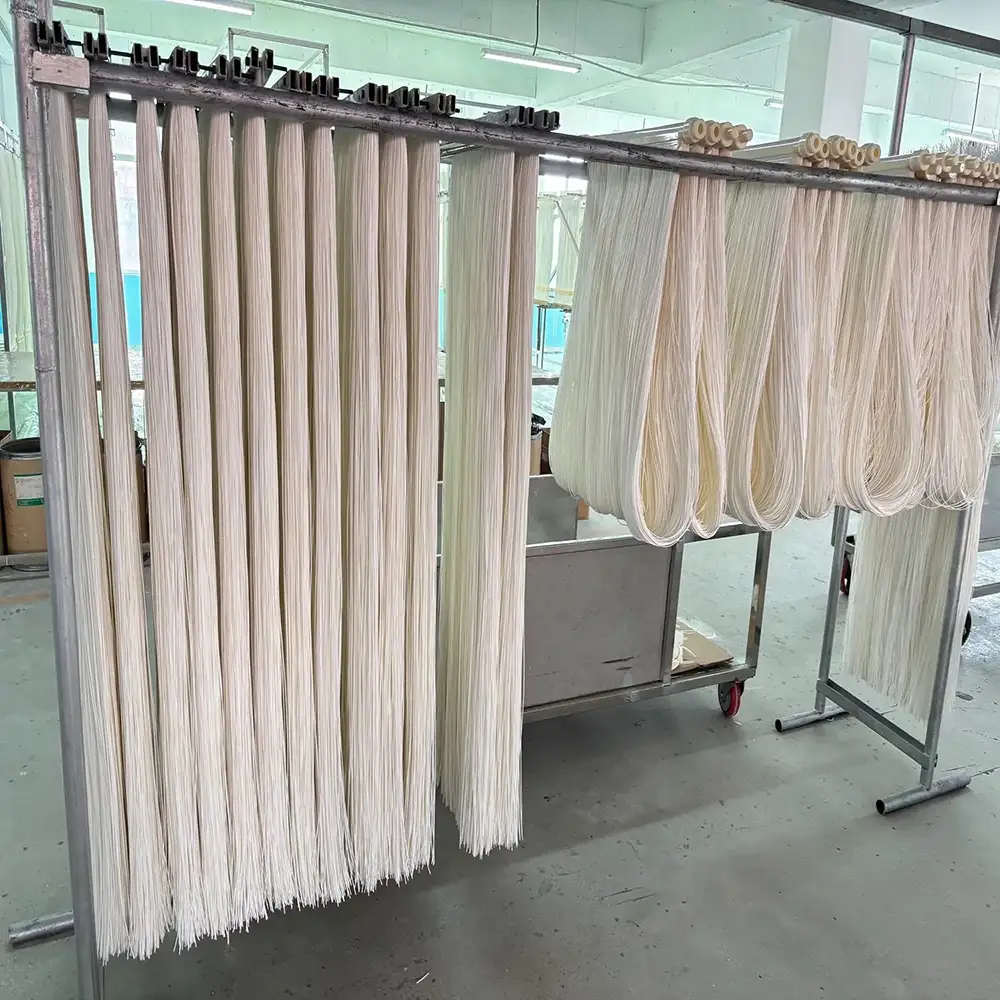
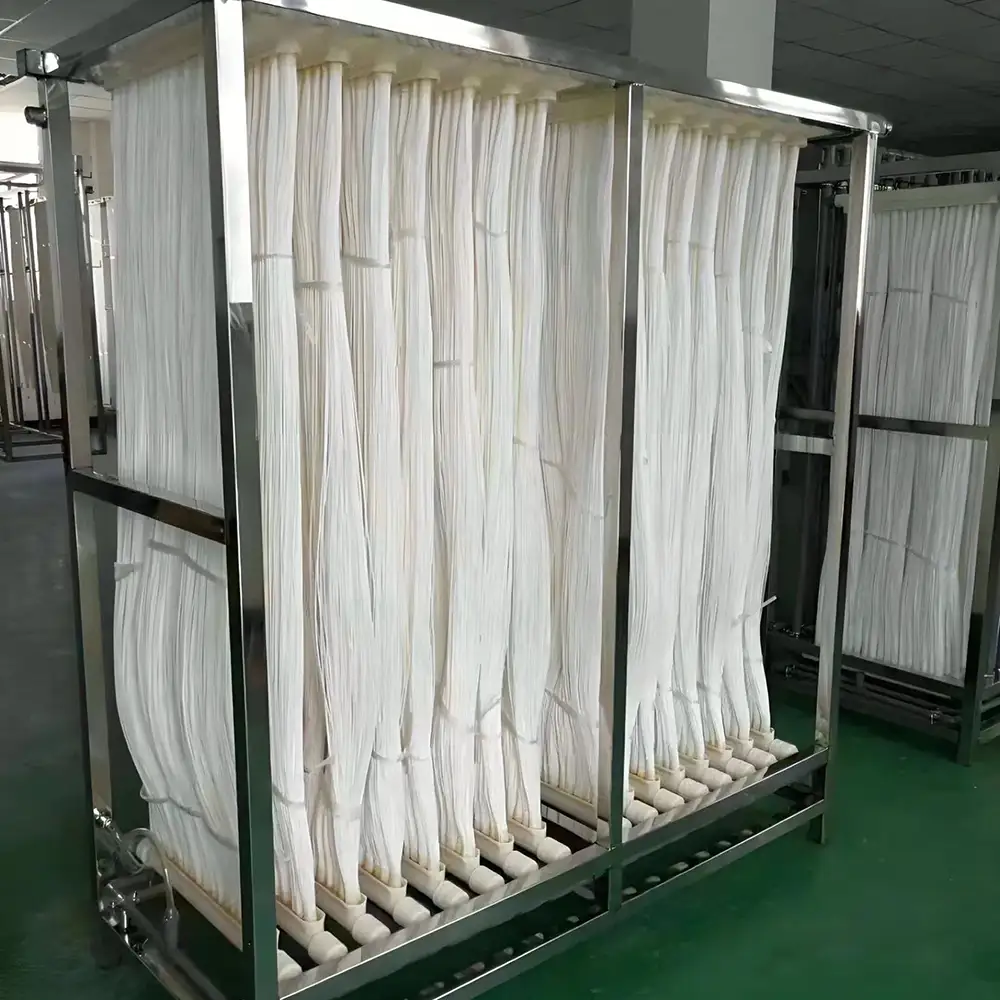
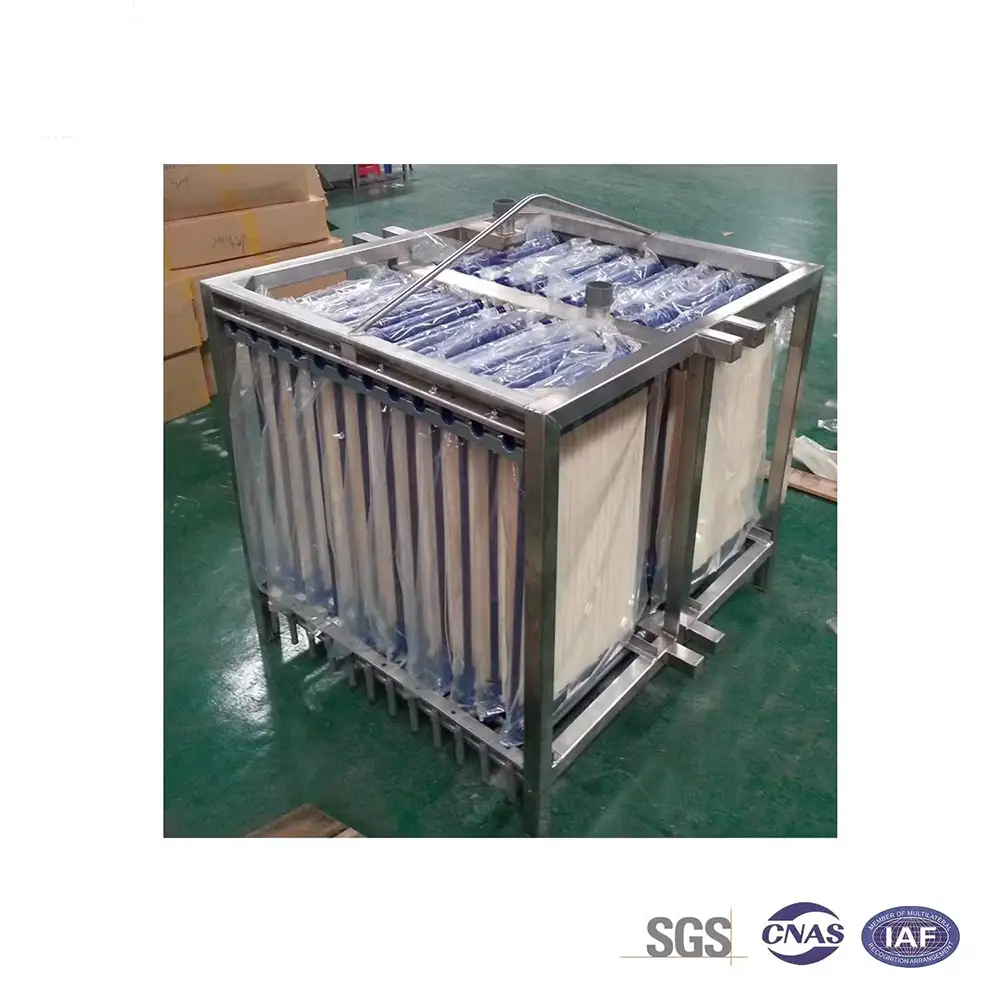
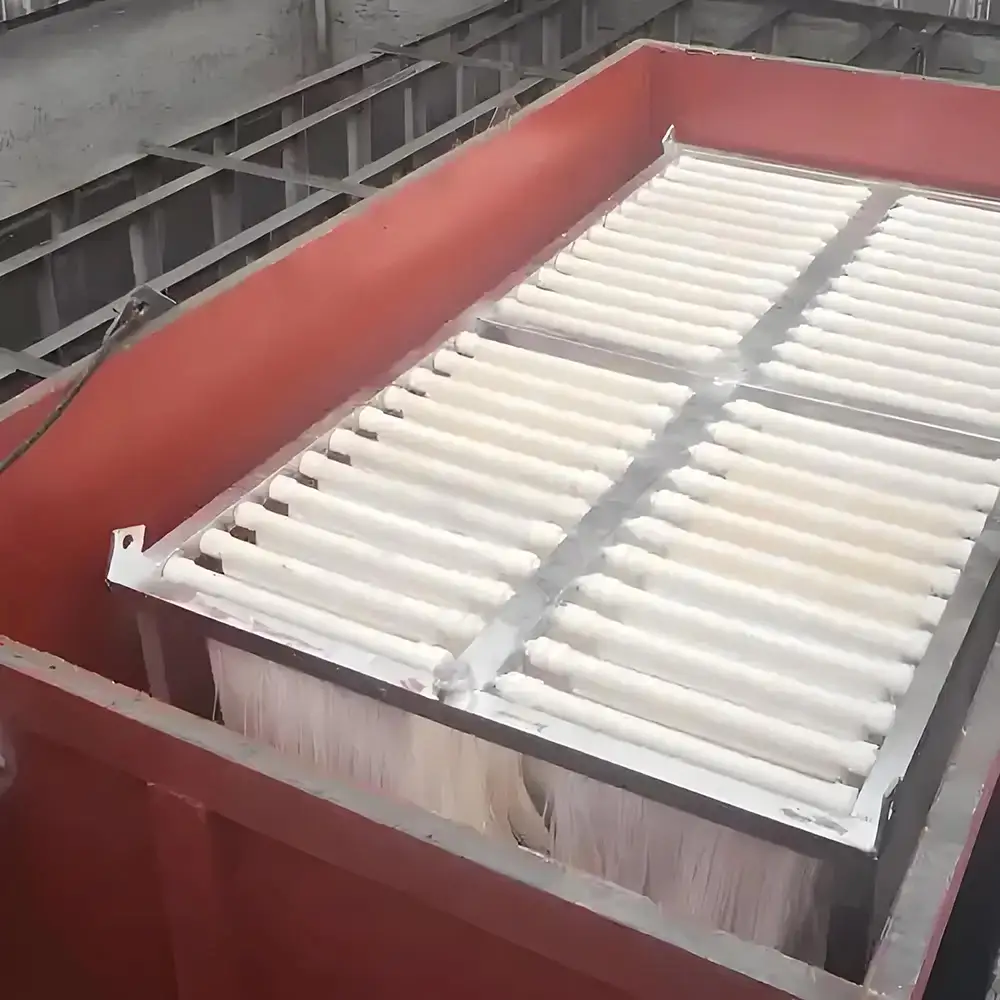
The membrane can be manufactured in different configurations, including hollow fiber and flat-sheet designs, depending on the treatment process and system requirements. Both configurations are used in submerged MBR systems for municipal wastewater, industrial effluent treatment, and water reuse.
For B2B wastewater treatment projects, membrane selection should consider wastewater characteristics, required treatment capacity, membrane area, operating flux, cleaning conditions, aeration requirements, and the desired quality of the permeate.
How the MBR Water Purification Membrane Works
In a typical MBR process, wastewater first enters the biological treatment section. Microorganisms break down biodegradable organic pollutants while aeration supplies oxygen and maintains suitable biological conditions.
After biological treatment, the mixed liquor reaches the membrane separation zone. The PVDF MBR membrane separates treated water from activated sludge and suspended solids. Permeate passes through the membrane pores, while larger particles and microorganisms are retained inside the bioreactor.
A typical process can be arranged as:
Wastewater → Pretreatment → Equalization → Biological Treatment → MBR Membrane Filtration → Permeate → Disinfection or Advanced Treatment → Reuse
Depending on the application, the MBR permeate can also serve as pretreatment for downstream technologies such as reverse osmosis. Commercial MBR systems are commonly positioned as pretreatment for RO in water recycling applications.
Key Features of PVDF MBR Film
1. Durable PVDF Membrane Material
PVDF provides a strong material platform for membrane filtration and can withstand demanding wastewater treatment conditions when properly selected and operated.
2. Efficient Solid-Liquid Separation
The MBR membrane acts as a physical barrier for suspended solids and activated sludge, helping produce a clear permeate suitable for subsequent treatment or reuse.
3. High-Quality Treated Water
Because membrane filtration provides fine separation, MBR systems can produce low-turbidity effluent and stable solid separation. Actual permeate quality depends on membrane specifications, biological treatment, operating conditions, and wastewater characteristics.
4. Compact Treatment Process
MBR technology can reduce reliance on conventional secondary clarification and can support compact wastewater treatment plant layouts.
5. Flexible Membrane Configurations
PVDF MBR membranes are available in different designs, including hollow fiber and flat sheet configurations. The appropriate structure can be selected according to system capacity, tank design, maintenance requirements, and project conditions.
6. Suitable for Water Reuse
MBR filtration is frequently used where treated wastewater is intended for reuse. Depending on the final water-quality target, additional disinfection, activated carbon, nanofiltration, or RO may be incorporated after the MBR process.
Applications of PVDF MBR Membrane
The PVDF MBR water purification membrane can be used in a wide range of wastewater treatment projects, including:
Municipal sewage treatment
Industrial wastewater treatment
Food and beverage wastewater
Textile and printing wastewater
Pharmaceutical wastewater
Electronics and manufacturing wastewater
Hotel and commercial wastewater
Landfill leachate treatment
Decentralized sewage treatment
Industrial water recycling
Municipal water reuse
MBR-RO water reuse systems
PVDF MBR systems are particularly useful when a project requires reliable solid-liquid separation and a relatively compact treatment footprint. Commercial membrane systems are used in municipal, industrial, food-processing, and other wastewater applications.
MBR Membrane Fouling Control
Membrane fouling is one of the key operational considerations for any MBR system. Organic matter, inorganic deposits, biological substances, and suspended particles can accumulate on the membrane surface or inside membrane structures, reducing permeability over time. Research on PVDF membranes also identifies fouling as an important challenge in wastewater membrane applications.
A properly designed MBR system therefore combines membrane operation with effective fouling-control strategies. These may include:
Appropriate pretreatment
Controlled membrane flux
Continuous or intermittent air scouring
Regular physical cleaning
Chemical cleaning when required
Proper sludge concentration management
Optimized aeration
Monitoring of transmembrane pressure
The exact cleaning frequency should be determined according to membrane type, wastewater quality, operating conditions, and manufacturer recommendations.
Hollow Fiber and Flat Sheet MBR Membranes
Hollow Fiber MBR Membrane:
Hollow fiber membranes provide a large membrane surface area in a compact module. They are commonly used in submerged MBR systems and can be suitable for municipal and industrial wastewater treatment.
Flat Sheet MBR Membrane:
Flat sheet membranes use plate-like filtration surfaces installed in modular cassettes. They can provide a robust structure and convenient module arrangement. PVDF flat-sheet MBR systems are widely used for wastewater treatment and water reuse.
The best configuration depends on the project capacity, tank dimensions, wastewater characteristics, cleaning method, energy requirements, and maintenance strategy.
Customized PVDF MBR Membrane Solutions
Different wastewater treatment projects have different requirements. A professional membrane supplier can customize membrane area, module configuration, connection design, membrane structure, pore-size range, installation method, and system capacity according to project conditions.
For replacement and retrofit projects, compatibility with the existing MBR tank, membrane cassette, piping, permeate header, aeration system, and control system is especially important.
OEM and customized membrane solutions are also suitable for wastewater treatment equipment manufacturers, engineering contractors, environmental companies, and water-treatment distributors.
Why Choose Our PVDF MBR Membrane?
Reliable PVDF Material:
We focus on PVDF membrane solutions designed for demanding water and wastewater treatment applications.
Multiple Membrane Configurations:
Hollow fiber and flat-sheet configurations can be selected according to project requirements.
Wastewater Treatment Experience:
Our membrane solutions are suitable for municipal sewage, industrial wastewater, water recycling, and reuse applications.
Customized OEM Service:
Membrane dimensions, module configuration, membrane area, connections, packaging, and labeling can be customized for OEM projects.
B2B Project Support:
We can support equipment manufacturers, engineering companies, distributors, and international wastewater treatment projects with technical product information and customized solutions.
Frequently Asked Questions
1. What is a PVDF MBR membrane?
A PVDF MBR membrane is a membrane filtration component made from polyvinylidene fluoride and used in membrane bioreactor wastewater treatment systems.
2. What does MBR stand for?
MBR stands for Membrane Bioreactor. It combines biological wastewater treatment with membrane separation.
3. Why is PVDF used for MBR membranes?
PVDF is widely used because of its mechanical strength, chemical resistance, and suitability for membrane filtration applications.
4. Is an MBR membrane a water purifier?
An MBR membrane is a filtration component rather than a complete water purifier. It works together with biological treatment and other process equipment to produce treated water.
5. What wastewater can PVDF MBR membranes treat?
They can be used for municipal sewage and many industrial wastewater streams, including food, textile, pharmaceutical, manufacturing, and other applications.
6. Can MBR water be reused?
Yes. MBR permeate can be suitable for certain water reuse applications, depending on the treatment process and required water-quality standard. Additional treatment may be required.
7. Can MBR be used before RO?
Yes. MBR can provide membrane-based solid-liquid separation and can serve as pretreatment for RO in water recycling systems.
8. What causes MBR membrane fouling?
Organic substances, inorganic deposits, microbial products, suspended solids, and other contaminants can contribute to membrane fouling.
9. How can membrane fouling be reduced?
Proper pretreatment, aeration, flux control, sludge management, physical cleaning, and chemical cleaning can help control fouling.
10. Are PVDF MBR membranes available in hollow fiber designs?
Yes. Reinforced PVDF hollow fiber membranes are widely used in submerged MBR systems.
11. Are PVDF flat-sheet MBR membranes available?
Yes. PVDF flat-sheet membranes are also used in submerged MBR systems for municipal and industrial wastewater treatment.
12. Can you provide customized MBR membranes?
Yes. Customized membrane modules and OEM solutions can be developed according to membrane area, module dimensions, installation conditions, wastewater characteristics, and project requirements.
Prev:
Water Filter System Mbr Membrane Reverse Osmosis System
Next:
Hollow Fiber Membrane Ultrafiltration Mbr System Municipal Water RO System Water Purifier
TAG:
Industrial Wastewater Treatment,
Industrial Sewage Treatment,
Water Purification Equipment,
Wastewater Treatment Equipment,
Wastewater Reuse System,
Wastewater Treatment System,
Industrial Water Recycling,
Water Filtration System,
Water Treatment Equipment,
Industrial Water Reuse,
Water Recycling System,
Water Treatment System,
Ultrafiltration Membrane,
Sewage Treatment Equipment,
Sewage Treatment System,
Water Purifier,
Membrane Wastewater Treatment,
Advanced Wastewater Treatment,
Biological Wastewater Treatment,
Domestic Wastewater Treatment,
Wastewater Filtration System,
Municipal Wastewater Treatment,
Municipal Sewage Treatment,
Membrane Bioreactor Wastewater Treatment,
MBR Wastewater Treatment,
MBR Sewage Treatment,
MBR Sewage Treatment Plant,
MBR Wastewater Treatment Plant,
MBR Water Reuse,
MBR Membrane Filtration,
Related Category:
Water Purification Membrane,PVDF MBR Membrane,PVDF Membrane,MBR Film,MBR Membrane,Water Purifier Membrane China, suppliers, manufacturers, factory, customized, wholesale, quotation, made in China