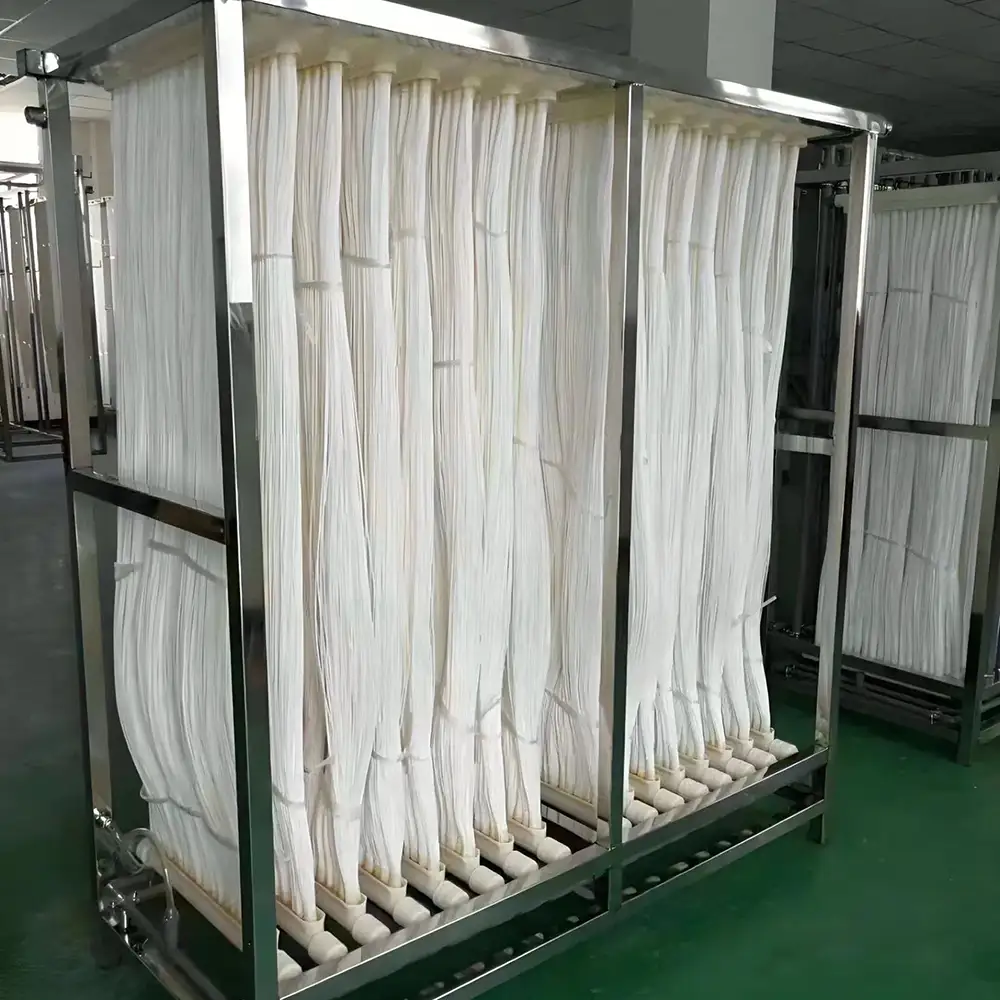
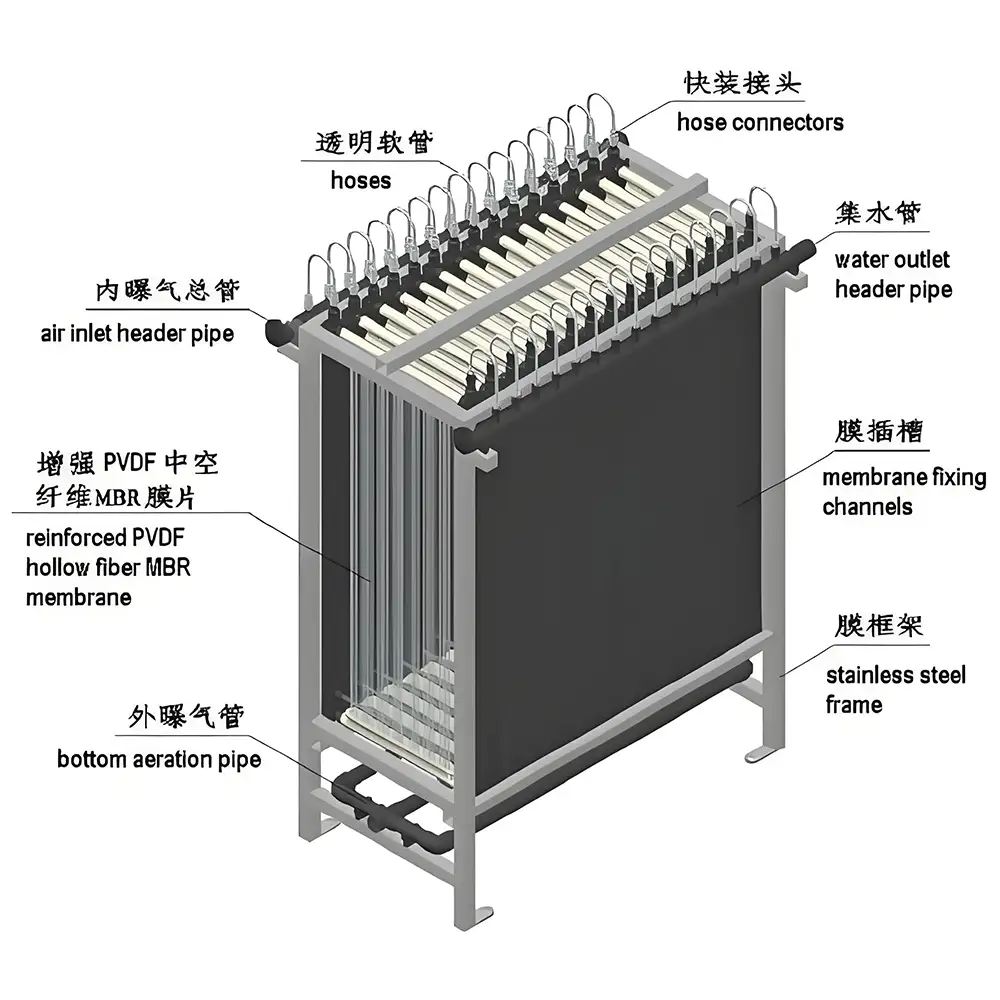
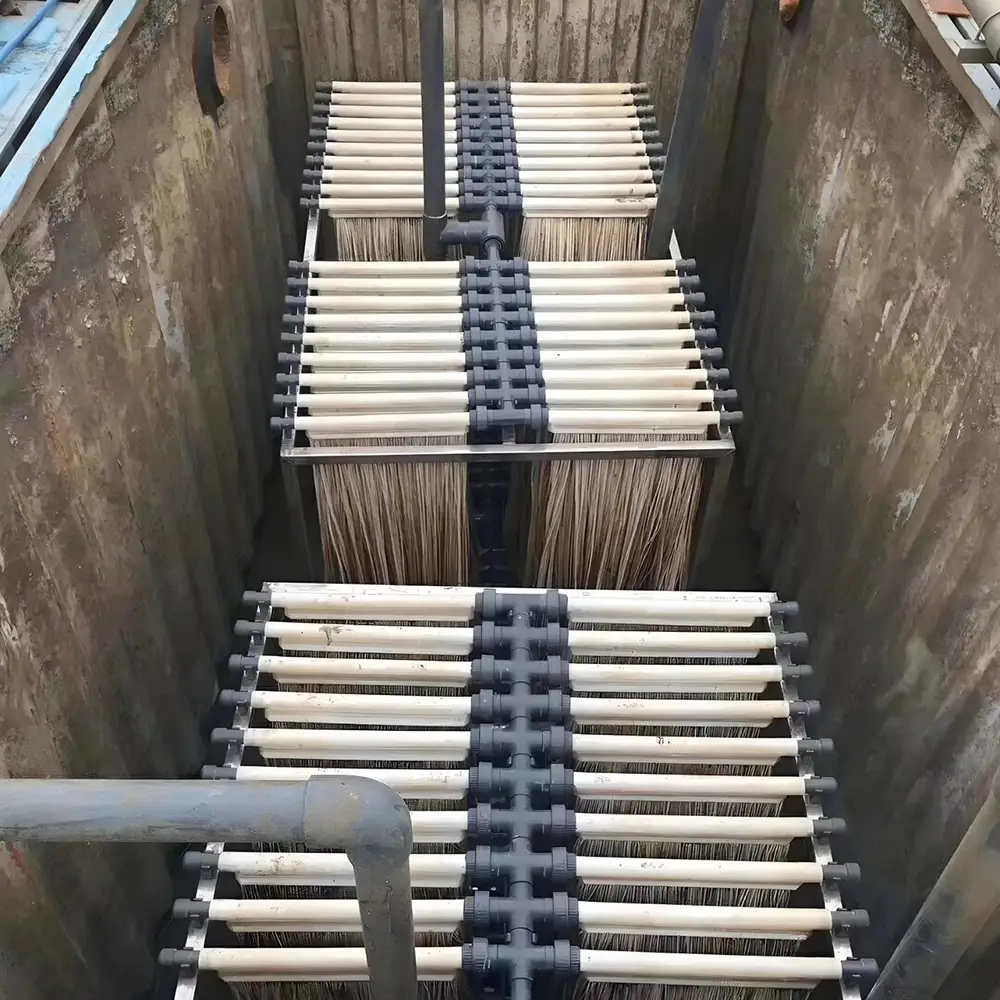
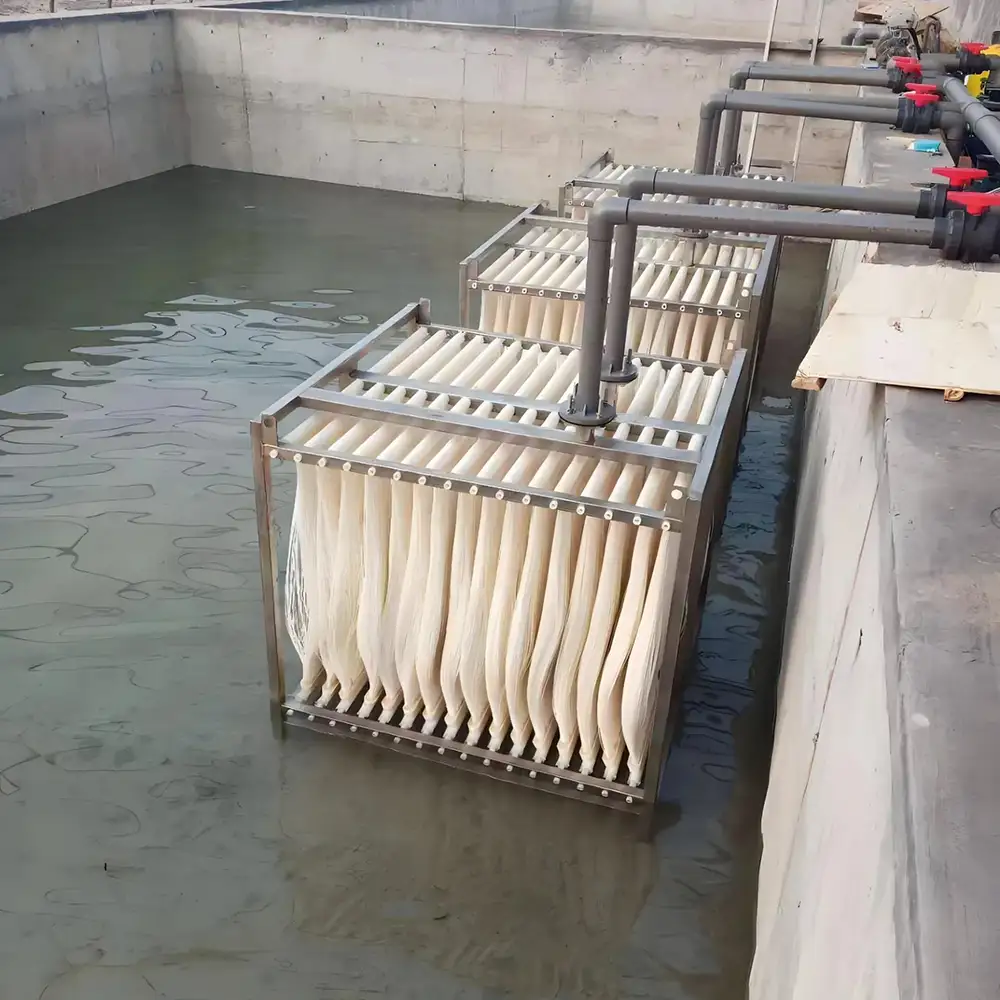
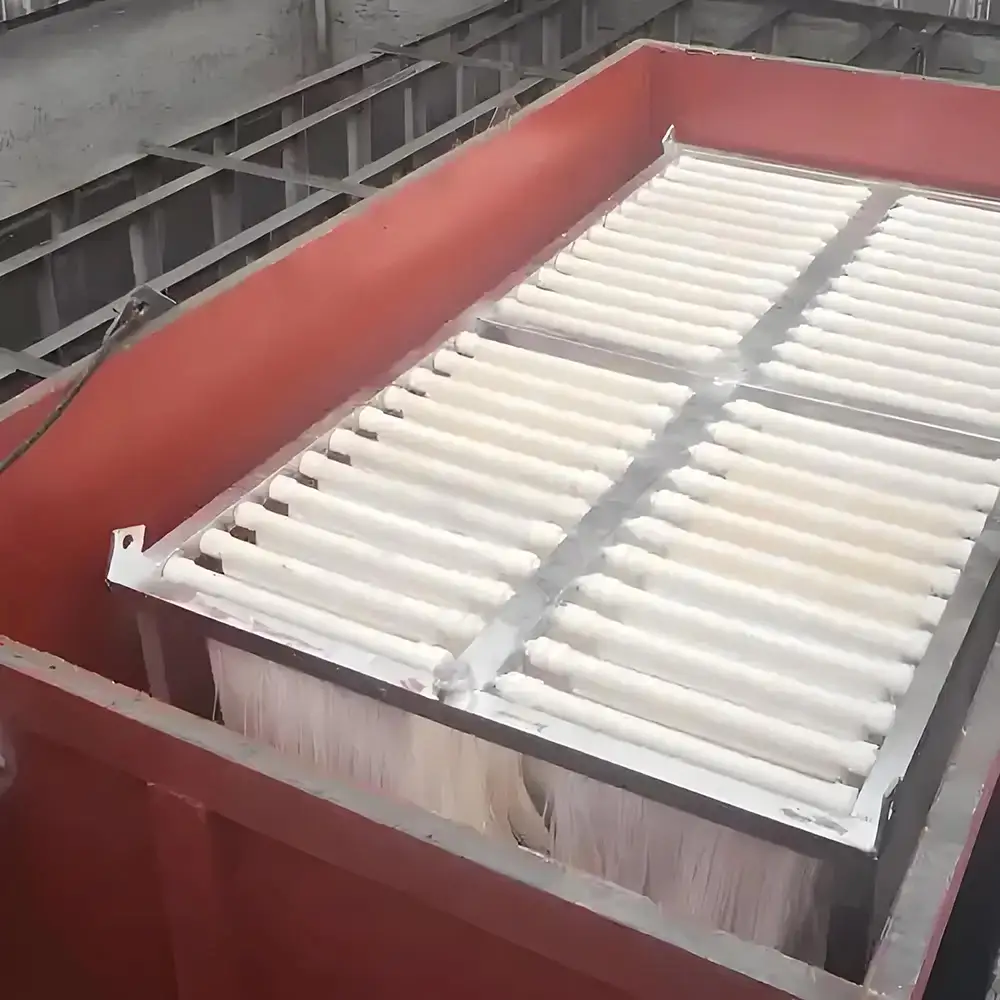
Advantages of this system membrane:
Can provide enterprise users with excellent performance, long life and important low-cost investment;
Can withstand almost all known chemicals and achieve filtration of complex water quality;
High-concentration strong oxidants can be used for chemical cleaning;
The membrane fiber material is elastic and flexible;
High water flux, stable produced water quality, and effluent water turbidity is usually less than 1NTU;
Interface introduction, easy installation, can completely replace the same type of membrane module (no need to change the frame)
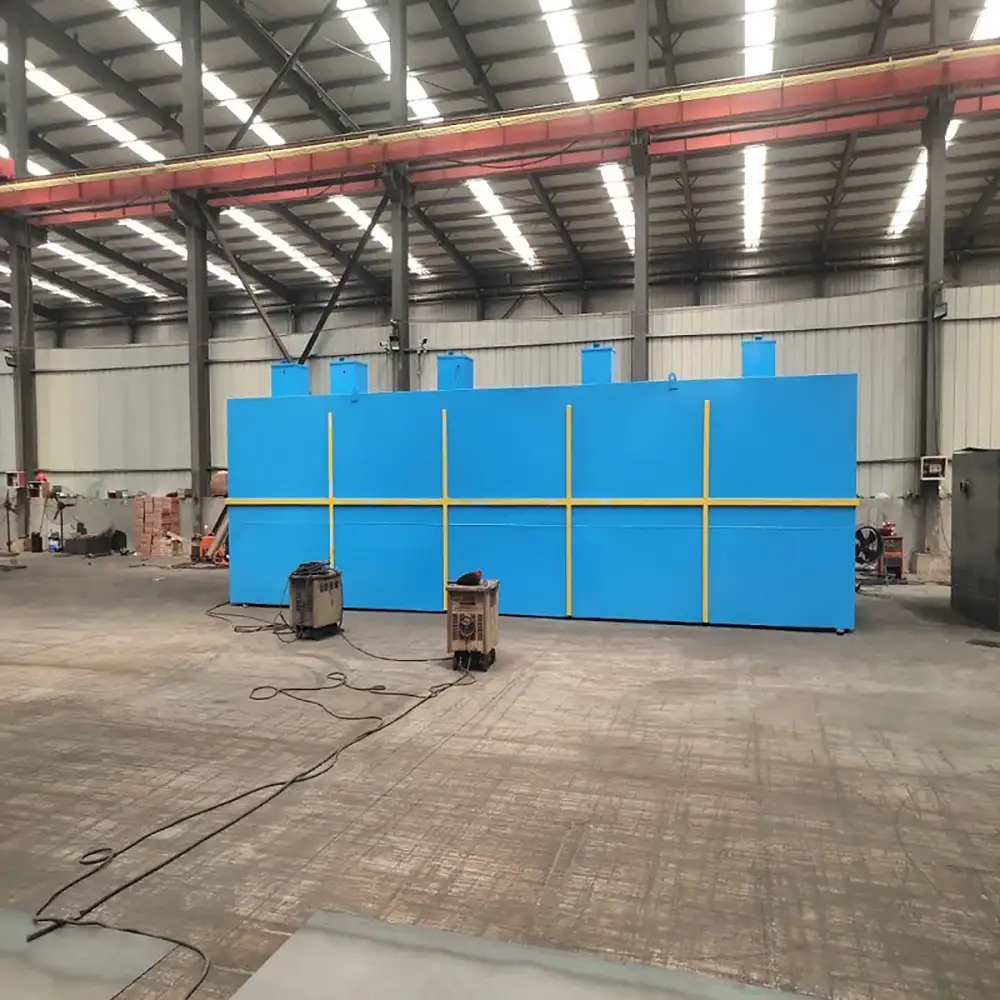
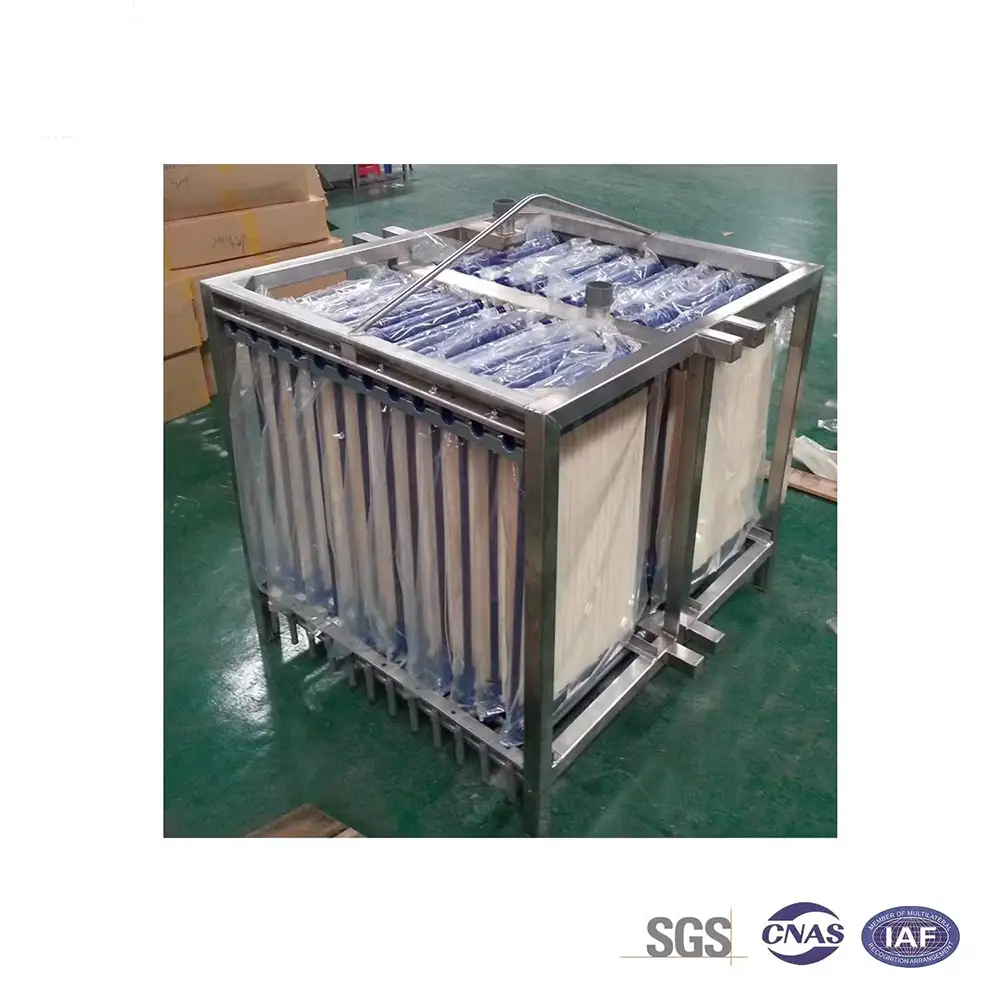
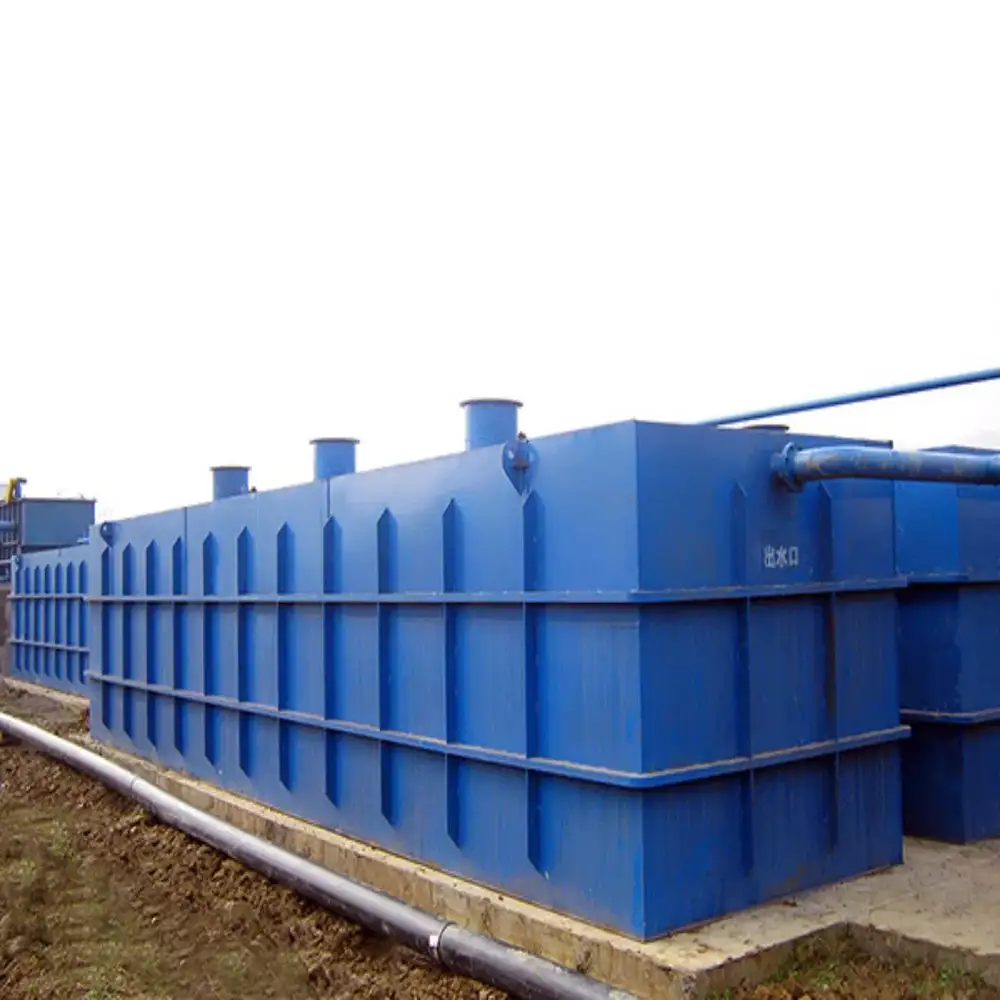
PVDF Ultrafiltration MBR Membrane for Sewage Treatment Station
The PVDF Ultrafiltration MBR Membrane for Sewage Treatment Station is a high-performance membrane filtration component designed for modern municipal sewage and industrial wastewater treatment systems. Combining polyvinylidene fluoride (PVDF) membrane material with ultrafiltration technology, this MBR membrane module provides efficient solid-liquid separation while supporting stable biological wastewater treatment.
Membrane bioreactor technology combines biological treatment with membrane filtration. Instead of relying only on a conventional secondary sedimentation tank, an MBR system uses a membrane module to separate treated water from activated sludge and suspended solids. PVDF hollow fiber ultrafiltration membranes are widely used in MBR applications because PVDF offers useful chemical and mechanical stability for demanding wastewater environments.
PVDF Ultrafiltration Membrane for MBR Systems
PVDF is a widely used membrane material for wastewater filtration because it provides good chemical resistance, mechanical strength, and resistance to oxidation and aging. Depending on the system design, PVDF membranes can be manufactured as hollow fiber or flat-sheet configurations.
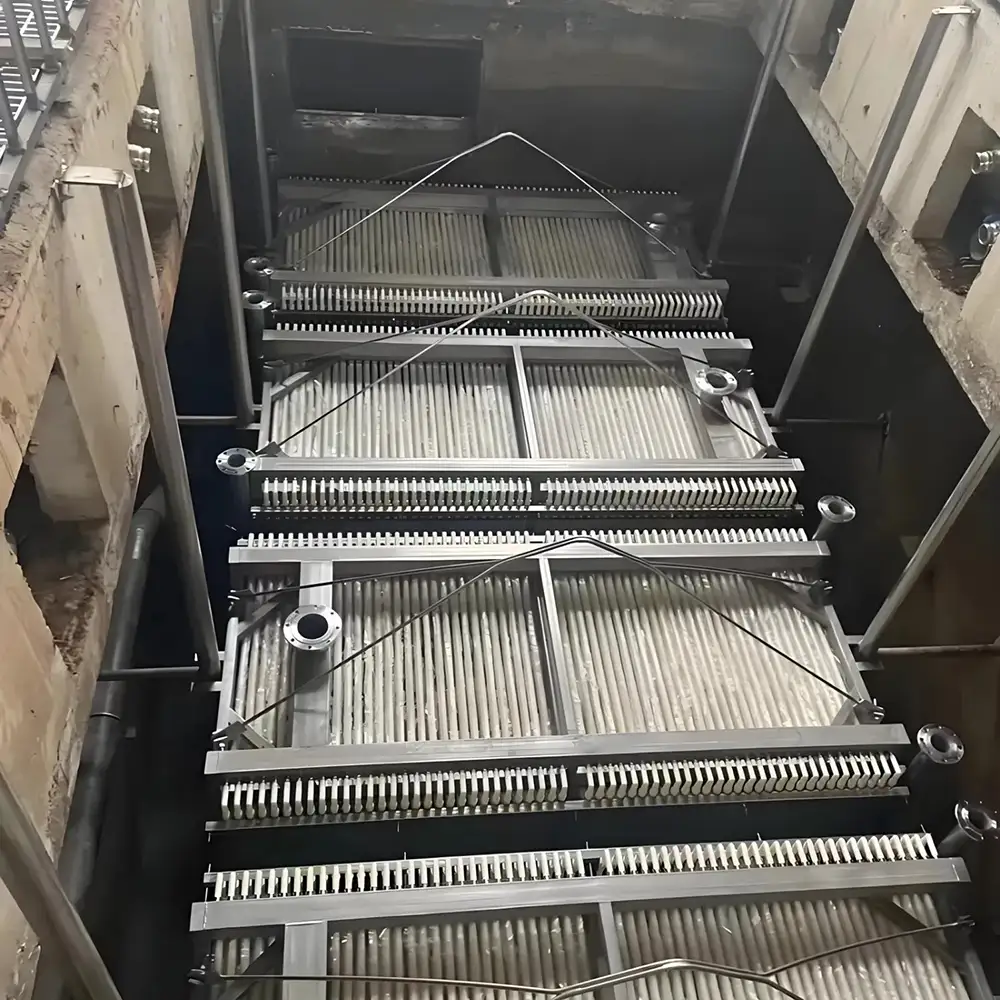
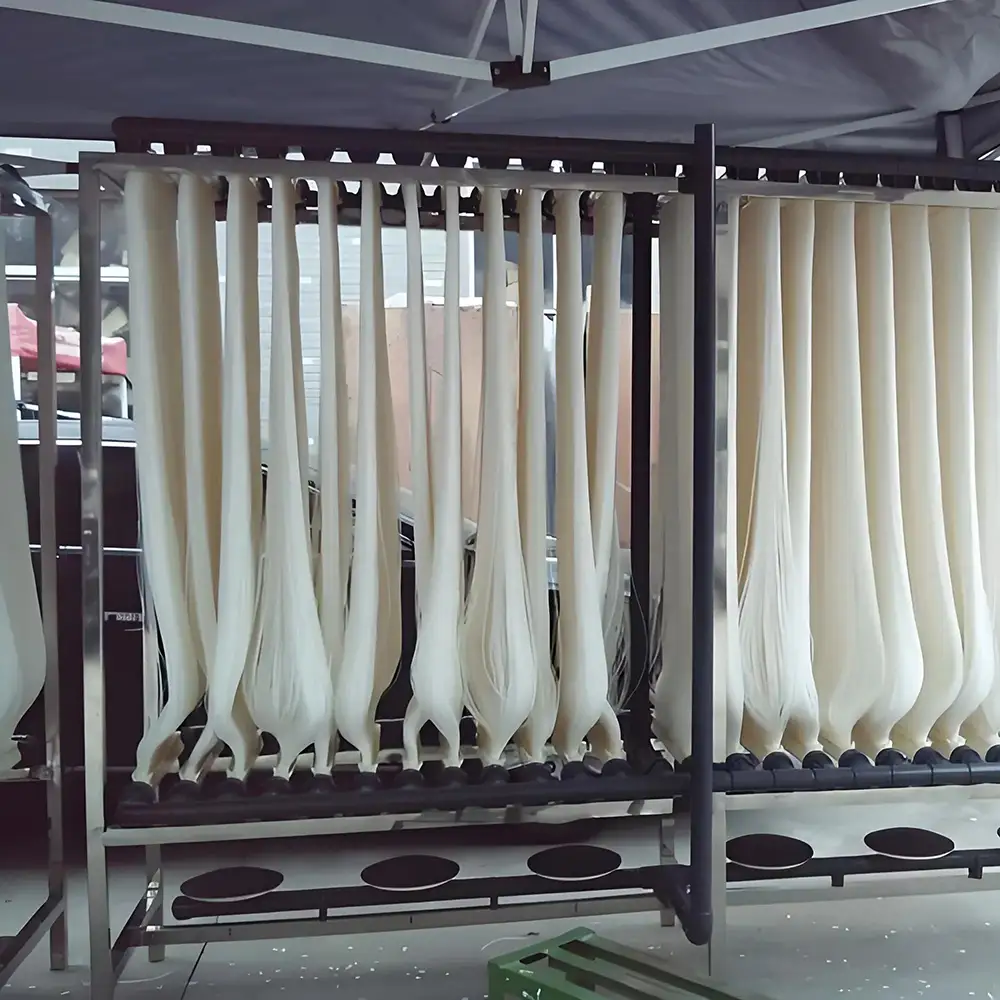
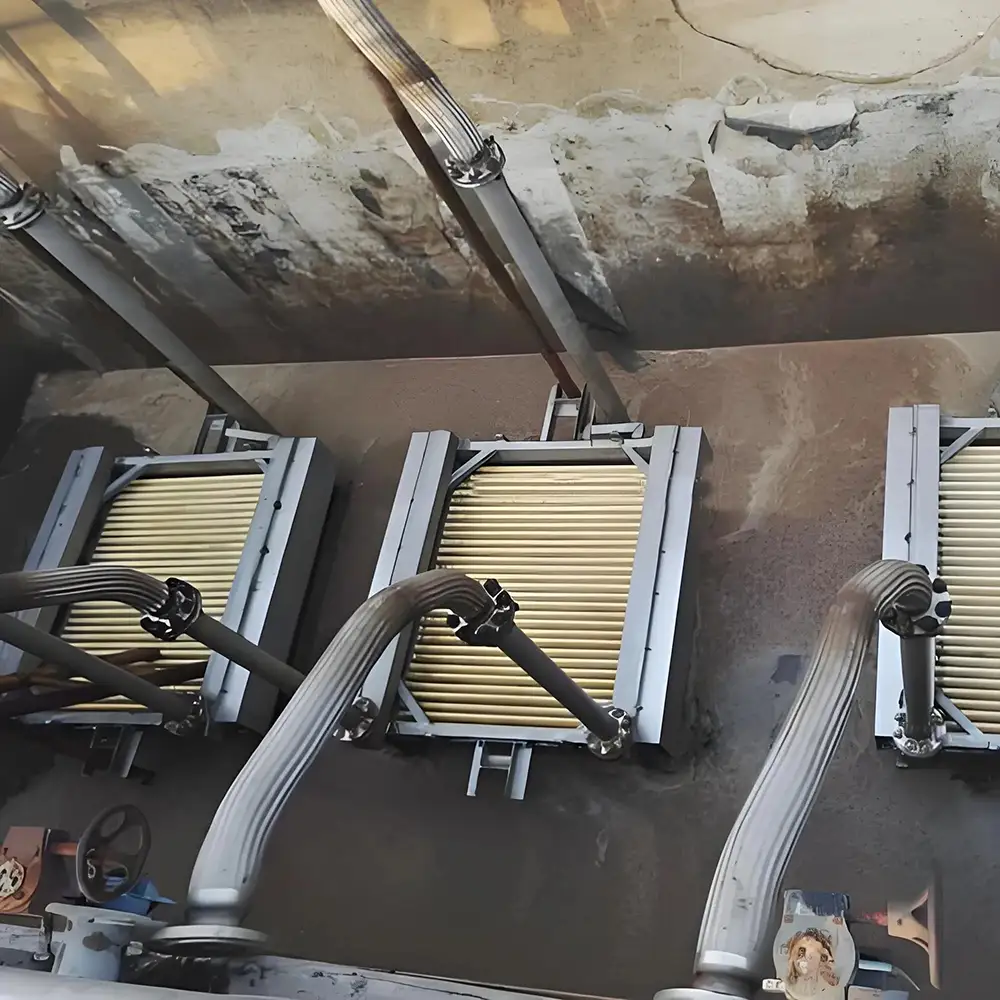
For MBR sewage treatment stations, submerged PVDF hollow fiber ultrafiltration membranes are commonly installed directly inside the biological treatment tank. Wastewater passes through the membrane under a pressure differential, while suspended solids, activated sludge, colloids, microorganisms, and other retained particles remain in the bioreactor.
This filtration process allows the MBR system to maintain a high concentration of active biomass while producing a clarified membrane permeate. Research and full-scale operating experience have demonstrated the suitability of PVDF membranes for long-term MBR wastewater treatment when membrane cleaning and operating conditions are properly controlled.
How the MBR Membrane Works
A typical sewage treatment station using PVDF MBR membrane technology includes several treatment stages:
Pretreatment: Screens and other pretreatment equipment remove large debris, plastics, fibers, and coarse solids.
Equalization: An equalization tank can balance wastewater flow and pollutant concentration.
Biological Treatment: Aerobic microorganisms break down biodegradable organic matter and support processes such as nitrification.
Membrane Filtration: The PVDF ultrafiltration membrane separates treated water from activated sludge and suspended solids.
Permeate Collection: Filtered water is collected as membrane permeate for discharge, reuse, or additional treatment.
Sludge Management: Excess biological sludge is periodically removed according to the treatment process and operating requirements.
Continuous or intermittent aeration around submerged membrane modules can also help maintain membrane surface conditions and reduce the accumulation of solids.
High-Efficiency Hollow Fiber Membrane Filtration
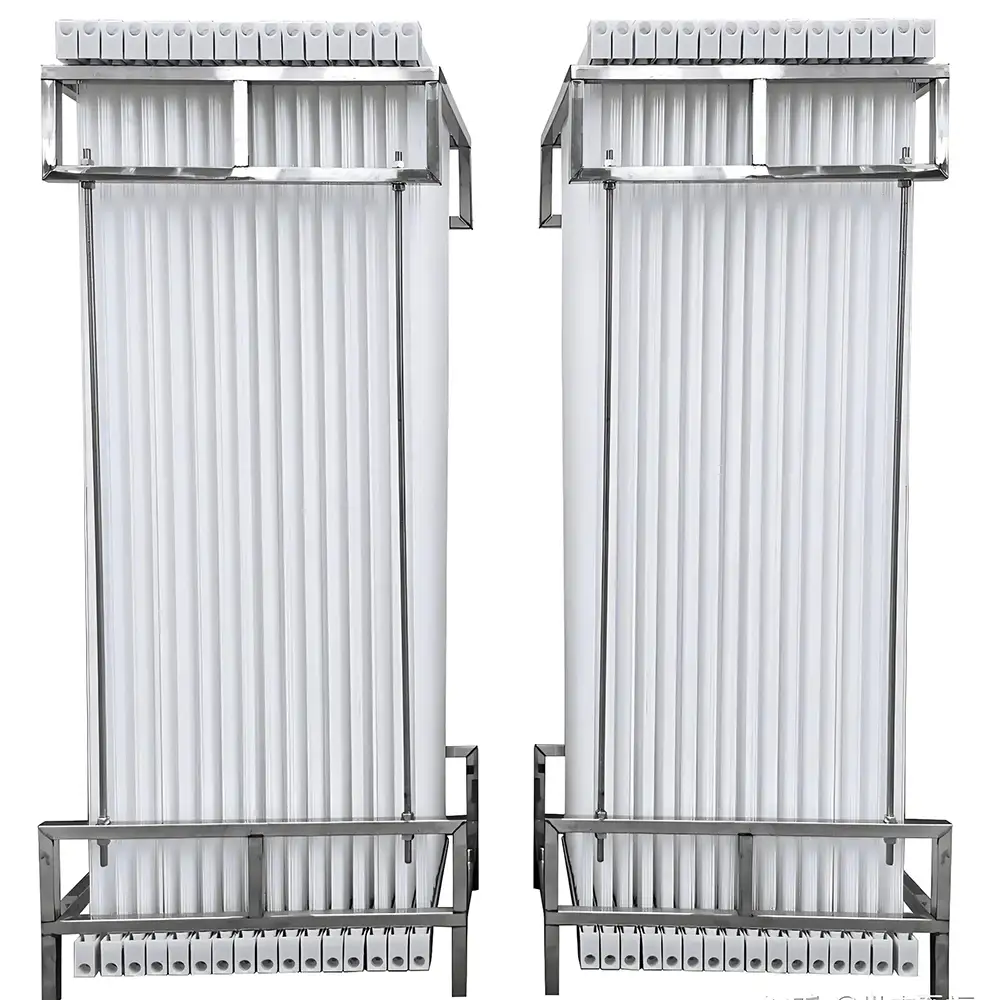
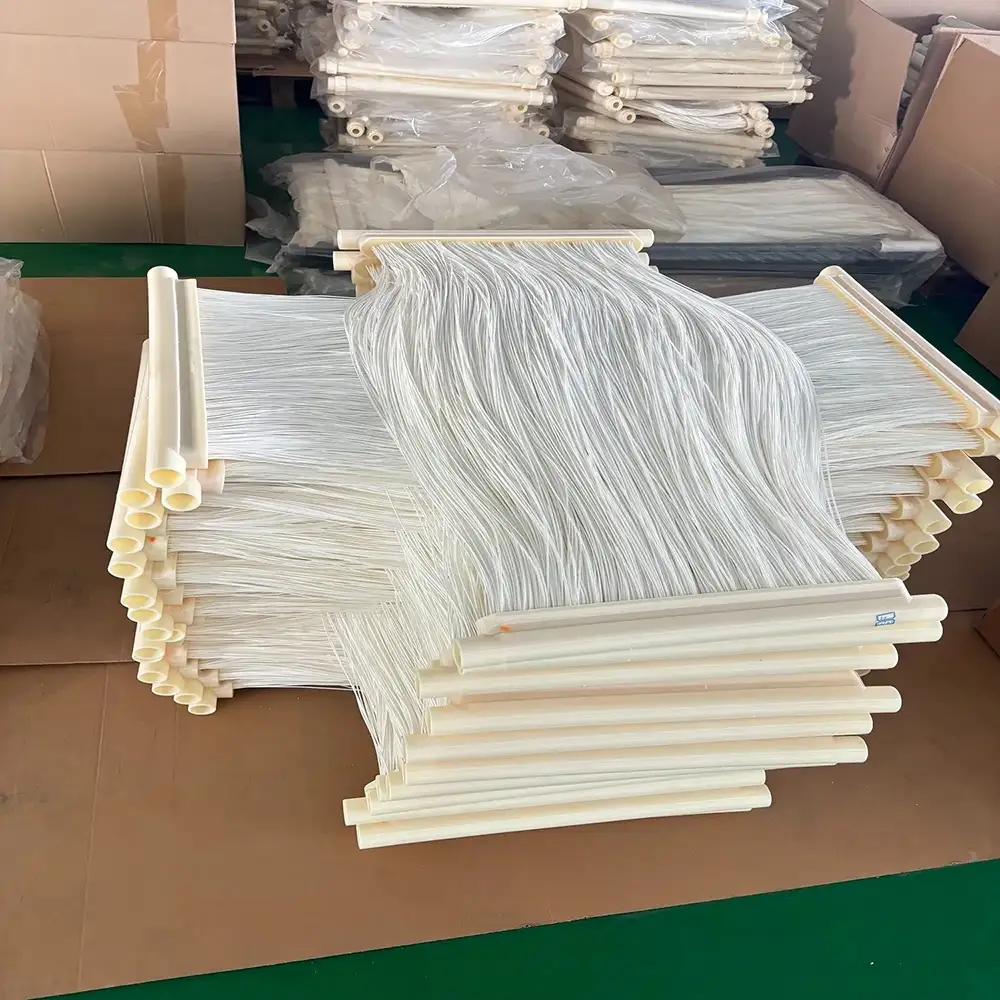
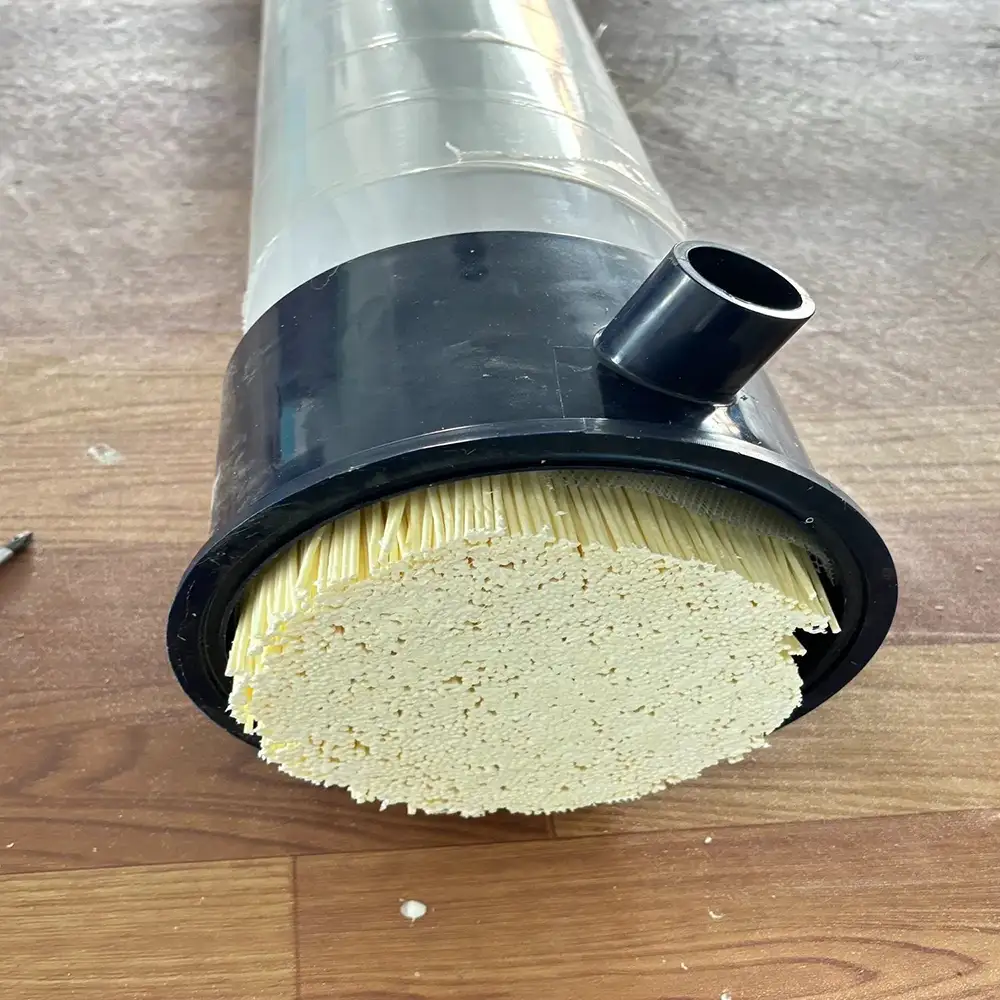
The hollow fiber structure provides a large membrane surface area within a relatively compact module. This makes PVDF hollow fiber MBR membranes suitable for sewage treatment stations where footprint, treatment capacity, and effluent quality are important considerations.
The membrane pore structure is designed to retain suspended solids and microorganisms while allowing water and smaller dissolved components to pass through. Actual pore size, molecular weight cutoff, operating flux, transmembrane pressure, and treatment performance should be selected according to the wastewater characteristics and membrane manufacturer's specifications.
For example, commercially available PVDF MBR modules use ultrafiltration-scale membrane structures and are available in different membrane areas and module configurations for municipal and industrial wastewater projects.
Sewage Treatment Station Applications
PVDF ultrafiltration MBR membrane modules can be integrated into a wide range of wastewater treatment systems, including:
Municipal sewage treatment stations
Domestic wastewater treatment plants
Industrial wastewater treatment plants
Food and beverage wastewater treatment
Brewery wastewater treatment
Pharmaceutical wastewater treatment
Textile and printing wastewater treatment
Chemical industry wastewater treatment
Industrial park wastewater treatment
Hospital and institutional wastewater treatment
Wastewater recycling and reuse systems
RO pretreatment systems
Compact packaged sewage treatment stations
For industrial applications, membrane selection should consider influent COD, BOD, TSS, oil and grease, salinity, pH, temperature, toxic substances, biological loading, and required effluent quality.
Advantages of PVDF MBR Membrane
Excellent Chemical Resistance
PVDF provides strong resistance to many chemicals and oxidizing environments, making it suitable for demanding wastewater treatment applications.
Efficient Solid-Liquid Separation
The ultrafiltration membrane provides a physical barrier that can retain activated sludge, suspended solids, colloids, and microorganisms. This helps produce a consistently clarified permeate when the system is properly designed and operated.
Compact Treatment Design
MBR technology combines biological treatment and membrane separation into an integrated process. This can reduce the space required compared with some conventional activated-sludge configurations.
High Biomass Retention
Because the membrane retains activated sludge inside the biological reactor, MBR systems can operate with relatively high biomass concentrations. This can support compact reactor design and stable biological treatment.
Suitable for Water Reuse
After appropriate treatment and depending on local water quality requirements, MBR permeate can be used as a feed source for additional polishing or water reuse processes. MBR systems are also commonly considered as pretreatment for downstream RO applications.
Membrane Fouling Control
Membrane fouling is one of the most important operating considerations for MBR wastewater treatment equipment. Organic matter, inorganic particles, microbial products, and sludge can accumulate on membrane surfaces and increase filtration resistance.
A properly designed MBR system therefore incorporates fouling-control strategies such as membrane aeration, periodic relaxation, backwashing, chemical-enhanced backwashing, and cleaning-in-place procedures when required.
Operating conditions should be monitored through parameters such as permeate flow, membrane flux, transmembrane pressure, sludge concentration, dissolved oxygen, and cleaning frequency. Studies of long-term PVDF MBR operation show that monitoring transmembrane pressure and applying appropriate chemical cleaning can help control membrane fouling and support extended operation.
Customized MBR Membrane Modules
Different sewage treatment stations require different membrane areas, module dimensions, installation methods, filtration capacity, and operating conditions. Therefore, customized PVDF ultrafiltration MBR membranes can be supplied according to project requirements.
Customization may include:
Membrane material and fiber structure
Hollow fiber or flat-sheet configuration
Membrane area
Module dimensions
Membrane frame design
Connection size
Operating flux
Filtration configuration
Aeration arrangement
Backwash requirements
Chemical cleaning requirements
Replacement membrane compatibility
OEM branding and packaging
For replacement projects, the existing membrane module dimensions, membrane area, connection arrangement, operating pressure, treatment capacity, and installation space should be checked before selecting a replacement module.
Installation and Maintenance
Proper pretreatment is important for protecting MBR membranes from large debris, fibers, hair, sand, oil, and other contaminants. The membrane system should also be operated within the recommended flux, pressure, temperature, pH, and sludge concentration ranges specified for the selected membrane module.
Routine inspection should monitor membrane pressure, permeate flow, water quality, aeration performance, and fouling tendency. Cleaning schedules should be determined according to actual operating conditions rather than using a fixed interval for every wastewater application.
Regular maintenance helps maintain stable filtration performance, reduce unexpected downtime, and extend membrane service life.
Why Choose Us?
We provide PVDF Ultrafiltration MBR Membrane and Sewage Treatment Station solutions for municipal, domestic, and industrial wastewater applications.
Application-Based Selection
We can recommend membrane configurations according to wastewater characteristics, treatment capacity, required effluent quality, and existing plant conditions.
Custom Manufacturing
Membrane modules can be customized according to membrane area, dimensions, connection requirements, frame configuration, and project specifications.
Complete Wastewater Treatment Solutions
In addition to MBR membranes, we can support complete wastewater treatment equipment solutions including pretreatment, biological treatment, aeration, membrane filtration, sludge treatment, disinfection, and water reuse.
OEM and Replacement Support
For distributors, engineering companies, wastewater treatment contractors, and plant operators, OEM production and replacement membrane solutions can be provided according to project requirements.
Export-Oriented B2B Service
We support international customers with technical specifications, product selection, customized configurations, export packaging, and project-based quotations.
FAQ
1. What is a PVDF MBR membrane?
A PVDF MBR membrane is a membrane filtration component made from polyvinylidene fluoride and designed for membrane bioreactor wastewater treatment systems. It combines biological treatment with membrane-based solid-liquid separation.
2. What is the difference between MBR and ultrafiltration?
MBR is a complete wastewater treatment process that combines biological treatment with membrane separation. Ultrafiltration describes the membrane filtration technology used in many MBR systems.
3. Why is PVDF used for wastewater membranes?
PVDF provides good mechanical strength and chemical resistance, making it suitable for demanding wastewater filtration environments.
4. Can PVDF MBR membranes treat municipal sewage?
Yes. PVDF MBR membrane systems are widely used for municipal and domestic sewage treatment as well as industrial wastewater applications.
5. Can the membrane be used for industrial wastewater?
Yes. The appropriate membrane module can be selected for food, pharmaceutical, chemical, textile, printing and dyeing, and other industrial wastewater applications, subject to wastewater characterization.
6. What does the MBR membrane remove?
The membrane primarily provides physical separation of suspended solids, activated sludge, colloids, and microorganisms. Dissolved pollutants are mainly treated through biological and other treatment processes.
7. How can membrane fouling be controlled?
Fouling can be controlled through proper pretreatment, aeration, optimized flux, relaxation, backwashing, chemical-enhanced cleaning, and periodic membrane cleaning.
8. Can you provide replacement MBR membranes?
Yes. Replacement membrane modules can be produced according to the dimensions, membrane area, connection type, filtration mode, and specifications of an existing system.
9. Can the PVDF MBR membrane be customized?
Yes. Membrane area, module dimensions, connection configuration, frame structure, membrane type, and other specifications can be customized for suitable projects.
10. Can MBR treated water be reused?
MBR permeate can be suitable for certain water reuse applications after meeting the applicable water quality requirements. Additional treatment such as RO, disinfection, or polishing may be required depending on the reuse purpose.
11. Is MBR suitable for compact sewage treatment stations?
Yes. The integrated biological and membrane treatment process makes MBR attractive for applications where high treatment performance and limited installation space are important.
12. What information is needed for an MBR membrane quotation?
Useful information includes wastewater type, treatment capacity, influent water quality, required effluent standard, existing tank dimensions, membrane type, membrane area, operating conditions, and whether the project is a new installation or replacement.
Prev:
MBBR Biological Filler Wastewater Treatment Equipment Customization
Next:
Efficient Treatment of Organic Matter and Pathogens / Mbr Membrane
TAG:
Industrial Wastewater Treatment,
Sewage Treatment Plant,
Industrial Sewage Treatment,
Wastewater Treatment Equipment,
Wastewater Treatment System,
Membrane Filtration System,
Ultrafiltration Membrane,
Sewage Treatment Equipment,
Membrane Wastewater Treatment,
Advanced Wastewater Treatment,
Biological Wastewater Treatment,
Domestic Sewage Treatment,
Wastewater Filtration System,
Municipal Wastewater Treatment,
Municipal Sewage Treatment,
MBR Wastewater Treatment,
MBR Sewage Treatment,
MBR Wastewater Treatment Equipment,
MBR Sewage Treatment Equipment,
MBR Membrane Module,
MBR UF Membrane,
Membrane Bioreactor System,
MBR Membrane,
MBR Membrane System,
Membrane Bioreactor,
MBR Membrane Bioreactor,
Sewage Treatment Station,
MBR Treatment System,
MBR Filtration Equipment,
MBR Water Treatment,
Related Category:
PVDF Ultrafiltration Membrane,PVDF MBR Membrane,Ultrafiltration Membrane,Sewage Treatment Station China, suppliers, manufacturers, factory, customized, wholesale, quotation, made in China