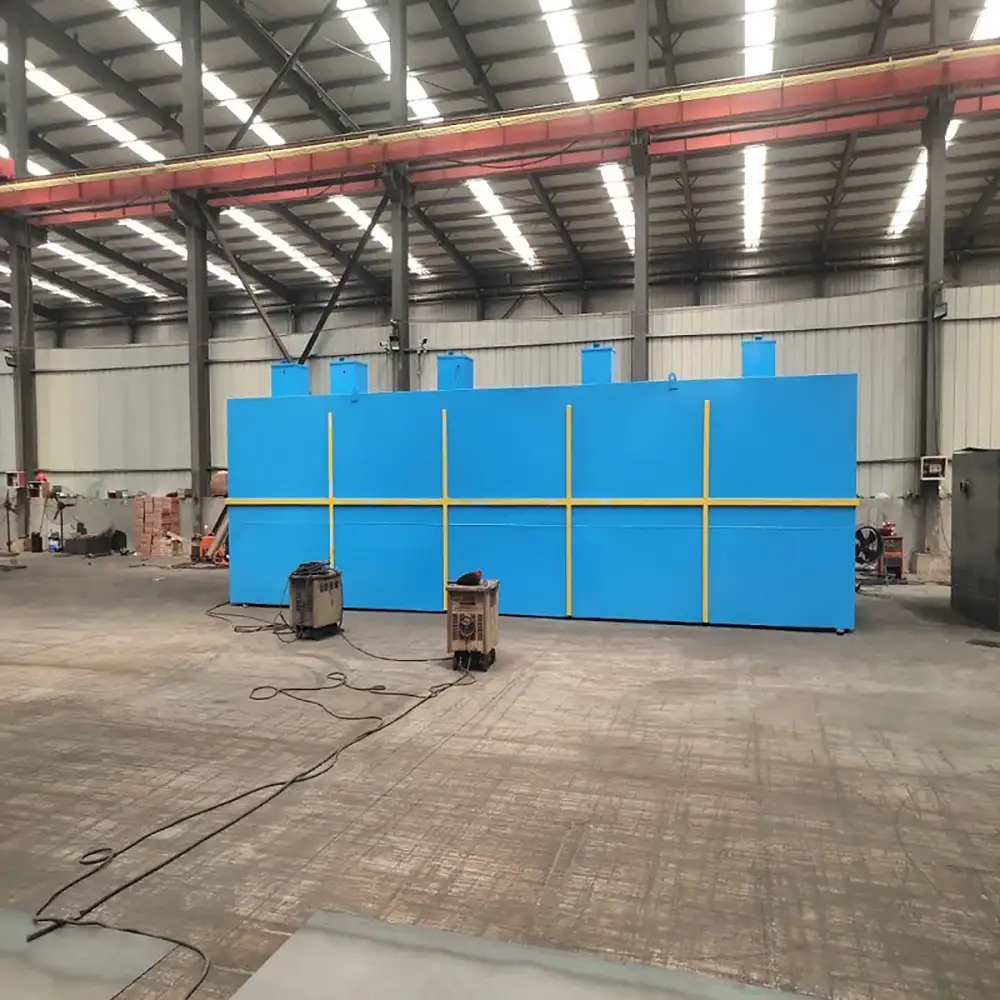
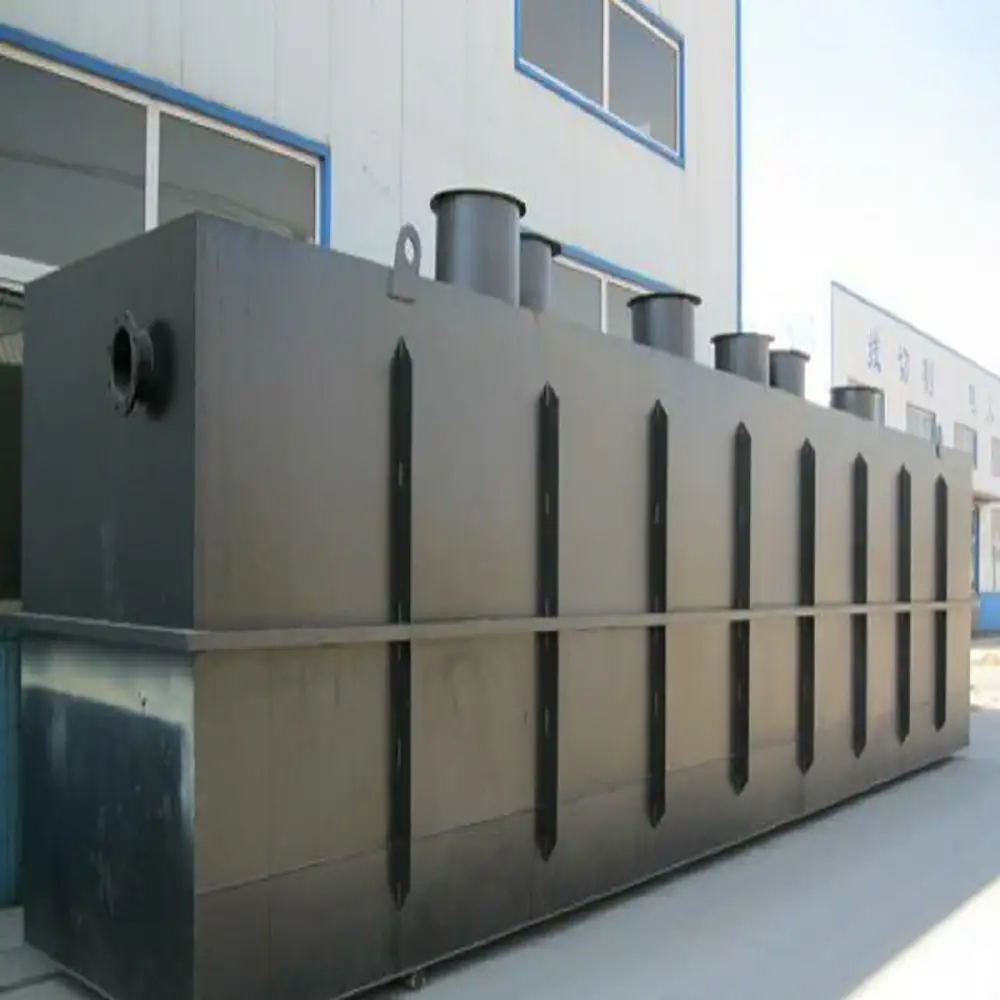
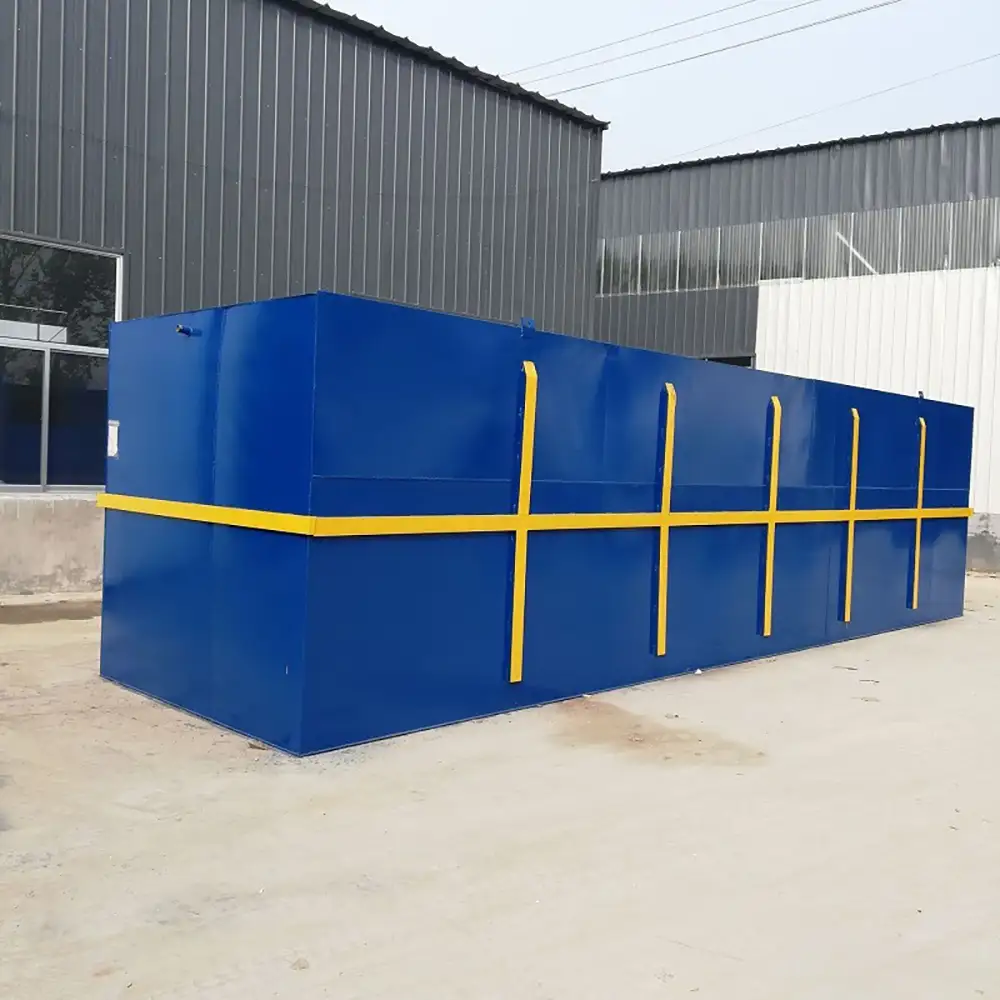
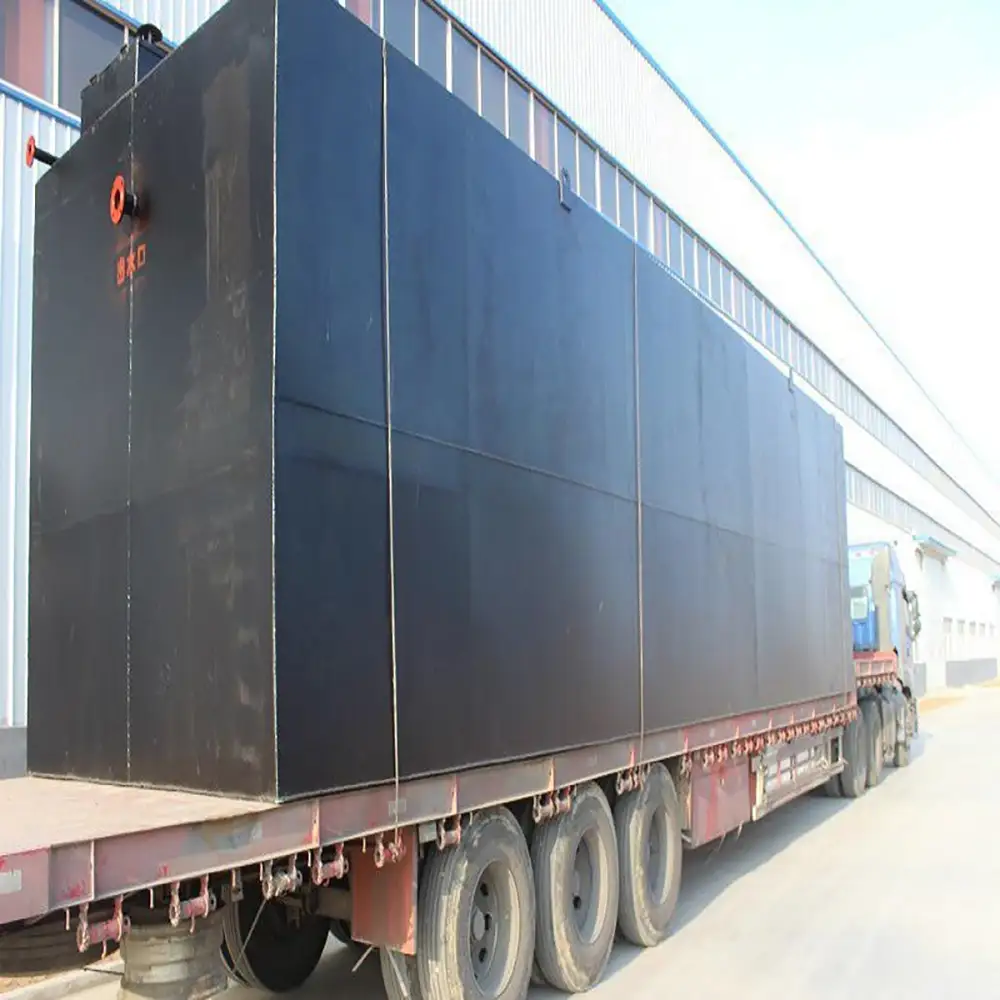
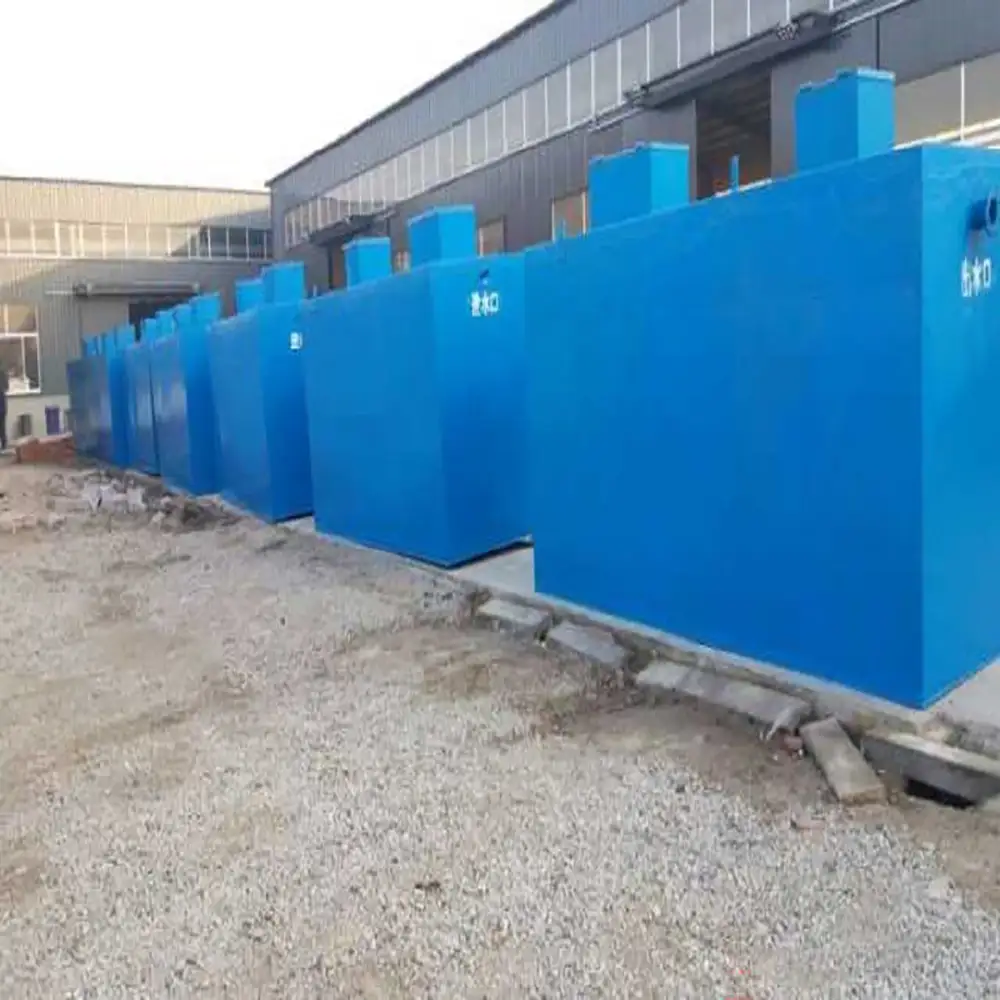
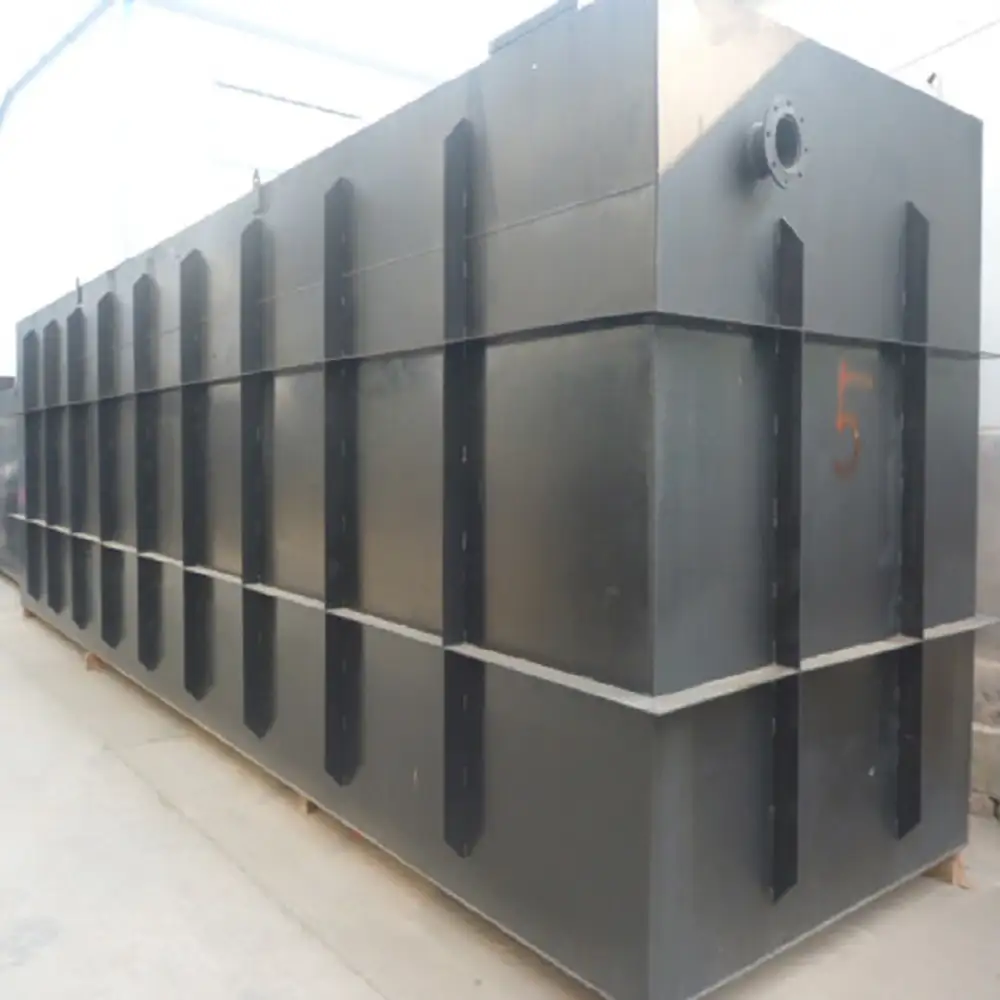
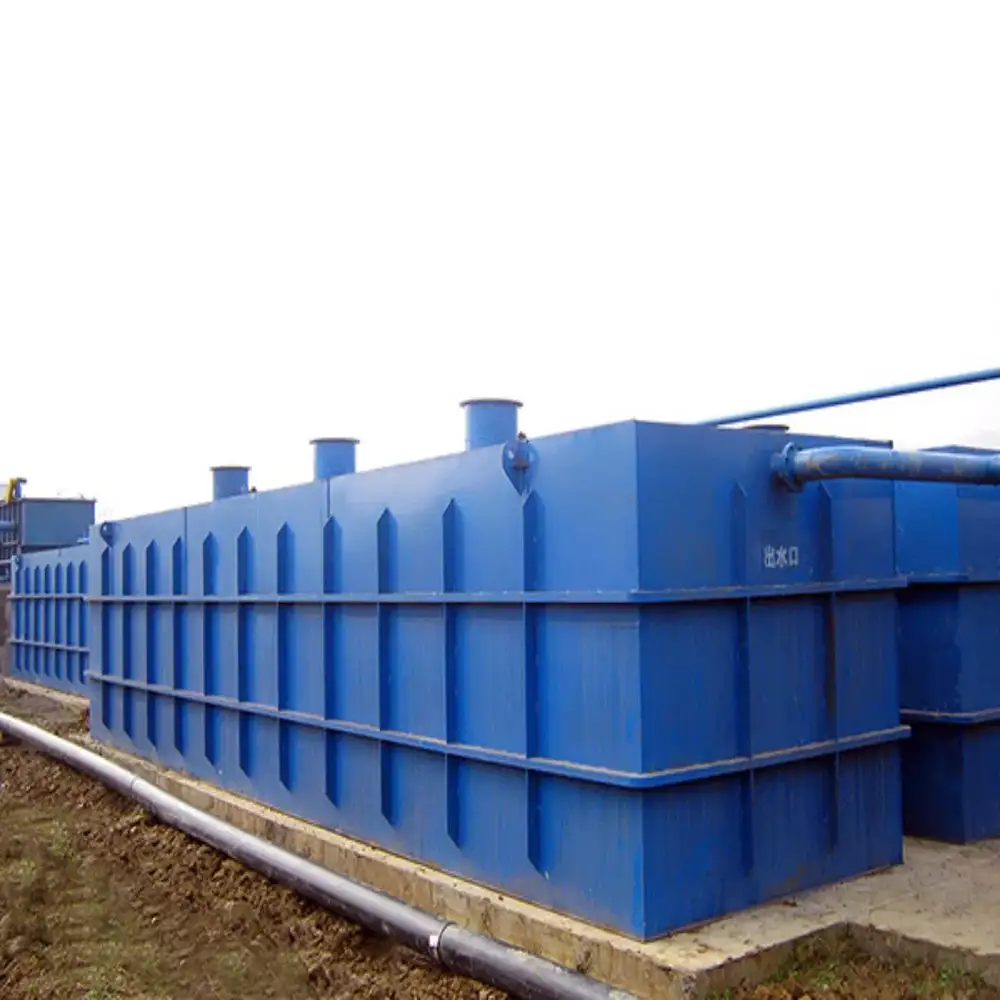
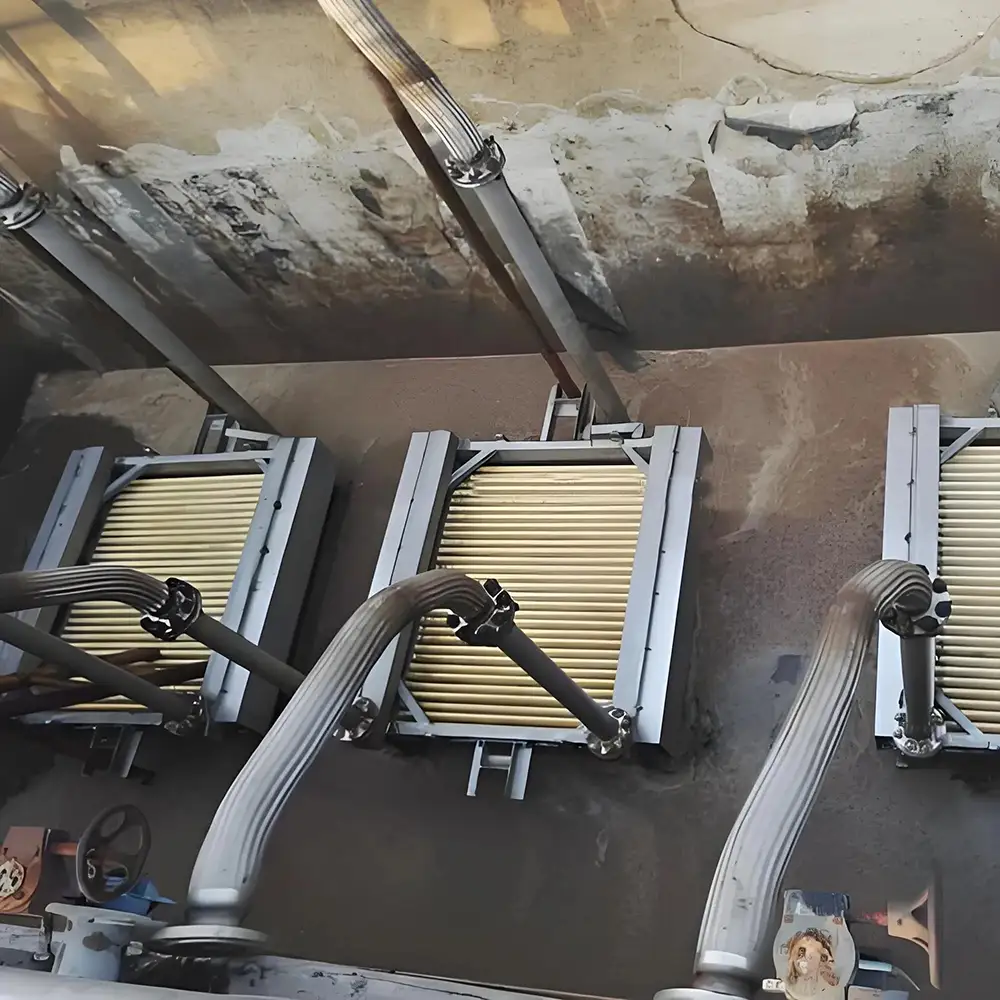
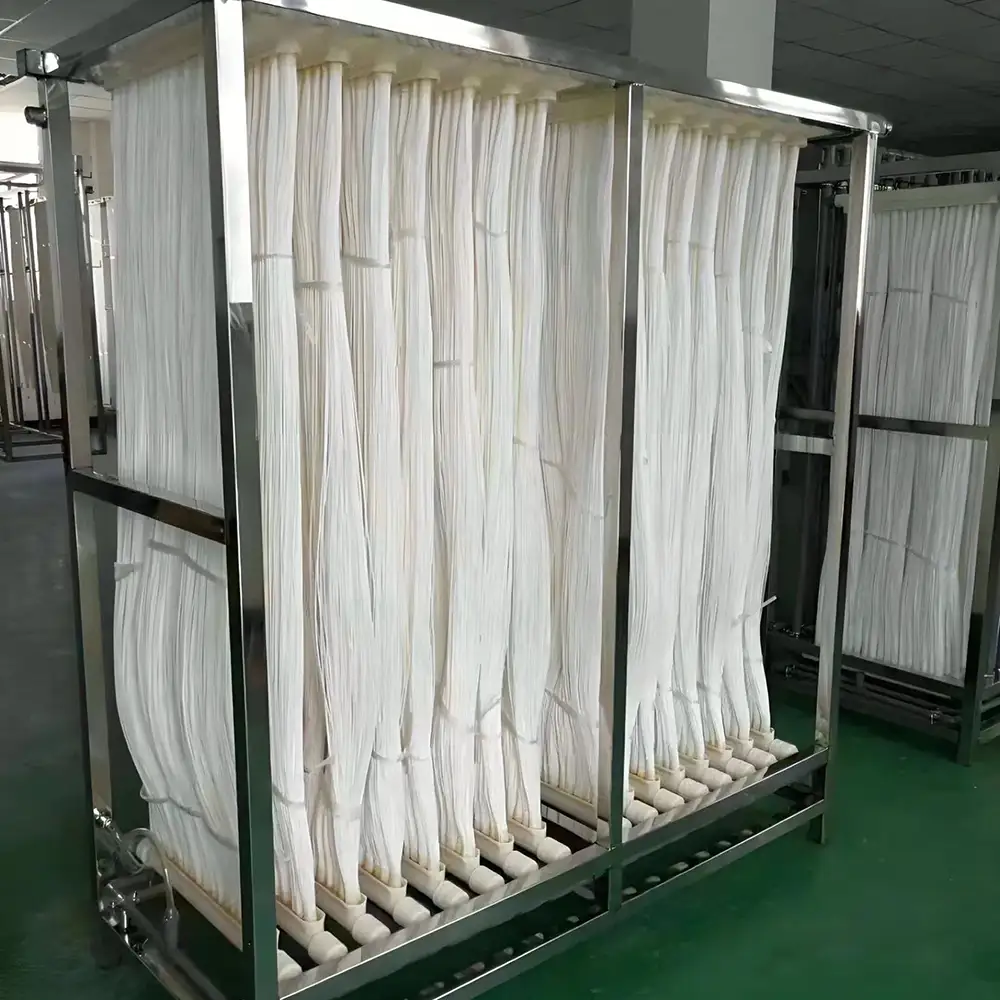
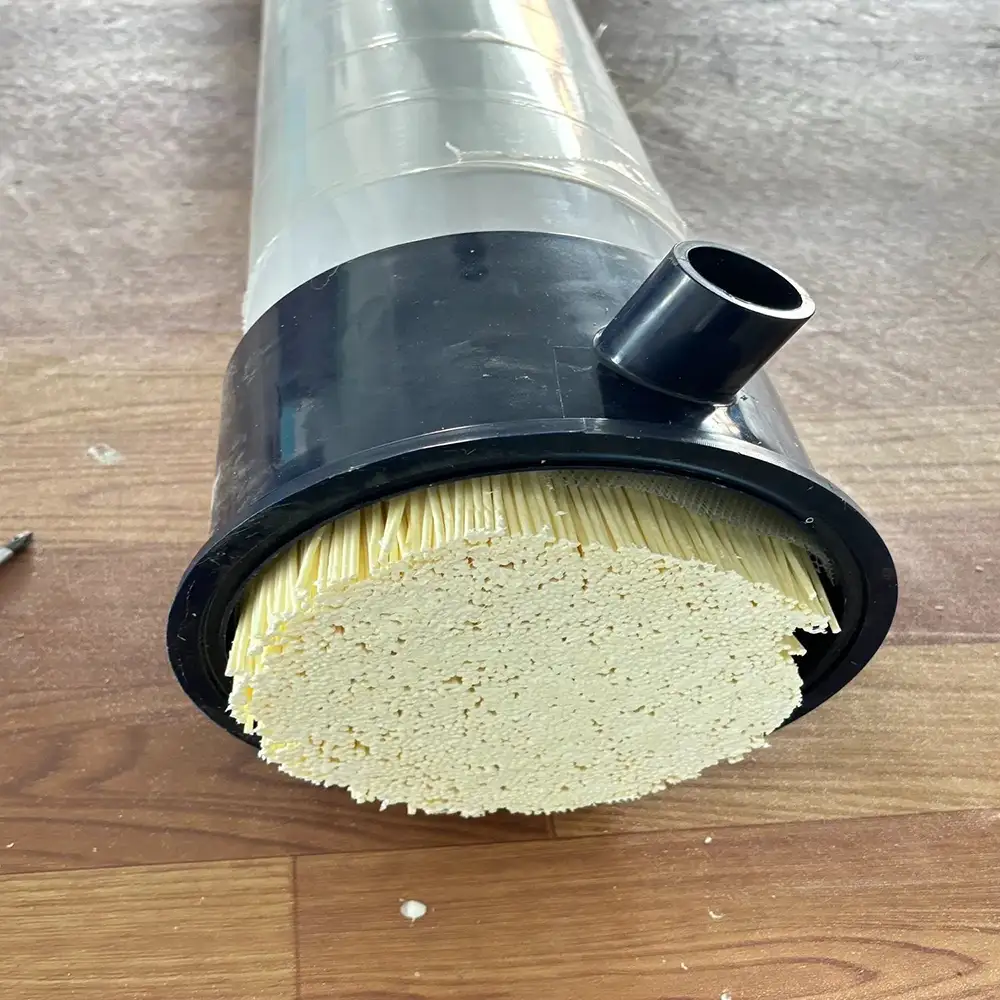
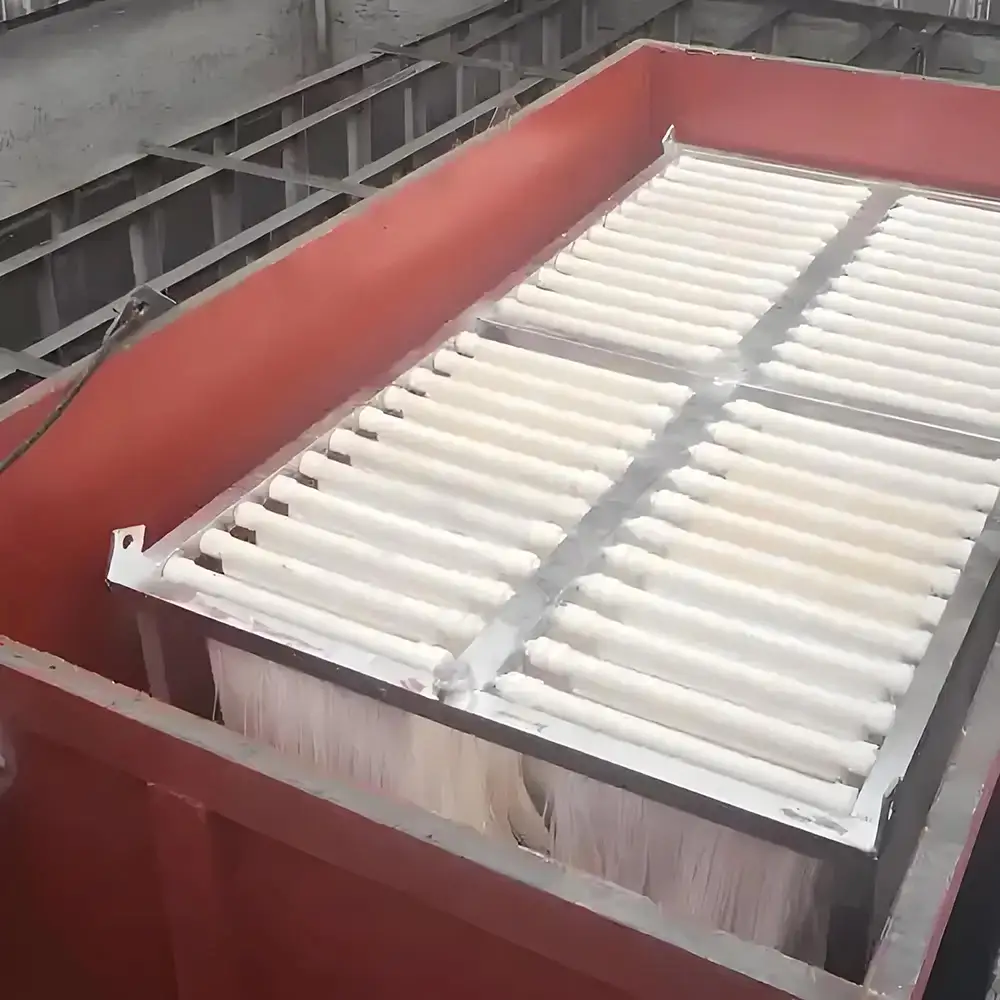
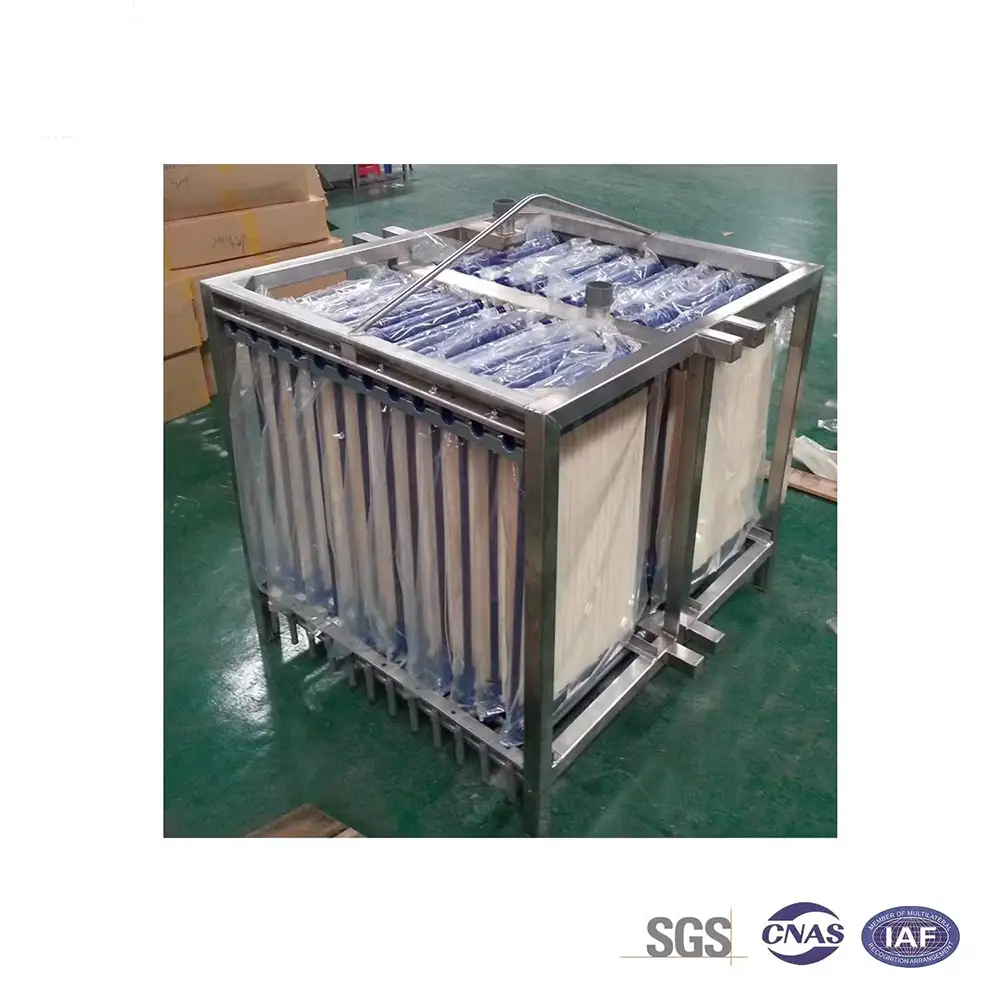
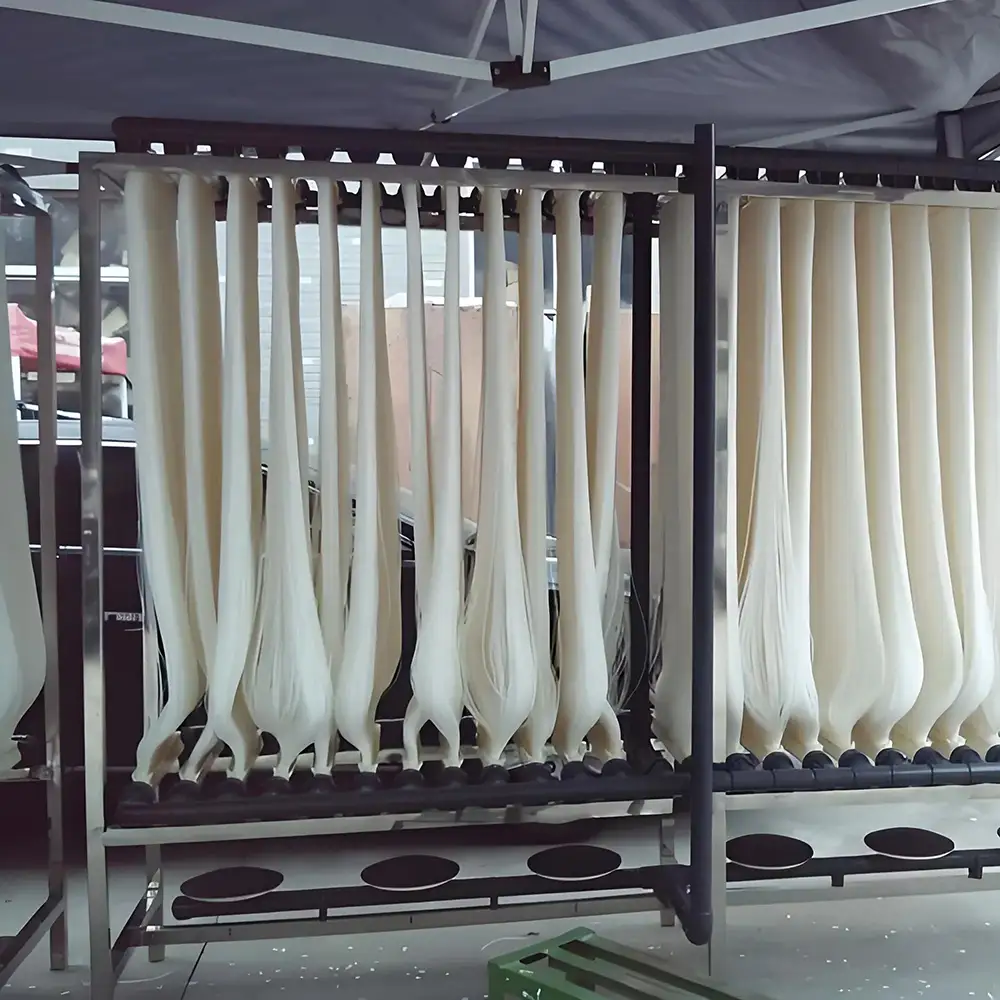
The MBR Membrane Filtration System for Sewage Treatment Plants is an advanced wastewater treatment solution that combines biological treatment with membrane-based solid-liquid separation. The system uses ultrafiltration membrane modules to retain activated sludge, suspended solids, microorganisms, and other particulate matter while allowing treated water to pass through as permeate.
MBR technology is widely used for municipal sewage treatment, industrial wastewater treatment, commercial wastewater, food and beverage wastewater, and water reuse projects. MBR membrane products are available in different configurations, including hollow fiber and flat sheet designs, while PVDF is a commonly used polymeric membrane material for wastewater applications.
In addition to complete MBR systems, ultrafiltration membrane modules and sewage treatment spare parts are important for plant maintenance, capacity upgrades, membrane replacement, and retrofit projects. Modular membrane designs can make replacement and maintenance more flexible for existing wastewater treatment plants.
|
Model NO. |
PVDF |
Handling method |
Physical Treatment |
|
Usage |
Industrial, Home, Agriculture, Hospital, Urban |
Trademark |
Wanze Prosperity |
|
Types |
Package, Compact, Small, Mini |
Applications |
Industrial, Municipal, Domestic, Medical, Ship |
|
Transport Package |
Container Standard Packing |
Features |
Remove Cod BOD |
|
Service Life |
10 Years |
Operation |
Automatic |
|
material |
PVDF |
Function |
Removing Escherichia coli, harmful bacteria |
|
Voltage |
220V/ 380V/ Customerized |
Installation Type |
Underground / Onground |
|
Colour |
white |
Use for |
Mineral, Printing, Chemical, Dyeing, Starch |
|
Material |
PVDF |
Production Capacity |
2000 Sets/Year |
1. High flux, high-quality water production
2. The membrane wire has high peeling strength and supports instant high-pressure backwashing
3. Membrane silk hydrophilic treatment, more resistant to pollution
4. The components have various forms, can be stacked and expanded, and have a high degree of integration
5. Large filling area per unit volume, saving space
6. Adopting socket installation method, easy installation and loading/unloading
What Is an MBR Membrane Filtration System?
MBR stands for Membrane Bioreactor. Unlike a conventional activated sludge plant that normally uses a secondary clarifier for solid-liquid separation, an MBR system uses membrane filtration to separate treated water from biological sludge.
The wastewater first enters a biological reactor where microorganisms degrade biodegradable organic pollutants. The mixed liquor then comes into contact with the MBR membrane modules. The ultrafiltration membrane acts as a physical barrier, retaining activated sludge and suspended solids while allowing water and smaller dissolved substances to pass through.
This combination of biological treatment and membrane filtration provides a compact treatment process and can produce a high-quality permeate suitable for discharge or additional water reuse treatment.
How Does the MBR Ultrafiltration Membrane Module Work?
A typical sewage treatment plant using MBR technology includes several stages.
1. Pretreatment
Raw sewage first passes through coarse and fine screening. Large solids, plastics, fibers, hair, grit, and other materials are removed before the wastewater reaches the biological and membrane treatment sections.
Good pretreatment is essential because large particles and fibrous materials can damage membrane fibers, increase fouling, and interfere with stable operation.
2. Equalization
An equalization tank can balance variations in wastewater flow and pollutant concentration. This is particularly useful for industrial facilities, commercial buildings, hotels, food-processing plants, and other sites where wastewater generation fluctuates.
3. Biological Treatment
The pretreated wastewater enters the biological reactor. Aeration supplies oxygen to microorganisms that break down biodegradable organic matter.
Depending on the required effluent quality, the biological process can include aerobic and anoxic zones for organic matter removal, nitrification, and denitrification.
4. Ultrafiltration Membrane Separation
After biological treatment, the mixed liquor reaches the MBR ultrafiltration membrane modules.
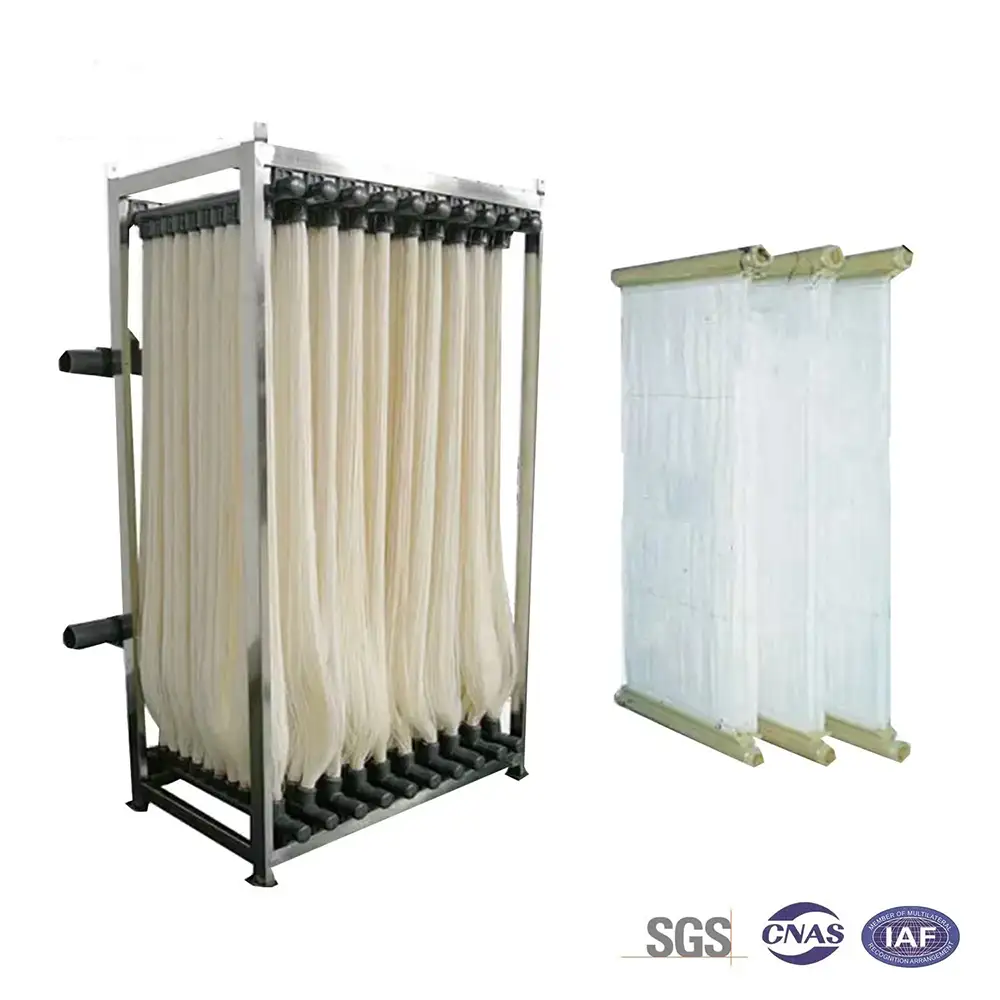
For hollow fiber systems, wastewater is filtered through the porous membrane walls of numerous hollow fibers. The treated water enters the inside of the fibers and is collected through the membrane headers.
The membrane retains activated sludge, suspended solids, and microorganisms inside the bioreactor.
Commercial MBR products include reinforced PVDF hollow fiber UF modules designed specifically for sewage and industrial wastewater treatment.
5. Permeate Collection
The filtered water is collected as permeate. Depending on the project, it can be discharged directly or sent to additional treatment such as UV disinfection, activated carbon, nanofiltration, or reverse osmosis.
MBR Ultrafiltration Membrane Module
The ultrafiltration membrane module is one of the most important components of an MBR wastewater treatment system.
A typical hollow fiber module consists of:
Hollow Fiber Membranes
Membrane Headers
Module Frame or Housing
Permeate Collection Connections
Air Scouring Connections
Feed or Suction Connections
Sealing Components
Support Structures
The module can be installed directly in a submerged membrane tank or configured for another MBR arrangement according to the system design.
Different manufacturers offer different membrane areas, fiber dimensions, pore structures, module sizes, flux ranges, and operating conditions. For example, commercial reinforced PVDF hollow fiber MBR modules are available in different membrane areas for different treatment capacities.
PVDF MBR Membrane
PVDF, or polyvinylidene fluoride, is a widely used membrane polymer for wastewater treatment.
PVDF hollow fiber membranes can provide a useful combination of mechanical strength, chemical resistance, and filtration performance. Commercial MBR modules using reinforced PVDF hollow fiber membranes are available for municipal sewage, industrial wastewater, food-processing wastewater, leachate, and other applications.
The membrane material is only one part of the overall selection process. The actual membrane should also be selected according to:
Wastewater Characteristics
Membrane Area
Design Flux
Operating Pressure
Membrane Pore Structure
Fiber Strength
Cleaning Requirements
Operating Temperature
pH Range
Required Treatment Capacity
Technical parameters should always be confirmed against the actual membrane manufacturer's specifications.
Sewage Treatment Spare Parts
A sewage treatment plant requires regular inspection and maintenance to maintain stable operation. MBR systems are no exception.
Sewage treatment spare parts may include:
MBR Membrane Modules
Hollow Fiber Membrane Elements
Membrane Cassettes
Membrane Frames
Permeate Pipes
Air Diffusers
Air Distribution Components
Membrane Connectors
Sealing Components
Pumps
Mechanical Seals
Valves
Pressure Gauges
Flow Meters
Sensors
PLC Components
Electrical Control Components
Cleaning System Components
Spare parts can be supplied for new installations, routine maintenance, emergency replacement, plant upgrades, and retrofit projects.
MBR Membrane Replacement
Membranes are long-life treatment components, but they are not permanent equipment. Over time, membrane performance can decline because of aging, fouling, chemical exposure, mechanical damage, or repeated cleaning cycles.
Typical signs that membrane replacement may need to be considered include:
Declining Permeate Flow
Increasing Transmembrane Pressure
Increasing Cleaning Frequency
Reduced Flux Recovery
Damaged Membrane Fibers
Increasing Operating Costs
Persistent Fouling
Reduced Treatment Capacity
Replacement should not be based on membrane age alone. Actual plant operating data and membrane condition should be evaluated first.
Commercial MBR replacement suppliers also provide retrofit solutions covering hollow fiber and flat sheet membrane configurations, showing that membrane replacement can be an important part of extending existing plant life.
MBR Membrane Retrofit and Upgrade
Existing sewage treatment plants can sometimes be upgraded by replacing aging membrane modules with newer compatible membrane equipment.
A retrofit project may include:
Existing MBR Membrane Replacement
Higher-Capacity Membrane Modules
Additional Membrane Area
Improved Air Scouring
Updated Permeate Collection
New Pumps
PLC Control Upgrade
Automation Improvements
Additional Treatment Capacity
Compatibility must be carefully evaluated before replacing membrane modules. Important factors include tank dimensions, membrane cassette dimensions, connection locations, permeate piping, air distribution, membrane area, operating flux, and biological operating conditions.
Some commercial membrane suppliers specifically design modules for replacement and retrofit of traditional wastewater treatment plants.
Applications in Sewage Treatment Plants
MBR membrane filtration systems can be used in a wide range of wastewater treatment applications.
Municipal Sewage
Municipal wastewater treatment plants can use MBR systems for domestic sewage, community wastewater, decentralized treatment, and reclaimed water production.
Industrial Wastewater
MBR systems can be customized for manufacturing, chemical, pharmaceutical, electronics, machinery, and industrial park wastewater.
Food and Beverage Wastewater
Food-processing wastewater can contain high concentrations of biodegradable organic matter and suspended solids. MBR can be integrated with suitable pretreatment and biological treatment.
Brewery Wastewater
Brewery wastewater may contain yeast, organic matter, suspended solids, and cleaning chemicals. MBR technology can be used after suitable pretreatment and biological process design.
Textile and Printing Wastewater
MBR can be combined with coagulation, advanced oxidation, activated carbon, NF, or RO when additional color or dissolved contaminant removal is required.
Water Reuse
MBR permeate can be used as feedwater for downstream RO and other advanced treatment technologies when higher-quality recycled water is required.
Membrane Fouling Control
Membrane fouling is an important operating issue in MBR systems.
Organic substances, microorganisms, suspended solids, inorganic deposits, and biological materials can accumulate on membrane surfaces.
A properly designed system can use several fouling-control methods:
Effective Pretreatment
Stable Biological Operation
Appropriate Membrane Flux
Continuous or Intermittent Air Scouring
Membrane Relaxation
Backwashing
Chemical-Enhanced Cleaning
Periodic Chemical Cleaning
Proper Sludge Concentration Control
Some hollow fiber MBR modules use air backwash or aeration strategies to maintain membrane performance.
The cleaning procedure should always follow the membrane manufacturer's chemical compatibility and operating recommendations.
MBR System for Water Reuse
MBR filtration is often selected when a wastewater treatment plant needs high-quality solid-liquid separation before advanced reuse treatment.
A typical water reuse process may be:
Screening → Equalization → Biological Treatment → MBR Ultrafiltration → Disinfection → RO → Reclaimed Water
The actual process depends on the intended reuse application. Industrial process water, cooling water, boiler feedwater, irrigation water, and other reuse applications have different quality requirements.
MBR should therefore be considered one stage of the overall water reuse process rather than automatically treated as a complete solution for all dissolved contaminants.
Selecting the Right MBR Membrane Module
Before purchasing an ultrafiltration membrane module, buyers should provide the following information:
Wastewater Source
Average Daily Flow
Peak Flow
Influent COD
BOD
TSS
Ammonia Nitrogen
Total Nitrogen
pH
Temperature
Existing MBR Model
Existing Membrane Dimensions
Required Membrane Area
Required Effluent Standard
Water Reuse Target
For replacement and retrofit projects, existing membrane photographs, drawings, dimensions, connection sizes, membrane area, and equipment model information are also valuable.
Why Choose Us?
Complete MBR Solutions: We supply membrane modules, replacement membranes, and supporting sewage treatment equipment for complete projects and existing plant maintenance.
Hollow Fiber UF Technology: Our MBR solutions can be configured with hollow fiber ultrafiltration membrane modules for municipal and industrial wastewater applications.
PVDF Membrane Options: PVDF hollow fiber membranes are available for applications requiring durable polymeric membrane filtration.
Replacement & Retrofit Support: We can evaluate existing membrane dimensions and operating requirements for replacement, upgrade, and retrofit projects.
Customized Equipment: Membrane area, module quantity, membrane configuration, piping, pumps, air systems, controls, and cleaning equipment can be customized.
OEM & Export Service: We support international B2B customers with OEM manufacturing, customized membrane modules, technical documentation, export packaging, and project-based engineering support.
Frequently Asked Questions
1. What Is an MBR Membrane Filtration System?
An MBR membrane filtration system combines biological wastewater treatment with membrane filtration. The membrane separates treated water from activated sludge and suspended solids.
2. What Is an Ultrafiltration Membrane Module?
An ultrafiltration membrane module is a packaged membrane filtration unit containing multiple membrane elements or fibers used to separate suspended particles, colloids, microorganisms, and other larger contaminants from water.
3. Is an MBR Membrane the Same as a UF Membrane?
MBR describes the overall membrane bioreactor treatment process, while UF describes the membrane filtration technology. Many MBR systems use ultrafiltration-type membranes.
4. What Material Is Commonly Used for MBR Membranes?
PVDF is a widely used polymeric membrane material for MBR applications. Commercial MBR modules are available using reinforced PVDF hollow fiber membranes.
5. Can MBR Membrane Modules Be Used for Municipal Sewage?
Yes. MBR membrane modules are widely used in municipal sewage treatment and water reuse applications.
6. Can MBR Membranes Treat Industrial Wastewater?
Yes. MBR membrane modules can be designed for many industrial wastewater applications, although pretreatment and biological treatment requirements depend on the specific wastewater.
7. When Should an MBR Membrane Be Replaced?
Replacement may be considered when permeate production declines, transmembrane pressure increases, cleaning becomes increasingly frequent, or membrane damage and aging prevent satisfactory recovery.
8. Can You Supply MBR Sewage Treatment Spare Parts?
Yes. Spare parts can include membrane modules, membrane components, connectors, frames, pumps, valves, sensors, air diffusers, and other treatment system components.
9. Can Existing MBR Membranes Be Replaced With Another Brand?
Potentially, but compatibility must be verified. Tank dimensions, cassette or module geometry, membrane area, connections, operating conditions, and air distribution should be checked before replacement.
10. Can MBR Membrane Modules Be Customized?
Yes. Membrane material, membrane area, module dimensions, fiber configuration, connections, frame design, and other parameters can be customized according to the application.
11. Can MBR Membranes Be Used for Water Reuse?
Yes. MBR permeate can be used as feedwater for additional treatment processes such as RO, UV, or other polishing technologies when required.
12. What Information Is Needed for a Replacement Membrane Quotation?
Provide the existing membrane model, dimensions, membrane area, membrane material, treatment capacity, wastewater type, existing photographs or drawings, connection specifications, and operating conditions.
Prev:
Water Treatment Machine, Hollow Fiber Membrane, Membrane Filtration System, Flat Membrane MBR
Next:
MBR Membrane/Seawater Desalination Equipment/Aeration Tank Water Purifier
TAG:
Industrial Wastewater Treatment,
Sewage Treatment Plant,
Wastewater Treatment Equipment,
Ultrafiltration Membrane,
Sewage Treatment Equipment,
Water Reuse Treatment,
Municipal Wastewater Treatment,
MBR Wastewater Treatment,
MBR Sewage Treatment,
MBR Membrane Module,
Hollow Fiber MBR Membrane,
Membrane Bioreactor System,
MBR Membrane,
MBR Membrane System,
Membrane Bioreactor,
MBR Membrane Filtration System,
MBR Water Treatment,
Industrial MBR System,
Membrane Filtration Equipment,
MBR Ultrafiltration Membrane,
MBR Membrane Replacement,
MBR Membrane Retrofit,
Wastewater Treatment Membrane,
MBR Hollow Fiber Membrane,
UF Membrane,
UF Membrane Module,
Hollow Fiber UF Membrane,
MBR Membrane Spare Parts,
PVDF MBR Membrane,
PVDF Hollow Fiber Membrane,
Related Category:
MBR Membrane Filtration System,Sewage Treatment Plant,Sewage Treatment Spare Parts China, suppliers, manufacturers, factory, customized, wholesale, quotation, made in China