|
Model NO. |
PVDF |
Handling method |
Physical Treatment |
|
Usage |
Industrial, Home, Agriculture, Hospital, Urban |
Trademark |
|
|
Types |
Package, Compact, Small, Mini |
Applications |
Industrial, Municipal, Domestic, Medical, Ship |
|
Transport Package |
Container Standard Packing |
Features |
Remove Cod BOD |
|
Service Life |
10 Years |
Operation |
Automatic |
|
material |
PVDF |
Function |
Removing Escherichia coli, harmful bacteria |
|
Voltage |
220V/ 380V/ Customerized |
Installation Type |
Underground / Onground |
|
Colour |
white |
Use for |
Mineral, Printing, Chemical, Dyeing, Starch |
|
Material |
PVDF |
Production Capacity |
2000 Sets/Year |
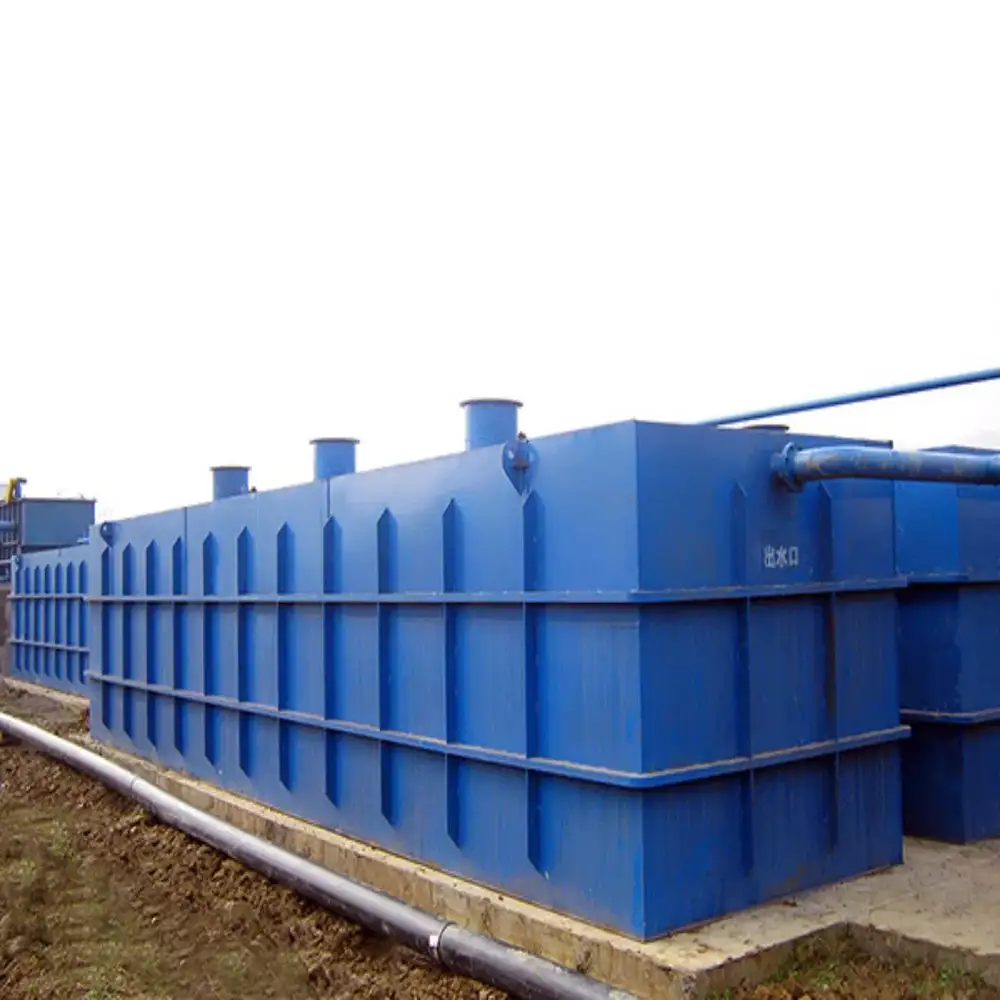
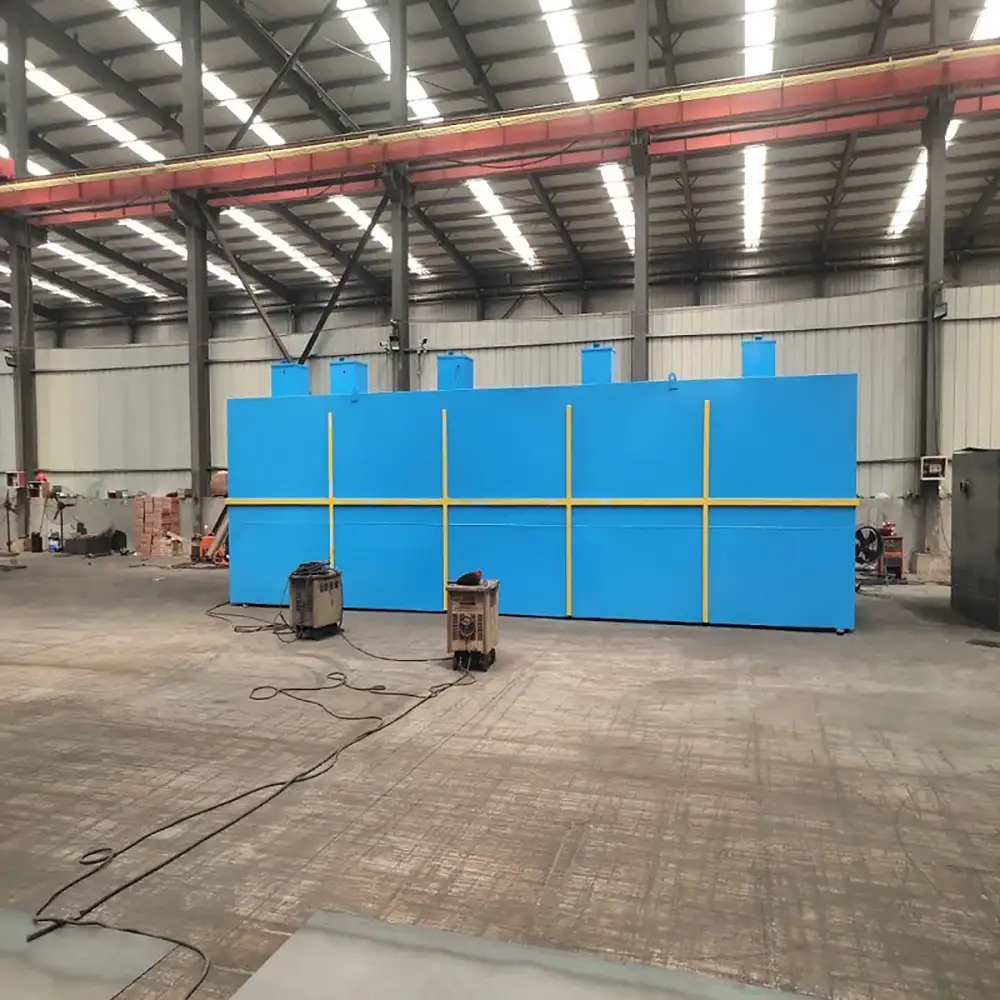
Core Element Efficient MBR Membrane Sewage Treatment Equipment
The Core Element Efficient MBR Membrane Sewage Treatment Equipment is an advanced membrane-based wastewater treatment solution designed to provide efficient biological treatment, microbial retention, solid-liquid separation, and high-quality water purification. At the heart of the system is the MBR membrane module, which works together with the biological reactor to treat sewage and industrial wastewater in a compact and highly controllable process.
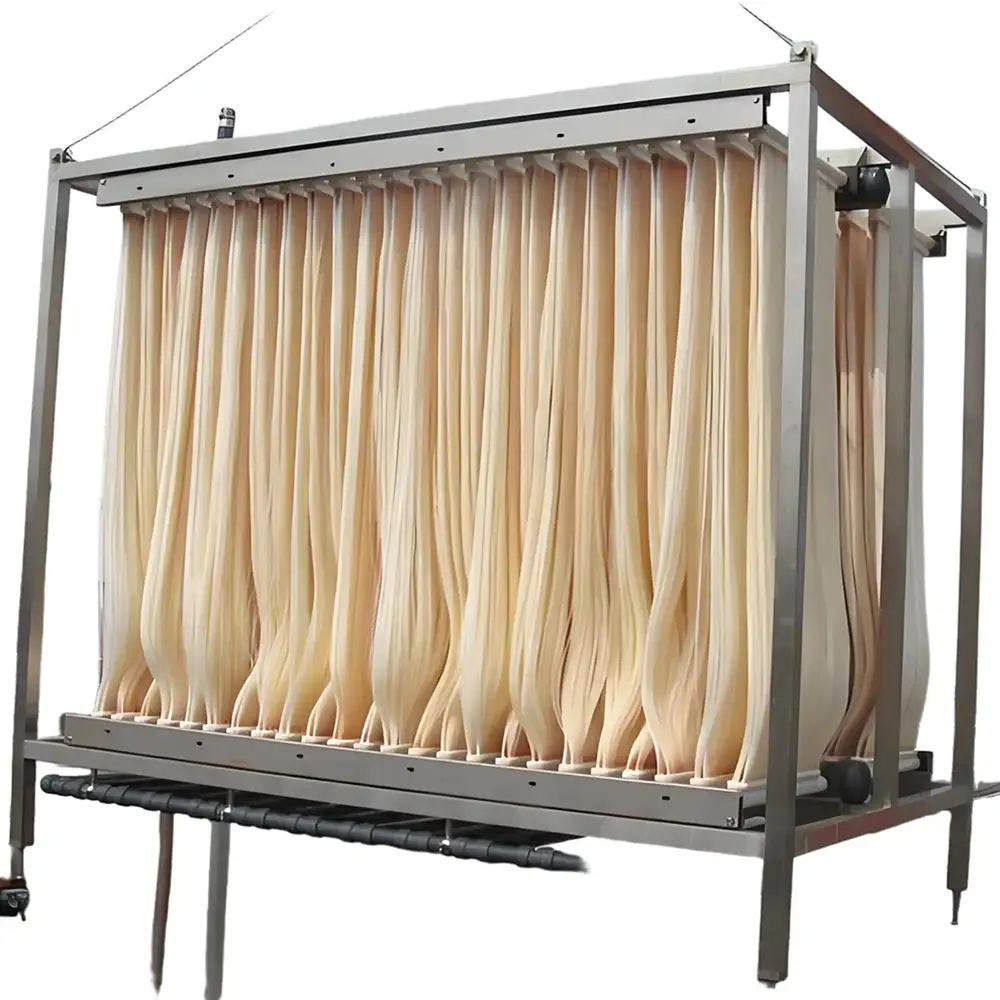
Membrane bioreactor, or MBR, technology combines activated-sludge biological treatment with membrane filtration. Instead of depending entirely on a conventional secondary clarifier to separate biological sludge from treated water, the membrane module provides the physical separation barrier. Common MBR configurations include hollow-fiber and flat-sheet membrane modules.
The MBR membrane is therefore a core element of the overall sewage treatment system. It retains activated sludge and suspended solids while allowing treated water to pass through the membrane as permeate. This combination enables the biological reactor to maintain a high concentration of microorganisms while producing a clarified and low-solids effluent.
What Is an MBR Membrane Sewage Treatment System?
An MBR sewage treatment system integrates several treatment stages into one coordinated process. A typical system may include preliminary screening, equalization, biological treatment, aeration, membrane filtration, sludge circulation, permeate collection, disinfection, and automatic control.
The wastewater first passes through pretreatment equipment to remove large debris, plastics, fibers, hair, sand, and other materials that could interfere with biological treatment or damage the membrane.
After pretreatment, the wastewater enters the biological reactor. Microorganisms consume biodegradable organic compounds and convert them into biomass and simpler products. Aeration provides oxygen and mixing for aerobic biological treatment.
The mixed liquor then enters or remains in the membrane separation zone. The MBR membrane separates the treated water from activated sludge and suspended solids.
The resulting permeate can be discharged according to applicable requirements or sent to additional treatment for water reuse.
Why the MBR Membrane Is the Core Element
The membrane module performs the critical solid-liquid separation function of an MBR process.
In conventional activated-sludge systems, the secondary clarifier depends on gravity and good sludge settling characteristics. In an MBR system, membrane filtration provides a physical barrier that retains biomass and suspended solids.
This provides several important advantages:
Efficient biomass retention
Stable solid-liquid separation
Low suspended solids in permeate
Compact system configuration
Flexible sludge retention time
High-quality treated water
Suitable feedwater for additional polishing
The membrane therefore has a direct influence on system performance, energy consumption, cleaning requirements, and long-term operating costs.
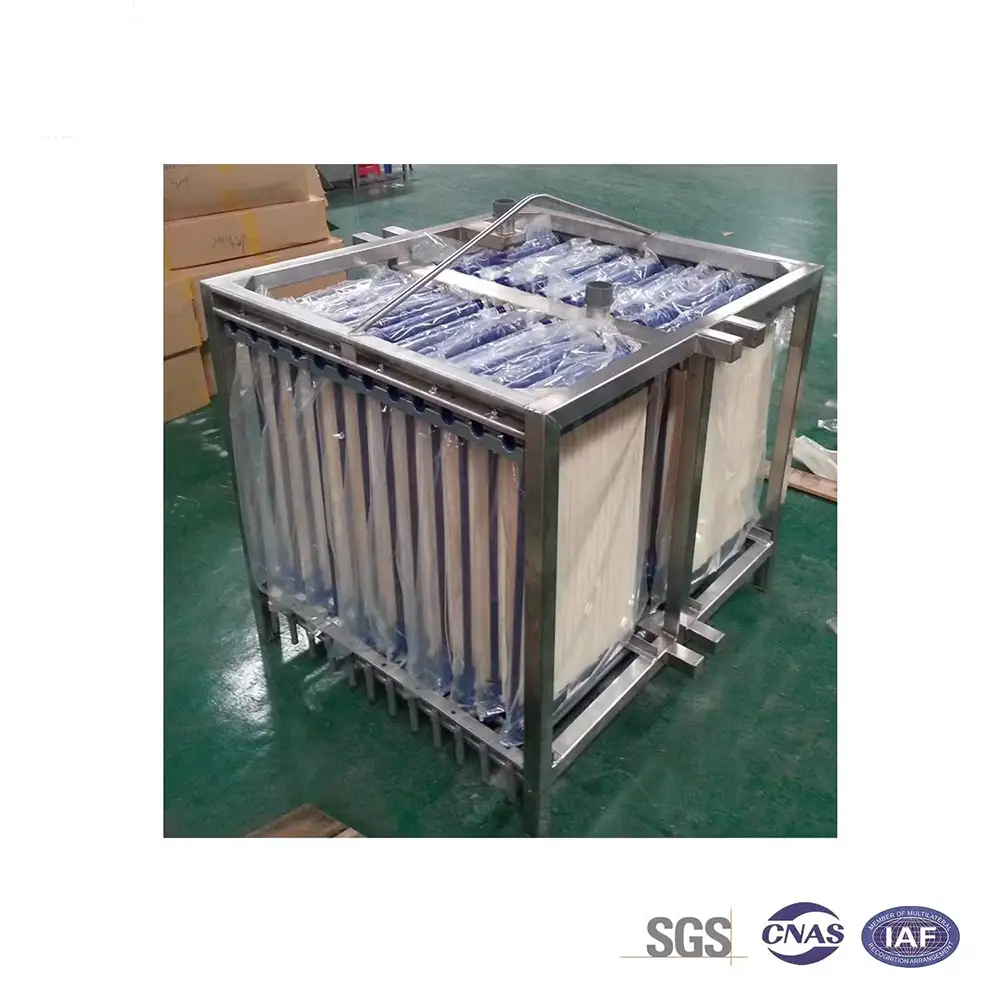
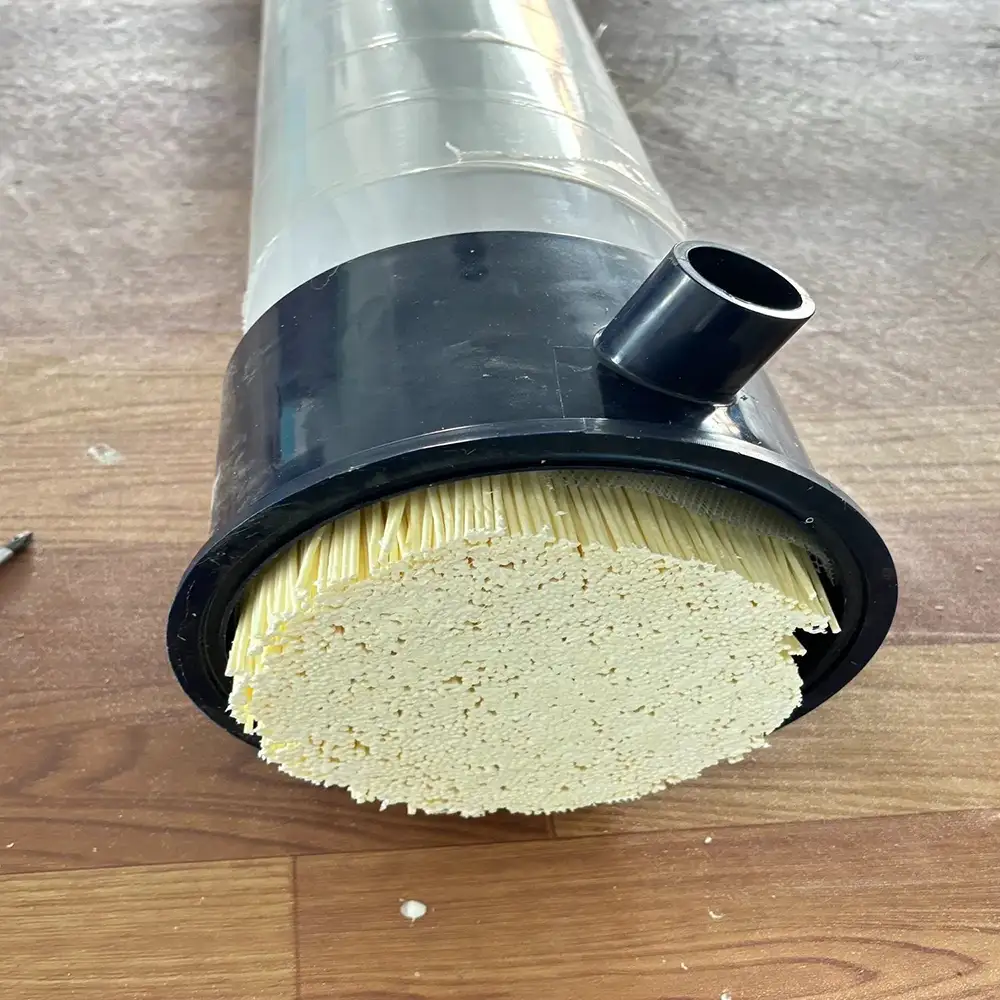
Efficient Hollow Fiber MBR Membrane
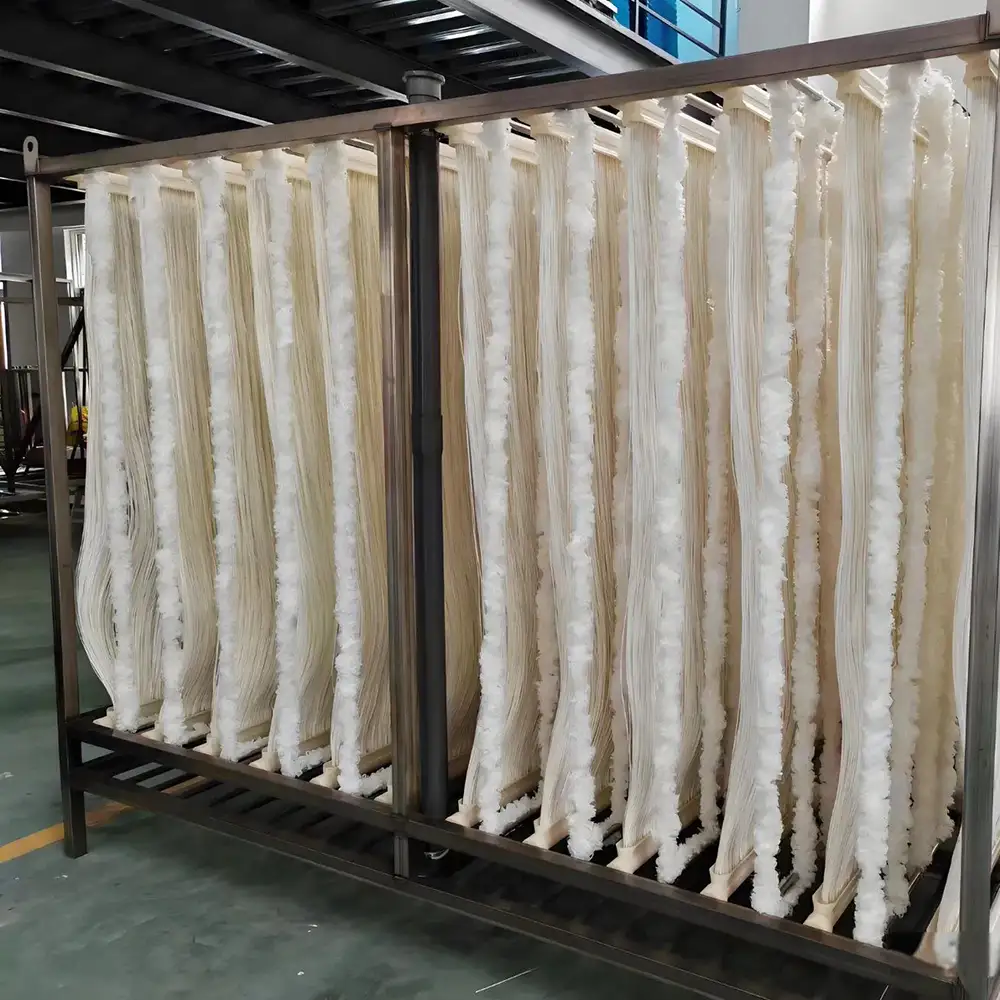
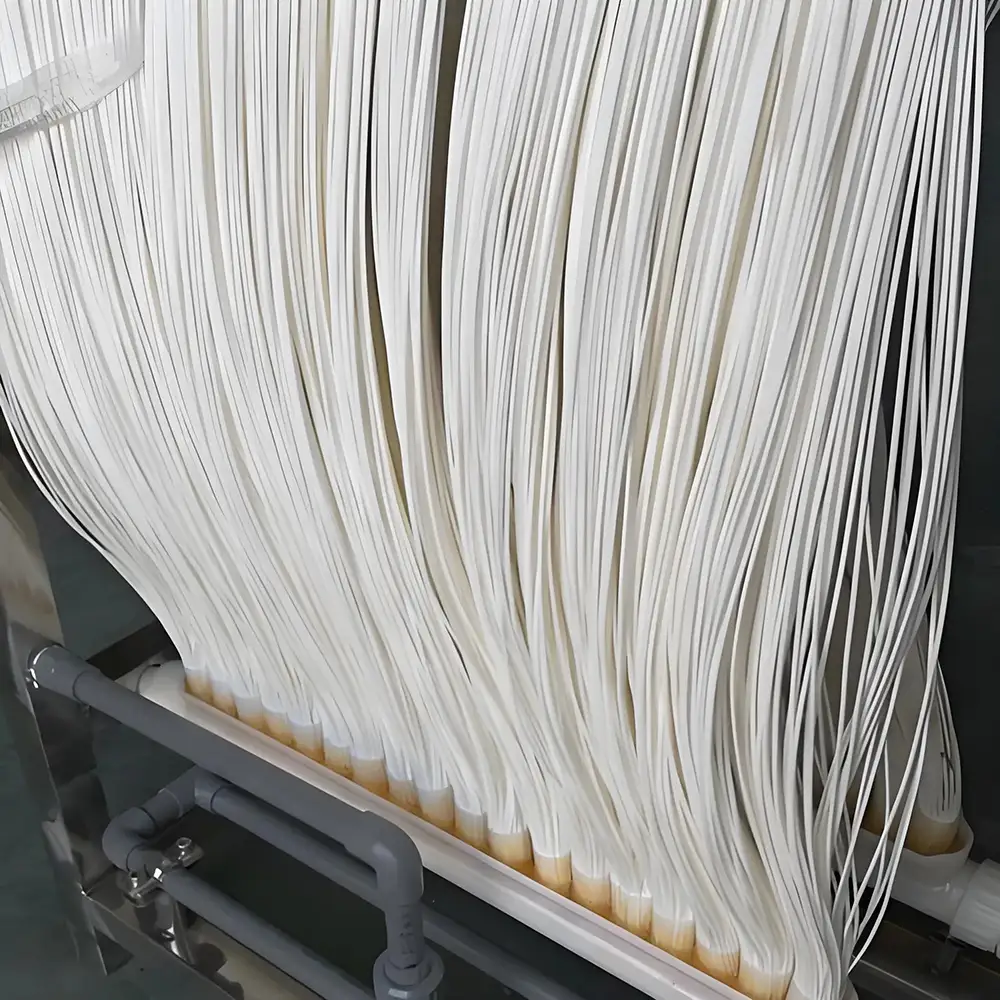
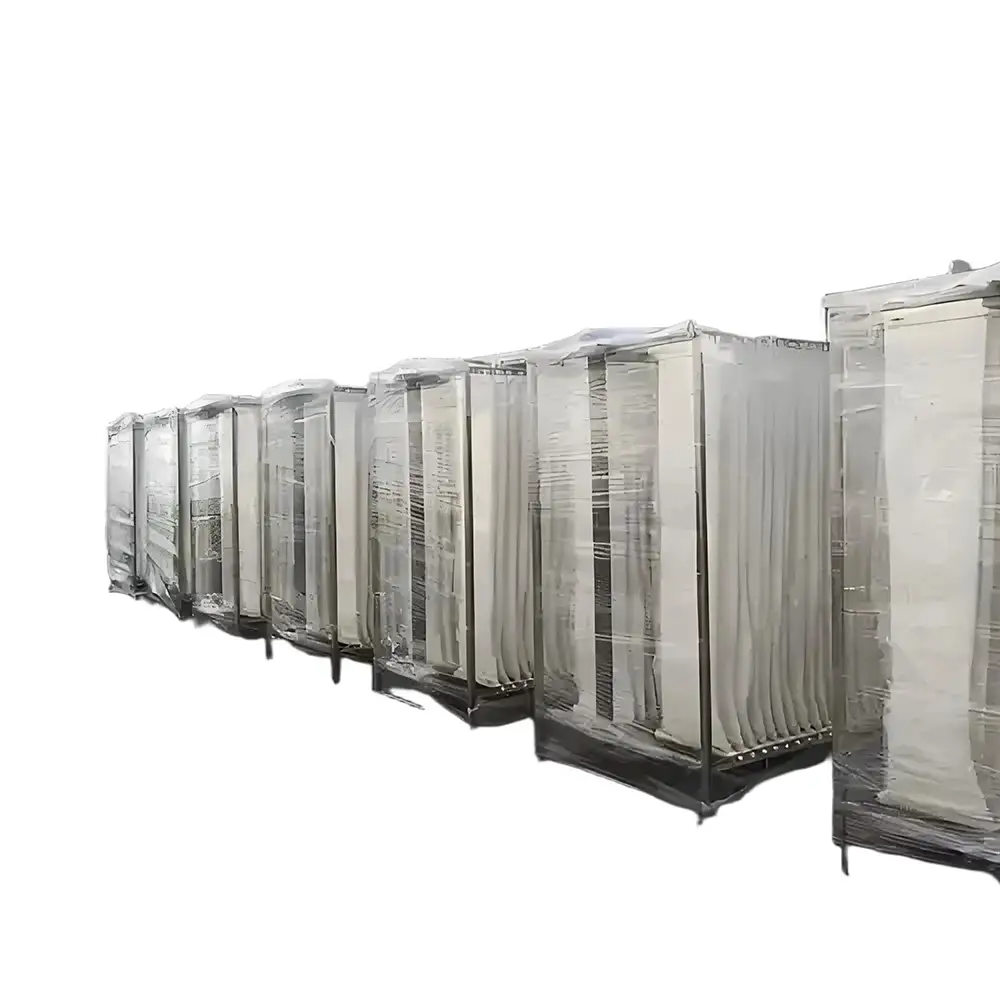
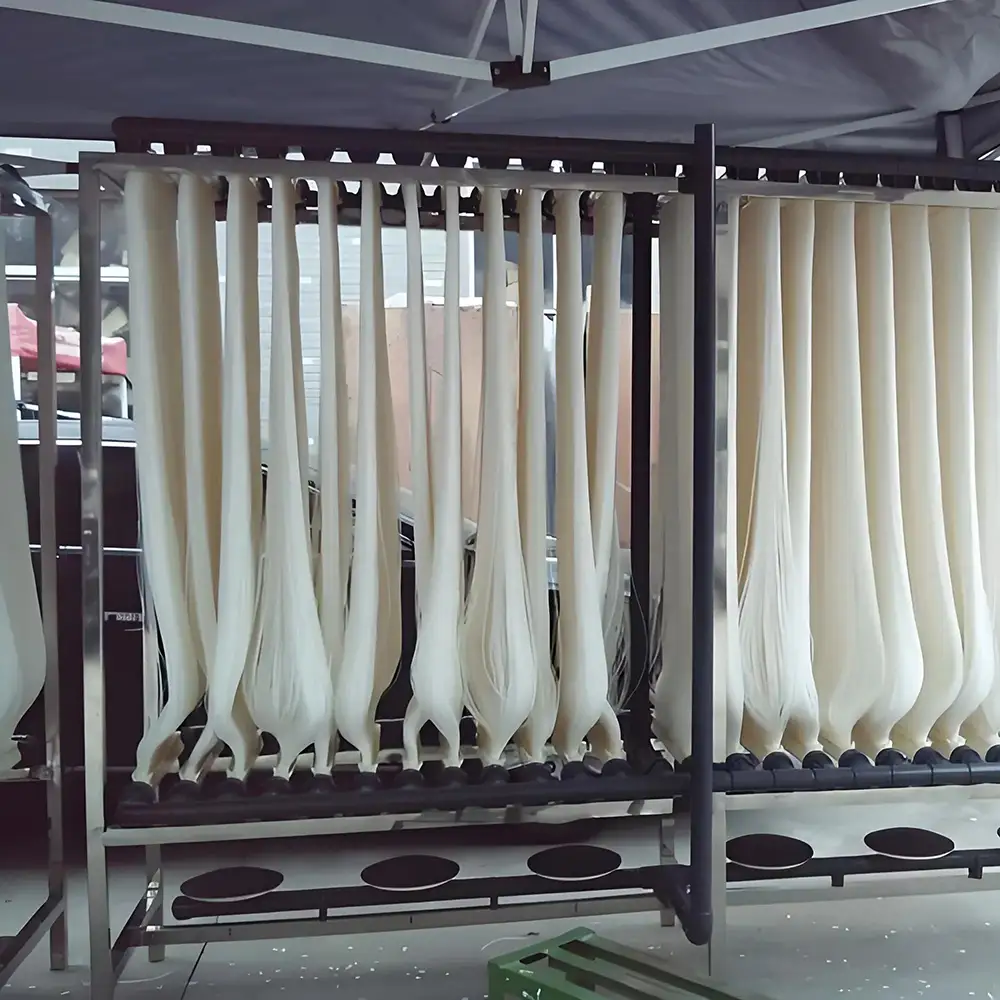
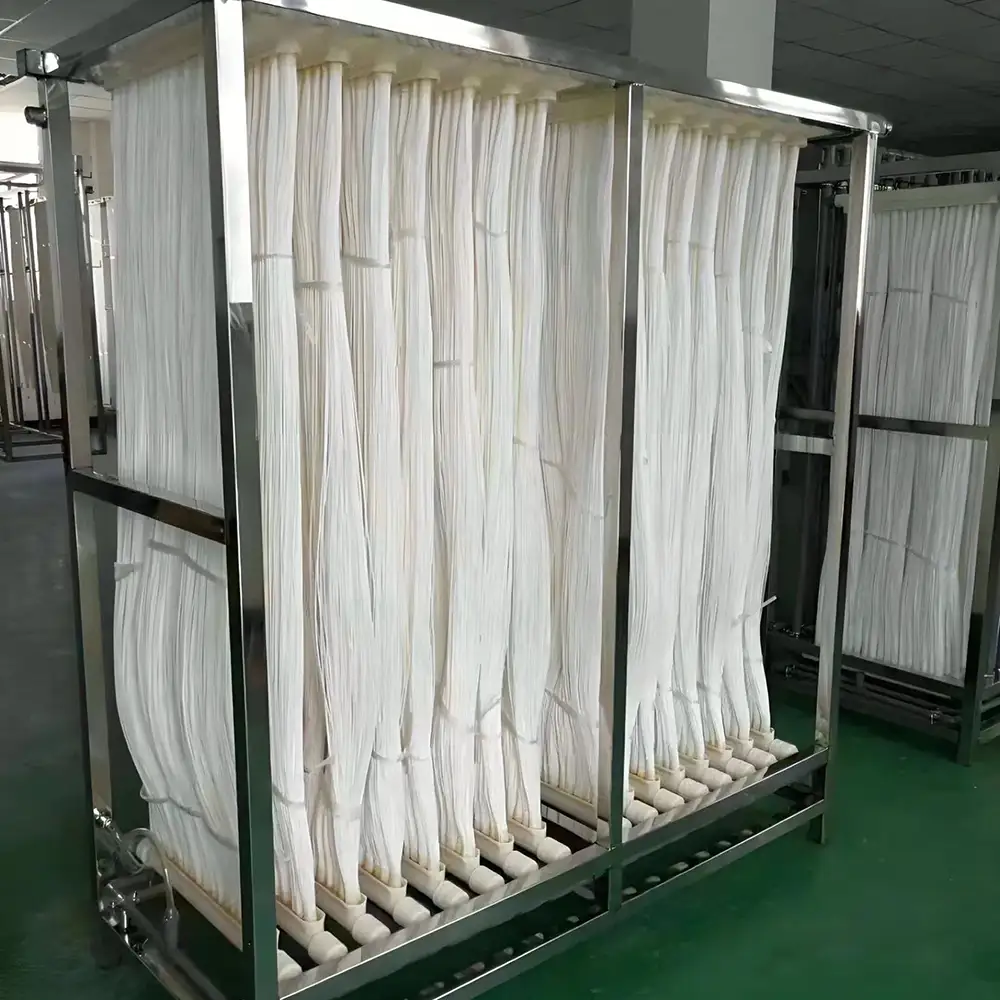
Hollow-fiber membranes are widely used in submerged MBR systems because they provide a large membrane area within a relatively compact module.
The membrane fibers are assembled into bundles or modules. Feedwater contacts the outer surface of the fibers, while treated water is drawn through the membrane wall into the hollow fiber lumen.
Hollow-fiber MBR systems can be designed with PVDF and other membrane materials selected according to the application. Commercial MBR membranes are available in both hollow-fiber and flat-sheet configurations, with PVDF being a commonly used membrane material.
The specific membrane material, pore structure, membrane area, design flux, operating pressure, and cleaning method should be selected according to wastewater characteristics and project requirements.
Biological Treatment and Organic Matter Removal
The MBR membrane itself is primarily a physical separation component. Organic matter removal is mainly achieved through the biological treatment stage.
Inside the aeration tank, microorganisms use biodegradable organic compounds as substrates. The biological process reduces pollutants such as BOD and biodegradable COD.
The membrane then retains the microorganisms and suspended solids, allowing the biological population to remain in the reactor.
This combination of biological degradation and membrane separation is one of the defining characteristics of MBR technology. Reviews of MBR applications describe the technology as an integration of biological treatment and membrane filtration for municipal and industrial wastewater treatment.
For wastewater containing difficult-to-biodegrade compounds, toxic substances, high salinity, oil, or specific industrial contaminants, additional pretreatment or advanced treatment may be required.
Main Components of the Equipment
A complete MBR membrane sewage treatment system can include the following components:
Coarse Screening Equipment
Fine Screening Equipment
Equalization Tank
Anoxic Tank
Aeration Tank
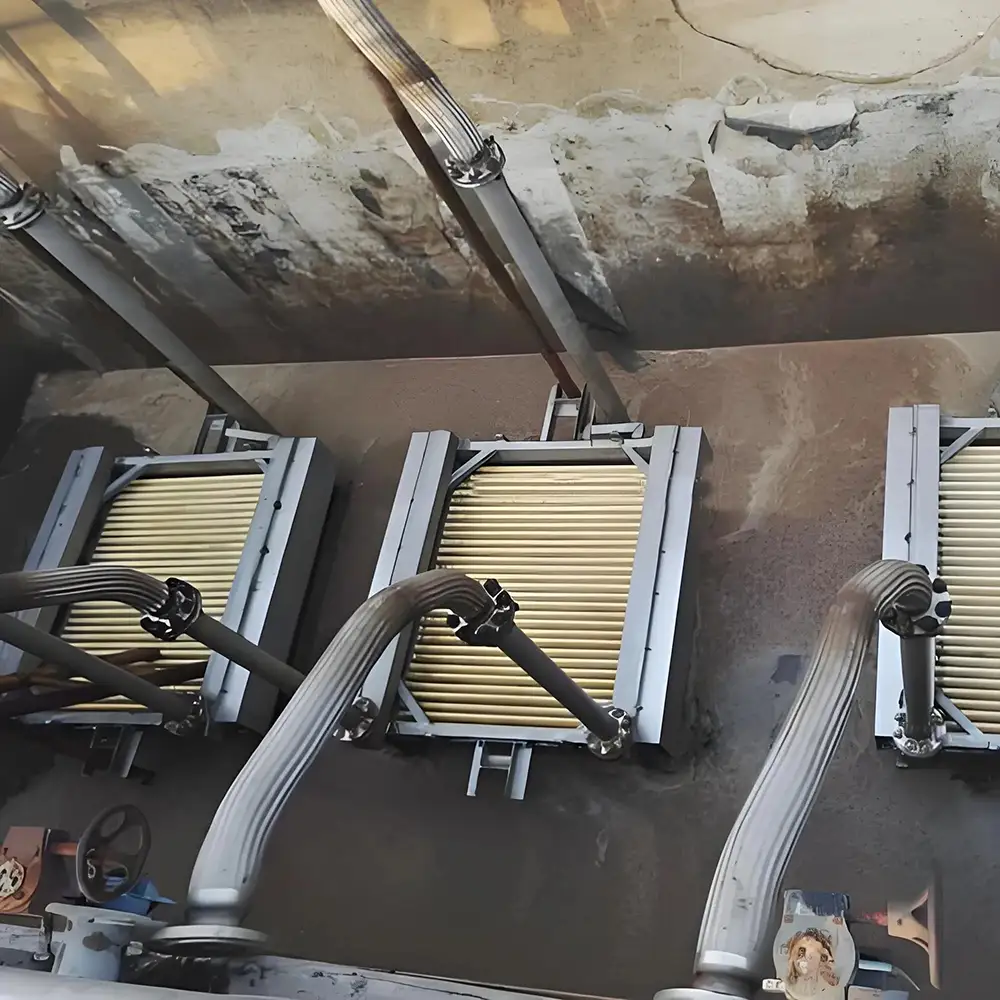
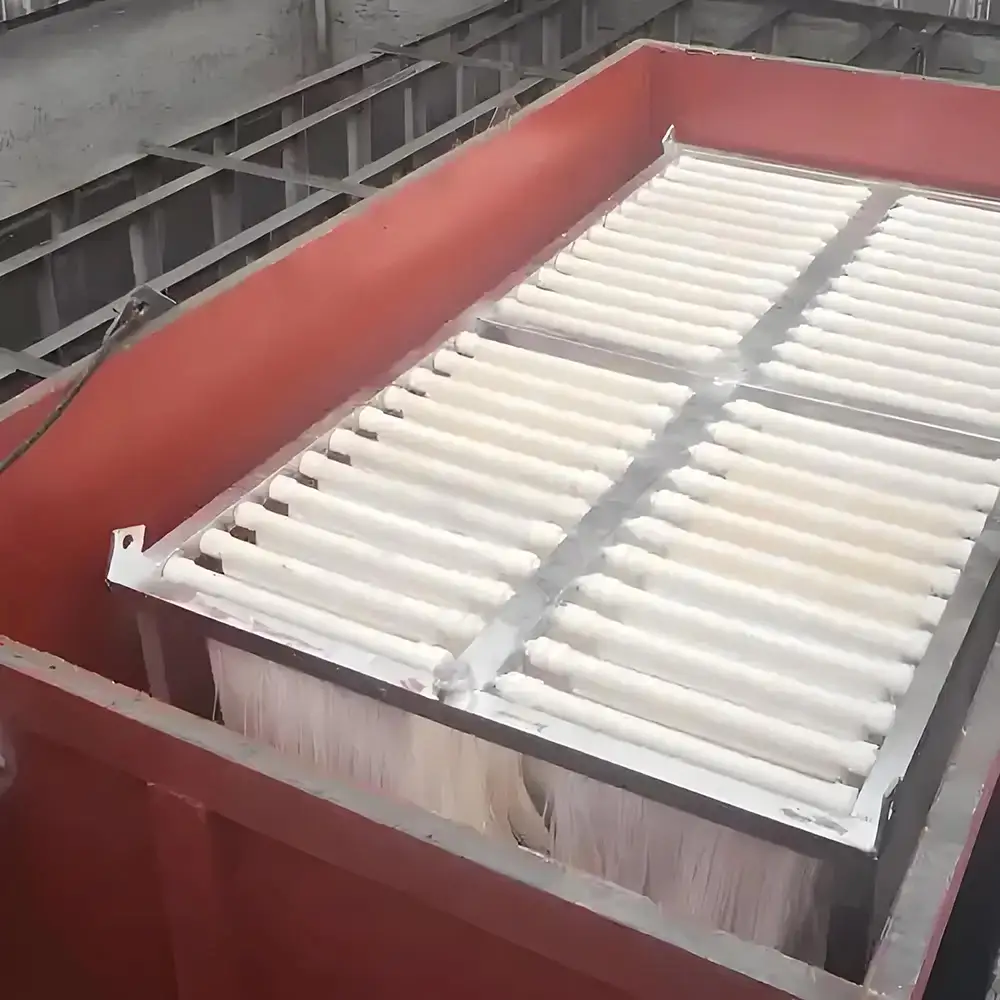
MBR Membrane Tank
Hollow Fiber Membrane Modules
Flat Sheet Membrane Modules
Permeate Pumps
Air Blowers
Membrane Air Scouring System
Sludge Return Pumps
Chemical Cleaning System
Disinfection Equipment
Flow Meters
Pressure Sensors
Dissolved Oxygen Sensors
PLC Control Cabinet
The exact configuration depends on the wastewater source, treatment capacity, influent quality, required effluent standard, and final water reuse requirements.
Membrane Filtration and Microbial Retention
One of the major functions of the MBR membrane is retaining biological solids.
The membrane provides a physical filtration barrier that allows water to pass while retaining suspended solids and activated sludge. This makes it possible to operate the biological process with higher solids retention than conventional systems in many applications.
The result can be stable treated-water quality and reduced dependence on secondary sedimentation performance.
This is particularly valuable for applications where limited land is available or where the treated water must undergo additional advanced purification.
Membrane Fouling Control
Membrane fouling is one of the most important considerations when designing and operating MBR equipment.
Organic substances, microorganisms, extracellular polymeric substances, inorganic deposits, and suspended solids can accumulate on membrane surfaces. If fouling becomes excessive, membrane resistance increases and filtration performance can decline.
The system can incorporate several fouling-control strategies:
Pretreatment
Fine screening and appropriate pretreatment remove fibers, plastics, hair, and other materials that can cause membrane clogging.
Membrane Aeration
Air scouring creates turbulence around submerged membranes and helps reduce the accumulation of solids on the membrane surface.
Relaxation and Backwashing
Periodic relaxation and backwashing can help maintain membrane permeability depending on the membrane configuration.
Chemical Cleaning
Chemical cleaning can be used when physical cleaning alone cannot sufficiently restore membrane performance.
Proper membrane design and cleaning procedures are essential because membrane fouling and clogging remain important operational considerations for MBR systems.
Efficient MBR System for Water Reuse
The high-quality permeate produced by an MBR system can provide a suitable feed stream for additional water purification processes.
Depending on the final application, MBR permeate can be further treated using:
UV Disinfection
Chlorination
Ozone
Activated Carbon
Ultrafiltration
Reverse Osmosis
Advanced Oxidation
For industrial water recycling, an MBR system can therefore function as an important biological and membrane pretreatment stage before RO or other advanced treatment processes.
Some commercial MBR systems are specifically configured for municipal wastewater treatment, industrial effluent recovery, and water reuse applications.
Applications
Core Element Efficient MBR Membrane Sewage Treatment Equipment can be customized for a wide range of wastewater applications, including:
Municipal Sewage
Suitable for domestic sewage from cities, communities, residential developments, and decentralized wastewater treatment plants.
Industrial Wastewater
Can be configured for food processing, beverage, pharmaceutical, electronics, chemical, textile, and manufacturing wastewater.
Commercial Wastewater
Hotels, office buildings, resorts, commercial facilities, and institutional sites can use compact MBR systems where space is limited.
Water Recycling
MBR permeate can be further polished for industrial process water, equipment washing, cooling applications, irrigation, or other appropriate reuse purposes.
Existing Plant Upgrades
MBR membrane modules can also be used for upgrading conventional wastewater treatment plants where higher effluent quality or additional treatment capacity is required.
Compact and Modular Design
A major advantage of MBR technology is the ability to integrate biological treatment and membrane separation into a compact process.
Because the membrane performs the solid-liquid separation function, a conventional secondary clarifier may not be required in the same form as in traditional activated-sludge systems.
This can help reduce the overall footprint of a wastewater treatment plant.
Modular membrane elements can also make capacity expansion, maintenance, and membrane replacement more manageable. Some commercial MBR modules are specifically designed for integration into existing MBR tanks and replacement applications.
Automatic Control System
The MBR sewage treatment equipment can be equipped with a PLC-based control system for automatic operation.
The control system can manage:
Feed Pumps
Permeate Pumps
Blowers
Membrane Filtration Cycles
Air Scouring
Backwashing
Chemical Cleaning
Sludge Recirculation
Tank Levels
Alarm Functions
Sensors can monitor flow, pressure, dissolved oxygen, pH, conductivity, turbidity, and other process parameters depending on the project.
Automation helps maintain stable operating conditions and reduces the amount of manual intervention required.
Custom MBR Membrane Equipment
Every wastewater treatment project has different influent characteristics. A professional MBR system should therefore be designed around actual water analysis rather than capacity alone.
Important project information includes:
Daily Average Flow
Peak Flow
BOD
COD
TSS
Ammonia Nitrogen
Total Nitrogen
Total Phosphorus
pH
Temperature
Oil and Grease
Salinity or TDS
Required Effluent Quality
Final Water Reuse Requirements
This information can be used to determine biological tank volume, membrane area, design flux, aeration capacity, pump specifications, cleaning requirements, and downstream treatment.
Why Choose Us?
We provide integrated MBR membrane sewage treatment equipment for municipal, commercial, and industrial wastewater applications.
Our solutions focus on the MBR membrane as a core separation element while integrating biological treatment, aeration, pumps, membrane cleaning, disinfection, automation, and water reuse technologies into a complete treatment system.
We can support MBR membrane selection, hollow-fiber or flat-sheet membrane configuration, membrane module customization, equipment integration, PLC control, OEM production, and complete wastewater treatment system design.
For existing plants, replacement membrane modules and retrofit solutions can also be configured according to the available tank dimensions and existing system requirements.
Our goal is to provide a practical balance between treatment performance, membrane life, energy consumption, maintenance requirements, installation space, and overall project cost.
FAQs
1. What is the core element of an MBR sewage treatment system?
The MBR membrane module is one of the core elements because it performs the final solid-liquid separation between treated water and biological sludge.
2. What does MBR stand for?
MBR stands for Membrane Bioreactor. It combines biological wastewater treatment with membrane filtration.
3. What types of MBR membranes are available?
The two common configurations are hollow-fiber and flat-sheet membranes. The appropriate type depends on wastewater characteristics, capacity, maintenance requirements, and system design.
4. What membrane materials can be used?
PVDF is a widely used material for MBR membranes. Other membrane materials may also be selected depending on chemical compatibility and application requirements.
5. Can MBR membranes remove microorganisms?
MBR membranes provide a physical barrier that retains biomass and suspended solids. Their ability to retain specific microorganisms depends on membrane characteristics, operating conditions, and the overall treatment configuration.
6. Does the MBR system remove organic matter?
Yes. Biodegradable organic matter is primarily removed through biological treatment, while the membrane retains the microorganisms responsible for the biological process.
7. What causes MBR membrane fouling?
Fouling can be caused by organic substances, biological materials, suspended solids, inorganic deposits, and other contaminants accumulating on or within the membrane.
8. How can membrane fouling be controlled?
Proper pretreatment, membrane aeration, suitable operating flux, relaxation, backwashing, and chemical cleaning can be used as part of a comprehensive fouling-control strategy.
9. Can MBR be used for industrial wastewater?
Yes. MBR technology can be configured for many industrial wastewater applications, although difficult or toxic wastewater may require additional pretreatment.
10. Can MBR-treated water be reused?
Yes. MBR permeate can be further treated by UV, activated carbon, RO, or other processes when higher water quality is required for reuse.
11. Can MBR membrane modules replace old membranes?
Replacement depends on module dimensions, membrane area, connection configuration, operating conditions, and compatibility with the existing system. Customized replacement modules can be considered.
12. Can the MBR system be customized?
Yes. Capacity, membrane area, membrane type, aeration equipment, tank arrangement, pumps, control system, cleaning system, and downstream treatment can be customized according to the project.
Prev:
Efficient Microbial Interception/Purification and Removal of Organic Matter/Sewage Treatment Equipment
Next:
Water Purification Filtration/Sewage Treatment Equipment /MBR
TAG:
Industrial Wastewater Treatment,
Sewage Treatment Plant,
Industrial Sewage Treatment,
Wastewater Treatment Equipment,
Wastewater Treatment System,
Membrane Filtration System,
Water Purification System,
Wastewater Recycling System,
Water Reuse System,
Industrial Water Reuse,
Ultrafiltration Membrane,
Sewage Treatment Equipment,
Sewage Treatment System,
Membrane Wastewater Treatment,
Advanced Wastewater Treatment,
Biological Wastewater Treatment,
Biological Sewage Treatment,
Municipal Wastewater Treatment,
Municipal Sewage Treatment,
MBR Wastewater Treatment,
MBR Sewage Treatment,
MBR Wastewater Treatment Equipment,
Wastewater Purification Equipment,
MBR Sewage Treatment Equipment,
MBR Membrane Module,
Flat Sheet MBR Membrane,
Hollow Fiber MBR Membrane,
MBR Membrane,
MBR Membrane System,
Membrane Bioreactor,
Related Category:
Core Element MBR Membrane,Efficient MBR Membrane,Sewage Treatment Equipment,MBR Membrane Sewage Treatment,MBR Membrane S China, suppliers, manufacturers, factory, customized, wholesale, quotation, made in China