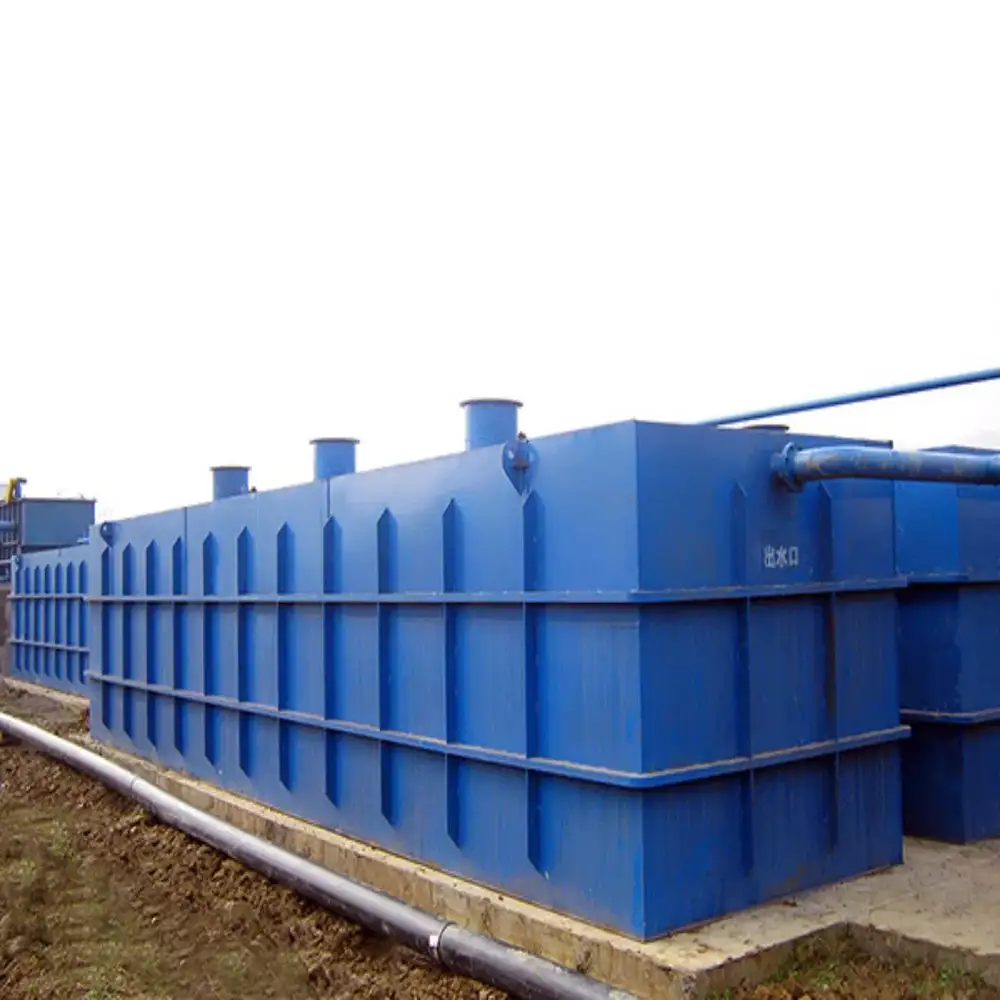
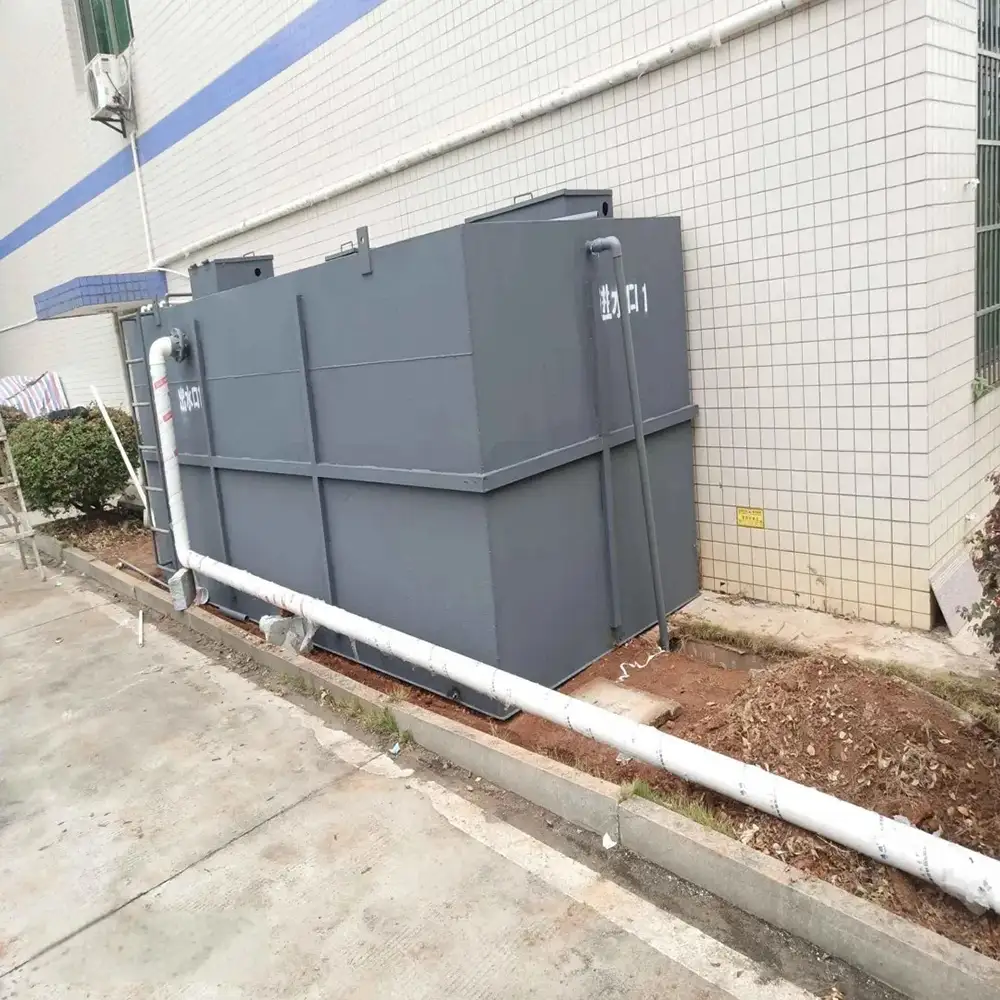
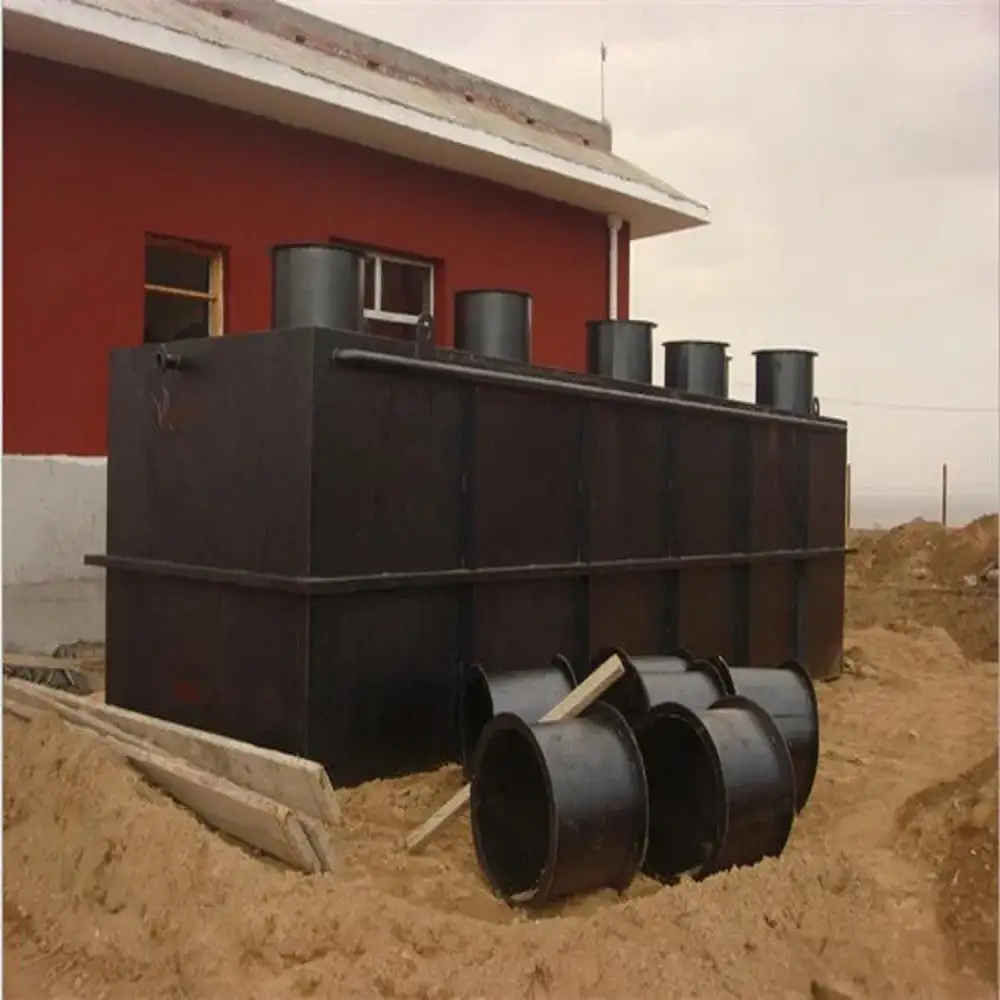
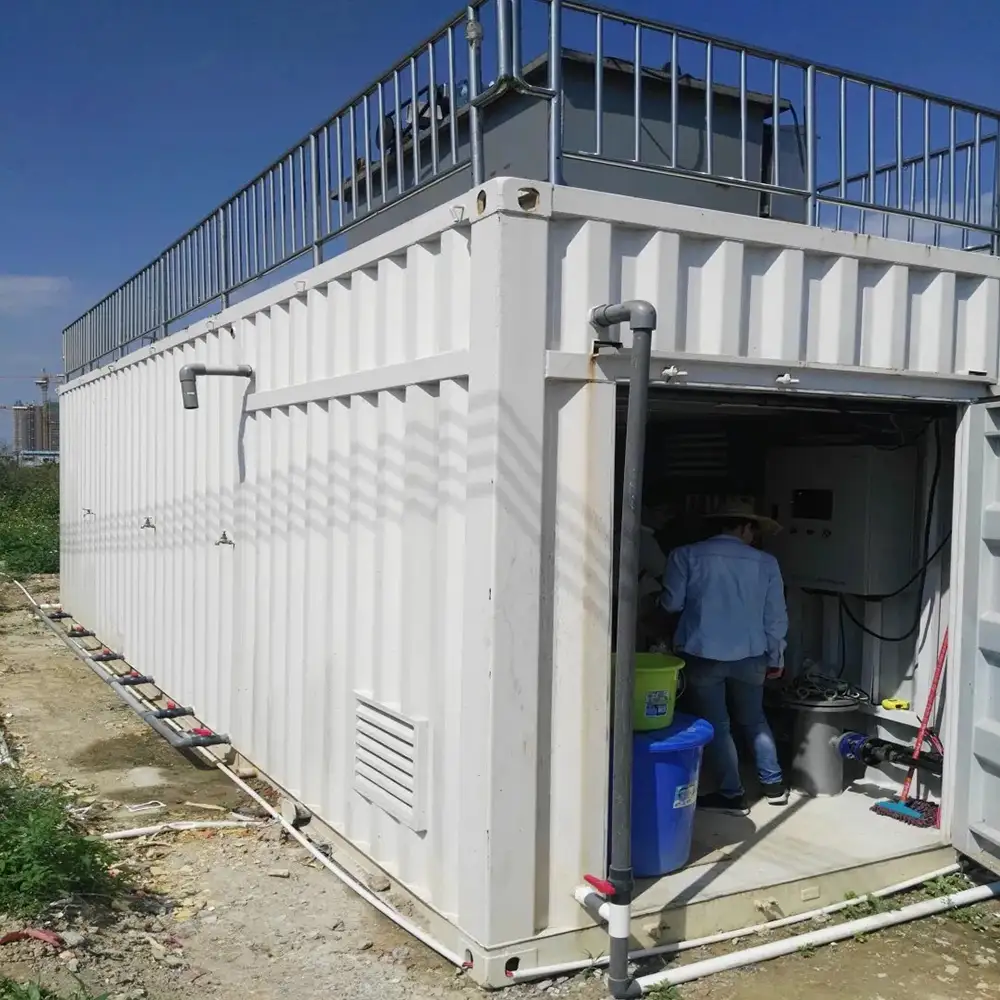
|
Model NO. |
GSRF |
Handling method |
physicochemical treatment |
|
Usage |
Industrial, agricultural, food factories, slaughterhouses |
|
|
|
Types |
Package, Compact, Small, Mini |
Applications |
Industrial, Municipal, Domestic, Medical, Ship |
|
Craft |
Flocculation sedimentation method |
Features |
Water Clarification, Filtration, Purification |
|
Service Life |
20 Years |
Operation |
Automatic |
|
Steel Plate Thickness |
>8mm |
Function |
Remove Suspended solids |
|
Voltage |
220V/ 380V/ Customerized |
Installation Type |
Onground |
|
Colour |
Grey/Silver/Blue/Balck/Customerized |
Use for |
Mineral, Printing, Chemical, Dyeing, Starch |
|
Material |
Carbon Steel, Stain Steel, FRP, PE, PP |
Certificate |
SGS, ISO |
|
Transport Package |
Container Standard Packing |
Specification |
Carbon steel anti-corrosion |
|
Production Capacity |
1000 Sets/Year |
Origin |
China |
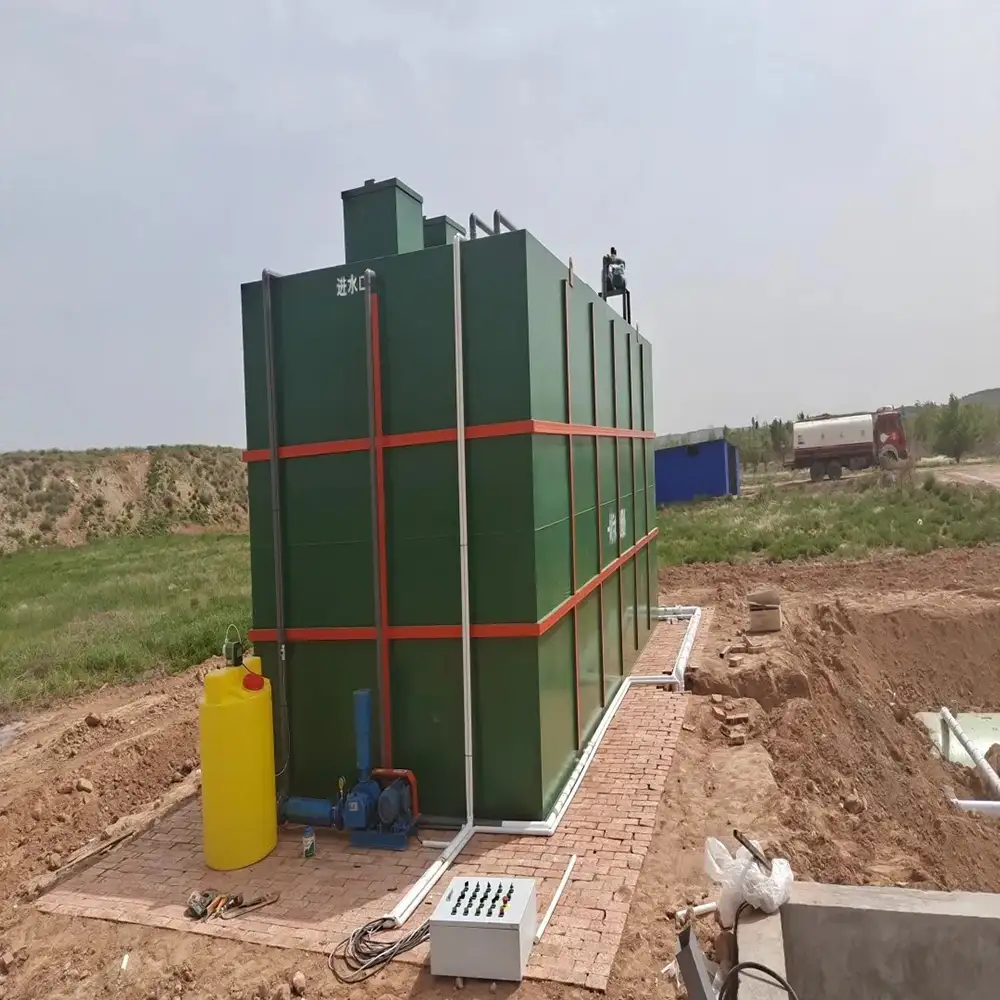
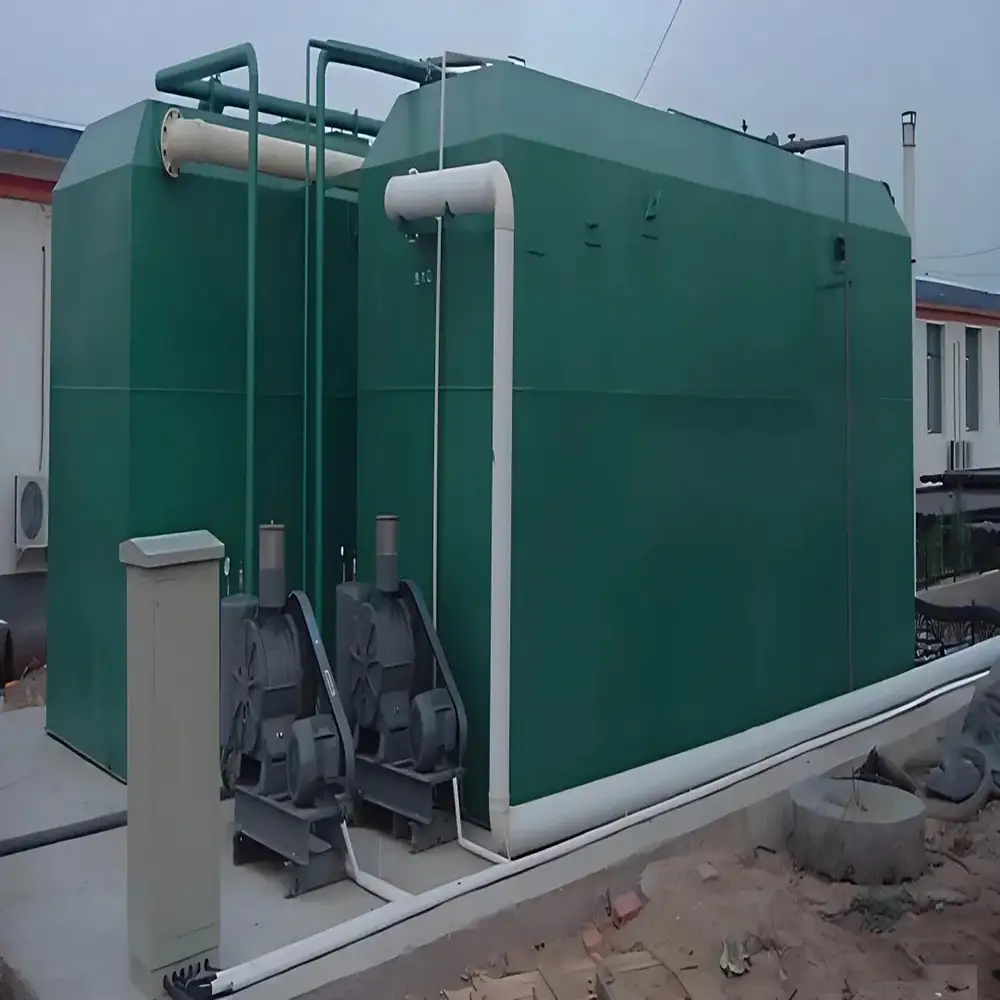
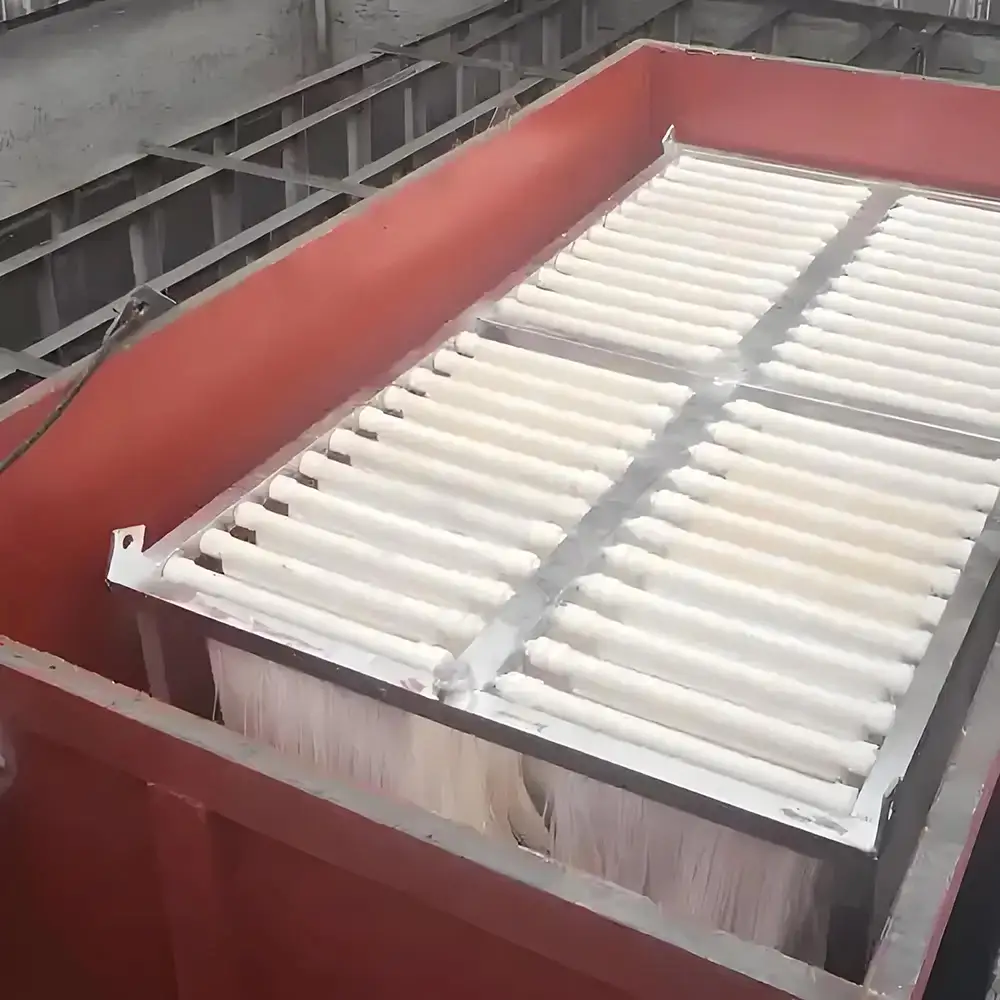
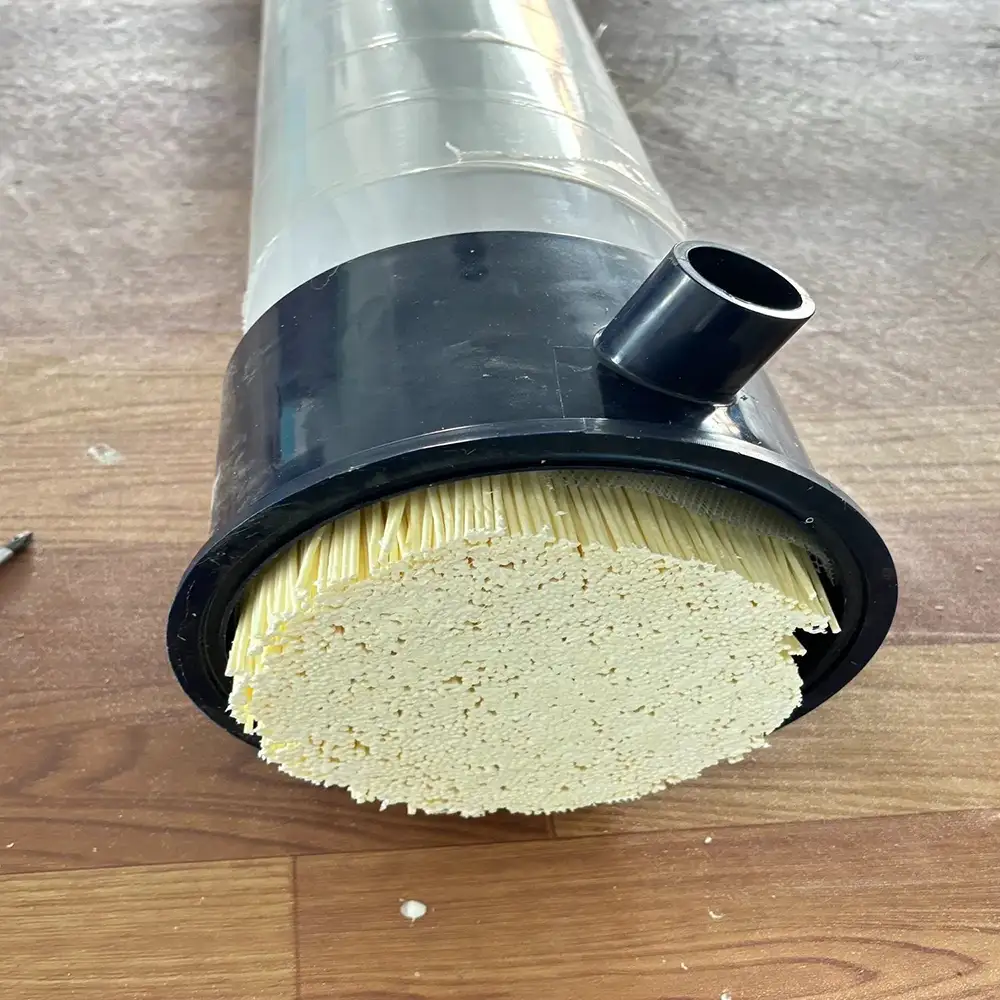
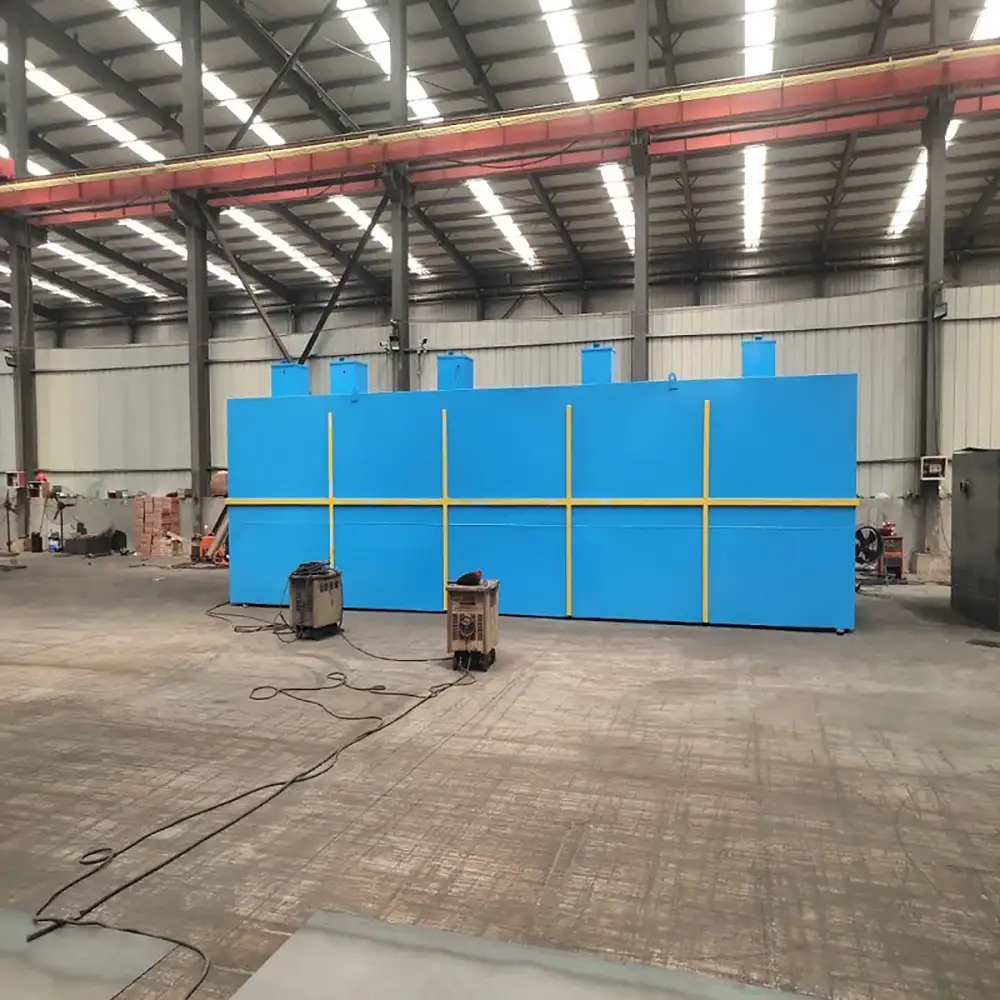
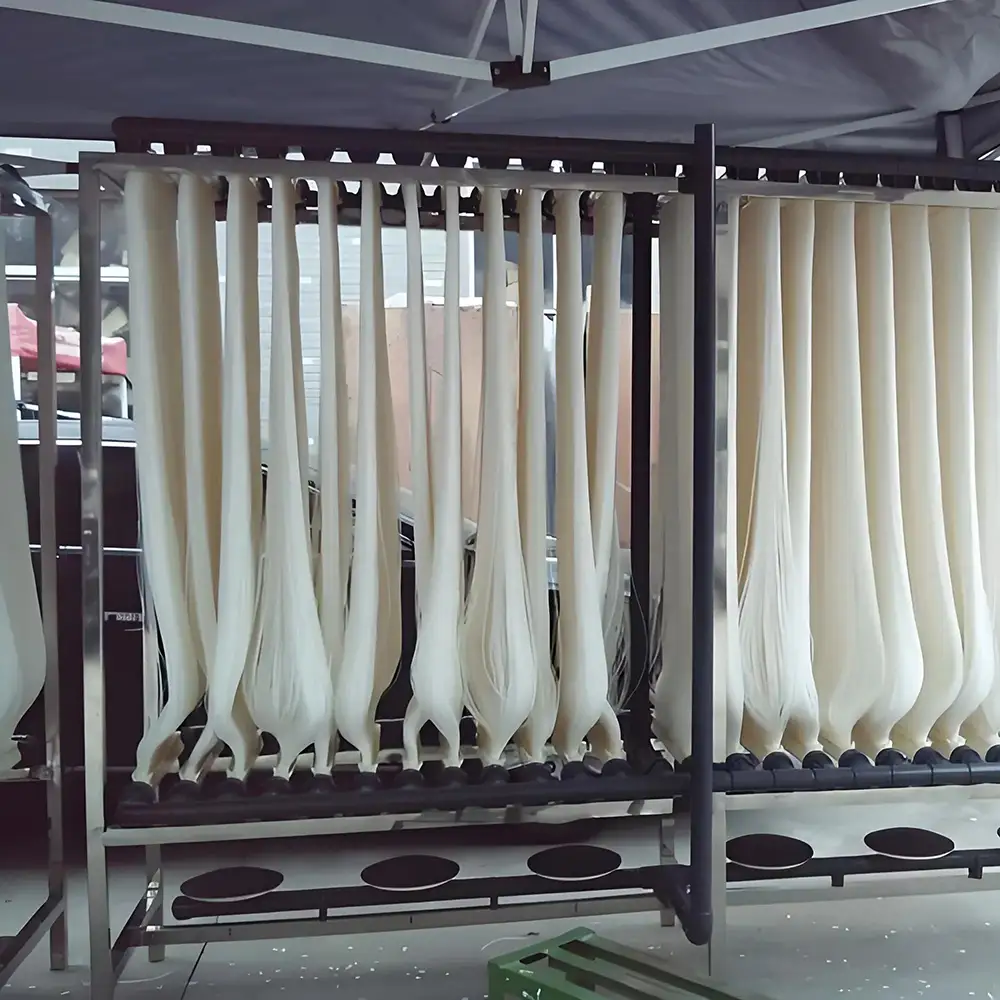
MBBR integrated sewage treatment equipment is a sewage treatment equipment that combines the technology of moving bed biofilm reactor (MBBR), which is widely used in the fields of domestic sewage, industrial wastewater, etc. Its core principle is to degrade pollutants through biofilm on suspended carriers, which has the characteristics of high efficiency, compactness and stable operation.
Main components
Reaction tank:
The reaction tank is the core part of MBBR, and the suspended carrier (biofilm carrier) is filled inside.
A large number of microorganisms are attached to the surface of the carrier to form a biofilm, which is used to degrade organic matter, ammonia nitrogen and other pollutants in sewage.
Suspended carrier:
Usually made of polyethylene or polypropylene materials, with a large specific surface area.
The carrier flows with the water flow in the reaction tank, providing a place for microorganisms to attach and grow.
Aeration system:
The aeration device supplies oxygen to the reaction tank to maintain the activity of microorganisms.
Aeration also plays a stirring role to make the carrier evenly distributed.
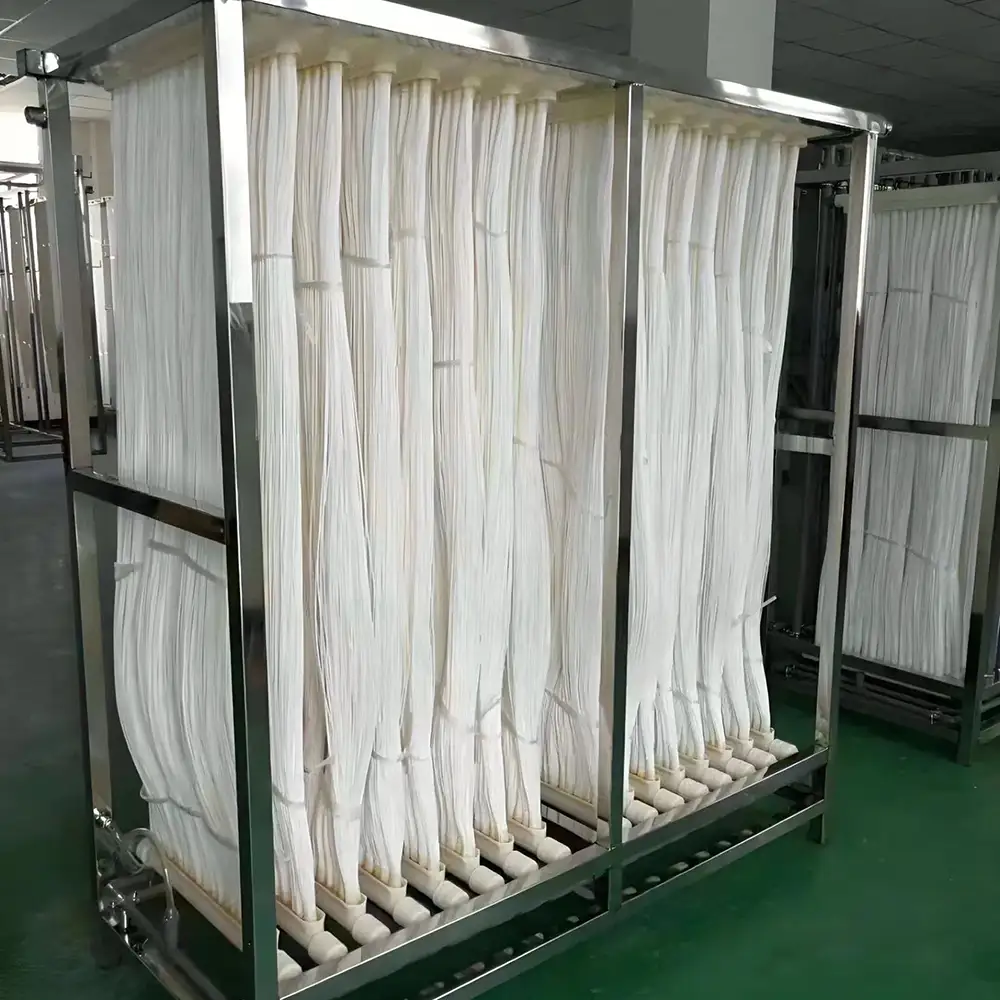
Sedimentation tank or filtration unit:
Used to separate treated water and suspended matter.
Some equipment will be equipped with a membrane filtration system to further improve the effluent water quality.
Control system:
Automated control system, used to adjust parameters such as aeration volume and hydraulic retention time to ensure efficient operation of the equipment.
MBBR Biological Filler Wastewater Treatment Equipment Customization
MBBR Biological Filler Wastewater Treatment Equipment is designed for biological wastewater treatment systems that use moving carrier media to support biofilm growth. Also known as MBBR media, biological carrier media, biofilter media, or MBBR filler, these specially engineered carriers provide protected surfaces where microorganisms can attach and develop.
The Moving Bed Biofilm Reactor, or MBBR, is a biological treatment process used for municipal and industrial wastewater. Carrier media moves freely within an aerated or mixed reactor, providing additional surface area for microorganisms while wastewater flows around the carriers. The technology can be applied to organic matter removal, nitrification, denitrification, and wastewater treatment plant upgrades.
The performance of an MBBR system depends not simply on the quantity of filler added to a tank, but on the interaction between carrier geometry, available biofilm surface, filling fraction, hydraulic conditions, oxygen transfer, mixing, and biological loading. Research and engineering studies identify carrier material, geometry, size, density, and filling fraction as important design variables.
What Is MBBR Biological Filler?
MBBR biological filler is a polymer carrier designed to provide a surface for microorganisms to attach and form biofilm.
Unlike conventional suspended-growth activated sludge, where microorganisms are primarily suspended in the mixed liquor, MBBR technology uses mobile carrier elements to create attached-growth biomass within the biological reactor.
The carriers remain in the treatment tank while wastewater flows through the media. In aerated systems, air bubbles provide oxygen and help keep the carriers continuously moving. This movement improves contact between wastewater, oxygen, and the biofilm growing on the media.
The biological carrier therefore becomes an important working surface inside the MBBR reactor.
How MBBR Biological Filler Works
The wastewater first enters a biological treatment tank containing a specified quantity of MBBR carrier media.
During operation, microorganisms attach to the protected surfaces of the carriers. As wastewater flows through the reactor, dissolved organic compounds and other biodegradable pollutants come into contact with the biofilm.
In aerobic MBBR systems, the aeration system supplies oxygen and keeps the carrier media moving. The microorganisms use biodegradable organic matter as a source of energy and growth.
Depending on the reactor configuration and biological conditions, MBBR can support:
BOD Removal
COD Reduction
Ammonia Removal
Nitrification
Denitrification
Organic Matter Degradation
Biological Wastewater Purification
The carrier movement also helps prevent excessive accumulation of biomass and supports continuous exposure of the biofilm to wastewater and oxygen.
High-Surface-Area MBBR Carrier Media
The surface characteristics of the biological filler are critical because they determine how much biofilm can be supported within a given reactor volume.
Modern MBBR carriers can use specially designed internal structures, ribs, channels, protected surfaces, or other geometries to increase effective biofilm attachment area.
However, the highest theoretical surface area is not automatically the best choice. A useful MBBR carrier should balance surface area with biofilm accessibility, hydraulic movement, oxygen transfer, clogging resistance, mechanical strength, and long-term stability.
Carrier geometry and properties are recognized as important factors affecting MBBR performance.
MBBR Filler Material
MBBR biological fillers are commonly manufactured from polymeric materials such as HDPE or PP.
HDPE is widely used because it can provide suitable mechanical strength, chemical resistance, buoyancy characteristics, and durability for wastewater treatment applications.
The selected material should be matched to the operating environment, including wastewater chemistry, temperature, aeration intensity, mechanical movement, and expected service life.
For specialized applications, material formulation and manufacturing specifications can be adjusted according to project requirements.
MBBR Filling Ratio
The filling ratio is the percentage of reactor volume occupied by carrier media.
For example, if the total reactor volume is 100 m³ and the carrier media occupies 50 m³ of volume, the nominal filling ratio is 50%.
The appropriate filling ratio should not be selected simply by using a standard percentage. It depends on the required treatment performance, organic loading, carrier surface area, reactor volume, mixing conditions, oxygen transfer, and process objectives.
Increasing the quantity of media can increase available biological surface, but excessive filling can negatively affect mixing and hydrodynamics if the reactor and aeration system are not designed accordingly.
Customized MBBR Biological Filler
One of the key advantages of our MBBR biological filler solution is customization.
Different wastewater treatment plants have different biological loads and operating conditions. Therefore, MBBR media can be customized according to the requirements of the treatment system.
Customization can include:
Carrier Shape
Carrier Size
Material
Density
Surface Structure
Protected Surface Area
Filling Ratio
Color
Packaging
Production Quantity
OEM Branding
Special Application Requirements
For large wastewater treatment projects, customized carrier dimensions can be matched to reactor dimensions, aeration conditions, treatment capacity, and installation requirements.
MBBR Wastewater Treatment Equipment
MBBR biological filler is only one part of a complete MBBR wastewater treatment system.
A complete system can include:
Pretreatment Screens
Equalization Tank
MBBR Biological Reactor
MBBR Carrier Media
Aeration System
Air Blowers
Fine or Coarse Bubble Diffusers
Media Retention Screens
Secondary Clarifier
Sludge Handling Equipment
Disinfection System
Pumps
Flow Meters
PLC Control Cabinet
The aeration system performs two important functions in an aerobic MBBR reactor: supplying oxygen for microorganisms and keeping the carriers moving. Proper oxygen transfer and mixing are therefore essential for biological performance.
MBBR for Organic Matter Removal
MBBR technology can be used for biological removal of biodegradable organic matter.
As wastewater passes through the reactor, microorganisms growing on the carrier surfaces consume biodegradable pollutants. The biofilm provides a stable environment for microbial activity.
MBBR can therefore be used in applications requiring BOD and COD reduction.
The actual removal efficiency depends on wastewater composition, organic loading, hydraulic retention time, temperature, dissolved oxygen, carrier surface area, filling ratio, and other process parameters.
For difficult industrial wastewater containing toxic or poorly biodegradable compounds, pretreatment may be necessary before biological treatment.
MBBR for Nitrification and Nitrogen Removal
MBBR technology can also be configured for nitrification and nitrogen removal.
Nitrifying microorganisms can grow on the carrier surfaces under suitable aerobic conditions. Because these microorganisms can be retained within the reactor as attached biofilm, MBBR can provide a favorable environment for nitrification.
For nitrogen removal, MBBR systems can use different reactor zones or stages to create aerobic and anoxic conditions.
The exact configuration depends on ammonia concentration, total nitrogen requirements, carbon availability, dissolved oxygen, temperature, and required effluent quality.
MBBR Plant Upgrade and Retrofit
MBBR biological filler can be particularly useful when upgrading an existing wastewater treatment plant.
Instead of constructing an entirely new biological reactor, suitable existing tanks may be converted or upgraded by introducing carrier media and modifying aeration and retention components.
MBBR media can increase the available surface for attached biomass within an existing biological tank, subject to hydraulic and process feasibility. MBBR is also used in retrofit applications to increase biological treatment capacity.
A retrofit project should evaluate the existing tank dimensions, influent load, aeration capacity, mixing conditions, clarifier capacity, and required treatment performance before selecting the media quantity.
Applications
Customized MBBR biological filler and wastewater treatment equipment can be used in:
Municipal Sewage Treatment
Domestic Wastewater Treatment
Industrial Wastewater Treatment
Food Processing Wastewater
Brewery Wastewater
Beverage Wastewater
Pharmaceutical Wastewater
Textile Wastewater
Printing and Dyeing Wastewater
Chemical Wastewater
Paper Mill Wastewater
Aquaculture Water Treatment
Industrial Water Recycling
Wastewater Treatment Plant Upgrades
Decentralized Wastewater Treatment
MBBR technology is used in both municipal and industrial wastewater treatment, with applications including organic matter removal and nitrogen treatment.
Advantages of MBBR Biological Filler
High Biological Surface Area
The carrier provides a large area for microorganisms to attach and grow, increasing the biological capacity available inside the reactor.
Compact Treatment
MBBR can provide high biological activity within a relatively compact reactor, making it suitable for projects where space is limited.
Flexible Capacity Expansion
Additional carrier media can be introduced when properly engineered to increase available biofilm surface and biological capacity.
Suitable for Retrofit Projects
Existing biological tanks can potentially be upgraded with MBBR media without constructing a completely new biological treatment stage.
Stable Attached Biomass
Biofilm attached to carrier media can provide a stable environment for microorganisms, including slower-growing nitrifying organisms.
Reduced Process Complexity
Unlike conventional activated sludge systems, MBBR generally does not require a return activated sludge process for maintaining carrier-based biofilm.
MBBR Media Selection
Choosing the right biological filler requires more than comparing catalog surface-area numbers.
Important selection parameters include:
Wastewater Flow
BOD Loading
COD Loading
Ammonia Loading
Required Nitrogen Removal
Reactor Volume
Hydraulic Retention Time
Media Filling Ratio
Effective Surface Area
Carrier Density
Carrier Dimensions
Aeration Capacity
Mixing Conditions
Wastewater Temperature
Required Effluent Quality
A properly designed MBBR system should balance biological loading, carrier quantity, oxygen supply, mixing, and hydraulic conditions.
Quality and Long-Term Performance
MBBR carriers remain in continuous movement during normal operation, so mechanical durability is important.
The carrier should be able to withstand repeated contact with other carriers, tank surfaces, and hydraulic forces without excessive fragmentation.
Material quality is also important because brittle or poorly manufactured media can create long-term operational problems.
For large-scale wastewater treatment applications, production consistency, dimensional stability, material quality, and batch inspection should be considered when selecting an MBBR media supplier.
Why Choose Us?
We provide MBBR biological filler, carrier media, and customized wastewater treatment equipment for municipal and industrial applications.
Our customization approach considers the complete biological treatment process rather than treating MBBR media as a simple plastic product. We can work with customers to select suitable carrier geometry, material, dimensions, filling ratio, packaging, and production specifications.
For complete projects, the MBBR system can be configured with biological reactors, carrier media, aeration systems, diffusers, pumps, screens, clarifiers, controls, and other wastewater treatment equipment.
We also support OEM/ODM manufacturing, bulk MBBR media supply, wastewater treatment plant upgrades, replacement media, custom carrier designs, and project-specific specifications.
Our goal is to provide MBBR solutions that balance biological performance, mechanical durability, oxygen transfer, installation requirements, operating conditions, and overall project cost.
FAQs
1. What is MBBR biological filler?
MBBR biological filler is a floating or moving carrier used inside a Moving Bed Biofilm Reactor. It provides surfaces where microorganisms can attach and form biofilm for biological wastewater treatment.
2. What is MBBR media used for?
MBBR media is used for biological treatment of municipal and industrial wastewater, including organic matter removal, nitrification, and nitrogen treatment.
3. What material is commonly used for MBBR media?
HDPE and PP are commonly used polymer materials. The appropriate material depends on wastewater conditions and application requirements.
4. How does MBBR media work?
Microorganisms attach to the carrier surface and form biofilm. Wastewater flows around the moving media while aeration supplies oxygen in aerobic reactors.
5. What is the MBBR filling ratio?
The filling ratio is the volume percentage of carrier media inside the biological reactor. The appropriate percentage depends on biological loading, carrier design, reactor volume, aeration, and treatment objectives.
6. Can MBBR media be customized?
Yes. Carrier dimensions, geometry, material, surface structure, color, packaging, and other specifications can be customized for suitable OEM projects.
7. Can MBBR media be used to upgrade an existing wastewater plant?
Yes. MBBR carrier media can be introduced into suitable existing biological tanks to increase available biofilm surface, subject to engineering evaluation.
8. Does MBBR require aeration?
Aerobic MBBR systems require aeration to provide oxygen and maintain carrier movement. Anoxic MBBR configurations may use mechanical mixing or other mixing arrangements instead.
9. Can MBBR remove ammonia?
Yes. MBBR can be configured for nitrification, allowing nitrifying microorganisms to grow on the carrier media under suitable operating conditions.
10. Is MBBR suitable for industrial wastewater?
Yes. MBBR is used for many industrial wastewater applications, including food, beverage, pharmaceutical, textile, chemical, and manufacturing wastewater.
11. What information is needed to select MBBR media?
Important information includes wastewater flow, BOD, COD, ammonia, nitrogen requirements, reactor volume, temperature, existing aeration capacity, required effluent quality, and desired treatment process.
12. Can you supply complete MBBR wastewater treatment equipment?
Yes. A complete system can include the MBBR reactor, biological carrier media, aeration system, diffusers, pumps, screens, clarifier, controls, and other components according to project requirements.
Prev:
Water Purification Filtration/Sewage Treatment Equipment /MBR
Next:
PVDF Ultrafiltration/Filtration/Sewage Treatment Station /Mbr Membrane
TAG:
Industrial Wastewater Treatment,
Sewage Treatment Plant,
Industrial Sewage Treatment,
Wastewater Treatment Equipment,
Wastewater Treatment System,
Sewage Treatment Equipment,
Moving Bed Biofilm Reactor,
MBBR Wastewater Treatment,
MBBR Biological Treatment,
Biological Wastewater Treatment,
MBBR Sewage Treatment,
High Surface Area Biofilm Carrier,
High Surface Area MBBR Media,
MBBR Media For Sewage Treatment,
MBBR Bio Media,
MBBR Plastic Media,
Moving Bed Biofilm Reactor Media,
Biofilm Carrier Media,
Wastewater Treatment Media,
MBBR Media,
MBBR Carrier Media,
MBBR Biofilm Carrier,
Biological Sewage Treatment,
MBBR Wastewater Treatment Equipment,
Municipal Wastewater Treatment,
MBBR Plant Upgrade,
Wastewater Biofilm Media,
HDPE MBBR Media,
PP MBBR Media,
Biofilm Reactor Media,
Related Category:
MBBR Biological Filler,MBBR Media,Wastewater Treatment Equipment,MBBR Wastewater Treatment China, suppliers, manufacturers, factory, customized, wholesale, quotation, made in China