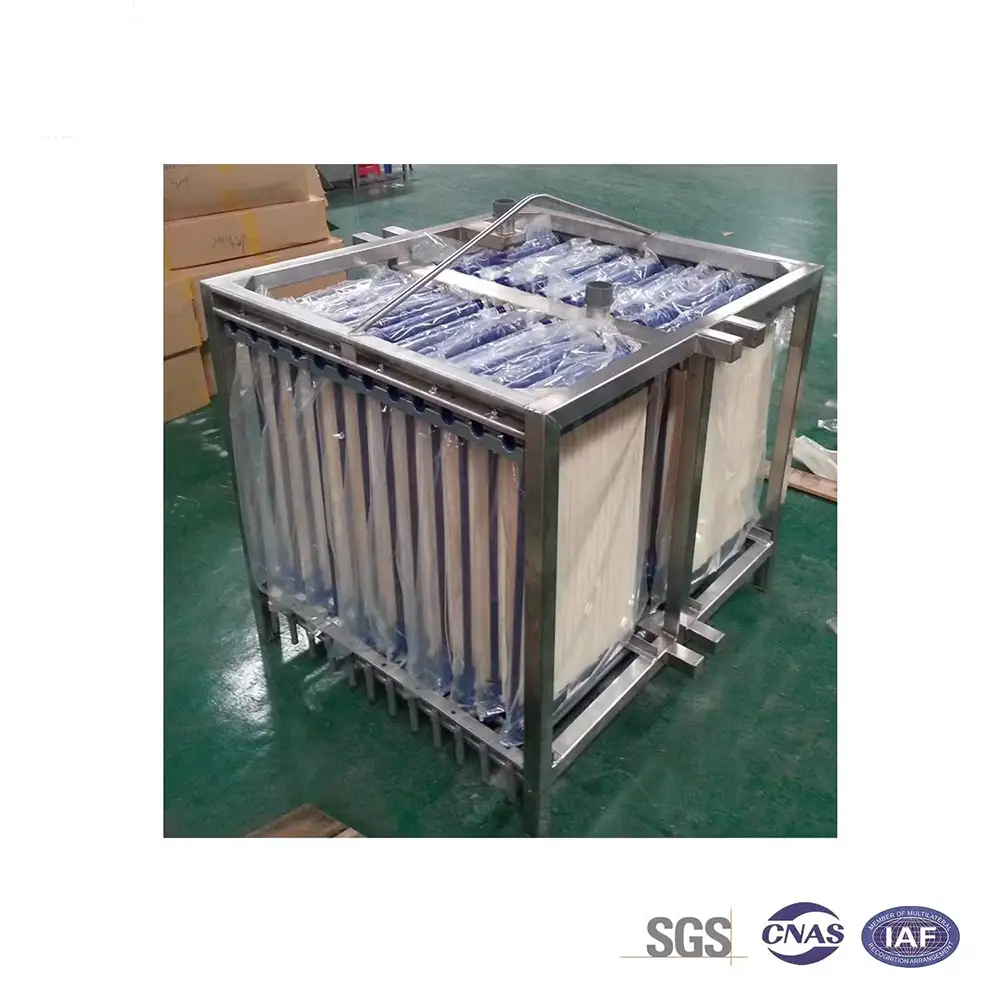
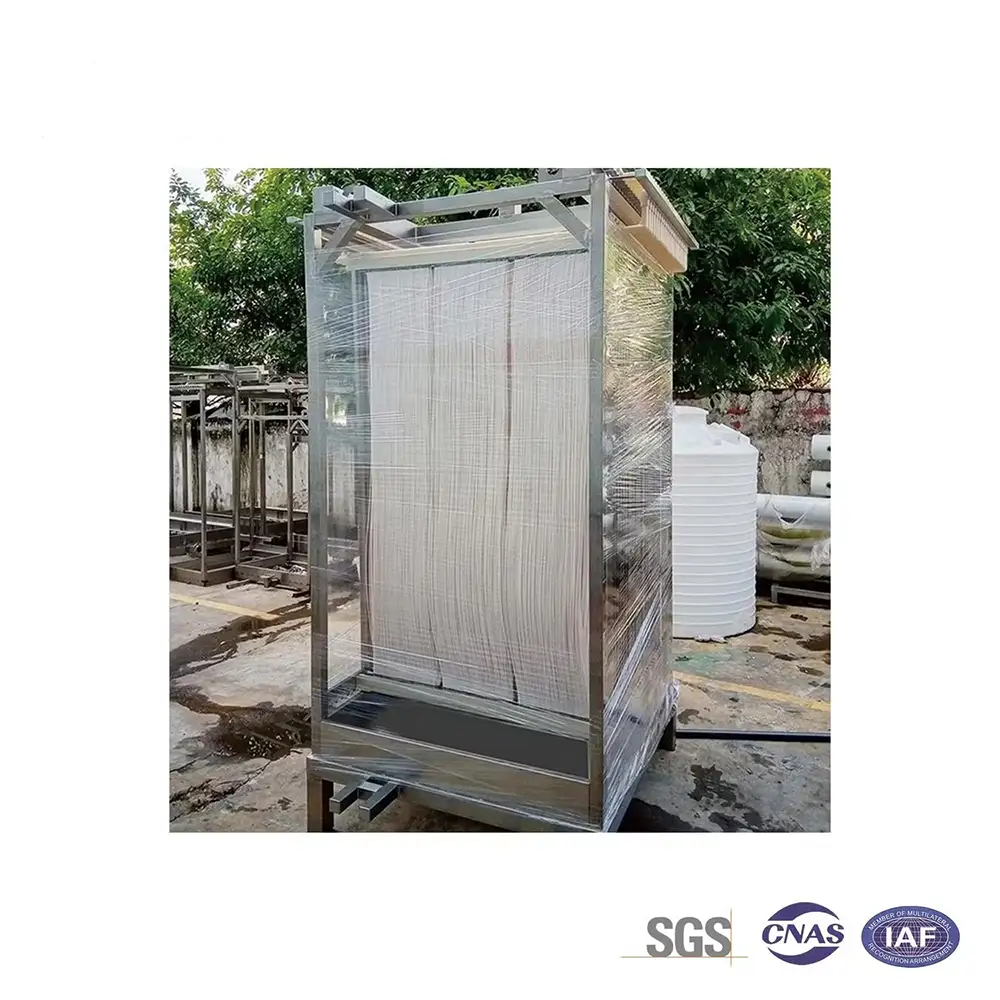
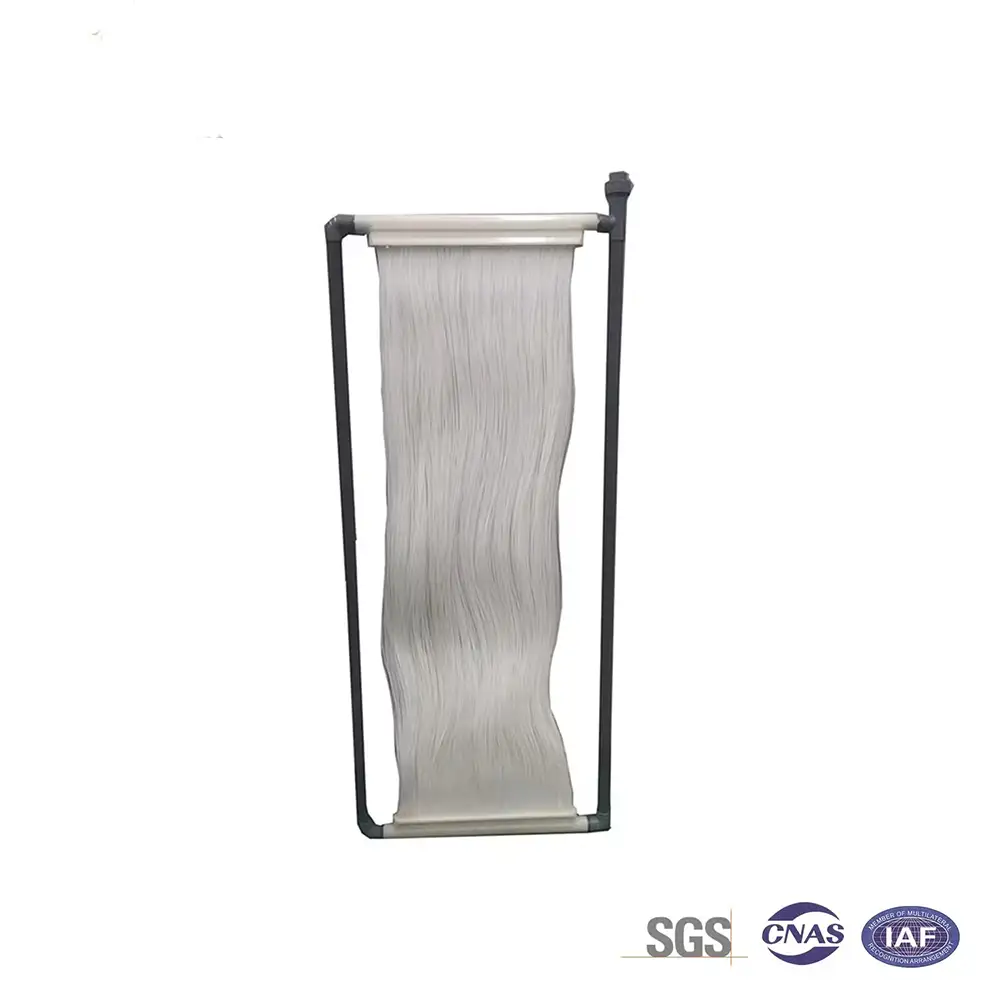
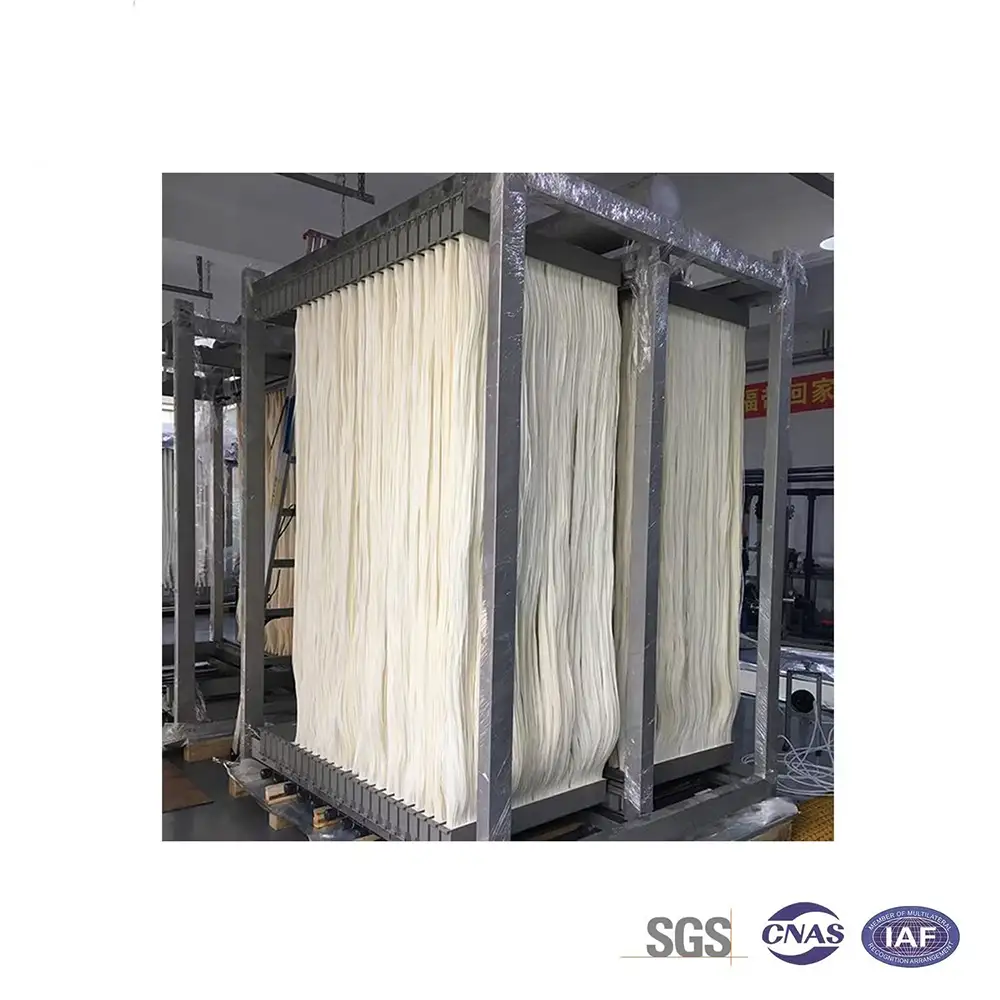
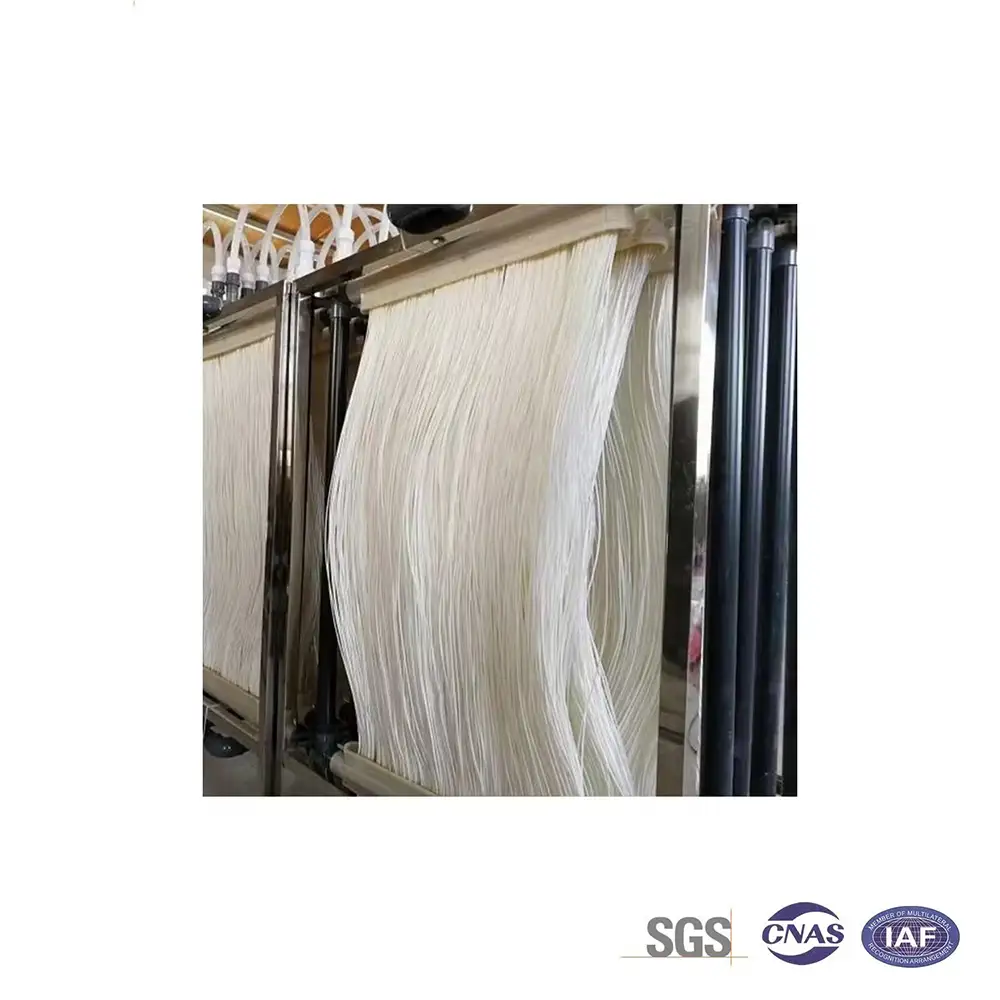
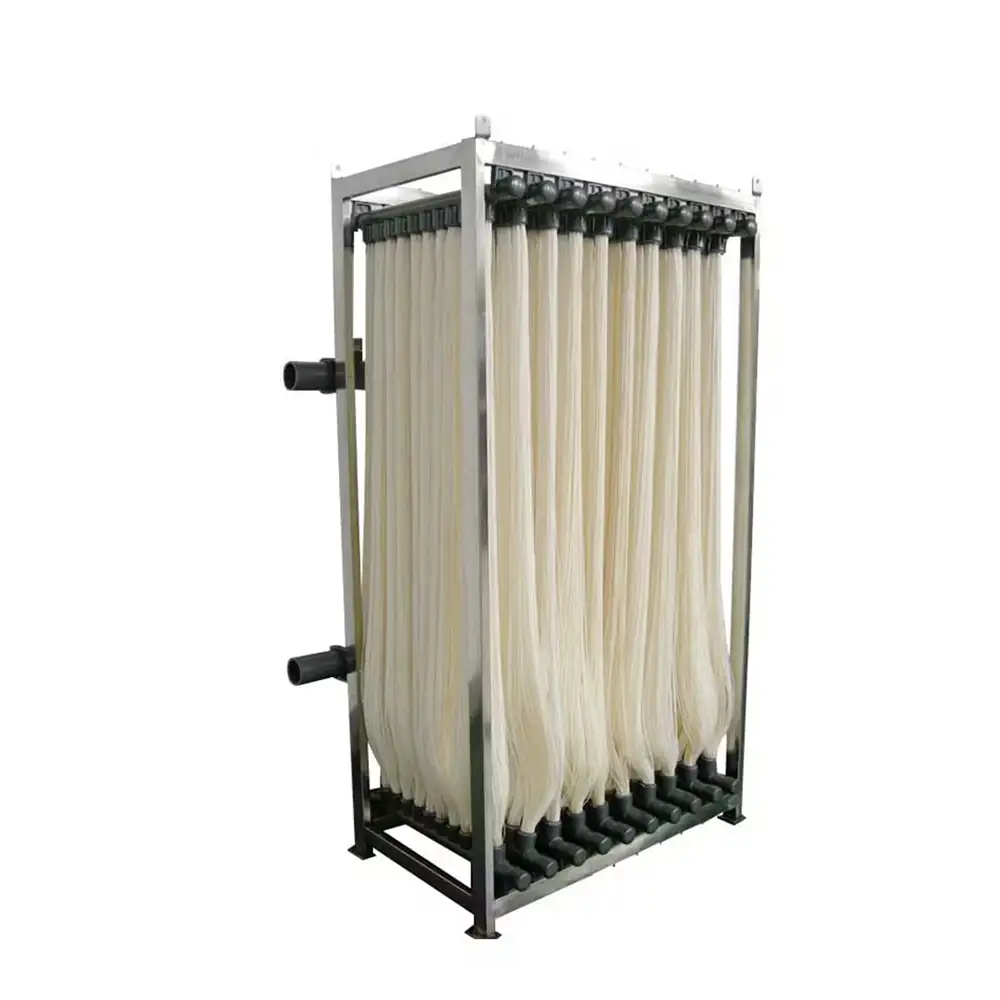
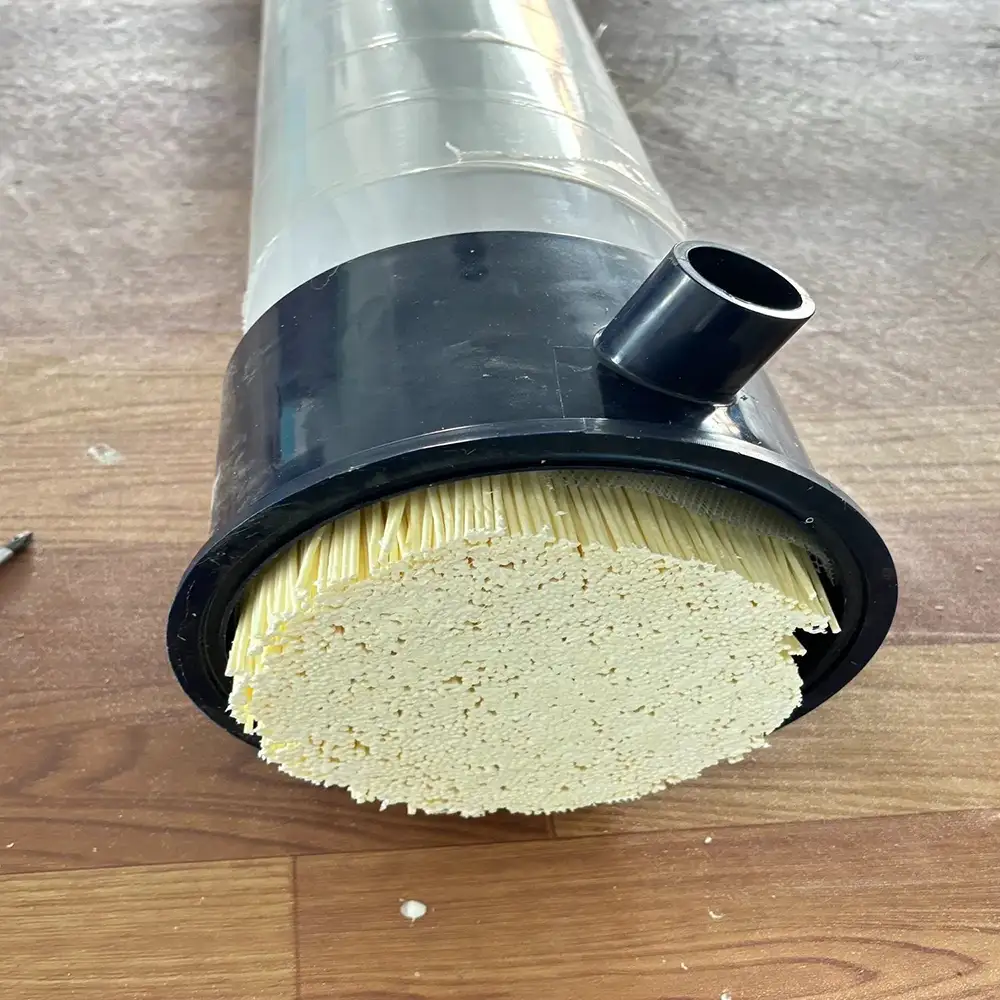
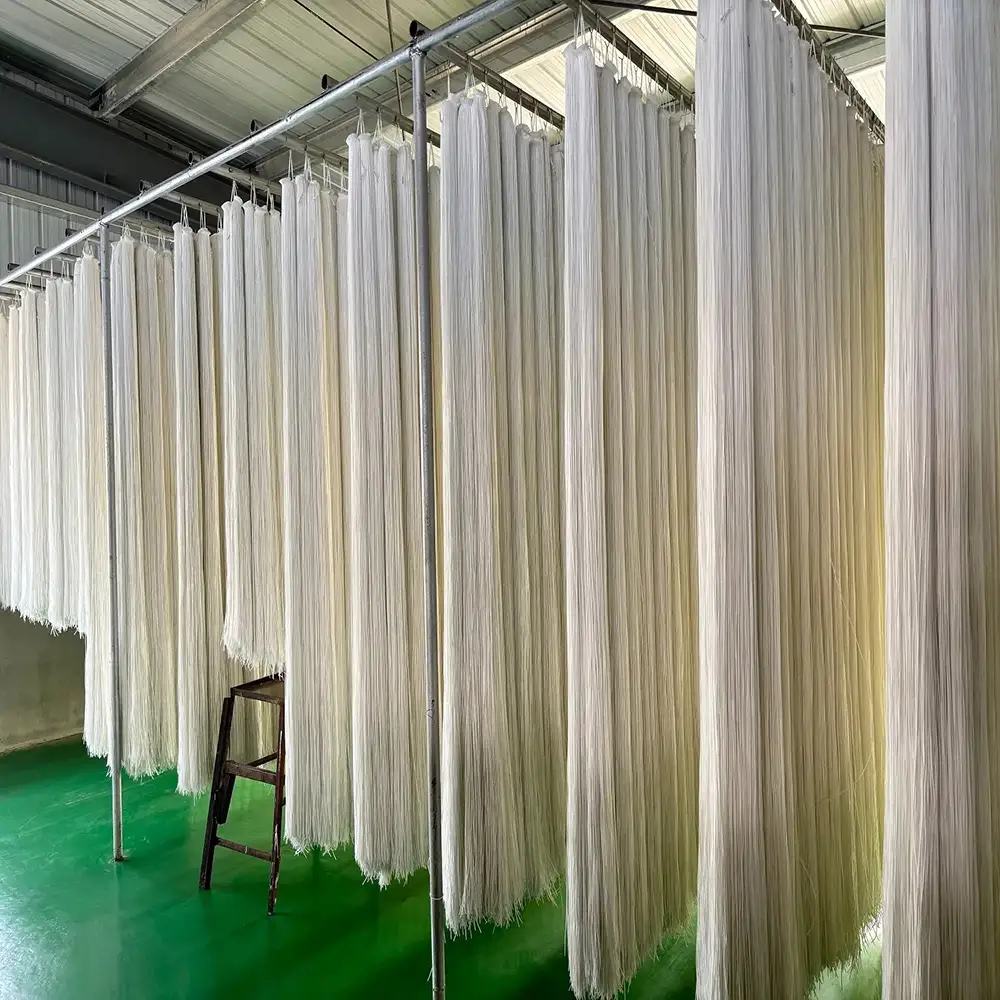
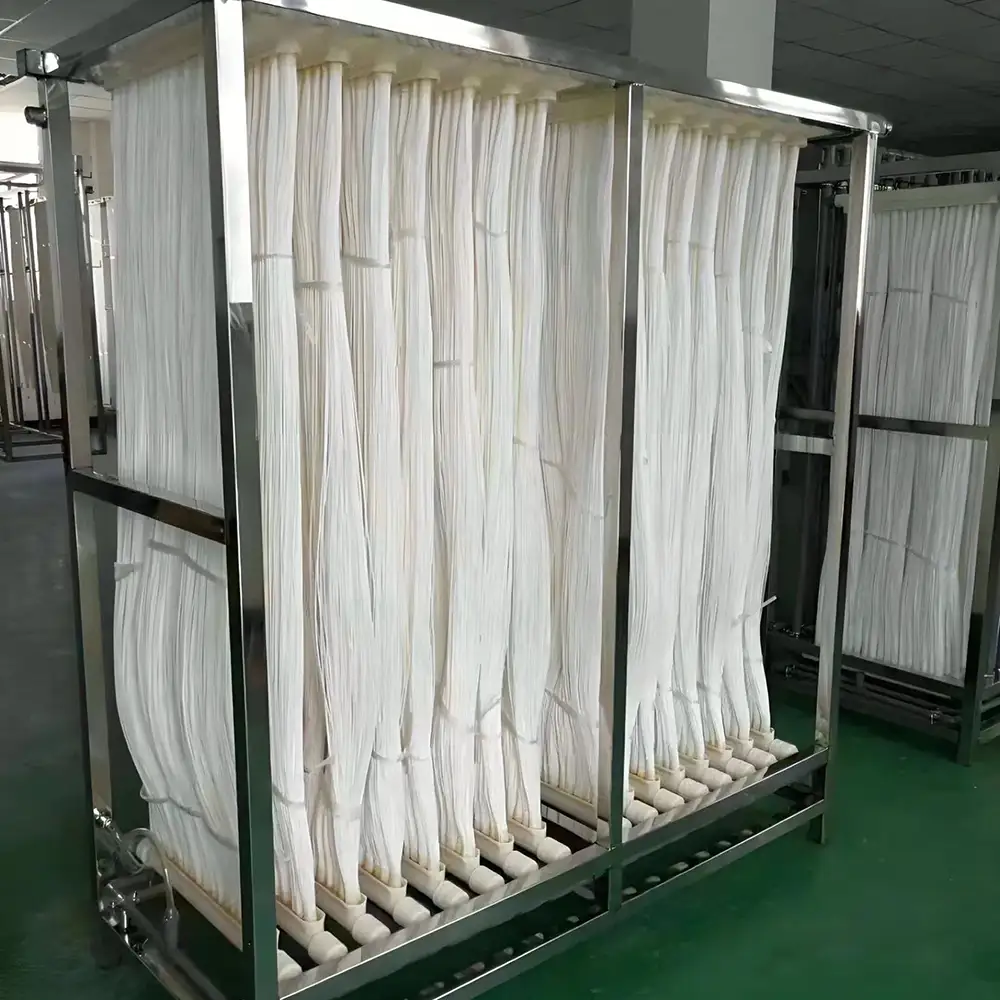
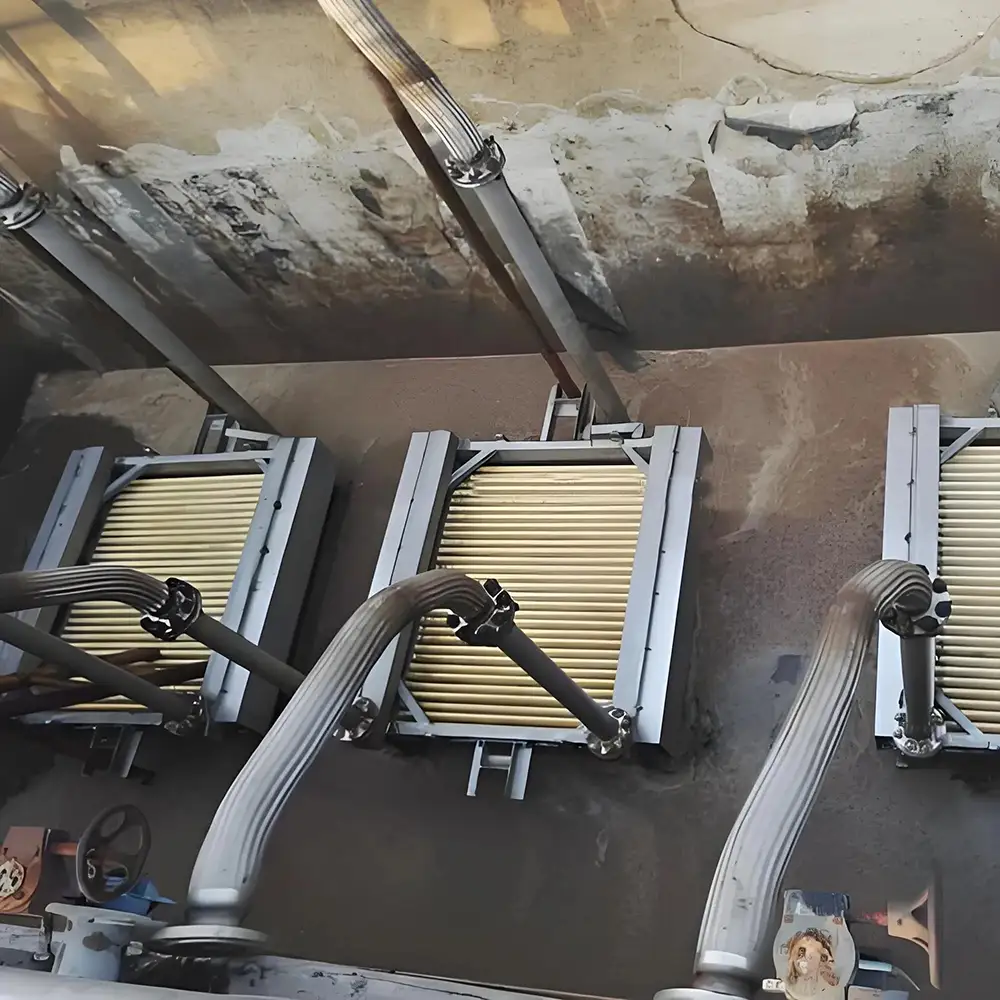
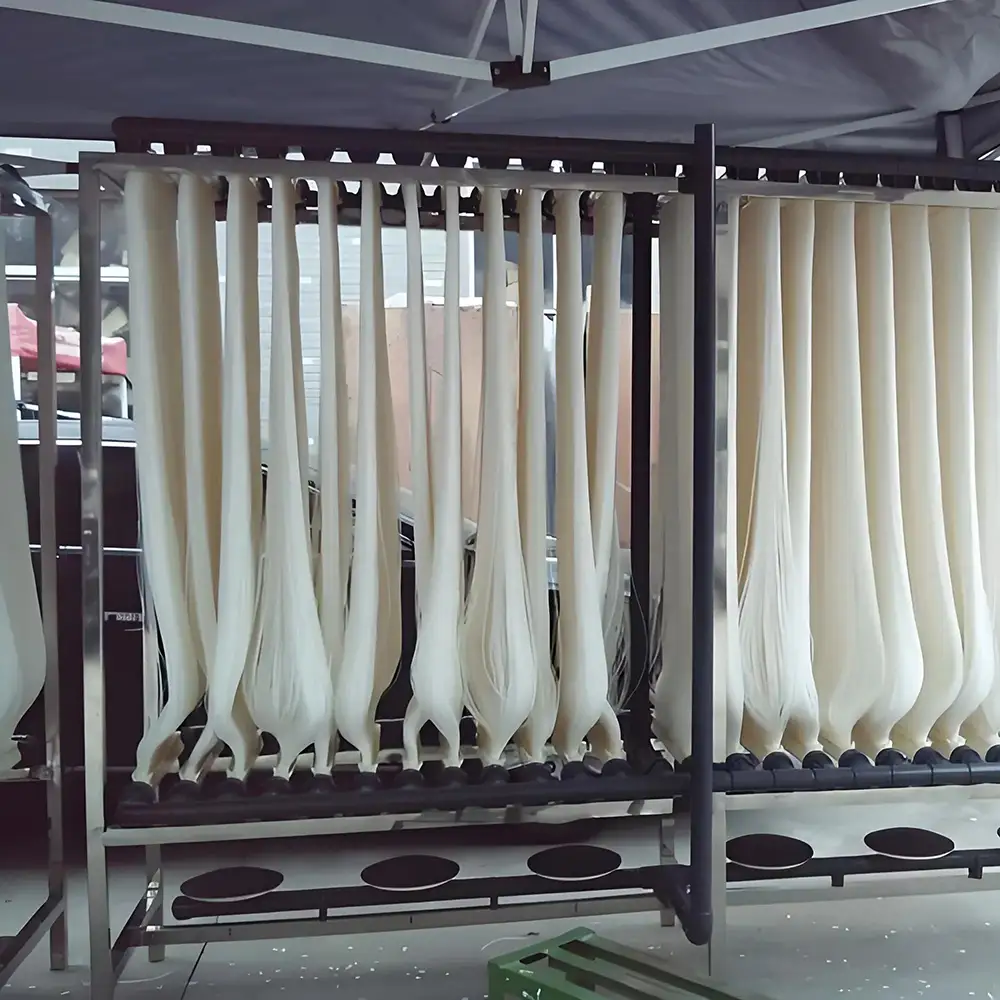
The MBR internally supported hollow fiber membrane made of PVDF membrane material is a new generation of high-performance product successfully launched by our company after years of research and development. This membrane is produced using a composite phase separation process, with polyester braided tubes as the support body. It has high strength (tensile strength ≥ 20.0MPa), anti stripping (peel strength ≥ 1.0MPa), high porosity (≥ 60%), and high flux (≥ 15L/m2 · h-0.01MPa). The filtration pore size of PVDF inner support membrane is 0.01~0.1 μ M.
|
Model NO. |
PVDF |
Handling method |
Physical Treatment |
|
Usage |
Industrial, Home, Agriculture, Hospital, Urban |
Trademark |
|
|
Types |
Package, Compact, Small, Mini |
Applications |
Industrial, Municipal, Domestic, Medical, Ship |
|
Transport Package |
Container Standard Packing |
Features |
Remove Cod BOD |
|
Service Life |
10 Years |
Operation |
Automatic |
|
material |
PVDF |
Function |
Removing Escherichia coli, harmful bacteria |
|
Voltage |
220V/ 380V/ Customerized |
Installation Type |
Underground / Onground |
|
Colour |
white |
Use for |
Mineral, Printing, Chemical, Dyeing, Starch |
|
Material |
PVDF |
Production Capacity |
2000 Sets/Year |
MBR Membrane Water Treatment Equipment Using PVDF Membrane Filtration
MBR Membrane Water Treatment Equipment Using PVDF as Membrane Material is an advanced wastewater treatment solution that combines biological treatment with membrane filtration. By integrating activated sludge treatment and membrane separation, an MBR system can provide high-quality treated water while reducing the need for conventional secondary clarification. PVDF, or polyvinylidene fluoride, is widely used for wastewater treatment membranes because of its mechanical strength, chemical resistance, and suitability for demanding filtration applications.
This type of MBR membrane water treatment equipment is suitable for municipal sewage, industrial wastewater, food processing wastewater, pharmaceutical wastewater, textile and printing wastewater, commercial sewage, and water reuse projects. Depending on the project requirements, the system can use PVDF hollow fiber membranes or PVDF flat sheet membrane modules.
What Is PVDF MBR Membrane Water Treatment Equipment?
MBR stands for Membrane Bioreactor. Unlike a conventional activated sludge process that relies primarily on a secondary settling tank for solid-liquid separation, an MBR system uses membrane filtration to separate treated water from activated sludge.
The biological section of the system allows microorganisms to break down biodegradable organic pollutants. The PVDF membrane then physically separates suspended solids, biomass, and other particulate matter from the treated water.
Commercial MBR membrane modules are available in both flat sheet and hollow fiber configurations. PVDF flat sheet membranes are commonly installed in submerged cassette structures, while PVDF hollow fiber membranes provide a high membrane surface area within a compact module.
How Does PVDF MBR Membrane Filtration Work?
The wastewater first enters the pretreatment section, where coarse solids, grit, oils, and other materials that could damage or excessively foul the membrane are removed.
The pretreated wastewater then enters an equalization or biological treatment tank. Aeration supplies oxygen and keeps the activated sludge properly mixed. Microorganisms consume biodegradable organic matter and help reduce pollutants such as BOD and COD.
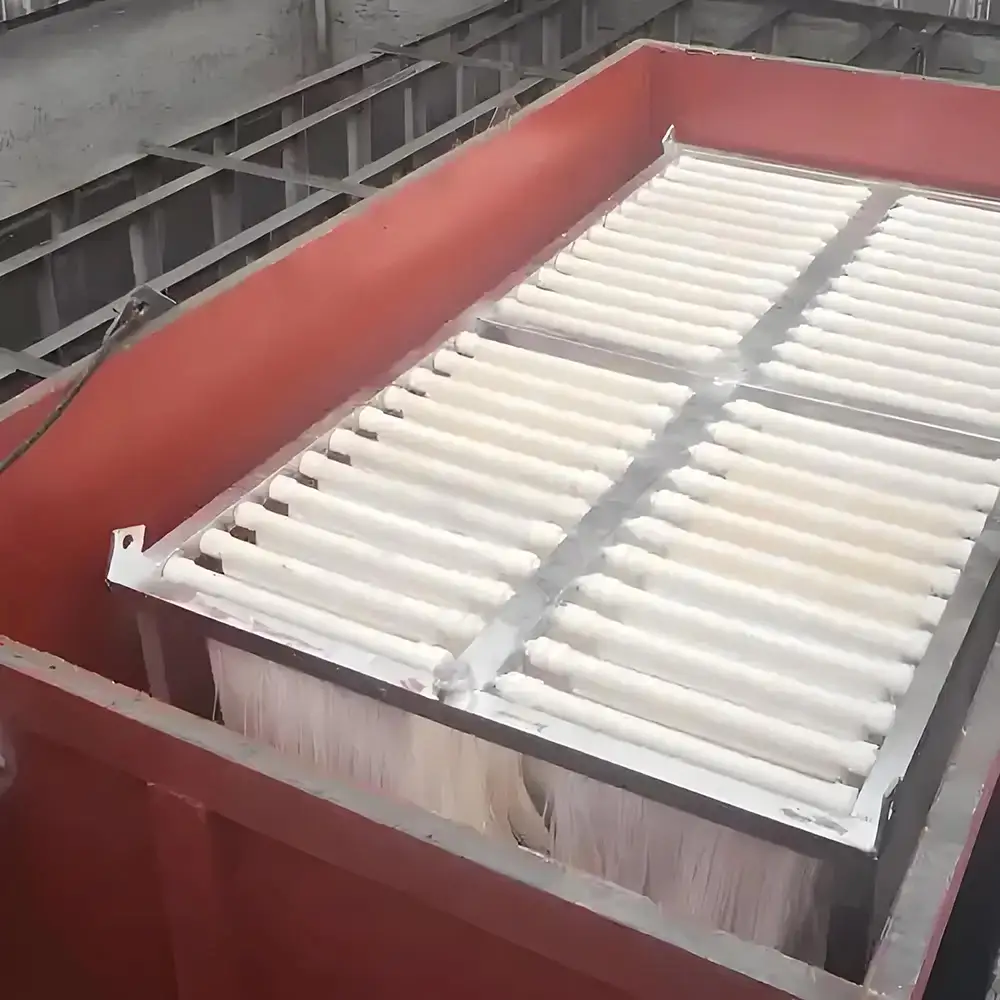
After biological treatment, the mixed liquor comes into contact with the submerged PVDF membrane modules. A pressure difference draws treated water through the membrane pores while activated sludge and suspended solids remain in the bioreactor.
Air scouring is commonly used beneath or around submerged membrane modules. Rising air bubbles help reduce the accumulation of solids on the membrane surface and support stable filtration performance. PVDF MBR systems can also incorporate relaxation, backwashing, chemical-enhanced cleaning, or clean-in-place procedures depending on the membrane design.
PVDF Membrane Material Advantages
PVDF is a popular membrane material for water and wastewater treatment because it combines useful mechanical and chemical properties with good filtration performance.
Key advantages include:
Good mechanical strength
Good chemical resistance
Suitable for continuous wastewater treatment
Available in hollow fiber and flat sheet configurations
High membrane packing density
Suitable for submerged MBR systems
Good resistance to demanding operating environments
Replaceable modular membrane designs
Suitable for municipal and industrial wastewater applications
Actual membrane life, flux, pore size, cleaning frequency, and operating pressure depend on membrane design and wastewater characteristics. Equipment should therefore be selected according to the actual influent analysis and required effluent quality rather than relying on a single standard specification.
PVDF Hollow Fiber MBR Membrane
PVDF hollow fiber membranes consist of numerous small membrane fibers assembled into a compact module. The large membrane surface area allows manufacturers to provide substantial filtration capacity in a relatively small footprint.
Hollow fiber PVDF MBR membranes can be designed for submerged operation, with treated water extracted through the membrane while solids remain in the bioreactor. Reinforced PVDF hollow fiber structures are also available for applications requiring improved mechanical strength.
Hollow fiber configurations are particularly useful when a high membrane area-to-volume ratio and compact equipment arrangement are important.
PVDF Flat Sheet MBR Membrane
PVDF flat sheet membranes are normally installed as multiple membrane panels within a cassette or support frame. The flat sheet configuration provides a rigid membrane structure and can be convenient for modular installation, inspection, and replacement.
Flat sheet PVDF MBR modules are available for municipal sewage, food processing wastewater, industrial effluent, and water reuse applications. Some commercial modules use integrated aeration systems below the membrane panels to provide continuous air scouring.
The choice between hollow fiber and flat sheet should consider wastewater characteristics, membrane flux, solids concentration, cleaning requirements, tank dimensions, maintenance strategy, and project budget.
Applications of PVDF MBR Water Treatment Equipment
PVDF MBR membrane equipment can be engineered for a wide range of wastewater treatment applications, including:
Municipal Sewage Treatment
MBR systems can treat domestic sewage from communities, residential developments, schools, hotels, hospitals, and decentralized wastewater treatment plants.
Food and Beverage Wastewater
Food processing wastewater may contain biodegradable organic matter, suspended solids, fats, oils, and grease. Proper pretreatment and biological process design are important before membrane filtration.
Pharmaceutical Wastewater
Pharmaceutical wastewater can contain complex organic compounds and variable pollutant concentrations. An MBR system can be integrated with suitable pretreatment and advanced treatment processes according to the wastewater analysis.
Textile and Printing Wastewater
Printing and dyeing wastewater can contain color, organic pollutants, suspended solids, and chemicals. MBR may be combined with coagulation, advanced oxidation, activated carbon, UF, NF, or RO when additional color removal or water reuse is required.
Industrial Wastewater
MBR technology can be customized for electronics, chemical, manufacturing, machinery, and other industrial wastewater applications.
Water Reuse
MBR-treated water can be used as a feed stream for additional treatment processes such as RO when higher-quality recycled water is required. MBR systems are also used as pretreatment in water recycling applications.
Main Components of an MBR Membrane System
A complete PVDF MBR water treatment system may include:
Pretreatment equipment
Screening system
Equalization tank
Biological treatment tank
Aeration system
PVDF membrane modules
Permeate pump
Air blower
Backwashing system
Chemical cleaning system
Sludge discharge system
PLC electrical control cabinet
Flow, pressure, and water-quality monitoring instruments
The final configuration can be customized according to wastewater flow, influent characteristics, treatment targets, installation conditions, and local discharge or reuse requirements.
Membrane Fouling Control
Membrane fouling is one of the most important considerations in MBR operation. Organic matter, suspended solids, microorganisms, inorganic deposits, and biological growth can gradually accumulate on membrane surfaces.
Effective pretreatment, controlled biological operation, appropriate aeration, stable membrane flux, periodic relaxation, backwashing, and chemical cleaning can help maintain membrane performance.
The cleaning strategy should follow the membrane manufacturer's operating recommendations. Excessive chemical cleaning or incorrect chemical concentrations may shorten membrane life.
Compact MBR Wastewater Treatment Design
One major advantage of MBR technology is the ability to combine biological treatment and membrane separation within a compact process. Since membrane filtration performs the solid-liquid separation function, the system can operate without relying on a large conventional secondary clarifier.
This makes PVDF MBR equipment attractive for projects where land availability is limited or where an existing wastewater treatment plant needs upgrading.
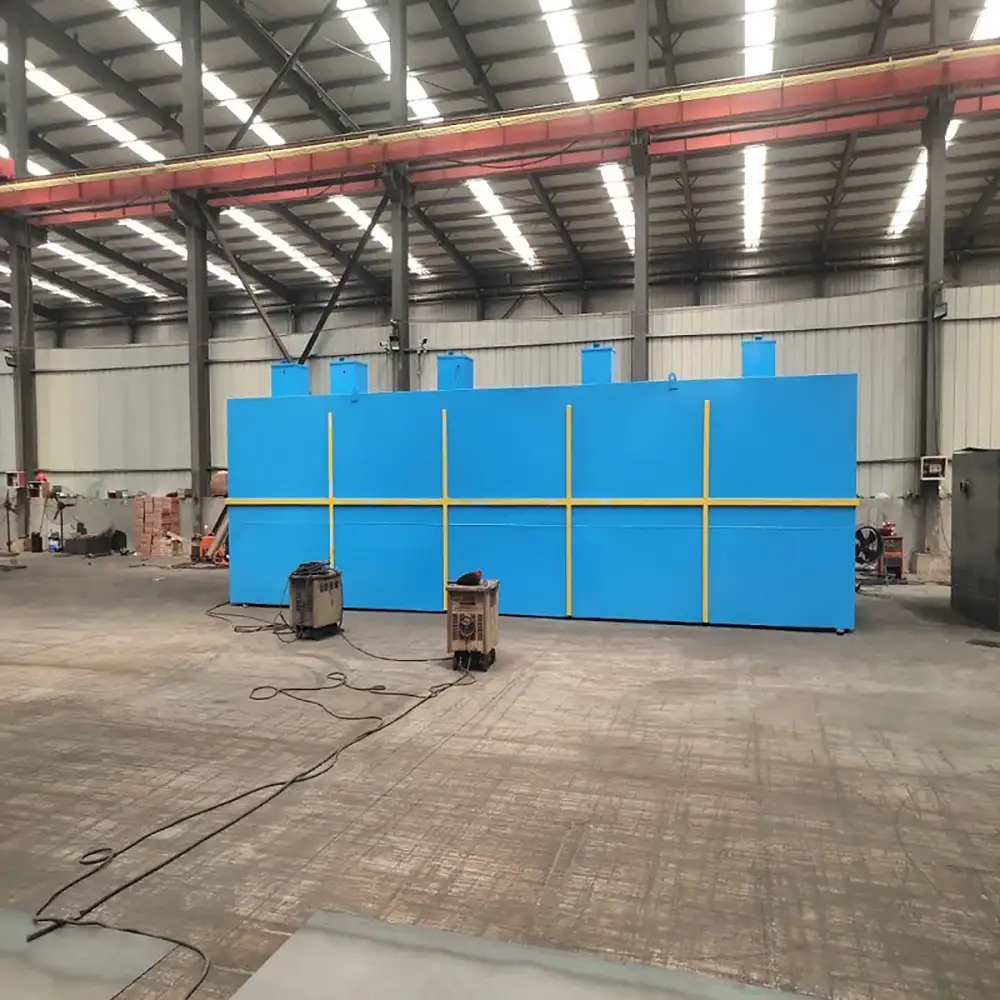
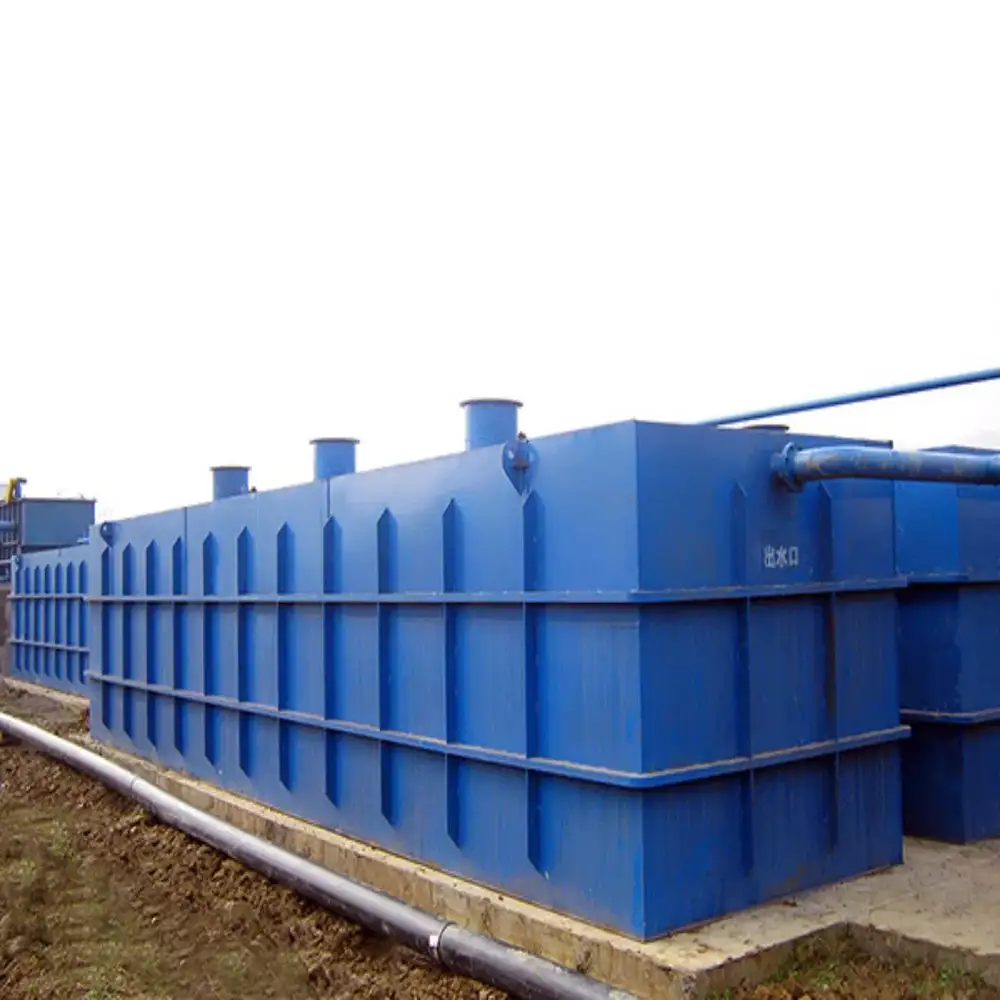
The system can also be designed as skid-mounted, package, modular, or containerized equipment depending on the project requirements.
Custom PVDF MBR Membrane Equipment
Different wastewater sources require different membrane areas, biological treatment conditions, pretreatment processes, aeration rates, and cleaning strategies.
As a professional MBR membrane equipment manufacturer and supplier, we can provide customized solutions based on:
Wastewater flow rate
Influent COD and BOD
Suspended solids concentration
Ammonia and nitrogen requirements
Wastewater temperature
pH range
Membrane type
Required membrane area
Required effluent quality
Water reuse requirements
Available installation space
Automatic or manual operation
Containerized or fixed installation
Technical parameters such as membrane pore size, operating flux, transmembrane pressure, membrane area, and cleaning frequency should be confirmed according to the selected membrane module and actual wastewater conditions.
Why Choose Us?
Choosing the right MBR membrane water treatment equipment supplier is essential for stable long-term operation. We focus on complete wastewater treatment solutions rather than supplying membrane modules alone.
PVDF Membrane Technology: We provide PVDF membrane solutions in hollow fiber and flat sheet configurations for different wastewater applications.
Customized Engineering: MBR equipment can be designed according to flow rate, wastewater characteristics, treatment requirements, and available installation space.
Complete System Integration: Membrane modules can be integrated with pretreatment, biological treatment, aeration, pumps, chemical cleaning, instrumentation, and PLC control systems.
Industrial Applications: Our solutions can be configured for municipal sewage and a wide range of industrial wastewater treatment projects.
OEM & Custom Service: Membrane modules, equipment layouts, capacities, electrical systems, and treatment configurations can be customized for international projects.
Export-Oriented Manufacturing: Equipment can be prepared for overseas transportation with appropriate packaging, component protection, documentation, and installation guidance.
Frequently Asked Questions
1. What is an MBR membrane?
An MBR membrane is a filtration membrane used in a membrane bioreactor to separate treated water from activated sludge and suspended solids.
2. Why is PVDF used for MBR membranes?
PVDF offers a useful combination of mechanical strength and chemical resistance, making it suitable for demanding wastewater filtration applications.
3. What is the difference between PVDF hollow fiber and flat sheet membranes?
Hollow fiber membranes consist of bundles of fine membrane fibers and provide high packing density. Flat sheet membranes use rigid membrane panels installed in cassettes. The appropriate type depends on wastewater characteristics and project requirements.
4. Can PVDF MBR equipment treat industrial wastewater?
Yes. MBR systems can be designed for many industrial wastewater applications, including food, pharmaceutical, textile, printing, and manufacturing wastewater.
5. Can an MBR system be used for water reuse?
Yes. MBR can produce high-quality treated water and can also serve as pretreatment for downstream RO or other advanced treatment processes when higher reuse quality is required.
6. Does an MBR system require pretreatment?
Yes. Screening and other pretreatment processes are normally recommended to protect membranes from large solids, fibers, oils, grease, and other materials that can cause fouling or damage.
7. How is membrane fouling controlled?
Fouling control may include pretreatment, air scouring, relaxation, backwashing, chemical-enhanced cleaning, and periodic chemical cleaning, depending on the membrane system.
8. Can the MBR system be customized?
Yes. Capacity, membrane area, membrane configuration, tanks, pumps, blowers, control systems, cleaning equipment, and installation format can be customized.
9. Can PVDF MBR membrane modules replace existing modules?
In many retrofit projects, replacement modules can be engineered to match existing tank dimensions, connections, and treatment capacity. Compatibility should be confirmed before ordering.
10. What information is needed for an MBR quotation?
The most useful information includes wastewater source, daily flow, peak flow, influent water analysis, required effluent standards, water reuse target, existing treatment process, installation space, and preferred automation level.
Prev:
Biodegradation/ Microfiltration Membrane/ Sewage Treatment/ Printing and Dyeing Wastewater/ Industrial Equipment
Next:
Municipal Wastewater/Brewery Wastewater/Mbr Membrane/Industrial Equipment/Mbr Membrane Fiber
TAG:
Industrial Wastewater Treatment,
Sewage Treatment Plant,
Wastewater Treatment Equipment,
Industrial Water Reuse,
Ultrafiltration Membrane,
Sewage Treatment Equipment,
MBR Wastewater Treatment,
MBR Wastewater Treatment Equipment,
MBR Membrane Module,
Membrane Bioreactor Equipment,
MBR Membrane,
MBR Membrane System,
Membrane Bioreactor,
MBR Membrane Bioreactor,
Submerged MBR,
MBR Water Treatment,
Industrial MBR System,
Membrane Filtration Equipment,
MBR Filtration System,
PVDF Flat Sheet Membrane,
PVDF MBR Membrane,
PVDF Hollow Fiber Membrane,
PVDF Membrane Module,
PVDF Membrane,
Wastewater Membrane,
Microfiltration Membrane,
Related Category:
MBR Membrane Water Treatment Equipment,PVDF MBR Membrane,MBR Membrane Filtration,PVDF Membrane Water Treatment Equipment China, suppliers, manufacturers, factory, customized, wholesale, quotation, made in China