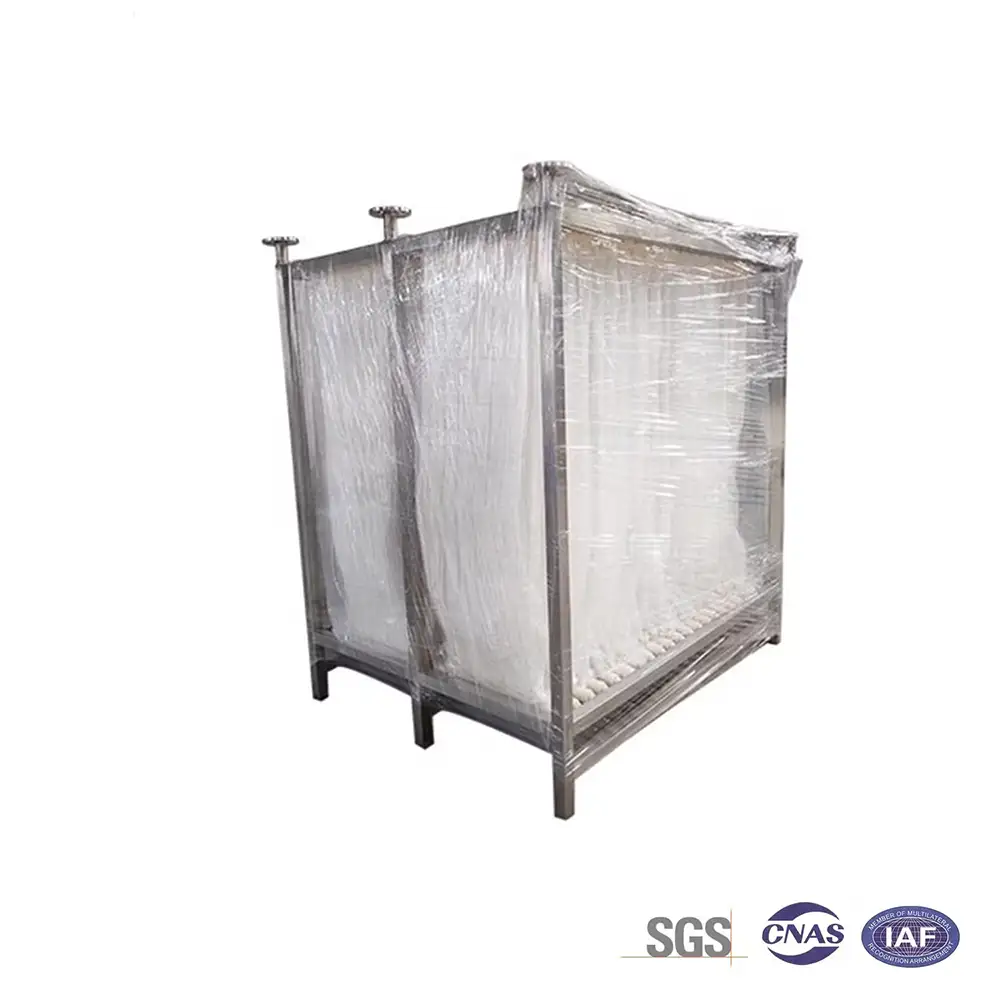
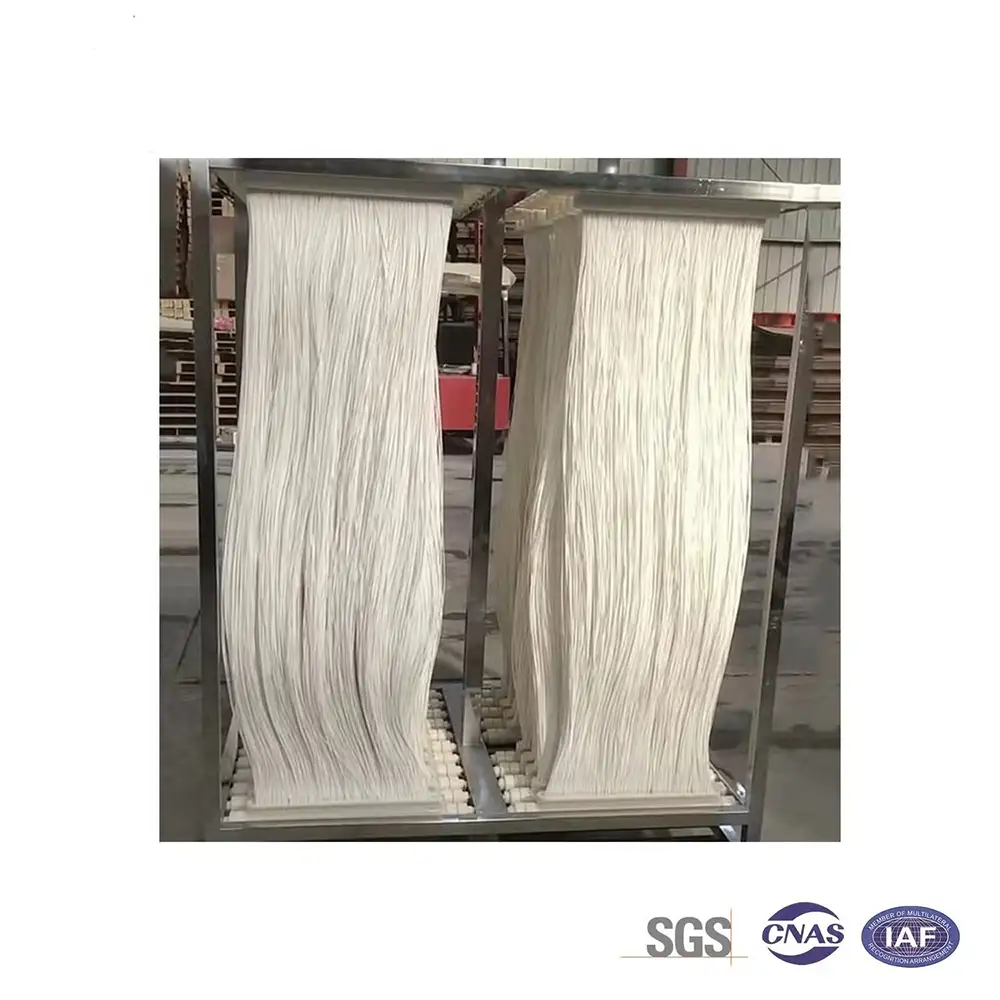
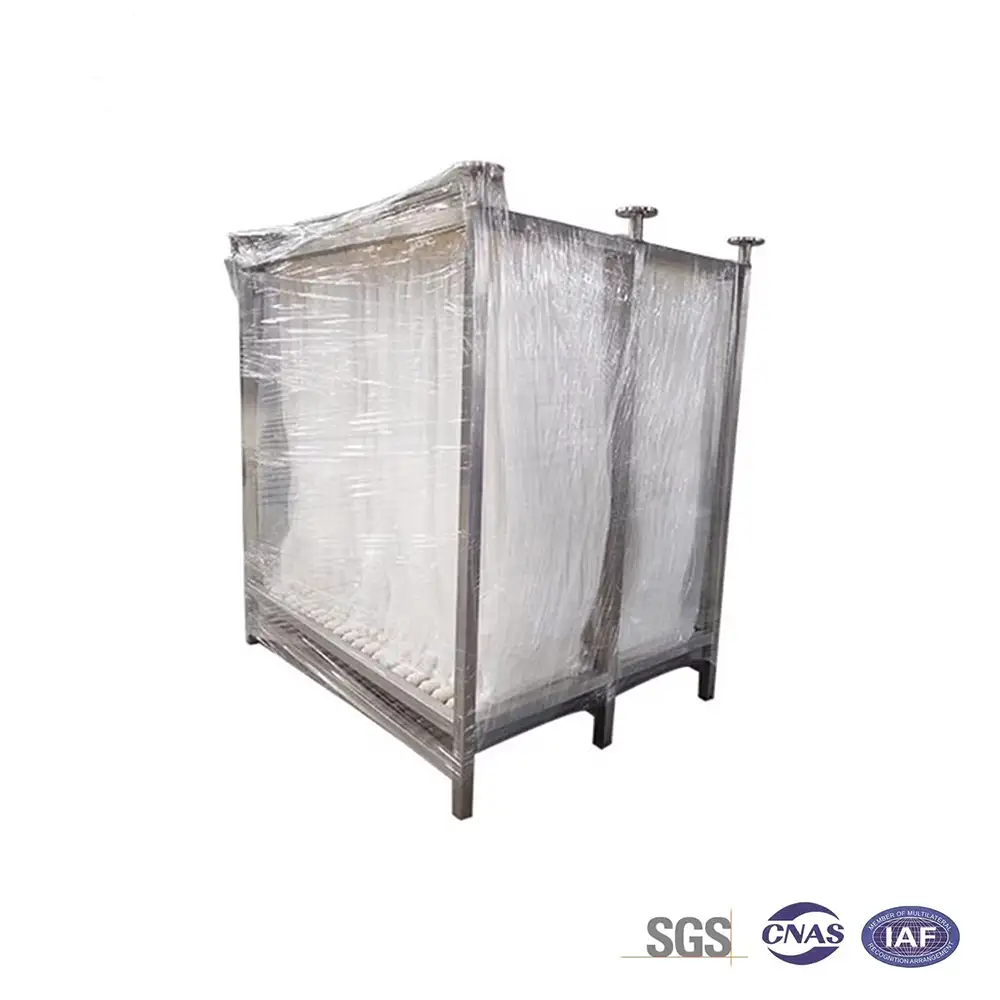
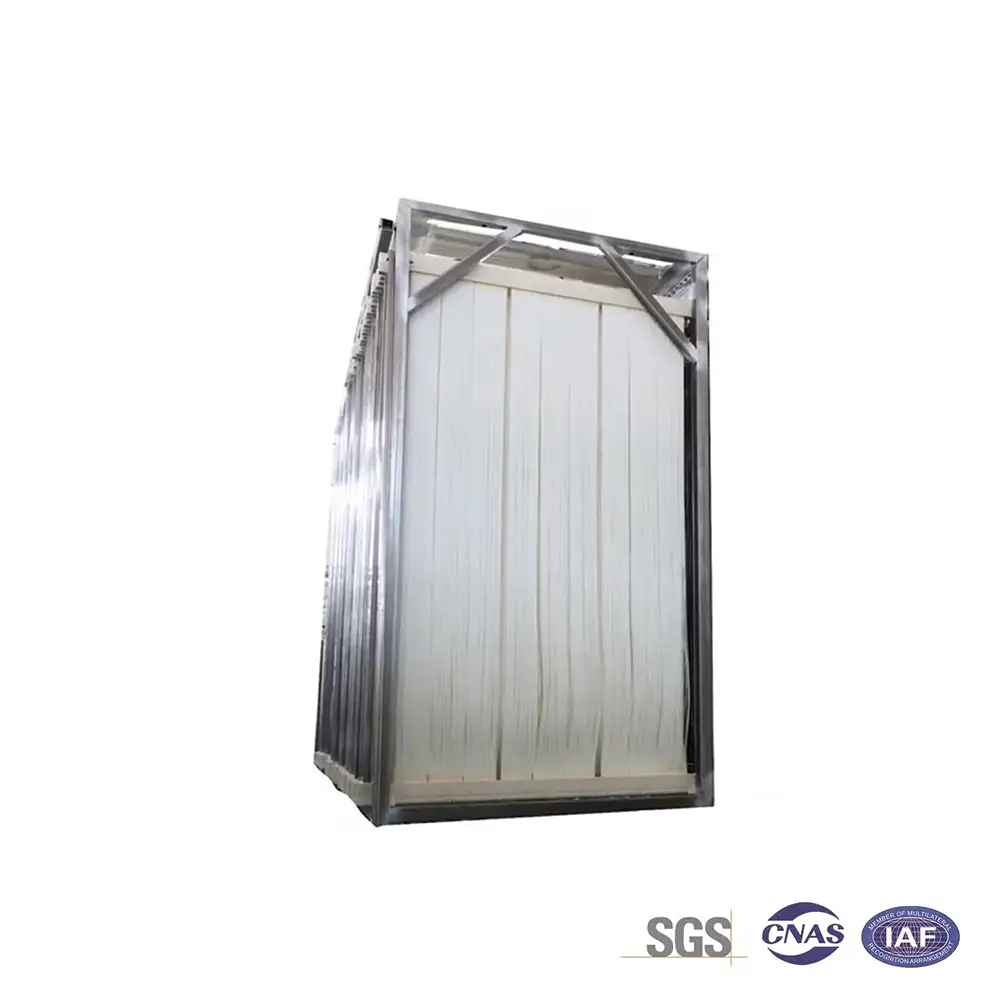
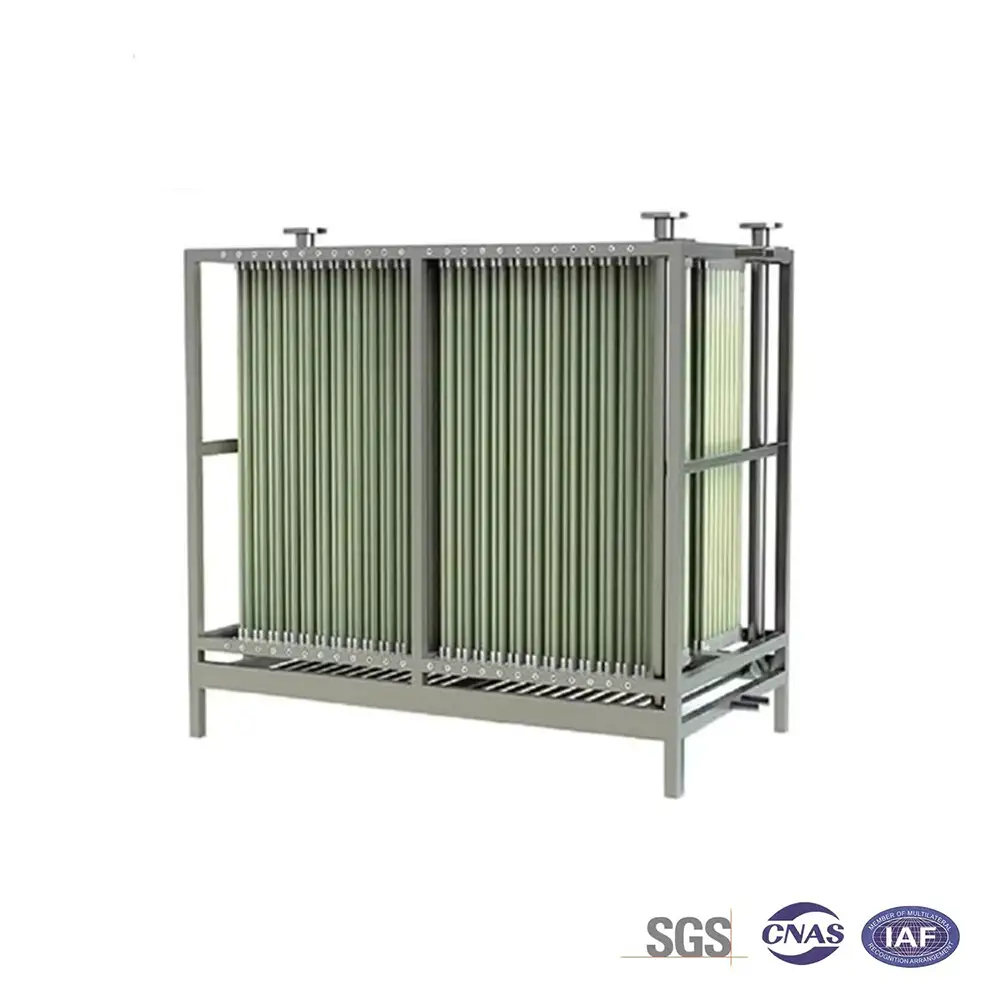
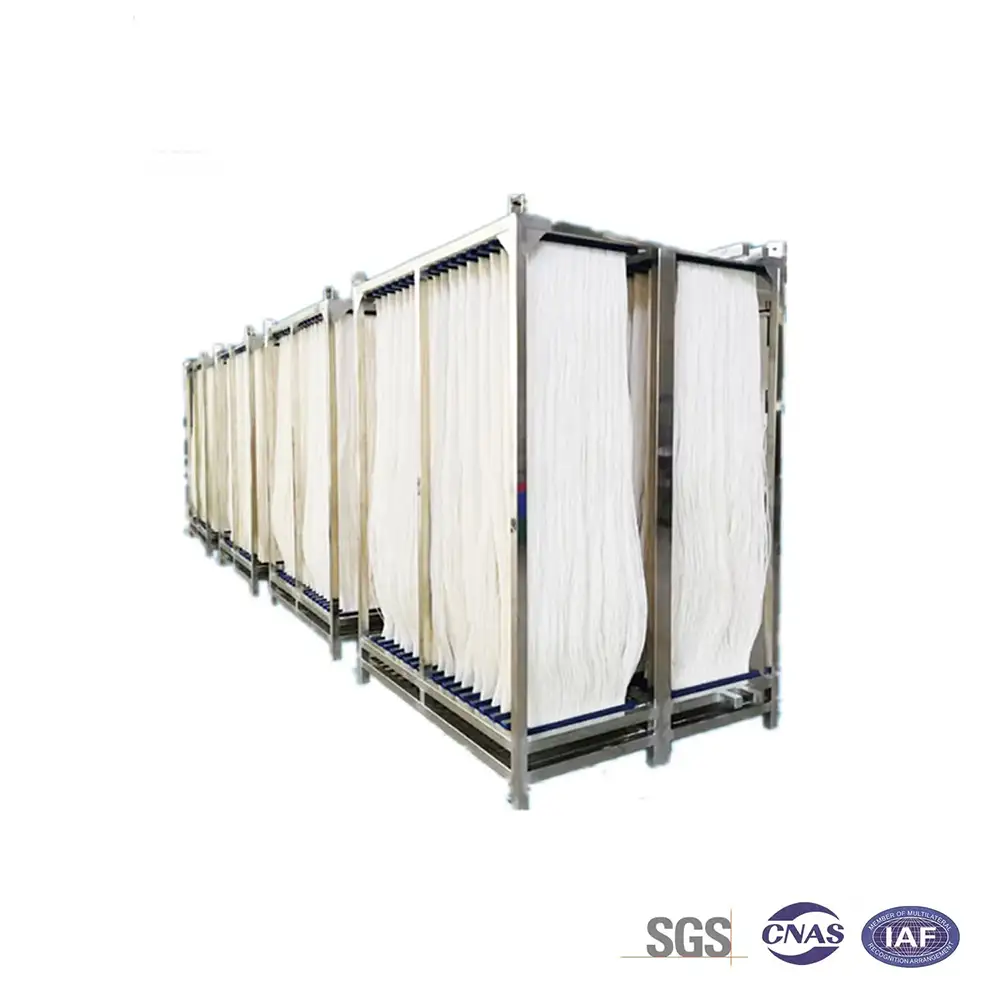
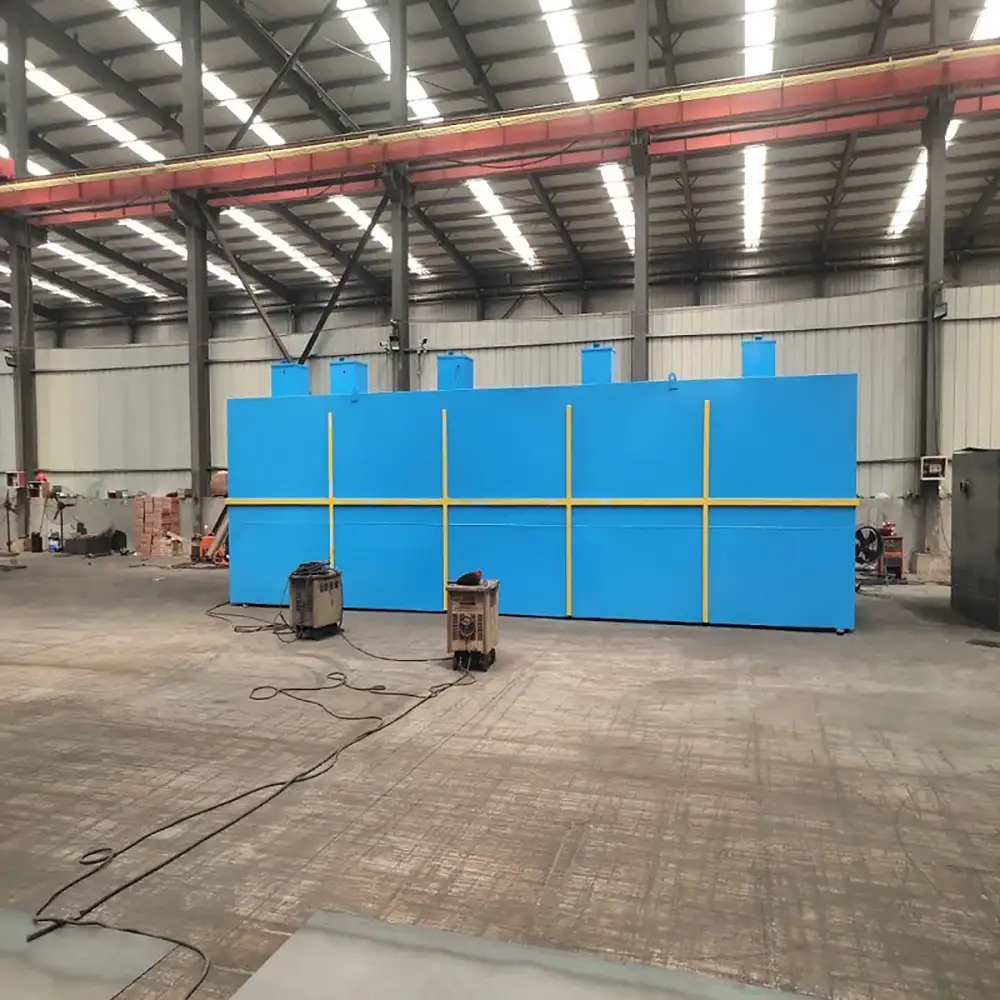
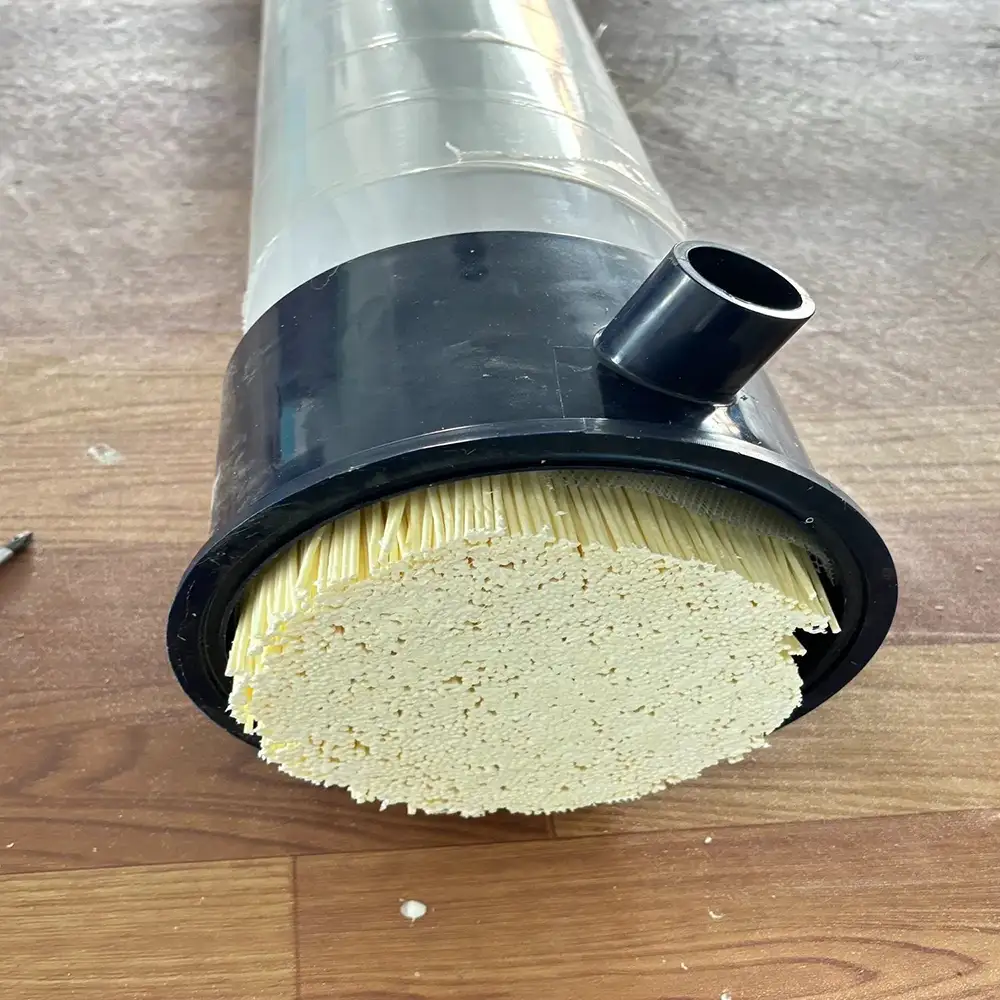
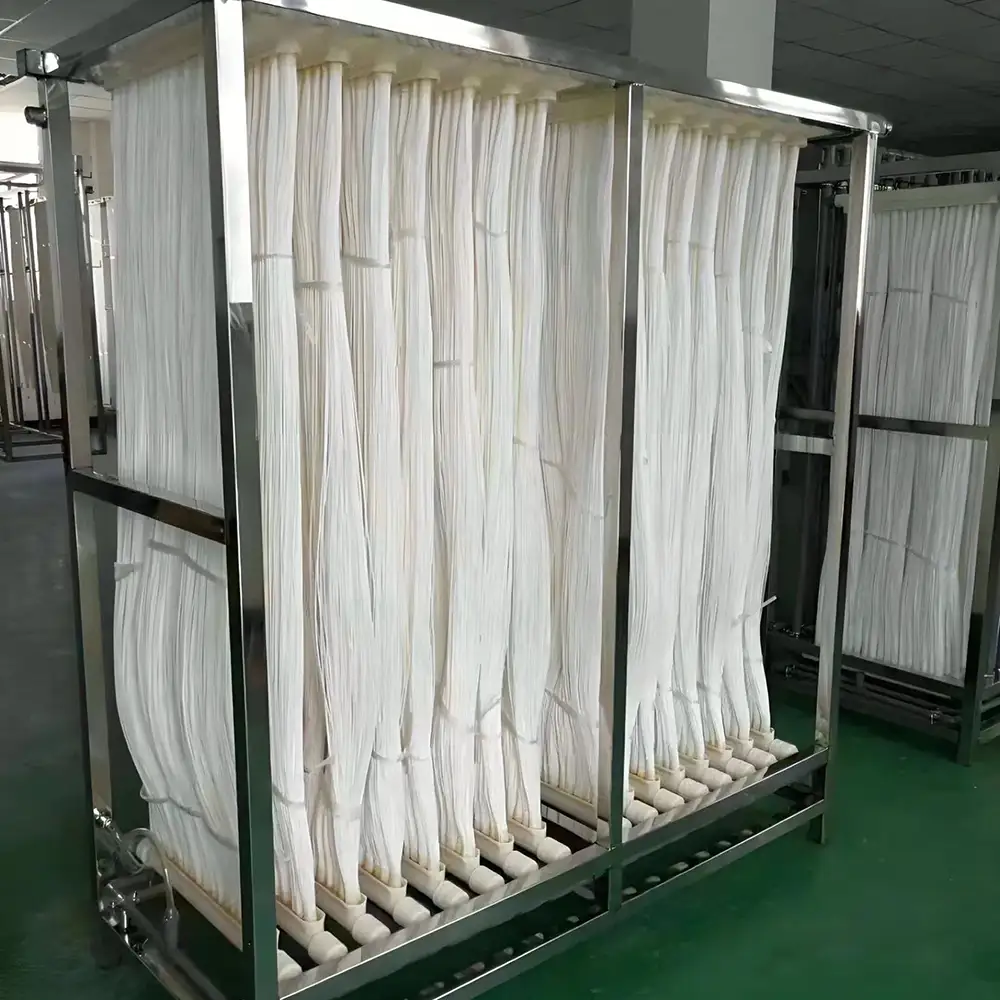
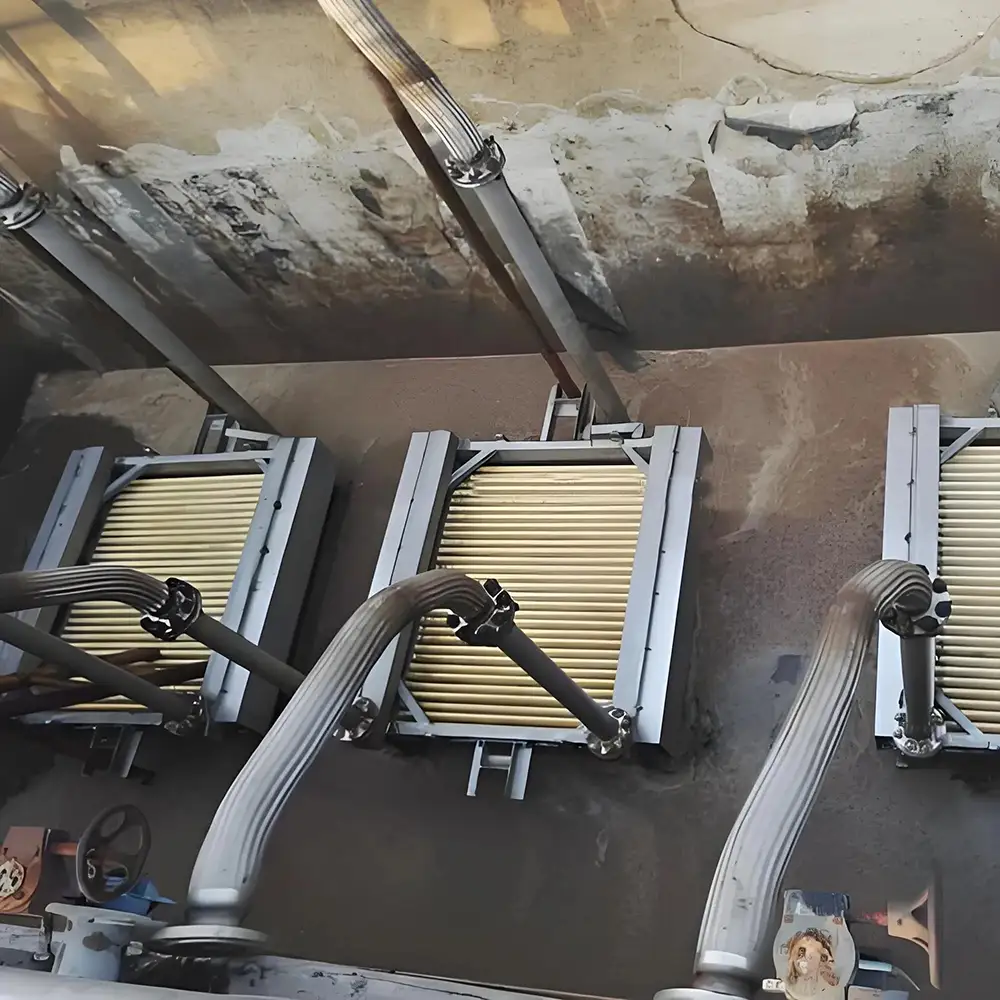
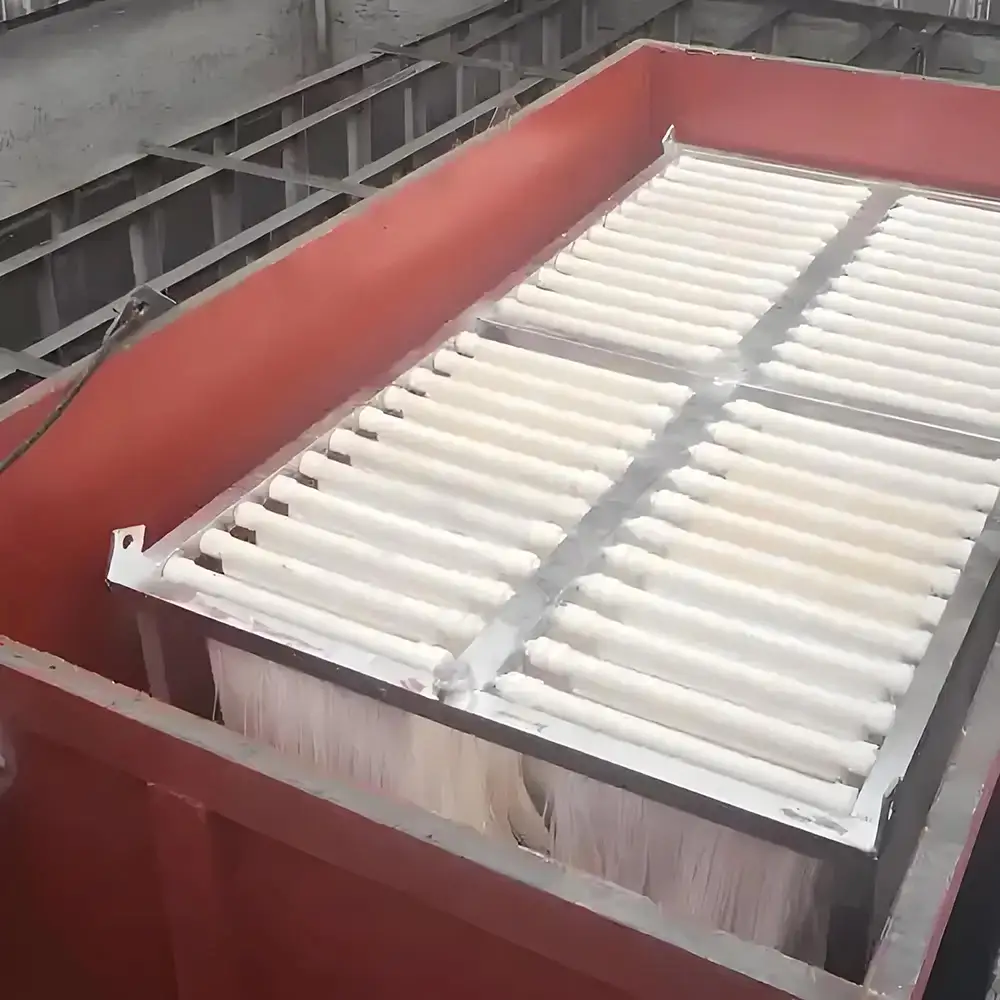
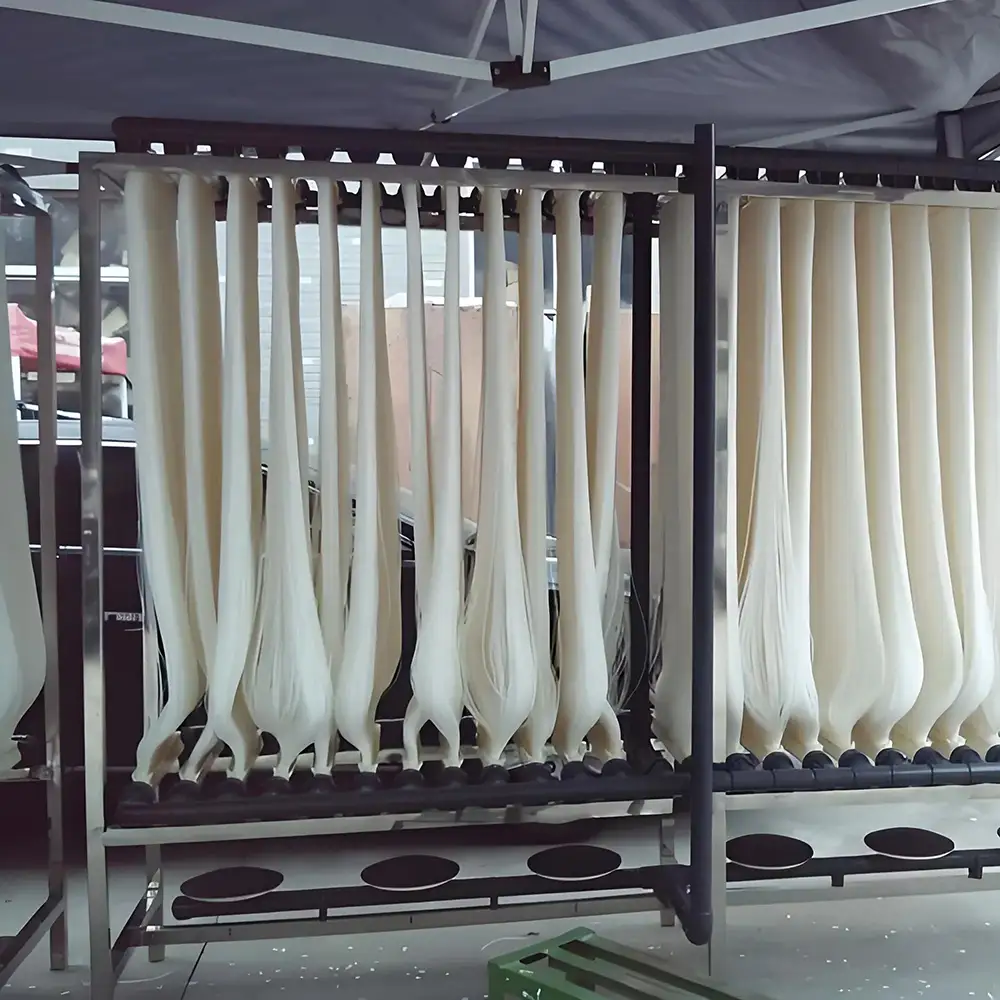
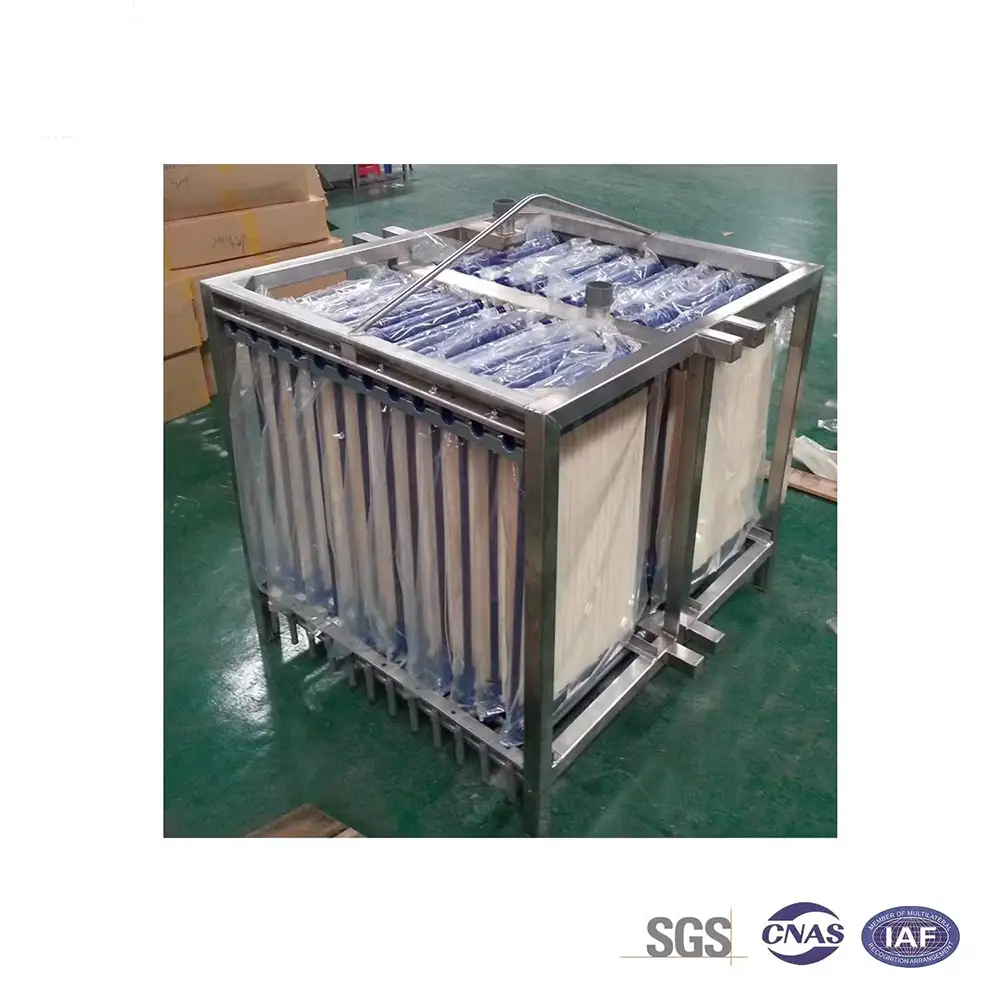
The MBR internally supported hollow fiber membrane made of PVDF membrane material is a new generation of high-performance product successfully launched by our company after years of research and development. This membrane is produced using a composite phase separation process, with polyester braided tubes as the support body. It has high strength (tensile strength ≥ 20.0MPa), anti stripping (peel strength ≥ 1.0MPa), high porosity (≥ 60%), and high flux (≥ 15L/m2 · h-0.01MPa). The filtration pore size of PVDF inner support membrane is 0.01~0.1 μ M.Application field
1.Municipal sewage treatment
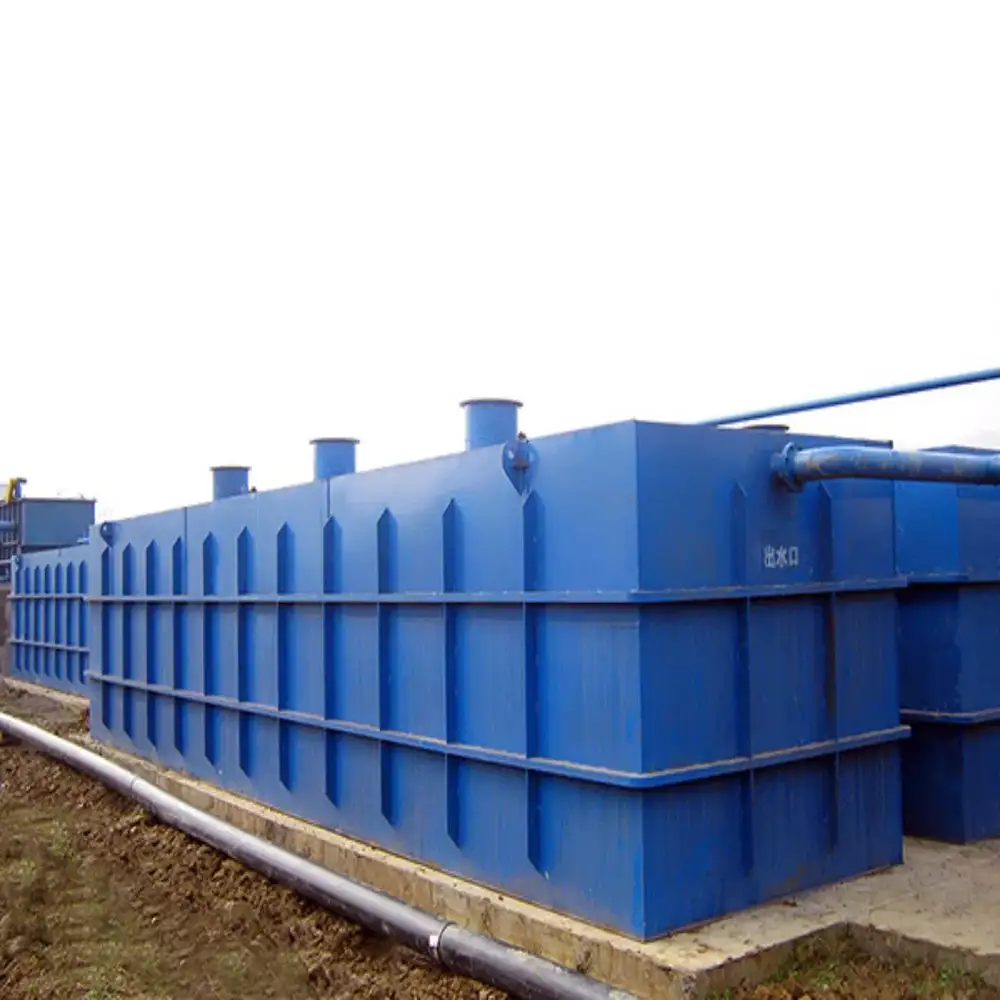
2.Integrated sewage treatment device
3.Advanced treatment of industrial wastewater
4.Treatment of landfill leachate
5.Pretreatment of seawater desalination or desalination of brackish water
Biodegradation Microfiltration Membrane for Printing and Dyeing Wastewater Treatment
The Biodegradation Microfiltration Membrane System for Printing and Dyeing Wastewater Treatment is an advanced industrial wastewater treatment solution that combines biological degradation with membrane filtration. Designed for printing plants, textile factories, dyeing facilities, and other industrial wastewater applications, the system provides efficient removal of biodegradable organic pollutants while using a microfiltration membrane to separate treated water from activated sludge and suspended solids.
Printing and dyeing wastewater can be particularly challenging because its composition varies with textile fibers, dyes, pigments, sizing agents, finishing chemicals, surfactants, and production processes. Common characteristics include high color, elevated COD, fluctuating water quality, strong alkalinity, and relatively poor biodegradability.
An MBR configuration is especially useful because it combines conventional biological degradation with microfiltration or ultrafiltration membrane separation. Recent pilot research describes MBR as an integrated process in which the biological reactor degrades organic pollutants while micro-/ultrafiltration membranes separate the treated water from the sludge mixture.
What Is Biodegradation and Microfiltration Membrane Treatment?
Biodegradation is the biological conversion of biodegradable organic pollutants by microorganisms. In wastewater treatment, microorganisms consume organic compounds as part of their metabolic processes, reducing the organic load before the final water separation stage.
Microfiltration membrane technology provides a physical separation barrier. Instead of depending only on gravity sedimentation, the membrane retains activated sludge, suspended solids, microorganisms, and other particulate matter while allowing water to pass through.
When these two technologies are combined in an MBR system, biological treatment and solid-liquid separation take place as an integrated treatment process.
A typical system can include:
Wastewater Collection
Screening
Equalization
pH Adjustment
Coagulation and Flocculation
Biological Treatment
Aerobic Biodegradation
MBR Membrane Filtration
Permeate Collection
Sludge Recirculation
Membrane Cleaning
Disinfection
Optional RO Water Reuse
The exact configuration depends on wastewater characteristics, treatment capacity, discharge requirements, and reuse objectives.
How Does the System Work?
1. Wastewater Pretreatment
Raw printing and dyeing wastewater first enters pretreatment equipment. Screens and other separation equipment remove fibers, plastics, large particles, and other debris.
Depending on the wastewater characteristics, coagulation and flocculation may also be used to remove suspended solids, colloids, pigments, and part of the color before biological treatment.
This stage is particularly important because excessive fibers and suspended matter can increase membrane fouling.
2. Equalization
Printing and dyeing plants may operate different production lines at different times, resulting in fluctuations in wastewater flow and pollutant concentration.
An equalization tank helps stabilize flow, pH, COD, color, and other parameters before wastewater enters the biological reactor.
Stable influent conditions can make biological treatment and membrane operation easier to control.
3. Biological Biodegradation
The wastewater enters the biological treatment section where microorganisms degrade biodegradable organic compounds.
Depending on project requirements, the biological process can include anoxic and aerobic zones for enhanced organic and nitrogen removal.
The microorganisms convert biodegradable pollutants into biomass, carbon dioxide, water, and other biological end products.
For difficult printing and dyeing wastewater, biological treatment may be combined with chemical or advanced oxidation pretreatment when biodegradability is insufficient.
A combined micro-electrolysis and MBR approach, for example, has been investigated for improving the biodegradability of printing and dyeing wastewater before biological treatment.
Microfiltration Membrane Separation
After biodegradation, the mixed liquor contains microorganisms and suspended biological solids. The microfiltration membrane separates these solids from the treated water.
The membrane acts as a physical barrier, retaining sludge flocs and microorganisms while allowing filtered water to pass through.
In submerged MBR systems, membrane modules are normally installed directly inside a membrane tank or biological reactor. Permeate is extracted through the membrane using a controlled pressure differential.
The use of microfiltration membranes can provide particle-free or very low-solids effluent from the sludge mixture. Research literature describes typical MBR micro-/ultrafiltration membrane pore sizes in the approximate range of 0.01–0.4 μm, depending on the membrane technology.
PVDF Microfiltration Membrane
PVDF, or polyvinylidene fluoride, is a commonly used polymeric membrane material for wastewater treatment.
PVDF microfiltration membranes can be manufactured in different configurations, including hollow fiber and flat-sheet designs.
For printing and dyeing wastewater, flat-sheet PVDF microfiltration membranes have been evaluated in pilot-scale MBR systems. A recent study compared PVDF and PES flat-sheet microfiltration membranes for textile dyeing wastewater and investigated their filtration performance and fouling behavior.
Important membrane specifications include:
Membrane Material
Membrane Pore Size
Effective Membrane Area
Membrane Flux
Module Configuration
Operating Pressure
Transmembrane Pressure
Chemical Cleaning Compatibility
Operating Temperature
pH Range
The final membrane selection should be based on actual wastewater analysis and process testing rather than material type alone.
Printing and Dyeing Wastewater Treatment Applications
This industrial wastewater treatment equipment can be designed for:
Textile Printing Wastewater
Textile Dyeing Wastewater
Printing Factory Wastewater
Fabric Finishing Wastewater
Garment Washing Wastewater
Pigment Printing Wastewater
Reactive Dye Wastewater
Screen Printing Wastewater
Digital Printing Wastewater
Printing Ink Wastewater
Textile Industrial Wastewater
Industrial Process Wastewater
Printing and dyeing wastewater commonly contains complex organic compounds and color-causing substances. A published study using a submerged hollow-fiber MBR for dyeing wastewater from a printing and dyeing factory reported substantial COD, ammonia-nitrogen, and color removal during its experimental operation, demonstrating the potential of MBR treatment for this wastewater category.
Actual removal performance, however, depends on influent characteristics, biological conditions, membrane configuration, pretreatment, operating flux, and downstream processes.
Main Advantages of Biodegradation + Microfiltration
High-Efficiency Solid-Liquid Separation
The microfiltration membrane retains biological sludge and suspended particles, reducing dependence on conventional gravity settling.
Compact Treatment Footprint
MBR technology can provide biological treatment and membrane separation within a relatively compact plant configuration. This is useful where industrial facilities have limited available space.
High Biomass Concentration
Because membrane filtration retains biomass inside the biological process, MBR systems can operate at higher mixed liquor concentrations than many conventional activated sludge configurations.
Stable Effluent Quality
The membrane provides a physical separation barrier, helping produce low-suspended-solids permeate.
Suitable for Water Reuse
MBR permeate can be further treated by UF, RO, activated carbon, nanofiltration, UV, or other polishing technologies when higher-quality reclaimed water is required.
Integrated MBR + UF + RO systems have been used for printing and dyeing wastewater reuse applications.
Retrofit Capability
Existing activated sludge wastewater treatment plants may be suitable for MBR retrofit projects. Recent research specifically evaluated flat-sheet MBR technology for in-situ upgrading of a textile dyeing wastewater treatment plant.
Membrane Fouling Control
Membrane fouling is one of the most important operational considerations in microfiltration and MBR systems.
Printing and dyeing wastewater may contain dyes, pigments, colloids, fibers, surfactants, and organic compounds that can contribute to membrane fouling.
An effective fouling-control strategy may include:
Fine Screening
Equalization
Proper Pretreatment
Coagulation and Flocculation
Controlled Membrane Flux
Membrane Aeration
Sludge Management
Physical Cleaning
Chemical Cleaning
Transmembrane Pressure Monitoring
A study of hollow-fiber MBR treatment for printing and dyeing wastewater specifically investigated membrane filtration performance and fouling characteristics, highlighting the importance of operating flux and membrane configuration.
Cleaning chemicals and procedures should always follow the membrane manufacturer's specifications.
Color and Difficult Organic Pollutant Removal
Microfiltration membranes primarily provide solid-liquid separation. They should not be considered a universal solution for dissolved dyes, salts, or all low-molecular-weight organic pollutants.
For printing and dyeing wastewater containing difficult-to-biodegrade compounds or high color, additional treatment may be required.
Depending on the wastewater, additional processes can include:
Coagulation
Advanced Oxidation
Ozone Treatment
Activated Carbon
Nanofiltration
Ultrafiltration
Reverse Osmosis
UV Disinfection
A combined biological and advanced physical-chemical treatment process can therefore provide better overall performance than relying on microfiltration alone.
Industrial Wastewater Treatment System Configuration
A customized industrial wastewater treatment plant may use the following process:
Printing and Dyeing Wastewater → Screening → Equalization → pH Adjustment → Coagulation/Flocculation → Biological Biodegradation → MBR Microfiltration → Disinfection → RO/UF → Reuse or Discharge
For high-strength wastewater, anaerobic or hydrolysis-acidification treatment may be installed before the aerobic MBR stage.
For factories seeking water recycling, MBR can serve as an important biological and solid-liquid separation stage before RO.
Equipment and Automation
A complete system can be equipped with:
Wastewater Treatment Tanks
Biological Reactor
MBR Membrane Tank
PVDF Microfiltration Membrane Modules
Aeration Blowers
Permeate Pumps
Sludge Recirculation Pumps
Chemical Dosing System
CIP Cleaning System
Disinfection Equipment
PLC Control Cabinet
Automatic Level Control
Pressure Monitoring
Flow Meters
Online Water Quality Monitoring
PLC automation can help control pumps, blowers, valves, membrane cleaning, liquid levels, alarms, and other operating functions.
Maintenance
Routine maintenance is essential for stable system operation.
Operators should monitor:
Membrane Flux
Transmembrane Pressure
Permeate Flow
Dissolved Oxygen
MLSS
pH
COD
TSS
Sludge Concentration
Aeration Performance
Increasing transmembrane pressure or decreasing permeability may indicate membrane fouling.
Pretreatment equipment should also be inspected regularly because fibers and large suspended solids can cause operational problems in membrane systems.
Why Choose Us?
As a professional industrial wastewater treatment equipment manufacturer and membrane treatment system supplier, we provide customized biodegradation and microfiltration solutions for printing, dyeing, textile, and other industrial wastewater applications.
Our advantages include:
MBR Microfiltration Membrane Systems
PVDF Membrane Options
Printing and Dyeing Wastewater Treatment
Industrial Sewage Treatment Equipment
Biological Biodegradation Systems
Hollow Fiber and Flat-Sheet Membranes
MBR Retrofit Solutions
Compact Packaged Treatment Systems
PLC Automatic Control
RO and Water Reuse Integration
OEM and Custom Manufacturing
Export-Ready Equipment and Packaging
We can design the treatment process according to wastewater flow, COD, BOD, TSS, color, pH, salinity, biodegradability, required discharge standards, available space, and water reuse requirements.
Frequently Asked Questions
1. What is biodegradation in wastewater treatment?
Biodegradation is the biological breakdown of biodegradable organic pollutants by microorganisms during biological wastewater treatment.
2. What is a microfiltration membrane?
A microfiltration membrane is a porous membrane used to separate suspended solids, microorganisms, and other particulate matter from water.
3. Can microfiltration alone treat printing and dyeing wastewater?
Usually not. Microfiltration is mainly a physical separation process and is not designed to remove all dissolved dyes, salts, or biodegradable organic pollutants. It is often combined with biological and chemical treatment.
4. What is the role of MBR in printing wastewater treatment?
MBR combines biological biodegradation with membrane filtration. The biological reactor treats biodegradable pollutants while the membrane retains biomass and suspended solids.
5. Is PVDF suitable for printing and dyeing wastewater?
PVDF can be used for MBR microfiltration applications, and PVDF flat-sheet membranes have been evaluated in pilot-scale textile dyeing wastewater treatment.
6. Does MBR remove color from printing wastewater?
MBR can contribute to color reduction depending on the wastewater and biological process, but difficult or persistent dyes may require additional coagulation, oxidation, adsorption, NF, or RO treatment.
7. How is membrane fouling controlled?
Fouling can be controlled through pretreatment, appropriate flux, aeration, biological process control, physical cleaning, chemical cleaning, and proper sludge management.
8. Can the system be combined with RO?
Yes. MBR can provide biological treatment and solid-liquid separation before RO. This configuration can be used when high-quality reclaimed water is required.
9. Can the equipment be used for textile factories?
Yes. The system can be designed for textile printing, dyeing, finishing, washing, and other textile industrial wastewater applications.
10. Can the microfiltration MBR system be customized?
Yes. Treatment capacity, membrane material, membrane area, module type, biological process, tanks, pumps, aeration, PLC control, and downstream treatment can all be customized according to project requirements.
Prev:
MBR Membrane Bioreactor for Wastewater Treatment in Printing Plants
Next:
MBR Membrane Water Treatment Equipment Using PVDF as Membrane Material/Filtration/Price
TAG:
Industrial Wastewater Treatment Equipment,
Industrial Wastewater Treatment,
Sewage Treatment Plant,
Industrial Sewage Treatment,
Industrial Wastewater Treatment Plant,
Wastewater Treatment Equipment,
Printing And Dyeing Wastewater Treatment,
Wastewater Treatment System,
Industrial Water Treatment,
Membrane Filtration System,
Industrial Water Reuse,
Dyeing Wastewater Treatment,
Sewage Treatment Equipment,
Advanced Wastewater Treatment,
Biological Wastewater Treatment,
COD Removal Wastewater Treatment,
Industrial Sewage Treatment System,
Textile Wastewater Treatment,
Printing Wastewater Treatment,
Biological Sewage Treatment,
Microbial Wastewater Treatment,
Color Removal Wastewater Treatment,
Microfiltration Wastewater Treatment,
MBR Wastewater Treatment,
MBR Sewage Treatment,
MBR Wastewater Treatment System,
MBR Sewage Treatment Equipment,
MBR Wastewater Treatment Plant,
MBR Membrane Module,
Flat Sheet MBR Membrane,
Related Category:
Biodegradation Wastewater Treatment, Microfiltration Membrane, Printing and Dyeing Wastewater Treatment China, suppliers, manufacturers, factory, customized, wholesale, quotation, made in China