Application field
1.Municipal sewage treatment
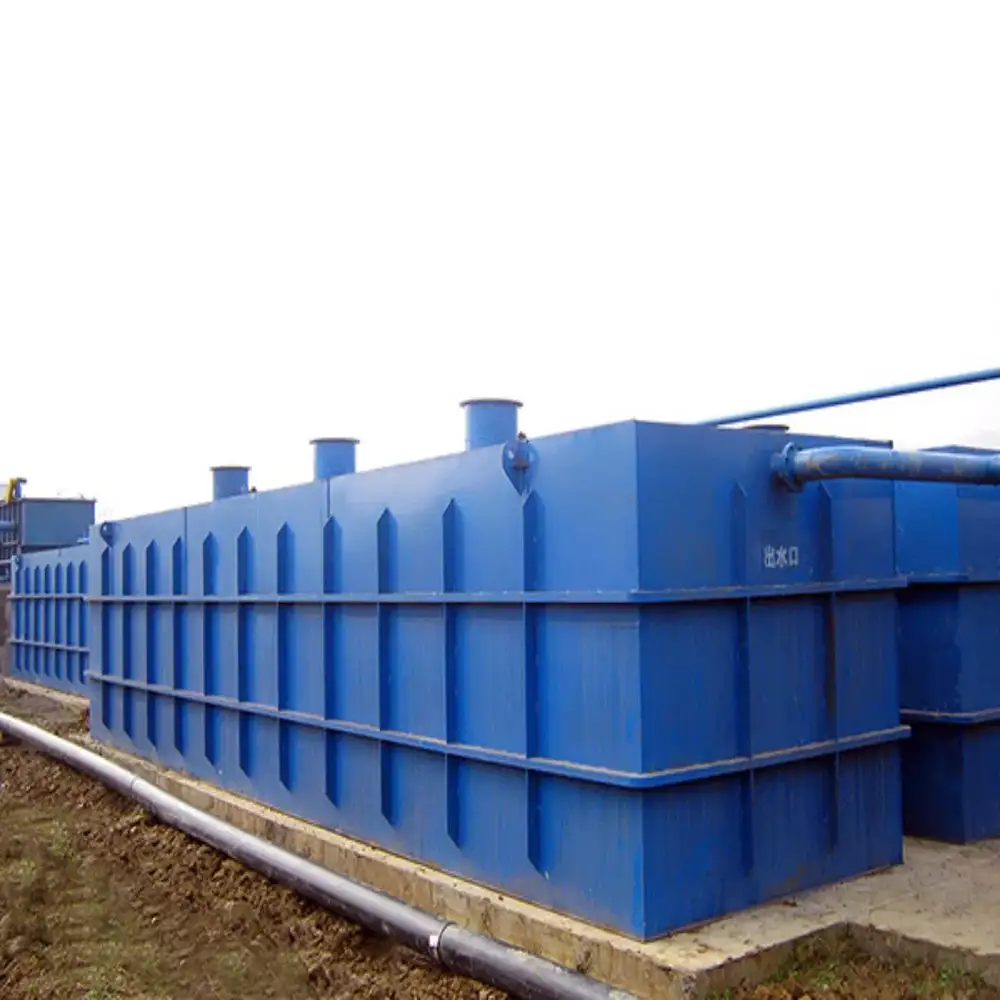
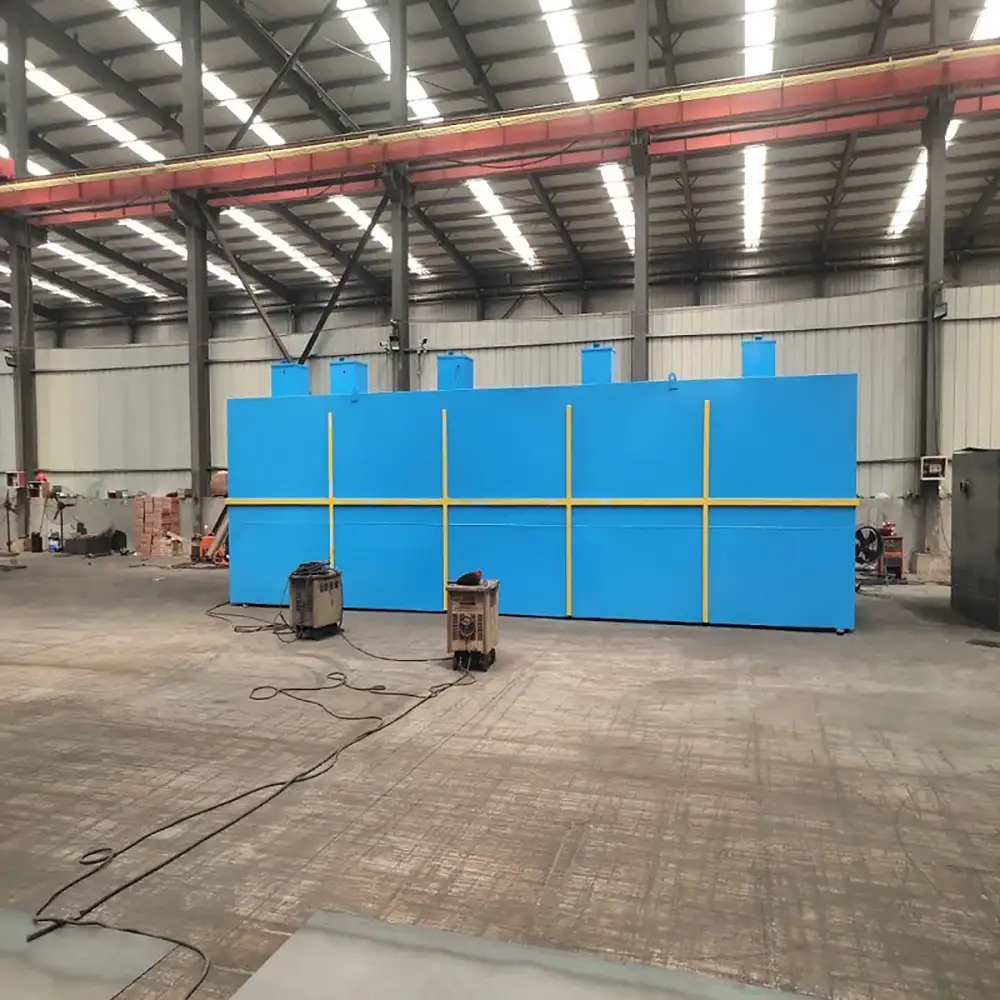
2.Integrated sewage treatment device
3.Advanced treatment of industrial wastewater
4.Treatment of landfill leachate
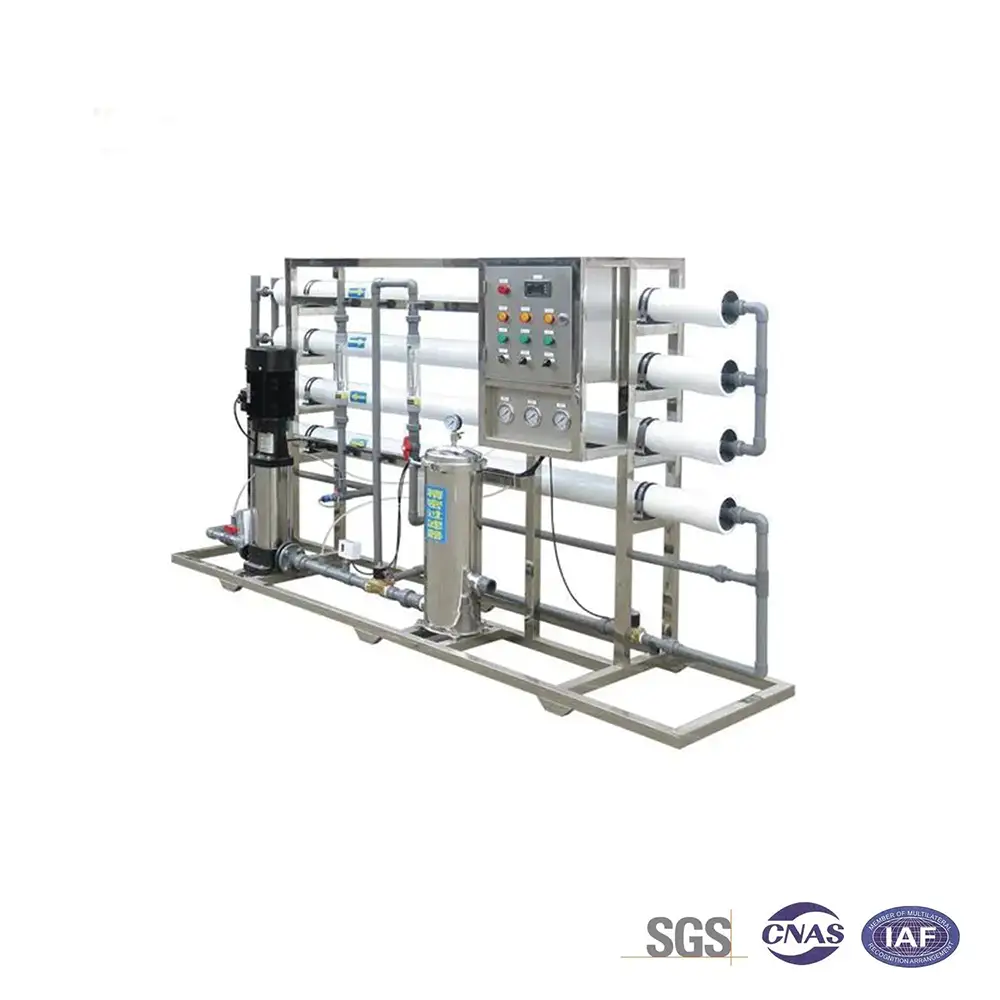
5.Pretreatment of seawater desalination or desalination of brackish water
MBR Membrane Seawater Desalination Equipment with Aeration Tank Water Purifier
The MBR Membrane Seawater Desalination Equipment with Aeration Tank Water Purifier is an integrated water treatment concept designed for applications that require advanced biological treatment, membrane filtration, water purification, and, when necessary, seawater desalination. By combining an aeration tank, membrane bioreactor technology, membrane filtration, and downstream desalination equipment such as reverse osmosis, the system can be configured for municipal wastewater treatment, industrial wastewater recycling, seawater pretreatment, and water reuse.
A membrane bioreactor, or MBR, combines biological wastewater treatment with microfiltration or ultrafiltration membrane separation. Instead of depending on a conventional secondary clarifier to separate activated sludge from treated water, the membrane module performs the solid-liquid separation. This configuration can provide a compact treatment footprint and stable separation performance when properly designed and operated.
For seawater applications, it is important to understand that an MBR membrane itself is not normally the primary desalination step. MBR technology is more commonly used for wastewater treatment, organic removal, solids separation, and pretreatment, while reverse osmosis or another dedicated desalination process removes dissolved salts. An integrated system can therefore use MBR as part of a larger water purification and desalination process.
How the MBR Aeration Tank Water Purifier Works
The treatment process begins with pretreatment. Incoming wastewater or suitable feedwater passes through screening and other preliminary treatment equipment to remove large debris, suspended solids, oils, and materials that could damage or foul downstream membrane modules. Proper pretreatment is particularly important for MBR systems because fine screening is commonly installed before the membranes to reduce the risk of membrane damage and excessive fouling.
After pretreatment, the water enters an equalization or biological treatment section. Depending on the project requirements, the process can include an anoxic tank, aerobic tank, aeration tank, and membrane tank.
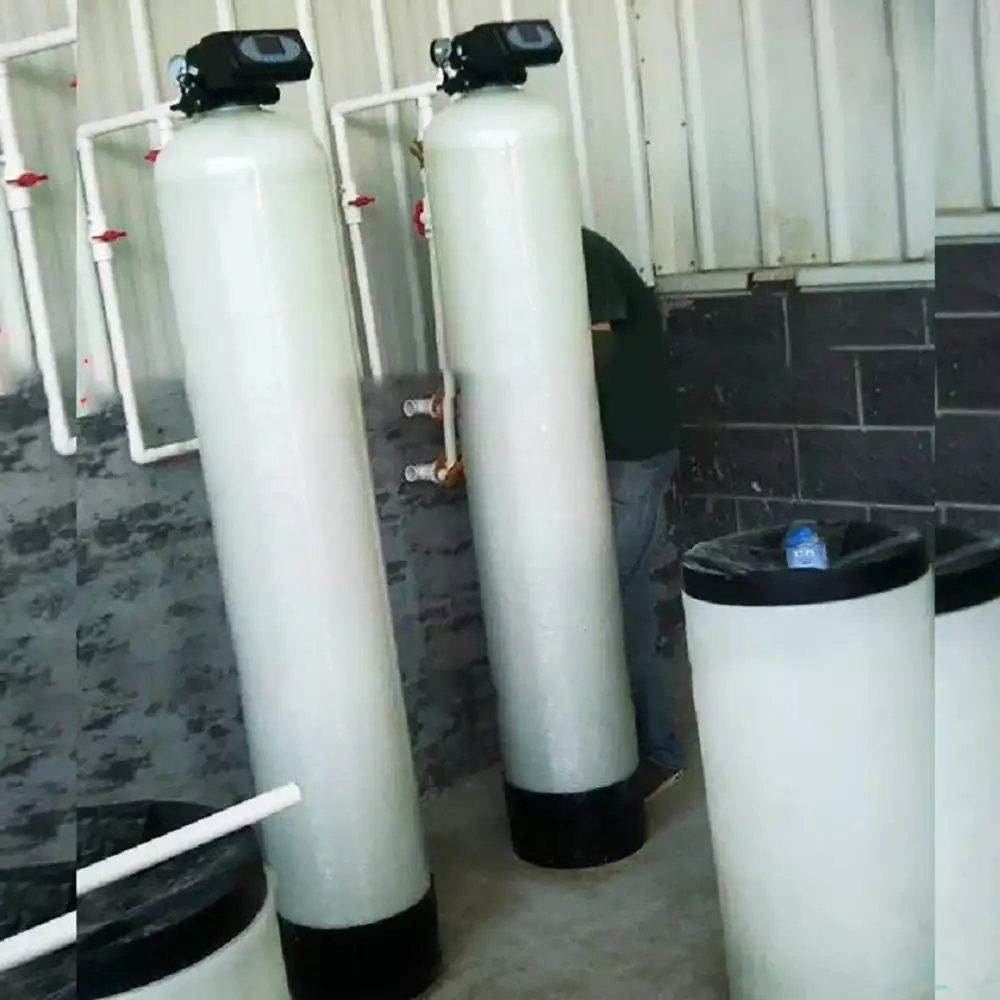
Inside the aeration tank, microorganisms break down biodegradable organic pollutants. Air supplied by blowers and diffusers provides oxygen required for biological reactions. The aeration system can also help maintain adequate mixing and biological activity.
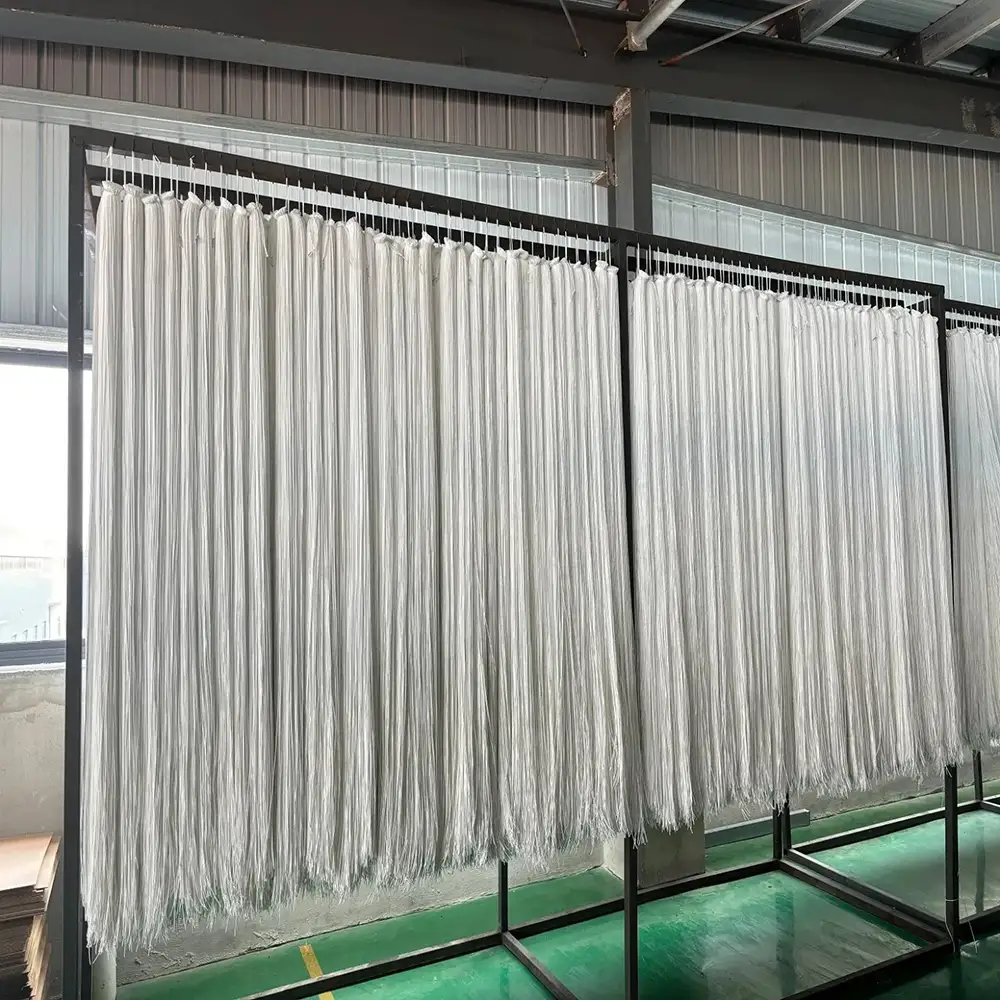
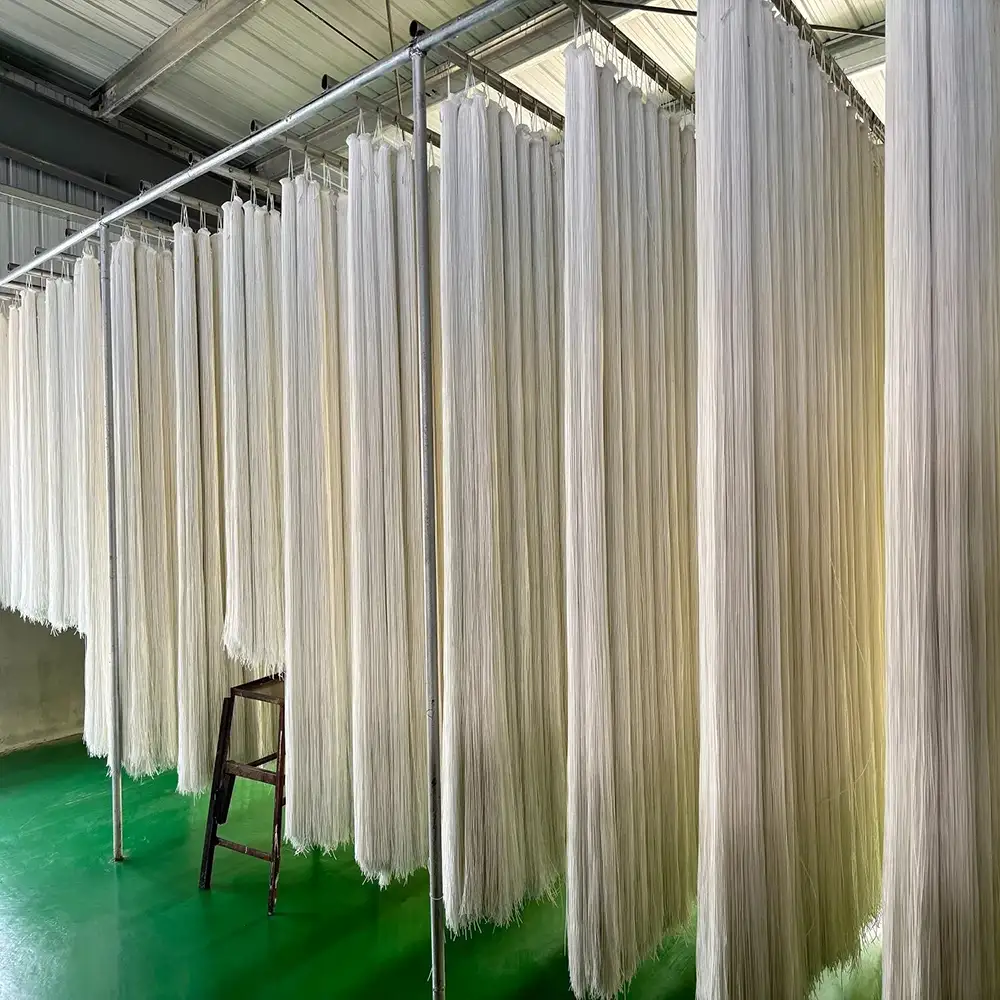
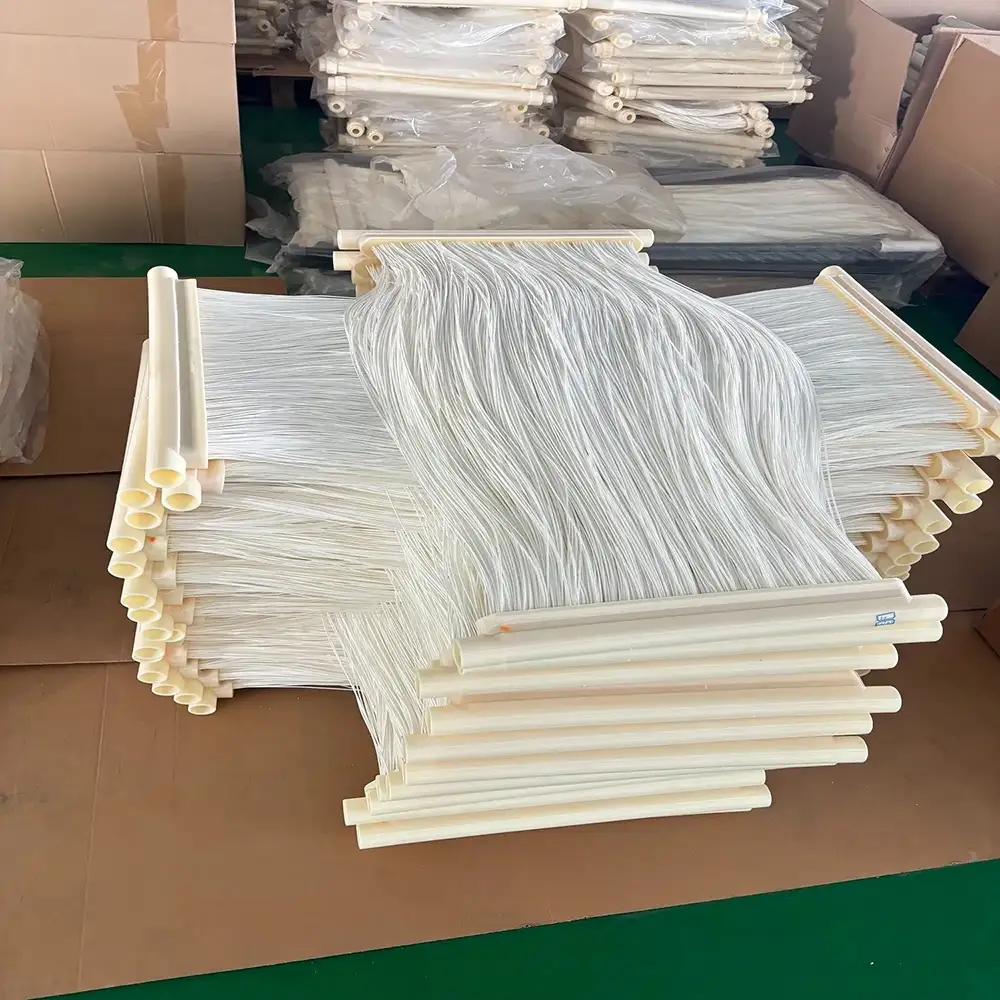
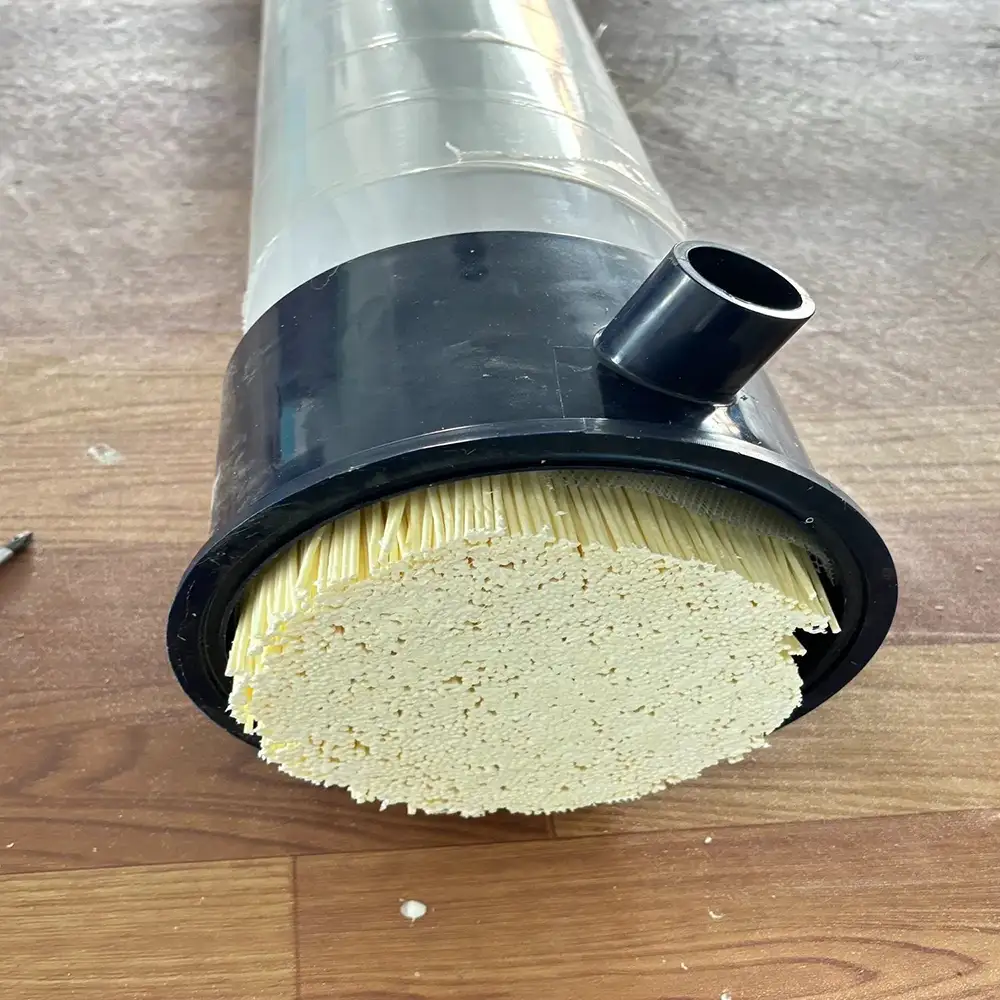
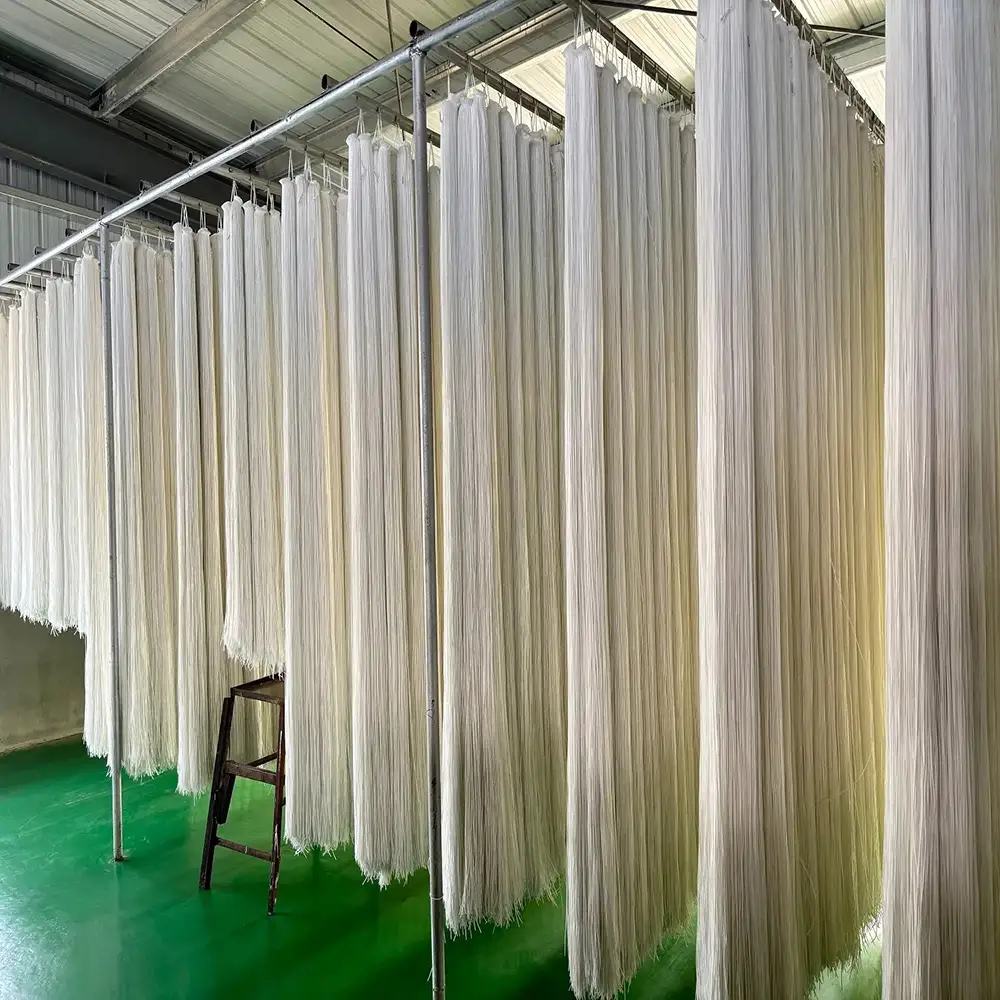
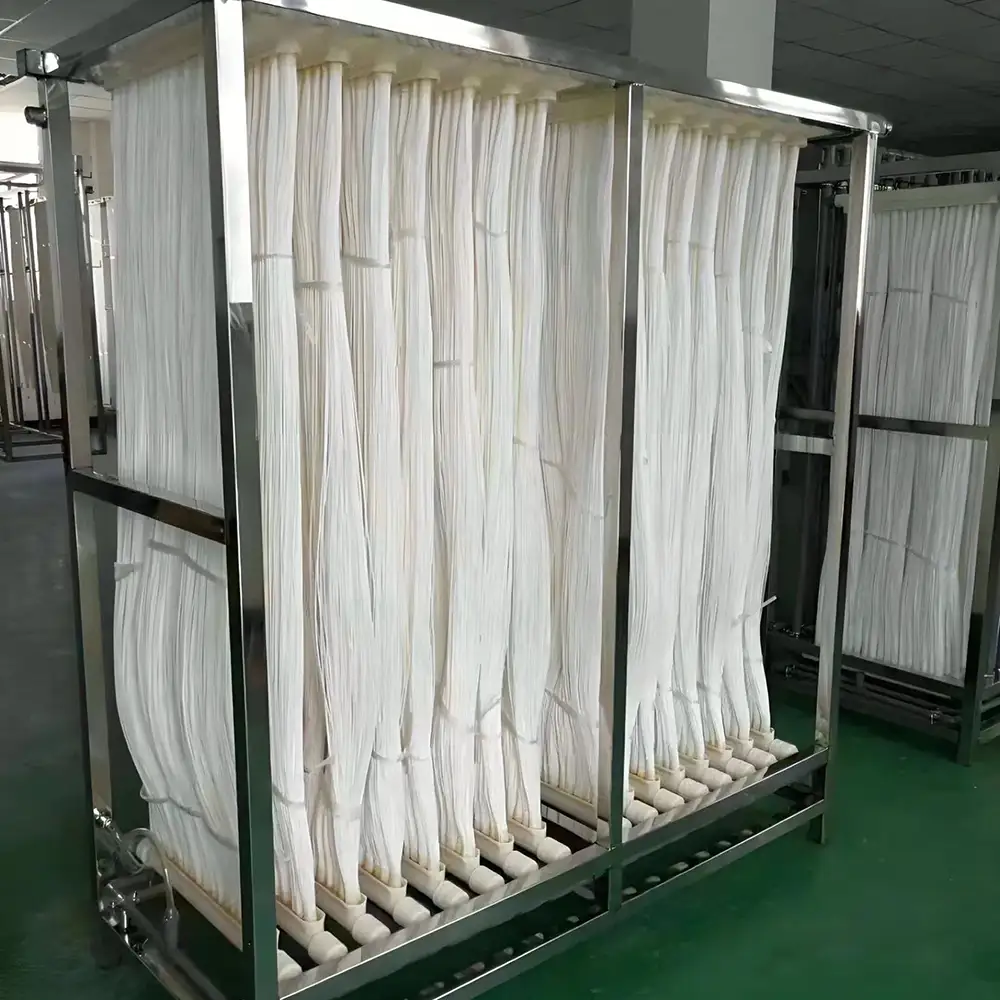
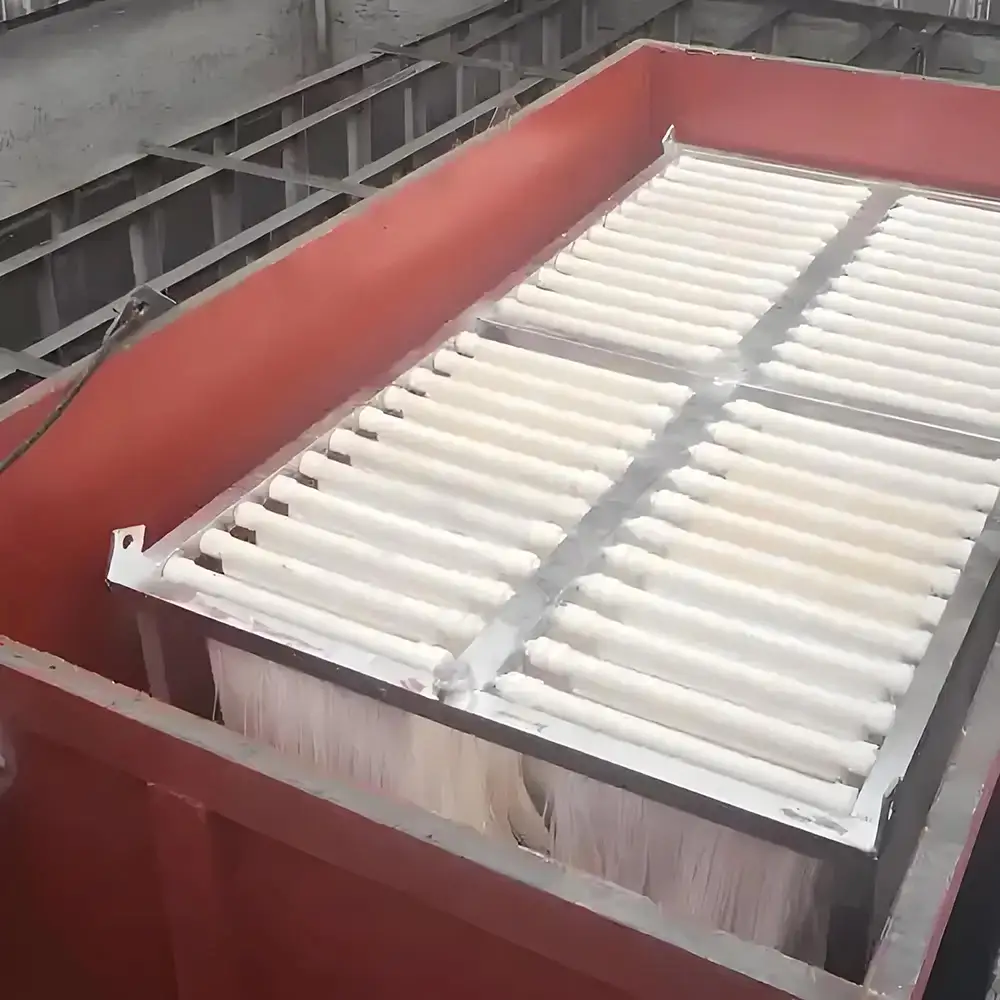
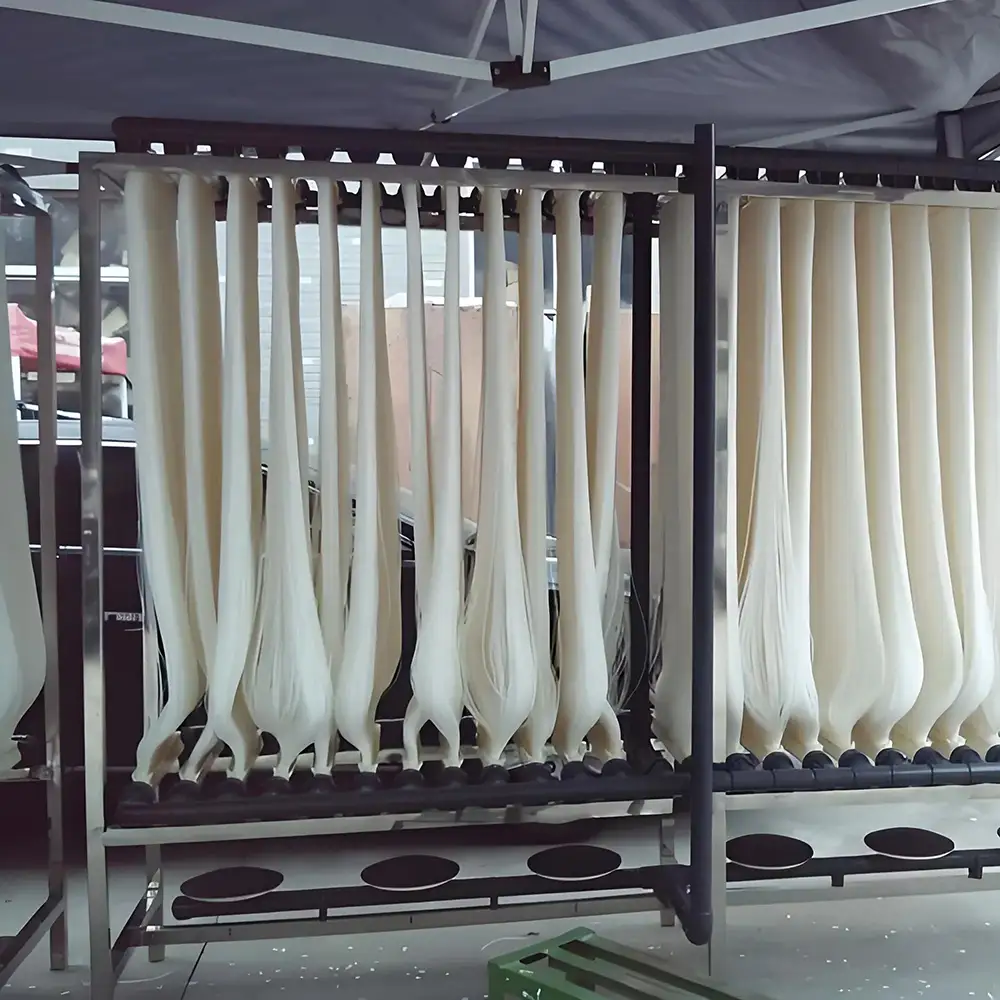
The treated mixed liquor then reaches the MBR membrane module. Hollow fiber or flat-sheet membrane modules can be used depending on the treatment design. The membrane separates treated permeate from activated sludge and suspended solids, allowing the biomass to remain in the biological reactor while clarified membrane permeate is collected for subsequent treatment or reuse.
For submerged MBR systems, membrane aeration is also important for controlling surface fouling. Coarse bubbles can create shear along the membrane surface and help reduce the accumulation of solids. Process aeration and membrane aeration are therefore important parts of MBR system design and energy management.
MBR Membrane and Filtration System
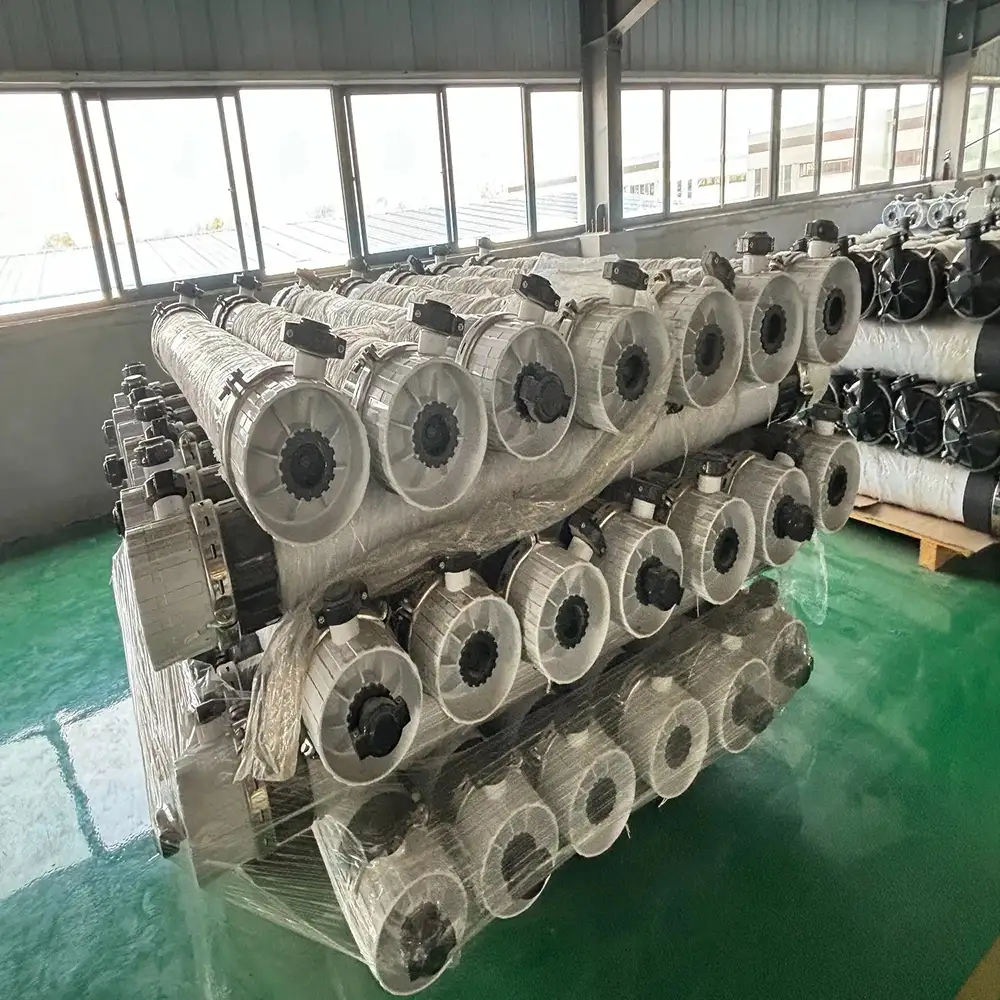
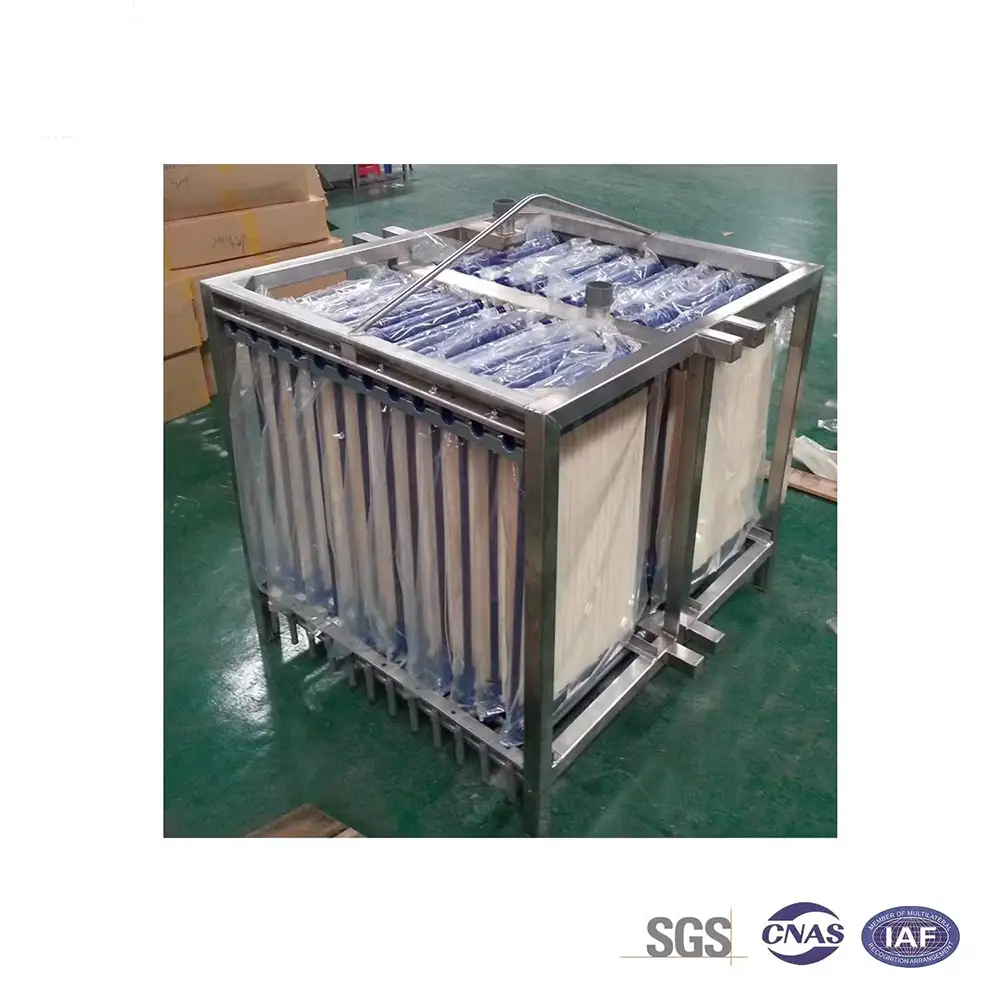
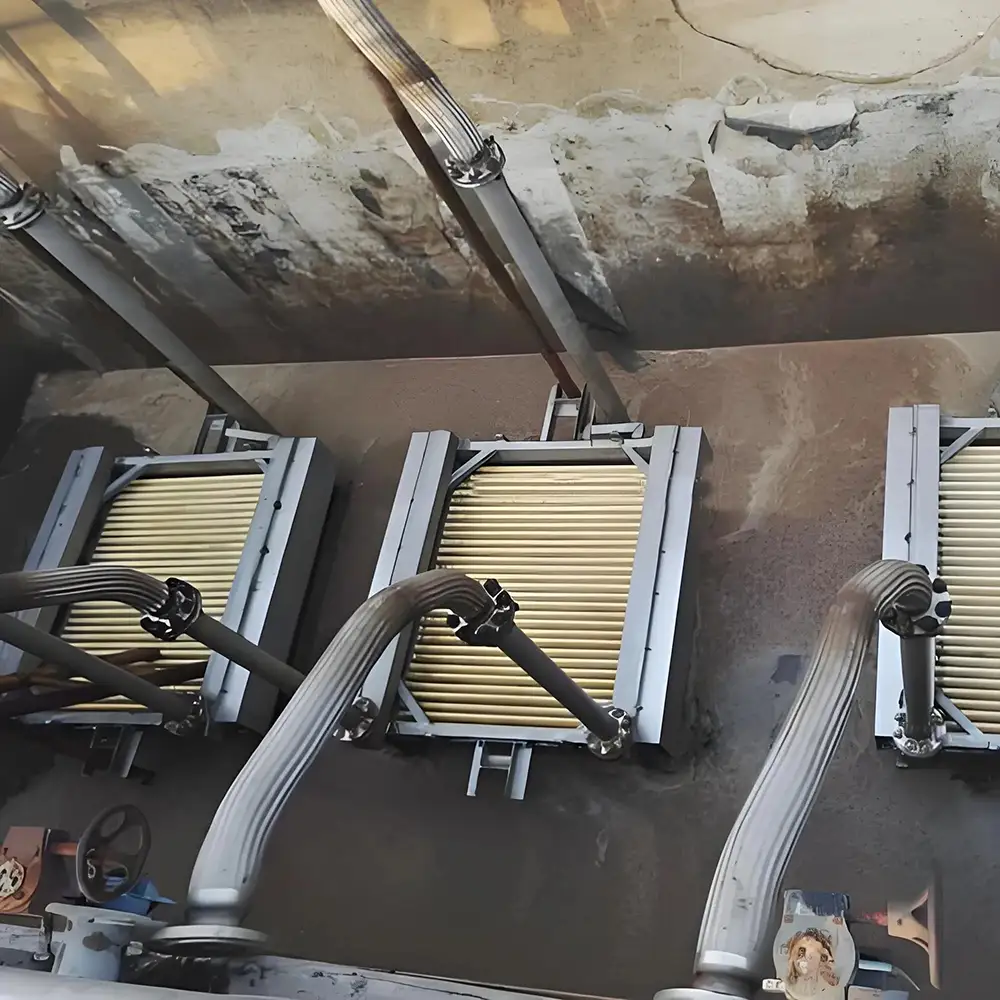
The membrane module is one of the most important components of an MBR water treatment system. Depending on the project, the system can use hollow fiber or flat-sheet membranes made from materials such as PVDF or other suitable membrane polymers.
The membrane pore structure provides physical separation of suspended solids, activated sludge, and microorganisms from the treated water. This makes MBR technology suitable for applications where high-quality treated water is required for discharge, further purification, or water reuse.
The membrane system may include:
MBR membrane modules
Membrane frames
Permeate pumps
Air blowers
Fine screens
Backwash equipment
Chemical cleaning systems
Sludge circulation pumps
Control valves
Flow meters
Pressure and level sensors
PLC control cabinet
An online or periodic cleaning strategy can be incorporated into the system design. Depending on membrane type and operating conditions, backwashing, relaxation, air scouring, and chemical cleaning may be used to control membrane fouling.
Seawater Desalination Equipment Integration
When the project involves seawater desalination, MBR technology should generally be considered as one treatment stage rather than the complete desalination process.
A typical integrated configuration may include:
Seawater Intake → Pretreatment → UF/MBR or Other Membrane Pretreatment → Cartridge Filtration → High-Pressure Pump → RO Desalination → Post-Treatment → Product Water Tank
For wastewater-to-reuse applications, another configuration may be:
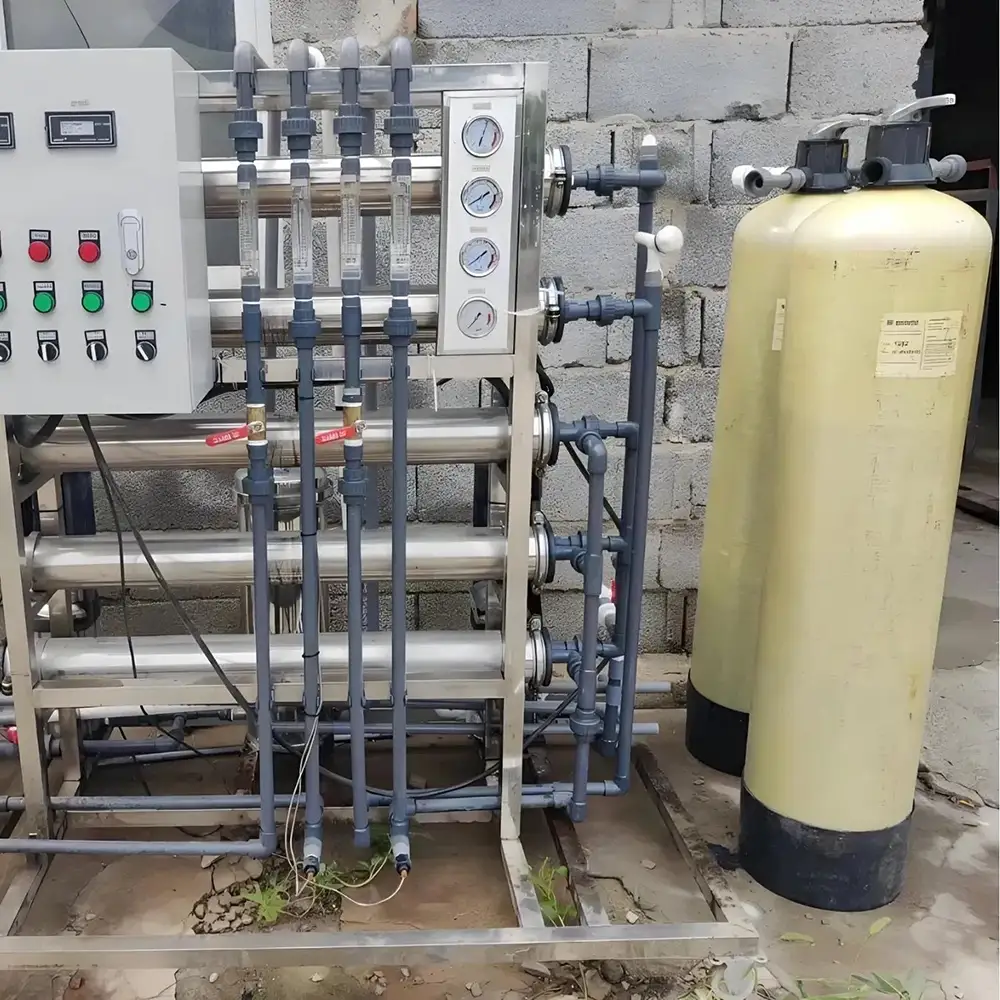
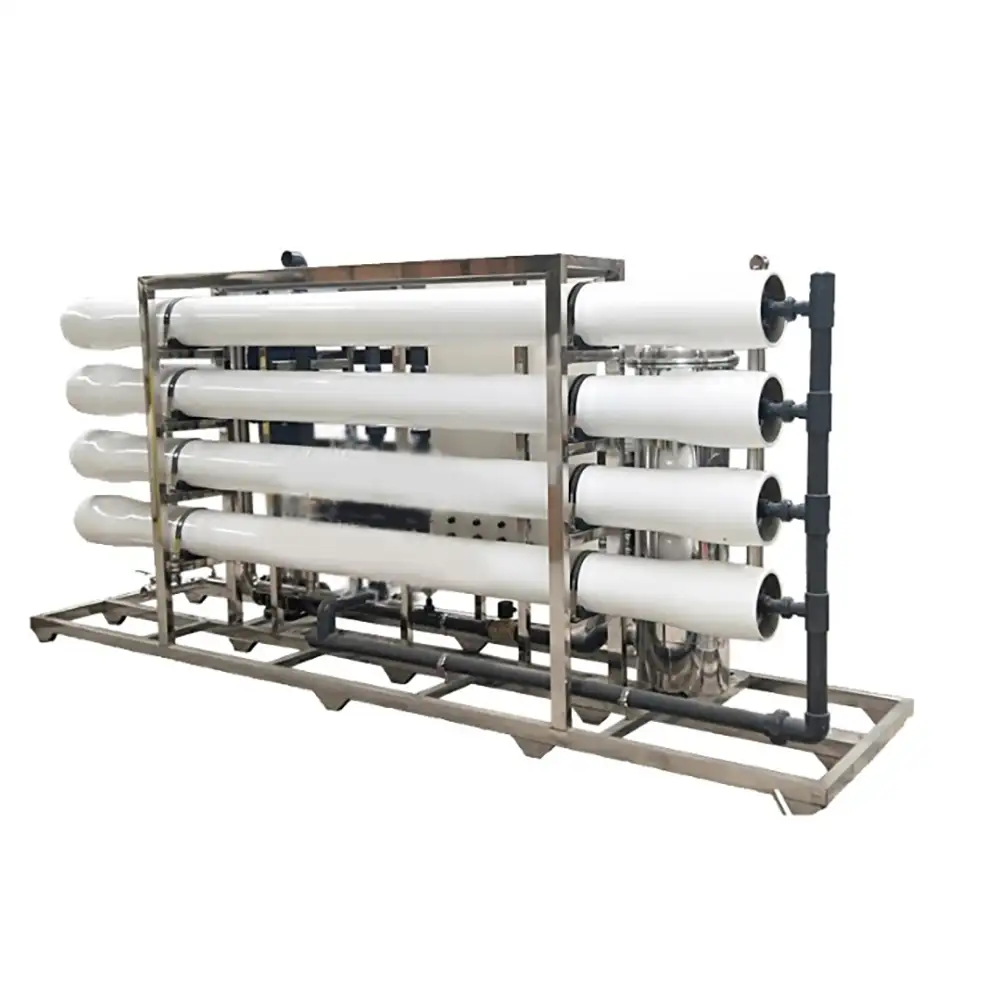
Wastewater → Screening → Equalization → Biological Treatment → Aeration Tank → MBR Membrane → RO Desalination → Disinfection → Reclaimed Water
The exact configuration depends on feedwater quality, salinity, suspended solids, organic loading, recovery target, water quality requirements, and final application.
Reverse osmosis is normally the key desalination stage because it is designed to separate dissolved salts from water. MBR can help provide high-quality biological treatment and membrane separation upstream of RO, especially when wastewater reuse is part of the project.
Aeration Tank Water Purifier Features
1. Integrated Biological Treatment
The aeration tank provides an environment for microorganisms to biologically remove biodegradable organic matter and, when appropriately configured, support nitrogen removal processes.
2. Membrane Solid-Liquid Separation
The MBR membrane replaces the conventional secondary clarification function in many system configurations, allowing biological treatment and membrane separation to operate together.
3. Compact Treatment Configuration
Because membrane separation can be integrated directly with biological treatment, MBR systems can provide a compact alternative for projects where land availability is limited.
4. Flexible Membrane Options
Depending on the application, the system can be designed with hollow fiber or flat-sheet membrane modules. Membrane selection should consider feedwater quality, required flux, cleaning method, operating conditions, and maintenance requirements.
5. Suitable for Water Reuse
MBR permeate can be used as a high-quality feed stream for additional polishing processes such as RO, UV disinfection, or other advanced treatment technologies.
6. Automated Operation
A PLC-based control system can monitor flow, pressure, liquid level, pump operation, blower operation, membrane performance, and cleaning cycles. Automatic alarms can help operators respond to abnormal operating conditions.
Applications
MBR membrane and aeration tank water purification equipment can be configured for a wide range of applications, including:
Municipal sewage treatment
Industrial wastewater treatment
Food and beverage wastewater
Brewery wastewater treatment
Textile and printing wastewater
Pharmaceutical wastewater
Chemical industry wastewater
Hotel and commercial wastewater
Wastewater recycling
Industrial water reuse
Seawater pretreatment
Desalination pretreatment
RO feedwater pretreatment
Coastal industrial water treatment
Reclaimed water production
For saline wastewater, specialized biological treatment may be required because elevated salinity can affect microbial activity. System design should therefore consider salt concentration, wastewater characteristics, microorganism acclimation, and the complete treatment train.
Membrane Fouling and Maintenance
Membrane fouling is one of the major operational considerations in MBR systems. Organic matter, suspended solids, biological materials, and inorganic deposits can accumulate on membrane surfaces and increase filtration resistance.
Effective pretreatment, appropriate membrane flux, controlled aeration, periodic backwashing, relaxation, and chemical cleaning can help maintain membrane performance. Aeration is particularly important because membrane air scouring can reduce the buildup of solids on submerged membrane surfaces.
Operators should monitor transmembrane pressure, permeate flow, water quality, dissolved oxygen, sludge concentration, and other relevant operating parameters. Cleaning intervals should be determined according to actual operating conditions rather than using a universal schedule.
Custom MBR and Desalination System Design
Every wastewater and seawater treatment project has different feedwater characteristics. For this reason, the MBR Membrane Seawater Desalination Equipment can be customized according to treatment capacity and water quality requirements.
Important design information includes:
Raw water or wastewater source
Average and peak flow
COD and BOD
Suspended solids
Ammonia and total nitrogen
Salinity and TDS
pH
Water temperature
Required permeate quality
RO feed requirements
Final reuse or discharge standard
Available installation space
Based on these parameters, the treatment system can be configured with suitable pretreatment, aeration capacity, membrane area, pumps, blowers, RO equipment, disinfection, and automatic controls.
Why Choose Us?
Choosing the right MBR and desalination equipment supplier is important because membrane performance depends on the complete treatment process rather than the membrane module alone.
We provide integrated water treatment solutions covering MBR membrane systems, aeration tanks, ultrafiltration, RO desalination, pumps, blowers, control cabinets, membrane cleaning systems, and water reuse equipment.
Our engineering approach focuses on matching the membrane technology and treatment process to the actual feedwater characteristics. We can support equipment selection, process configuration, membrane area calculation, system customization, control integration, and OEM requirements.
Whether you need a compact MBR sewage treatment system, industrial wastewater recycling system, seawater pretreatment solution, or MBR-plus-RO water purification system, the equipment can be designed according to project capacity and final water quality requirements.
FAQs
1. What is an MBR membrane system?
An MBR, or membrane bioreactor, combines biological wastewater treatment with membrane filtration. The membrane separates treated water from activated sludge and suspended solids.
2. Can an MBR membrane desalinate seawater?
MBR membranes are primarily used for biological treatment and solid-liquid separation. They are not normally used as the main seawater desalination stage. RO is generally used for dissolved salt removal.
3. Can MBR be used before an RO desalination system?
Yes. MBR can provide biological treatment and membrane separation before RO in suitable wastewater reuse applications. The exact pretreatment configuration depends on feedwater quality and RO requirements.
4. What is the function of the aeration tank?
The aeration tank supplies oxygen for biological treatment and maintains suitable conditions for microorganisms to degrade biodegradable pollutants.
5. What types of MBR membranes are available?
Common configurations include hollow fiber and flat-sheet membrane modules. The appropriate type depends on treatment capacity, wastewater characteristics, maintenance strategy, and system design.
6. Does MBR require membrane cleaning?
Yes. Membrane cleaning is an important part of normal MBR operation. Physical cleaning and chemical cleaning methods may be used depending on membrane fouling conditions.
7. What causes MBR membrane fouling?
Fouling can result from suspended solids, organic substances, microorganisms, extracellular polymeric substances, and inorganic deposits. Pretreatment and proper operating conditions help control fouling.
8. Is MBR suitable for industrial wastewater?
Yes. MBR systems can be configured for many industrial wastewater applications, including food, beverage, pharmaceutical, textile, chemical, and manufacturing wastewater.
9. Can the MBR system be customized?
Yes. Capacity, membrane type, membrane area, aeration equipment, pumps, tanks, RO units, controls, and other components can be configured according to project requirements.
10. What information is needed for an MBR quotation?
Typical information includes wastewater flow, wastewater source, COD, BOD, TSS, ammonia, nitrogen, pH, temperature, salinity or TDS, required outlet quality, and installation conditions.
11. Can MBR-treated water be reused?
Yes. Depending on the required reuse quality, MBR permeate may be further treated with RO, UV, disinfection, activated carbon, or other advanced treatment technologies.
12. Is MBR suitable for seawater-related projects?
Yes, particularly as part of an integrated treatment or pretreatment system. For direct seawater desalination, the complete process should normally include dedicated desalination technology such as RO.
Prev:
MBR Membrane Filtration System/Sewage Treatment Plant/Sewage Treatment Spare Parts/Ultrafiltration Membrane Module
Next:
Efficient Microbial Interception/Purification and Removal of Organic Matter/Sewage Treatment Equipment
TAG:
Industrial Wastewater Treatment,
Sewage Treatment Plant,
Water Purification Equipment,
Wastewater Treatment Equipment,
Wastewater Treatment System,
Industrial Water Treatment,
Membrane Filtration System,
Membrane Water Treatment,
Industrial Water Purification,
Water Reuse System,
Seawater Desalination Equipment,
Seawater RO System,
Seawater Desalination System,
RO Water Treatment System,
Water Recycling System,
Ultrafiltration Membrane,
RO Membrane System,
Sewage Treatment Equipment,
RO Desalination Equipment,
Reverse Osmosis Desalination,
Desalination Water Treatment,
Seawater Treatment Equipment,
Aeration Tank,
Municipal Wastewater Treatment,
MBR Wastewater Treatment,
MBR Sewage Treatment,
MBR Membrane Module,
Flat Sheet MBR Membrane,
Hollow Fiber MBR Membrane,
Membrane Bioreactor System,
Related Category:
MBR Membrane,Seawater Desalination Equipment,Aeration Tank Water Purifier,MBR Water Treatment System,Membrane Bioreactor China, suppliers, manufacturers, factory, customized, wholesale, quotation, made in China