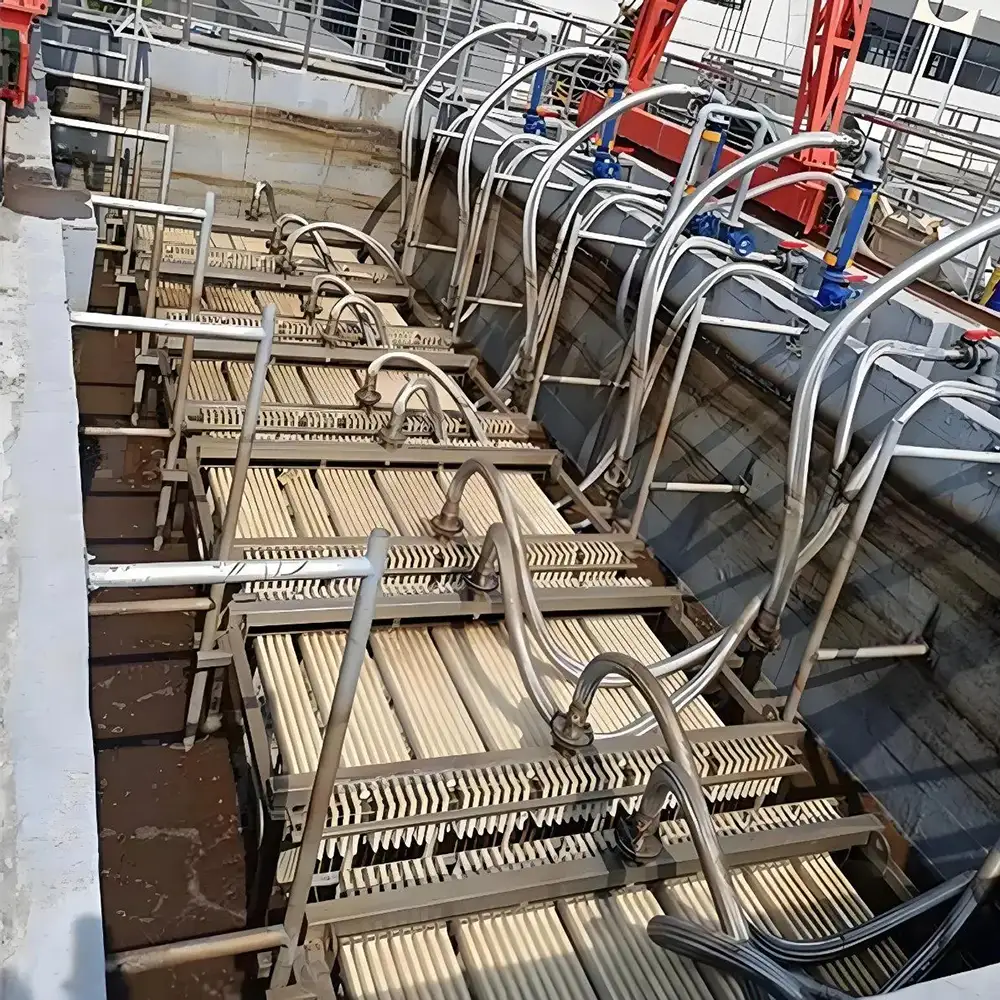
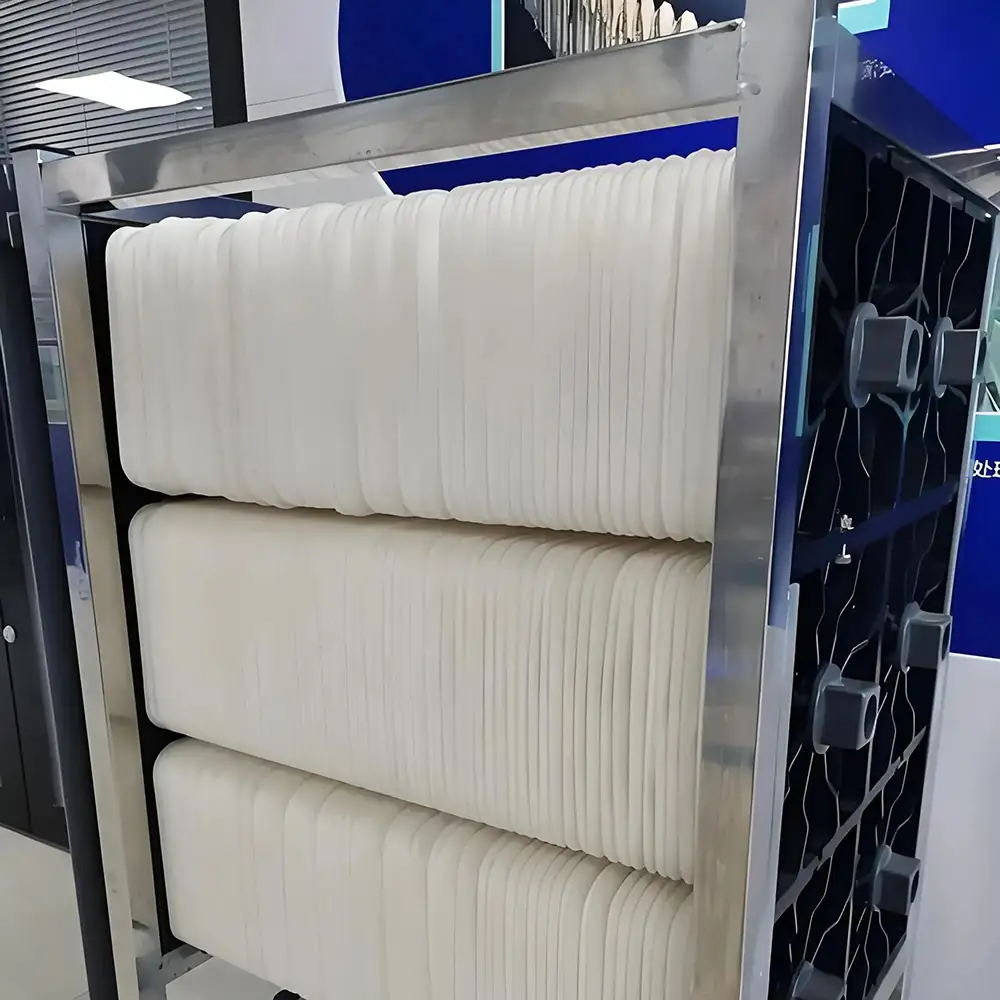
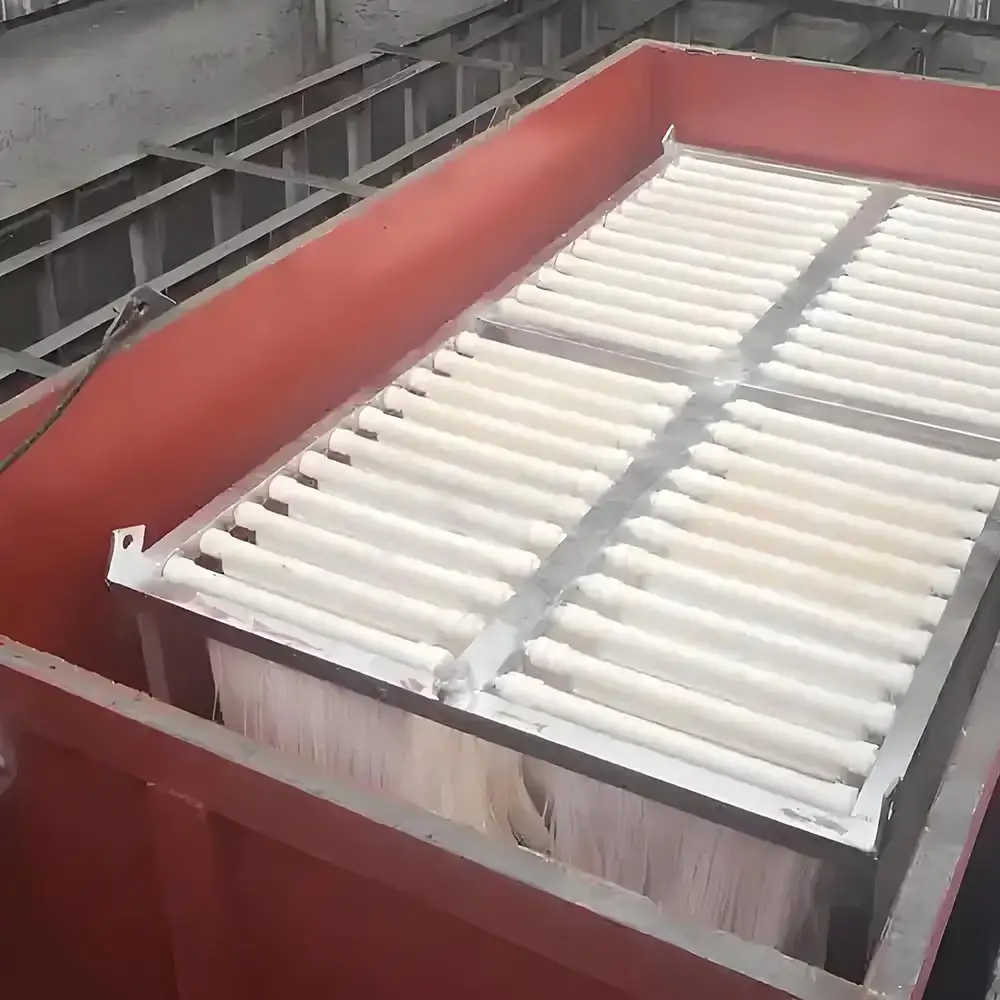
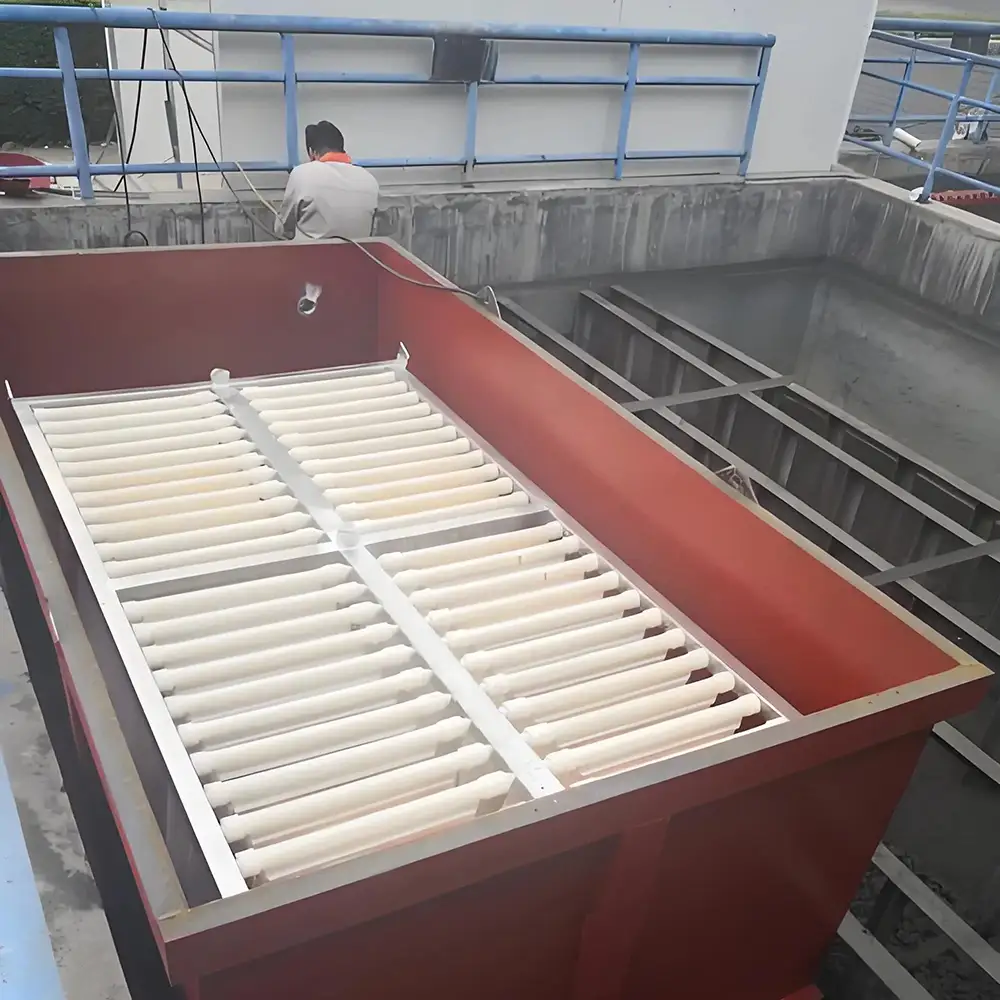
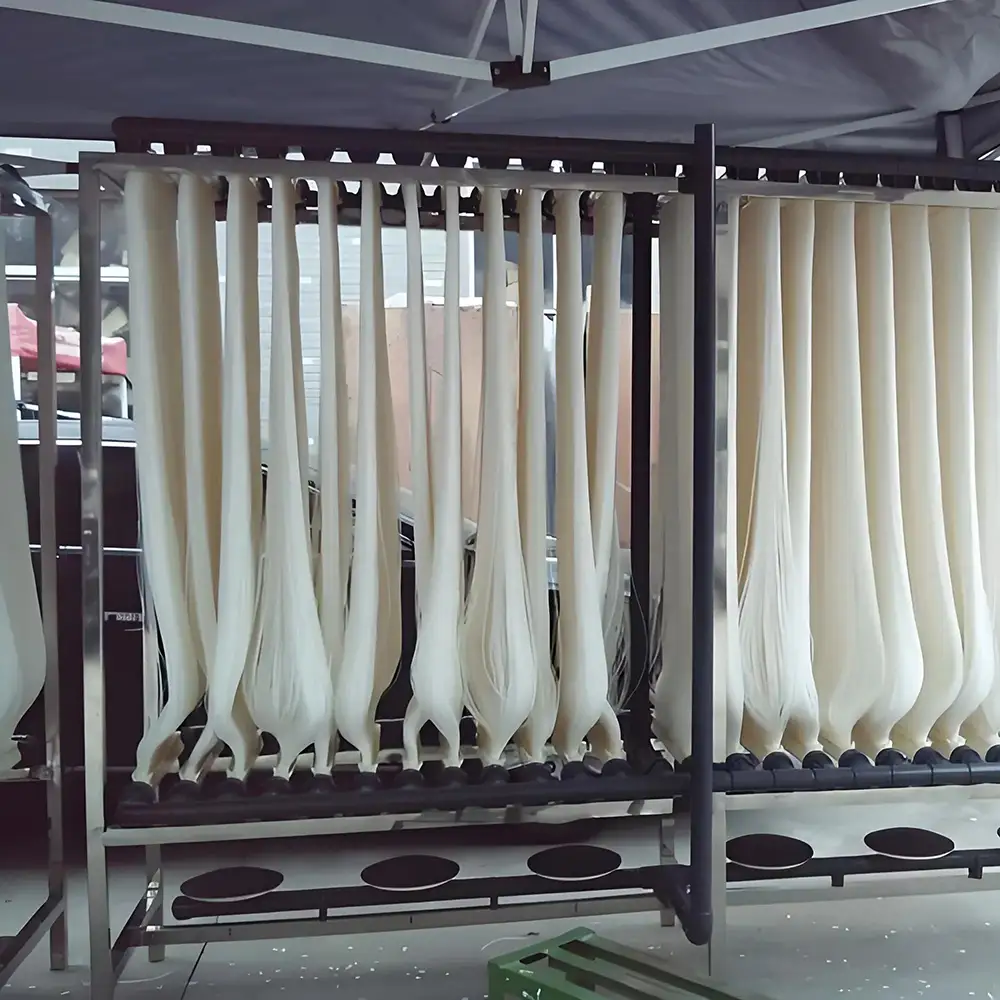
The MBR Membrane for Efficient Treatment of Organic Matter and Pathogens is an advanced wastewater treatment solution that combines biological treatment with membrane filtration. Designed for municipal sewage, domestic wastewater, and a wide range of industrial wastewater applications, MBR technology provides effective removal of suspended solids while supporting biological degradation of organic pollutants and significant microbial reduction.
A membrane bioreactor integrates an activated-sludge biological process with microfiltration or ultrafiltration membranes. Microorganisms in the bioreactor break down biodegradable organic matter, while the membrane provides a physical separation barrier for activated sludge and suspended particles. This combination can produce high-quality treated water in a relatively compact treatment footprint.
|
Model NO. |
PVDF |
Handling method |
Physical Treatment |
|
Usage |
Industrial, Home, Agriculture, Hospital, Urban |
Trademark |
|
|
Types |
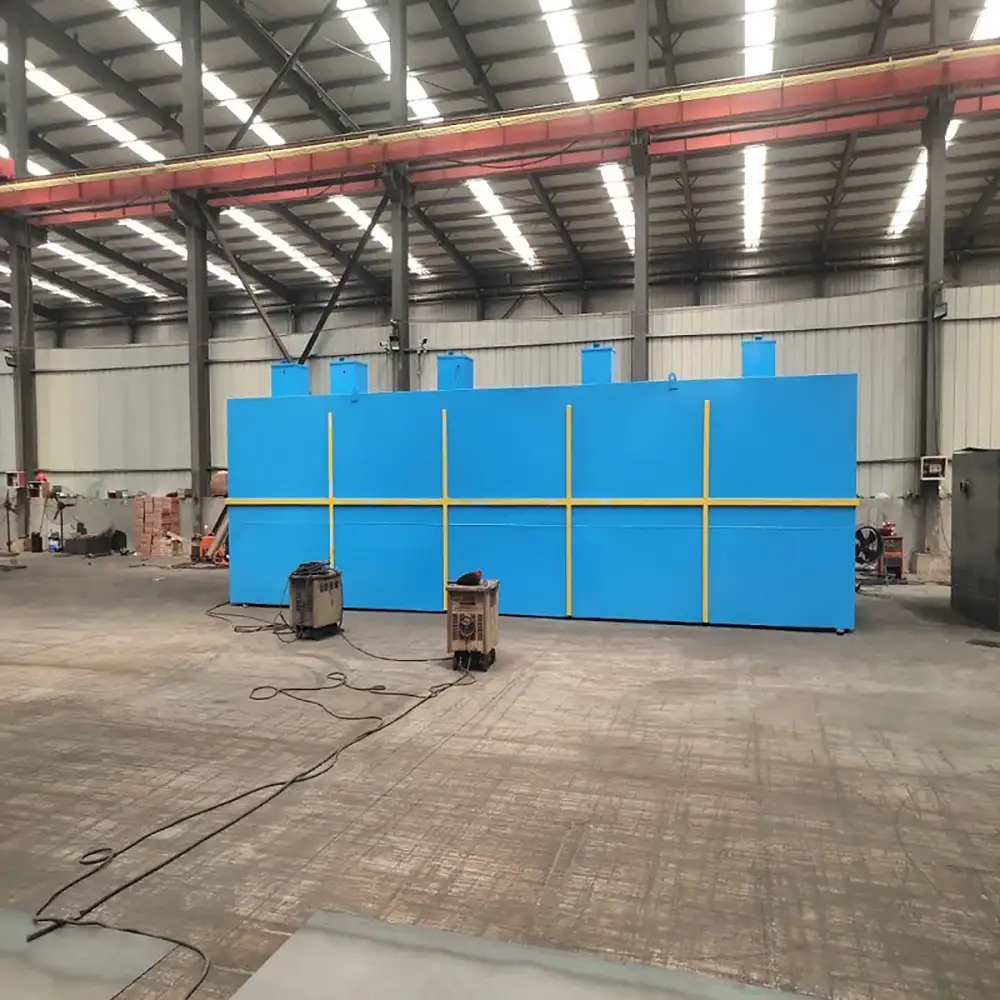
Package, Compact, Small, Mini |
Applications |
Industrial, Municipal, Domestic, Medical, Ship |
|
Transport Package |
Container Standard Packing |
Features |
Remove Cod BOD |
|
Service Life |
10 Years |
Operation |
Automatic |
|
material |
PVDF |
Function |
Removing Escherichia coli, harmful bacteria |
|
Voltage |
220V/ 380V/ Customerized |
Installation Type |
Underground / Onground |
|
Colour |
white |
Use for |
Mineral, Printing, Chemical, Dyeing, Starch |
|
Material |
PVDF |
Production Capacity |
2000 Sets/Year |
MBR Membrane for Organic Matter Treatment
Organic matter is one of the primary pollutants in municipal and industrial wastewater. High concentrations of BOD and COD can negatively affect receiving water bodies and may require efficient biological treatment before discharge or reuse.
In an MBR system, microorganisms metabolize biodegradable organic compounds under controlled biological conditions. Depending on the process configuration, aerobic, anoxic, or anaerobic zones can be incorporated to address different wastewater characteristics and nutrient-removal requirements.
The membrane module then separates the treated mixed liquor from the microorganisms and suspended solids. This allows the biological process to retain active biomass inside the reactor while producing a clarified permeate.
MBR technology has demonstrated strong performance in organic pollutant removal and is widely applied to municipal and industrial wastewater treatment.
Pathogen Reduction Through Membrane Filtration
Pathogen reduction is another important advantage of MBR wastewater treatment. Depending on membrane type and operating conditions, membrane filtration can physically retain many bacteria and other microorganisms.
Ultrafiltration membranes have substantially smaller pore structures than conventional filtration systems and can provide an effective barrier against suspended solids and many microorganisms. However, pathogen removal should always be evaluated based on the actual membrane type, pore characteristics, operating conditions, target organisms, and required effluent standard.
MBR should therefore be viewed as an important pathogen-reduction step rather than an automatic guarantee of complete pathogen elimination. Research has shown that pathogen removal rates can vary between microorganisms and operating systems, and additional disinfection may still be necessary for certain water reuse applications.
How the MBR Membrane System Works
A typical MBR wastewater treatment process includes several stages:
1. Pretreatment
Screens and other pretreatment equipment remove large debris, fibers, plastics, hair, sand, and other materials that could damage or foul the membrane.
2. Equalization
An equalization tank may be used to balance wastewater flow and pollutant loading, especially when the influent varies significantly throughout the day.
3. Biological Treatment
Microorganisms in the bioreactor consume biodegradable organic matter. Process conditions such as dissolved oxygen, sludge concentration, pH, temperature, and retention time are controlled according to the treatment objective.
4. Membrane Filtration
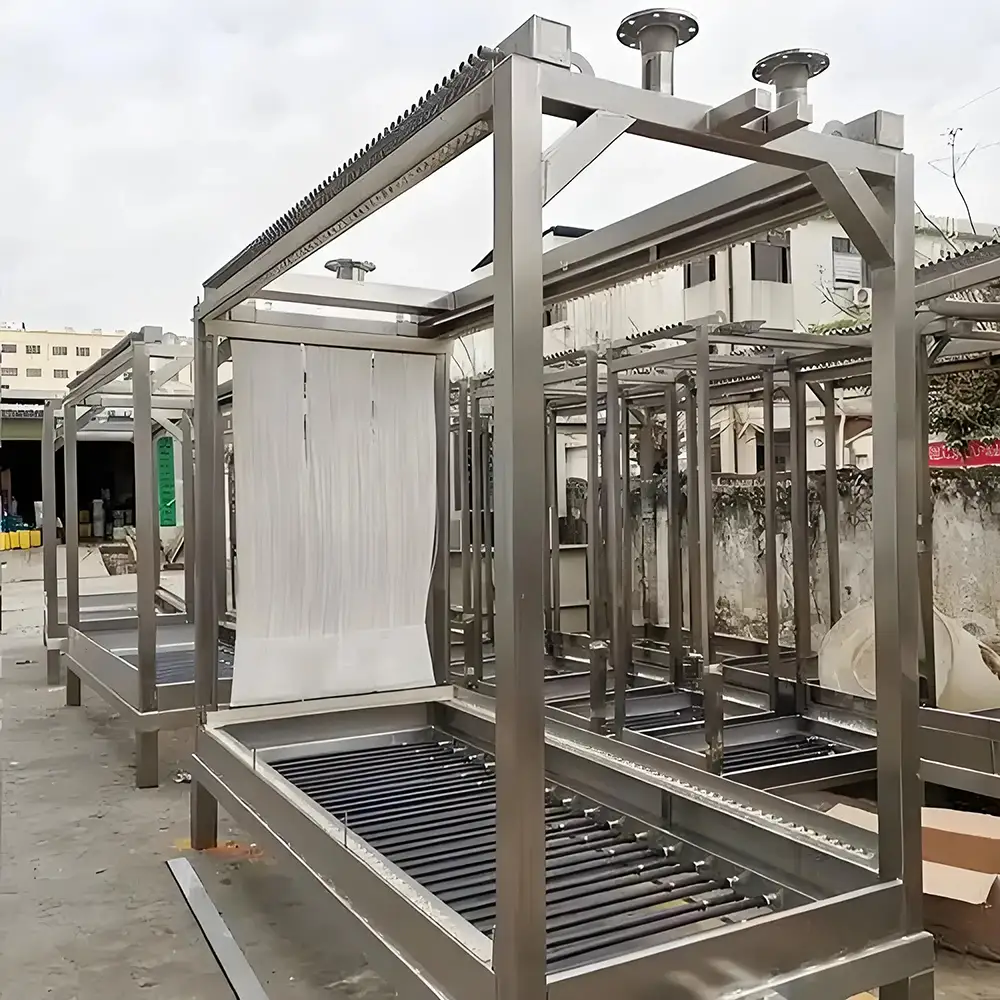
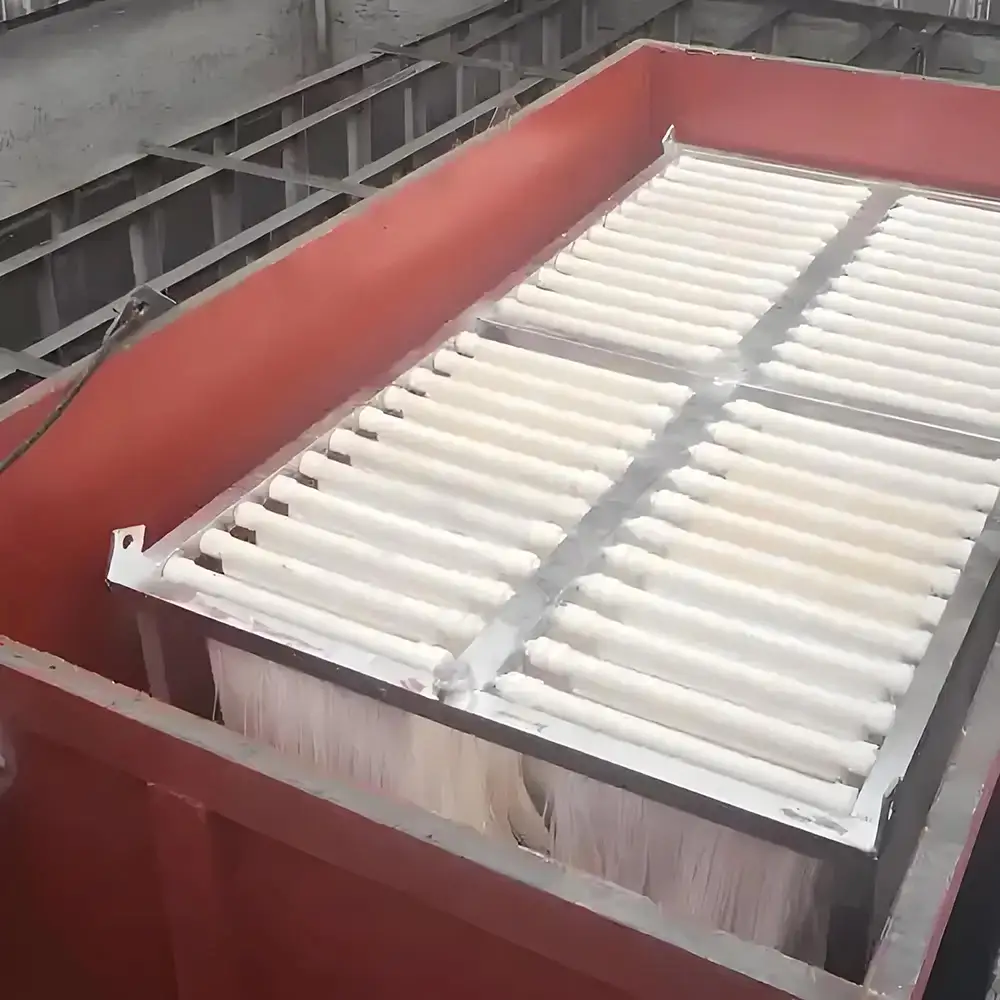
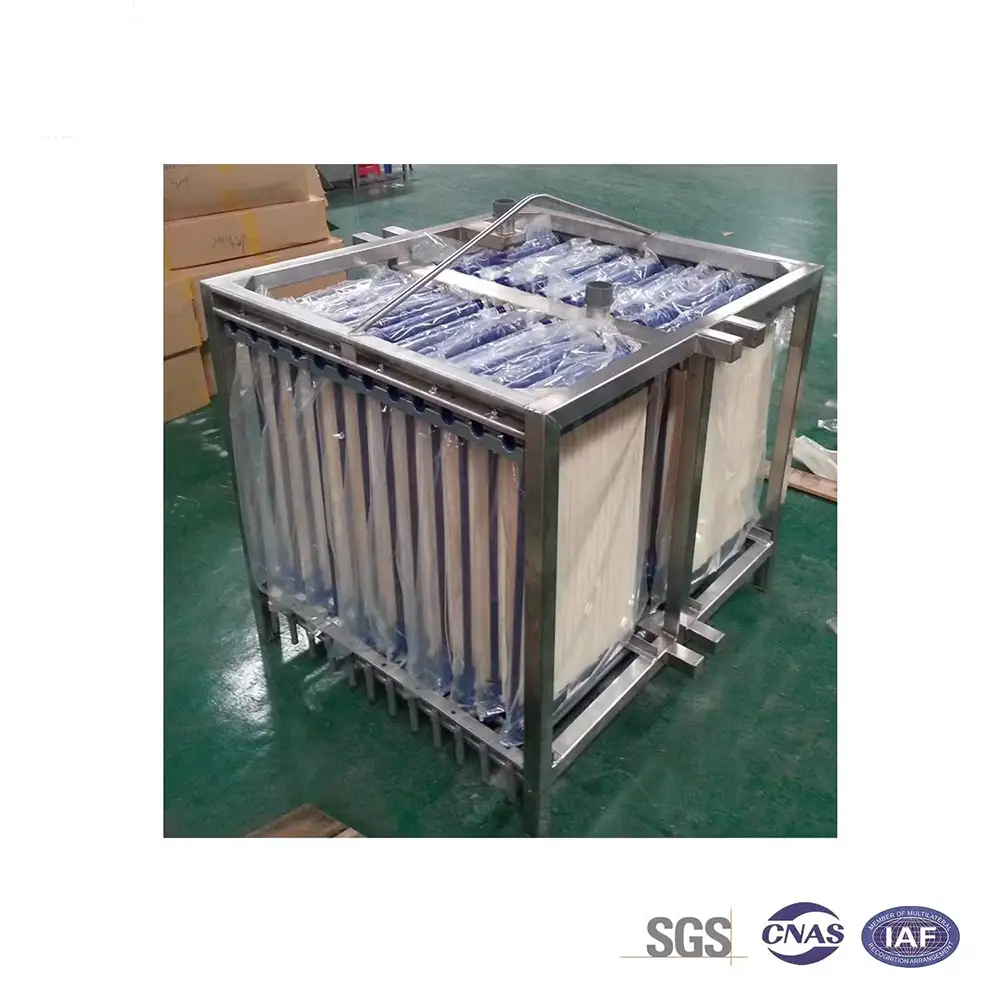
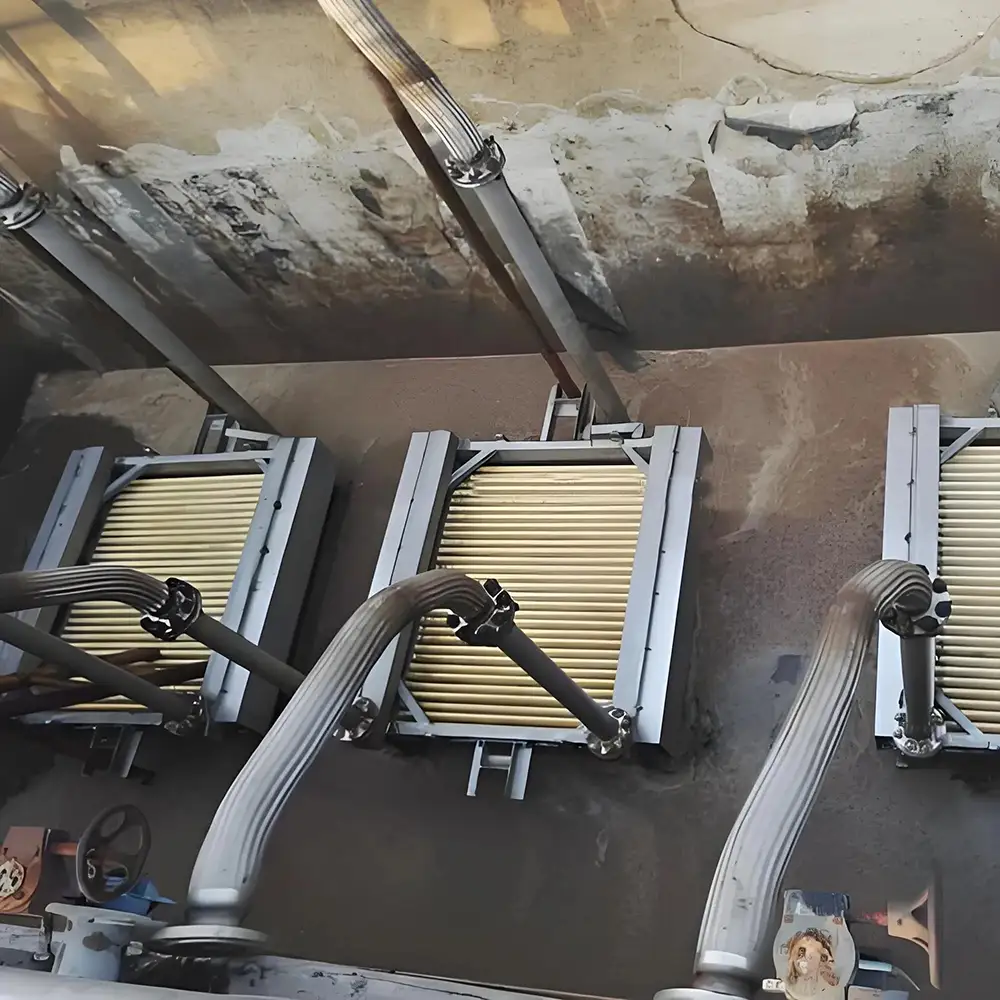
The MBR membrane separates treated water from activated sludge. Hollow fiber or flat-sheet membrane modules may be submerged directly in the bioreactor or installed in a separate membrane tank.
5. Permeate Collection
The filtered water, or permeate, is collected for discharge, additional polishing, disinfection, or water reuse depending on the project requirements.
6. Sludge Management
Excess biological sludge is periodically removed from the system to maintain the desired mixed liquor concentration and biological operating conditions.
This integrated configuration eliminates or reduces the need for a conventional secondary clarification stage in many MBR designs.
Hollow Fiber MBR Membrane
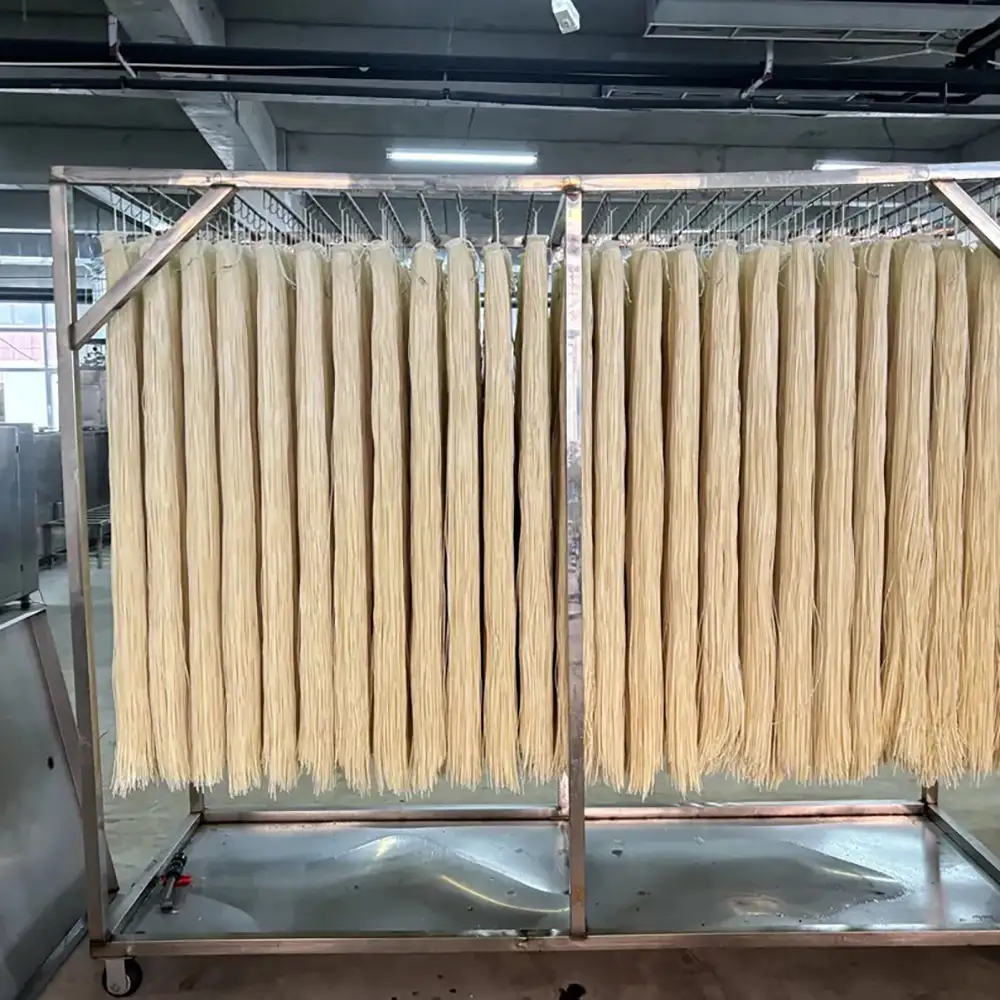
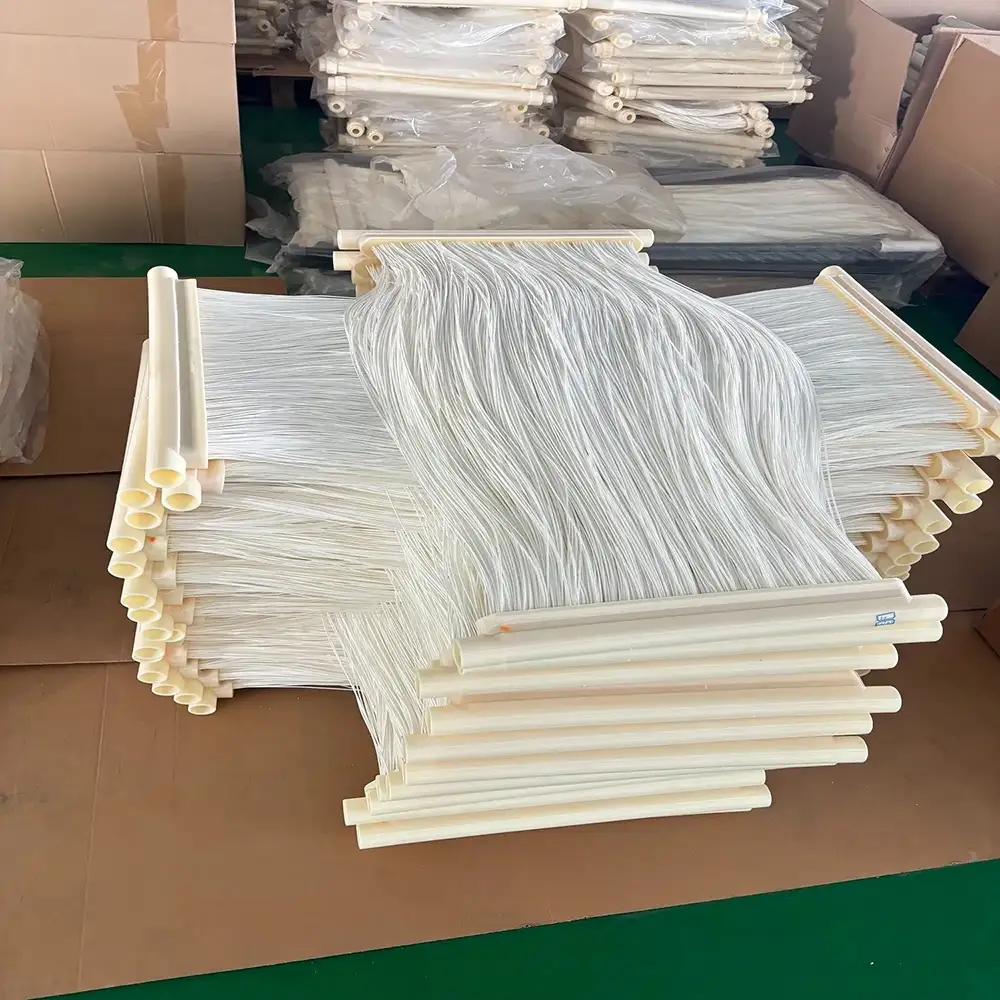
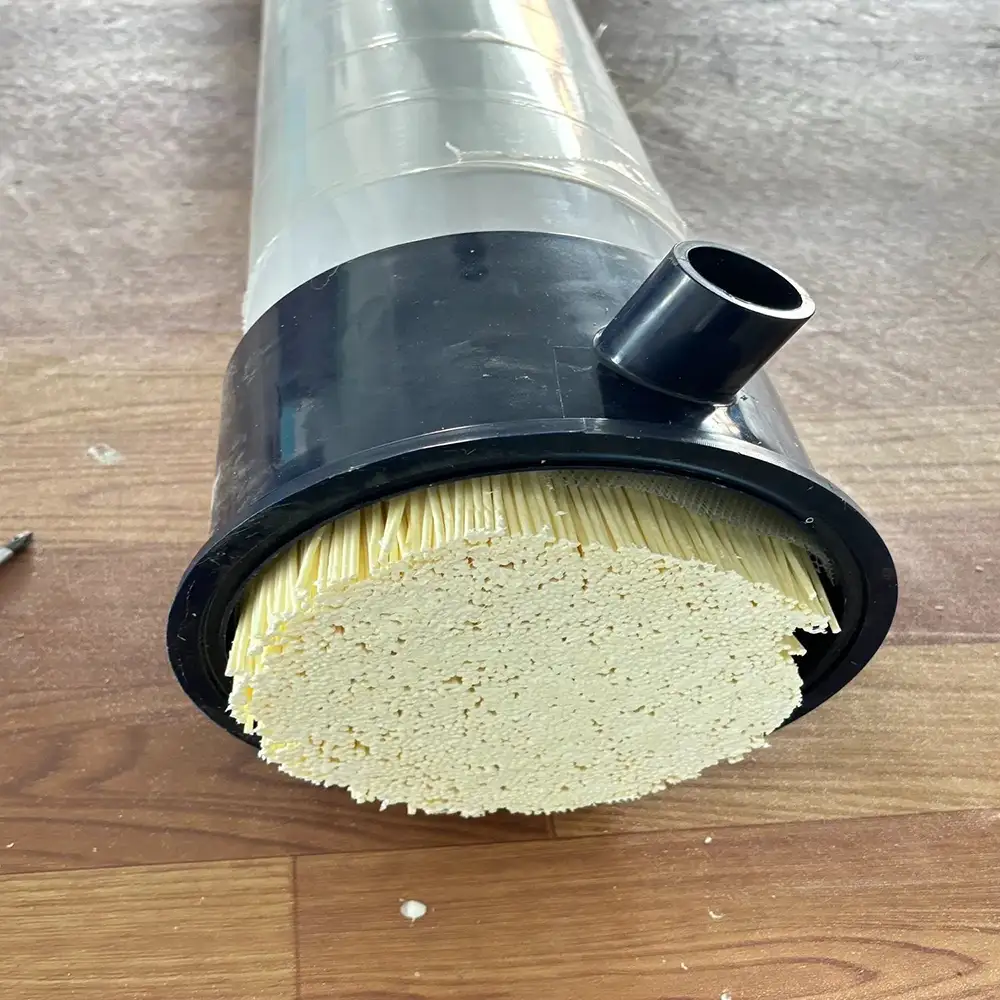
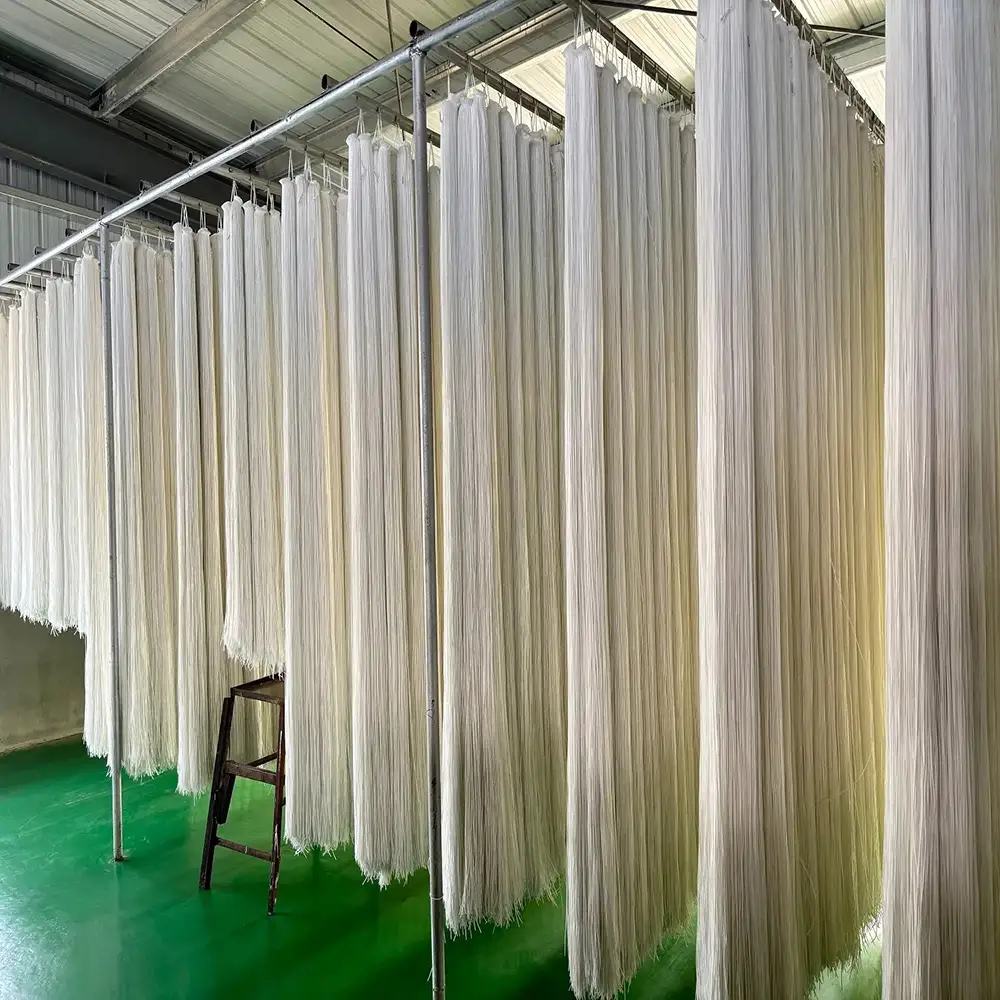
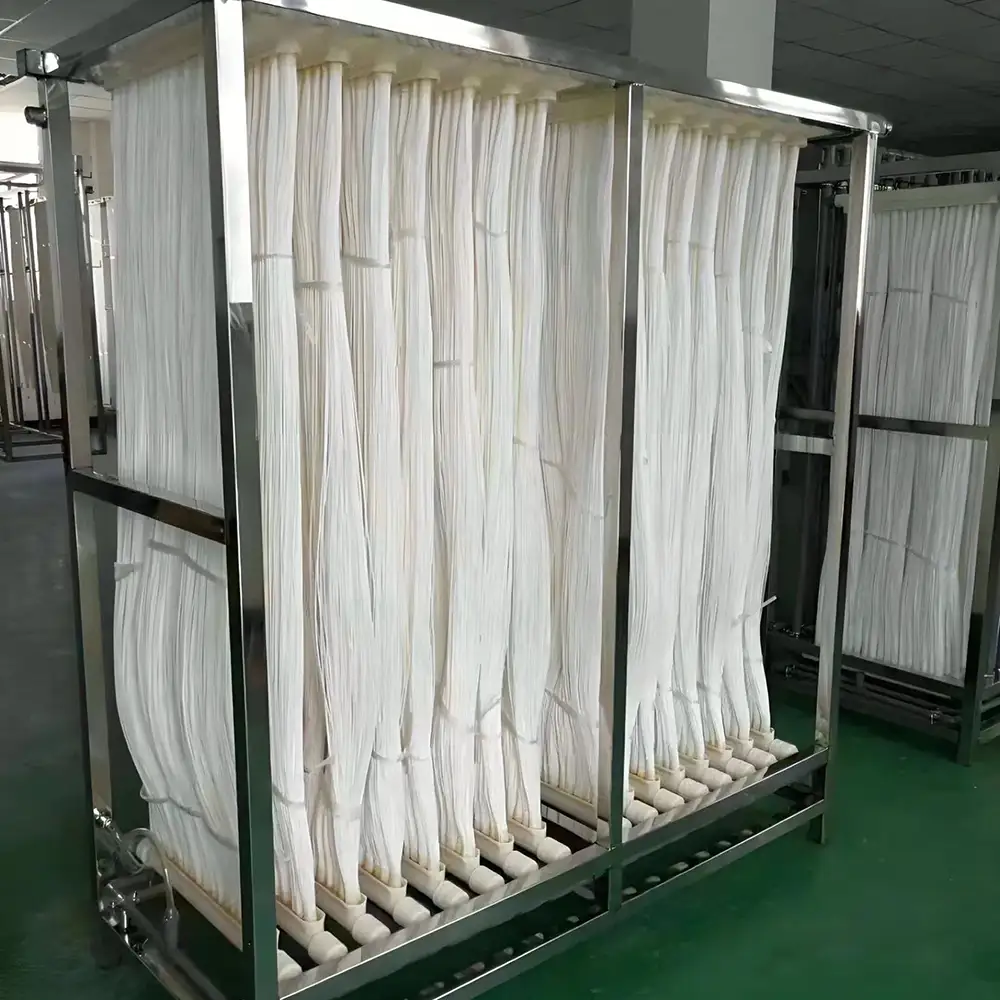
Hollow fiber membranes are widely used in submerged MBR systems because a large membrane area can be packaged into a compact module.
The membrane fibers are typically installed vertically within a module. Wastewater surrounds the fibers, while treated water passes through the membrane wall under a pressure differential created by permeate suction.
Air introduced beneath or around the membrane modules helps maintain circulation and reduce the accumulation of solids on the membrane surface.
The exact membrane configuration, filtration flux, membrane area, operating pressure, and aeration requirements should be selected according to wastewater characteristics and the manufacturer's design parameters.
Efficient Organic Matter Removal
MBR systems are particularly attractive when wastewater contains biodegradable organic matter and the project requires stable effluent quality.
The biological process can target:
BOD
COD
Biodegradable organic compounds
Suspended solids
Colloidal matter
Ammonia through biological nitrification
Nitrogen through combined biological processes
The actual removal efficiency depends on wastewater composition, biological loading, hydraulic retention time, sludge retention time, dissolved oxygen, temperature, membrane configuration, and overall process design.
For industrial wastewater, laboratory testing or pilot testing can be useful when wastewater contains toxic compounds, high salinity, refractory organics, oil, or other substances that may affect biological activity or membrane performance.
Advantages of MBR Membrane Wastewater Treatment
High-Quality Effluent
The membrane provides a strong physical barrier for suspended solids and microorganisms, helping produce a low-turbidity permeate.
Compact Footprint
Because membrane separation replaces or reduces the need for conventional secondary clarification, MBR systems can provide high treatment capacity within a relatively compact area.
Strong Biomass Retention
The membrane retains activated sludge inside the bioreactor, allowing high biomass concentrations and stable biological treatment.
Organic Matter Reduction
The biological process efficiently targets biodegradable organic pollutants, making MBR suitable for many municipal and industrial wastewater applications.
Pathogen Reduction
Membrane filtration can substantially reduce many microbial contaminants, although the actual removal rate depends on the membrane and target organism. Additional disinfection can be integrated when required.
Water Reuse Potential
MBR permeate can provide a suitable foundation for advanced water reuse processes. Depending on the intended reuse application, additional UV, chlorine, ozone, activated carbon, RO, or other polishing technologies may be incorporated.
MBR Applications
This MBR membrane technology can be used for:
Municipal Sewage Treatment
Domestic Wastewater Treatment
Industrial Wastewater Treatment
Food Processing Wastewater
Brewery Wastewater
Pharmaceutical Wastewater
Hospital Wastewater
Textile Wastewater
Printing and Dyeing Wastewater
Chemical Industry Wastewater
Industrial Park Wastewater
Commercial Building Wastewater
Residential Community Sewage
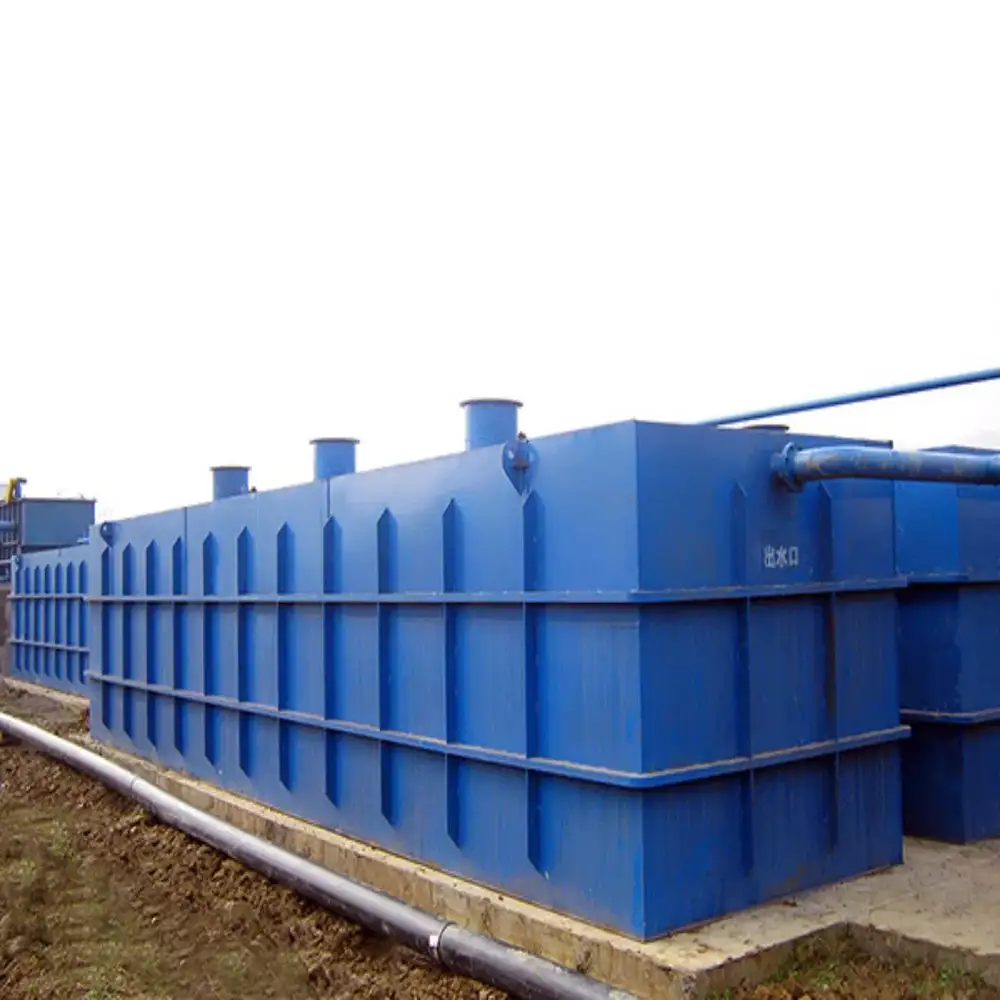
Decentralized Wastewater Treatment
Wastewater Recycling and Reuse
MBR technology is also attractive for wastewater treatment plant upgrades where limited land availability makes expansion of conventional clarification systems difficult. MBRs have been identified as an option for upgrading aging wastewater infrastructure because of their relatively small footprint and ability to handle varying wastewater loads.
Membrane Fouling Control
Membrane fouling is a major consideration in MBR operation. Organic substances, extracellular polymeric substances, microbial products, inorganic particles, and sludge can accumulate on the membrane surface and increase filtration resistance.
Effective fouling management may include:
Proper pretreatment
Optimized membrane flux
Continuous or intermittent aeration
Membrane relaxation
Backwashing
Chemical-enhanced backwashing
Periodic chemical cleaning
Optimized sludge concentration
Proper dissolved oxygen control
Recent research continues to emphasize physical and chemical cleaning as important tools for maintaining stable long-term MBR operation.
Customized MBR Membrane Solutions
Different wastewater treatment projects require different membrane capacities and system configurations. We can provide customized MBR membrane solutions based on treatment flow, wastewater characteristics, required effluent quality, available installation space, and existing equipment.
Customization can include:
Hollow Fiber MBR Membranes
Flat Sheet MBR Membranes
PVDF Membrane Options
Membrane Area
Module Dimensions
Connection Configuration
Membrane Frame
Permeate Collection System
Aeration Arrangement
Cleaning Configuration
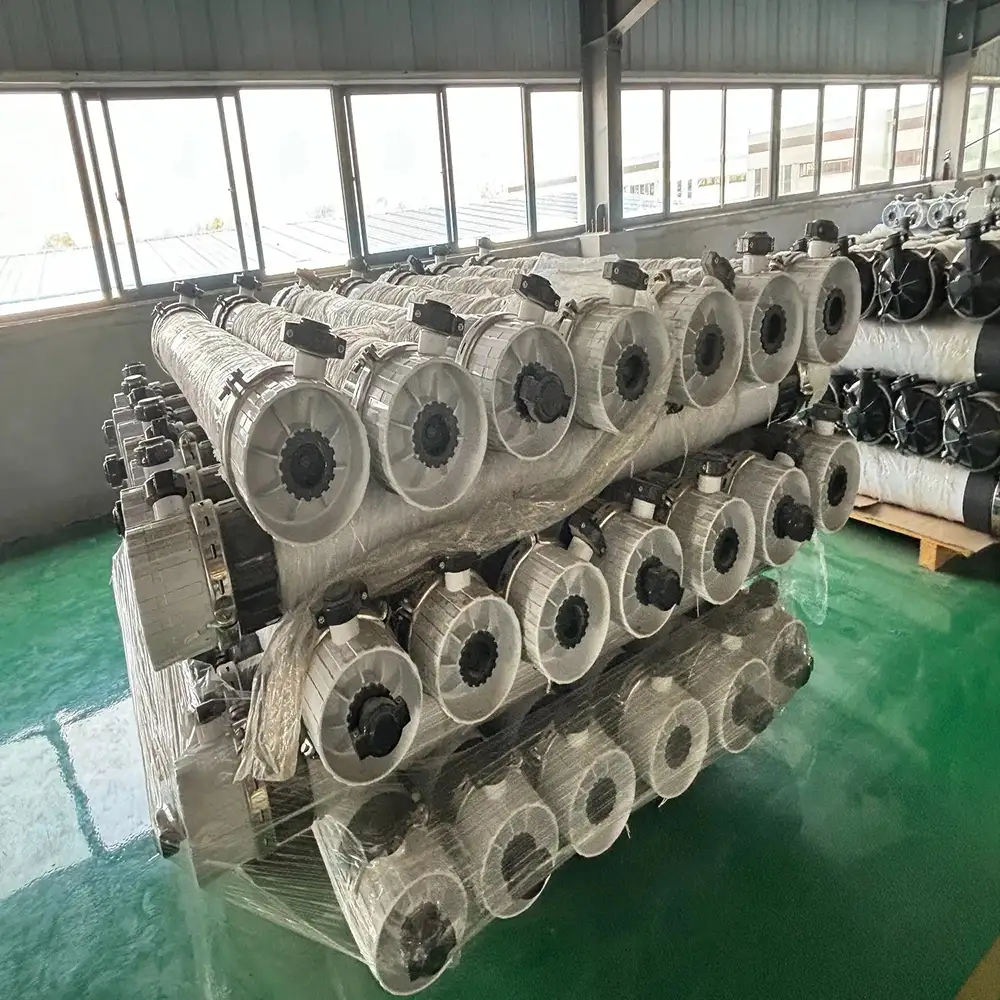
Replacement Membrane Modules
OEM Packaging and Branding
For replacement projects, customers should provide existing membrane module dimensions, membrane area, connection specifications, treatment capacity, and operating conditions whenever possible.
Why Choose Us?
We provide MBR membrane and wastewater treatment equipment solutions for municipal, commercial, and industrial applications.
Professional MBR Solutions
We focus on the complete treatment process rather than selecting a membrane based only on membrane area. Pretreatment, biological loading, aeration, filtration flux, sludge concentration, and cleaning requirements are considered together.
Customized Manufacturing
MBR membrane modules can be customized according to project specifications, installation dimensions, treatment capacity, and replacement requirements.
Wide Application Range
Our MBR solutions can be applied to municipal sewage, domestic wastewater, industrial wastewater, food processing, textile, pharmaceutical, hospital, and other wastewater treatment projects.
OEM and Replacement Service
We support OEM customers, wastewater treatment contractors, distributors, engineering companies, and plant operators with customized membrane modules and replacement solutions.
Complete Wastewater Treatment Equipment
In addition to membrane modules, we can support complete wastewater treatment systems involving pretreatment, biological treatment, aeration, membrane filtration, sludge treatment, disinfection, and water reuse.
FAQ
1. What is an MBR membrane?
An MBR membrane is the membrane separation component of a membrane bioreactor wastewater treatment system. It separates treated water from activated sludge and suspended solids after or during biological treatment.
2. Can MBR membranes remove organic matter?
Yes, MBR systems can provide efficient organic matter treatment through the biological process. The membrane itself primarily performs physical separation, while microorganisms are responsible for biodegrading most biodegradable organic matter.
3. Can an MBR membrane remove pathogens?
MBR membranes can provide significant microbial reduction by physically retaining many microorganisms. However, removal varies by organism and membrane configuration, so complete pathogen removal should not be assumed.
4. Does MBR completely sterilize wastewater?
No. MBR is not automatically equivalent to sterilization. Where strict pathogen limits apply, an additional disinfection process such as UV or chlorination may be required.
5. What type of membrane is used in MBR?
Common MBR membranes include microfiltration and ultrafiltration membranes. Hollow fiber and flat-sheet configurations are both used depending on the system design.
6. What wastewater can an MBR system treat?
MBR systems can treat municipal sewage, domestic wastewater, food wastewater, brewery wastewater, pharmaceutical wastewater, hospital wastewater, textile wastewater, printing and dyeing wastewater, and many other industrial wastewaters.
7. What causes MBR membrane fouling?
Fouling can result from organic matter, microbial products, extracellular polymeric substances, suspended solids, inorganic particles, and other contaminants accumulating on the membrane surface.
8. How is MBR membrane fouling controlled?
Common methods include pretreatment, membrane aeration, optimized flux, relaxation, backwashing, chemical-enhanced backwashing, and periodic chemical cleaning.
9. Can MBR treated water be reused?
Yes, MBR permeate can be used as a basis for various water reuse applications when it meets the required water quality. Additional disinfection or advanced treatment may be required depending on the intended use.
10. Is MBR suitable for industrial wastewater?
Yes, but the system should be designed according to the specific industrial wastewater characteristics. Toxic compounds, high salinity, oil, refractory organics, and variable loading may require additional pretreatment or process stages.
11. Can MBR replace a secondary clarifier?
In many MBR configurations, membrane separation replaces the conventional secondary clarification function because the membrane physically separates treated water from activated sludge.
12. Can you customize an MBR membrane system?
Yes. Membrane area, module dimensions, membrane configuration, connections, aeration arrangement, replacement specifications, and complete wastewater treatment system configurations can be customized according to project requirements.
Prev:
PVDF Ultrafiltration/Filtration/Sewage Treatment Station /Mbr Membrane
Next:
High Water Permeability and High Retention MBR Membrane
TAG:
Industrial Wastewater Treatment,
Organic Wastewater Treatment,
Industrial Sewage Treatment,
Wastewater Treatment Equipment,
Wastewater Disinfection,
Wastewater Treatment System,
Membrane Filtration System,
Water Reuse System,
Ultrafiltration Membrane,
Sewage Treatment Equipment,
Advanced Wastewater Treatment,
Biological Wastewater Treatment,
Biological Sewage Treatment,
Domestic Wastewater Treatment,
Wastewater Filtration System,
Municipal Wastewater Treatment,
Municipal Sewage Treatment,
Organic Pollutant Removal,
Membrane Bioreactor Wastewater Treatment,
MBR Wastewater Treatment,
MBR Sewage Treatment,
Wastewater Recycling,
Water Purification,
MBR Sewage Treatment Plant,
MBR Wastewater Treatment Plant,
MBR Membrane Filtration,
MBR Membrane Module,
Hollow Fiber MBR Membrane,
Membrane Bioreactor System,
MBR Membrane,
Related Category:
MBR Membrane,Membrane Bioreactor,Organic Matter Removal,Pathogen Removal,Wastewater Treatment Membrane China, suppliers, manufacturers, factory, customized, wholesale, quotation, made in China