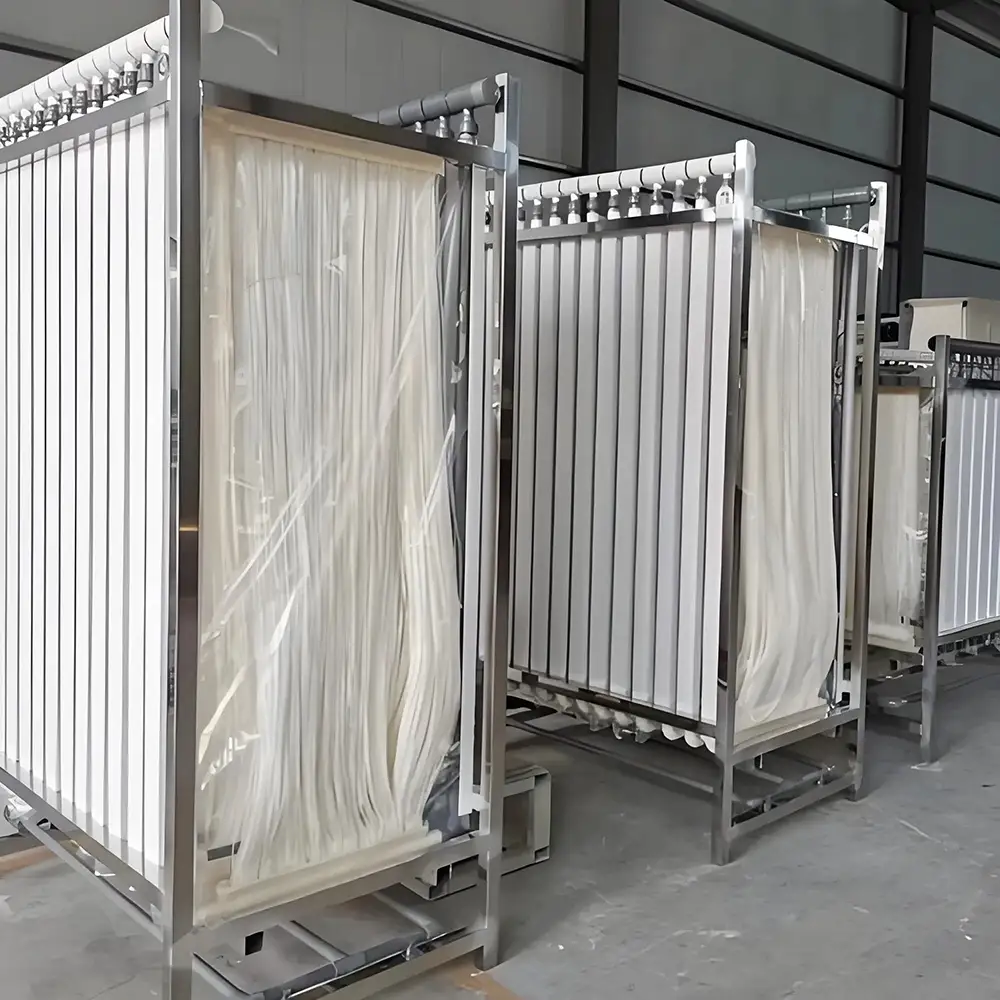
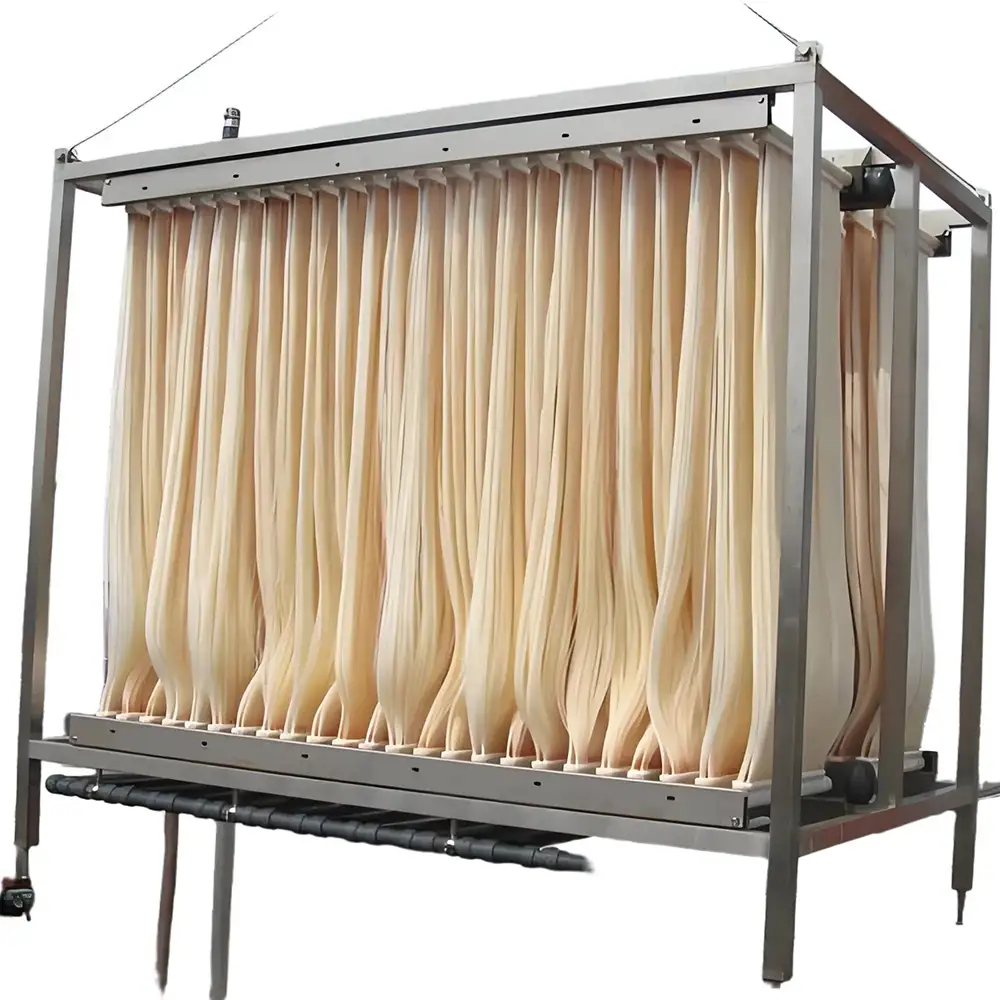
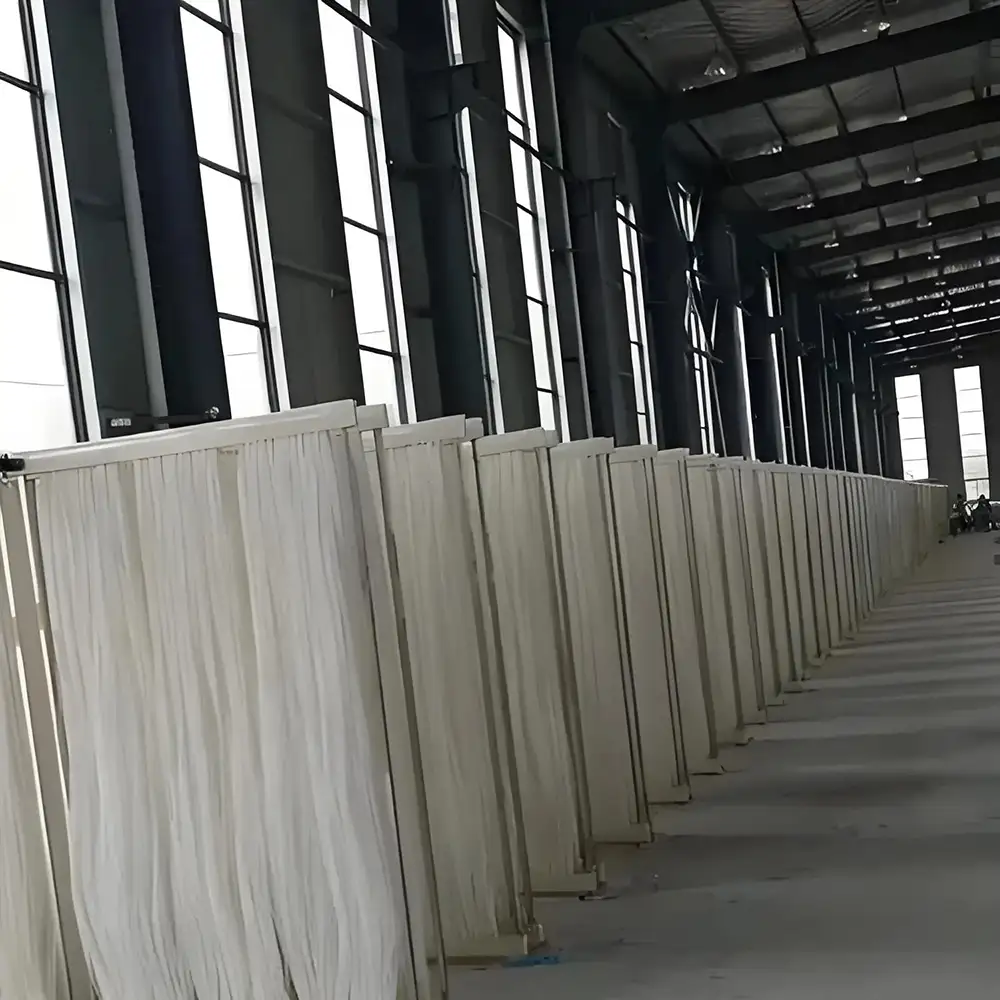
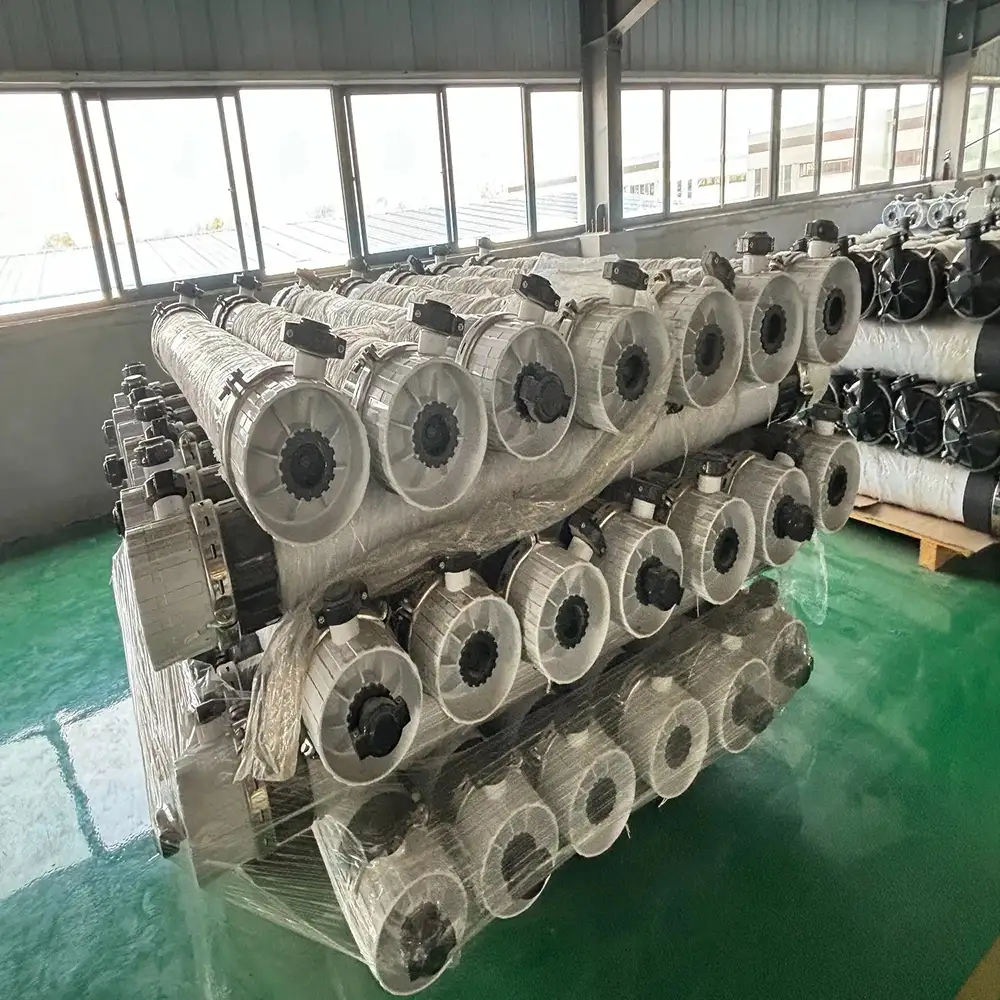
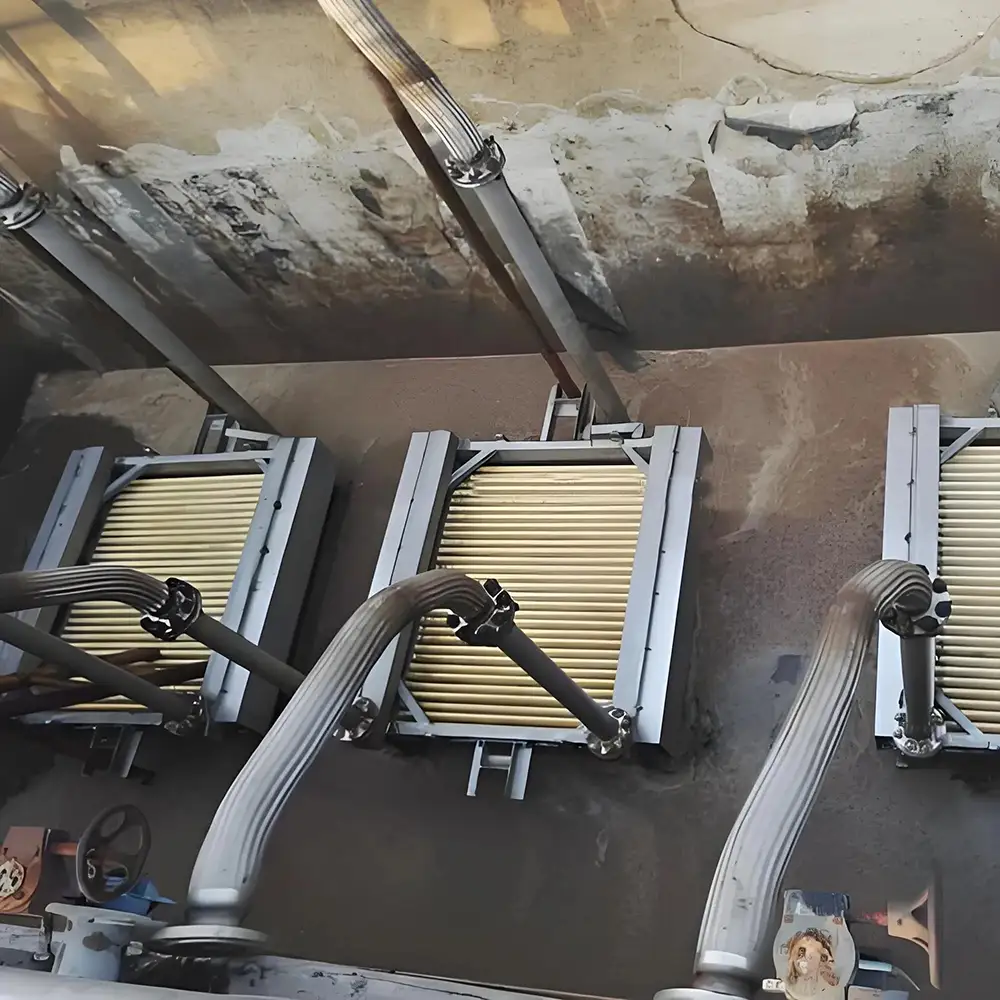
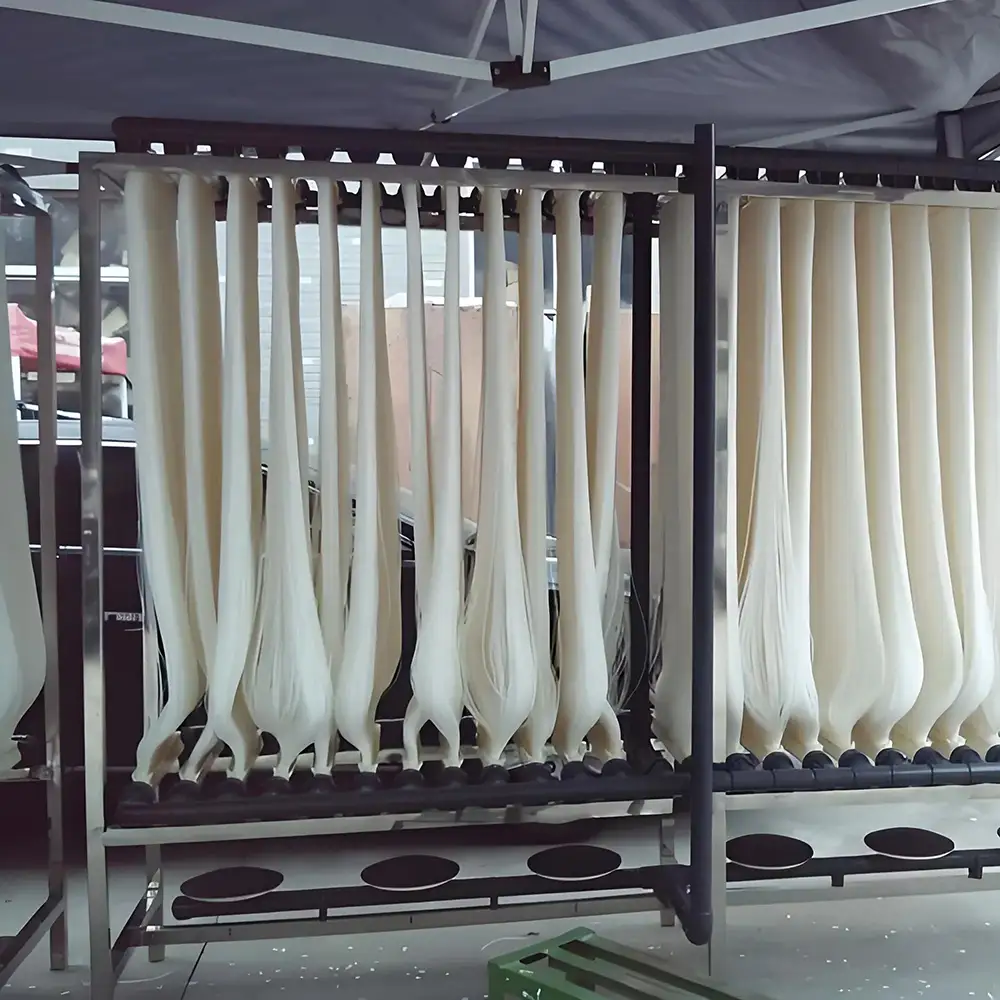
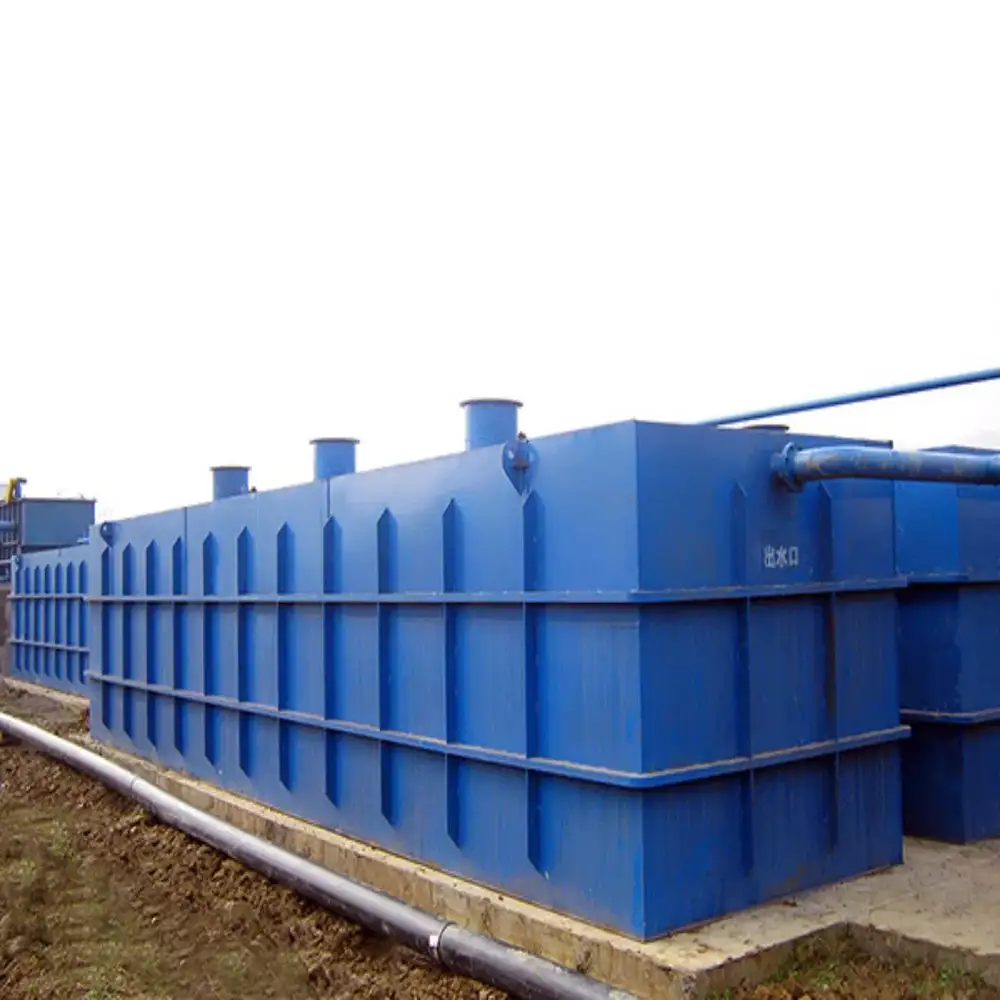
Advantages of this system membrane:
Can provide enterprise users with excellent performance, long life and important low-cost investment;
Can withstand almost all known chemicals and achieve filtration of complex water quality;
High-concentration strong oxidants can be used for chemical cleaning;
The membrane fiber material is elastic and flexible;
High water flux, stable produced water quality, and effluent water turbidity is usually less than 1NTU;
Interface introduction, easy installation, can completely replace the same type of membrane module (no need to change the frame)
High Water Permeability and High Retention MBR Membrane
The High Water Permeability and High Retention MBR Membrane is designed for advanced membrane bioreactor wastewater treatment systems that require efficient water filtration, strong solid retention, stable operation, and high-quality treated water. By combining membrane separation with biological wastewater treatment, MBR technology provides an effective solution for municipal sewage, domestic wastewater, industrial wastewater, and water reuse applications.
Membrane permeability and retention are two important performance considerations when selecting an MBR membrane. High permeability helps achieve the required permeate flow with an appropriate membrane area and operating pressure, while high retention helps keep activated sludge, suspended solids, colloids, and microorganisms within the biological treatment system.
MBR technology combines biological degradation with microfiltration or ultrafiltration membrane separation. This allows the membrane to perform direct solid-liquid separation while microorganisms remain in the bioreactor.
High Water Permeability MBR Membrane
Water permeability describes how readily water passes through a membrane under a given driving force. In MBR applications, membrane performance is commonly evaluated using permeate flux and permeability, with permeability generally related to flux divided by transmembrane pressure.
A membrane with good water permeability can help the treatment system achieve the required filtration capacity while maintaining an appropriate operating pressure. However, actual permeate flux depends on membrane properties, wastewater characteristics, transmembrane pressure, temperature, suspended solids concentration, and membrane fouling.
Therefore, high permeability should be evaluated under defined operating conditions rather than as an isolated specification. Research on MBR systems confirms that membrane flux is influenced by membrane material, module design, wastewater characteristics, TMP, and fouling conditions.
High Retention Membrane Filtration
Retention is another critical characteristic of an MBR membrane. During filtration, water passes through the membrane while larger particles and biological solids are retained.
High-retention MBR membranes can help maintain:
Activated sludge inside the bioreactor
High biomass concentration
Low suspended solids in permeate
Effective solid-liquid separation
Stable biological treatment
Improved treated-water clarity
Consistent membrane filtration performance
Microfiltration and ultrafiltration membranes used in MBR systems can physically retain bacterial flocs and suspended solids. Depending on the membrane and operating conditions, they can also provide substantial microbial retention.
How the High-Permeability MBR Membrane Works
A typical MBR wastewater treatment process includes pretreatment, biological treatment, membrane filtration, permeate collection, and sludge management.
1. Pretreatment
Incoming wastewater first passes through screening and other pretreatment equipment to remove coarse solids, plastics, fibers, hair, sand, and other materials that could interfere with biological treatment or membrane filtration.
2. Biological Treatment
Wastewater enters the biological reactor where microorganisms break down biodegradable organic pollutants. Depending on the process design, aerobic and anoxic zones can be incorporated for organic matter and nutrient removal.
3. Membrane Filtration
The MBR membrane is submerged inside the biological reactor or installed in a separate membrane tank. Water passes through the membrane under a pressure differential while activated sludge and suspended solids remain in the system.
4. Permeate Collection
Filtered water is collected as permeate. Depending on the required water quality, the permeate may be discharged directly, disinfected, polished, or used as feedwater for advanced reuse processes.
5. Sludge Management
Excess sludge is periodically removed to maintain the required mixed liquor concentration and biological operating conditions.
This combination of biological degradation and membrane separation is one of the main advantages of MBR technology compared with conventional activated sludge systems.
High Retention for Stable Biological Treatment
One of the important advantages of an MBR membrane is its ability to retain activated sludge within the bioreactor.
In conventional wastewater treatment, secondary clarification is normally used to separate biological solids from treated water. In an MBR system, the membrane performs this solid-liquid separation function.
High retention allows microorganisms to remain in the biological reactor instead of being carried out with the treated water. This can support high biomass concentrations and compact biological treatment.
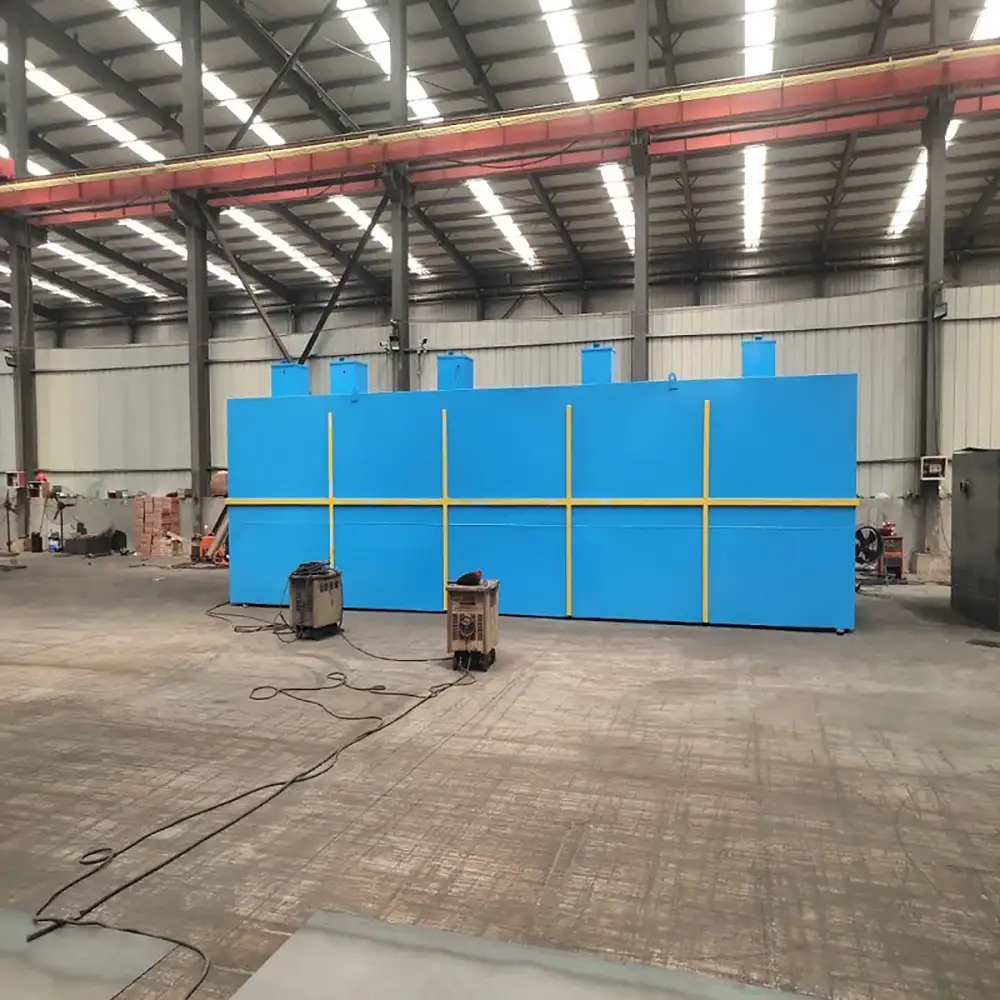
The result is a system capable of combining biological treatment and membrane filtration within a relatively small footprint. MBR technology is therefore widely considered for municipal and industrial wastewater treatment and water reclamation applications.
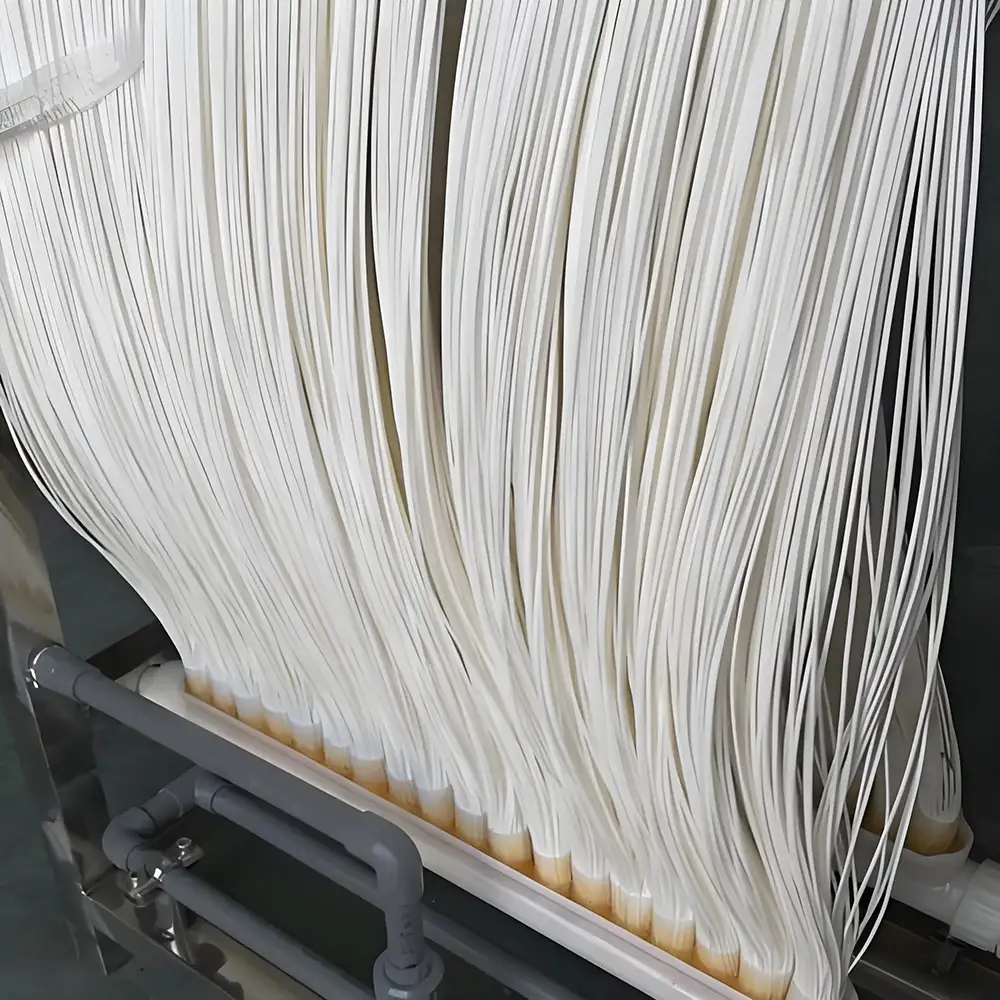
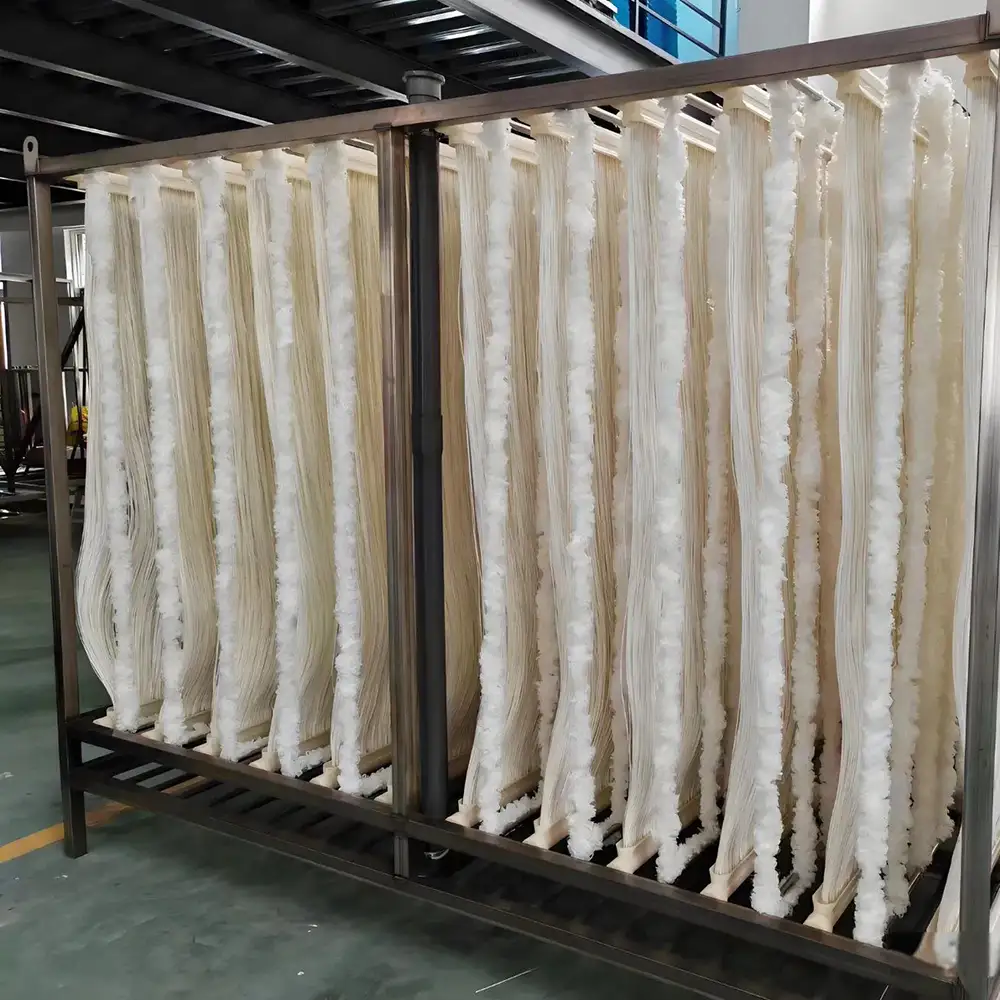
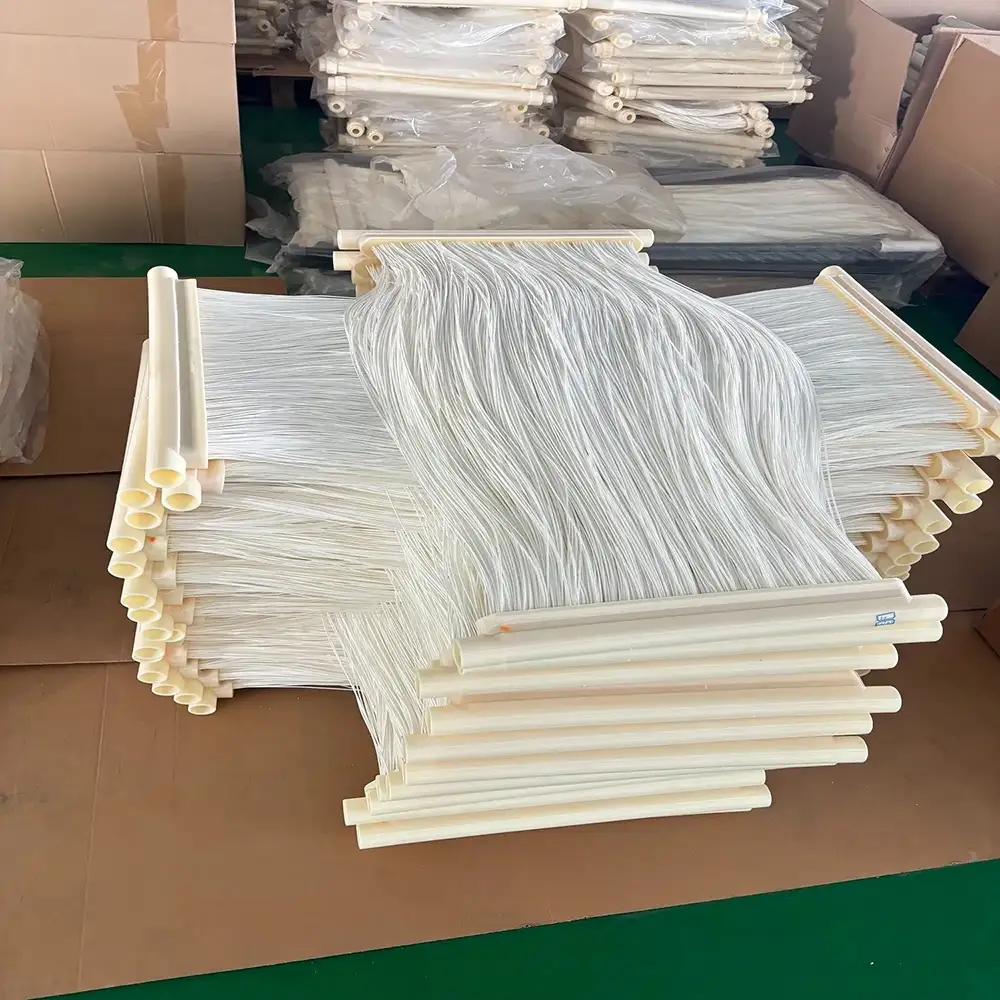
Hollow Fiber MBR Membrane
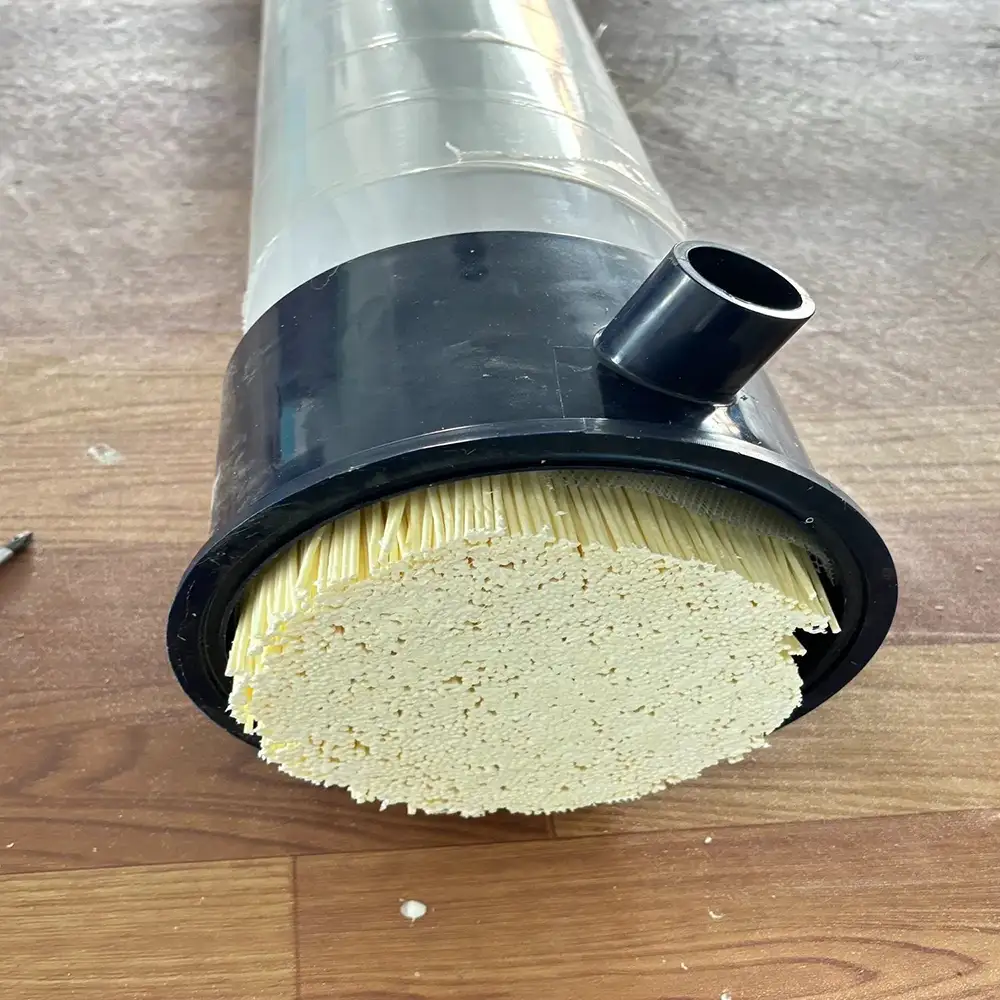
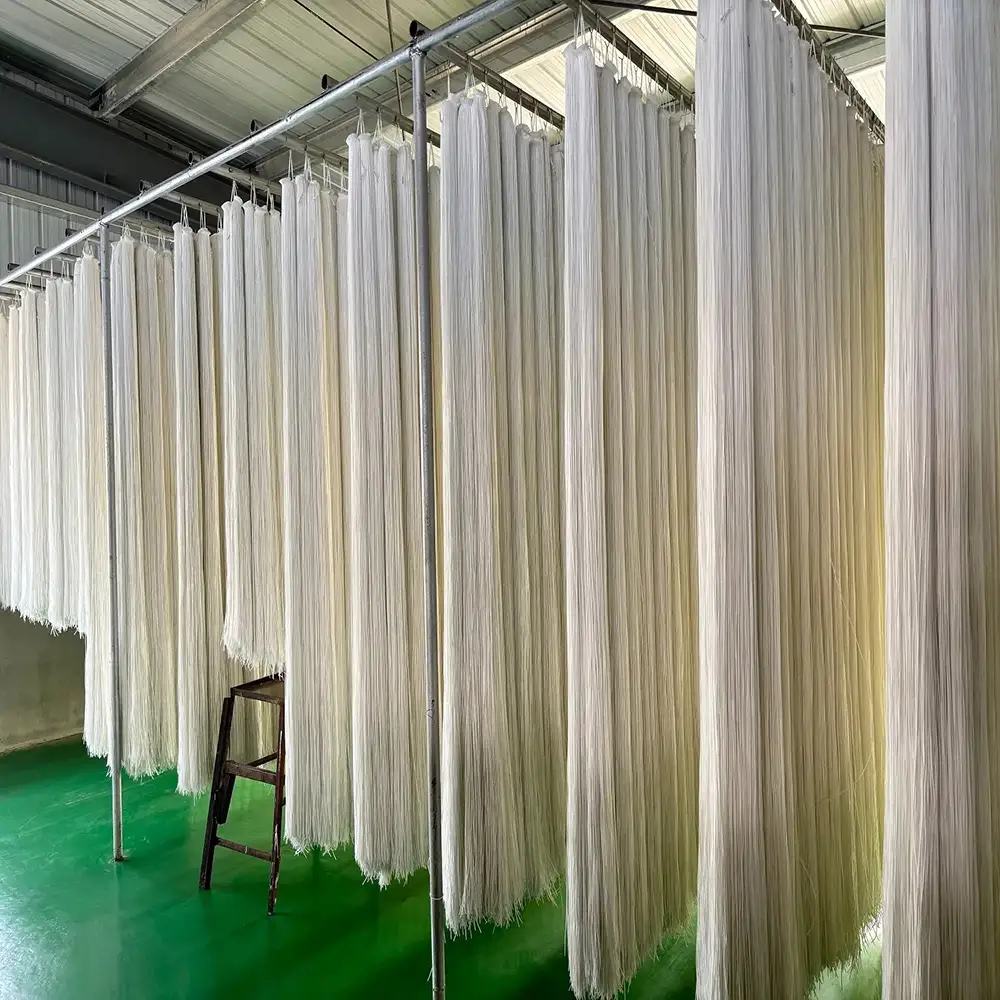
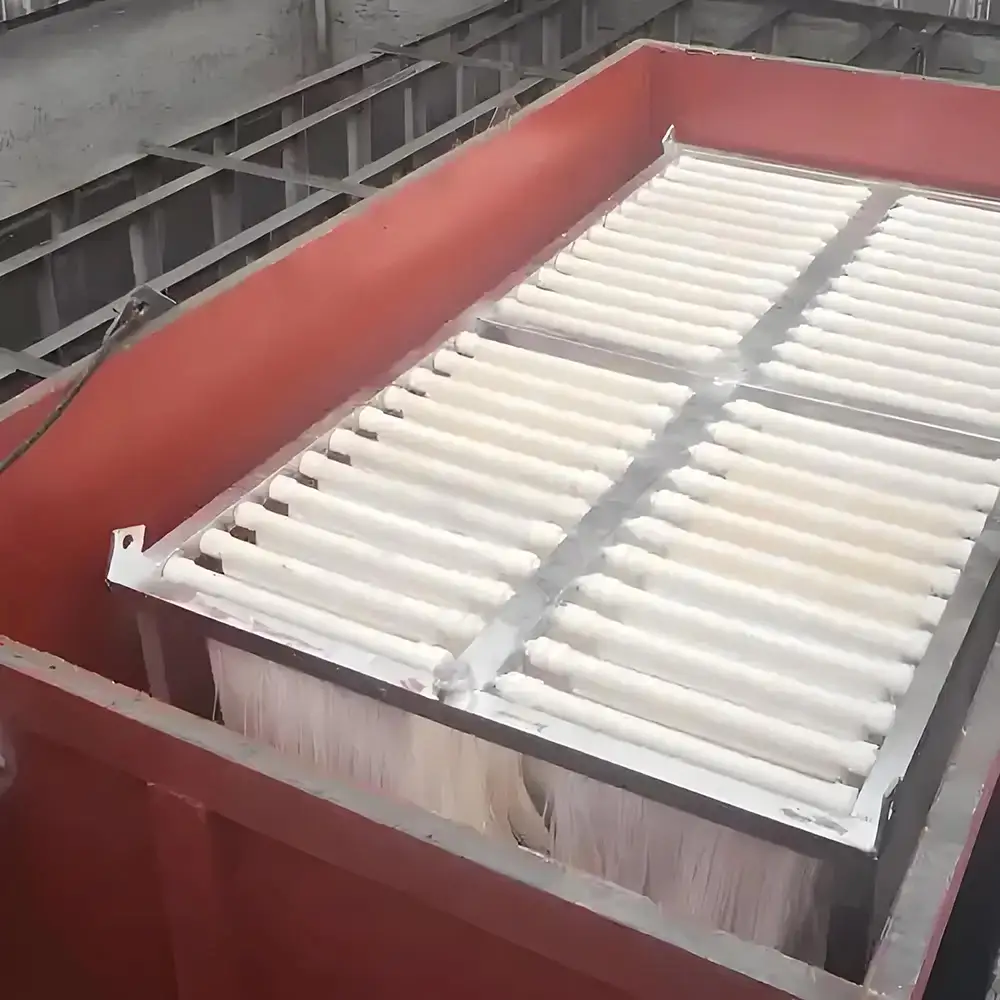
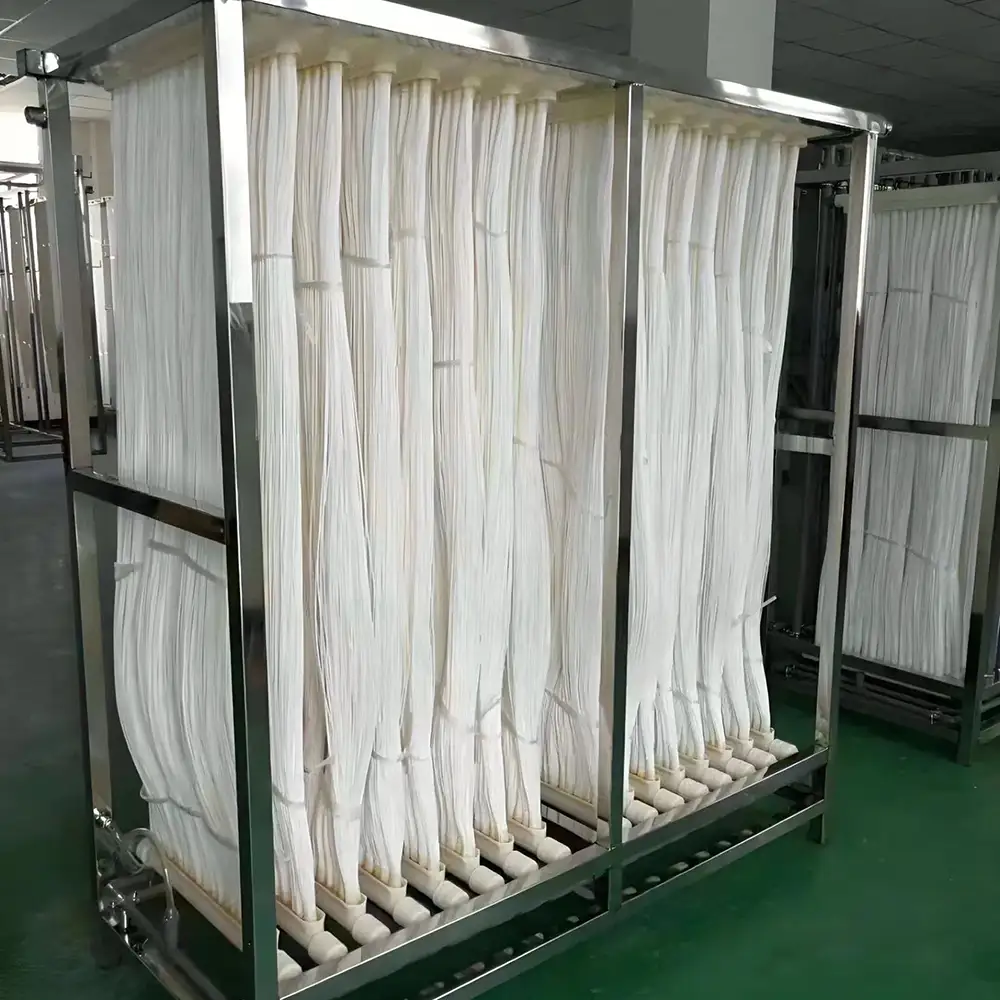
Hollow fiber membranes are widely used in submerged MBR systems. Their tubular fiber structure provides a large membrane surface area within a compact module.
During operation, wastewater surrounds the hollow fibers while treated water passes through the membrane wall. The permeate is collected inside the hollow fibers and transferred to the permeate system.
Air scouring around the membrane module can help maintain membrane surface conditions and reduce the accumulation of solids. Proper aeration, membrane flux, and operating conditions are important for long-term filtration stability.
The actual membrane area and operating flux should be selected according to wastewater characteristics and treatment capacity rather than using the same specification for every project.
High Permeability and Fouling Control
A major challenge in MBR operation is membrane fouling. Organic matter, microbial products, suspended particles, colloids, and sludge components can accumulate on the membrane surface or within membrane pores.
Fouling reduces membrane permeability and can result in lower permeate flow or increasing transmembrane pressure.
A high-quality MBR system therefore requires appropriate fouling-control measures, including:
Proper Pretreatment
Optimized Membrane Flux
Membrane Aeration
Periodic Relaxation
Backwashing
Chemical-Enhanced Cleaning
Optimized Sludge Concentration
Proper Biological Process Control
Routine TMP Monitoring
Permeate Flow Monitoring
Operating below an appropriate sustainable flux can help reduce excessive deposition of biomass on the membrane surface. Aeration and other operating parameters also influence fouling behavior.
Applications of High-Retention MBR Membranes
The membrane can be incorporated into wastewater treatment systems for a wide range of applications, including:
Municipal Sewage Treatment
Domestic Wastewater Treatment
Industrial Wastewater Treatment
Food Processing Wastewater
Brewery Wastewater
Pharmaceutical Wastewater
Textile Wastewater
Printing and Dyeing Wastewater
Chemical Industry Wastewater
Hospital Wastewater
Industrial Park Wastewater
Commercial Building Wastewater
Residential Community Sewage
Decentralized Wastewater Treatment
Wastewater Recycling
Industrial Water Reuse
For difficult industrial wastewater, membrane selection should consider COD, BOD, TSS, pH, temperature, salinity, oil and grease, biological toxicity, sludge characteristics, and the presence of refractory pollutants.
Advantages of High Water Permeability MBR Membrane
Efficient Water Filtration
Good membrane permeability supports efficient water transport through the membrane when operated under appropriate conditions.
Strong Solid Retention
The membrane provides a physical barrier that retains activated sludge, suspended solids, and many microorganisms within the biological treatment system.
Compact System Design
Because membrane separation replaces the conventional secondary clarification function in many MBR configurations, the treatment process can be designed with a smaller footprint.
Stable Effluent Quality
Effective membrane separation can produce low-suspended-solids permeate and stable filtration performance when the system is properly operated.
High Biomass Concentration
Strong sludge retention allows the biological reactor to maintain an appropriate concentration of active microorganisms, supporting efficient biological treatment.
Water Reuse Potential
MBR permeate can be used for certain reuse applications after meeting the relevant water quality requirements. Additional disinfection or advanced treatment such as RO may be incorporated depending on the final use.
Customized MBR Membrane Solutions
Different wastewater treatment plants require different membrane capacities and configurations. We can provide customized MBR membrane solutions according to the treatment flow, wastewater characteristics, installation space, membrane area, and required effluent quality.
Customization options can include:
Hollow Fiber MBR Membrane
Flat Sheet MBR Membrane
PVDF Membrane
Ultrafiltration Membrane
Membrane Area
Module Dimensions
Connection Configuration
Frame Structure
Permeate Header
Aeration Configuration
Backwashing Arrangement
Chemical Cleaning Requirements
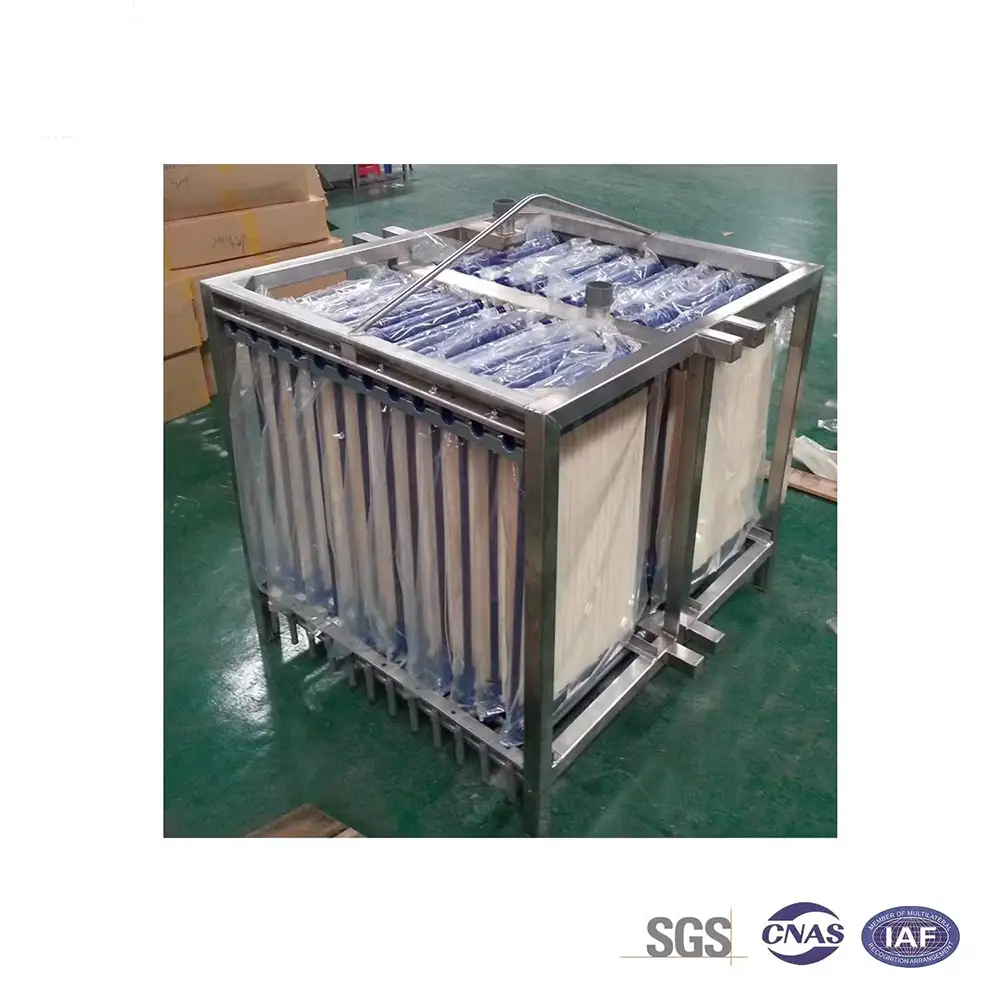
Replacement Membrane Module
OEM Packaging
For replacement projects, customers can provide the existing membrane model, dimensions, membrane area, connection size, treatment capacity, operating flux, and other available specifications.
MBR Membrane Maintenance
Routine maintenance is essential for maintaining permeability and retention performance.
Operators should monitor permeate flow, TMP, membrane flux, sludge concentration, dissolved oxygen, water quality, and cleaning frequency.
A gradual increase in TMP or decline in permeability can indicate increasing fouling. Physical cleaning, relaxation, backwashing, and chemical cleaning can be selected according to the membrane design and operating conditions.
Research shows that membrane fouling is affected by wastewater characteristics, operating conditions, membrane properties, aeration, HRT, SRT, and other process parameters.
Why Choose Us?
High-Performance MBR Membrane Solutions
We provide MBR membrane solutions designed around the balance between permeability, retention, filtration capacity, fouling control, and service requirements.
Customized Membrane Modules
Membrane area, module size, connection configuration, frame design, and other specifications can be customized according to project requirements.
Complete Wastewater Treatment Support
Our solutions can be integrated with pretreatment, biological treatment, aeration, membrane filtration, sludge treatment, disinfection, and water reuse systems.
OEM and Replacement Service
We support wastewater treatment contractors, engineering companies, distributors, plant operators, and OEM customers with customized membrane modules and replacement solutions.
Application-Based Selection
Rather than recommending a membrane based only on nominal capacity, we consider wastewater characteristics, flow rate, required effluent quality, operating conditions, and installation requirements.
FAQ
1. What is a high water permeability MBR membrane?
It is an MBR membrane designed to provide efficient water transport under appropriate operating conditions while maintaining the required filtration and retention performance.
2. What does high retention mean for an MBR membrane?
High retention means the membrane effectively retains activated sludge, suspended solids, colloids, and other retained materials while allowing water to pass through.
3. Does higher permeability always mean better MBR performance?
Not necessarily. MBR performance requires a balance between permeability, retention, fouling resistance, flux, membrane area, operating pressure, and wastewater characteristics.
4. What is membrane permeability?
Membrane permeability is generally related to the amount of water passing through a membrane under a given transmembrane pressure. It is commonly evaluated from permeate flux and TMP.
5. What causes MBR membrane permeability to decrease?
Common causes include membrane fouling from suspended solids, colloids, organic matter, microbial products, and sludge components.
6. How can MBR membrane fouling be controlled?
Fouling can be controlled through pretreatment, optimized flux, aeration, relaxation, backwashing, chemical cleaning, and appropriate biological process management.
7. Can the membrane retain activated sludge?
Yes. Retention of activated sludge is one of the fundamental functions of an MBR membrane and allows biological solids to remain in the reactor.
8. Is a hollow fiber membrane suitable for MBR?
Yes. Hollow fiber membranes are widely used in submerged MBR systems because they can provide a large membrane area in a compact module.
9. Can MBR membranes treat industrial wastewater?
Yes. MBR technology can be used for many industrial wastewater applications, although membrane and process selection should be based on the specific wastewater composition.
10. Can MBR permeate be reused?
Yes. MBR permeate can be used for certain water reuse applications when it meets the required water quality. Additional disinfection or advanced treatment may be necessary.
11. Can you provide replacement MBR membranes?
Yes. Replacement membrane modules can be customized according to the original module dimensions, membrane area, connection configuration, treatment capacity, and operating conditions.
12. Can the MBR membrane be customized?
Yes. Membrane material, membrane area, module dimensions, connection configuration, frame design, and other specifications can be customized according to the project.
Prev:
Efficient Treatment of Organic Matter and Pathogens / Mbr Membrane
Next:
Water Purifier Reverse Osmosis System Mbr Membrane Water Purifier
TAG:
Industrial Wastewater Treatment,
Industrial Sewage Treatment,
Wastewater Treatment Equipment,
Wastewater Treatment System,
Wastewater Recycling System,
Ultrafiltration Membrane,
Sewage Treatment Equipment,
Membrane Wastewater Treatment,
Advanced Wastewater Treatment,
Water Reuse Treatment,
Biological Wastewater Treatment,
Domestic Wastewater Treatment,
Wastewater Filtration System,
Municipal Wastewater Treatment,
Municipal Sewage Treatment,
Membrane Bioreactor Wastewater Treatment,
MBR Wastewater Treatment,
MBR Sewage Treatment,
MBR Wastewater Treatment Equipment,
MBR Sewage Treatment Equipment,
MBR Membrane Filtration,
MBR Membrane Module,
MBR UF Membrane,
Membrane Bioreactor System,
MBR Membrane,
MBR Membrane System,
Membrane Bioreactor,
MBR Water Treatment,
MBR Ultrafiltration Membrane,
MBR Membrane Replacement,
Related Category:
High Water Permeability MBR Membrane,High Retention MBR Membrane,MBR Membrane China, suppliers, manufacturers, factory, customized, wholesale, quotation, made in China