|
Model NO. |
PVDF |
Handling method |
Physical Treatment |
|
Usage |
Industrial, Home, Agriculture, Hospital, Urban |
Trademark |
|
|
Types |
Package, Compact, Small, Mini |
Applications |
Industrial, Municipal, Domestic, Medical, Ship |
|
Transport Package |
Container Standard Packing |
Features |
Remove Cod BOD |
|
Service Life |
10 Years |
Operation |
Automatic |
|
material |
PVDF |
Function |
Removing Escherichia coli, harmful bacteria |
|
Voltage |
220V/ 380V/ Customerized |
Installation Type |
Underground / Onground |
|
Colour |
white |
Use for |
Mineral, Printing, Chemical, Dyeing, Starch |
|
Material |
Remove Cod BOD |
Certificate |
SGS, ISO |
|
Production Capacity |
2000 Sets/Year |
Origin |
China |
PVDF MBR Membrane Reactor System for Food and Industrial Wastewater Treatment
The PVDF MBR Membrane Reactor System is an advanced wastewater treatment solution designed for sewage treatment plants, food processing facilities, industrial wastewater treatment plants, and water reuse projects. By combining biological treatment with membrane filtration, the membrane bioreactor system provides efficient solid-liquid separation while maintaining a compact treatment footprint.
MBR stands for Membrane Bioreactor, a wastewater treatment process that integrates activated sludge biological treatment with membrane separation. Instead of depending entirely on a conventional secondary clarifier to separate biological sludge from treated water, the MBR membrane provides a physical filtration barrier. This allows the biological reactor and solid-liquid separation process to operate as an integrated system.
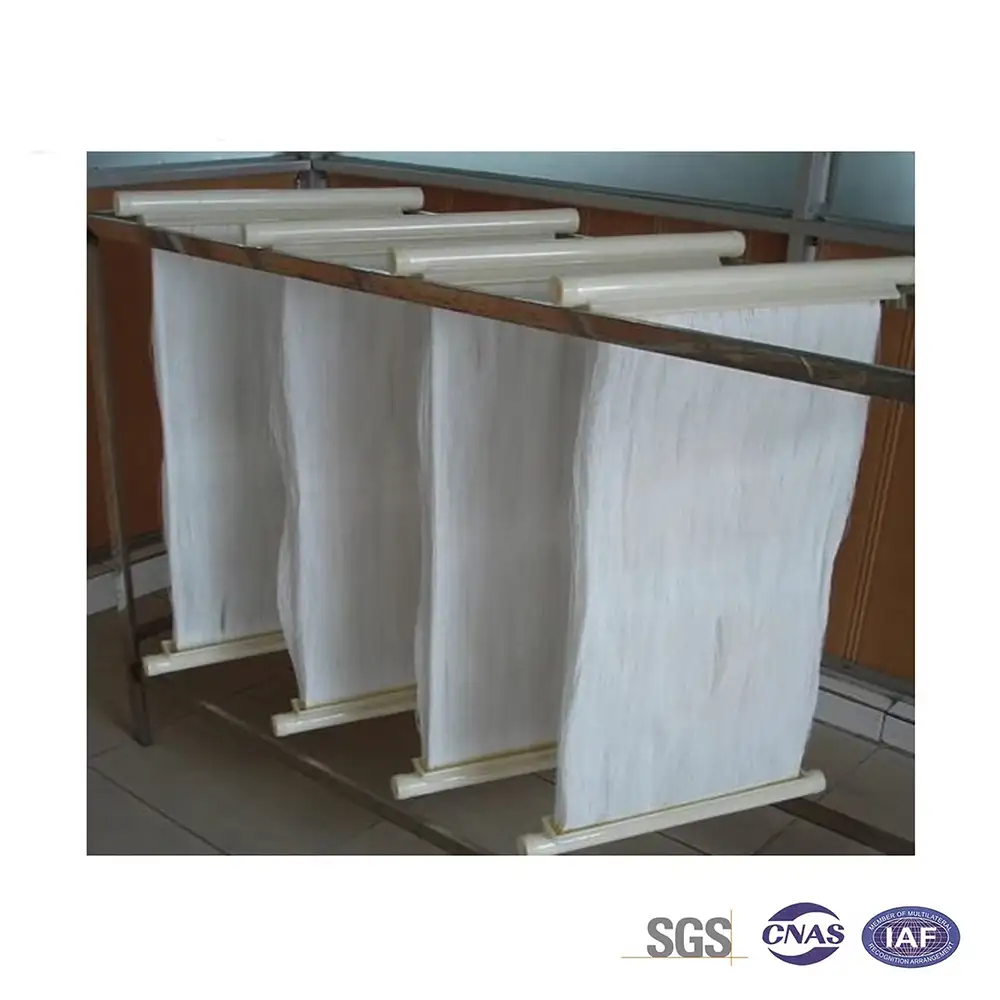
PVDF, or polyvinylidene fluoride, is commonly used as the functional membrane material for MBR applications because of its mechanical strength and chemical stability. PVDF hollow fiber and flat-sheet configurations are both used in wastewater treatment. Commercial MBR systems are available for municipal sewage, industrial wastewater, food processing wastewater, and water reuse applications.
What Is a PVDF MBR Membrane Reactor System?
A PVDF MBR membrane reactor system consists of a biological treatment process and a membrane separation process working together.
Wastewater first enters the biological reactor, where microorganisms break down biodegradable organic pollutants. Depending on the process configuration, aerobic, anoxic, or anaerobic zones can be incorporated to address organic matter and nutrient removal.
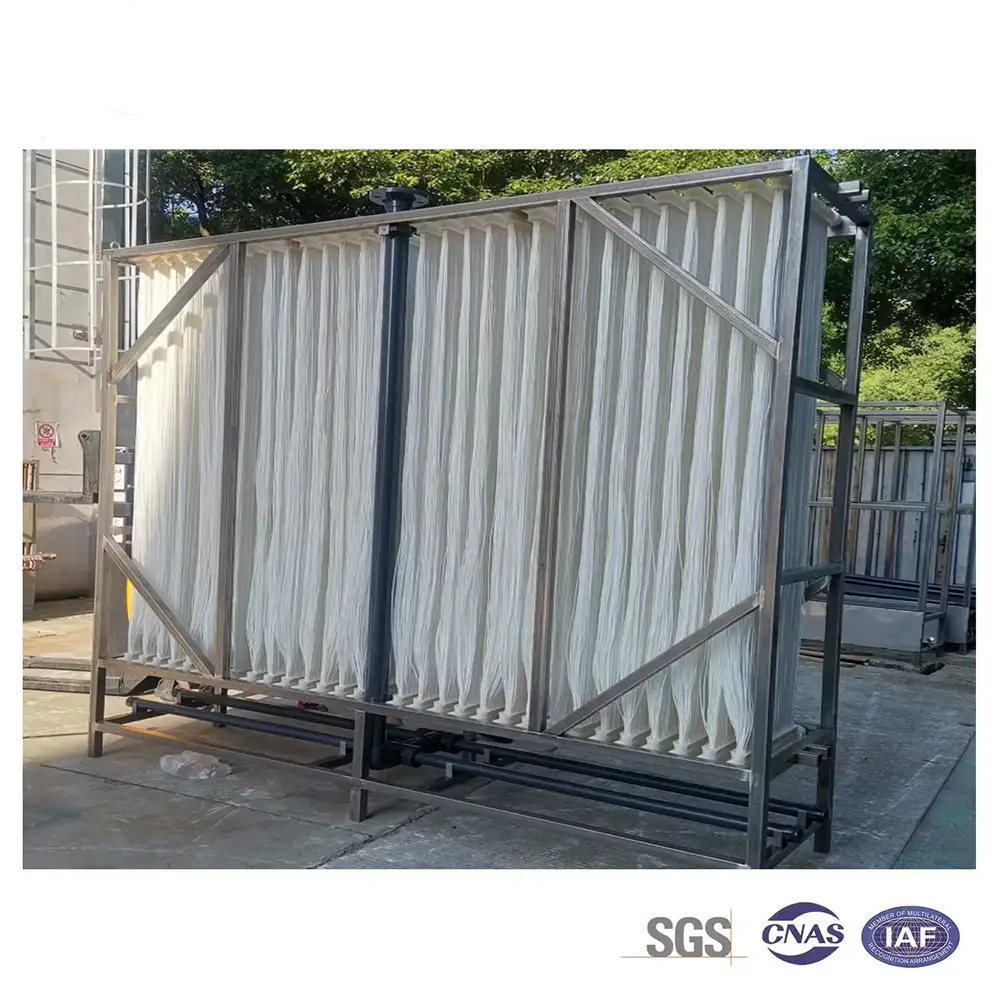
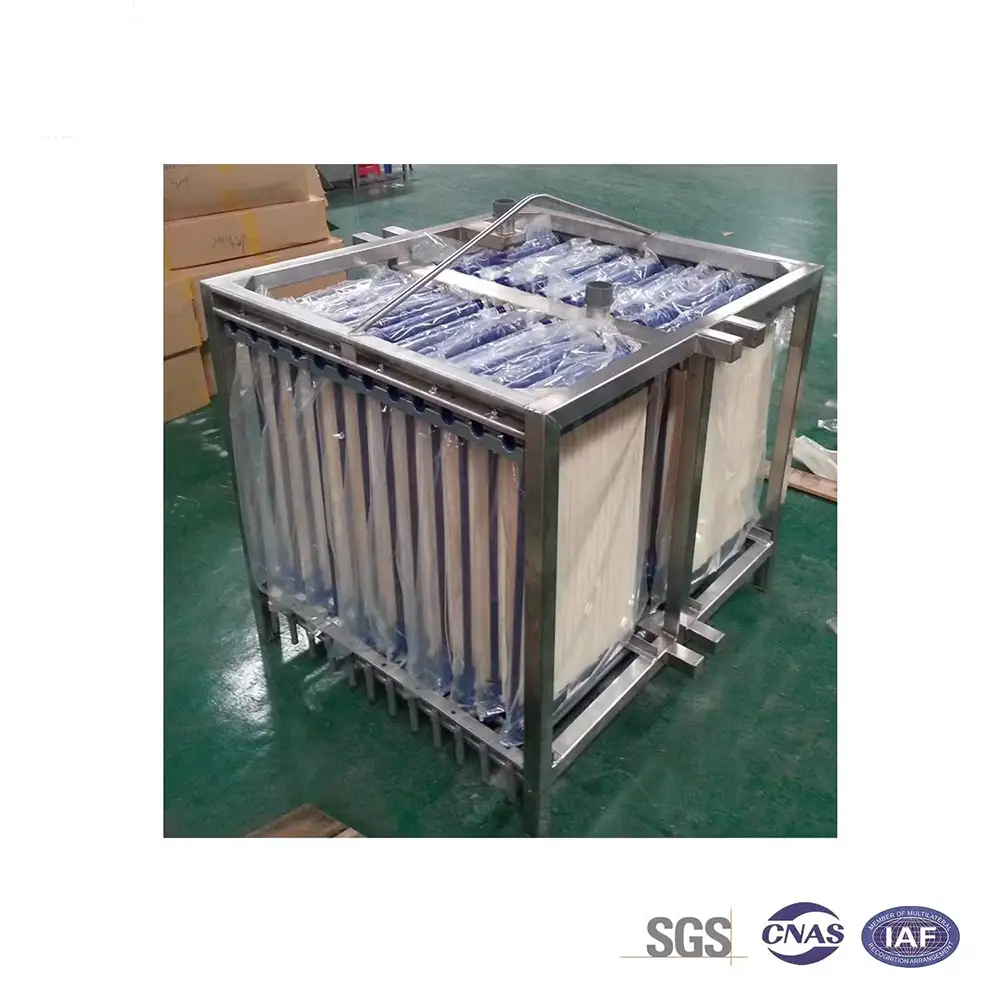
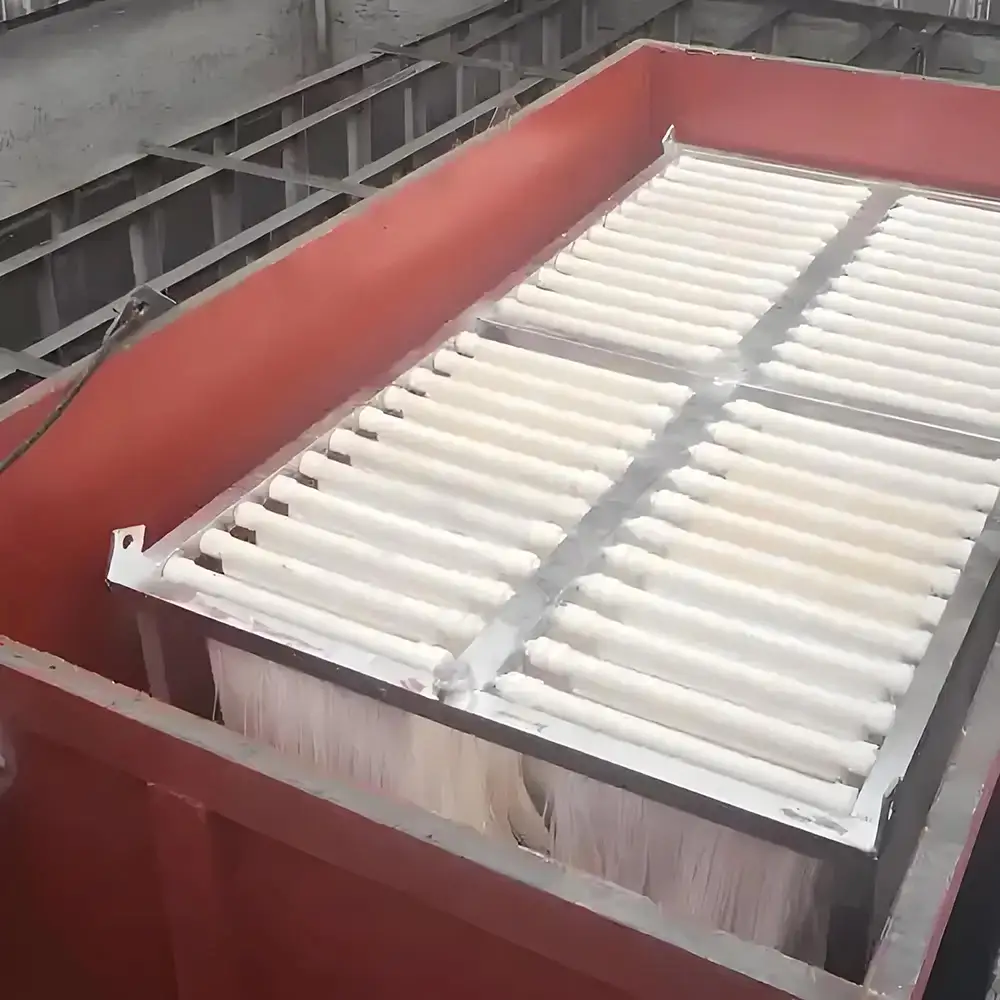
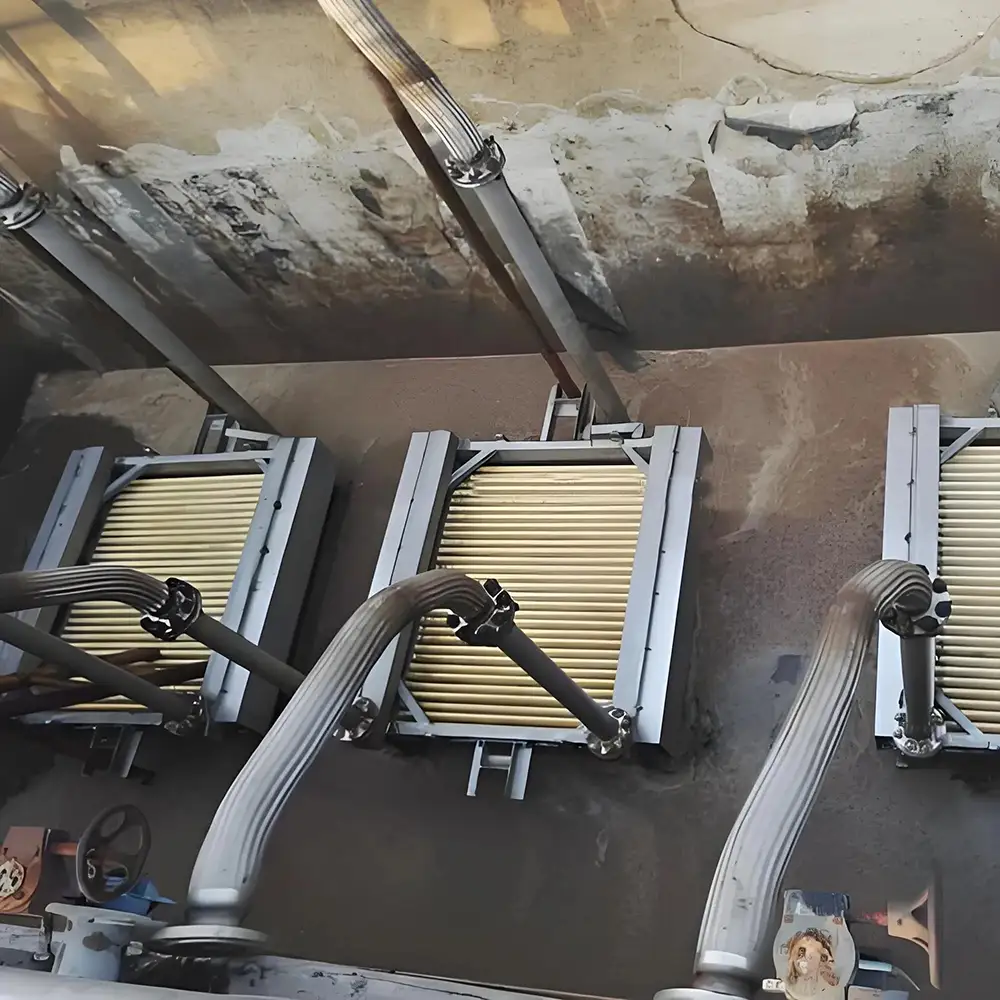
After biological treatment, the mixed liquor is separated from treated water through submerged or external membrane modules. In a typical submerged MBR system, PVDF membrane modules are installed inside the membrane tank or directly within the bioreactor.
The membrane allows water to pass through while retaining activated sludge, suspended solids, and microorganisms. The resulting permeate can then be discharged, disinfected, polished, or further processed for water reuse according to the required water quality.
This combination of biological treatment and membrane filtration allows MBR plants to produce high-quality treated water while reducing the need for conventional secondary clarification.
How Does the PVDF MBR System Work?
The MBR treatment process generally includes several key stages.
1. Wastewater Pretreatment
Incoming wastewater first passes through screening and other pretreatment equipment. Large solids, plastics, fibers, grease, and other materials that could damage or foul the membrane should be removed before the biological treatment stage.
For food processing wastewater, additional pretreatment may be required depending on the concentration of fats, oils, grease, suspended solids, and other contaminants.
2. Biological Treatment
The pretreated wastewater enters the biological reactor. Activated sludge microorganisms consume biodegradable organic pollutants and convert them into biomass and other end products.
The biological process can be designed for different wastewater characteristics and treatment objectives, including organic matter removal and, when properly configured, nitrogen and phosphorus removal.
3. PVDF Membrane Filtration
After biological treatment, the mixed liquor contacts the PVDF MBR membrane module.
In submerged systems, a suction pump creates the pressure difference required to draw treated water through the membrane. Suspended solids and biomass remain in the reactor while filtered water passes through the membrane.
4. Permeate Collection
The filtered water, known as permeate, is collected through the membrane module's permeate manifold. Depending on the project, permeate may undergo additional disinfection, activated carbon treatment, reverse osmosis, or other polishing processes before reuse.
5. Air Scouring
Air is introduced around submerged membrane modules to create turbulence and help reduce the accumulation of solids on the membrane surface. Proper air-scouring design is an important part of MBR operation.
PVDF Membrane Material
PVDF is one of the most widely used polymeric materials for wastewater membrane applications. Commercial MBR products use PVDF in both hollow fiber and flat-sheet membrane configurations.
The material provides a useful combination of:
Chemical Resistance
Mechanical Strength
Abrasion Resistance
Filtration Performance
Long-Term Structural Stability
Compatibility With Wastewater Cleaning Processes
Actual chemical resistance, temperature limits, membrane pore size, flux, and cleaning conditions depend on the specific membrane construction and manufacturer's specifications.
For example, commercial PVDF MBR modules are available with pore sizes around 0.04–0.10 μm, but the appropriate membrane specification should always be selected according to the specific module design and wastewater application.
PVDF Hollow Fiber MBR Membrane
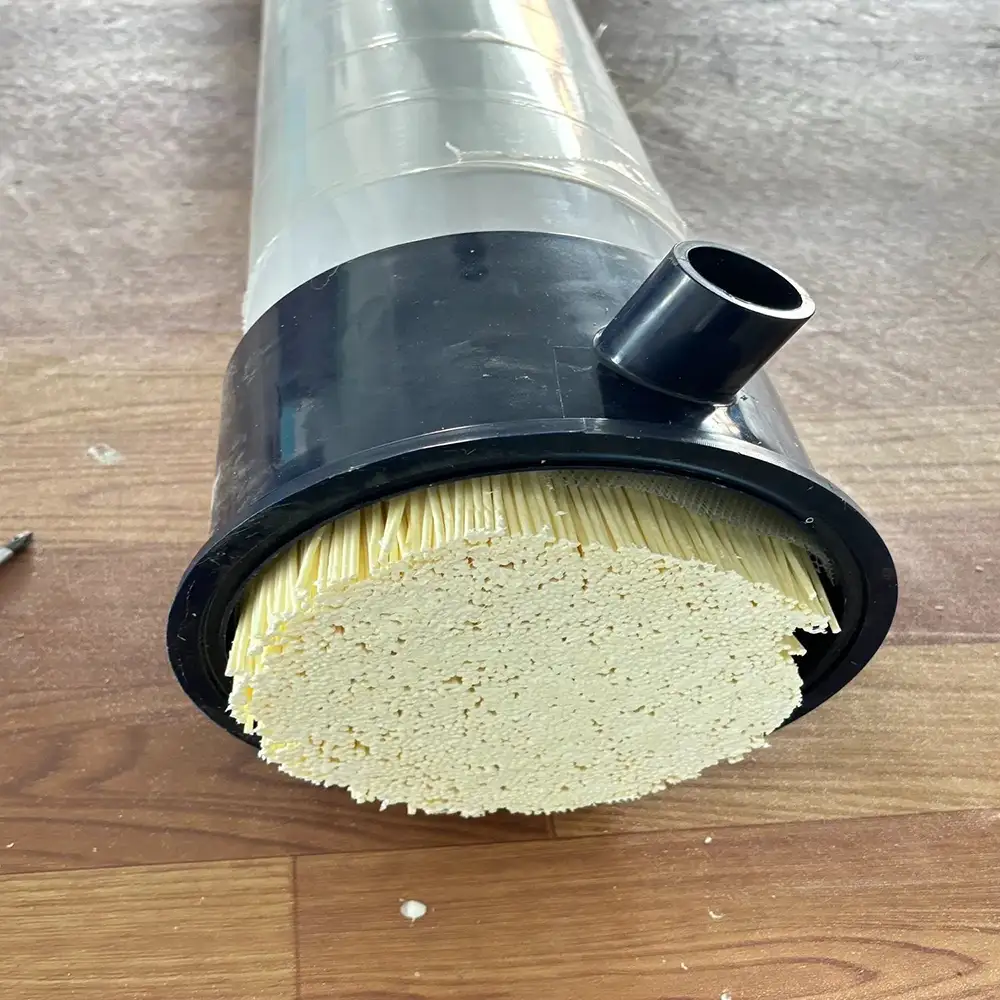
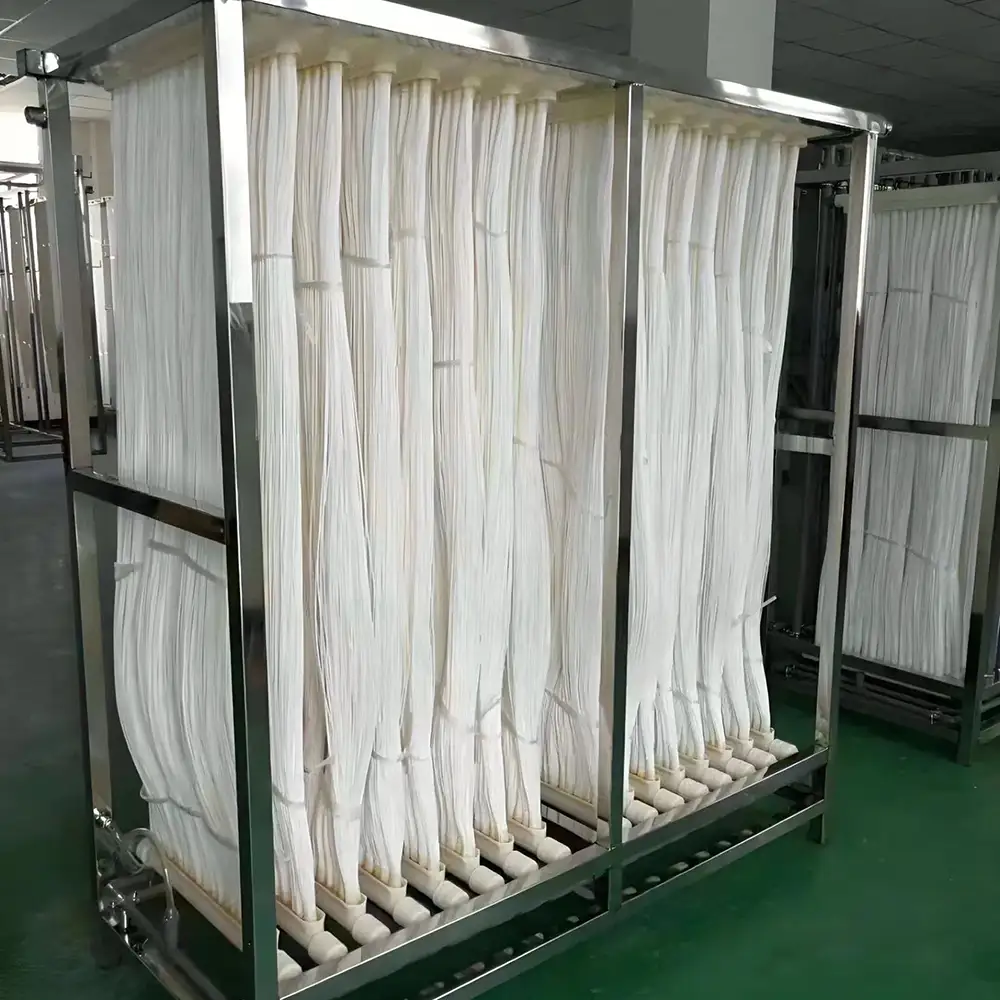
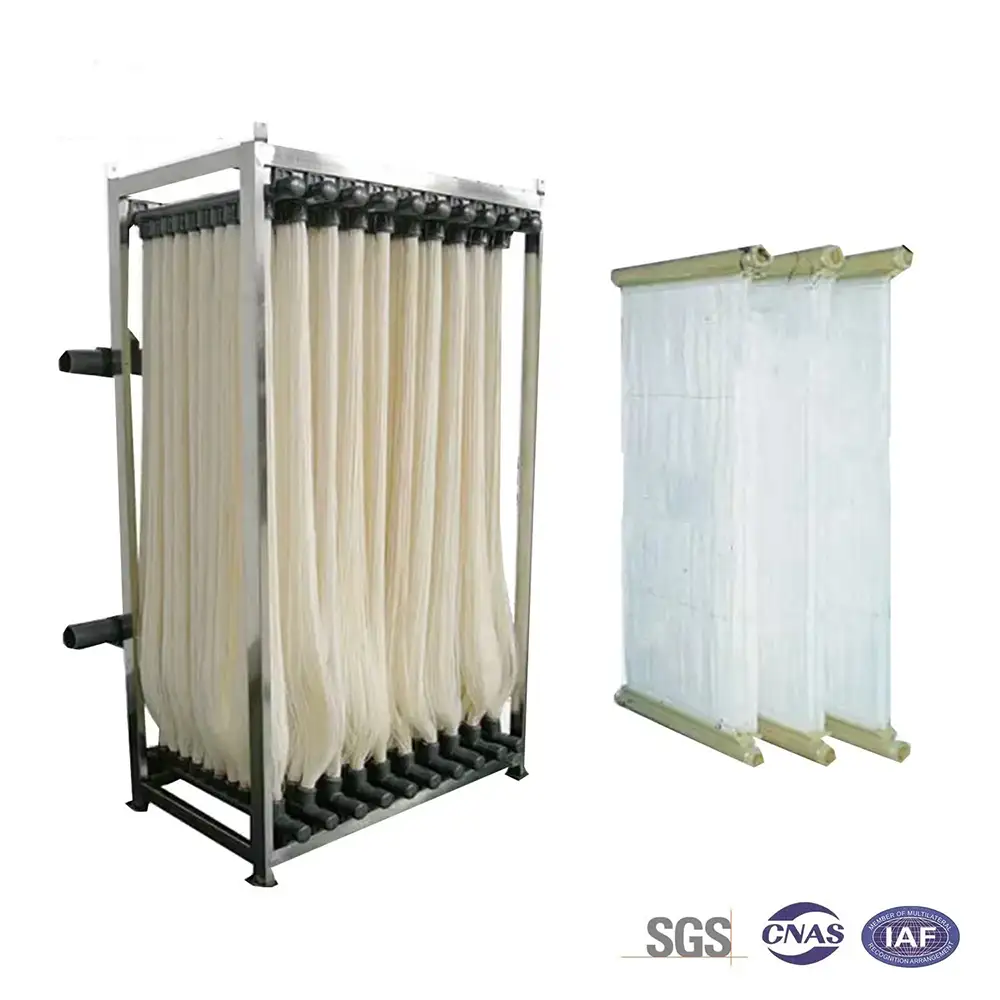
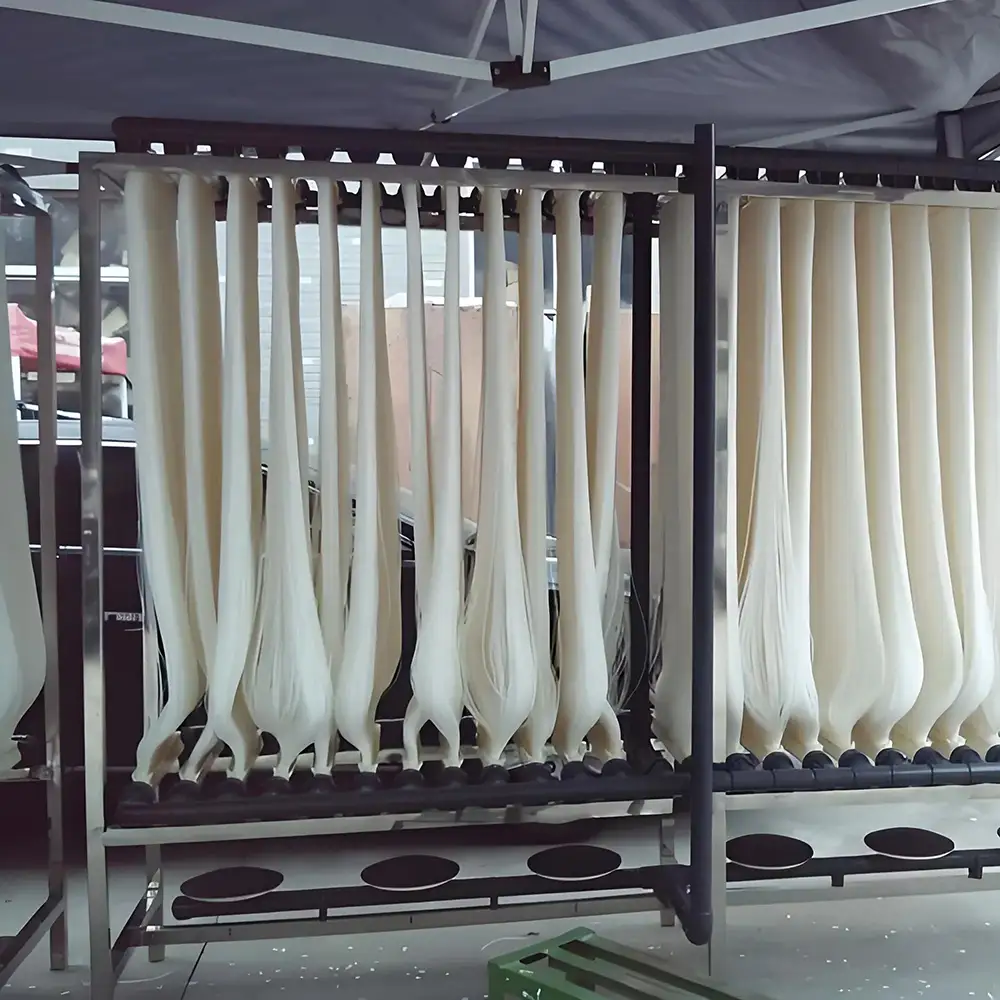
PVDF hollow fiber membranes consist of many small porous fibers assembled into a membrane module. The hollow fiber structure provides a large membrane surface area within a compact module.
In many submerged MBR systems, wastewater surrounds the outside of the hollow fibers while treated water is drawn through the membrane wall into the fiber lumen. This creates a highly effective barrier for suspended solids and microorganisms.
Reinforced PVDF hollow fiber membranes are available for municipal sewage and industrial wastewater treatment applications. Some commercial systems are specifically designed for food and beverage wastewater, petrochemical wastewater, landfill leachate, and industrial water reuse.
Food Wastewater Treatment Applications
Food processing wastewater can contain high concentrations of biodegradable organic matter, suspended solids, fats, oils, grease, and nutrients. MBR technology can be particularly useful where high-quality treated water and a relatively compact treatment system are required.
Typical applications include:
Food Processing Plants
Beverage Manufacturing
Dairy Processing
Meat Processing
Poultry Processing
Seafood Processing
Fruit and Vegetable Processing
Bakery Wastewater
Brewery Wastewater
Sugar and Starch Processing
The exact pretreatment and biological process should be designed according to the specific food wastewater characteristics.
Industrial Wastewater Treatment Applications
The PVDF MBR membrane reactor system can also be integrated into industrial wastewater treatment plants.
Potential applications include:
Chemical Manufacturing
Pharmaceutical Production
Textile and Dyeing
Electronics Manufacturing
Petrochemical Industry
Metal Processing
Automotive Manufacturing
Pulp and Paper
Industrial Parks
Landfill Leachate
General Manufacturing Wastewater
Industrial MBR systems have demonstrated long-term application with PVDF membranes, including full-scale industrial wastewater treatment installations.
Advantages of PVDF MBR Membrane Reactor System
Compact Footprint
Because membrane separation replaces or reduces the need for conventional secondary clarification, MBR systems can achieve high treatment performance in a relatively compact configuration.
High-Quality Permeate
The membrane provides a physical separation barrier for suspended solids and microorganisms, producing a low-solids permeate suitable for additional treatment or reuse.
High Biomass Concentration
MBR systems can maintain higher concentrations of mixed liquor suspended solids than many conventional activated sludge systems, allowing biological treatment to be concentrated in a smaller reactor volume.
Flexible Plant Design
MBR systems can be configured for municipal sewage, industrial wastewater, food wastewater, decentralized treatment, and water reuse projects.
Suitable for Retrofit Projects
PVDF MBR membrane modules can be used in new plants as well as suitable existing treatment systems requiring capacity expansion or membrane replacement.
Water Reuse Potential
MBR permeate can serve as a high-quality feed for additional treatment processes such as reverse osmosis when water reuse requirements call for further polishing.
Membrane Fouling Control
Membrane fouling is an important consideration when operating an MBR system. Organic compounds, microorganisms, colloids, inorganic deposits, and sludge-derived materials can accumulate on the membrane surface and reduce permeability.
Effective fouling management normally combines:
Proper Pretreatment
Stable Biological Operation
Appropriate Membrane Flux
Adequate Air Scouring
Regular Physical Cleaning
Chemical Cleaning When Required
Proper Sludge Management
Continuous TMP Monitoring
A full-scale industrial study of a PVDF MBR reported long-term operation with fouling controlled through monitoring transmembrane pressure and applying chemical cleaning when appropriate.
Cleaning procedures should always follow the membrane manufacturer's chemical concentration, temperature, exposure time, and pH limits.
MBR System Selection
When selecting a PVDF MBR membrane reactor system, the membrane should not be selected separately from the complete wastewater process.
Important design factors include:
Daily Wastewater Flow
Peak Flow
COD
BOD
TSS
Ammonia and Nitrogen
Phosphorus
MLSS
Wastewater Temperature
pH
Membrane Flux
Membrane Area
Membrane Pore Size
Hollow Fiber or Flat Sheet Configuration
Required Effluent Quality
Water Reuse Requirements
Available Installation Space
The correct system configuration depends on both wastewater characteristics and the required treated-water quality.
Maintenance and Membrane Replacement
Regular operation and maintenance are essential for stable MBR performance. Operators should monitor permeate flow, transmembrane pressure, membrane permeability, aeration, sludge concentration, and biological process conditions.
Membrane cleaning should be performed according to the manufacturer's recommended procedures. Pretreatment should also be maintained to prevent excessive solids, fibers, grease, and other contaminants from entering the membrane tank.
For replacement projects, the existing membrane dimensions, effective membrane area, filtration direction, connection size, module arrangement, and operating conditions should be confirmed before selecting replacement PVDF MBR modules.
Why Choose Us?
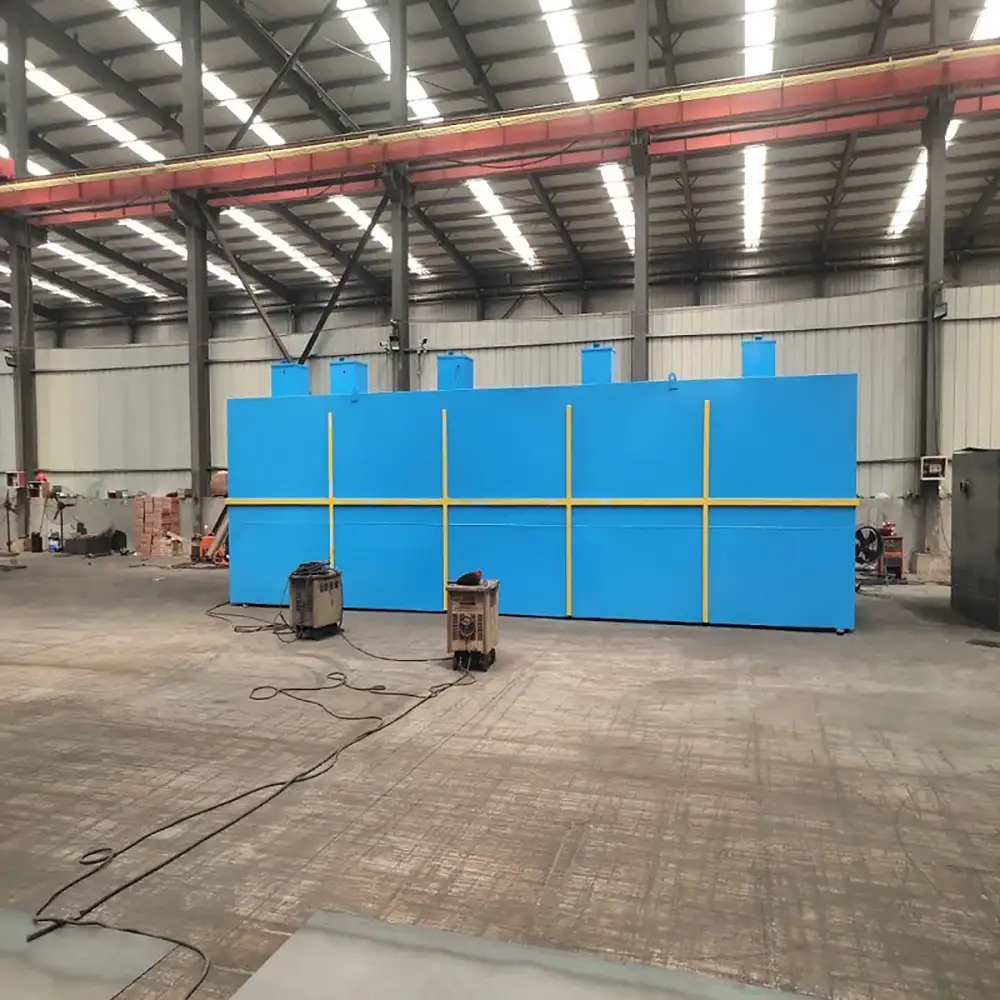
As a professional PVDF MBR membrane manufacturer and wastewater treatment equipment supplier, we provide membrane bioreactor solutions for municipal sewage, food wastewater, industrial wastewater, and water reuse applications.
Our advantages include:
PVDF Hollow Fiber MBR Membranes
PVDF Flat Sheet MBR Membrane Options
Complete MBR Membrane Reactor Systems
Municipal Sewage Treatment Solutions
Food Wastewater Treatment Solutions
Industrial Wastewater Treatment Solutions
MBR Membrane Replacement Services
Custom Membrane Module Configurations
OEM and Custom Manufacturing
Export-Oriented Equipment Production
Technical Support for MBR System Selection
We can customize membrane modules, membrane area, system capacity, tank configuration, aeration arrangement, control system, and other components according to project requirements.
Frequently Asked Questions
1. What is a PVDF MBR membrane?
A PVDF MBR membrane is a membrane filtration component made from polyvinylidene fluoride and designed for membrane bioreactor wastewater treatment systems.
2. What does MBR mean?
MBR means Membrane Bioreactor. It combines biological wastewater treatment with membrane filtration.
3. Can PVDF MBR membranes treat food wastewater?
Yes. PVDF MBR systems are used for food and beverage wastewater treatment, although pretreatment and process design should be based on the specific wastewater composition.
4. Can this system treat industrial wastewater?
Yes. PVDF MBR systems are used for various industrial wastewater applications, including chemical, pharmaceutical, food, textile, petrochemical, and manufacturing wastewater.
5. What is the difference between MBR and conventional activated sludge?
An MBR combines biological treatment with membrane filtration, while conventional activated sludge generally uses gravity clarification to separate biological solids from treated water. MBR systems can therefore eliminate or reduce the need for a conventional secondary clarifier.
6. Is PVDF suitable for wastewater membranes?
Yes. PVDF is widely used in wastewater membrane applications because of its useful mechanical and chemical properties. Commercial MBR systems from multiple manufacturers use PVDF membrane materials.
7. Does an MBR membrane require cleaning?
Yes. Physical and chemical cleaning may be required to control membrane fouling and maintain stable permeability. The cleaning schedule depends on wastewater quality and operating conditions.
8. Can the MBR system be used for water reuse?
Yes. MBR permeate can be used as treated water or as feed for additional polishing processes such as reverse osmosis when the project requires higher-quality reuse water.
9. Can PVDF MBR membranes replace existing membrane modules?
In many retrofit projects, replacement modules can be supplied, provided that the new modules are compatible with the existing membrane frame, dimensions, connections, filtration process, and operating conditions.
10. Can you customize the MBR membrane reactor system?
Yes. System capacity, membrane configuration, membrane area, tank design, aeration, pumps, control system, membrane modules, and other components can be customized according to project requirements.
Prev:
PVDF Material Mbr Membrane for Sewage Treatment Plant
Next:
MBR Membrane Bioreactor for Wastewater Treatment in Printing Plants
TAG:
Industrial Wastewater Treatment Equipment,
Food Industry Wastewater Treatment,
Dairy Wastewater Treatment,
Meat Processing Wastewater Treatment,
Food Processing Wastewater Treatment,
Industrial Wastewater Treatment,
Food Wastewater Treatment,
Sewage Treatment Plant,
Industrial Sewage Treatment,
Industrial Wastewater Treatment Plant,
Wastewater Treatment Equipment,
Wastewater Treatment Plant,
Chemical Wastewater Treatment,
Industrial Water Treatment Equipment,
Wastewater Recycling System,
Pharmaceutical Wastewater Treatment,
Industrial Water Reuse,
Sewage Treatment Equipment,
Membrane Wastewater Treatment,
Advanced Wastewater Treatment,
Biological Wastewater Treatment,
Industrial Sewage Treatment System,
Textile Wastewater Treatment,
Compact Wastewater Treatment System,
MBR Wastewater Treatment,
MBR Sewage Treatment,
MBR Wastewater Treatment System,
MBR Sewage Treatment System,
MBR Wastewater Treatment Plant,
MBR Membrane Module,
Related Category:
PVDF MBR Membrane, MBR Membrane Reactor System, PVDF Membrane Bioreactor, MBR Wastewater Treatment Plant China, suppliers, manufacturers, factory, customized, wholesale, quotation, made in China