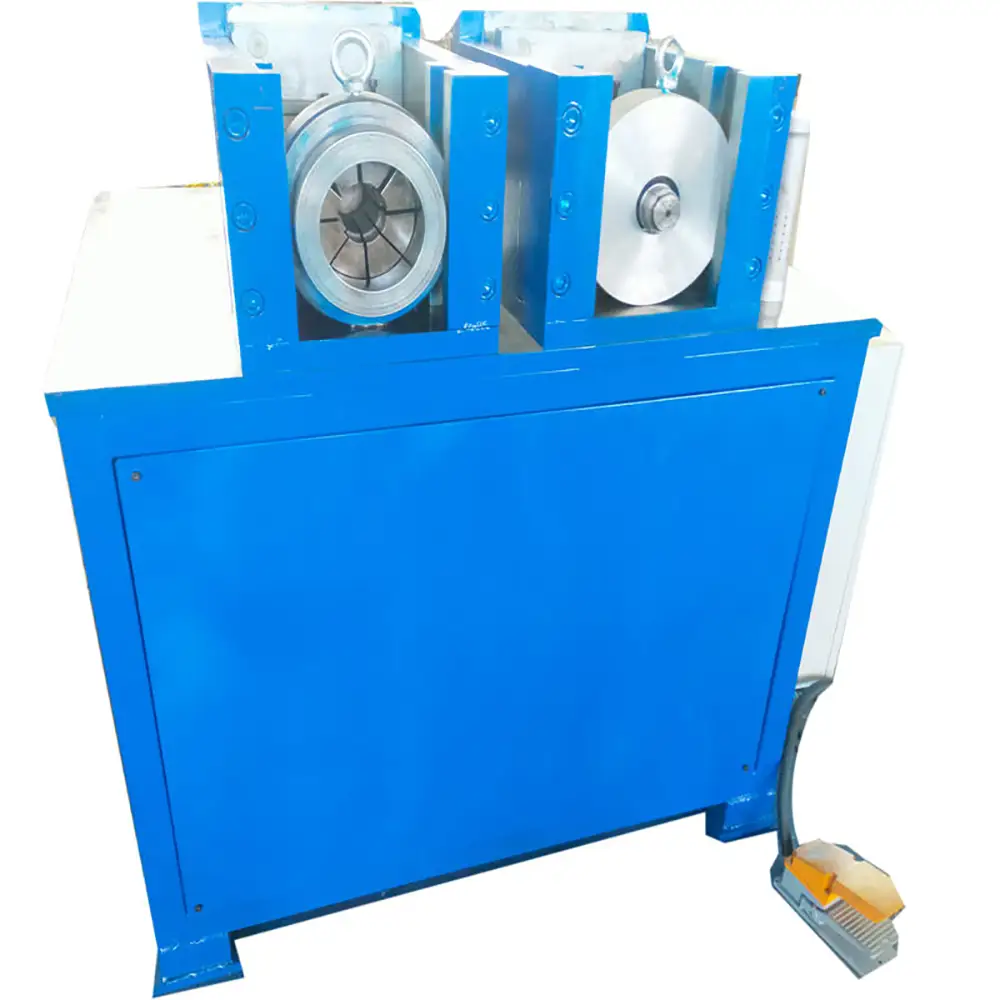
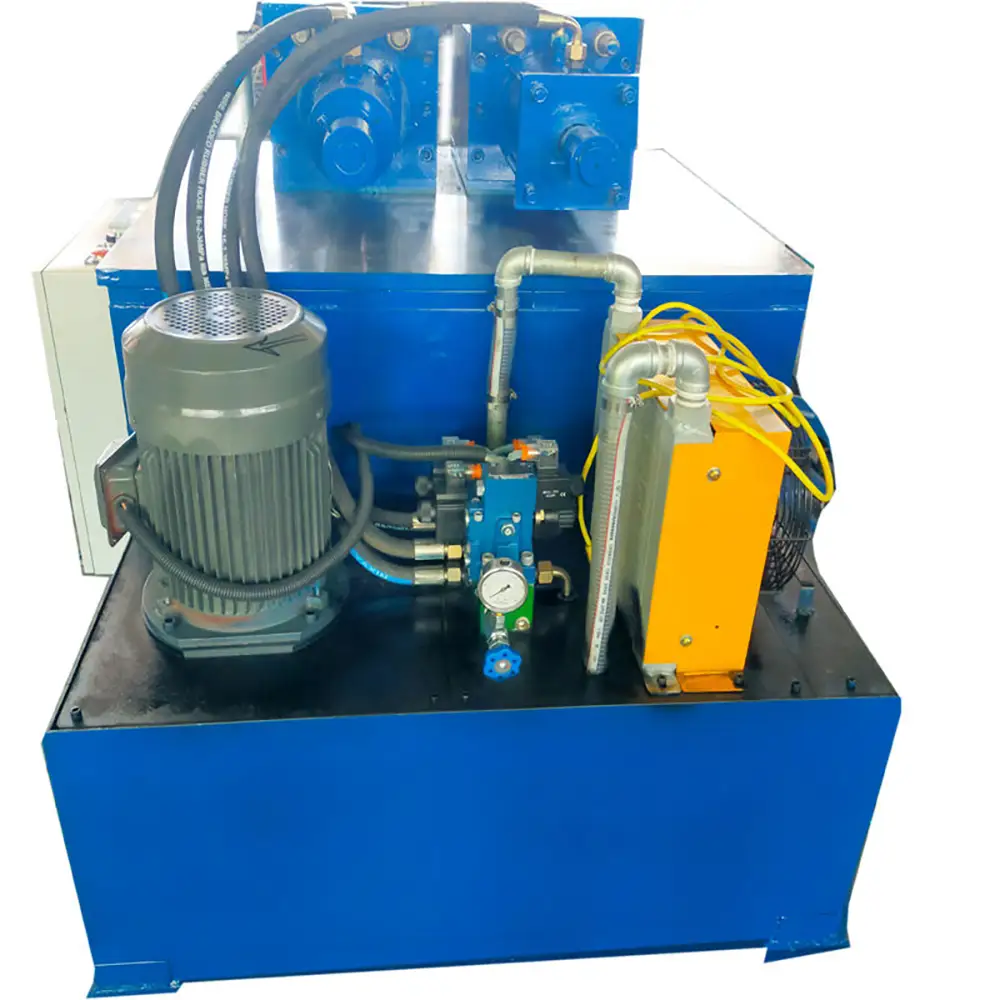
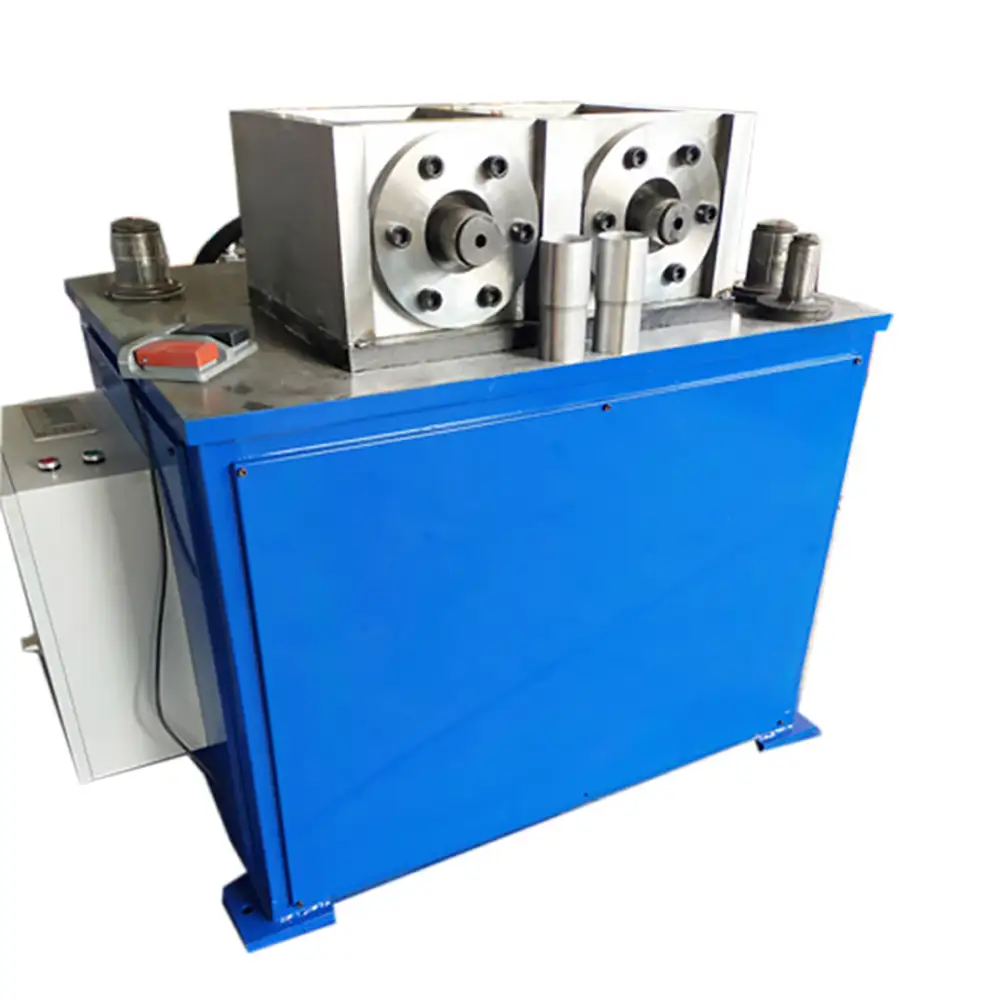
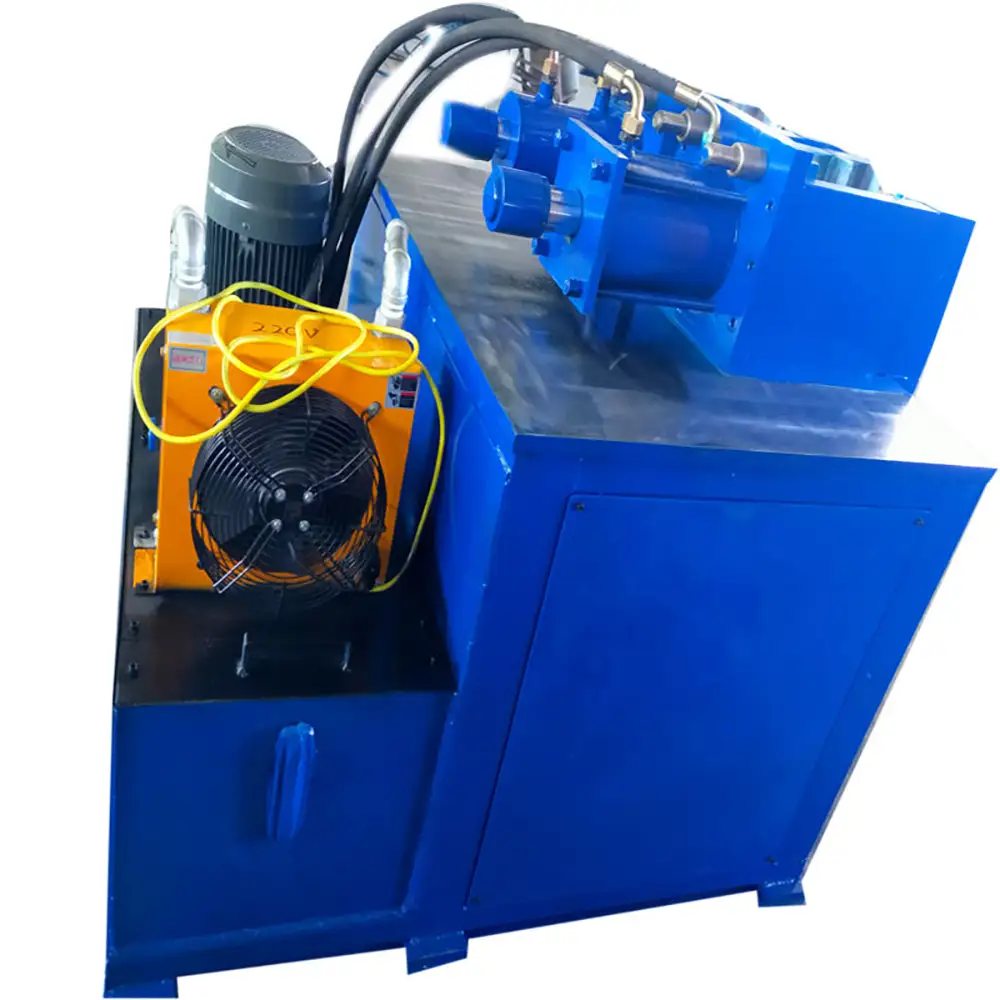
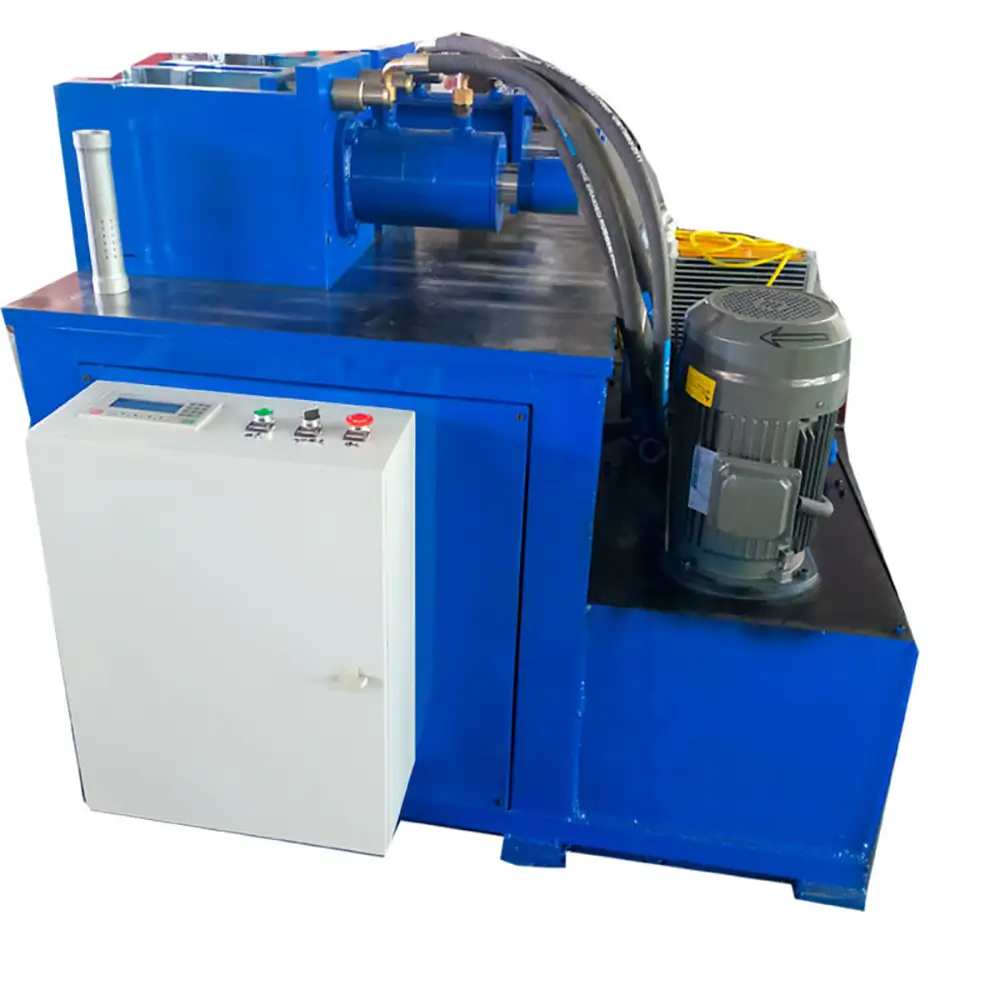
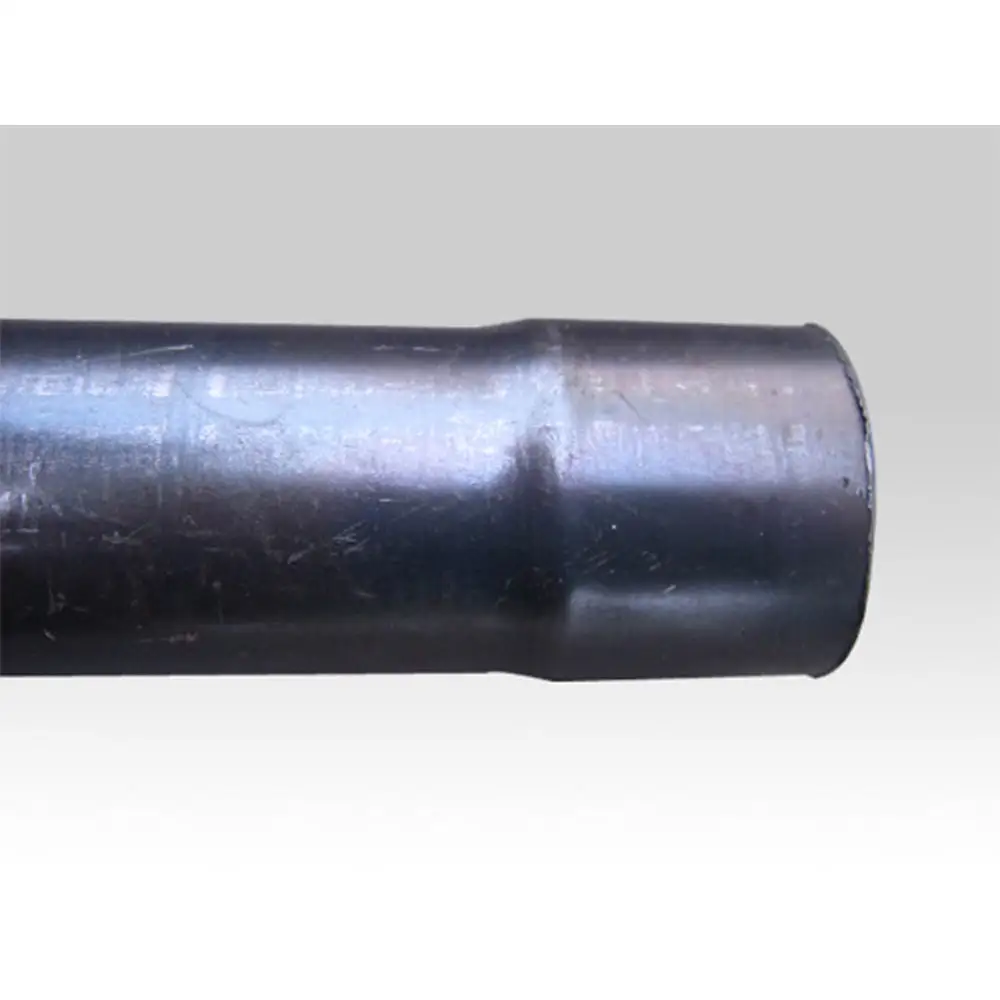
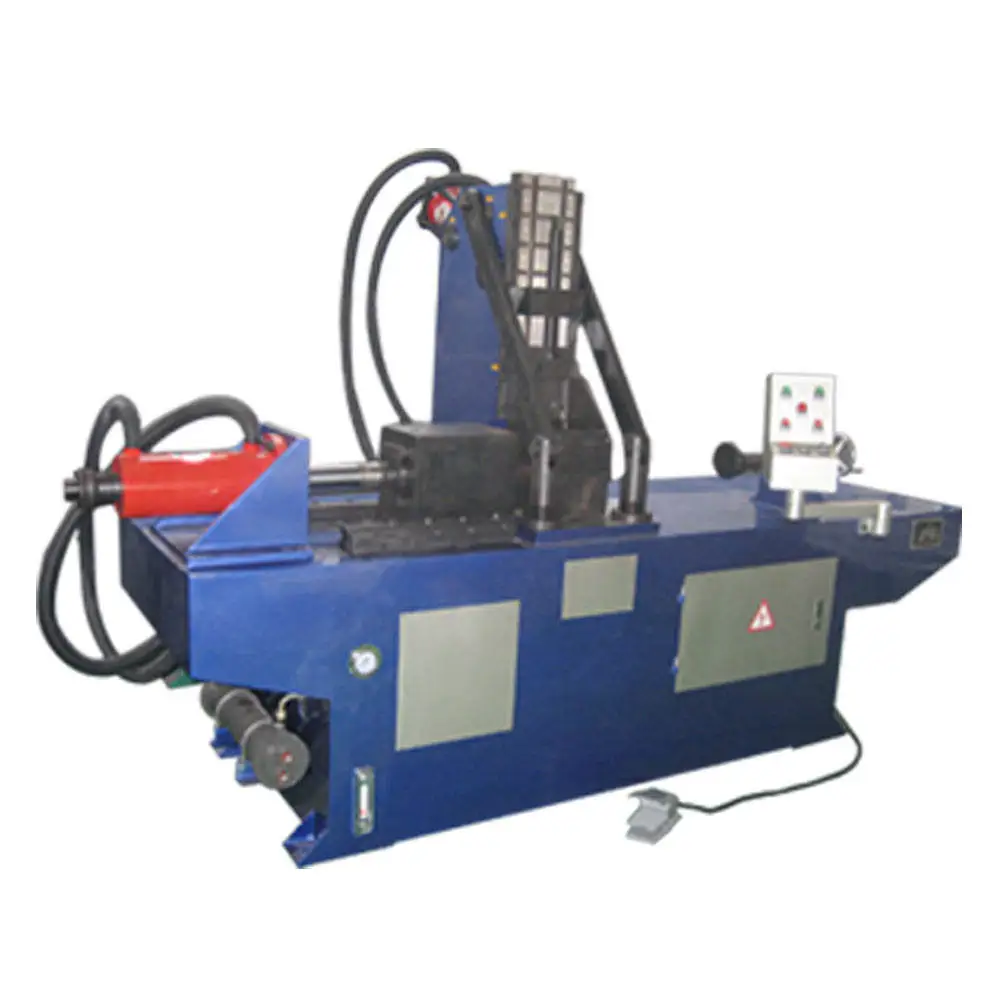
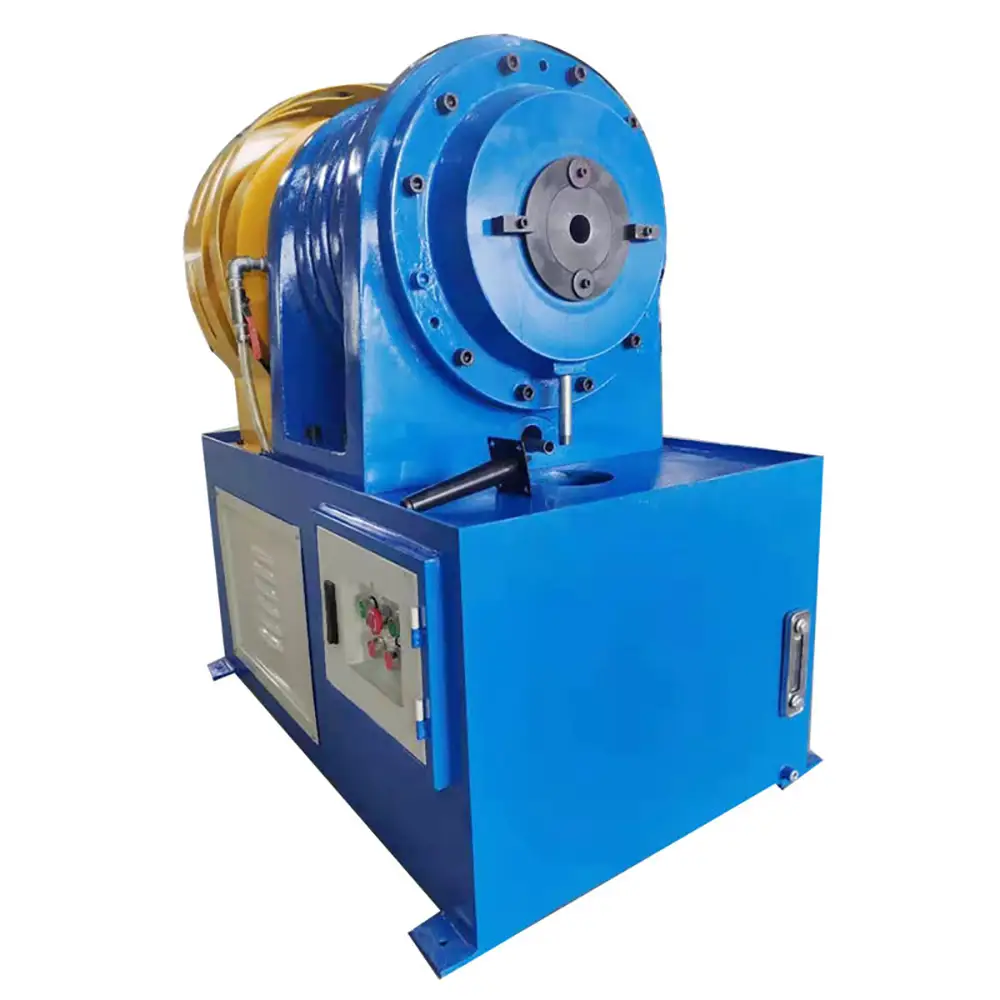
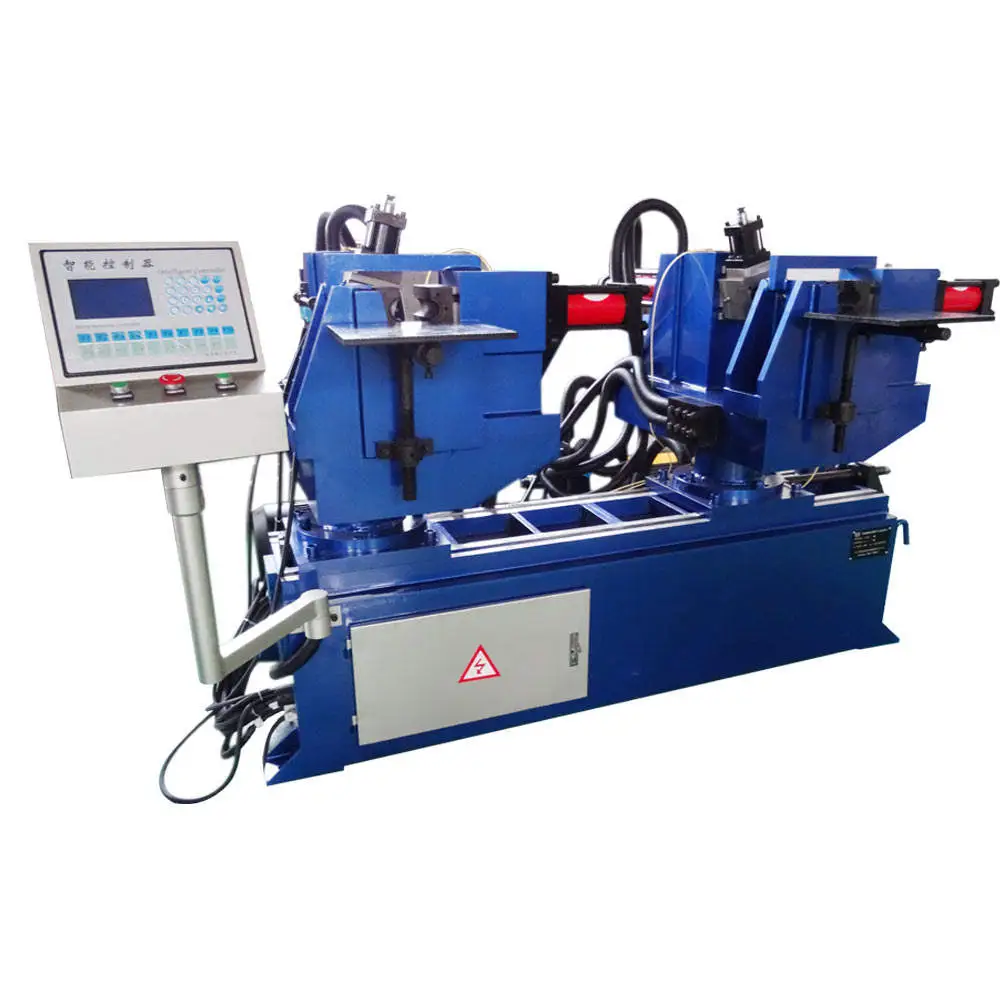
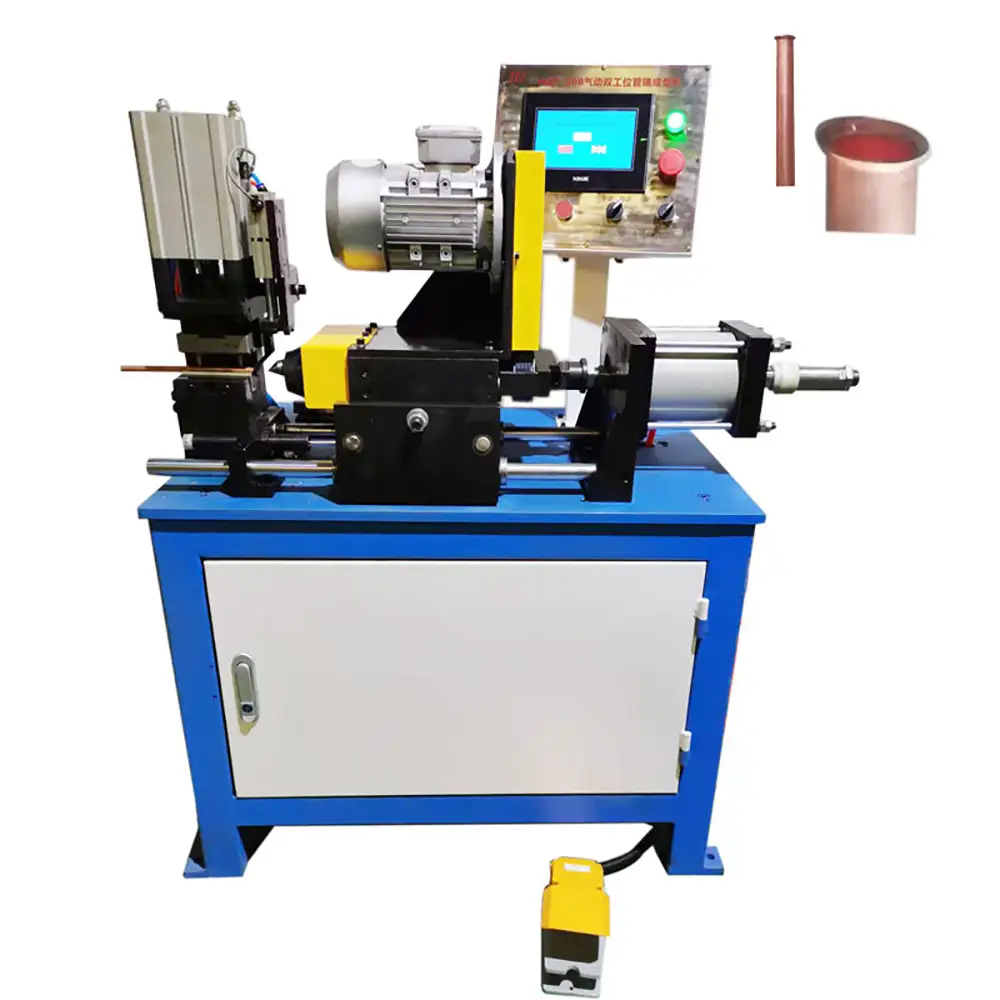
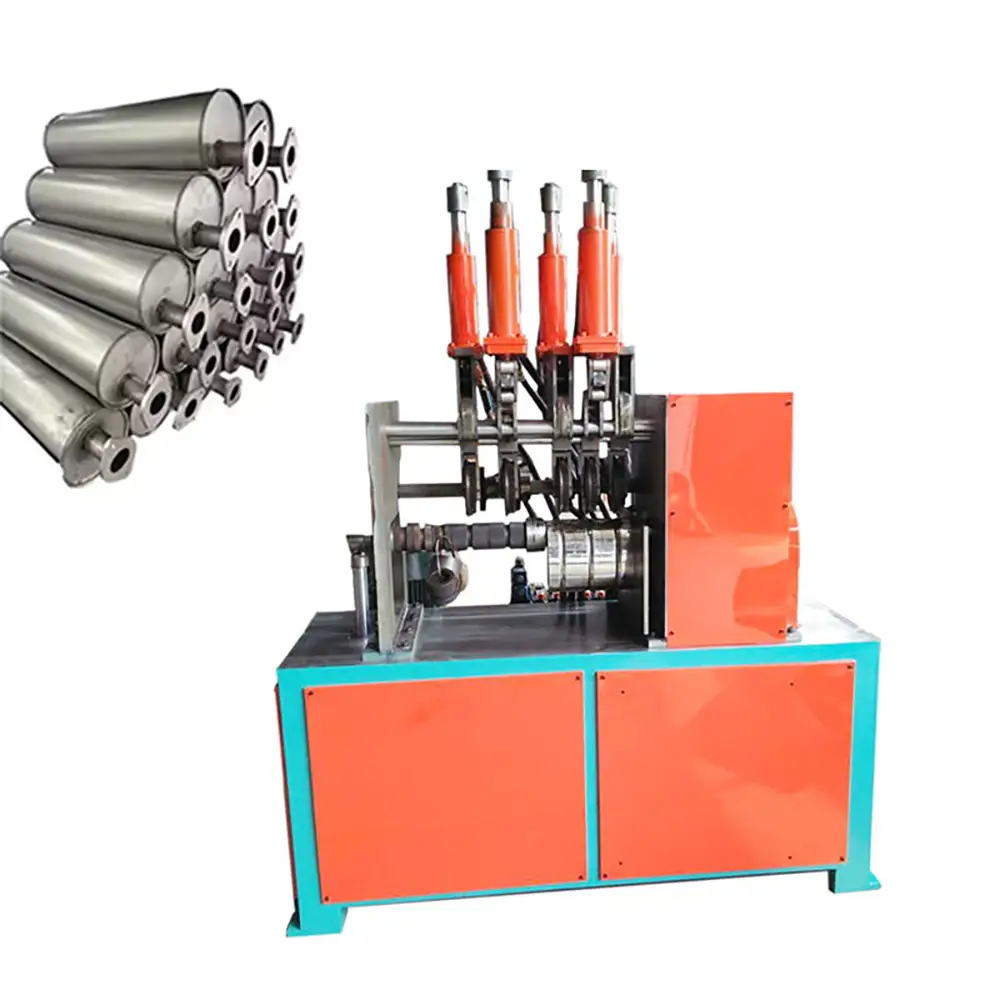
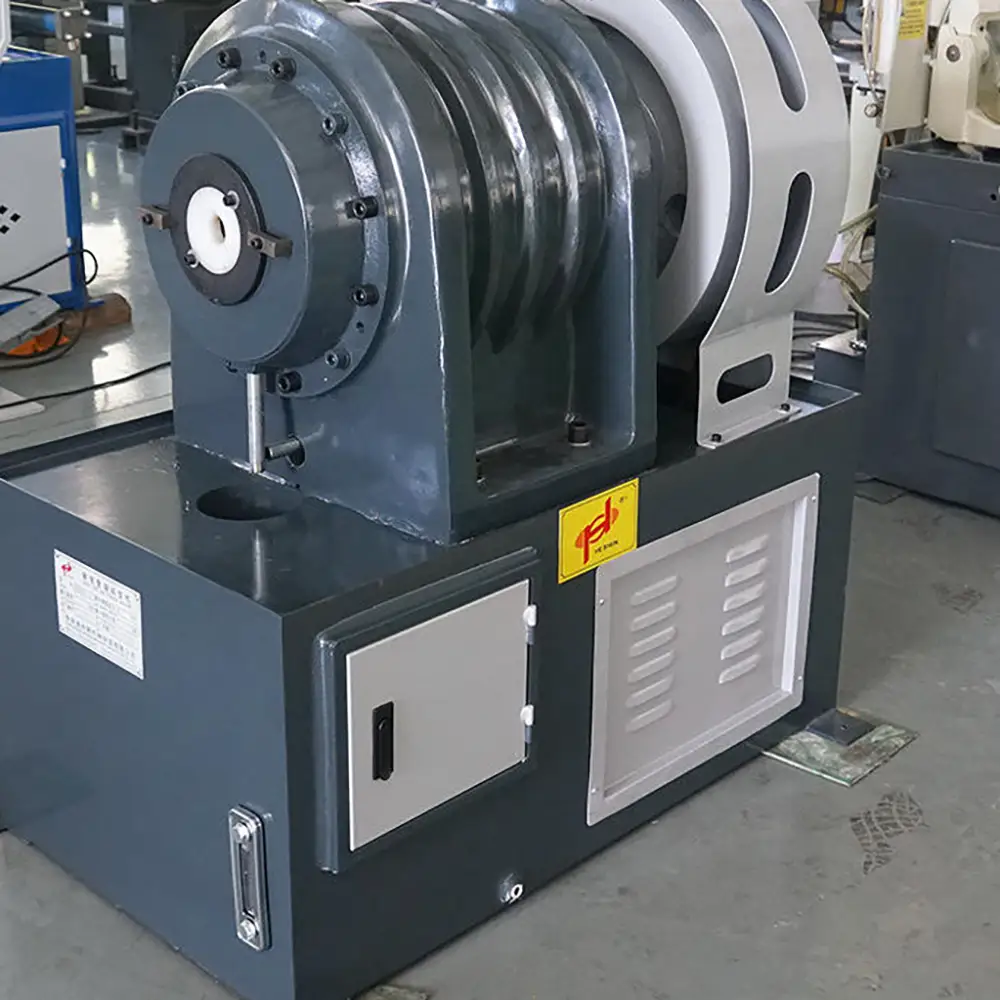
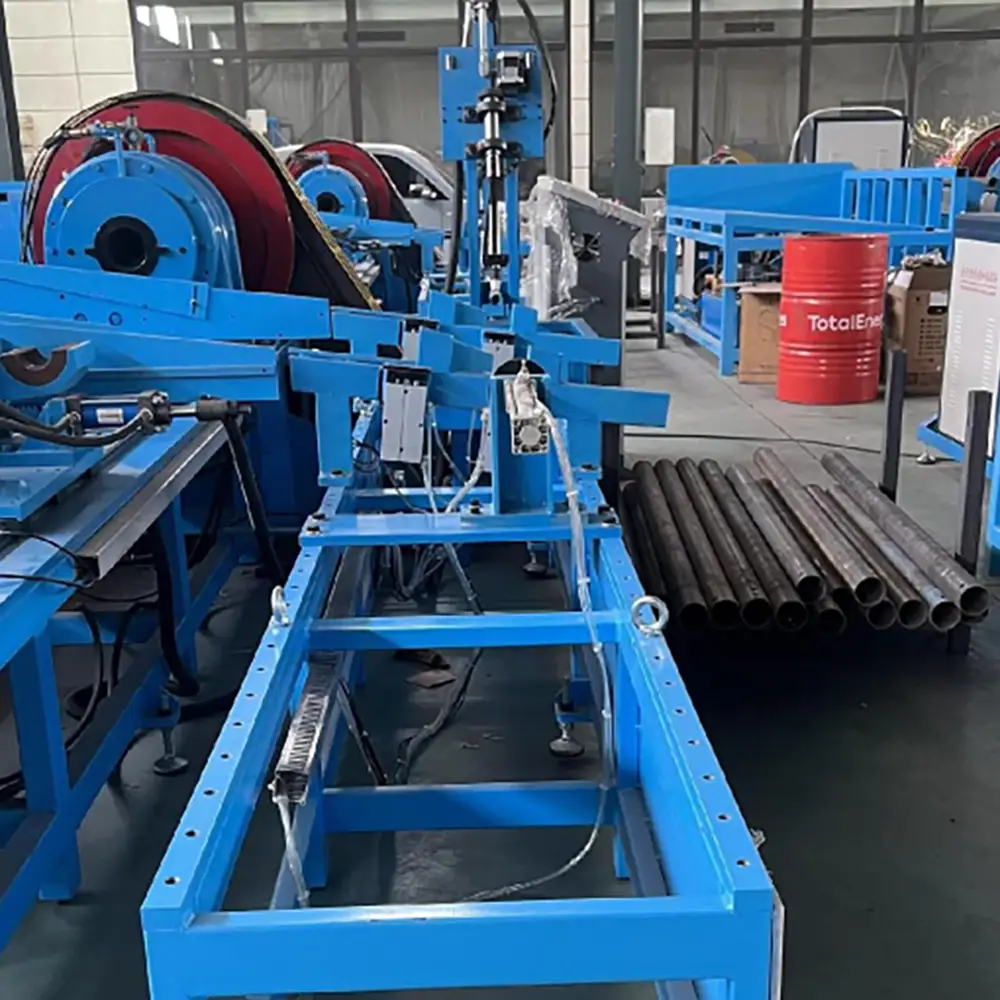
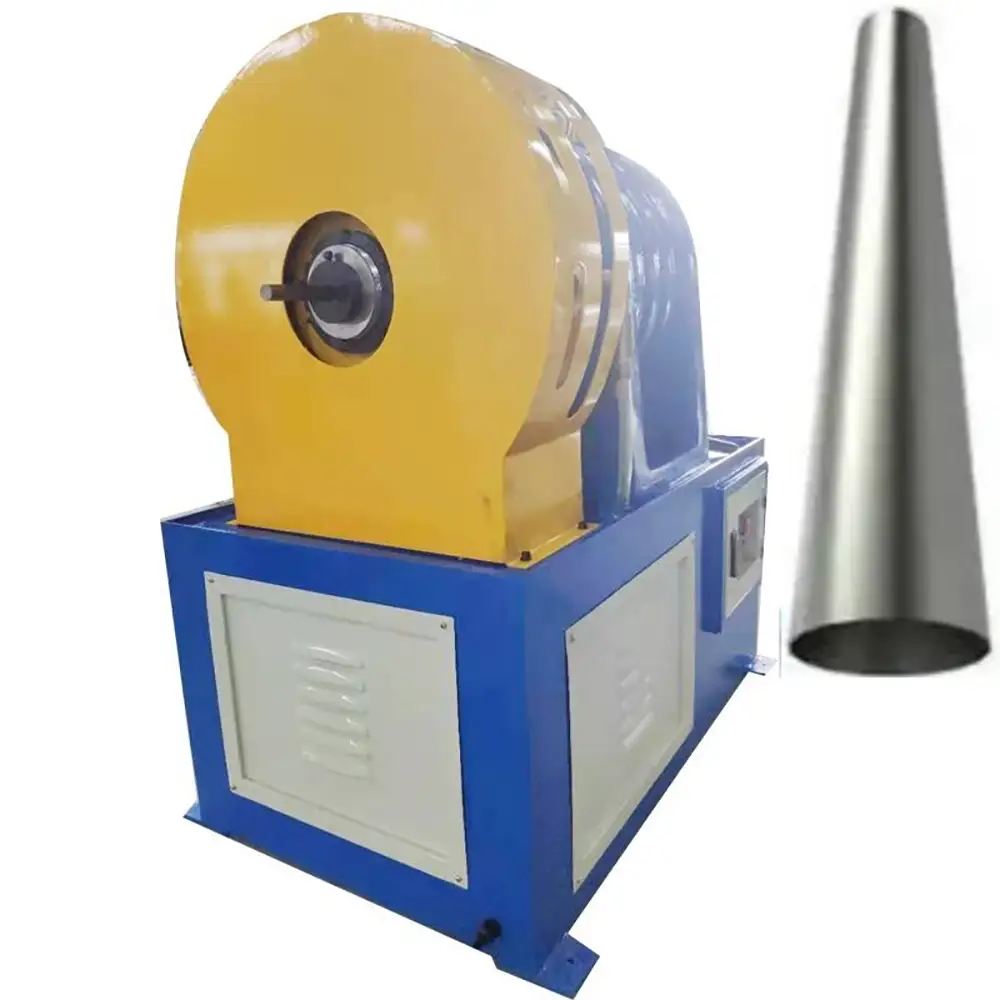
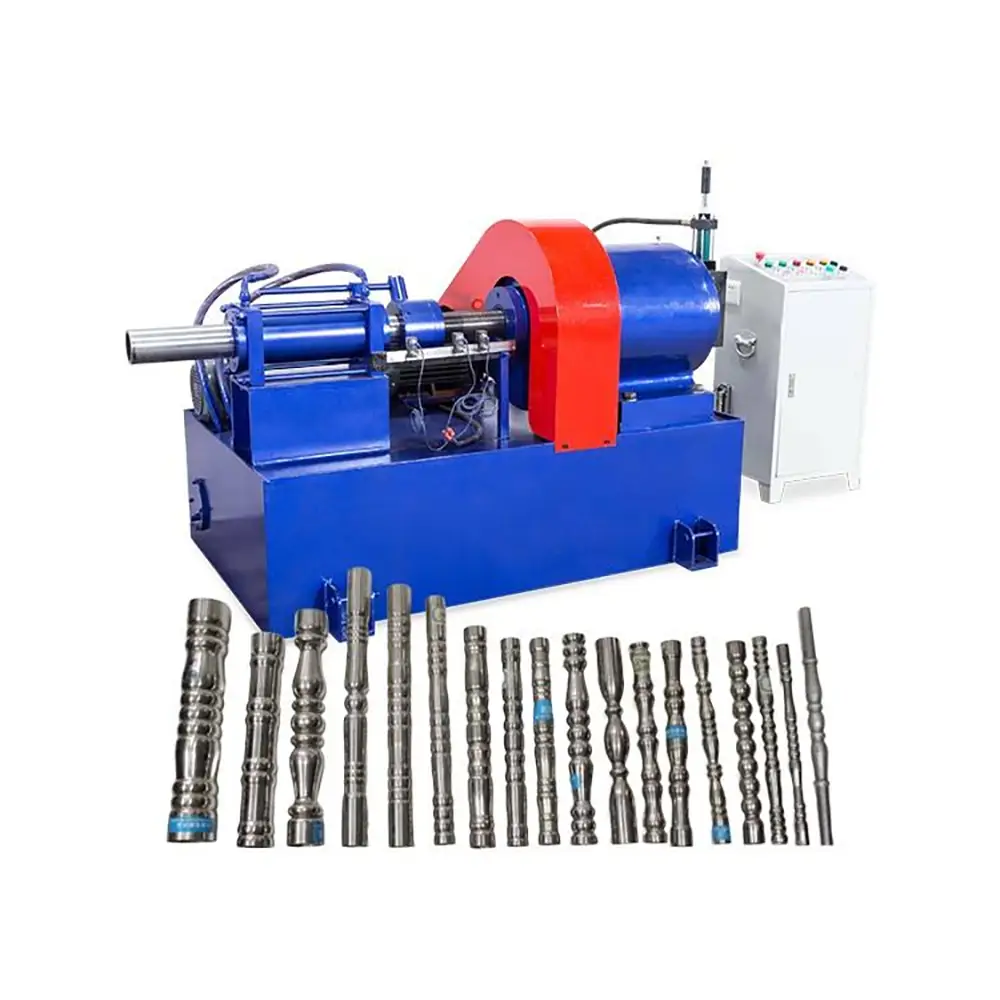
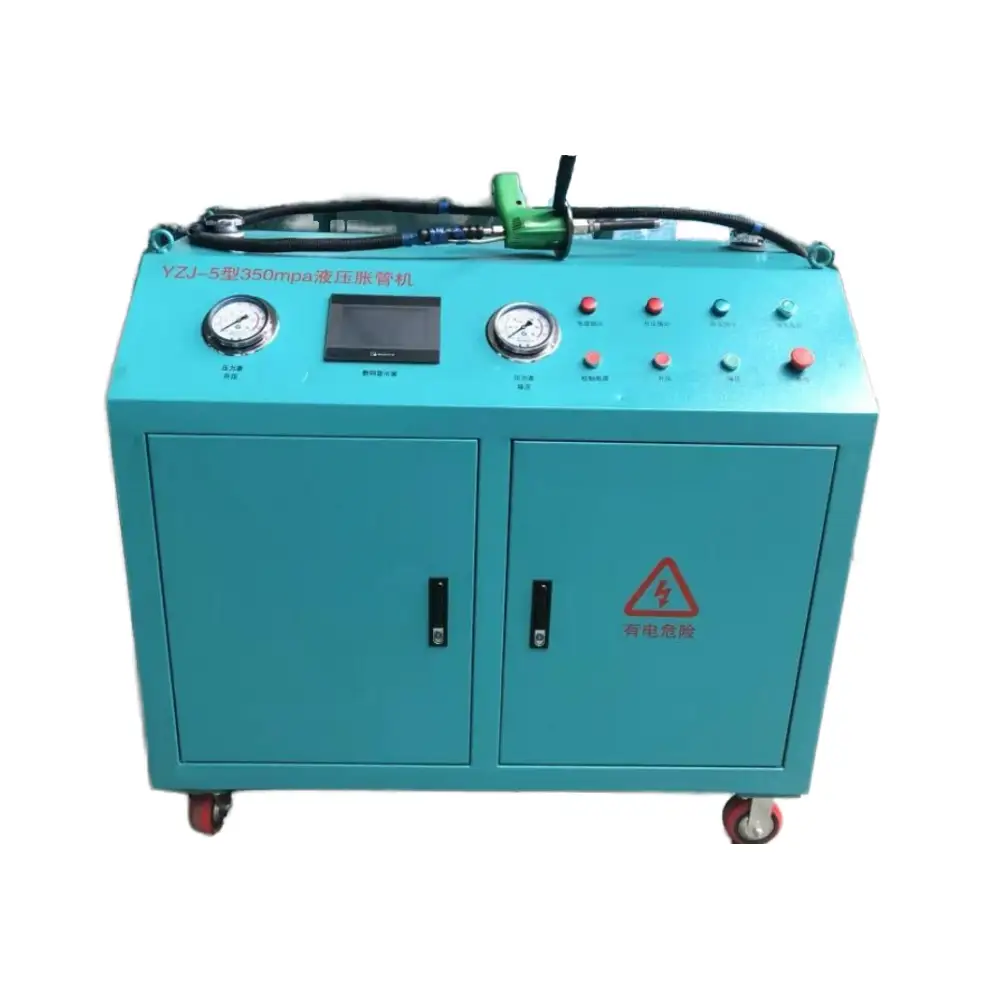
The tube expanding and shrinking all-in-one machine is a kind of equipment for cutting, grooving, expanding and shrinking pipes. It has a multifunctional operation function and can adapt to the processing needs of different pipe materials and sizes. The pipe expanding and shrinking machine can have the functions of pipe expanding and shrinking at the same time, making it more convenient and efficient to use in engineering. It is usually done by one machine with simple operation and high efficiency. The tube expanding and shrinking machine is usually composed of a tube expanding mechanism and a tube shrinking mechanism, and the operation is controlled by a controller. It can be adapted to handle different pipe materials and sizes, offering a variety of options. In general, the integrated pipe expanding and shrinking machine is a kind of equipment with pipe expanding and shrinking functions, which can be used in pipeline connection, pipeline repair and pipeline transformation projects to improve engineering efficiency and reduce material waste.
Pipe End Forming Machine for Tapering,Reducing,Expanding and Flanging
The Pipe End Forming Machine Taper Pipe Reducing Expanding Flanging Machine is a multifunctional metal tube processing solution designed for changing the geometry of pipe and tube ends. By combining suitable end-forming operations such as tapering,reducing,expanding,and flanging,the machine can help manufacturers prepare tubular components for assembly,connection,welding,or further fabrication.
Pipe end forming is widely used in automotive components,furniture manufacturing,construction equipment,industrial machinery,metal fabrication,and other industries where tubes require a controlled finished profile.
The exact operations available depend on the machine configuration and tooling. Not every configuration performs all four processes simultaneously. Customers should provide the pipe material,diameter,wall thickness,finished dimensions,and required forming operations when selecting the appropriate machine.
|
item |
value |
|
Material / Metal Processed |
Brass / Copper, ALLOY, Stainless Steel, Aluminum, Aluminium alloy, Carbon steel |
|
Raw Material |
PIPE, Steel Bar |
|
Machine Type |
Pipe End Forming Machine |
|
Max.Shrinking Capacity (Thickness)(mm) |
60mm |
|
Video outgoing-inspection |
Provided |
|
Machinery Test Report |
Provided |
|
Marketing Type |
Ordinary Product |
|
Warranty of core components |
1 Year |
|
Core Components |
PLC, Engine, Bearing, Gearbox, Motor, Pressure vessel, Gear, Pump |
|
Max.Shrinking Capacity (Diameter)(mm) |
60mm |
|
Max. Tube Contracting Length (mm) |
120 |
|
Condition |
New |
|
Place of Origin |
China |
|
Brand Name |
creekin |
|
Extra Services |
Slotting & Notching, Piercing & Punching, End Forming, Swaging, Heat Treating, Cut To Length |
|
Automation |
Automatic |
|
Year |
2022 |
|
Power (kW) |
5.5 |
|
Warranty |
1 Year |
|
Weight (KG) |
1200 |
|
Key Selling Points |
Competitive Price |
|
Applicable Industries |
Building Material Shops, Manufacturing Plant, Machinery Repair Shops, Farms, Retail, Construction works , Energy & Mining, Other |
|
Showroom Location |
None |
|
Product name |
Pipe Forming Machine |
|
Model |
Soar-60 |
|
Function |
Swaging Forming |
|
Suitable material |
Copper Aluminum Steel |
|
Voltage |
220V/380V/415V/440V/customized |
|
Control |
Microcomputer Control / Servo |
|
Station |
2 Stations |
|
Capacity |
5-10 seconds / pc |
|
Precision |
+/-0.1mm |
|
Hydraulic Valve |
Taiwan's Seven Ocean |
Multi-Function Pipe End Forming
The main purpose of a pipe end forming machine is to modify the shape of a tube end without cutting away the entire section.
Depending on the tooling,the machine may perform:
Pipe Tapering
Pipe Reducing
Pipe Expanding
Pipe Flanging
Tube Necking
Tube Swaging
Tube Flaring
Tube Beading
Customized End Forming
Combining several forming functions on one machine can reduce the need to transfer workpieces between separate processing stations.
For manufacturers producing multiple tubular products,the ability to change tooling can also provide greater production flexibility.
Pipe Tapering
Pipe tapering changes the diameter of a selected tube section to create a gradually reduced or conical profile.
A tapered pipe end can be useful when a component needs to fit into another tube,connector,frame,or specially designed joint.
The final taper depends on the original tube diameter,the required finished diameter,the forming length,material properties,and die geometry.
Typical applications include furniture legs,decorative tubes,structural components,and tubular connection parts.
Pipe Reducing and Necking
Pipe reducing decreases the diameter of a tube end or selected section. The process can create a smaller connection section or prepare the tube for subsequent joining.
Tube necking is a related forming operation that creates a controlled reduction in diameter.
These processes can be useful in:
Automotive Exhaust Components
Furniture Frames
Metal Handles
Structural Tubes
Machinery Components
Tubular Connectors
Decorative Metal Products
The amount of reduction should be matched to the material's forming characteristics. Excessive reduction in one operation can cause wrinkles,cracks,or unwanted deformation.
For demanding applications,multiple forming stages may be required depending on the tube geometry.
Pipe Expanding
Pipe expanding increases the diameter of a tube end or selected section.
Expansion can be used to create a larger connection area or prepare the tube for fitting another component.
The forming process can be controlled through appropriate tooling and machine parameters.
Suitable applications may include exhaust pipes,automotive tubes,HVAC components,heat exchanger tubes,furniture components,and general metal fabrication.
The practical expansion range depends on the material,wall thickness,original diameter,tool design,and machine forming capability.
Pipe Flanging
Flanging forms a raised or outward-facing flange around a tube end.
A flange can provide a connection surface,locating feature,reinforcement,or assembly interface depending on the product design.
Tube flanging is used in various industrial applications where the finished pipe needs to connect with another component.
The final flange geometry is determined by the forming die,material properties,tube dimensions,and forming sequence.
Custom tooling can be developed when a standard flange profile does not meet the customer's requirements.
Tube End Forming Process
A typical production process may include loading the tube,positioning the workpiece,clamping it securely,selecting the required tooling,and applying the forming operation.
For multifunction applications,the same workpiece may undergo several forming stages.
For example,a tube could first be reduced to a smaller diameter and then flanged or expanded according to the final product design.
The actual processing sequence should be determined according to the material and finished geometry.
Sample testing is recommended for complex tube-end shapes.
Materials and Tube Compatibility
The machine can be configured for suitable metal tubes made from materials such as:
Carbon Steel
Mild Steel
Stainless Steel
Aluminum
Copper
Galvanized Steel
Other Formable Metal Alloys
Different materials require different forming conditions.
Stainless steel may require carefully selected tooling and forming parameters because of its strength and work-hardening characteristics.
Aluminum and copper can also require controlled forming to reduce the possibility of cracking or surface deformation.
The machine's actual material range depends on the selected configuration.
Applications in Furniture Manufacturing
Furniture manufacturing is an important application for pipe end forming.
Metal chair legs,table legs,stool frames,bed frames,and other tubular furniture components may require tapered,reduced,expanded,or flanged ends for assembly.
A controlled forming process can produce repeatable tube profiles and reduce manual shaping work.
Applications may include:
Chair Legs
Table Legs
Stool Frames
Bed Frames
Office Furniture
Metal Shelving
Display Stands
Furniture Frames
Custom tooling can be designed according to the required furniture component shape.
Automotive and Exhaust Applications
Pipe end forming is also widely used in automotive manufacturing.
Exhaust pipes,muffler components,intake tubes,and other tubular automotive parts may require diameter reduction,expansion,flanging,or tapering.
For example,a pipe end may be expanded to fit over another component or reduced to create a smaller connection.
The exact forming method depends on the exhaust design,material,wall thickness,and required connection.
Production Efficiency
A multifunction end forming machine can help reduce workpiece movement between separate tube-processing machines.
For repeated production,operators can use dedicated tooling and established forming parameters to process similar workpieces more consistently.
Actual production output depends on tube dimensions,number of forming operations,tool changes,loading method,material,and machine cycle.
Automatic feeding,positioning,or other production functions may be available depending on the machine configuration.
High-volume manufacturers should evaluate the complete production cycle rather than relying on a single machine specification.
Tooling and Custom Dies
Tooling is critical for pipe end forming because the die geometry determines the final shape.
Different pipe diameters and forming profiles generally require corresponding tooling.
Custom dies may be developed for:
Tapered Ends
Reduced Ends
Expanded Ends
Flanged Ends
Beaded Ends
Swaged Ends
Special Connection Profiles
Customers should provide drawings,pipe dimensions,material information,and finished-part requirements when requesting custom tooling.
Quality Control
Quality inspection should include the finished diameter,forming length,flange dimensions,taper profile,roundness,and surface condition.
For connection components,the final fit should also be verified against the mating part.
Tool wear can affect forming consistency,so dies should be inspected regularly.
For production batches,first-piece inspection and periodic sampling can help identify dimensional changes before they affect a large quantity of components.
Maintenance and Safety
Regular maintenance should include checking forming dies,clamping systems,hydraulic components,mechanical drives,fasteners,and electrical connections according to the manufacturer's recommendations.
The forming area should remain clear during operation. Operators should avoid placing hands near moving tooling and should use appropriate protective equipment.
Hydraulic hoses and fittings should be inspected regularly on hydraulic models.
Emergency stops,guards,electrical protection,and other safety features depend on the actual machine configuration and applicable local requirements.
OEM and Custom Pipe End Forming Solutions
Different manufacturers require different tube sizes,forming shapes,and production volumes.
For OEM and ODM projects,customers can provide:
Pipe Material
Pipe Diameter
Wall Thickness
Original Tube Length
Finished Diameter
Taper Dimensions
Expansion Dimensions
Flange Dimensions
Required Production Volume
Drawings or Samples
This information helps determine the forming process,tooling,and machine configuration.
The equipment can be supplied to manufacturers,distributors,wholesalers,purchasing agents,and industrial users requiring customized pipe and tube end forming solutions.
Why Choose Us
Multi-Function End Forming — Supports suitable tapering,reducing,expanding,and flanging applications on metal pipes and tubes.
Flexible Tube Processing — Can be configured for different tube dimensions,materials,and finished profiles.
Custom Forming Dies — Tooling can be developed according to customer drawings and specific end geometries.
Furniture Applications — Suitable for chair legs,table legs,stool frames,and other tubular furniture components.
Automotive Applications — Suitable configurations can be evaluated for exhaust and other tubular automotive components.
Production Efficiency — Combining multiple forming operations can reduce workpiece transfer between separate machines.
Quality-Oriented Forming — Controlled forming and suitable tooling can help maintain repeatable tube-end dimensions.
OEM & ODM Support — Machine configuration,tooling,and forming processes can be developed according to customer requirements.
FAQs
1. What is a pipe end forming machine?
A pipe end forming machine changes the geometry of a tube or pipe end through processes such as tapering,reducing,expanding,flanging,swaging,or other forming operations.
2. What does pipe tapering mean?
Pipe tapering reduces the diameter progressively to create a tapered or conical tube profile.
3. What is pipe reducing?
Pipe reducing decreases the diameter of a selected pipe end or section to create a smaller connection profile.
4. What is pipe expanding?
Pipe expanding increases the diameter of a tube end or selected section for connection,assembly,or other forming requirements.
5. What is pipe flanging?
Pipe flanging forms an outward-facing flange or raised edge around the tube end for connection,reinforcement,or assembly.
6. Can one machine perform all four operations?
Depending on the machine configuration and tooling,it may support tapering,reducing,expanding,and flanging. The available functions should be confirmed for the selected model.
7. What materials can be processed?
Suitable configurations may process carbon steel,mild steel,stainless steel,aluminum,copper,galvanized steel,and other formable metal tubes.
8. Can it process furniture tubes?
Yes. It can be used for suitable chair legs,table legs,stool frames,bed frames,and other tubular furniture components.
9. Can it be used for exhaust pipes?
Yes. Suitable tube end forming configurations can be used for exhaust pipes and related automotive components.
10. Can custom tooling be supplied?
Yes. Custom forming dies can be developed according to pipe diameter,wall thickness,finished dimensions,and required end profile.
11. Is the machine fully automatic?
The operating method depends on the selected model. Manual,semi-automatic,and automated functions may be available.
Prev:
Pipe Extender and Reducer Machine Copper Pipe Expanding Machine
Next:
Iron Tube Expander Pipe Tube End Forming Machine
TAG:
Pipe Diameter Reducing Machine,
Tube Diameter Reducing Machine,
Pipe End Processing Machine,
Automatic Tube End Forming Machine,
Tube End Processing Machine,
Chair Leg Tube Forming Machine,
Table Leg Tube Forming Machine,
Exhaust Pipe End Forming Machine,
Furniture Tube End Forming Machine,
Metal Pipe Forming Machine,
Metal Tube Forming Machine,
Stainless Steel Pipe End Forming Machine,
Tube End Forming Equipment,
Pipe Flaring Machine,
Pipe End Forming Equipment,
Pipe Beading Machine,
Tube Beading Machine,
Pipe Tapering Machine,
Pipe End Reducing Machine,
Tube Flaring Machine,
Tube Swaging Machine,
Pipe Swaging Machine,
Pipe Necking Machine,
Tube Necking Machine,
Tube Tapering Machine,
Tube End Reducing Machine,
Pipe Reducing Machine,
Pipe Shrinking Machine,
Tube Shrinking Machine,
Tube Reducing Machine,
Related Category:
Pipe End Forming Machine,Pipe Tapering Machine,Pipe Reducing Machine,Pipe Expanding Machine,Pipe Flanging Machine China, suppliers, manufacturers, factory, customized, wholesale, quotation, made in China