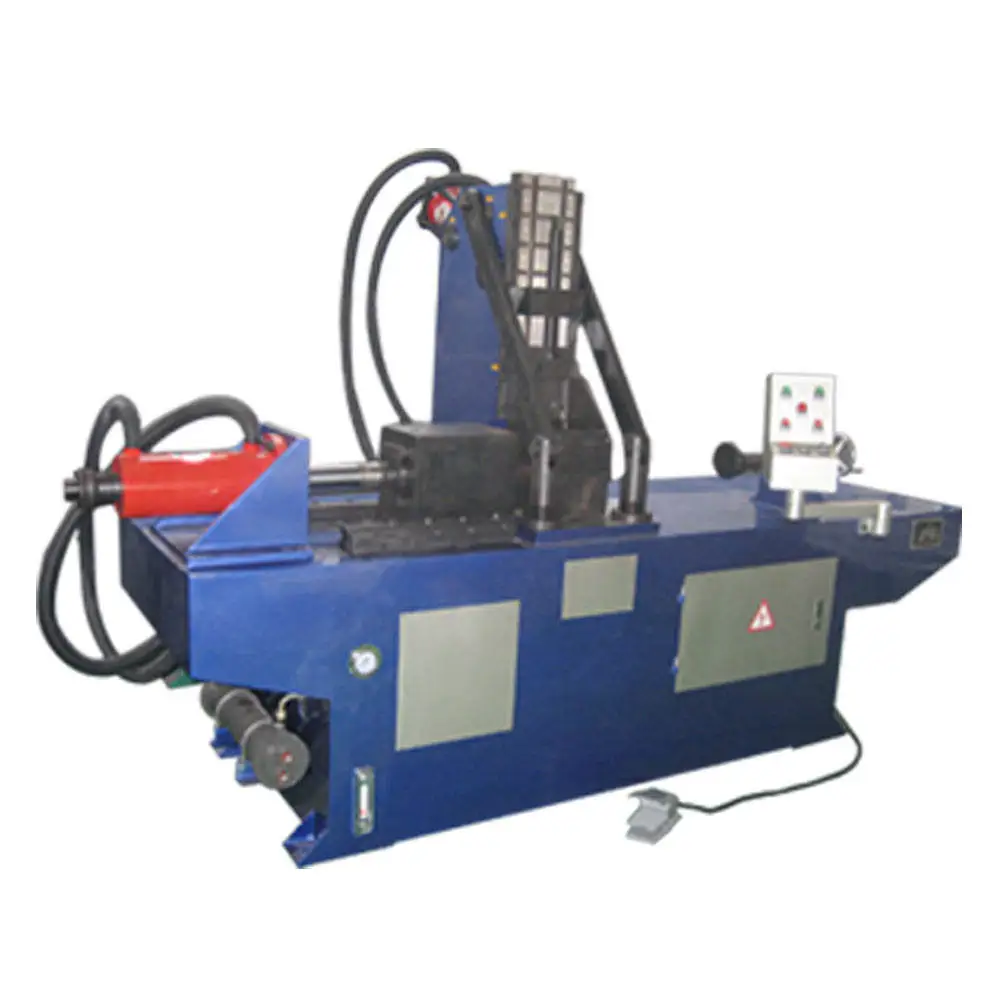
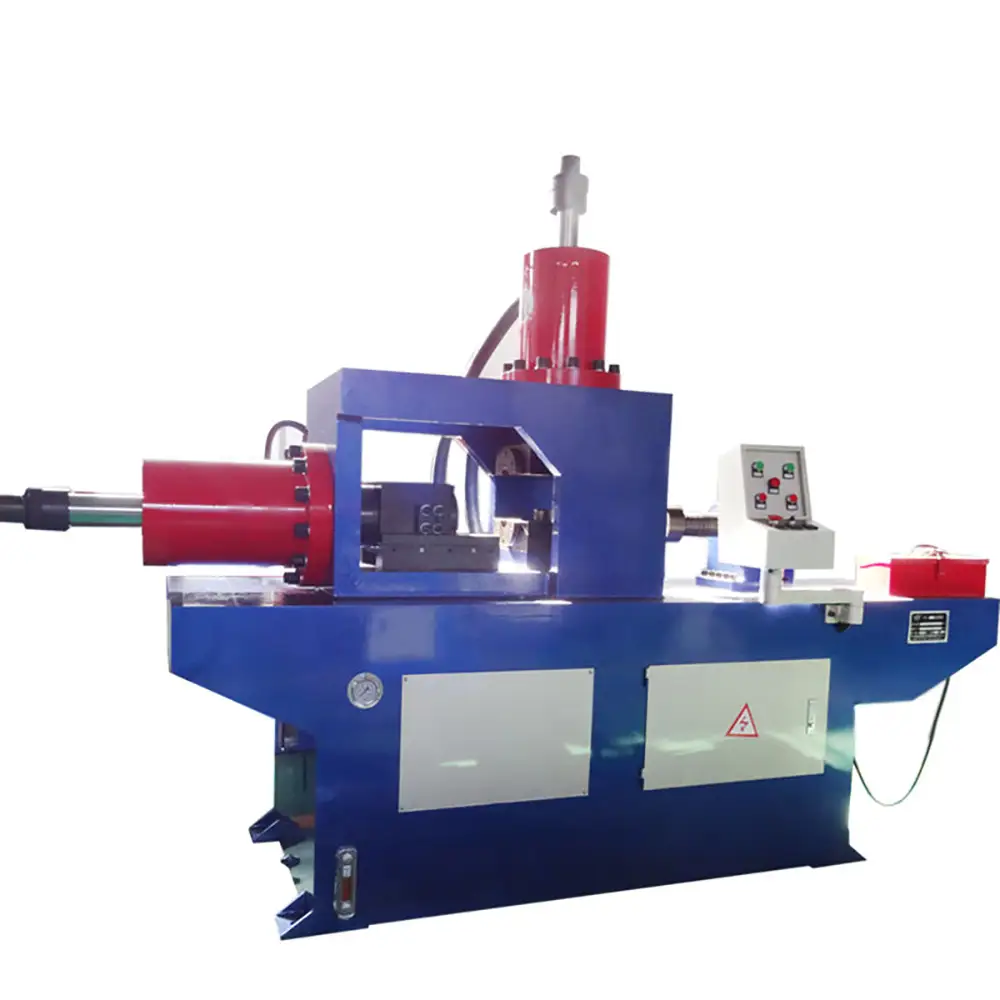
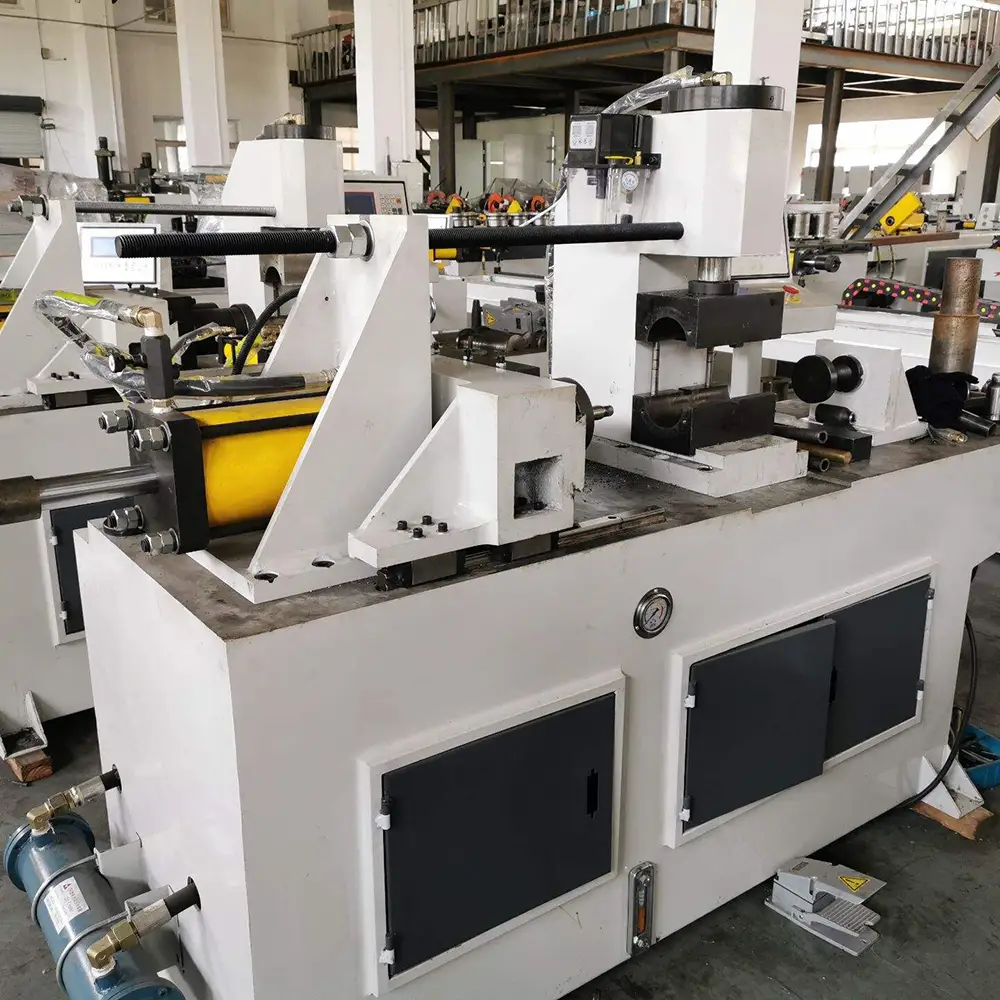
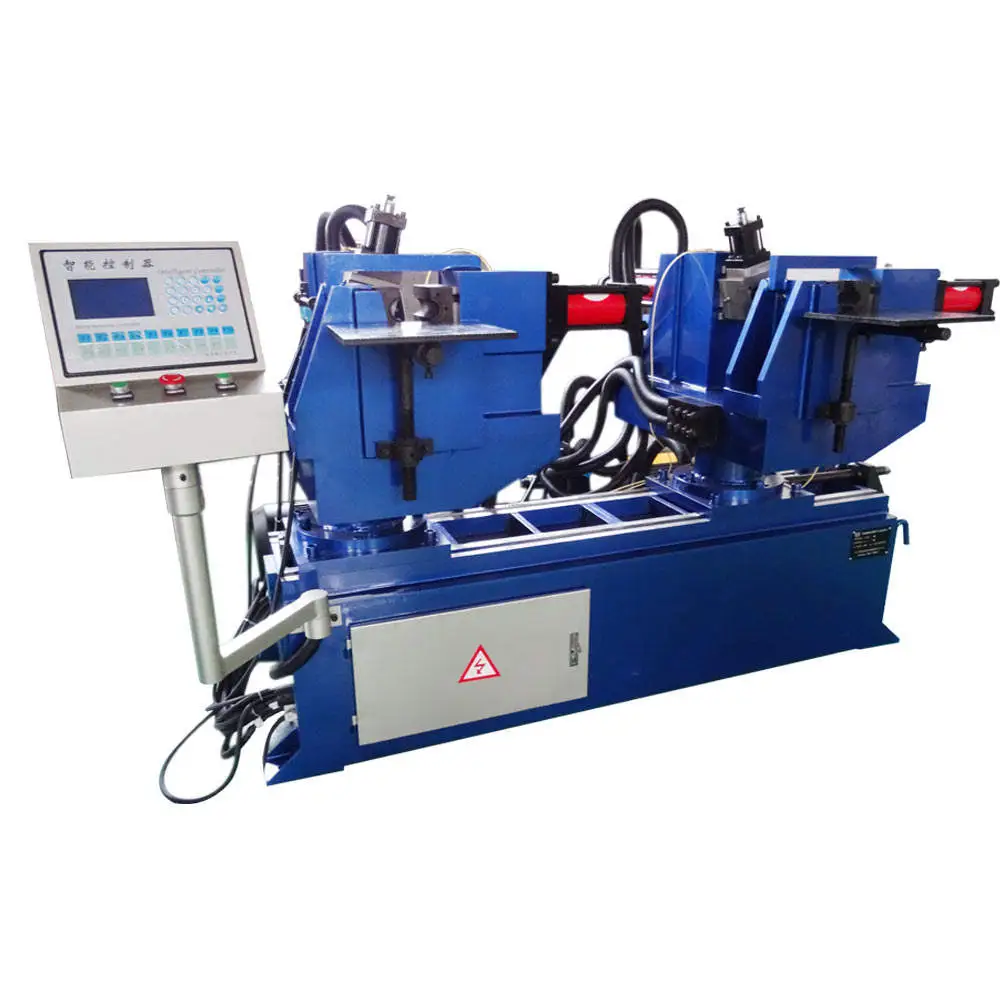
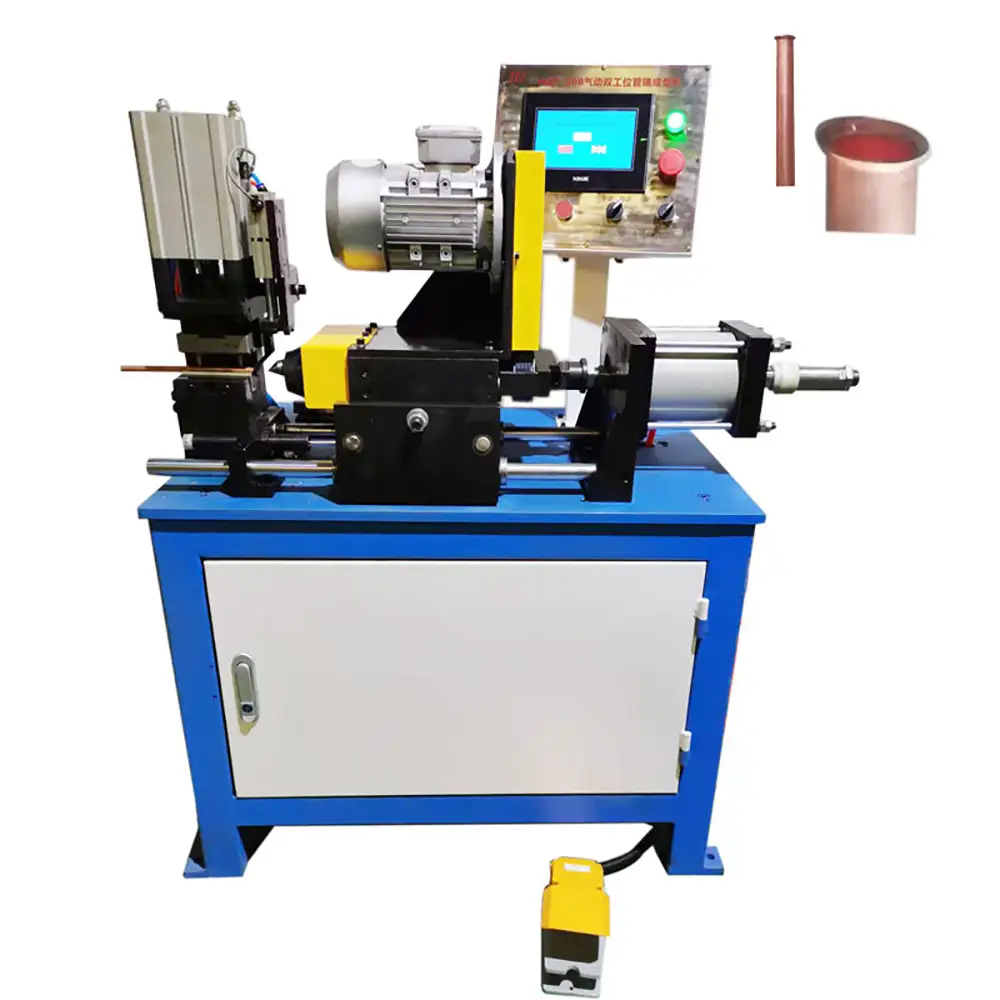
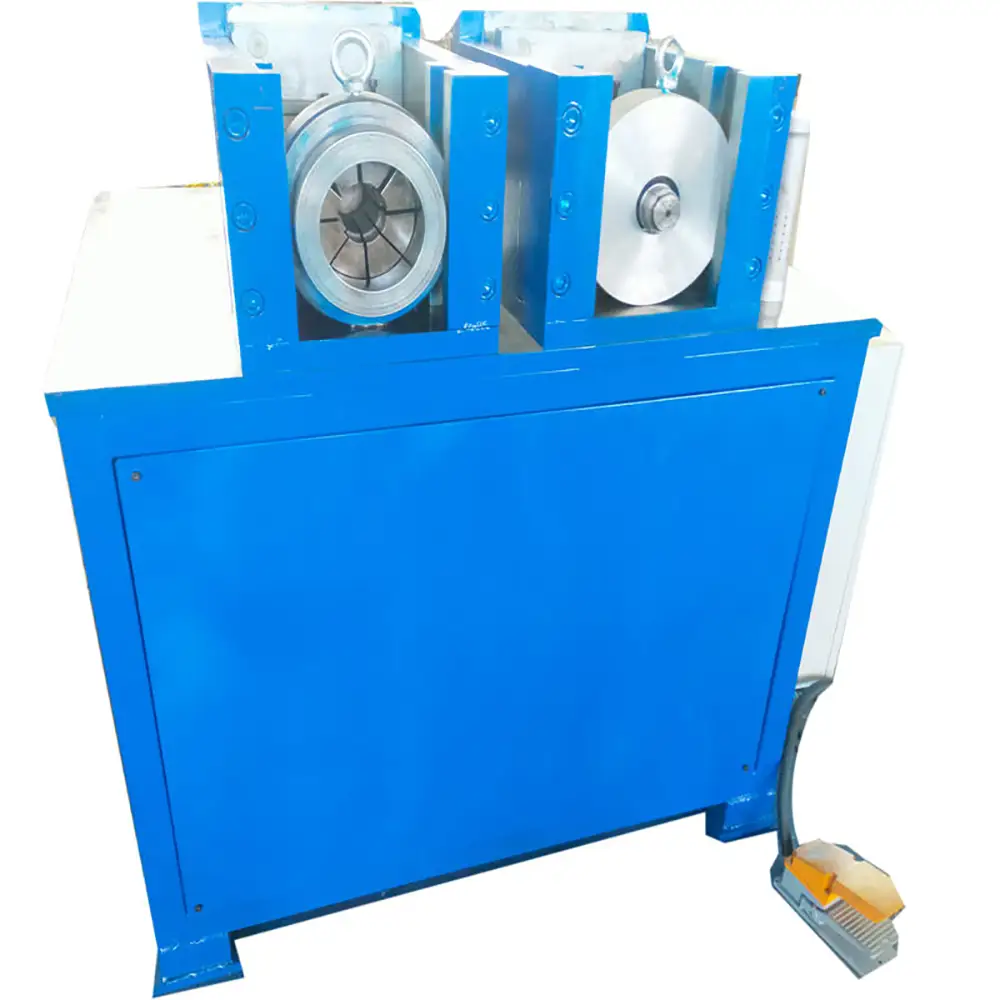
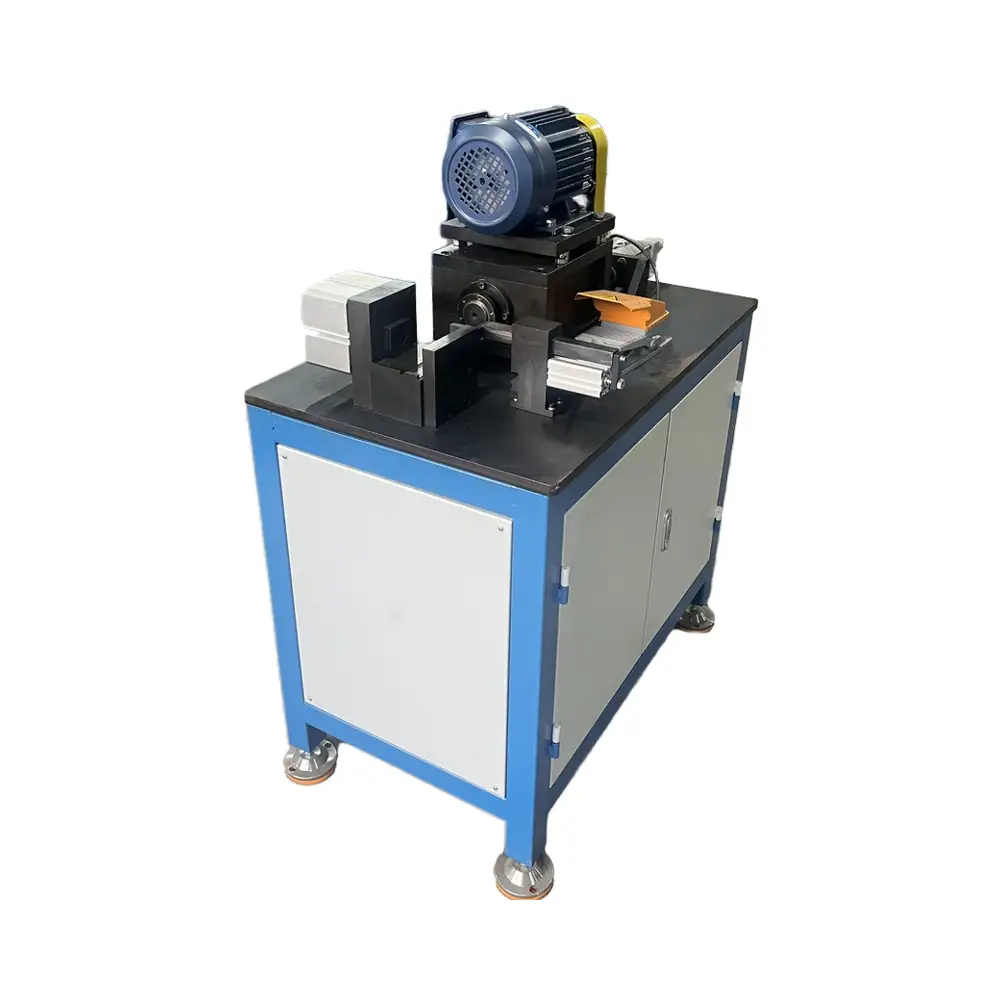
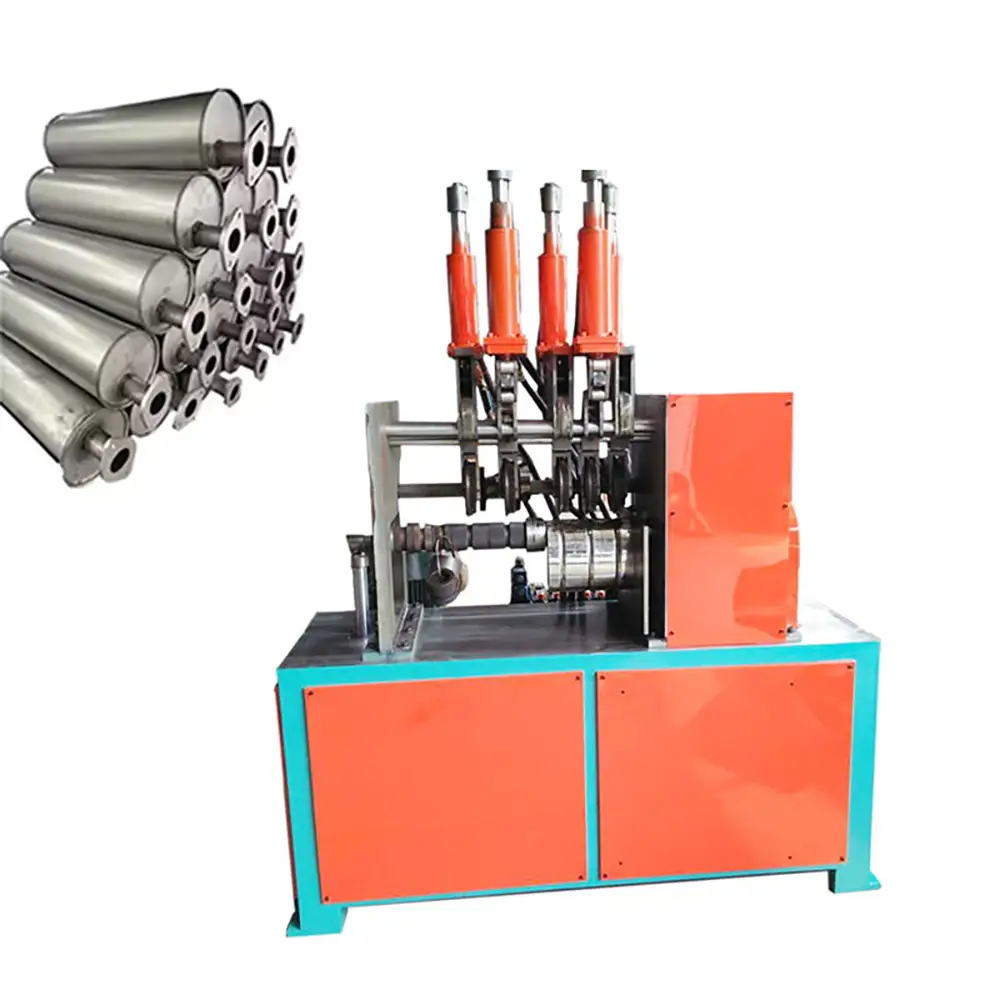
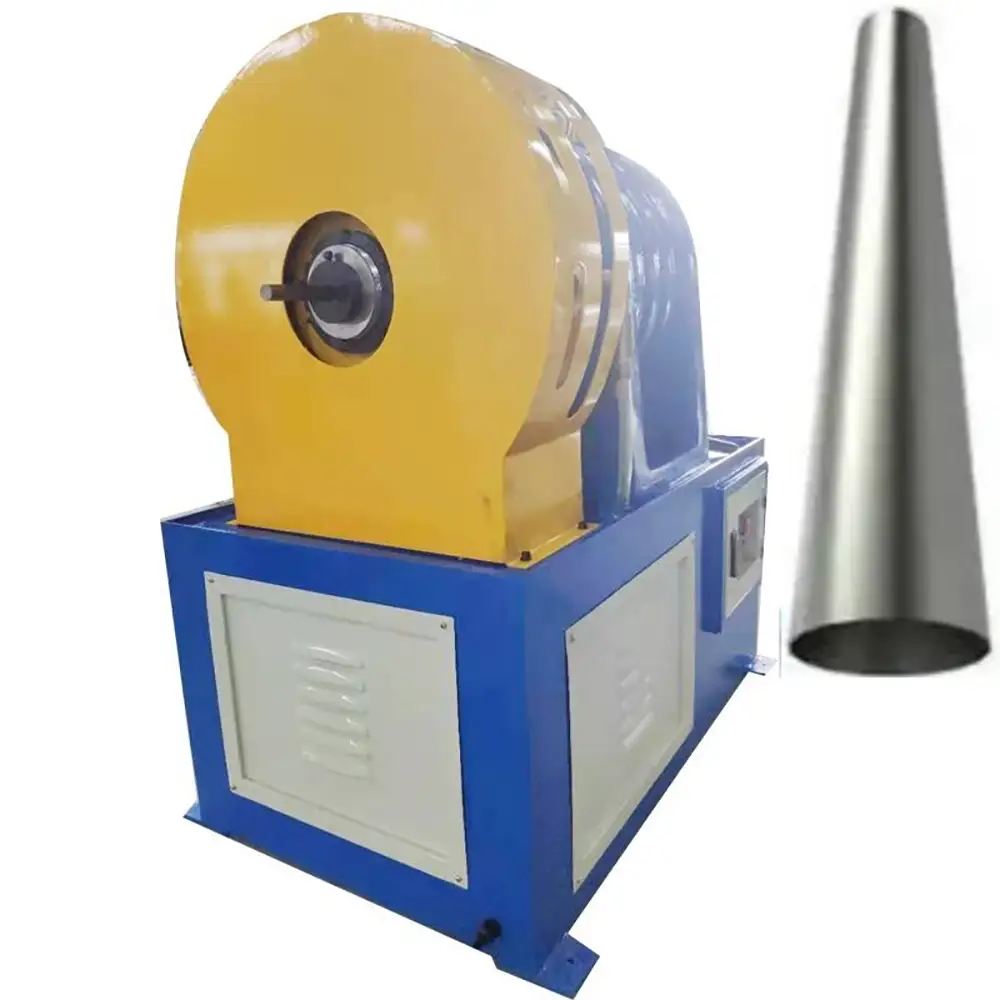
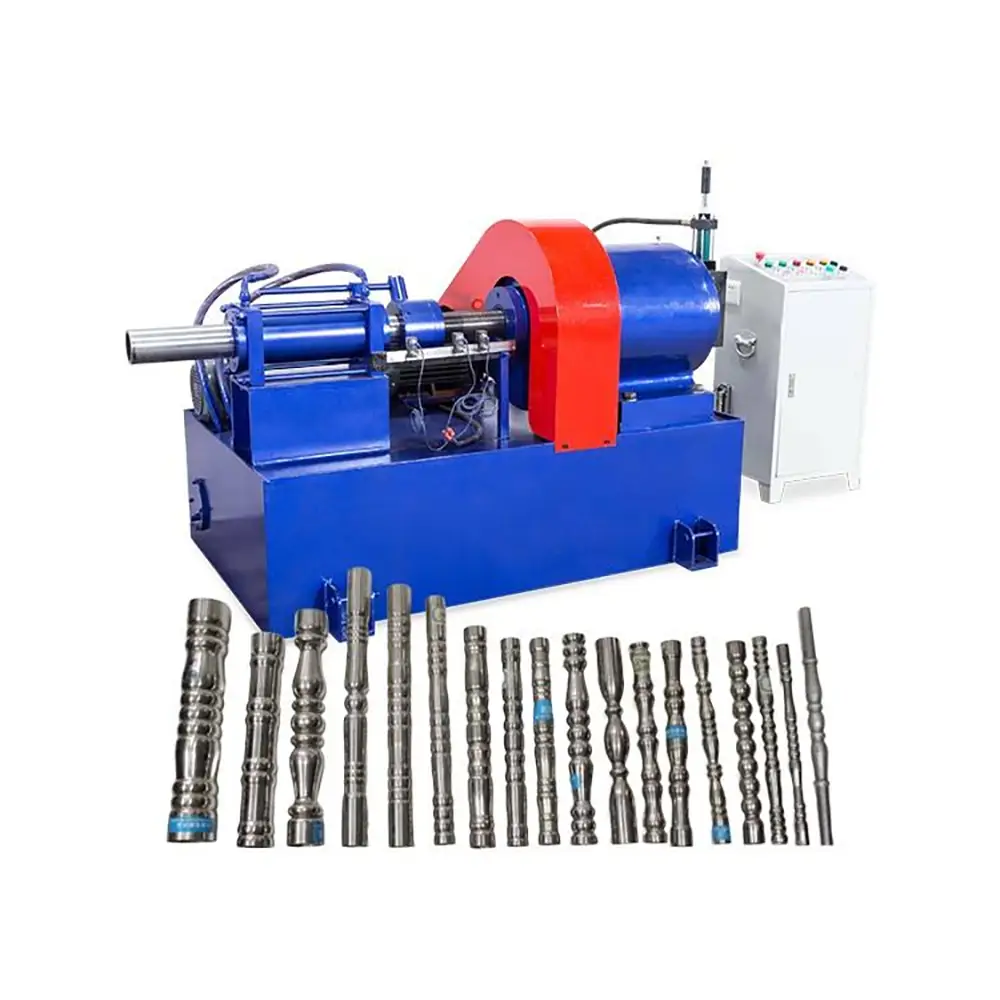
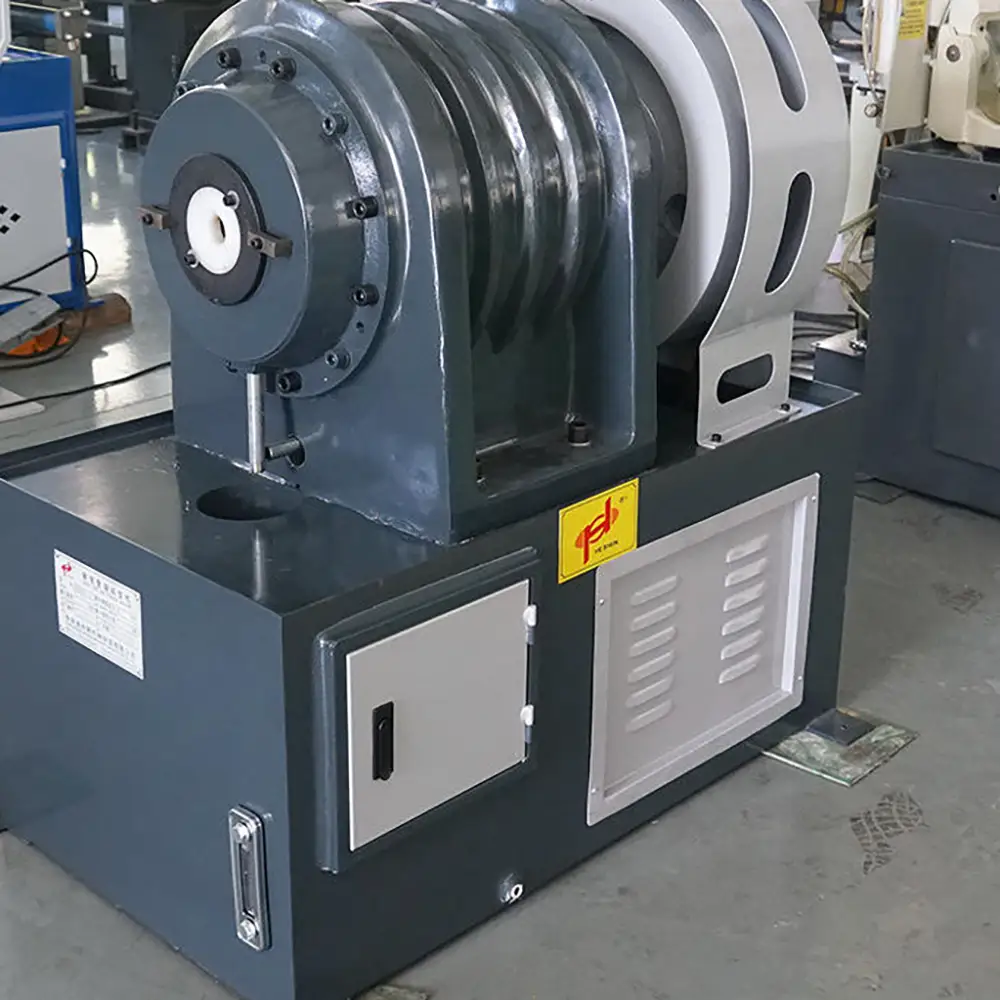
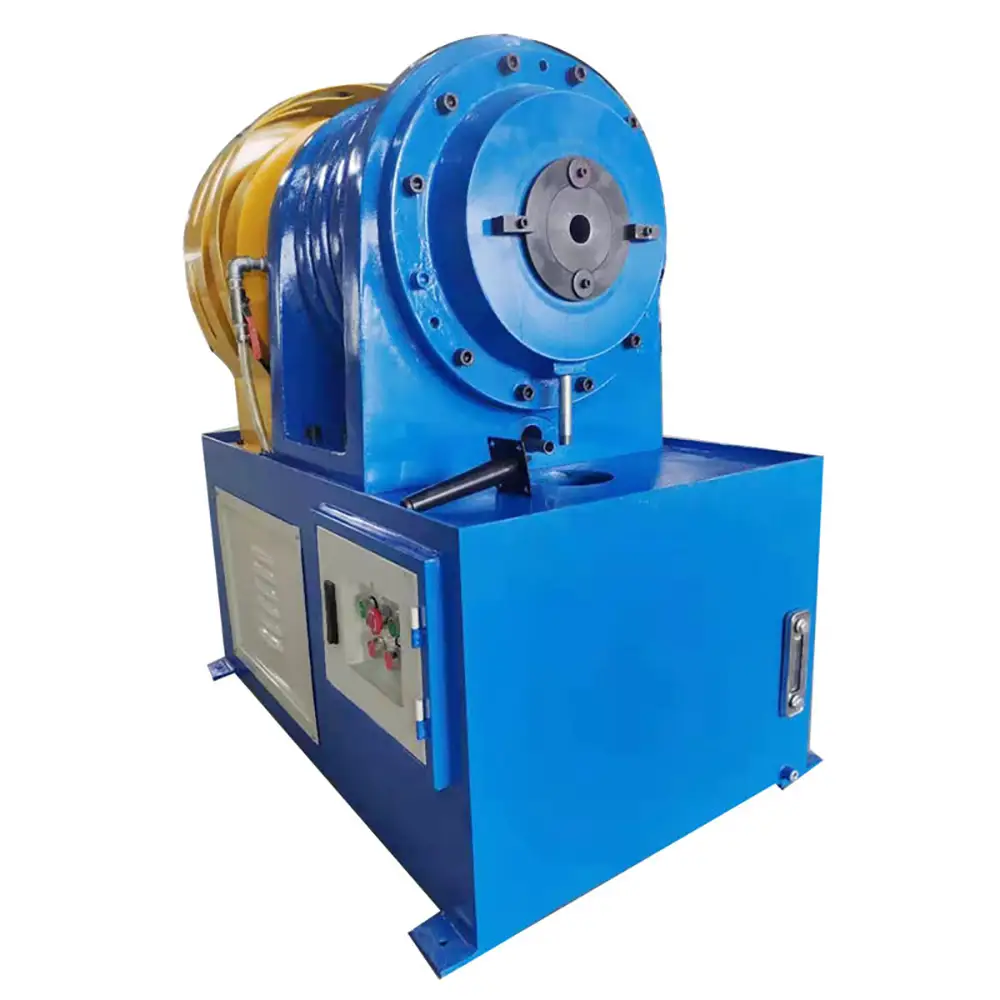
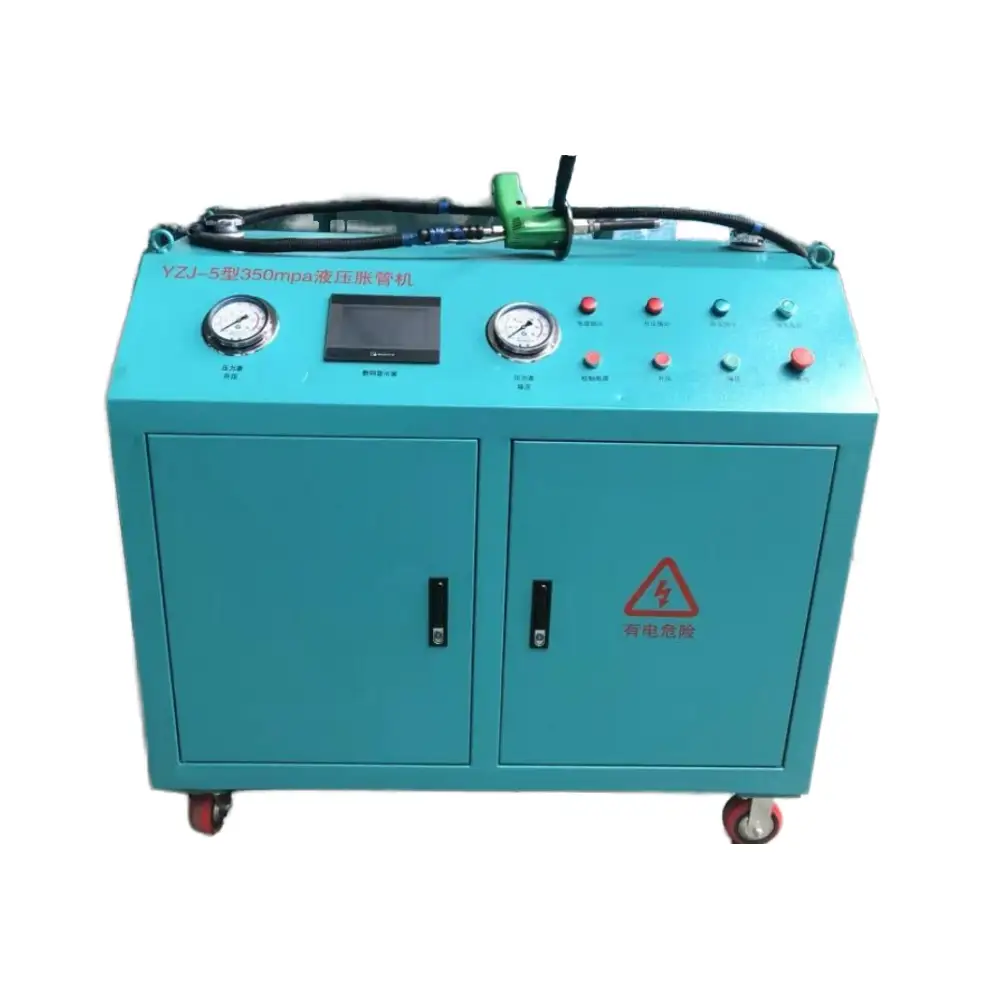
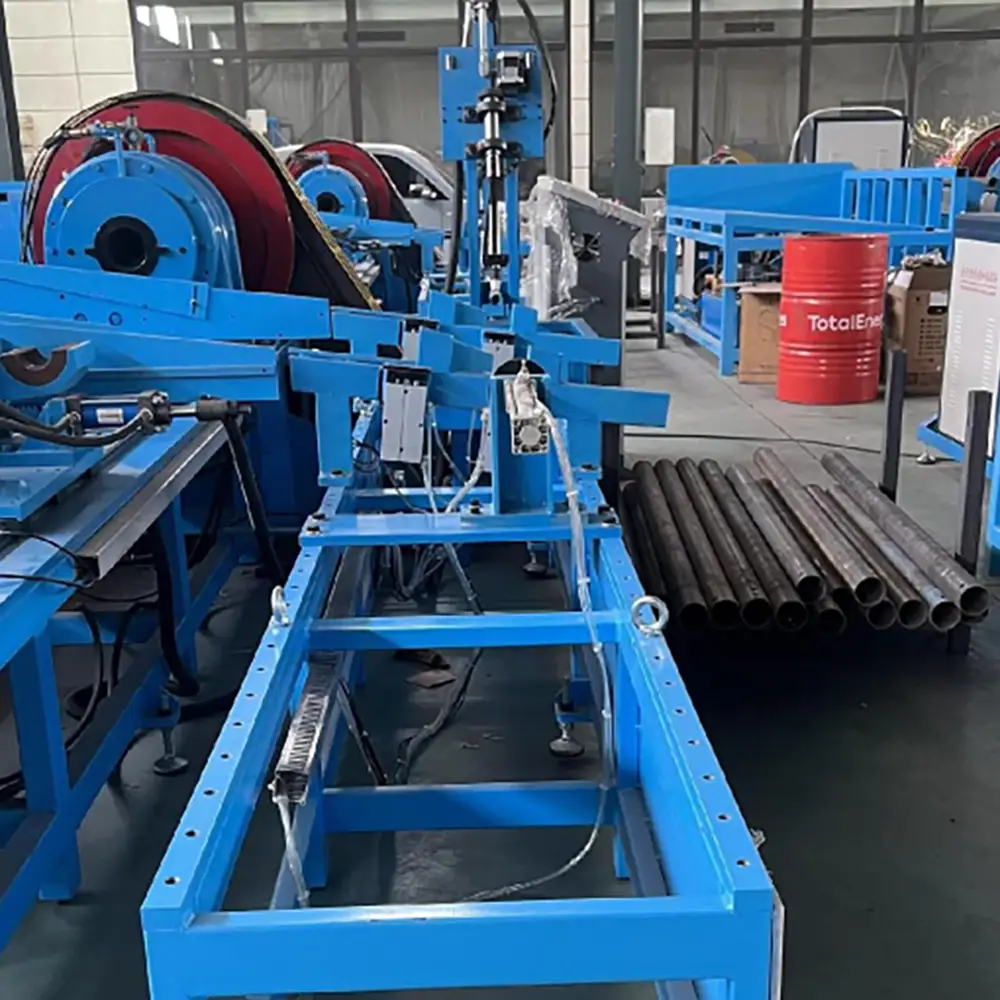
Features of Hydraulic thick steel pipe end forming machine tube reduce and shrink machine CX-50
1. microcomputer control,Manually or semi-automatic, hydraulic and Servo motor system driven
2 The motion pedal switches, tightly stops, continuously tightly stops, high security.
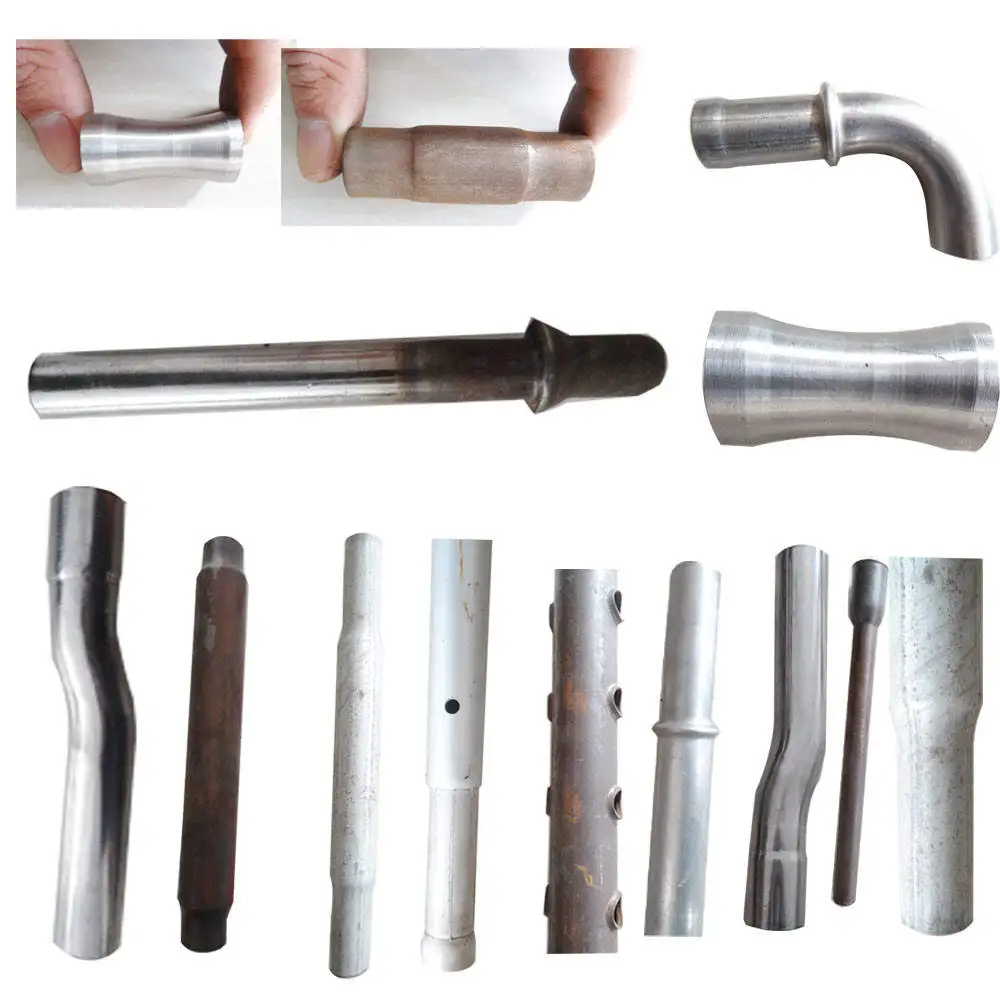
3 Processing shapes: convex-shaped, concavity-shaped, nodular shape, long partial shape, square shape, topological shape, oblique shape, V-shape, cracking type and flat type. The shape of the mould shall be subject to the object to be processed
4 The mold replacement is simple
5 We accpet customized order. let us know techology requirement. drawing is better
Hydraulic Pipe End Forming Machine for Tube End Expanding and Shrinking
The Hydraulic Pipe End Forming Machine is designed for controlled expanding,shrinking,reducing,and shaping of metal tube and pipe ends. Using hydraulic forming force,the machine can process suitable tubular workpieces into specific end geometries required for assembly,welding,connection,and other downstream manufacturing processes.
Tube end forming is widely used in automotive components,exhaust systems,furniture manufacturing,construction products,heat exchangers,sports equipment,and general metal fabrication. Instead of removing material through machining,the forming process reshapes the tube end using controlled mechanical force.
The machine can be configured for different end-forming requirements depending on tube material,outer diameter,wall thickness,required forming length,and final geometry. The actual processing capacity depends on the hydraulic system,forming tooling,machine structure,and workpiece specifications.
Technological parameters
|
Model |
SG50NC |
SG60NC |
SG75NC |
SG89NC |
SG120NC |
|
Max pipe capacity |
φ50×3 MM |
φ60×3 MM |
φ75×6 MM |
φ89×8 MM |
φ120×8 MM |
|
Pipe cycle |
4 |
4 |
4 |
5 |
6 |
|
Applicable to pipe shape |
convex-shaped, concavity-shaped, nodular shape, long partial shape, square shape, topological shape, oblique shape, V-shape, cracking type and flat type.
|
|
Applicable to material of pipe |
Carbon steel,stainless steel copper pipe, aluminium alloypipe
|
|
Power |
5.5 |
7.5 |
11 |
11 |
18.5 |
|
Overall size (L×W×H)m |
2.4×0.5×1.6 |
3×1.1×1.9 |
3×1.1×1.9 |
4×1.2×1.9 |
4×1.2×1.9 |
|
Weight T |
0.9 |
1.7 |
2 |
3.6 |
3.8 |
Hydraulic Tube End Forming Technology
Hydraulic forming uses controlled pressure to move a forming mechanism against the tube. This provides substantial forming force and can be suitable for applications requiring repeated tube expansion,shrinking,or diameter reduction.
The hydraulic system can be designed to provide stable force during the forming cycle. Proper pressure and tooling selection are important for maintaining the desired tube geometry while minimizing unwanted deformation.
Depending on the machine configuration,the equipment may perform tube expanding,shrinking,reducing,swaging,flaring,beading,or other end-forming processes.
Not every machine configuration performs all operations simultaneously. The exact forming functions should be selected according to the required finished tube shape.
Tube End Expanding
Tube end expanding increases the diameter of a selected section of the tube end.
This process can be used when a larger connection diameter is required or when one tube needs to receive another component. Tube expansion is commonly found in applications involving exhaust components,heat exchanger tubes,pipe connections,and other fabricated tubular products.
The expansion amount depends on the original tube diameter,wall thickness,material properties,and forming tooling.
Proper die design is important because excessive expansion may cause cracking,wrinkling,or unwanted deformation,particularly when processing hard or less ductile materials.
For critical applications,sample testing can be used to determine suitable forming parameters.
Tube End Shrinking
Tube shrinking reduces the diameter of the tube end to create a smaller section.
Shrinking can be used to prepare tubes for insertion into another component,create a tapered connection,or produce a specific end profile.
The shrinking process is particularly useful for metal furniture legs,automotive components,exhaust pipes,structural tubing,and other products where a controlled reduction in tube diameter is required.
The final reduced diameter and forming length are determined by the forming die and machine setup.
Different materials may require different forming forces and tooling designs. Stainless steel,carbon steel,aluminum,and other metals should be evaluated according to their mechanical properties.
Pipe End Reducing and Swaging
Pipe reducing and swaging are closely related tube-end forming processes.
Reducing changes the tube diameter over a defined section,while swaging generally refers to mechanically reshaping or reducing the tube through controlled forming force.
These processes can produce a smaller tube end without relying primarily on cutting away material.
The machine can therefore be useful for applications where maintaining material continuity is desirable.
Depending on the tooling,the end may be formed into a reduced,cylindrical,tapered,or other customized profile.
Tube End Forming Applications
The hydraulic pipe end forming machine can be used for a wide range of metal tube products.
Typical applications include:
Automotive Exhaust Pipes
Muffler Tubes
Furniture Legs
Chair And Table Tubes
Heat Exchanger Components
Condenser Tubes
Structural Tubes
Sports Equipment Frames
Construction Tubes
Handrail Components
Industrial Pipe Assemblies
Custom Metal Tube Products
The actual application range depends on the machine capacity and forming tooling.
For specialized products,customers can provide drawings or samples so that the required forming process can be evaluated before machine selection.
Automotive and Exhaust Tube Processing
Automotive exhaust manufacturing is a common application for tube end forming.
Exhaust pipes may require different diameters at each end to connect with other components. Tube expanding and shrinking can create the required connection geometry while maintaining a continuous tubular structure.
Stainless steel and carbon steel exhaust tubes may require different forming parameters depending on material grade and wall thickness.
The machine can be configured with suitable dies for exhaust tube diameter reduction,expansion,necking,or other end-forming requirements.
The exact forming process should be determined according to the exhaust design and finished-part specifications.
Furniture Tube End Forming
Metal furniture manufacturers often use tube forming to create specialized chair legs,table legs,sofa frames,and decorative tubular components.
A hydraulic tube end forming machine can reduce or expand tube ends to create insertion sections or connection areas.
Custom forming dies can produce consistent end dimensions across repeated production batches.
This can be particularly useful for manufacturers producing large quantities of similar furniture components.
The finished appearance depends on tube material,tooling,surface condition,and forming parameters.
Materials and Tube Specifications
The machine can be configured for compatible metal materials such as:
Carbon Steel
Mild Steel
Stainless Steel
Aluminum
Copper
Galvanized Steel
Alloy Steel
Important workpiece parameters include tube outer diameter,wall thickness,tube length,material grade,and required end geometry.
Material strength and ductility influence the required hydraulic forming force. High-strength materials may require different tooling or multiple forming stages.
Thin-wall tubes may also require careful control of forming parameters to minimize wrinkling or deformation.
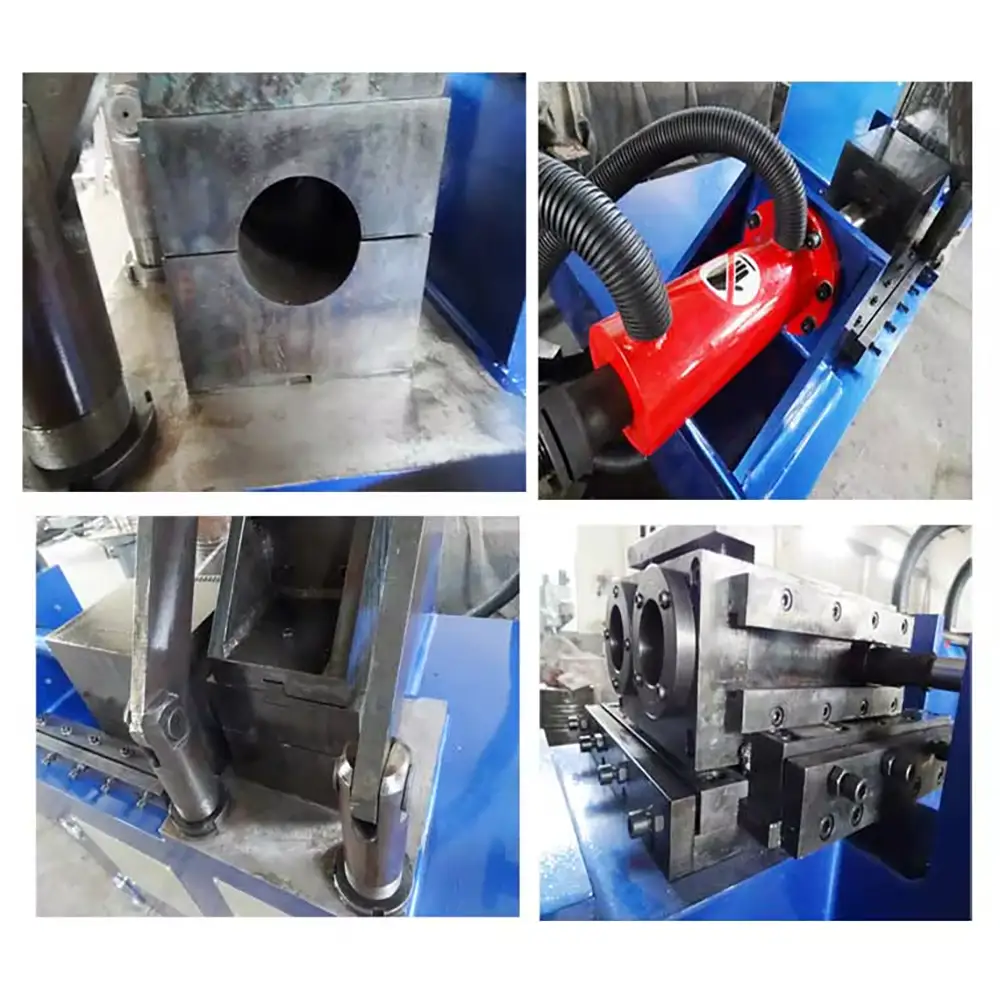
Custom Forming Dies
Forming dies determine the final shape of the tube end.
Different applications require different dies for expanding,shrinking,reducing,tapering,flaring,or other forming operations.
Custom tooling can be developed according to the customer's tube dimensions and finished-part drawings.
For OEM projects,customers may provide sample tubes,technical drawings,3D models,or photographs showing the required end profile.
The tooling can then be evaluated according to the material,wall thickness,forming ratio,and production volume.
Production Efficiency
Hydraulic tube end forming can help standardize repetitive production operations.
A typical cycle includes loading the tube,positioning it in the fixture,clamping the workpiece,performing the hydraulic forming operation,and removing the finished part.
For batch production,this workflow can reduce repetitive manual tube shaping and improve process consistency.
Actual production output depends on tube dimensions,forming depth,number of stages,loading method,tooling changes,and operator workflow.
For higher-volume production,additional feeding,positioning,or automation functions may be considered depending on the machine configuration.
Quality Control
Tube end forming quality should be evaluated according to the final product requirements.
Typical inspection points include end diameter,expanded diameter,reduced diameter,forming length,roundness,taper angle,wall condition,and overall tube length.
First-piece inspection is recommended when changing products or installing new tooling.
Operators should also monitor forming dies and hydraulic system performance during production.
Consistent material quality and proper tube positioning are important for maintaining repeatable dimensions.
Maintenance and Safety
Routine maintenance should include inspection of hydraulic oil,hoses,fittings,cylinders,pumps,forming dies,fixtures,and electrical components according to the manufacturer's recommendations.
Forming tooling should be cleaned and inspected regularly. Excessive wear may affect the finished tube dimensions.
Hydraulic tube forming involves substantial mechanical force. Operators should keep hands away from the forming area and use appropriate protective equipment.
Depending on the machine configuration,safety features may include emergency stops,guards,electrical protection,and other protective devices. Actual safety provisions should be confirmed for the selected machine and applicable local requirements.
OEM and Custom Hydraulic Tube Forming Solutions
Different customers may require different tube diameters,forming ratios,end shapes,and production speeds.
The machine can therefore be customized with dedicated dies,fixtures,hydraulic systems,positioning mechanisms,and control configurations according to the application.
For an accurate quotation,customers should provide:
Tube Material
Tube Outer Diameter
Wall Thickness
Tube Length
Required Expanded Diameter
Required Reduced Diameter
Forming Length
Production Volume
Finished-Part Drawing Or Sample
These details help determine the appropriate machine configuration and tooling solution.
Why Choose Us
Hydraulic Forming Force — Provides controlled force for tube expanding,shrinking,reducing,and other end-forming operations.
Multiple Tube End Processes — Suitable for compatible expanding,shrinking,swaging,reducing,tapering,and related forming applications.
Wide Material Compatibility — Can be configured for suitable carbon steel,stainless steel,aluminum,copper,and other metal tubes.
Automotive Applications — Suitable for exhaust pipes,muffler tubes,and other automotive tubular components.
Furniture Tube Processing — Supports production of chair legs,table legs,sofa frames,and other metal furniture components.
Custom Forming Dies — Dies can be developed according to tube dimensions and finished-part requirements.
Production Efficiency — Hydraulic forming can provide a repeatable workflow for batch tube processing.
OEM & ODM Support — Machine configuration,tooling,fixtures,and forming processes can be customized according to customer drawings and samples.
FAQs
1. What is a hydraulic pipe end forming machine?
It is a machine that uses hydraulic forming force to expand,shrink,reduce,swage,or otherwise shape the ends of suitable metal tubes and pipes.
2. What is tube end expanding?
Tube end expanding increases the diameter of a selected section of the tube end to create a larger connection or specially shaped profile.
3. What is tube end shrinking?
Tube end shrinking reduces the diameter of the tube end to create a smaller section for insertion,connection,or other assembly requirements.
4. Can the machine perform both expanding and shrinking?
Yes,when configured with suitable forming dies and tooling,the machine can perform both expanding and shrinking operations.
5. What materials can be processed?
Depending on the machine configuration,it may process carbon steel,mild steel,stainless steel,aluminum,copper,galvanized steel,and other compatible metal tubes.
6. Can it process stainless steel tubes?
Yes. Stainless steel tubes can be processed when the hydraulic force,forming dies,and process parameters are properly matched to the material grade and wall thickness.
7. Is it suitable for exhaust pipe manufacturing?
Yes. Tube expanding,shrinking,and reducing are commonly used for forming suitable automotive exhaust pipes and related components.
8. Can it make furniture tube ends?
Yes. The machine can be configured for suitable chair legs,table legs,sofa frames,and other furniture tube applications.
9. Can the forming dies be customized?
Yes. Custom dies can be designed according to tube diameter,wall thickness,forming length,and required final end geometry.
10. What affects tube forming quality?
Material properties,tube dimensions,forming force,die geometry,workpiece positioning,forming speed,and tooling condition can all affect the final result.
11. Is the machine fully automatic?
The operating method depends on the selected configuration. Machines may use manual loading with hydraulic forming or incorporate additional feeding and automation functions.
Prev:Sorry, no information
Next:
Tube Swaging Machine Pipe Taper Machine
TAG:
Pipe Diameter Reducing Machine,
Tube Diameter Reducing Machine,
Pipe Shaping Machine,
Tube Swaging And Reducing Machine,
Tube Necking And Expanding Machine,
Pipe End Processing Machine,
Automatic Tube End Forming Machine,
Tube End Processing Machine,
Industrial Tube End Forming Machine,
Industrial Pipe End Forming Machine,
Semi Automatic Tube End Forming Machine,
Chair Leg Tube Forming Machine,
Sofa Leg Tube Forming Machine,
Table Leg Tube Forming Machine,
Tube Shaping Machine,
Exhaust Tube Expanding Machine,
Exhaust Pipe End Forming Machine,
Copper Tube Expanding Machine,
Aluminum Tube Expanding Machine,
Exhaust Tube Reducing Machine,
Automotive Tube End Forming Machine,
Automotive Exhaust Pipe Forming Machine,
Carbon Steel Pipe End Forming Machine,
Furniture Leg Tube Forming Machine,
Furniture Tube End Forming Machine,
Metal Pipe Forming Machine,
Metal Pipe Reducing Machine,
Stainless Steel Tube Forming Machine,
Metal Tube Reducing Machine,
Metal Tube Forming Machine,
Related Category:
Pipe End Forming Machine,Hydraulic Tube End Forming Machine,Tube End Expanding Machine,Tube End Shrinking Machine China, suppliers, manufacturers, factory, customized, wholesale, quotation, made in China