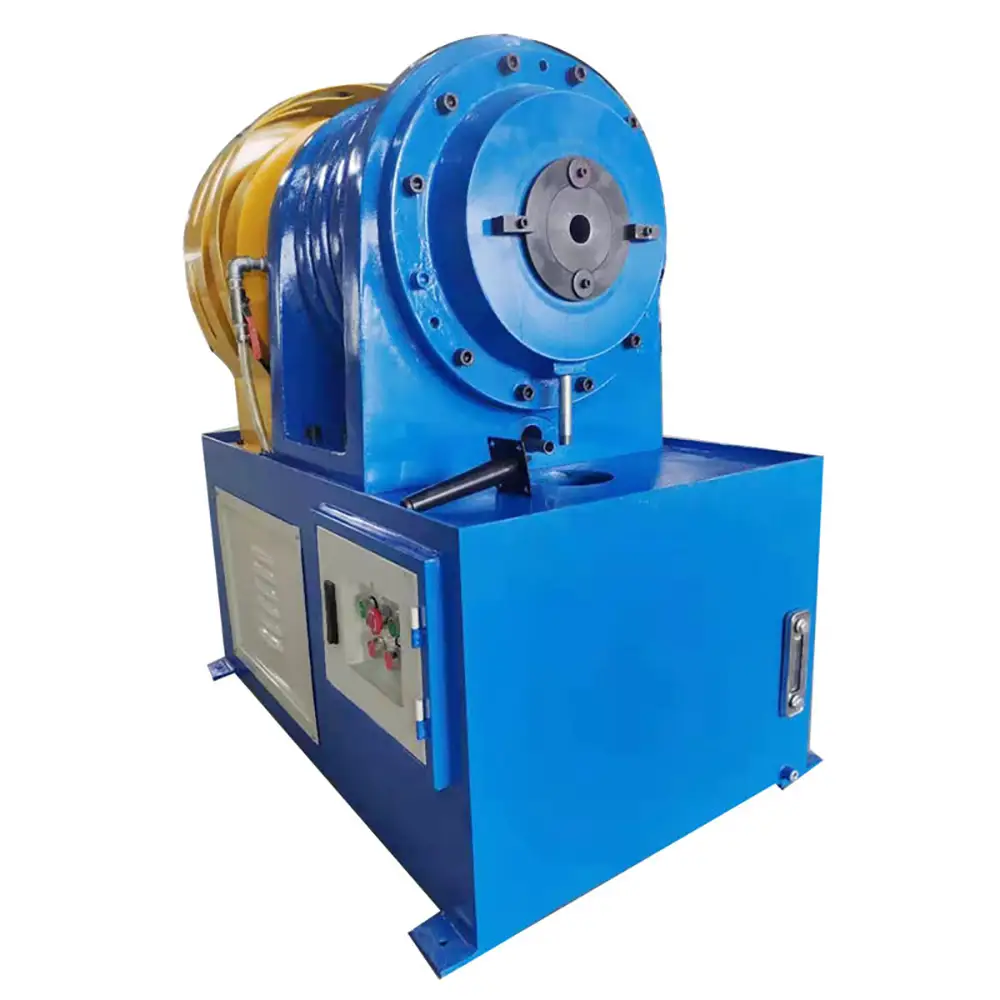
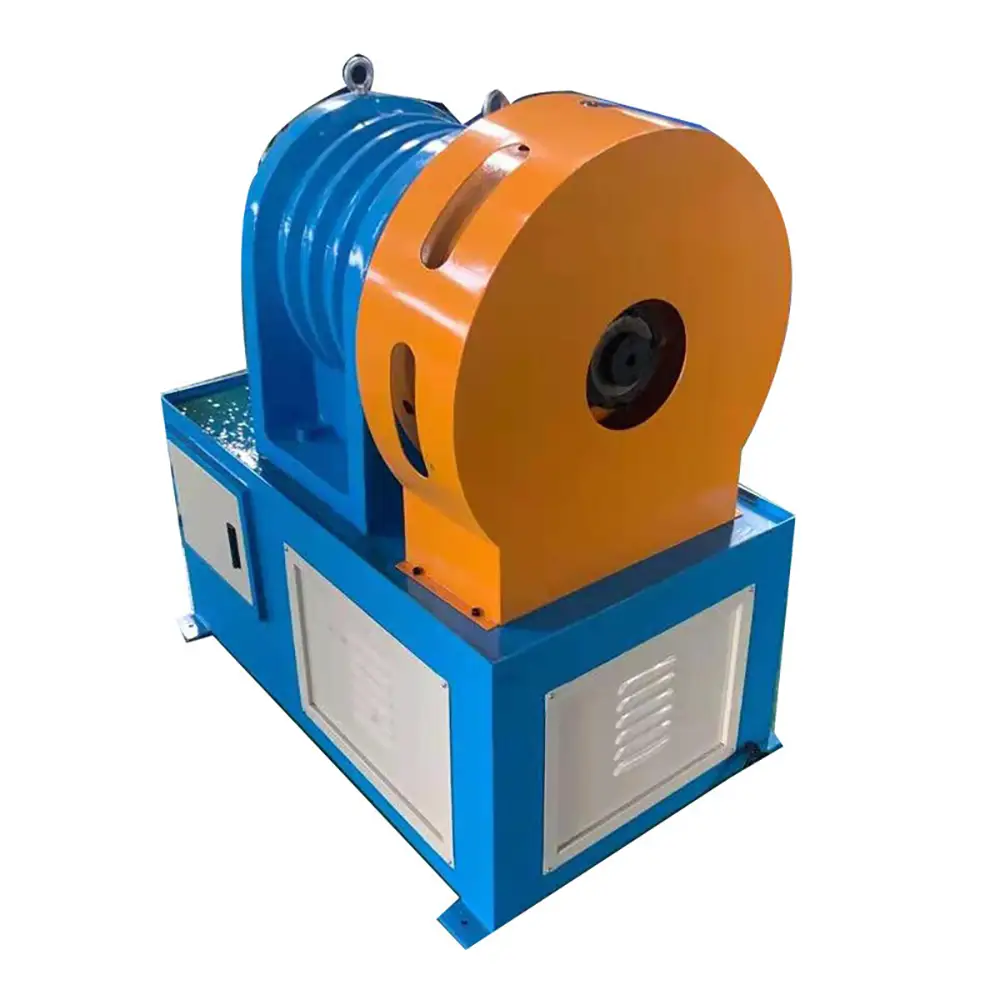
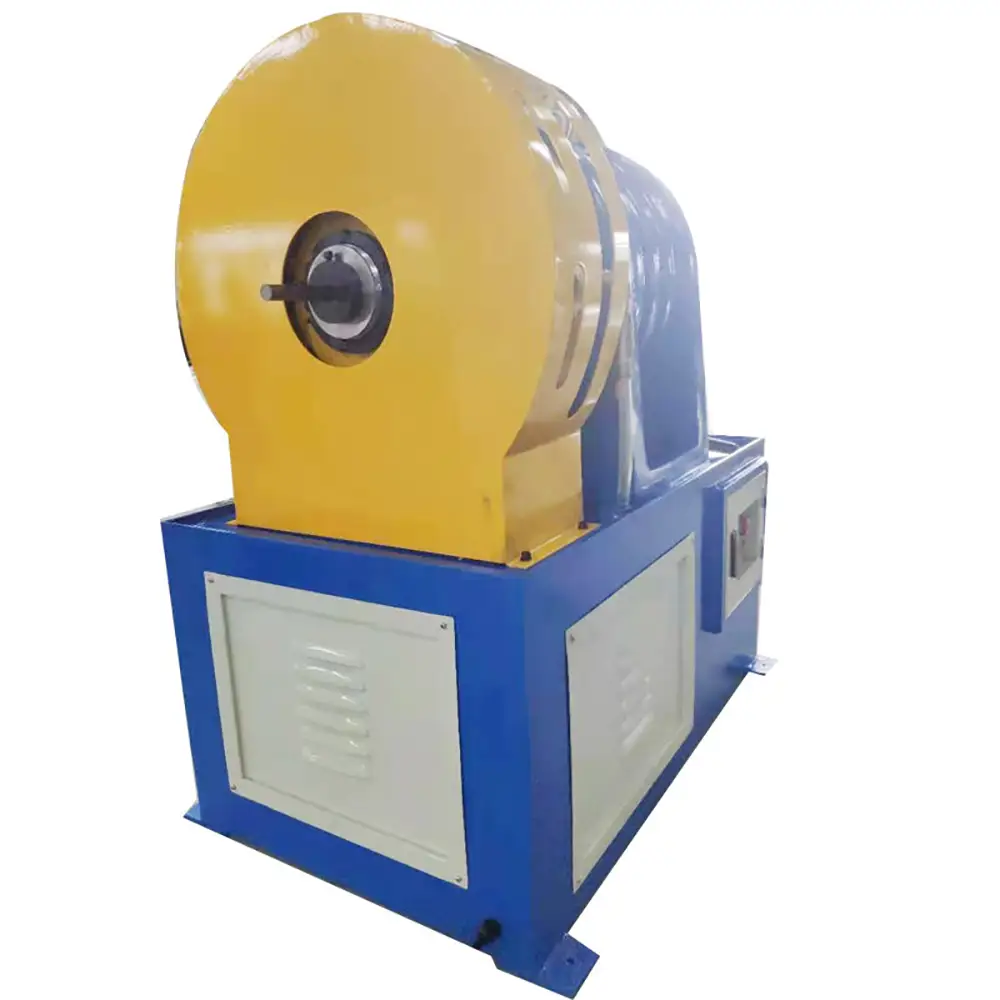
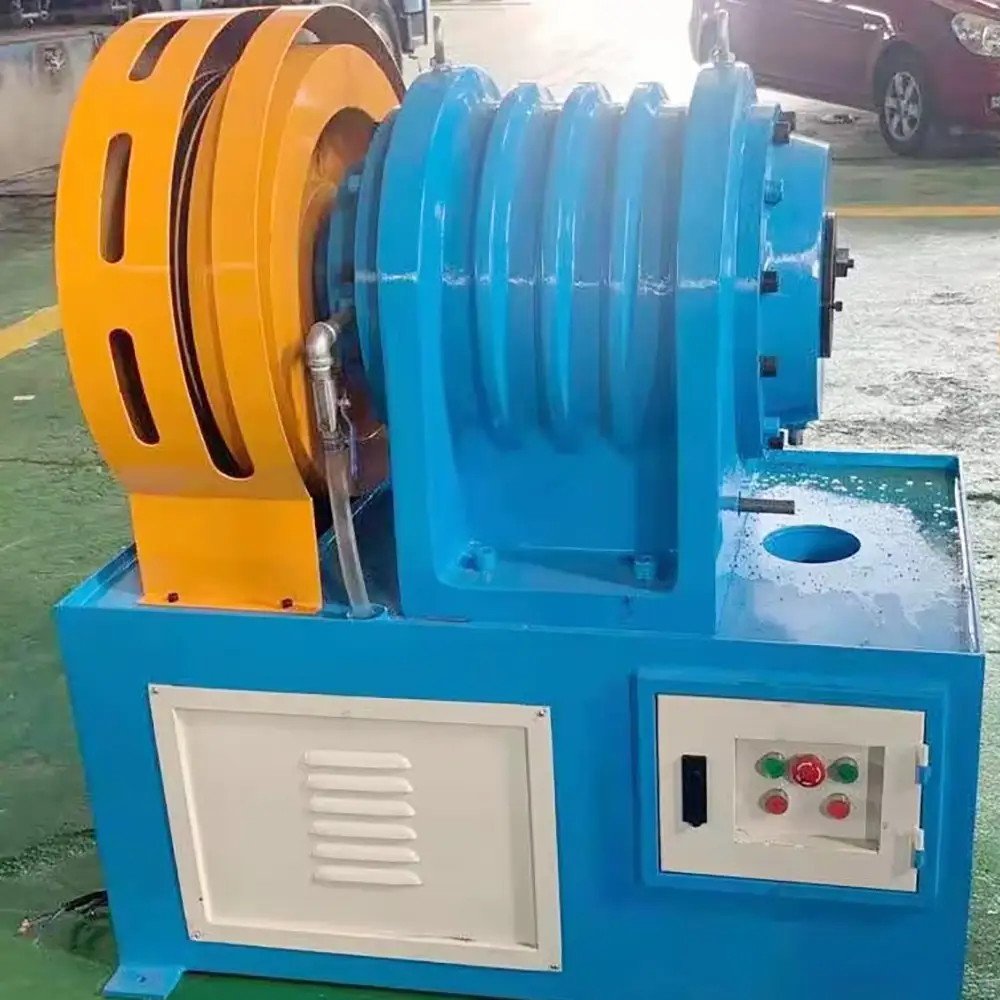
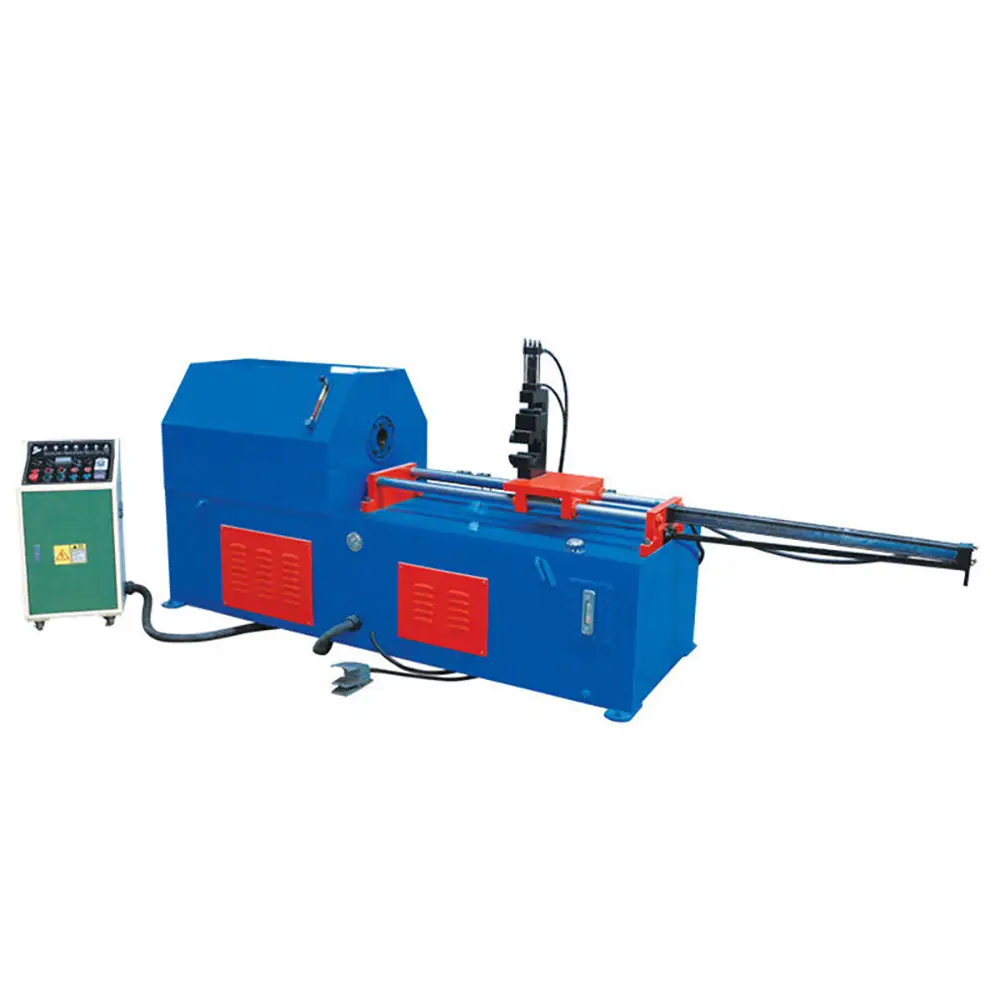
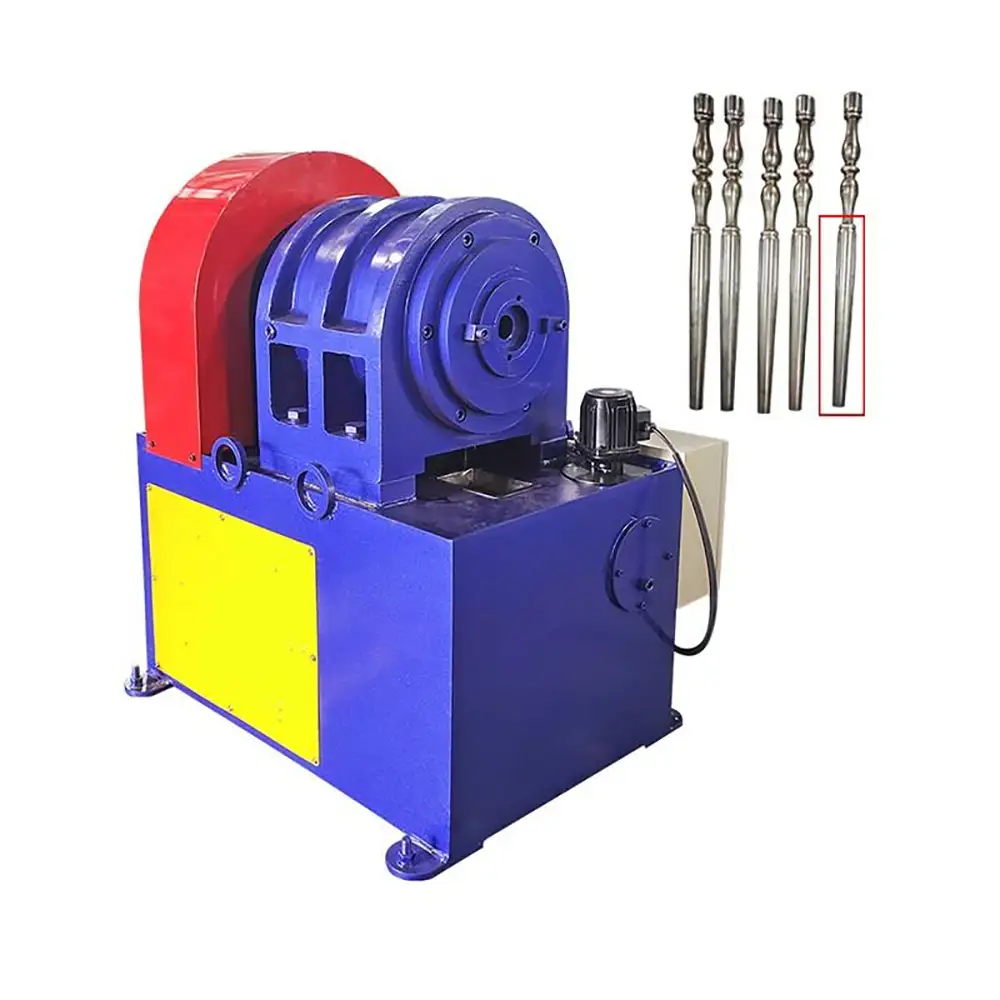
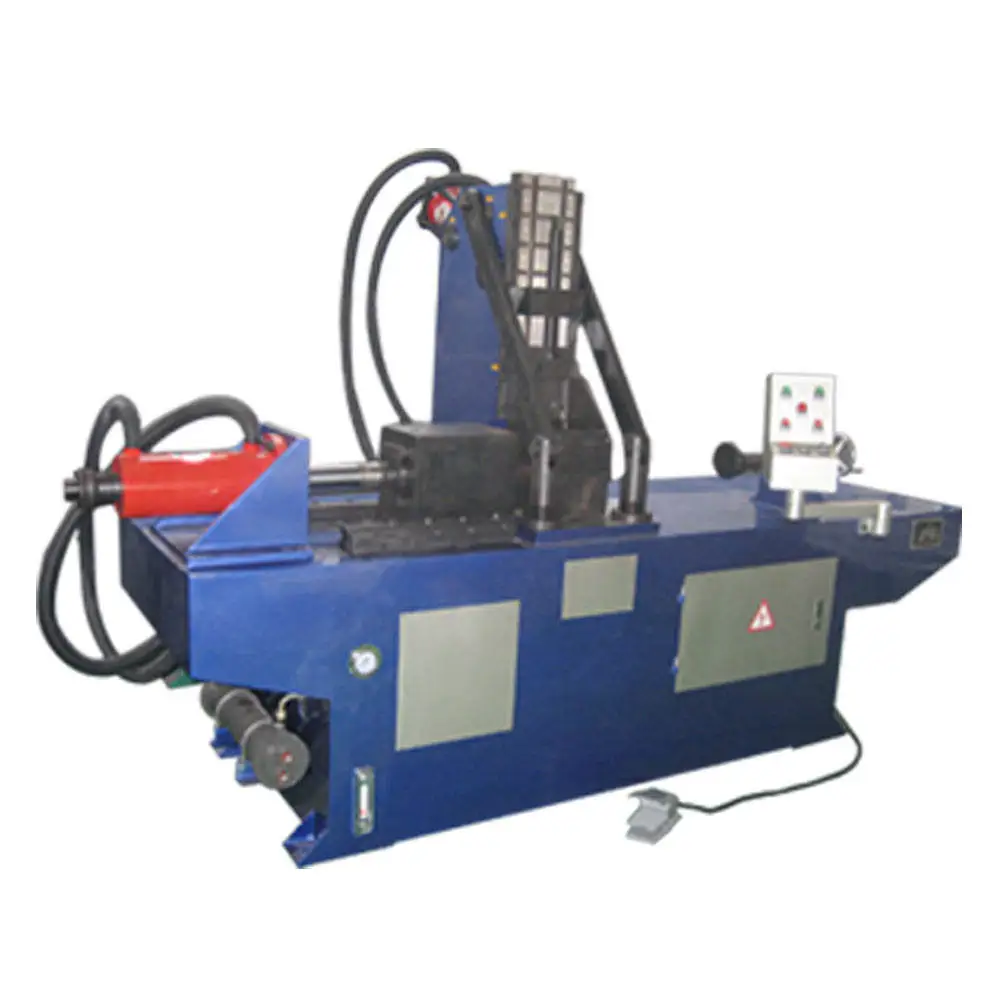
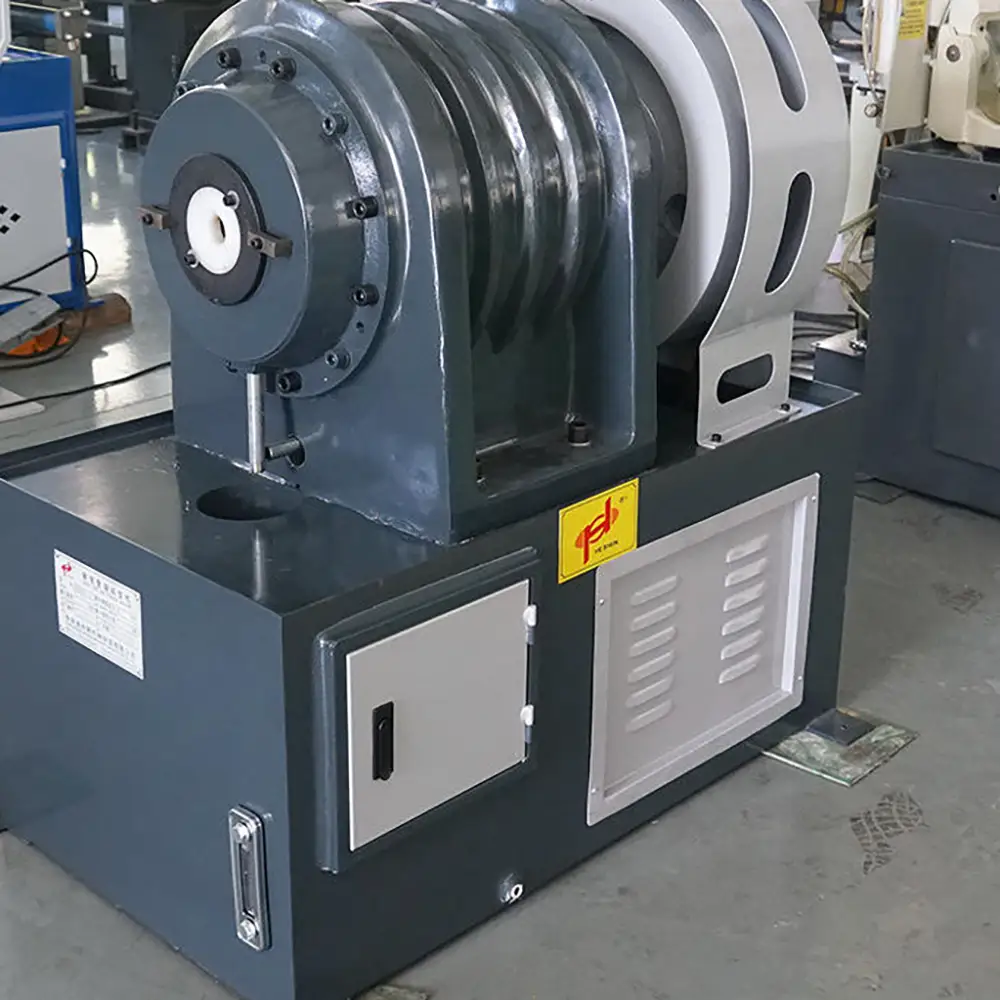
Tube Swaging Machine and Pipe Taper Machine
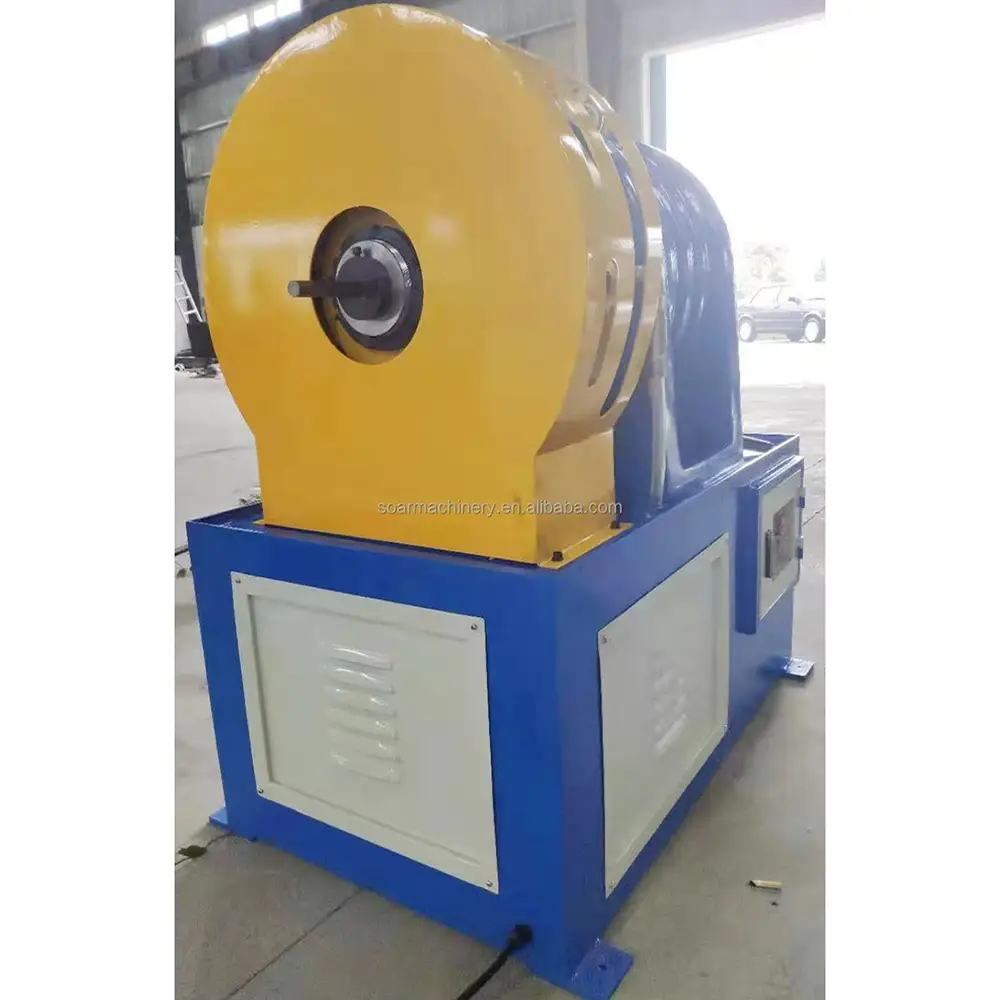
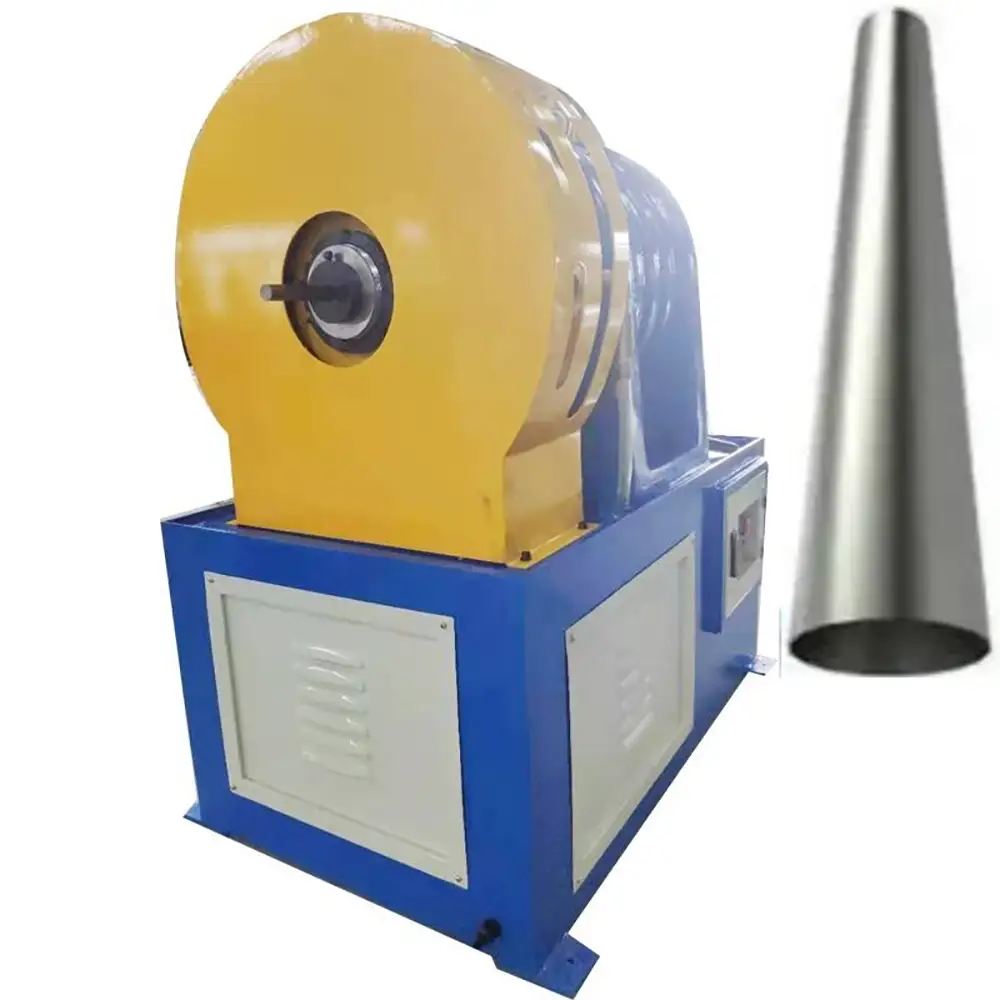
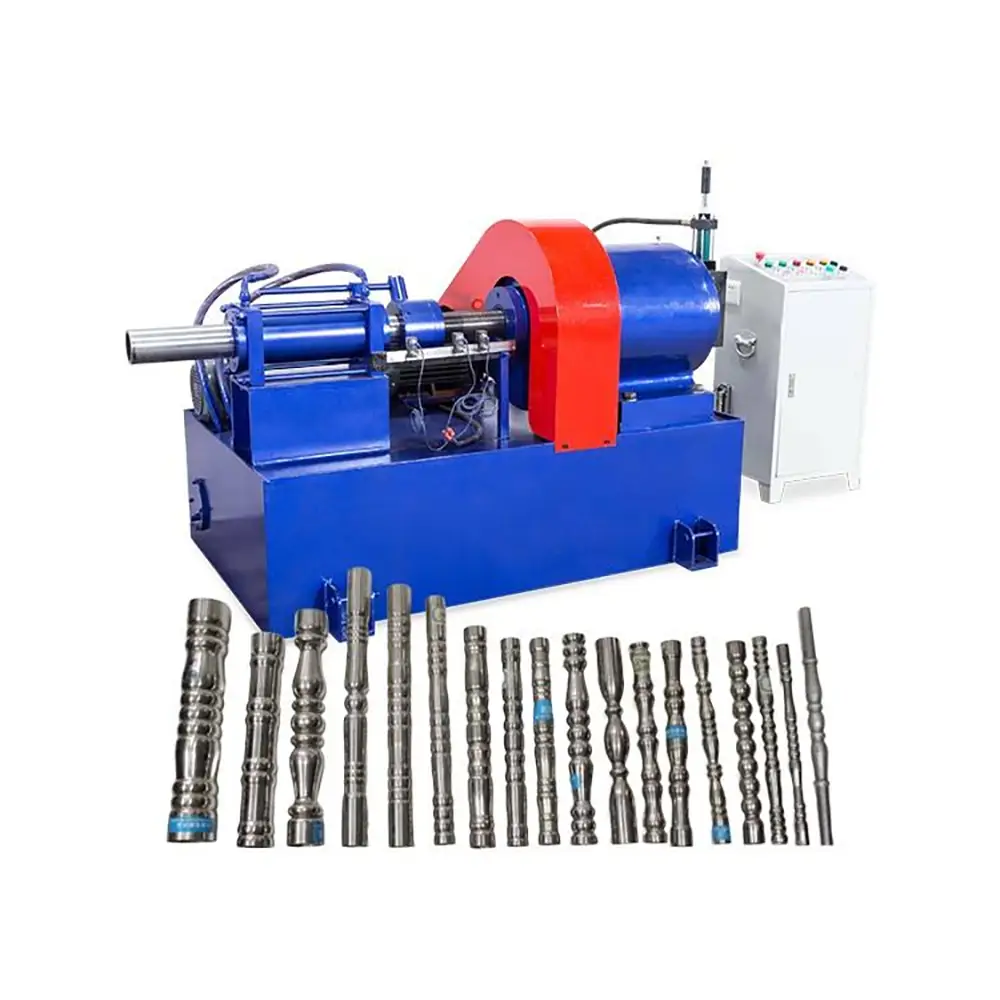
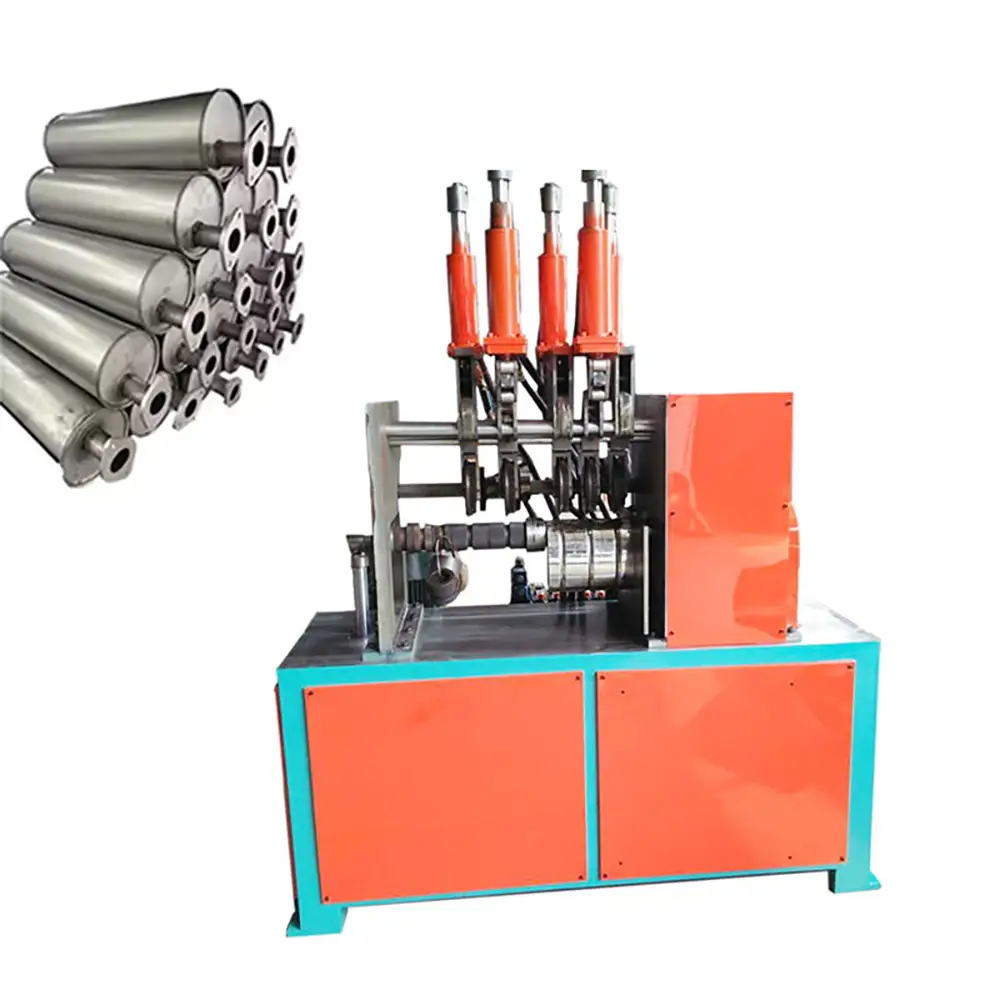
The Tube Swaging Machine and Pipe Taper Machine is designed for shaping and reducing the ends of metal tubes and pipes through controlled forming operations. It provides a practical solution for manufacturers that need to reduce tube diameter,create tapered ends,prepare insertion sections,or produce specific end geometries for downstream assembly.
Tube swaging and pipe tapering are widely used in furniture manufacturing,automotive components,exhaust systems,construction products,sports equipment,and general metal fabrication. By using dedicated forming dies,the machine can produce repeatable tube-end shapes while reducing the need for manual forming operations.
The exact forming method,capacity,working speed,and compatible tube dimensions depend on the machine configuration,forming tooling,material properties,and required end shape. Customers should provide detailed tube specifications when selecting the appropriate machine.
Maximum cone diameter
|
Φ40mm×1.5 |
|
Maximum length of cone tube |
300mm |
|
Mold size |
300×32×44mm |
|
Spindle speed |
177 rpm |
Parameter shift production
|
about 3000 pieces |
|
Motor power |
5.5KW |
|
Oil pump motor power |
0.75KW |
|
Molding time |
6-15 seconds/time |
|
One-time shrinking capacity |
300mm |
|
Mold opening and closing volume |
2mm |
|
Working voltage: |
380V 50H3 phase or customized |
|
Mould material |
Cr12moc |
|
Maximum cone diameter |
Φ50mm×2 |
|
Maximum length of cone tube |
400mm |
|
Mold size |
300×32×44mm |
|
Spindle speed |
177 rpm |
|
Parameter shift production |
about 3000 pieces |
|
Motor power |
5.5KW |
|
Oil pump motor power |
0.75KW |
|
Molding time |
6-15 seconds/time |
|
One-time shrinking capacity |
400mm |
|
Mold opening and closing volume |
2mm |
|
Working voltage: |
380V 50H3 phase or customized |
|
Mould material |
Cr12mor |
Tube Swaging Technology
Swaging is a metal forming process used to reduce or reshape the diameter of a tube or pipe. The process applies controlled mechanical force to the workpiece,allowing the tube end to achieve a smaller or specially shaped profile.
Unlike material-removal processes such as turning or grinding,swaging primarily changes the shape of the tube through plastic deformation. This can help maintain the overall material structure while producing a consistent formed end.
Tube swaging is particularly useful when manufacturers need to prepare tubes for insertion into another component,create a tapered connection,or achieve a reduced-diameter end.
The appropriate forming process depends on tube material,outer diameter,wall thickness,required reduction,and final geometry.
Pipe Tapering and End Reducing
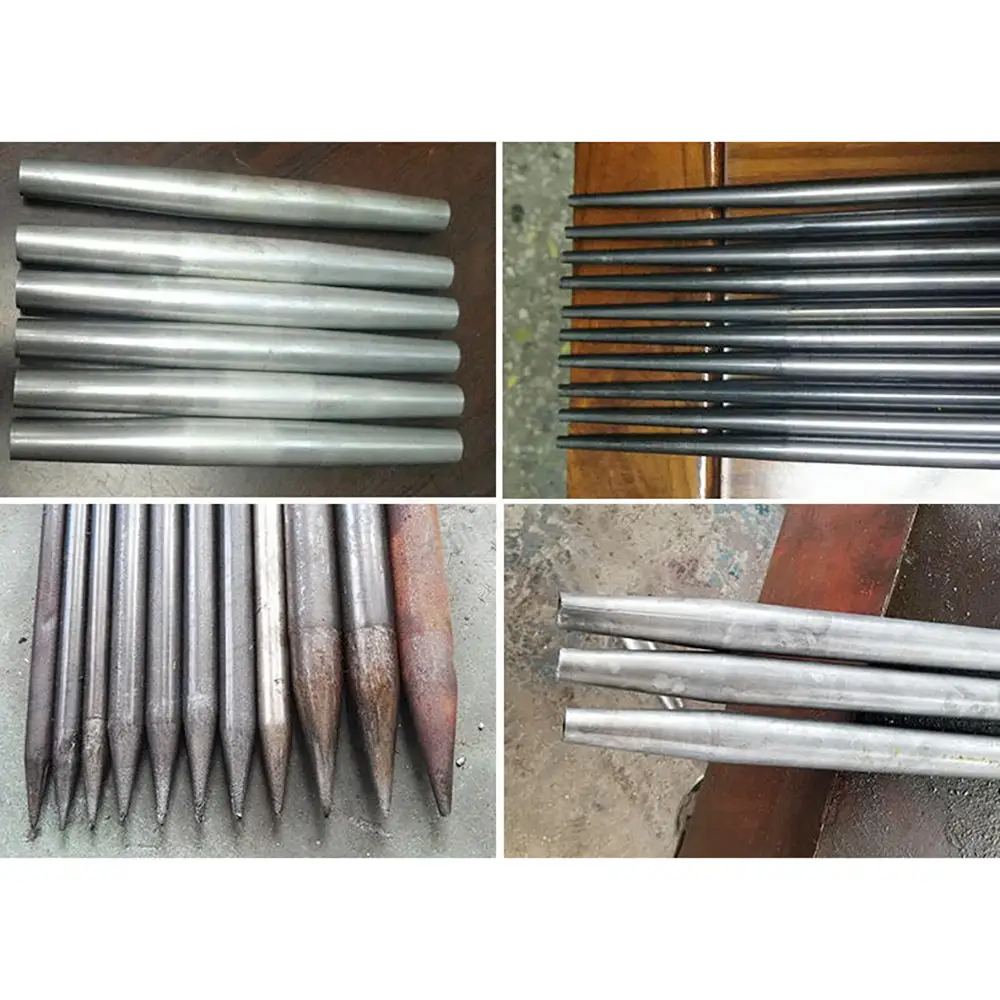
The pipe taper machine is designed for applications where the end of a tube needs to transition from a larger diameter to a smaller diameter.
Tapered tube ends can be used for furniture legs,automotive components,exhaust pipes,structural products,handles,support frames,and other fabricated metal products.
A controlled tapering process can produce a more consistent end shape than manual forming. The forming die determines the final geometry and should be designed according to the customer's tube dimensions.
Depending on the machine configuration,tapering may be combined with reducing,necking,swaging,expanding,or other tube-end forming processes.
Tube End Forming Applications
Tube end forming is a broad category that includes many different operations. The Tube Swaging Machine can be configured around the specific forming requirement.
Possible operations include:
Tube End Reducing
Pipe End Tapering
Tube Swaging
Tube Necking
Tube Shrinking
Tube Flaring
Tube Expanding
Tube Flattening
Tube Beading
Custom End Forming
Not every machine performs all of these processes. The actual capability depends on the machine structure and tooling.
For customers requiring multiple forming operations,the machine can be evaluated as part of a customized tube processing line.
Furniture Tube and Leg Processing
Furniture manufacturing is a common application for pipe tapering and tube swaging machines.
Metal chair legs,table legs,sofa frames,and other furniture components may require reduced or tapered tube ends for assembly and appearance.
The machine can be used to create consistent tapered ends on suitable steel,stainless steel,or other metal tubes.
For furniture applications,the final shape is often determined by the product design. Custom forming dies can therefore be developed for specific chair leg,table leg,or decorative tube geometries.
Consistent forming can also help improve the fit between tubular components during welding or assembly.
Automotive and Exhaust Tube Applications
Tube swaging and tapering are also used in automotive manufacturing and exhaust component production.
Exhaust pipes and other tubular automotive components may require diameter reduction,expansion,or shaped ends to connect different sections.
A pipe taper machine can prepare tube ends for welding,clamping,insertion,or connection with another component.
The required forming process depends on the exhaust design,material,wall thickness,and connection method. Stainless steel,carbon steel,and other compatible tube materials may require different forming parameters and tooling.
Suitable Metal Materials
The machine can be configured for various metal tube materials,depending on its forming capacity and tooling.
Common materials may include:
Carbon Steel
Mild Steel
Stainless Steel
Aluminum
Copper
Galvanized Steel
Alloy Steel
Material strength and ductility directly influence the forming process. High-strength materials may require greater forming force or specially designed tooling.
Thin-wall tubing should also be processed with appropriate support and forming parameters to minimize unwanted deformation.
Customers should provide the material grade,outer diameter,wall thickness,and desired end shape when requesting a quotation.
Forming Dies and Tooling
Tooling is one of the most important parts of a tube swaging and tapering machine.
The forming die determines the final tube geometry. Different tube diameters,wall thicknesses,and end shapes may require different dies.
Custom tooling can be designed for specific applications such as furniture legs,exhaust pipes,solar components,fitness equipment,and structural tube products.
Properly matched tooling can improve repeatability and reduce unnecessary deformation.
Tool wear should also be monitored during production. Damaged or worn forming dies can affect the dimensional consistency and surface quality of the finished tube.
Production Efficiency
A dedicated tube swaging machine can help improve production efficiency by replacing repetitive manual tube-end forming operations.
For batch production,operators can establish a repeatable loading,clamping,forming,and unloading workflow.
Production output depends on tube size,material,forming depth,number of forming stages,tool changes,loading method,and operator experience.
For higher-volume applications,custom fixtures and feeding systems may be considered to reduce handling time.
The actual cycle time should be confirmed through sample testing or machine trials using the customer's workpieces.
Tube Positioning and Clamping
Correct tube positioning is essential for consistent end forming.
The workpiece should be securely held during the swaging or tapering process to prevent unwanted movement. Proper clamping can also help maintain the alignment between the tube and forming die.
For applications requiring a precise formed length,the machine may use positioning stops,fixtures,or other workpiece location systems depending on the configuration.
Customers should provide tube length and required forming position when selecting the machine.
Quality Control
Finished tube quality can be evaluated through several dimensions,including end diameter,taper length,forming depth,roundness,wall condition,and overall tube length.
For production applications,first-piece inspection is recommended after changing tooling or processing parameters.
Regular checks can help identify changes caused by tooling wear,material variation,or machine adjustment.
For critical components,the final formed dimensions should be verified against the engineering drawing or customer specification.
Maintenance and Safety
Regular maintenance is important for reliable machine operation. Operators should inspect the forming system,hydraulic or mechanical drive components,tooling,fixtures,fasteners,and electrical systems according to the manufacturer's maintenance recommendations.
The forming area should be kept clean and free from unnecessary materials.
Tube forming involves significant mechanical force. Operators should keep hands away from moving tooling and use appropriate personal protective equipment.
Depending on the machine configuration,safety features may include guards,emergency-stop functions,electrical protection,and other protective devices. Actual safety provisions should be confirmed for the selected machine.
OEM and Custom Tube Forming Solutions
Different industries require different tube-end geometries. The Tube Swaging Machine can therefore be configured around specific customer requirements.
OEM and ODM solutions may include custom forming dies,fixtures,positioning systems,hydraulic or mechanical forming systems,feeding equipment,and control configurations.
Customers should provide tube material,outer diameter,wall thickness,tube length,required reduction ratio,taper angle,forming length,production volume,and finished-part drawings.
Samples are also useful for evaluating the required forming process and tooling design.
Why Choose Us
Tube Swaging Capability — Designed for controlled tube-end diameter reduction and reshaping.
Pipe Tapering Function — Suitable for producing tapered and reduced tube ends with dedicated tooling.
Flexible End Forming — Can be configured for reducing,swaging,tapering,necking,and other compatible forming operations.
Multiple Metal Applications — Suitable for compatible carbon steel,stainless steel,aluminum,copper,and other metal tubes.
Custom Forming Dies — Tooling can be developed for furniture legs,exhaust pipes,structural tubes,and specialized products.
Production-Oriented Design — Supports repeatable tube forming workflows for batch manufacturing.
Wide Industrial Applications — Suitable for furniture,automotive,exhaust,sports equipment,construction,and general fabrication.
OEM & ODM Support — Machine configuration and tooling can be customized according to customer drawings,samples,and production requirements.
FAQs
1. What is a tube swaging machine?
A tube swaging machine is used to reduce or reshape the diameter of a metal tube end through controlled forming force.
2. What is a pipe taper machine?
A pipe taper machine forms a tapered transition at the end of a tube or pipe,usually by reducing the diameter over a specified length.
3. What is the difference between swaging and tapering?
Swaging generally refers to mechanically reducing or reshaping a tube,while tapering specifically describes creating a gradual change in diameter. The two processes can overlap depending on the forming method.
4. What materials can the machine process?
Depending on the machine configuration,it may process carbon steel,mild steel,stainless steel,aluminum,copper,galvanized steel,and other compatible metals.
5. Can it process stainless steel tubes?
Yes. Stainless steel tubes can be processed when the machine force and forming dies are properly matched to the material grade and wall thickness.
6. Can it be used for furniture legs?
Yes. Tube swaging and tapering are commonly suitable for metal chair legs,table legs,sofa frames,and other furniture tube components.
7. Can it process exhaust pipes?
Depending on the machine capacity and tooling,it can be used for suitable automotive exhaust tubes and other tubular components requiring diameter reduction or tapering.
8. Can the forming dies be customized?
Yes. Custom dies can be designed according to tube diameter,wall thickness,forming length,taper geometry,and finished-part requirements.
9. Can the machine perform tube reducing?
Yes. Tube reducing is one of the primary applications of swaging and tapering equipment.
10. How do I choose the correct machine?
Provide tube material,outer diameter,wall thickness,tube length,required end diameter,taper angle,forming length,and production volume.
11. Does the machine require special tooling?
Yes. Forming dies and fixtures should be selected according to the tube dimensions,material,and required final shape.
12. Can you provide OEM tube forming solutions?
Yes. Customized machines,forming dies,fixtures,positioning systems,and other tube-processing components can be developed according to drawings or samples.
Prev:
Pipe End Forming Machine Hydrali Tube End Expanding and Shrinking Machine
Next:
Double Heads Stainless Steel Pipe End Forming and Punching Hole Machine for Trampoline
TAG:
Pipe Diameter Reducing Machine,
Tube Diameter Reducing Machine,
Pipe Shaping Machine,
Pipe End Processing Machine,
Tube End Processing Machine,
Chair Leg Tube Forming Machine,
Sofa Leg Tube Forming Machine,
Table Leg Tube Forming Machine,
Tube Shaping Machine,
Automotive Exhaust Pipe Forming Machine,
Metal Pipe Forming Machine,
Metal Pipe Reducing Machine,
Stainless Steel Tube Forming Machine,
Metal Tube Reducing Machine,
Metal Tube Forming Machine,
Tube End Forming Equipment,
Pipe End Forming Equipment,
Tube Beading Machine,
Pipe Tapering Machine,
Pipe End Reducing Machine,
Tube Flaring Machine,
Tube Swaging Machine,
Pipe Swaging Machine,
Pipe Necking Machine,
Tube Necking Machine,
Tube End Tapering Machine,
Pipe End Tapering Machine,
Tube Tapering Machine,
Tube End Reducing Machine,
Pipe Reducing Machine,
Related Category:
Tube Swaging Machine,Pipe Taper Machine,Tube Tapering Machine,Pipe Tapering Machine China, suppliers, manufacturers, factory, customized, wholesale, quotation, made in China