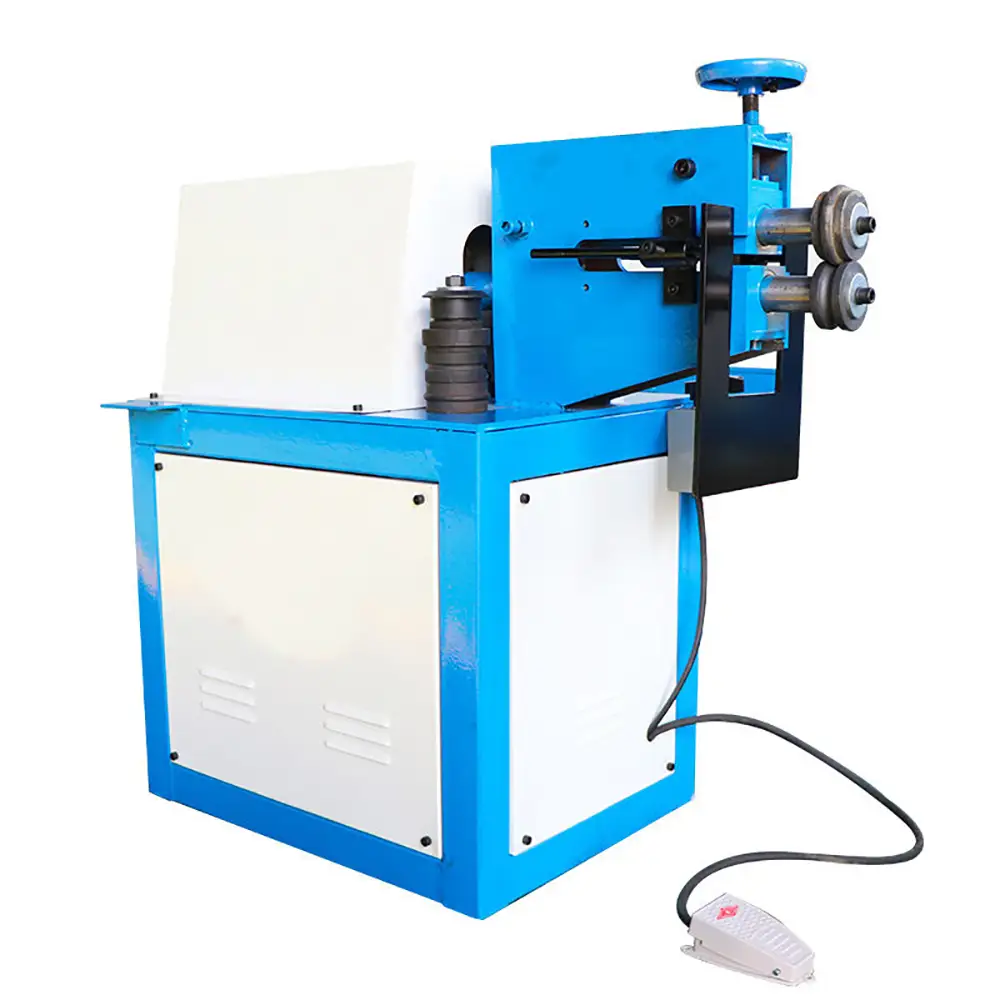
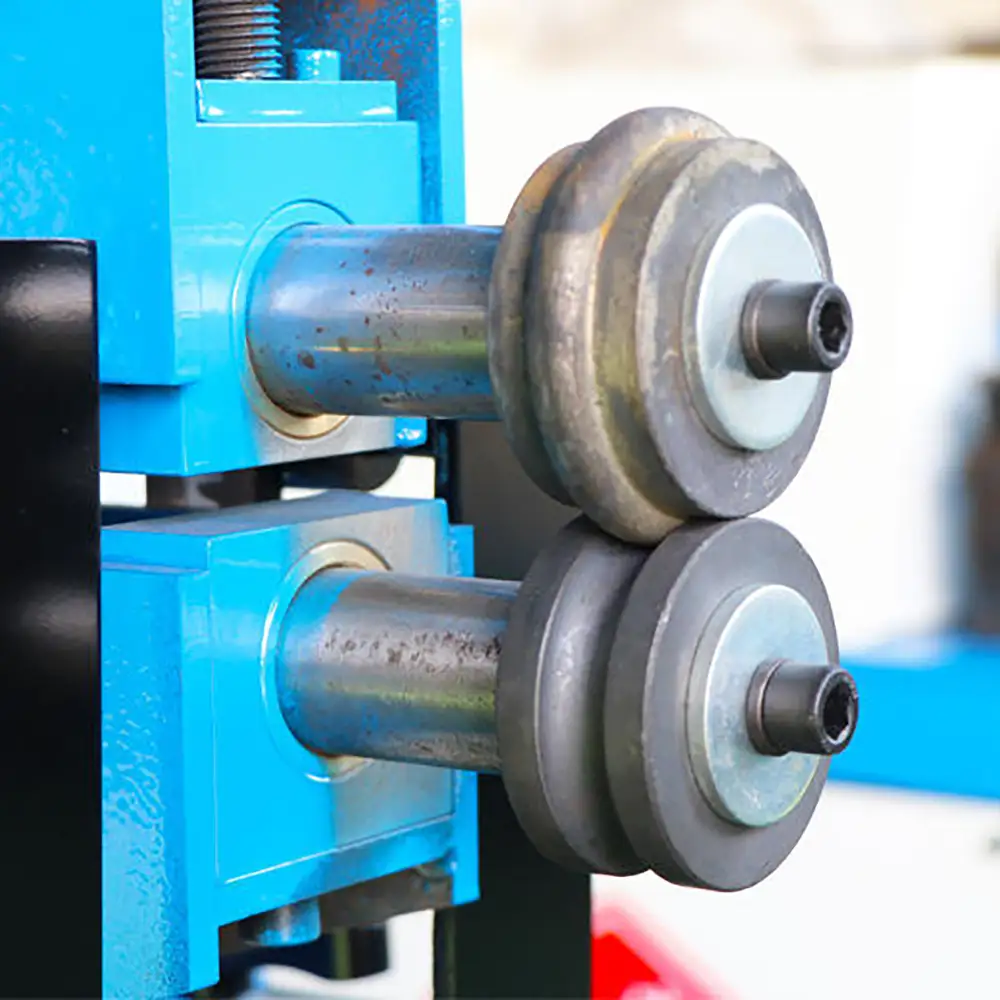
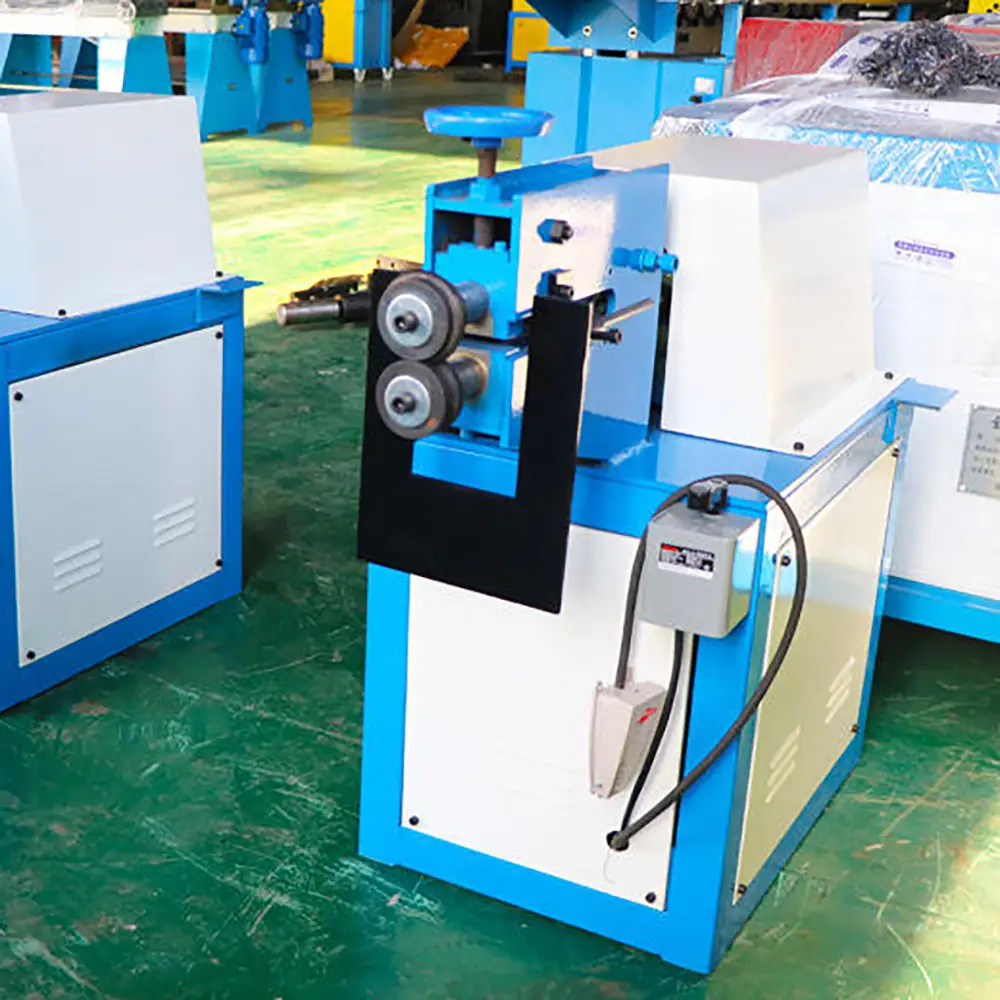
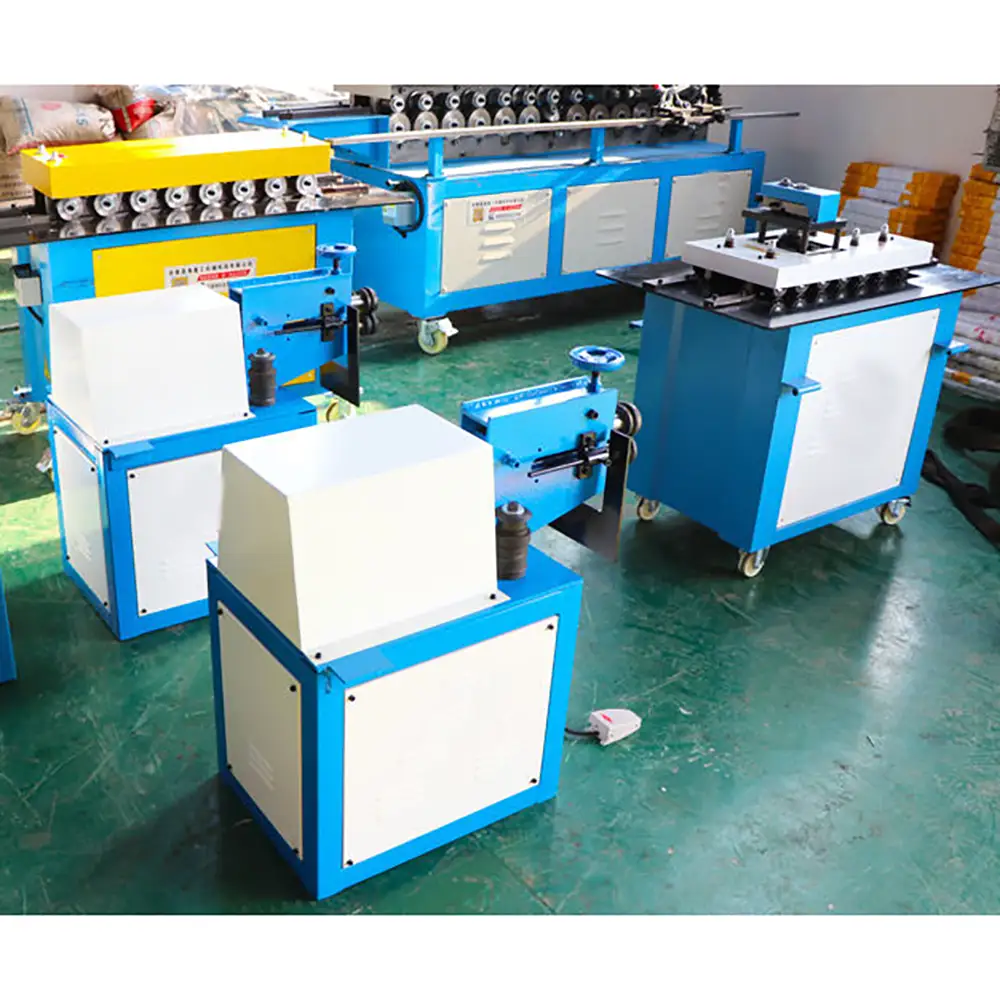
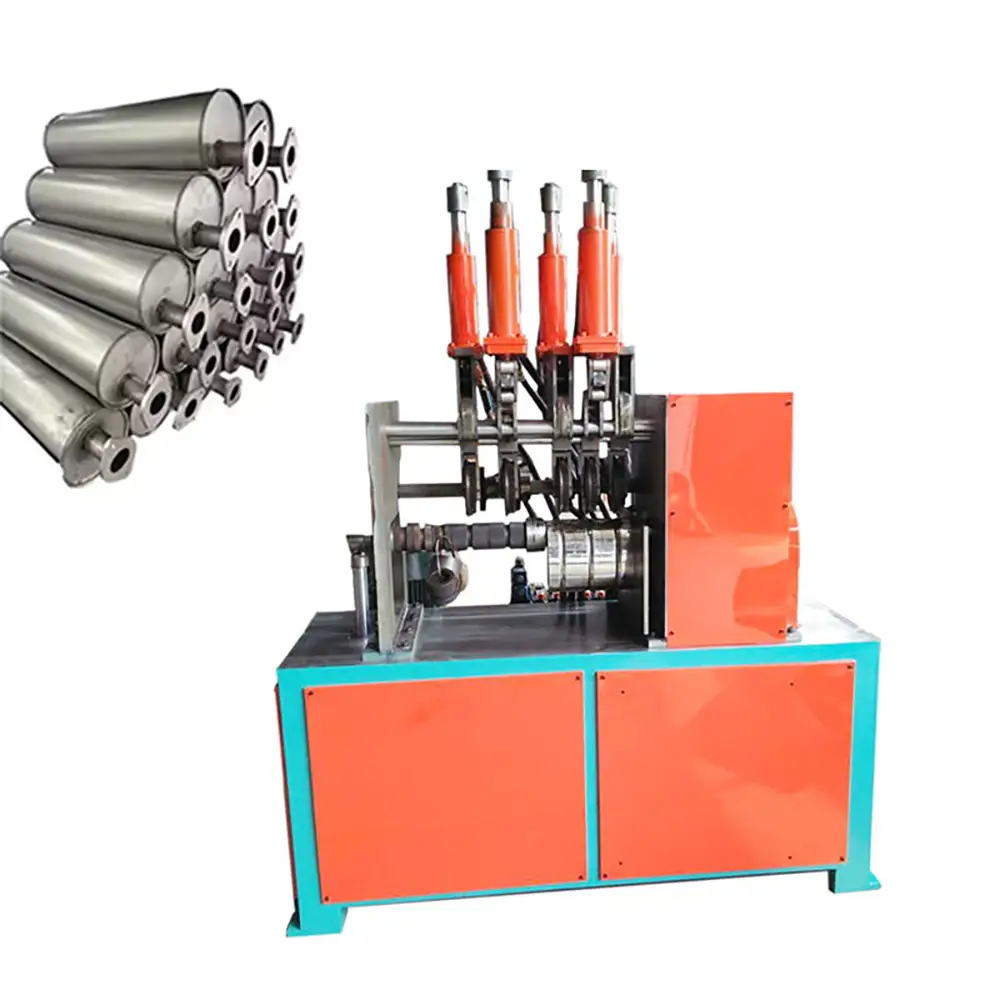
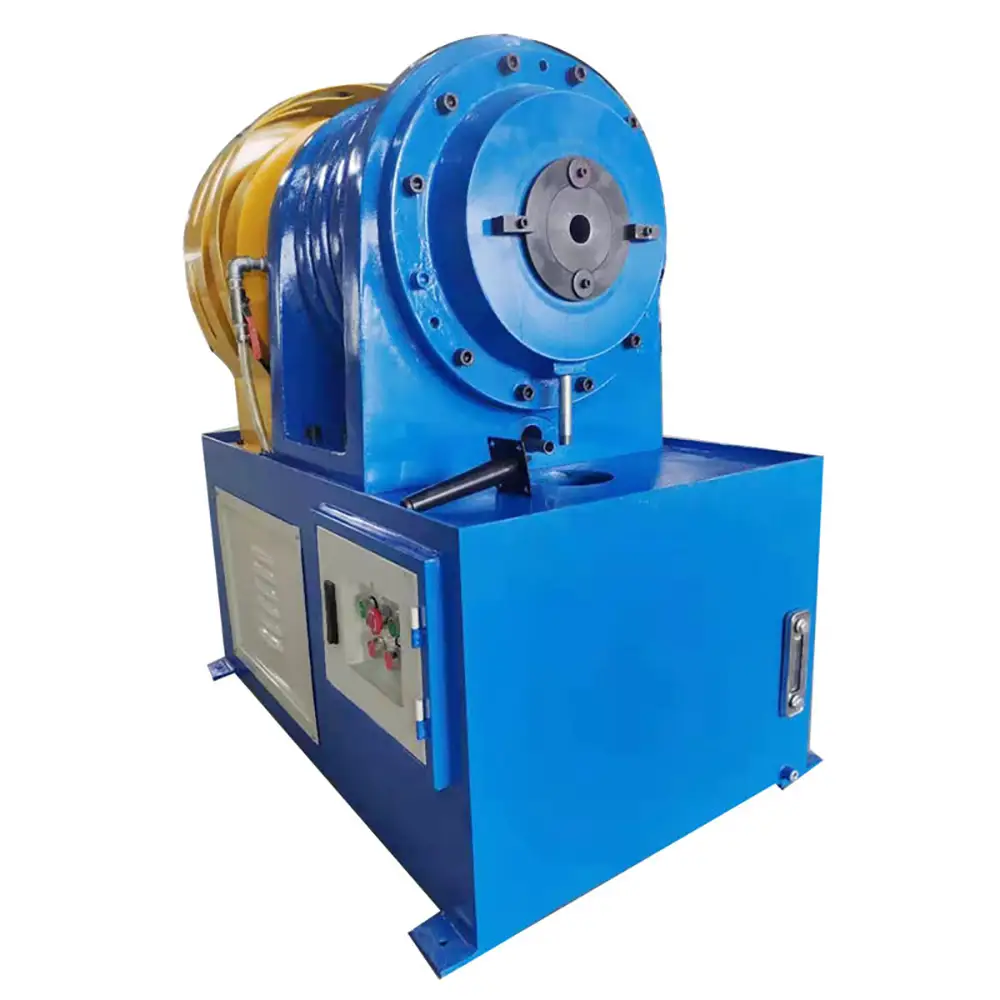
Electric Swaging Machine with Threading,Flanging and Reeling Functions
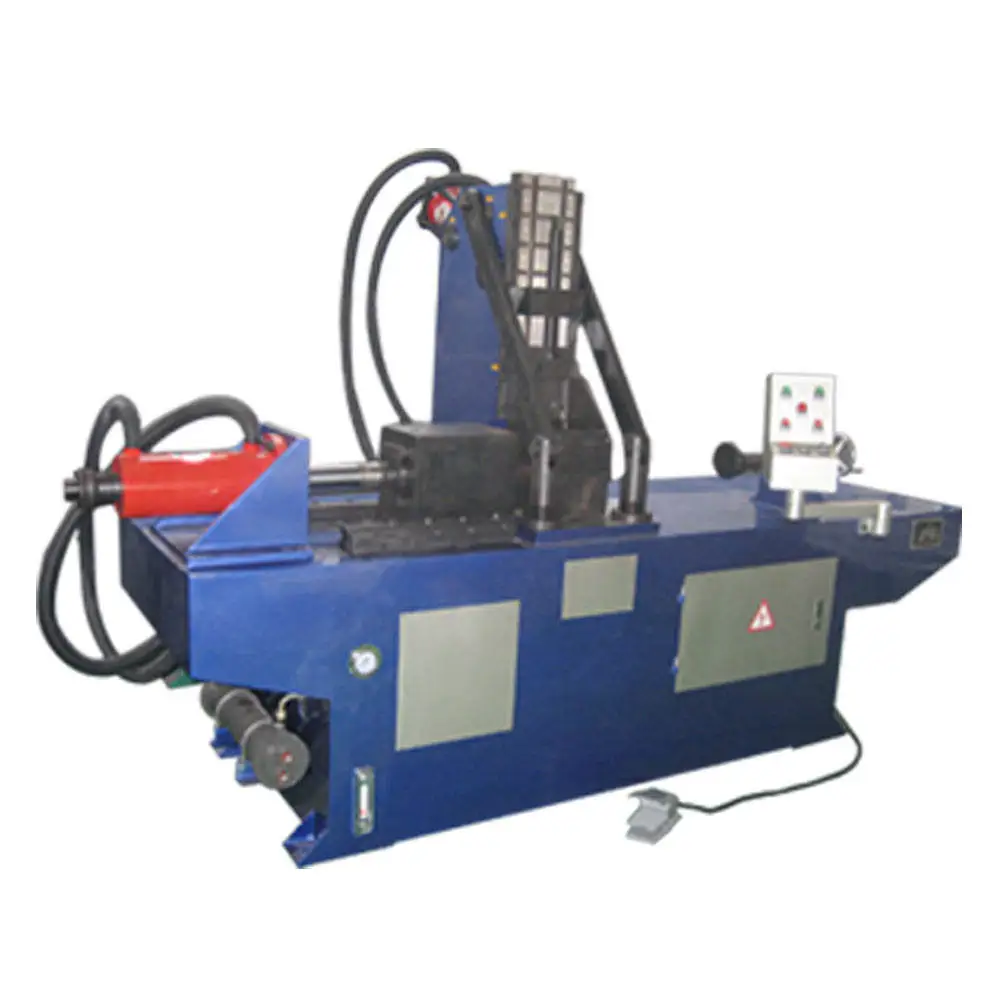
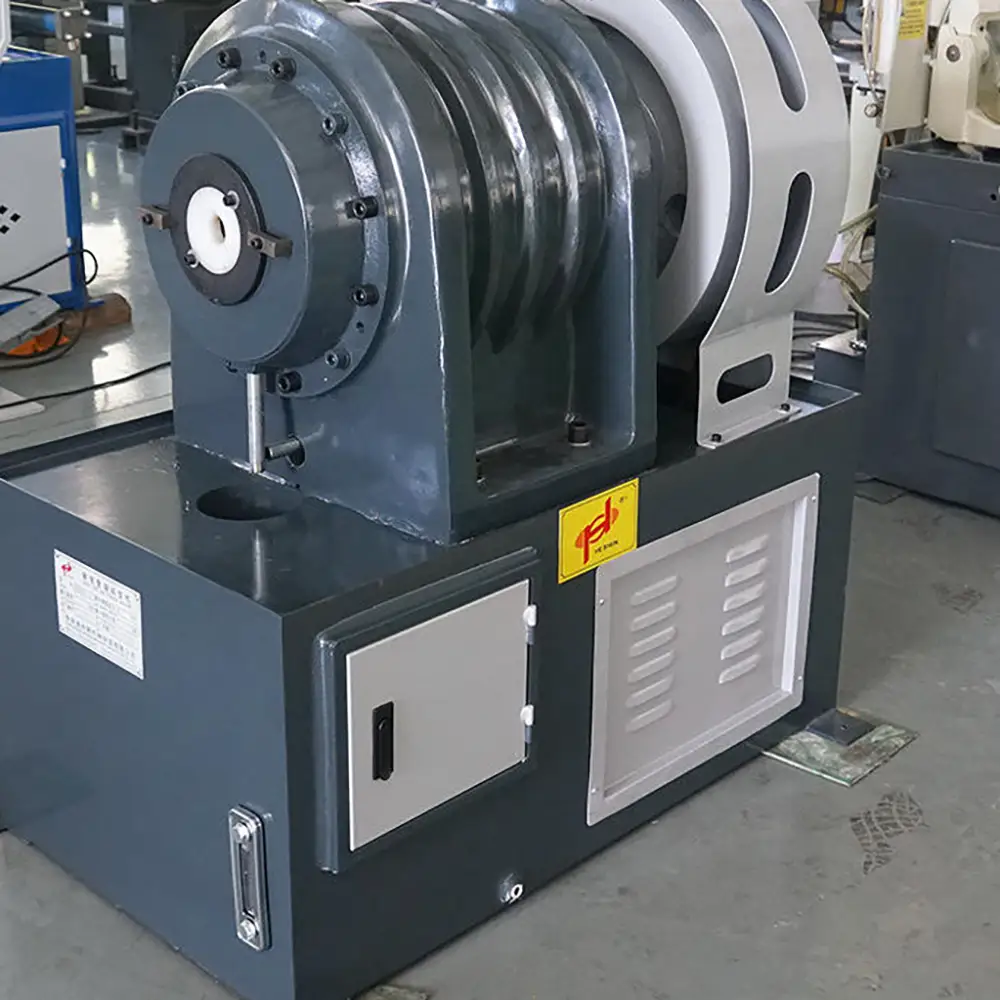
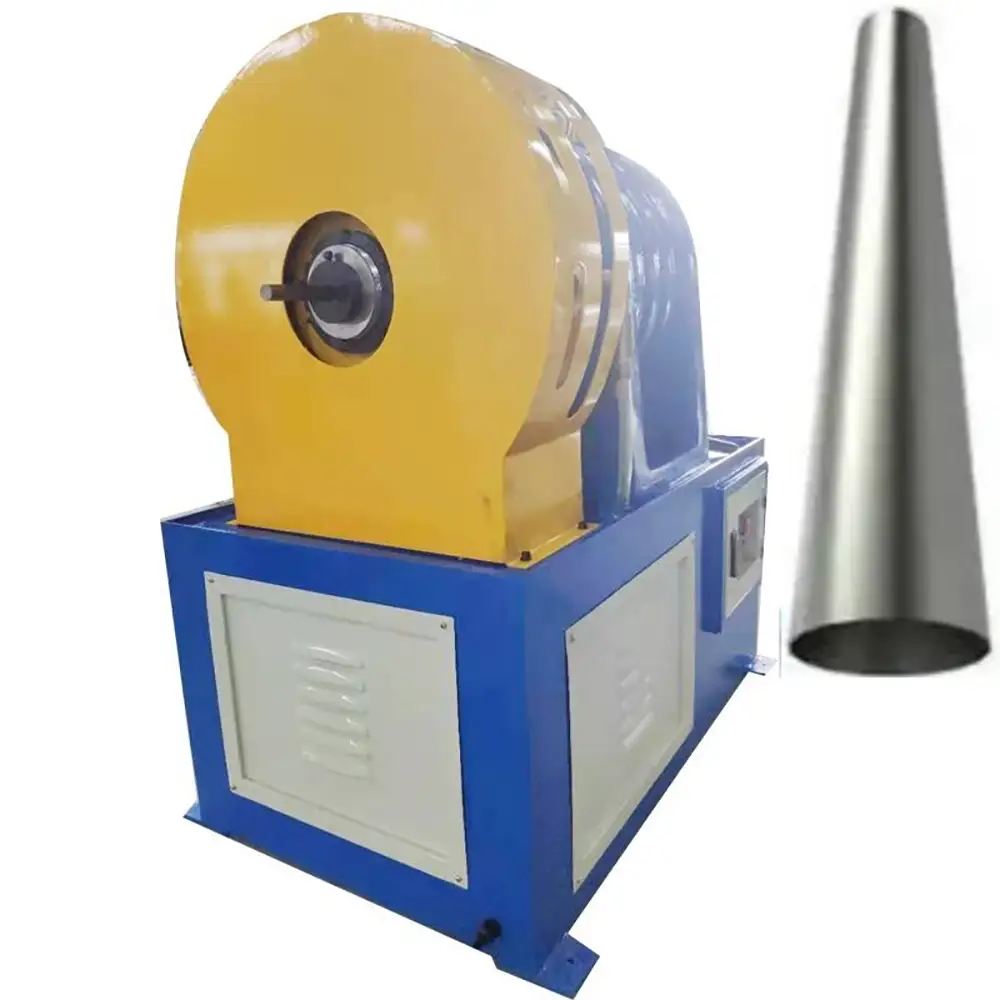
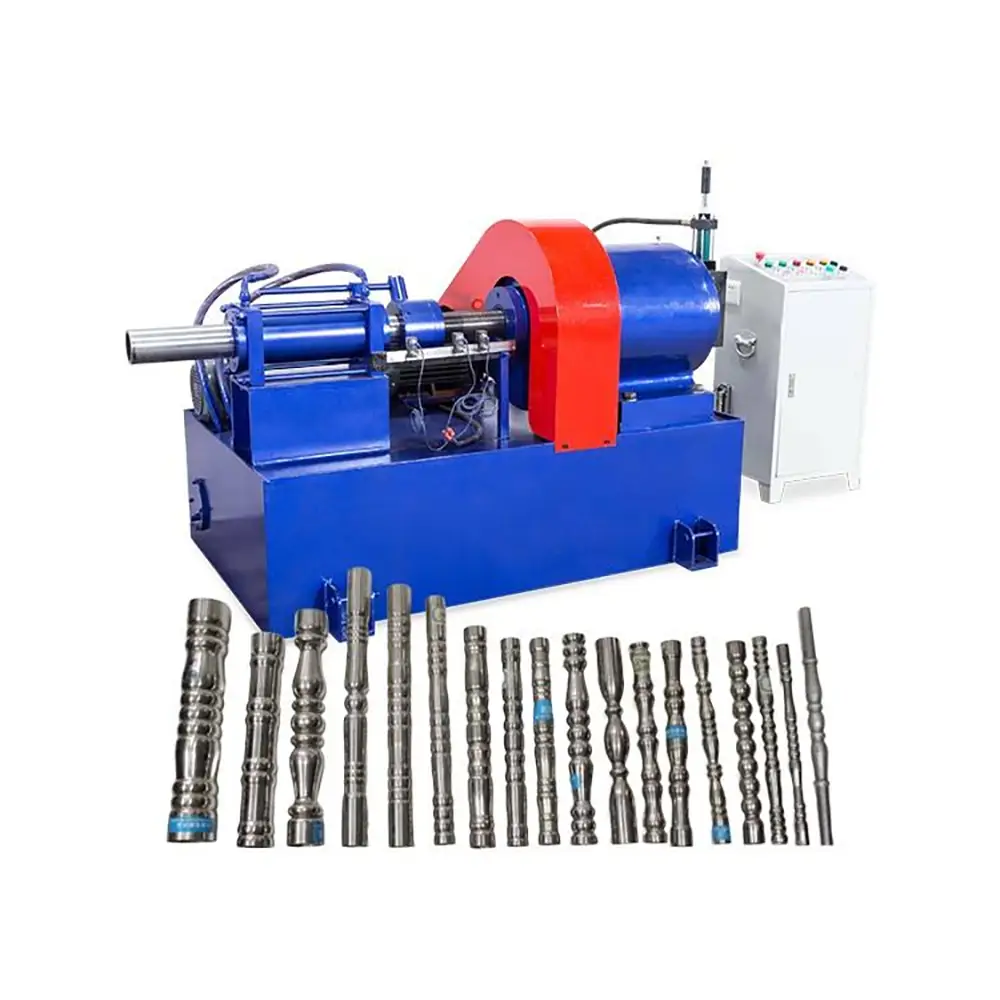
The Electric Swaging Machine with Threading,Flanging and Reeling Functions is a multifunctional metal tube processing machine designed for manufacturers that need to perform several tube-end operations within one production workflow. Combining electric drive power with swaging,threading,flanging,and reeling functions,the machine can be configured for a variety of tube forming and end-processing applications.
Tube end processing is widely used in furniture manufacturing,automotive components,metal structures,industrial equipment,construction products,and general fabrication. Depending on the tooling and machine configuration,a tube can be reduced,shaped,threaded,flanged,or formed into a specific end profile for assembly or connection.
The actual processing capacity depends on tube material,diameter,wall thickness,tooling,machine structure,and the selected operating configuration. Customers should provide workpiece drawings or samples when precise forming requirements need to be evaluated.
|
Model |
15 |
|
Max Thickness capacity |
1.2MM(customized) |
|
Applicable to pipe shape |
Round |
|
Applicable to material of pipe |
Carbon steel,stainless steel copper pipe, aluminum alloy pipe
|
|
Overall size (L×W×H) |
400x860x960mm |
|
Weight |
110kg |
Electric Swaging Technology
Swaging is a tube forming process used to modify the diameter or profile of a metal tube. The process can reduce,shape,or taper a selected section of the tube while maintaining the basic tubular structure.
An electric swaging machine uses an electrically powered drive system to provide the mechanical movement required for the forming operation. Compared with completely manual tube forming methods,electric operation can provide a more controlled and repeatable production process.
Swaging is commonly used when a tube end needs to be reduced or prepared for another component. Depending on the tooling,the machine may produce tapered,reduced,or specially shaped tube ends.
The appropriate swaging method depends on the material,wall thickness,original diameter,and required final profile.
Tube Threading Function
The threading function allows suitable tube ends to be processed for threaded connections. Threaded tube ends can be used where components need to be assembled,disassembled,or connected using threaded fittings.
Threading requires properly matched tooling and accurate workpiece positioning. The tube diameter,wall thickness,thread specification,and material characteristics all influence the required processing method.
The machine can be configured around the required threading application when suitable tooling is available. Customers should provide thread size,thread type,and tube specifications before selecting the machine.
For production applications,consistent positioning is important because thread alignment affects the final assembly of the processed tube.
Tube Flanging Function
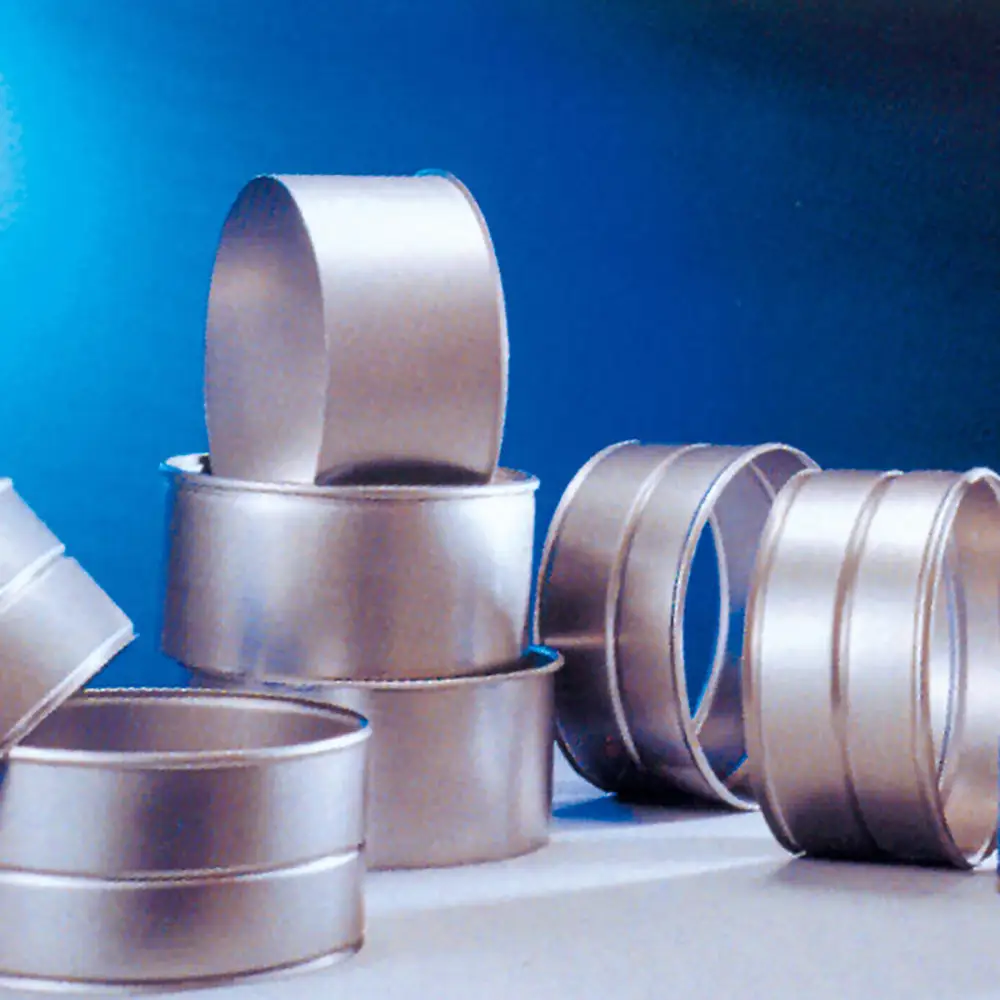
Flanging creates an expanded edge,lip,or flange at the tube end. A flange can provide a connection surface,reinforcement,or interface for another component.
Tube flanging is used in various metal fabrication applications,including piping components,automotive parts,HVAC assemblies,and industrial equipment.
The required flange shape depends on the product design. Custom forming dies can be developed when standard tooling does not match the required profile.
Material thickness and ductility should be considered because excessive forming force can cause cracking,wrinkling,or unwanted deformation.
Tube Reeling Function
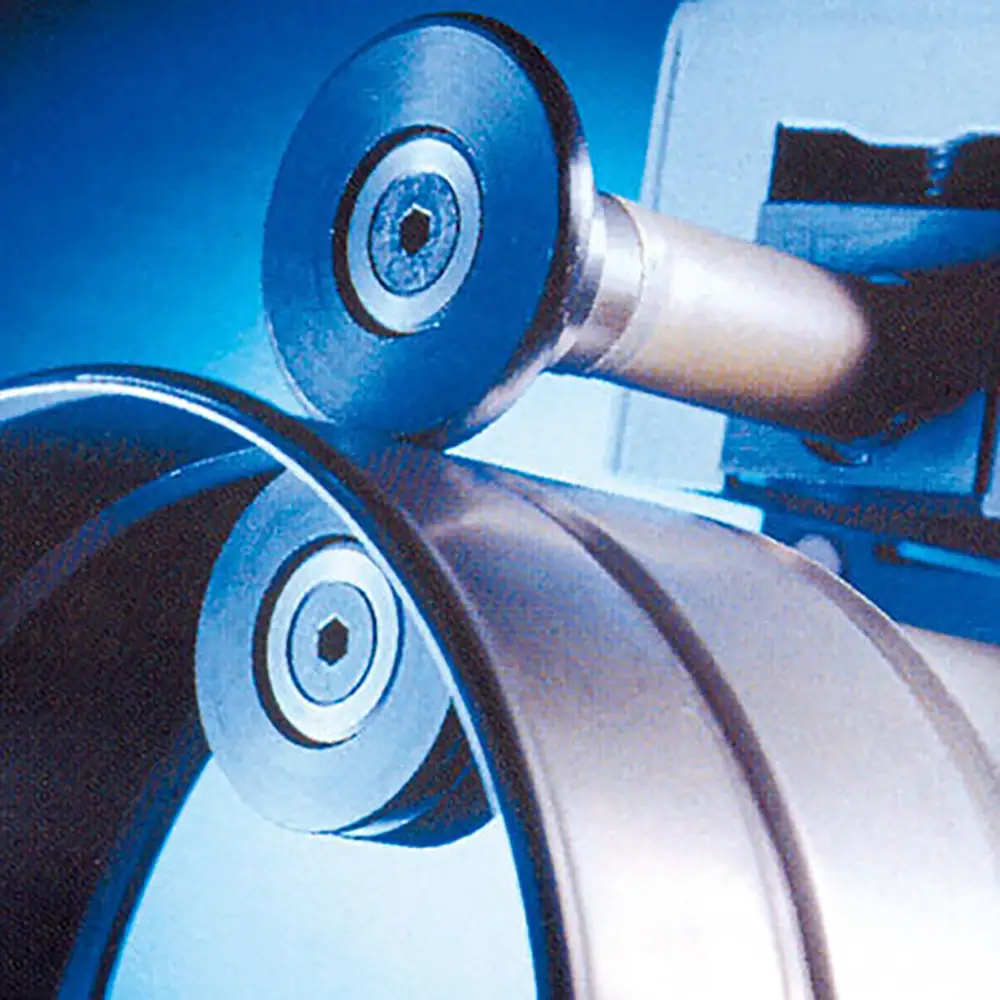
The reeling function can be used for suitable tube-end rolling or forming operations depending on the machine configuration and tooling. Rolling or reeling can create a controlled edge or profile on a metal tube.
This type of operation may be useful when a tube requires a rolled edge,reinforced end,or specific connection geometry.
Because the term “reeling” can refer to different tube-forming processes depending on the equipment design,the exact operation should be confirmed according to the selected tooling and machine configuration.
Customers can provide finished-part drawings or samples to determine the appropriate forming method.
Multifunction Tube End Forming
One of the main advantages of a multifunction machine is the ability to support several tube-processing operations.
Depending on the configuration,the machine can be used for:
Tube Swaging
Tube Reducing
Tube Tapering
Tube Threading
Tube Flanging
Tube Reeling
Tube End Forming
Tube Shaping
Customized End Processing
Combining several functions can reduce the need to transfer workpieces between multiple machines. This can simplify production flow and reduce repeated setup and handling.
The actual functions available depend on the machine design and installed tooling.
Suitable Metal Materials
The electric swaging machine can be configured for compatible metal tubes such as:
Carbon Steel Tubes
Mild Steel Tubes
Stainless Steel Tubes
Aluminum Tubes
Copper Tubes
Alloy Steel Tubes
Other Compatible Metal Tubing
Different materials have different forming characteristics. Stainless steel and high-strength steel may require different tooling and forming conditions compared with mild steel.
Aluminum and copper are generally more ductile,but their surface and deformation characteristics should still be considered when selecting tooling.
Before production,the material grade,tube diameter,wall thickness,and required end geometry should be confirmed.
Automotive and Exhaust Applications
Tube swaging and end forming are widely used in automotive and exhaust component manufacturing. Exhaust tubes may require diameter reduction,expansion,flanging,or other end profiles before welding and assembly.
Threading or flanging can also be useful for selected automotive and machinery components that require mechanical connections.
The machine can be evaluated for specific exhaust tube applications according to the tube material,diameter,wall thickness,and finished geometry.
Furniture and Metal Tube Applications
Furniture manufacturers frequently process metal tubes for chair legs,table legs,frames,handrails,and support structures.
Swaging can create reduced ends for connecting tubes or inserting one tube into another. Flanging can provide a finished edge or connection surface.
The multifunction design can be useful for manufacturers producing different tube components because tooling can be changed according to the required product.
Industrial Tube Processing
Beyond furniture and automotive applications,the machine can be used for suitable industrial tube processing tasks.
Potential applications include:
Industrial Pipe Components
Metal Furniture
Construction Products
Fitness Equipment
Agricultural Machinery
Machinery Frames
Handrails
Guardrails
Steel Structures
Custom Tube Assemblies
The actual application range depends on machine capacity and tooling.
Production Efficiency
A multifunction electric tube-forming machine can help reduce manual processing and repeated workpiece transfers.
For batch production,the operator can establish suitable forming parameters and use dedicated tooling for consistent processing. This can make production more organized when the same tube-end profile is required repeatedly.
Actual productivity depends on tube dimensions,material,number of operations,forming depth,thread specifications,tool changes,loading and unloading,and operator workflow.
For high-volume production,the complete production cycle should be evaluated rather than relying only on the nominal machine speed.
Custom Tooling and Dies
Tooling is critical for achieving the desired tube-end profile. Swaging dies,threading tools,flanging tools,and rolling or reeling tools should be selected according to the workpiece.
Custom tooling can be developed for:
Reduced Tube Ends
Tapered Tube Ends
Threaded Tube Ends
Flanged Tube Ends
Rolled Tube Edges
Swaged Tube Profiles
Special Connection Ends
Customized Tube Shapes
Customers can provide CAD drawings,technical specifications,or physical samples to support tooling evaluation.
Quality Control
Finished tubes should be inspected for diameter,thread dimensions,flange geometry,end length,and overall forming quality.
For repeat production,first-piece inspection can help confirm tooling and process parameters before continuing with the production batch.
Tool wear should also be monitored. Worn tooling may affect dimensional accuracy,surface condition,and consistency between workpieces.
Different materials may experience springback after forming,so process parameters may need adjustment to achieve the required final dimensions.
Maintenance and Safety
Regular maintenance is important for stable machine operation. Operators should inspect electric drive components,forming tools,fixtures,bearings,transmission components,and electrical systems according to the manufacturer's recommendations.
The forming area should be kept clear of unnecessary objects. Operators should receive suitable training and keep hands away from moving components during operation.
Emergency-stop systems,guards,electrical protection,and other safety features depend on the specific machine configuration and applicable local requirements.
Custom & OEM Tube Processing Solutions
Different manufacturers require different tube-end profiles and production workflows. The machine can therefore be customized according to tube diameter,material,wall thickness,thread requirements,flange dimensions,and production volume.
OEM and ODM solutions may include custom dies,threading tools,fixtures,feeding systems,electric drive configurations,and control systems.
For an accurate quotation,customers should provide tube material,outer diameter,wall thickness,tube length,required swaging dimensions,thread specifications,flange profile,and reeling or rolling requirements.
This information helps determine the appropriate electric swaging and multifunction tube end forming machine configuration.
Why Choose Us
Multifunction Tube Processing — Combines swaging,threading,flanging,and reeling functions within one tube-processing solution.
Electric Drive System — Provides powered operation for repetitive tube forming and end-processing applications.
Multiple End-Forming Options — Supports suitable reducing,tapering,swaging,threading,flanging,and rolling operations.
Flexible Material Compatibility — Configurations can be developed for suitable steel,stainless steel,aluminum,copper,and other metal tubes.
Custom Tooling Support — Dies and forming tools can be developed around specific tube-end profiles.
Wide Industrial Applications — Suitable for automotive,furniture,construction,industrial equipment,and general metal fabrication.
OEM & ODM Manufacturing — Machine configurations can be customized according to drawings,samples,and production requirements.
B2B Industrial Supply — Suitable for manufacturers,distributors,wholesalers,purchasing agents,and industrial equipment buyers.
FAQs
1. What is an electric swaging machine?
An electric swaging machine is a powered tube-forming machine used to reduce,shape,or modify the profile of a metal tube or pipe.
2. Can this machine perform tube threading?
Yes. When equipped with suitable threading tooling,the machine can process compatible tube ends for threaded connections.
3. What is tube flanging?
Tube flanging forms an expanded edge,lip,or flange at the end of a tube for connection,reinforcement,or assembly.
4. What does the reeling function do?
Depending on the machine configuration,reeling can refer to a rolling or forming operation used to create a specific tube-edge or tube-end profile.
5. What materials can be processed?
Suitable configurations may process carbon steel,mild steel,stainless steel,aluminum,copper,and other compatible metal tubes.
6. Can it process stainless steel tubes?
Yes,provided the machine capacity and tooling are properly matched to the stainless steel grade,diameter,and wall thickness.
7. Can the machine be used for exhaust pipes?
Yes. Swaging,reducing,flanging,and other tube-end operations are commonly used for suitable automotive and motorcycle exhaust components.
8. Can custom dies be supplied?
Yes. Custom swaging,threading,flanging,and reeling tools can be developed according to drawings or samples.
9. Is the machine fully automatic?
The automation level depends on the specific model. Electric machines may use manual,semi-automatic,or automated workpiece handling and control configurations.
10. What affects swaging quality?
Material properties,tube dimensions,tooling design,forming force,forming sequence,and machine setup all influence the finished tube profile.
11. Can different tube diameters be processed?
Different tube diameters may require different dies or tooling. The available range should be confirmed according to the machine configuration.
Prev:
Heating Tube Taper Machine Furniture Chair Sofa Legs Cone Pipe Tube End Diameter Reducing Taper Forming Machine
Next:
Automatic Pipe Press Arch Punching Hole and Tabernacle Tube End Forming Machine for Trampoline
TAG:
Pipe Shaping Machine,
Tube Swaging And Reducing Machine,
Pipe End Processing Machine,
Tube End Processing Machine,
Chair Leg Tube Forming Machine,
Table Leg Tube Forming Machine,
Tube Shaping Machine,
Metal Pipe Forming Machine,
Metal Tube Forming Machine,
Hydraulic Tube Forming Machine,
Tube End Forming Equipment,
Pipe End Forming Equipment,
Pipe Tapering Machine,
Tube Swaging Machine,
Pipe Swaging Machine,
Pipe Necking Machine,
Tube Necking Machine,
Tube End Tapering Machine,
Tube Tapering Machine,
Tube End Reducing Machine,
Pipe Reducing Machine,
Pipe Shrinking Machine,
Tube Shrinking Machine,
Tube Reducing Machine,
Tube End Shrinking Machine,
Tube End Forming Machine,
Pipe End Forming Machine,
Tube End Expanding Machine,
Pipe Expanding Machine,
Tube Expanding Machine,
Related Category:
Electric Swaging Machine,Electric Tube Swaging Machine,Swaging Machine with Threading,Tube Threading Machine China, suppliers, manufacturers, factory, customized, wholesale, quotation, made in China