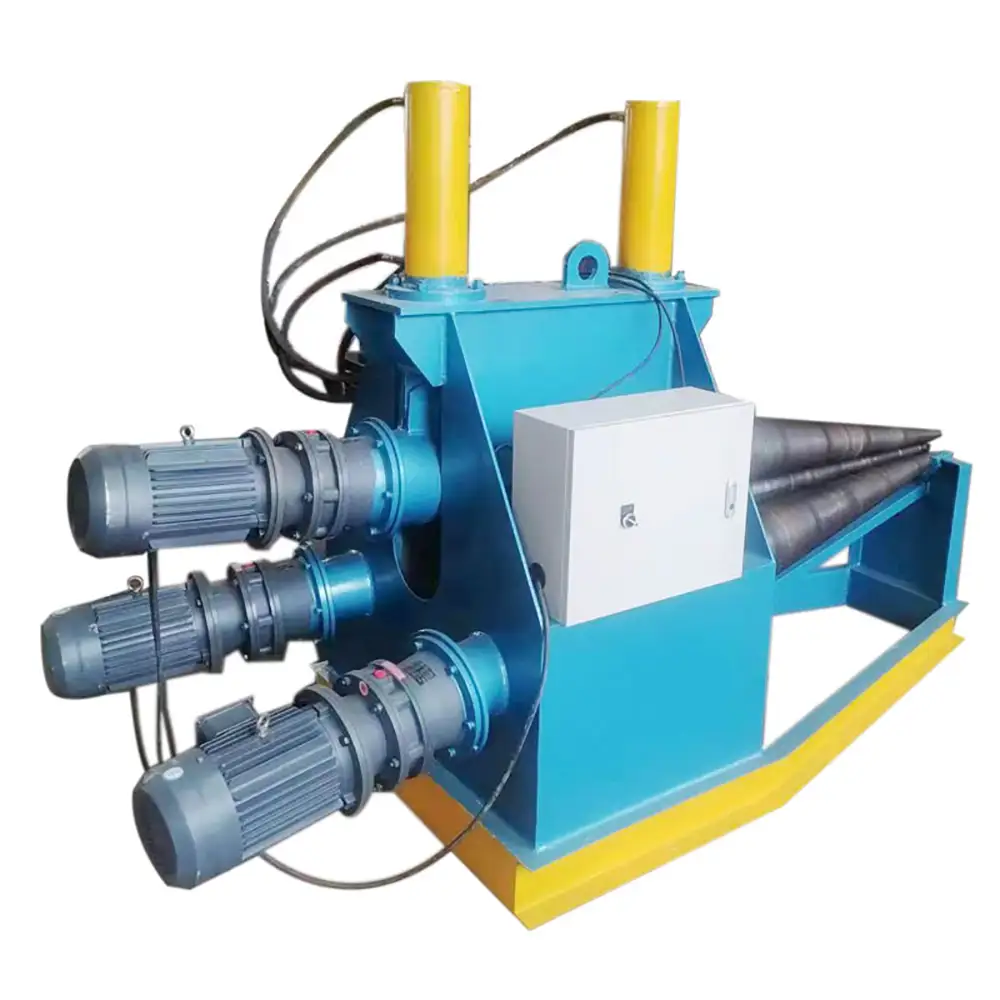
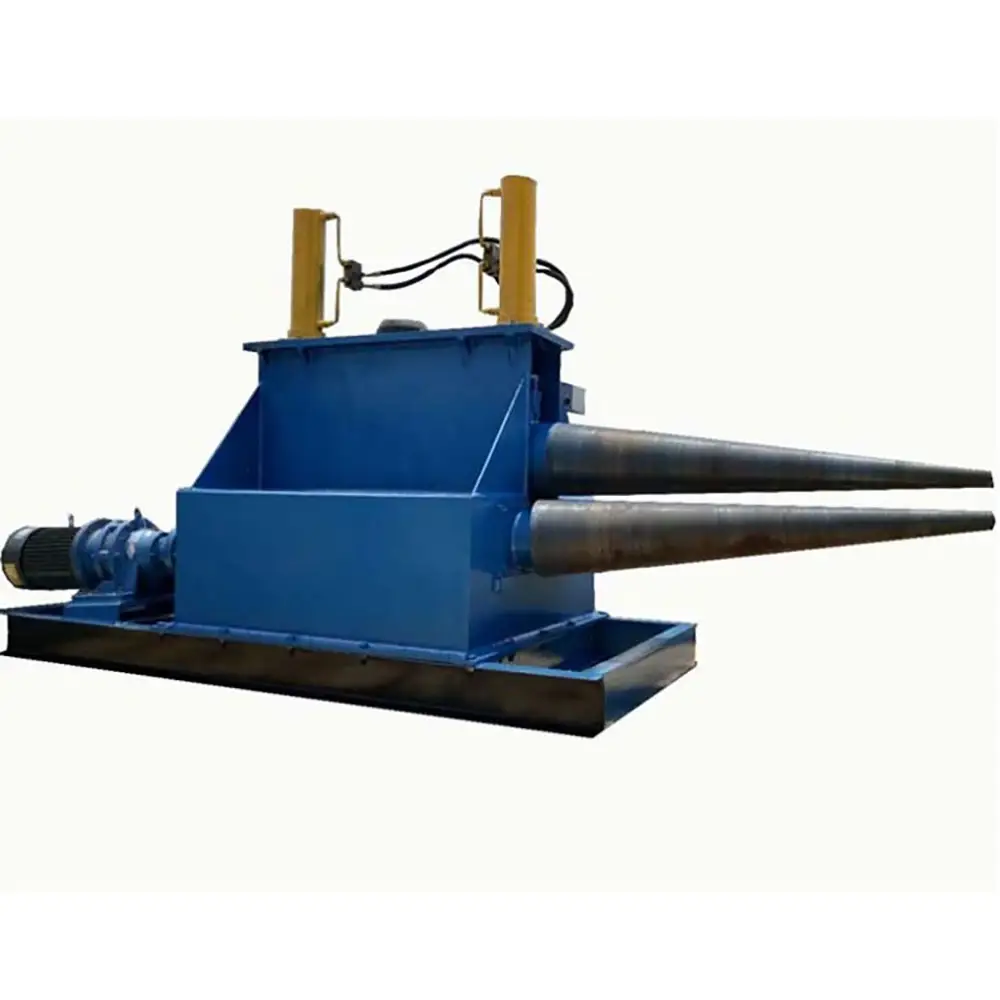
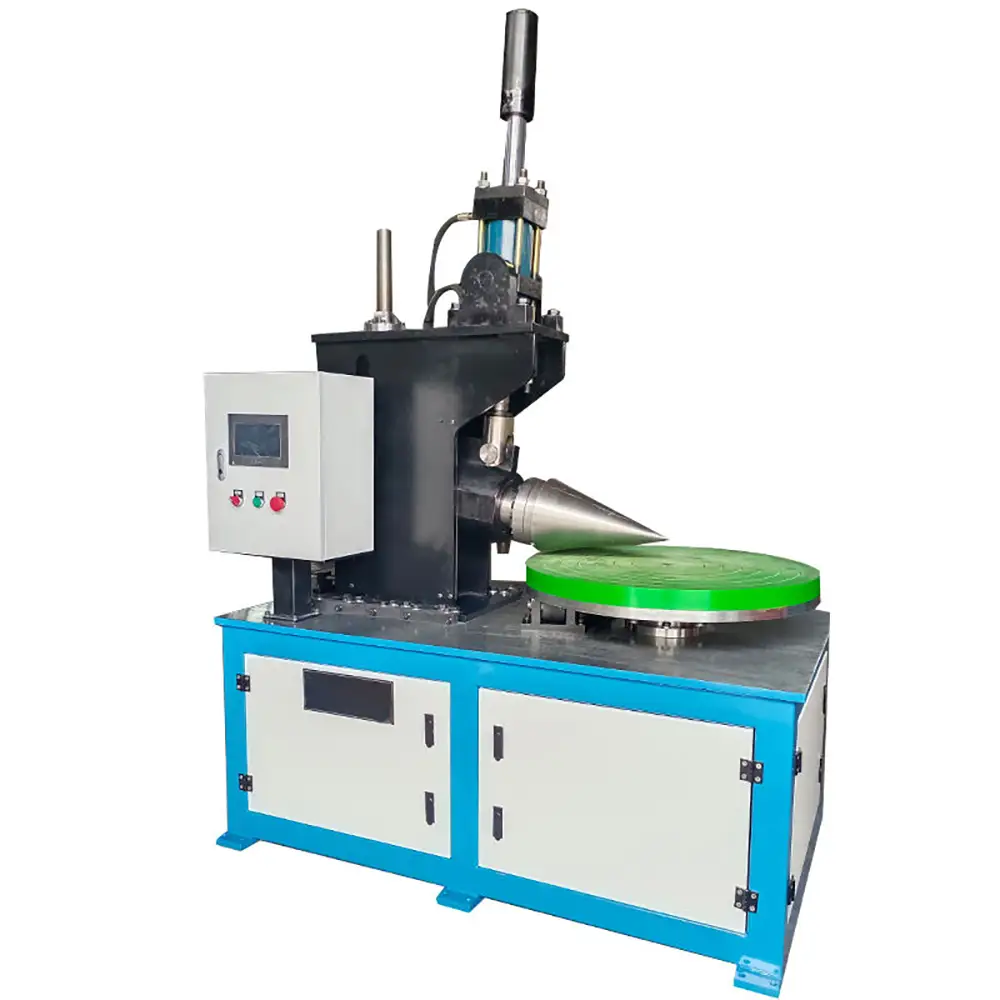
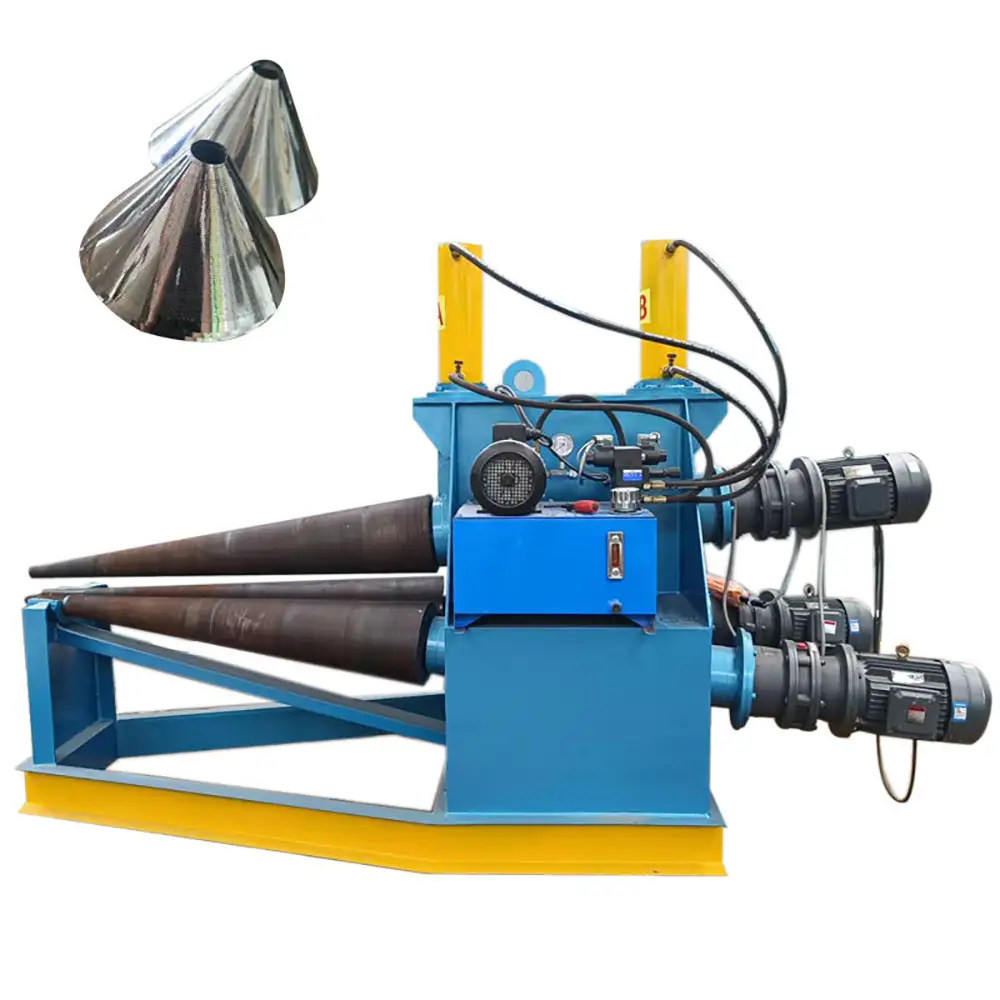
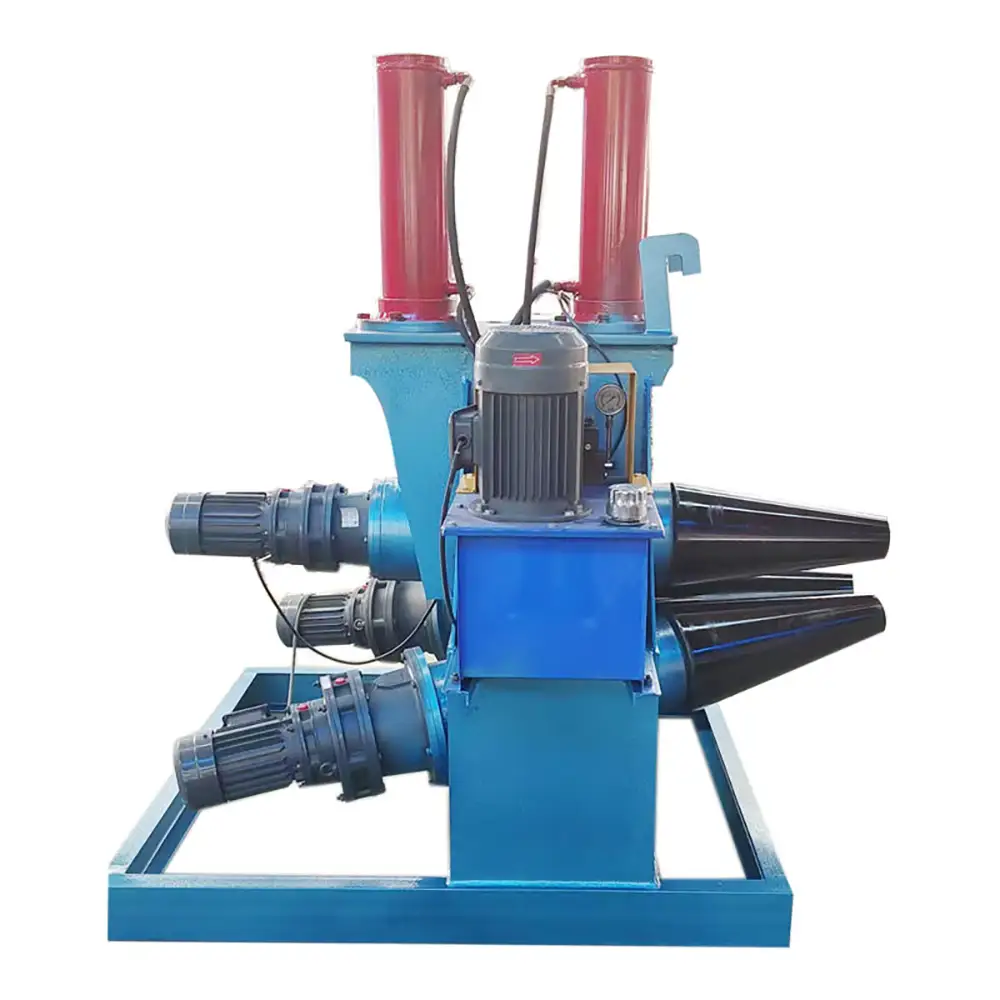
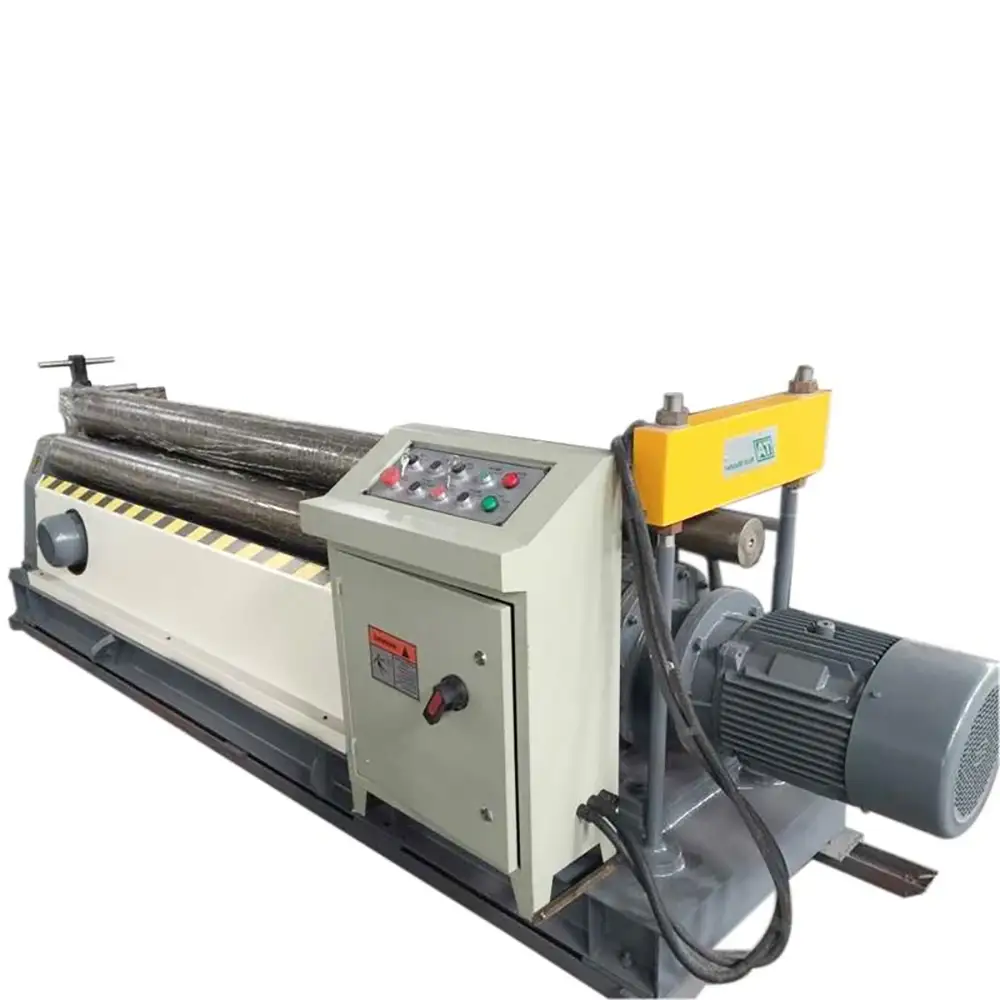
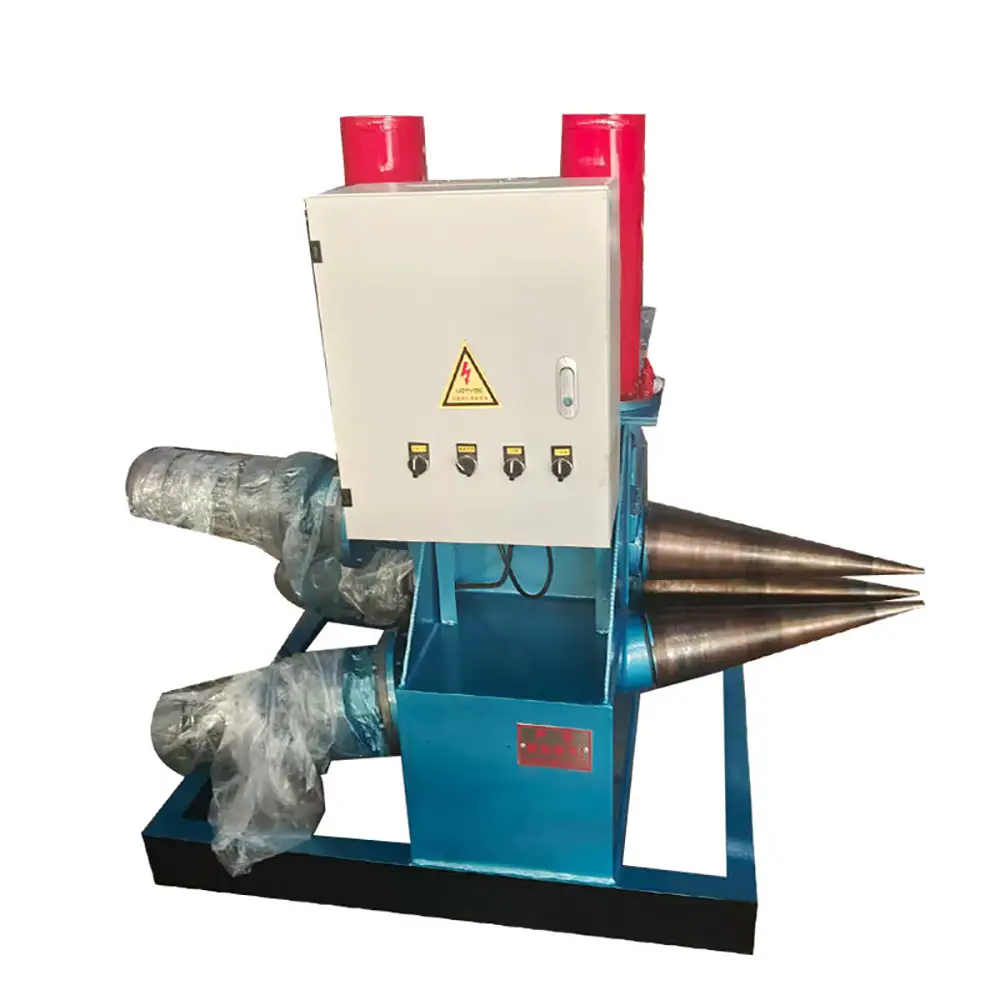
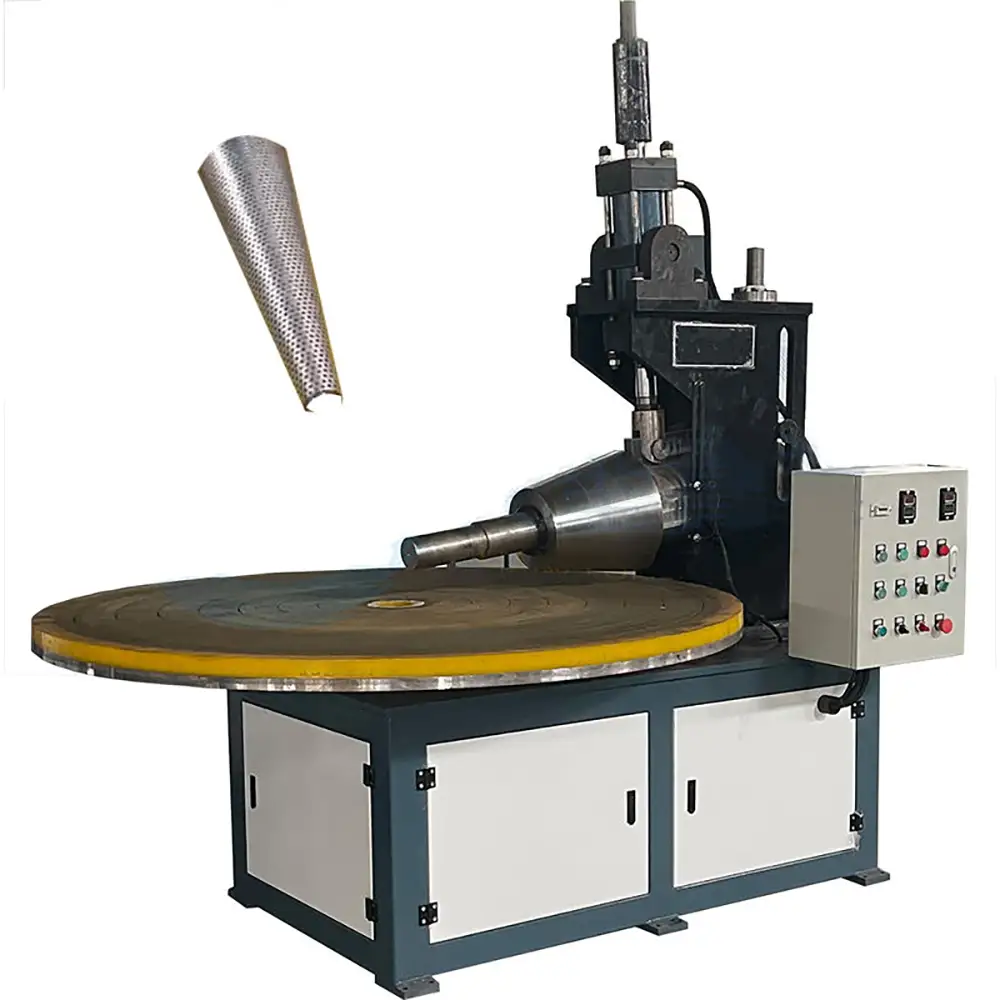
The High Efficiency Cone Rolling Machine for High Volume Cone Forming is designed for industrial manufacturers that require a reliable and repeatable solution for producing conical and tapered metal components. With a focus on production efficiency, controlled forming, and repeatable operation, this type of cone rolling equipment is suitable for fabrication companies producing large quantities of cones, conical shells, reducers, hoppers, funnels, transition sections, and other tapered metal components.
Cone forming is more demanding than conventional cylindrical plate rolling because the workpiece has different diameters across its width. The forming process must therefore be controlled to produce the required taper while maintaining suitable dimensional accuracy. A dedicated cone rolling machine provides a specialized solution for manufacturers that regularly produce conical components and need a production process that can be repeated across multiple workpieces.
Depending on the machine configuration, hydraulic drive systems, CNC or digitally assisted controls, adjustable forming parameters, and other production-oriented features can be incorporated to support different manufacturing requirements.
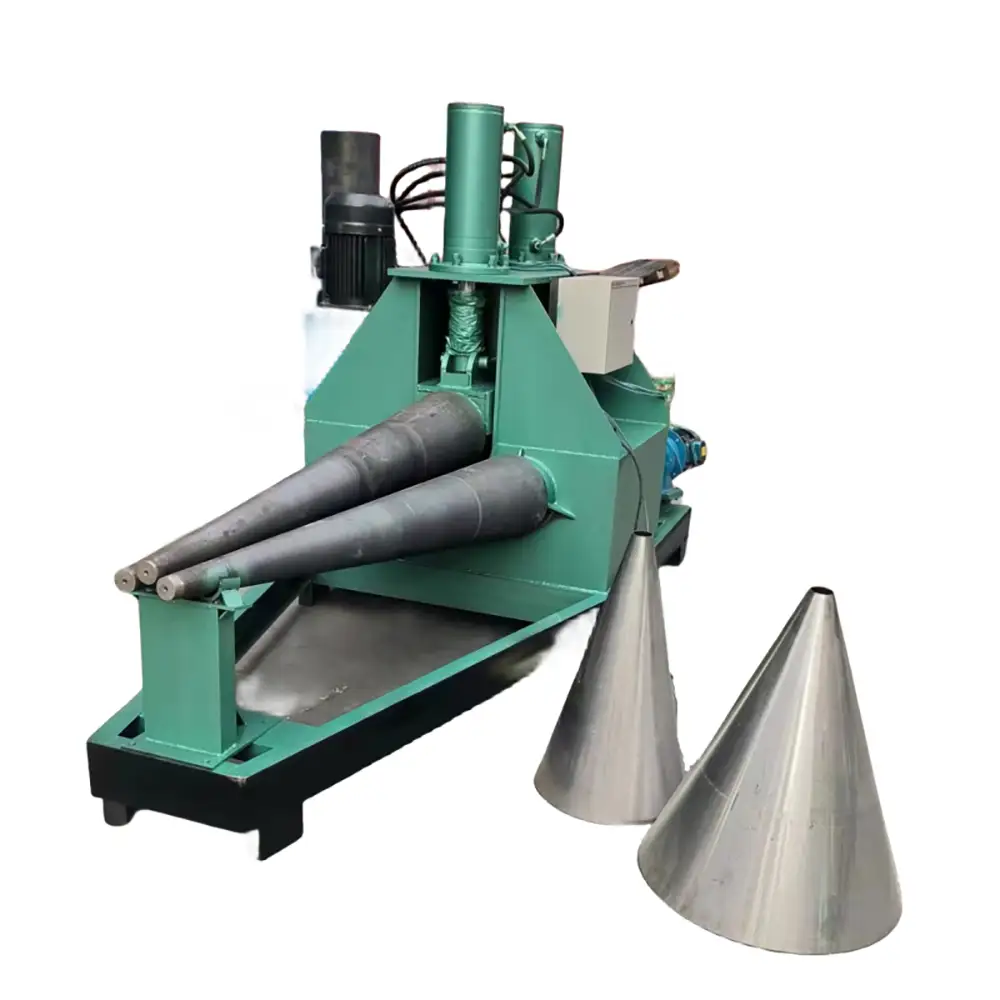
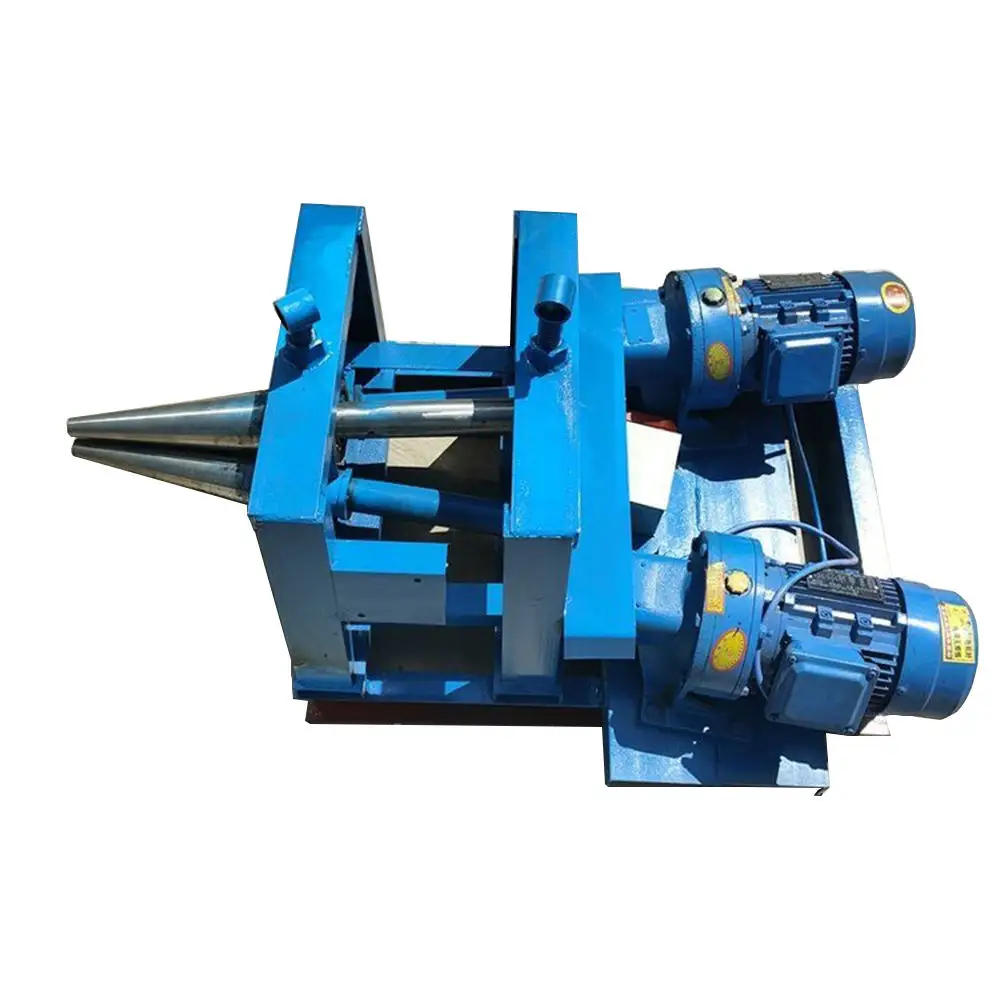
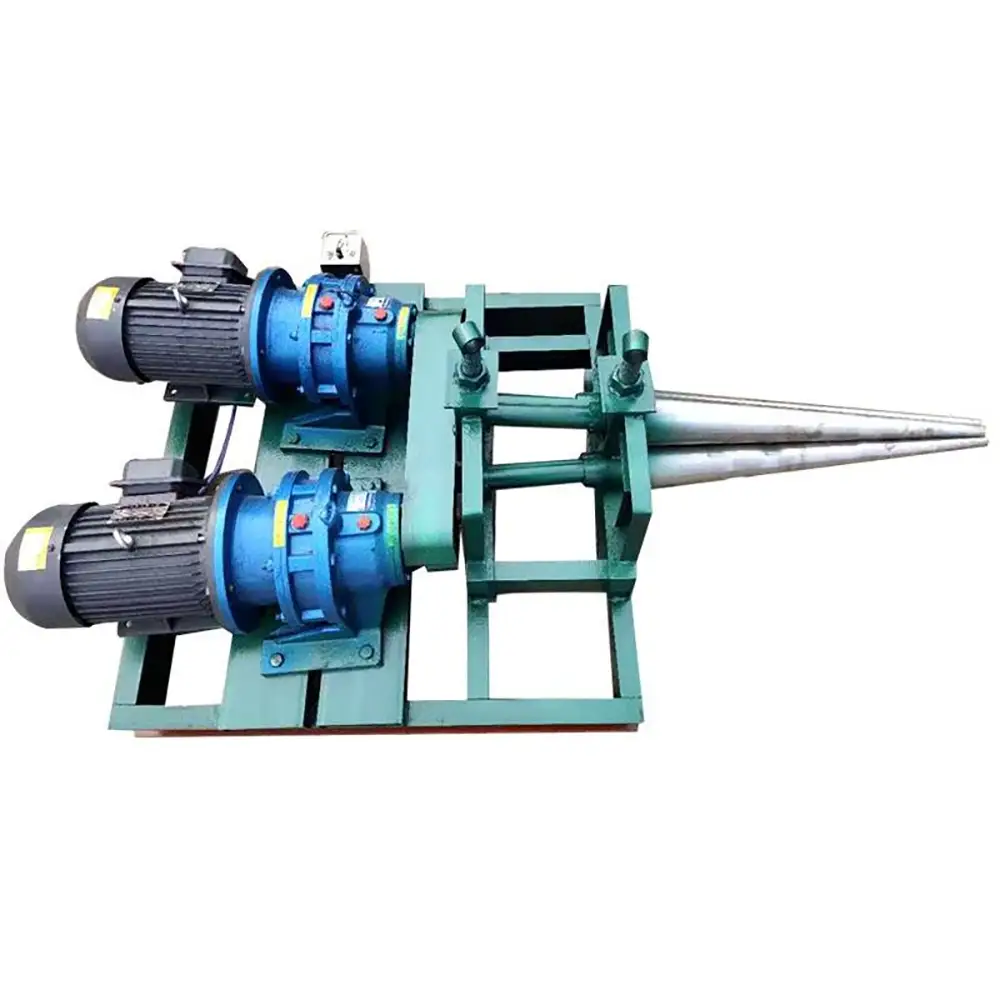
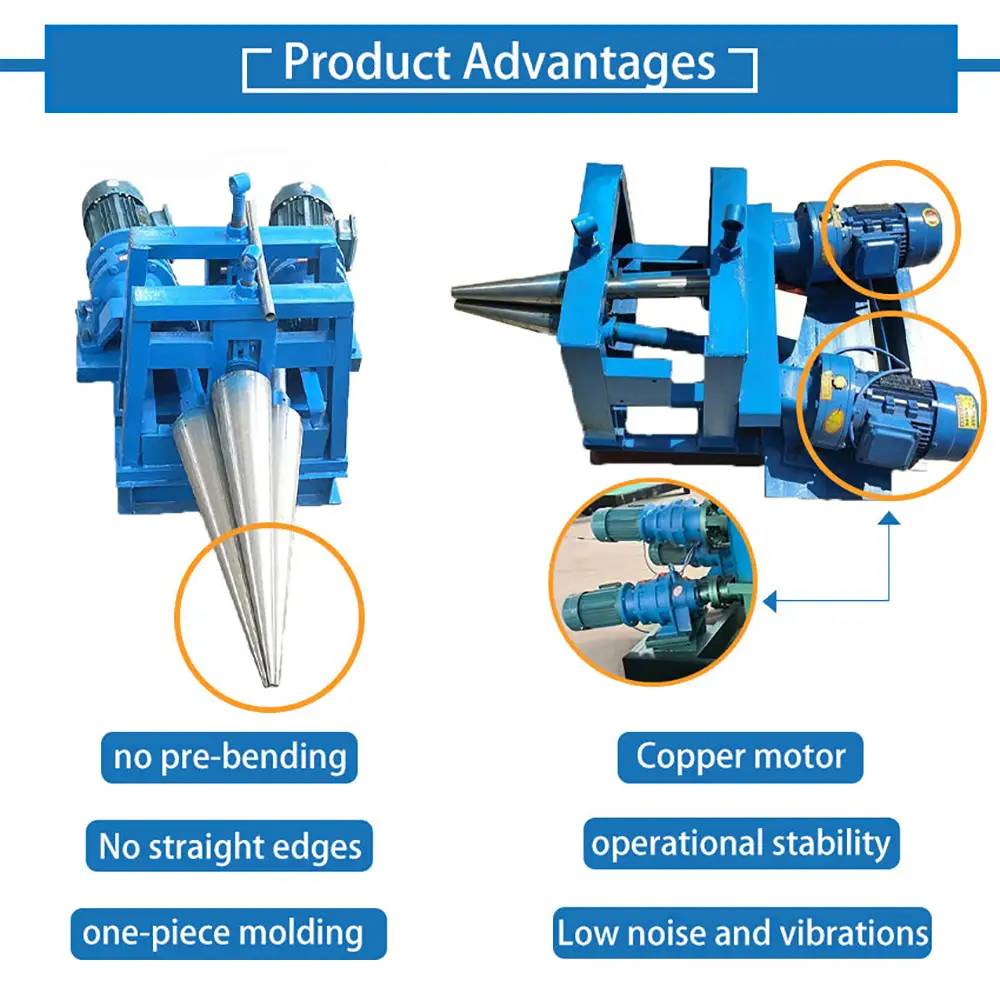
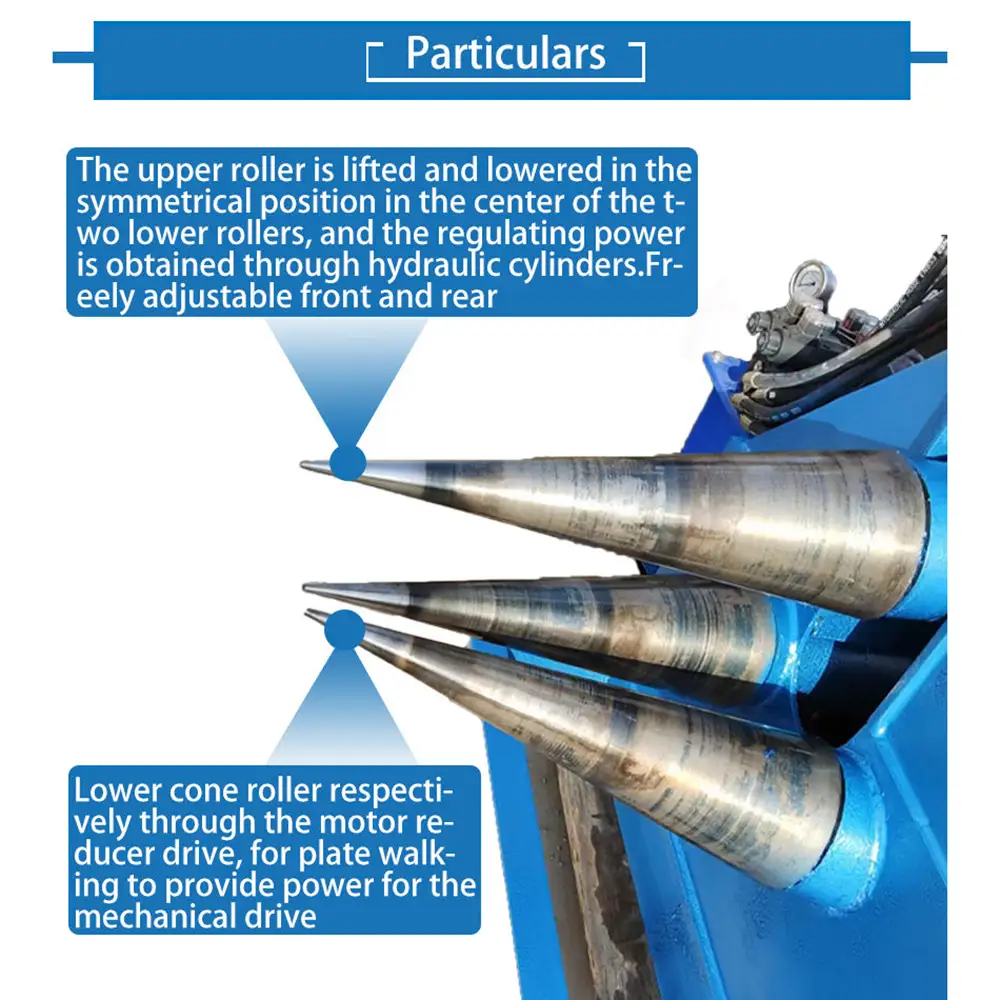
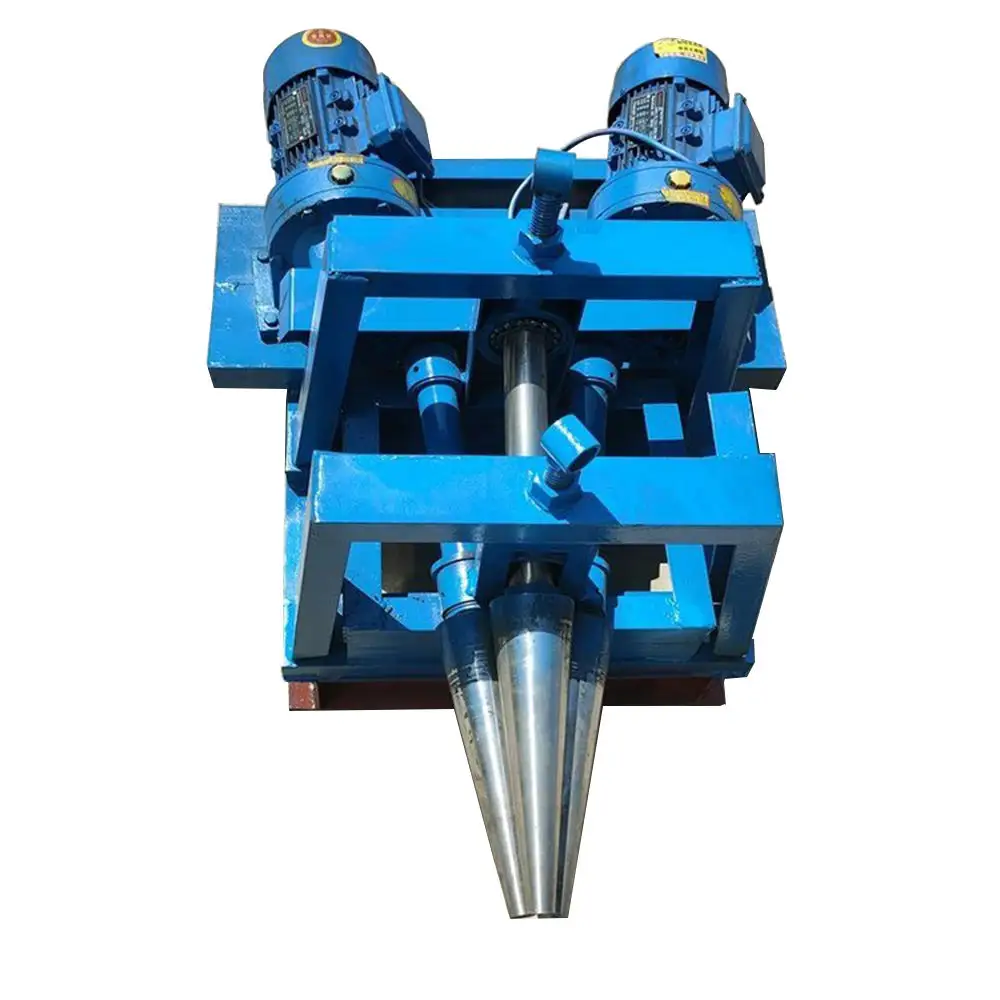
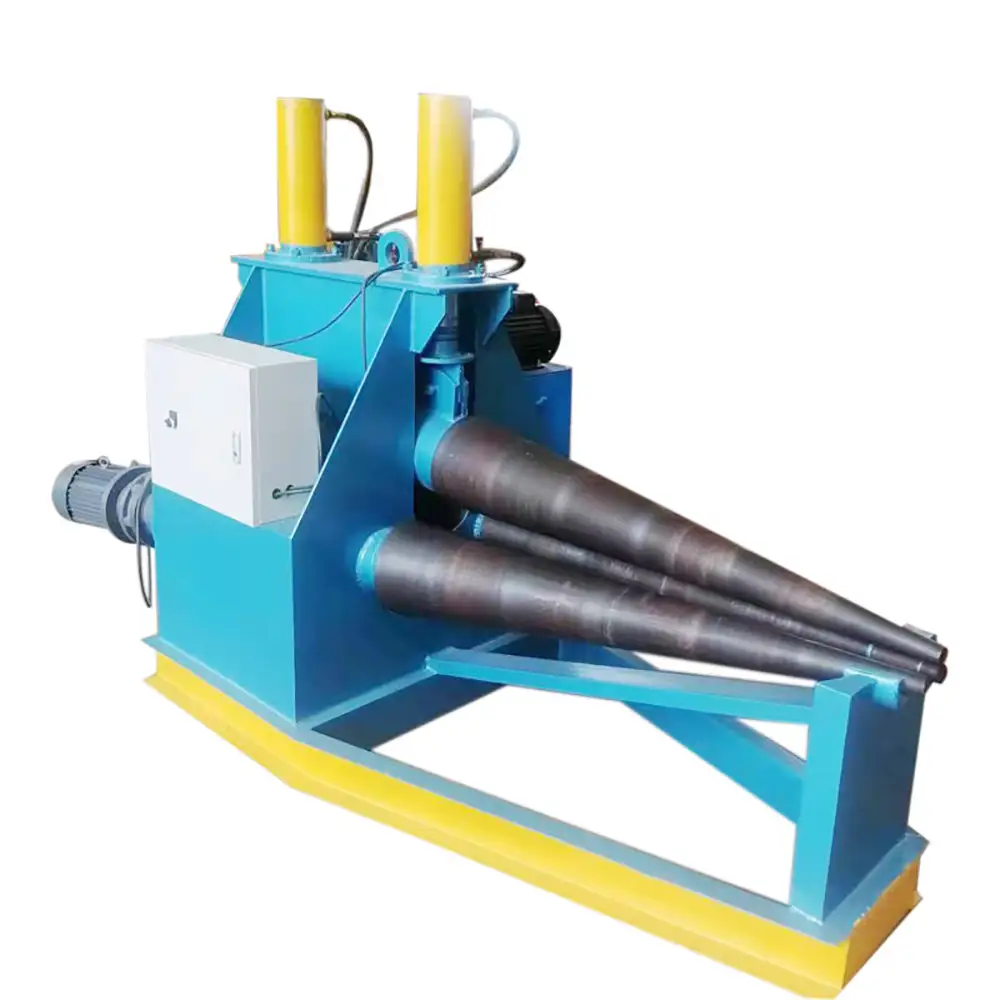
The plate rolling machine is a hydraulic three-roller cone plate rolling machine. The upper roller moves up and down at the symmetrical position in the center of the two bottom rollers, and adjustment power is obtained through hydraulic cylinder, and front and rear parts can be adjusted freely to make cones of different sizes. The bottom tapered rollers are respectively driven by a motor reducer (or driven by tow motors) to provide power for the sheet metal to run. The machine is electric rolling and hydraulic pressing.
|
Model |
3*500 |
4*1000 |
|
Roller big head diameter |
170mm |
220mm |
|
Roller small head diameter |
20 |
52 |
|
Roller length |
500mm |
1000mm |
|
Motor power |
3*750W |
3*1000w |
|
Oil station power |
3kw |
3kw |
|
Cylinder diameter |
110mm |
140mm |
|
Processing range |
Processable plate thickness stainless steel 2mm, Q235 plate 3mm |
High-frequency quenching treatment of roller
Machinable plate thickness stainless steel 3mm, Q235 plate 4mm |
|
Size |
1900x1500x1520mm |
2600x1200x1500 |
|
weight |
800kg |
1300kg |
High Volume Cone Forming
High-volume cone forming requires more than simply bending a single plate into a cone. Production environments need consistent forming procedures, efficient material handling, repeatable machine settings, and a workflow that can support multiple workpieces.
A dedicated cone rolling machine can help standardize the forming process. Once the appropriate rolling parameters have been established for a particular material and component design, operators can use a repeatable process for subsequent workpieces.
This can be valuable for manufacturers producing batches of similar cones or companies supplying conical components to multiple industries.
Typical high-volume applications include:
Industrial cones
Hopper sections
Funnel components
Tank cone bottoms
Pipe reducers
Transition sections
Ducting components
Vessel sections
Chute components
Custom tapered structures
Actual production capacity depends on material, dimensions, forming method, operator workflow, machine configuration, and the required finished geometry.
Industrial Cone Rolling Machine
An industrial cone rolling machine is designed for production environments where robust construction and stable forming performance are important.
The machine progressively bends a prepared plate blank through the forming rolls. Depending on the workpiece and machine design, the process may include pre-bending, multi-pass rolling, adjustment, and final forming.
The machine should be selected according to the customer's actual production requirements. Maximum plate thickness alone is not sufficient for determining machine capacity. Material yield strength, working width, cone diameter, cone angle, and forming radius also affect the required forming force.
For high-volume production, selecting a machine that is properly matched to the intended material range can help maintain consistent operation and reduce unnecessary overload.
Hydraulic Cone Rolling Technology
Hydraulic cone rolling machines use hydraulic systems to control forming movements and provide the force required for metal deformation.
Hydraulic operation can be especially useful when processing heavier steel plates or larger industrial components. Controlled movement of the forming rolls allows operators to adjust the forming process according to the workpiece.
The exact hydraulic configuration depends on the machine model and required capacity. Larger machines may require greater hydraulic capacity and stronger structural components than equipment designed for light sheet metal applications.
Hydraulic systems should be maintained according to the manufacturer's recommendations, including regular inspection of hydraulic oil, hoses, fittings, cylinders, and related components.
CNC Cone Forming
For production environments requiring repeatability, CNC or digitally assisted control can provide additional process control depending on the machine configuration.
Digital control can help operators manage selected forming parameters and repeat production procedures. This can be particularly useful when manufacturing batches of similar components.
However, CNC control does not eliminate the need for correct material preparation and process setup. Plate development, material properties, springback, cone geometry, and forming passes still influence the final result.
Automation should therefore be selected according to the production process rather than simply based on the desired control system.
Steel Cone Forming
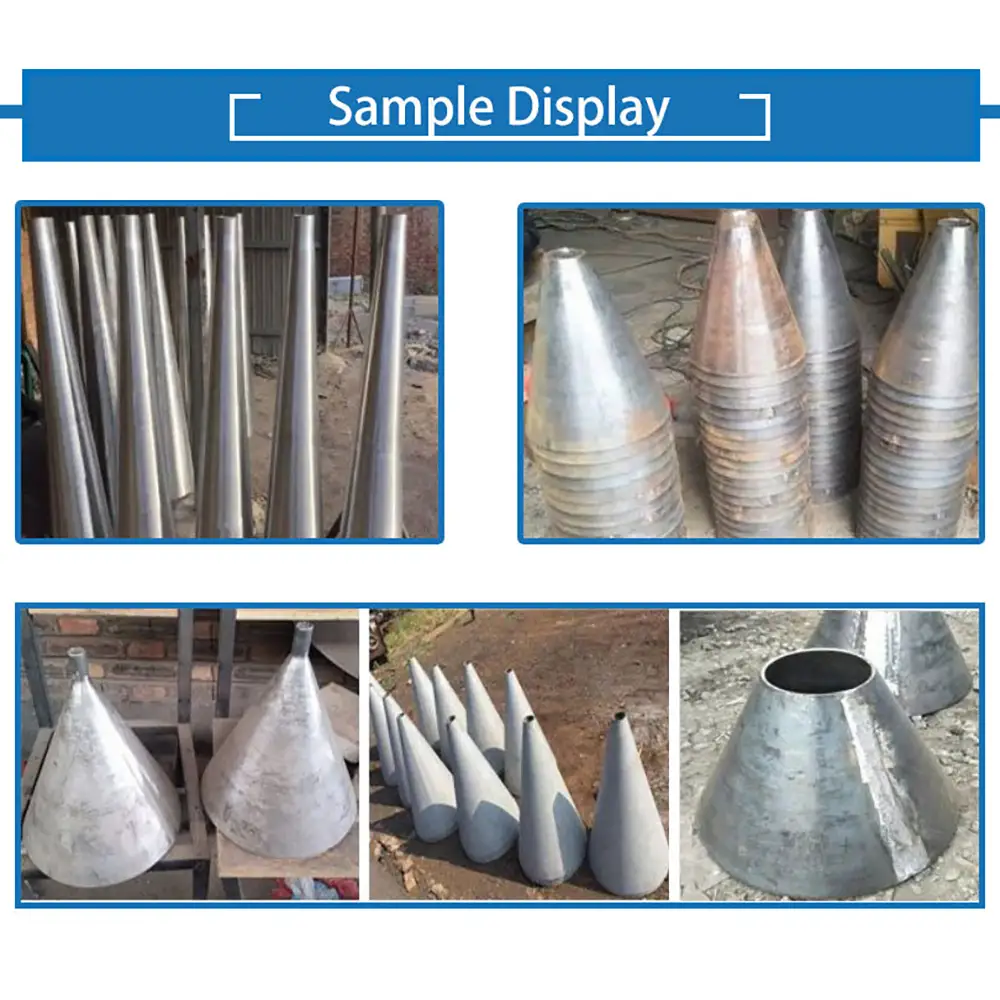
Steel is one of the most common materials used for industrial cone fabrication. Carbon steel and mild steel can be formed into conical sections for tanks, ducts, hoppers, reducers, machinery components, and structural assemblies.
The required machine capacity depends on the steel grade, thickness, width, cone dimensions, and forming radius.
For high-strength steel or thicker plate, greater forming force may be required. The manufacturer should evaluate the actual material specifications before recommending a machine.
Stainless Steel Cone Rolling
Stainless steel cones are widely used in industries where corrosion resistance, cleanliness, and durability are important.
Applications may include food processing equipment, chemical processing machinery, pharmaceutical equipment, water treatment systems, storage tanks, and industrial vessels.
When forming stainless steel, manufacturers may use appropriate roll surfaces and handling procedures to reduce unnecessary surface marking. Different stainless steel grades can also have different forming characteristics, so the material grade should be included in the technical requirements.
Aluminum Cone Forming
Aluminum is another material suitable for certain cone forming applications. Because aluminum alloys have different mechanical properties from steel, forming parameters should be selected accordingly.
Aluminum cone components can be used in transportation equipment, ventilation systems, industrial machinery, architectural structures, and lightweight fabricated products.
The machine configuration should be evaluated based on the specific aluminum alloy, thickness, width, cone diameter, and required surface quality.
Production Consistency
High-volume production places particular importance on consistency. A well-configured cone rolling machine can provide a repeatable mechanical forming process for similar workpieces.
Consistent forming can help reduce variations between components and make downstream operations such as welding, trimming, grinding, and assembly easier to manage.
For manufacturers producing multiple cone sizes, the ability to adjust forming parameters can also improve production flexibility. Different components can be processed using appropriate setups without requiring a completely different forming system for every product.
Cone Rolling for Reducers and Transitions
Many industrial systems require tapered transition components between different diameters. Cone rolling equipment can form suitable plate-based reducers and transition sections.
The flat blank is developed according to the required geometry and then progressively rolled into the desired conical form. After rolling, the longitudinal seam can be welded and finished.
These components can be used in ducting, material handling systems, industrial piping assemblies, exhaust systems, tanks, and process equipment.
The cone roller performs the plate-forming stage. Additional welding, machining, inspection, and finishing processes may be required depending on the final component.
Hopper and Funnel Manufacturing
Hoppers and funnels are common applications for conical metal forming equipment. They can be found in agricultural machinery, material handling systems, dust collection equipment, chemical processing equipment, food processing systems, and industrial production lines.
A cone rolling machine can form the tapered shell before subsequent welding and assembly.
For repeated hopper and funnel production, a dedicated machine can help establish a consistent forming process and reduce dependence on manual shaping.
Quality Control
Quality control is important when manufacturing high-volume conical components. The production process should begin with accurate blank development and cutting.
After rolling, manufacturers can inspect important dimensions such as:
Large-end diameter
Small-end diameter
Cone angle
Overall height
Roundness
Edge alignment
Surface condition
The inspection method should correspond to the component's engineering requirements.
For components used in pressure vessels or other regulated equipment, additional inspection and testing may be required according to the applicable standards and customer specifications.
Maintenance and Safety
Regular maintenance helps support reliable long-term machine operation. Hydraulic oil, bearings, rolls, lubrication points, electrical systems, fasteners, and hydraulic connections should be inspected according to the manufacturer's maintenance recommendations.
Operators should verify that the material and dimensions are within the rated machine capacity before starting production.
Safety-oriented features may include emergency-stop systems, guarding, electrical protection, and other equipment depending on the selected configuration. Operators should receive appropriate training and follow the manufacturer's operating procedures and applicable workplace safety requirements.
Custom High Production Solutions
Every high-volume cone production project has different requirements. Machine configuration can therefore be selected according to the actual application.
Customers should provide:
Material type and grade
Maximum plate thickness
Maximum plate width
Minimum cone diameter
Maximum cone diameter
Cone angle
Required forming radius
Daily or monthly production volume
Component drawings or samples
This information helps determine the appropriate machine capacity and automation level.
For distributors, industrial fabricators, and manufacturers, OEM/ODM and Custom & OEM solutions can also be developed around specific production requirements.
Why Choose Us
Designed For Production Efficiency
The equipment is designed to support repeatable cone forming workflows for industrial production.
High Volume Application Support
Suitable configurations can support manufacturers producing batches of similar conical components.
Hydraulic Forming Capability
Hydraulic systems provide controlled forming force for suitable sheet metal and plate applications.
CNC And Digital Options
CNC or digitally assisted controls may be available for applications requiring greater process repeatability.
Wide Material Compatibility
Suitable machine configurations can process carbon steel, stainless steel, aluminum, and other compatible metals.
Flexible Cone Applications
The machine can be used for cones, reducers, hoppers, funnels, transition sections, ducts, tanks, and vessel components.
OEM & Custom Manufacturing
Machine specifications can be customized according to production capacity, component drawings, and technical requirements.
International B2B Support
We provide technical communication, machine configuration assistance, documentation, and export support for international buyers.
FAQs
1. What is a high efficiency cone rolling machine?
It is a specialized metal forming machine designed to efficiently produce conical and tapered components through controlled plate rolling.
2. Is it suitable for high-volume production?
Yes. It can be used for batch and high-volume cone production when the machine capacity, production workflow, and automation level are properly matched to the application.
3. What materials can the machine process?
Depending on configuration, it can process suitable carbon steel, mild steel, stainless steel, aluminum, and other compatible metal plates.
4. Can it form thick steel plate?
Yes, suitable heavy-duty configurations can be designed for thicker steel plate. The required capacity depends on material strength, thickness, width, cone diameter, and forming geometry.
5. Can it produce stainless steel cones?
Yes. Suitable machine configurations can form stainless steel cones. The stainless steel grade and plate dimensions should be specified during machine selection.
6. Can it make reducers?
Yes. Plate-based conical reducers and transition sections are common applications of cone rolling equipment.
7. Can it form hoppers and funnels?
Yes. The machine can form suitable hopper and funnel shells from prepared sheet metal or plate blanks.
8. Is CNC control necessary for high-volume production?
Not necessarily. CNC or digital control can improve process repeatability, but the appropriate automation level depends on the production volume, component variety, operator workflow, and budget.
9. Can the machine make complete pressure vessels?
The cone roller performs the plate-forming stage. Complete pressure vessel manufacturing requires additional processes such as welding, inspection, testing, and compliance procedures where applicable.
10. How can production efficiency be improved?
Efficiency can be improved through correct machine sizing, accurate blank preparation, repeatable forming parameters, optimized material handling, suitable automation, and an organized downstream welding and finishing workflow.
11. What determines cone rolling capacity?
Key factors include maximum plate thickness, working width, material strength, roll diameter, minimum diameter, maximum diameter, cone angle, and forming radius.
12. What information is needed before ordering?
Provide the material grade, maximum thickness, plate width, minimum and maximum cone diameters, cone angle, production volume, and component drawings or samples when available.
Prev:
Upper Roller Mobile Three Roller Cone Rolling Machine Taper Forming Machine
Next:
Cone Roller Hydraulic Cone Rolling Machine Sheet Metal Steel Plate Bending Roller Pre Roll Cones Machine
TAG:
Cone Forming Machine,
Industrial Metal Forming Machine,
Steel Plate Rolling Machine,
Three Roller Plate Rolling Machine,
Automatic Cone Rolling Machine,
Three Roller Cone Rolling Machine,
Industrial Cone Rolling Machine,
Heavy Duty Cone Rolling Machine,
Cone Reducer Forming Machine,
Conical Shell Rolling Machine,
Conical Shell Forming Machine,
Metal Plate Bending Machine,
Hydraulic Plate Rolling Machine,
Stainless Steel Cone Rolling Machine,
Steel Cone Rolling Machine,
Carbon Steel Cone Rolling Machine,
Steel Cone Forming Machine,
Sheet Metal Cone Bending Machine,
Tapered Metal Forming Machine,
Cone Rolling Machine,
Conical Plate Bending Machine,
CNC Cone Rolling Machine,
Metal Cone Rolling Machine,
Metal Cone Forming Machine,
Hydraulic Cone Rolling Machine,
Cone Bending Machine,
Steel Cone Forming Equipment,
Hopper Cone Rolling Machine,
Sheet Metal Cone Forming Machine,
Conical Plate Rolling Machine,
Related Category:
High Volume Cone Forming Machine,Cone Rolling Machine,Cone Forming Machine,Hydraulic Cone Rolling Machine,CNC Cone Rolli China, suppliers, manufacturers, factory, customized, wholesale, quotation, made in China