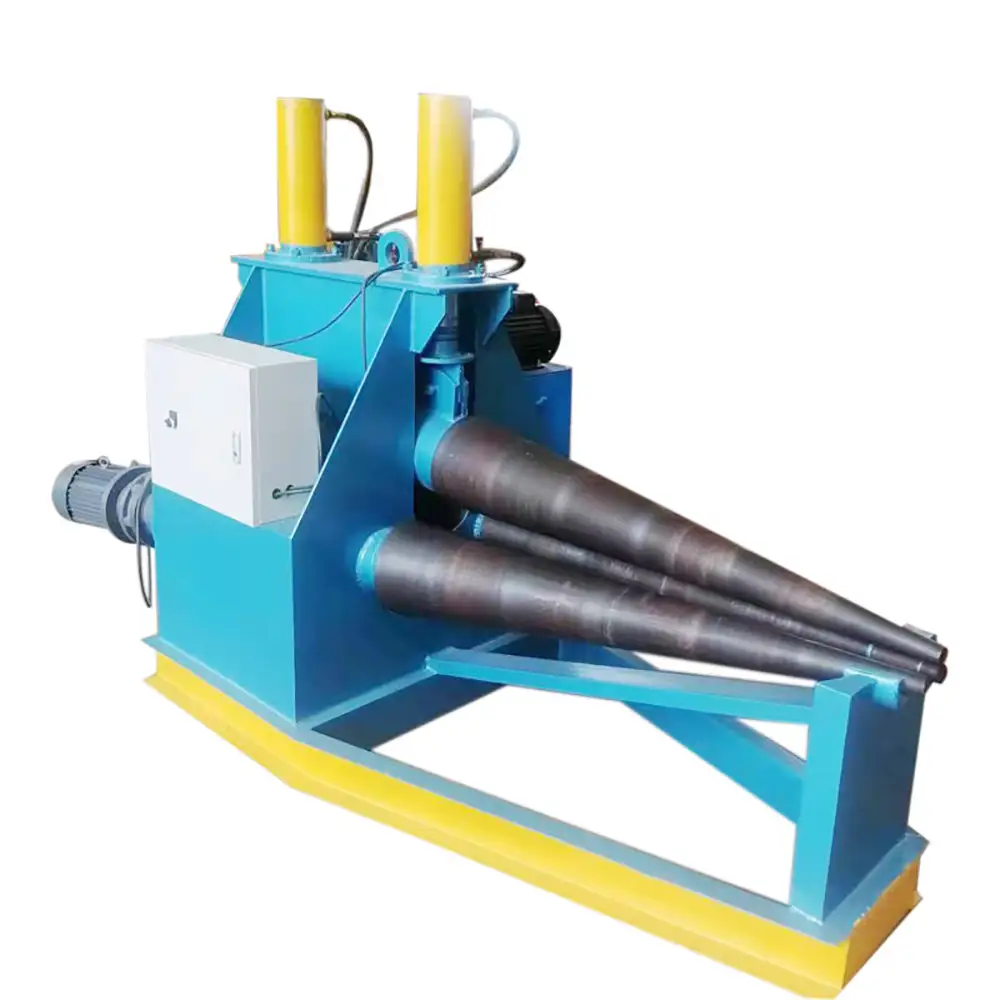
|
Model |
4X1000 |
|
Adjust way |
Hydraulic |
|
Max processing capacity |
Steel 4mm, stainless steel 2mm |
|
Max motor power |
5.5kw |
|
Oil pump motor power |
1.5kw |
|
Roller quantity |
3 solid rollers |
|
Roller data |
Small DIA 30mm,big DIA 200mm |
|
Measure |
3700x1500x1500 |
|
Weight |
2000kg |
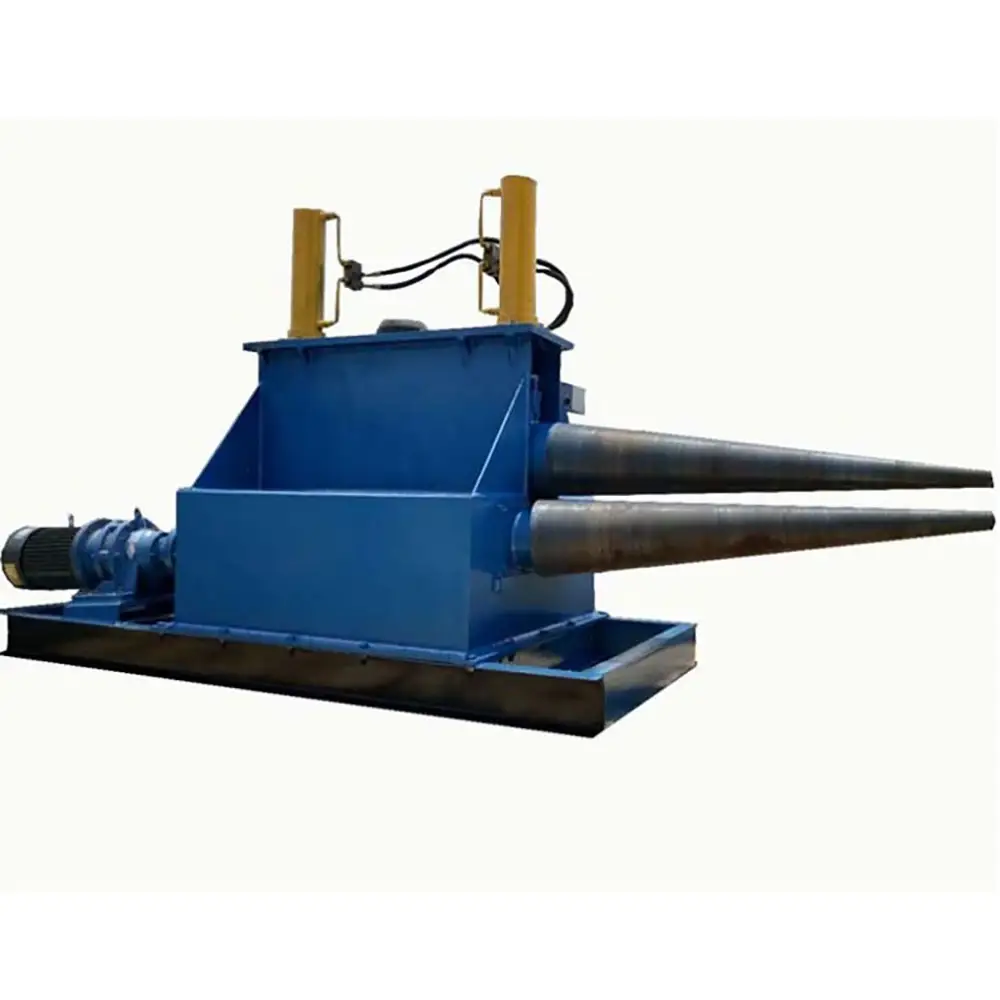
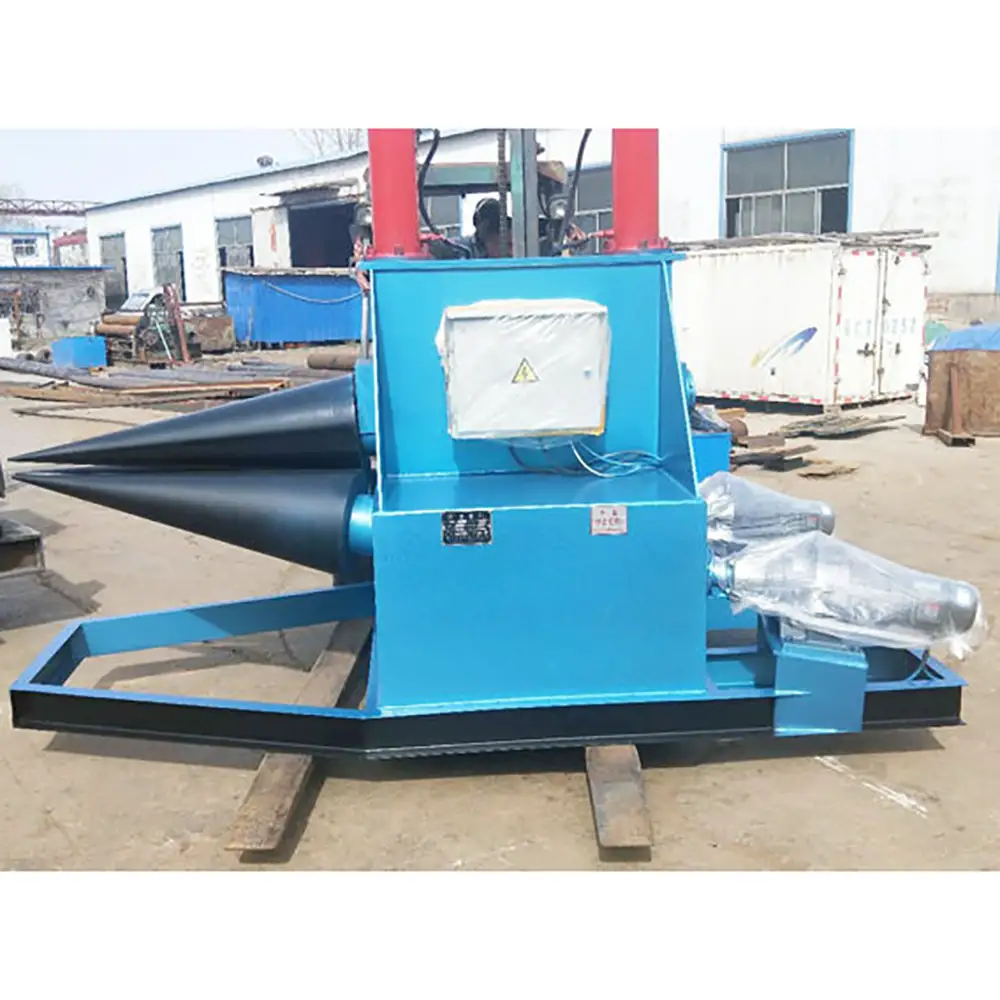
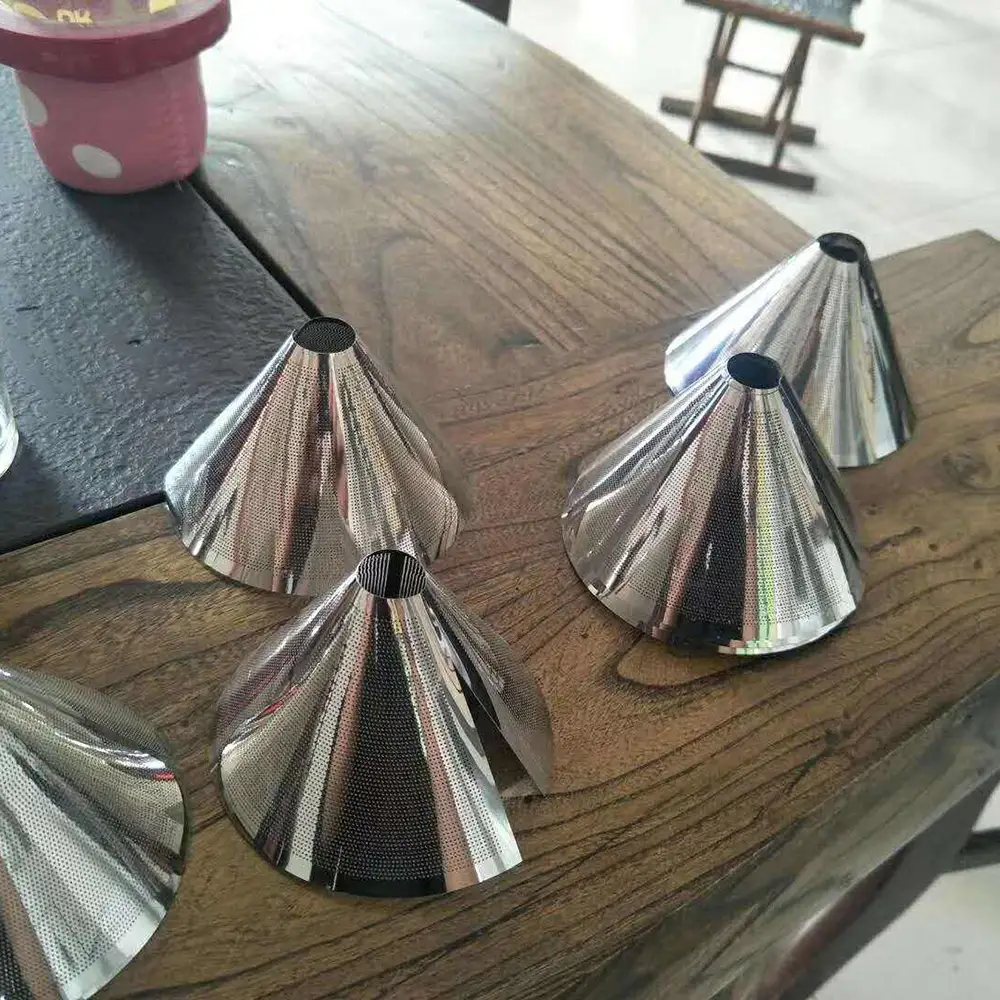
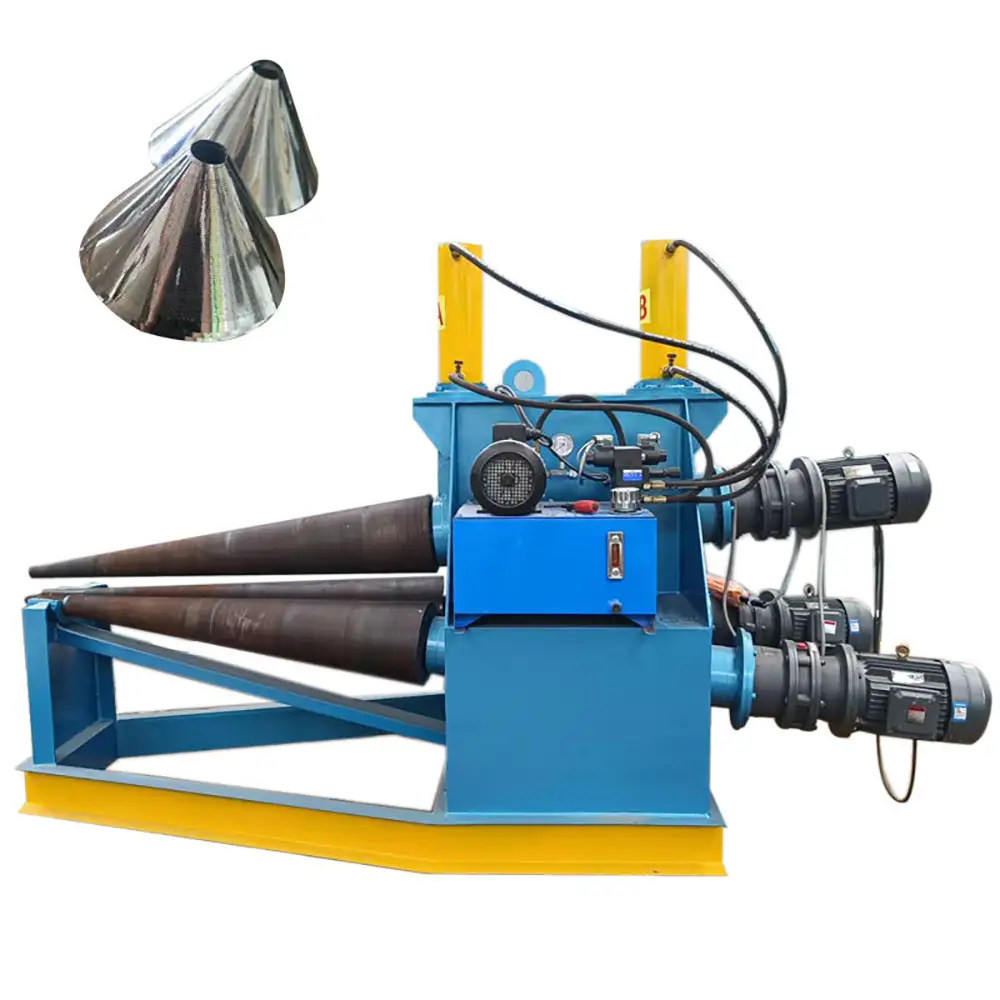
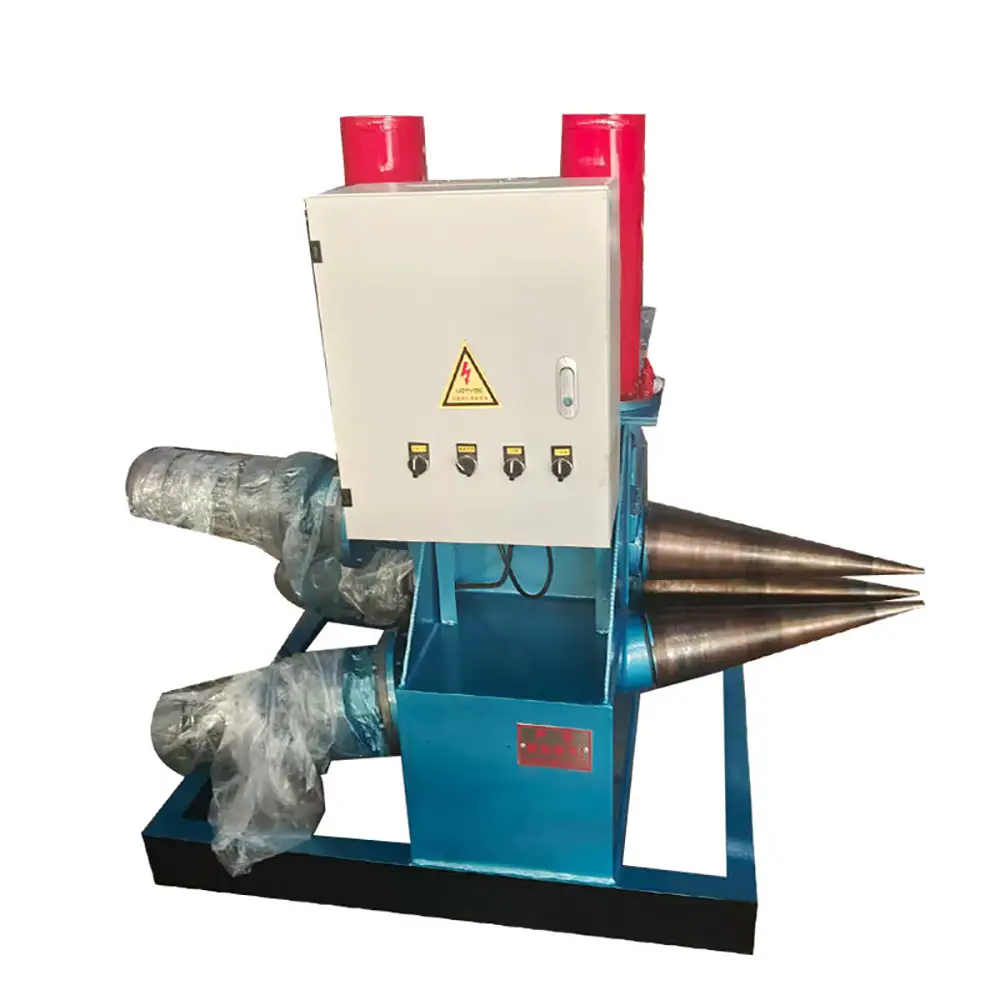
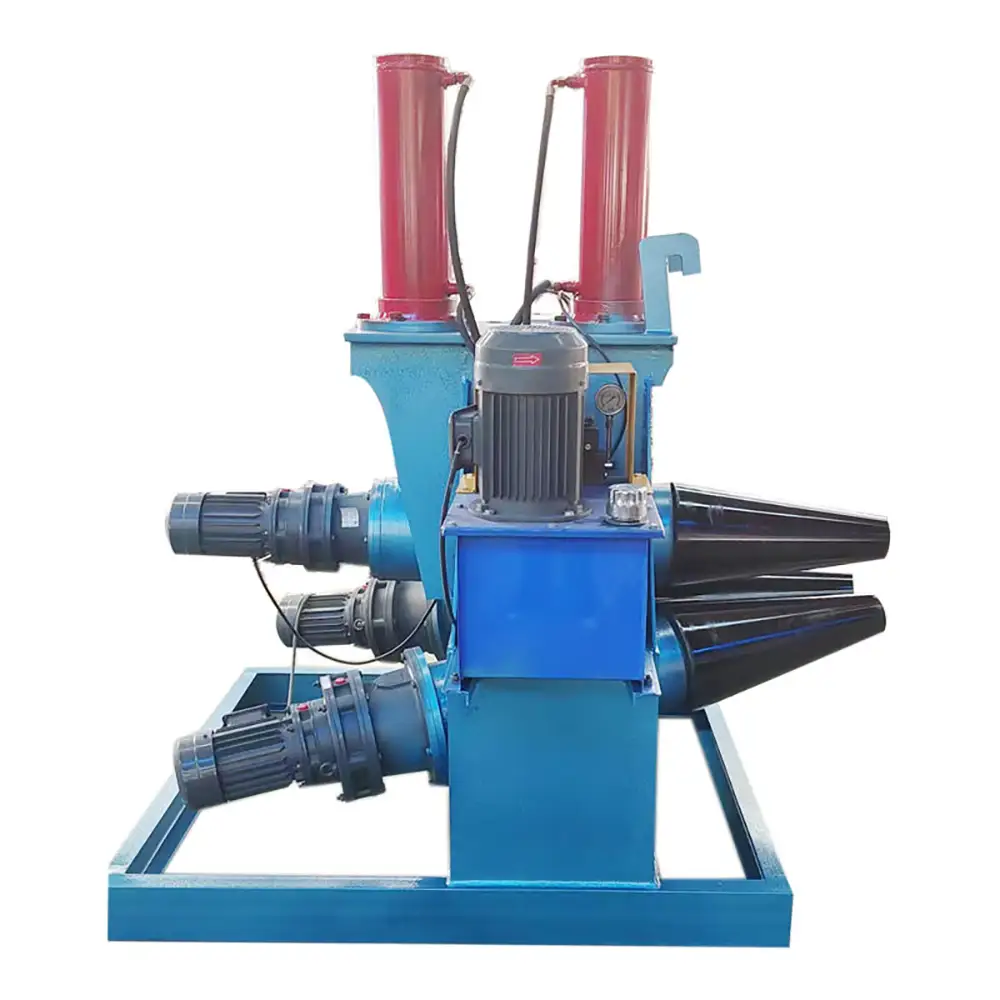
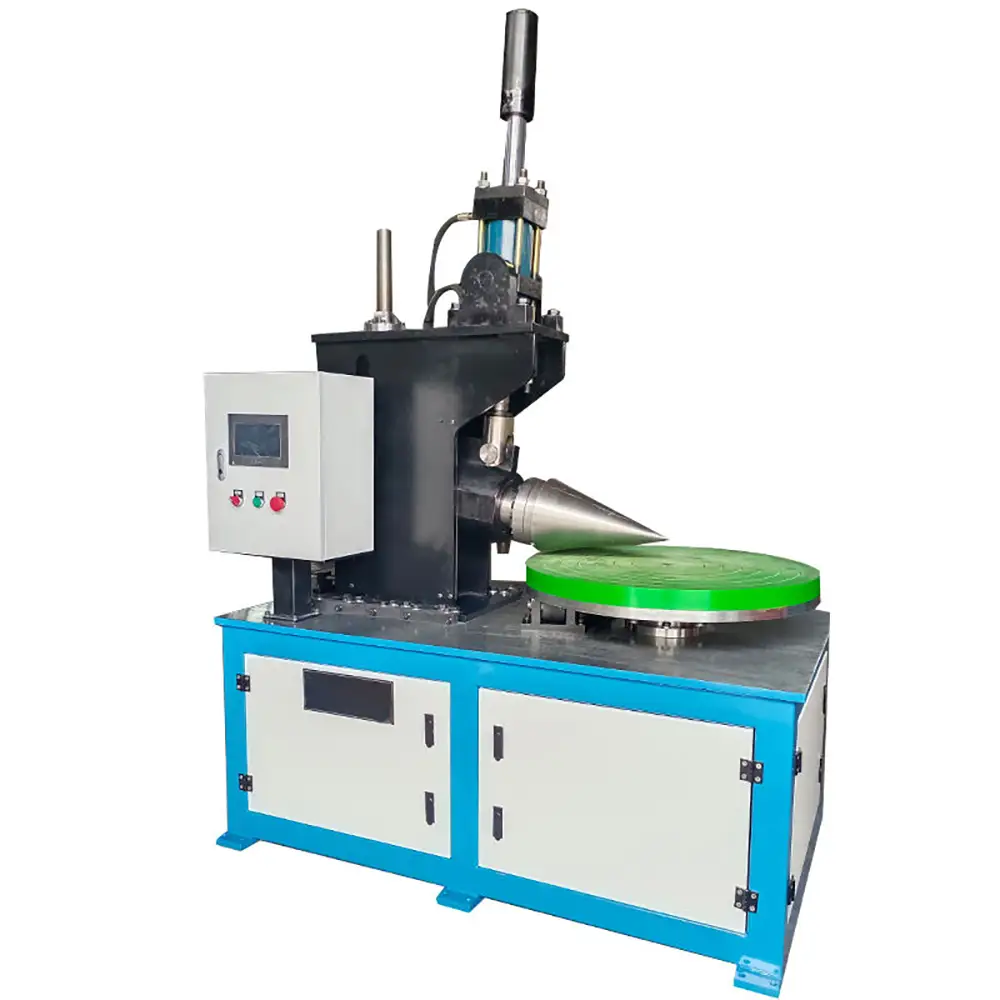
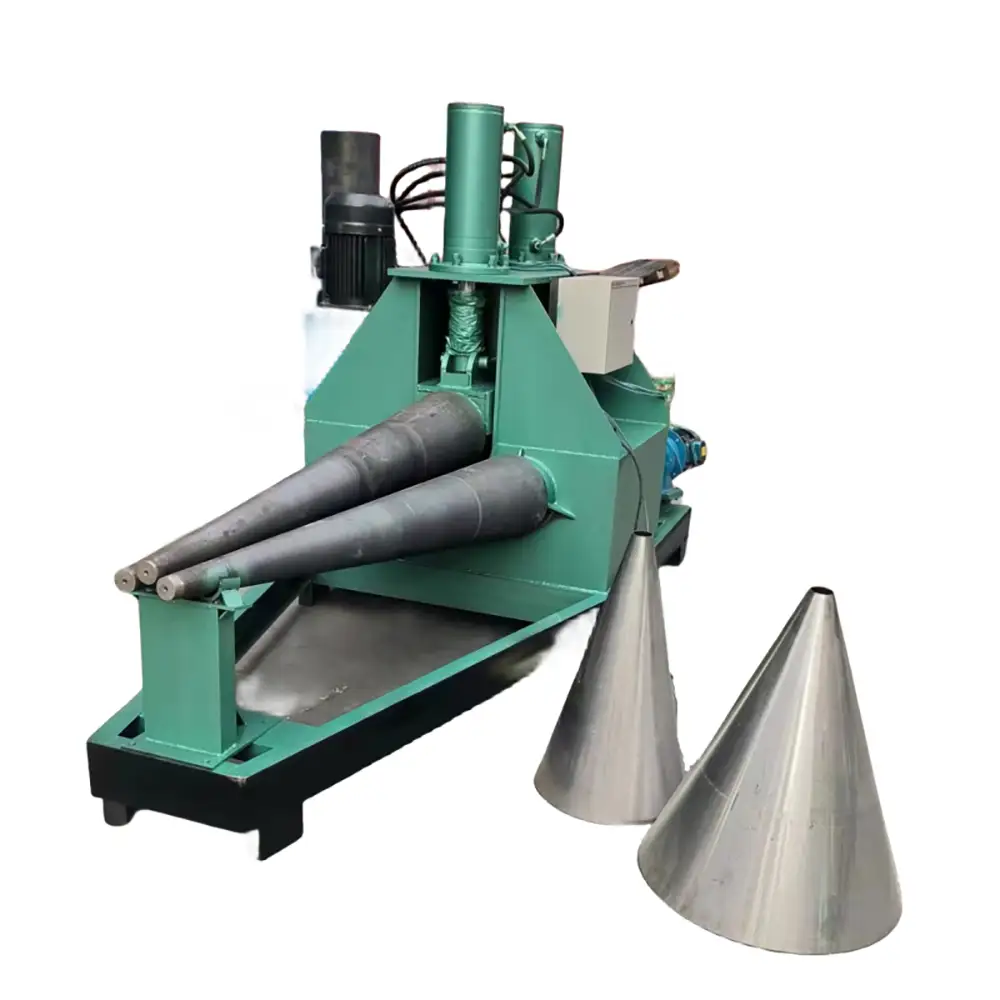
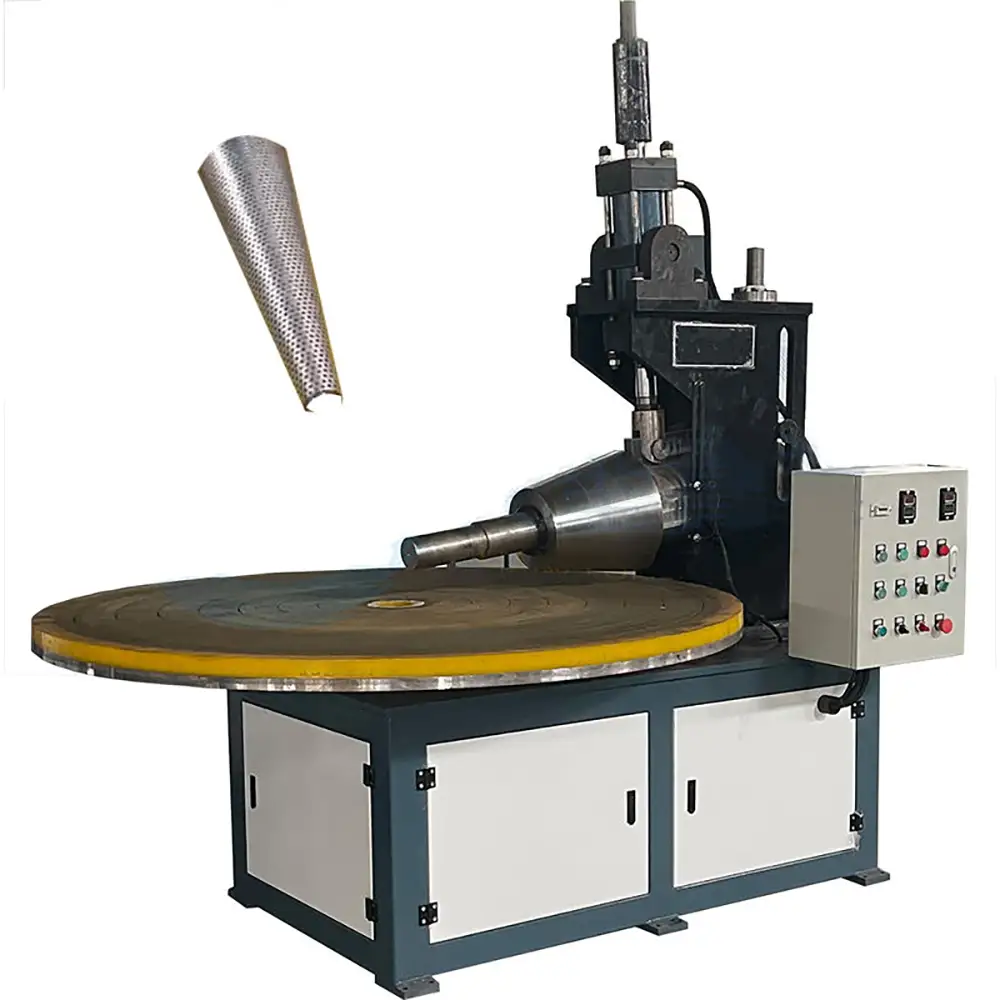
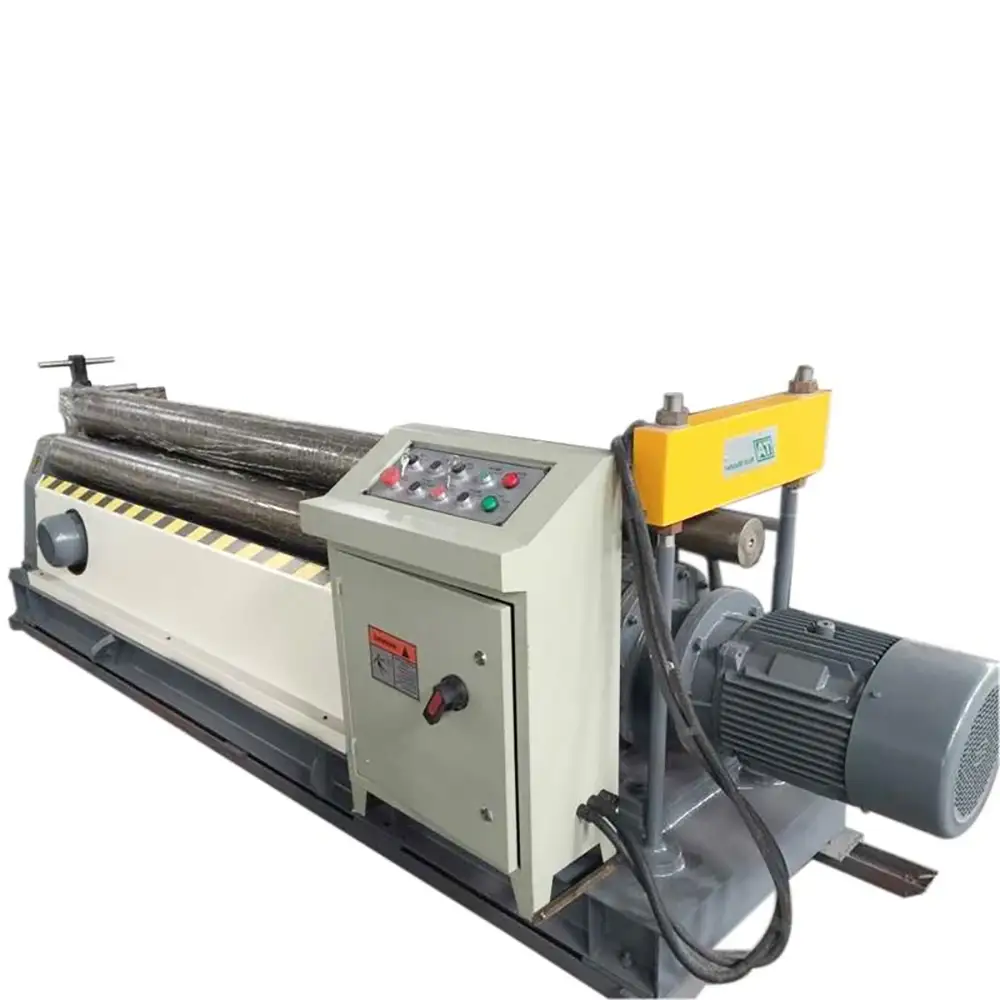
The Hydraulic Three Roller Cone Bending and Forming Machine is a specialized metal forming machine designed to transform flat sheet metal and steel plate into tapered,conical,and curved components. Using a three-roller configuration with hydraulic adjustment,the machine provides a flexible solution for manufacturers that need to produce cones,transition sections,pipe reducers,hoppers,and other custom metal shapes.
Unlike standard cylindrical plate rolling,cone forming requires the machine to accommodate different circumferential lengths across the workpiece. The large end and small end of a cone have different radii,so the roller arrangement must be adjusted to create the required taper.
The hydraulic three-roller system provides controlled roller movement and allows progressive forming. Depending on the machine model and configuration,it can process carbon steel,stainless steel,aluminum,and other suitable metal materials.
Hydraulic Three Roller Cone Bending
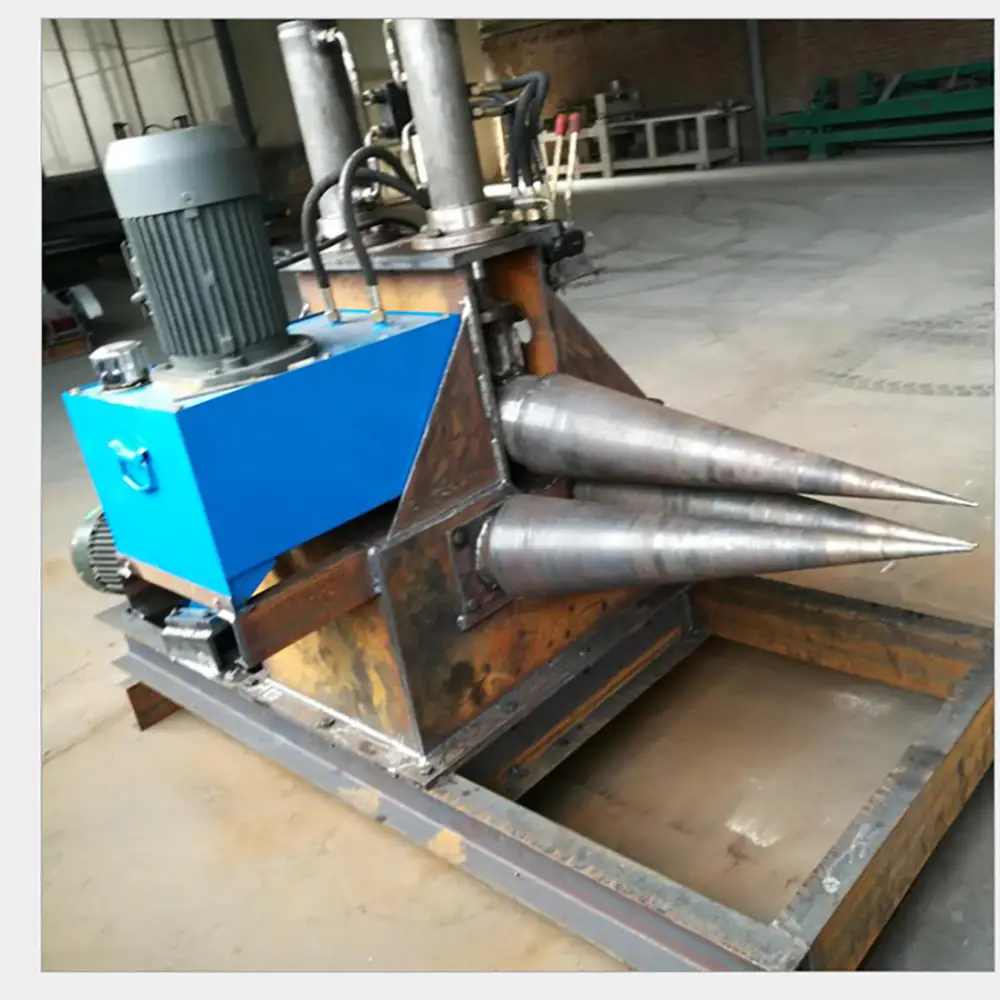
The Hydraulic Three Roller Cone Bending Machine uses three forming rollers to progressively bend a prepared metal blank. Hydraulic power assists roller positioning and forming operations,which can be particularly useful when processing heavier plate or when repeated production requires convenient setup.
The actual capacity of the machine depends on material strength,plate thickness,plate width,roller diameter,working length,cone diameter,and cone angle.
Before selecting a machine,the customer should provide detailed information about the intended workpiece. Nominal plate thickness alone is not enough to determine the correct machine capacity.
Important parameters include:
Maximum plate thickness
Maximum plate width
Material type
Material yield strength
Maximum cone diameter
Minimum cone diameter
Cone angle
Cone height
Required rolling radius
Production volume
Three Roller Cone Forming Process
Cone forming normally begins with a flat blank cut according to the developed geometry of the required cone. Accurate blank preparation is important because incorrect dimensions can affect the final cone diameter and angle.
The blank is positioned between the forming rollers. Depending on the machine design and workpiece geometry,pre-bending may be performed before progressive rolling.
The roller positions are adjusted to create the required tapered forming condition. The plate then passes through the machine through a series of controlled passes.
The operator gradually develops the conical shape while monitoring the workpiece. Several passes may be necessary depending on plate thickness,material strength,and cone geometry.
After forming,the cone can be removed for seam welding,trimming,grinding,calibration,and final inspection.
3 Roller Cone Rolling Machine
A 3 Roller Cone Rolling Machine is particularly useful for fabrication shops that produce different sizes of tapered metal components. The three-roller configuration allows the machine to support both cone rolling and other curved forming applications within its rated capacity.
Common products include:
Pipe reducers
Conical hoppers
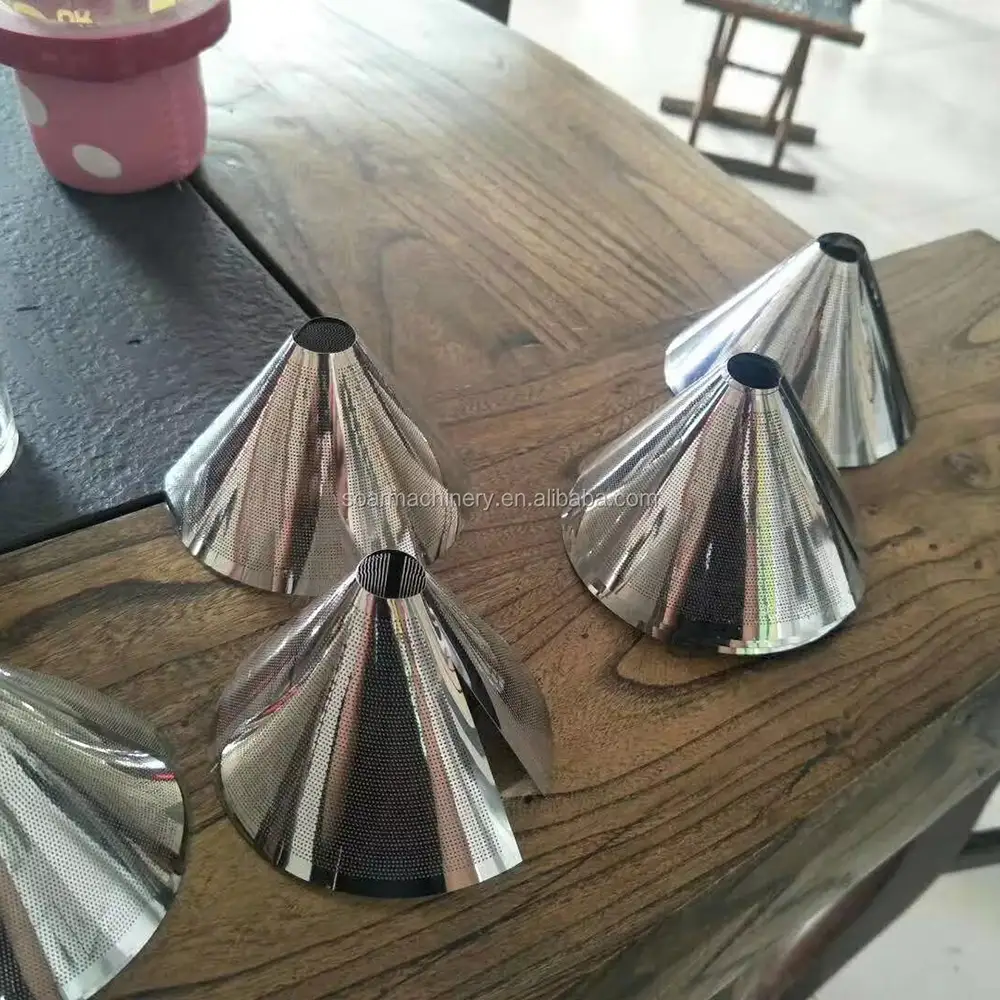
Funnels
Duct transitions
Exhaust cones
Dust collector components
Tank transitions
Vessel sections
Conical roofs
Industrial chutes
Agricultural machinery components
Custom fabricated cones
The machine can therefore provide more flexibility than equipment designed exclusively for one cone size or geometry.
Hydraulic Roller Adjustment
Hydraulic adjustment is an important feature for industrial plate forming. The hydraulic system can provide powered movement of the forming rollers,helping operators position the machine according to the required forming condition.
For heavy steel plate,hydraulic adjustment can reduce the effort required for roller positioning. It can also support more consistent setup when the same or similar components are produced repeatedly.
The hydraulic system does not necessarily mean that the entire forming process is fully automatic. Depending on the selected configuration,the machine may use manual controls,hydraulic controls,programmable positioning,or CNC-assisted operation.
Customers should select the control system according to production volume,product variety,and required process consistency.
Steel Plate and Sheet Metal Cone Bending
The machine can be configured for a variety of metal materials. Common applications include carbon steel,mild steel,stainless steel,and aluminum.
Carbon steel is widely used for general industrial fabrication and structural components. Stainless steel is often selected for applications where corrosion resistance,cleanability,or appearance is important.
Aluminum is lightweight and can be used for applications where reducing component weight is beneficial. However,aluminum forming conditions can differ from steel because of its material properties.
For high-strength steel or thicker plate,the machine must be appropriately sized to provide sufficient forming force.
Pipe Reducer Manufacturing
One important application is the production of tapered blanks for pipe reducers. Reducers are used to connect piping sections with different diameters.
The flat reducer blank is first developed and cut to the required dimensions. It is then formed into a tapered section using the cone rolling machine.
After rolling,the seam can be welded and the component can undergo trimming,edge preparation,grinding,or machining as required.
Pipe reducers are commonly used in industrial piping,HVAC systems,water treatment,chemical equipment,energy equipment,and general process systems.
Hopper and Funnel Forming
The machine is also suitable for forming conical hoppers and funnels. These components typically have a larger opening that transitions toward a smaller discharge opening.
Applications include:
Bulk material handling
Grain equipment
Dust collection
Industrial processing
Feed systems
Mining equipment
Agricultural machinery
A properly formed cone provides the basic shell geometry before welding,flanging,assembly,and finishing.
Cone Bending for Industrial Fabrication
Cone bending is used in many fabrication processes where a tapered transition is required. For example,industrial duct systems may require conical transitions between different diameters.
Exhaust systems may use tapered sections to connect different pipe sizes. Tank and vessel manufacturers may require conical roofs or transition sections.
The three-roller hydraulic machine can provide a flexible forming solution for these applications when its capacity matches the actual material and geometry.
Machine Capacity and Selection
Choosing the correct machine requires consideration of the complete forming process. The same machine may have different effective capabilities depending on the material,cone dimensions,and required rolling radius.
Customers should provide:
Material grade
Maximum plate thickness
Minimum plate thickness
Plate width
Large-end cone diameter
Small-end cone diameter
Cone height
Cone angle
Production quantity
Product drawings
These specifications allow the manufacturer to determine an appropriate roller diameter,working length,hydraulic capacity,and machine structure.
Custom and OEM Solutions
Industrial manufacturers may require special working dimensions or control systems. Custom Hydraulic Cone Rolling Machines can be configured according to specific production requirements.
OEM options may include customized working lengths,roller dimensions,hydraulic systems,control cabinets,side supports,and auxiliary equipment.
For manufacturers producing different cone sizes,a flexible machine configuration can help reduce equipment duplication and support multiple products on the same production line.
Quality Control After Forming
Cone rolling is one stage of a complete fabrication process. After forming,the workpiece should be inspected according to the final component requirements.
Typical inspection items include:
Large-end diameter
Small-end diameter
Cone angle
Overall height
Roundness
Edge alignment
Surface condition
Seam fit-up
Depending on the final application,the formed cone may require welding,trimming,grinding,calibration,or additional machining.
Proper blank development,roller setup,and progressive forming can help improve dimensional consistency.
Why Choose Us
Specialized Cone Forming Equipment
Our hydraulic three-roller machines are designed for tapered and conical metal forming applications.
Hydraulic Roller Control
Powered roller adjustment provides convenient control for industrial forming operations.
Three Roller Configuration
The machine can support cone rolling and other curved plate forming applications within its rated capacity.
Multiple Material Options
Suitable configurations are available for carbon steel,stainless steel,aluminum,and other formable metals.
Flexible Applications
Suitable for reducers,hoppers,funnels,duct transitions,tank components,and custom cones.
OEM & Custom Manufacturing
Machine dimensions,roller configuration,hydraulic capacity,and control systems can be customized.
Factory-Direct B2B Supply
We serve manufacturers,fabricators,distributors,and industrial equipment suppliers worldwide.
Technical Support
We provide assistance with machine selection,configuration,forming requirements,and production applications.
FAQs
1. What is a Hydraulic Three Roller Cone Bending Machine?
It is a metal forming machine that uses three rollers and hydraulic adjustment to form flat sheet metal or steel plate into tapered and conical shapes.
2. Can this machine form steel cones?
Yes. When properly configured,it can form carbon steel,mild steel,and other suitable steel plates into conical sections.
3. Can it process stainless steel?
Yes. The machine can be configured for stainless steel when the required forming force and roller specifications are suitable for the material thickness and grade.
4. What is a 3 Roller Cone Rolling Machine used for?
It is used to manufacture pipe reducers,hoppers,funnels,duct transitions,exhaust components,tank sections,and other tapered metal products.
5. Can the machine roll cylindrical plates?
Depending on the configuration,the three-roller machine can also be used for conventional cylindrical plate rolling within its rated capacity.
6. Does the machine use hydraulic adjustment?
Yes. Hydraulic power is used for roller movement and adjustment. The exact hydraulic arrangement depends on the machine configuration.
7. Is the machine fully automatic?
Not necessarily. Hydraulic roller adjustment provides powered positioning,but full automation depends on the selected control system. CNC or programmable control can be specified when required.
8. Can it manufacture pipe reducers?
Yes. It can form the tapered blanks used for pipe reducer fabrication. Welding and finishing are performed after the rolling process.
9. Can it form small cone diameters?
The minimum achievable diameter depends on roller diameter,plate thickness,material properties,and machine design. These details should be confirmed before ordering.
10. Can the machine be customized?
Yes. Custom and OEM configurations can be developed according to material,plate dimensions,cone geometry,production volume,and automation requirements.
11. What information is needed for machine selection?
Provide material type,plate thickness,width,large and small cone diameters,cone angle,cone height,production quantity,and preferably a technical drawing.
12. What processes are required after cone rolling?
Depending on the product,the formed cone may require seam welding,trimming,grinding,calibration,flanging,machining,and final inspection.
Prev:
Tapered Cone Plate Rolling Machine Pre Roll Machine Cone Filling Equipment
Next:
Machine Rolling Cone Hydraulic 3 Roller Plate Bending Machine
TAG:
Cone Forming Machine,
Sheet Metal Rolling Machine,
Steel Plate Rolling Machine,
Three Roller Plate Rolling Machine,
Automatic Cone Rolling Machine,
Three Roller Cone Rolling Machine,
Industrial Cone Rolling Machine,
Industrial Cone Forming Machine,
Heavy Duty Cone Rolling Machine,
Cone Reducer Forming Machine,
Hopper Cone Forming Machine,
Metal Plate Bending Machine,
Hydraulic Plate Rolling Machine,
Steel Cone Rolling Machine,
Steel Cone Forming Machine,
Sheet Metal Cone Bending Machine,
Tapered Metal Forming Machine,
Cone Rolling Machine,
Conical Plate Bending Machine,
CNC Cone Rolling Machine,
Metal Cone Rolling Machine,
Metal Cone Forming Machine,
Hydraulic Cone Rolling Machine,
Cone Bending Machine,
Hopper Cone Rolling Machine,
Sheet Metal Cone Forming Machine,
Reducer Cone Rolling Machine,
Conical Hopper Forming Machine,
Conical Plate Rolling Machine,
Taper Cone Rolling Machine,
Related Category:
Hydraulic Three Roller Cone Bending Machine,Three Roller Cone Forming Machine,Hydraulic Cone Bending Machine China, suppliers, manufacturers, factory, customized, wholesale, quotation, made in China