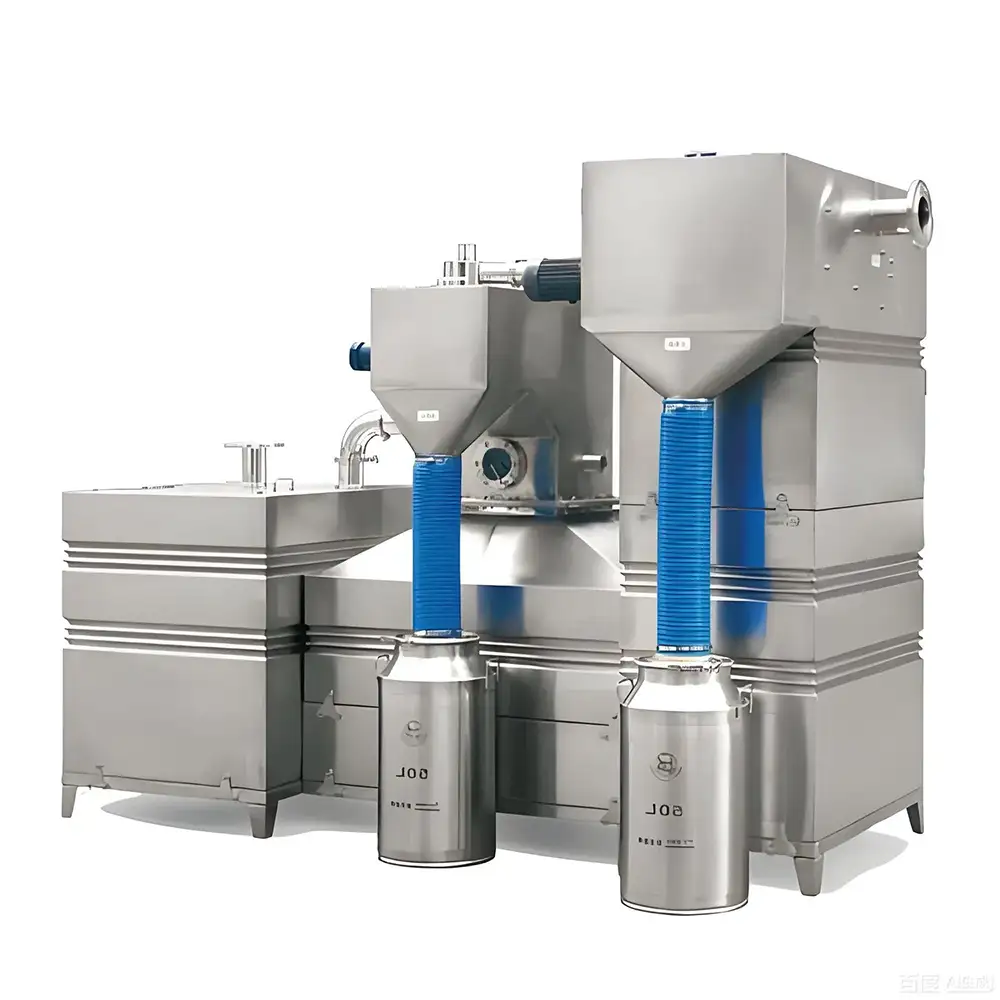
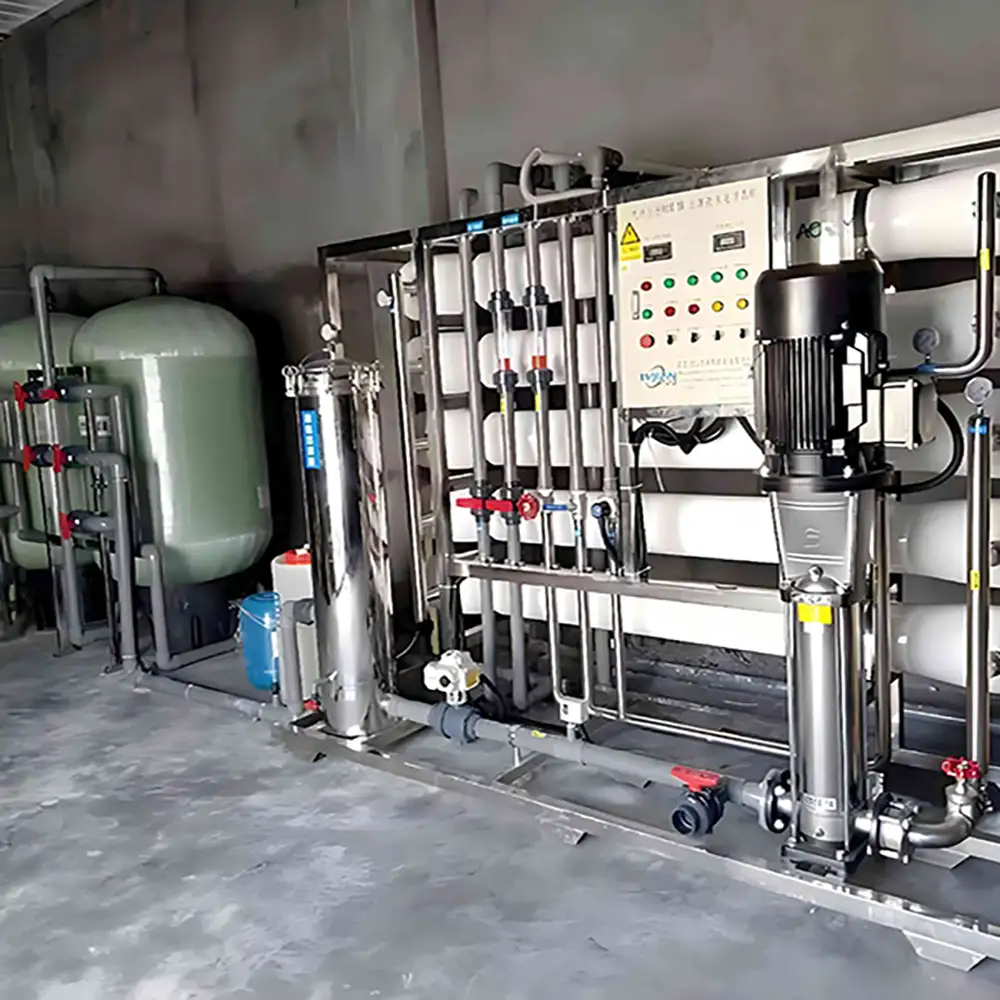
Dosing Device for Accurate Chemical Injection
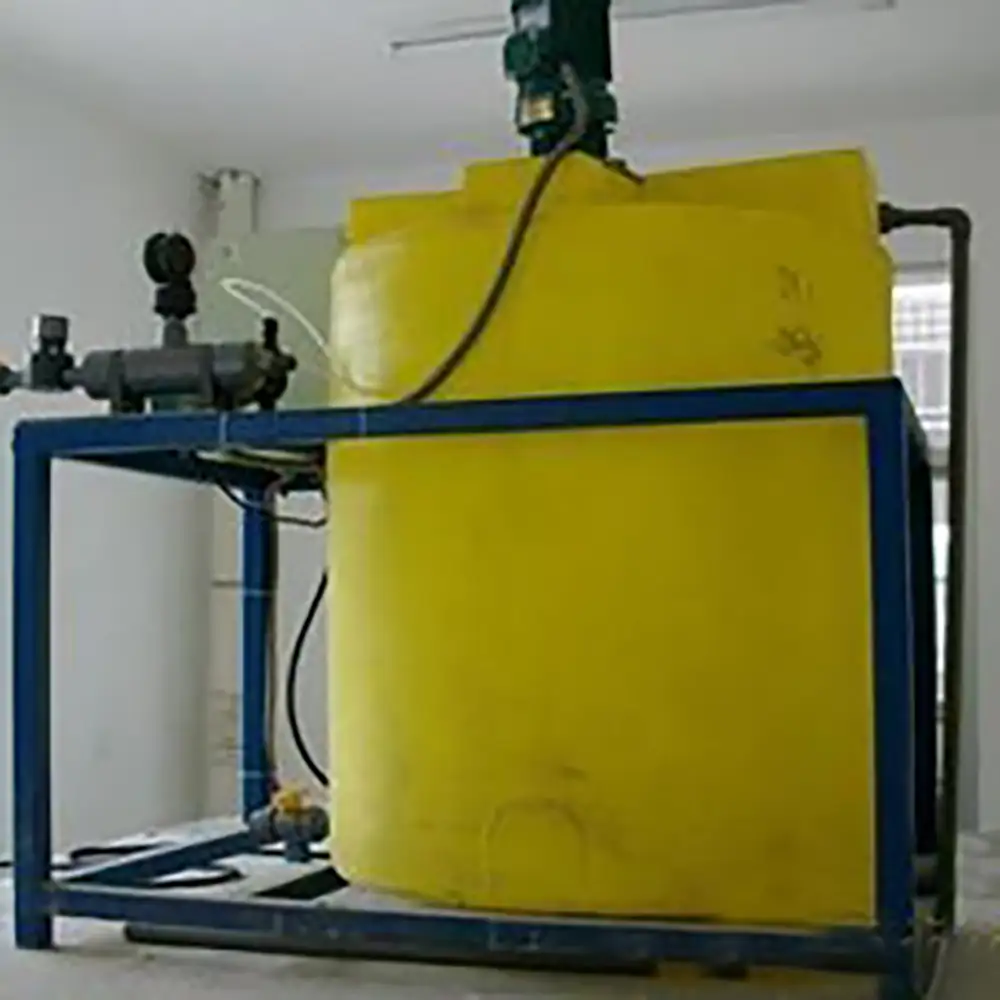
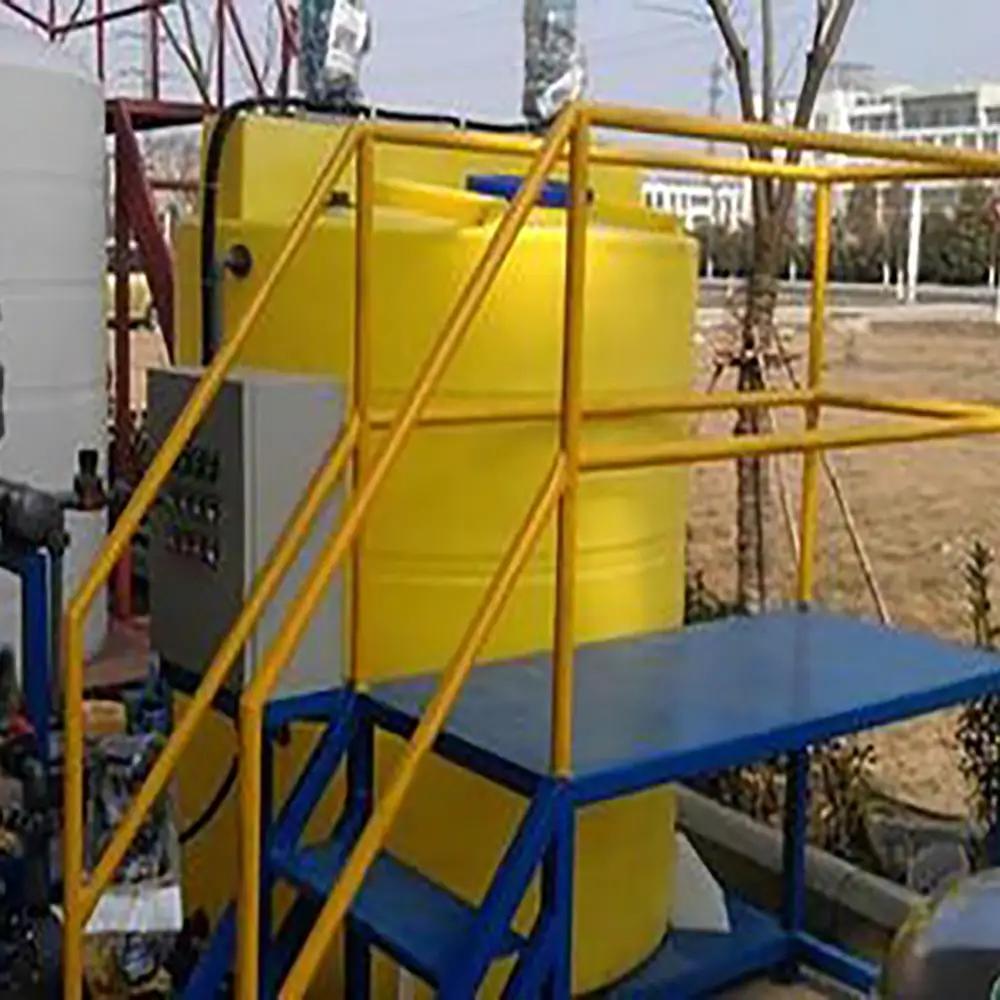
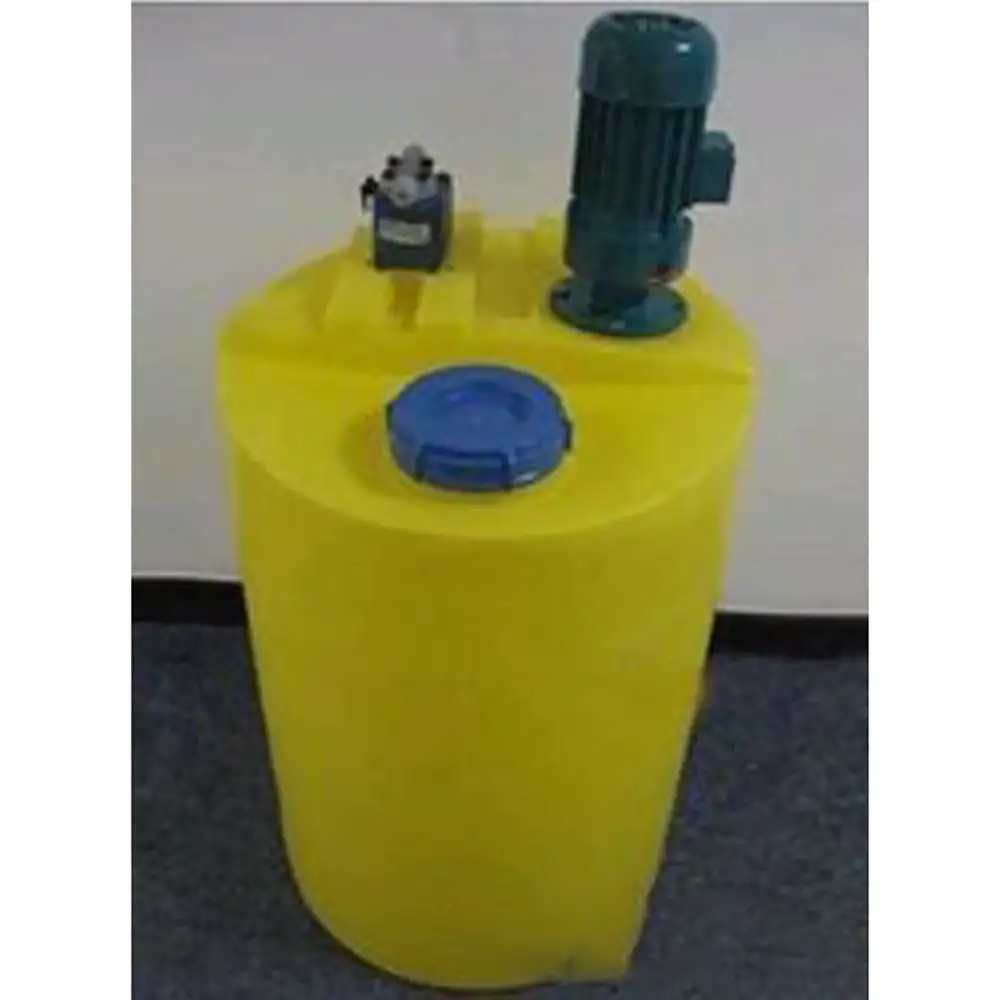
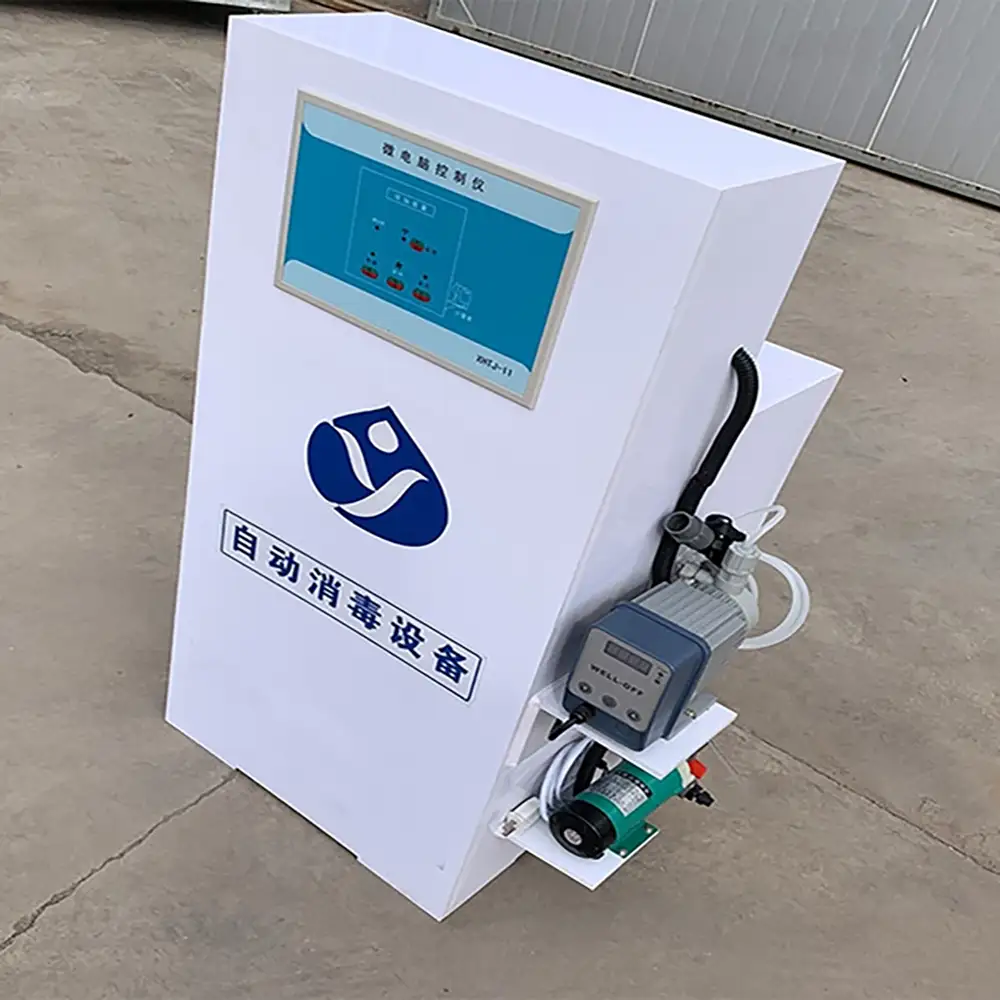
A Dosing Device is a chemical feed and metering solution designed to deliver a controlled quantity of liquid or prepared chemical solution into a water treatment, wastewater treatment or industrial process. Depending on the application, a dosing device can include a metering pump, chemical storage tank, suction assembly, injection point, valves, piping, calibration equipment and automatic controls.
Accurate chemical dosing is an important part of many treatment processes. Chemicals may be required for pH adjustment, coagulation, flocculation, disinfection, oxidation, scale control, corrosion control, membrane pretreatment and sludge conditioning. EPA guidance identifies metering pumps as equipment used for adding polymers and other chemicals, controlling pH and supporting multiple wastewater treatment processes.
A properly selected dosing device helps operators maintain a consistent chemical feed while adapting to changes in water flow, chemical concentration and process demand.
What Is a Chemical Dosing Device?
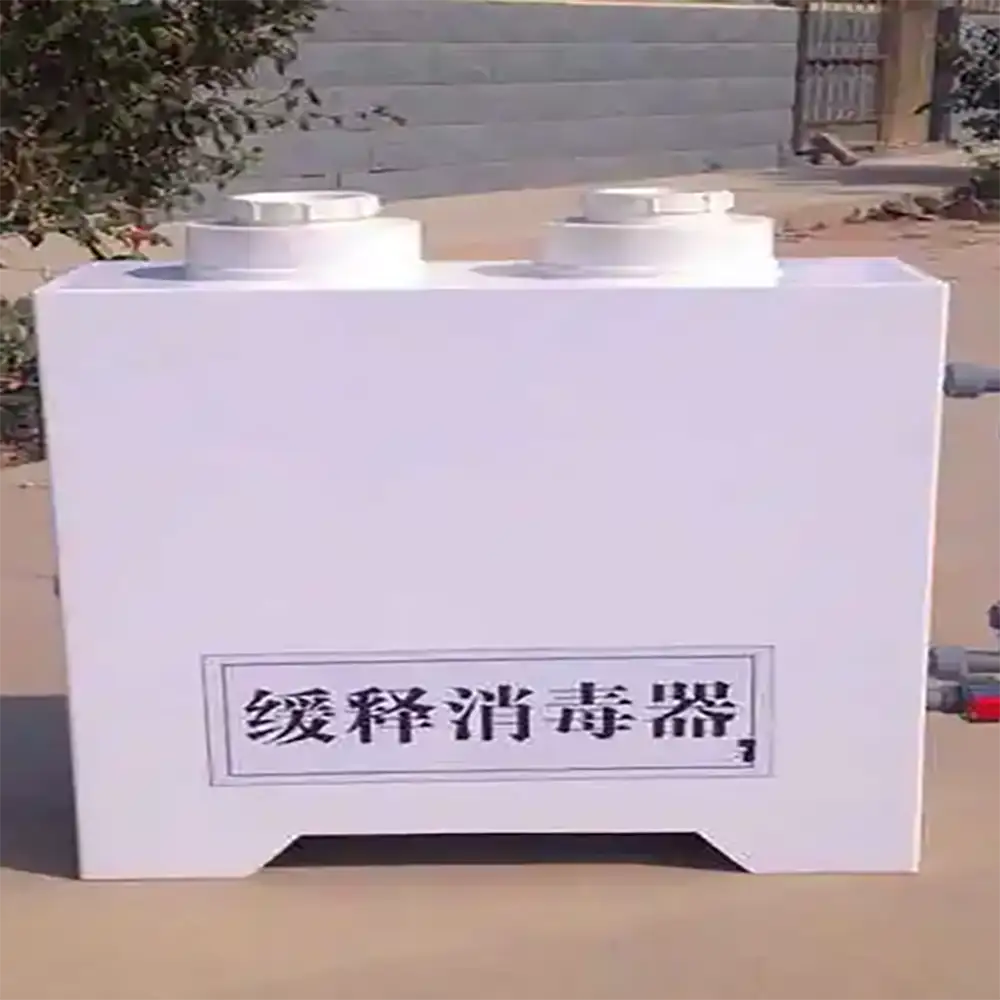
A chemical dosing device is generally designed to move a specific amount of chemical from a storage or preparation tank to a designated injection point.
The basic system may include:
Chemical storage tank
Dosing or metering pump
Suction pipe and foot valve
Discharge pipe
Injection valve
Check valve
Pressure relief valve
Calibration column
Flow meter
Control panel
Level sensor
Chemical containment system
The exact configuration depends on the chemical being handled, required dosing rate, pressure, flow rate and installation environment.
EPA technical specifications for water treatment chemical dosing equipment similarly describe metering pumps, chemical storage and flow-paced control as part of a complete dosing arrangement.
How Does a Dosing Device Work?
The dosing process begins with chemical storage. The treatment chemical is held in a compatible tank or preparation vessel. A dosing pump draws the chemical through the suction line and delivers it through the discharge line toward the process injection point.
The pump controls the quantity of chemical delivered over a defined period. Depending on the equipment, dosing can be manually adjusted or automatically controlled according to flow, pressure, pH, chlorine residual, conductivity, ORP or another process signal.
For example, a flow-paced system can increase or decrease the chemical feed according to the main water or wastewater flow. This approach is useful when process conditions change throughout the day.
Modern digital dosing solutions can also integrate monitoring and control functions to adjust dosing according to changing process requirements.
Dosing Device for Water Treatment
Water treatment plants use chemical dosing devices for many different applications.
Common chemicals include:
Sodium hypochlorite
Chlorine dioxide solution
Ferric chloride
Ferrous sulfate
PAC
Aluminum sulfate
Sodium hydroxide
Hydrochloric acid
Sulfuric acid
Antiscalant
Corrosion inhibitor
Disinfectants
Polymer solutions
A dosing device can feed these chemicals into raw water, clarified water, filtered water or other process streams.
For drinking water treatment, dosing equipment may be used for disinfection, pH adjustment, coagulation and other treatment processes. For industrial water systems, dosing may help control scaling, corrosion and biological growth.
Dosing Device for Wastewater Treatment
Chemical dosing is also widely used in wastewater treatment plants.
In wastewater applications, dosing equipment can support:
Coagulation and Flocculation:
Coagulants and polymers can be dosed before clarification or flotation to assist suspended solids separation.
pH Adjustment:
Acid or alkali can be added to bring wastewater into a suitable pH range for biological or chemical treatment.
Disinfection:
Sodium hypochlorite, chlorine dioxide or other disinfectants can be metered into treated effluent.
Advanced Oxidation:
Hydrogen peroxide and other chemicals may be dosed in oxidation processes such as Fenton treatment.
Sludge Treatment:
Polymer dosing can support sludge conditioning and dewatering.
Chemical dosing systems can therefore be installed at different stages of primary, secondary and tertiary wastewater treatment.
Automatic Chemical Dosing System
An automatic dosing device can connect to the plant PLC or other control system. Sensors provide process information, and the control system adjusts the dosing rate according to programmed parameters.
A typical automatic system may use:
Flow meter
pH sensor
ORP sensor
Chlorine analyzer
Conductivity sensor
Level transmitter
PLC controller
Variable-frequency or electronic dosing control
Alarm system
Automatic control can help reduce manual adjustment and maintain a more stable chemical feed when flow or treatment conditions fluctuate.
For larger water and wastewater installations, duty and standby dosing pumps can also be configured to provide operational redundancy. System design may consider reliability, safety, future capacity expansion and integration with existing plant infrastructure.
Dosing Pump and Metering Pump
The dosing pump is one of the most important components of a dosing device. Common technologies include diaphragm metering pumps, solenoid dosing pumps, mechanical diaphragm pumps, piston pumps and other positive-displacement designs.
The appropriate pump depends on:
Required dosing flow
Discharge pressure
Chemical characteristics
Chemical concentration
Viscosity
Temperature
Required control range
Installation environment
Materials in contact with the chemical should be selected according to chemical compatibility. Common wetted materials may include PVC, PP, PVDF, PTFE, ceramic and stainless steel, depending on the application.
Chemical Injection System
A complete chemical injection system does more than simply pump chemicals. It should provide controlled transfer from storage to the process while minimizing leakage, backflow and operator exposure.
Injection assemblies can include injection quills, check valves, isolation valves, pulsation dampeners, pressure relief valves and calibration equipment.
The injection point should be selected to provide adequate mixing and contact with the process stream. In some applications, a static mixer or dedicated mixing section may be installed downstream of the injection point.
Dosing Skid System
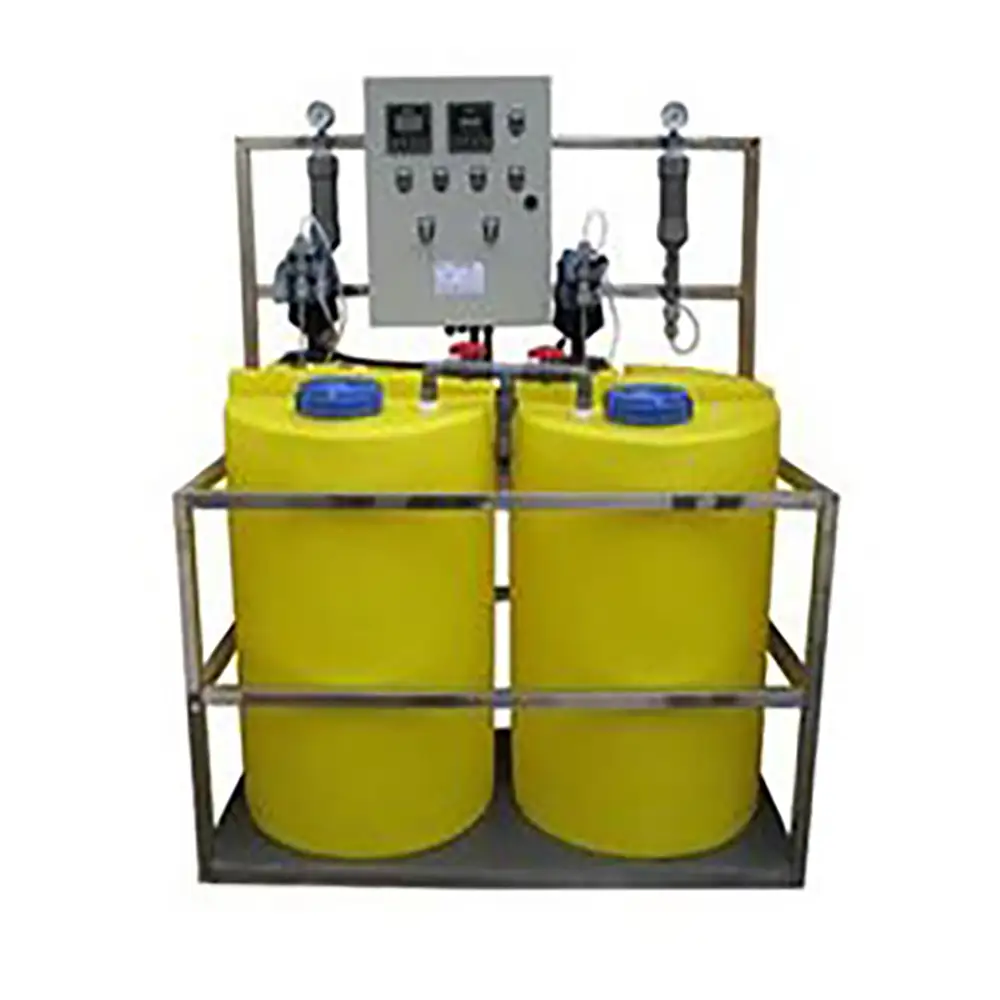
For industrial projects, multiple components can be assembled into a compact dosing skid.
A dosing skid may integrate:
Chemical tank
One or more dosing pumps
Piping
Valves
Flow meters
Pressure gauges
Calibration column
Control cabinet
Safety equipment
Secondary containment
This packaged configuration simplifies installation and allows the chemical dosing system to be tested and configured before delivery. Complete dosing skids are commonly used for water treatment, wastewater treatment and industrial chemical processes.
Dosing Device for Industrial Applications
Industrial plants often require chemical dosing for process control and water quality management.
Typical applications include:
Municipal water treatment
Industrial wastewater treatment
Drinking water treatment
RO pretreatment
Boiler water treatment
Cooling water treatment
Food and beverage processing
Pharmaceutical water treatment
Textile wastewater treatment
Chemical wastewater treatment
Pulp and paper wastewater treatment
Metal finishing wastewater treatment
Reclaimed water treatment
The chemical, dosage and control strategy should always be selected according to actual process conditions and the chemical manufacturer's recommendations.
Maintenance and Operation
Regular maintenance helps maintain reliable dosing performance.
Operators should inspect chemical lines, pump heads, valves, injection points, filters and connections for leakage, blockage or crystallization. Calibration should be checked periodically, especially when accurate chemical feed is critical.
Chemical storage tanks should also be inspected for compatibility, level control and signs of degradation. For automatic systems, sensors and control signals should be checked to ensure that the dosing device responds correctly to process changes.
Why Choose Us
Accurate Chemical Dosing: Designed for controlled and repeatable chemical feed.
Complete Dosing Solutions: Pumps, tanks, valves, piping and controls can be integrated.
Automatic Control: Supports flow-paced and sensor-based dosing strategies.
Wide Chemical Compatibility: Materials can be selected according to the chemical being handled.
Water & Wastewater Applications: Suitable for disinfection, coagulation, pH control, oxidation and other treatment processes.
Flexible Configuration: Single-pump, duty-standby and multi-pump arrangements are available.
Compact Dosing Skids: Integrated packages can simplify installation and commissioning.
Industrial Design: Suitable for continuous-duty water and wastewater treatment applications.
Easy Maintenance: Accessible components and practical system layouts support routine inspection.
Project-Based Engineering: Dosing capacity, pressure, chemical concentration and control method can be selected according to actual process requirements.
Frequently Asked Questions
1. What is a Dosing Device?
A dosing device is equipment designed to accurately feed a controlled quantity of chemical into a water, wastewater or industrial process.
2. Is a Dosing Device the same as a Dosing Pump?
Not always. A dosing pump is the main pumping component, while a complete dosing device or system may include the pump, tank, valves, piping, controls and injection equipment.
3. What chemicals can be dosed?
Depending on the equipment and materials, dosing systems can handle disinfectants, coagulants, polymers, acids, alkalis, antiscalants, corrosion inhibitors and oxidation chemicals.
4. Can a dosing device be used for wastewater treatment?
Yes. Chemical dosing is commonly used for coagulation, flocculation, pH adjustment, disinfection, oxidation and sludge conditioning in wastewater treatment.
5. Can the dosing system operate automatically?
Yes. Automatic systems can use PLC controls and process signals such as flow, pH, ORP or chlorine residual to regulate chemical feed.
6. What is flow-paced dosing?
Flow-paced dosing adjusts the chemical feed according to the flow rate of the main treatment stream. This helps maintain a more consistent chemical-to-water ratio when flow changes.
7. How do I select the right dosing device?
Important factors include chemical type, concentration, required dosing flow, discharge pressure, viscosity, temperature, control requirements and operating hours.
8. What materials are suitable for chemical dosing?
Material selection depends on the chemical. Common options include PVC, PP, PVDF, PTFE, ceramic and stainless steel, but compatibility should be verified for each application.
9. What is a dosing skid?
A dosing skid is a packaged chemical feed system that integrates dosing pumps, tanks, piping, valves, instruments and controls into a coordinated assembly.
10. Can duty and standby dosing pumps be provided?
Yes. Industrial systems can be configured with duty and standby pumps to improve operational flexibility and provide backup capacity.
11. Can a dosing device be integrated with an existing WWTP?
Yes. A dosing system can typically be connected to existing pipelines, process tanks, flow meters, PLC systems and treatment controls after confirming the hydraulic and control requirements.
12. What information is needed for dosing system selection?
Useful information includes chemical name and concentration, required dosing rate, process flow, discharge pressure, chemical temperature, storage requirements, injection location and preferred control method.
Prev:
Sodium Hypochlorite Generator
Next:
Rotary Mechanical Grille
TAG:
Water Treatment Chemical Dosing System,
Chlorine Dioxide Dosing System,
Ferric Chloride Dosing System,
Alum Dosing System,
Acid Dosing System,
Alkali Dosing System,
NaOH Dosing System,
Acid And Alkali Dosing System,
Antiscalant Dosing System,
Corrosion Inhibitor Dosing System,
Biocide Dosing System,
Oxidation Chemical Dosing,
Fenton Chemical Dosing,
Water Disinfection Dosing,
Wastewater Disinfection Dosing,
Coagulation Dosing System,
Flocculation Dosing System,
pH Control Dosing System,
RO Pretreatment Dosing System,
RO Antiscalant Dosing,
Boiler Water Dosing,
Cooling Water Dosing,
Cooling Tower Dosing System,
Industrial Water Treatment Dosing,
Industrial Wastewater Treatment Dosing,
Drinking Water Chemical Dosing,
Process Water Dosing,
Reclaimed Water Dosing,
Water Reuse Dosing System,
Sludge Conditioning Dosing,
Related Category:
Dosing Device,Chemical Dosing Device,Chemical Dosing System,Dosing Pump,Chemical Dosing Pump China, suppliers, manufacturers, factory, customized, wholesale, quotation, made in China