Sodium Hypochlorite Generator for On-Site Water Disinfection
A Sodium Hypochlorite Generator is an on-site disinfection system designed to produce sodium hypochlorite solution from salt, water and electricity. Instead of depending entirely on bulk liquid hypochlorite deliveries, an on-site generation system can produce disinfectant at the treatment facility and feed it directly into water or wastewater processes.
Electrolytic sodium hypochlorite generation commonly uses a prepared brine solution that passes through an electrolytic cell. Electrical current drives the electrochemical reaction and produces a dilute sodium hypochlorite solution for subsequent storage and dosing. EPA technical materials describe on-site systems using sodium chloride, softened or treated water and an electrolytic cell, followed by storage and metering into the treatment stream.
How a Sodium Hypochlorite Generator Works
The basic process starts with salt and water. Sodium chloride is dissolved to prepare brine, which is then supplied to the electrolytic cell. The cell contains specially designed electrodes through which direct current passes. The electrochemical reaction produces hypochlorite-containing disinfectant solution, while hydrogen generated during electrolysis must be safely separated and vented.
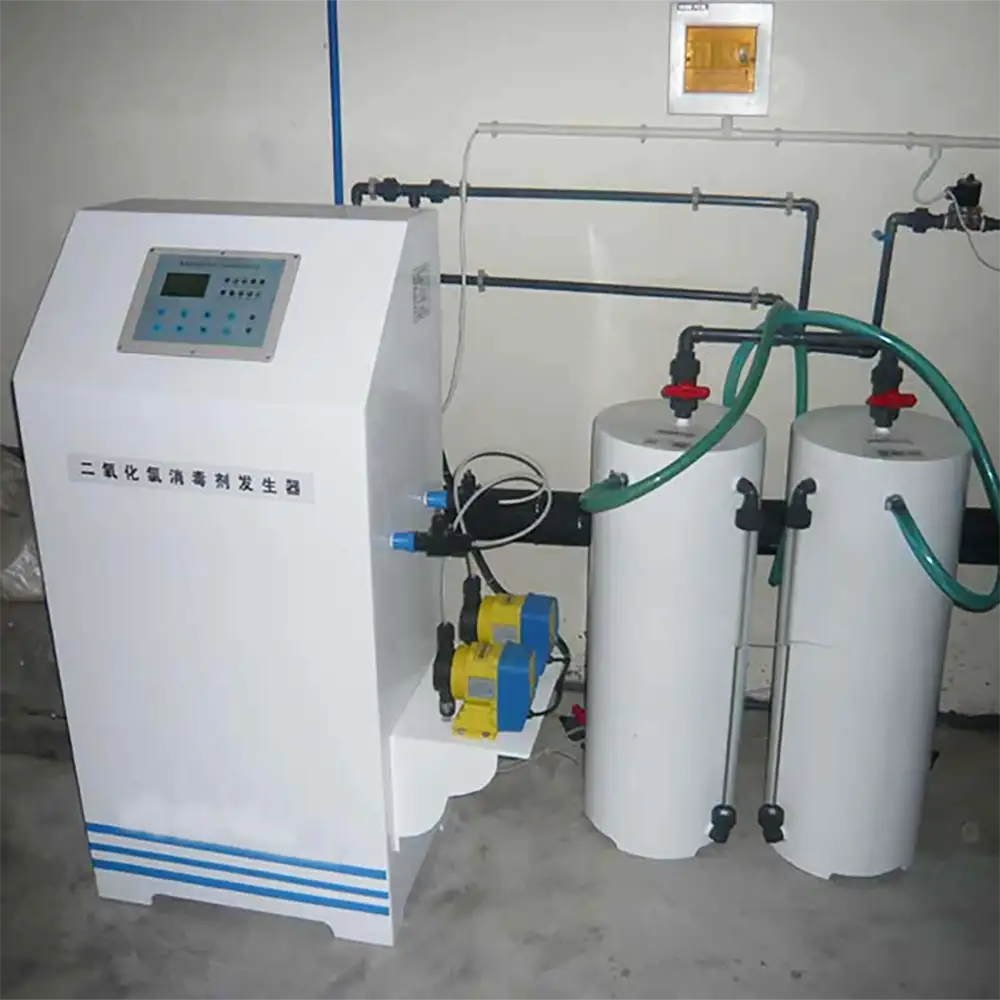
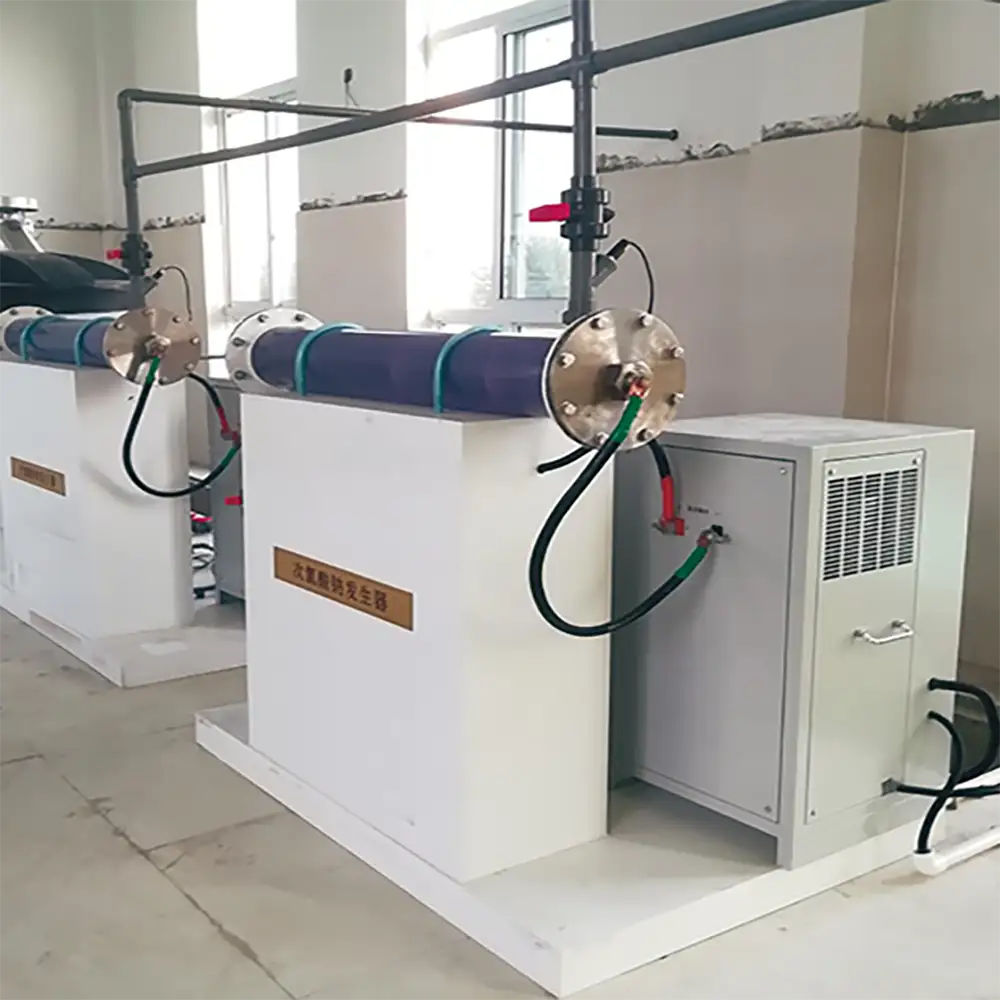
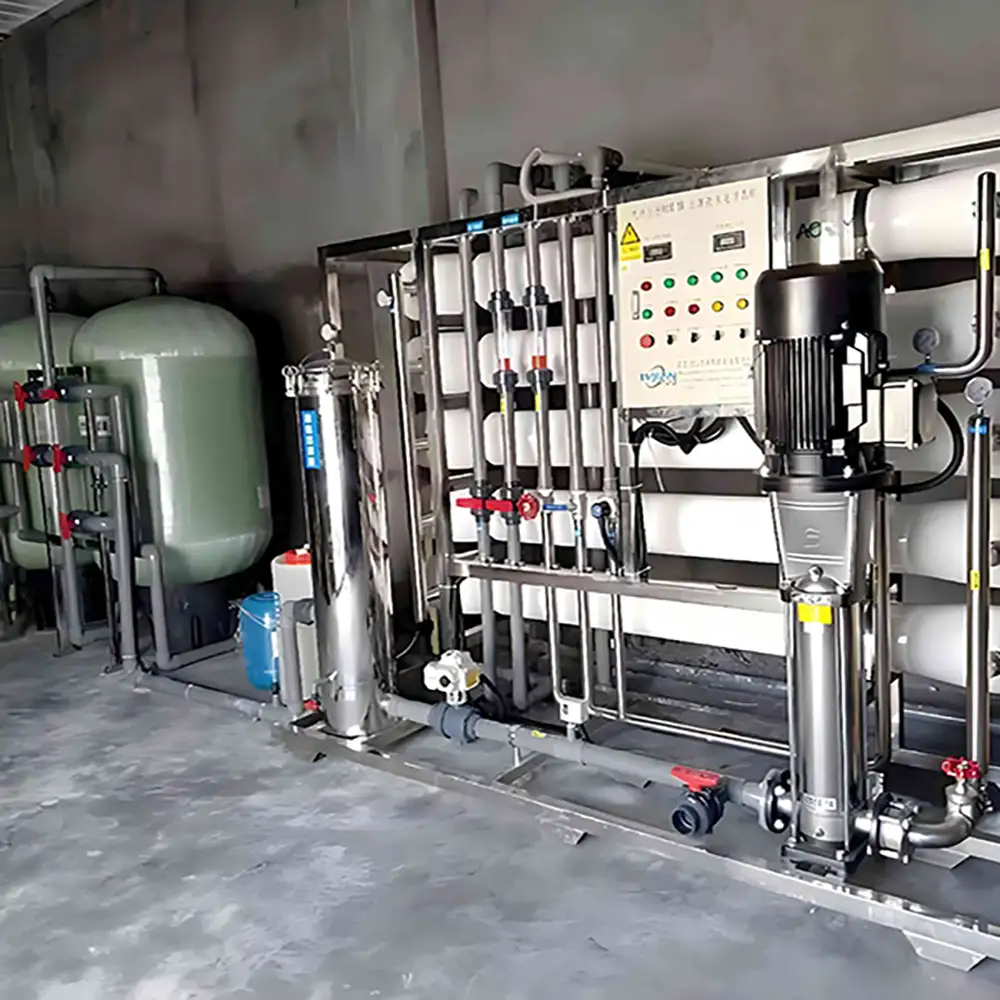
A complete system may include a salt or brine tank, water softening or pretreatment equipment, brine pump, electrolytic cell, power supply, control cabinet, sodium hypochlorite storage tank and chemical dosing pumps. EPA verification documentation for an on-site generation system identifies these types of components, including electrolytic cells, brine preparation, PLC control, storage tanks and metering equipment.
The exact operating concentration, salt consumption, water quality requirements and electrical demand depend on generator design and required production capacity. Therefore, the generator should be selected according to the actual chlorine demand, flow rate, required residual and site conditions.
|
Model NO. |
wzss |
Handling method |
physicochemical treatment |
|
Usage |
Industrial, Home, Agriculture, Hospital, Urban |
Trademark |
|
|
Types |
Package, Compact, Small, Mini |
Features |
Disinfection and purification of water |
|
Craft |
Mechanical removal |
Operation |
Automatic |
|
Service Life |
10 Years |
Function |
Disinfection and purification of water |
|
Steel Plate Thickness |
>4mm |
Installation Type |
aboveground |
|
Voltage |
220V/ 380V/ Customerized |
Use for |
Food factory, slaughterhouse, chemical factory, household waste |
|
Colour |
White customization |
Certificate |
SGS, ISO |
|
Material |
PP PVC |
Specification |
customized |
|
Transport Package |
Container Standard Packing |
Origin |
China |
On-Site Sodium Hypochlorite Generation
One of the main advantages of a Sodium Hypochlorite Generator is the ability to produce disinfectant at the point of use. This can reduce dependence on regular deliveries of commercially manufactured sodium hypochlorite and can simplify chemical supply management.
Commercial sodium hypochlorite solutions gradually lose available chlorine during storage, with degradation influenced by factors such as concentration and temperature. On-site generation can therefore be useful when a facility wants to produce disinfectant closer to the time of application rather than maintaining large inventories of concentrated solution.
For municipal water plants, wastewater treatment plants, industrial facilities and decentralized treatment systems, on-site generation can be configured around the facility's daily disinfectant demand.
Sodium Hypochlorite Generator for Water Disinfection
Sodium hypochlorite is widely used as a chlorine-based disinfectant for water treatment. A generator can supply hypochlorite solution to a dosing system where it is injected into the water stream at a controlled rate.
Applications may include drinking water treatment, process water, reclaimed water, cooling water and other industrial water systems. The appropriate dosage depends on water quality, chlorine demand, contact conditions, target residual and applicable regulations.
For potable water applications, monitoring of free available chlorine and other relevant water-quality parameters is essential. EPA documentation notes that dosage requirements vary with source-water conditions and contamination levels, so generator capacity and dosing should be engineered for the specific application rather than based on a universal dosage.
Wastewater Disinfection Applications
A Sodium Hypochlorite Generator can also be integrated into municipal and industrial wastewater treatment plants for final effluent disinfection.
After biological treatment, clarification, filtration or other required processes, sodium hypochlorite can be dosed into treated effluent to provide microbial inactivation before discharge or reuse. The required process configuration depends on effluent quality, flow variation, contact time, chlorine demand and the required discharge or reuse standard.
On-site hypochlorite generation has been evaluated for wastewater applications, including systems designed to produce sodium hypochlorite electrochemically for disinfection.
Industrial Water Treatment
Industrial facilities often require continuous and controllable disinfection for process water, cooling systems, reclaimed water and wastewater treatment.
A Sodium Hypochlorite Generator can be integrated with automatic chemical dosing equipment to maintain a controlled disinfectant feed. Depending on the project, the system can include flow meters, level sensors, residual chlorine analyzers, PLC controls, automatic alarms and dosing pumps.
Typical applications include food and beverage processing, municipal water treatment, wastewater treatment, cooling-water systems, reclaimed-water treatment and other industrial water applications.
Brine Preparation and Water Quality
Water quality is important for reliable electrolytic generation. Depending on generator design, softened or otherwise conditioned water may be required for brine preparation. Hardness and impurities can contribute to deposits on electrolytic cells and may affect maintenance requirements.
The salt concentration and brine flow should be controlled within the generator's specified operating range. EPA technical documentation of an evaluated system describes brine preparation and water softening as integral parts of the overall on-site generation process.
Automatic Control and Dosing
Modern Sodium Hypochlorite Generator systems can be configured for automatic operation. A PLC control cabinet can coordinate brine preparation, water flow, electrolytic generation, storage-tank levels and dosing requirements.
Automatic operation can reduce routine manual intervention and help maintain stable disinfectant production. Level sensors can signal when additional solution is required, while dosing pumps can transfer generated hypochlorite from the storage tank into the treatment line.
For larger installations, the system can also be designed with multiple generation cells, standby equipment, automatic changeover, remote monitoring and alarm functions.
Safety and Hydrogen Management
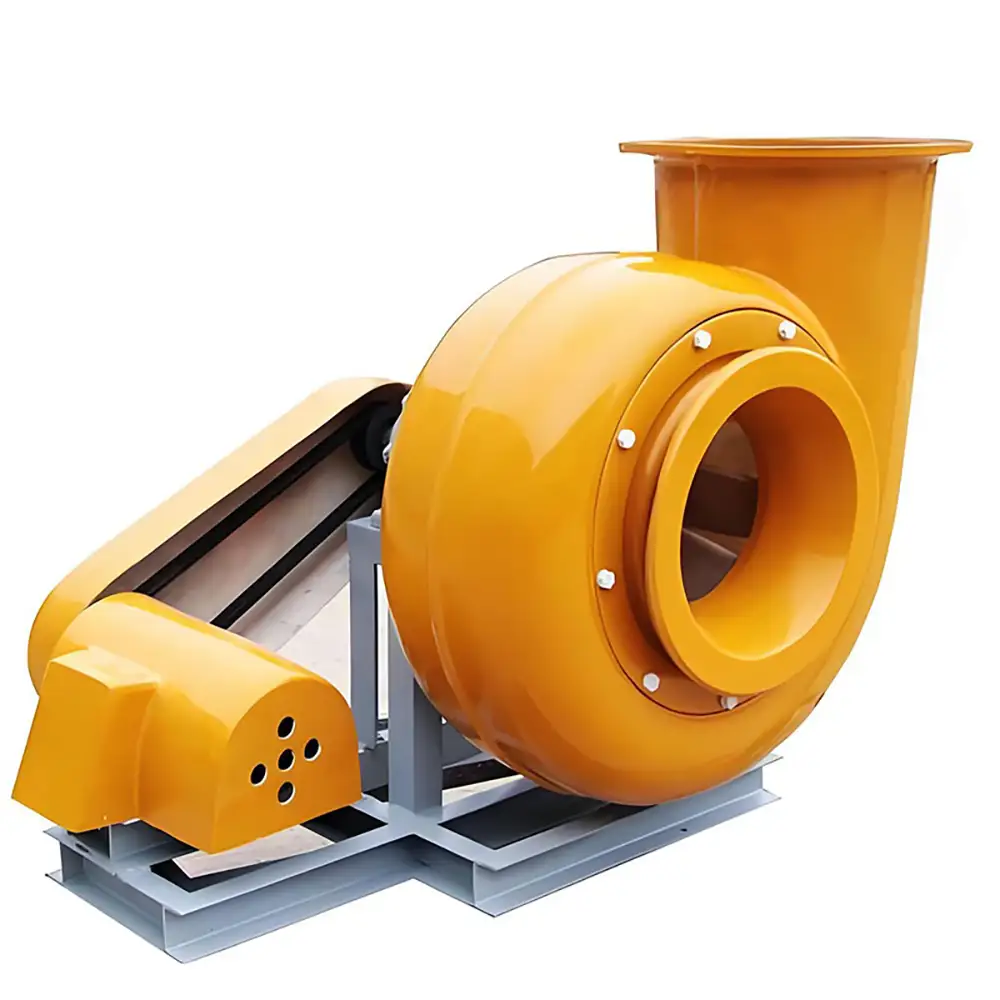
Electrolytic sodium hypochlorite generation involves electrical equipment, brine and chemical oxidants. Hydrogen is also produced during the electrochemical process, so proper gas separation, ventilation and equipment-room design are important.
The generator should be installed according to the manufacturer's engineering requirements and applicable local safety codes. Electrical protection, ventilation, leak management, chemical compatibility and emergency procedures should all be considered during system design.
The EPA-verified ClorTec system, for example, used electrolytic cells designed to separate and vent hydrogen generated during the process.
Storage and Dosing System
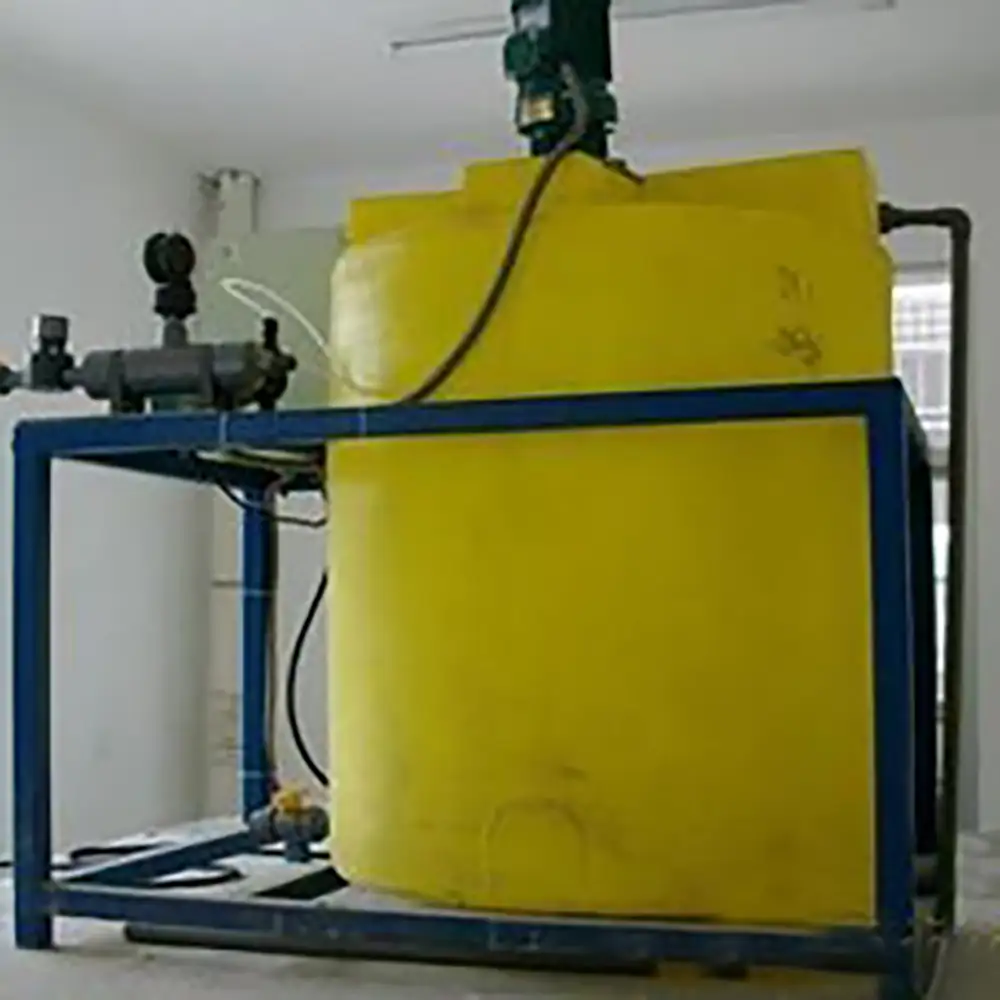
Generated sodium hypochlorite is normally collected in a suitable storage or day tank before being supplied to the treatment process. Storage capacity can be selected according to generator output, operating schedule and required dosing demand.
Short-term storage can provide operational flexibility by allowing the generator to operate on a schedule while the generated solution is consumed as needed. EPA wastewater guidance has also discussed short-term storage as an option for onsite hypochlorite generation systems.
Why Choose Us
On-Site Generation: Produce sodium hypochlorite at the treatment facility using salt, water and electricity.
Electrolytic Technology: Designed around controlled electrochemical hypochlorite generation.
Automatic Operation: PLC-based control can coordinate generation, storage and dosing.
Flexible Capacity: Generator configuration can be selected according to treatment flow and disinfectant demand.
Integrated System Design: Brine preparation, electrolytic cells, storage and dosing can be configured as one treatment package.
Industrial Applications: Suitable for municipal water, wastewater, process water, reclaimed water and industrial disinfection.
Reduced Chemical Delivery Dependence: On-site generation can simplify disinfectant supply management.
Engineering Support: System configuration can be based on water quality, flow rate, chlorine demand and operating conditions.
Safety-Oriented Design: Hydrogen separation, ventilation, electrical protection and chemical handling can be incorporated into the system design.
Easy Integration: The generator can be connected with dosing pumps, flow meters, residual analyzers and existing treatment controls.
Frequently Asked Questions
1. What is a Sodium Hypochlorite Generator?
A Sodium Hypochlorite Generator is equipment that produces sodium hypochlorite disinfectant on site, typically through the electrolysis of salt brine.
2. How does a sodium hypochlorite generator work?
Salt is dissolved in water to create brine. The brine passes through an electrolytic cell where electrical current drives an electrochemical reaction that produces sodium hypochlorite solution.
3. What raw materials are required?
Typical systems use sodium chloride, suitable water and electricity. Depending on the system, water softening or additional pretreatment may also be required.
4. Can it be used for drinking water?
Yes. On-site sodium hypochlorite generation is used for water disinfection applications, provided the complete system is designed and operated according to applicable drinking-water requirements.
5. Can it disinfect wastewater?
Yes. Sodium hypochlorite can be used for wastewater disinfection, including final effluent treatment, when the process is appropriately designed for the wastewater characteristics and required disinfection level.
6. What is the difference between purchased hypochlorite and on-site generation?
Purchased hypochlorite is manufactured elsewhere and delivered to the site, while an on-site generator produces hypochlorite at the treatment facility.
7. Does the generator produce chlorine gas?
The exact electrochemical configuration varies by technology. Some electrolytic systems form chlorine intermediates within the cell and subsequently generate hypochlorite solution. Proper hydrogen separation and ventilation are important system-design considerations.
8. Does water hardness affect the generator?
It can. Hardness and other impurities may contribute to deposits on electrolytic components, so appropriate water pretreatment may be required depending on generator design.
9. Can the system operate automatically?
Yes. PLC controls, level sensors, flow controls and dosing equipment can be integrated for automatic operation.
10. How is generated sodium hypochlorite dosed?
The generated solution can be stored in a day tank or storage tank and then transferred through chemical metering pumps into the water or wastewater treatment line.
11. What industries use sodium hypochlorite generators?
Applications include municipal water treatment, wastewater treatment, food processing, industrial process water, cooling-water treatment and reclaimed-water disinfection.
12. How should generator capacity be selected?
Capacity should be determined from treatment flow, chlorine demand, required residual, operating hours, water quality and the specific disinfection objective. A project-specific calculation is recommended before equipment selection.
Prev:
Electrolytic Chlorine Dioxide Generator
Next:
Dosing Device
TAG:
Water Disinfection System,
Industrial Water Disinfection Equipment,
Water Disinfection Equipment,
Cooling Water Disinfection,
Wastewater Disinfection System,
Industrial Wastewater Disinfection,
Industrial Water Disinfection System,
Process Water Disinfection,
Industrial Water Disinfection,
Water Sterilization System,
Sodium Hypochlorite Dosing System,
Hypochlorite Odor Control,
Chlorine Residual Control,
Free Chlorine Dosing System,
Automatic Chlorine Dosing System,
Chlorine Dosing Equipment,
Chlorine Injection System,
Chlorine Metering System,
On-Site Chlorine Generation,
On-Site Chlorine Generation System,
On-Site Chlorination System,
Hospital Wastewater Disinfection,
Medical Wastewater Disinfection,
Food Processing Water Disinfection,
Food Processing Wastewater Disinfection,
Wastewater Odor Control,
Municipal Wastewater Disinfection,
Industrial Wastewater Treatment Disinfection,
Industrial Sewage Treatment Disinfection,
Sodium Hypochlorite Oxidation,
Related Category:
Sodium Hypochlorite Generator,On-Site Sodium Hypochlorite Generator,Electrolytic Sodium Hypochlorite Generator China, suppliers, manufacturers, factory, customized, wholesale, quotation, made in China