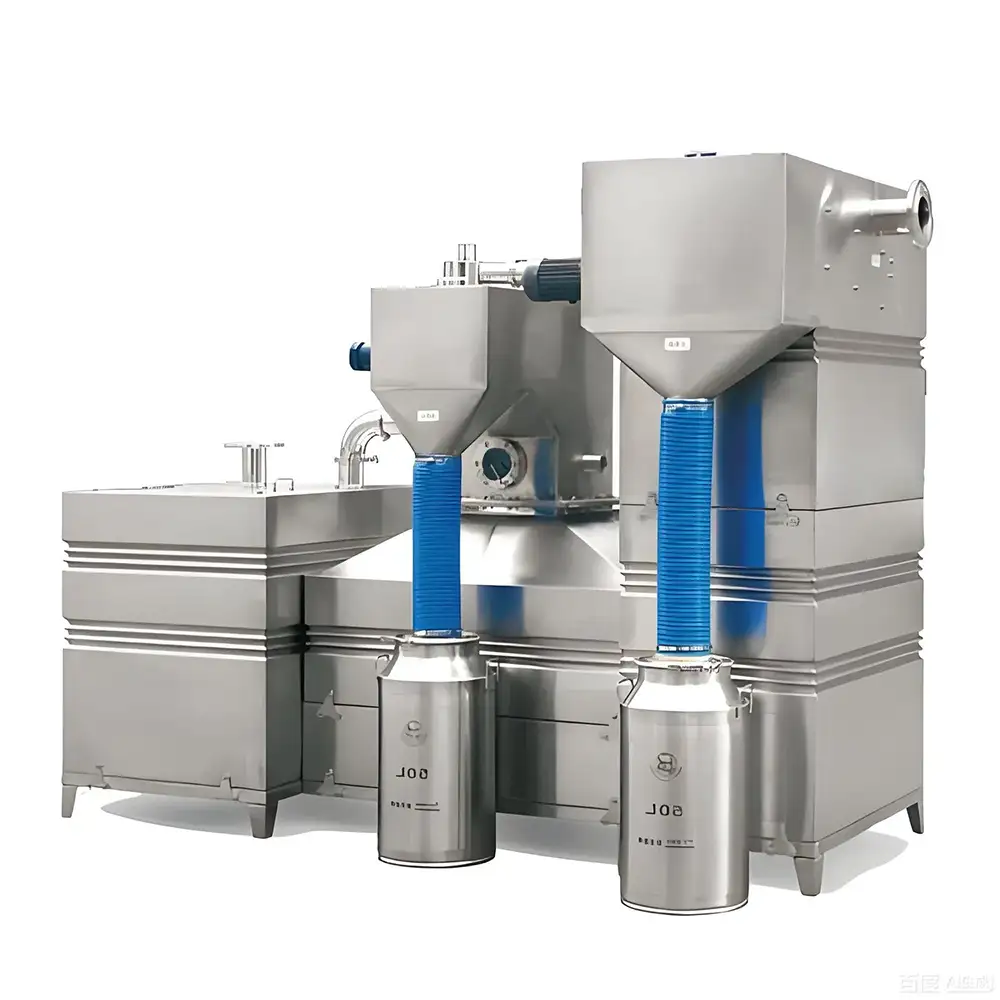
Integrated Sewage Treatment Equipment for Domestic and Decentralized Wastewater Treatment
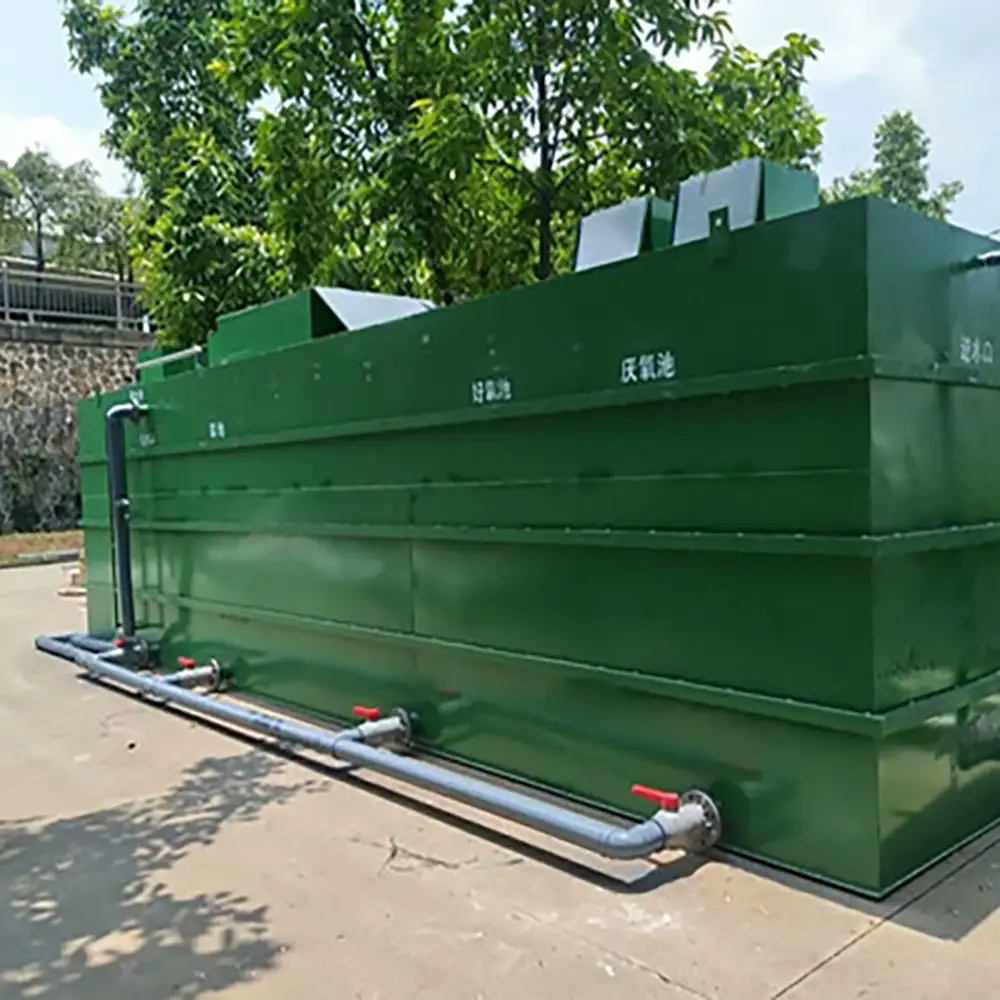
Integrated sewage treatment equipment is designed to provide a compact and practical solution for domestic wastewater, residential sewage, commercial facilities, rural communities and decentralized wastewater treatment applications. By combining multiple treatment stages within an integrated system, this type of equipment can reduce installation space, simplify process management and provide a complete wastewater treatment solution in locations where a centralized sewer connection may not be available.
Integrated sewage treatment systems can be configured according to wastewater flow, pollutant concentration, site conditions, discharge requirements and intended water reuse objectives. Depending on the application, the treatment process may combine screening, equalization, biological treatment, sedimentation, filtration and disinfection.
The U.S. EPA recognizes decentralized wastewater treatment systems as onsite or clustered systems used to collect, treat and disperse or reclaim wastewater from individual properties, businesses and small communities. Package plants are among the treatment configurations used in decentralized applications.
What Is Integrated Sewage Treatment Equipment?
Integrated sewage treatment equipment combines several wastewater treatment processes into one coordinated treatment unit or modular plant.
A typical process may include:
Inlet Screening → Equalization → Biological Treatment → Solid-Liquid Separation → Disinfection → Treated Effluent
The exact process is not universal. Some projects may require only biological treatment and disinfection, while others may require additional pretreatment, filtration, nutrient removal or advanced treatment.
The purpose of an integrated system is to provide multiple treatment functions within a relatively compact footprint while simplifying equipment arrangement and operation.
Domestic Sewage Treatment
Domestic sewage is typically generated by toilets, bathrooms, kitchens, laundry facilities and other household activities. It generally contains suspended solids, biodegradable organic matter, nutrients, grease and microorganisms.
Integrated sewage treatment equipment can be used for:
Residential Communities
Rural Houses
Villas
Hotels
Guesthouses
Schools
Worker Dormitories
Construction Camps
Scenic Areas
Small Commercial Buildings
Remote Facilities
The treatment capacity can be selected according to the expected daily wastewater flow and peak hydraulic loading.
For properties without centralized sewer service, onsite or decentralized wastewater treatment can provide treatment close to the wastewater source. EPA notes that decentralized systems are commonly used for homes and businesses located outside centralized sewer service areas.
Biological Treatment Process
Biological treatment is often the core treatment stage in an integrated sewage treatment plant.
After preliminary treatment, wastewater enters a biological reactor where microorganisms break down biodegradable organic matter. Depending on the system design, different biological technologies can be used, including:
MBBR
SBR
Activated Sludge
Contact Oxidation
Aerobic Biofilm Treatment
MBBR systems use suspended biological carriers to provide surface area for microorganisms. SBR systems use controlled treatment cycles that can combine biological reaction and settling within a reactor.
The appropriate biological process depends on wastewater characteristics, hydraulic loading, organic loading, temperature, available space and required effluent quality.
Equalization and Pretreatment
Equalization can help stabilize wastewater flow and pollutant concentration before biological treatment.
This can be particularly useful for facilities with variable wastewater generation. For example, schools, hotels, restaurants, camps and commercial buildings may experience significant differences between daytime and nighttime wastewater flows.
Pretreatment may include mechanical screening, grease removal or sedimentation depending on the wastewater source.
Removing larger solids and other interfering materials before biological treatment can help protect downstream equipment and improve process stability.
Solid-Liquid Separation
Following biological treatment, suspended biological solids need to be separated from the treated water.
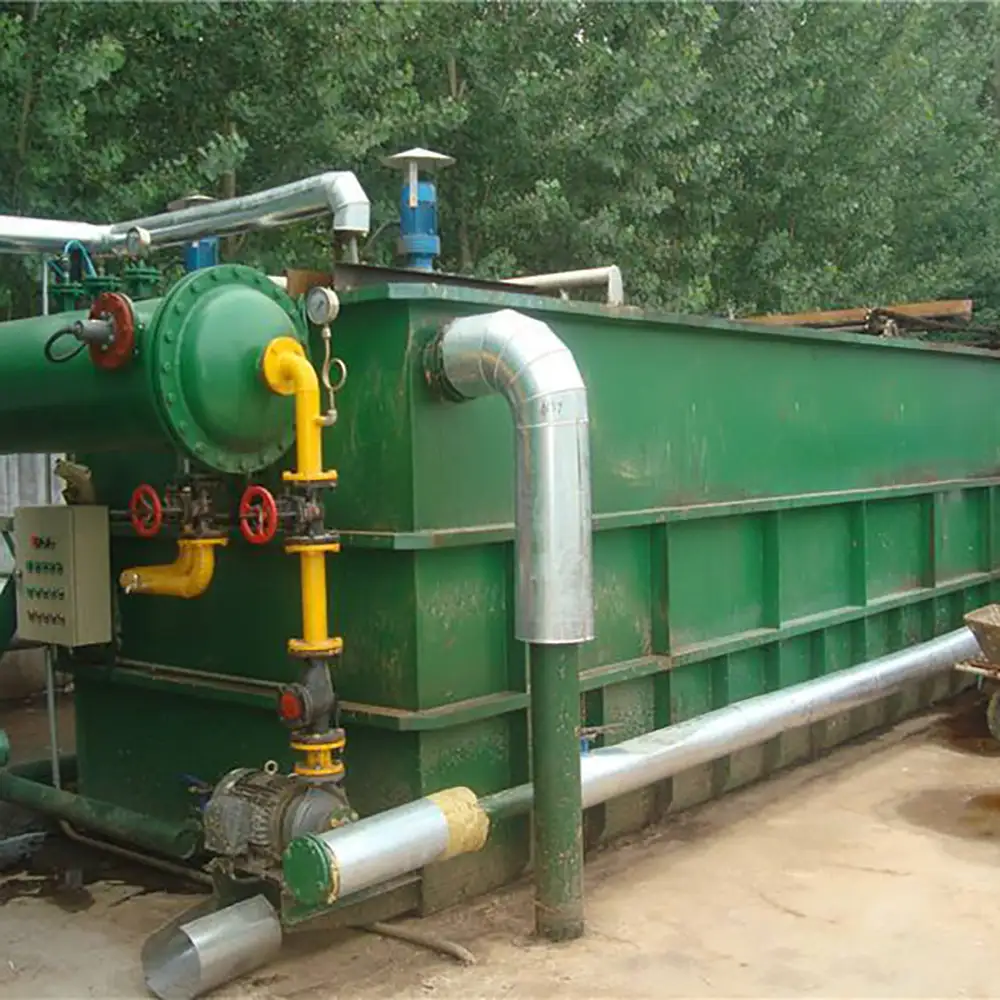
Integrated systems may use sedimentation tanks, clarifiers or other solid-liquid separation technologies.
Settled sludge can be returned to the biological process where required, while excess sludge can be periodically removed for further handling.
Proper hydraulic design is important because short-circuiting, excessive hydraulic loading or poor sludge management can negatively affect treatment performance.
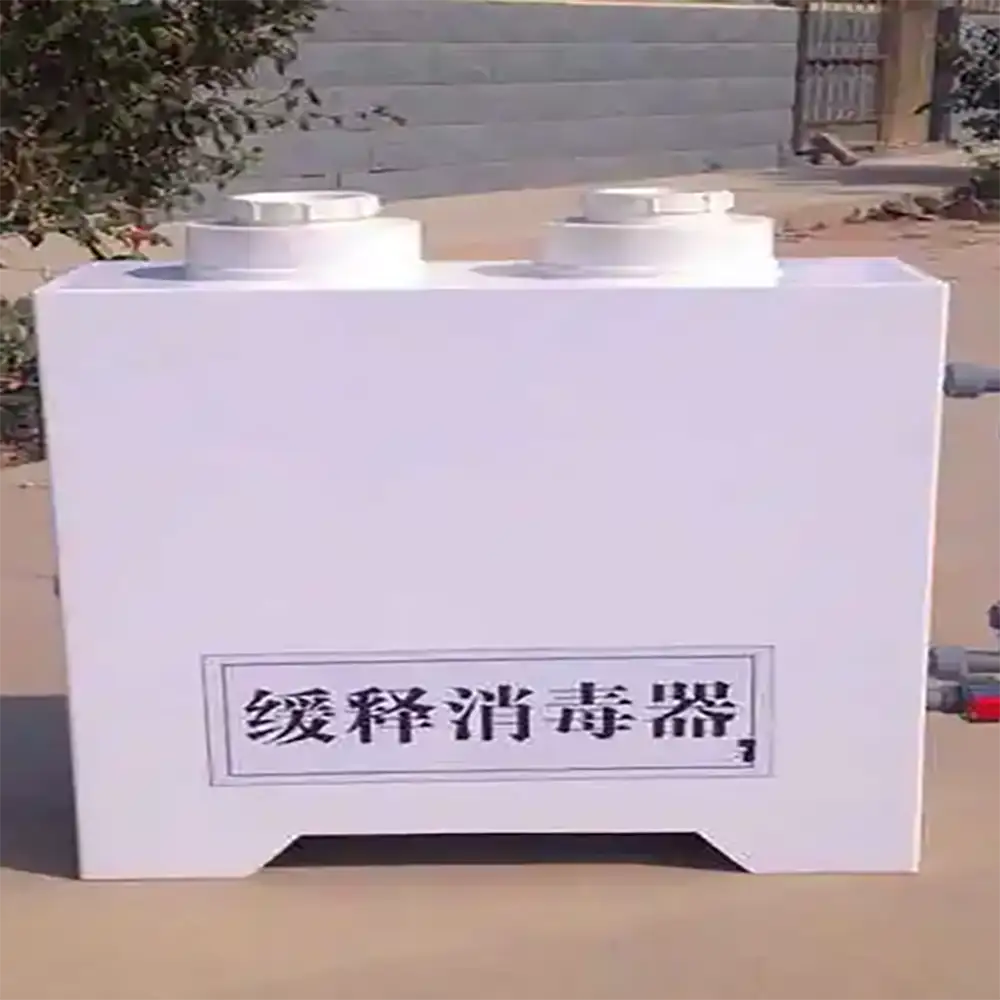
Disinfection
Disinfection can be incorporated as a final treatment stage when required by the discharge or reuse objective.
Depending on the application, possible technologies include:
Chlorination
Sodium Hypochlorite Disinfection
Chlorine Dioxide
Ultraviolet Disinfection
Ozone Treatment
The appropriate method depends on wastewater quality, suspended solids, organic loading, target microorganisms, contact conditions and applicable regulations.
EPA identifies treatment and disinfection as components that may be incorporated into advanced onsite and decentralized wastewater systems.
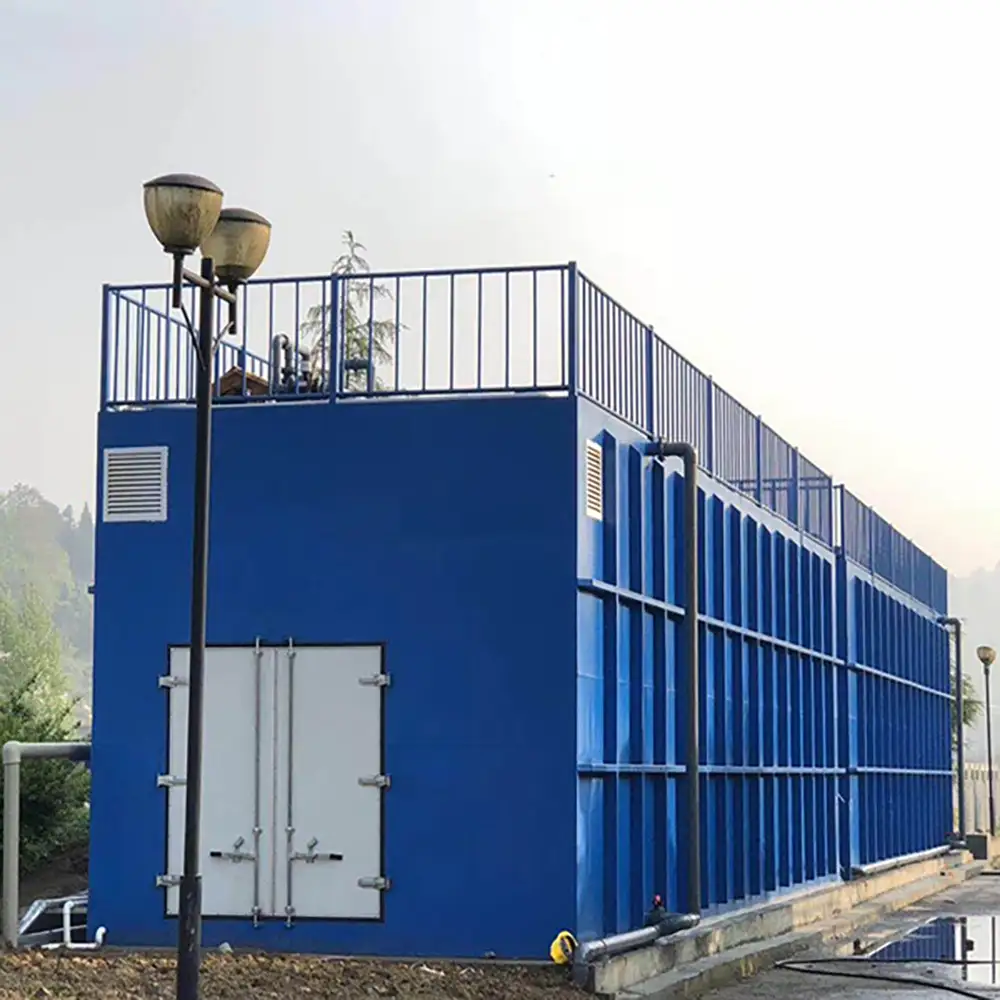
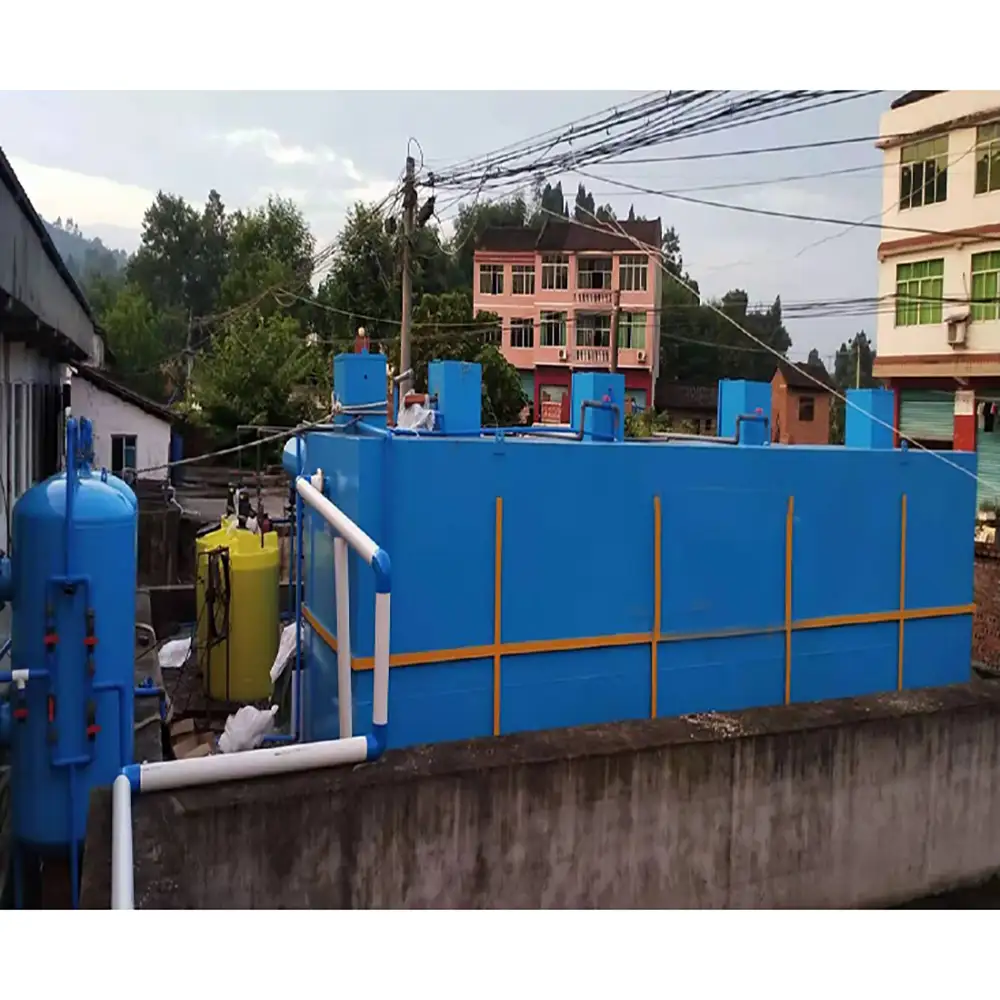
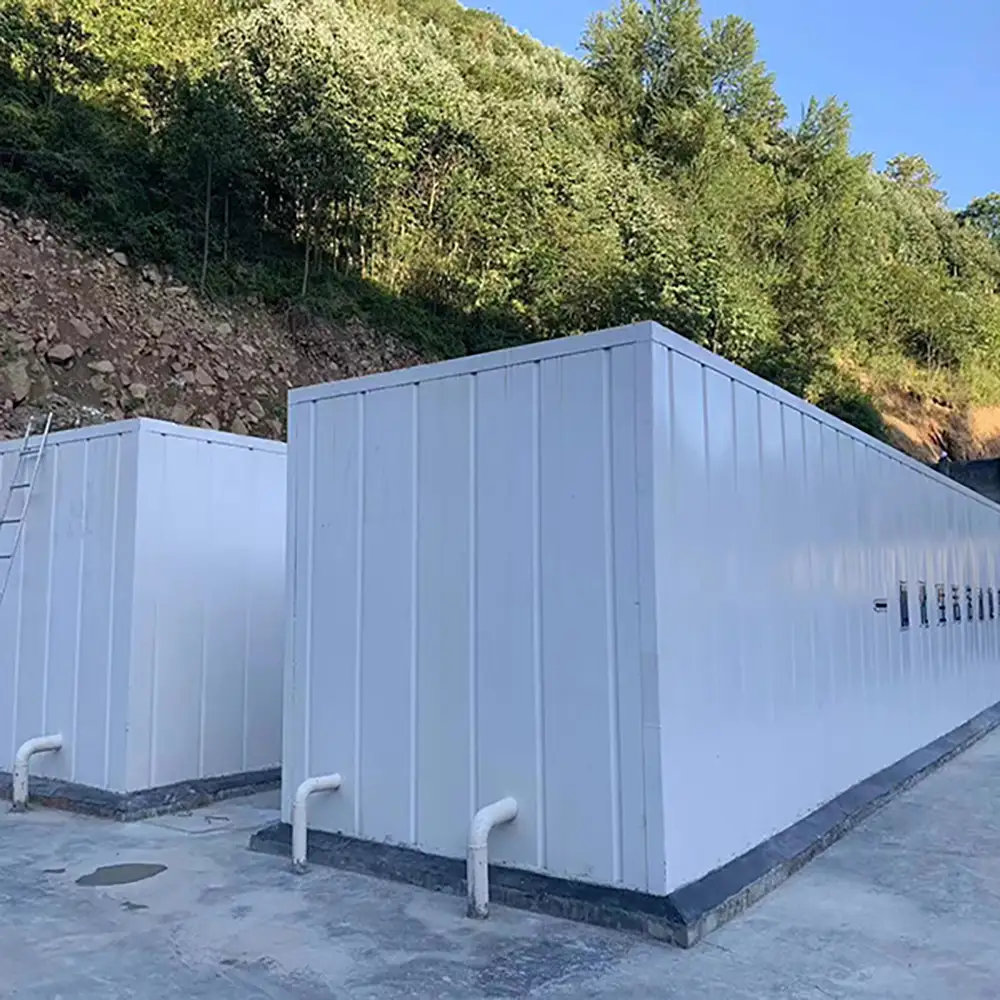
Compact Package Wastewater Treatment Plant
One major advantage of integrated sewage treatment equipment is its compact configuration.
Instead of installing separate treatment structures for every process, multiple treatment stages can be combined within a package unit or modular system.
This can be useful where available land is limited. Compact systems can also simplify transportation, installation and equipment arrangement.
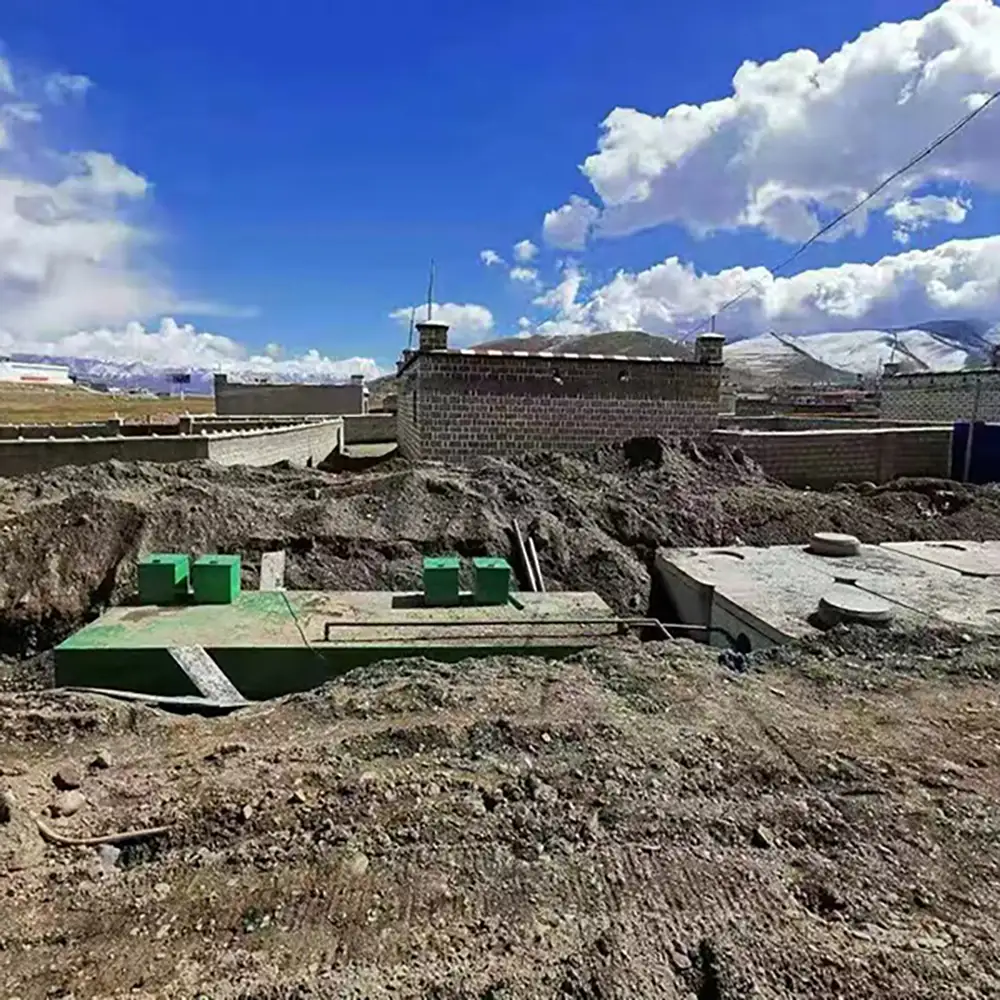
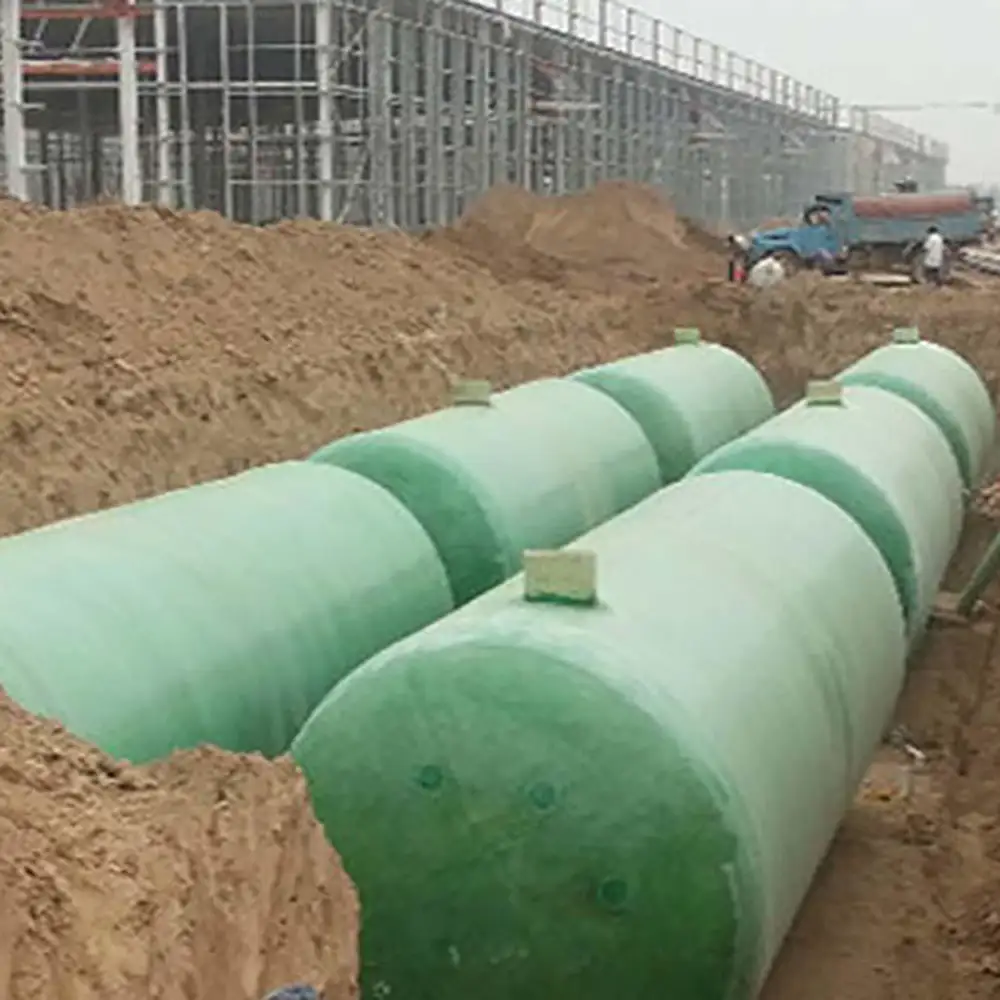
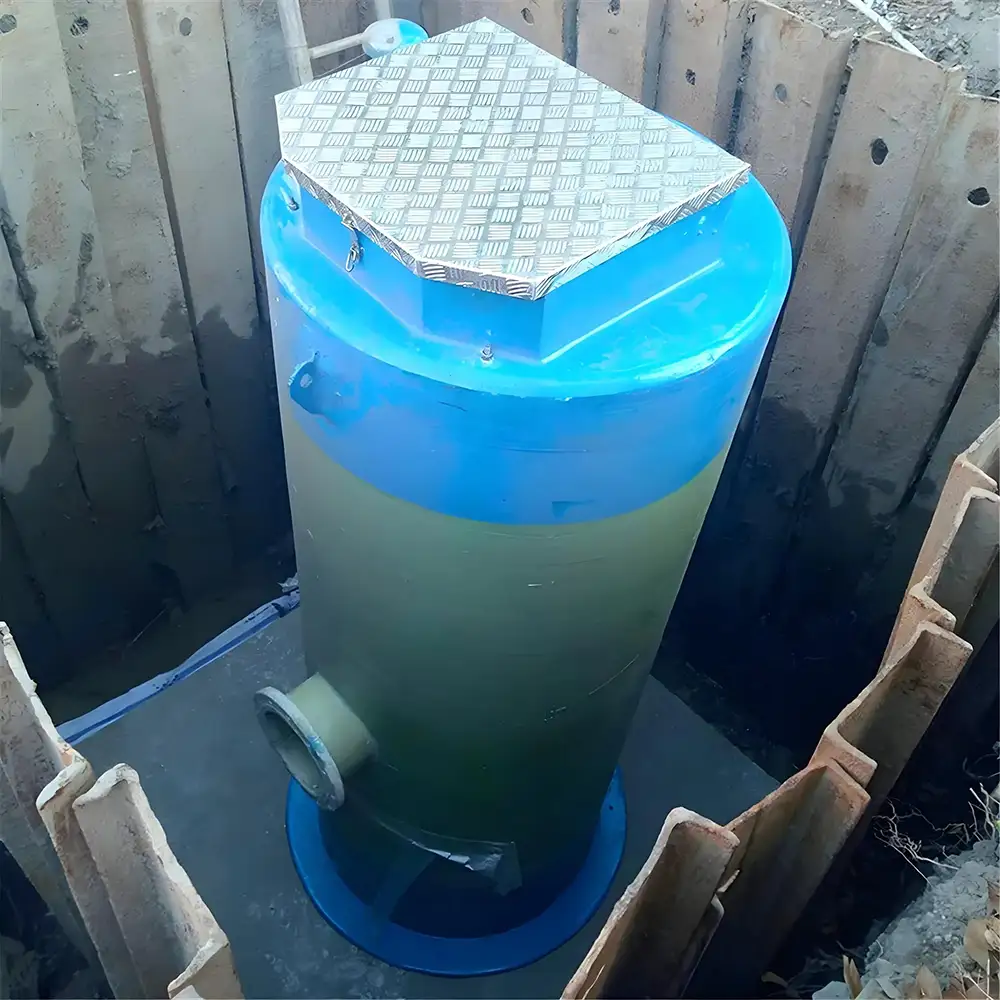
Depending on the design, integrated wastewater treatment equipment can be installed above ground, partially underground or completely buried when appropriate engineering conditions are met.
Decentralized Wastewater Treatment Applications
Decentralized wastewater treatment provides an alternative to centralized wastewater infrastructure for individual properties, clusters of buildings and smaller communities.
An integrated package plant can collect and treat wastewater close to its source. EPA describes decentralized wastewater systems as systems serving individual homes, businesses, clusters and small communities, with treatment occurring near the point where wastewater is generated.
Typical applications include rural residential areas, remote facilities, small communities, hotels, schools, camps and commercial properties.
Commercial and Institutional Applications
Integrated sewage treatment equipment is also suitable for many commercial and institutional facilities.
Hotels and resorts may require treatment for wastewater from guest rooms, kitchens, laundry areas and bathrooms. Schools and dormitories may generate primarily domestic-type sewage but with strong daily flow variations.
Construction camps and temporary facilities may benefit from modular systems that can be transported and installed according to changing site requirements.
For these applications, treatment capacity should consider average flow, peak flow and seasonal occupancy.
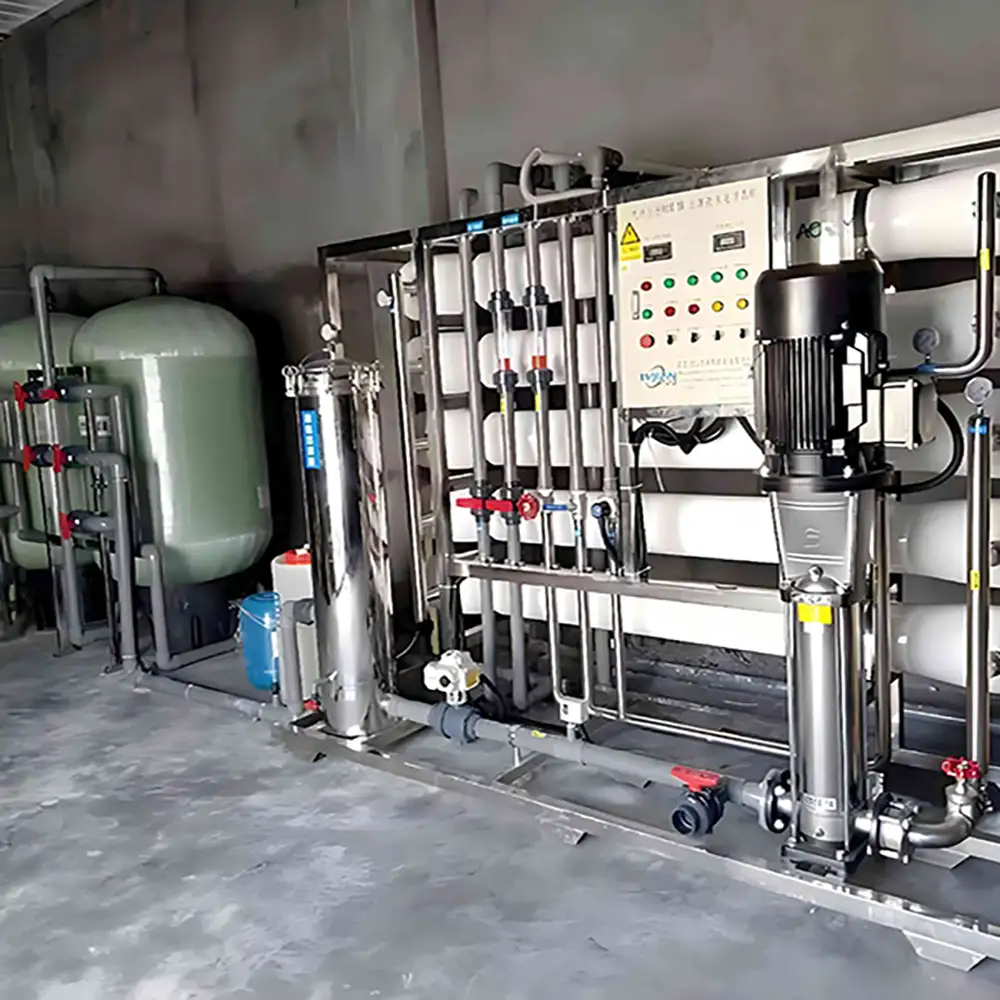
Advanced Treatment Options
Some projects require treatment beyond conventional biological sewage treatment.
Depending on the wastewater quality and discharge or reuse requirements, additional technologies may include:
Sand Filtration
Multimedia Filtration
Activated Carbon
Ultrafiltration
Reverse Osmosis
Advanced Oxidation
Nutrient Removal
EPA notes that decentralized systems can include advanced treatment components beyond conventional septic treatment, depending on site and performance requirements.
Advanced treatment should be selected based on actual wastewater characteristics and the required effluent quality rather than added automatically to every system.
Sludge Management
Integrated sewage treatment plants generate sludge during sedimentation and biological treatment.
Sludge management may include periodic withdrawal, thickening, dewatering, storage and final disposal or beneficial use where permitted.
The appropriate sludge management method depends on sludge characteristics, treatment capacity, local regulations and available disposal or utilization options.
Regular sludge management is important because excessive accumulation can reduce effective treatment volume and interfere with system operation.
Automation and Control
Integrated wastewater treatment equipment can be equipped with automatic control systems to manage pumps, blowers, aeration equipment, dosing systems and disinfection units.
Monitoring instruments may include:
pH Sensors
Dissolved Oxygen Sensors
Flow Meters
Level Sensors
Pressure Sensors
Pump Status Monitoring
Automatic controls can help maintain stable operating conditions and simplify routine operation.
Installation and Maintenance
Before installation, the site should be evaluated for wastewater flow, soil conditions, groundwater, available space, electrical supply, access for maintenance and final effluent management.
EPA emphasizes that proper siting, design, installation, operation and maintenance are important for the performance of decentralized wastewater systems.
Routine maintenance may include inspection of pumps, blowers, screens, aeration equipment, dosing systems, filters and electrical controls.
Operators should also monitor sludge levels and maintain access points so that inspection and servicing can be performed safely.
Why Choose Us
Our integrated sewage treatment equipment is designed to provide a practical solution for domestic and decentralized wastewater treatment projects.
We can configure integrated systems for residential communities, rural properties, hotels, schools, camps, commercial buildings and other facilities generating domestic-type wastewater.
Available process configurations can include screening, equalization, biological treatment, sedimentation, filtration and disinfection.
Compact package construction can help reduce installation requirements and simplify equipment integration. Modular designs can also be adapted to different treatment capacities and site conditions.
We focus on selecting a treatment process based on actual wastewater characteristics, flow rate, site conditions and required effluent quality.
For projects involving strict discharge standards, water reuse or unusual wastewater characteristics, wastewater analysis and appropriate process testing should be considered before final system selection.
FAQs
1. What is integrated sewage treatment equipment?
Integrated sewage treatment equipment combines multiple wastewater treatment processes into one coordinated package or modular system for treating sewage close to its source.
2. What wastewater can this system treat?
It is mainly designed for domestic and domestic-type wastewater from homes, residential communities, hotels, schools, camps, commercial buildings and similar facilities.
3. Is integrated sewage treatment the same as a septic tank?
No. A septic tank primarily provides settling and preliminary treatment, while an integrated treatment plant can include biological treatment, clarification, filtration and disinfection.
4. Can this system be used for rural areas?
Yes. Integrated package plants can be used for rural and decentralized wastewater treatment where centralized sewer infrastructure is unavailable or impractical.
5. What biological technologies are available?
Depending on the project, MBBR, SBR, activated sludge, contact oxidation and other aerobic biological treatment processes can be considered.
6. Can the system remove BOD and COD?
Biological treatment can reduce biodegradable organic matter and associated BOD and COD. Actual performance depends on wastewater characteristics and process design.
7. Does the system include disinfection?
A disinfection stage can be integrated when required. Chlorination, chlorine dioxide, UV, ozone or other appropriate technologies may be considered.
8. Can the equipment be installed underground?
Some integrated systems can be designed for buried or partially underground installation, subject to structural, groundwater, access and local engineering requirements.
9. Can treated wastewater be reused?
Potentially. Additional filtration, membrane treatment and disinfection may be required depending on the intended reuse application and applicable water-quality requirements.
10. How is the treatment capacity determined?
Capacity is normally determined from average and peak wastewater flow, pollutant loading, population served, operating hours and required effluent quality.
11. Does integrated sewage treatment equipment require regular maintenance?
Yes. Pumps, blowers, aeration equipment, screens, dosing systems, disinfection units, controls and sludge levels should be inspected and maintained according to the system design.
12. Can the integrated wastewater treatment plant be customized?
Yes. Treatment capacity, biological process, tank arrangement, filtration, disinfection, automation and installation configuration can be selected according to project requirements.
Prev:Sorry, no information
Next:
Ground Integrated Equipment
TAG:
Integrated Wastewater Treatment System,
Biological Wastewater Treatment System,
Biological Wastewater Treatment Equipment,
Decentralized Wastewater Treatment,
Onsite Wastewater Treatment,
Compact Wastewater Treatment Plant,
MBBR Wastewater Treatment,
Biological Wastewater Treatment,
Package Sewage Treatment Plant,
Decentralized Sewage Treatment System,
Onsite Wastewater Treatment System,
Integrated Wastewater Treatment Equipment,
Integrated Sewage Treatment System,
Integrated Sewage Treatment Equipment,
SBR Wastewater Treatment,
Aerobic Wastewater Treatment,
Aerobic Sewage Treatment,
MBBR Sewage Treatment,
MBBR Wastewater Treatment System,
MBBR Sewage Treatment System,
Decentralized Wastewater Treatment System,
Decentralized Sewage Treatment,
Onsite Sewage Treatment System,
Onsite Sewage Treatment,
Residential Wastewater Treatment Equipment,
Domestic Sewage Treatment Plant,
Domestic Wastewater Treatment Plant,
Domestic Wastewater Treatment System,
Residential Wastewater Treatment,
Residential Sewage Treatment,
Related Category:
Integrated Sewage Treatment Equipment,Integrated Wastewater Treatment System,Integrated Sewage Treatment System China, suppliers, manufacturers, factory, customized, wholesale, quotation, made in China